

Gamma Knife Treatment in India for Uzbek Patients
A practical guide to planning Gamma Knife treatment in India — a brain-specific, usually single-session radiosurgery option — what it costs compared with Western countries, and how it differs from other advanced radiation options.
If a neurosurgeon has mentioned Gamma Knife, one fact is worth understanding right away: it treats the brain only, and usually in a single session. It is one of the oldest and most established forms of stereotactic radiosurgery, delivering precisely focused radiation to a small target inside the skull without any incision. Across more than two decades of guiding patients from Uzbekistan to treatment in India, the questions I hear most about this option are: Is Gamma Knife suitable for my specific condition? How is it different from other radiation options? What will it really cost? And is it painful? This guide answers each plainly. It does not replace your neurosurgeon's advice — it is meant to help you understand the option clearly.
Healing Journeys of Uzbek Patients
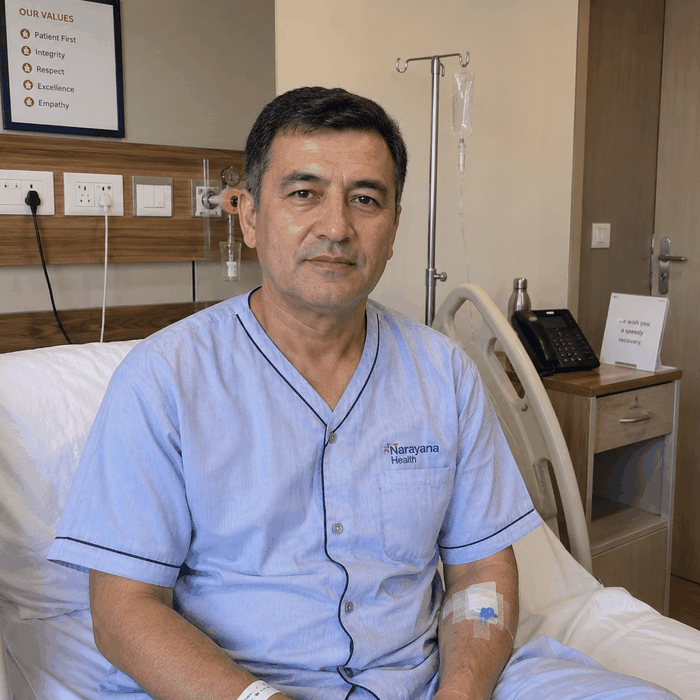
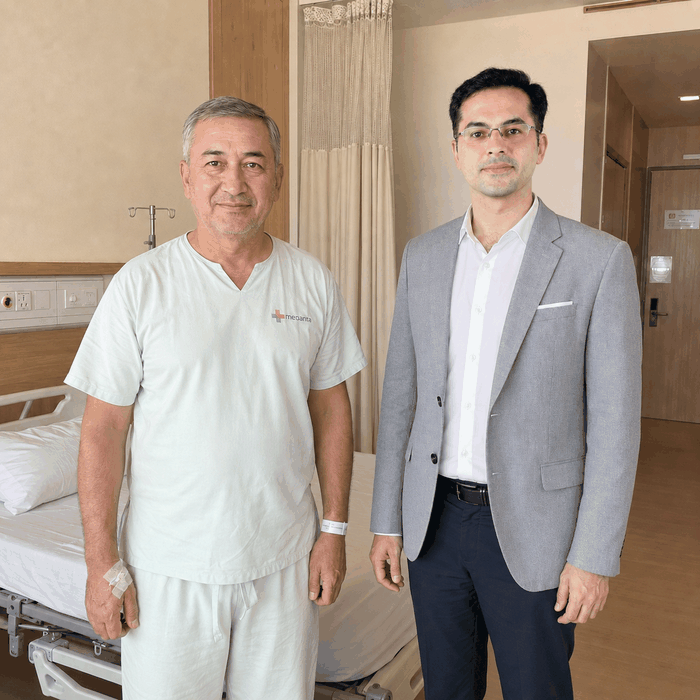
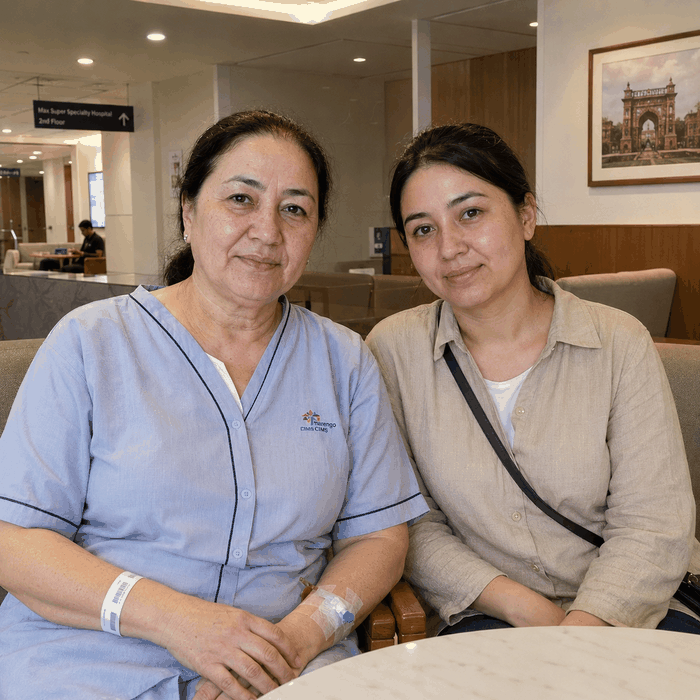
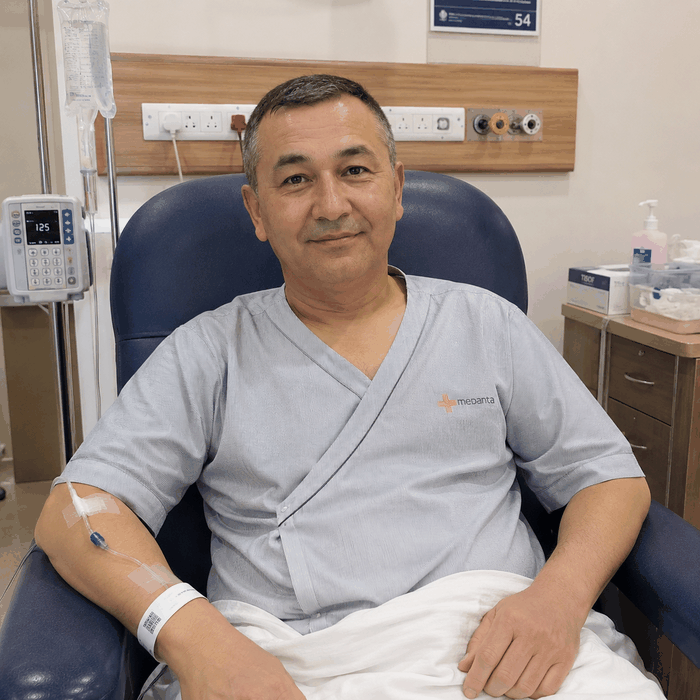
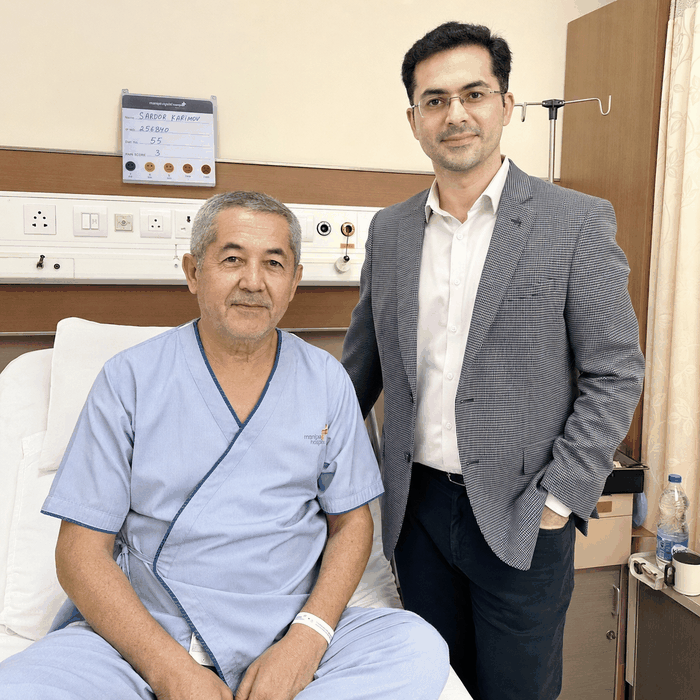

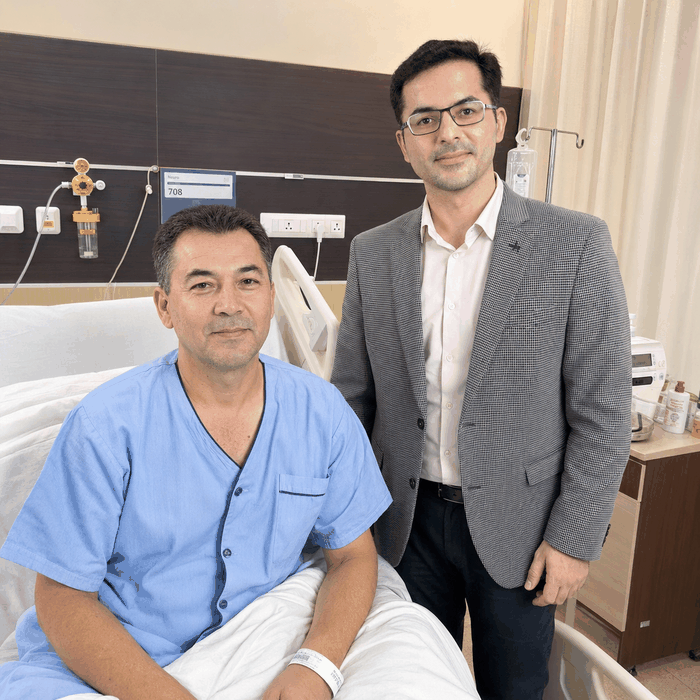
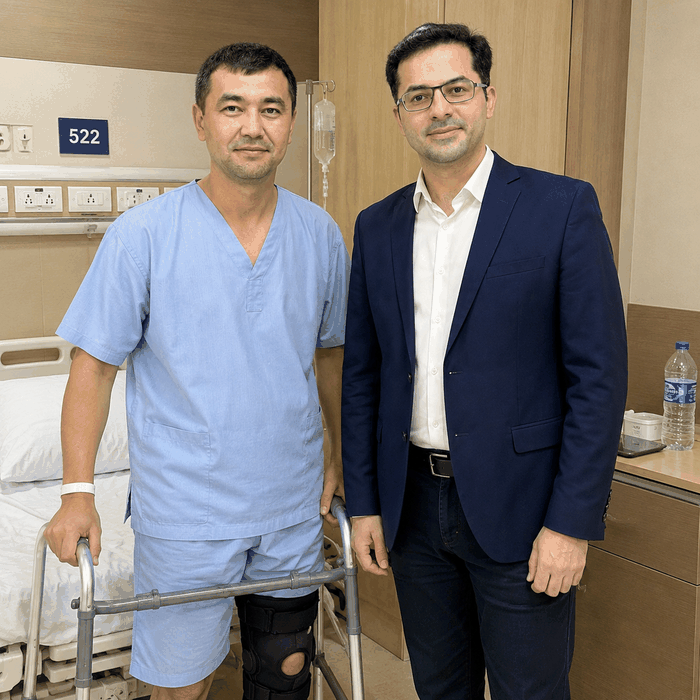
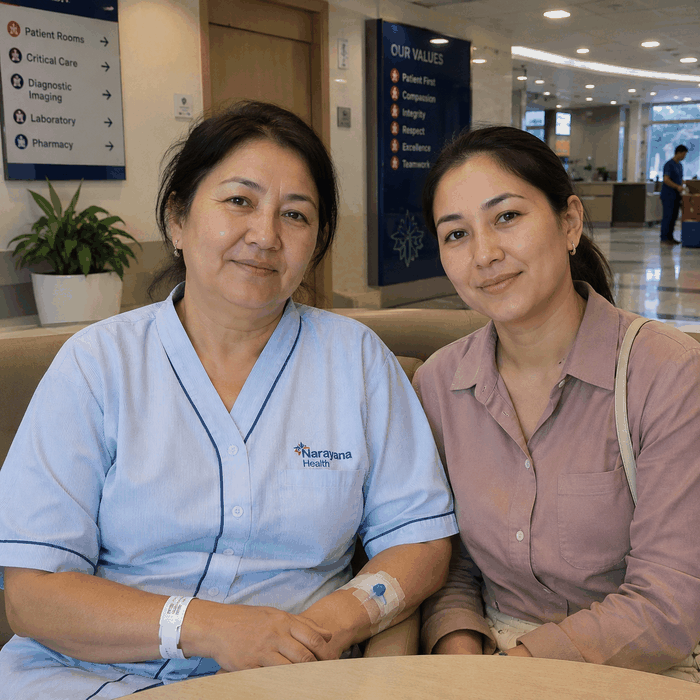
Information Takeaways
- Gamma Knife is a brain-specific form of stereotactic radiosurgery that delivers highly focused radiation to a small target inside the skull without making an incision. The source explains that it is usually completed in a single session and is different from conventional brain surgery because there is no surgical removal of tissue.
- For Uzbek patients, India offers Gamma Knife programmes in cities including Delhi, Mumbai, Chennai, Bengaluru and Hyderabad. The source highlights the importance of choosing a centre based on its experience with the patient's particular condition rather than selecting a hospital simply because of its location. NABH- or JCI-accredited centres and experienced neurosurgical and radiation oncology teams are important considerations.
- Gamma Knife is commonly considered for selected benign and malignant brain tumours, brain metastases, arteriovenous malformations, acoustic neuromas, pituitary adenomas and trigeminal neuralgia. The source also makes an important distinction from CyberKnife: Gamma Knife is designed specifically for the brain and usually uses a single treatment session, whereas CyberKnife is a robotic radiation system that can treat targets in several areas of the body and may require multiple sessions.
- The source gives an indicative India cost of approximately USD 3,500–9,000 for Gamma Knife treatment, generally covering a single treatment session, planning imaging and the procedure. The comparison chart shows substantially higher indicative ranges in Germany, the UK, Australia and the USA. Patients should nevertheless request a written estimate because the final price can depend on the condition, number of targets and whether more than one session is required.
- The typical journey from Uzbekistan to India can be relatively short because Gamma Knife is usually performed in a single treatment day. The guide estimates that many Uzbek patients complete the overall journey in around 7–10 days, beginning with pre-travel MRI or CT review, treatment planning and a visa invitation, followed by arrival, treatment and a recovery check before returning home.
- Before booking, Uzbek patients should confirm six key points with the hospital: accreditation, genuine suitability for Gamma Knife, the team's experience with similar cases, whether frame-based or frameless treatment will be used, the expected number of sessions and the follow-up plan after returning to Uzbekistan. The source also recommends confirming the overall budget, including accommodation and travel-related expenses, and considering a companion for the treatment day.
- Recovery is generally light because Gamma Knife does not involve an incision. Patients may experience temporary headache or scalp tenderness when a frame has been used, while normal activities can often resume within a few days to a week. Importantly, treatment effects are not necessarily immediate; follow-up imaging over the following months is used to assess the response. Uzbek patients should therefore arrange a monitoring schedule with a doctor in Uzbekistan before leaving India and retain their scans and treatment records.
Quick Facts
- Treatment
- Gamma Knife stereotactic radiosurgery
- Primary Patients
- Uzbek patients seeking specialised brain treatment in India
- Main Speciality
- Neurosurgery and radiation oncology
- Treatment Area
- Brain only
- Common Conditions
- Brain tumours, metastases, AVMs, acoustic neuroma, pituitary adenoma and trigeminal neuralgia
- Treatment Type
- Non-invasive radiation treatment without an incision
- Sessions
- Usually one session
- India Cost
- Approximately USD 3,500–9,000
- Typical India Stay
- About 7–10 days overall
- Treatment Day
- Usually completed in one day
- Frame
- Frame-based or frameless treatment may be suitable depending on the case
- Planning
- MRI/CT review and detailed treatment planning
- Hospital Choice
- Prefer an NABH- or JCI-accredited centre with Gamma Knife experience
- Recovery
- Many patients resume normal activity within a few days to a week
- Follow-Up
- Imaging over the following months is important
- Language Support
- Russian- and Uzbek-speaking coordinators/interpreters may be available
- Travel Preparation
- Medical records, imaging and visa arrangements should be organised before travel
- Companion
- A companion may be helpful, particularly when a frame is used
- Documentation
- Keep treatment summaries and follow-up scans
- Author
- Dr. Dheeraj Bojwani
- Experience
- 24+ Years
Knowledgeable Information Snippet
Gamma Knife treatment in India is a precise, non-invasive brain radiosurgery option for selected neurological conditions and brain tumours. For Uzbek patients, the treatment is usually completed in a single session, with the overall India journey commonly taking about 7–10 days. The source estimates an indicative treatment cost of USD 3,500–9,000, although the final quotation depends on the condition, number of targets and treatment plan. Patients should confirm suitability with a neurosurgeon, choose an appropriately accredited centre with relevant experience, clarify whether frame-based or frameless treatment is appropriate, and arrange follow-up imaging in Uzbekistan before travelling home.
Why Uzbek Patients Choose India for Gamma Knife Treatment?
India has several centres equipped with Gamma Knife technology, accredited by NABH or the international JCI, staffed by neurosurgical and radiation oncology teams with specific experience in this treatment.
Cities such as Delhi, Mumbai, Chennai, Bengaluru and Hyderabad all have centres offering Gamma Knife. The right choice is the team's specific experience with your condition — not the city name.
- Neurosurgeons and radiation oncologists frequently trained or fellowship-qualified in the UK, Europe or the USA.
- Modern Gamma Knife models, including frameless options that avoid the traditional head frame for suitable cases.
- Most treatments completed in a single day, without hospital admission.
- Dedicated international desks with Russian and Uzbek-speaking coordinators and interpreters.
- Convenient connectivity from Tashkent to Delhi, Mumbai and other major cities.
What is Gamma Knife, and how does it differ from CyberKnife?
Gamma Knife delivers around 200 individually weak beams of gamma radiation from fixed cobalt-60 sources, arranged so they all converge precisely on the target inside the brain. Individually the beams are too weak to harm healthy tissue they pass through, but where they intersect, the combined dose is powerful enough to treat the target. Gamma Knife treats the brain only — it is not used elsewhere in the body.
This is the key difference from CyberKnife, a robotic system that can treat tumors throughout the body, including the brain, spine, lung and prostate, typically over several sessions. Gamma Knife is usually completed in a single session, and has historically used a lightweight stereotactic head frame attached to the skull under local anaesthetic to keep the head perfectly still, though frameless mask-based systems are increasingly used for suitable cases. It is commonly used for benign and malignant brain tumors, brain metastases, arteriovenous malformations (AVMs), acoustic neuromas, pituitary adenomas, and trigeminal neuralgia.
How much does Gamma Knife treatment in India cost?
In India, Gamma Knife treatment typically costs USD 3,500–9,000 all-inclusive, usually covering a single treatment session, planning imaging and the procedure itself.
India vs Western countries: cost of Gamma Knife treatment
Approximate all-inclusive price for a single-session treatment (USD, 2026)
Figures are indicative ranges compiled from hospital and medical-travel sources; your final quote depends on the condition treated and number of targets, if more than one.
Notice how far below Western prices India sits — often a fraction of the cost in the USA, UK, Germany or Australia, using the same Gamma Knife technology. India's advantage is value: established Gamma Knife programmes, at a cost that makes this precise treatment accessible to far more patients.
One caution on budgeting: some conditions need more than one Gamma Knife session over time, particularly certain AVMs or growing tumors monitored on follow-up scans, which would add to the cost. The quote also rarely includes flights and accommodation. Ask for a written estimate stating whether one session is expected to be sufficient for your case.
Ask your neurosurgeon directly whether Gamma Knife or an alternative like CyberKnife or open surgery is the better fit for your specific condition and its exact location.
What your treatment journey of a typical Gamma Knife treatment to India looks like- step by step.
Knowing the whole path in advance makes planning easier. From first contact to flying home, most Uzbek patients complete the journey in about 7 to 10 days, since treatment itself is usually a single day.
Your Gamma Knife treatment journey, step by step
A typical timeline from Uzbekistan to India and back
Most patients go home the same day or the day after treatment; your team will confirm the exact plan for your case.
Factors that every Uzbek Patient should consider while planning Gamma Knife Treatment in India
Before you commit, work through the checklist below with the hospital's international team. In more than 24 years of guiding patients through this decision, those who ask these six questions directly are the best prepared.
Before you book: six things to confirm
A pre-travel checklist for patients from Uzbekistan
Also confirm the total budget including flights and a short accommodation stay around the treatment day.
Two further points: bring a companion — helpful for the treatment day itself, particularly if a frame is used — and ask directly about expected side effects, since these vary by the specific brain area treated.
Recovery after Gamma Knife Treatment and returning to Uzbekistan
Recovery from Gamma Knife is typically light, since there is no incision. Most patients go home the same day or the following day, and many resume normal activity within a few days to a week. Mild headache or scalp tenderness where a frame was attached is common briefly and settles quickly. As with other forms of radiosurgery, the treated tissue's response develops gradually — results are typically assessed on follow-up scans over the following months, not immediately after treatment. Regular follow-up imaging is important to confirm the treatment is working as expected, so agree a monitoring schedule with a doctor in Uzbekistan before you leave. Keep every scan and treatment summary safely for these appointments.
A note from Dr Dheeraj Bojwani
With 24+ years of experience guiding international patients through cancer and neurological diagnoses, my advice to every patient from Uzbekistan is the same: confirm directly why Gamma Knife is being recommended for your specific condition over the alternatives, and make sure a follow-up imaging schedule is arranged before you leave India. This article is general information and not a substitute for a personal consultation with your neurosurgical team.
Straight Answer Question by Uzbek Patients about Gamma Knife Treatment in India
Is Gamma Knife treatment in India safe?
At an accredited centre, yes. India's Gamma Knife centres meet NABH or JCI standards and are operated by neurosurgical and radiation oncology teams experienced in this specific technology.
Will there be someone who speaks my language?
Major international hospitals have Russian and Uzbek-speaking coordinators and interpreters who assist from your first message through treatment and follow-up.
Is Gamma Knife the same as brain surgery?
No. Gamma Knife involves no incision or removal of tissue during the procedure — it delivers radiation precisely to the target, and the treated tissue responds gradually over time. It is an alternative to surgery for conditions where this approach is suitable.
How is Gamma Knife different from CyberKnife?
Gamma Knife treats the brain only, using fixed cobalt-60 sources, usually in a single session. CyberKnife is a robotic system that can treat tumors throughout the body over several sessions. Both are non-invasive, and your team will confirm which suits your specific condition.
References & sources
- 🌐 National Accreditation Board for Hospitals & Healthcare Providers (NABH) — accredited hospital directory. · nabh.co
- 🌐 Joint Commission International (JCI) — directory of accredited organisations. · jointcommissioninternational.org
- 🌐 National Medical Commission of India — doctor and specialist registration verification. · nmc.org.in
- 🌐 World Health Organization — Cancer fact sheet. · who.int/news-room/fact-sheets/detail/cancer
- 🌐 Bureau of Immigration, Government of India — e-Medical Visa. · indianvisaonline.gov.in
- 🌐 Cost ranges compiled from published hospital and medical-travel price guides for Gamma Knife stereotactic radiosurgery, 2025–2026.
Frequently Asked Questions by Uzbek Patients about Gamma Knife Treatment in India
How much does Gamma Knife treatment in India cost for Uzbek patients?
The source gives an indicative cost of approximately USD 3,500–9,000 for Gamma Knife treatment in India. The final quotation depends on the condition, number of treatment targets and whether additional sessions are required.
How long do Uzbek patients need to stay in India for Gamma Knife treatment?
Many Uzbek patients can complete the overall treatment journey in approximately 7–10 days. The exact stay depends on medical evaluation, treatment planning, observation and the individual follow-up requirement.
Which brain conditions can Uzbek patients consider Gamma Knife for in India?
Gamma Knife may be used for selected brain tumours, brain metastases, AVMs, acoustic neuromas, pituitary adenomas and trigeminal neuralgia. Suitability must be determined by the treating specialist.
Is Gamma Knife the same as brain surgery for Uzbek patients?
No. Gamma Knife does not involve an incision or surgical removal of tissue. It delivers precisely focused radiation to the selected brain target and is an alternative to surgery in appropriate cases.
Should Uzbek patients choose Gamma Knife or CyberKnife in India?
The choice depends on the condition and its location. Gamma Knife is designed specifically for the brain and is usually delivered in one session, while CyberKnife can treat different areas of the body and may involve several sessions.
Will Uzbek patients need a head frame during Gamma Knife treatment?
Not necessarily. Traditional frame-based treatment may be used, while suitable patients may receive frameless mask-based treatment. Patients should ask the treating centre which approach is appropriate for their case.
Can Uzbek patients get Russian or Uzbek language assistance in India?
The guide states that major international hospitals may provide Russian- and Uzbek-speaking coordinators or interpreters to assist international patients during treatment planning, hospital visits and follow-up arrangements.
How soon can Uzbek patients return home after Gamma Knife treatment?
Most patients can go home on the same day or the following day after treatment, depending on their medical condition and the treating team's assessment. The broader journey commonly takes around 7–10 days.
What follow-up should Uzbek patients arrange after returning from India?
Follow-up imaging should be scheduled with a doctor in Uzbekistan because the response to Gamma Knife develops gradually over the following months. Patients should keep their treatment summary and scans for these appointments.
What should Uzbek patients confirm before booking Gamma Knife treatment in India?
They should confirm the hospital's accreditation, why Gamma Knife is suitable for their condition, the team's experience with similar cases, whether frame-based or frameless treatment will be used, the expected number of sessions and the follow-up plan in Uzbekistan.
Page Summary
Gamma Knife provides a focused radiosurgery option for selected brain conditions without the incision associated with conventional surgery. For patients travelling from Uzbekistan, India offers centres equipped with Gamma Knife technology and teams experienced in neurosurgery and radiation oncology. The treatment is generally completed in a single session, although the exact approach depends on the condition, target and specialist assessment. Planning is particularly important for international patients. Uzbek patients should have their scans reviewed before travel, obtain a written treatment and cost estimate, confirm the centre's accreditation and condition-specific experience, and arrange follow-up imaging in Uzbekistan. With appropriate planning, the source estimates that many patients can complete their India journey within approximately 7–10 days while allowing time for treatment and observation.
Citation Block
| Field | Details |
|---|---|
| Article / Topic | Gamma Knife Treatment in India for Uzbek Patients |
| Treatment | Gamma Knife stereotactic radiosurgery |
| Treatment Area | Brain-specific radiosurgery |
| Primary Patients | Patients travelling from Uzbekistan to India |
| Main Speciality | Neurosurgery and radiation oncology |
| Treatment Nature | Non-invasive; no incision or tissue removal |
| Common Conditions | Brain tumours, brain metastases, AVMs, acoustic neuromas, pituitary adenomas and trigeminal neuralgia |
| Gamma Knife Technology | Approximately 200 focused gamma radiation beams converge on the treatment target |
| Gamma Knife vs CyberKnife | Gamma Knife is brain-specific and usually single-session; CyberKnife can treat targets throughout the body and may use multiple sessions |
| Treatment Session | Usually completed in a single session |
| Treatment Centres | Centres are available in Delhi, Mumbai, Chennai, Bengaluru and Hyderabad |
| Accreditation | NABH or JCI accreditation should be considered |
| Specialist Team | Neurosurgical and radiation oncology team with Gamma Knife experience |
| India Treatment Cost | Approximately USD 3,500–9,000 |
| Cost Inclusions | Usually one treatment session, planning imaging and procedure |
| Additional Costs | Flights and accommodation are generally not included |
| Multiple Sessions | Some conditions may require additional Gamma Knife sessions over time |
| Pre-Travel Review | MRI or CT should be reviewed before travel |
| Typical Journey | Approximately 7–10 days for many Uzbek patients |
| Treatment-Day Process | Frame placement where required, planning imaging and Gamma Knife treatment |
| Frame Option | Traditional frame-based or suitable frameless treatment |
| Recovery | Same-day or next-day discharge is common; normal activity may resume within days to a week |
| Follow-Up | Imaging over subsequent months is important to assess treatment response |
| Language Assistance | Russian- and Uzbek-speaking coordinators/interpreters may be available |
| Key Planning Point | Confirm suitability against CyberKnife or surgery for the specific condition |
| Home-Country Care | Follow-up monitoring should be arranged with a doctor in Uzbekistan |


Our Mission Statement
Our mission is to place patients at the centre of every healthcare decision by providing trustworthy, evidence-based, and unbiased medical information. We believe that informed patients make better decisions. Backed by personalised guidance from our experienced advisory team, we help patients understand their treatment options, compare them objectively, and confidently choose the path that best suits their medical needs and personal circumstances.
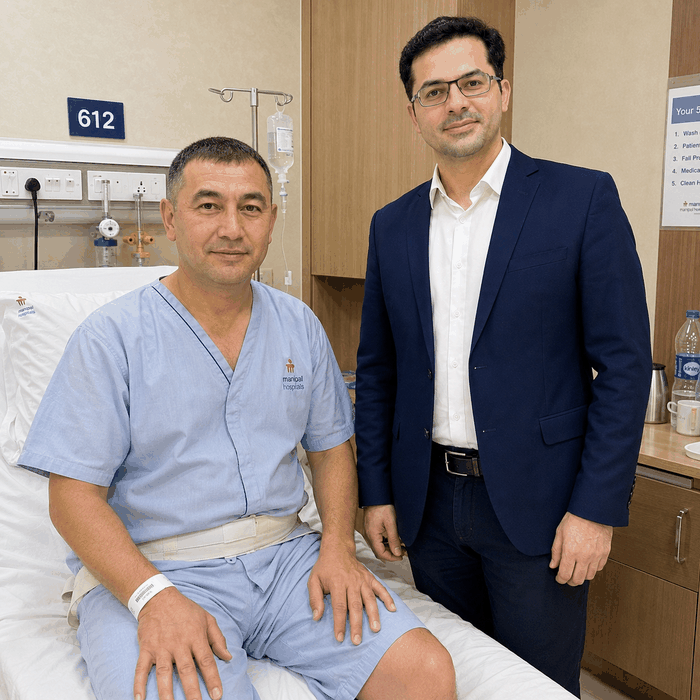
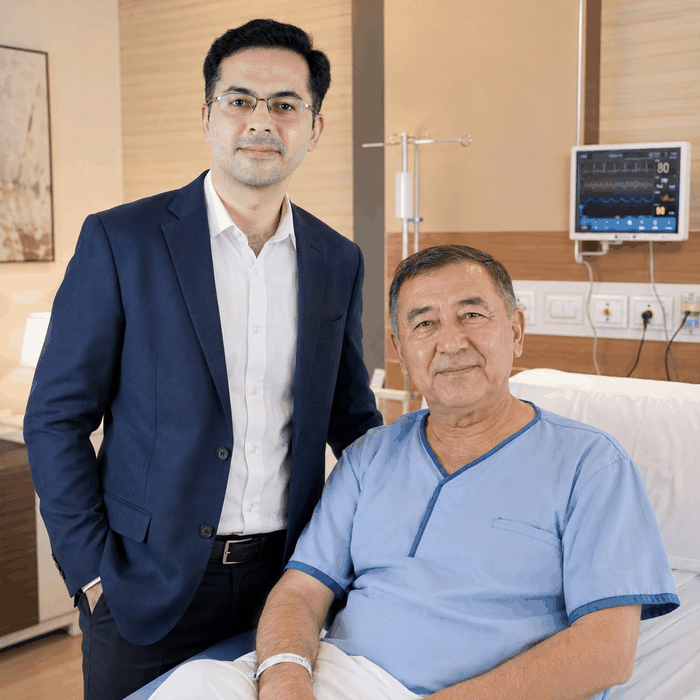
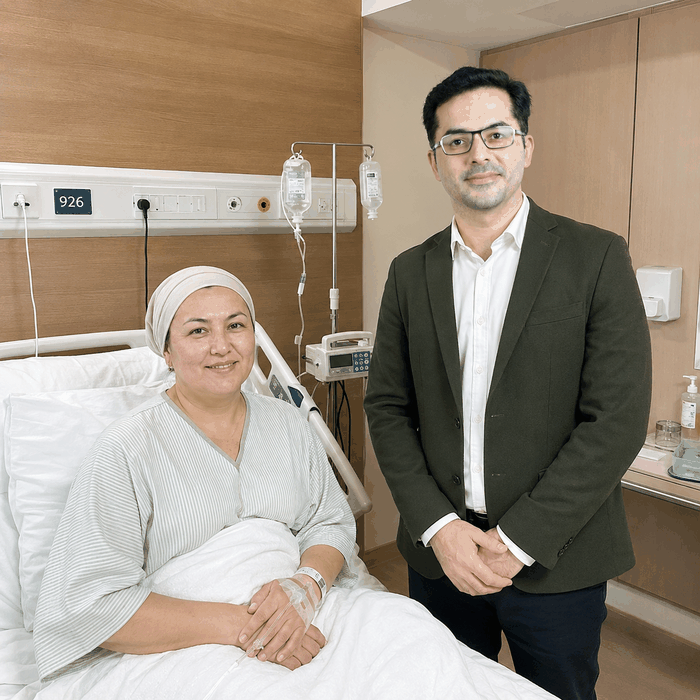
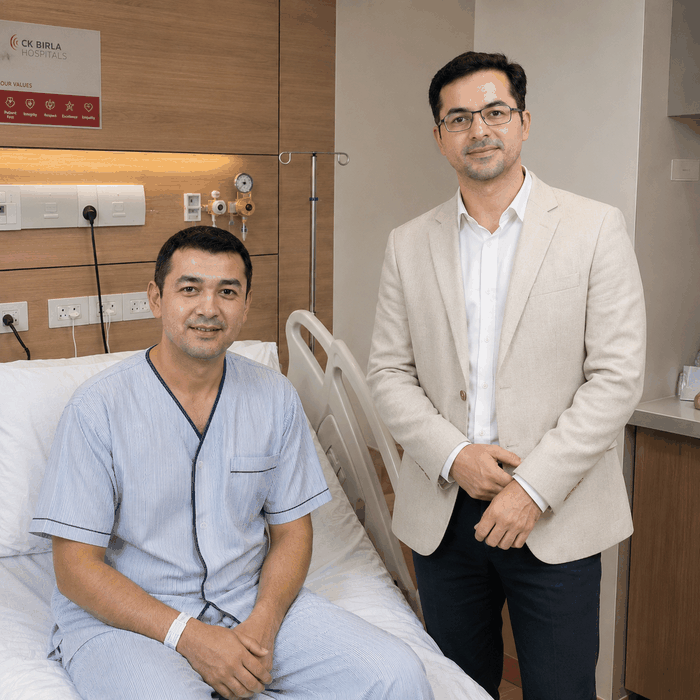
Patient Testimonials from Uzbekistan
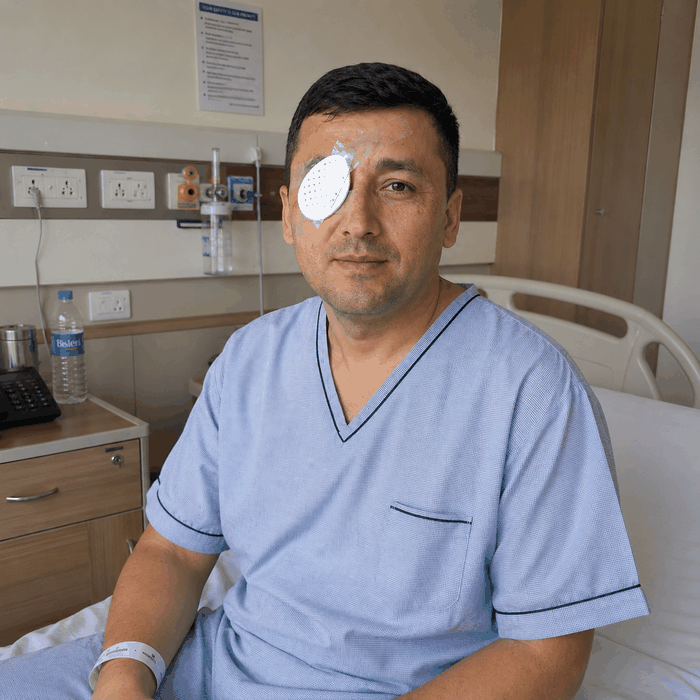
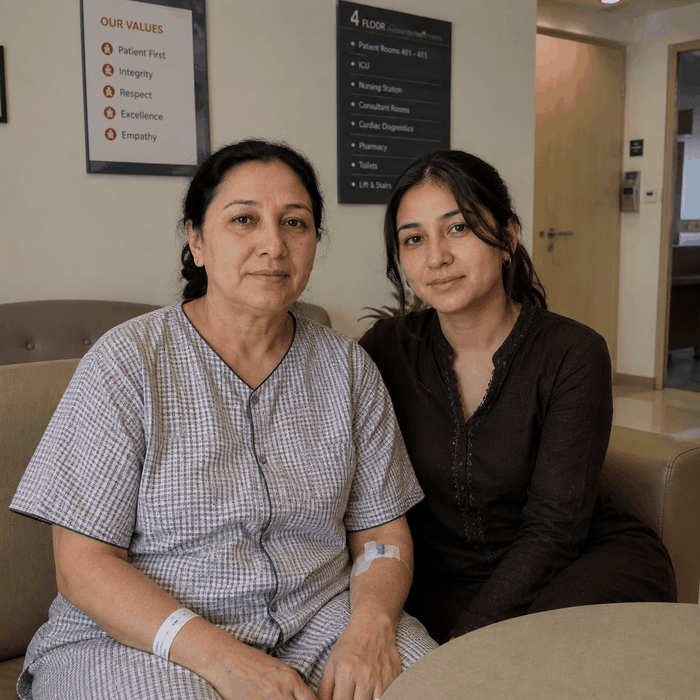
Ready to Take the First Step?
Share your medical reports with our healthcare managers today and receive a FREE CONSULTATION, a personalized treatment plan and complete support from your arrival to your recovery.
Get Your Free ConsultationFrom Uzbekistan to India: Your Complete Patient Guide
- Hip Surgery in India for Uzbek Patients
- HIPEC Cancer Surgery in India for Uzbek Patients
- IVF and Fertility Treatment in India for Uzbek Patients
- Joint Arthroscopy and Sports Medicine in India for Uzbek Patients
- Kidney Transplant Treatment in India for Uzbek Patients
- Knee Surgery in India for Uzbek Patients
- Laparoscopic and Robotic Myomectomy in India for Uzbek Patients
- Leukemia, Lymphoma and Blood Cancer Treatment in India for Uzbek Patients
- Liver Transplant Treatment in India for Uzbek Patients
- Neuronavigation and Advanced Brain Surgery in India for Uzbek Patients
- Neurosurgery in India for Uzbek Patients
- Oral and Maxillofacial Surgery in India for Uzbek Patients
- Paediatric Heart Surgery in India for Uzbek Patients
- Paediatric Neurosurgery in India for Uzbek Patients
- Paediatric Orthopaedic Surgery in India for Uzbek Patients
- Pancreatic Cancer Surgery in India for Uzbek Patients
- Parkinson’s Treatment and DBS Surgery in India for Uzbek Patients
- Penile Implant Surgery in India for Uzbek Patients