

IVF and Fertility Treatment in India for Uzbek Patients
A practical, honest guide to IVF and fertility treatment in India — IVF, ICSI and IUI explained, realistic success rates, and what treatment costs compared with Western countries.
Fertility treatment is deeply personal, often arriving after a long and difficult road already travelled. This guide aims to be genuinely useful rather than falsely encouraging — treatment can and does help many couples, but honest expectations about success rates matter as much as the practical planning. Across more than two decades of guiding patients from Uzbekistan to treatment in India, the questions I hear most are: Which treatment is right for us — IUI, IVF, or ICSI? What are our realistic chances? What will it really cost? And how many cycles might we need? This guide answers each plainly. It does not replace your fertility specialist's advice — it is meant to help you go into that conversation informed. India has a large, well-established fertility treatment sector, with modern embryology laboratories and specialists experienced in complex cases, at centres accredited by NABH or the international JCI.
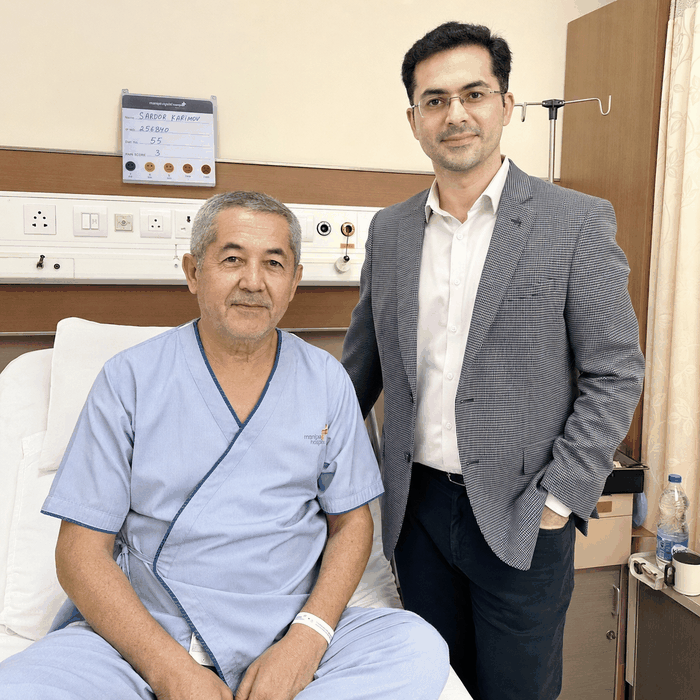
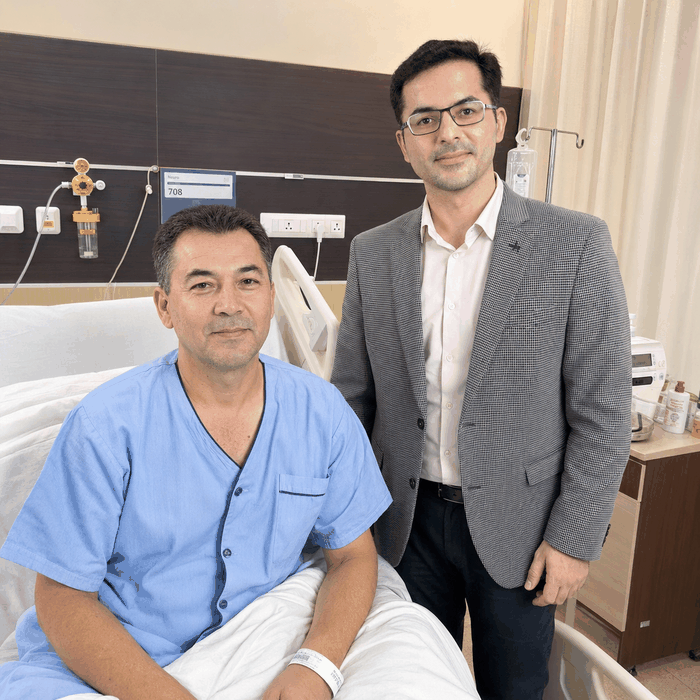
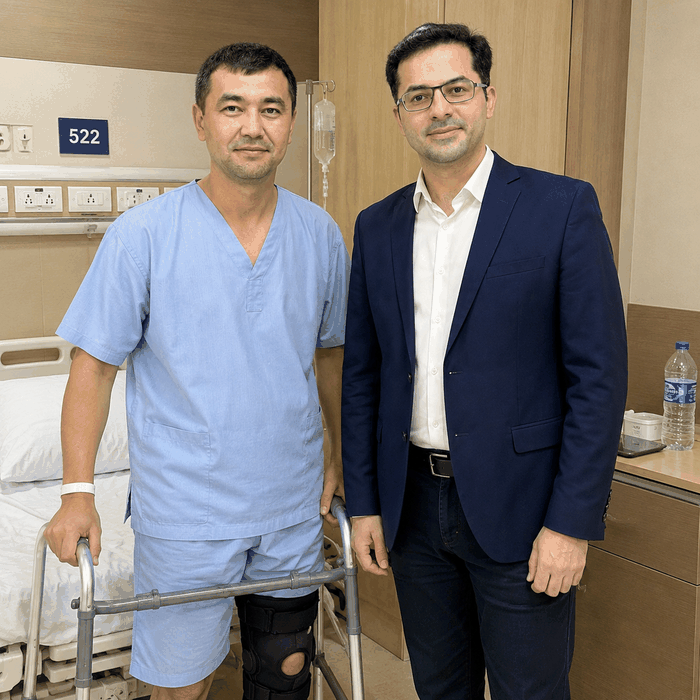
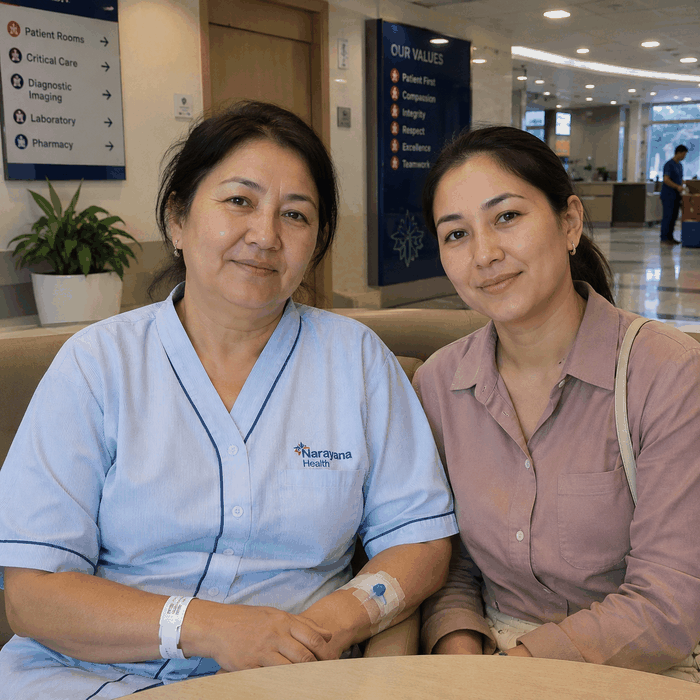
Healing Journeys of Uzbek Patients

Information Takeaways
- Fertility treatment can be an emotionally and physically demanding journey, so realistic expectations are particularly important. The source emphasises that treatment can help many couples, but success depends on individual circumstances, especially age and the underlying cause of infertility. Patients from Uzbekistan are encouraged to seek a clinic that discusses their personal chances honestly rather than relying only on headline success statistics.
- India has a well-established fertility treatment sector with modern embryology laboratories and specialists experienced in complex fertility cases. The guide highlights fertility centres in Delhi, Mumbai, Chennai, Bengaluru and Hyderabad, while emphasising that the appropriate clinic should be selected for its expertise, laboratory capabilities and transparent counselling rather than simply its price.
- IUI, IVF and ICSI serve different purposes. IUI places prepared sperm directly into the uterus around ovulation and may be used for some milder fertility problems. IVF involves ovarian stimulation, egg retrieval, laboratory fertilisation and embryo transfer. ICSI is a form of IVF in which a single sperm is injected directly into an egg and is mainly used when male infertility factors are identified.
- Additional reproductive options may be considered when clinically appropriate. The source notes that donor egg and donor sperm programmes are available, while preimplantation genetic testing (PGT) can screen embryos for certain genetic conditions before transfer. The starting treatment should be based on evaluation and test results for both partners rather than assuming that every couple needs conventional IVF immediately.
- The guide gives an indicative cost of USD 2,500–5,000 for one IVF cycle, including ICSI where needed, for international patients in India. The comparison chart places this below the cited indicative ranges for Germany, the UK, Australia and the USA. However, medication, flights, accommodation and additional procedures such as genetic testing may not be included, so Uzbek couples should request an itemised quotation before travelling.
- One IVF cycle should not automatically be treated as the complete financial plan. The source notes that many patients may need more than one cycle to achieve pregnancy. Couples should therefore discuss the potential cost and logistics of a second or third cycle and ask for an individualised assessment based on age and fertility-test results rather than relying on a clinic's best-case published statistics.
- For Uzbek patients, an IVF cycle generally requires several weeks in India. The guide estimates approximately 3–4 weeks per cycle, covering initial records review, treatment planning, ovarian stimulation, egg retrieval, fertilisation, embryo transfer and the pregnancy test. The illustrated timeline shows stimulation during the first week, egg retrieval around week two, embryo transfer during weeks two to three and a pregnancy test approximately two weeks after transfer.
- After egg retrieval, mild cramping and bloating may occur for several days and generally settle with rest and clinical guidance. Normal daily activity is generally possible after embryo transfer, although individual instructions come from the fertility clinic. The source also stresses the emotional difficulty of the waiting period before the pregnancy test and recommends continued medical follow-up in Uzbekistan regardless of the outcome.
Quick Facts
- Treatment
- IVF and fertility treatment
- Primary Patients
- Uzbek couples seeking fertility care in India
- Main Speciality
- Reproductive medicine
- Treatment Options
- IUI, IVF and ICSI
- Additional Options
- Donor egg/sperm programmes, embryo freezing and PGT where appropriate
- IVF Cost
- Approximately USD 2,500–5,000 per cycle
- Typical Stay
- Approximately 3–4 weeks per IVF cycle
- Stimulation
- Daily hormone injections with monitoring
- Egg Retrieval
- Usually around week 2 under sedation
- Embryo Transfer
- Generally during weeks 2–3
- Pregnancy Test
- Blood test approximately two weeks after transfer
- Success Factors
- Age and underlying cause of infertility are important
- Multiple Cycles
- Some patients may require more than one cycle
- Pre-Travel
- Share fertility records and treatment history for both partners
- Clinic Choice
- Prefer an NABH- or JCI-accredited fertility centre
- Laboratory
- Confirm modern embryology laboratory facilities
- Cost Planning
- Check medication, monitoring and add-on costs separately
- Language Support
- Russian- and Uzbek-speaking coordinators/interpreters may be available
- Travel
- Both partners should attend key stages of treatment
- Follow-Up
- Continue fertility care with a doctor in Uzbekistan
- Records
- Keep all fertility tests and treatment records
- Author
- Dr. Dheeraj Bojwani
- Experience
- 24+ Years
Knowledgeable Information Snippet
IVF and fertility treatment in India can provide Uzbek couples with access to IUI, IVF, ICSI, embryo freezing, donor programmes and PGT where appropriate. The source gives an indicative IVF cost of USD 2,500–5,000 per cycle, while most Uzbek patients should plan for approximately 3–4 weeks in India per cycle. Success cannot be guaranteed and depends substantially on factors such as age and the cause of infertility. Couples should therefore focus on personalised success estimates, complete cost information, the possibility of multiple cycles and a clear follow-up plan in Uzbekistan.
Why Uzbek Patients Choose India for Fertility Treatment?
Cities such as Delhi, Mumbai, Chennai, Bengaluru and Hyderabad all have well-regarded fertility centres. The right choice is a clinic that discusses your honest success chances — not just the one with the lowest price.
- Fertility specialists and embryologists frequently trained or fellowship-qualified in the UK, Europe or the USA.
- Modern IVF laboratories offering ICSI, embryo freezing, and genetic testing (PGT) where appropriate.
- Established donor egg and sperm programmes for couples who need them.
- Dedicated international desks with Russian and Uzbek-speaking coordinators and interpreters.
- Convenient connectivity from Tashkent to Delhi, Mumbai and other major cities.
IUI, IVF or ICSI — understanding your options
IUI (intrauterine insemination) places specially prepared sperm directly into the uterus around the time of ovulation, and is a simpler, lower-cost option sometimes tried first for mild fertility factors. IVF (in vitro fertilisation) involves stimulating the ovaries to produce multiple eggs, retrieving them, fertilising them with sperm in a laboratory, and transferring a resulting embryo into the uterus. ICSI (intracytoplasmic sperm injection) is a variation of IVF where a single sperm is injected directly into an egg, used mainly when male infertility factors are identified.
For couples who need them, donor egg or sperm programmes are available, and PGT (preimplantation genetic testing) can screen embryos for certain genetic conditions before transfer. Your fertility specialist will recommend a starting point based on test results for both partners — not every couple needs to start with full IVF, and a good clinic will explain why a particular treatment is being recommended for your specific situation.
How much does IVF cost in India?
In India, a single IVF cycle, including ICSI where needed, typically costs USD 2,500–5,000 all-inclusive for international patients.
India vs Western countries: cost of one IVF cycle
Approximate all-inclusive price per cycle, including ICSI where needed (USD, 2026)
Figures are indicative ranges compiled from clinic and medical-travel sources; your final quote depends on medication dose, ICSI need, and any add-ons like genetic testing.
Notice how far below Western prices India sits — often 60 to 80 percent below the cost in the USA, UK, Germany or Australia — using the same laboratory techniques. India's advantage is value: modern embryology labs and high patient volume, at a cost that makes more than one cycle realistic to budget for if needed.
One important caution: many patients need more than one cycle to achieve a pregnancy, so budget for this possibility from the start rather than treating a single cycle as the only cost to plan for. The quote also rarely includes flights, accommodation and medication costs, which can be significant.
Ask for your honest, personal chance of success based on your specific age and test results — not the clinic's best-case published statistics.
Your IVF cycle journey, step by step
An IVF cycle unfolds over several weeks. Most Uzbek patients plan for 3 to 4 weeks in India per cycle, including the stimulation phase.
Your IVF cycle journey, step by step
A typical timeline from Uzbekistan to India and back
If embryos are frozen for a later transfer, this shortens the initial trip but adds a second visit; your clinic will discuss which approach suits you.
Before you book: things to confirm
Before you commit, work through these points with the clinic's international team. In more than 24 years of guiding patients through this decision, those who ask these questions directly are the best prepared.
Before you book: things to confirm
A pre-travel checklist for patients from Uzbekistan
Also ask how embryos or genetic material would be stored or transferred if you needed a break between cycles.
Two further points: plan for both partners to attend for key stages of the process — and be gentle with yourselves emotionally, since this treatment is physically and emotionally demanding regardless of the outcome.
Recovery and what to expect, returning to Uzbekistan
After egg retrieval, mild cramping and bloating are common for a few days and settle with rest and guidance from your clinic. After embryo transfer, normal daily activity is generally fine, though your clinic will advise on specific restrictions. The two-week wait before a pregnancy test is often the emotionally hardest part of the process for many patients — being honest about this with yourself and your partner matters. Success rates depend heavily on age and the specific cause of infertility, generally highest for women under 35 and declining with age, and a good clinic discusses this honestly rather than only citing best-case figures. If a cycle is not successful, your fertility team should discuss what it suggests about next steps, whether that is trying again, adjusting the approach, or considering other options. Keep every test result and treatment record safely, and arrange follow-up care with a doctor in Uzbekistan regardless of outcome.
Frequently asked questions
Is IVF treatment in India safe? At an accredited fertility centre, yes. India's leading IVF clinics hold NABH or JCI accreditation, use modern embryology laboratories, and are staffed by fertility specialists experienced in complex cases.
Will there be someone who speaks my language? Major international fertility clinics have Russian and Uzbek-speaking coordinators and interpreters who assist from your first message through treatment and follow-up.
How many IVF cycles do most people need? This varies considerably by individual circumstances, including age and the cause of infertility. Many patients achieve pregnancy within a few cycles, while others need more. A good clinic will discuss your personal likelihood honestly rather than promising a specific number.
Do we need to stay in India for the entire process? The stimulation, retrieval and transfer phases require being in India, but some patients freeze embryos and return home between cycles or before a frozen transfer, which your clinic can discuss based on your situation.
A note from Dr Dheeraj Bojwani
With 24+ years of experience guiding international patients through fertility treatment decisions, my advice to every couple from Uzbekistan is the same: ask for your honest, personal success chances rather than headline statistics, budget for the possibility of more than one cycle, and be patient and gentle with each other through what is often a genuinely difficult process. This article is general information and not a substitute for a personal consultation with your fertility specialist.
Straight Answer Question by Uzbek Patients about IVF and Fertility Treatment in India
Is IVF treatment in India safe?
At an accredited fertility centre, yes. India's leading IVF clinics hold NABH or JCI accreditation, use modern embryology laboratories, and are staffed by fertility specialists experienced in complex cases.
Will there be someone who speaks my language?
Major international fertility clinics have Russian and Uzbek-speaking coordinators and interpreters who assist from your first message through treatment and follow-up.
How many IVF cycles do most people need?
This varies considerably by individual circumstances, including age and the cause of infertility. Many patients achieve pregnancy within a few cycles, while others need more. A good clinic will discuss your personal likelihood honestly rather than promising a specific number.
Do we need to stay in India for the entire process?
The stimulation, retrieval and transfer phases require being in India, but some patients freeze embryos and return home between cycles or before a frozen transfer, which your clinic can discuss based on your situation.
References & sources
- 🌐 National Accreditation Board for Hospitals & Healthcare Providers (NABH) — accredited hospital directory. · nabh.co
- 🌐 Joint Commission International (JCI) — directory of accredited organisations. · jointcommissioninternational.org
- 🌐 National Medical Commission of India — doctor and specialist registration verification. · nmc.org.in
- 🌐 World Health Organization — Infertility fact sheet. · who.int/news-room/fact-sheets/detail/infertility
- 🌐 Bureau of Immigration, Government of India — e-Medical Visa. · indianvisaonline.gov.in
- 🌐 Cost ranges compiled from published fertility clinic and medical-travel price guides for IVF and ICSI treatment, 2025–2026.
Frequently Asked Questions by Uzbek Patients about IVF and Fertility Treatment in India
How much does IVF cost in India for Uzbek patients?
The source gives an indicative cost of USD 2,500–5,000 per IVF cycle, including ICSI where needed. Medication, accommodation, flights and some additional procedures may be separate.
Which fertility treatment may be suitable for Uzbek couples in India?
Options include IUI, IVF and ICSI. The fertility specialist should recommend the starting treatment after reviewing the test results and medical history of both partners.
How long should Uzbek patients stay in India for one IVF cycle?
Most Uzbek patients should plan for approximately 3–4 weeks in India per cycle, including ovarian stimulation, retrieval, embryo transfer and the pregnancy test period.
Do Uzbek couples need to travel to India together for IVF?
The guide recommends planning for both partners to attend key stages of the treatment process. This is particularly relevant because the initial assessment and fertility evaluation involve both partners.
What fertility records should Uzbek couples send before travelling to India?
Couples should share previous fertility-test results and treatment history for both partners. This allows the clinic to provide an initial opinion and develop an appropriate treatment recommendation.
How many IVF cycles might an Uzbek couple need in India?
There is no fixed number. The source explains that requirements vary considerably according to age and the cause of infertility, with some patients achieving pregnancy within a few cycles while others require more.
Can Uzbek patients return home between IVF cycles?
Yes, in some circumstances. If embryos are frozen, patients may return to Uzbekistan between cycles or before a later frozen embryo transfer, depending on the clinic's treatment plan.
Are Russian or Uzbek language services available for fertility treatment in India?
Major international fertility clinics may provide Russian- and Uzbek-speaking coordinators and interpreters who assist patients from initial communication through treatment and follow-up.
What should Uzbek couples ask an Indian IVF clinic about success rates?
They should request their personal estimated chance of success based on age, test results and the specific cause of infertility rather than relying only on the clinic's highest published success rate.
What follow-up is needed in Uzbekistan after IVF treatment in India?
Couples should keep all fertility tests and treatment records and arrange follow-up with a doctor in Uzbekistan regardless of whether the cycle succeeds. The fertility team should also explain next steps if a cycle is unsuccessful.
Page Summary
IVF and fertility treatment in India offers Uzbek couples several treatment pathways, including IUI, IVF and ICSI, with additional options such as donor programmes, embryo freezing and PGT where clinically appropriate. The correct starting treatment should be based on the evaluation of both partners, rather than automatically selecting the most complex or expensive procedure. For international patients, practical planning is as important as the clinical treatment. Uzbek couples should prepare complete medical records, obtain a detailed cost estimate, plan for approximately 3–4 weeks in India per cycle, consider the possibility of multiple cycles and arrange follow-up care in Uzbekistan.
Citation Block
| Field | Details |
|---|---|
| Article / Topic | IVF and Fertility Treatment in India for Uzbek Patients |
| Primary Patients | Couples travelling from Uzbekistan |
| Main Speciality | Reproductive medicine and fertility treatment |
| Treatment Options | IUI, IVF and ICSI |
| IUI | Prepared sperm placed directly into the uterus around ovulation |
| IVF | Ovarian stimulation, egg retrieval, laboratory fertilisation and embryo transfer |
| ICSI | Single sperm injected directly into an egg; mainly used for selected male infertility factors |
| Additional Options | Donor egg/sperm programmes, embryo freezing and PGT |
| Treatment Centres | Delhi, Mumbai, Chennai, Bengaluru and Hyderabad |
| Accreditation | NABH or JCI accreditation |
| Laboratory Requirement | Modern embryology laboratory |
| IVF Cost | Approximately USD 2,500–5,000 per cycle |
| Western Comparison | Source chart shows higher indicative costs in Germany, UK, Australia and USA |
| Potential Additional Costs | Medication, flights, accommodation and add-on procedures |
| Pre-Travel | Fertility records and treatment history for both partners |
| Typical Stay | Approximately 3–4 weeks per cycle |
| Stimulation Phase | Daily hormone injections with scans and blood tests |
| Egg Retrieval | Around week 2 under sedation |
| Embryo Transfer | Around weeks 2–3 |
| Pregnancy Test | Blood test approximately two weeks after transfer |
| Multiple Cycles | May be required depending on individual circumstances |
| Success Factors | Age and cause of infertility significantly influence outcomes |
| Language Support | Russian- and Uzbek-speaking coordinators/interpreters may be available |
| Follow-Up | Continue care with a doctor in Uzbekistan |
| Frozen Embryos | May allow patients to return home between cycles or before a later frozen transfer |
| Key Planning Point | Request personalised success expectations and a complete itemised cost estimate |


Our Mission Statement
Our mission is to place patients at the centre of every healthcare decision by providing trustworthy, evidence-based, and unbiased medical information. We believe that informed patients make better decisions. Backed by personalised guidance from our experienced advisory team, we help patients understand their treatment options, compare them objectively, and confidently choose the path that best suits their medical needs and personal circumstances.
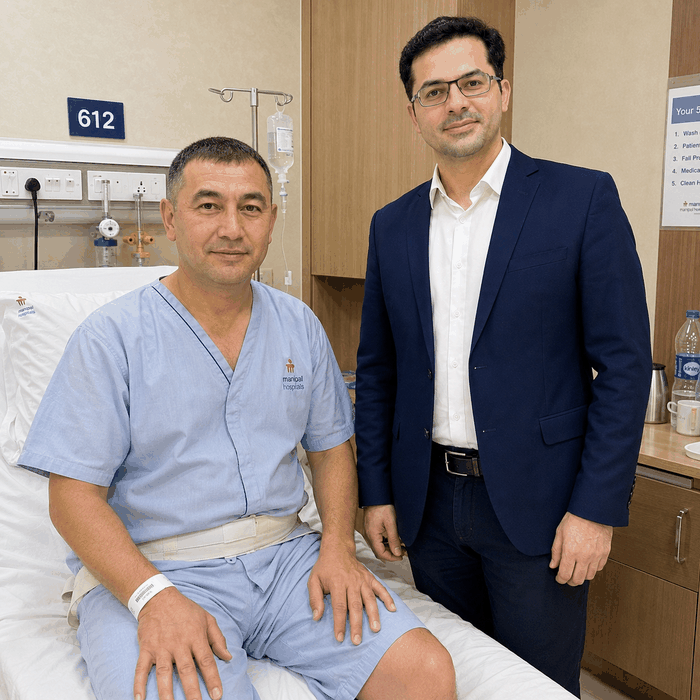
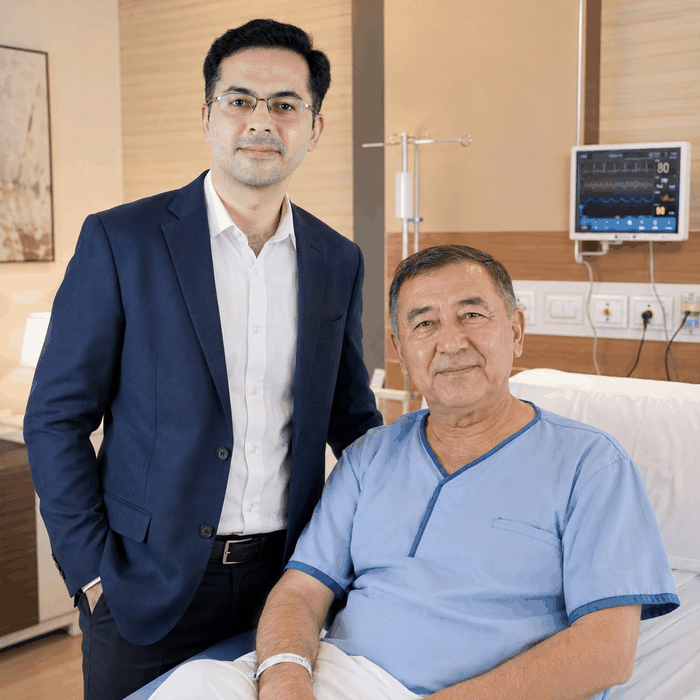
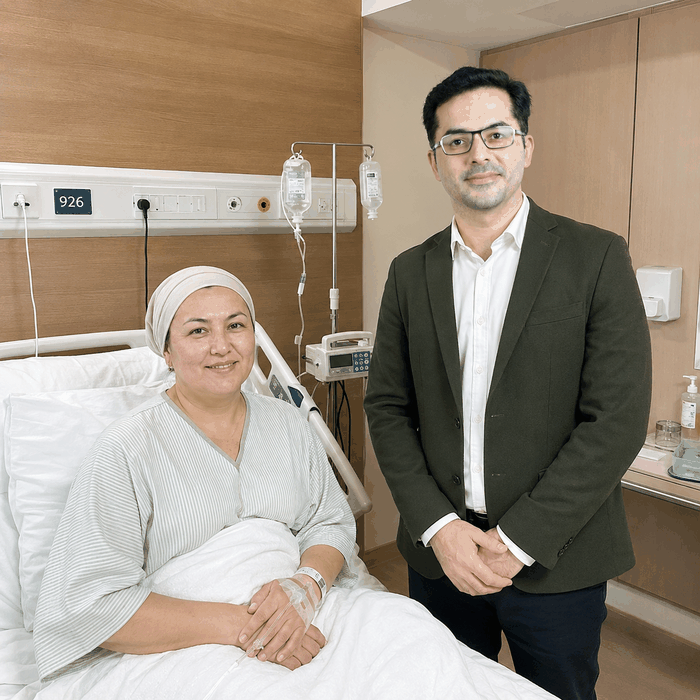
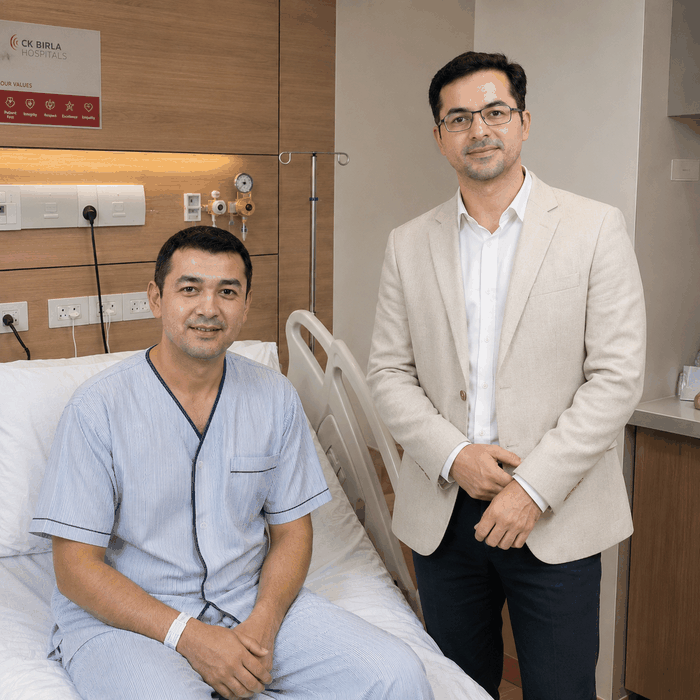
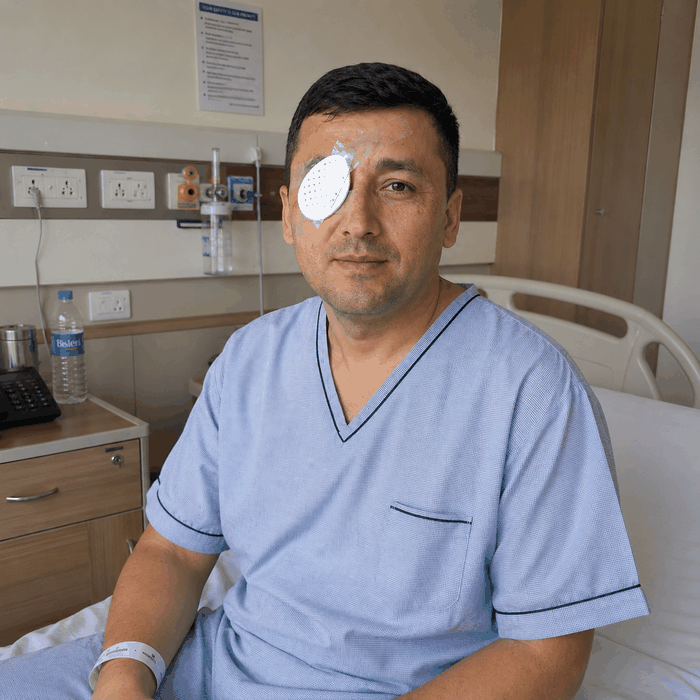
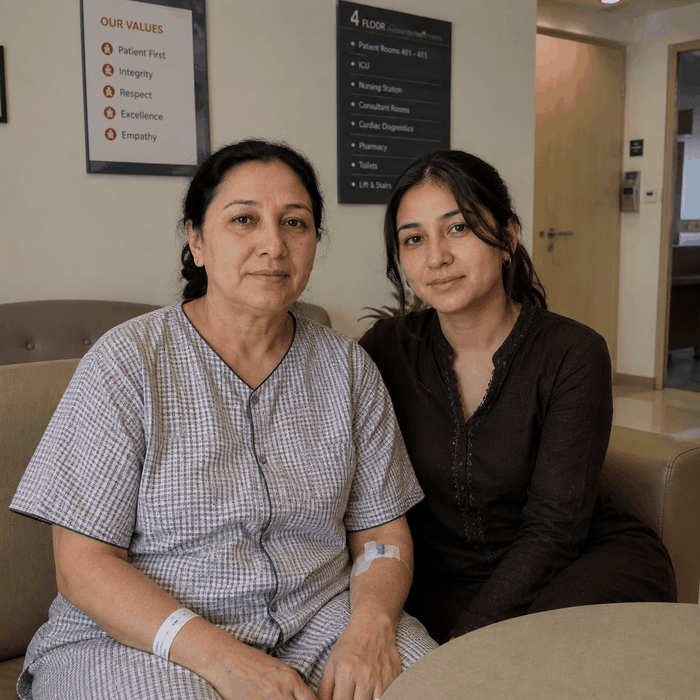
Patient Testimonials from Uzbekistan
Ready to Take the First Step?
Share your medical reports with our healthcare managers today and receive a FREE CONSULTATION, a personalized treatment plan and complete support from your arrival to your recovery.
Get Your Free ConsultationFrom Uzbekistan to India: Your Complete Patient Guide
- Neuronavigation and Advanced Brain Surgery in India for Uzbek Patients
- Neurosurgery in India for Uzbek Patients
- Oral and Maxillofacial Surgery in India for Uzbek Patients
- Paediatric Heart Surgery in India for Uzbek Patients
- Paediatric Neurosurgery in India for Uzbek Patients
- Paediatric Orthopaedic Surgery in India for Uzbek Patients
- Pancreatic Cancer Surgery in India for Uzbek Patients
- Parkinson’s Treatment and DBS Surgery in India for Uzbek Patients
- Penile Implant Surgery in India for Uzbek Patients
- Plastic and Reconstructive Surgery in India for Uzbek Patients
- Prostate Cancer Treatment and Surgery in India for Uzbek Patients
- Proton Therapy Treatment in India for Uzbek Patients
- Radiotherapy and Modern Cancer Treatments in India for Uzbek Patients
- Robotic Cancer Surgery in India for Uzbek Patients
- Scoliosis Correction Surgery in India for Uzbek Patients
- Shoulder Surgery in India for Uzbek Patients
- Spine Surgery in India for Uzbek Patients
- Urosurgery and Reconstructive Urology in India for Uzbek Patients