

Oral and Maxillofacial Surgery in India for Uzbek Patients
A practical guide to jaw correction (orthognathic) surgery, TMJ disorders and facial trauma repair in India — how this differs from routine dentistry, and what it costs compared with Western countries.
Oral and maxillofacial surgery sits at the intersection of dentistry and surgery, treating conditions in the jaw bones, joints and facial skeleton that go beyond what a general or cosmetic dentist handles. If braces alone will not fix a bite problem, or an accident has affected the facial bones, this is the specialty that addresses it. Across more than two decades of guiding patients from Uzbekistan to treatment in India, the questions I hear most are: Do I actually need jaw surgery, or would orthodontics be enough? Is this major surgery? What will it really cost? And how is this different from regular dental treatment? This guide answers each plainly. It does not replace a consultation with your oral and maxillofacial surgeon — it is meant to help you understand the options clearly. India has oral and maxillofacial surgeons trained in both dental and surgical fields, with experience across jaw correction, TMJ treatment and facial trauma, at centres accredited by NABH or the international JCI.
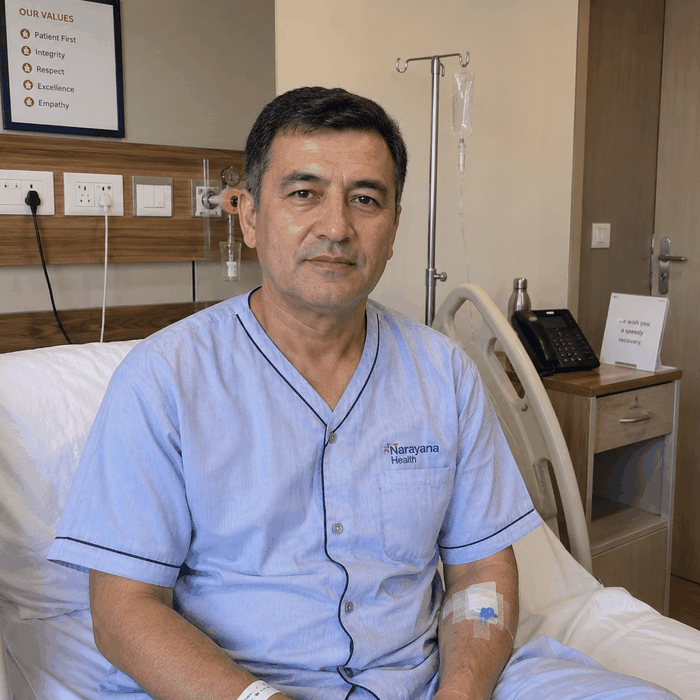
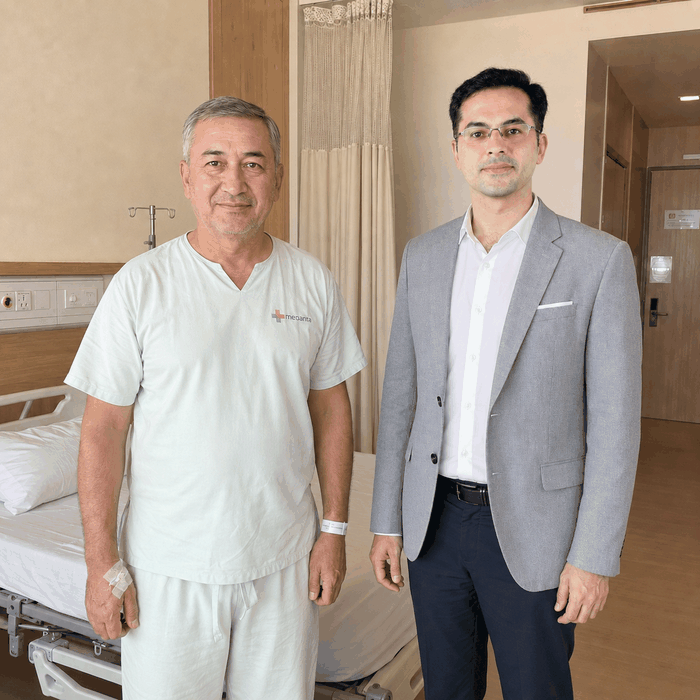
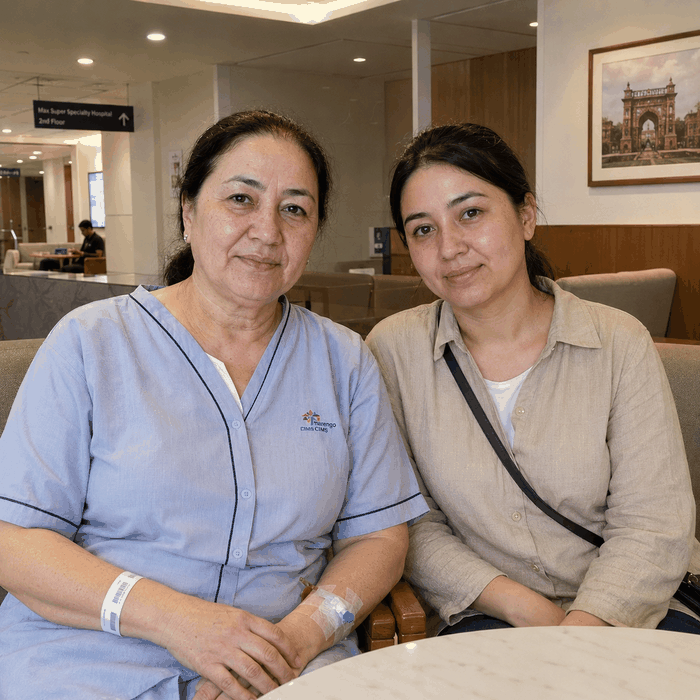
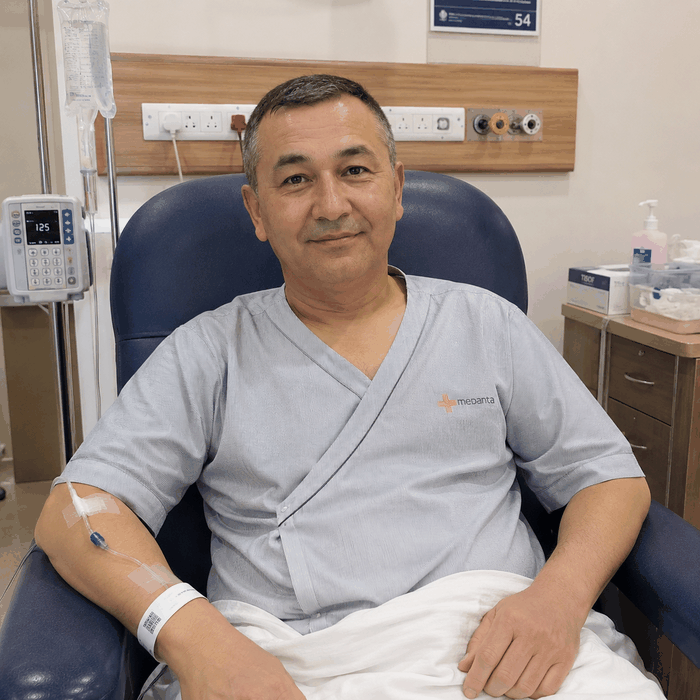
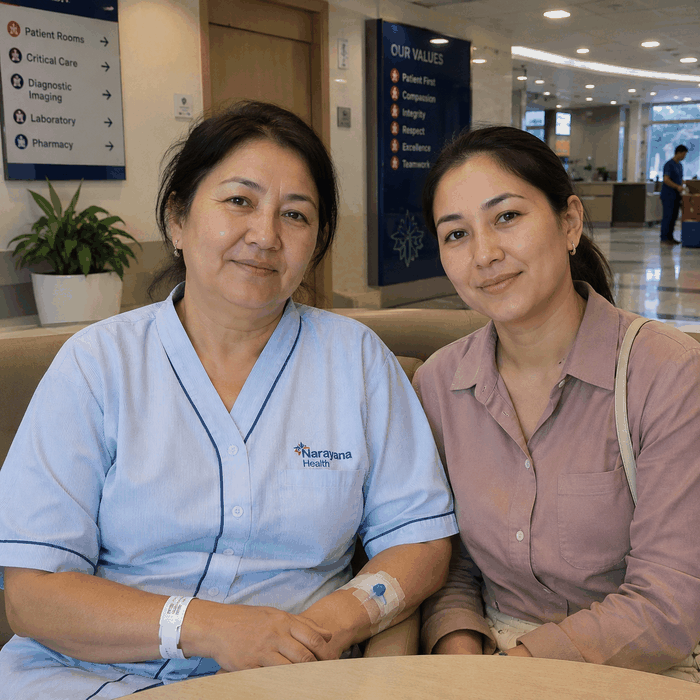
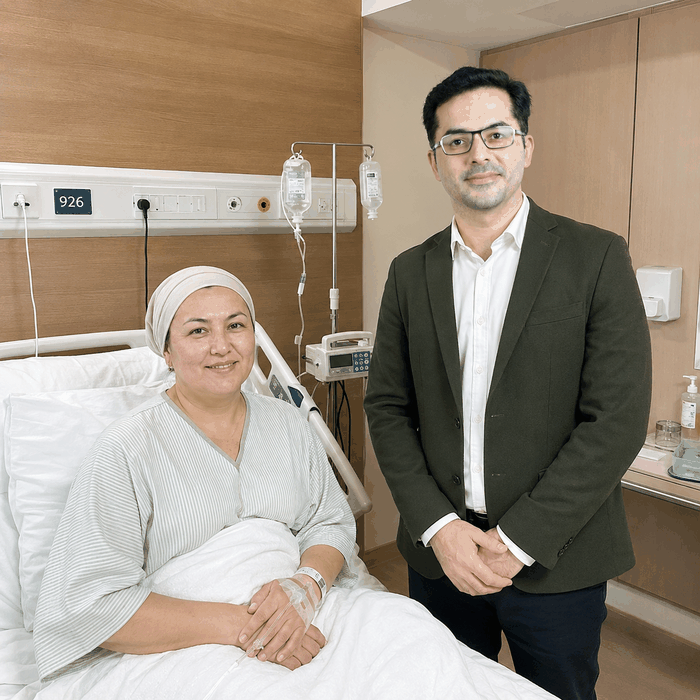
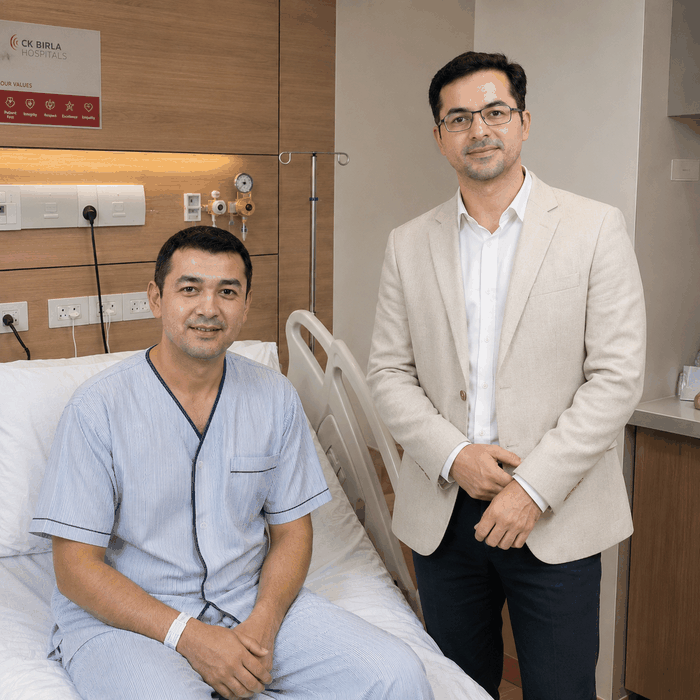
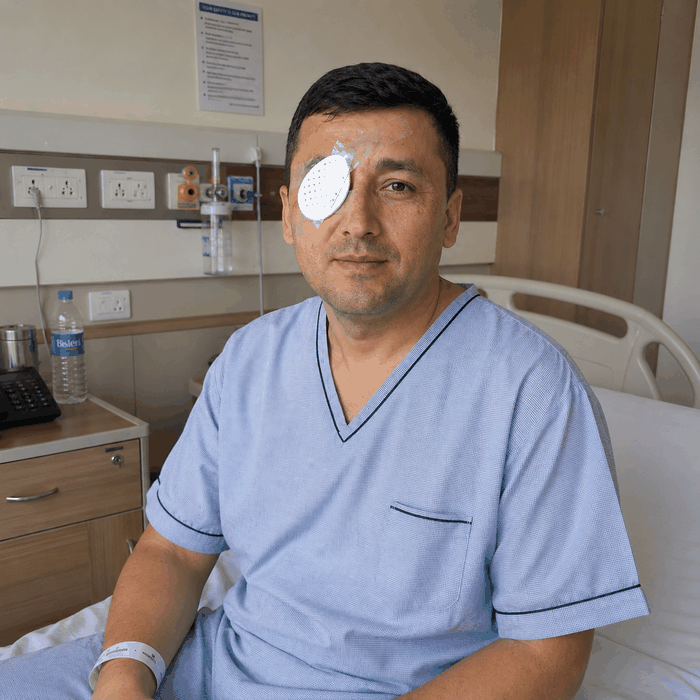
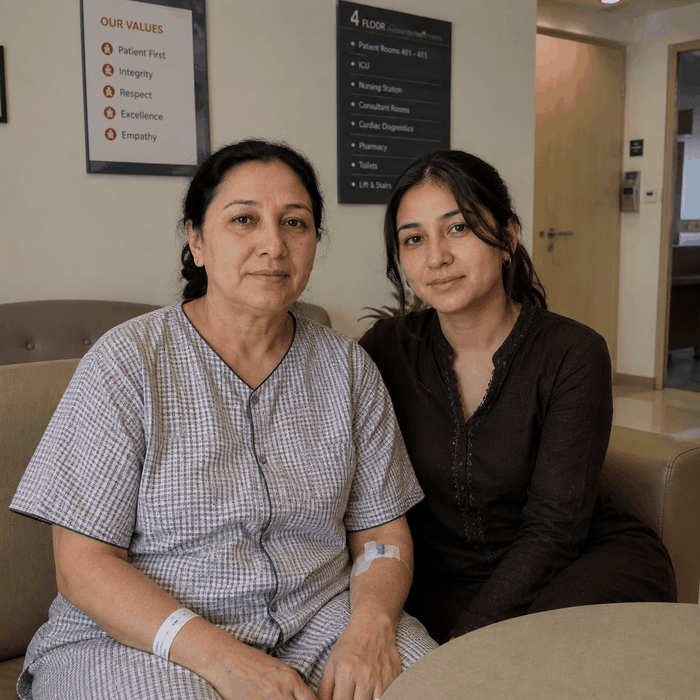
Healing Journeys of Uzbek Patients
Information Takeaways
- Oral and maxillofacial surgery occupies a specialised area between dentistry and surgery, focusing on the jaw bones, temporomandibular joints and facial skeleton rather than routine treatment of the teeth alone. The guide explains that this specialty may be relevant when braces cannot correct a skeletal bite problem, when facial bones have been injured, or when conditions involving the jaw joints require surgical management.
- For Uzbek patients, India offers oral and maxillofacial surgery programmes in cities including Delhi, Mumbai, Chennai, Bengaluru and Hyderabad. The source highlights surgeons with training or fellowship experience in the UK, Europe or USA, modern 3D imaging and surgical planning, and experience using titanium plates and custom implants for complex reconstruction. It also stresses that the surgeon's experience with the patient's specific condition matters more than the city itself.
- Orthognathic or corrective jaw surgery is used to reposition the upper jaw, lower jaw or both when skeletal misalignment causes bite problems, difficulty chewing or certain airway problems such as obstructive sleep apnoea. The source makes an important distinction: surgery is generally considered when the underlying problem involves the jaw bones and cannot be corrected adequately with braces or aligners alone.
- The specialty also covers TMJ disorders, facial trauma reconstruction and complex bone grafting. TMJ surgery may be considered when conservative measures such as physical therapy, splints or medication have not provided adequate improvement. Facial trauma reconstruction can repair fractures involving the jaw, cheekbone or eye socket, with titanium plates sometimes used for stable healing. Significant bone rebuilding, including complex grafting before dental implants, may also fall within the specialty.
- The source gives an indicative Indian cost of approximately USD 4,000–15,000 for orthognathic jaw correction surgery, depending on whether one or both jaws are treated and the complexity of the correction. The comparison chart shows approximately USD 4,000–15,000 in India, USD 18,000–35,000 in Germany, USD 18,000–38,000 in the UK, and USD 20,000–40,000 in both Australia and the USA. The guide also warns that orthodontic treatment before and after surgery is usually priced separately and should be included when calculating the complete treatment cost.
- For Uzbek patients undergoing jaw correction, the surgical visit generally requires more planning than a routine dental trip. The source recommends sending X-rays, photographs and previous orthodontic records before travel, followed by a surgical plan, cost estimate and visa invitation. Detailed 3D imaging and surgical planning are generally performed during the first few days after arrival. The guide states that most patients plan approximately 10–18 days in India for the surgical visit.
- Recovery after maxillofacial surgery requires careful preparation because swelling and dietary restrictions can affect the first several weeks. The guide describes significant swelling during the first week, a soft or liquid diet for several weeks and possible temporary numbness or altered sensation around the lips or chin. Orthodontic treatment commonly continues after surgery, usually coordinated with an orthodontist in Uzbekistan, while follow-up imaging helps confirm appropriate bone healing.
Quick Facts
- Treatment
- Oral and maxillofacial surgery
- Primary Patients
- Uzbek patients seeking jaw, TMJ or facial reconstructive surgery in India
- Main Speciality
- Oral and maxillofacial surgery
- Key Specialist
- Oral and maxillofacial surgeon experienced in the patient's specific condition
- Major Procedures
- Orthognathic jaw surgery, TMJ surgery, facial trauma reconstruction and complex bone grafting
- Orthognathic Surgery
- Repositions the upper jaw, lower jaw or both for skeletal correction
- TMJ Surgery
- Considered when non-surgical treatment has not provided adequate improvement
- Facial Trauma
- May repair jaw, cheekbone and eye-socket fractures
- India Jaw Surgery Cost
- Approximately USD 4,000–15,000
- Typical India Stay
- Approximately 10–18 days for the surgical visit
- Surgery Duration
- Approximately 2–6 hours for jaw correction, depending on complexity
- Planning
- 3D imaging and detailed surgical planning are performed before surgery
- Orthodontics
- Pre- and post-surgical orthodontic treatment may be required
- Hospital Standard
- NABH- or JCI-accredited centre recommended
- Recovery
- Swelling is significant initially; soft or liquid diet may be required for several weeks
- Possible Sensation Changes
- Temporary numbness or altered sensation around the lips or chin may occur
- Follow-Up
- Imaging and orthodontic follow-up should continue in Uzbekistan
- Language Support
- Russian- and Uzbek-speaking coordinators/interpreters may be available
- Companion
- Recommended during the surgical trip and early recovery
- Visa
- Medical and companion visas should be arranged in advance
- Documentation
- Keep scans, surgical reports and orthodontic records
- Author
- Dr. Dheeraj Bojwani
- Experience
- 24+ Years
Knowledgeable Information Snippet
For Uzbek patients considering oral and maxillofacial surgery in India, one of the most important questions is whether surgery is genuinely necessary or whether orthodontic treatment alone could correct the problem. When jaw correction is required, the surgical and orthodontic teams need to coordinate the complete treatment pathway, including preparation before surgery and bite refinement afterwards. Patients should therefore obtain the combined surgical and orthodontic timeline and cost in writing, confirm the surgeon's experience with similar cases, arrange medical and companion visas, and coordinate with their orthodontist in Uzbekistan before travelling.
Why Uzbek Patients Choose India for Oral and Maxillofacial Surgery?
Cities such as Delhi, Mumbai, Chennai, Bengaluru and Hyderabad all have centres with strong maxillofacial surgery programmes. The right choice is the surgeon's specific experience with your condition — not the city name.
- Oral and maxillofacial surgeons frequently trained or fellowship-qualified in the UK, Europe or the USA.
- Modern 3D imaging and surgical planning for precise jaw correction.
- Experience with titanium plates and custom implants for complex reconstruction.
- Dedicated international desks with Russian and Uzbek-speaking coordinators and interpreters.
- Convenient connectivity from Tashkent to Delhi, Mumbai and other major cities.
What this specialty treats, and when surgery is actually needed
Oral and maxillofacial surgeons are trained in both dentistry and surgery specifically to treat the jaw bones, joints and facial skeleton — a distinct scope from routine or cosmetic dental treatment, which focuses on the teeth themselves.
Orthognathic (jaw correction) surgery repositions the upper jaw, lower jaw, or both, to correct skeletal misalignment causing bite problems, difficulty chewing, or airway issues such as obstructive sleep apnoea. It is generally considered when the problem is skeletal, not something orthodontics (braces or aligners) alone can correct. TMJ (temporomandibular joint) disorders affecting the jaw joint sometimes need surgical treatment when non-surgical options such as physical therapy, splints or medication have not helped. Facial trauma reconstruction repairs fractures of the jaw, cheekbone or eye socket following accidents, often using titanium plates for stable healing. Complex bone grafting, such as sinus lifts before dental implants, also falls within this specialty when significant bone rebuilding is needed. Your surgeon will confirm which category applies and whether surgery is genuinely necessary for your case.
How much does oral and maxillofacial surgery cost in India?
In India, orthognathic (jaw correction) surgery typically costs USD 4,000–15,000, with the range reflecting whether one or both jaws are involved and the complexity of the correction.
India vs Western countries: cost of jaw correction surgery
Approximate range across single and double-jaw orthognathic surgery (USD, 2026)
Figures are indicative ranges compiled from hospital and medical-travel sources; your final quote depends on whether one or both jaws are treated and the surgical complexity involved.
Notice how far below Western prices India sits — often 70 to 85 percent below the cost in the USA, UK, Germany or Australia, using the same 3D planning technology and implant materials. India's advantage is value: experienced maxillofacial teams, at a cost that makes complex jaw correction realistic for far more patients.
One caution on budgeting: orthognathic surgery is almost always paired with pre- and post-surgical orthodontic treatment (braces), which is typically quoted and timed separately from the surgery itself — ask for the complete picture of this combined timeline and cost, not just the surgical fee.
Ask directly whether your case is genuinely skeletal, needing surgery, or whether orthodontics alone could achieve the result. This distinction changes the entire treatment plan.
Your jaw surgery journey, step by step
Orthognathic surgery involves a longer overall process due to orthodontic preparation, though the India-based surgical portion itself is more contained. Most patients plan for 10 to 18 days in India for the surgical visit.
Your jaw surgery journey, step by step
A typical timeline from Uzbekistan to India and back
Post-surgical orthodontic adjustment continues for months afterward, typically coordinated with an orthodontist in Uzbekistan.
Factors that every Uzbek Patient should consider while planning Oral and Maxillofacial Surgery in India
Before you commit, work through these points with the hospital's international team. In more than 24 years of guiding patients through this decision, those who ask these questions directly are the best prepared.
Before you book: things to confirm
A pre-travel checklist for patients from Uzbekistan
Also confirm how the surgical and orthodontic teams communicate with each other, since coordination between them matters for a good outcome.
Two further points: bring a companion — you will be on a soft diet and may have some difficulty communicating clearly in the first days — and coordinate with your orthodontist in Uzbekistan before you travel, since orthodontic treatment typically continues before and after the surgical trip.
Recovery after Oral and Maxillofacial Surgery and returning to Uzbekistan
Swelling is significant in the first week after jaw surgery and gradually subsides over the following weeks, though some residual swelling can take several months to fully resolve. A soft or liquid diet is typically needed for several weeks while the jaw heals, gradually progressing to normal food as advised by your surgeon. Some temporary numbness or altered sensation in the lips or chin is common and usually improves over weeks to months. Post-surgical orthodontic treatment continues to fine-tune the bite, typically managed by an orthodontist at home using the surgical team's records. Regular follow-up imaging confirms the bones are healing and fusing correctly, so agree a monitoring schedule with a doctor in Uzbekistan before you leave. Keep every scan, surgical report and orthodontic record safely.
Frequently asked questions
Is oral and maxillofacial surgery in India safe? At an accredited centre, yes. India's leading hospitals meet NABH or JCI standards and have oral and maxillofacial surgeons experienced in jaw correction, TMJ treatment and facial trauma reconstruction.
Will there be someone who speaks my language? Major international hospitals have Russian and Uzbek-speaking coordinators and interpreters who assist from your first message through discharge and follow-up.
Does jaw misalignment always need surgery? No. Many bite and alignment issues are corrected with orthodontics alone. Orthognathic surgery is generally considered when the misalignment is skeletal — involving the jaw bones themselves — and cannot be corrected by moving teeth with braces alone.
How is this different from regular dental treatment? Oral and maxillofacial surgeons are trained in both dentistry and surgery to treat the jaw bones, joints and facial skeleton, going beyond the scope of routine or cosmetic dental care, which focuses on the teeth themselves.
A note from Dr Dheeraj Bojwani
With 24+ years of experience guiding international patients through treatment decisions, my advice for oral and maxillofacial surgery is straightforward: confirm your condition is genuinely skeletal before agreeing to surgery, get the complete combined surgical and orthodontic timeline in writing, and coordinate closely with an orthodontist in Uzbekistan for the care that continues before and after your trip. This article is general information and not a substitute for a personal consultation with your surgeon.
Straight Answer Question by Uzbek Patients about Oral and Maxillofacial Surgery in India
Is oral and maxillofacial surgery in India safe?
At an accredited centre, yes. India's leading hospitals meet NABH or JCI standards and have oral and maxillofacial surgeons experienced in jaw correction, TMJ treatment and facial trauma reconstruction.
Will there be someone who speaks my language?
Major international hospitals have Russian and Uzbek-speaking coordinators and interpreters who assist from your first message through discharge and follow-up.
Does jaw misalignment always need surgery?
No. Many bite and alignment issues are corrected with orthodontics alone. Orthognathic surgery is generally considered when the misalignment is skeletal — involving the jaw bones themselves — and cannot be corrected by moving teeth with braces alone.
How is this different from regular dental treatment?
Oral and maxillofacial surgeons are trained in both dentistry and surgery to treat the jaw bones, joints and facial skeleton, going beyond the scope of routine or cosmetic dental care, which focuses on the teeth themselves.
References & sources
- 🌐 National Accreditation Board for Hospitals & Healthcare Providers (NABH) — accredited hospital directory. · nabh.co
- 🌐 Joint Commission International (JCI) — directory of accredited organisations. · jointcommissioninternational.org
- 🌐 Dental Council of India — registered dentist and specialist verification. · dciindia.gov.in
- 🌐 National Medical Commission of India — doctor and specialist registration verification. · nmc.org.in
- 🌐 Bureau of Immigration, Government of India — e-Medical Visa. · indianvisaonline.gov.in
- 🌐 Cost ranges compiled from published hospital and medical-travel price guides for orthognathic and maxillofacial surgery, 2025–2026.
Frequently Asked Questions by Uzbek Patients about Oral and Maxillofacial Surgery in India
Is oral and maxillofacial surgery in India safe for Uzbek patients?
The source states that treatment at an accredited centre can be safe, particularly where NABH or JCI standards are met and surgeons have experience in jaw correction, TMJ treatment and facial trauma reconstruction.
How much does jaw correction surgery cost in India for Uzbek patients?
The guide gives an indicative range of approximately USD 4,000–15,000 for orthognathic surgery. The final amount depends on whether one or both jaws require correction and the complexity of the surgery.
Does every Uzbek patient with jaw misalignment need surgery in India?
No. Many bite and alignment problems can be managed with orthodontics alone. Surgery is generally considered when the underlying problem is skeletal and cannot be corrected adequately by moving the teeth.
How long should Uzbek patients stay in India for jaw surgery?
Most patients are advised to plan approximately 10–18 days in India for the surgical visit. The actual duration can vary according to the operation and recovery.
How long does orthognathic surgery take for Uzbek patients?
Jaw correction surgery is described as typically taking around two to six hours under general anaesthesia, depending on the complexity and whether one or both jaws are treated.
Will orthodontic treatment still be needed after jaw surgery in India?
Yes, the source explains that post-surgical orthodontic adjustment generally continues for months. Uzbek patients should coordinate this treatment with their orthodontist at home before returning from India.
Can Uzbek patients receive TMJ surgery in India?
Yes, TMJ treatment is included within the specialty. Surgery may be considered when non-surgical approaches such as physical therapy, splints or medication have not adequately helped.
What is recovery like after jaw surgery in India for Uzbek patients?
Significant swelling is common during the first week, and a soft or liquid diet may be needed for several weeks. Temporary numbness or altered sensation of the lips or chin can occur and generally improves over weeks to months.
Will Uzbek patients have Russian or Uzbek language support in India?
The guide states that major international hospitals may have Russian- and Uzbek-speaking coordinators and interpreters assisting patients from initial communication through discharge and follow-up.
What should Uzbek patients confirm before travelling to India for maxillofacial surgery?
Patients should confirm the genuine need for surgery, the surgeon's experience with similar cases, the complete surgical and orthodontic cost, the combined treatment timeline, visa arrangements and coordination with their orthodontist in Uzbekistan.
Page Summary
Oral and maxillofacial surgery is different from routine dental treatment because it addresses the jaw bones, joints and facial skeleton. For Uzbek patients, the guide focuses particularly on orthognathic jaw correction, TMJ disorders, facial trauma reconstruction and complex bone grafting. The decision to operate should be based on whether the problem is genuinely skeletal and cannot be adequately corrected with orthodontics alone. Jaw surgery requires coordination between the surgical and orthodontic teams, both before and after the operation. Uzbek patients should prepare their imaging and orthodontic records before travelling, confirm the complete treatment cost and timeline, and establish how post-surgical orthodontics and follow-up imaging will be managed after returning home.
Citation Block
| Field | Details |
|---|---|
| Article / Topic | Oral and Maxillofacial Surgery in India |
| Primary Country | Uzbekistan |
| Target Patients | Uzbek patients travelling to India for oral and maxillofacial treatment |
| Main Specialty | Oral and maxillofacial surgery |
| Primary Treatment Areas | Jaw correction, TMJ disorders, facial trauma and complex bone grafting |
| Orthognathic Surgery | Repositions the upper jaw, lower jaw or both to correct skeletal misalignment |
| Orthodontic Indication | Considered when the problem is skeletal and cannot be corrected adequately with braces or aligners alone |
| TMJ Treatment | Surgery may be considered when physical therapy, splints or medication have not helped |
| Facial Trauma | Reconstruction of jaw, cheekbone and eye-socket fractures |
| Reconstruction Materials | Titanium plates and custom implants may be used for complex reconstruction |
| Imaging | Modern 3D imaging and surgical planning |
| India Jaw Surgery Cost | Approximately USD 4,000–15,000 |
| Germany Comparison | Approximately USD 18,000–35,000 |
| UK Comparison | Approximately USD 18,000–38,000 |
| Australia Comparison | Approximately USD 20,000–40,000 |
| USA Comparison | Approximately USD 20,000–40,000 |
| Cost Consideration | One- or two-jaw treatment and surgical complexity affect the final quote |
| Orthodontic Cost | Pre- and post-surgical orthodontics is typically quoted separately |
| Typical India Stay | Approximately 10–18 days for the surgical visit |
| Surgical Duration | Approximately 2–6 hours depending on complexity |
| Pre-Travel Records | X-rays, photographs and orthodontic history |
| Hospital Requirements | NABH- or JCI-accredited centre with a maxillofacial surgery programme |
| Specialist Selection | Surgeon experience with the patient's specific condition and procedure |
| Home Coordination | Ongoing orthodontic care should be coordinated with an orthodontist in Uzbekistan |
| Recovery | Initial swelling, soft/liquid diet and possible temporary numbness are described |
| Follow-Up | Imaging and orthodontic monitoring after returning to Uzbekistan |
| Language Support | Russian- and Uzbek-speaking coordinators/interpreters may be available |

Our Mission Statement
Our mission is to place patients at the centre of every healthcare decision by providing trustworthy, evidence-based, and unbiased medical information. We believe that informed patients make better decisions. Backed by personalised guidance from our experienced advisory team, we help patients understand their treatment options, compare them objectively, and confidently choose the path that best suits their medical needs and personal circumstances.
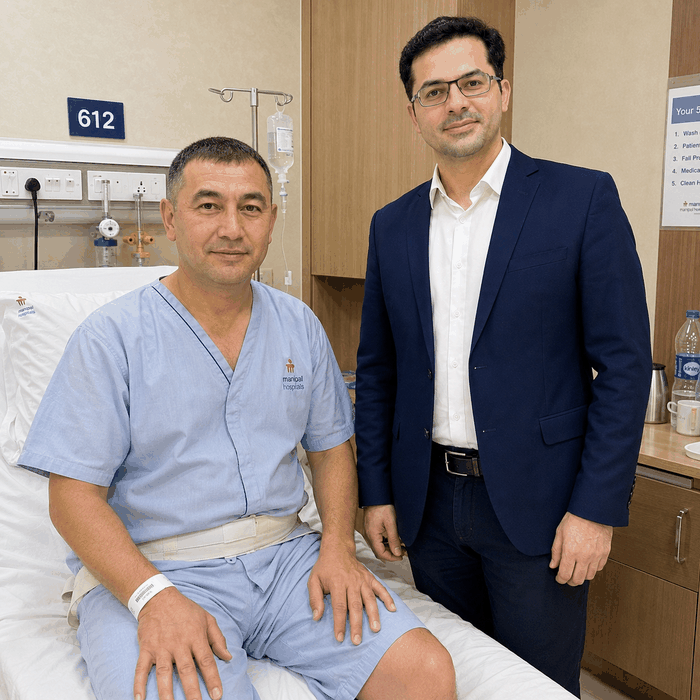
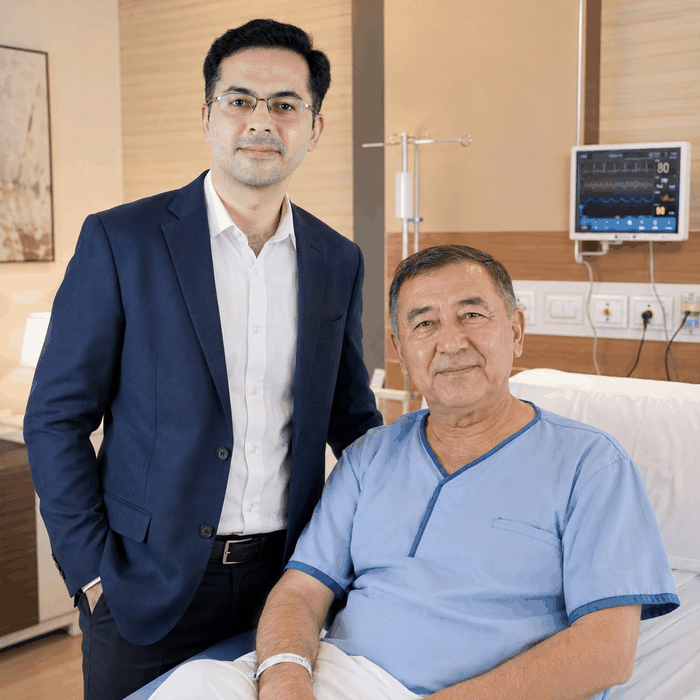
Patient Testimonials from Uzbekistan
Ready to Take the First Step?
Share your medical reports with our healthcare managers today and receive a FREE CONSULTATION, a personalized treatment plan and complete support from your arrival to your recovery.
Get Your Free ConsultationFrom Uzbekistan to India: Your Complete Patient Guide
- Cardiac Surgery in India for Uzbek Patients
- Cervical and Lumbar Disc Replacement Surgery in India for Uzbek Patients
- Colorectal Cancer Treatment and Surgery in India for Uzbek Patients
- Complex Orthopaedic and Joint Revision Surgery in India for Uzbek Patients
- Cornea Transplant and Advanced Eye Surgery in India for Uzbek Patients
- Cosmetic and Aesthetic Surgery in India for Uzbek Patients
- CyberKnife Treatment in India for Uzbek Patients
- Dental Implants and Smile Makeover in India for Uzbek Patients
- Dental Surgery and Implants in India for Uzbek Patients
- Gamma Knife Treatment in India for Uzbek Patients
- Heart Failure Treatment and Surgery in India for Uzbek Patients
- Heart Valve Replacement in India for Uzbek Patients
- Hip Surgery in India for Uzbek Patients
- HIPEC Cancer Surgery in India for Uzbek Patients
- IVF and Fertility Treatment in India for Uzbek Patients
- Joint Arthroscopy and Sports Medicine in India for Uzbek Patients
- Kidney Transplant Treatment in India for Uzbek Patients
- Knee Surgery in India for Uzbek Patients