

CyberKnife Treatment in India for Uzbek Patients
A practical guide to planning CyberKnife robotic radiosurgery in India — a non-invasive alternative to surgery for certain tumors — what it costs compared with Western countries, and how to travel with confidence from Tashkent, Samarkand or anywhere in Uzbekistan.
If you have been told about CyberKnife as an option, one detail is worth understanding right away: it is not a type of surgery. It is a robotic radiosurgery system that delivers highly precise radiation to a tumor from hundreds of angles, without any incision, in a handful of outpatient sessions. For the right tumor, it can be a genuine alternative to an operation. Across more than two decades of guiding patients from Uzbekistan to treatment in India, the questions I hear most about this option are: Is CyberKnife suitable for my specific tumor? Is it safe? What will it really cost? And how does it compare with surgery? This guide answers each plainly. It does not replace your oncologist's advice — it is meant to help you understand whether this option is worth discussing with your team.
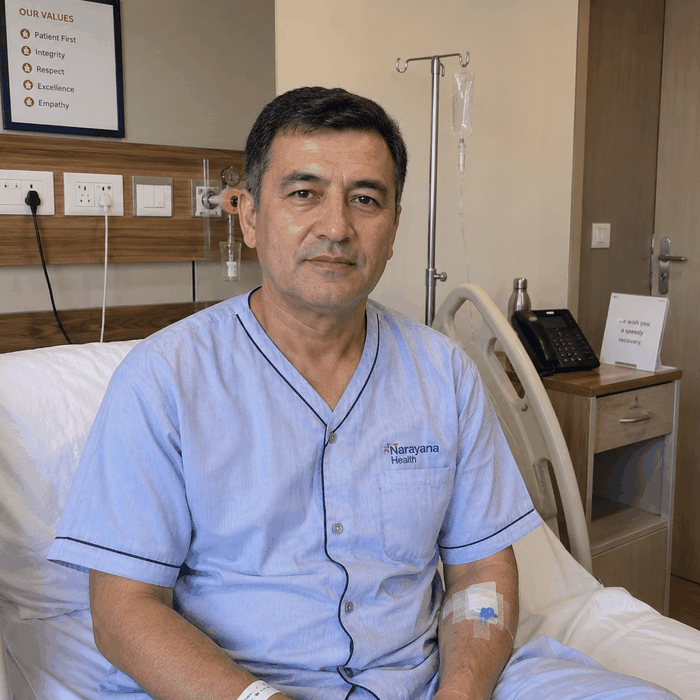
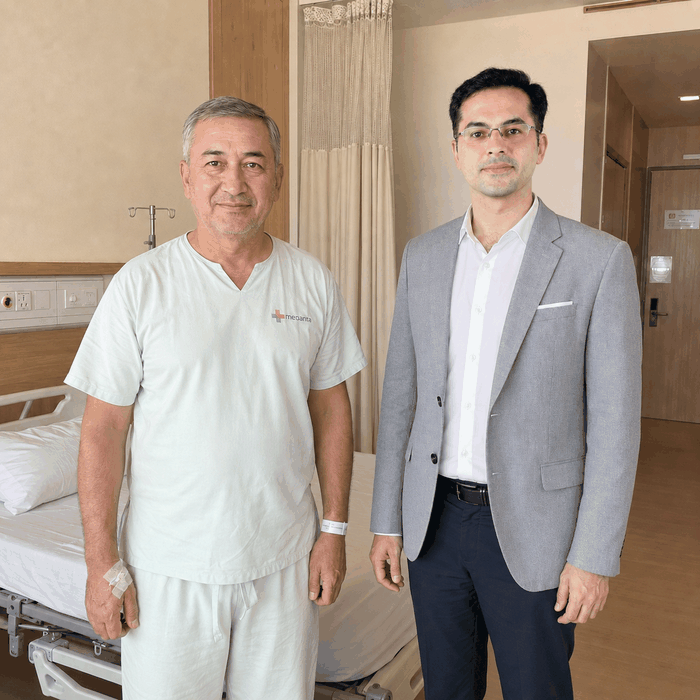
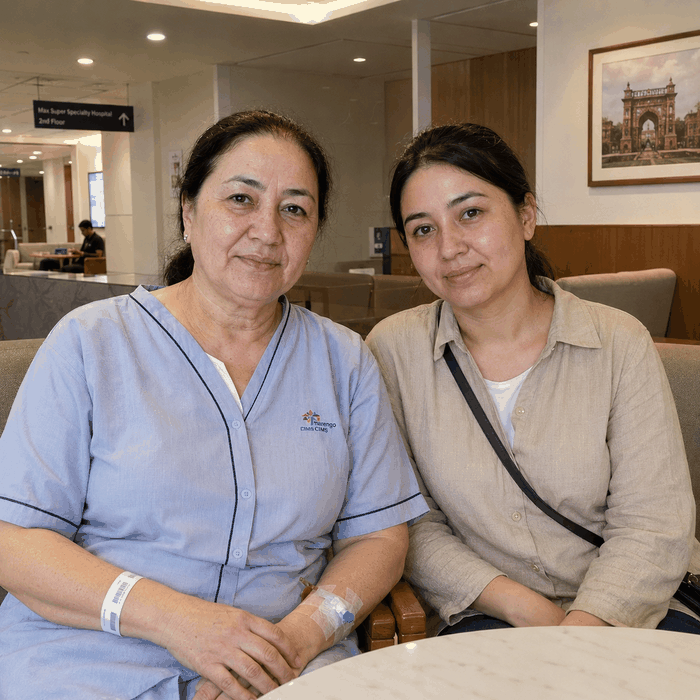
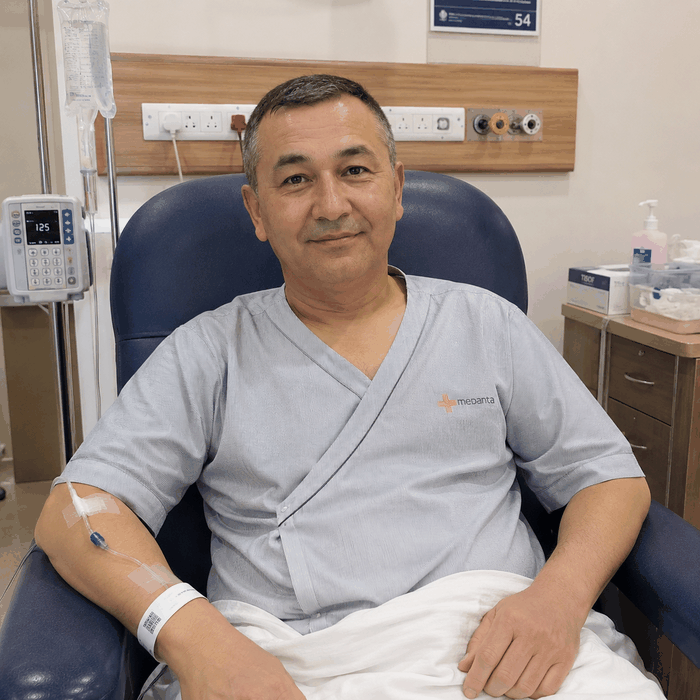
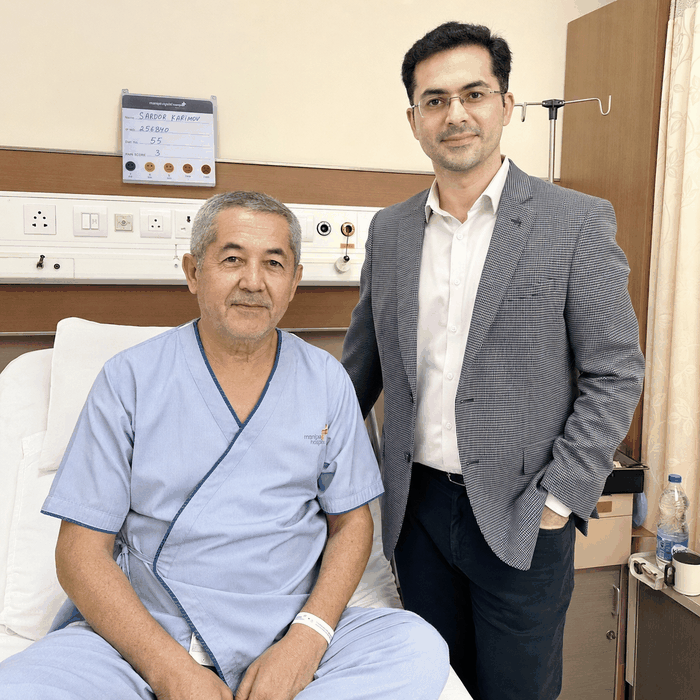
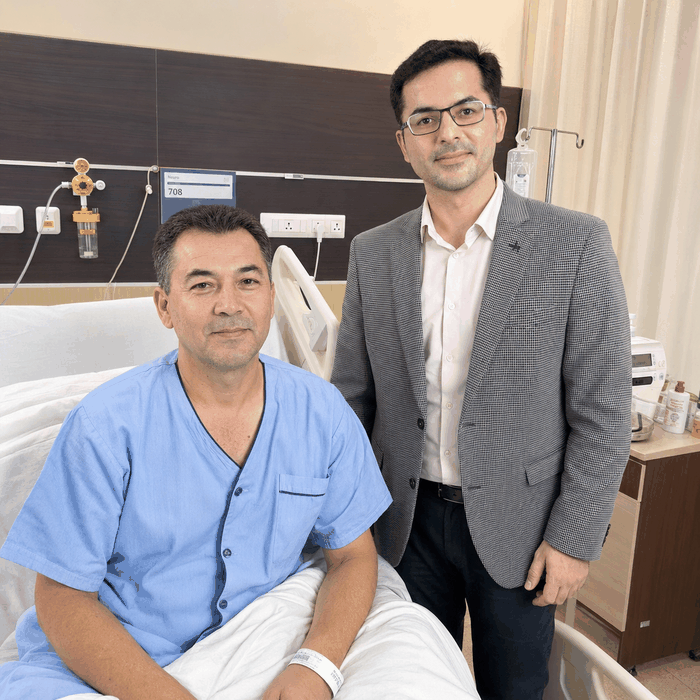
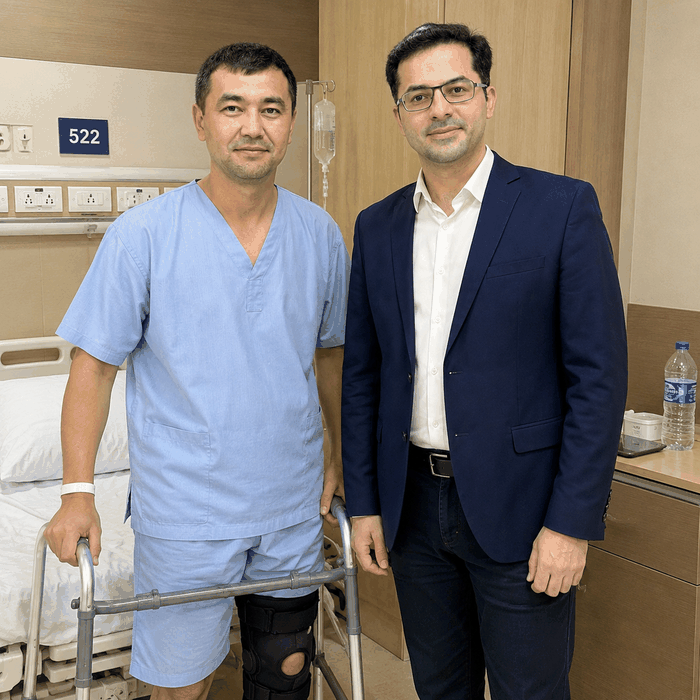
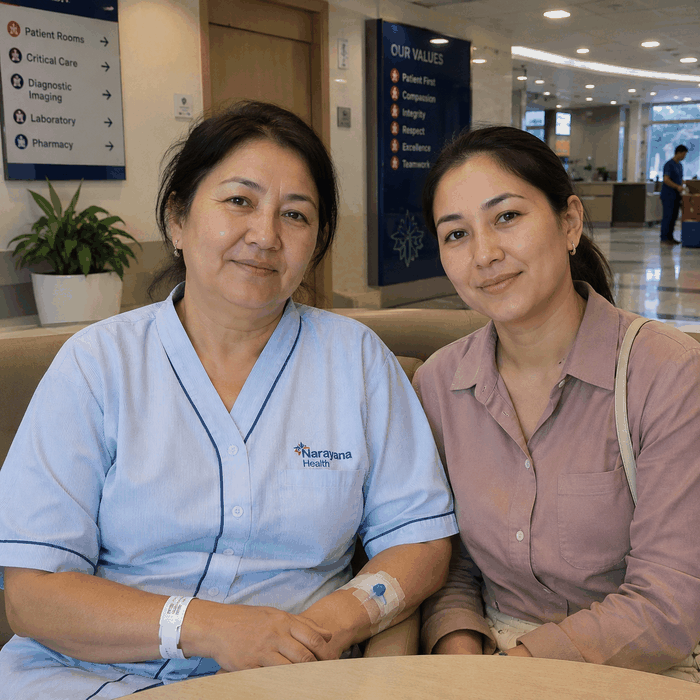
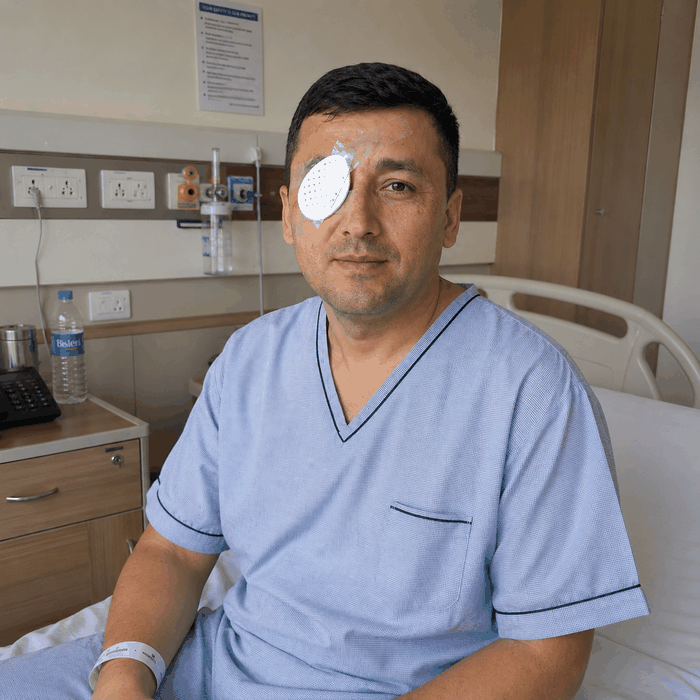
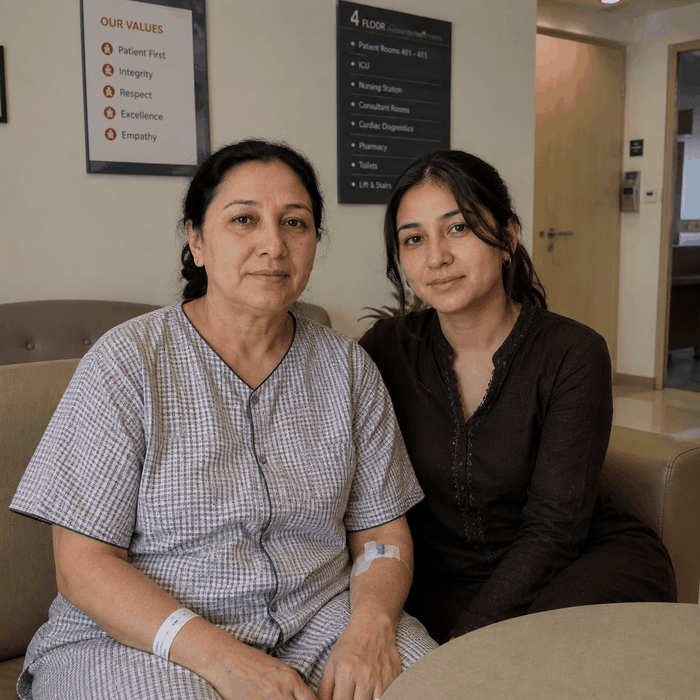
Healing Journeys of Uzbek Patients

Information Takeaways
- CyberKnife is not conventional surgery. The guide describes it as a robotic radiosurgery system that delivers highly focused radiation to a tumor from multiple angles without an incision. It can therefore provide a non-invasive treatment option for selected tumors, but whether it is appropriate depends on the tumor's type, size and location. Patients from Uzbekistan should discuss the option with their oncology team rather than assuming that CyberKnife is automatically preferable to surgery.
- CyberKnife uses stereotactic radiosurgery, with a robotic arm delivering focused radiation beams from multiple directions while attempting to spare surrounding healthy tissue. The system can also track and adjust for certain movements, including breathing. The guide identifies brain tumors, selected spinal tumors, early-stage lung cancer in patients who are not good surgical candidates, liver tumors and localised prostate cancer among situations in which CyberKnife may be considered.
- India has CyberKnife centres in cities including Delhi, Mumbai, Chennai, Bengaluru and Hyderabad. The source emphasises that the important selection factor is not simply the city but the treatment team's experience with the patient's specific tumor type using CyberKnife. It also notes that Indian centres may use the same CyberKnife robotic systems, including VSI and M6 models, found in Western hospitals, with radiation oncology teams experienced in this technology.
- The guide gives an indicative India cost of USD 5,000–15,000 for a complete CyberKnife treatment course, including planning, imaging and treatment sessions. The comparison chart on pages 2–3 shows approximately USD 25,000–70,000 in Germany, USD 20,000–60,000 in the UK, USD 25,000–65,000 in Australia and USD 30,000–100,000 in the USA. The final cost depends on tumor type, location and the number of sessions required.
- The number of sessions is an important financial and planning consideration for Uzbek patients. The guide explains that the final treatment plan is established after fresh imaging, and the session count can affect the overall price. Flights and accommodation are generally additional expenses, so patients should request a written estimate that clearly states the planned number of sessions and what circumstances could change the cost.
- Most Uzbek patients can expect the overall CyberKnife journey to take approximately 10–20 days, although the exact schedule depends on the tumor and treatment plan. Before travelling, patients can send MRI, CT or biopsy results for review. After arrival, detailed CT or MRI mapping is performed, the first treatment session generally occurs around days 3–4, and additional sessions may be delivered on consecutive or spaced days. Each session is described as lasting approximately 30–90 minutes without anaesthesia or an incision.
- The source recommends several checks before Uzbek patients commit to treatment. These include choosing an NABH- or JCI-accredited centre with an established CyberKnife programme, confirming why CyberKnife is appropriate for the specific tumor, asking how many similar cases the treatment team handles, obtaining the planned session count and complete cost in writing, arranging medical and companion visas and establishing a follow-up imaging plan in Uzbekistan. Accommodation close to the treatment centre can also be useful because patients generally attend as outpatients across multiple visits.
- Recovery is generally lighter than after surgery because CyberKnife does not involve an incision or anaesthesia. The guide states that many patients can resume normal daily activities within a day or two of each session, although mild fatigue or localised effects can occur. Tumor response is not assessed immediately; follow-up imaging over the following months is used to evaluate treatment response. Patients returning to Uzbekistan should therefore leave India with a clear scan schedule and retain their treatment records.
Quick Facts
- Treatment
- CyberKnife robotic radiosurgery
- Primary Patients
- Uzbek patients seeking selected tumor treatment in India
- Main Speciality
- Radiation oncology
- Key Specialist
- Radiation oncologist experienced in CyberKnife treatment for the specific tumor type
- Treatment Type
- Non-invasive stereotactic radiosurgery
- Common Applications
- Selected brain, spinal, lung, liver and localised prostate tumors
- Suitability
- Depends on tumor type, size and location
- India Cost
- Approximately USD 5,000–15,000 per treatment course
- Cost Includes
- Planning, imaging and treatment sessions according to the source
- Typical Stay
- Approximately 10–20 days in India
- Hospital Admission
- Usually not required between treatment sessions
- Session Duration
- Approximately 30–90 minutes
- Anaesthesia
- Typically not required
- Incision
- None
- Planning
- Detailed CT or MRI mapping before treatment
- Treatment Schedule
- Consecutive or spaced sessions depending on the treatment plan
- Accreditation
- NABH or JCI should be confirmed
- Team Experience
- Ask about the number of similar tumor cases treated with CyberKnife
- Recovery
- Many patients resume normal activity within 1–2 days of each session
- Possible Effects
- Mild fatigue or localised effects may occur
- Follow-Up
- Imaging over the following months is required to assess response
- Language Support
- Russian- and Uzbek-speaking coordinators/interpreters may be available
- Travel
- Medical and companion visas should be arranged
- Home Follow-Up
- A written follow-up scan schedule should be established in Uzbekistan
- Author
- Dr. Dheeraj Bojwani
- Experience
- 24+ Years
Knowledgeable Information Snippet
CyberKnife treatment in India may be considered for selected tumors as a non-invasive alternative to surgery or conventional radiation. The guide describes its use in certain brain, spinal, lung, liver and prostate tumors, while emphasising that suitability depends on tumor type, size and location. The indicative India cost is USD 5,000–15,000 for a treatment course, and most Uzbek patients may plan approximately 10–20 days in India. Treatment sessions generally last 30–90 minutes without an incision or anaesthesia, while follow-up imaging over subsequent months is necessary to assess tumor response.
Why Uzbek Patients Choose India for CyberKnife Treatment?
India has multiple centres equipped with CyberKnife systems, accredited by NABH or the international JCI, staffed by radiation oncology teams experienced in treating a wide range of tumor types with this technology.
Cities such as Delhi, Mumbai, Chennai, Bengaluru and Hyderabad all have centres offering CyberKnife. The right choice is experience with your specific tumor type on this technology — not the city name.
- Radiation oncologists frequently trained or fellowship-qualified in the UK, Europe or the USA.
- The same CyberKnife robotic systems (including current VSI and M6 models) used in Western hospitals.
- No hospital admission required between sessions — most patients stay in a hotel and attend as outpatients.
- Dedicated international desks with Russian and Uzbek-speaking coordinators and interpreters.
- Convenient connectivity from Tashkent to Delhi, Mumbai and other major cities.
What is CyberKnife, and is it right for your case?
CyberKnife is a form of stereotactic radiosurgery: a robotic arm moves around the body, delivering focused radiation beams from many angles that converge precisely on the tumor, while sparing surrounding healthy tissue. Unlike a fixed radiation machine, it can track and adjust for movement, such as breathing, making it useful for tumors that shift slightly during treatment.
It is commonly used for brain tumors (including some that are hard to reach surgically), spinal tumors near the spinal cord, early-stage lung cancer in patients who are not good surgical candidates, liver tumors, and localised prostate cancer as an alternative to surgery or conventional radiation. It is not suitable for every tumor — size, location and type all matter, and your oncologist will confirm whether it is appropriate after reviewing your scans.
How much does CyberKnife treatment in India cost?
Cost depends on the tumor type, location and number of sessions required. In India, CyberKnife treatment typically costs USD 5,000–15,000 all-inclusive, covering planning, imaging and all treatment sessions.
India vs Western countries: cost of CyberKnife treatment
Approximate all-inclusive price for a full treatment course (USD, 2026)
Figures are indicative ranges compiled from hospital and medical-travel sources; your final quote depends on tumor type, location and number of sessions.
Notice how far below Western prices India sits — often a fraction of the cost in the USA, UK, Germany or Australia — using the same robotic technology. India's advantage is value: the same CyberKnife systems, at a cost that makes this option accessible without years of savings.
One caution on budgeting: the number of sessions, and therefore the final cost, is confirmed only once your treatment plan is mapped from fresh imaging. It also rarely includes flights and accommodation for the treatment period. Ask for a written estimate stating the planned number of sessions and what would change it.
CyberKnife is not automatically the “easier” choice over surgery. Ask your oncologist directly which option gives better long-term control for your specific tumor.
What your treatment journey of a typical CyberKnife treatment to India looks like- step by step.
Knowing the whole path in advance makes planning easier. From first contact to flying home, most Uzbek patients complete the journey in about 10 to 20 days.
Your CyberKnife treatment journey, step by step
A typical timeline from Uzbekistan to India and back
Most patients are not admitted to hospital between sessions; your team will confirm the exact schedule for your case.
Factors that every Uzbek Patient should consider while planning CyberKnife Treatment in India
Before you commit, work through the checklist below with the hospital's international team. In more than 24 years of guiding patients through this decision, those who ask these six questions directly are the best prepared.
Before you book: six things to confirm
A pre-travel checklist for patients from Uzbekistan
Also confirm accommodation near the treatment centre, since you will attend as an outpatient across multiple visits.
Two further points: bring a companion — helpful for daily travel to sessions, even though the treatment itself is straightforward — and ask for everything in writing, including how effectiveness will be measured on follow-up scans.
Recovery after CyberKnife Treatment and returning to Uzbekistan
One of CyberKnife's genuine advantages is a light recovery compared with surgery. Most patients resume normal daily activity within a day or two of each session, since there is no incision or anaesthesia to recover from. Some mild fatigue or localised effects near the treatment area are common in the days following treatment, and your team will advise on managing these. Unlike surgery, the tumor's response to CyberKnife develops gradually — results are typically assessed on follow-up scans over the following months, not immediately after treatment. Regular follow-up imaging is essential to confirm the treatment is working as expected, so agree a monitoring schedule with a doctor in Uzbekistan before you leave. Keep every scan and treatment summary safely for these appointments.
A note from Dr Dheeraj Bojwani
With 24+ years of experience guiding international patients through cancer diagnoses, my advice to every patient from Uzbekistan is the same: ask directly why CyberKnife is being recommended over surgery or other radiation for your specific tumor, and make sure follow-up imaging is planned before you leave India. This article is general information and not a substitute for a personal consultation with your oncology team.
Straight Answer Question by Uzbek Patients about CyberKnife Treatment in India
Is CyberKnife treatment in India safe?
At an accredited centre, yes. India's leading cancer hospitals meet NABH or JCI standards and use the same CyberKnife robotic systems found in Western hospitals, operated by experienced radiation oncology teams.
Will there be someone who speaks my language?
Major international hospitals have Russian and Uzbek-speaking coordinators and interpreters who assist from your first message through treatment and follow-up.
Is CyberKnife better than surgery?
Not universally — it depends entirely on the tumor. CyberKnife avoids an incision and anaesthesia, but surgery may offer more definitive removal for some tumors. A good oncology team will explain honestly which option gives better outcomes for your specific case.
Is CyberKnife painful?
No. Sessions are painless and typically require no sedation, though a temporary immobilisation frame or mask may be used to keep the treatment area still during delivery.
References & sources
- 🌐 National Accreditation Board for Hospitals & Healthcare Providers (NABH) — accredited hospital directory. · nabh.co
- 🌐 Joint Commission International (JCI) — directory of accredited organisations. · jointcommissioninternational.org
- 🌐 National Medical Commission of India — doctor and specialist registration verification. · nmc.org.in
- 🌐 World Health Organization — Cancer fact sheet. · who.int/news-room/fact-sheets/detail/cancer
- 🌐 Bureau of Immigration, Government of India — e-Medical Visa and Medical Attendant Visa. · indianvisaonline.gov.in
- 🌐 Cost ranges compiled from published hospital and medical-travel price guides for CyberKnife robotic radiosurgery, 2025–2026.
Frequently Asked Questions by Uzbek Patients about CyberKnife Treatment in India
Can Uzbek patients travel to India for CyberKnife treatment?
Yes. The guide is specifically designed for patients from Uzbekistan and identifies CyberKnife centres in Delhi, Mumbai, Chennai, Bengaluru and Hyderabad. Patients should select a centre based on experience with their specific tumor.
How much does CyberKnife treatment cost in India for Uzbek patients?
The guide gives an indicative cost of USD 5,000–15,000 for a full treatment course, including planning, imaging and treatment sessions. The final price depends on the tumor and number of sessions.
Which tumors may be treated with CyberKnife in India?
The source identifies selected brain tumors, spinal tumors near the spinal cord, early-stage lung cancer in patients who are not suitable surgical candidates, liver tumors and localised prostate cancer. Suitability must be confirmed after reviewing scans.
Is CyberKnife better than surgery for Uzbek patients?
Not necessarily. The guide states that the better option depends entirely on the specific tumor. CyberKnife avoids an incision and anaesthesia, but surgery may provide more definitive tumor removal in some cases.
How long should Uzbek patients stay in India for CyberKnife?
Most Uzbek patients may plan approximately 10–20 days in India. The actual duration depends on the number and spacing of CyberKnife sessions and the individual treatment plan.
Are CyberKnife sessions painful for Uzbek patients?
The guide states that sessions are painless and typically require no sedation. A temporary immobilisation frame or mask may sometimes be used to keep the treatment area still.
Will Uzbek patients need to stay in the hospital between CyberKnife sessions?
Usually not. The source states that most patients are not admitted between sessions and generally stay in accommodation near the treatment centre while attending as outpatients.
Will Uzbek patients have Russian- or Uzbek-speaking assistance in India?
Major international hospitals may provide Russian- and Uzbek-speaking coordinators and interpreters to assist from the initial communication through treatment and follow-up.
How soon can Uzbek patients return to normal activities after CyberKnife?
Recovery is generally light compared with surgery. Many patients can resume normal daily activities within a day or two of each session, although mild fatigue or localised effects may occur.
What follow-up should Uzbek patients arrange after CyberKnife treatment in India?
Patients should establish a written schedule for follow-up scans with a doctor in Uzbekistan before leaving India. Treatment response develops gradually, so follow-up imaging over subsequent months is important.
Page Summary
CyberKnife is a robotic stereotactic radiosurgery system rather than an operation. For appropriately selected tumors, it can deliver highly focused radiation without an incision or anaesthesia. The guide identifies several potential applications, but stresses that the treatment is not suitable for every tumor and that the decision should be based on detailed imaging and an oncology assessment. For Uzbek patients, India offers CyberKnife centres in several major cities, with an indicative treatment cost of USD 5,000–15,000 and an overall treatment journey of approximately 10–20 days. Before travelling, patients should confirm tumor-specific suitability, team experience, accreditation, session count, complete cost and follow-up arrangements. After treatment, continued imaging in Uzbekistan is essential because treatment response develops gradually over the following months.
Citation Block
| Field | Details |
|---|---|
| Article / Topic | CyberKnife treatment in India |
| Target Patients | Patients from Uzbekistan |
| Treatment Type | Robotic stereotactic radiosurgery |
| Nature of Treatment | Non-invasive radiation treatment without incision |
| Technology | CyberKnife robotic radiosurgery system |
| Potential Applications | Selected brain, spinal, lung, liver and prostate tumors |
| Suitability | Determined by tumor type, size and location |
| Treatment Team | Radiation oncology team with CyberKnife-specific experience |
| Indian Locations | Delhi, Mumbai, Chennai, Bengaluru and Hyderabad |
| Technology Models Mentioned | VSI and M6 |
| India Cost | Approximately USD 5,000–15,000 |
| Western Comparison | Germany USD 25,000–70,000; UK USD 20,000–60,000; Australia USD 25,000–65,000; USA USD 30,000–100,000 |
| Cost Factors | Tumor type, location and number of sessions |
| Cost Confirmation | Written estimate should specify planned sessions and possible changes |
| Typical Stay | Approximately 10–20 days |
| Hospital Admission | Generally not required between sessions |
| Pre-Travel Records | MRI, CT or biopsy results |
| Planning | Detailed CT or MRI mapping |
| Session Duration | Approximately 30–90 minutes |
| Anaesthesia | Typically not required |
| Treatment Schedule | Sessions may be consecutive or spaced |
| Accreditation | NABH or JCI should be confirmed |
| Team Volume | Ask about similar tumor cases treated with CyberKnife |
| Recovery | Many patients resume daily activities within 1–2 days of sessions |
| Follow-Up | Imaging over subsequent months |
| Home Monitoring | Written scan schedule in Uzbekistan |
| Language Support | Russian- and Uzbek-speaking coordinators/interpreters may be available |
| Travel Planning | Medical and companion visas plus nearby accommodation |


Our Mission Statement
Our mission is to place patients at the centre of every healthcare decision by providing trustworthy, evidence-based, and unbiased medical information. We believe that informed patients make better decisions. Backed by personalised guidance from our experienced advisory team, we help patients understand their treatment options, compare them objectively, and confidently choose the path that best suits their medical needs and personal circumstances.
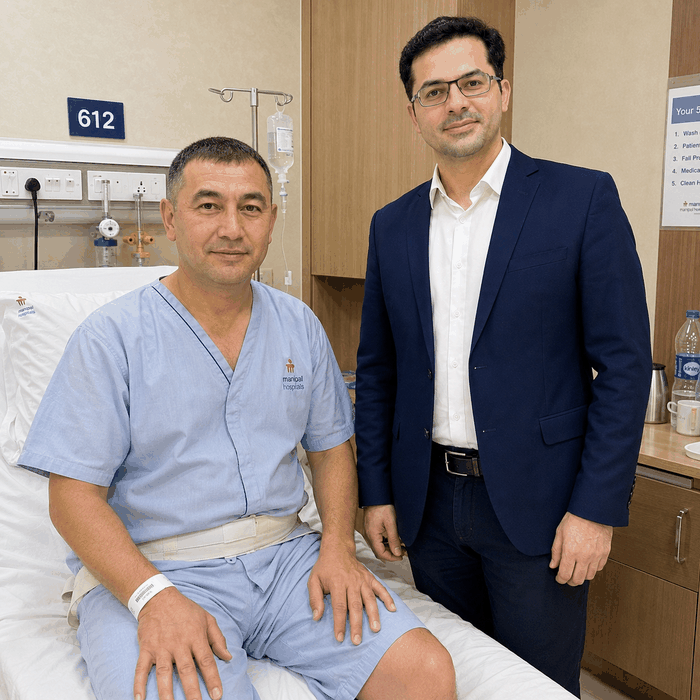
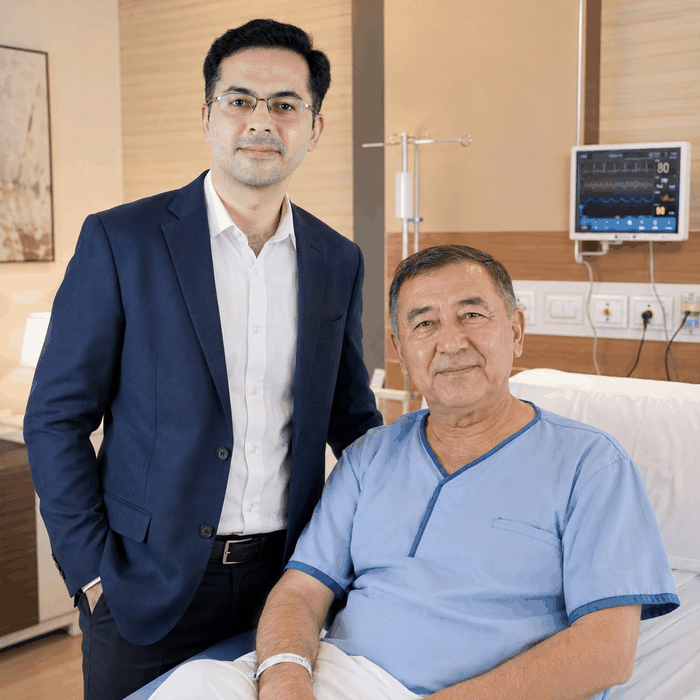
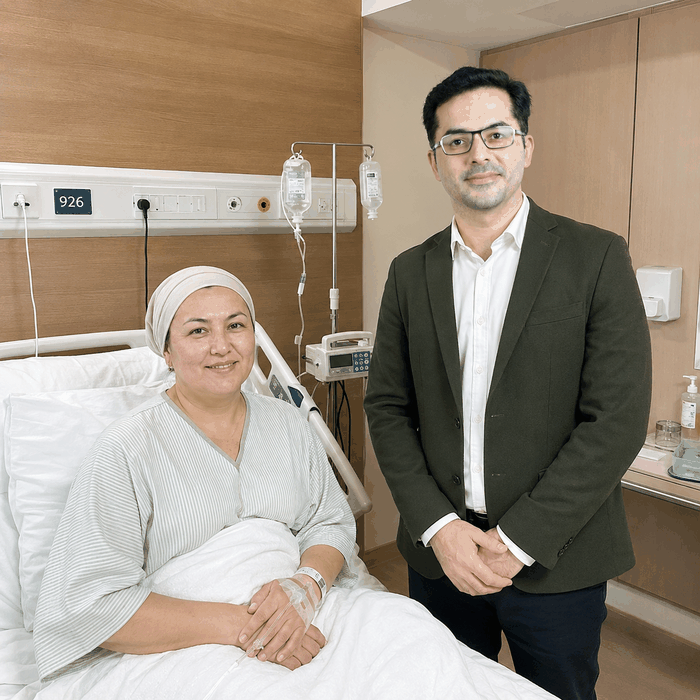
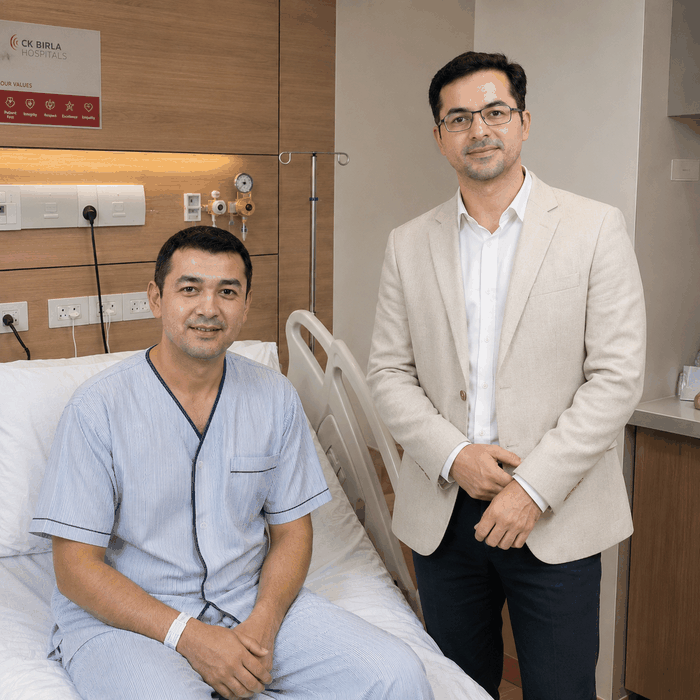
Patient Testimonials from Uzbekistan
Ready to Take the First Step?
Share your medical reports with our healthcare managers today and receive a FREE CONSULTATION, a personalized treatment plan and complete support from your arrival to your recovery.
Get Your Free ConsultationFrom Uzbekistan to India: Your Complete Patient Guide
- Penile Implant Surgery in India for Uzbek Patients
- Plastic and Reconstructive Surgery in India for Uzbek Patients
- Prostate Cancer Treatment and Surgery in India for Uzbek Patients
- Proton Therapy Treatment in India for Uzbek Patients
- Radiotherapy and Modern Cancer Treatments in India for Uzbek Patients
- Robotic Cancer Surgery in India for Uzbek Patients
- Scoliosis Correction Surgery in India for Uzbek Patients
- Shoulder Surgery in India for Uzbek Patients
- Spine Surgery in India for Uzbek Patients
- Urosurgery and Reconstructive Urology in India for Uzbek Patients
- Weight Loss and Bariatric Surgery in India for Uzbek Patients
- Bone Marrow Transplant Treatment in India for Uzbek Patients
- Brain Tumor Surgery in India for Uzbek Patients
- Breast Cancer Treatment and Surgery in India for Uzbek Patients
- Cancer Treatment and Surgery in India for Uzbek Patients
- Cardiac Pacemaker Treatment in India for Uzbek Patients
- Cardiac Surgery in India for Uzbek Patients
- Cervical and Lumbar Disc Replacement Surgery in India for Uzbek Patients