

Scoliosis Correction Surgery in India for Uzbek Patients
A practical guide to planning scoliosis correction surgery in India — when surgery is actually needed, what it costs compared with Western countries, and how to travel with confidence from Tashkent, Samarkand or anywhere in Uzbekistan.
If your child, or you, has been diagnosed with scoliosis, one detail matters more than almost anything else: how advanced the curve already is. A mild curve caught early can sometimes be managed with bracing alone, while the same curve left to progress can eventually require major reconstructive surgery. Across more than two decades of guiding patients from Uzbekistan to treatment in India, I find scoliosis is one of the clearest examples of how much timing shapes the treatment eventually needed. This guide explains what scoliosis correction surgery involves, what it costs compared with Western countries, and the practical factors to weigh before booking treatment abroad. India performs a genuinely high volume of scoliosis and spinal deformity correction surgery, and surgeons at its leading centres routinely handle complex, higher-degree curves. That volume and case-complexity experience matters enormously, since outcomes depend heavily on the surgeon's familiarity with your curve's specific pattern and how many vertebral levels need correcting.
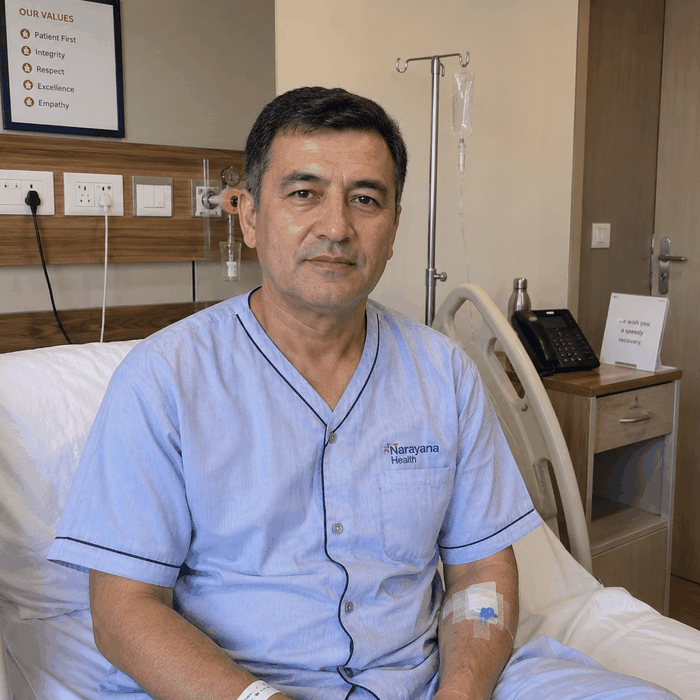
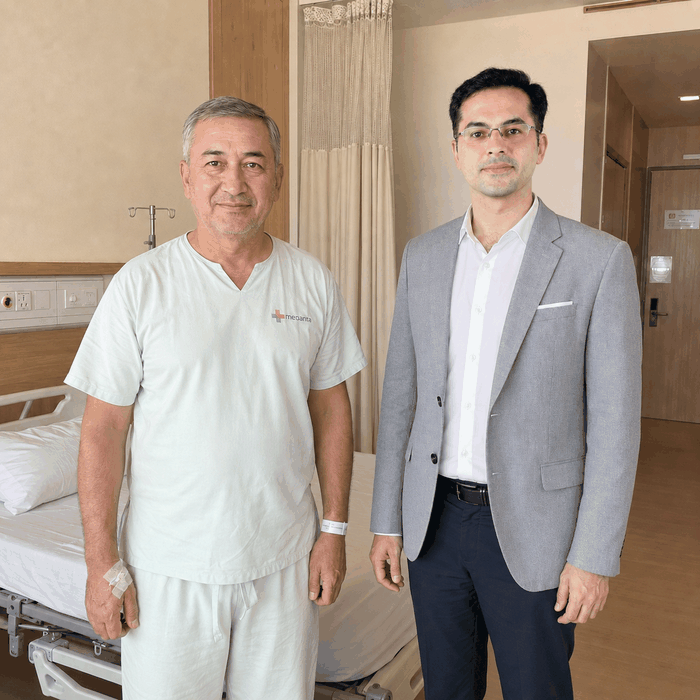
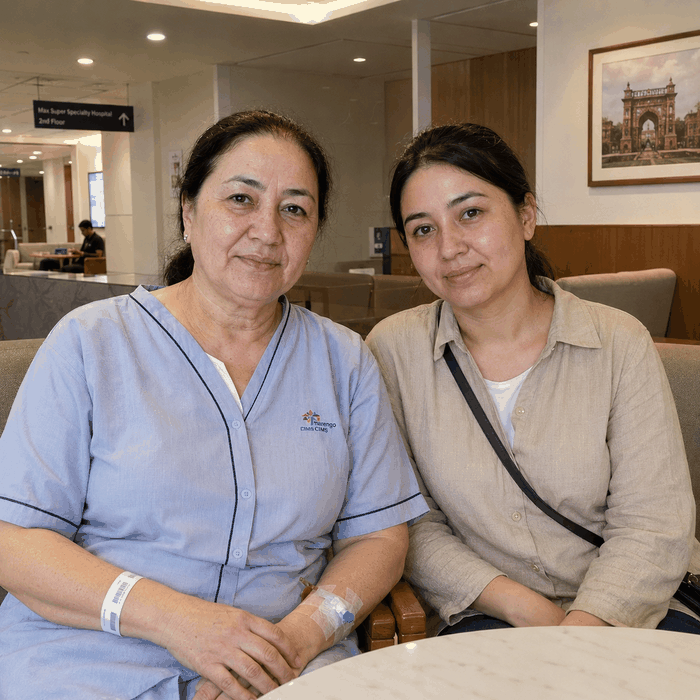
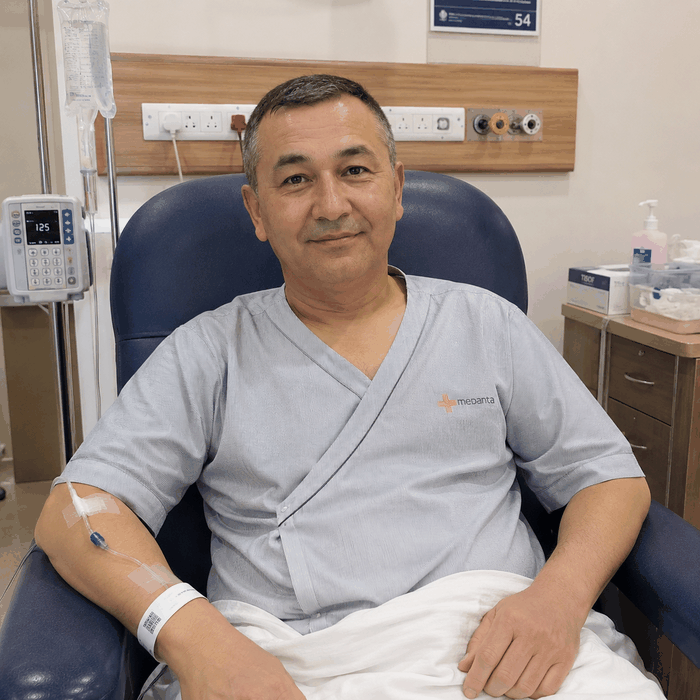
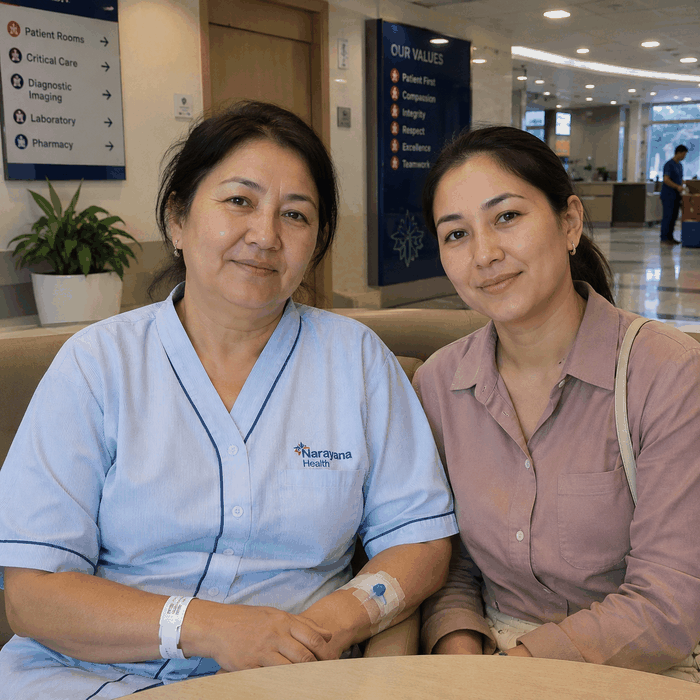
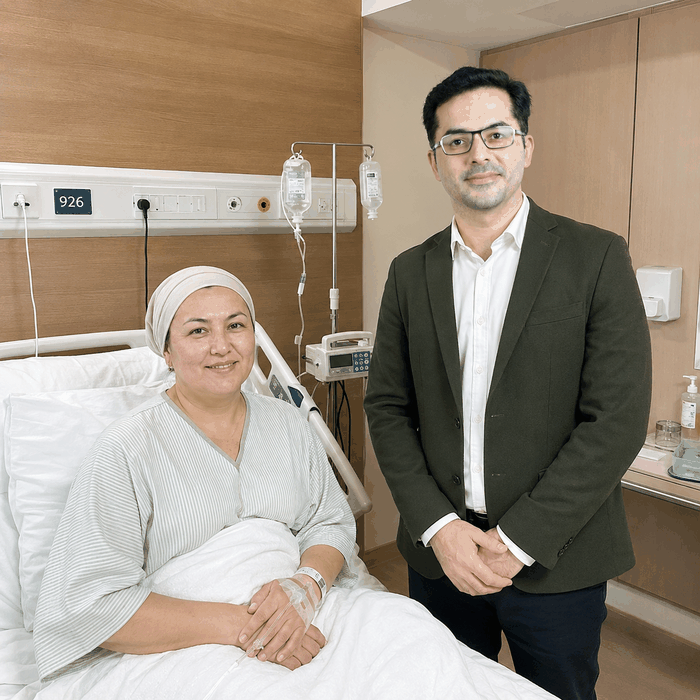
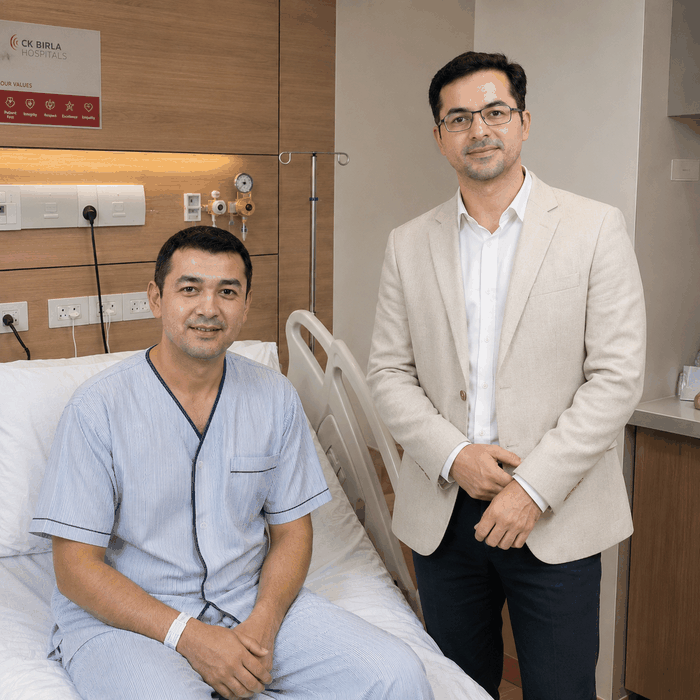
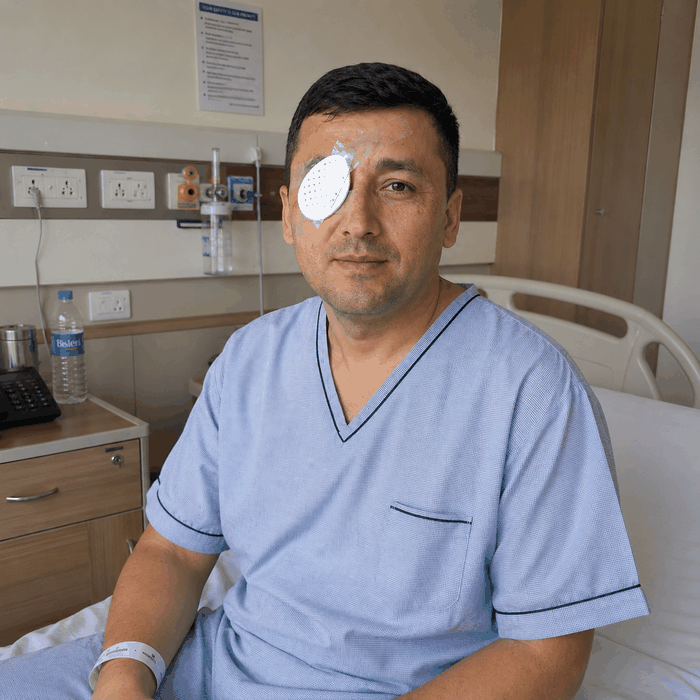
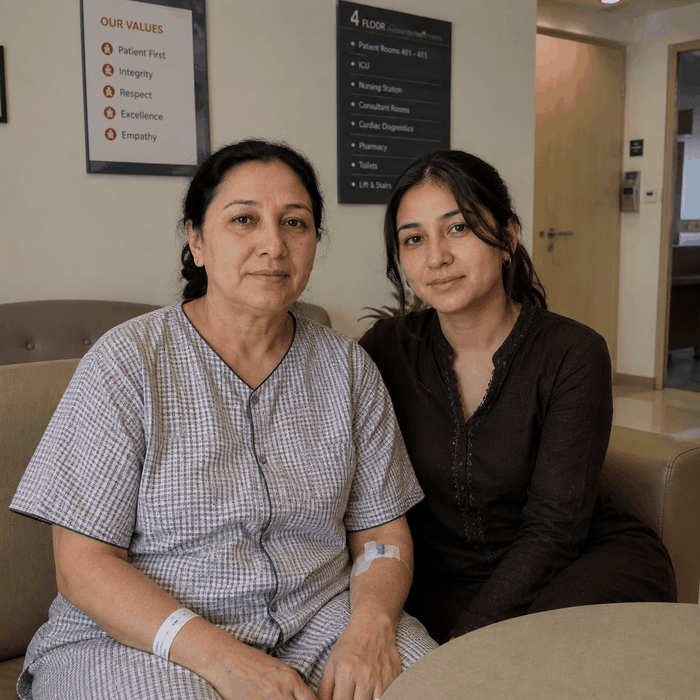
Healing Journeys of Uzbek Patients
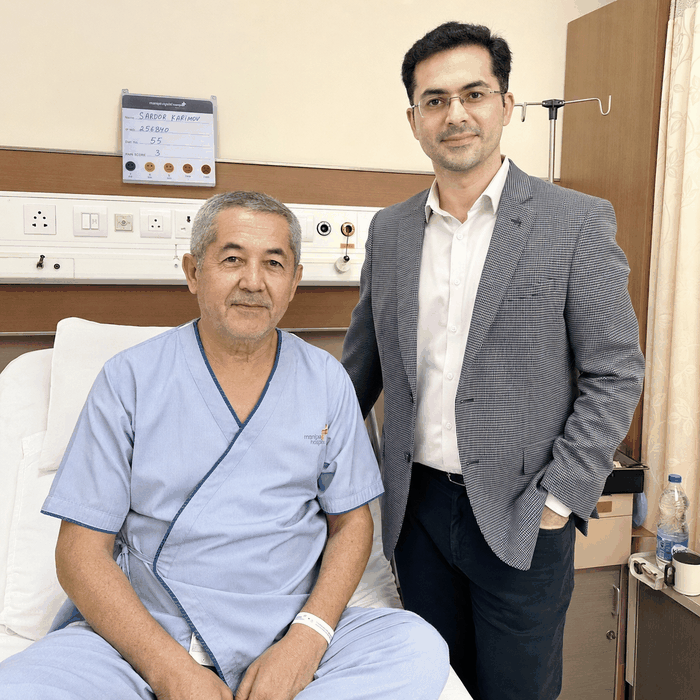
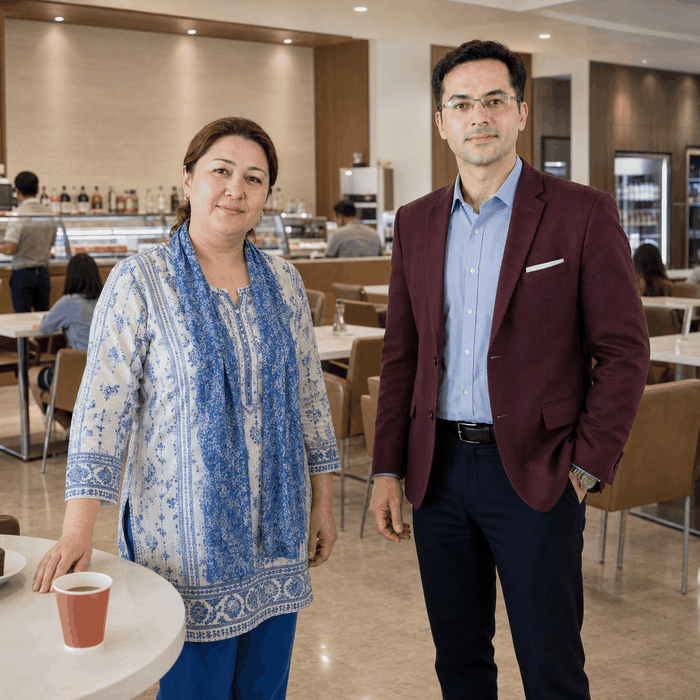
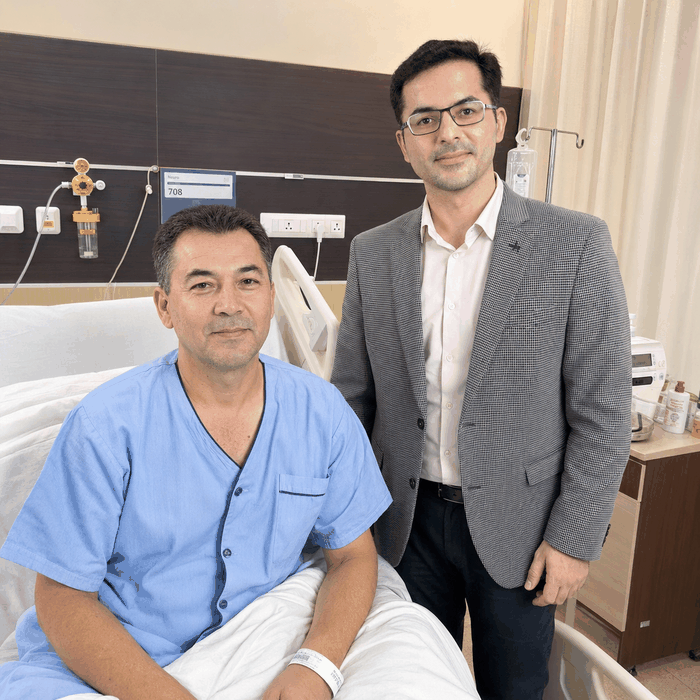
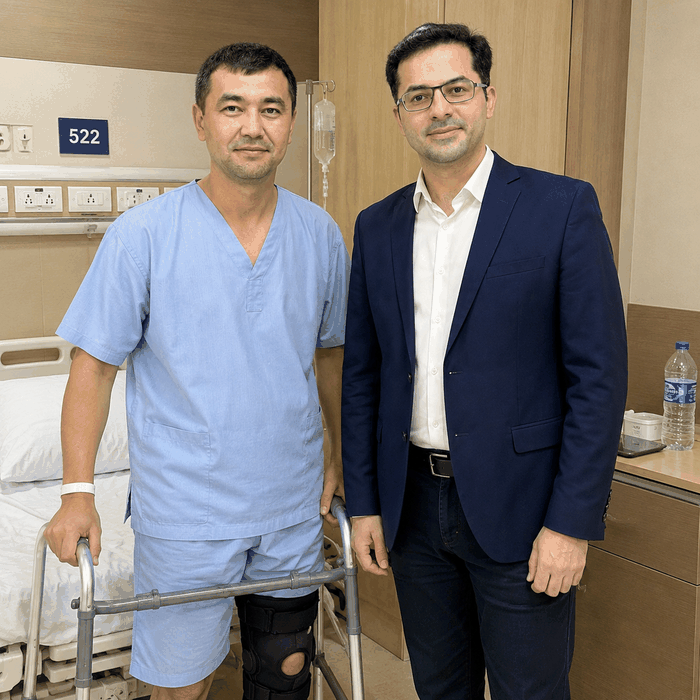
Information Takeaways
- The severity and progression of the spinal curve are central to deciding how scoliosis should be managed. The guide explains that mild curves may sometimes be monitored or treated with bracing, particularly when detected during growth, while more advanced curves may eventually require reconstructive surgery. Outcomes depend substantially on the surgeon's familiarity with the patient's particular curve pattern and the number of vertebral levels that need correction.
- Scoliosis is described as an abnormal sideways curvature of the spine and is commonly diagnosed during adolescence, although it can occur in younger children or develop later. The Cobb angle measured on a full-spine X-ray is used to assess severity. According to the guide, surgery generally becomes a recommended option when the curve exceeds roughly 45–50 degrees at skeletal maturity, or earlier when the curve is progressing rapidly, causing significant pain or affecting breathing.
- The standard surgical approach described is spinal fusion. Rods and screws are attached along the curved portion of the spine to gradually correct the deformity, after which the relevant vertebrae are fused so that the correction is maintained. The procedure typically takes four to eight hours, depending on the number of levels involved, with a hospital stay of approximately five to seven days. Earlier treatment may involve fewer vertebral levels and a more straightforward correction.
- India has high-volume scoliosis and spinal deformity programmes, with major spine centres in cities including Delhi, Mumbai, Chennai, Bengaluru and Hyderabad. The guide stresses that families should select a team based on proven deformity-correction experience rather than city name alone. It also highlights JCI and NABH accreditation, dedicated spinal deformity teams, modern implants and neuromonitoring during surgery.
- The cost comparison chart in the source shows an estimated Indian cost of USD 6,500–14,000 for scoliosis correction surgery, including implants, surgery and hospital stay. The same chart gives approximately USD 28,000–35,000 for Germany, USD 30,000–60,000 for the UK, USD 46,000–70,000 for Australia and USD 60,000–150,000 for the USA. The final Indian quotation depends on curve severity, the number of vertebral levels fused and the hospital tier.
- For Uzbek patients, the guide recommends planning approximately two to three weeks in India to cover pre-operative imaging, surgery and early recovery. Before travel, patients can send a full-spine X-ray and Cobb angle measurement for an initial opinion. After arrival, updated imaging and a face-to-face consultation are followed by surgery, early mobility and discharge planning. The typical journey described runs from approximately day 1–2 for arrival and imaging through day 14–21 for return home and follow-up planning.
- Recovery after spinal fusion is gradual. Patients are commonly encouraged to stand and take a few steps within a day or two, while a brace may be recommended during early healing in selected cases. Hospitalisation generally lasts five to seven days, while returning to school, work or sport may take approximately three to six months depending on age and the number of levels fused. Follow-up X-rays over the following months and years are important to confirm that the fusion remains stable.
Quick Facts
- Treatment
- Scoliosis correction surgery and spinal fusion
- Primary Patients
- Uzbek children, adolescents and adults requiring surgical correction
- Main Speciality
- Orthopaedic spine and spinal deformity surgery
- Key Specialist
- Spine surgeon with dedicated scoliosis and deformity-correction experience
- Assessment
- Full-spine X-ray and Cobb angle measurement
- Surgery Consideration
- Often around 45–50 degrees at skeletal maturity or earlier with progression or significant symptoms
- Main Procedure
- Spinal fusion using rods and screws
- Surgery Duration
- Approximately 4–8 hours
- Hospital Stay
- Approximately 5–7 days
- India Cost
- Approximately USD 6,500–14,000
- Typical Stay in India
- Approximately 2–3 weeks
- Neuromonitoring
- Used during surgery in the guide to help protect the spinal cord
- Early Mobility
- Standing and walking may begin within 1–2 days
- Full Recovery
- Approximately 3–6 months
- Accreditation
- Confirm NABH or JCI certification
- Surgeon Selection
- Prioritise scoliosis-specific deformity volume
- Pre-Travel
- Send current full-spine X-rays and Cobb angle
- Travel
- Medical and companion visa arrangements should be confirmed
- Follow-Up
- Regular X-rays and monitoring in Uzbekistan
- Language Support
- Russian- and Uzbek-speaking coordinators/interpreters may be available
- Documentation
- Keep X-rays, surgical reports and discharge summaries
- Author
- Dr. Dheeraj Bojwani
- Experience
- 24+ Years
Knowledgeable Information Snippet
For Uzbek patients considering scoliosis correction surgery in India, the most important preparation is a clear assessment of the curve before committing to surgery. The guide recommends a current full-spine X-ray and Cobb angle measurement, confirmation of the hospital's NABH or JCI accreditation, and specific information about how many scoliosis corrections the surgeon performs each year. Families should obtain a detailed cost breakdown covering implants, ICU care, physiotherapy and any extended stay, arrange medical and companion visas, and identify a doctor in Uzbekistan who can continue follow-up. For younger patients, bringing a family companion can also make the recovery and travel process easier.
Why Uzbek Patients Choose India for Scoliosis Correction Surgery?
India's top hospitals combine surgical experience with JCI and NABH accreditation, the same standards recognised in the UK and US.
- Dedicated spinal deformity teams, rather than general orthopaedic surgeons treating scoliosis as one case among many.
- Modern implant systems and neuromonitoring during surgery to protect the spinal cord.
- Dedicated international desks with Russian and Uzbek-speaking coordinators and interpreters.
- Convenient connectivity from Tashkent to Delhi, Mumbai and other major cities.
Cities such as Delhi, Mumbai, Chennai, Bengaluru and Hyderabad all have excellent spine centres. The right choice is a team with proven deformity-correction experience — not the city name.
What scoliosis correction surgery actually involves
Scoliosis is an abnormal sideways curvature of the spine, most often diagnosed during the adolescent growth spurt, though it can appear in younger children or develop later from degenerative changes. Doctors measure severity using the Cobb angle, seen on an X-ray. Mild curves are often monitored or braced. Surgery generally becomes the recommended option once a curve exceeds roughly 45 to 50 degrees at skeletal maturity, or earlier if it is progressing quickly, causing pain, or affecting breathing.
The standard approach is spinal fusion: the surgeon attaches rods and screws along the curved section, gradually straightening it, then fuses the vertebrae so the correction holds permanently. It typically takes four to eight hours depending on the levels involved, with a hospital stay of five to seven days. A curve caught earlier generally involves fewer levels and a more straightforward correction than one that has progressed for years.
How much does scoliosis correction surgery in India cost?
Cost varies with curve severity and the number of vertebral levels involved. In India, scoliosis correction surgery typically costs USD 6,500–14,000, including implants, surgery and hospital stay. More complex, higher-degree curves needing longer fusions can cost more.
India vs Western countries: cost of scoliosis surgery
Approximate all-inclusive price for spinal fusion with rods and screws (USD, 2026)
Figures are indicative ranges compiled from hospital and medical-travel sources; your final quote depends on curve severity, number of levels fused and hospital tier.
Notice how far below Western prices India sits — often a fraction of what the same standard of surgery costs in the USA, UK, Germany or Australia. This combination of deformity-specific volume, accreditation and modern technique, at a fraction of Western cost, is genuinely difficult to match elsewhere, particularly for the more advanced curves that later presentation often produces.
Beyond the surgery, budget for a longer stay than most orthopaedic procedures. Most scoliosis patients should plan for two to three weeks in India, covering pre-operative imaging, surgery and early recovery before travel home is advisable.
Given how much curve-specific experience matters in scoliosis surgery, price alone shouldn't drive the decision — the surgeon's deformity-correction volume should.
Your scoliosis surgery journey, step by step
Understanding the whole path in advance makes planning easier. From first contact to flying home, most Uzbek patients complete the journey in about 2 to 3 weeks.
Your scoliosis surgery journey, step by step
A typical timeline from Uzbekistan to India and back
Timelines vary with curve severity and how many vertebral levels are fused; your surgical team will confirm exact dates.
Factors that every Uzbek Patient should consider while planning Scoliosis Correction Surgery in India
Before you commit, work through the checklist below with the hospital's international team. In more than 24 years of watching families make this decision, those who insist on clear answers to these six points are consistently the best prepared.
Before you book: six things to confirm
A pre-travel checklist for patients from Uzbekistan
Scoliosis surgery recovery includes follow-up imaging over months and years to confirm the fusion has held.
Two further points: bring a companion — a family member eases recovery and handles logistics, especially for a younger patient — and ask for everything in writing, including what would happen, and cost, if recovery requires an extended stay.
Recovery after Scoliosis Correction Surgery and returning to Uzbekistan
Most patients are encouraged to stand and take a few steps within a day or two of surgery, wearing a brace if the surgeon recommends one during early healing. The hospital stay is typically five to seven days, with pain managed carefully as the fusion begins to set. Full recovery — returning to school, work or sport — generally takes 3 to 6 months, though this varies with the number of levels fused and the patient's age. Follow-up X-rays are needed over the following months and years to confirm the fusion has held, so agree a monitoring schedule with a doctor in Uzbekistan before you leave India. Keep every X-ray, surgical report and discharge summary for these appointments.
Frequently asked questions
How much cheaper is scoliosis surgery in India compared to the US? India typically costs USD 6,500 to 14,000, against USD 60,000 to 150,000 in the US — a substantial saving, at hospitals holding the same JCI and NABH accreditation standards.
At what curve severity is surgery recommended? Surgery is generally recommended once a curve exceeds roughly 45 to 50 degrees at skeletal maturity, or earlier if the curve is progressing rapidly, causing significant pain, or affecting breathing.
Can scoliosis be treated without surgery? Yes, for milder curves, especially when caught early. Bracing during the growth years can prevent a mild curve from progressing to the point where surgery becomes necessary — which is why early evaluation matters so much.
How long is the hospital stay for scoliosis surgery? Typically five to seven days in hospital, with most patients needing two to three weeks in India overall to cover pre-operative imaging, surgery and early recovery before flying home.
A note from Dr Dheeraj Bojwani
With 24+ years of experience guiding international patients through this decision, my advice to every family from Uzbekistan is the same: if you notice any asymmetry in a growing child's shoulders, waist or rib cage, get it checked with an X-ray promptly. If surgery is the recommended path, ask specifically about the surgeon's experience with deformity correction, not spine surgery in general. This article is general information and not a substitute for a personal medical consultation.
Straight Answer Question by Uzbek Patients about Scoliosis Correction Surgery in India
How much cheaper is scoliosis surgery in India compared to the US?
India typically costs USD 6,500 to 14,000, against USD 60,000 to 150,000 in the US — a substantial saving, at hospitals holding the same JCI and NABH accreditation standards.
At what curve severity is surgery recommended?
Surgery is generally recommended once a curve exceeds roughly 45 to 50 degrees at skeletal maturity, or earlier if the curve is progressing rapidly, causing significant pain, or affecting breathing.
Can scoliosis be treated without surgery?
Yes, for milder curves, especially when caught early. Bracing during the growth years can prevent a mild curve from progressing to the point where surgery becomes necessary — which is why early evaluation matters so much.
How long is the hospital stay for scoliosis surgery?
Typically five to seven days in hospital, with most patients needing two to three weeks in India overall to cover pre-operative imaging, surgery and early recovery before flying home.
References & sources
- 🌐 National Accreditation Board for Hospitals & Healthcare Providers (NABH) — accredited hospital directory. · nabh.co
- 🌐 Joint Commission International (JCI) — directory of accredited organisations. · jointcommissioninternational.org
- 🌐 National Medical Commission of India — doctor and specialist registration verification. · nmc.org.in
- 🌐 World Health Organization — Musculoskeletal conditions fact sheet. · who.int/news-room/fact-sheets/detail/musculoskeletal-conditions
- 🌐 Bureau of Immigration, Government of India — e-Medical Visa and Medical Attendant Visa. · indianvisaonline.gov.in
- 🌐 Cost ranges compiled from published hospital and medical-travel price guides for scoliosis correction and spinal fusion surgery, 2025–2026.
Frequently Asked Questions by Uzbek Patients about Scoliosis Correction Surgery in India
How much does scoliosis correction surgery cost in India for Uzbek patients?
The guide estimates approximately USD 6,500–14,000, including implants, surgery and hospital stay. Complex curves requiring longer spinal fusion may cost more.
At what Cobb angle may an Uzbek patient need scoliosis surgery in India?
The guide states that surgery generally becomes recommended when the curve exceeds roughly 45–50 degrees at skeletal maturity, or earlier if it is progressing rapidly, causing significant pain or affecting breathing.
Can scoliosis in Uzbek children be treated without surgery?
Yes. The guide explains that milder curves may be monitored or treated with bracing, particularly when detected early during growth. Early assessment can help prevent progression to a curve requiring major surgery.
How long do Uzbek patients need to stay in India for scoliosis surgery?
Most patients should plan for approximately two to three weeks in India, covering pre-operative assessment, surgery and early recovery before returning to Uzbekistan.
How long does scoliosis correction surgery take in India?
Spinal fusion typically takes approximately four to eight hours, depending on the severity of the curve and the number of vertebral levels requiring correction.
What should Uzbek families check when choosing a scoliosis surgeon in India?
The guide recommends asking specifically how many scoliosis correction procedures the surgeon performs each year rather than considering general spine surgery volume alone. The hospital's NABH or JCI certification should also be independently confirmed.
Is neuromonitoring used during scoliosis surgery in India?
The guide highlights neuromonitoring during scoliosis surgery as part of the surgical approach described, with the purpose of helping protect the spinal cord during correction.
How long does recovery take after scoliosis surgery for an Uzbek patient?
Patients may begin standing and walking within a day or two, while hospitalisation is usually five to seven days. Returning to school, work or sport generally takes approximately three to six months, depending on age and the number of levels fused.
Can Uzbek patients continue scoliosis follow-up after returning home from India?
Yes. The guide recommends arranging a doctor in Uzbekistan who can continue monitoring and scheduling follow-up X-rays over the coming months and years to confirm that the spinal fusion remains stable.
What should Uzbek patients bring home after scoliosis surgery in India?
Patients should return with their discharge report and retain every X-ray, surgical report and other relevant treatment documentation. These records support continued follow-up and monitoring with doctors in Uzbekistan.
Page Summary
Scoliosis correction surgery in India is primarily based on spinal fusion for patients whose curves are sufficiently advanced or progressing and are unlikely to be adequately managed with observation or bracing. The guide emphasises that treatment decisions should be based on Cobb angle, progression, symptoms, age and the number of vertebral levels requiring correction, with deformity-specific surgical experience being particularly important. For Uzbek patients, the guide estimates the cost of scoliosis correction in India at approximately USD 6,500–14,000 and recommends allowing around two to three weeks in India for assessment, surgery and early recovery. Longer-term recovery can take three to six months, with follow-up imaging continuing for months or years after returning to Uzbekistan.
Citation Block
| Field | Details |
|---|---|
| Article / Topic | Scoliosis Correction Surgery in India for Uzbek Patients |
| Medical Specialty | Orthopaedics and Spinal Deformity Surgery |
| Primary Patient Group | Patients from Uzbekistan |
| Condition | Scoliosis |
| Severity Assessment | Cobb angle measured on full-spine X-ray |
| Surgical Consideration | Roughly 45–50 degrees at skeletal maturity, or earlier with progression or significant symptoms |
| Non-Surgical Management | Monitoring or bracing for selected milder curves |
| Standard Surgery | Spinal fusion |
| Implants | Rods and screws |
| Surgery Duration | Approximately 4–8 hours |
| Hospital Stay | Approximately 5–7 days |
| India Cost | Approximately USD 6,500–14,000 |
| Germany Comparison | Approximately USD 28,000–35,000 |
| UK Comparison | Approximately USD 30,000–60,000 |
| Australia Comparison | Approximately USD 46,000–70,000 |
| USA Comparison | Approximately USD 60,000–150,000 |
| Typical India Stay | Approximately 2–3 weeks |
| Pre-Travel Records | Full-spine X-ray and Cobb angle |
| Arrival Assessment | Updated imaging and face-to-face surgical consultation |
| Neuromonitoring | Used during surgery to help protect the spinal cord |
| Early Recovery | Guided walking and posture care |
| Full Recovery | Approximately 3–6 months |
| Follow-Up | X-rays over the following months and years |
| Hospital Selection | JCI or NABH certification should be confirmed |
| Surgeon Selection | Specific scoliosis/deformity-correction volume |

Our Mission Statement
Our mission is to place patients at the centre of every healthcare decision by providing trustworthy, evidence-based, and unbiased medical information. We believe that informed patients make better decisions. Backed by personalised guidance from our experienced advisory team, we help patients understand their treatment options, compare them objectively, and confidently choose the path that best suits their medical needs and personal circumstances.
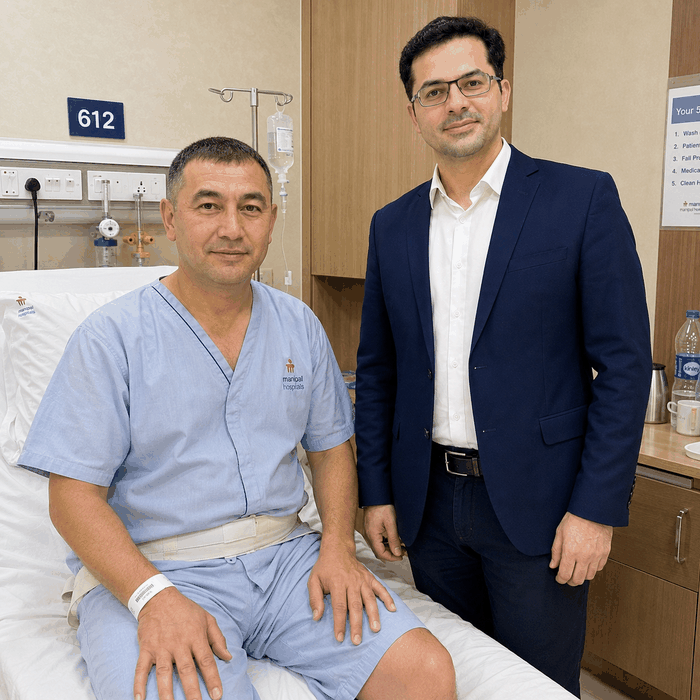
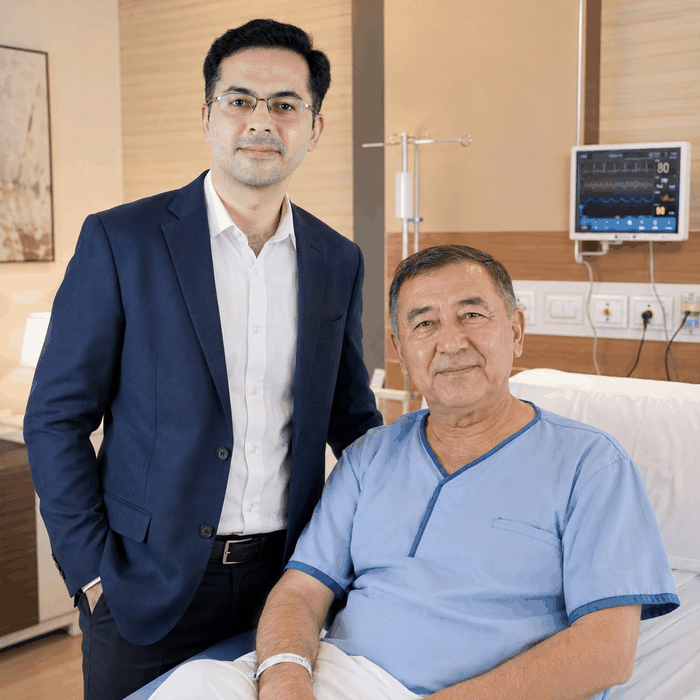
Patient Testimonials from Uzbekistan
Ready to Take the First Step?
Share your medical reports with our healthcare managers today and receive a FREE CONSULTATION, a personalized treatment plan and complete support from your arrival to your recovery.
Get Your Free ConsultationFrom Uzbekistan to India: Your Complete Patient Guide
- Cornea Transplant and Advanced Eye Surgery in India for Uzbek Patients
- Cosmetic and Aesthetic Surgery in India for Uzbek Patients
- CyberKnife Treatment in India for Uzbek Patients
- Dental Implants and Smile Makeover in India for Uzbek Patients
- Dental Surgery and Implants in India for Uzbek Patients
- Gamma Knife Treatment in India for Uzbek Patients
- Heart Failure Treatment and Surgery in India for Uzbek Patients
- Heart Valve Replacement in India for Uzbek Patients
- Hip Surgery in India for Uzbek Patients
- HIPEC Cancer Surgery in India for Uzbek Patients
- IVF and Fertility Treatment in India for Uzbek Patients
- Joint Arthroscopy and Sports Medicine in India for Uzbek Patients
- Kidney Transplant Treatment in India for Uzbek Patients
- Knee Surgery in India for Uzbek Patients
- Laparoscopic and Robotic Myomectomy in India for Uzbek Patients
- Leukemia, Lymphoma and Blood Cancer Treatment in India for Uzbek Patients
- Liver Transplant Treatment in India for Uzbek Patients
- Neuronavigation and Advanced Brain Surgery in India for Uzbek Patients