

Leukemia, Lymphoma and Blood Cancer Treatment in India for Uzbek Patients
A practical, honest guide to blood cancer treatment in India — chemotherapy, targeted therapy, immunotherapy and CAR-T cell therapy — understanding the modern treatment pathway, and what it costs compared with Western countries.
Leukemia and lymphoma are cancers of the blood and lymphatic system, and treatment has changed considerably in recent years — chemotherapy remains central for many patients, but targeted therapy, immunotherapy, and now CAR-T cell therapy have added genuinely new options for cases that do not respond to standard treatment. Understanding where your specific diagnosis fits in this landscape matters more than any single treatment name. Across more than two decades of guiding patients from Uzbekistan to treatment in India, the questions I hear most are: What treatment approach fits my diagnosis? What is CAR-T, and do I need it? What will treatment cost? And when does bone marrow transplant become necessary? This guide answers each plainly and honestly. It does not replace your haematologist's advice — it should help you understand the landscape clearly. India treats a very high volume of leukemia and lymphoma patients, with haemato-oncology teams experienced across the full modern treatment range, at centres accredited by NABH or the international JCI.
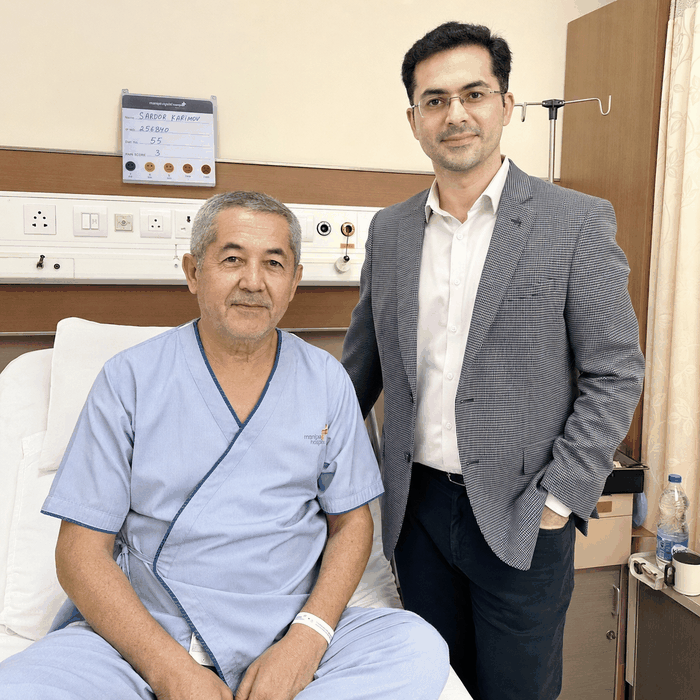
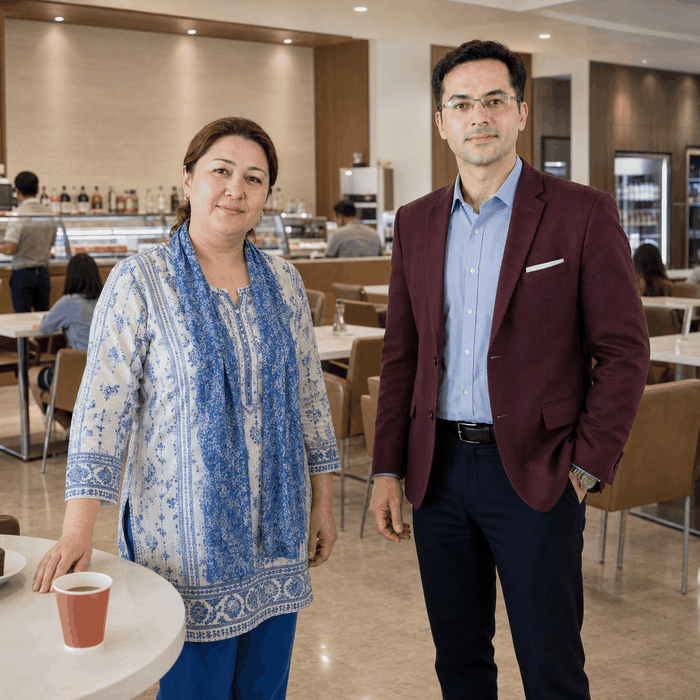
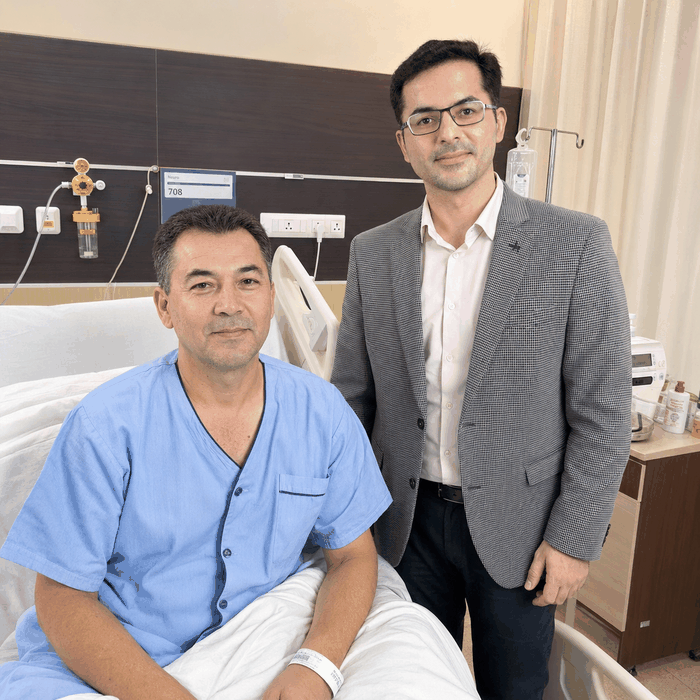
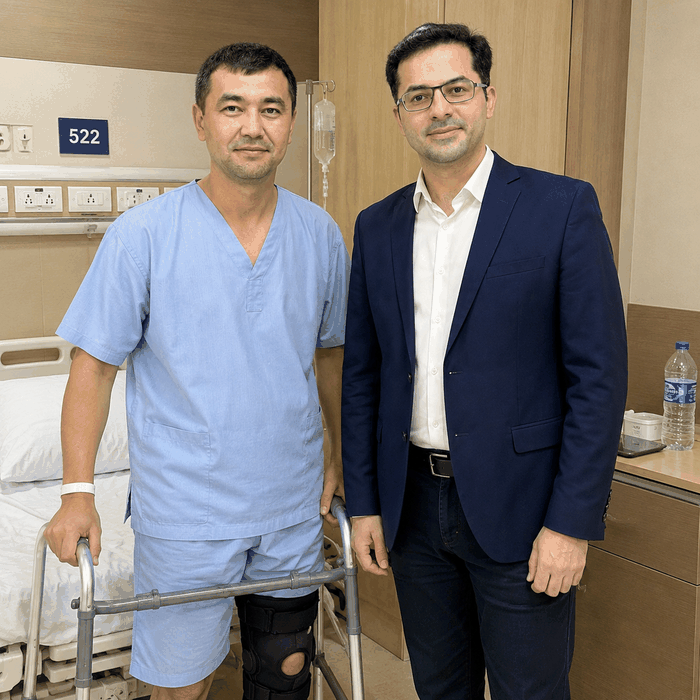
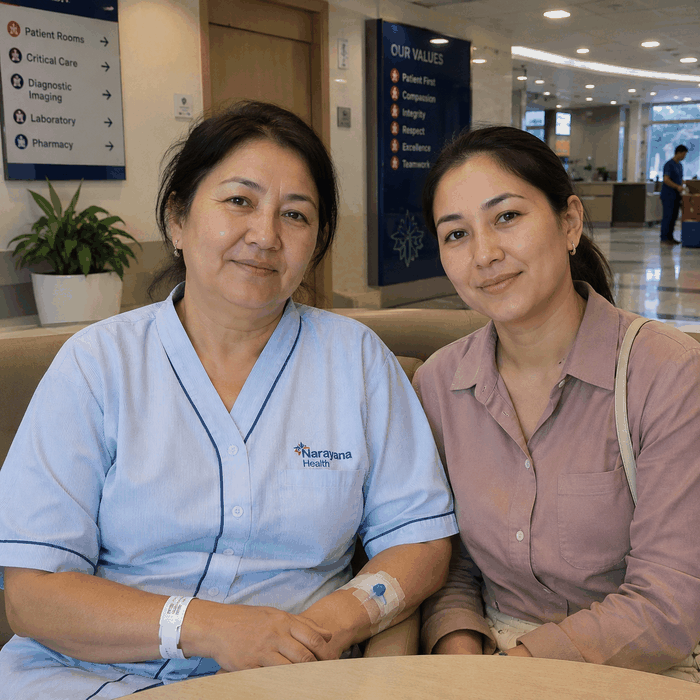
Healing Journeys of Uzbek Patients
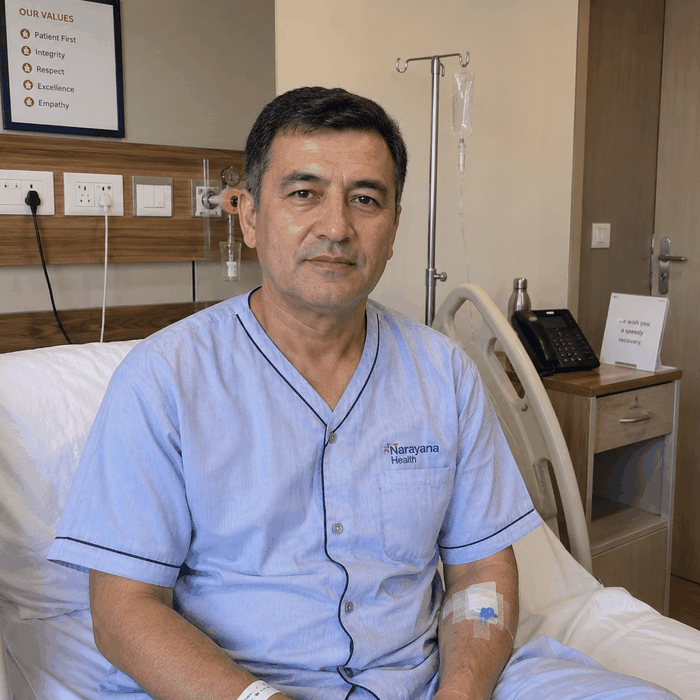
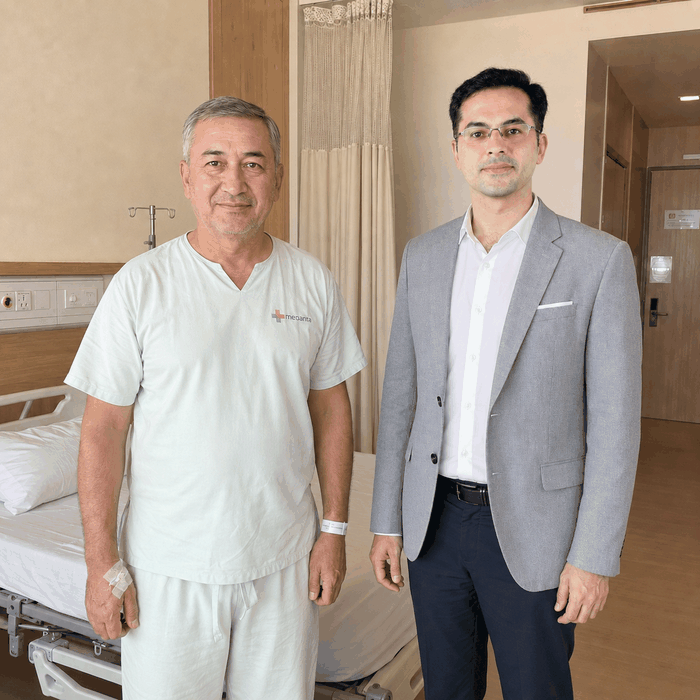
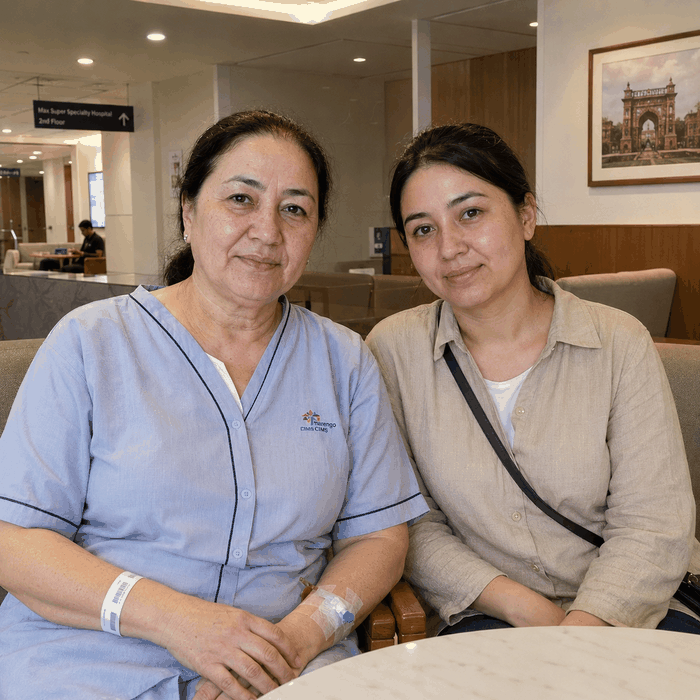
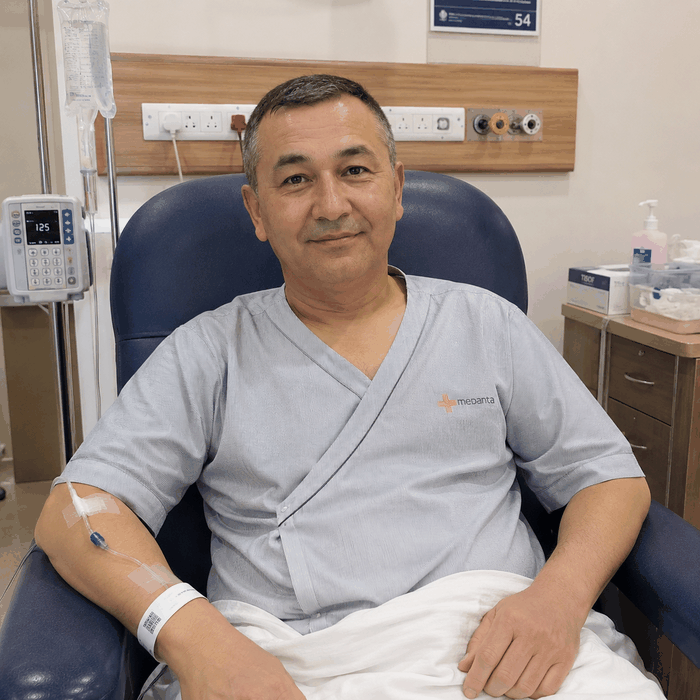
Information Takeaways
- Leukemia and lymphoma are cancers affecting the blood and lymphatic system, and their treatment has expanded beyond conventional chemotherapy. Depending on the exact diagnosis and subtype, treatment may involve chemotherapy, targeted therapy, immunotherapy or, in selected cases, CAR-T cell therapy. The source emphasises that understanding the specific diagnosis is more important than choosing a treatment simply because it is newer or more advanced.
- India treats a high volume of leukemia and lymphoma patients through haemato-oncology centres offering a broad range of modern treatment approaches. The guide identifies Delhi, Mumbai, Chennai, Bengaluru and Hyderabad as cities with comprehensive haemato-oncology centres, while stressing that Uzbek patients should focus on a centre's experience with their particular diagnosis rather than choosing solely by city.
- Chemotherapy remains an important treatment for many leukemias and lymphomas and is generally administered in planned cycles. Targeted therapy works against specific molecular characteristics identified through testing, while immunotherapy can help the immune system recognise and attack cancer cells. CAR-T therapy is a more specialised treatment in which a patient's immune cells are collected, genetically modified and reinfused, and the guide describes it as generally reserved for selected relapsed or treatment-resistant leukemias and lymphomas rather than routine first-line treatment.
- The source estimates that a complete treatment course combining chemotherapy and targeted therapy in India typically costs USD 3,000–15,000, while CAR-T cell therapy is estimated at USD 40,000–85,000. The comparison chart gives approximate chemotherapy and targeted-therapy ranges of USD 30,000–80,000 in Germany, USD 30,000–80,000 in the UK, USD 35,000–85,000 in Australia and USD 50,000–150,000 in the USA. These are indicative figures rather than guaranteed package prices.
- Blood cancer treatment should not be budgeted as though it were necessarily a single procedure. Treatment can continue through multiple cycles over several months, and the final cost depends on the number of cycles required and how the cancer responds. The guide recommends asking for a per-cycle price and a realistic estimate of the expected number of cycles instead of relying on one headline treatment figure.
- For Uzbek patients, treatment planning can begin before travelling by sending biopsy results, blood tests and previous treatment records for an initial opinion. After receiving a treatment plan, cost estimate and visa invitation letter, detailed testing in India confirms the exact subtype and finalises the treatment plan. Treatment cycles may then continue in India, with response monitored through blood tests and scans.
- Not every patient needs to remain in India for the entire treatment course. The source notes that some patients complete an initial phase in India and then continue further cycles with a haematologist in Uzbekistan using the detailed treatment plan and pathology results. This makes coordination between the Indian and Uzbek treating teams particularly important when planning a multi-cycle course.
- Before booking treatment, Uzbek patients should confirm the exact leukemia or lymphoma subtype, hospital accreditation, per-cycle pricing, likely total treatment duration, and whether CAR-T is genuinely appropriate rather than simply available. A continuing-care plan in Uzbekistan should also be agreed in advance. The guide recommends bringing a companion for the treatment period and discussing treatment-specific side effects because chemotherapy, targeted therapy and immunotherapy can have different safety and monitoring requirements.
Quick Facts
- Treatment
- Leukemia, lymphoma and other blood cancer treatment
- Primary Patients
- Uzbek patients seeking haemato-oncology care in India
- Main Speciality
- Haematology and medical oncology
- Core Treatments
- Chemotherapy, targeted therapy and immunotherapy
- Advanced Treatment
- CAR-T cell therapy for selected cases
- Treatment Selection
- Depends on exact diagnosis and subtype
- CAR-T Use
- Generally considered for selected relapsed or treatment-resistant cases
- Chemotherapy + Targeted Therapy Cost
- Approximately USD 3,000–15,000
- CAR-T Cost
- Approximately USD 40,000–85,000
- Treatment Duration
- Often involves multiple cycles over several months
- Cost Planning
- Per-cycle pricing and expected number of cycles should be confirmed
- Major Centres
- Delhi, Mumbai, Chennai, Bengaluru and Hyderabad
- Hospital Accreditation
- Prefer NABH- or JCI-accredited haemato-oncology centres
- Pre-Travel
- Share biopsy, blood tests and previous treatment records
- Initial Evaluation
- Detailed testing confirms the exact subtype and treatment plan
- Monitoring
- Regular blood tests and scans assess treatment response
- Continuing Care
- Further cycles may sometimes be coordinated with a haematologist in Uzbekistan
- Language Support
- Russian- and Uzbek-speaking coordinators/interpreters may be available
- Travel
- Medical visa planning should allow for extended or multi-cycle treatment
- Companion
- Recommended for the treatment period
- Documentation
- Keep pathology reports, blood tests and complete treatment records
- Author
- Dr. Dheeraj Bojwani
- Experience
- 24+ Years
Knowledgeable Information Snippet
Blood cancer treatment in India for Uzbek patients is increasingly based on a diagnosis-specific combination of chemotherapy, targeted therapy, immunotherapy and, for selected relapsed or treatment-resistant cases, CAR-T cell therapy. The source estimates chemotherapy plus targeted therapy at USD 3,000–15,000 and CAR-T therapy at USD 40,000–85,000, but stresses that blood cancer treatment often involves multiple cycles and therefore requires per-cycle budgeting. Patients should send pathology, biopsy, blood-test and previous-treatment records before travel, confirm the exact subtype in India, and establish how subsequent treatment and monitoring will be coordinated with a haematologist in Uzbekistan.
Why Uzbek Patients Choose India for Blood Cancer Treatment?
Cities such as Delhi, Mumbai, Chennai, Bengaluru and Hyderabad all have comprehensive haemato-oncology centres. The right choice is a centre's specific experience with your exact diagnosis — not the city name.
- Haematologists and oncologists frequently trained or fellowship-qualified in the UK, Europe or the USA.
- Access to modern targeted therapy drugs and monoclonal antibody treatments.
- India's own domestically developed CAR-T cell therapy, considerably more affordable than imported alternatives.
- Dedicated international desks with Russian and Uzbek-speaking coordinators and interpreters.
- Convenient connectivity from Tashkent to Delhi, Mumbai and other major cities.
Understanding the modern treatment pathway
Chemotherapy remains the backbone of treatment for many leukemias and lymphomas, using drug combinations given in cycles to kill rapidly dividing cancer cells. Targeted therapy uses drugs acting on specific molecular features of the cancer — for example, a drug targeting a particular genetic change in chronic myeloid leukemia — identified through testing, generally causing less damage to healthy cells than traditional chemotherapy. Immunotherapy, including monoclonal antibodies, helps the immune system recognise and attack cancer cells, often combined with chemotherapy for certain lymphomas.
CAR-T cell therapy is the newest, most advanced option: a patient's own immune cells are collected, genetically modified to recognise cancer cells, and reinfused. It is generally reserved for specific relapsed or treatment-resistant leukemias and lymphomas, not a first-line treatment. For some patients, particularly certain leukemias needing the deepest level of treatment, bone marrow transplant becomes part of the plan — covered in detail in a dedicated guide elsewhere in this series, since it is a distinct, more intensive procedure. Your haematologist will confirm where your diagnosis fits in this pathway.
How much does blood cancer treatment cost in India?
In India, a complete treatment course combining chemotherapy and targeted therapy typically costs USD 3,000–15,000, while CAR-T cell therapy typically costs USD 40,000–85,000.
India vs Western countries: cost of a complete treatment course
Approximate range for chemotherapy and targeted therapy combined (USD, 2026)
Figures are indicative ranges compiled from hospital and medical-travel sources; CAR-T cell therapy and bone marrow transplant cost considerably more and are quoted separately.
Notice how far below Western prices India sits — often 75 to 90 percent below the cost in the USA, UK, Germany or Australia, using the same treatment protocols and drug classes. India's advantage is value: high patient volume and access to modern therapies, including domestically developed CAR-T cell therapy at a fraction of the cost of imported alternatives.
One important caution: blood cancer treatment often unfolds over multiple cycles across months, and the total cost depends heavily on how many cycles are needed and how the cancer responds. Ask for a per-cycle cost and a realistic estimate of the likely number of cycles, rather than assuming a single quoted figure covers the entire course.
Ask your haematologist to explain exactly which combination of treatments your specific diagnosis calls for, and why — this varies enormously between blood cancer types and subtypes.
Your blood cancer treatment journey, step by step
Blood cancer treatment often involves multiple visits or an extended stay, since chemotherapy and targeted therapy are given in cycles over time.
Your blood cancer treatment journey, step by step
A typical timeline from Uzbekistan to India and back
Some patients complete an initial phase in India and continue further cycles with a haematologist in Uzbekistan using the detailed treatment plan.
Factors that every Uzbek Patient should consider while planning Blood Cancer Treatment in India
Before you commit, work through these points with the hospital's international team. In more than 24 years of guiding patients through complex cancer decisions, those who ask these questions directly are the best prepared.
Before you book: things to confirm
A pre-travel checklist for patients from Uzbekistan
Also ask what monitoring is used to track response, and what the plan would be if the cancer does not respond as expected.
Two further points: bring a companion for the full duration of treatment cycles — and ask honestly about side effects specific to your treatment, since these vary considerably between chemotherapy, targeted therapy and immunotherapy.
Recovery and life during treatment, returning to Uzbekistan
Side effects vary by treatment type. Chemotherapy commonly causes fatigue, and a temporary drop in blood counts requiring monitoring for infection risk between cycles. Targeted therapy and immunotherapy generally have different side-effect profiles, which your oncology team will explain based on your specific drugs. CAR-T cell therapy involves a period of close monitoring after infusion, since it can cause a temporary but serious immune reaction requiring specialist management in the days following treatment. Response to treatment is assessed through regular blood tests and imaging throughout the course, not just at the end. Many patients complete an initial phase of treatment in India and continue further cycles with a haematologist in Uzbekistan using the detailed treatment plan and pathology results. Keep every blood test result, treatment record and pathology report safely, since these are referenced constantly throughout ongoing care.
Frequently asked questions
Is blood cancer treatment in India safe? At an accredited haemato-oncology centre, yes. India's leading cancer hospitals meet NABH or JCI standards and have haematologists experienced across chemotherapy, targeted therapy and newer treatments like CAR-T cell therapy.
Will there be someone who speaks my language? Major international hospitals have Russian and Uzbek-speaking coordinators and interpreters who assist from your first message through the full treatment course and follow-up.
Do I need bone marrow transplant for my blood cancer? Not necessarily. Many leukemias and lymphomas are treated successfully with chemotherapy, targeted therapy or immunotherapy alone. Bone marrow transplant is reserved for specific diagnoses or situations, and your haematologist will confirm whether it applies to your case; a dedicated guide in this series covers that procedure in detail.
Is CAR-T cell therapy available to everyone with blood cancer? No. It is currently approved and generally used for specific relapsed or treatment-resistant leukemias and lymphomas, not as a first-line treatment for most patients. Your haematology team will confirm if your specific diagnosis and treatment history make you a candidate.
A note from Dr Dheeraj Bojwani
With 24+ years of experience guiding international patients through complex cancer diagnoses, my advice to every patient from Uzbekistan is the same: understand exactly which combination of treatments your specific diagnosis calls for, ask for realistic per-cycle costs rather than a single figure, and confirm honestly whether newer options like CAR-T are genuinely appropriate for your case. This article is general information and not a substitute for a personal consultation with your haematology team.
Straight Answer Question by Uzbek Patients about Blood Cancer Treatment in India
Is blood cancer treatment in India safe?
At an accredited haemato-oncology centre, yes. India's leading cancer hospitals meet NABH or JCI standards and have haematologists experienced across chemotherapy, targeted therapy and newer treatments like CAR-T cell therapy.
Will there be someone who speaks my language?
Major international hospitals have Russian and Uzbek-speaking coordinators and interpreters who assist from your first message through the full treatment course and follow-up.
Do I need bone marrow transplant for my blood cancer?
Not necessarily. Many leukemias and lymphomas are treated successfully with chemotherapy, targeted therapy or immunotherapy alone. Bone marrow transplant is reserved for specific diagnoses or situations, and your haematologist will confirm whether it applies to your case; a dedicated guide in this series covers that procedure in detail.
Is CAR-T cell therapy available to everyone with blood cancer?
No. It is currently approved and generally used for specific relapsed or treatment-resistant leukemias and lymphomas, not as a first-line treatment for most patients. Your haematology team will confirm if your specific diagnosis and treatment history make you a candidate.
References & sources
- 🌐 National Accreditation Board for Hospitals & Healthcare Providers (NABH) — accredited hospital directory. · nabh.co
- 🌐 Joint Commission International (JCI) — directory of accredited organisations. · jointcommissioninternational.org
- 🌐 National Medical Commission of India — doctor and specialist registration verification. · nmc.org.in
- 🌐 World Health Organization — Cancer fact sheet. · who.int/news-room/fact-sheets/detail/cancer
- 🌐 Bureau of Immigration, Government of India — e-Medical Visa. · indianvisaonline.gov.in
- 🌐 Cost ranges compiled from published hospital and medical-travel price guides for leukemia and lymphoma treatment, 2025–2026.
Frequently Asked Questions by Uzbek Patients about Blood Cancer Treatment in India
Can Uzbek patients receive leukemia treatment in India?
Yes. The source describes Indian haemato-oncology centres as treating high volumes of leukemia and lymphoma patients using chemotherapy, targeted therapy, immunotherapy and selected advanced treatments.
How much does leukemia or lymphoma treatment cost in India for Uzbek patients?
The source estimates a complete chemotherapy and targeted-therapy course at approximately USD 3,000–15,000. The actual cost depends on the diagnosis, drugs, number of cycles and treatment response.
Is CAR-T cell therapy available for Uzbek patients in India?
The guide identifies CAR-T cell therapy as an advanced treatment available for selected blood cancers. It is generally considered for specific relapsed or treatment-resistant leukemia and lymphoma rather than as routine first-line treatment.
How much does CAR-T cell therapy cost in India for Uzbek patients?
The source gives an indicative CAR-T treatment cost of approximately USD 40,000–85,000. Eligibility and the final price need to be confirmed by the treating haemato-oncology centre.
Do Uzbek leukemia patients need to stay in India for the entire treatment?
Not necessarily. Some patients may complete an initial phase in India and continue subsequent cycles with a haematologist in Uzbekistan using the Indian treatment plan and pathology results.
What medical records should Uzbek patients send before travelling to India?
Patients should share biopsy results, blood tests and previous treatment records for an initial assessment. Detailed testing in India may then be performed to confirm the exact subtype and final treatment plan.
Do all Uzbek blood cancer patients need a bone marrow transplant in India?
No. Many leukemias and lymphomas can be treated with chemotherapy, targeted therapy or immunotherapy alone. The source states that transplant is reserved for specific diagnoses or situations determined by the treating haematologist.
Can Uzbek patients receive Russian or Uzbek language support during treatment in India?
The source states that major international hospitals may have Russian- and Uzbek-speaking coordinators and interpreters who assist patients throughout treatment and follow-up.
What should Uzbek patients check before choosing a blood cancer hospital in India?
Patients should confirm NABH or JCI accreditation, the exact leukemia or lymphoma subtype, the centre's relevant experience, per-cycle costs, CAR-T suitability if applicable, visa arrangements and how continuing treatment will be coordinated in Uzbekistan.
How is blood cancer response monitored after treatment begins in India?
Response is monitored through regular blood tests and imaging during the treatment course rather than only at the end. Patients should retain all treatment records and pathology reports for continued care in Uzbekistan.
Page Summary
Leukemia and lymphoma treatment in India for Uzbek patients can involve conventional chemotherapy as well as targeted therapy, immunotherapy and selected advanced treatments such as CAR-T cell therapy. The appropriate pathway depends strongly on the exact blood cancer subtype, previous treatment and response. India offers comprehensive haemato-oncology centres in several major cities, but the source recommends prioritising a centre's experience with the specific diagnosis rather than location alone. For patients travelling from Uzbekistan, preparation should begin with pathology, blood tests and previous treatment records. Treatment may require multiple visits or prolonged care, although some patients can complete an initial phase in India and continue subsequent cycles with a haematologist in Uzbekistan. Cost, treatment duration, CAR-T eligibility, response monitoring and continuing-care arrangements should all be clarified before travel.
Citation Block
| Field | Details |
|---|---|
| Article / Topic | Leukemia, Lymphoma and Blood Cancer Treatment in India for Uzbek Patients |
| Patient Group | Patients and families travelling from Uzbekistan |
| Main Speciality | Haematology and medical oncology |
| Conditions Covered | Leukemia, lymphoma and blood cancers addressed through haemato-oncology treatment |
| Core Treatment | Chemotherapy |
| Additional Treatments | Targeted therapy and immunotherapy |
| Advanced Treatment | CAR-T cell therapy for selected patients |
| Treatment Selection | Based on exact diagnosis and subtype |
| CAR-T Position | Generally reserved for selected relapsed or treatment-resistant disease |
| Bone Marrow Transplant | Considered only for specific diagnoses or situations |
| India Chemotherapy + Targeted Therapy Cost | Approximately USD 3,000–15,000 |
| India CAR-T Cost | Approximately USD 40,000–85,000 |
| Germany Comparison | Approximately USD 30,000–80,000 for chemotherapy and targeted therapy |
| UK Comparison | Approximately USD 30,000–80,000 |
| Australia Comparison | Approximately USD 35,000–85,000 |
| USA Comparison | Approximately USD 50,000–150,000 |
| Cost Warning | Treatment may require multiple cycles; per-cycle costs should be confirmed |
| Major Indian Cities | Delhi, Mumbai, Chennai, Bengaluru and Hyderabad |
| Hospital Selection | NABH- or JCI-accredited haemato-oncology centre |
| Pre-Travel Records | Biopsy, blood tests and previous treatment records |
| Diagnostic Confirmation | Detailed testing in India confirms the exact subtype |
| Response Monitoring | Blood tests and imaging throughout treatment |
| Continuing Treatment | Some patients may continue subsequent cycles in Uzbekistan |
| Language Support | Russian- and Uzbek-speaking coordinators/interpreters may be available |
| Travel Planning | Medical visa should accommodate multi-cycle or extended treatment |
| Companion | Recommended throughout treatment cycles |

Our Mission Statement
Our mission is to place patients at the centre of every healthcare decision by providing trustworthy, evidence-based, and unbiased medical information. We believe that informed patients make better decisions. Backed by personalised guidance from our experienced advisory team, we help patients understand their treatment options, compare them objectively, and confidently choose the path that best suits their medical needs and personal circumstances.
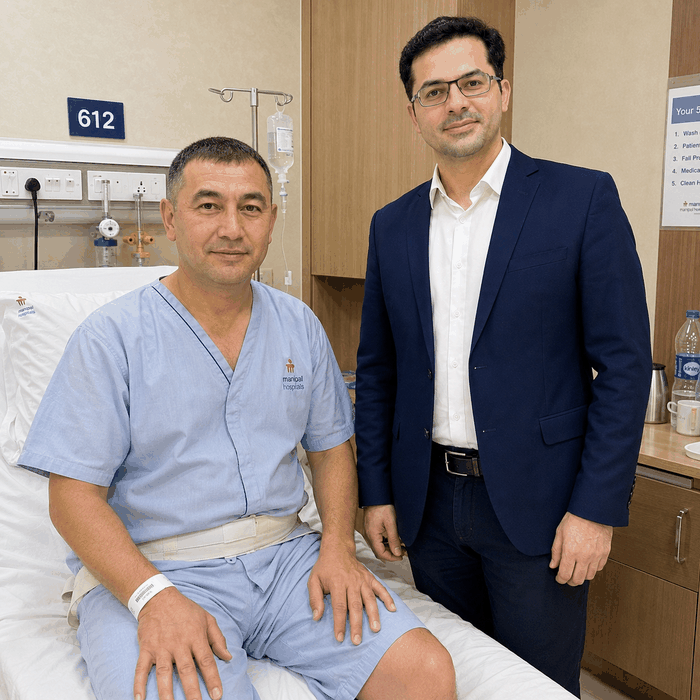
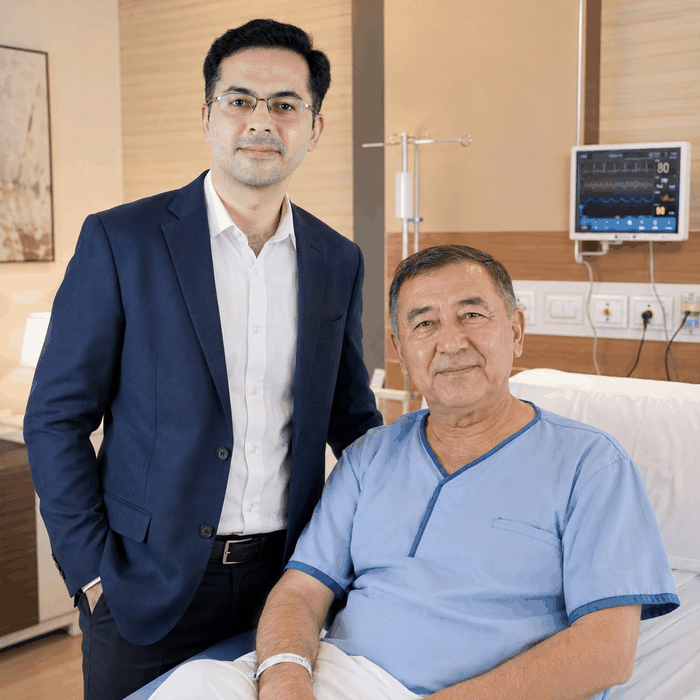
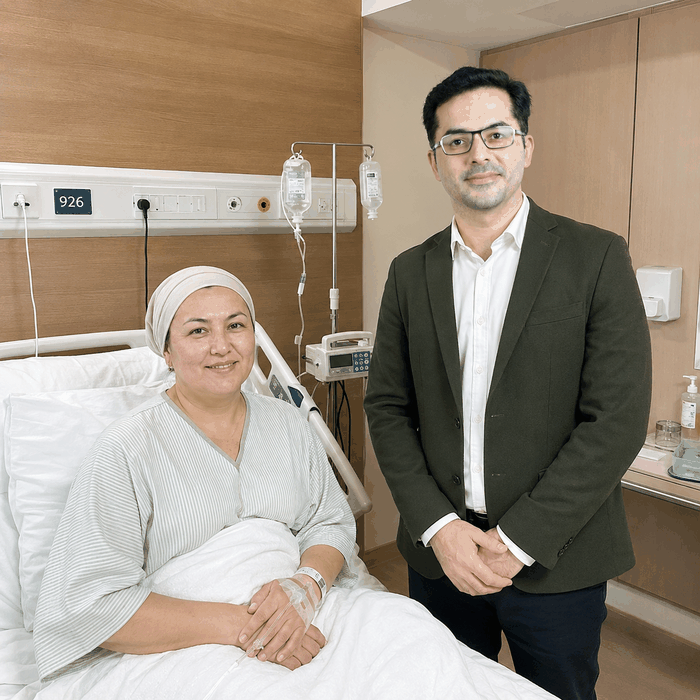
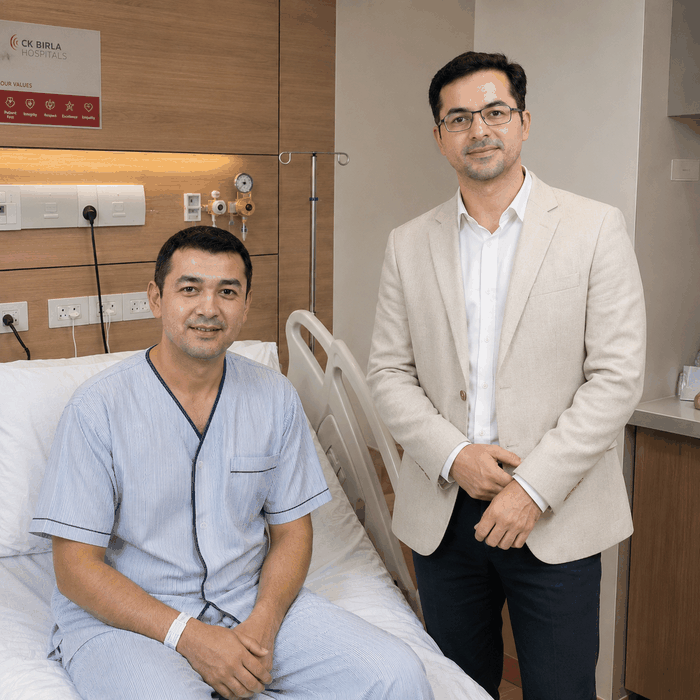
Patient Testimonials from Uzbekistan
Ready to Take the First Step?
Share your medical reports with our healthcare managers today and receive a FREE CONSULTATION, a personalized treatment plan and complete support from your arrival to your recovery.
Get Your Free ConsultationFrom Uzbekistan to India: Your Complete Patient Guide
- Robotic Cancer Surgery in India for Uzbek Patients
- Scoliosis Correction Surgery in India for Uzbek Patients
- Shoulder Surgery in India for Uzbek Patients
- Spine Surgery in India for Uzbek Patients
- Urosurgery and Reconstructive Urology in India for Uzbek Patients
- Weight Loss and Bariatric Surgery in India for Uzbek Patients
- Bone Marrow Transplant Treatment in India for Uzbek Patients
- Brain Tumor Surgery in India for Uzbek Patients
- Breast Cancer Treatment and Surgery in India for Uzbek Patients
- Cancer Treatment and Surgery in India for Uzbek Patients
- Cardiac Pacemaker Treatment in India for Uzbek Patients
- Cardiac Surgery in India for Uzbek Patients
- Cervical and Lumbar Disc Replacement Surgery in India for Uzbek Patients
- Colorectal Cancer Treatment and Surgery in India for Uzbek Patients
- Complex Orthopaedic and Joint Revision Surgery in India for Uzbek Patients
- Cornea Transplant and Advanced Eye Surgery in India for Uzbek Patients
- Cosmetic and Aesthetic Surgery in India for Uzbek Patients
- CyberKnife Treatment in India for Uzbek Patients