

Cancer Treatment and Surgery in India for Uzbek Patients
A practical guide to planning cancer treatment in India — how the process works, what it costs compared with Western countries, and how to travel with confidence from Tashkent, Samarkand or anywhere in Uzbekistan.
A cancer diagnosis brings a flood of decisions at the worst possible time. Among the practical questions families from Uzbekistan often ask is whether treatment abroad is worth considering, and how to approach it without adding more stress to an already difficult time. Across more than two decades of guiding patients from Uzbekistan to treatment in India, I have supported many families through this process. The questions are usually the same: Is the treatment safe? What will it really cost? How long will it take? And how do we manage the logistics alongside everything else? This guide answers each plainly. It does not replace your oncologist's advice — it should help you ask better questions and plan around a confirmed treatment path.
Healing Journeys of Uzbek Patients
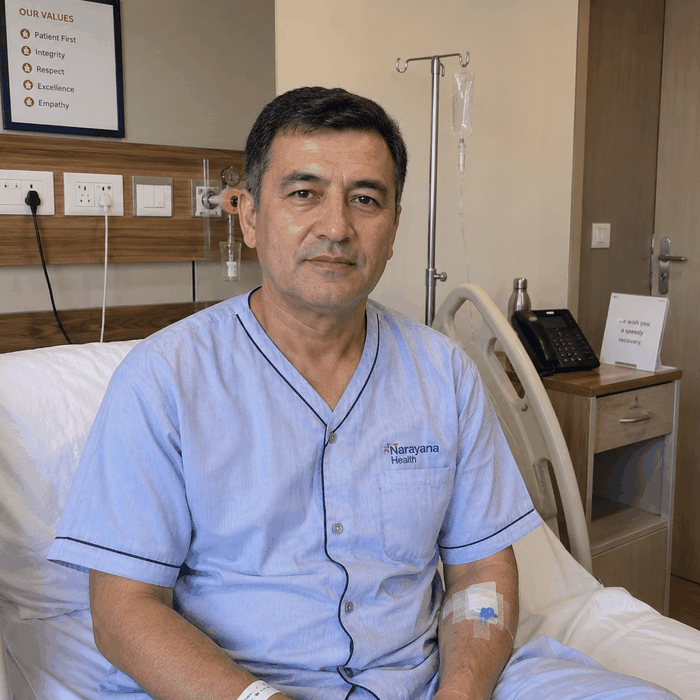
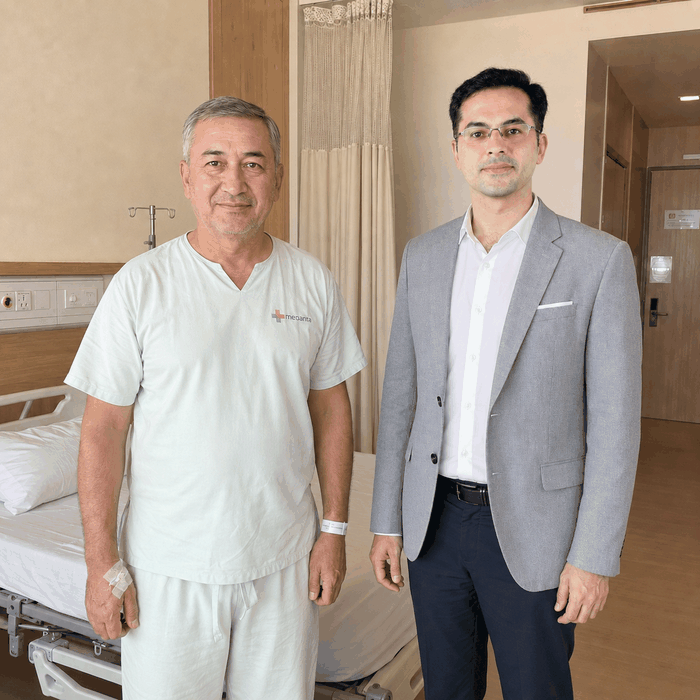
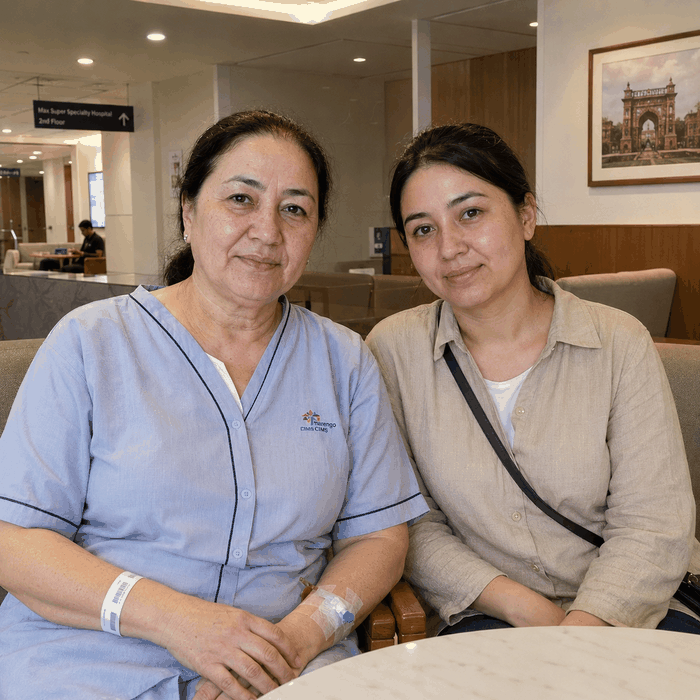
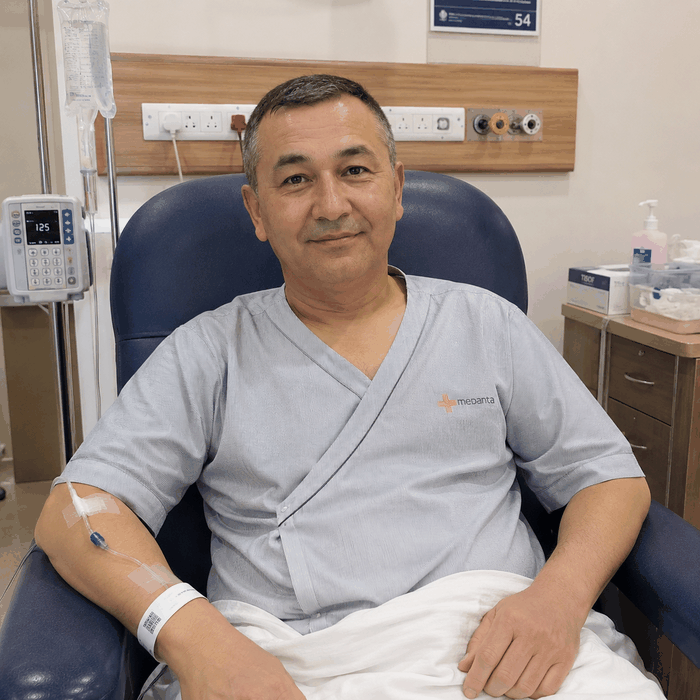
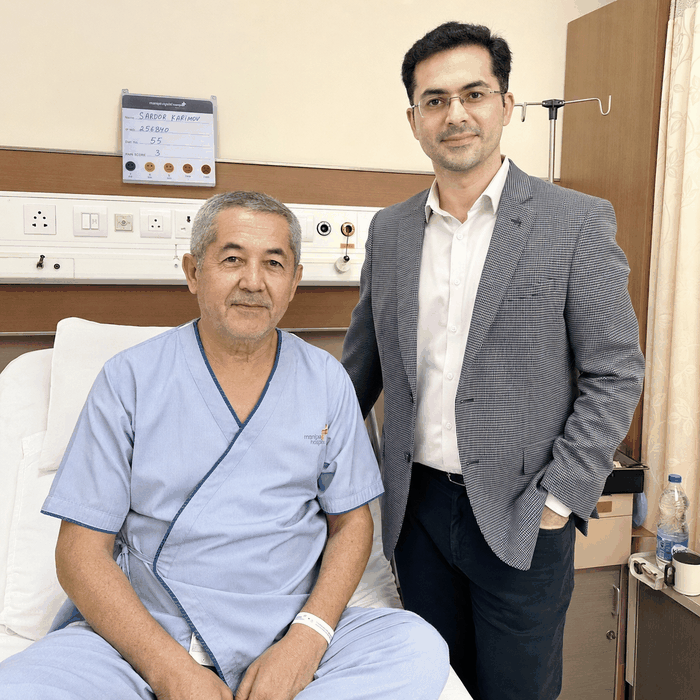
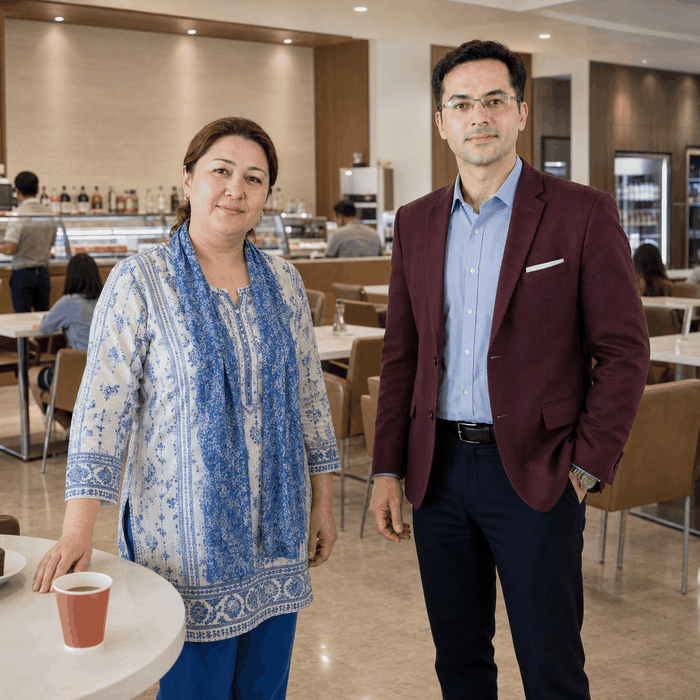
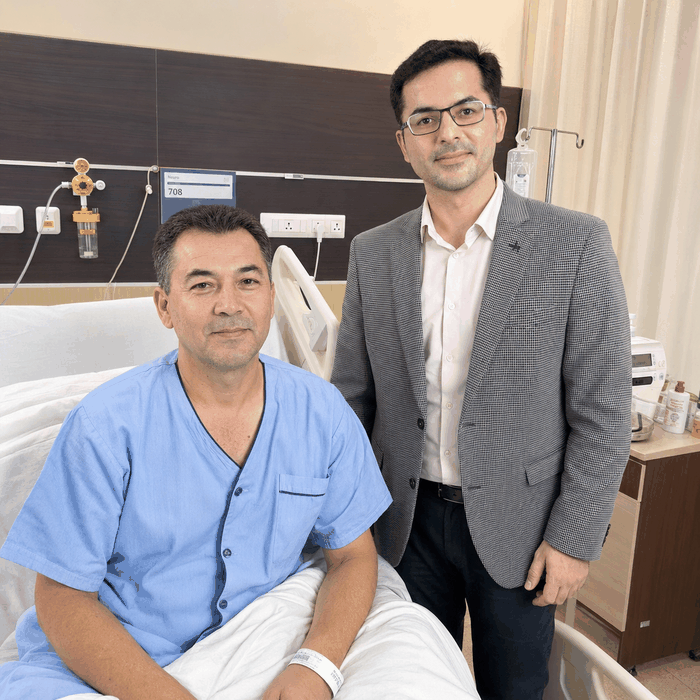
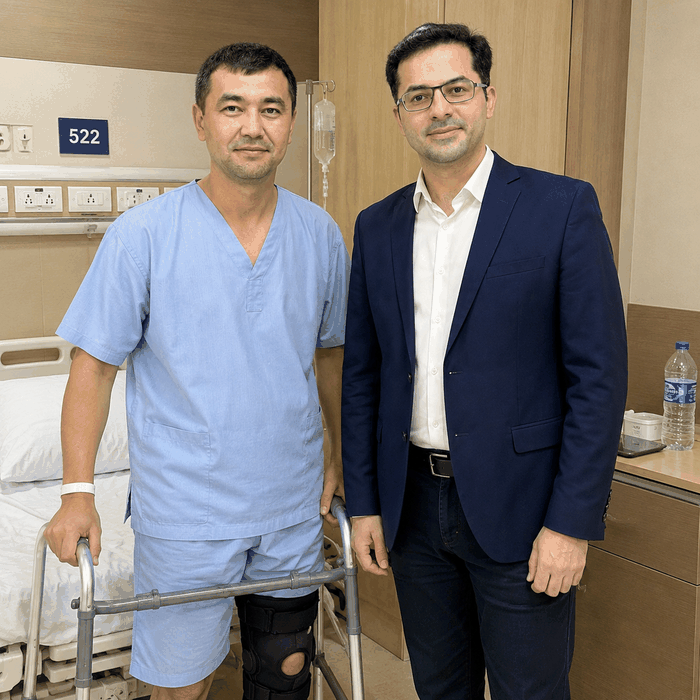
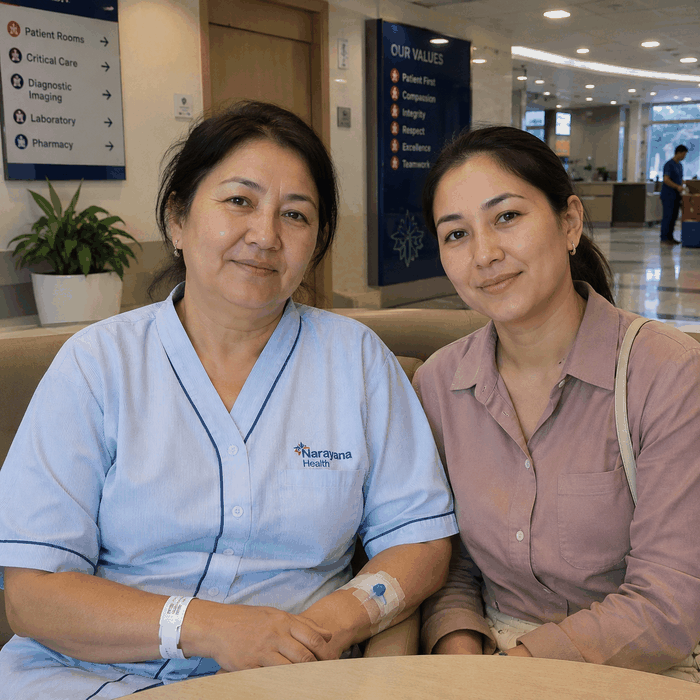
Information Takeaways
- A cancer diagnosis can create difficult decisions about whether treatment abroad is appropriate, how safe it will be, what it will cost, and how long the entire process may take. The guide is designed to help families from Uzbekistan understand these practical issues before committing to treatment. It emphasises that the treatment plan should ultimately be based on a confirmed diagnosis, staging, and advice from the patient's oncology team.
- India is described as treating a high volume of cancer patients, with leading cancer centres accredited by NABH or JCI. Treatment is commonly organised through a multidisciplinary tumor board involving oncologists, surgeons, and radiation specialists rather than relying on one specialist working alone. The guide also notes that oncologists and cancer surgeons may have training or fellowship qualifications from the UK, Europe, or USA.
- The type and stage of cancer determine which combination of treatments is appropriate. Surgery may remove a tumor and relevant lymph nodes, while chemotherapy can be given before or after surgery. Radiation targets a specific area, whereas targeted therapy and immunotherapy are used for selected cancers according to tumor characteristics and genetic profiles. The source explains that many patients require a combination of these approaches after complete staging and tumor-board review.
- The guide identifies Delhi, Mumbai, Chennai, Bengaluru, and Hyderabad as cities with dedicated cancer centres, but specifically advises patients to choose according to experience with their exact cancer type rather than the city name. It also highlights modern radiation technology, targeted therapies, and immunotherapy at some centres, together with Russian- and Uzbek-speaking international coordinators and interpreters.
- Cancer treatment costs vary substantially because they depend on the cancer type, stage, treatment combination, number of cycles, and whether advanced therapies are required. The guide gives a general India estimate of USD 8,000–40,000 for a full course, combining surgery, chemotherapy, or radiation as required. Early-stage and straightforward cases may cost less, while complex cases requiring immunotherapy or extended treatment may cost more.
- The cost comparison chart across pages 2–3 presents India at approximately USD 8,000–40,000, Germany at USD 40,000–100,000, the UK at USD 50,000–120,000, Australia at USD 50,000–120,000, and the USA at USD 150,000–500,000. The source stresses that these are broad indicative ranges and that an accurate quotation can only be established after complete diagnostic review and staging. Flights, extended accommodation, and companion expenses may also be additional.
- The treatment journey diagram on pages 3–4 begins before travel with sharing biopsy, scan, and pathology reports for an initial opinion, followed by an initial treatment plan, cost estimate, and visa invitation letter. During Week 1 in India, fresh scans and tests confirm the stage and the tumor board agrees on the treatment plan. Primary treatment generally begins during Week 1–2, followed by chemotherapy or radiation cycles over weeks or months as required. After treatment, the patient returns home with a treatment summary and monitoring plan.
- The pre-travel checklist recommends confirming NABH or JCI accreditation, asking about the centre's experience with the exact cancer type, ensuring the case is reviewed by a multidisciplinary tumor board, obtaining a written cost range, checking visa-extension options for prolonged treatment, and arranging continuing care in Uzbekistan. The guide also advises bringing a companion for the full treatment course and getting important decisions and possible treatment changes in writing.
Quick Facts
- Treatment
- Cancer treatment and surgery
- Primary Patients
- Uzbek patients seeking cancer care in India
- Main Speciality
- Medical oncology, surgical oncology, and radiation oncology
- Key Specialists
- Oncologists, cancer surgeons, and radiation specialists
- Treatment Planning
- Based on cancer type, stage, general health, and complete diagnostic review
- Multidisciplinary Care
- Tumor-board review involving relevant cancer specialists
- Surgery
- May remove the primary tumor and relevant nearby lymph nodes
- Chemotherapy
- May be given before or after surgery depending on the cancer
- Radiation Therapy
- Uses focused radiation to treat a specific area
- Targeted Therapy
- Used for selected cancers according to tumor characteristics and genetic profiles
- Immunotherapy
- Available at some Indian cancer centres for appropriate patients
- Major Cancer Cities
- Delhi, Mumbai, Chennai, Bengaluru, and Hyderabad
- Centre Selection
- Experience with the exact cancer type is more important than city alone
- Specialist Training
- Oncologists and cancer surgeons may have UK, European, or USA training/fellowship experience
- Hospital Accreditation
- NABH or JCI accreditation should be confirmed
- Illustrative India Cost
- USD 8,000–40,000 for a full treatment course
- Germany Comparison
- USD 40,000–100,000
- UK Comparison
- USD 50,000–120,000
- Australia Comparison
- USD 50,000–120,000
- USA Comparison
- USD 150,000–500,000
- Cost Variables
- Cancer type, stage, treatment combination, number of cycles, and advanced therapies
- Pre-Travel Review
- Biopsy results, scans, and pathology reports should be shared before travel
- Initial India Assessment
- Fresh scans and tests may be performed to confirm staging
- Primary Treatment
- May begin during Week 1–2 after arrival
- Treatment Duration
- Can range from one visit to several weeks or months
- Follow-Up
- Treatment summaries and monitoring plans should be provided before returning home
- Continuing Treatment
- Chemotherapy or radiation may continue with an oncologist in Uzbekistan
- Language Support
- Russian- and Uzbek-speaking coordinators and interpreters may be available
- Visa Planning
- Medical and companion visas should be arranged, with extension options considered for prolonged treatment
- Companion
- A companion is recommended for the full treatment course
- Author
- Dr. Dheeraj Bojwani
- Experience
- 24+ Years
Knowledgeable Information Snippet
For Uzbek patients considering cancer treatment in India, the first priority should be obtaining a clear diagnosis and complete staging before finalising the treatment plan. Existing biopsy, pathology, and imaging should be shared before travel, followed by fresh assessment and multidisciplinary tumor-board review in India. Treatment may involve surgery, chemotherapy, radiation, targeted therapy, immunotherapy, or a combination. Because treatment can extend from a single visit to several weeks or months, families should plan for the full treatment pathway, including accommodation, visa extensions where necessary, a companion, and follow-up with an oncologist in Uzbekistan.
Why Uzbek Patients Choose India for Cancer Treatment?
India treats a very high volume of cancer patients from across the region, and its leading cancer centres are accredited by NABH or the international JCI. Treatment is typically organised around a multidisciplinary tumor board — oncologists, surgeons and radiation specialists reviewing a case together — rather than one doctor working alone.
Cities such as Delhi, Mumbai, Chennai, Bengaluru and Hyderabad all have dedicated cancer centres. The right choice is strong experience in your specific cancer type — not the city name.
- Oncologists and cancer surgeons frequently trained or fellowship-qualified in the UK, Europe or the USA.
- Access to modern radiation technology, targeted therapy and, at some centres, immunotherapy.
- Little to no waiting list for scans, biopsies or the start of treatment.
- Dedicated international desks with Russian and Uzbek-speaking coordinators and interpreters.
- Convenient connectivity from Tashkent to Delhi, Mumbai and other major cities.
How cancer treatment is typically planned
Treatment depends entirely on the cancer type, stage and your general health, so what follows is a general outline rather than a specific recommendation.
Surgery removes the tumor and, where relevant, nearby lymph nodes, often the first step for solid tumors caught early. Chemotherapy uses medication to target cancer cells throughout the body, sometimes given before surgery to shrink a tumor, sometimes after to reduce recurrence risk. Radiation therapy targets a specific area with precisely focused beams. Targeted therapy and immunotherapy are newer approaches working differently from traditional chemotherapy, suiting specific cancer types and genetic profiles. Most patients need some combination, decided by the tumor board after full staging.
How much does cancer treatment in India cost?
Cost varies more with cancer treatment than almost any other field of medicine, since it depends on cancer type, stage and which combination of treatments is needed. As a general guide, a full course of treatment in India — combining surgery, chemotherapy or radiation as needed — typically costs USD 8,000–40,000. Straightforward, early-stage cases can cost less; complex or advanced cases needing immunotherapy or extended treatment can cost more.
India vs Western countries: cost of cancer treatment
Approximate range for a full treatment course, varies greatly by case (USD, 2026)
Figures are broad indicative ranges compiled from hospital and medical-travel sources; actual cost depends heavily on cancer type, stage and treatment combination, and can only be confirmed after full diagnostic review.
Notice how far below Western prices India sits for comparable treatment — often a fraction of the cost in the USA, UK, Germany or Australia. India's advantage is value: high patient volume, modern equipment and multidisciplinary teams, at a cost that does not require exhausting a family's savings for standard treatment protocols.
One caution on budgeting: an initial estimate is only a starting point. The real cost is confirmed once staging is complete, since the treatment combination and number of cycles depend on what the tumor board finds. It also rarely includes flights, extended accommodation and a companion's costs for what can be a multi-month process.
Get a clear, complete diagnosis and staging first. The right treatment plan can only be built once the full picture is known.
What your treatment journey of a typical cancer treatment to India looks like- step by step.
Understanding the whole path in advance can ease some of the uncertainty. Timelines vary enormously by cancer type, but the sequence below is typical.
Your cancer treatment journey, step by step
A typical treatment sequence from Uzbekistan to India and back
Cancer treatment timelines vary enormously by type and stage; some patients need one visit, others need extended stays or return trips.
Factors that every Uzbek Patient should consider while planning Cancer Treatment in India
Before you commit, work through the checklist below with the hospital's international team. In more than 24 years of guiding families through this decision, those who ask these six questions directly are the best prepared for what follows.
Before you book: six things to confirm
A pre-travel checklist for patients from Uzbekistan
Also confirm the total budget including extended accommodation for multi-cycle treatment, and how payment is handled if the plan changes once staging is complete.
Two further points: bring a companion for the full course, not just the first visit — cancer treatment is a marathon, not one appointment — and ask for everything in writing, including what would happen if the plan changes based on how you respond.
Recovery after Cancer Treatment and returning to Uzbekistan
Recovery timelines depend entirely on the treatment combination used. After surgery alone, many patients recover within a few weeks. Chemotherapy and radiation courses are typically spread over weeks or months, with side effects such as fatigue managed by the care team throughout. Some patients complete their entire course in India before flying home; others complete surgery or initial treatment in India, then continue chemotherapy or radiation with an oncologist in Uzbekistan, using the treatment summary and pathology report from India. Regular follow-up scans matter for years afterward, so agree a monitoring schedule with a doctor at home before your final visit ends. Keep every scan, pathology report and treatment summary safely.
A note from Dr Dheeraj Bojwani
With 24+ years of experience guiding international patients through cancer diagnoses, my advice to every family from Uzbekistan is the same: get a second opinion if you have any doubt, ask specifically about the centre's experience with your exact cancer type, and plan for the full length of treatment, not just the first visit. This article is general information and not a substitute for a personal consultation with your oncology team.
Straight Answer Question by Uzbek Patients about Cancer Treatment in India
Is cancer treatment in India safe?
At an accredited cancer centre, yes. India's leading hospitals meet NABH or JCI standards and organise care through a multidisciplinary tumor board. Safety and outcome quality depend on choosing a centre with strong specific experience in your cancer type.
Will there be someone who speaks my language?
Major international hospitals have Russian and Uzbek-speaking coordinators and interpreters who assist from your first message through discharge and ongoing follow-up.
Can part of my treatment be done in India and part at home?
Often, yes. Many patients have surgery or the initial phase of treatment in India, then continue chemotherapy or radiation with an oncologist in Uzbekistan using the detailed treatment plan and pathology results from India.
What if the stage or treatment plan changes after more tests?
This is common in cancer care — an initial opinion based on limited reports can change once full staging is done in person. A good tumor board will explain any change clearly and discuss the revised plan and cost with you before proceeding.
References & sources
- 🌐 National Accreditation Board for Hospitals & Healthcare Providers (NABH) — accredited hospital directory. · nabh.co
- 🌐 Joint Commission International (JCI) — directory of accredited organisations. · jointcommissioninternational.org
- 🌐 National Medical Commission of India — doctor and specialist registration verification. · nmc.org.in
- 🌐 World Health Organization — Cancer fact sheet. · who.int/news-room/fact-sheets/detail/cancer
- 🌐 Bureau of Immigration, Government of India — e-Medical Visa and Medical Attendant Visa. · indianvisaonline.gov.in
- 🌐 Cost ranges compiled from published hospital and medical-travel price guides for cancer surgery, chemotherapy and radiation therapy, 2025–2026.
Frequently Asked Questions by Uzbek Patients about Cancer Treatment in India
Can Uzbek patients receive cancer treatment in India?
Yes. India has dedicated cancer centres in cities including Delhi, Mumbai, Chennai, Bengaluru, and Hyderabad. The guide recommends choosing according to experience with the patient's specific cancer rather than location alone.
What cancer treatments are available in India for Uzbek patients?
Depending on the cancer, treatment may include surgery, chemotherapy, radiation therapy, targeted therapy, immunotherapy, or a combination. The final plan is determined after complete staging and multidisciplinary review.
How much does cancer treatment cost in India for Uzbek patients?
The guide gives an illustrative range of USD 8,000–40,000 for a full treatment course. The final cost depends on cancer type, stage, treatment combination, number of cycles, and whether advanced therapies are required.
Why can the final cancer treatment cost change after arrival in India?
Initial estimates may be based on limited medical records. Once fresh scans, tests, and complete staging are performed, the tumor board may recommend a different combination or number of treatment cycles.
Should Uzbek patients send medical reports before travelling to India?
Yes. The guide recommends sharing biopsy results, scans, and pathology reports before travel so the medical team can provide an initial opinion and begin planning.
How long does cancer treatment in India take?
There is no single timeline. Some patients need one visit, while others require treatment over several weeks or months. Chemotherapy and radiation are commonly delivered according to schedules that extend beyond the initial hospital visit.
Can Uzbek patients continue cancer treatment after returning home?
Often, yes. Patients may undergo surgery or an initial treatment phase in India and continue chemotherapy or radiation with an oncologist in Uzbekistan using the detailed Indian treatment plan and pathology results.
Will Uzbek patients have language assistance in India?
Major international hospitals may provide Russian- and Uzbek-speaking coordinators and interpreters. The guide states that this support can continue from initial communication through discharge and follow-up.
What should Uzbek families check before choosing an Indian cancer hospital?
Confirm NABH or JCI accreditation, experience with the exact cancer type, multidisciplinary tumor-board review, the complete written cost range, visa arrangements, and how follow-up treatment will be coordinated in Uzbekistan.
What happens if the cancer stage or treatment plan changes after arrival?
Changes can occur after full staging and in-person assessment. The guide recommends that the tumor board clearly explain any revised diagnosis or treatment plan and discuss the associated cost before proceeding.
Page Summary
The guide presents India as an option for Uzbek patients seeking cancer treatment, particularly where patients require coordinated surgical, medical, and radiation oncology services. Leading cancer centres are described as using multidisciplinary tumor boards and offering access to modern radiation technology, targeted therapy, and immunotherapy at some centres. The guide emphasises selecting a centre according to experience with the patient's specific cancer type rather than simply choosing a particular city. The source gives a broad illustrative India cost of USD 8,000–40,000 for a full cancer treatment course, although the final cost depends heavily on staging and treatment combination. The treatment journey can involve pre-travel report review, fresh staging, primary treatment, ongoing cycles over weeks or months, and follow-up after returning to Uzbekistan.
Citation Block
| Field | Details |
|---|---|
| Article / Topic | Cancer Treatment and Surgery in India for Uzbek Patients |
| Primary Country | Uzbekistan |
| Treatment Destination | India |
| Main Speciality | Medical, surgical, and radiation oncology |
| Key Specialists | Oncologists, cancer surgeons, radiation specialists |
| Treatment Basis | Cancer type, stage, general health, and complete diagnostic review |
| Multidisciplinary Team | Tumor board involving oncologists, surgeons, and radiation specialists |
| Major Treatment Options | Surgery, chemotherapy, radiation, targeted therapy, immunotherapy |
| Surgery | Tumor and relevant lymph-node removal where appropriate |
| Chemotherapy | May be administered before or after surgery |
| Radiation Therapy | Focused treatment of a specific area |
| Targeted Therapy | Used for suitable cancer types and genetic profiles |
| Immunotherapy | Available at some Indian centres |
| Major Indian Locations | Delhi, Mumbai, Chennai, Bengaluru, Hyderabad |
| Centre Selection | Specific cancer-type experience |
| Specialist Training | UK, European, or USA training/fellowship may be available |
| Hospital Accreditation | NABH or JCI |
| Illustrative India Cost | USD 8,000–40,000 |
| Germany Comparison | USD 40,000–100,000 |
| UK Comparison | USD 50,000–120,000 |
| Australia Comparison | USD 50,000–120,000 |
| USA Comparison | USD 150,000–500,000 |
| Cost Variables | Cancer type, stage, treatment combination, cycles, advanced therapies |
| Pre-Travel Requirements | Biopsy, scans, pathology reports |
| Initial India Assessment | Fresh scans and tests for staging |
| Treatment Timeline | Can range from one visit to weeks or months |
| Continuing Treatment | May continue with an oncologist in Uzbekistan |
| Language Support | Russian- and Uzbek-speaking coordinators/interpreters |
| Visa Planning | Medical and companion visas, with extension options where necessary |
| Key Selection Factors | Accreditation, exact cancer-type experience, tumor board, cost clarity, and continuing care |


Our Mission Statement
Our mission is to place patients at the centre of every healthcare decision by providing trustworthy, evidence-based, and unbiased medical information. We believe that informed patients make better decisions. Backed by personalised guidance from our experienced advisory team, we help patients understand their treatment options, compare them objectively, and confidently choose the path that best suits their medical needs and personal circumstances.
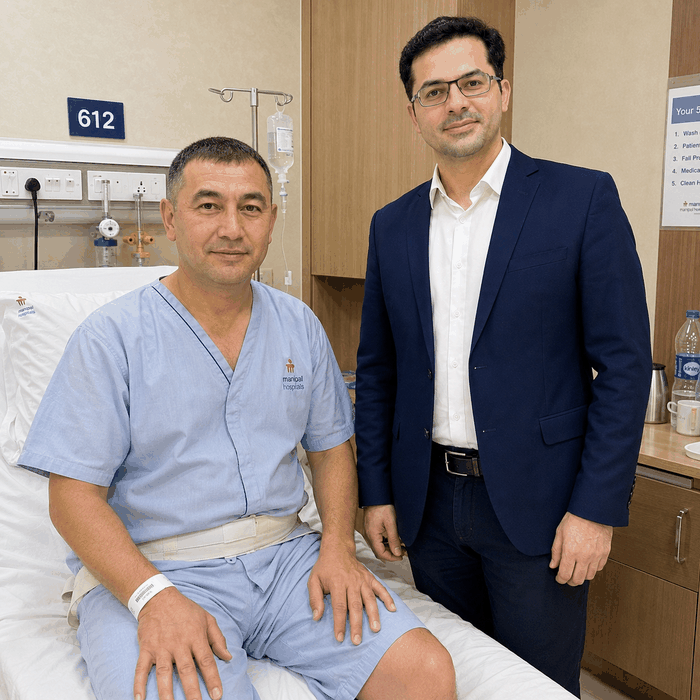
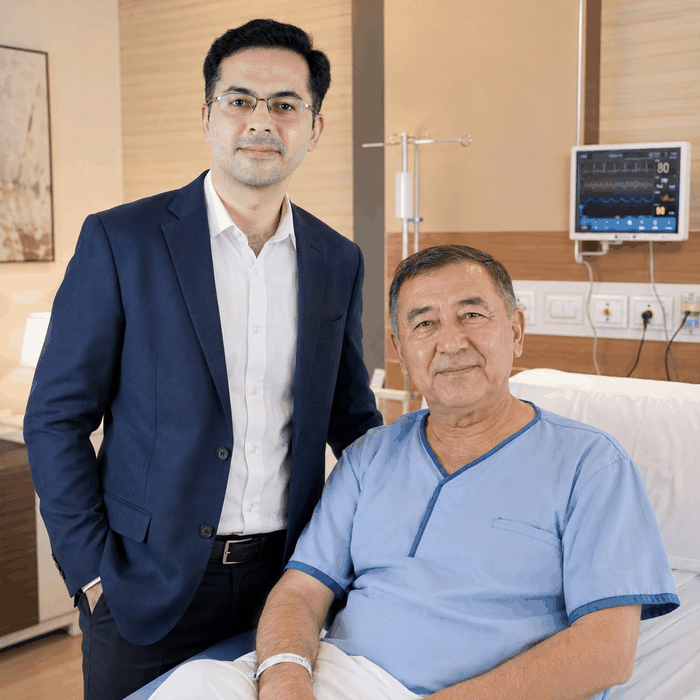
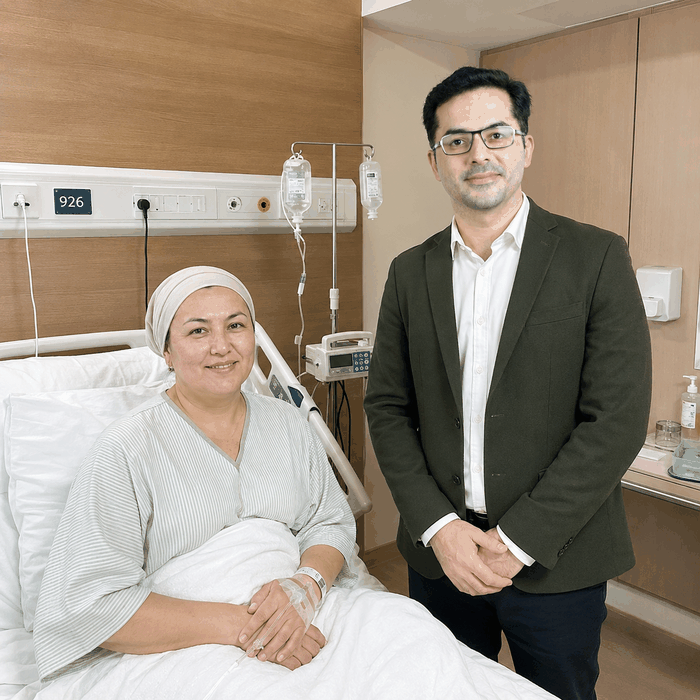
Patient Testimonials from Uzbekistan
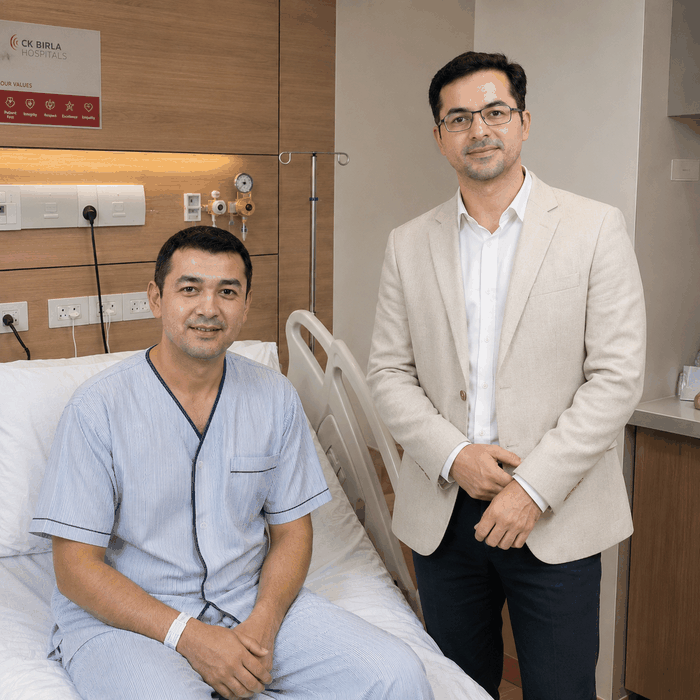
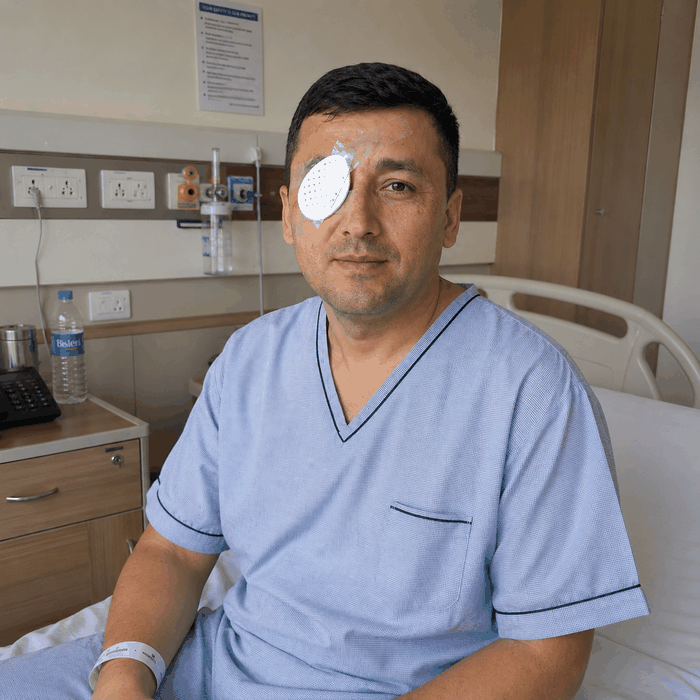
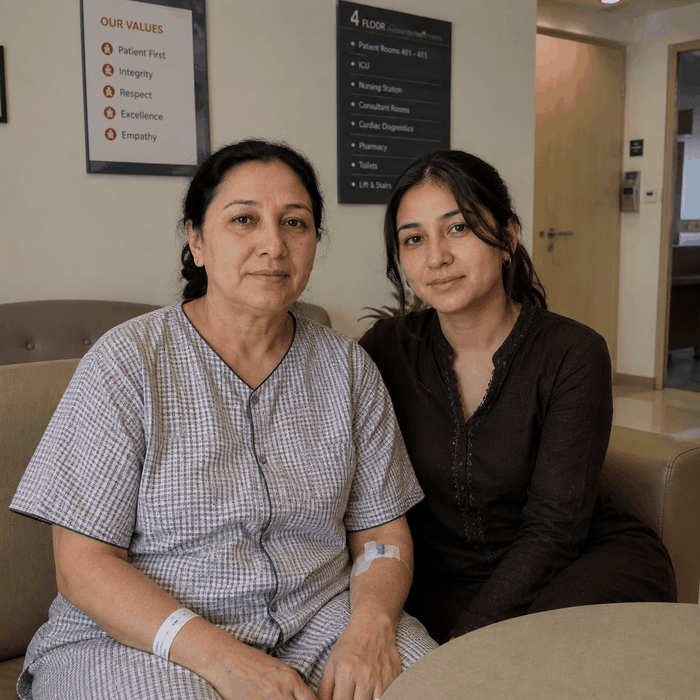
Ready to Take the First Step?
Share your medical reports with our healthcare managers today and receive a FREE CONSULTATION, a personalized treatment plan and complete support from your arrival to your recovery.
Get Your Free ConsultationFrom Uzbekistan to India: Your Complete Patient Guide
- Paediatric Neurosurgery in India for Uzbek Patients
- Paediatric Orthopaedic Surgery in India for Uzbek Patients
- Pancreatic Cancer Surgery in India for Uzbek Patients
- Parkinson’s Treatment and DBS Surgery in India for Uzbek Patients
- Penile Implant Surgery in India for Uzbek Patients
- Plastic and Reconstructive Surgery in India for Uzbek Patients
- Prostate Cancer Treatment and Surgery in India for Uzbek Patients
- Proton Therapy Treatment in India for Uzbek Patients
- Radiotherapy and Modern Cancer Treatments in India for Uzbek Patients
- Robotic Cancer Surgery in India for Uzbek Patients
- Scoliosis Correction Surgery in India for Uzbek Patients
- Shoulder Surgery in India for Uzbek Patients
- Spine Surgery in India for Uzbek Patients
- Urosurgery and Reconstructive Urology in India for Uzbek Patients
- Weight Loss and Bariatric Surgery in India for Uzbek Patients
- Bone Marrow Transplant Treatment in India for Uzbek Patients
- Brain Tumor Surgery in India for Uzbek Patients
- Breast Cancer Treatment and Surgery in India for Uzbek Patients