

Urosurgery and Reconstructive Urology in India for Uzbek Patients
A practical guide to kidney stone treatment, enlarged prostate (BPH) surgery and reconstructive urology in India — which technique suits your condition, and what it costs compared with Western countries.
Urology covers far more than cancer or transplant surgery — kidney stones and an enlarged prostate are two of the most common reasons men and women need urological treatment, and both now have effective, often minimally invasive options. Understanding which technique fits your specific situation makes the whole process far less daunting. Across more than two decades of guiding patients from Uzbekistan to treatment in India, the questions I hear most are: Which technique is right for my stone or condition? Is this major surgery? What will it really cost? And how does BPH differ from prostate cancer? This guide answers each plainly. It does not replace your urologist's advice — it is meant to help you understand the options clearly. India performs an exceptionally high volume of kidney stone and prostate procedures, with urologists experienced across the full range of modern techniques, at centres accredited by NABH or the international JCI.
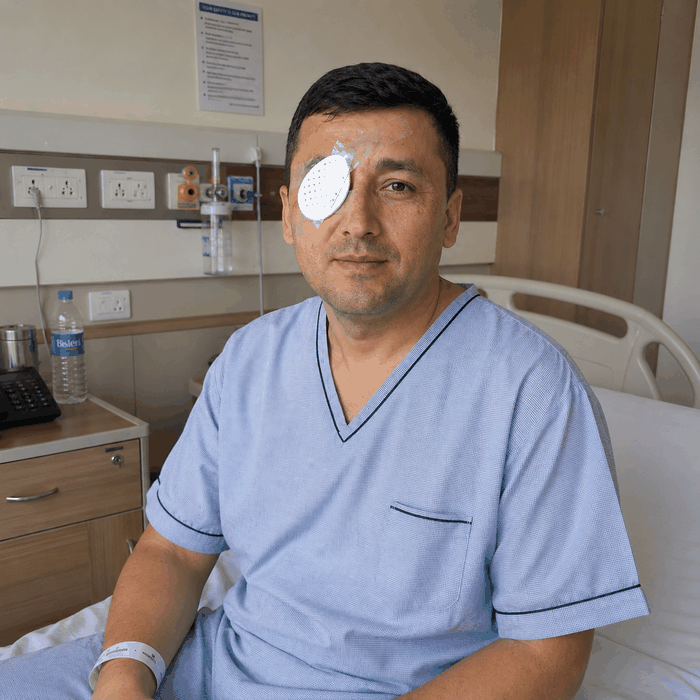
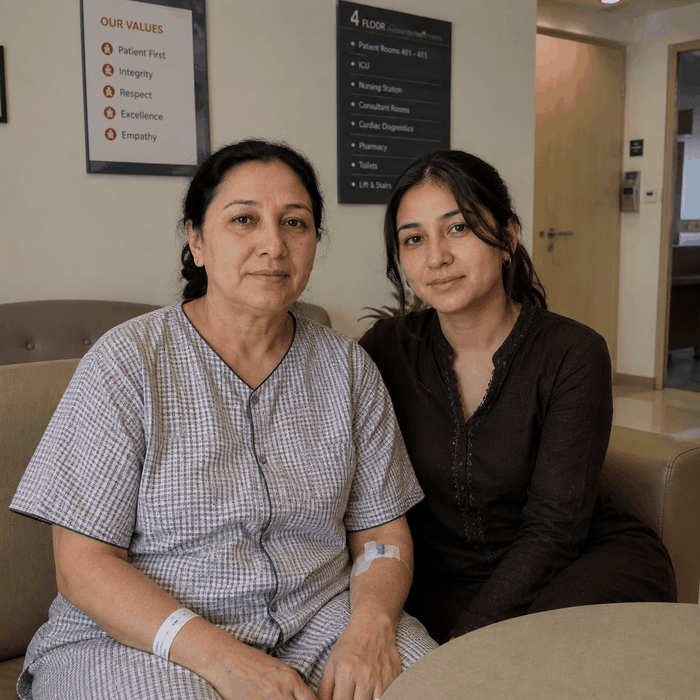
Healing Journeys of Uzbek Patients
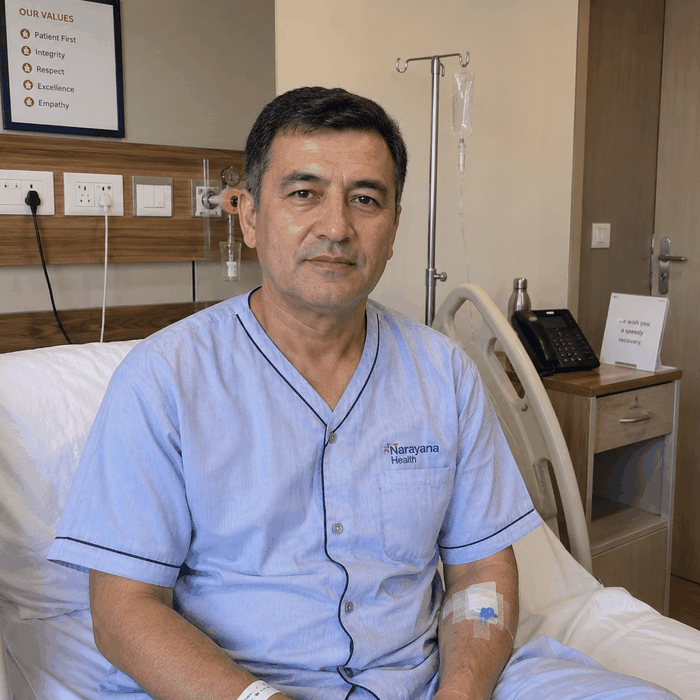
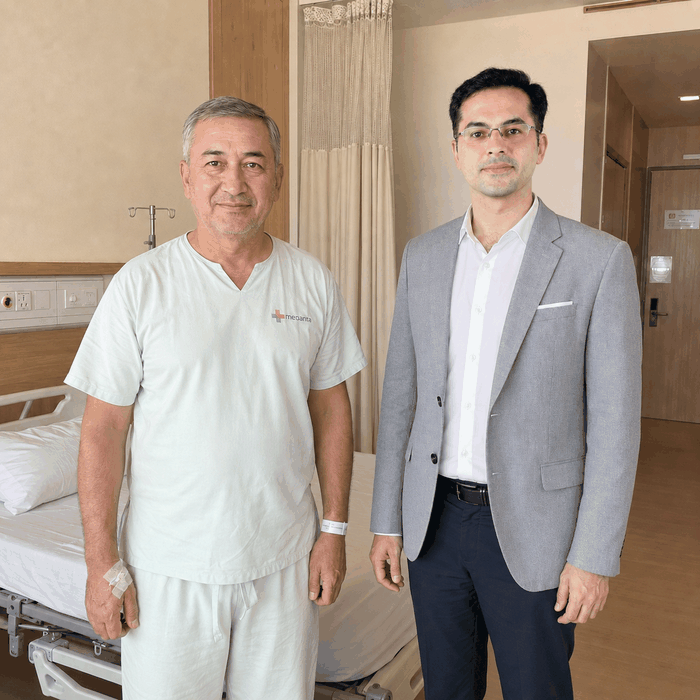
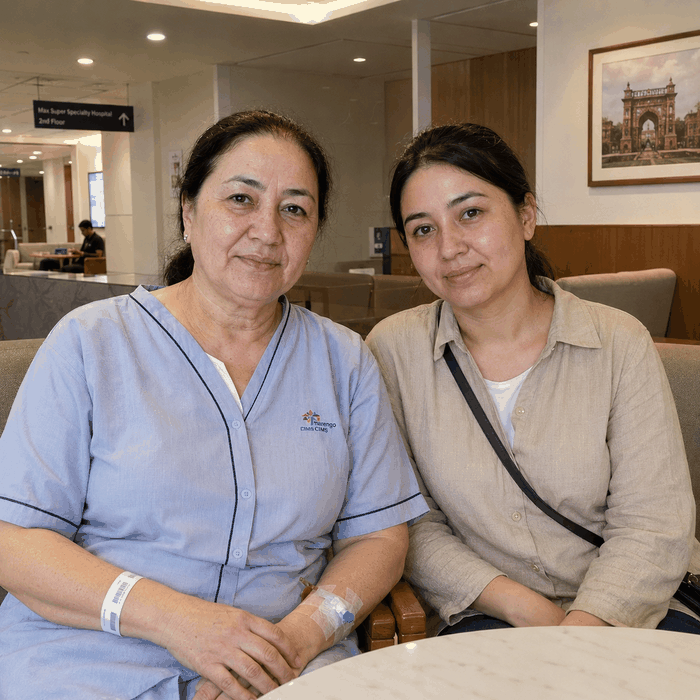
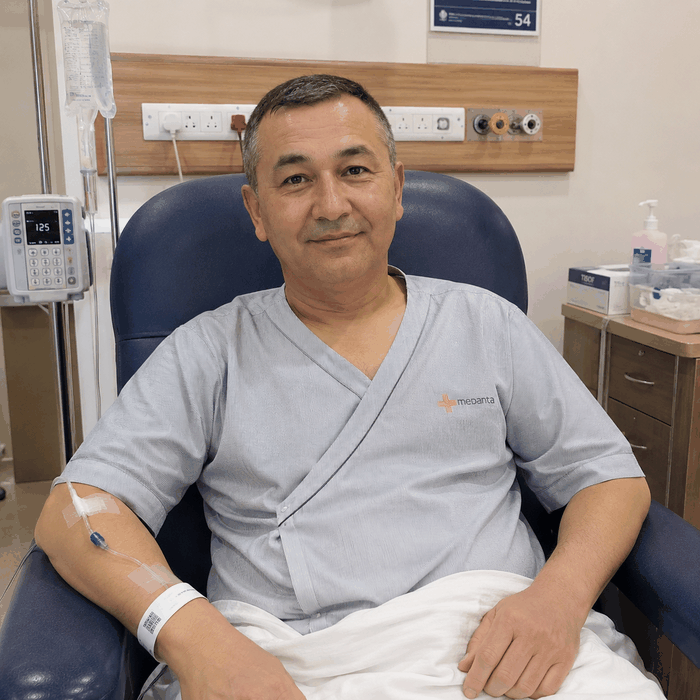
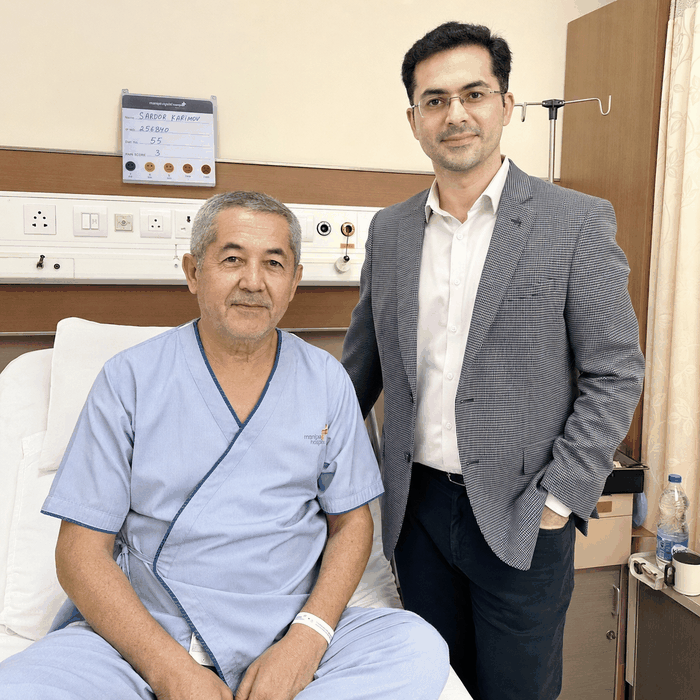

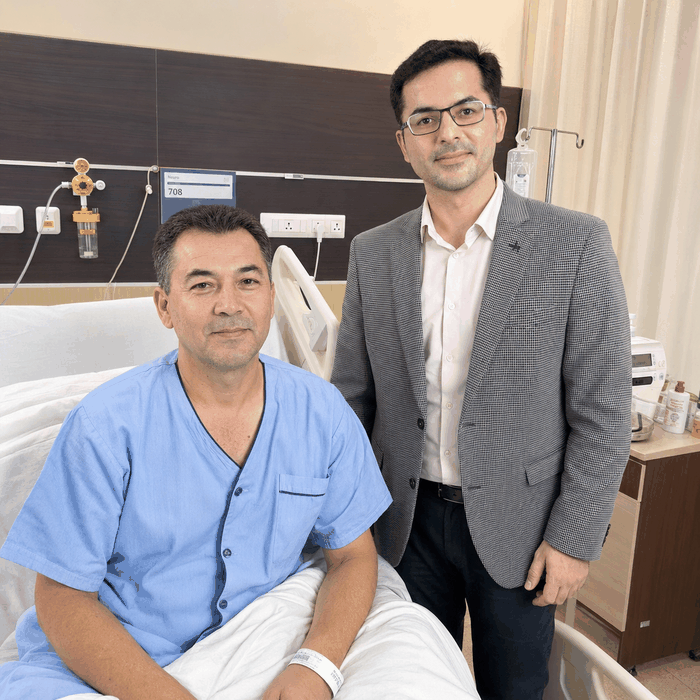
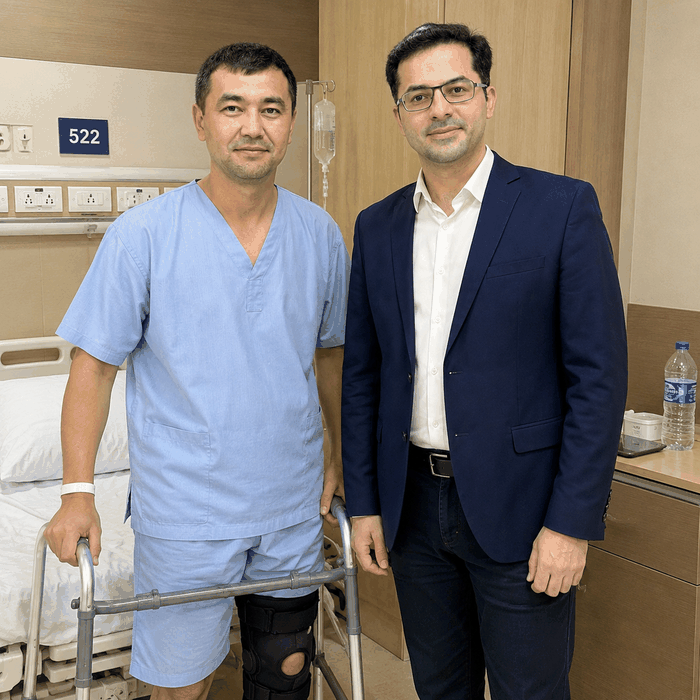
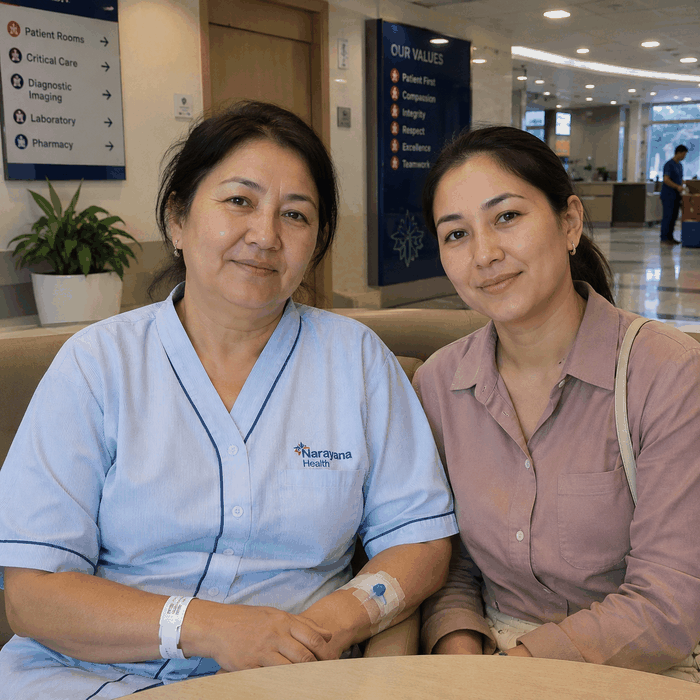
Information Takeaways
- Urological treatment in India includes several minimally invasive options for kidney stones and enlarged prostate. The guide focuses primarily on kidney stone treatment and BPH surgery, explaining that the appropriate technique should be selected according to the patient's imaging, stone size and location or prostate condition. India has high-volume urology centres, including centres accredited by NABH or JCI, with urologists experienced in modern treatment techniques.
- Kidney stone treatment can involve ESWL, URS/RIRS or PCNL depending on the characteristics of the stone. ESWL uses external shockwaves and is generally suited to stones under approximately 1.5 cm. URS/RIRS uses a thin scope passed through the urinary tract and laser treatment, without an external incision. PCNL creates a small tunnel into the kidney and is generally used for larger or more complex stones, including staghorn stones.
- BPH is explained separately from prostate cancer. Benign prostatic hyperplasia is a non-cancerous enlargement of the prostate that can cause urinary symptoms as men age. TURP remains an established surgical option, while HoLEP and Green Light PVP are newer laser techniques that may provide less bleeding and faster recovery for suitable patients. The final choice depends on prostate size and the patient's overall health.
- The guide estimates kidney stone treatment in India at approximately USD 1,500–6,500 and BPH surgery at approximately USD 2,500–4,000. The PCNL comparison chart shows approximate costs of USD 8,000–18,000 in Germany, USD 8,000–20,000 in the UK, USD 9,000–20,000 in Australia and USD 18,000–35,000 in the USA, compared with USD 1,500–6,500 in India. The final quotation depends on the procedure, stone characteristics and possible complications.
- Treatment planning should be based on the patient's own imaging rather than a generic recommendation. The guide advises Uzbek patients to send CT, ultrasound or prostate assessment records before travelling and to ask the urologist why a particular procedure is appropriate. Patients should also ask what would happen to the cost if imaging shows that another technique is required.
- Most Uzbek patients are expected to spend approximately seven to twelve days in India, although the duration varies by procedure. The typical pathway involves sending medical imaging, receiving a treatment recommendation and cost estimate, completing evaluation after arrival, undergoing the procedure and then having a recovery assessment before returning home. The source indicates that procedures can range from under an hour for ESWL to several hours for PCNL.
- Recovery depends strongly on the procedure performed. ESWL patients may return to normal activity within a day or two, while URS/RIRS generally requires several days and may involve a temporary stent. PCNL generally involves a hospital stay of a few days and approximately two to six weeks for full return to normal activity. BPH surgery patients commonly return home within a couple of days, with urinary symptoms improving gradually over the following weeks. Follow-up imaging and urological monitoring should be arranged in Uzbekistan.
Quick Facts
- Treatment
- Urosurgery and modern urological treatment
- Primary Patients
- Uzbek patients seeking treatment in India
- Main Speciality
- Urology
- Key Specialist
- Urologist experienced in the specific procedure
- Kidney Stone Procedures
- ESWL, URS/RIRS and PCNL
- BPH Procedures
- TURP, HoLEP and Green Light PVP
- ESWL
- Generally used for selected stones under approximately 1.5 cm
- PCNL
- Used for larger or complex kidney stones
- Kidney Stone Cost
- Approximately USD 1,500–6,500
- BPH Surgery Cost
- Approximately USD 2,500–4,000
- Typical India Stay
- Approximately 7–12 days
- Hospital Stay
- Same-day to a few days depending on treatment
- ESWL Recovery
- Normal activity may resume within a day or two
- PCNL Recovery
- Approximately 2–6 weeks for full normal activity
- Accreditation
- Confirm NABH or JCI accreditation
- Pre-Travel
- CT, ultrasound or prostate assessment records
- Surgeon Selection
- Check experience with the specific procedure
- Language Support
- Russian- and Uzbek-speaking coordinators may be available
- Travel
- Medical and companion visa arrangements should be confirmed
- Follow-Up
- Imaging and check-ups should be arranged in Uzbekistan
- Stone Prevention
- Discuss recurrence risk, fluids and dietary guidance
- Documentation
- Keep scans and surgical reports
- Author
- Dr. Dheeraj Bojwani
- Experience
- 24+ Years
Knowledgeable Information Snippet
For Uzbek patients planning urological treatment in India, procedure-specific experience is more important than simply choosing a particular city. Before booking, patients should confirm NABH or JCI accreditation, understand why the proposed technique matches their condition, check the surgeon's experience with that exact procedure, obtain a complete cost breakdown, arrange medical and companion visas and establish a follow-up plan in Uzbekistan. For kidney stones, patients should also discuss recurrence risk, fluid intake and dietary measures where appropriate.
Why Uzbek Patients Choose India for Urosurgery?
Urologists frequently trained or fellowship-qualified in the UK, Europe or the USA.
- Access to the full range of kidney stone techniques, from shockwave therapy to laser and PCNL.
- Modern laser and minimally invasive options for BPH, alongside traditional TURP.
- Dedicated international desks with Russian and Uzbek-speaking coordinators and interpreters.
- Convenient connectivity from Tashkent to Delhi, Mumbai and other major cities.
Cities such as Delhi, Mumbai, Chennai, Bengaluru and Hyderabad all have high-volume urology centres. The right choice is the surgeon's specific experience with your condition — not the city name.
Which kidney stone technique, and understanding BPH
Kidney stone treatment escalates by stone size and location. ESWL (shockwave lithotripsy) uses focused shockwaves from outside the body to break up smaller stones without any incision, suited to stones generally under 1.5cm. URS/RIRS (ureteroscopy) passes a thin scope through the urinary tract to reach and treat stones with a laser, without external incisions. PCNL creates a small tunnel directly into the kidney and is reserved for larger or more complex stones, such as staghorn stones, that other techniques cannot manage effectively.
BPH (benign prostatic hyperplasia) is a non-cancerous enlargement of the prostate that commonly causes urinary symptoms as men age — it is unrelated to prostate cancer, though both can occur in the same patient, and testing confirms which is present. TURP remains a well-established surgical treatment, while newer laser techniques (HoLEP, Green Light PVP) often offer less bleeding and faster recovery for suitable cases. Your urologist will confirm the right technique based on your prostate size and overall health.
How much does urosurgery cost in India?
In India, kidney stone treatment typically costs USD 1,500–6,500 depending on technique and stone complexity, while BPH surgery typically costs USD 2,500–4,000.
India vs Western countries: cost of kidney stone surgery (PCNL)
Approximate range for complex stone treatment (USD, 2026)
Figures are indicative ranges compiled from hospital and medical-travel sources; your final quote depends on the exact technique, stone size and any complications.
Notice how far below Western prices India sits — often 70 to 85 percent below the cost in the USA, UK, Germany or Australia, using the same laser and imaging technology. India's advantage is value: extremely high procedure volume across every kidney stone technique, at a cost that makes treatment accessible without delay.
One caution on budgeting: the exact technique, and therefore cost, is often only confirmed once imaging shows the stone's precise size and location — ask for a plan covering what would happen if a different approach is needed once this is clear. The quote also rarely includes flights and accommodation.
Ask your urologist to explain exactly why a specific technique is recommended for your stone or prostate condition, based on your own imaging — not a generic approach.
Your urosurgery journey, step by step
Most Uzbek patients plan for 7 to 12 days in India, varying by the specific procedure.
Your urosurgery journey, step by step
A typical timeline from Uzbekistan to India and back
Timelines vary considerably by procedure; your urologist will confirm the exact plan once your specific technique is decided.
Factors that every Uzbek Patient should consider while planning Urosurgery in India
Before you commit, work through these points with the hospital's international team. In more than 24 years of guiding patients through this decision, those who ask these questions directly are the best prepared.
Before you book: things to confirm
A pre-travel checklist for patients from Uzbekistan
Also ask about stone recurrence risk and any dietary guidance to reduce the chance of forming new stones in the future.
Two further points: bring a companion — recovery is easier with support close by — and ask about stone prevention if this applies to you, since some patients are prone to recurrence and dietary or medical changes can help.
Recovery after Urosurgery and returning to Uzbekistan
Recovery varies by procedure. ESWL patients often resume normal activity within a day or two, while URS/RIRS typically needs a few days of recovery, sometimes with a temporary stent that is removed at a follow-up visit. PCNL involves a slightly longer recovery, generally 2 to 6 weeks for full return to normal activity, with a hospital stay of a few days. BPH surgery patients typically go home within a couple of days, with urinary symptoms improving gradually over the following weeks as swelling settles. Drink plenty of fluids as advised and follow any dietary guidance to reduce future stone risk if this applies to your case. Regular follow-up imaging and check-ups matter for monitoring, so agree a schedule with a doctor in Uzbekistan before you leave. Keep every scan and surgical report safely.
Frequently asked questions
Is urosurgery in India safe? At an accredited urology centre, yes. India's leading hospitals meet NABH or JCI standards and have urologists experienced across kidney stone treatment, BPH surgery and reconstructive urology.
Will there be someone who speaks my language? Major international hospitals have Russian and Uzbek-speaking coordinators and interpreters who assist from your first message through discharge and follow-up.
Will my kidney stones come back? Some patients are prone to recurrence depending on stone composition and individual risk factors. Your urologist can advise on dietary changes, fluid intake and, in some cases, medication to reduce the likelihood of new stones forming.
Does an enlarged prostate mean I have cancer? No. BPH is a common, non-cancerous condition as men age, unrelated to prostate cancer, though your doctor may run tests to confirm this distinction clearly for your specific case.
A note from Dr Dheeraj Bojwani
With 24+ years of experience guiding international patients through urological treatment decisions, my advice is straightforward: ask your urologist to explain exactly why a specific technique suits your stone or prostate condition based on your own imaging, confirm the surgeon's experience with that specific procedure, and ask about prevention if stone recurrence is a risk for you. This article is general information and not a substitute for a personal consultation with your urologist.
Straight Answer Question by Uzbek Patients about Urosurgery in India
Is urosurgery in India safe?
At an accredited urology centre, yes. India's leading hospitals meet NABH or JCI standards and have urologists experienced across kidney stone treatment, BPH surgery and reconstructive urology.
Will there be someone who speaks my language?
Major international hospitals have Russian and Uzbek-speaking coordinators and interpreters who assist from your first message through discharge and follow-up.
Will my kidney stones come back?
Some patients are prone to recurrence depending on stone composition and individual risk factors. Your urologist can advise on dietary changes, fluid intake and, in some cases, medication to reduce the likelihood of new stones forming.
Does an enlarged prostate mean I have cancer?
No. BPH is a common, non-cancerous condition as men age, unrelated to prostate cancer, though your doctor may run tests to confirm this distinction clearly for your specific case.
References & sources
- 🌐 National Accreditation Board for Hospitals & Healthcare Providers (NABH) — accredited hospital directory. · nabh.co
- 🌐 Joint Commission International (JCI) — directory of accredited organisations. · jointcommissioninternational.org
- 🌐 National Medical Commission of India — doctor and specialist registration verification. · nmc.org.in
- 🌐 World Health Organization — Health topics resources. · who.int
- 🌐 Bureau of Immigration, Government of India — e-Medical Visa. · indianvisaonline.gov.in
- 🌐 Cost ranges compiled from published hospital and medical-travel price guides for kidney stone and BPH treatment, 2025–2026.
Frequently Asked Questions by Uzbek Patients about Urosurgery in India
What kidney stone treatment can Uzbek patients receive in India?
The guide discusses ESWL, URS/RIRS and PCNL. The appropriate treatment depends mainly on the stone's size, location and complexity after imaging assessment.
How much does kidney stone surgery cost in India for Uzbek patients?
Kidney stone treatment is estimated at approximately USD 1,500–6,500 in India. The final price depends on the technique, stone complexity and any complications.
When is ESWL suitable for an Uzbek patient with kidney stones?
The source states that ESWL uses focused external shockwaves and is generally suited to stones under approximately 1.5 cm. The final decision should be made after reviewing the patient's imaging.
When is PCNL recommended for Uzbek patients travelling to India?
PCNL creates a small tunnel directly into the kidney and is generally reserved for larger or more complex stones, including staghorn stones that other approaches may not manage effectively.
How much does BPH surgery cost in India for Uzbek patients?
The guide estimates BPH surgery at approximately USD 2,500–4,000. The exact procedure and final cost depend on prostate size, overall health and the recommended surgical approach.
Which BPH surgery options are available for Uzbek patients in India?
The guide discusses TURP, HoLEP and Green Light PVP. TURP is an established surgical treatment, while laser techniques may offer less bleeding and faster recovery for suitable patients.
Does BPH mean that an Uzbek patient has prostate cancer?
No. The source specifically explains that BPH is a non-cancerous enlargement of the prostate and is unrelated to prostate cancer, although both conditions can occur in the same person. Testing is needed to establish the diagnosis.
How long do Uzbek patients need to stay in India after kidney stone or BPH treatment?
Most Uzbek patients should plan for approximately seven to twelve days in India, although the exact stay depends on the procedure and individual recovery.
How long is recovery after PCNL or other kidney stone surgery in India?
ESWL recovery may allow normal activity within a day or two, while URS/RIRS generally requires several days. PCNL may require approximately two to six weeks for full return to normal activity.
How should Uzbek patients continue urological follow-up after treatment in India?
Patients should agree on a follow-up schedule with a doctor in Uzbekistan before leaving India and retain all scans and surgical reports. For recurrent kidney stones, prevention measures such as appropriate fluid intake and dietary guidance should also be discussed.
Page Summary
The guide explains modern urological treatment options available to Uzbek patients in India, with particular emphasis on kidney stone treatment and BPH surgery. ESWL, URS/RIRS and PCNL are presented as different approaches for kidney stones, while TURP, HoLEP and Green Light PVP are discussed for BPH. Procedure selection should be based on individual imaging and clinical assessment rather than a generic treatment choice. For Uzbek patients, estimated kidney stone treatment costs are USD 1,500–6,500 and BPH surgery costs are USD 2,500–4,000. Most patients should plan for approximately seven to twelve days in India, with recovery varying considerably by procedure. Continued follow-up with a doctor in Uzbekistan and preservation of all imaging and surgical records are important after returning home.
Citation Block
| Field | Details |
|---|---|
| Article / Topic | Urosurgery and Reconstructive Urology in India for Uzbek Patients |
| Medical Specialty | Urology |
| Primary Patient Group | Patients from Uzbekistan |
| Main Conditions Covered | Kidney stones and BPH |
| Kidney Stone Options | ESWL, URS/RIRS and PCNL |
| ESWL | External shockwave treatment for selected smaller stones |
| URS/RIRS | Endoscopic laser treatment through the urinary tract |
| PCNL | Percutaneous treatment for larger or complex stones |
| BPH | Non-cancerous enlargement of the prostate |
| BPH Procedures | TURP, HoLEP and Green Light PVP |
| Kidney Stone Cost | Approximately USD 1,500–6,500 |
| BPH Surgery Cost | Approximately USD 2,500–4,000 |
| PCNL Comparison | India USD 1,500–6,500; Germany USD 8,000–18,000; UK USD 8,000–20,000; Australia USD 9,000–20,000; USA USD 18,000–35,000 |
| Typical India Stay | Approximately 7–12 days |
| Pre-Travel Records | CT, ultrasound or prostate assessment |
| Final Treatment Plan | Confirmed after updated imaging and evaluation |
| Procedure Duration | Under 1 hour for some ESWL procedures to several hours for PCNL |
| Hospital Stay | Same-day to a few days |
| PCNL Recovery | Approximately 2–6 weeks for full normal activity |
| BPH Recovery | Urinary symptoms improve gradually after surgery |
| Hospital Selection | NABH or JCI-accredited urology centre |
| Surgeon Selection | Procedure-specific experience and annual volume |
| Cost Planning | Confirm changes if another technique is required |
| Travel Planning | Medical and companion visas |
| Home Follow-Up | Imaging and check-ups in Uzbekistan |


Our Mission Statement
Our mission is to place patients at the centre of every healthcare decision by providing trustworthy, evidence-based, and unbiased medical information. We believe that informed patients make better decisions. Backed by personalised guidance from our experienced advisory team, we help patients understand their treatment options, compare them objectively, and confidently choose the path that best suits their medical needs and personal circumstances.
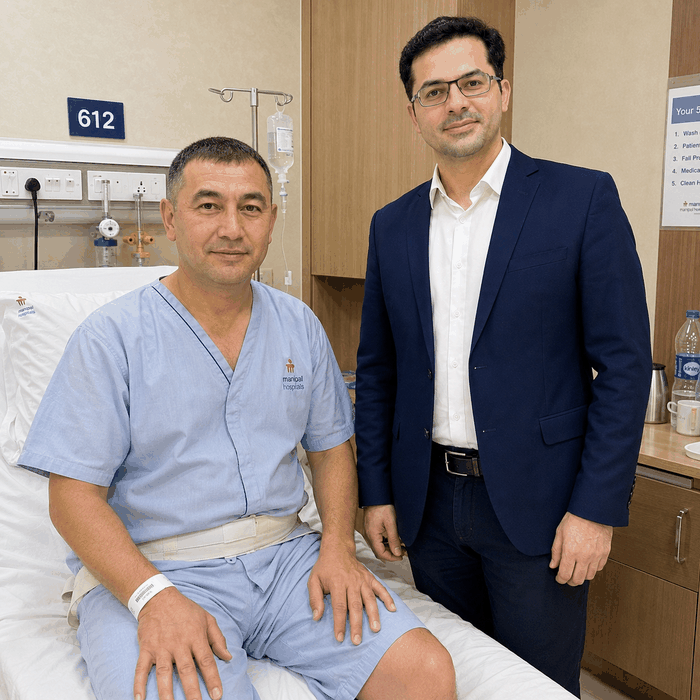
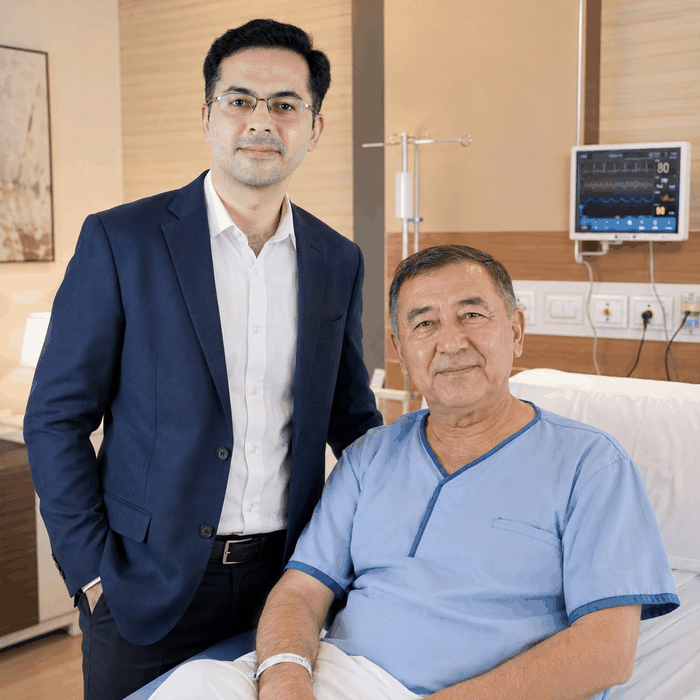
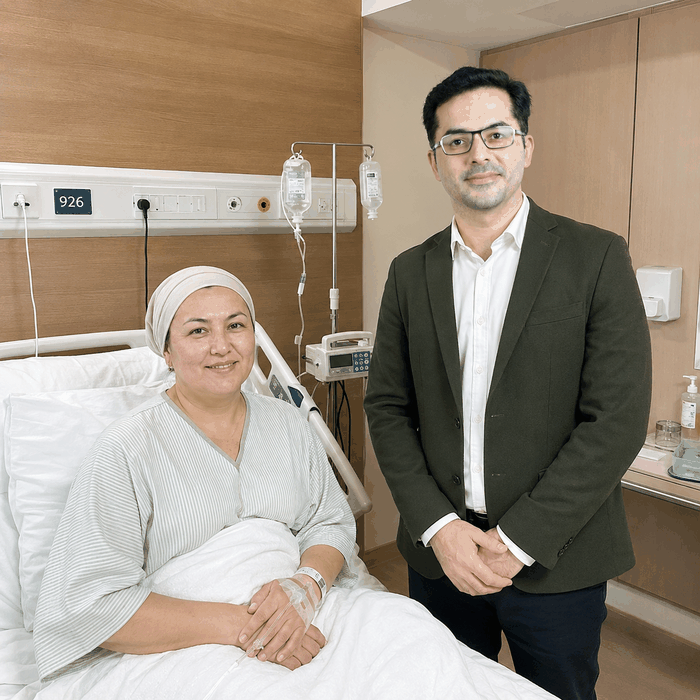
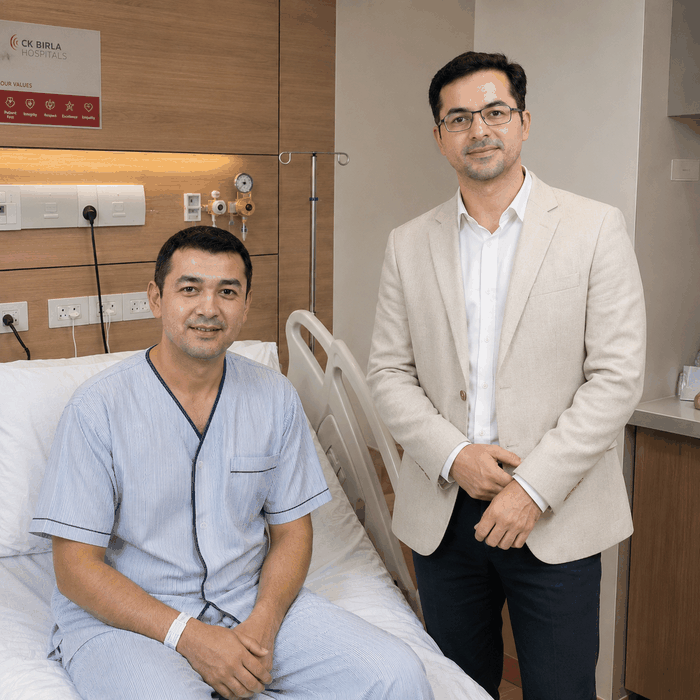
Patient Testimonials from Uzbekistan
Ready to Take the First Step?
Share your medical reports with our healthcare managers today and receive a FREE CONSULTATION, a personalized treatment plan and complete support from your arrival to your recovery.
Get Your Free ConsultationFrom Uzbekistan to India: Your Complete Patient Guide
- Prostate Cancer Treatment and Surgery in India for Uzbek Patients
- Proton Therapy Treatment in India for Uzbek Patients
- Radiotherapy and Modern Cancer Treatments in India for Uzbek Patients
- Robotic Cancer Surgery in India for Uzbek Patients
- Scoliosis Correction Surgery in India for Uzbek Patients
- Shoulder Surgery in India for Uzbek Patients
- Spine Surgery in India for Uzbek Patients
- Weight Loss and Bariatric Surgery in India for Uzbek Patients
- Bone Marrow Transplant Treatment in India for Uzbek Patients
- Brain Tumor Surgery in India for Uzbek Patients
- Breast Cancer Treatment and Surgery in India for Uzbek Patients
- Cancer Treatment and Surgery in India for Uzbek Patients
- Cardiac Pacemaker Treatment in India for Uzbek Patients
- Cardiac Surgery in India for Uzbek Patients
- Cervical and Lumbar Disc Replacement Surgery in India for Uzbek Patients
- Colorectal Cancer Treatment and Surgery in India for Uzbek Patients
- Complex Orthopaedic and Joint Revision Surgery in India for Uzbek Patients
- Cornea Transplant and Advanced Eye Surgery in India for Uzbek Patients