

Colorectal Cancer Treatment and Surgery in India for Uzbek Patients
A practical guide to colon and rectal cancer treatment in India — colectomy, laparoscopic and robotic surgery, and how treatment differs between colon and rectal cancer — what it costs compared with Western countries.
Colorectal cancer — affecting the colon or rectum — is among the more treatable cancers when caught at an earlier stage, and surgery is central to treatment for most patients. The exact path differs meaningfully depending on whether the cancer is in the colon or the rectum, which is worth understanding early in your planning. Across more than two decades of guiding patients from Uzbekistan to treatment in India, the questions I hear most are: What does my specific treatment path involve? Will I need a stoma? What will it really cost? And how does colon cancer treatment differ from rectal cancer? This guide answers each plainly. It does not replace your oncologist's advice — it is meant to help you understand the treatment landscape clearly.
Healing Journeys of Uzbek Patients
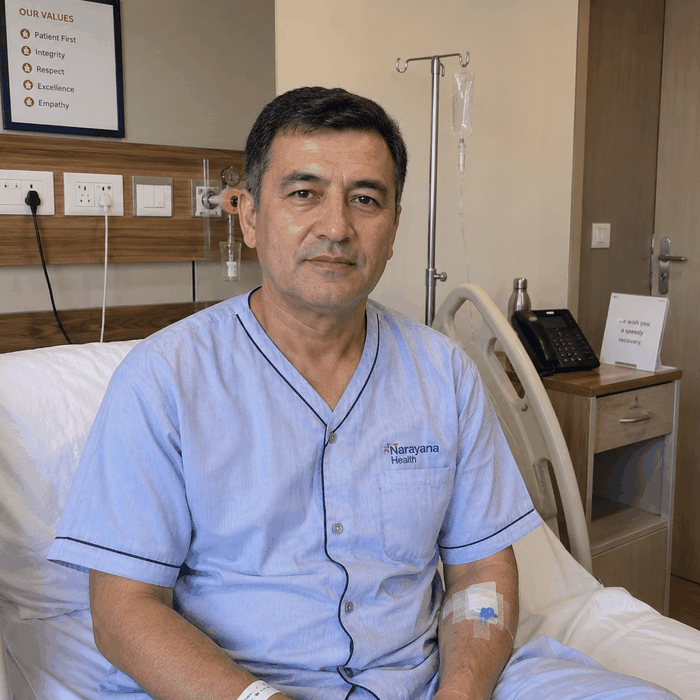
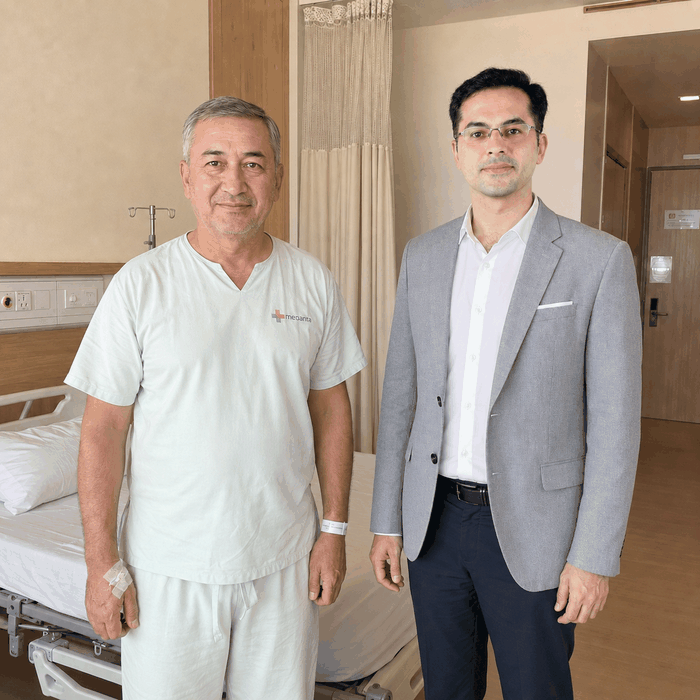
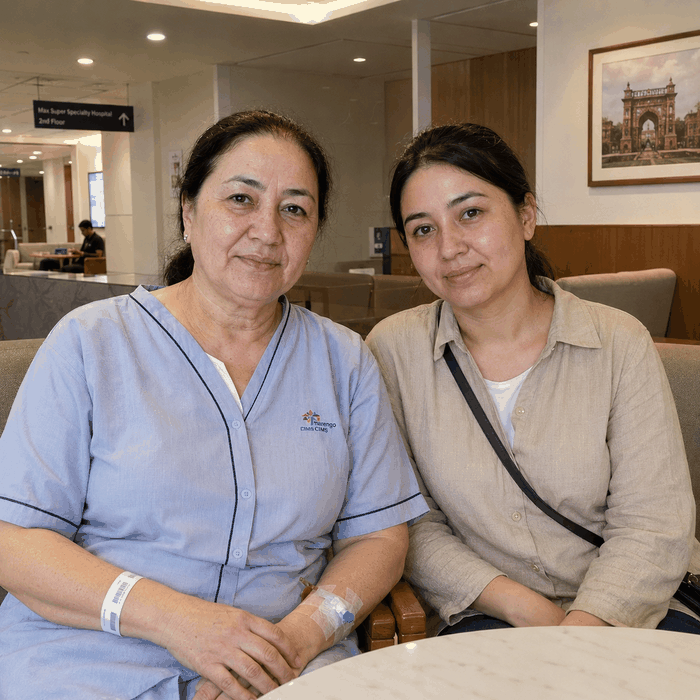
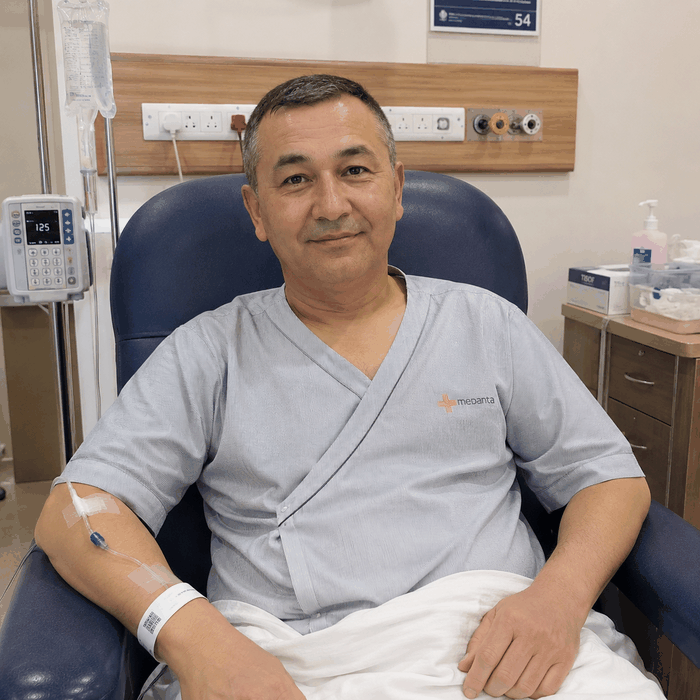
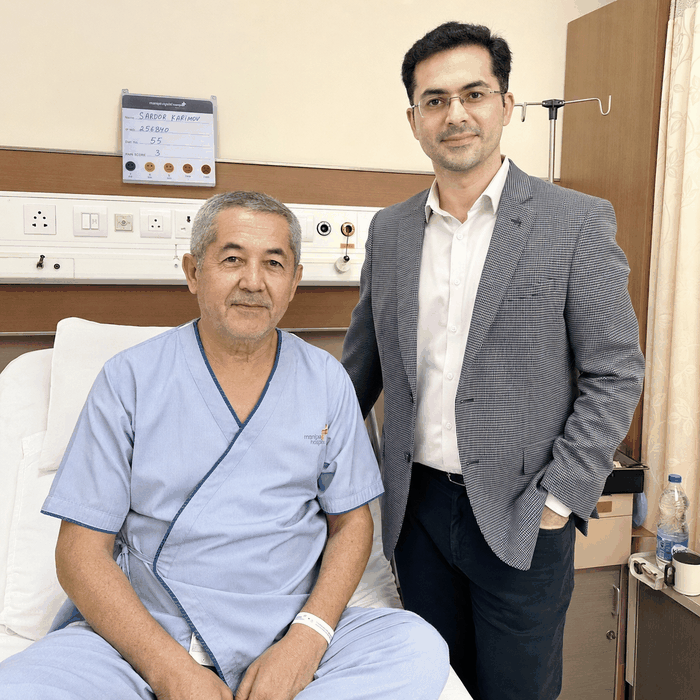
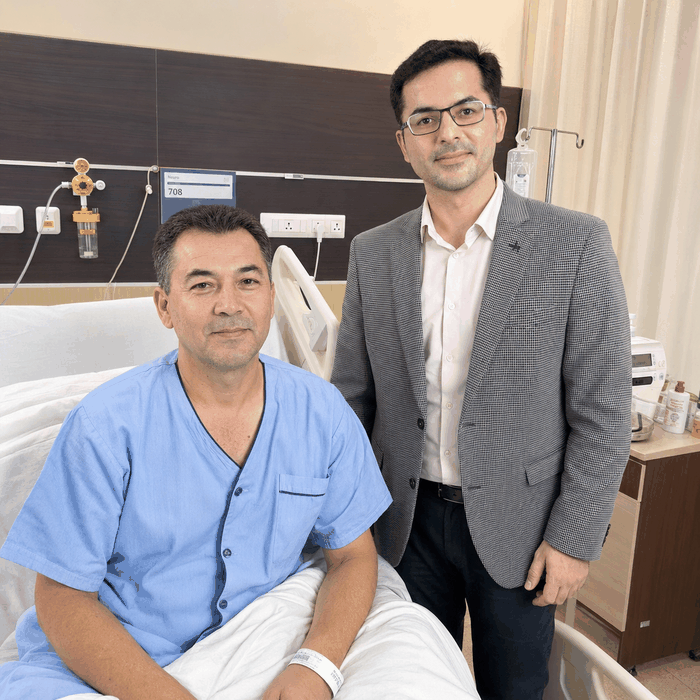
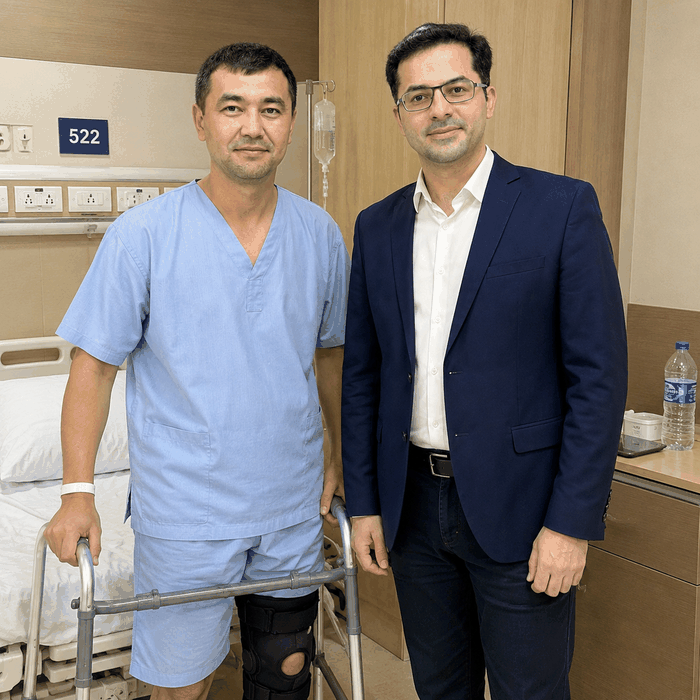
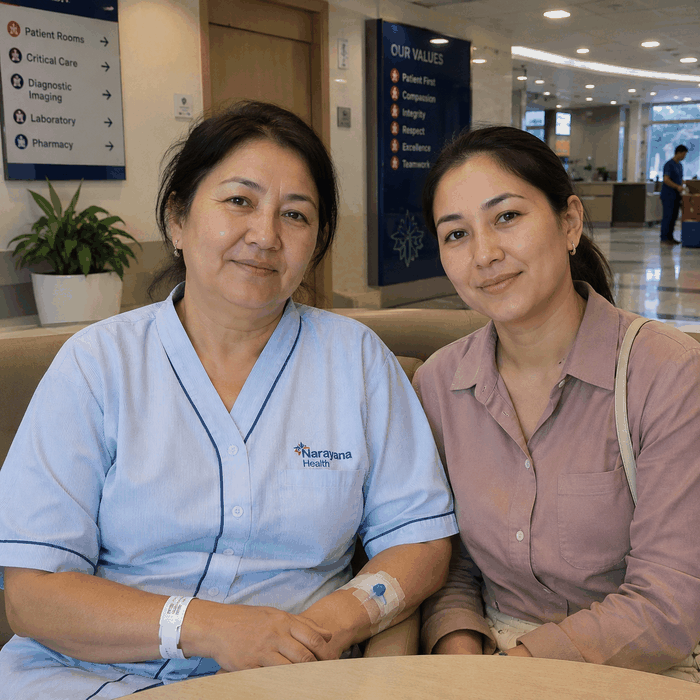
Information Takeaways
- Colorectal cancer affects the colon or rectum, and surgery is central to treatment for many patients. The treatment pathway depends strongly on whether the cancer is in the colon or rectum, as well as its stage and extent. India has high-volume colorectal cancer centres with colorectal surgical oncologists experienced in laparoscopic and robotic procedures, supported by multidisciplinary tumour boards and hospitals accredited by NABH or JCI.
- For colon cancer, colectomy removes the affected portion of the colon, with the extent of removal depending on tumour location and spread. Earlier-stage disease may sometimes be managed primarily with surgery, while more advanced or higher-risk disease may require chemotherapy after surgery. Laparoscopic and robotic approaches are increasingly used and generally involve smaller incisions and faster recovery compared with open surgery.
- Rectal cancer requires a different treatment strategy because the rectum lies deep within the pelvis near important surrounding structures. Chemotherapy and radiation may be given before surgery to shrink the tumour, followed by procedures such as low anterior resection. Depending on tumour location and its relationship to the anal sphincter, a temporary colostomy or ileostomy may be required to allow the bowel to heal. A smaller number of patients may require a permanent stoma.
- Cost is an important consideration for patients travelling from Uzbekistan. The source estimates a complete colorectal cancer treatment package in India, including surgery, at approximately USD 4,000–10,000, although the final amount depends on cancer stage, surgical technique and whether chemotherapy or radiation is required. Indicative comparison figures are USD 20,000–40,000 in the UK, USD 25,000–45,000 in Germany, USD 25,000–50,000 in Australia and USD 50,000–150,000 in the USA.
- Uzbek patients should plan the entire treatment rather than budgeting only for the operation. If chemotherapy or radiation forms part of the treatment plan, these costs can substantially increase the overall expense. The source also notes that quoted treatment prices generally do not include flights and accommodation. Before travelling, patients should send pathology, colonoscopy and staging scans for an initial opinion and obtain a complete treatment estimate and medical visa invitation.
- The surgical phase commonly requires around 2–3 weeks in India, although rectal cancer requiring radiation before surgery can extend the overall timeline by several weeks. Colectomy or resection typically takes around 2–5 hours. After laparoscopic or robotic colorectal surgery, hospital stay is generally around 4–7 days, while broader recovery and return to normal activity may take approximately 4–8 weeks.
- Before choosing a hospital, Uzbek patients should confirm NABH or JCI accreditation, the surgeon's colorectal cancer experience, expected stoma requirements, the complete treatment cost and the plan for continued care in Uzbekistan. Russian- and Uzbek-speaking coordinators or interpreters may be available at major international hospitals. After returning home, patients should retain pathology reports and surgical summaries and coordinate future colonoscopies, scans and any chemotherapy with their oncologist in Uzbekistan.
Quick Facts
- Treatment
- Colorectal cancer treatment and surgery
- Primary Patients
- Uzbek patients seeking colorectal cancer care in India
- Main Speciality
- Colorectal surgical oncology
- Key Specialist
- Colorectal surgical oncologist
- Main Surgery
- Colectomy or rectal cancer resection
- Surgical Approach
- Laparoscopic, robotic or open surgery depending on the case
- Colon Cancer
- Surgery may be used alone in earlier stages or combined with chemotherapy
- Rectal Cancer
- May require chemotherapy and radiation before surgery
- Stoma
- May be temporary or, less commonly, permanent depending on tumour location
- India Treatment Cost
- Approximately USD 4,000–10,000
- Typical Surgical Journey
- Approximately 2–3 weeks
- Hospital Stay
- Approximately 4–7 days after laparoscopic or robotic surgery
- Surgery Duration
- Approximately 2–5 hours
- Recovery
- Generally 4–8 weeks for return to normal activity
- Accreditation
- NABH or JCI
- Treatment Planning
- Multidisciplinary tumour-board review
- Pre-Travel
- Pathology, colonoscopy and staging scans should be reviewed
- Language Support
- Uzbek- and Russian-speaking coordinators may be available
- Follow-Up
- Colonoscopies, scans and further treatment may continue in Uzbekistan
- Visa
- Medical visa and companion visa should be arranged in advance
- Documentation
- Keep pathology reports and surgical summaries safely
- Author
- Dr. Dheeraj Bojwani
- Experience
- 24+ Years
Knowledgeable Information Snippet
For Uzbek patients considering colorectal cancer treatment in India, the most important planning point is to distinguish colon cancer from rectal cancer because the treatment sequence can differ considerably. Colon cancer may involve colectomy followed by chemotherapy depending on stage, while rectal cancer more often requires pre-operative chemotherapy and radiation before surgery. India offers laparoscopic and robotic colorectal surgery, multidisciplinary tumour-board assessment and integrated access to chemotherapy and radiation. A typical surgical journey may take 2–3 weeks, with longer stays when pre-operative treatment is necessary. The source estimates complete colorectal cancer treatment packages including surgery at approximately USD 4,000–10,000, subject to individual treatment requirements.
Why Uzbek Patients Choose India for Colorectal Cancer Treatment?
India treats a very high volume of colorectal cancer patients, with colorectal surgical oncologists experienced in laparoscopic and robotic technique, at centres accredited by NABH or the international JCI, working within a multidisciplinary tumor board.
Cities such as Delhi, Mumbai, Chennai, Bengaluru and Hyderabad all have comprehensive colorectal cancer centres. The right choice is a centre's specific colorectal surgical volume — not the city name.
- Colorectal surgical oncologists frequently trained or fellowship-qualified in the UK, Europe or the USA.
- Laparoscopic and robotic surgical options, generally offering faster recovery than open surgery.
- Access to chemotherapy, radiation and targeted therapy at the same centre for combined treatment plans.
- Dedicated international desks with Russian and Uzbek-speaking coordinators and interpreters.
- Convenient connectivity from Tashkent to Delhi, Mumbai and other major cities.
Colon vs rectal cancer — why the treatment path differs
Colon cancer is often treated with surgery (colectomy) alone for earlier stages, or surgery followed by chemotherapy for more advanced or higher-risk cases. Colectomy removes the affected portion of the colon — partial or total, depending on tumor location and extent — and is increasingly performed laparoscopically or robotically, offering smaller incisions and typically faster recovery than open surgery.
Rectal cancer is treated differently because of its location deep in the pelvis, close to other structures. It more often involves chemotherapy and radiation before surgery to shrink the tumor first, followed by a more technically demanding operation such as low anterior resection. Depending on how close the tumor is to the anal sphincter, some rectal cancer surgeries need a temporary stoma (colostomy or ileostomy) to allow the bowel to heal, usually reversed a few months later; a smaller number of cases need a permanent stoma. Your surgical team will discuss the specific likelihood for your case based on tumor location, not a general average.
How much does colorectal cancer treatment cost in India?
In India, a complete colorectal cancer treatment package, including surgery, typically costs USD 4,000–10,000, varying with cancer stage and whether chemotherapy or radiation is also needed.
India vs Western countries: cost of colorectal cancer treatment
Approximate range for a complete treatment package including surgery (USD, 2026)
Figures are indicative ranges compiled from hospital and medical-travel sources; your final quote depends on cancer stage, surgical approach, and whether chemotherapy or radiation is needed.
Notice how far below Western prices India sits — often a small fraction of the cost in the USA, UK, Germany or Australia — using the same laparoscopic and robotic techniques. India's advantage is value: high surgical volume across the full range of colorectal cancer stages, at a cost that makes comprehensive treatment realistic for far more patients.
One caution on budgeting: if chemotherapy or radiation is needed alongside surgery, ask for the combined cost of the full treatment plan, not just the surgical fee, since these are often the larger part of the total for more advanced cases. The quote also rarely includes flights and accommodation.
Ask directly whether your specific tumor location and stage make a stoma likely, and whether it would be temporary or permanent. This varies considerably by individual case.
What your treatment journey of a typical colorectal cancer surgery to India looks like- step by step.
Knowing the whole path in advance makes planning easier. Most Uzbek patients plan for 2 to 3 weeks for the surgical phase, longer if radiation precedes surgery for rectal cancer.
Your colorectal cancer treatment journey, step by step
A typical timeline from Uzbekistan to India and back
For rectal cancer needing radiation before surgery, this phase adds several weeks ahead of the surgical steps shown here.
Factors that every Uzbek Patient should consider while planning Colorectal Cancer Treatment in India
Before you commit, work through the checklist below with the hospital's international team. In more than 24 years of guiding patients through this decision, those who ask these questions directly are the best prepared.
Before you book: things to confirm
A pre-travel checklist for patients from Uzbekistan
Also confirm stoma care training and supplies if one is needed, including guidance you can bring home with you.
Two further points: bring a companion — recovery is easier with support close by — and ask about bowel function expectations after surgery, since this varies by how much of the colon or rectum is removed.
Recovery after Colorectal Cancer Surgery and returning to Uzbekistan
After laparoscopic or robotic colorectal surgery, most patients stay 4 to 7 days in hospital, with bowel function gradually returning over the following days. Full recovery, including return to normal activity, generally takes 4 to 8 weeks. If a stoma is created, the surgical team and stoma nurses provide thorough training on care before discharge, and most patients adapt well over the following weeks. Final pathology results guide decisions on further chemotherapy, which some patients begin in India and others continue with an oncologist in Uzbekistan using the detailed treatment plan. Regular follow-up colonoscopies and scans continue for years afterward to monitor for recurrence, so agree a surveillance schedule with a doctor at home before you leave. Keep every pathology report and surgical summary safely.
A note from Dr Dheeraj Bojwani
With 24+ years of experience guiding international patients through cancer diagnoses, my advice to every patient from Uzbekistan is the same: understand clearly whether your cancer is colon or rectal, since the treatment path genuinely differs, ask directly about stoma likelihood for your specific case, and get a complete costed plan covering the full treatment course. This article is general information and not a substitute for a personal consultation with your oncology team.
Straight Answer Question by Uzbek Patients about Colorectal Cancer Treatment in India
Is colorectal cancer surgery in India safe?
At an accredited centre, yes. India's leading hospitals meet NABH or JCI standards and have colorectal surgical oncologists experienced in laparoscopic and robotic technique.
Will there be someone who speaks my language?
Major international hospitals have Russian and Uzbek-speaking coordinators and interpreters who assist from your first message through discharge and follow-up.
Will I need a colostomy bag permanently?
Most colorectal cancer patients do not need a permanent stoma. When one is needed, it is often temporary to allow healing, particularly after rectal cancer surgery, and is reversed in a later procedure. Your surgeon will discuss the likelihood for your specific tumor location.
Can chemotherapy continue in Uzbekistan after surgery in India?
Often, yes. Many patients have surgery in India and continue chemotherapy cycles with an oncologist at home using the detailed pathology report and treatment plan provided.
References & sources
- 🌐 National Accreditation Board for Hospitals & Healthcare Providers (NABH) — accredited hospital directory. · nabh.co
- 🌐 Joint Commission International (JCI) — directory of accredited organisations. · jointcommissioninternational.org
- 🌐 National Medical Commission of India — doctor and specialist registration verification. · nmc.org.in
- 🌐 World Health Organization — Colorectal cancer fact sheet. · who.int/news-room/fact-sheets/detail/colorectal-cancer
- 🌐 Bureau of Immigration, Government of India — e-Medical Visa. · indianvisaonline.gov.in
- 🌐 Cost ranges compiled from published hospital and medical-travel price guides for colorectal cancer surgery and treatment, 2025–2026.
Frequently Asked Questions by Uzbek Patients about Colorectal Cancer Treatment in India
Is colorectal cancer surgery in India available for patients travelling from Uzbekistan?
Yes. The source describes India as having high-volume colorectal cancer centres with specialists experienced in laparoscopic and robotic surgery. Uzbek patients can submit pathology and staging records before travelling for an initial treatment opinion.
How much does colorectal cancer treatment in India cost for Uzbek patients?
The source estimates approximately USD 4,000–10,000 for a complete treatment package including surgery. The final cost depends on cancer stage and whether chemotherapy or radiation is also required.
What is the difference between colon and rectal cancer treatment in India?
Colon cancer commonly involves colectomy, while rectal cancer may require chemotherapy and radiation before surgery because of its location in the pelvis. The exact treatment sequence depends on the individual tumour.
Will an Uzbek patient need a stoma after colorectal cancer surgery in India?
Not necessarily. A stoma is more commonly considered in certain rectal cancer operations and may be temporary to allow healing. The surgeon should assess the likelihood based on tumour location and individual circumstances.
How long should Uzbek patients stay in India for colorectal cancer surgery?
The surgical phase generally requires around 2–3 weeks in India. If radiation is needed before rectal cancer surgery, the overall treatment period can be considerably longer.
How many days will an Uzbek colorectal cancer patient stay in an Indian hospital?
After laparoscopic or robotic colorectal surgery, the source indicates an average hospital stay of around 4–7 days. Recovery continues after discharge and may take several weeks.
Can Uzbek patients continue chemotherapy in Uzbekistan after surgery in India?
Often, yes. Patients may return to Uzbekistan with their pathology report and detailed treatment plan and continue chemotherapy with an oncologist at home when clinically appropriate.
Are Uzbek- and Russian-speaking services available in Indian hospitals?
Major international hospitals may provide Russian- and Uzbek-speaking coordinators or interpreters to assist patients during communication, treatment planning and discharge.
What should Uzbek patients send to an Indian colorectal cancer hospital before travelling?
Patients should provide pathology, colonoscopy and staging information, along with relevant scans and medical records. These documents help the treating team form an initial opinion and plan the next steps.
What should Uzbek patients confirm before choosing colorectal cancer treatment in India?
Confirm NABH or JCI accreditation, the surgeon's colorectal procedure volume, expected stoma requirements, the full cost of surgery plus additional treatment, visa arrangements and the follow-up plan after returning to Uzbekistan.
Page Summary
Colorectal cancer treatment in India can provide Uzbek patients with access to colorectal surgical oncology, laparoscopic and robotic techniques, multidisciplinary tumour-board assessment and combined access to surgery, chemotherapy and radiation. The treatment plan differs significantly between colon and rectal cancer, making individual pathology, imaging and staging review essential before travel. Patients should obtain a complete treatment and cost plan before travelling, including any chemotherapy or radiation that may be required. They should also discuss stoma likelihood, confirm surgeon experience and accreditation, arrange visa requirements and establish how follow-up will continue after returning to Uzbekistan.
Citation Block
| Field | Details |
|---|---|
| Article / Topic | Colorectal Cancer Treatment and Surgery in India for Uzbek Patients |
| Primary Cancer Types | Colon cancer and rectal cancer |
| Main Treatment | Surgery is central to treatment for many patients |
| Colon Surgery | Colectomy or removal of the affected portion of the colon |
| Rectal Surgery | Procedures may include low anterior resection |
| Surgical Techniques | Laparoscopic, robotic and open approaches |
| Pre-Surgery Treatment | Rectal cancer may require chemotherapy and radiation before surgery |
| Chemotherapy | May be required after colon cancer surgery or as part of broader treatment |
| Stoma | Temporary stoma may be required in selected rectal cancer cases |
| Permanent Stoma | Required in a smaller number of cases |
| Stoma Decision | Depends substantially on tumour location and individual anatomy |
| India Treatment Cost | Approximately USD 4,000–10,000 for a complete package including surgery |
| Cost Variation | Depends on cancer stage, surgical approach and additional treatment |
| Western Comparison | Source indicates substantially higher indicative costs in Germany, UK, Australia and USA |
| Treatment Planning | Multidisciplinary tumour-board review |
| Hospital Accreditation | NABH or JCI recommended |
| Surgeon Selection | Confirm colorectal surgical volume and relevant experience |
| Pre-Travel Records | Pathology, colonoscopy and staging results |
| Typical Surgical Journey | Approximately 2–3 weeks |
| Additional Timeline | Pre-operative radiation for rectal cancer can add several weeks |
| Surgery Duration | Approximately 2–5 hours |
| Hospital Stay | Approximately 4–7 days after laparoscopic or robotic surgery |
| Recovery | Approximately 4–8 weeks for return to normal activity |
| Follow-Up | Colonoscopies and scans continue after treatment |
| Home-Country Care | Further chemotherapy may often continue with an oncologist in Uzbekistan |
| Language Support | Russian- and Uzbek-speaking coordinators/interpreters may be available |
| Travel Planning | Medical and companion visas should be arranged before travel |
| Patient Documentation | Retain pathology reports and surgical summaries |


Our Mission Statement
Our mission is to place patients at the centre of every healthcare decision by providing trustworthy, evidence-based, and unbiased medical information. We believe that informed patients make better decisions. Backed by personalised guidance from our experienced advisory team, we help patients understand their treatment options, compare them objectively, and confidently choose the path that best suits their medical needs and personal circumstances.
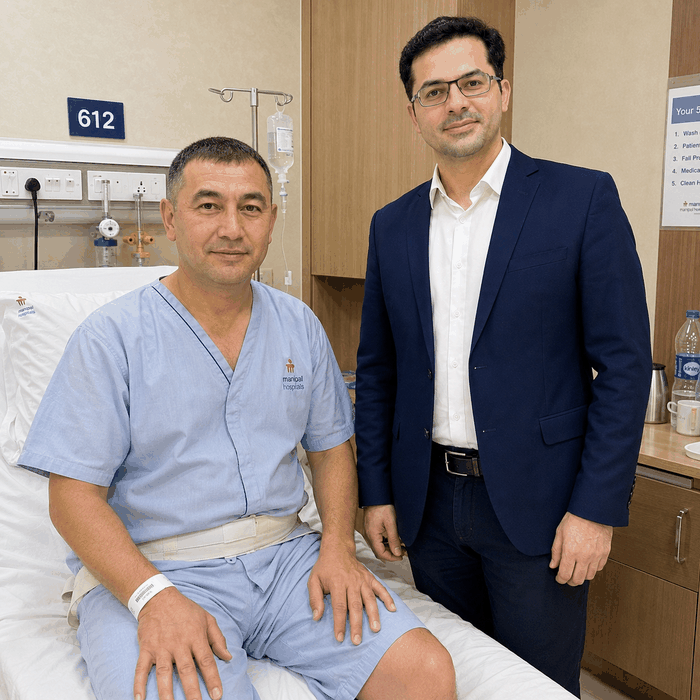
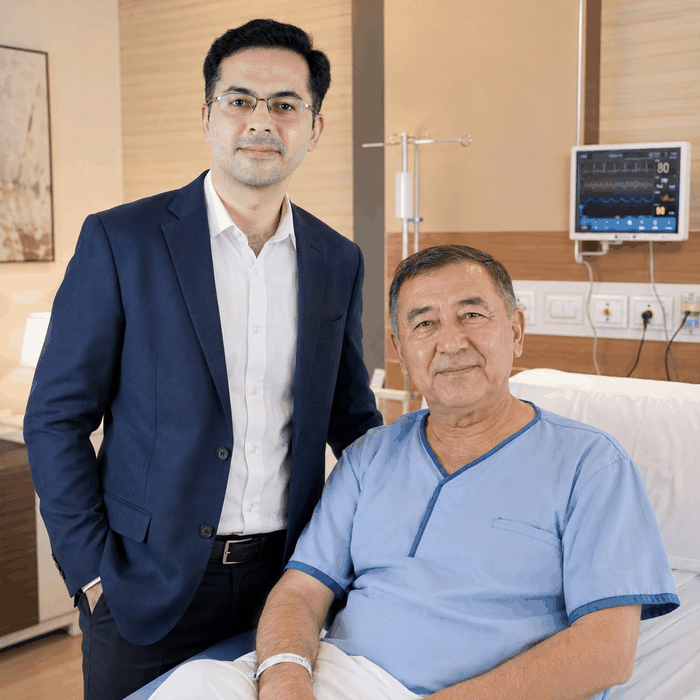
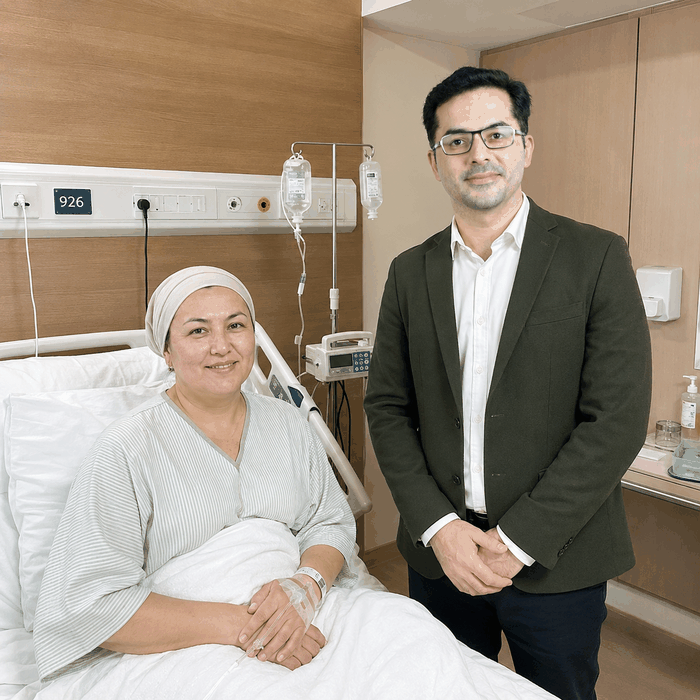
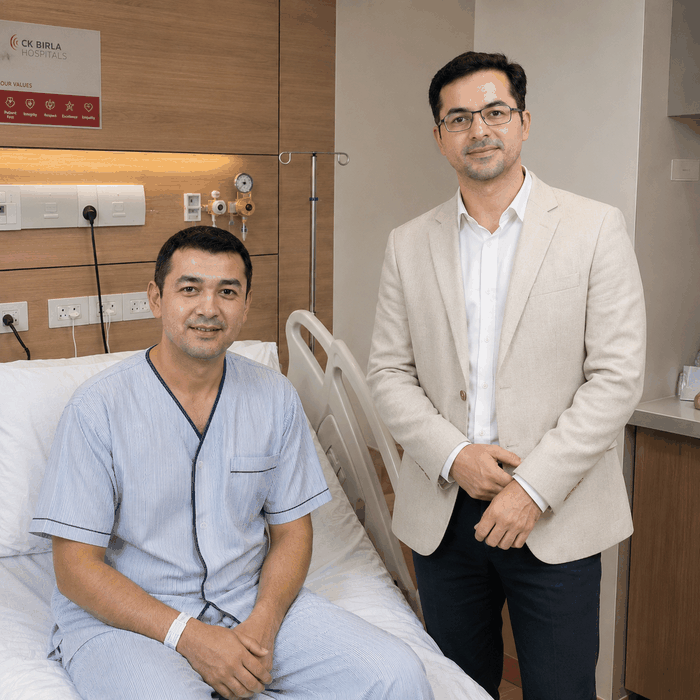
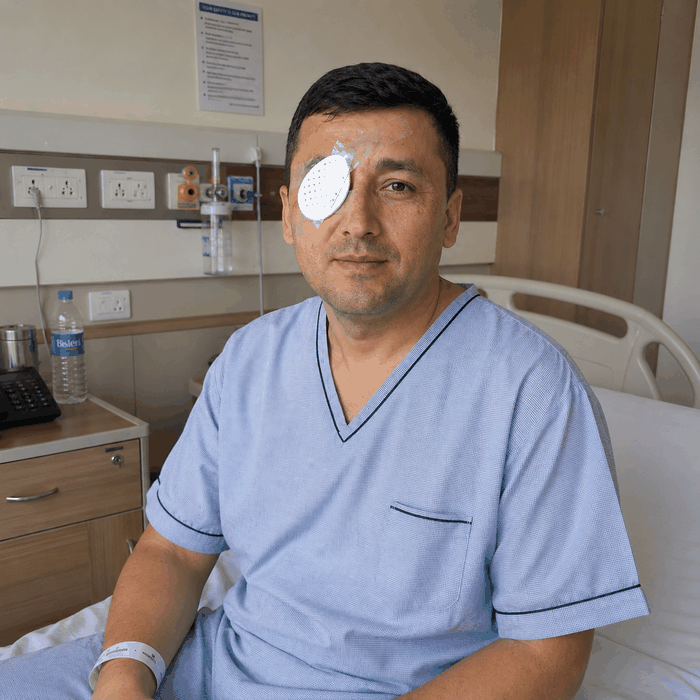
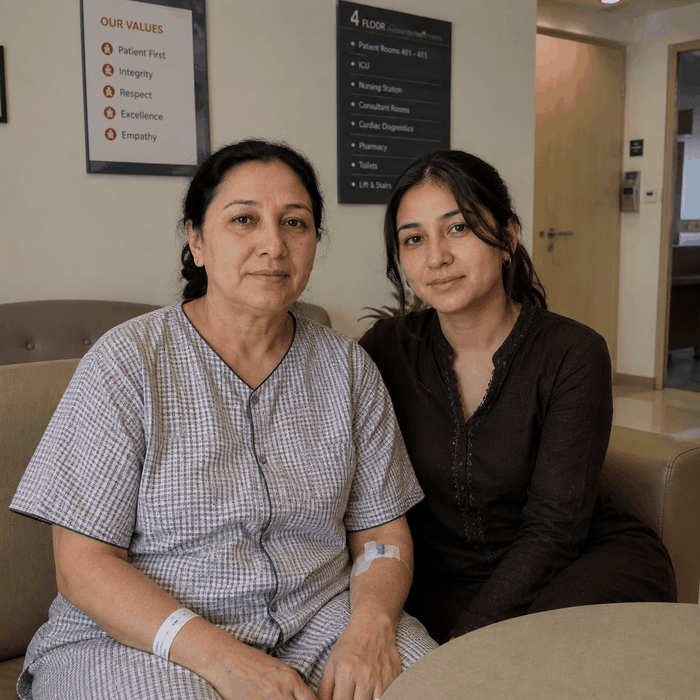
Patient Testimonials from Uzbekistan
Ready to Take the First Step?
Share your medical reports with our healthcare managers today and receive a FREE CONSULTATION, a personalized treatment plan and complete support from your arrival to your recovery.
Get Your Free ConsultationFrom Uzbekistan to India: Your Complete Patient Guide
- Robotic Cancer Surgery in India for Uzbek Patients
- Scoliosis Correction Surgery in India for Uzbek Patients
- Shoulder Surgery in India for Uzbek Patients
- Spine Surgery in India for Uzbek Patients
- Urosurgery and Reconstructive Urology in India for Uzbek Patients
- Weight Loss and Bariatric Surgery in India for Uzbek Patients
- Bone Marrow Transplant Treatment in India for Uzbek Patients
- Brain Tumor Surgery in India for Uzbek Patients
- Breast Cancer Treatment and Surgery in India for Uzbek Patients
- Cancer Treatment and Surgery in India for Uzbek Patients
- Cardiac Pacemaker Treatment in India for Uzbek Patients
- Cardiac Surgery in India for Uzbek Patients
- Cervical and Lumbar Disc Replacement Surgery in India for Uzbek Patients
- Complex Orthopaedic and Joint Revision Surgery in India for Uzbek Patients
- Cornea Transplant and Advanced Eye Surgery in India for Uzbek Patients
- Cosmetic and Aesthetic Surgery in India for Uzbek Patients
- CyberKnife Treatment in India for Uzbek Patients
- Dental Implants and Smile Makeover in India for Uzbek Patients