

Shoulder Surgery in India for Uzbek Patients
A practical guide to planning shoulder surgery in India — rotator cuff repair and shoulder replacement — what it costs compared with Western countries, and how to plan the trip.
Shoulder pain that limits reaching, lifting or sleeping on that side is exhausting to live with. Whether it comes from a rotator cuff tear, arthritis, or years of wear, modern shoulder surgery — much of it arthroscopic, through tiny incisions — offers real relief for problems that have not responded to rest, physiotherapy or injections. Across more than two decades of guiding patients from Uzbekistan to treatment in India, the questions I hear most are: Do I actually need surgery? Is it safe? What will it really cost? And how do I plan the trip? This guide answers each plainly. It does not replace your orthopaedic surgeon's advice — it is meant to help you ask better questions and plan the logistics with confidence. India performs a high volume of shoulder surgery, and its leading orthopaedic centres are accredited by NABH or the international JCI. Surgeons are experienced in both arthroscopic (keyhole) technique and shoulder replacement, covering the full range of shoulder problems.
Healing Journeys of Uzbek Patients
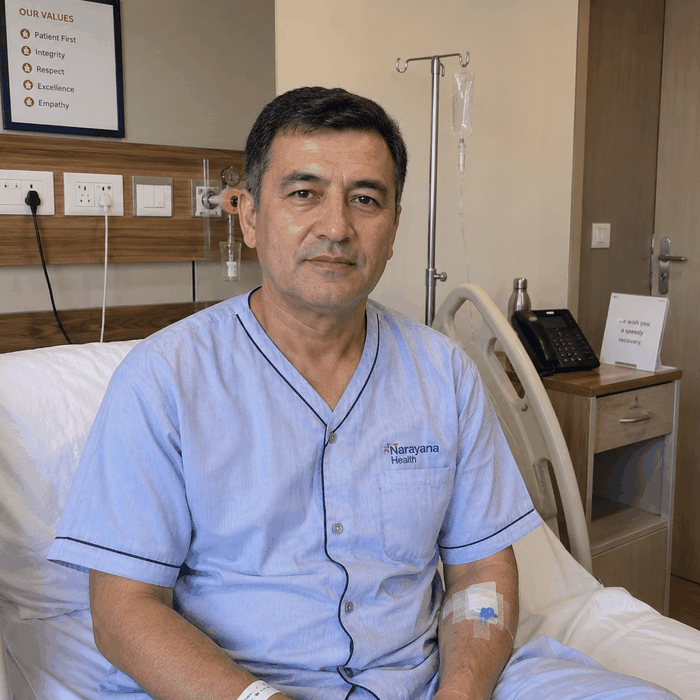
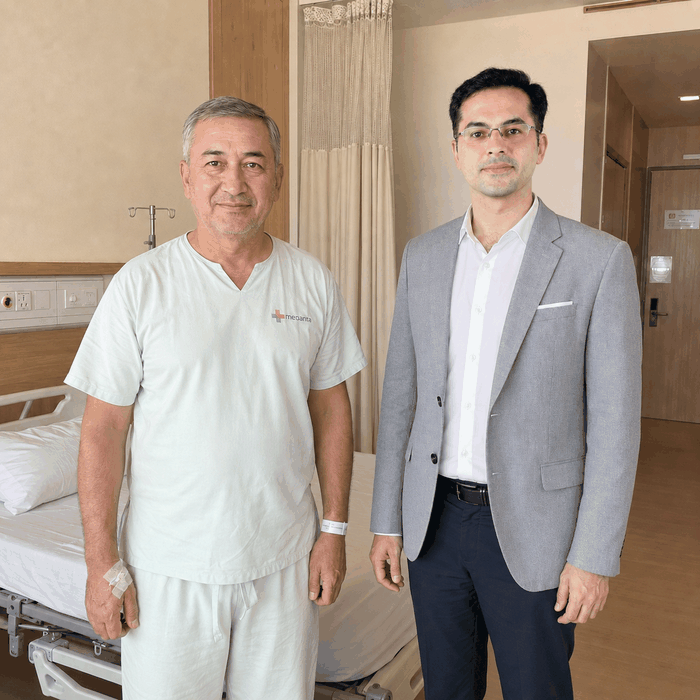
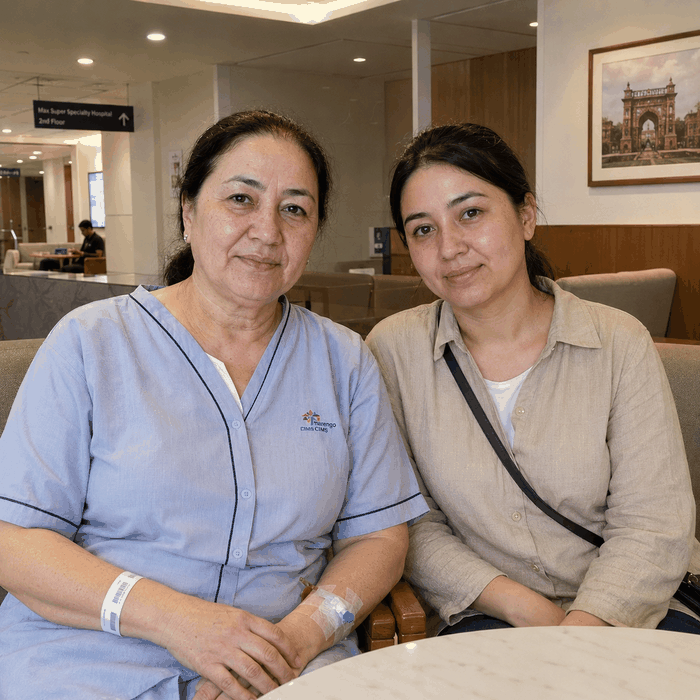
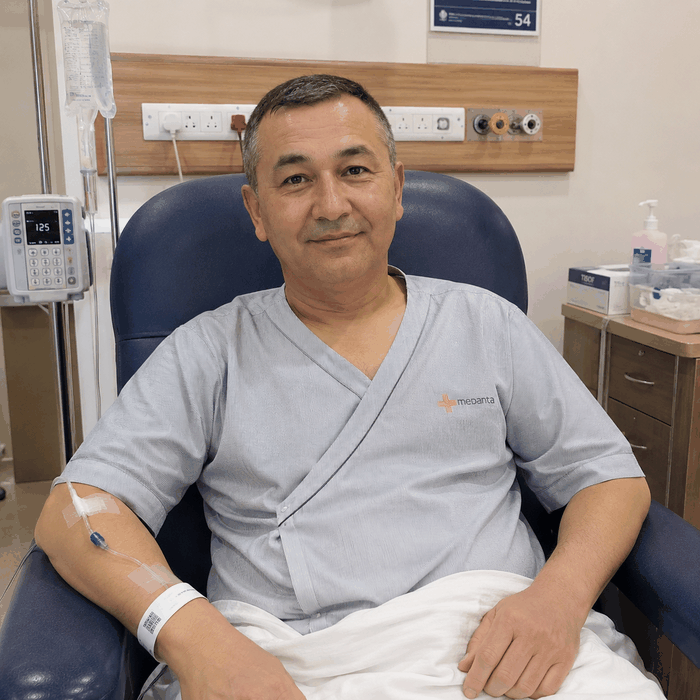
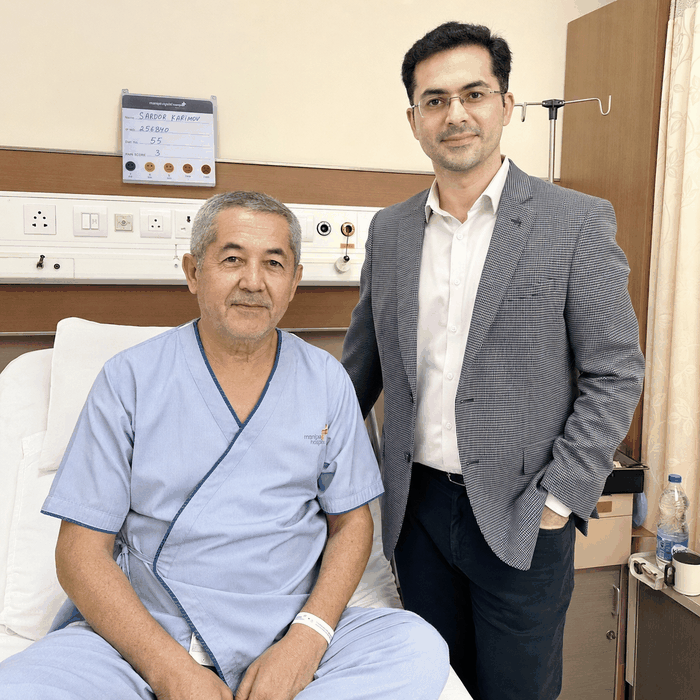
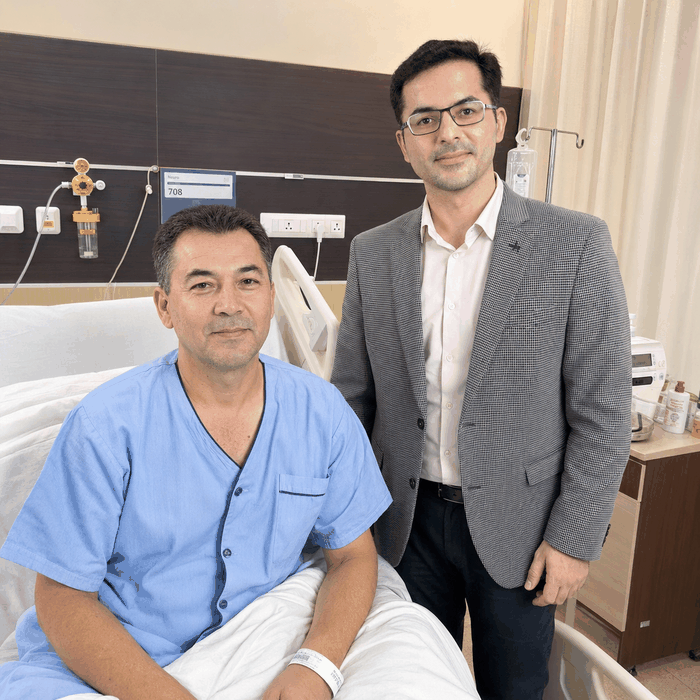
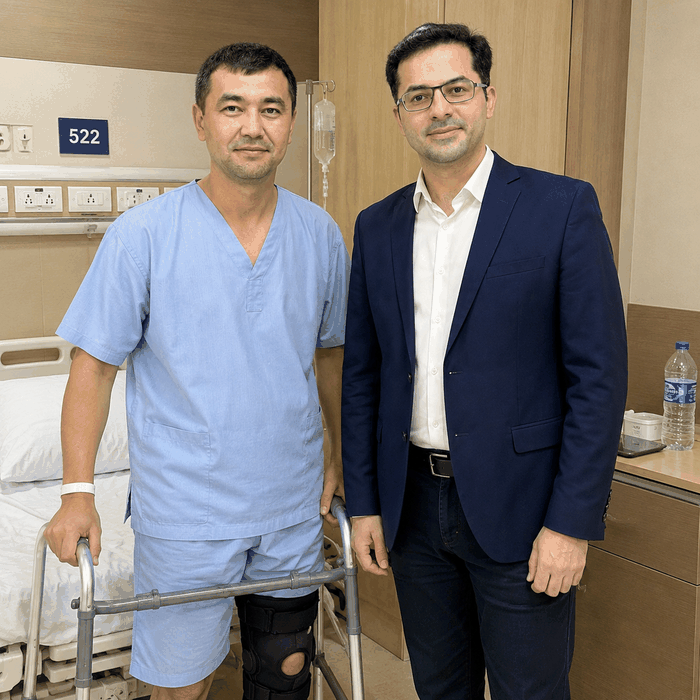
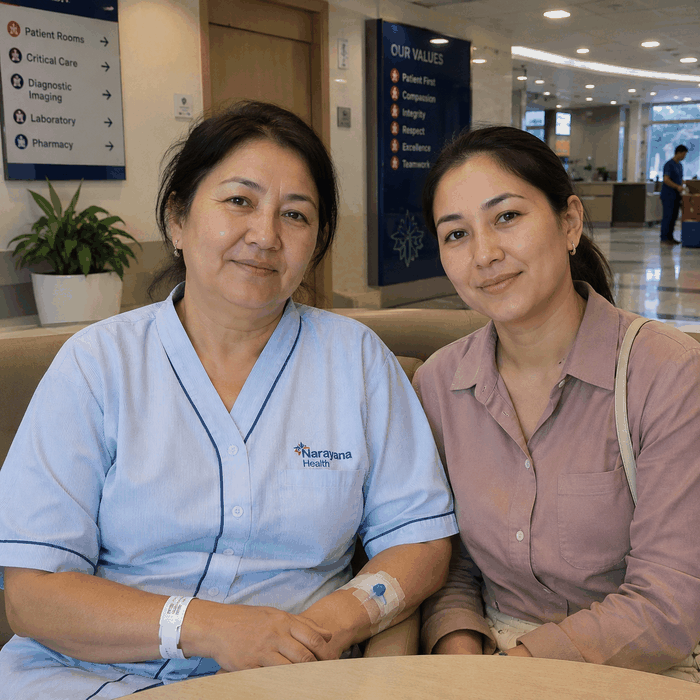
Information Takeaways
- Shoulder surgery may be considered when pain and functional limitations continue despite appropriate non-surgical treatment. The source highlights problems such as rotator cuff tears and arthritis and explains that modern shoulder procedures are frequently performed arthroscopically through small incisions. However, the guide specifically advises patients to establish whether surgery is actually necessary before travelling, because some rotator cuff problems can improve with physiotherapy, activity modification or injections.
- The appropriate procedure depends on the underlying shoulder problem and imaging findings. Arthroscopic rotator cuff repair reattaches torn tendons through small incisions, while shoulder replacement replaces damaged joint surfaces and is generally discussed for advanced arthritis that has not responded to other treatment. Reverse shoulder replacement changes joint mechanics and can be suitable for certain rotator cuff-related arthritis patterns, while labral repair may be considered for cartilage-rim tears associated with instability or dislocation.
- India has established shoulder surgery centres in Delhi, Mumbai, Chennai, Bengaluru and Hyderabad. The guide stresses that patients should not select a hospital simply because of its city. Instead, the surgeon's specific experience with the patient's condition and procedure should be a major selection factor. Leading orthopaedic centres described in the guide use NABH or JCI accreditation, while surgeons may have training or fellowship experience from the UK, Europe or USA.
- The cost comparison chart shows an estimated all-inclusive Indian range of USD 3,500–14,000 across rotator cuff repair and shoulder replacement. The source gives approximately USD 15,000–35,000 for Germany, USD 15,000–40,000 for the UK, USD 18,000–45,000 for Australia and USD 20,000–60,000 for the USA. More specifically, arthroscopic rotator cuff repair in India is estimated at USD 3,500–6,500, while shoulder replacement is approximately USD 7,000–14,000.
- The final cost should not be treated as fixed before the surgeon reviews the MRI. The guide explains that tear size and joint condition can change the treatment plan, while flights, accommodation and companion expenses are generally separate. Uzbek patients should request a written estimate explaining what is included and what could alter the price after in-person assessment.
- Most Uzbek patients undergoing shoulder surgery are expected to complete the India journey in approximately 10–14 days, although the exact timeline varies by procedure. The source's treatment pathway includes MRI review before travel, treatment planning and a visa invitation, arrival and pre-operative testing on days 1–2, surgery around days 2–3, early recovery and physiotherapy through approximately day 10, followed by a review before travelling home around days 10–14.
- Recovery differs substantially between procedures. Following arthroscopic rotator cuff repair, patients commonly wear a sling for four to six weeks while the tendon heals, with physiotherapy beginning early and full recovery for more demanding activities potentially taking four to six months. Shoulder replacement patients generally begin gentle movement within days, with a hospital stay of a few days and longer recovery under the surgical team's guidance. Continuing physiotherapy after returning to Uzbekistan is an important part of the recovery plan.
Quick Facts
- Treatment
- Shoulder surgery including rotator cuff repair and shoulder replacement
- Primary Patients
- Uzbek patients seeking shoulder treatment in India
- Main Speciality
- Orthopaedic shoulder surgery
- Key Specialist
- Shoulder surgeon experienced in the specific procedure required
- Assessment
- Clinical examination and MRI review
- Common Procedures
- Rotator cuff repair, shoulder replacement, reverse shoulder replacement and labral repair
- Rotator Cuff Repair Cost
- Approximately USD 3,500–6,500
- Shoulder Replacement Cost
- Approximately USD 7,000–14,000
- India Cost Range
- Approximately USD 3,500–14,000
- Typical Stay
- Approximately 10–14 days in India
- Surgery Duration
- Most shoulder procedures take approximately 1–2 hours
- Hospital Stay
- Day surgery or short stay for many procedures; replacement generally requires a few days
- Rotator Cuff Recovery
- Sling commonly 4–6 weeks
- Full Recovery
- Approximately 4–6 months after rotator cuff repair for demanding activity
- Physiotherapy
- Begins early and continues after returning to Uzbekistan
- Hospital Accreditation
- Confirm NABH or JCI accreditation
- Implant
- Confirm brand and expected lifespan for shoulder replacement
- Pre-Travel
- MRI and symptom history should be reviewed
- Travel
- Medical and companion visa arrangements should be confirmed
- Language Support
- Russian- and Uzbek-speaking coordinators may be available
- Follow-Up
- Written rehabilitation and follow-up plan for Uzbekistan
- Documentation
- Keep MRI, surgical report and physiotherapy plan
- Author
- Dr. Dheeraj Bojwani
- Experience
- 24+ Years
Knowledgeable Information Snippet
For Uzbek patients travelling to India for shoulder surgery, preparation should begin with an MRI review and a clear understanding of whether surgery is genuinely required. Before booking, the source recommends confirming NABH or JCI accreditation, asking how many procedures similar to yours the surgeon performs each year, checking implant details when replacement is planned, arranging medical and companion visas, and obtaining a written physiotherapy plan that can continue in Uzbekistan. Patients should also bring a companion where possible because temporary use of one arm can make everyday activities and travel more difficult.
Why Uzbek Patients Choose India for Shoulder Surgery?
Orthopaedic surgeons frequently trained or fellowship-qualified in the UK, Europe or the USA.
- Widespread use of arthroscopic technique, meaning smaller incisions and faster recovery for suitable cases.
- Little to no waiting list — surgery is usually scheduled within days of arrival.
- Dedicated international desks with Russian and Uzbek-speaking coordinators and interpreters.
- Convenient connectivity from Tashkent to Delhi, Mumbai and other major cities.
Cities such as Delhi, Mumbai, Chennai, Bengaluru and Hyderabad all have strong shoulder surgery centres. The right choice is the surgeon's specific experience with your condition — not the city name.
Which type of shoulder surgery might you need?
Shoulder problems vary widely, so your surgeon will confirm the right approach after examining you and reviewing imaging such as an MRI.
Arthroscopic rotator cuff repair reattaches torn tendons using small incisions and a camera, treating the most common cause of shoulder pain in adults. Shoulder replacement (arthroplasty) replaces the joint surfaces and is generally recommended for advanced arthritis causing pain not helped by other treatment. Reverse shoulder replacement changes the joint's mechanics and suits certain rotator cuff-related arthritis patterns. Labral repair treats tears in the cartilage rim that stabilises the joint, often in younger or more active patients following instability or dislocation.
How much does shoulder surgery in India cost?
Cost depends on the specific procedure. In India, arthroscopic rotator cuff repair typically costs USD 3,500–6,500, while shoulder replacement typically costs USD 7,000–14,000 all-inclusive.
India vs Western countries: cost of shoulder surgery
Approximate all-inclusive range across rotator cuff repair and replacement (USD, 2026)
Figures are indicative ranges compiled from hospital and medical-travel sources; your final quote depends on the specific procedure, implant (if any) and hospital tier.
Notice how far below Western prices India sits — often a fraction of what the same surgery costs in the USA, UK, Germany or Australia — without a trade-off in surgical technique, since arthroscopic methods are widely available. India's advantage is value: high surgical volume and modern equipment, at a cost that does not require a long public waiting list.
One caution on budgeting: the quote is confirmed only once your surgeon reviews your MRI directly, since tear size and joint condition can change the plan. The quote also rarely includes flights, accommodation and a companion's costs. Ask for a written estimate stating what could change the price.
Ask first whether you need surgery at all. Many rotator cuff problems improve with physiotherapy alone, and a good surgeon will discuss this honestly.
Your shoulder surgery journey, step by step
Knowing the whole path in advance makes planning easier. From first contact to flying home, most Uzbek patients complete the journey in about 10 to 14 days.
Your shoulder surgery journey, step by step
A typical timeline from Uzbekistan to India and back
Timelines vary by procedure; rotator cuff repair often needs a sling and structured rehab plan you can continue at home.
Factors that every Uzbek Patient should consider while planning Shoulder Surgery in India
Before you commit, work through the checklist below with the hospital's international team. In more than 24 years of guiding patients through this decision, those who ask these six questions directly are the best prepared.
Before you book: six things to confirm
A pre-travel checklist for patients from Uzbekistan
Also confirm the total budget including flights and living costs, and how payment is handled if the plan changes once your MRI is reviewed in person.
Two further points: bring a companion — using one arm for a period makes daily tasks and travel logistics genuinely harder — and ask for everything in writing, including what happens if the tear or joint damage is more extensive than the imaging suggested.
Recovery after Shoulder Surgery and returning to Uzbekistan
Recovery depends heavily on the procedure. After arthroscopic rotator cuff repair, most patients wear a sling for 4 to 6 weeks while the tendon heals, with physiotherapy starting early to protect the repair while gradually restoring movement. Full recovery, including a return to more demanding activity, can take 4 to 6 months. Shoulder replacement patients typically start gentle movement within days, with a hospital stay of a few days and a longer overall recovery guided by the surgical team. Following your physiotherapy programme closely matters as much as the surgery itself for a good outcome. Keep every MRI, surgical report and physiotherapy plan for a therapist in Uzbekistan to continue your rehabilitation.
Frequently asked questions
Is shoulder surgery in India safe? At an accredited orthopaedic centre, yes. India's leading hospitals meet NABH or JCI standards and are staffed by surgeons experienced in both arthroscopic and open shoulder technique.
Will there be someone who speaks my language? Major international hospitals have Russian and Uzbek-speaking coordinators and interpreters who assist from your first message through discharge and follow-up.
Do I actually need surgery for my shoulder pain? Not always. Many partial rotator cuff tears and cases of shoulder impingement improve with physiotherapy, activity changes or injections. Surgery is generally considered when a tear is complete, causing significant weakness, or symptoms persist despite proper non-surgical treatment.
How soon can I fly home after shoulder surgery? Most patients fly home 7 to 10 days after surgery, once the wound is healing well and pain is manageable. Your surgeon will confirm based on your specific procedure and recovery.
A note from Dr Dheeraj Bojwani
With 24+ years of experience guiding international patients through orthopaedic decisions, my advice for shoulder surgery is straightforward: make sure non-surgical options were genuinely tried first, ask about the surgeon's experience with your exact procedure, and commit fully to the physiotherapy plan afterward, since it shapes the outcome as much as the surgery. This article is general information and not a substitute for a personal consultation with your doctor.
Straight Answer Question by Uzbek Patients about Shoulder Surgery in India
Is shoulder surgery in India safe?
At an accredited orthopaedic centre, yes. India's leading hospitals meet NABH or JCI standards and are staffed by surgeons experienced in both arthroscopic and open shoulder technique.
Will there be someone who speaks my language?
Major international hospitals have Russian and Uzbek-speaking coordinators and interpreters who assist from your first message through discharge and follow-up.
Do I actually need surgery for my shoulder pain?
Not always. Many partial rotator cuff tears and cases of shoulder impingement improve with physiotherapy, activity changes or injections. Surgery is generally considered when a tear is complete, causing significant weakness, or symptoms persist despite proper non-surgical treatment.
How soon can I fly home after shoulder surgery?
Most patients fly home 7 to 10 days after surgery, once the wound is healing well and pain is manageable. Your surgeon will confirm based on your specific procedure and recovery.
References & sources
- 🌐 National Accreditation Board for Hospitals & Healthcare Providers (NABH) — accredited hospital directory. · nabh.co
- 🌐 Joint Commission International (JCI) — directory of accredited organisations. · jointcommissioninternational.org
- 🌐 National Medical Commission of India — doctor and specialist registration verification. · nmc.org.in
- 🌐 World Health Organization — Musculoskeletal conditions fact sheet. · who.int/news-room/fact-sheets/detail/musculoskeletal-conditions
- 🌐 Bureau of Immigration, Government of India — e-Medical Visa. · indianvisaonline.gov.in
- 🌐 Cost ranges compiled from published hospital and medical-travel price guides for rotator cuff repair and shoulder replacement, 2025–2026.
Frequently Asked Questions by Uzbek Patients about Shoulder Surgery in India
How much does shoulder surgery in India cost for Uzbek patients?
The source estimates approximately USD 3,500–6,500 for arthroscopic rotator cuff repair and USD 7,000–14,000 for shoulder replacement. The final quotation depends on the procedure, implant and hospital.
What types of shoulder surgery can Uzbek patients receive in India?
The guide covers arthroscopic rotator cuff repair, shoulder replacement, reverse shoulder replacement and labral repair. The appropriate procedure depends on the shoulder condition and MRI findings.
Do Uzbek patients always need surgery for rotator cuff problems?
No. The source explains that some partial tears and shoulder impingement improve with physiotherapy, activity changes or injections. Surgery is generally considered when symptoms persist despite appropriate non-surgical care or when there is a more significant tear or weakness.
How long should Uzbek patients stay in India for shoulder surgery?
Most Uzbek patients should plan for approximately 10–14 days, although the exact duration varies according to the procedure and recovery.
How long does shoulder surgery take in India?
Most shoulder procedures described in the guide take approximately one to two hours. Some procedures may be performed as day surgery or with a short hospital stay.
What should Uzbek patients check before choosing a shoulder surgeon in India?
Patients should ask how many procedures similar to theirs the surgeon performs each year and confirm that the orthopaedic centre has NABH or JCI accreditation. For shoulder replacement, the implant brand and expected lifespan should also be discussed.
Will Uzbek patients receive language support during shoulder treatment in India?
The guide states that major international hospitals may provide Russian- and Uzbek-speaking coordinators and interpreters, assisting patients from initial communication through discharge and follow-up.
How long does recovery take after rotator cuff surgery for Uzbek patients?
After arthroscopic rotator cuff repair, patients commonly use a sling for four to six weeks. Physiotherapy begins early, while recovery for more demanding activities can take approximately four to six months.
Can Uzbek patients continue shoulder physiotherapy after returning home?
Yes. The guide specifically recommends obtaining a written rehabilitation plan that can be continued with a therapist in Uzbekistan. Patients should also keep their MRI, surgical report and physiotherapy documentation.
How soon can an Uzbek patient fly home after shoulder surgery in India?
The guide states that many patients fly home approximately 7–10 days after surgery once healing and pain control are satisfactory, although the treating surgeon should make the final decision based on the specific procedure and recovery.
Page Summary
Shoulder surgery in India can include arthroscopic rotator cuff repair, shoulder replacement, reverse shoulder replacement and labral repair, with the choice determined by the specific shoulder condition, examination and imaging. The source strongly emphasises considering non-surgical options first when appropriate and selecting a surgeon according to experience with the exact shoulder procedure rather than relying only on hospital location. For Uzbek patients, the source estimates shoulder treatment in India at approximately USD 3,500–14,000 depending on the procedure, with most journeys taking around 10–14 days. Rotator cuff repair generally requires a sling and structured rehabilitation, while shoulder replacement involves gradual movement and a longer recovery guided by the surgical team. A written rehabilitation plan should be arranged before returning to Uzbekistan.
Citation Block
| Field | Details |
|---|---|
| Article / Topic | Shoulder Surgery in India for Uzbek Patients |
| Medical Specialty | Orthopaedic Shoulder Surgery |
| Primary Patient Group | Patients from Uzbekistan |
| Common Conditions | Rotator cuff tears, arthritis, labral tears and related shoulder problems |
| Assessment | Clinical examination and MRI review |
| Rotator Cuff Procedure | Arthroscopic rotator cuff repair |
| Shoulder Replacement | Arthroplasty for selected advanced arthritis |
| Reverse Replacement | Used for certain rotator cuff-related arthritis patterns |
| Labral Repair | Treatment for selected cartilage-rim tears |
| Rotator Cuff Repair Cost | Approximately USD 3,500–6,500 |
| Shoulder Replacement Cost | Approximately USD 7,000–14,000 |
| Overall India Range | Approximately USD 3,500–14,000 |
| Germany Comparison | Approximately USD 15,000–35,000 |
| UK Comparison | Approximately USD 15,000–40,000 |
| Australia Comparison | Approximately USD 18,000–45,000 |
| USA Comparison | Approximately USD 20,000–60,000 |
| Typical India Stay | Approximately 10–14 days |
| Procedure Duration | Most procedures approximately 1–2 hours |
| Pre-Travel Requirement | MRI and symptom history review |
| Hospital Selection | NABH or JCI accreditation |
| Surgeon Selection | Specific procedure volume and experience |
| Implant Selection | Confirm brand and expected lifespan for replacement |
| Early Rehabilitation | Guided physiotherapy |
| Rotator Cuff Sling | Commonly 4–6 weeks |
| Rotator Cuff Full Recovery | Approximately 4–6 months for demanding activity |

Our Mission Statement
Our mission is to place patients at the centre of every healthcare decision by providing trustworthy, evidence-based, and unbiased medical information. We believe that informed patients make better decisions. Backed by personalised guidance from our experienced advisory team, we help patients understand their treatment options, compare them objectively, and confidently choose the path that best suits their medical needs and personal circumstances.
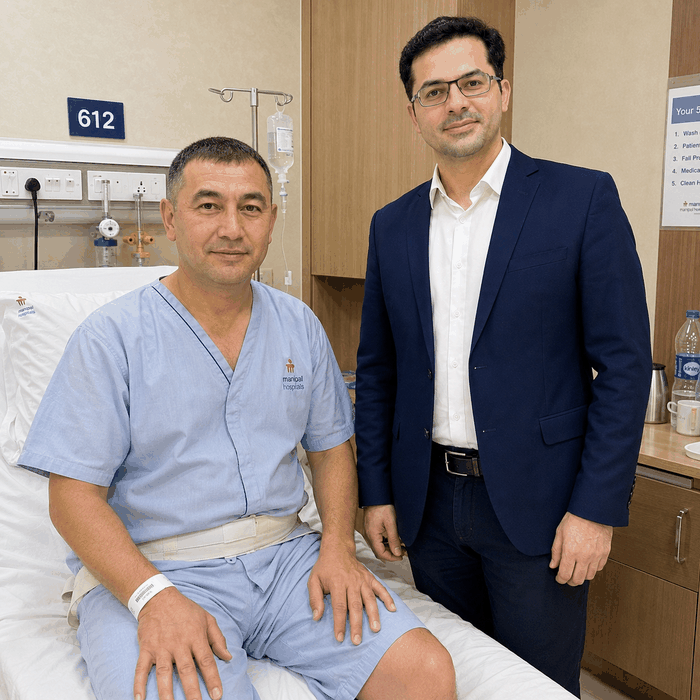
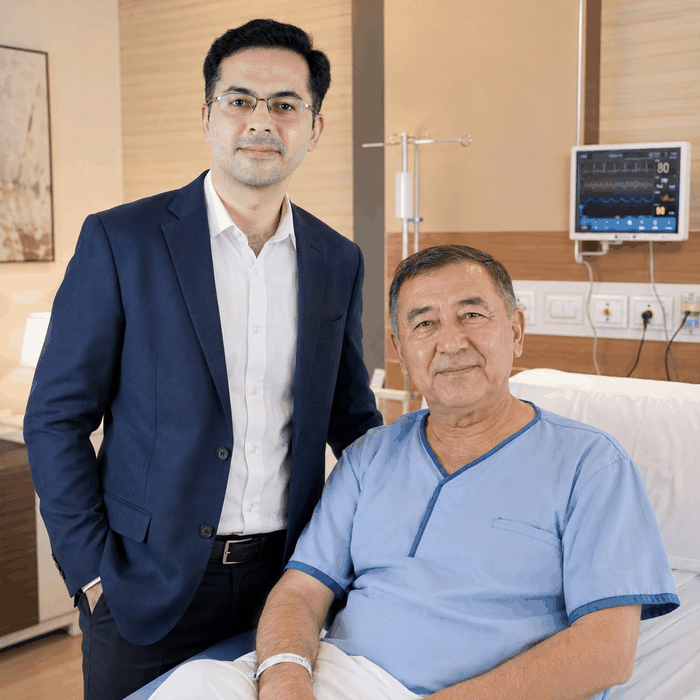
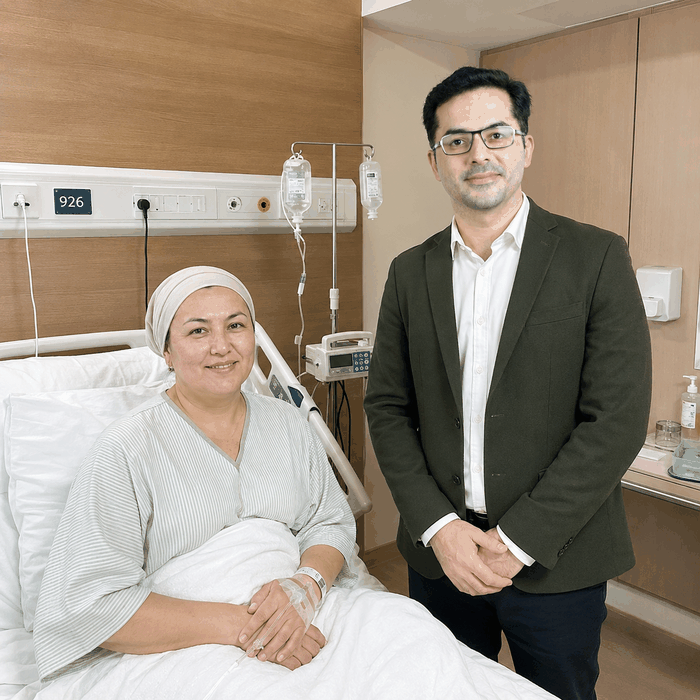
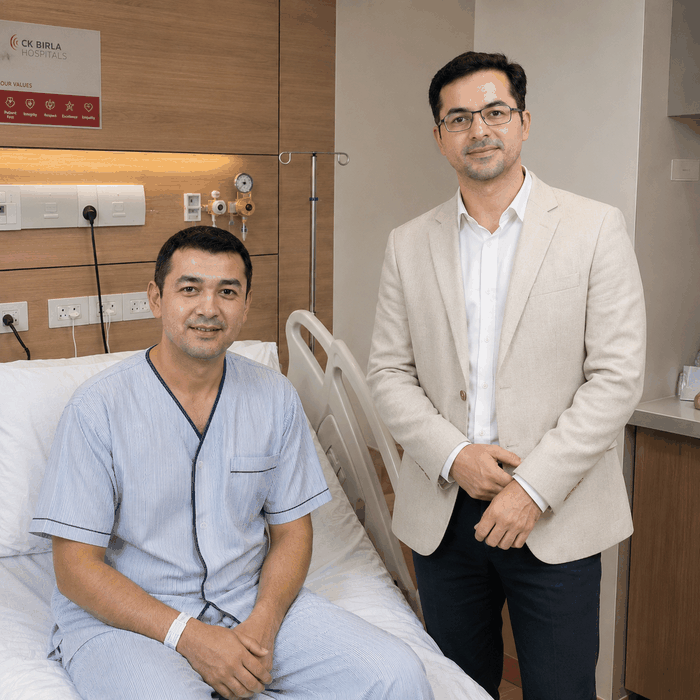
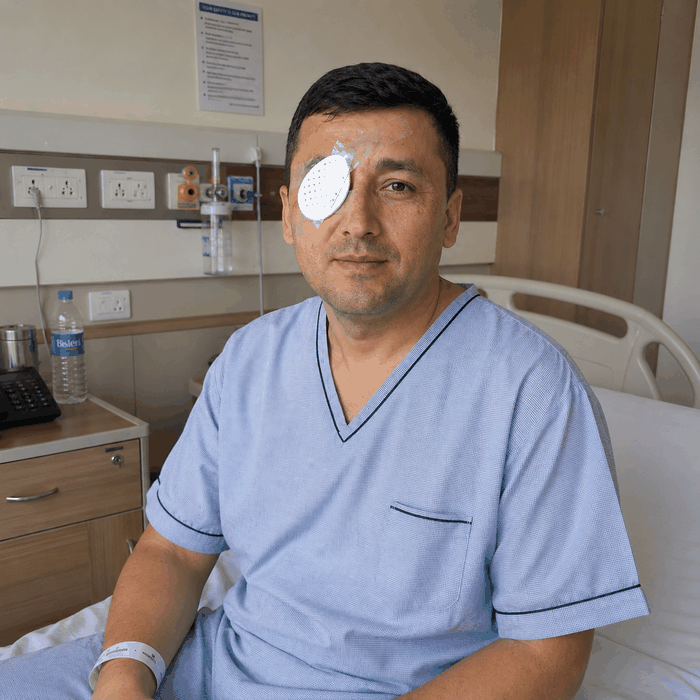
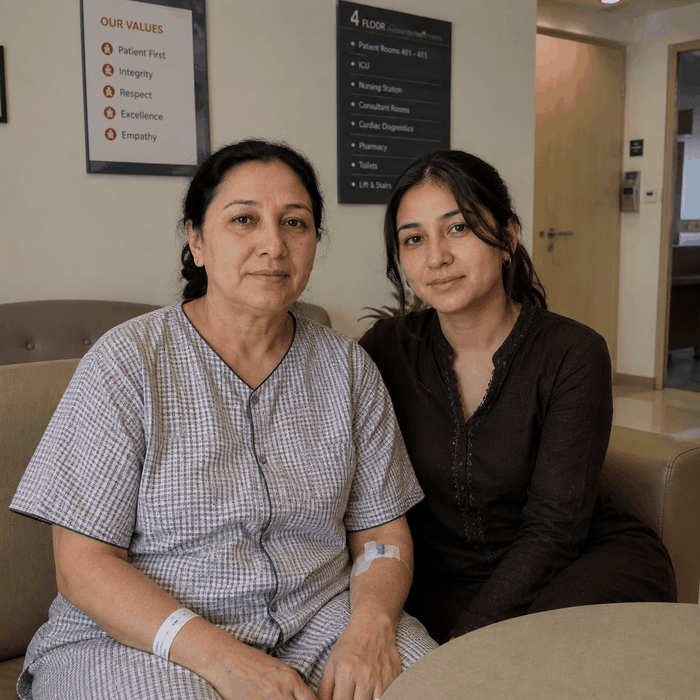
Patient Testimonials from Uzbekistan
Ready to Take the First Step?
Share your medical reports with our healthcare managers today and receive a FREE CONSULTATION, a personalized treatment plan and complete support from your arrival to your recovery.
Get Your Free ConsultationFrom Uzbekistan to India: Your Complete Patient Guide
- Breast Cancer Treatment and Surgery in India for Uzbek Patients
- Cancer Treatment and Surgery in India for Uzbek Patients
- Cardiac Pacemaker Treatment in India for Uzbek Patients
- Cardiac Surgery in India for Uzbek Patients
- Cervical and Lumbar Disc Replacement Surgery in India for Uzbek Patients
- Colorectal Cancer Treatment and Surgery in India for Uzbek Patients
- Complex Orthopaedic and Joint Revision Surgery in India for Uzbek Patients
- Cornea Transplant and Advanced Eye Surgery in India for Uzbek Patients
- Cosmetic and Aesthetic Surgery in India for Uzbek Patients
- CyberKnife Treatment in India for Uzbek Patients
- Dental Implants and Smile Makeover in India for Uzbek Patients
- Dental Surgery and Implants in India for Uzbek Patients
- Gamma Knife Treatment in India for Uzbek Patients
- Heart Failure Treatment and Surgery in India for Uzbek Patients
- Heart Valve Replacement in India for Uzbek Patients
- Hip Surgery in India for Uzbek Patients
- HIPEC Cancer Surgery in India for Uzbek Patients
- IVF and Fertility Treatment in India for Uzbek Patients