

Cardiac Pacemaker Treatment in India for Uzbek Patients
A practical guide to pacemaker and ICD implantation in India for heart rhythm problems — device types explained, what it costs compared with Western countries, and how this minimally invasive procedure differs from open-heart surgery.
Hearing “you need a pacemaker” often brings to mind major heart surgery, but the reality is considerably less daunting. Pacemaker implantation is a minimally invasive procedure, not open-heart surgery — it treats a heart that beats too slowly, not blocked arteries or valve disease, and most patients go home within a day or two. Across more than two decades of guiding patients from Uzbekistan to treatment in India, the questions I hear most are: Which device do I actually need? Is this really major surgery? What will it cost? And how long will the device last? This guide answers each plainly. It does not replace your cardiologist's advice — it is meant to help you understand the procedure clearly.
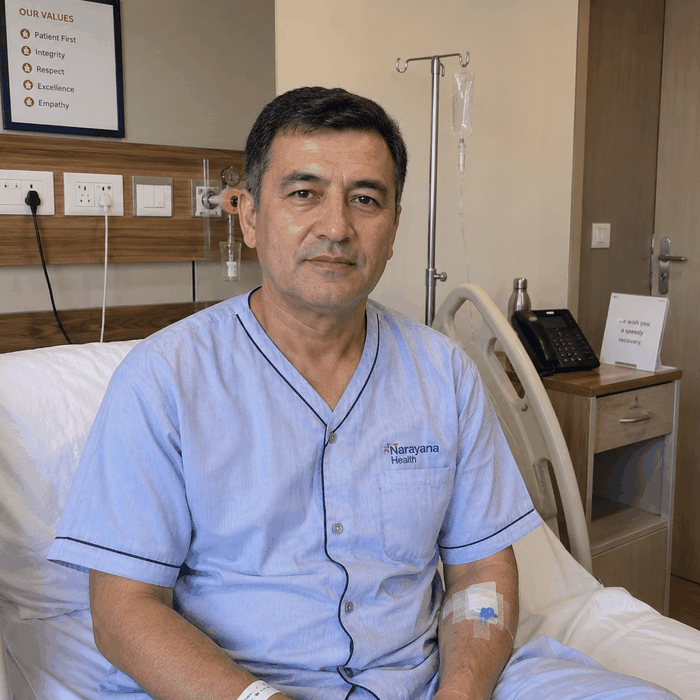
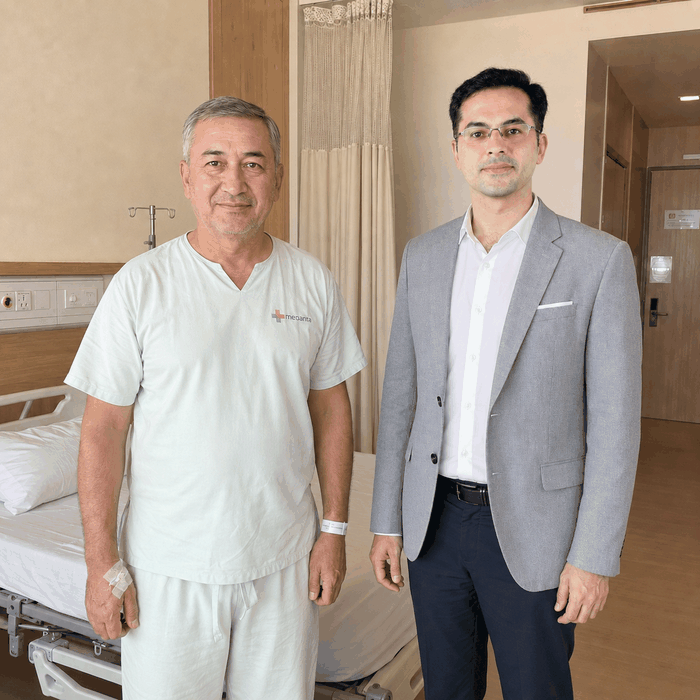
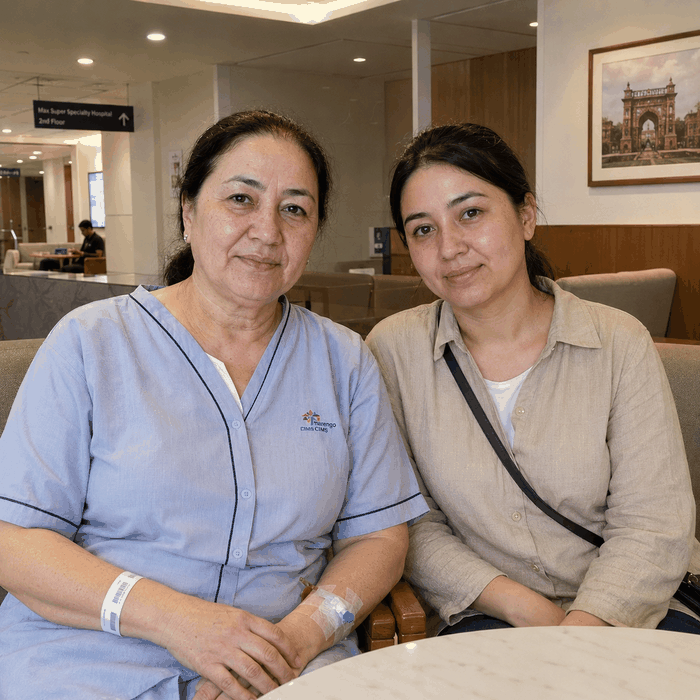
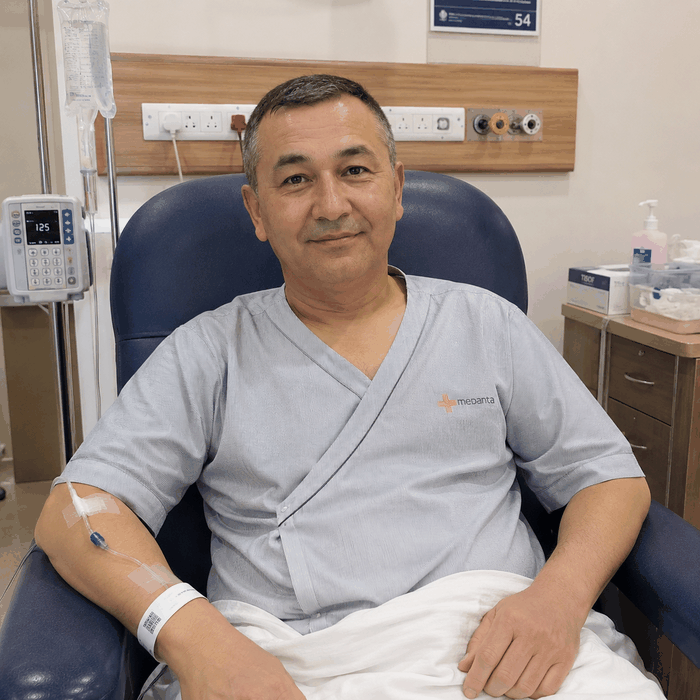
Healing Journeys of Uzbek Patients

Information Takeaways
- Being told that a pacemaker is needed can sound like major heart surgery, but the guide explains that pacemaker implantation is a minimally invasive procedure rather than open-heart surgery. It is used to manage heart rhythms that are too slow, while blocked arteries and valve disease require different forms of cardiac treatment. Most patients can leave the hospital within a day or two after implantation.
- India has high-volume pacemaker and ICD implantation programmes, with cardiac electrophysiologists experienced across different device categories. The guide highlights centres accredited by NABH or JCI and notes that cardiac electrophysiologists may have training or fellowship qualifications from the UK, Europe, or USA. Internationally recognised device brands, including MRI-safe and leadless pacemaker options, are also available.
- The type of device depends on the patient's rhythm problem. A single-chamber pacemaker stimulates one heart chamber, while a dual-chamber device coordinates the upper and lower chambers and is described as the most commonly implanted type. Biventricular or CRT pacemakers are used in selected heart-failure cases. Leadless pacemakers are implanted directly inside the heart through a catheter and avoid leads and a chest incision, but their use is limited to single-chamber pacing. An ICD is different because it monitors dangerous fast rhythms and can deliver a shock to prevent sudden cardiac death in appropriate high-risk patients.
- The guide gives an indicative India cost of USD 3,000–8,000 for a single- or dual-chamber pacemaker, while an ICD typically costs USD 8,000–15,000. The comparison chart on page 2 places single/dual-chamber pacemaker implantation at approximately USD 3,000–8,000 in India, compared with USD 15,000–30,000 in Germany, USD 15,000–35,000 in the UK, USD 18,000–35,000 in Australia, and USD 20,000–50,000 in the USA. These are broad indicative figures, and the final quotation depends heavily on device type and brand.
- An important budgeting point is that the device itself generally represents around 60–70% of the total treatment cost. Patients should therefore obtain the exact brand and model in writing. MRI-safe and more advanced devices may cost more than basic models, while flights, accommodation, and future generator replacement are generally outside the initial treatment quote.
- The treatment journey diagram on page 3 shows a typical 7–10-day trip for Uzbek patients. Before travel, ECG, Holter monitoring, and symptom history are shared for an initial opinion, followed by a device recommendation, cost estimate, and visa invitation letter. On Days 1–2, updated testing confirms the device type and final plan; implantation generally occurs on Days 2–3 under local anaesthesia and takes approximately 1–3 hours. Initial programming and testing follow during Days 3–5, with a final device check before returning home around Days 7–10.
- The pre-travel checklist recommends confirming accreditation, the correct device category, the exact brand and model, MRI compatibility, medical and companion visas, and a long-term follow-up plan in Uzbekistan. Patients should keep the device identification card and implantation report safely because these documents may be needed for airport security, future medical care, and eventual generator replacement.
- Recovery is generally short. Most patients go home within 1–2 days, with mild discomfort and swelling around the implant site possible during the first week or two. Movement of the arm on the device side may be temporarily restricted while the leads settle. Most patients return to normal daily activity within a few days to two weeks. The guide states that device batteries typically last 8–15 years, depending on device type and usage, after which the generator is usually replaced while existing leads can often be retained. Regular device checks, including remote monitoring in some cases, should be arranged with a cardiologist in Uzbekistan.
Quick Facts
- Treatment
- Cardiac pacemaker treatment and implantation
- Primary Patients
- Uzbek patients seeking cardiac rhythm treatment in India
- Main Speciality
- Cardiac electrophysiology
- Key Specialist
- Cardiac electrophysiologist
- Related Device
- Implantable cardioverter defibrillator (ICD)
- Single-Chamber Pacemaker
- Paces one heart chamber
- Dual-Chamber Pacemaker
- Coordinates pacing between the upper and lower heart chambers
- CRT Pacemaker
- Biventricular pacing used in selected heart-failure cases
- Leadless Pacemaker
- Implanted directly inside the heart through a catheter without conventional leads
- ICD
- Monitors dangerous fast rhythms and can deliver a shock when clinically indicated
- Anaesthesia
- Pacemaker implantation is typically performed under local anaesthesia
- Procedure Duration
- Approximately 1–3 hours according to the guide
- Hospital Stay
- Most patients go home within 1–2 days
- Typical India Trip
- Approximately 7–10 days
- India Pacemaker Cost
- USD 3,000–8,000 for typical single/dual-chamber devices
- India ICD Cost
- USD 8,000–15,000
- Device Cost Share
- The device generally represents around 60–70% of total treatment cost
- MRI Compatibility
- MRI-safe options are available and should be discussed according to future healthcare needs
- Hospital Accreditation
- NABH or JCI accreditation should be confirmed
- Specialist Training
- Cardiac electrophysiologists may have UK, European, or USA training/fellowship experience
- Pre-Travel Records
- ECG, Holter monitoring, symptom history, and relevant cardiac reports
- Device Documentation
- Keep the device identification card and implantation report safely
- Recovery
- Most patients return to normal daily activities within a few days to two weeks
- Battery Life
- Typically 8–15 years depending on device type and usage
- Future Replacement
- Generator replacement is generally simpler than the original implantation
- Long-Term Monitoring
- Regular device checks should be arranged with a cardiologist in Uzbekistan
- Language Support
- Russian- and Uzbek-speaking coordinators and interpreters may be available
- Travel Planning
- Medical and companion visas should be arranged in advance
- Author
- Dr. Dheeraj Bojwani
- Experience
- 24+ Years
Knowledgeable Information Snippet
For Uzbek patients considering pacemaker treatment in India, the key decision is to establish exactly which device is appropriate before travelling. A pacemaker, ICD, and combined device have different purposes and costs. Patients should provide ECG and Holter reports for preliminary review, confirm the exact device brand and model, ask whether MRI compatibility is important for future healthcare needs, and arrange long-term device monitoring in Uzbekistan. Because implantation is minimally invasive, the source describes a typical India stay of approximately 7–10 days, although the exact timeline varies by device and individual circumstances.
Why Uzbek Patients Choose India for Pacemaker Treatment?
India implants a very high volume of pacemakers and ICDs, with cardiac electrophysiologists experienced across the full range of device types, at centres accredited by NABH or the international JCI.
Cities such as Delhi, Mumbai, Chennai, Bengaluru and Hyderabad all have strong cardiac electrophysiology centres. The right choice is the centre's specific device experience — not the city name.
- Cardiac electrophysiologists frequently trained or fellowship-qualified in the UK, Europe or the USA.
- Access to internationally recognised device brands, including MRI-safe and leadless pacemaker options.
- Minimal waiting time — implantation is usually scheduled within a day or two of evaluation.
- Dedicated international desks with Russian and Uzbek-speaking coordinators and interpreters.
- Convenient connectivity from Tashkent to Delhi, Mumbai and other major cities.
Which device do you actually need?
Pacemakers and related devices treat different problems, so understanding which category applies to you is worth clarifying with your cardiologist early.
A single-chamber pacemaker paces one heart chamber and suits straightforward, simpler rhythm problems. A dual-chamber pacemaker paces both the upper and lower chambers, coordinating their contractions more naturally, and is the most commonly implanted type. A biventricular (CRT) pacemaker is used for certain cases of heart failure to improve how efficiently the heart pumps. A leadless pacemaker is a newer, smaller device implanted directly inside the heart via catheter, avoiding leads and a chest incision, though it is limited to single-chamber pacing. An ICD (implantable cardioverter defibrillator) is a different device altogether — rather than treating a slow heartbeat, it monitors for dangerous fast rhythms and delivers a shock to prevent sudden cardiac death in high-risk patients; some devices combine pacemaker and ICD functions in one unit.
How much does pacemaker treatment cost in India?
In India, a single or dual chamber pacemaker typically costs USD 3,000–8,000 all-inclusive, while an ICD typically costs USD 8,000–15,000, reflecting the more complex device and monitoring capability.
India vs Western countries: cost of pacemaker implantation
Approximate all-inclusive range for single/dual chamber devices (USD, 2026)
Figures are indicative ranges compiled from hospital and medical-travel sources; your final quote depends heavily on the device type and brand chosen.
Notice how far below Western prices India sits — often a small fraction of the cost in the USA, UK, Germany or Australia — using the same internationally recognised device brands. India's advantage is value: high implantation volume and access to modern device technology, at a cost that makes this treatment far more accessible.
One caution on budgeting: the device itself typically makes up 60 to 70 percent of the total cost, so ask for the exact brand and model in writing, and understand that MRI-safe or more advanced devices cost more than basic models. The quote also rarely includes flights and accommodation, or the eventual cost of battery/generator replacement years later.
Confirm exactly which device category you need — pacemaker, ICD, or both — since these serve different purposes and vary considerably in cost.
What your treatment journey of a typical pacemaker implantation to India looks like- step by step.
Since this is a minimally invasive procedure, the trip is considerably shorter than for open-heart surgery. Most Uzbek patients plan for 7 to 10 days in India.
Your pacemaker treatment journey, step by step
A typical timeline from Uzbekistan to India and back
Timelines vary slightly with device type; leadless pacemaker recovery is often even shorter.
Factors that every Uzbek Patient should consider while planning Pacemaker Treatment in India
Before you commit, work through the checklist below with the hospital's international team. In more than 24 years of guiding patients through this decision, those who ask these questions directly are the best prepared.
Before you book: things to confirm
A pre-travel checklist for patients from Uzbekistan
Keep your device identification card safely — you will need it for airport security, future medical care, and eventual battery replacement.
Two further points: bring a companion for support during the short hospital stay — and ask specifically about activity restrictions, such as arm movement on the device side, during the initial healing weeks.
Recovery after Pacemaker Implantation and returning to Uzbekistan
Most patients go home within 1 to 2 days of implantation. Mild discomfort and swelling at the implant site is normal for the first week or two, and arm movement on that side is usually restricted temporarily to let the leads settle in place. Most people return to normal daily activity within a few days to two weeks. Device batteries typically last 8 to 15 years depending on type and usage, after which the generator (not usually the leads) needs replacement — a simpler procedure than the original implantation. Regular device checks, sometimes remotely via monitoring technology, are an important part of long-term care, so arrange this with a cardiologist in Uzbekistan before you leave. Keep your device card and implantation report safely for life.
A note from Dr Dheeraj Bojwani
With 24+ years of experience guiding international patients through cardiac treatment decisions, my advice for pacemaker treatment is straightforward: confirm exactly which device category matches your diagnosis, get the brand and model in writing since this drives most of the cost, and arrange long-term device monitoring with a cardiologist in Uzbekistan before you travel. This article is general information and not a substitute for a personal consultation with your cardiologist.
Straight Answer Question by Uzbek Patients about Pacemaker Treatment in India
Is pacemaker implantation in India safe?
At an accredited centre, yes. India's leading hospitals meet NABH or JCI standards and have cardiac electrophysiologists experienced in pacemaker and ICD implantation.
Will there be someone who speaks my language?
Major international hospitals have Russian and Uzbek-speaking coordinators and interpreters who assist from your first message through discharge and follow-up.
Is this the same as heart bypass or valve surgery?
No. Pacemaker implantation is a minimally invasive procedure treating heart rhythm problems, performed under local anaesthesia through a small incision. It is entirely different from open-heart surgery for blocked arteries or valve disease, which are covered in separate guides in this series.
How often does the device need replacing?
The battery-powered generator typically lasts 8 to 15 years depending on device type and how much it is used, after which it is replaced in a simpler procedure that usually reuses the existing leads.
References & sources
- 🌐 National Accreditation Board for Hospitals & Healthcare Providers (NABH) — accredited hospital directory. · nabh.co
- 🌐 Joint Commission International (JCI) — directory of accredited organisations. · jointcommissioninternational.org
- 🌐 National Medical Commission of India — doctor and specialist registration verification. · nmc.org.in
- 🌐 World Health Organization — Cardiovascular diseases fact sheet. · who.int/news-room/fact-sheets/detail/cardiovascular-diseases
- 🌐 Bureau of Immigration, Government of India — e-Medical Visa. · indianvisaonline.gov.in
- 🌐 Cost ranges compiled from published hospital and medical-travel price guides for pacemaker and ICD implantation, 2025–2026.
Frequently Asked Questions by Uzbek Patients about Pacemaker Treatment in India
Is pacemaker implantation in India safe for Uzbek patients?
The guide states that implantation at an accredited centre is considered safe, with leading Indian hospitals meeting NABH or JCI standards and cardiac electrophysiologists experienced in pacemaker and ICD implantation.
Is pacemaker implantation open-heart surgery?
No. Pacemaker implantation is a minimally invasive procedure performed through a small incision, generally under local anaesthesia. It is different from open-heart surgery for blocked arteries or valve disease.
How much does a pacemaker cost in India for Uzbek patients?
A single- or dual-chamber pacemaker typically costs approximately USD 3,000–8,000 in the guide's 2026 indicative range. The final cost depends significantly on the device brand and model.
How much does an ICD cost in India?
The guide gives an indicative range of USD 8,000–15,000 for an ICD. It is more complex than a conventional pacemaker because it monitors and treats dangerous fast heart rhythms.
Which pacemaker does a patient from Uzbekistan need?
The appropriate device depends on the individual's rhythm disorder and cardiac assessment. Options include single-chamber, dual-chamber, CRT, and selected leadless systems, while an ICD serves a different purpose.
How long should Uzbek patients stay in India for pacemaker treatment?
The guide recommends planning approximately 7–10 days in India. Implantation itself is usually performed around Days 2–3, followed by recovery, programming, testing, and a final device check.
How long does a pacemaker battery last?
The source states that device batteries typically last 8–15 years, depending on device type and usage. Afterward, the generator is generally replaced in a simpler procedure.
Can Uzbek patients get an MRI-safe pacemaker in India?
Yes, the guide notes access to MRI-safe pacemaker options. Patients should specifically discuss MRI compatibility because future medical imaging needs may influence device selection.
Can pacemaker follow-up be done in Uzbekistan after treatment in India?
Yes. The guide recommends arranging regular device checks with a cardiologist in Uzbekistan before leaving India. Remote monitoring may also be possible for some devices.
What should Uzbek patients confirm before travelling for pacemaker implantation?
They should confirm the correct device category, exact brand and model, MRI compatibility, hospital accreditation, medical and companion visas, and a long-term plan for device checks and eventual battery replacement in Uzbekistan.
Page Summary
The guide explains that pacemaker implantation is fundamentally different from open-heart surgery and is a minimally invasive treatment for selected heart rhythm problems. It outlines the major device categories — single-chamber, dual-chamber, CRT, leadless pacemakers, and ICDs — and emphasises that the correct device should be established from the patient's diagnosis and cardiac testing. For Uzbek patients, the source describes a typical 7–10-day treatment journey, with pre-travel cardiac report review, updated testing, implantation, device programming, recovery, and a final check before returning home. Indicative pacemaker costs in India are substantially lower than the comparison ranges shown for Germany, the UK, Australia, and the USA, but patients should obtain the exact device brand and model and plan separately for travel and future generator replacement.
Citation Block
| Field | Details |
|---|---|
| Article / Topic | Cardiac Pacemaker Treatment in India for Uzbek Patients |
| Primary Country | Uzbekistan |
| Treatment Destination | India |
| Main Speciality | Cardiac electrophysiology |
| Key Specialist | Cardiac electrophysiologist |
| Main Treatment | Pacemaker implantation |
| Related Device | Implantable cardioverter defibrillator |
| Single-Chamber Device | Paces one heart chamber |
| Dual-Chamber Device | Coordinates upper and lower chamber pacing |
| CRT Pacemaker | Used in selected heart-failure cases |
| Leadless Pacemaker | Catheter-delivered device without conventional leads |
| ICD Function | Detects dangerous fast rhythms and delivers appropriate shocks |
| Procedure Type | Minimally invasive |
| Anaesthesia | Local anaesthesia |
| Procedure Duration | Approximately 1–3 hours |
| Typical India Stay | Approximately 7–10 days |
| Hospital Recovery | Most patients leave within 1–2 days |
| India Pacemaker Cost | USD 3,000–8,000 |
| India ICD Cost | USD 8,000–15,000 |
| Device Cost Share | Approximately 60–70% of total cost |
| Hospital Accreditation | NABH or JCI |
| Specialist Background | UK, European, or USA training/fellowship may be available |
| Pre-Travel Evaluation | ECG, Holter monitoring, symptom history and cardiac reports |
| Device Selection | Confirm pacemaker vs ICD and exact device category |
| Brand & Model | Should be specified in writing |
| MRI Compatibility | Should be discussed according to future medical needs |
| Battery Life | Typically 8–15 years |
| Long-Term Care | Regular device checks and monitoring in Uzbekistan |
| Key Travel Documents | Device identification card and implantation report |
| Language Assistance | Russian- and Uzbek-speaking coordinators/interpreters |
| Key Selection Factors | Device-specific experience, accreditation, exact device specification, cost clarity, and follow-up |


Our Mission Statement
Our mission is to place patients at the centre of every healthcare decision by providing trustworthy, evidence-based, and unbiased medical information. We believe that informed patients make better decisions. Backed by personalised guidance from our experienced advisory team, we help patients understand their treatment options, compare them objectively, and confidently choose the path that best suits their medical needs and personal circumstances.
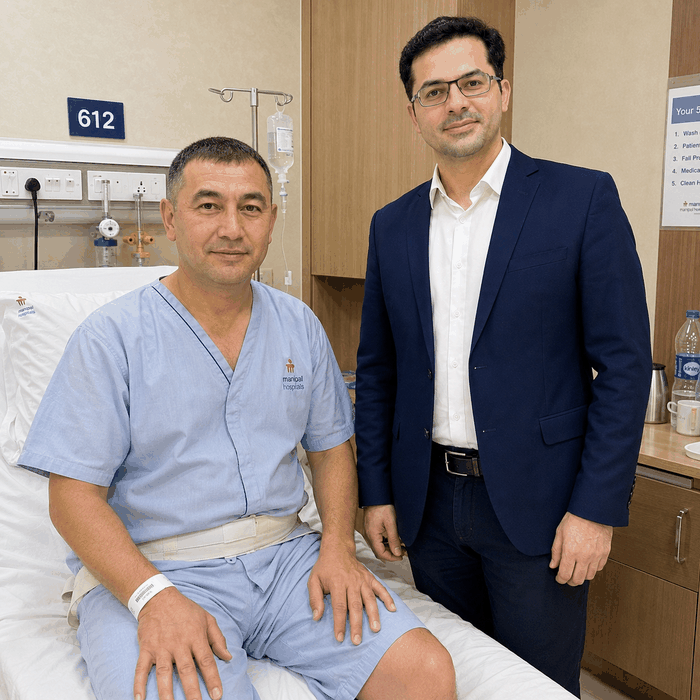
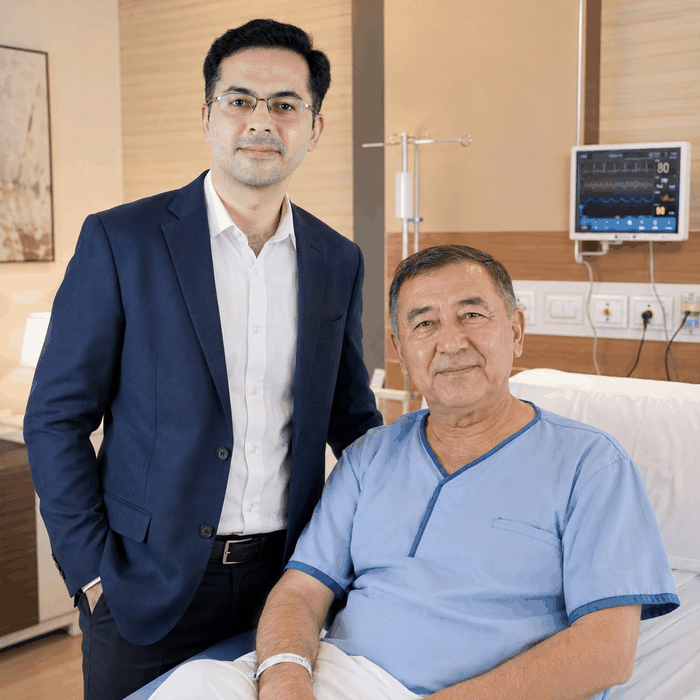
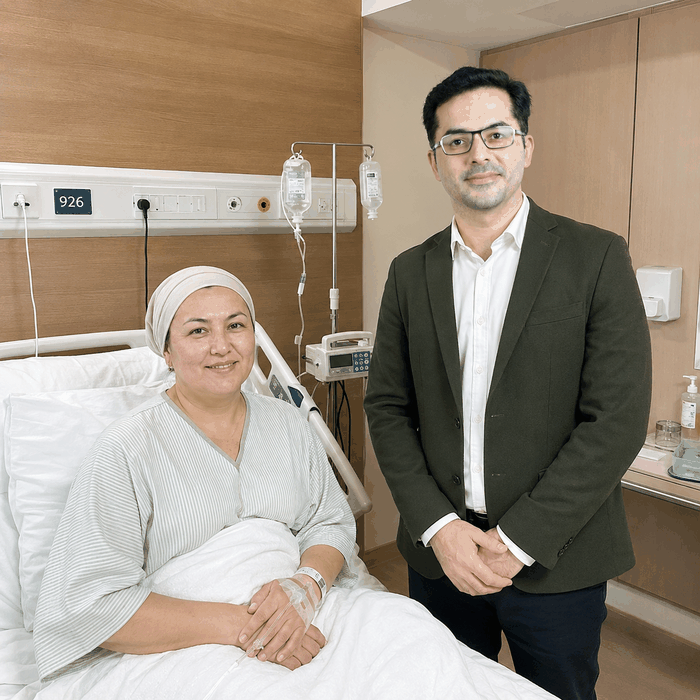
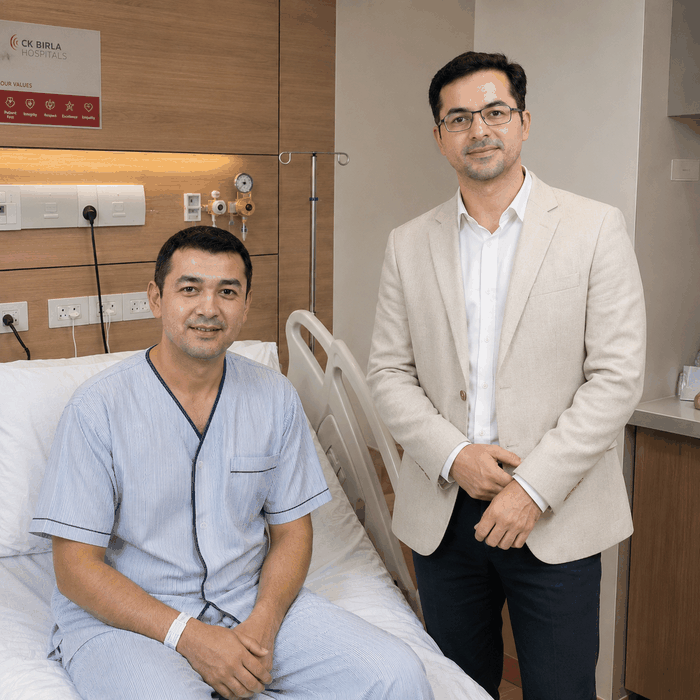
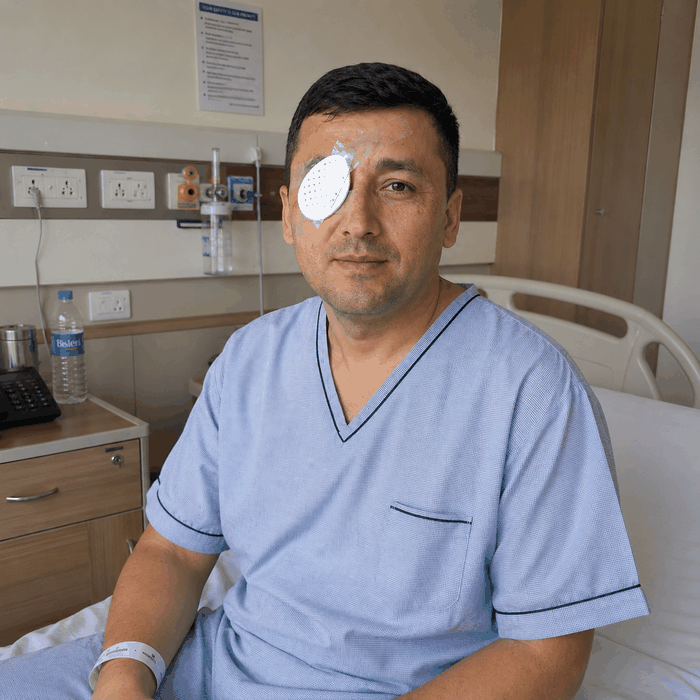
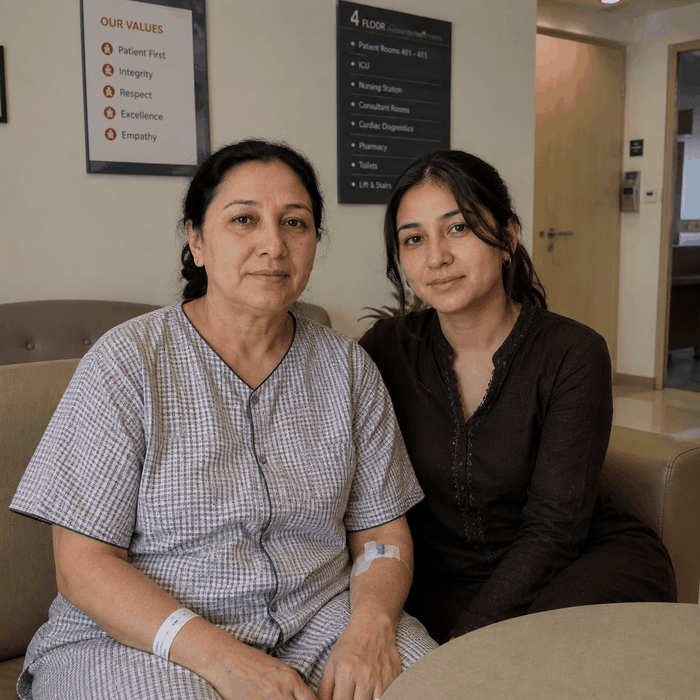
Patient Testimonials from Uzbekistan
Ready to Take the First Step?
Share your medical reports with our healthcare managers today and receive a FREE CONSULTATION, a personalized treatment plan and complete support from your arrival to your recovery.
Get Your Free ConsultationFrom Uzbekistan to India: Your Complete Patient Guide
- Cornea Transplant and Advanced Eye Surgery in India for Uzbek Patients
- Cosmetic and Aesthetic Surgery in India for Uzbek Patients
- CyberKnife Treatment in India for Uzbek Patients
- Dental Implants and Smile Makeover in India for Uzbek Patients
- Dental Surgery and Implants in India for Uzbek Patients
- Gamma Knife Treatment in India for Uzbek Patients
- Heart Failure Treatment and Surgery in India for Uzbek Patients
- Heart Valve Replacement in India for Uzbek Patients
- Hip Surgery in India for Uzbek Patients
- HIPEC Cancer Surgery in India for Uzbek Patients
- IVF and Fertility Treatment in India for Uzbek Patients
- Joint Arthroscopy and Sports Medicine in India for Uzbek Patients
- Kidney Transplant Treatment in India for Uzbek Patients
- Knee Surgery in India for Uzbek Patients
- Laparoscopic and Robotic Myomectomy in India for Uzbek Patients
- Leukemia, Lymphoma and Blood Cancer Treatment in India for Uzbek Patients
- Liver Transplant Treatment in India for Uzbek Patients
- Neuronavigation and Advanced Brain Surgery in India for Uzbek Patients