

Liver Transplant Treatment in India for Uzbek Patients
A practical guide to planning liver transplant treatment in India — living donor transplant, donor evaluation and safety, what it costs compared with Western countries, and how to plan the weeks of treatment involved.
A liver transplant is recommended when the liver has been damaged beyond recovery — from cirrhosis, certain liver cancers, or sudden liver failure — and it is genuinely life-saving treatment. Unlike most transplants, it usually involves two patients undergoing surgery at once: the person receiving the new liver, and a living donor, most often a family member. Across more than two decades of guiding patients from Uzbekistan to treatment in India, the questions I hear most are: Is this safe for both patient and donor? What will it really cost? How long does the process take? And how do we plan around such a major undertaking? This guide answers each plainly. It does not replace your hepatologist's advice — it should help you understand the process and plan the logistics with confidence. India performs one of the highest volumes of liver transplants in the world, and is a global leader specifically in living donor liver transplantation, since deceased donor organs remain scarce in most countries. Its leading transplant centres are accredited by NABH or the international JCI, with surgical teams that have individually performed thousands of these operations.
Healing Journeys of Uzbek Patients
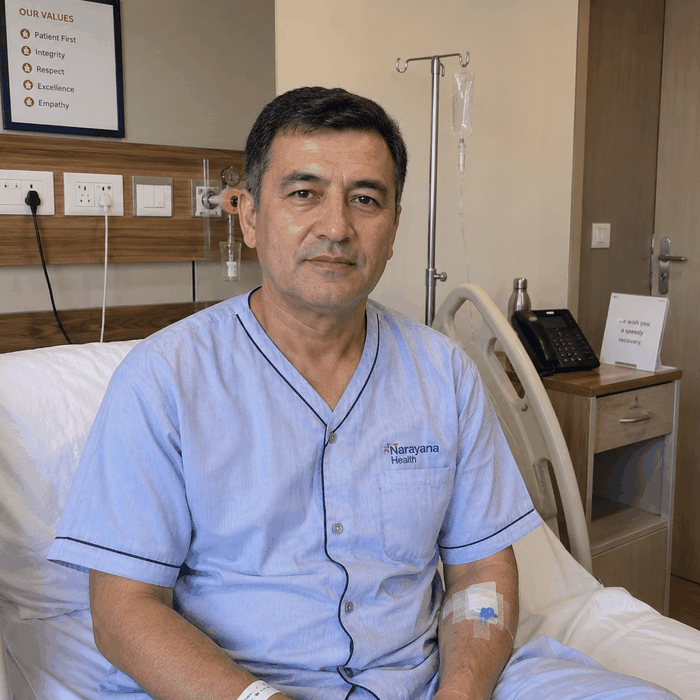
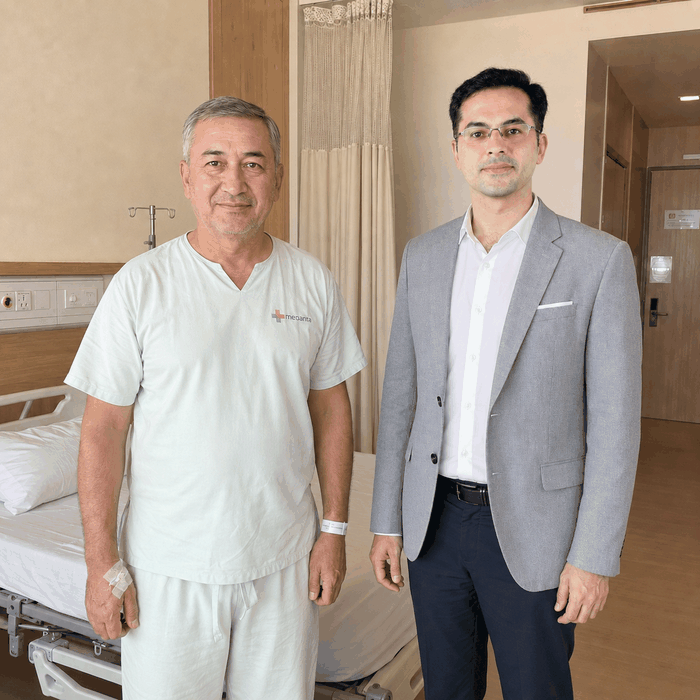
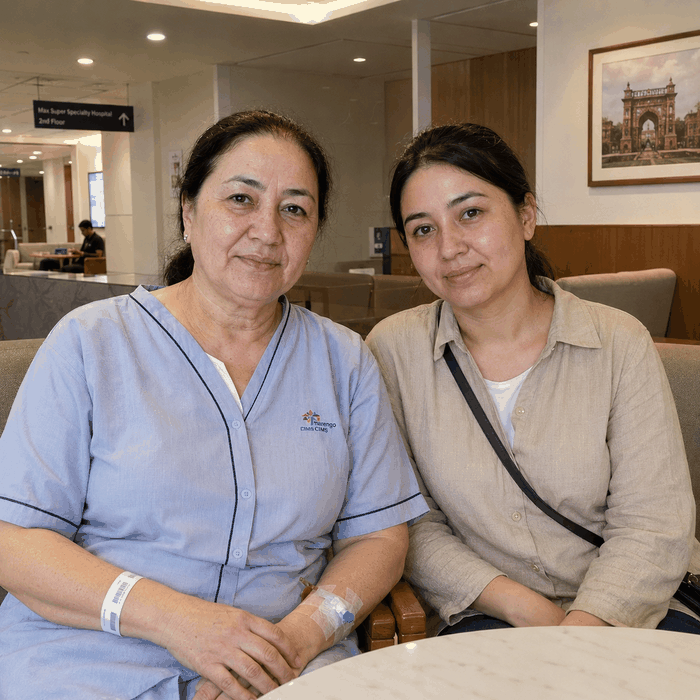
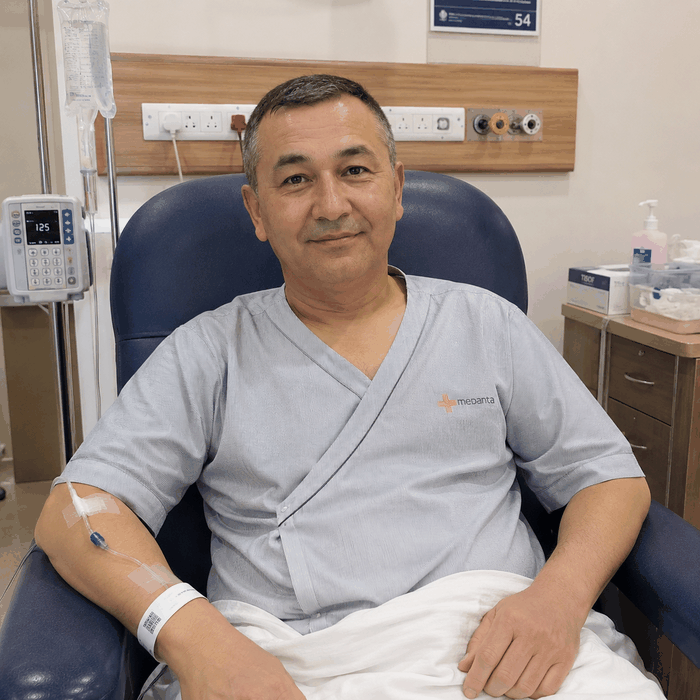
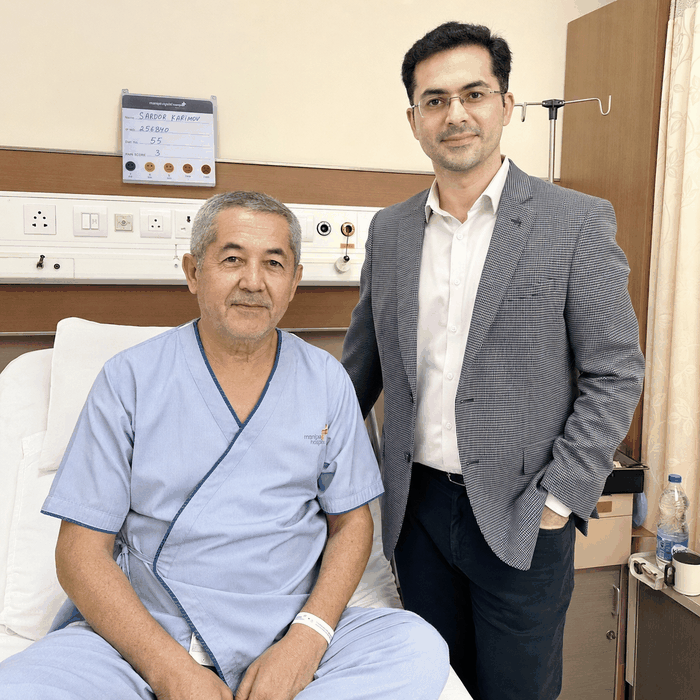

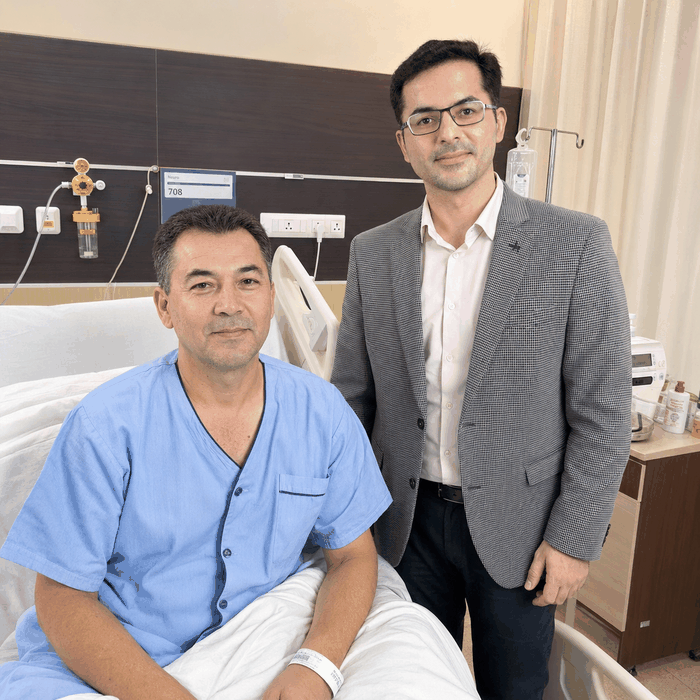
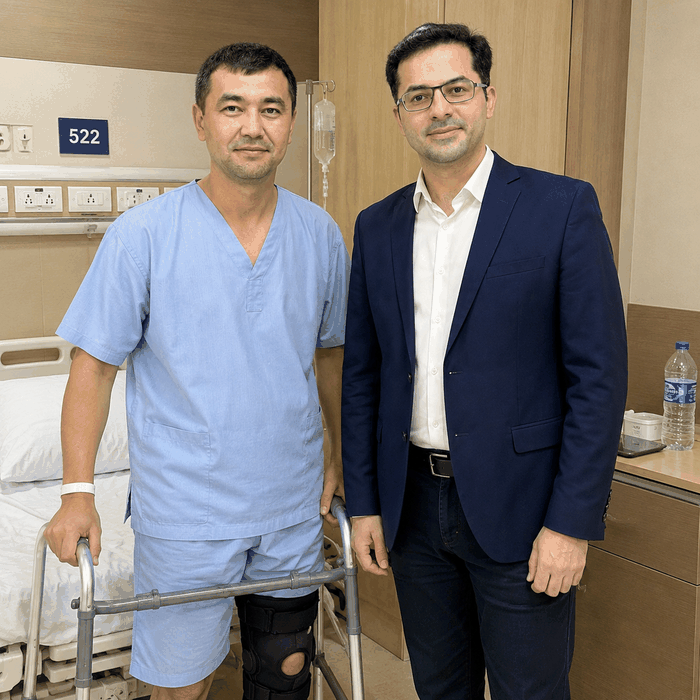
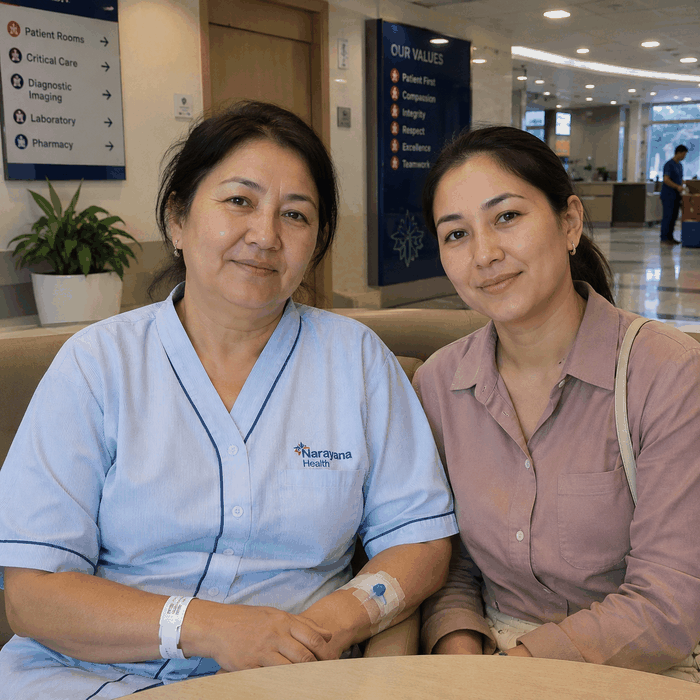
Information Takeaways
- Liver transplantation is considered when the liver has suffered irreversible damage from conditions such as cirrhosis, certain liver cancers or sudden liver failure. Unlike many other transplant procedures, living donor liver transplantation involves two people undergoing major surgery: the recipient and the donor. For Uzbek families considering treatment in India, donor safety, suitability, cost and the length of the treatment journey are therefore equally important.
- India has extensive experience in liver transplantation and is particularly experienced in living donor liver transplantation. The source identifies Delhi, Mumbai, Chennai, Bengaluru and Hyderabad as cities with high-volume liver transplant centres. However, it recommends choosing according to the centre's living donor transplant volume and reported outcomes rather than simply selecting a city. NABH or JCI accreditation is also highlighted as an important consideration.
- For international patients, living donor transplantation is commonly used because deceased donor organs are limited. The source describes the donor as typically a close family member with compatible blood type and good health. Approximately 50–60% of the donor's liver may be used for transplantation, with both the remaining donor liver and transplanted portion capable of regenerating toward their original size over the following months. Importantly, the guide stresses that donation is major surgery and requires a thorough independent medical and psychological assessment.
- The source estimates the cost of a living donor liver transplant in India at approximately USD 22,000–40,000, covering evaluation, surgery for both recipient and donor, and hospitalisation for both. More complex cases, including some involving liver cancer, may fall toward the higher end. The comparison chart shows approximate Western-country ranges of USD 150,000–300,000 in Germany, USD 115,000–250,000 in the UK, USD 150,000–280,000 in Australia and USD 300,000–600,000 in the USA.
- The quoted transplant cost should not be treated as the complete lifetime financial requirement. Complications can increase the initial cost, while flights, extended accommodation and lifelong immunosuppressant medication after returning to Uzbekistan are generally not included. The guide also recommends asking specifically about donor complication rates rather than considering only recipient survival outcomes.
- The transplant journey begins before travel with the patient's medical reports and identification of a potential family donor. After treatment planning, cost estimation and visa documentation, both recipient and donor undergo detailed evaluation in India. The source's timeline shows surgery occurring during approximately week 1–2, with both operations taking around 8–12 hours combined, followed by ICU and hospital recovery and early recovery before returning home around weeks 6–10.
- Donor protection should remain a central part of the decision. The guide recommends asking how many living donor transplants the centre performs each year, requesting donor complication data, obtaining a complete written cost breakdown and ensuring that the donor's decision is completely voluntary. A good programme should speak privately with the donor to confirm consent and should explain what happens if unexpected complications affect either operation.
- Recovery differs substantially between donor and recipient. The donor may leave hospital within approximately a week and return to normal activity within 4–8 weeks, while the recipient typically requires several days of ICU care and approximately 2–3 weeks in hospital. Recipients require lifelong immunosuppressant medication and regular blood tests, and overall recovery may take around 3–6 months. Long-term hepatology follow-up should therefore be arranged in Uzbekistan before travelling to India.
Quick Facts
- Treatment
- Living donor liver transplantation
- Primary Patients
- Uzbek patients with advanced or irreversible liver disease requiring transplantation
- Main Speciality
- Hepatology and liver transplantation
- Typical Donor
- Close family member with suitable health and compatibility
- Donor Evaluation
- Detailed medical and psychological assessment
- Donor Liver Portion
- Usually around 50–60% is donated according to the source
- India Cost
- Approximately USD 22,000–40,000
- Complex Cases
- Liver cancer and other complications may increase the cost
- Western Comparison
- Approximately USD 115,000–600,000 across the countries shown in the source chart
- Major Centres
- Delhi, Mumbai, Chennai, Bengaluru and Hyderabad
- Hospital Selection
- Prefer an NABH- or JCI-accredited high-volume transplant centre
- Surgery Duration
- Approximately 8–12 hours combined for donor and recipient
- Overall Stay
- Usually around 6–10 weeks
- Recipient Hospital Stay
- Approximately 2–3 weeks
- Donor Recovery
- Normal activity may resume within approximately 4–8 weeks
- Recipient Recovery
- Full recovery may take around 3–6 months
- Medication
- Lifelong immunosuppressants are required after transplantation
- Monitoring
- Regular blood tests and liver-function monitoring
- Language Support
- Russian- and Uzbek-speaking coordinators/interpreters may be available
- Pre-Travel
- Send medical reports and identify a potential donor
- Travel
- Medical visas are required for patient and donor according to the source's planning guidance
- Follow-Up
- Lifelong monitoring should be arranged in Uzbekistan
- Documentation
- Keep transplant reports, test results and medication records
- Author
- Dr. Dheeraj Bojwani
- Experience
- 24+ Years
Knowledgeable Information Snippet
Living donor liver transplantation in India can provide a treatment pathway for Uzbek patients with irreversible liver disease when transplantation is medically appropriate and a suitable donor is available. The source estimates the procedure at approximately USD 22,000–40,000 and describes a total India stay of roughly 6–10 weeks for the recipient and donor. Both undergo detailed evaluation before surgery, and donor safety must be assessed independently rather than focusing only on the recipient's outcome. After transplantation, the recipient requires lifelong immunosuppressant medication, regular monitoring and continuing hepatology care in Uzbekistan.
Why Uzbek Patients Choose India for Liver Transplant?
Cities such as Delhi, Mumbai, Chennai, Bengaluru and Hyderabad all have high-volume liver transplant centres. The right choice is the centre's specific living donor transplant volume and reported outcomes — not the city name.
- Transplant surgeons and hepatologists frequently trained or fellowship-qualified in the UK, Europe or the USA.
- Deep, specific experience in living donor surgery, a technically demanding field with a steep learning curve.
- No lengthy waiting list for a deceased donor organ, since living donor transplant does not depend on one.
- Dedicated international desks with Russian and Uzbek-speaking coordinators and interpreters.
- Convenient connectivity from Tashkent to Delhi, Mumbai and other major cities.
Understanding living donor liver transplant
Because deceased donor organs are limited almost everywhere, most liver transplants for international patients in India use a living donor — typically a close family member with a compatible blood type and good health.
The donor gives up a portion of their liver, usually 50 to 60 percent, which is transplanted into the patient. Remarkably, both the donor's remaining liver and the transplanted portion regenerate to near their original size within a few months. This makes living donation possible without permanently compromising the donor's liver function, but it remains major surgery with real risks for the donor, not a minor procedure. A thorough, independent donor evaluation is essential to confirm the donor is medically and psychologically fit, and a good programme will never pressure a hesitant potential donor.
How much does liver transplant treatment in India cost?
Cost depends on the transplant type and any complexity involved. In India, a living donor liver transplant typically costs USD 22,000–40,000 all-inclusive, covering evaluation, surgery for both patient and donor, and hospital stay for both. More complex cases, such as those involving liver cancer, tend toward the higher end.
India vs Western countries: cost of liver transplant
Approximate all-inclusive price for living donor transplant (USD, 2026)
Figures are indicative ranges compiled from hospital and medical-travel sources; your final quote depends on transplant type, donor evaluation findings and any complications.
Notice how dramatically below Western prices India sits — for many families, this is not just a saving but the difference between treatment being possible at all. India's advantage is value: extremely high living donor transplant volume, at a cost more families can realistically plan around.
One important caution: as with bone marrow transplant, costs can extend beyond the initial quote if complications arise, since recovery does not always follow a predictable course. Ask the hospital how such scenarios are handled and costed, and budget with meaningful contingency. The quote also rarely includes flights, extended accommodation and lifelong immunosuppressant medication after you return home.
The donor's safety deserves equal attention to the patient's. Ask directly about the transplant programme's donor complication rates, not only patient survival rates.
Your liver transplant journey, step by step
Understanding the whole path in advance matters greatly here, since two people are undergoing surgery and a multi-week stay is required.
Your liver transplant journey, step by step
A typical timeline from Uzbekistan to India and back
Timelines vary with how smoothly recovery proceeds for both patient and donor; your transplant team will confirm exact dates.
Factors that every Uzbek Patient should consider while planning Liver Transplant in India
Before you commit, work through the checklist below with the hospital's international team. In more than 24 years of guiding families through this decision, those who ask these six questions directly are the best prepared.
Before you book: six things to confirm
A pre-travel checklist for patients from Uzbekistan
Also confirm accommodation for both patient's and donor's family members, given the length of stay involved.
Two further points: the donor's decision must be entirely voluntary — a good transplant programme will speak with the donor privately to confirm this — and ask for everything in writing, including the plan if either surgery encounters unexpected complications.
Recovery after Liver Transplant and returning to Uzbekistan
The donor typically recovers faster, often leaving hospital within a week and returning to normal activity within 4 to 8 weeks, since the liver regenerates quickly. The recipient's recovery is longer: an ICU stay of several days, followed by a hospital stay of 2 to 3 weeks in total. Lifelong immunosuppressant medication is required to prevent rejection, along with regular blood tests to monitor liver function and medication levels — a permanent part of life after transplant, so arrange this care with a hepatologist in Uzbekistan before you travel. Full recovery for the recipient generally takes 3 to 6 months. Keep every test result, surgical report and medication record safely for ongoing care.
Frequently asked questions
Is liver transplant surgery in India safe? At an accredited transplant centre, yes. India's leading hospitals meet NABH or JCI standards and perform very high volumes of living donor liver transplants, with success rates comparable to Western centres.
Will there be someone who speaks my language? Major international hospitals have Russian and Uzbek-speaking coordinators and interpreters who assist from your first message through the full treatment course and follow-up.
Who can be a living liver donor? Typically a close family member with a compatible blood type, generally aged 18 to 55, in good health and with a suitably sized liver. The donor undergoes thorough independent medical evaluation before being approved.
How long do we need to stay in India in total? Most patients and their donor need 6 to 10 weeks, covering evaluation, the transplant surgery for both, hospital recovery, and early follow-up before it is considered safe to fly home.
A note from Dr Dheeraj Bojwani
With 24+ years of experience guiding international patients through complex diagnoses, my advice to every family from Uzbekistan is the same: take the donor's health and voluntary consent as seriously as the patient's outcome, ask directly about the centre's living donor experience and safety record, and plan for lifelong follow-up care before you travel. This article is general information and not a substitute for a personal consultation with your hepatology and transplant team.
Straight Answer Question by Uzbek Patients about Liver Transplant in India
Is liver transplant surgery in India safe?
At an accredited transplant centre, yes. India's leading hospitals meet NABH or JCI standards and perform very high volumes of living donor liver transplants, with success rates comparable to Western centres.
Will there be someone who speaks my language?
Major international hospitals have Russian and Uzbek-speaking coordinators and interpreters who assist from your first message through the full treatment course and follow-up.
Who can be a living liver donor?
Typically a close family member with a compatible blood type, generally aged 18 to 55, in good health and with a suitably sized liver. The donor undergoes thorough independent medical evaluation before being approved.
How long do we need to stay in India in total?
Most patients and their donor need 6 to 10 weeks, covering evaluation, the transplant surgery for both, hospital recovery, and early follow-up before it is considered safe to fly home.
References & sources
- 🌐 National Accreditation Board for Hospitals & Healthcare Providers (NABH) — accredited hospital directory. · nabh.co
- 🌐 Joint Commission International (JCI) — directory of accredited organisations. · jointcommissioninternational.org
- 🌐 National Medical Commission of India — doctor and specialist registration verification. · nmc.org.in
- 🌐 World Health Organization — Guiding principles on human cell, tissue and organ transplantation. · who.int
- 🌐 Bureau of Immigration, Government of India — e-Medical Visa and Medical Attendant Visa. · indianvisaonline.gov.in
- 🌐 Cost ranges compiled from published hospital and medical-travel price guides for living donor liver transplant, 2025–2026.
Frequently Asked Questions by Uzbek Patients about Liver Transplant in India
Can Uzbek patients undergo liver transplantation in India?
Yes. The guide specifically discusses living donor liver transplantation for patients travelling from Uzbekistan and describes India's extensive experience with this transplant model.
How much does liver transplant surgery cost in India for Uzbek patients?
The source estimates a living donor liver transplant at approximately USD 22,000–40,000, including evaluation, surgery for both patient and donor, and hospitalisation. Complex cases may cost more.
Who can be a living liver donor for an Uzbek patient in India?
The source describes a typical donor as a close family member with compatible blood type, good health and a suitably sized liver. It gives an indicative age range of 18–55 years, with final approval following independent evaluation.
Is living donor liver transplantation safe for the Uzbek donor?
The procedure can be performed safely at experienced centres, but the source stresses that donation is major surgery with real risks. Uzbek families should specifically ask about donor complication rates and ensure the donor undergoes thorough independent assessment.
How long do Uzbek liver transplant patients need to stay in India?
The source states that the recipient and donor should generally plan for 6–10 weeks in India, covering evaluation, surgery, hospital recovery and early follow-up before returning to Uzbekistan.
How long does liver transplant surgery take in India?
The donor and recipient operations occur on the same day and typically take approximately 8–12 hours combined. The exact duration depends on the individual transplant.
How long does the donor take to recover after liver transplantation?
The donor typically recovers faster than the recipient. The source states that donors may leave hospital within approximately a week and return to normal activity within about 4–8 weeks.
Will an Uzbek liver transplant recipient need lifelong medication?
Yes. The source states that recipients require lifelong immunosuppressant medication to reduce the risk of rejection, along with regular blood tests to monitor liver function and medication levels.
Is Russian or Uzbek language assistance available for liver transplant patients in India?
The guide states that major international hospitals may provide Russian- and Uzbek-speaking coordinators and interpreters throughout the treatment and follow-up process.
What should an Uzbek family check before choosing a liver transplant centre in India?
The source recommends checking NABH or JCI accreditation, annual living donor transplant volume, donor complication rates, the complete cost breakdown, visas for both patient and donor, and a written lifelong follow-up plan in Uzbekistan.
Page Summary
Liver transplant treatment in India for Uzbek patients is primarily presented in the source through the living donor model, reflecting the limited availability of deceased donor organs. The procedure involves both recipient and donor, making donor evaluation, voluntary consent, surgical experience and donor complication data important parts of hospital selection. The source estimates an India cost of USD 22,000–40,000 and highlights high-volume transplant centres in Delhi, Mumbai, Chennai, Bengaluru and Hyderabad. The typical treatment pathway involves pre-travel assessment, patient and donor evaluation, transplant surgery, several weeks of hospital and early recovery, and return to Uzbekistan once stable. Most patients and donors should plan for approximately 6–10 weeks in India. After returning home, the recipient requires lifelong immunosuppressant therapy and regular monitoring, making advance coordination with a hepatologist in Uzbekistan essential.
Citation Block
| Field | Details |
|---|---|
| Article / Topic | Liver Transplant Treatment in India for Uzbek Patients |
| Patient Group | Patients and families travelling from Uzbekistan |
| Main Speciality | Hepatology and liver transplantation |
| Primary Transplant Type | Living donor liver transplantation |
| Common Indications | Irreversible liver damage, cirrhosis, certain liver cancers and sudden liver failure |
| Donor | Typically a close family member with suitable health and compatibility |
| Donor Assessment | Independent medical and psychological evaluation |
| Donated Liver Portion | Approximately 50–60% according to the source |
| Major Indian Cities | Delhi, Mumbai, Chennai, Bengaluru and Hyderabad |
| Hospital Selection | High-volume transplant centre with NABH or JCI accreditation |
| India Cost | Approximately USD 22,000–40,000 |
| Germany Comparison | Approximately USD 150,000–300,000 |
| UK Comparison | Approximately USD 115,000–250,000 |
| Australia Comparison | Approximately USD 150,000–280,000 |
| USA Comparison | Approximately USD 300,000–600,000 |
| Cost Warning | Complications may increase costs; travel, accommodation and lifelong medication may be additional |
| Donor Safety | Donor complication rates should be requested from the transplant centre |
| Pre-Travel | Share diagnosis and reports and identify a potential donor |
| Patient & Donor Evaluation | Detailed testing confirms transplant suitability and donor compatibility |
| Surgery Duration | Approximately 8–12 hours combined |
| Overall India Stay | Approximately 6–10 weeks |
| Recipient Hospital Stay | Approximately 2–3 weeks |
| Donor Recovery | Normal activity generally within 4–8 weeks |
| Recipient Recovery | Approximately 3–6 months for full recovery |
| Long-Term Medication | Lifelong immunosuppressant medication |
| Follow-Up | Lifelong monitoring and medication management in Uzbekistan |
| Language Support | Russian- and Uzbek-speaking coordinators/interpreters may be available |


Our Mission Statement
Our mission is to place patients at the centre of every healthcare decision by providing trustworthy, evidence-based, and unbiased medical information. We believe that informed patients make better decisions. Backed by personalised guidance from our experienced advisory team, we help patients understand their treatment options, compare them objectively, and confidently choose the path that best suits their medical needs and personal circumstances.
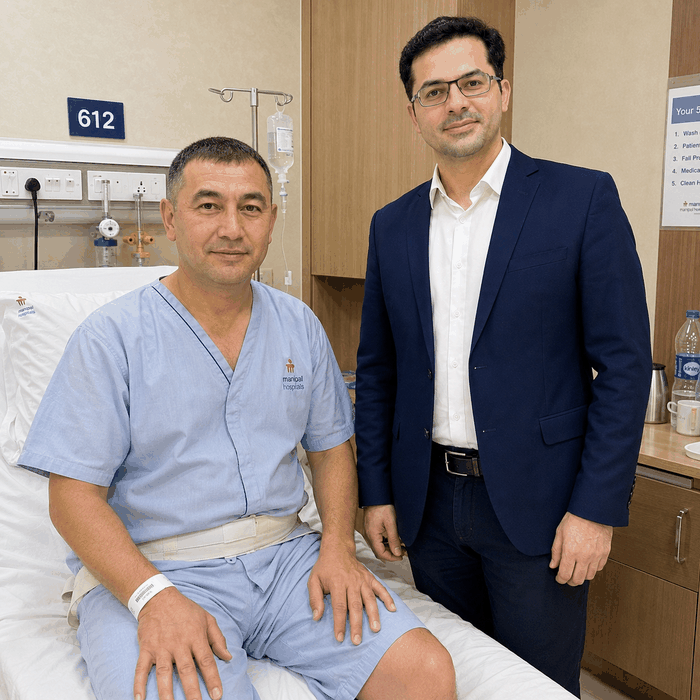
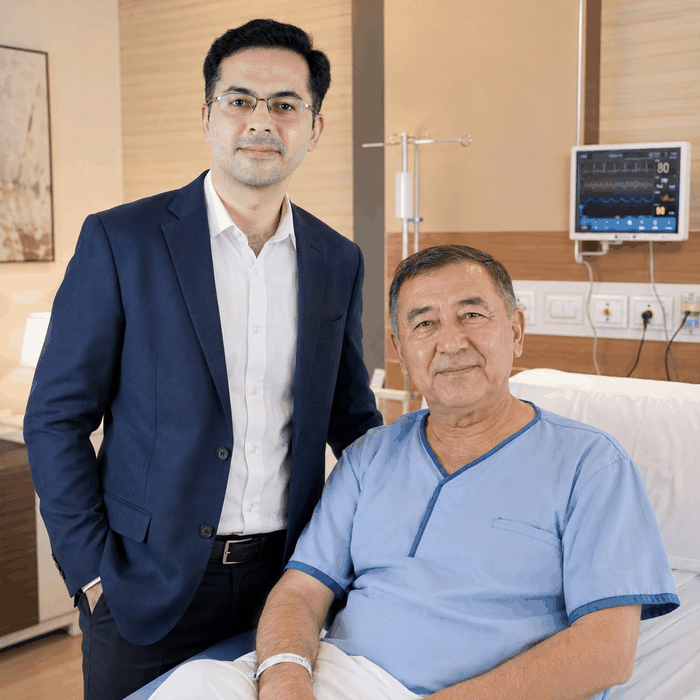
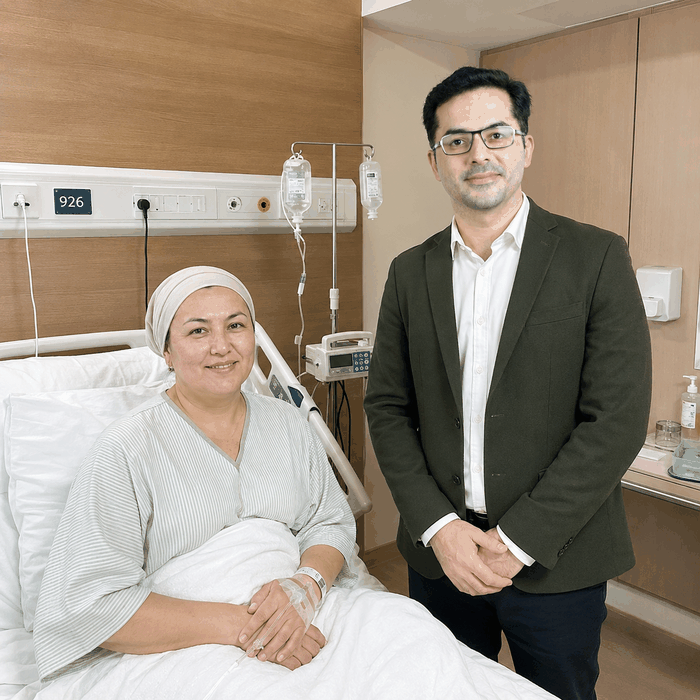
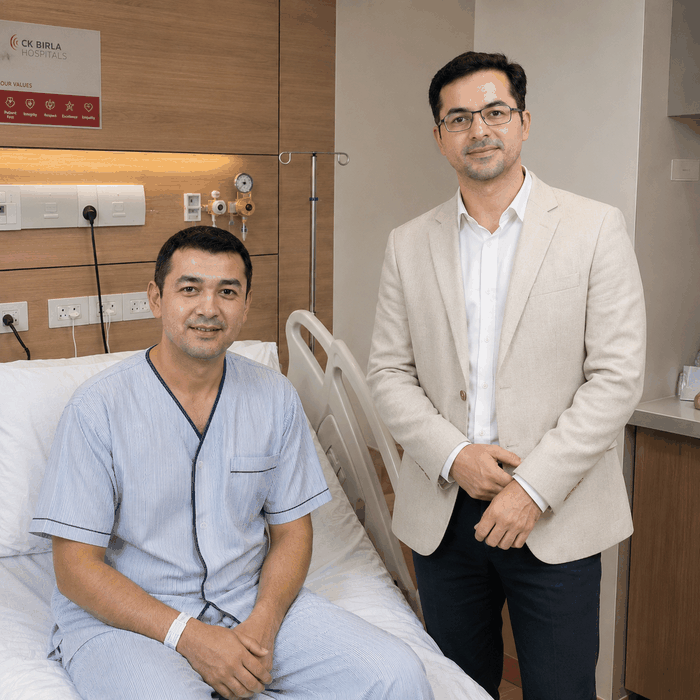
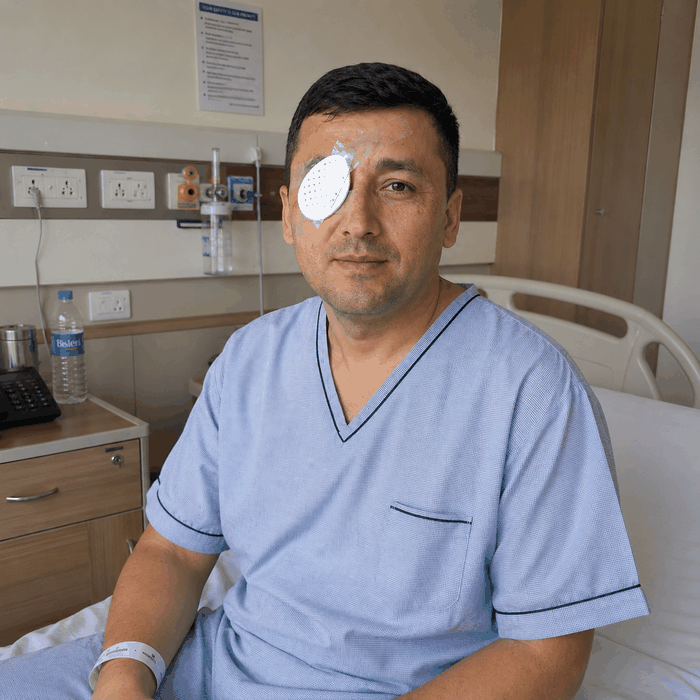
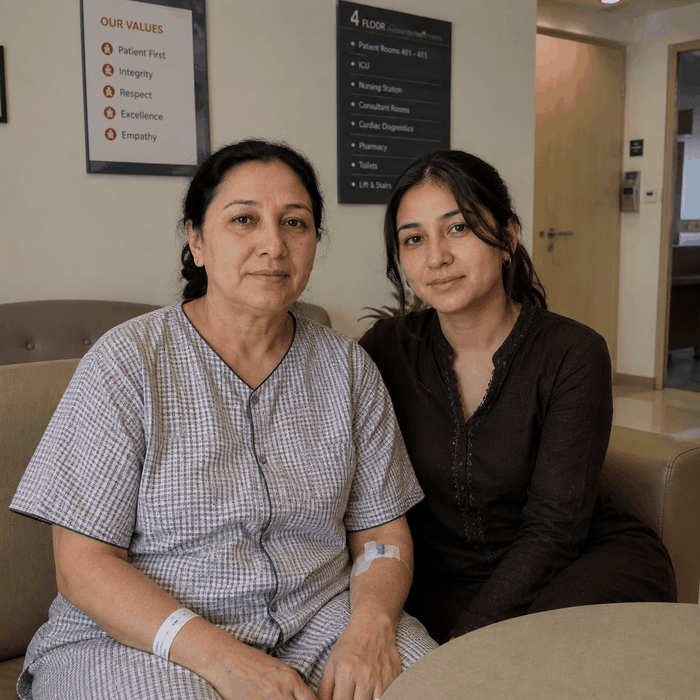
Patient Testimonials from Uzbekistan
Ready to Take the First Step?
Share your medical reports with our healthcare managers today and receive a FREE CONSULTATION, a personalized treatment plan and complete support from your arrival to your recovery.
Get Your Free ConsultationFrom Uzbekistan to India: Your Complete Patient Guide
- Brain Tumor Surgery in India for Uzbek Patients
- Breast Cancer Treatment and Surgery in India for Uzbek Patients
- Cancer Treatment and Surgery in India for Uzbek Patients
- Cardiac Pacemaker Treatment in India for Uzbek Patients
- Cardiac Surgery in India for Uzbek Patients
- Cervical and Lumbar Disc Replacement Surgery in India for Uzbek Patients
- Colorectal Cancer Treatment and Surgery in India for Uzbek Patients
- Complex Orthopaedic and Joint Revision Surgery in India for Uzbek Patients
- Cornea Transplant and Advanced Eye Surgery in India for Uzbek Patients
- Cosmetic and Aesthetic Surgery in India for Uzbek Patients
- CyberKnife Treatment in India for Uzbek Patients
- Dental Implants and Smile Makeover in India for Uzbek Patients
- Dental Surgery and Implants in India for Uzbek Patients
- Gamma Knife Treatment in India for Uzbek Patients
- Heart Failure Treatment and Surgery in India for Uzbek Patients
- Heart Valve Replacement in India for Uzbek Patients
- Hip Surgery in India for Uzbek Patients
- HIPEC Cancer Surgery in India for Uzbek Patients