

Cornea Transplant and Advanced Eye Surgery in India for Uzbek Patients
A practical guide to cornea transplant (keratoplasty) in India — full vs partial-thickness techniques, keratoconus treatment, and what it costs compared with Western countries.
The cornea is the clear, dome-shaped window at the front of the eye, and when it becomes scarred, swollen or misshapen, vision suffers in ways glasses often cannot fix. A cornea transplant replaces the damaged tissue with healthy donor cornea — but which layers actually need replacing varies by condition, and getting this right shapes both your recovery and your long-term result. Across more than two decades of guiding patients from Uzbekistan to treatment in India, the questions I hear most are: Which type of transplant do I need? Is a transplant even necessary yet? What will it really cost? And how is donor tissue sourced safely? This guide answers each plainly. It does not replace your ophthalmologist's advice — it is meant to help you understand the options clearly.
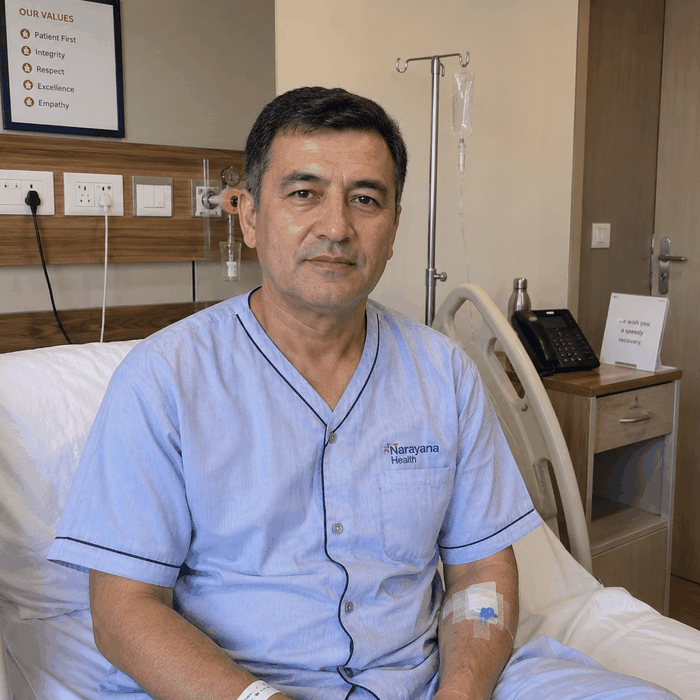
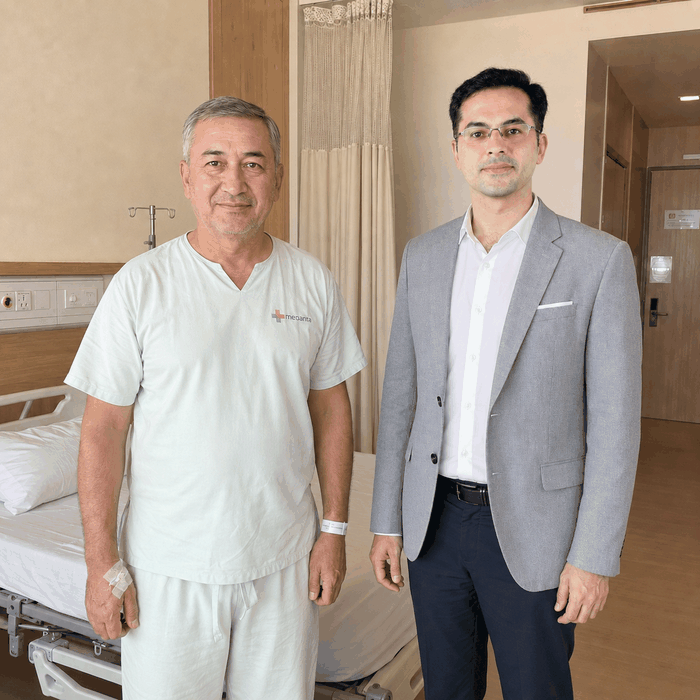
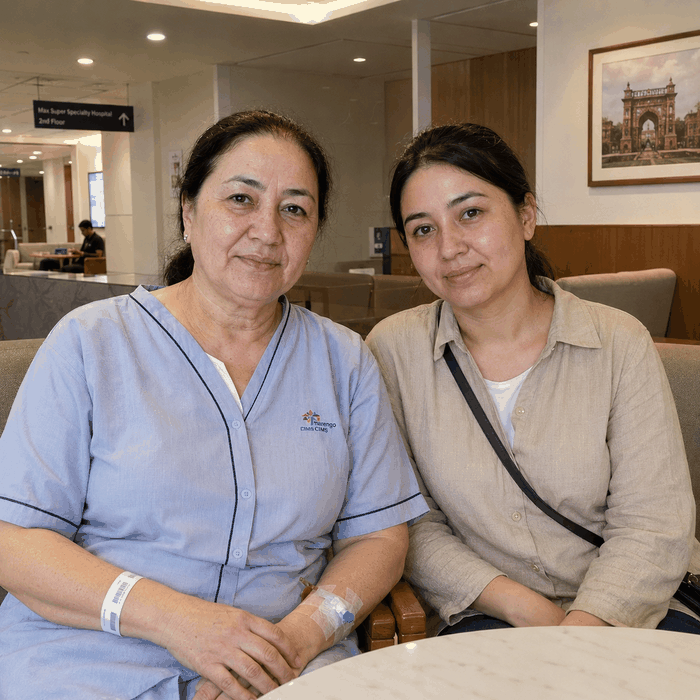
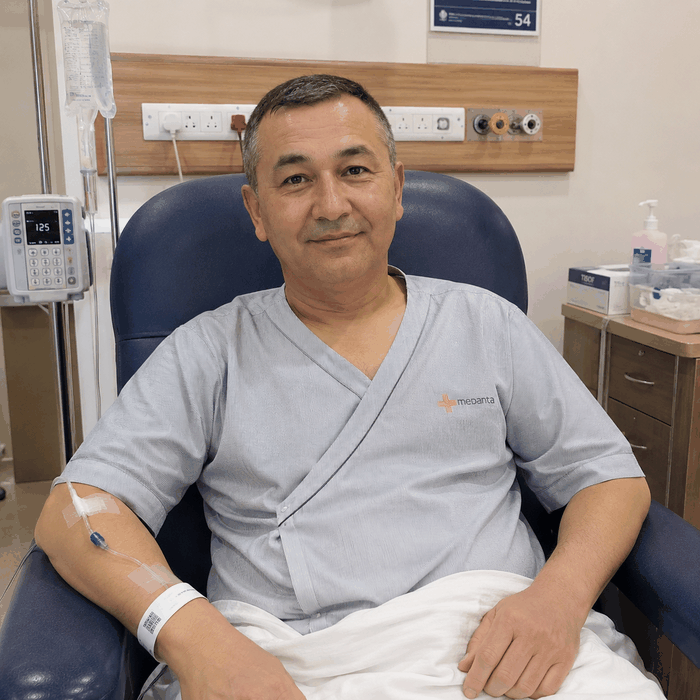
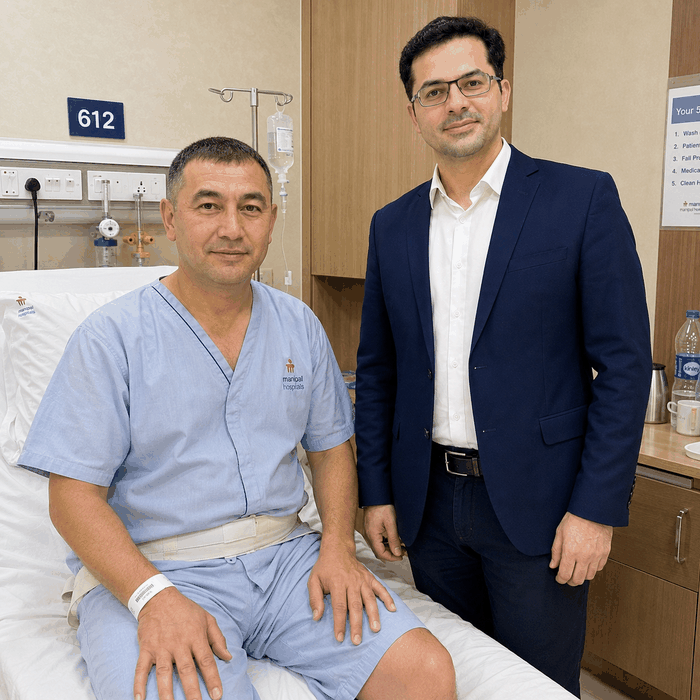
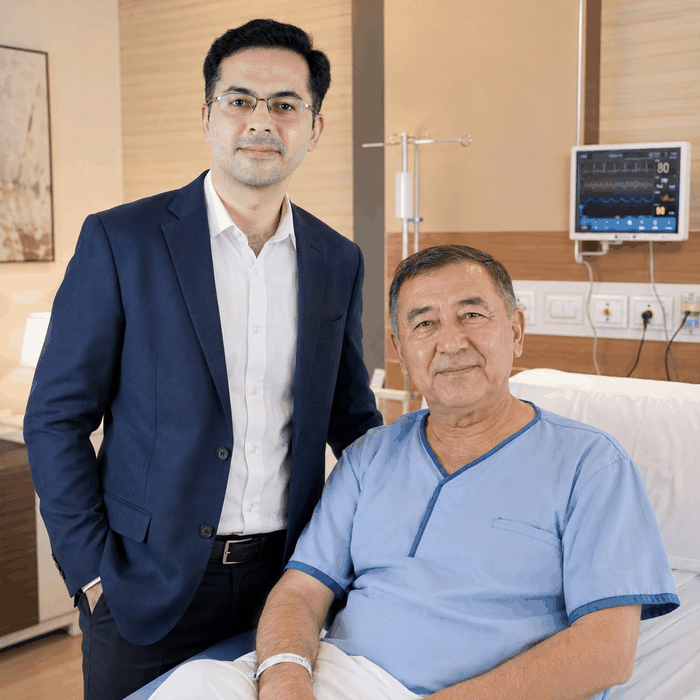
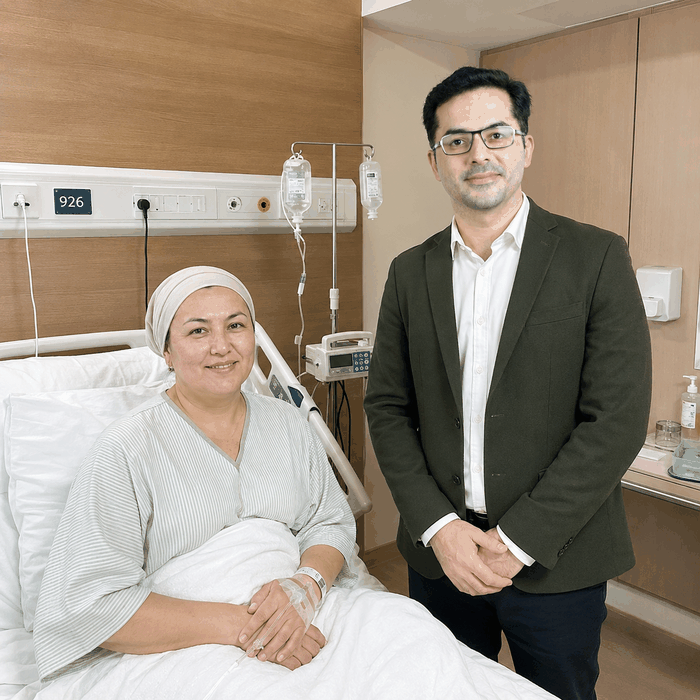
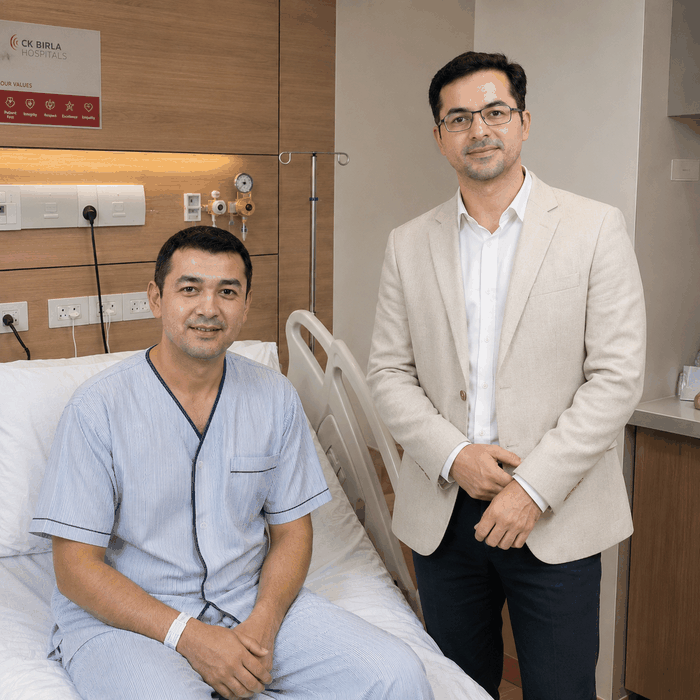
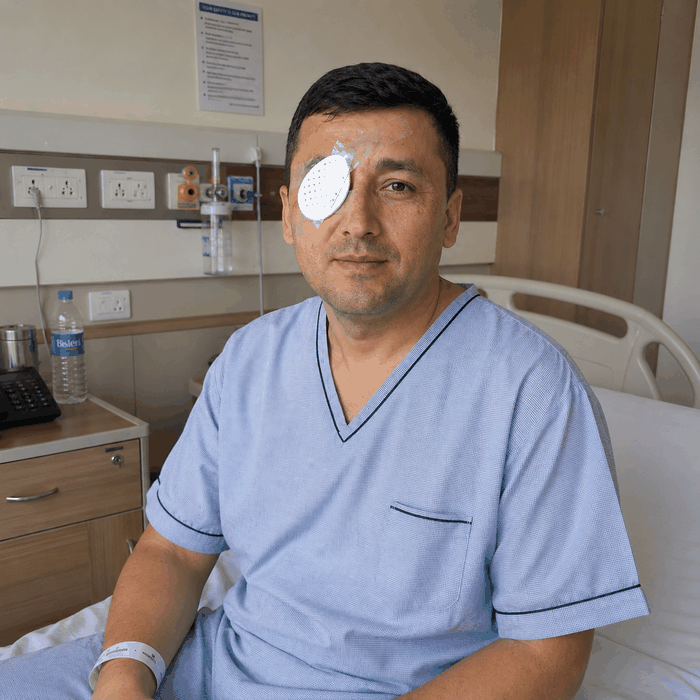
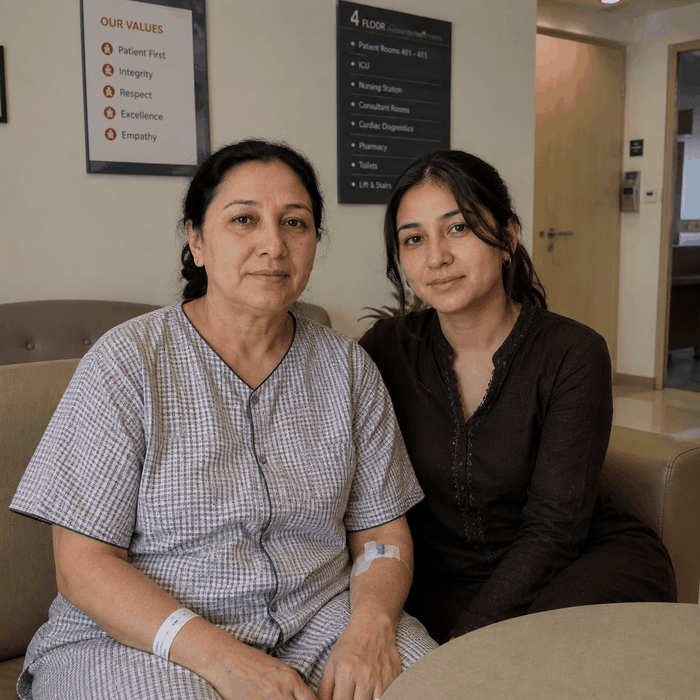
Healing Journeys of Uzbek Patients
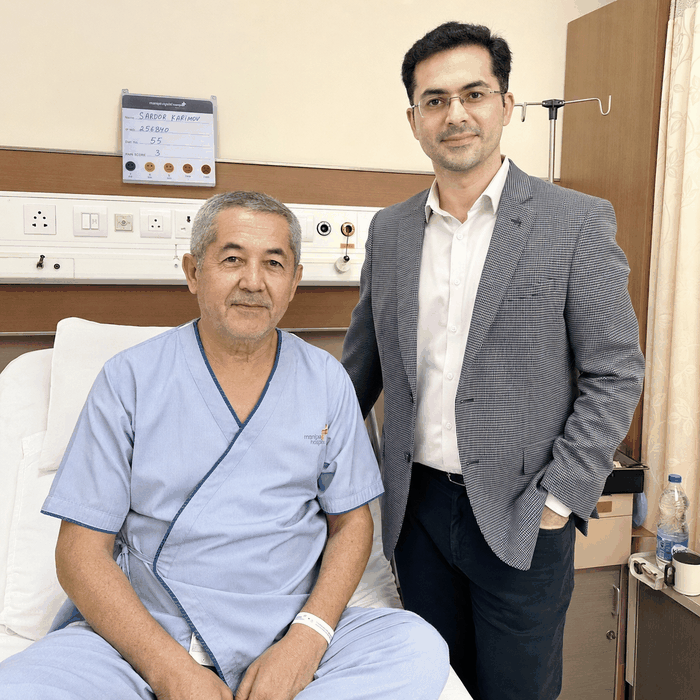

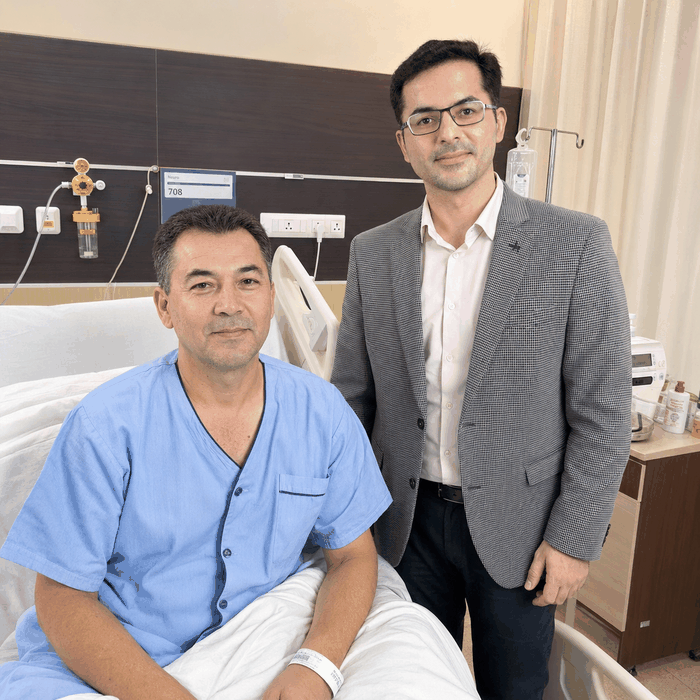
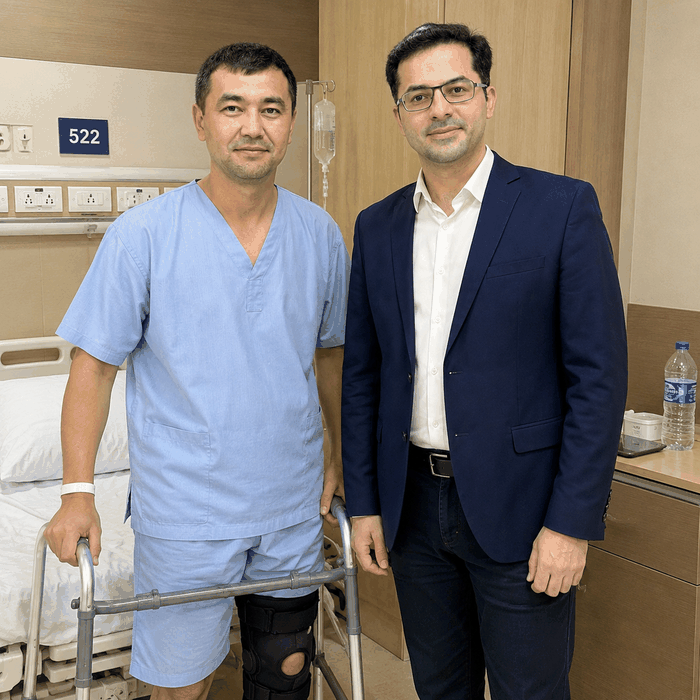
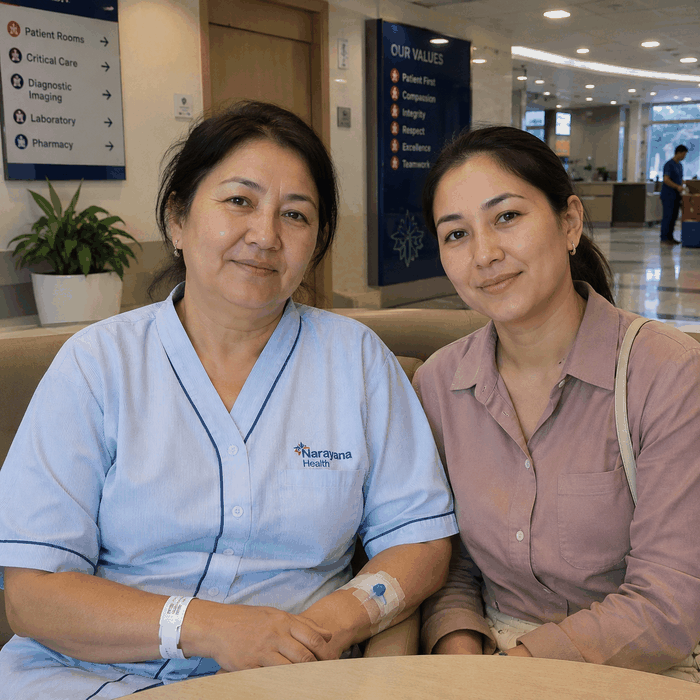
Information Takeaways
- A cornea transplant replaces damaged corneal tissue with healthy donor tissue, but the entire cornea does not always need to be replaced. The guide explains that modern corneal surgery increasingly focuses on replacing only the damaged layers when appropriate. For Uzbek patients, determining which corneal layers are affected is therefore an important first step because the transplant technique can influence recovery and the long-term result.
- The guide describes four principal approaches. Penetrating keratoplasty (PK) replaces the full thickness of the cornea when damage involves all layers. DALK replaces the front layers while preserving the patient's healthy inner layer and is generally used for conditions such as keratoconus. DSEK and DMEK replace the innermost endothelial layer when that specific layer has failed, while the remainder of the cornea is healthy, and they typically allow faster visual recovery. The surgeon must determine which technique is appropriate for the individual eye.
- India is presented as an established destination for corneal treatment, with eye banks and corneal specialists experienced in full- and partial-thickness transplantation. The guide identifies Delhi, Mumbai, Chennai, Bengaluru and Hyderabad as cities with strong corneal transplant programmes, while stressing that the surgeon's experience with the patient's specific condition is more important than simply choosing a particular city. It also highlights donor tissue screening and NABH or JCI accreditation as important considerations.
- The source places the typical cost of cornea transplantation in India at USD 1,500–4,000 per eye, depending partly on which corneal layers require replacement. The cost chart on page 2 gives indicative Western ranges of USD 8,000–15,000 in Germany and the UK, USD 6,000–15,000 in Australia and USD 12,000–28,000 in the USA. These figures are only indicative; the final quotation depends on transplant type and any additional treatment required.
- Uzbek patients should also look beyond the headline surgical price. The guide recommends asking how donor tissue is sourced and screened and whether the quotation includes the required course of anti-rejection eye drops and follow-up visits. These medicines may continue for an extended period, while flights and accommodation are generally separate expenses. The source therefore recommends obtaining a complete cost breakdown before travelling from Uzbekistan.
- The typical surgical journey is relatively short compared with many complex treatments. Most Uzbek patients are advised to plan approximately 10–14 days in India for the surgical phase and initial recovery. The timeline shown on page 3 involves sending corneal topography and scans before travel, evaluation and donor-tissue arrangements around days 1–2, surgery around days 2–3, early recovery during approximately days 3–7 and a follow-up assessment before travelling home around days 10–14. Surgery is typically 1–2 hours and may be performed under local anaesthesia with sedation.
- Recovery continues after returning to Uzbekistan. The guide notes that vision generally improves gradually over the following weeks, while full visual stabilisation can take several months and may take longer after a full-thickness transplant than after partial-thickness procedures. Anti-rejection drops may be needed for a year or more and should not be stopped without ophthalmologist guidance. Patients should know the warning signs of rejection — including redness, light sensitivity, blurred vision and pain — and maintain long-term ophthalmic follow-up in Uzbekistan.
Quick Facts
- Treatment
- Cornea transplant and advanced corneal surgery
- Primary Patients
- Uzbek patients seeking corneal treatment in India
- Main Speciality
- Corneal and ophthalmic surgery
- Key Specialist
- Corneal surgeon experienced in the required transplant technique
- Main Techniques
- PK, DALK, DSEK and DMEK
- PK
- Full-thickness corneal replacement
- DALK
- Front-layer replacement while preserving the healthy inner layer
- DSEK/DMEK
- Endothelial-layer transplantation
- Keratoconus
- May sometimes be treated without transplantation
- India Cost
- Approximately USD 1,500–4,000 per eye
- Typical Stay
- Approximately 10–14 days in India
- Surgery Duration
- Usually 1–2 hours
- Anaesthesia
- Often local anaesthesia with sedation
- Donor Tissue
- Source and screening process should be confirmed
- Eye Bank
- Choose a centre with a transparent donor-tissue process
- Hospital Accreditation
- NABH or JCI should be confirmed
- Recovery
- Vision improves gradually; full stabilisation may take several months
- Eye Drops
- Anti-rejection drops may continue for a year or more
- Rejection Signs
- Redness, light sensitivity, blurred vision or pain
- Pre-Travel
- Send corneal topography and existing scans
- Follow-Up
- Long-term ophthalmic monitoring should be arranged in Uzbekistan
- Language Support
- Russian- and Uzbek-speaking coordinators or interpreters may be available
- Travel
- Medical and companion visa arrangements should be planned
- Documentation
- Keep scans and surgical reports safely
- Author
- Dr. Dheeraj Bojwani
- Experience
- 24+ Years
Knowledgeable Information Snippet
Cornea transplant in India can provide Uzbek patients with access to full- and partial-thickness keratoplasty, including PK, DALK, DSEK and DMEK. The appropriate procedure depends on which corneal layers are damaged, and a transplant may not always be necessary — for example, some keratoconus patients can initially be managed with glasses, specialty contact lenses or corneal collagen cross-linking. The guide gives an indicative India cost of USD 1,500–4,000 per eye and suggests planning 10–14 days in India for the surgical phase and initial recovery. Long-term eye-drop treatment and ophthalmic follow-up remain important after returning to Uzbekistan.
Why Uzbek Patients Choose India for Cornea Transplant?
India has a well-established network of eye banks and corneal specialists, with centres accredited by NABH or the international JCI, experienced across the full range of modern transplant techniques.
Cities such as Delhi, Mumbai, Chennai, Bengaluru and Hyderabad all have centres with strong corneal transplant programmes. The right choice is a surgeon's specific experience with your condition — not the city name.
- Corneal specialists frequently trained or fellowship-qualified in the UK, Europe or the USA.
- Established eye banks with donor tissue screening meeting international safety standards.
- Experience across full-thickness and the newer partial-thickness (lamellar) transplant techniques.
- Dedicated international desks with Russian and Uzbek-speaking coordinators and interpreters.
- Convenient connectivity from Tashkent to Delhi, Mumbai and other major cities.
Which type of cornea transplant do you need?
Modern corneal surgery has moved toward replacing only the damaged layers rather than the whole cornea, when possible, and your specific condition determines which approach applies.
Penetrating keratoplasty (PK) replaces the full thickness of the cornea and is used when damage affects all its layers. DALK (deep anterior lamellar keratoplasty) replaces only the front layers while preserving the patient's own healthy inner layer, generally used for conditions like keratoconus, and carries a lower rejection risk than full-thickness transplant. DSEK and DMEK (endothelial keratoplasty) replace only the innermost layer, used when that specific layer has failed while the rest of the cornea remains healthy, typically offering faster visual recovery. Your surgeon will confirm which layers are actually affected before recommending an approach — the newer, partial techniques are not always suitable, but are preferred when they are.
How much does cornea transplant treatment cost in India?
In India, cornea transplant typically costs USD 1,500–4,000 per eye, with the exact figure depending on which layers need replacing.
India vs Western countries: cost of cornea transplant
Approximate range per eye across transplant types (USD, 2026)
Figures are indicative ranges compiled from hospital and medical-travel sources; your final quote depends on the transplant type and any additional treatment needed.
Notice how far below Western prices India sits — often 80 to 90 percent below the cost in the USA, UK, Germany or Australia. India's advantage is value: an established eye bank network and experienced corneal specialists, at a cost that makes vision-restoring treatment accessible to far more patients.
One caution on budgeting: ask specifically how donor tissue is sourced and screened, and whether the quote includes the full course of anti-rejection eye drops needed afterward, since this is an ongoing cost beyond the surgery itself. The quote also rarely includes flights and accommodation.
Ask directly which specific corneal layers are affected in your case, and whether a partial-thickness technique is suitable before assuming a full transplant is necessary.
What your treatment journey of a typical cornea transplant to India looks like- step by step.
Most Uzbek patients plan for 10 to 14 days in India for the surgical phase and initial recovery.
Your cornea transplant journey, step by step
A typical timeline from Uzbekistan to India and back
Full visual recovery continues for months after you return home; your surgeon will confirm the specific timeline for your transplant type.
Factors that every Uzbek Patient should consider while planning Cornea Transplant in India
Before you commit, work through these points with the hospital's international team. In more than 24 years of guiding patients through this decision, those who ask these questions directly are the best prepared.
Before you book: things to confirm
A pre-travel checklist for patients from Uzbekistan
Also ask about rejection warning signs to watch for, since early treatment of rejection episodes improves outcomes significantly.
Two further points: bring a companion — your vision will be limited in the treated eye immediately after surgery — and ask about your specific rejection risk, since this varies by transplant type and is manageable with prompt treatment if caught early.
Recovery after Cornea Transplant and returning to Uzbekistan
Most patients go home the same day or after a short observation period, wearing a protective eye shield initially. Vision typically improves gradually over the following weeks, with full stabilisation taking several months, longer for full-thickness transplants than for partial-thickness techniques. A consistent regimen of anti-rejection eye drops is essential, often continuing for a year or more, and should never be stopped without your ophthalmologist's guidance. Learn the warning signs of rejection — redness, sensitivity to light, blurred vision or pain — and know how to reach your surgical team urgently if these occur after you return home. Regular follow-up eye examinations continue long-term, so agree a monitoring schedule with an ophthalmologist in Uzbekistan before you leave. Keep every scan and surgical report safely.
A note from Dr Dheeraj Bojwani
With 24+ years of experience guiding international patients through treatment decisions, my advice for cornea transplant is straightforward: confirm which corneal layers are actually affected before assuming a full transplant is necessary, ask directly about donor tissue screening standards, and understand the warning signs of rejection before you travel home. This article is general information and not a substitute for a personal consultation with your ophthalmologist.
Straight Answer Question by Uzbek Patients about Cornea Transplant in India
Is cornea transplant surgery in India safe?
At an accredited eye care centre, yes. India has well-established eye banks with donor tissue screening standards, and leading centres are staffed by corneal specialists experienced across all major transplant techniques.
Will there be someone who speaks my language?
Major international eye hospitals have Russian and Uzbek-speaking coordinators and interpreters who assist from your first message through treatment and follow-up.
Does keratoconus always need a transplant?
No. Many keratoconus cases are managed with glasses, specialty contact lenses, or corneal collagen cross-linking, a procedure that can slow or halt progression without a transplant. Transplant is generally considered only when the cornea becomes too scarred or steep for these other treatments to help.
What happens if my body rejects the donor cornea?
Rejection episodes are usually treatable with prompt steroid eye drops if caught early, which is why learning the warning signs and seeking urgent care if they appear matters greatly. Your surgical team will explain this clearly before you travel home.
References & sources
- 🌐 National Accreditation Board for Hospitals & Healthcare Providers (NABH) — accredited hospital directory. · nabh.co
- 🌐 Joint Commission International (JCI) — directory of accredited organisations. · jointcommissioninternational.org
- 🌐 National Medical Commission of India — doctor and specialist registration verification. · nmc.org.in
- 🌐 World Health Organization — Blindness and vision impairment fact sheet. · who.int/news-room/fact-sheets/detail/blindness-and-visual-impairment
- 🌐 Bureau of Immigration, Government of India — e-Medical Visa. · indianvisaonline.gov.in
- 🌐 Cost ranges compiled from published hospital and medical-travel price guides for corneal transplant surgery, 2025–2026.
Frequently Asked Questions by Uzbek Patients about Cornea Transplant in India
Can Uzbek patients travel to India for cornea transplant surgery?
Yes. The guide is specifically designed for patients from Uzbekistan and describes established corneal transplant programmes in Delhi, Mumbai, Chennai, Bengaluru and Hyderabad.
How much does cornea transplant cost in India for Uzbek patients?
The source gives an indicative cost of USD 1,500–4,000 per eye. The final price depends on the transplant technique and any additional treatment required.
Which type of cornea transplant may be suitable for Uzbek patients?
The choice depends on which corneal layers are damaged. PK replaces the full thickness, while DALK, DSEK and DMEK replace specific layers when the remaining cornea is suitable for preservation.
Does every Uzbek patient with keratoconus need a cornea transplant in India?
No. The guide states that many keratoconus cases can be managed with glasses, specialty contact lenses or corneal collagen cross-linking. Transplant is generally considered when these approaches are no longer sufficient.
How long should Uzbek patients stay in India after a cornea transplant?
Most patients should plan approximately 10–14 days in India for evaluation, surgery, initial recovery and the follow-up assessment before travelling home.
How should Uzbek patients verify donor cornea safety before surgery in India?
Patients should ask how the donor tissue is sourced and screened and should choose a centre with a transparent eye-bank process. NABH or JCI accreditation should also be confirmed.
Will Uzbek patients have Russian- or Uzbek-language support in Indian eye hospitals?
Major international eye hospitals may have Russian- and Uzbek-speaking coordinators or interpreters. The guide says this support may continue from initial communication through treatment and follow-up.
What happens after an Uzbek patient returns home following cornea transplant in India?
Vision normally continues to improve gradually after returning to Uzbekistan, while full stabilisation may take several months. Long-term eye examinations should be arranged with an ophthalmologist in Uzbekistan.
What are the warning signs of cornea rejection after returning to Uzbekistan?
The guide identifies redness, sensitivity to light, blurred vision and pain as warning signs. Patients should contact their surgical or ophthalmology team urgently if these symptoms occur.
How long might Uzbek patients need anti-rejection eye drops after cornea transplant?
Anti-rejection drops may be required for a year or more, depending on the individual transplant and ophthalmologist's instructions. They should never be stopped without medical guidance.
Page Summary
Cornea transplantation for Uzbek patients is not necessarily a full-cornea procedure. The guide explains that the appropriate technique depends on the specific corneal layers affected. PK may be used when all layers are damaged, while DALK, DSEK and DMEK can preserve healthy tissue when disease is limited to particular layers. India offers established corneal programmes and eye-bank networks, but patients should focus on the surgeon's experience with their specific condition and transplant technique rather than choosing a city alone. The guide estimates cornea transplant costs in India at USD 1,500–4,000 per eye and recommends that Uzbek patients plan approximately 10–14 days in India. Before travelling, patients should clarify donor-tissue screening, the exact transplant type, the full treatment cost, anti-rejection medication, follow-up arrangements and visa requirements. After returning to Uzbekistan, long-term ophthalmic monitoring remains important because visual recovery continues for months and rejection requires prompt attention.
Citation Block
| Field | Details |
|---|---|
| Article / Topic | Cornea transplant and advanced eye surgery in India |
| Target Patients | Patients from Uzbekistan |
| Primary Treatment | Corneal transplantation / keratoplasty |
| Main Techniques | PK, DALK, DSEK and DMEK |
| PK | Full-thickness corneal replacement |
| DALK | Replacement of front corneal layers while preserving the healthy inner layer |
| DSEK / DMEK | Replacement of the innermost endothelial layer |
| Technique Selection | Depends on the specific corneal layers affected |
| Keratoconus | May sometimes be managed with non-transplant treatments |
| Indian Locations | Delhi, Mumbai, Chennai, Bengaluru and Hyderabad |
| Specialist Selection | Experience with the patient's specific condition is important |
| Eye Bank | Donor tissue sourcing and screening should be transparent |
| Accreditation | NABH or JCI should be confirmed |
| India Cost | Approximately USD 1,500–4,000 per eye |
| Western Comparison | Germany/UK USD 8,000–15,000; Australia USD 6,000–15,000; USA USD 12,000–28,000 |
| Cost Factors | Transplant type and additional treatment requirements |
| Additional Costs | Anti-rejection drops, follow-up, flights and accommodation should be clarified |
| Typical India Stay | Approximately 10–14 days |
| Pre-Travel Records | Corneal topography and existing scans |
| Initial Evaluation | Detailed corneal imaging and donor-tissue arrangements |
| Surgery Timing | Generally around days 2–3 |
| Surgery Duration | Approximately 1–2 hours |
| Early Recovery | Eye shield and prescribed eye-drop regimen |
| Visual Recovery | Gradual improvement with full stabilisation over several months |
| Anti-Rejection Treatment | Often required for a year or more |
| Rejection Warning Signs | Redness, light sensitivity, blurred vision and pain |
| Home Follow-Up | Long-term ophthalmic monitoring in Uzbekistan |
| Language Support | Russian- and Uzbek-speaking coordinators/interpreters may be available |


Our Mission Statement
Our mission is to place patients at the centre of every healthcare decision by providing trustworthy, evidence-based, and unbiased medical information. We believe that informed patients make better decisions. Backed by personalised guidance from our experienced advisory team, we help patients understand their treatment options, compare them objectively, and confidently choose the path that best suits their medical needs and personal circumstances.
Patient Testimonials from Uzbekistan
Ready to Take the First Step?
Share your medical reports with our healthcare managers today and receive a FREE CONSULTATION, a personalized treatment plan and complete support from your arrival to your recovery.
Get Your Free ConsultationFrom Uzbekistan to India: Your Complete Patient Guide
- Oral and Maxillofacial Surgery in India for Uzbek Patients
- Paediatric Heart Surgery in India for Uzbek Patients
- Paediatric Neurosurgery in India for Uzbek Patients
- Paediatric Orthopaedic Surgery in India for Uzbek Patients
- Pancreatic Cancer Surgery in India for Uzbek Patients
- Parkinson’s Treatment and DBS Surgery in India for Uzbek Patients
- Penile Implant Surgery in India for Uzbek Patients
- Plastic and Reconstructive Surgery in India for Uzbek Patients
- Prostate Cancer Treatment and Surgery in India for Uzbek Patients
- Proton Therapy Treatment in India for Uzbek Patients
- Radiotherapy and Modern Cancer Treatments in India for Uzbek Patients
- Robotic Cancer Surgery in India for Uzbek Patients
- Scoliosis Correction Surgery in India for Uzbek Patients
- Shoulder Surgery in India for Uzbek Patients
- Spine Surgery in India for Uzbek Patients
- Urosurgery and Reconstructive Urology in India for Uzbek Patients
- Weight Loss and Bariatric Surgery in India for Uzbek Patients
- Bone Marrow Transplant Treatment in India for Uzbek Patients