

Paediatric Neurosurgery in India for Uzbek Families
A practical guide for parents planning paediatric neurosurgery in India — hydrocephalus, craniosynostosis, brain tumors and spina bifida — what it costs compared with Western countries, and how to travel with confidence.
Hearing that your child needs neurosurgery is frightening, whatever the specific diagnosis. The reassuring fact worth holding onto is that many paediatric neurosurgical conditions — hydrocephalus, craniosynostosis, and others — are well understood, commonly treated, and generally have good outcomes when addressed by an experienced paediatric neurosurgical team. Across more than two decades of guiding families from Uzbekistan to treatment in India, the questions I hear most are: Is this safe for my child? What will it really cost? How long will we need to stay? And how do we manage this as a family? This guide answers each plainly. It does not replace your paediatric neurosurgeon's advice — it should help you ask better questions and plan the logistics with confidence. India treats a very high volume of paediatric neurosurgical cases, and its leading children's neuroscience centres are accredited by NABH or the international JCI. This volume matters, since outcomes for conditions like hydrocephalus and craniosynostosis are closely tied to how often a team manages your child's specific condition.
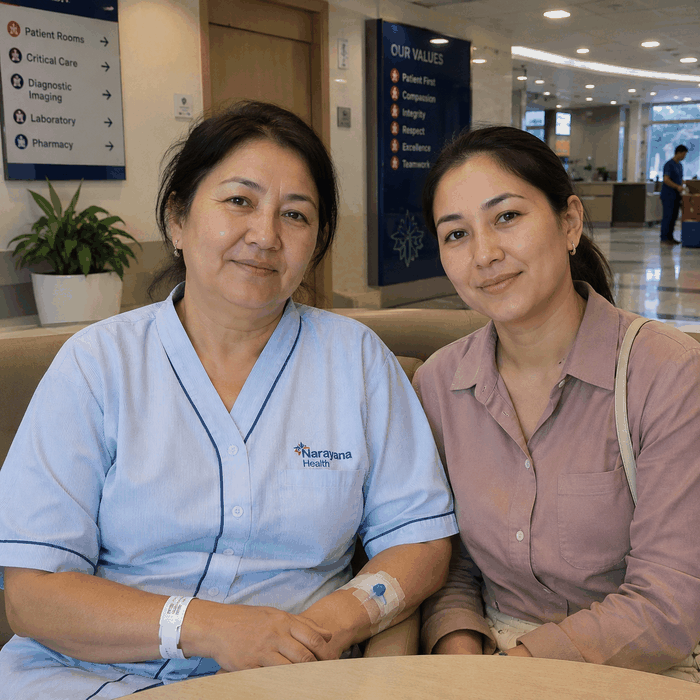
Healing Journeys of Uzbek Patients
Information Takeaways
- Paediatric neurosurgery covers conditions involving a child's developing brain, skull and spine, and the guide emphasises that these cases require expertise different from general adult neurosurgery. Conditions such as hydrocephalus and craniosynostosis are commonly treated, while outcomes can depend substantially on how frequently a specialist team manages the child's particular condition. India is described as having a high volume of paediatric neurosurgical cases, with leading children's neuroscience centres potentially accredited by NABH or JCI.
- The guide discusses several important paediatric neurosurgical conditions. Hydrocephalus may be treated using a VP shunt or, in suitable cases, endoscopic third ventriculostomy, which creates an alternative drainage pathway without an implanted device. Craniosynostosis involves premature fusion of skull sutures and may require surgery to support normal skull and brain growth. Paediatric brain tumours may require surgery together with neuro-oncology treatment, while spina bifida and tethered cord conditions can require surgery during infancy or later childhood.
- Uzbek families have access to paediatric neuroscience services in several major Indian cities, including Delhi, Mumbai, Chennai, Bengaluru and Hyderabad. The source stresses that parents should select the centre based on the team's experience with the child's exact condition rather than choosing solely according to the city. It also highlights paediatric neurosurgeons with international training, modern imaging and neuronavigation adapted to paediatric anatomy, and Russian- and Uzbek-speaking coordinators or interpreters.
- The cost comparison in the guide gives an illustrative India range of approximately USD 4,000–15,000 for common procedures such as VP shunt surgery, ETV, craniosynostosis correction and paediatric brain tumour surgery. More complex or staged conditions can cost more. The chart compares this with approximately USD 35,000–60,000 in Germany, USD 30,000–50,000 in the UK, USD 40,000–70,000 in Australia and USD 40,000–70,000 in the USA. The source makes clear that the final quotation depends on the condition, procedure and hospital tier.
- Families should budget beyond the quoted surgical cost. The guide notes that flights, accommodation and parental expenses are generally not included. It also highlights the possibility of later revision surgery for some children with hydrocephalus, particularly when a shunt requires adjustment or replacement as the child grows. Parents should therefore ask the treating team about possible future procedures and how they would be managed after the family returns to Uzbekistan.
- The treatment pathway shown in the guide begins with remote review of the child's MRI, CT or other reports. After a written treatment plan, cost estimate and medical-visa invitation, the family travels to India for updated imaging and consultation. Surgery generally follows around days 2–3, with post-operative monitoring in a paediatric-appropriate ward or ICU. The child is assessed during recovery before being cleared to return home, with a discharge report and follow-up scan schedule provided for care in Uzbekistan.
- The overall journey for many Uzbek families is estimated at approximately two to three weeks, although timelines vary by diagnosis and procedure. For hydrocephalus treated with a VP shunt or ETV, the source describes a hospital stay of around five to eight days, while craniosynostosis may involve a similar hospital period with visible healing continuing for several weeks. Brain tumour recovery can vary considerably and may include rehabilitation such as physiotherapy or speech therapy. Children with implanted shunts require ongoing monitoring, and the guide recommends arranging long-term follow-up with a paediatric neurologist or neurosurgeon in Uzbekistan before departure.
Quick Facts
- Treatment
- Paediatric neurosurgery
- Primary Patients
- Children travelling from Uzbekistan for specialised neurosurgical care
- Main Speciality
- Paediatric neurosurgery and paediatric neuroscience
- Conditions
- Hydrocephalus, craniosynostosis, brain tumours, spina bifida and tethered cord
- Hydrocephalus Options
- VP shunt or ETV in suitable cases
- Key Technology
- Paediatric-adapted imaging and neuronavigation
- India Cost
- Approximately USD 4,000–15,000 for common procedures
- Complex Cases
- More complex or staged treatment may cost more
- Typical Journey
- Approximately 2–3 weeks
- Hospital Stay
- Around 5–8 days for many hydrocephalus procedures
- Recovery
- Depends on the condition and surgery
- Brain Tumour Recovery
- May include physiotherapy or speech therapy
- Hospital Selection
- Check NABH or JCI accreditation
- Key Selection Factor
- Experience with the child's exact condition
- Specialist
- Paediatric neurosurgeon rather than a general adult neurosurgeon
- Language Support
- Russian- and Uzbek-speaking coordinators or interpreters may be available
- Pre-Travel Records
- Share MRI, CT and other medical reports for review
- Visa
- Arrange a medical visa for the child and attendant arrangements for a parent
- Follow-Up
- Plan follow-up scans and neurological monitoring in Uzbekistan
- Long-Term Care
- Shunts may require adjustment or replacement as the child grows
- Parent Support
- One parent can generally remain with the child during hospital care
- Author
- Dr. Dheeraj Bojwani
- Experience
- 24+ Years
Knowledgeable Information Snippet
Paediatric neurosurgery in India may be considered by Uzbek families whose children require treatment for hydrocephalus, craniosynostosis, paediatric brain tumours, spina bifida or tethered cord. The source gives an illustrative India cost range of USD 4,000–15,000 for several common paediatric neurosurgical procedures, while complex or staged conditions may cost more. Many families may complete the treatment journey in approximately two to three weeks, but the appropriate hospital, procedure, recovery period and follow-up plan depend on the child's specific diagnosis.
Why Uzbek Families Choose India for Paediatric Neurosurgery?
Cities such as Delhi, Mumbai, Chennai, Bengaluru and Hyderabad all have dedicated paediatric neuroscience units. The right choice is experience with your child's specific condition — not the city name.
- Paediatric neurosurgeons frequently trained or fellowship-qualified in the UK, Europe or the USA.
- Experience across both common conditions like hydrocephalus and more specialised craniofacial and spinal conditions.
- Modern imaging and neuronavigation technology adapted for smaller paediatric anatomy.
- Dedicated international desks with Russian and Uzbek-speaking coordinators and interpreters.
- Convenient connectivity from Tashkent to Delhi, Mumbai and other major cities.
Which conditions does paediatric neurosurgery treat?
Paediatric neurosurgery covers a distinct set of conditions from adult neurosurgery, many specific to how a child's brain, skull and spine develop.
Hydrocephalus (fluid buildup in the brain) is treated with a VP shunt, a tube system draining excess fluid to the abdomen, or ETV (endoscopic third ventriculostomy), which creates a new drainage pathway without an implanted device, for suitable cases. Craniosynostosis, where skull sutures fuse too early in infancy, is corrected surgically to allow normal brain and skull growth. Paediatric brain tumors are treated by a dedicated paediatric neuro-oncology team, often alongside chemotherapy or radiation depending on tumor type. Spina bifida and tethered cord affect the spine and spinal cord and may need surgery in infancy or later childhood. Your paediatric neurosurgeon will confirm the right approach after a full evaluation.
How much does paediatric neurosurgery in India cost?
Cost depends heavily on the specific condition. In India, common procedures — VP shunt surgery, ETV, craniosynostosis correction and pediatric brain tumor surgery — typically cost USD 4,000–15,000 all-inclusive. More complex or staged conditions can cost more.
India vs Western countries: cost of paediatric neurosurgery
Approximate range across common paediatric neurosurgical procedures (USD, 2026)
Figures are indicative ranges compiled from hospital and medical-travel sources; your final quote depends on the specific condition, procedure and hospital tier.
Notice how far below Western prices India sits — often a small fraction of what the same procedures cost in the USA, UK, Germany or Australia — without a trade-off in paediatric neurosurgical expertise. India's advantage is value: high case volume across common and specialised conditions, at a cost that does not require a lifetime of savings.
One caution on budgeting: some conditions, particularly hydrocephalus with a shunt, may need revision surgery later in childhood if the shunt requires adjustment or replacement — ask your team about this possibility and how it would be managed. The quote also rarely includes flights, accommodation and a parent's costs.
Choose the paediatric neurosurgical team's specific experience with your child's exact condition first, and the price second. These are distinct sub-specialties within neurosurgery.
Your child's neurosurgery journey, step by step
Knowing the whole path in advance can ease some of the worry. From first contact to flying home, most Uzbek families complete the journey in about 2 to 3 weeks.
Your child's neurosurgery journey, step by step
A typical timeline from Uzbekistan to India and back
Timelines vary considerably with the specific condition; your paediatric neurosurgical team will confirm exact dates.
Factors that every Uzbek Family should consider while planning Paediatric Neurosurgery in India
Before you commit, work through the checklist below with the hospital's international team. In more than 24 years of guiding families through this decision, those who ask these six questions directly are consistently the best prepared.
Before you book: six things to confirm
A pre-travel checklist for families from Uzbekistan
Also ask specifically about developmental follow-up, since some conditions benefit from ongoing monitoring of a child's development, not just imaging.
Two further points: one parent staying with the child throughout is standard practice and genuinely helps recovery — and ask for everything in writing, including what long-term monitoring your child's specific condition will need.
Recovery after Paediatric Neurosurgery and returning to Uzbekistan
Recovery depends heavily on the condition and procedure. Children who have a VP shunt or ETV for hydrocephalus often recover within a hospital stay of 5 to 8 days, with most returning to normal activity within a few weeks. Craniosynostosis surgery in infants generally involves a similar hospital stay, with visible healing continuing over several weeks as swelling settles. Recovery from brain tumor surgery varies more, depending on tumor type and location, and may include a period of rehabilitation such as physiotherapy or speech therapy. For conditions involving an implanted shunt, lifelong monitoring is needed to check it continues functioning well, so agree a monitoring plan with a paediatric neurologist or neurosurgeon in Uzbekistan before you leave. Keep every scan, surgical report and discharge summary safely.
Frequently asked questions
Is paediatric neurosurgery in India safe? At an accredited paediatric neurosurgery centre, yes. India's leading hospitals meet NABH or JCI standards and have dedicated paediatric neurosurgical teams with high case volume across common and specialised conditions.
Will there be someone who speaks my language? Major international hospitals have Russian and Uzbek-speaking coordinators and interpreters who assist from your first message through discharge and follow-up.
Will my child need more surgery later for the same condition? This depends on the condition. Shunts for hydrocephalus sometimes need adjustment or replacement as a child grows, while conditions like craniosynostosis are typically corrected with a single surgery. Your team will explain what to expect for your child's specific diagnosis.
Can I stay with my child throughout the hospital stay? Yes, and it is standard practice for one parent to remain with the child throughout. Hospitals with strong international programmes will support this and help arrange nearby accommodation.
A note from Dr Dheeraj Bojwani
With 24+ years of experience guiding international families through paediatric diagnoses, my advice to every parent from Uzbekistan is the same: ask specifically about the team's experience with your child's exact condition, confirm what long-term monitoring will be needed, and arrange follow-up care at home before you travel. This article is general information and not a substitute for a personal consultation with your child's neurosurgeon.
Straight Answer Question by Uzbek Patients about Paediatric Neurosurgery in India
Is paediatric neurosurgery in India safe?
At an accredited paediatric neurosurgery centre, yes. India's leading hospitals meet NABH or JCI standards and have dedicated paediatric neurosurgical teams with high case volume across common and specialised conditions.
Will there be someone who speaks my language?
Major international hospitals have Russian and Uzbek-speaking coordinators and interpreters who assist from your first message through discharge and follow-up.
Will my child need more surgery later for the same condition?
This depends on the condition. Shunts for hydrocephalus sometimes need adjustment or replacement as a child grows, while conditions like craniosynostosis are typically corrected with a single surgery. Your team will explain what to expect for your child's specific diagnosis.
Can I stay with my child throughout the hospital stay?
Yes, and it is standard practice for one parent to remain with the child throughout. Hospitals with strong international programmes will support this and help arrange nearby accommodation.
References & sources
- 🌐 National Accreditation Board for Hospitals & Healthcare Providers (NABH) — accredited hospital directory. · nabh.co
- 🌐 Joint Commission International (JCI) — directory of accredited organisations. · jointcommissioninternational.org
- 🌐 National Medical Commission of India — doctor and specialist registration verification. · nmc.org.in
- 🌐 World Health Organization — Congenital anomalies fact sheet. · who.int/news-room/fact-sheets/detail/birth-defects
- 🌐 Bureau of Immigration, Government of India — e-Medical Visa and Medical Attendant Visa. · indianvisaonline.gov.in
- 🌐 Cost ranges compiled from published hospital and medical-travel price guides for paediatric neurosurgery, 2025–2026.
Frequently Asked Questions by Uzbek Patients about Paediatric Neurosurgery in India
Why do Uzbek families choose India for paediatric neurosurgery?
The guide highlights India's high volume of paediatric neurosurgical cases, dedicated children's neuroscience units and specialists experienced in both common and complex paediatric conditions. Parents are advised to focus on condition-specific expertise rather than location alone.
How much does paediatric neurosurgery cost in India for Uzbek patients?
Common procedures such as VP shunt surgery, ETV, craniosynostosis correction and paediatric brain tumour surgery are estimated at approximately USD 4,000–15,000. More complex or staged procedures can cost more.
Which paediatric neurosurgical conditions can Uzbek children be treated for in India?
The guide covers hydrocephalus, craniosynostosis, paediatric brain tumours, spina bifida and tethered cord. The final procedure depends on the child's diagnosis, imaging and specialist assessment.
Can hydrocephalus in an Uzbek child be treated without a permanent shunt?
In suitable cases, ETV can create a new drainage pathway without an implanted device. Other children may require a VP shunt, and the paediatric neurosurgeon determines the appropriate option after evaluation.
How long will an Uzbek family stay in India for paediatric neurosurgery?
The guide estimates that many Uzbek families complete the overall treatment journey in approximately two to three weeks. The actual duration depends on the child's condition, procedure and recovery.
How long does a child usually stay in hospital after hydrocephalus surgery in India?
For VP shunt or ETV treatment, the source describes a hospital stay of approximately five to eight days in many cases. Recovery varies according to the child's condition and clinical progress.
Can Uzbek parents stay with their child during neurosurgery treatment in India?
Yes. The guide states that one parent remaining with the child throughout the hospital stay is standard practice, and international hospitals may help arrange nearby accommodation.
Will Uzbek-speaking assistance be available at Indian paediatric neurosurgery hospitals?
Major international hospitals may provide Russian- and Uzbek-speaking coordinators or interpreters from initial communication through discharge and follow-up. Families should confirm this support with the selected centre before travel.
Could an Uzbek child need another neurosurgical procedure after returning home?
It depends on the diagnosis. Children with hydrocephalus and implanted shunts may sometimes require adjustment or replacement as they grow, while conditions such as craniosynostosis are typically corrected through a single surgery.
How should an Uzbek child continue neurosurgical follow-up after returning from India?
Parents should leave India with a written schedule for follow-up scans and monitoring and arrange continuing care with a paediatric neurologist or neurosurgeon in Uzbekistan. Developmental follow-up may also be important for some conditions, and families should retain all scans, surgical reports and discharge summaries.
Page Summary
Paediatric neurosurgery in India is presented as an option for Uzbek families seeking specialised treatment for conditions involving a child's brain, skull or spine. The guide highlights India's high paediatric neurosurgical case volume, dedicated neuroscience units, paediatric-focused specialists and access to modern imaging and neuronavigation. Parents are advised to prioritise experience with the child's exact condition rather than choosing a hospital based only on location or cost. The source estimates common paediatric neurosurgical procedures in India at approximately USD 4,000–15,000, with a typical international treatment journey of around two to three weeks. Before travelling from Uzbekistan, families should obtain a written treatment plan, review costs and visa arrangements, confirm paediatric-specific expertise, establish a long-term follow-up plan and understand whether the child's condition could require additional procedures later.
Citation Block
| Field | Details |
|---|---|
| Article / Topic | Paediatric Neurosurgery in India for Uzbek Patients |
| Primary Patient Group | Children travelling from Uzbekistan for neurosurgical treatment |
| Main Speciality | Paediatric neurosurgery |
| Conditions Discussed | Hydrocephalus, craniosynostosis, paediatric brain tumours, spina bifida and tethered cord |
| Hydrocephalus Treatments | VP shunt and ETV for suitable cases |
| Craniosynostosis Treatment | Surgical correction to support normal skull and brain growth |
| Brain Tumour Care | Paediatric neurosurgery with possible chemotherapy or radiation depending on tumour type |
| Spina Bifida / Tethered Cord | May require surgery during infancy or later childhood |
| India Advantage | High paediatric neurosurgical case volume and specialised teams |
| Technology | Modern imaging and neuronavigation adapted to paediatric anatomy |
| Indian Locations | Dedicated paediatric neuroscience units in major cities including Delhi, Mumbai, Chennai, Bengaluru and Hyderabad |
| Hospital Accreditation | NABH or JCI should be checked |
| Illustrative India Cost | USD 4,000–15,000 for common procedures |
| Germany Comparison | USD 35,000–60,000 |
| UK Comparison | USD 30,000–50,000 |
| Australia Comparison | USD 40,000–70,000 |
| USA Comparison | USD 40,000–70,000 |
| Cost Qualification | Final price depends on condition, procedure and hospital tier |
| Typical International Journey | Approximately 2–3 weeks |
| Pre-Travel Review | MRI, CT and relevant medical reports should be shared |
| Hospital Recovery | Many hydrocephalus procedures involve approximately 5–8 days in hospital |
| Long-Term Monitoring | Follow-up scans and developmental monitoring may be required |
| Shunt Follow-Up | Some shunts may require adjustment or replacement as the child grows |
| Language Support | Russian- and Uzbek-speaking coordinators or interpreters may be available |
| Home Follow-Up | A written follow-up plan should be arranged with specialists in Uzbekistan |

Our Mission Statement
Our mission is to place patients at the centre of every healthcare decision by providing trustworthy, evidence-based, and unbiased medical information. We believe that informed patients make better decisions. Backed by personalised guidance from our experienced advisory team, we help patients understand their treatment options, compare them objectively, and confidently choose the path that best suits their medical needs and personal circumstances.
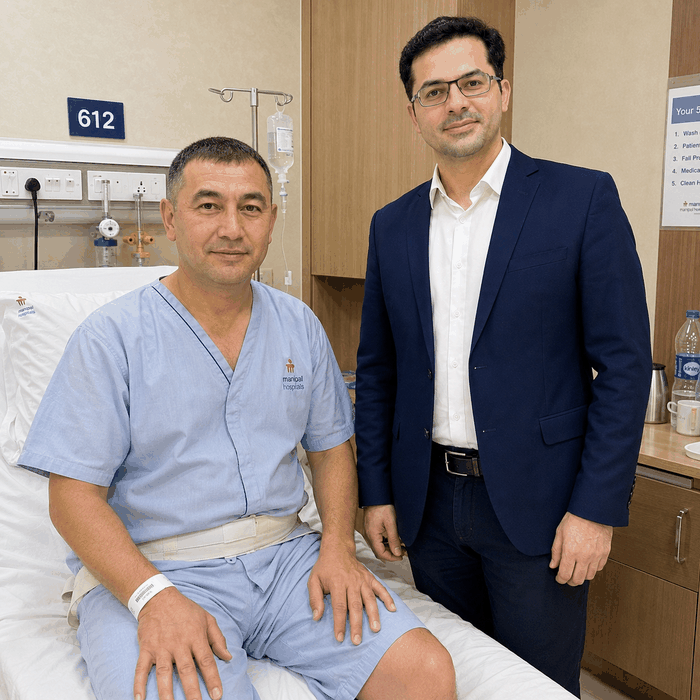
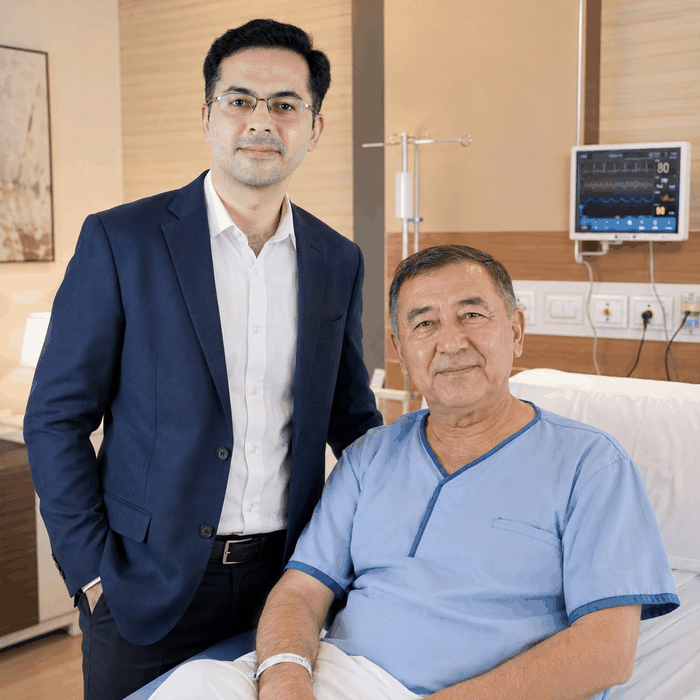
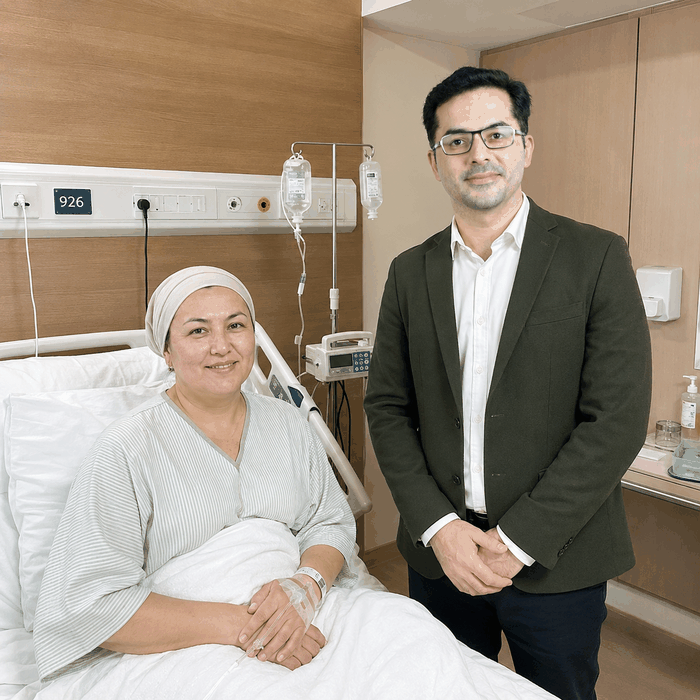
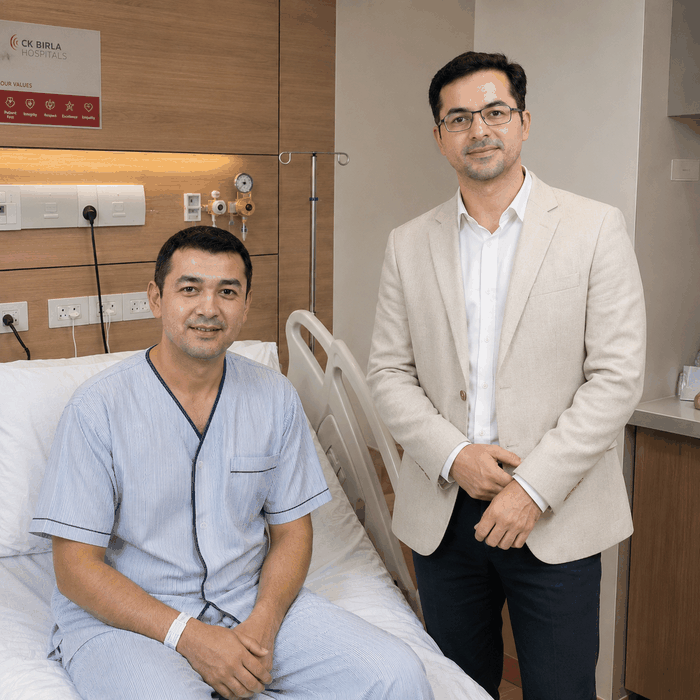
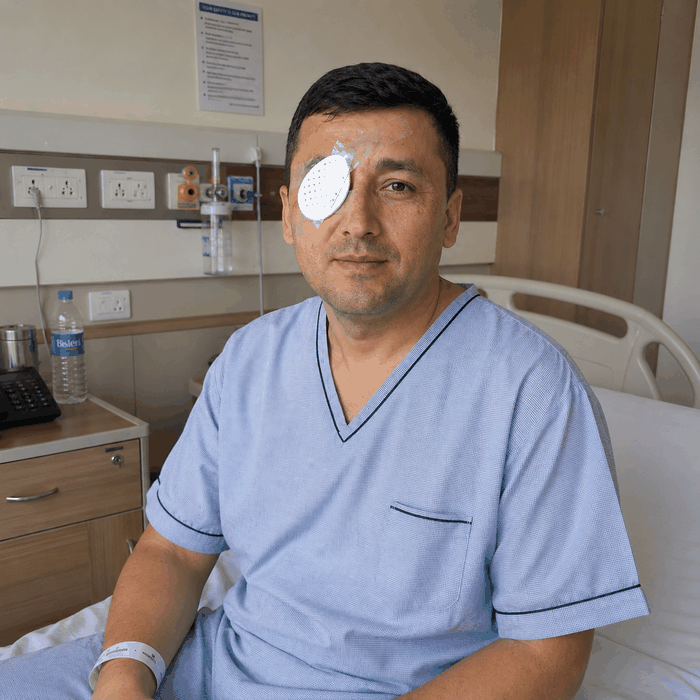
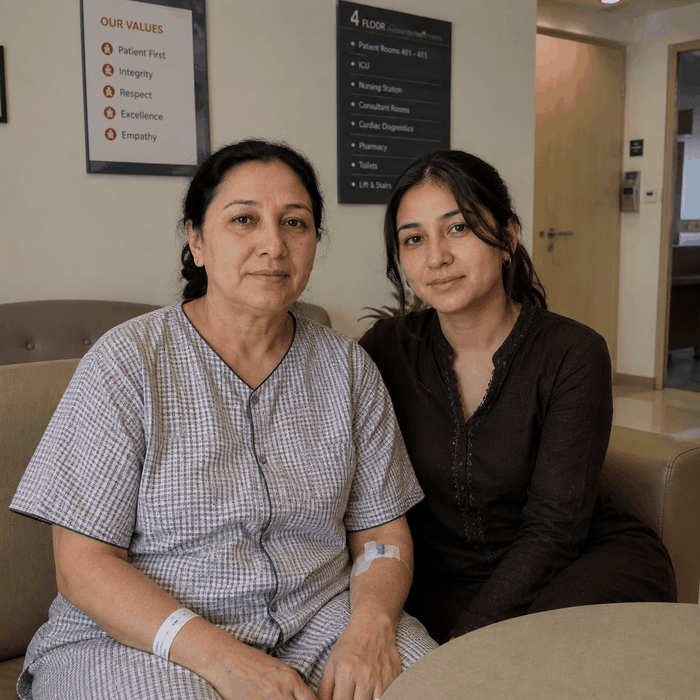
Patient Testimonials from Uzbekistan
Ready to Take the First Step?
Share your medical reports with our healthcare managers today and receive a FREE CONSULTATION, a personalized treatment plan and complete support from your arrival to your recovery.
Get Your Free ConsultationFrom Uzbekistan to India: Your Complete Patient Guide
- Neurosurgery in India for Uzbek Patients
- Oral and Maxillofacial Surgery in India for Uzbek Patients
- Paediatric Heart Surgery in India for Uzbek Patients
- Paediatric Orthopaedic Surgery in India for Uzbek Patients
- Pancreatic Cancer Surgery in India for Uzbek Patients
- Parkinson’s Treatment and DBS Surgery in India for Uzbek Patients
- Penile Implant Surgery in India for Uzbek Patients
- Plastic and Reconstructive Surgery in India for Uzbek Patients
- Prostate Cancer Treatment and Surgery in India for Uzbek Patients
- Proton Therapy Treatment in India for Uzbek Patients
- Radiotherapy and Modern Cancer Treatments in India for Uzbek Patients
- Robotic Cancer Surgery in India for Uzbek Patients
- Scoliosis Correction Surgery in India for Uzbek Patients
- Shoulder Surgery in India for Uzbek Patients
- Spine Surgery in India for Uzbek Patients
- Urosurgery and Reconstructive Urology in India for Uzbek Patients
- Weight Loss and Bariatric Surgery in India for Uzbek Patients
- Bone Marrow Transplant Treatment in India for Uzbek Patients