

Parkinson’s Treatment and DBS Surgery in India for Uzbek Patients
A practical guide to Parkinson's disease treatment in India — from medication management to Deep Brain Stimulation surgery — what it costs compared with Western countries, and who is genuinely a candidate.
A Parkinson's disease diagnosis raises an immediate question: does this mean surgery? For the great majority of patients, the honest answer is no, at least not right away. Medication remains the foundation of treatment for most people, and Deep Brain Stimulation (DBS) surgery is reserved for a specific, well-defined group whose symptoms are no longer well controlled by medication alone. Across more than two decades of guiding patients from Uzbekistan to treatment in India, the questions I hear most are: Am I actually a candidate for DBS? What does it actually do? What will it really cost? And how do I plan the trip? This guide answers each plainly. It does not replace your neurologist's advice — it is meant to help you understand the treatment path clearly. India has movement disorder centres with dedicated multidisciplinary teams — neurologists and neurosurgeons working together — accredited by NABH or the international JCI, and substantial experience specifically in DBS surgery for Parkinson's disease.
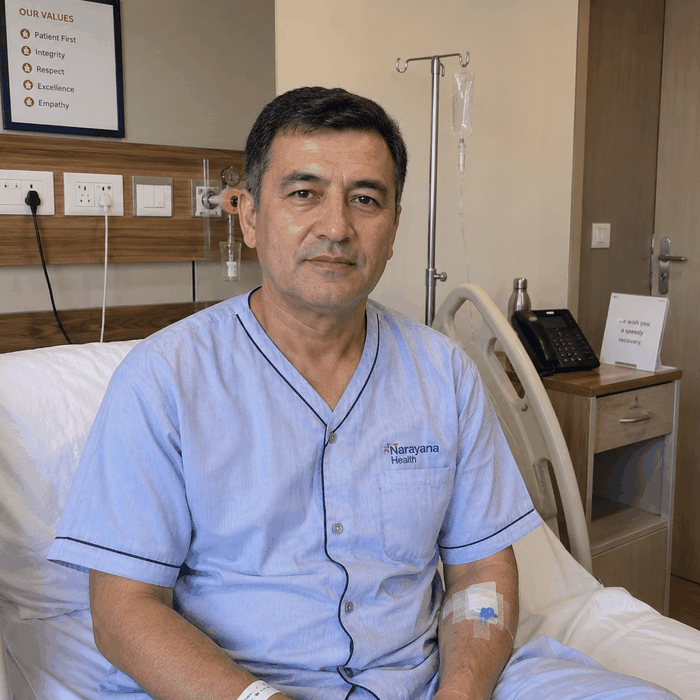
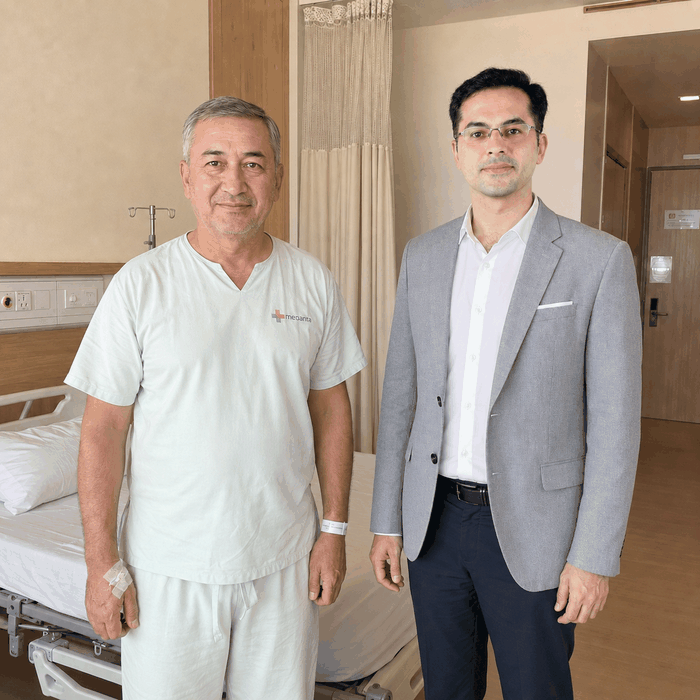
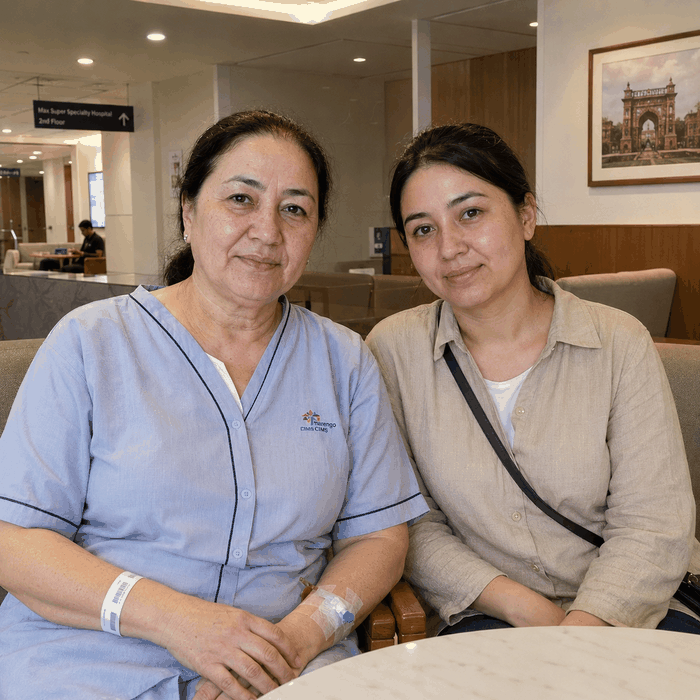
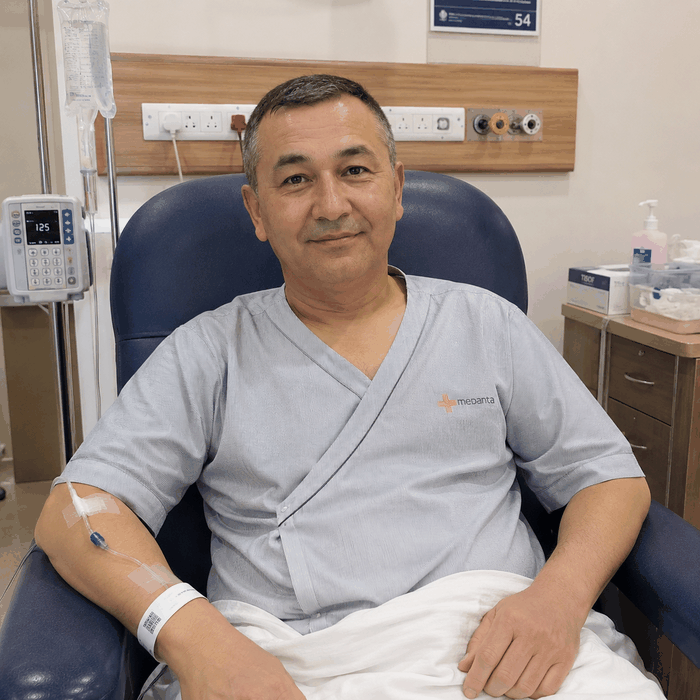
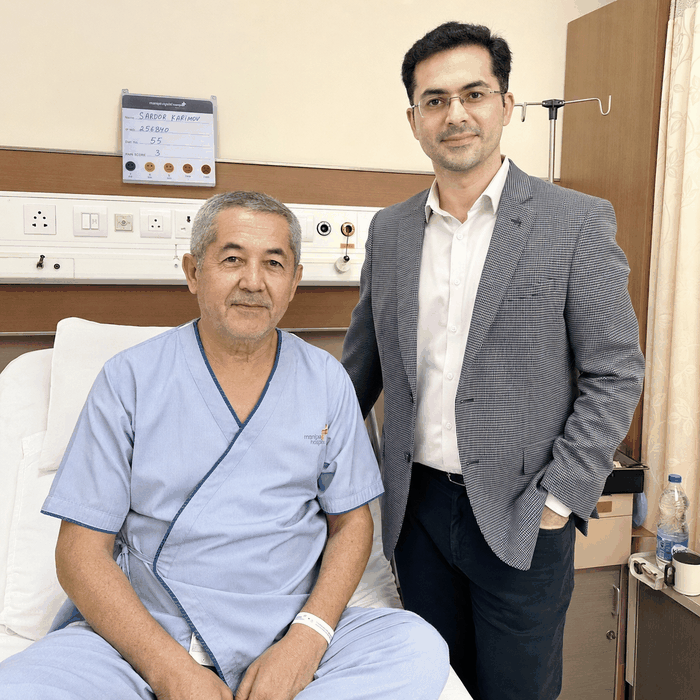
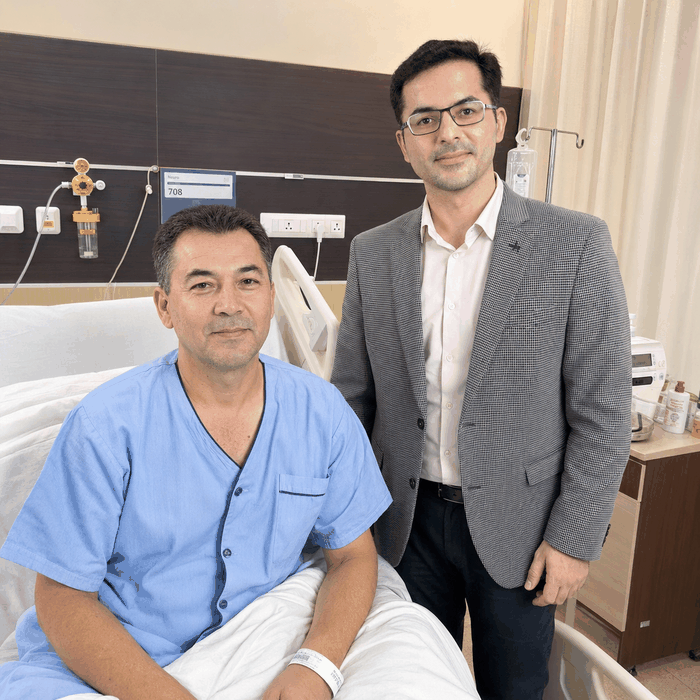
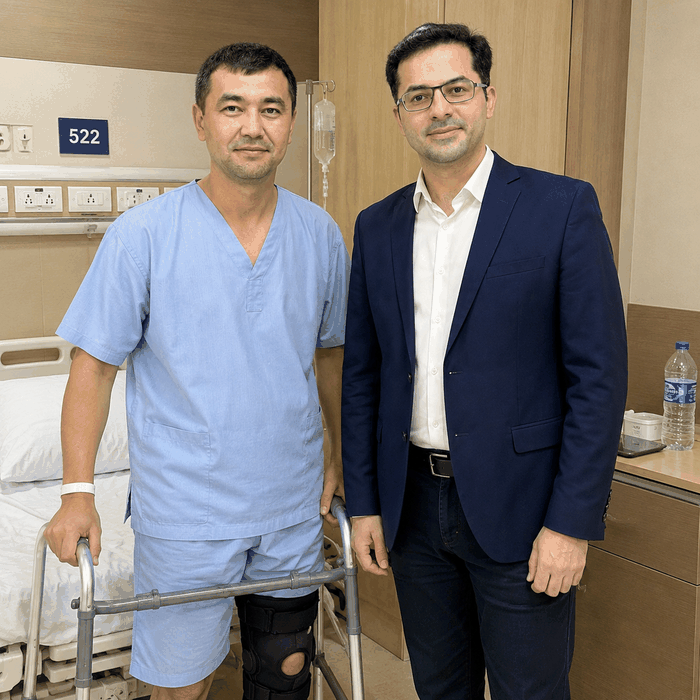
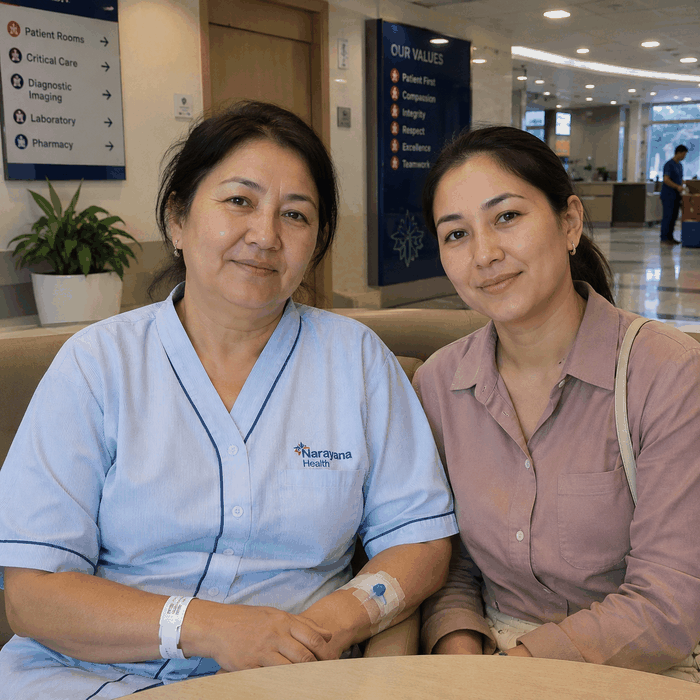
Healing Journeys of Uzbek Patients
Information Takeaways
- A diagnosis of Parkinson's disease does not automatically mean that surgery is required. The guide makes clear that medication remains the foundation of treatment for most patients, while Deep Brain Stimulation is reserved for a specific group whose symptoms are no longer adequately controlled with medication alone. India has movement-disorder centres with multidisciplinary neurologist and neurosurgeon teams and experience specifically in DBS for Parkinson's disease.
- Levodopa remains the primary treatment discussed in the guide and may work effectively for many years. Some patients eventually develop motor fluctuations, including periods when medication wears off before the next dose, or dyskinesia involving involuntary movements. DBS may be considered for selected patients who continue to respond to levodopa but experience significant fluctuations despite optimised medication.
- DBS involves placing thin electrodes at precise targets deep within the brain and connecting them to a pulse generator implanted under the skin near the collarbone. The device delivers regulated electrical stimulation to help control specific symptoms. The guide stresses that DBS does not cure Parkinson's disease or stop its progression. Instead, it manages appropriate motor symptoms and may allow medication reduction and improvement in quality of life for carefully selected patients.
- The guide identifies Delhi, Mumbai, Chennai, Bengaluru and Hyderabad as Indian cities with movement-disorder centres offering DBS. However, the source emphasises that the hospital should be selected based on the team's specific Parkinson's and DBS experience rather than the city alone. NABH or JCI accreditation, multidisciplinary assessment and the number of DBS procedures performed each year are important questions for Uzbek patients to ask before travelling.
- The guide gives an indicative India DBS cost of USD 16,000–35,000, with the main variation associated with whether a rechargeable or non-rechargeable device is selected. The comparison chart shows approximately USD 60,000–100,000 in Germany, USD 60,000–90,000 in the UK, USD 65,000–100,000 in Australia and USD 70,000–170,000 in the USA. The guide notes that these figures are indicative and that the final quotation can depend on device type and additional programming requirements.
- DBS budgeting should extend beyond the initial operation. Device programming visits are required after surgery to optimise stimulation settings. Rechargeable systems require periodic recharging, while non-rechargeable devices eventually require battery replacement. Flights and accommodation are also generally separate from the quoted treatment cost. Uzbek patients should therefore request a complete budget that considers the immediate treatment as well as future device-related care and programming.
- The typical journey from Uzbekistan to India takes approximately 2–3 weeks, according to the guide. Before travelling, patients can share their Parkinson's history, medication response and medical records for an initial assessment, followed by a treatment plan, cost estimate and visa invitation. After arrival, a detailed neurological evaluation confirms DBS candidacy before surgery. The procedure involves electrode placement and pulse-generator implantation, followed by recovery, initial programming and further adjustments before returning to Uzbekistan.
- Long-term follow-up is an essential part of DBS treatment. The device is generally not switched on immediately after surgery; initial programming typically begins after a few weeks once swelling has settled, followed by several adjustment sessions. Medication may also be modified alongside DBS. Uzbek patients should arrange continuing neurological care and a plan for device programming after returning home, while keeping programming records and the device card safely.
Quick Facts
- Treatment
- Parkinson's disease treatment and Deep Brain Stimulation
- Primary Patients
- Uzbek patients seeking advanced Parkinson's care in India
- Main Speciality
- Movement disorders and functional neurosurgery
- First-Line Treatment
- Medication, primarily levodopa
- DBS Candidate
- Selected patients with significant motor fluctuations despite optimised medication
- DBS Purpose
- Management of specific Parkinson's motor symptoms
- Disease Cure
- DBS does not cure Parkinson's or stop its progression
- DBS Cost in India
- Approximately USD 16,000–35,000
- Device Options
- Rechargeable and non-rechargeable systems
- Treatment Cities
- Delhi, Mumbai, Chennai, Bengaluru and Hyderabad
- Hospital Selection
- Prioritise Parkinson's and DBS-specific experience
- Accreditation
- NABH or JCI accreditation should be confirmed
- Surgery
- Electrodes and a pulse generator are implanted
- Programming
- Initial programming generally begins a few weeks after surgery
- Adjustment
- Several programming visits may be required
- Typical India Journey
- Approximately 2–3 weeks
- Language Support
- Russian- and Uzbek-speaking coordinators may be available
- Companion
- A companion is recommended during evaluation and recovery
- Long-Term Care
- Programming and neurological follow-up continue after returning home
- Device Care
- Rechargeable devices require periodic recharging
- Documentation
- Keep programming records and the device card
- Travel
- Medical and companion visa arrangements should be confirmed
- Author
- Dr. Dheeraj Bojwani
- Experience
- 24+ Years
Knowledgeable Information Snippet
For Uzbek patients considering DBS in India, the key question is not simply whether the procedure is available but whether the patient is genuinely an appropriate candidate. The source recommends a thorough neurological evaluation for patients whose Parkinson's symptoms fluctuate despite optimised medication while retaining a good response to levodopa. India's indicative DBS cost is USD 16,000–35,000, and patients generally plan approximately 2–3 weeks for the initial treatment journey, with further programming and neurological follow-up required after returning to Uzbekistan.
Why Uzbek Patients Choose India for Parkinson's and DBS Treatment?
Cities such as Delhi, Mumbai, Chennai, Bengaluru and Hyderabad all have movement disorder centres offering DBS. The right choice is the team's specific experience with DBS for Parkinson's — not the city name.
- Movement disorder neurologists and functional neurosurgeons frequently trained or fellowship-qualified in the UK, Europe or the USA.
- Both rechargeable and non-rechargeable DBS device options available.
- Thorough pre-surgical evaluation as standard, not an afterthought.
- Dedicated international desks with Russian and Uzbek-speaking coordinators and interpreters.
- Convenient connectivity from Tashkent to Delhi, Mumbai and other major cities.
From medication to surgery — understanding the treatment path
Medication, primarily levodopa, remains the first and most important treatment for Parkinson's disease, and works well for most patients for years. Over time, some patients develop motor fluctuations — periods when medication wears off before the next dose, or involuntary movements called dyskinesia — that become difficult to manage with medication adjustments alone.
DBS surgery is considered for this specific group: patients who still respond well to levodopa but whose symptoms fluctuate significantly despite optimised medication. Thin electrodes are placed in a precise target deep in the brain, connected to a pulse generator (similar to a pacemaker) implanted under the skin near the collarbone, which sends regulated electrical signals to help control symptoms. DBS does not cure Parkinson's disease or stop its progression — it manages specific symptoms, often allowing a reduction in medication dose and meaningfully improving quality of life for well-selected patients. A thorough neurological evaluation, not just a request for surgery, determines candidacy.
How much does DBS surgery in India cost?
In India, DBS surgery typically costs USD 16,000–35,000 all-inclusive, with the range depending mainly on whether a non-rechargeable or rechargeable device is used.
India vs Western countries: cost of DBS surgery
Approximate all-inclusive price range (USD, 2026)
Figures are indicative ranges compiled from hospital and medical-travel sources; your final quote depends on the device type and any additional programming visits needed.
Notice how far below Western prices India sits — often 70 to 85 percent below the cost in the USA, UK, Germany or Australia — without a trade-off in device quality, since the same internationally recognised DBS systems are used. India's advantage is value: experienced movement disorder teams, at a cost that makes this treatment realistic for far more patients.
One caution on budgeting: DBS involves programming visits after surgery to optimise the settings, and a rechargeable device needs periodic recharging while a non-rechargeable one eventually needs battery replacement — both are costs to plan for beyond the initial surgery. The quote also rarely includes flights and accommodation.
DBS treats specific motor symptoms in well-selected patients — it does not cure Parkinson's disease. A thorough evaluation, not eagerness for surgery, should drive this decision.
Your DBS treatment journey, step by step
Knowing the whole path in advance makes planning easier. From first contact to flying home, most Uzbek patients complete the journey in about 2 to 3 weeks.
Your DBS treatment journey, step by step
A typical timeline from Uzbekistan to India and back
Device programming is typically refined over several visits after surgery; your team will confirm the plan for ongoing adjustment.
Factors that every Uzbek Patient should consider while planning DBS Surgery in India
Before you commit, work through the checklist below with the hospital's international team. In more than 24 years of guiding patients through this decision, those who ask these six questions directly are the best prepared.
Before you book: six things to confirm
A pre-travel checklist for patients from Uzbekistan
Also confirm the total budget including flights, accommodation and future programming visits or device servicing.
Two further points: bring a companion — helpful throughout evaluation and recovery — and ask specifically how remote or return-visit programming will work once you are back in Uzbekistan, since this is an ongoing part of DBS care.
Recovery after DBS Surgery and returning to Uzbekistan
Most patients spend a few days in hospital after surgery. The device is not switched on immediately — initial programming typically begins a few weeks after surgery, once swelling has settled, and is then refined over several visits as the team finds the optimal settings for each patient. This adjustment period is a normal, expected part of DBS treatment, not a sign of a problem. Many patients see meaningful improvement in motor fluctuations once programming is optimised, though individual results vary. Medication is often adjusted alongside DBS, sometimes at a reduced dose. Arrange a plan for ongoing programming and neurological follow-up with a doctor in Uzbekistan before you leave, and keep every programming record and device card safely.
Frequently asked questions
Is DBS surgery in India safe? At an accredited centre, yes. India's leading movement disorder centres meet NABH or JCI standards and have neurosurgical teams with substantial experience in DBS surgery specifically.
Will there be someone who speaks my language? Major international hospitals have Russian and Uzbek-speaking coordinators and interpreters who assist from your first message through treatment and follow-up.
Does DBS cure Parkinson's disease? No. DBS manages specific motor symptoms and does not stop the underlying progression of Parkinson's disease. It is most effective for well-selected patients with motor fluctuations not adequately controlled by medication.
Is DBS also used for conditions other than Parkinson's? Yes, DBS is also used for essential tremor and certain forms of dystonia, though the specific targets and considerations differ. This guide focuses on its use in Parkinson's disease.
A note from Dr Dheeraj Bojwani
With 24+ years of experience guiding international patients through complex neurological diagnoses, my advice to every patient from Uzbekistan is the same: make sure a thorough evaluation confirms genuine DBS candidacy, understand this manages symptoms rather than curing the condition, and plan for ongoing programming care after you return home. This article is general information and not a substitute for a personal consultation with your neurologist.
Straight Answer Question by Uzbek Patients about DBS Surgery in India
Is DBS surgery in India safe?
At an accredited centre, yes. India's leading movement disorder centres meet NABH or JCI standards and have neurosurgical teams with substantial experience in DBS surgery specifically.
Will there be someone who speaks my language?
Major international hospitals have Russian and Uzbek-speaking coordinators and interpreters who assist from your first message through treatment and follow-up.
Does DBS cure Parkinson's disease?
No. DBS manages specific motor symptoms and does not stop the underlying progression of Parkinson's disease. It is most effective for well-selected patients with motor fluctuations not adequately controlled by medication.
Is DBS also used for conditions other than Parkinson's?
Yes, DBS is also used for essential tremor and certain forms of dystonia, though the specific targets and considerations differ. This guide focuses on its use in Parkinson's disease.
References & sources
- 🌐 National Accreditation Board for Hospitals & Healthcare Providers (NABH) — accredited hospital directory. · nabh.co
- 🌐 Joint Commission International (JCI) — directory of accredited organisations. · jointcommissioninternational.org
- 🌐 National Medical Commission of India — doctor and specialist registration verification. · nmc.org.in
- 🌐 World Health Organization — Parkinson disease fact sheet. · who.int/news-room/fact-sheets/detail/parkinson-disease
- 🌐 Bureau of Immigration, Government of India — e-Medical Visa. · indianvisaonline.gov.in
- 🌐 Cost ranges compiled from published hospital and medical-travel price guides for Deep Brain Stimulation surgery, 2025–2026.
Frequently Asked Questions by Uzbek Patients about DBS Surgery in India
Is DBS surgery in India an option for Parkinson's patients from Uzbekistan?
Yes, the guide describes movement-disorder centres in several Indian cities offering DBS. However, candidacy must be established through a detailed neurological evaluation rather than simply requesting surgery.
Who may be considered for DBS surgery in India?
The guide focuses on patients who continue to respond well to levodopa but develop significant motor fluctuations or dyskinesia that remain difficult to control despite optimised medication. A specialist evaluation is required to confirm suitability.
How much does DBS surgery cost in India for Uzbek patients?
The guide gives an indicative India cost of approximately USD 16,000–35,000. The main variation is associated with the type of DBS device, particularly rechargeable versus non-rechargeable systems.
Does DBS cure Parkinson's disease for Uzbek patients?
No. DBS manages specific motor symptoms and does not cure Parkinson's disease or stop its underlying progression. The guide describes it as a treatment for carefully selected patients whose symptoms are inadequately controlled by medication.
Which Indian cities can Uzbek patients consider for DBS treatment?
The guide identifies Delhi, Mumbai, Chennai, Bengaluru and Hyderabad as cities with movement-disorder centres offering DBS. The specific experience of the DBS team should be prioritised over the city itself.
How long should a Parkinson's patient from Uzbekistan stay in India for DBS?
Most Uzbek patients are expected to complete the initial treatment journey in approximately 2–3 weeks. The exact duration depends on evaluation, surgery, recovery and initial programming requirements.
Will DBS programming continue after an Uzbek patient returns home?
Yes. Programming is refined over several visits after surgery, and the guide recommends arranging a long-term programming and neurological follow-up plan in Uzbekistan before leaving India.
Can Uzbek patients get Russian or Uzbek language support in India?
Major international hospitals may provide Russian- and Uzbek-speaking coordinators and interpreters. According to the guide, this support can extend from initial communication through treatment and follow-up.
What should Uzbek patients check before choosing a DBS hospital in India?
Patients should confirm NABH or JCI accreditation, genuine DBS candidacy, the team's annual Parkinson's DBS volume, the type of device proposed, visa arrangements and how long-term programming will be managed after returning to Uzbekistan.
What happens after DBS surgery before a patient returns to Uzbekistan?
After surgery, the patient spends a few days recovering and initial programming is performed after the early postoperative period. Further adjustments may be made before returning home, with ongoing programming and medication management continuing afterward.
Page Summary
Parkinson's treatment in India for Uzbek patients should begin with appropriate medical management and a careful assessment of whether DBS is genuinely indicated. The source explains that medication remains the foundation of treatment, while DBS is considered for selected patients whose motor fluctuations remain difficult to control despite optimised medication and who continue to respond to levodopa. DBS manages specific symptoms rather than curing or stopping Parkinson's disease. The source's cost chart places DBS in India at approximately USD 16,000–35,000, compared with considerably higher indicative ranges in Germany, the UK, Australia and the USA. Uzbek patients should also plan for programming sessions, future device servicing, travel and accommodation costs, as well as ongoing neurological care and programming after returning to Uzbekistan.
Citation Block
| Field | Details |
|---|---|
| Article / Topic | Parkinson’s Treatment and DBS Surgery in India for Uzbek Patients |
| Primary Patient Group | Patients travelling from Uzbekistan |
| Main Speciality | Movement disorders and functional neurosurgery |
| Primary Medical Treatment | Medication, primarily levodopa |
| Advanced Treatment | Deep Brain Stimulation |
| DBS Indication | Selected patients with significant motor fluctuations despite optimised medication |
| Levodopa Response | Continued response to levodopa is an important consideration |
| DBS Purpose | Management of specific motor symptoms |
| Disease Progression | DBS does not stop Parkinson’s progression |
| DBS Procedure | Electrodes placed in the brain and connected to an implanted pulse generator |
| Indian Treatment Cities | Delhi, Mumbai, Chennai, Bengaluru and Hyderabad |
| Specialist Team | Movement-disorder neurologists and functional neurosurgeons |
| Accreditation | NABH or JCI should be confirmed |
| India DBS Cost | Approximately USD 16,000–35,000 |
| Germany Comparison | Approximately USD 60,000–100,000 |
| UK Comparison | Approximately USD 60,000–90,000 |
| Australia Comparison | Approximately USD 65,000–100,000 |
| USA Comparison | Approximately USD 70,000–170,000 |
| Device Options | Rechargeable and non-rechargeable |
| Additional Costs | Programming, future battery/device servicing, flights and accommodation |
| Typical India Stay | Approximately 2–3 weeks for the initial treatment journey |
| Pre-Travel Assessment | Parkinson’s history and medication response reviewed |
| Postoperative Programming | Begins after initial recovery and is refined over several visits |
| Long-Term Follow-Up | Neurological care and DBS programming in Uzbekistan |
| Language Support | Russian- and Uzbek-speaking coordinators/interpreters may be available |
| Travel Planning | Medical and companion visa arrangements should be made in advance |

Our Mission Statement
Our mission is to place patients at the centre of every healthcare decision by providing trustworthy, evidence-based, and unbiased medical information. We believe that informed patients make better decisions. Backed by personalised guidance from our experienced advisory team, we help patients understand their treatment options, compare them objectively, and confidently choose the path that best suits their medical needs and personal circumstances.
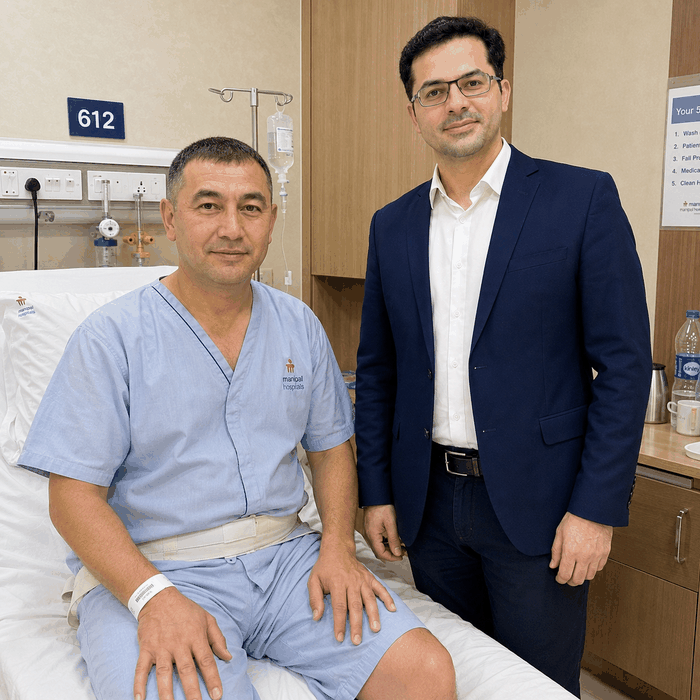
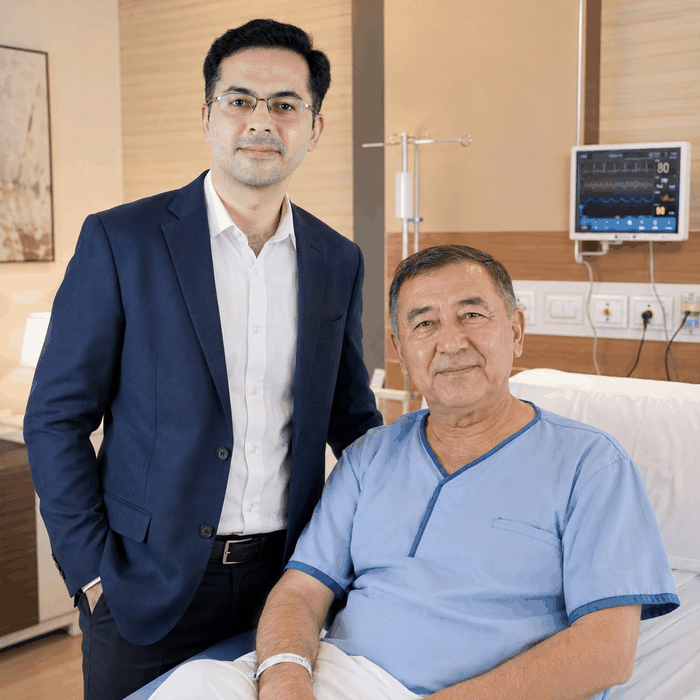
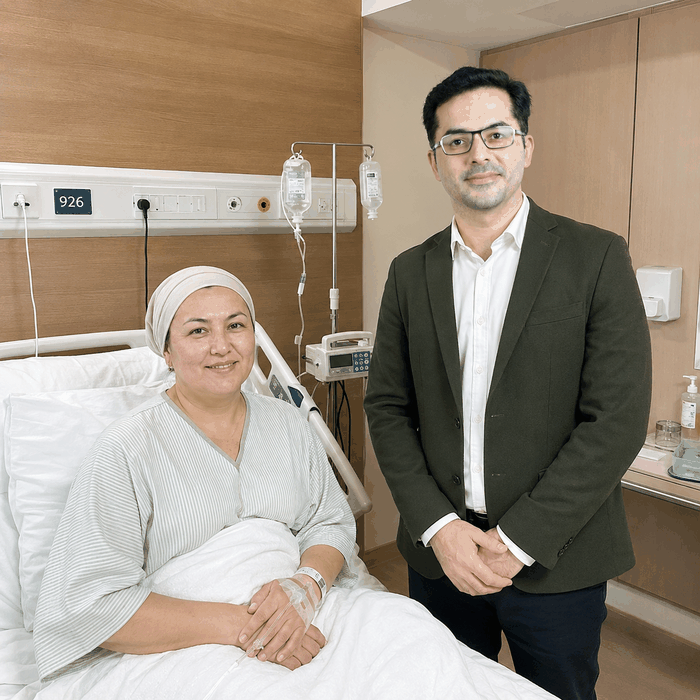
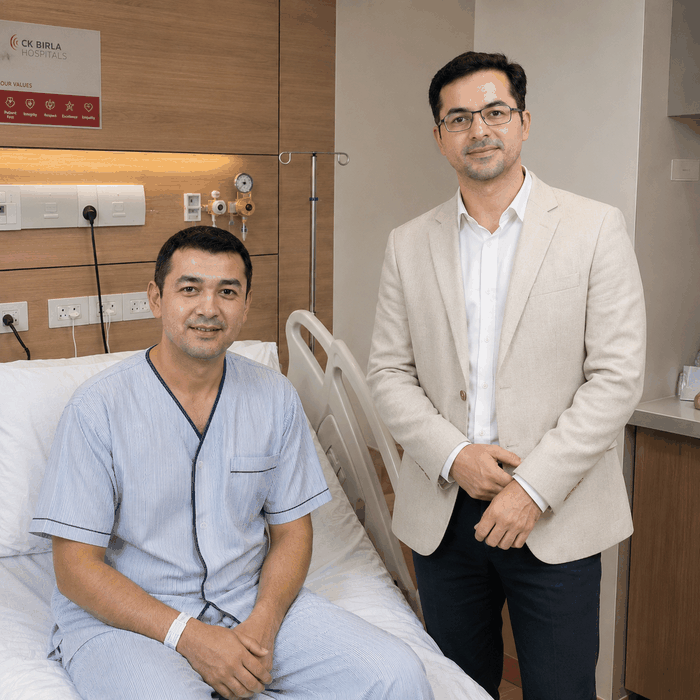
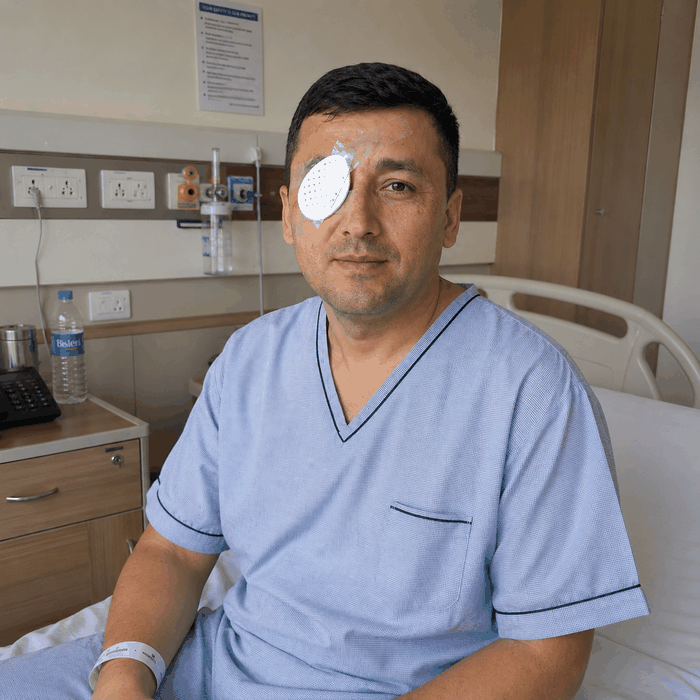
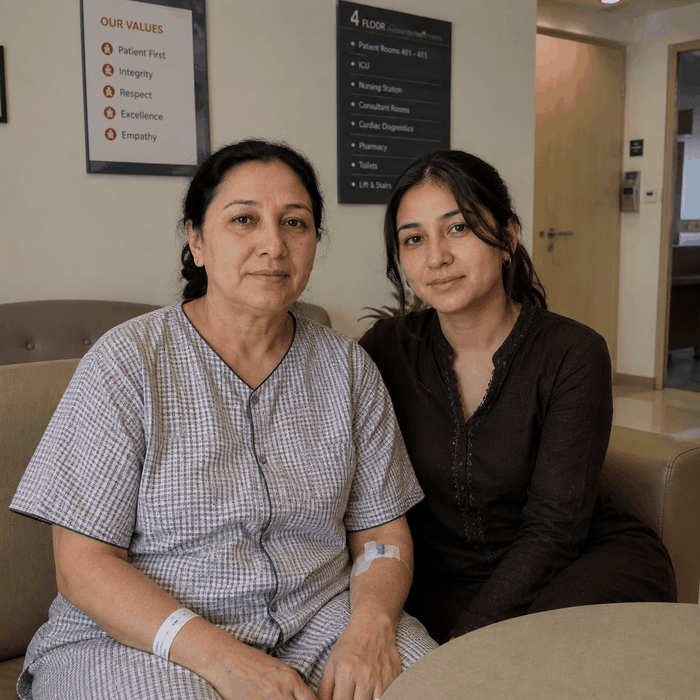
Patient Testimonials from Uzbekistan
Ready to Take the First Step?
Share your medical reports with our healthcare managers today and receive a FREE CONSULTATION, a personalized treatment plan and complete support from your arrival to your recovery.
Get Your Free ConsultationFrom Uzbekistan to India: Your Complete Patient Guide
- Neurosurgery in India for Uzbek Patients
- Oral and Maxillofacial Surgery in India for Uzbek Patients
- Paediatric Heart Surgery in India for Uzbek Patients
- Paediatric Neurosurgery in India for Uzbek Patients
- Paediatric Orthopaedic Surgery in India for Uzbek Patients
- Pancreatic Cancer Surgery in India for Uzbek Patients
- Penile Implant Surgery in India for Uzbek Patients
- Plastic and Reconstructive Surgery in India for Uzbek Patients
- Prostate Cancer Treatment and Surgery in India for Uzbek Patients
- Proton Therapy Treatment in India for Uzbek Patients
- Radiotherapy and Modern Cancer Treatments in India for Uzbek Patients
- Robotic Cancer Surgery in India for Uzbek Patients
- Scoliosis Correction Surgery in India for Uzbek Patients
- Shoulder Surgery in India for Uzbek Patients
- Spine Surgery in India for Uzbek Patients
- Urosurgery and Reconstructive Urology in India for Uzbek Patients
- Weight Loss and Bariatric Surgery in India for Uzbek Patients
- Bone Marrow Transplant Treatment in India for Uzbek Patients