

Paediatric Heart Surgery in India for Uzbek Families
A practical guide for parents planning congenital heart surgery in India — what the common conditions and procedures involve, what it costs compared with Western countries, and how to travel with confidence from Tashkent, Samarkand or anywhere in Uzbekistan.
Hearing that your child has a heart condition is frightening, whatever the size of the defect turns out to be. The reassuring fact worth holding onto is that congenital heart surgery is one of the most established fields in modern medicine, with strong outcomes for the most common conditions. Across more than two decades of guiding families from Uzbekistan to treatment in India, I have supported many parents through this exact situation. The questions are almost always the same: Is the surgery safe for my child? What will it really cost? How long will we need to stay? And how do we manage this as a family? This guide answers each plainly. It does not replace your paediatric cardiologist's advice — it should help you ask better questions and plan the logistics with confidence. India performs one of the highest volumes of paediatric congenital heart surgery in the world, and its leading children's cardiac centres are accredited by NABH or the international JCI. This volume matters enormously, since outcomes are closely tied to how often a team treats your child's exact condition.
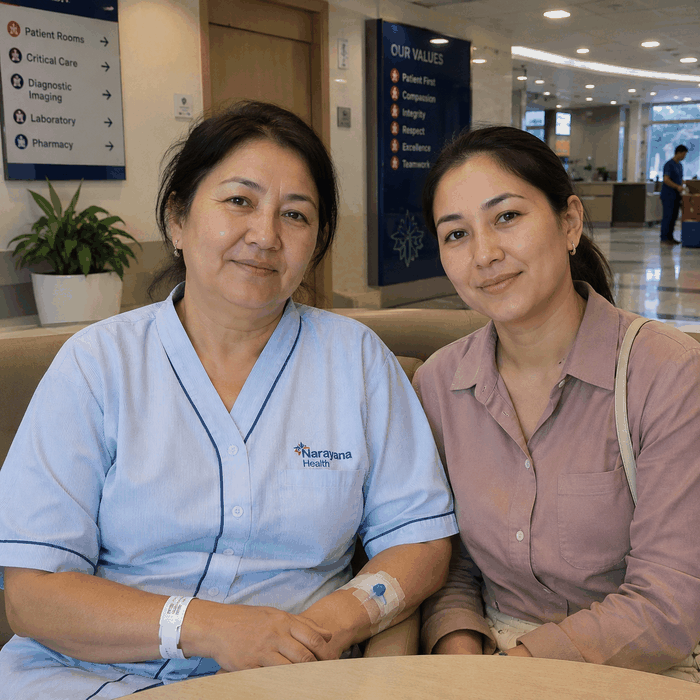
Healing Journeys of Uzbek Patients
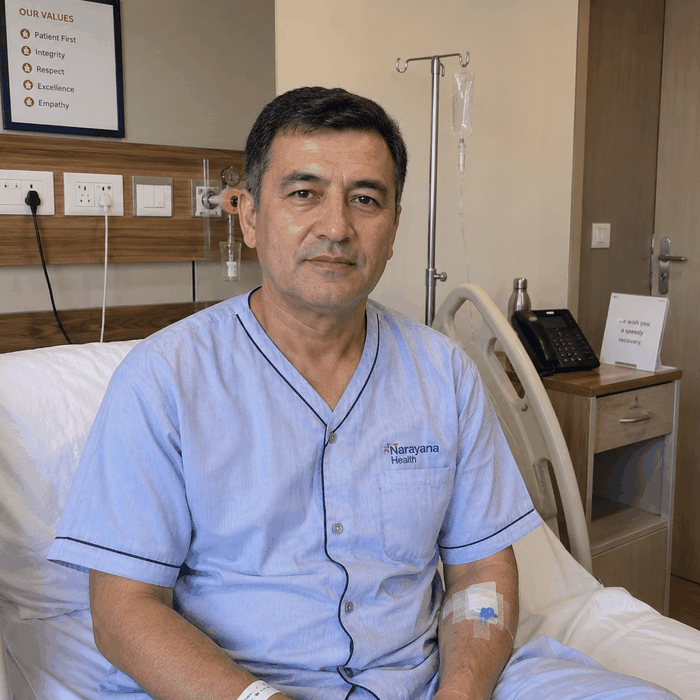
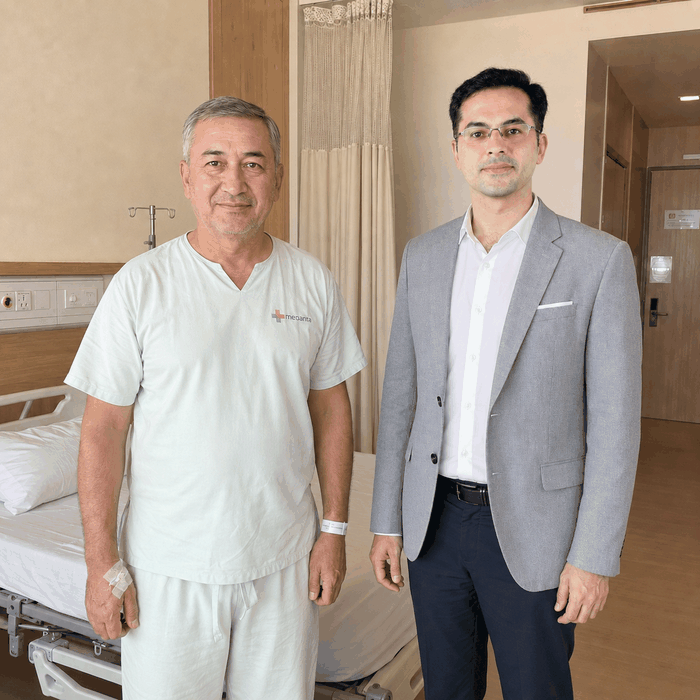
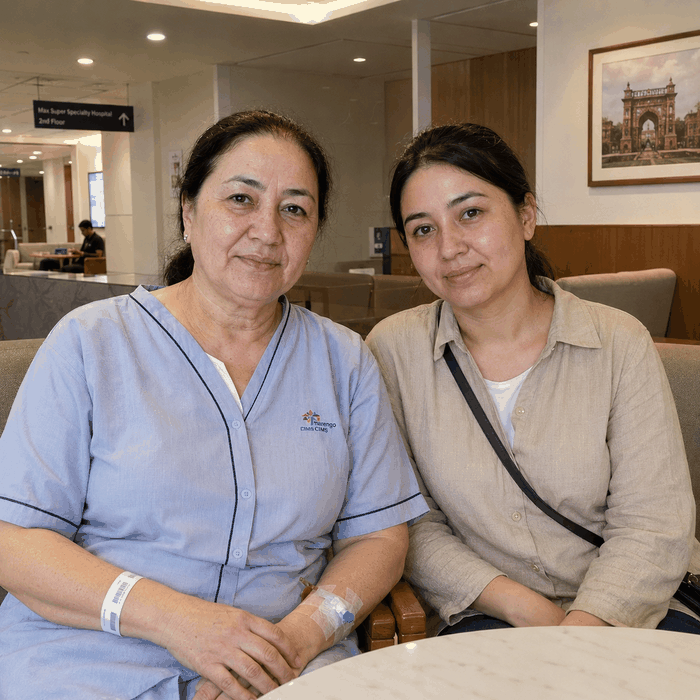
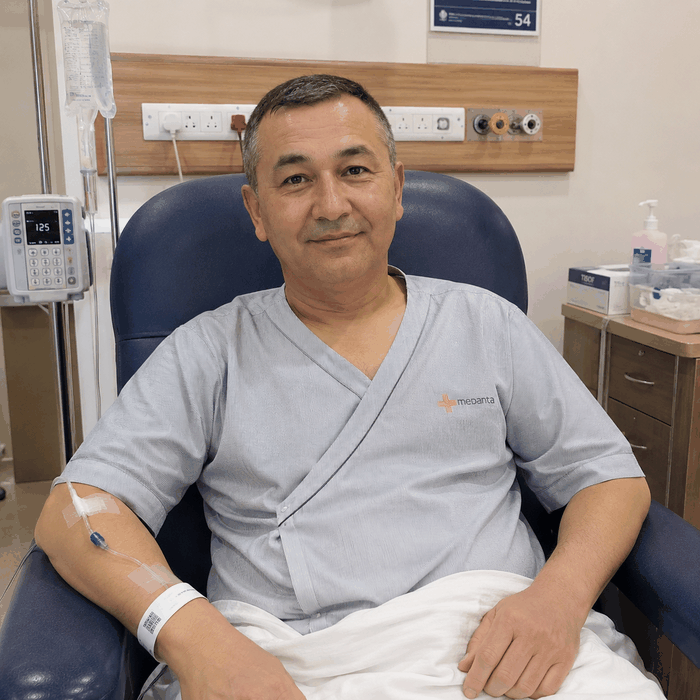
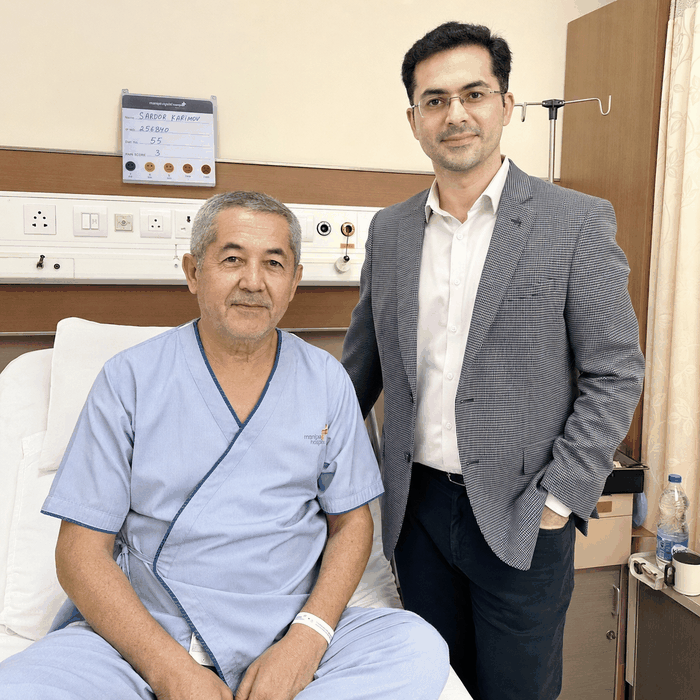
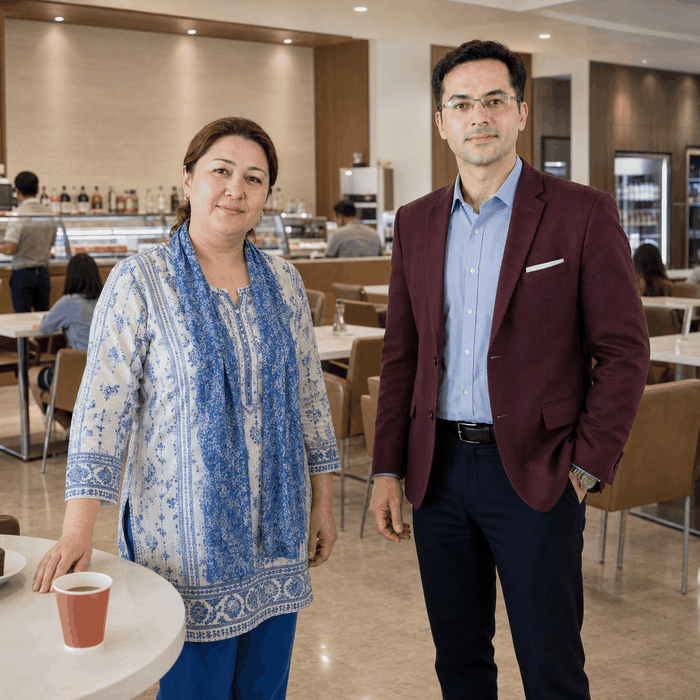
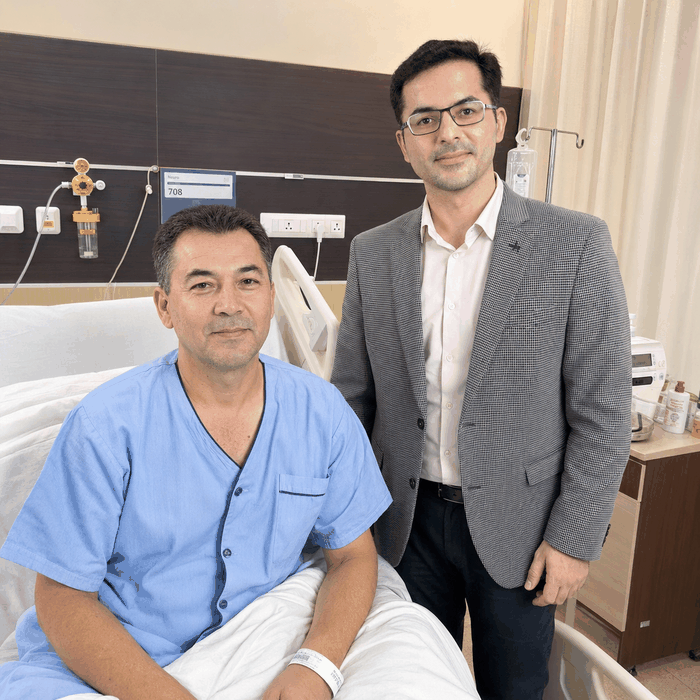
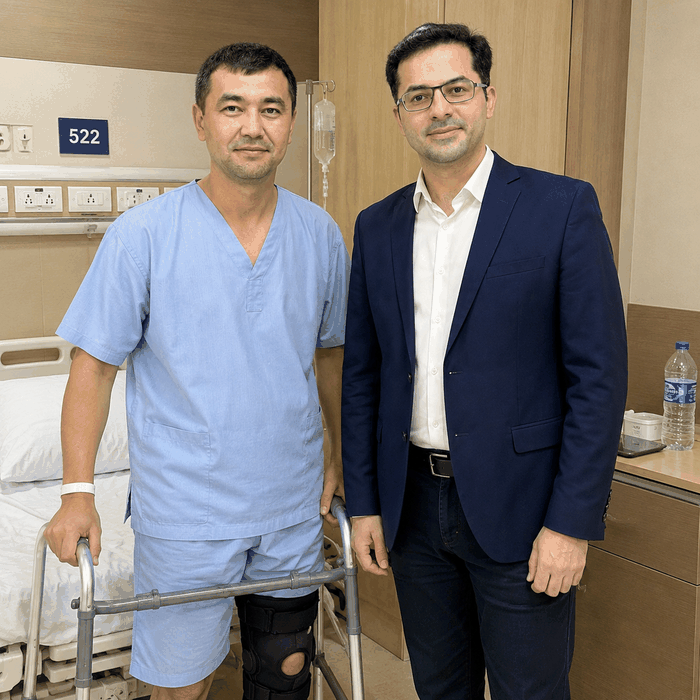
Information Takeaways
- A diagnosis of congenital heart disease can be overwhelming for parents, but the source guide emphasises that congenital heart surgery is an established field with strong outcomes for many common conditions. India performs a very high volume of paediatric congenital heart procedures, and leading children's cardiac centres may have NABH or JCI accreditation. The guide stresses that the team's experience with the child's exact heart defect matters more than simply choosing a particular Indian city.
- The range of congenital heart conditions is broad, so treatment cannot be determined from the diagnosis name alone. Small ASDs and some VSDs may close naturally and only require monitoring, while larger defects may require catheter-based closure or surgery. PDA involves closure of an abnormal blood vessel, while Tetralogy of Fallot is generally more complex and commonly requires open-heart repair during infancy. Conditions such as transposition of the great arteries and single-ventricle defects may require specialised procedures and staged treatment.
- The guide identifies several reasons Uzbek families may consider India. Major Indian centres provide both open-heart and catheter-based treatment options, while cities including Delhi, Mumbai, Chennai, Bengaluru and Hyderabad have dedicated children's cardiac services. The source also highlights paediatric cardiac surgeons with international training, dedicated paediatric cardiac ICUs and Russian- and Uzbek-speaking coordinators or interpreters.
- The cost depends substantially on the child's exact defect and procedure. The guide gives an India range of approximately USD 2,500–8,000 for simpler defects such as ASD, VSD or PDA, while more complex procedures such as Tetralogy of Fallot repair or an arterial switch operation may cost approximately USD 8,000–25,000. The comparison chart shows an overall India range of approximately USD 2,500–25,000, compared with approximately USD 40,000–120,000 in Germany, USD 45,000–130,000 in the UK, USD 50,000–140,000 in Australia and USD 50,000–250,000 in the USA.
- Families should not treat the published cost range as a final quotation. The guide states that the final price is confirmed after the cardiology team reviews a full echocardiogram and that flights, accommodation and parental expenses are generally separate. Uzbek parents should request a written estimate and, where relevant, ask for both surgical and catheter-based options to be included so that the available choices and associated costs are clear.
- The treatment journey begins before travel with submission of the child's echocardiogram and medical reports. The family then receives a treatment plan, cost estimate and visa invitation, followed by arrival and pre-operative testing, surgery and paediatric cardiac ICU care, ward recovery, and eventual discharge with a follow-up schedule. The source estimates that many Uzbek families complete the overall journey in approximately two to three weeks, although the exact timeline varies considerably with the child's defect and procedure.
- Post-operative recovery depends heavily on the procedure. Children undergoing catheter-based closure may sometimes go home within one or two days, while open-heart surgery commonly involves several days in a paediatric cardiac ICU followed by ward care, with a total hospital stay often around five to ten days. The guide states that many children return to normal activities, including school, within approximately four to eight weeks, although the treating surgeon determines activity restrictions. Long-term echocardiographic follow-up is important, particularly when a condition may require further procedures later in childhood.
Quick Facts
- Treatment
- Paediatric heart surgery and congenital heart defect treatment
- Primary Patients
- Children travelling from Uzbekistan for cardiac care in India
- Main Speciality
- Paediatric cardiology and cardiac surgery
- Common Defects
- ASD, VSD, PDA, Tetralogy of Fallot and complex congenital heart defects
- Treatment Options
- Open-heart surgery and selected catheter-based procedures
- Simple Defect Cost
- Approximately USD 2,500–8,000
- Complex Defect Cost
- Approximately USD 8,000–25,000
- Overall India Range
- Approximately USD 2,500–25,000
- Typical India Journey
- Approximately 2–3 weeks
- Open-Heart Hospital Stay
- Commonly around 5–10 days
- Catheter-Based Recovery
- Some children may go home within 1–2 days
- Recovery
- Many children return to normal activities within 4–8 weeks, subject to medical advice
- Hospital Selection
- Check NABH or JCI accreditation
- Key Selection Factor
- Experience with the child's exact heart defect
- Paediatric ICU
- Confirm availability of a dedicated paediatric cardiac ICU
- Language Support
- Russian- and Uzbek-speaking coordinators or interpreters may be available
- Pre-Travel Records
- Send the child's echocardiogram and medical reports for review
- Visa
- Arrange a medical visa for the child and attendant arrangements for a parent
- Follow-Up
- Plan regular echocardiograms with a cardiologist in Uzbekistan
- Long-Term Care
- Some complex defects may require additional procedures later in childhood
- Parent Support
- One parent can generally remain with the child during hospital care
- Author
- Dr. Dheeraj Bojwani
- Experience
- 24+ Years
Knowledgeable Information Snippet
Paediatric heart surgery in India can be considered by Uzbek families whose children require treatment for congenital heart defects ranging from ASD, VSD and PDA to more complex conditions such as Tetralogy of Fallot, transposition of the great arteries and single-ventricle defects. The source gives an illustrative India treatment range of USD 2,500–25,000 across simple and complex congenital repairs and describes a typical international treatment journey of approximately two to three weeks, although the exact hospital stay and recovery depend on the child's condition and procedure. Uzbek-speaking support, dedicated paediatric cardiac ICUs and follow-up planning with a cardiologist in Uzbekistan are important considerations.
Why Uzbek Families Choose India for Paediatric Heart Surgery?
Cities such as Delhi, Mumbai, Chennai, Bengaluru and Hyderabad all have dedicated children's heart centres. The right choice is experience with your child's specific condition — not the city name.
- Paediatric cardiac surgeons frequently trained or fellowship-qualified in the UK, Europe or the USA.
- Dedicated paediatric cardiac ICUs, not general ICUs adapted for children.
- Both open-heart surgery and catheter-based (non-surgical) closure options available at major centres.
- Dedicated international desks with Russian and Uzbek-speaking coordinators and interpreters.
- Convenient connectivity from Tashkent to Delhi, Mumbai and other major cities.
Which type of paediatric heart surgery might your child need?
Congenital heart defects vary enormously in complexity, so your paediatric cardiologist will confirm the exact plan after a full evaluation.
ASD and VSD (holes in the heart) are among the most common defects, and many small ones close on their own; larger ones are closed with a catheter-based device or open surgery. PDA (patent ductus arteriosus) is treated by closing an extra blood vessel that should have closed after birth. Tetralogy of Fallot is a more complex combination of defects usually repaired with open-heart surgery in infancy. Complex conditions such as transposition of the great arteries or single-ventricle defects need specialised procedures, sometimes staged across more than one surgery in the first years of life.
How much does paediatric heart surgery in India cost?
Cost depends heavily on the specific defect. In India, simple defects such as ASD, VSD or PDA typically cost USD 2,500–8,000 to repair, while complex conditions such as Tetralogy of Fallot or an arterial switch operation typically cost USD 8,000–25,000, reflecting longer surgery and ICU time.
India vs Western countries: cost of child heart surgery
Approximate range across simple to complex congenital repairs (USD, 2026)
Figures are indicative ranges compiled from hospital, medical-travel and published research sources; your final quote depends entirely on the specific defect and procedure needed.
Notice how far below Western prices India sits — often a small fraction of what the same surgery costs in the USA, UK, Germany or Australia — without a trade-off in paediatric cardiac expertise. India's advantage is value: extremely high surgical volume in children's congenital heart disease, at a cost that does not require a lifetime of savings.
One caution on budgeting: the quote is confirmed only once your cardiologist reviews a full echocardiogram, and it rarely includes flights, accommodation and a parent's costs for what is often a longer stay than adult heart surgery. Ask for a written estimate covering both surgical and catheter-based options, where relevant.
Choose the paediatric cardiac team's specific experience with your child's exact defect first, and the price second. Congenital heart surgery is not one operation — it is dozens of distinct procedures.
Your child's heart surgery journey, step by step
Knowing the whole path in advance can ease some of the worry. From first contact to flying home, most Uzbek families complete the journey in about 2 to 3 weeks.
Your child's heart surgery journey, step by step
A typical timeline from Uzbekistan to India and back
Timelines vary considerably with the defect's complexity; your paediatric cardiac team will confirm exact dates.
Factors that every Uzbek Family should consider while planning Paediatric Heart Surgery in India
Before you commit, work through the checklist below with the hospital's international team. In more than 24 years of guiding families through this decision, those who ask these six questions directly are consistently the best prepared.
Before you book: six things to confirm
A pre-travel checklist for families from Uzbekistan
Also confirm whether the condition may need further procedures later in childhood, and how that would be planned.
Two further points: one parent staying with the child throughout is standard practice and genuinely helps recovery — and ask for everything in writing, including what happens if the surgeon finds the defect more complex than the echocardiogram suggested.
Recovery after Paediatric Heart Surgery and returning to Uzbekistan
Recovery depends heavily on the defect and procedure. Children with catheter-based closures often go home within a day or two. After open-heart surgery, most spend a few days in the paediatric cardiac ICU, then move to a ward for the rest of a stay that typically runs 5 to 10 days. Energy and appetite usually improve within weeks, and most children return to normal activity, including school, within 4 to 8 weeks, though your surgeon will guide restrictions on rough play during early healing. Some complex conditions need planned follow-up procedures later in childhood, which your cardiac team will explain if relevant. Regular follow-up echocardiograms matter for years afterward, so agree a monitoring schedule with a cardiologist in Uzbekistan before you leave. Keep every echo report and discharge summary safely.
Frequently asked questions
Is paediatric heart surgery in India safe? At an accredited paediatric cardiac centre, yes. India's leading hospitals meet NABH or JCI standards, have dedicated paediatric cardiac ICUs, and treat extremely high volumes of congenital heart disease, with outcomes for common defects comparable to Western centres.
Will there be someone who speaks my language? Major international hospitals have Russian and Uzbek-speaking coordinators and interpreters who assist from your first message through discharge and follow-up.
Does every hole in the heart need surgery? No. Many small ASDs and some VSDs close on their own during childhood and only need monitoring with regular echocardiograms. Surgery or a catheter-based procedure is considered when a defect is large, causing symptoms, or unlikely to close naturally.
Can I stay with my child throughout the hospital stay? Yes, and it is standard practice for one parent to remain with the child throughout, including in most paediatric cardiac ICUs during visiting windows. Hospitals with strong international programmes will support this and help arrange accommodation nearby.
A note from Dr Dheeraj Bojwani
With 24+ years of experience guiding international families through paediatric diagnoses, my advice to every parent from Uzbekistan is the same: ask specifically about the team's experience with your child's exact defect, confirm the ICU is dedicated to children, and arrange follow-up care at home before you travel. This article is general information and not a substitute for a personal consultation with your child's cardiologist.
Straight Answer Question by Uzbek Patients about Paediatric Heart Surgery in India
Is paediatric heart surgery in India safe?
At an accredited paediatric cardiac centre, yes. India's leading hospitals meet NABH or JCI standards, have dedicated paediatric cardiac ICUs, and treat extremely high volumes of congenital heart disease, with outcomes for common defects comparable to Western centres.
Will there be someone who speaks my language?
Major international hospitals have Russian and Uzbek-speaking coordinators and interpreters who assist from your first message through discharge and follow-up.
Does every hole in the heart need surgery?
No. Many small ASDs and some VSDs close on their own during childhood and only need monitoring with regular echocardiograms. Surgery or a catheter-based procedure is considered when a defect is large, causing symptoms, or unlikely to close naturally.
Can I stay with my child throughout the hospital stay?
Yes, and it is standard practice for one parent to remain with the child throughout, including in most paediatric cardiac ICUs during visiting windows. Hospitals with strong international programmes will support this and help arrange accommodation nearby.
References & sources
- 🌐 National Accreditation Board for Hospitals & Healthcare Providers (NABH) — accredited hospital directory. · nabh.co
- 🌐 Joint Commission International (JCI) — directory of accredited organisations. · jointcommissioninternational.org
- 🌐 National Medical Commission of India — doctor and specialist registration verification. · nmc.org.in
- 🌐 World Health Organization — Congenital anomalies fact sheet. · who.int/news-room/fact-sheets/detail/birth-defects
- 🌐 Bureau of Immigration, Government of India — e-Medical Visa and Medical Attendant Visa. · indianvisaonline.gov.in
- 🌐 Cost ranges compiled from published hospital, medical-travel and peer-reviewed research sources for congenital heart surgery, 2025–2026.
Frequently Asked Questions by Uzbek Patients about Paediatric Heart Surgery in India
Why do Uzbek families choose India for paediatric heart surgery?
The guide highlights India's high volume of congenital heart surgery, dedicated paediatric cardiac ICUs and availability of specialists experienced with complex childhood heart defects. Russian- and Uzbek-speaking coordination can also support families travelling from Uzbekistan.
How much does paediatric heart surgery in India cost for Uzbek patients?
Simple defects such as ASD, VSD or PDA are estimated at approximately USD 2,500–8,000, while complex procedures may cost approximately USD 8,000–25,000. The final quotation depends on the child's specific defect and treatment.
Which congenital heart defects can Uzbek children be treated for in India?
The guide discusses ASD, VSD, PDA, Tetralogy of Fallot, transposition of the great arteries and single-ventricle defects. Treatment may involve catheter-based closure, open surgery or staged procedures depending on the condition.
Does every Uzbek child with ASD or VSD need surgery in India?
No. The source explains that many small ASDs and some VSDs may close naturally and only require monitoring. Intervention may be considered when a defect is large, symptomatic or unlikely to close on its own.
How long will an Uzbek family usually stay in India for paediatric heart surgery?
Many families may complete the overall journey in approximately two to three weeks, although the exact duration depends on the child's defect, procedure and recovery. Open-heart surgery may involve five to ten days of hospital care.
Can Uzbek parents stay with their child during heart surgery treatment in India?
Yes. The guide states that one parent remaining with the child throughout the hospital journey is standard practice, including during appropriate paediatric cardiac ICU visiting periods. Hospitals with international programmes may also assist with nearby accommodation.
Is Uzbek or Russian language assistance available for children coming from Uzbekistan?
Major international hospitals may provide Russian- and Uzbek-speaking coordinators or interpreters. Families should confirm language support with the selected paediatric cardiac centre before travelling.
What should Uzbek parents check before choosing an Indian children's heart hospital?
Parents should check NABH or JCI accreditation, the team's annual experience with the child's exact defect and whether the hospital has a dedicated paediatric cardiac ICU. These factors should be assessed before comparing prices.
What medical records should Uzbek families send before travelling to India?
The child's echocardiogram and relevant medical reports should be shared for an initial specialist opinion. A full echocardiographic review is important because the final treatment plan and quotation depend on the specific heart defect.
How will an Uzbek child continue cardiac follow-up after returning home?
The guide recommends arranging a written follow-up plan with a cardiologist in Uzbekistan, including future echocardiograms and monitoring. Parents should keep all echo reports and the hospital discharge summary, particularly when the child may require additional procedures later in childhood.
Page Summary
Paediatric heart surgery in India is presented as an option for Uzbek families seeking specialised congenital cardiac care. The source highlights India's high paediatric cardiac surgical volume, dedicated children's cardiac ICUs, internationally trained specialists and availability of both open and catheter-based treatment. The most important selection criterion is the team's experience with the child's specific defect rather than the city or advertised price. Treatment costs range from approximately USD 2,500–8,000 for simpler congenital defects to USD 8,000–25,000 for more complex procedures such as Tetralogy of Fallot repair or an arterial switch operation. Families should obtain a written quotation after echocardiographic review and confirm hospital accreditation, defect-specific surgical volume, paediatric ICU facilities, language assistance, visa arrangements and long-term follow-up in Uzbekistan before travelling.
Citation Block
| Field | Details |
|---|---|
| Article / Topic | Paediatric Heart Surgery in India for Uzbek Patients |
| Primary Patient Group | Children and families travelling from Uzbekistan |
| Main Speciality | Paediatric cardiology and cardiac surgery |
| Conditions Discussed | ASD, VSD, PDA, Tetralogy of Fallot, transposition of the great arteries and single-ventricle defects |
| Treatment Options | Open-heart surgery and catheter-based closure where appropriate |
| Simple Defect Cost | Approximately USD 2,500–8,000 |
| Complex Defect Cost | Approximately USD 8,000–25,000 |
| Overall India Comparison | Approximately USD 2,500–25,000 |
| Germany Comparison | Approximately USD 40,000–120,000 |
| UK Comparison | Approximately USD 45,000–130,000 |
| Australia Comparison | Approximately USD 50,000–140,000 |
| USA Comparison | Approximately USD 50,000–250,000 |
| Cost Qualification | Final quotation depends on the exact defect and procedure |
| Pre-Travel Assessment | Full echocardiogram and medical reports should be reviewed |
| Indian Treatment Centres | Dedicated paediatric cardiac centres are available in major Indian cities |
| Hospital Accreditation | NABH or JCI should be checked |
| Paediatric ICU | Dedicated paediatric cardiac ICU is recommended |
| Specialist Selection | Prioritise experience with the child's exact congenital defect |
| Language Support | Russian- and Uzbek-speaking coordinators or interpreters may be available |
| Typical Journey | Approximately 2–3 weeks for many families |
| Hospital Recovery | Open-heart cases commonly involve 5–10 days of hospital care |
| Catheter-Based Recovery | Some children may leave hospital within 1–2 days |
| Activity Recovery | Many children return to normal activities within 4–8 weeks |
| Follow-Up | Regular echocardiograms and cardiology monitoring in Uzbekistan |
| Future Procedures | Some complex congenital conditions may require staged or later procedures |

Our Mission Statement
Our mission is to place patients at the centre of every healthcare decision by providing trustworthy, evidence-based, and unbiased medical information. We believe that informed patients make better decisions. Backed by personalised guidance from our experienced advisory team, we help patients understand their treatment options, compare them objectively, and confidently choose the path that best suits their medical needs and personal circumstances.
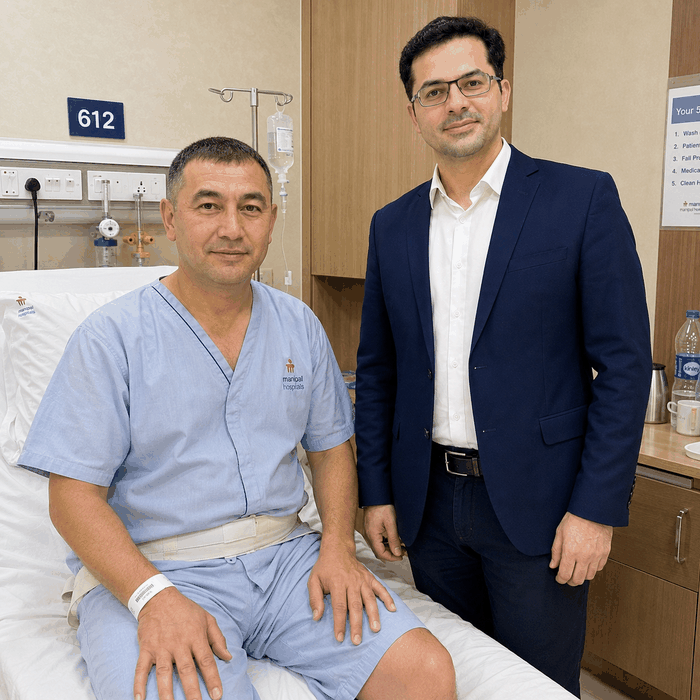
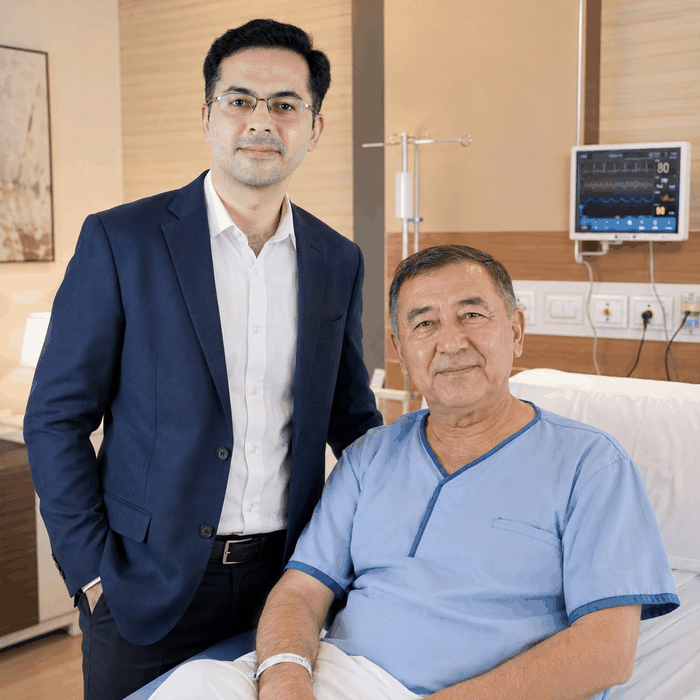
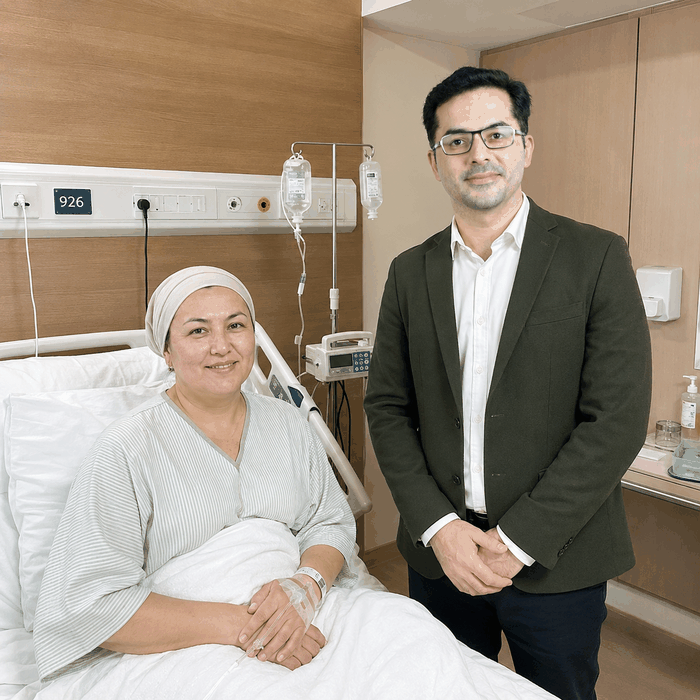
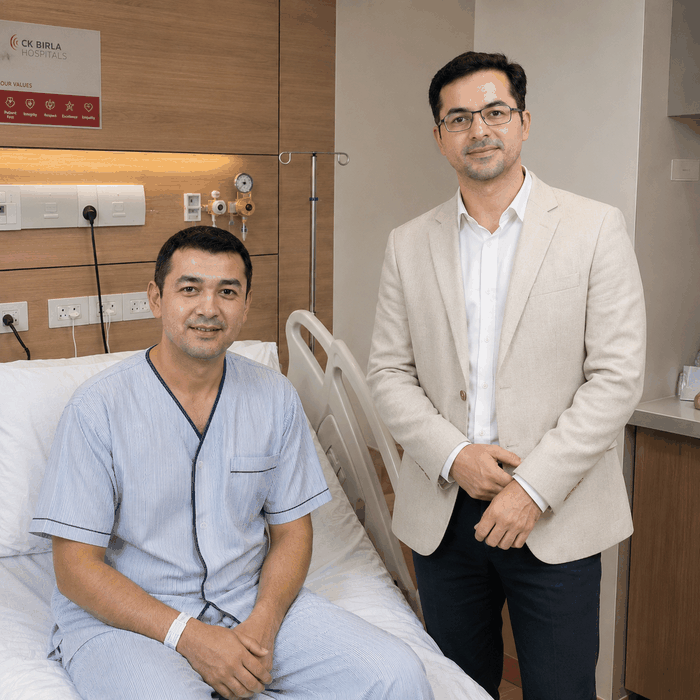
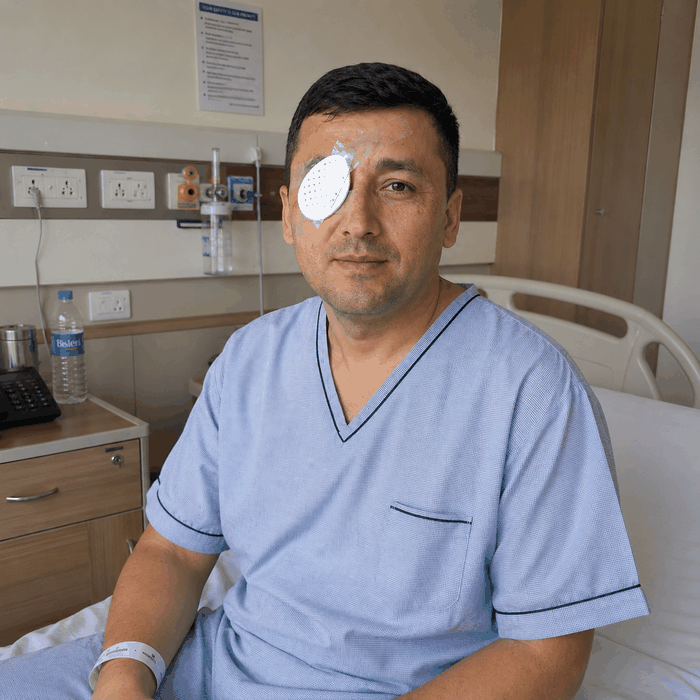
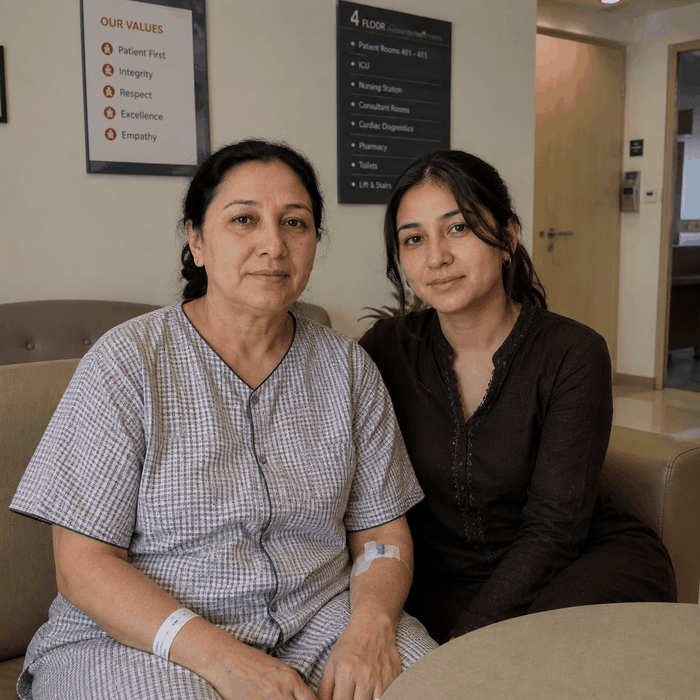
Patient Testimonials from Uzbekistan
Ready to Take the First Step?
Share your medical reports with our healthcare managers today and receive a FREE CONSULTATION, a personalized treatment plan and complete support from your arrival to your recovery.
Get Your Free ConsultationFrom Uzbekistan to India: Your Complete Patient Guide
- Colorectal Cancer Treatment and Surgery in India for Uzbek Patients
- Complex Orthopaedic and Joint Revision Surgery in India for Uzbek Patients
- Cornea Transplant and Advanced Eye Surgery in India for Uzbek Patients
- Cosmetic and Aesthetic Surgery in India for Uzbek Patients
- CyberKnife Treatment in India for Uzbek Patients
- Dental Implants and Smile Makeover in India for Uzbek Patients
- Dental Surgery and Implants in India for Uzbek Patients
- Gamma Knife Treatment in India for Uzbek Patients
- Heart Failure Treatment and Surgery in India for Uzbek Patients
- Heart Valve Replacement in India for Uzbek Patients
- Hip Surgery in India for Uzbek Patients
- HIPEC Cancer Surgery in India for Uzbek Patients
- IVF and Fertility Treatment in India for Uzbek Patients
- Joint Arthroscopy and Sports Medicine in India for Uzbek Patients
- Kidney Transplant Treatment in India for Uzbek Patients
- Knee Surgery in India for Uzbek Patients
- Laparoscopic and Robotic Myomectomy in India for Uzbek Patients
- Leukemia, Lymphoma and Blood Cancer Treatment in India for Uzbek Patients