

Laparoscopic and Robotic Myomectomy in India for Uzbek Patients
A practical guide to planning fibroid removal surgery in India that preserves the uterus — laparoscopic vs robotic approaches, what it costs compared with Western countries, and what to know before you decide.
Uterine fibroids are extremely common — most women develop at least one by the time they reach menopause — and most cause no problems at all. For those with heavy bleeding, pain or fertility difficulties from fibroids, myomectomy offers a way to remove them while keeping the uterus intact, unlike hysterectomy. Across more than two decades of guiding patients from Uzbekistan to treatment in India, the questions I hear most are: Do I need surgery at all? Is myomectomy right for me, or should I consider hysterectomy? What will it really cost? And will the fibroids come back? This guide answers each plainly. It does not replace your gynecologist's advice — it is meant to help you have a clearer conversation with your own doctor. India has a large, experienced gynecological surgery sector, with many surgeons skilled in both laparoscopic and robotic fibroid removal. Its leading hospitals are accredited by NABH or the international JCI, with high surgical volume across the full range of fibroid sizes and locations.
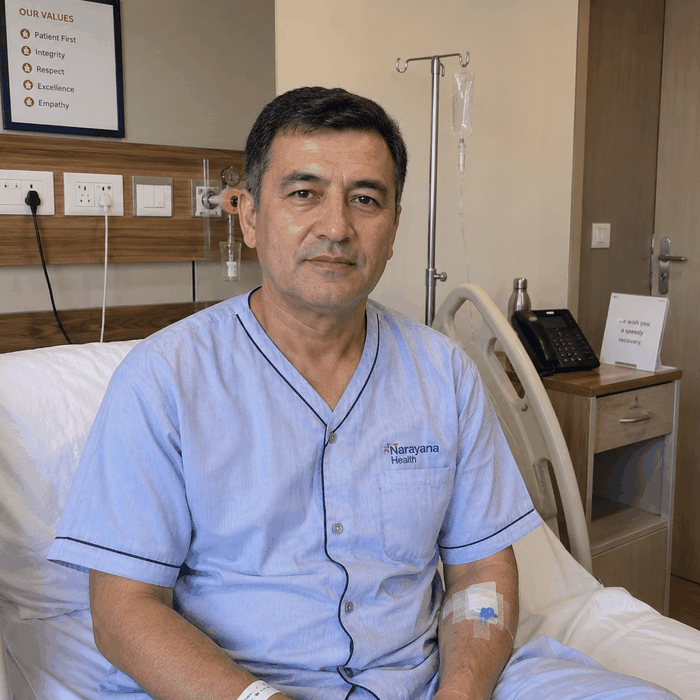
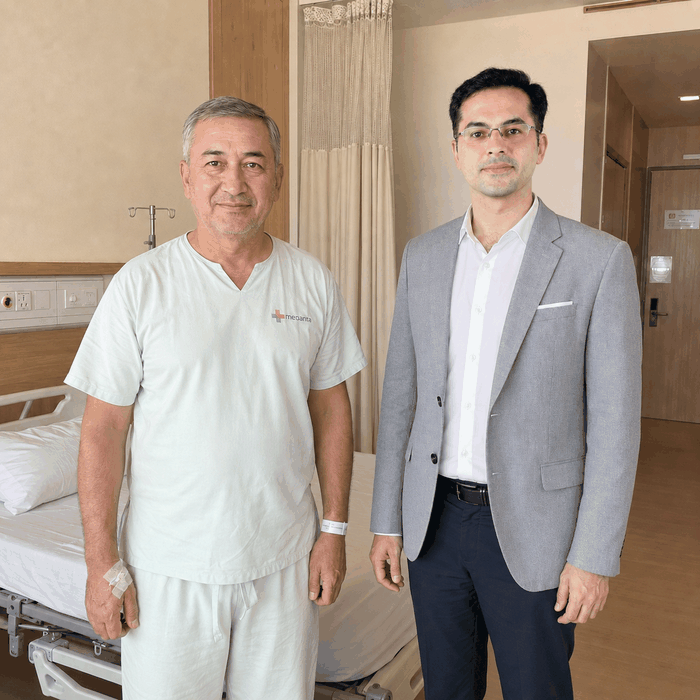
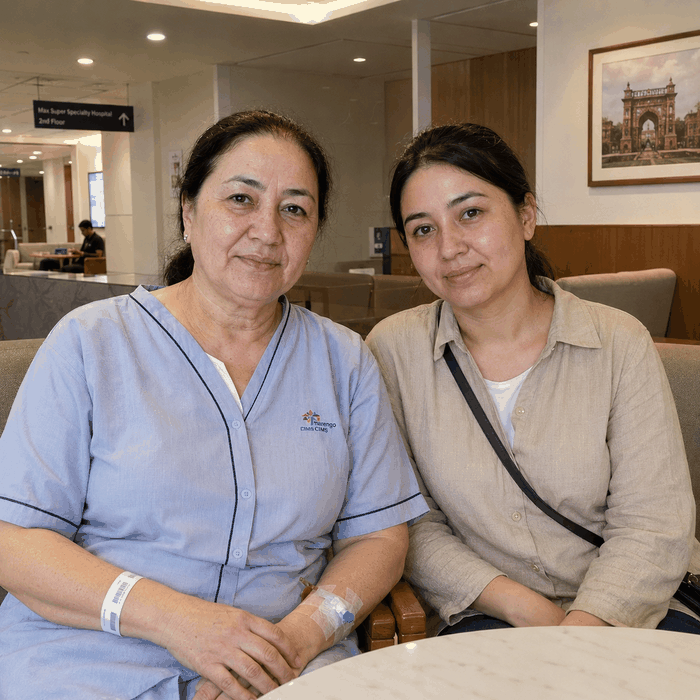
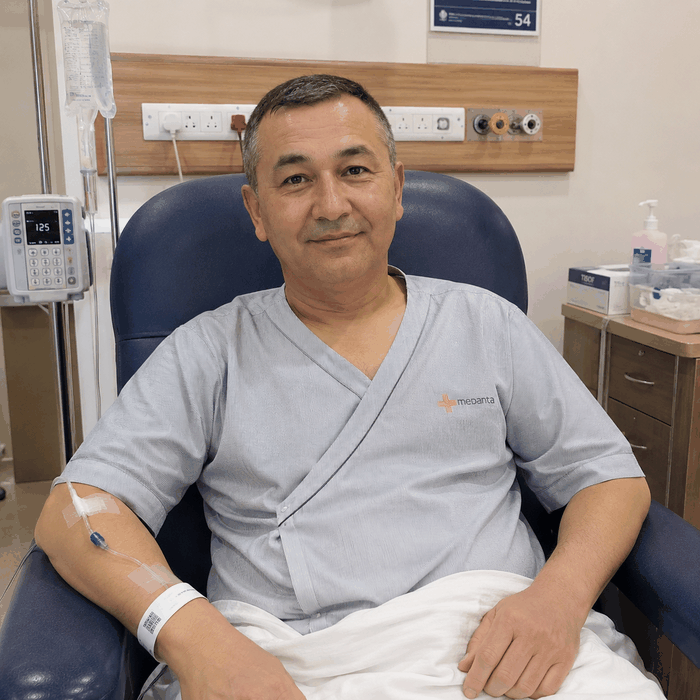
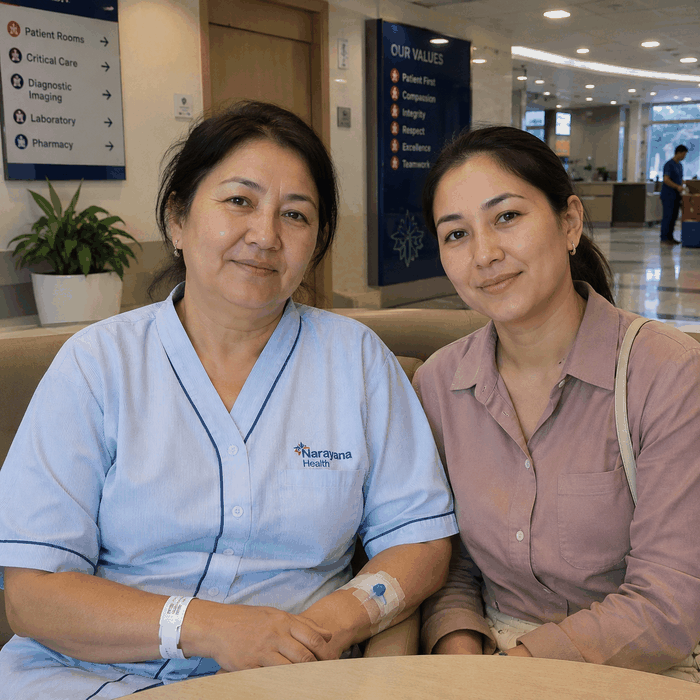
Healing Journeys of Uzbek Patients
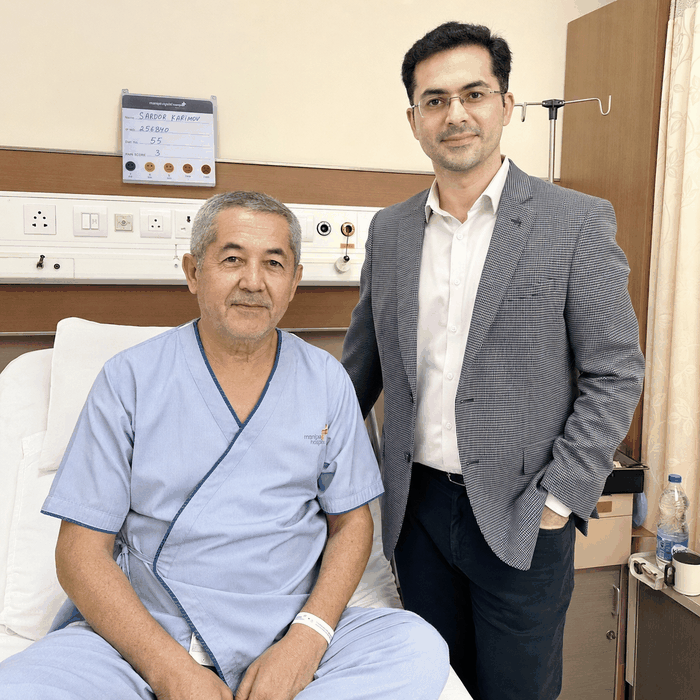
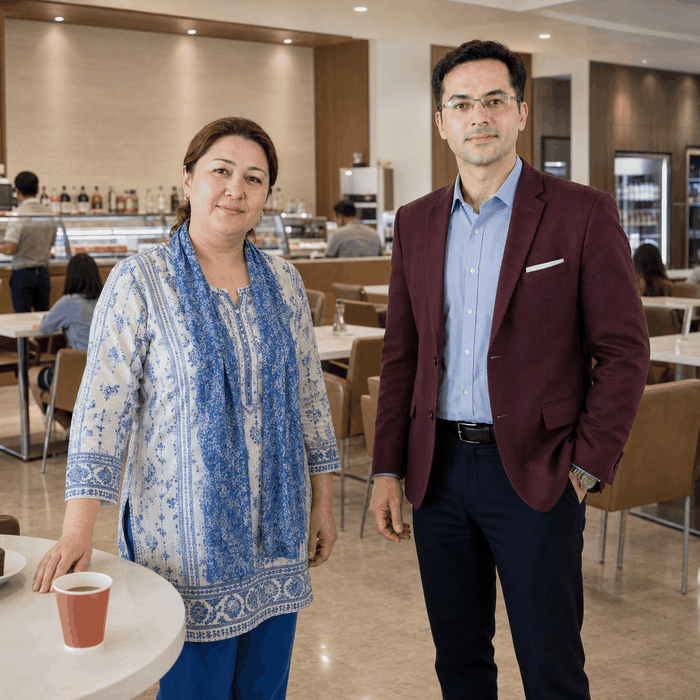
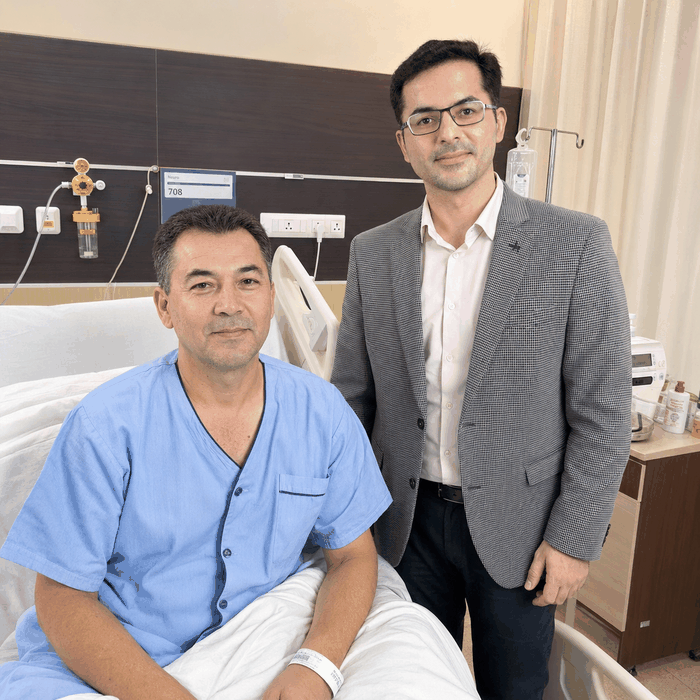
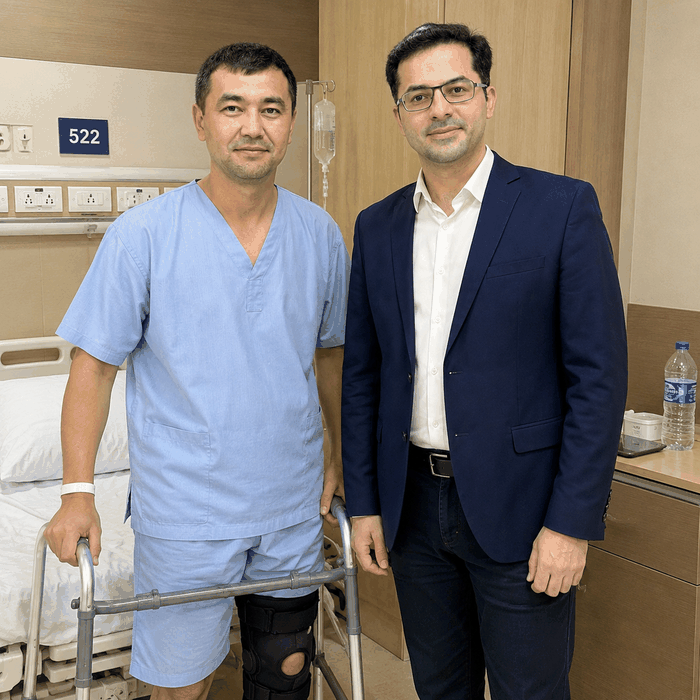
Information Takeaways
- Uterine fibroids are very common, and many women have no symptoms or need for treatment. When fibroids cause heavy bleeding, pelvic pain or fertility difficulties, myomectomy can remove the fibroids while preserving the uterus, unlike hysterectomy. The source guide emphasises that the first decision should be whether surgery is actually needed and whether myomectomy fits the patient's fertility and personal goals.
- India has established gynecological surgery centres offering both laparoscopic and robotic approaches to fibroid removal. The guide identifies Delhi, Mumbai, Chennai, Bengaluru and Hyderabad as cities with strong gynecological surgery centres, while stressing that the surgeon's experience with the patient's particular fibroid pattern matters more than simply choosing a city. Leading hospitals may have NABH or JCI accreditation, and international patient services can include Russian- and Uzbek-speaking coordinators or interpreters.
- The choice between myomectomy and hysterectomy is particularly important for Uzbek women who wish to preserve fertility. Myomectomy removes fibroids while keeping the uterus, whereas hysterectomy removes the uterus and therefore ends the possibility of pregnancy. Once myomectomy has been selected, the surgical technique depends on fibroid size, number and location. Laparoscopic surgery uses small incisions, robotic surgery can offer greater precision in selected complex cases, and open abdominal myomectomy may still be required for very large or numerous fibroids.
- The source gives an indicative India cost of approximately USD 2,500–6,500 for laparoscopic or robotic myomectomy, including the surgeon, hospital stay and standard postoperative care. The comparison chart shows approximate Western-country ranges of USD 12,000–25,000 in Germany, USD 10,000–25,000 in the UK, USD 12,000–28,000 in Australia and USD 15,000–50,000 in the USA. Robotic surgery generally costs more than laparoscopic surgery, while the final quote depends on fibroid size, number and surgical complexity.
- Cost planning should remain flexible until the surgeon has reviewed the patient's imaging in detail. A case that initially appears suitable for minimally invasive surgery may require a different approach after detailed assessment. The guide therefore recommends requesting a written estimate that explains both the expected standard scenario and possible additional complexity. Most Uzbek patients are described as completing the overall India treatment journey in approximately 10–14 days, although exact timing varies.
- The treatment journey generally begins before travel with ultrasound or MRI review and an initial surgical opinion. After receiving a treatment plan, estimate and visa invitation letter, patients typically arrive in India for updated imaging and face-to-face assessment. Surgery usually takes 1–3 hours, followed by approximately 1–3 days in hospital in the typical pathway described by the source. A final follow-up assessment is generally completed before the patient travels back to Uzbekistan around days 10–14.
- Recovery is generally quicker after laparoscopic or robotic myomectomy than after open surgery. The guide states that most patients leave hospital within 1–3 days and may return to light daily activities within 2–4 weeks, compared with approximately 4–6 weeks after open surgery. Some cramping and light bleeding can occur in the early days. Because the uterus is preserved, however, new fibroids can develop in the future, so recurrence risk and future monitoring should be discussed, particularly when pregnancy is planned.
Quick Facts
- Treatment
- Laparoscopic and robotic myomectomy for uterine fibroids
- Primary Patients
- Uzbek women seeking fibroid treatment in India
- Main Speciality
- Gynecology and minimally invasive gynecological surgery
- Treatment Goal
- Remove fibroids while preserving the uterus
- Alternative
- Hysterectomy may be considered when fertility preservation is not required
- Laparoscopic Approach
- Small-incision surgery suitable for selected fibroid patterns
- Robotic Approach
- Enhanced precision for selected complex fibroid cases
- Open Surgery
- May be required for very large or numerous fibroids
- India Cost
- Approximately USD 2,500–6,500
- Cost Factors
- Fibroid size, number, location, approach and surgical complexity
- Western Comparison
- Approximately USD 10,000–50,000 across the countries shown in the source chart
- Typical India Stay
- About 10–14 days overall
- Hospital Stay
- Usually 1–3 days
- Surgery Time
- Approximately 1–3 hours
- Recovery
- Light daily activity may resume within 2–4 weeks after minimally invasive surgery
- Fertility
- Uterus is preserved, but pregnancy timing should be discussed with the surgeon
- Recurrence
- New fibroids can develop after myomectomy
- Accreditation
- Prefer an NABH- or JCI-accredited hospital
- Language Support
- Russian- and Uzbek-speaking coordinators or interpreters may be available
- Pre-Travel
- Share ultrasound or MRI for preliminary surgical assessment
- Follow-Up
- Arrange continued gynecological care in Uzbekistan
- Travel
- Medical and companion visa arrangements should be planned in advance
- Documentation
- Keep surgical reports and imaging for future care
- Author
- Dr. Dheeraj Bojwani
- Experience
- 24+ Years
Knowledgeable Information Snippet
For Uzbek patients considering fibroid treatment in India, myomectomy can provide a uterus-preserving option when symptoms or fertility concerns justify surgery. Laparoscopic and robotic approaches are selected according to fibroid size, number, location and surgical complexity, while open surgery remains an option for cases that are unsuitable for minimally invasive treatment. The source estimates India costs at USD 2,500–6,500 and an overall treatment journey of around 10–14 days, with most patients staying 1–3 days in hospital. Before travelling, patients should clarify fertility goals, surgeon experience, accreditation, the complete cost estimate, visa arrangements and follow-up care in Uzbekistan.
Why Uzbek Patients Choose India for Myomectomy?
Cities such as Delhi, Mumbai, Chennai, Bengaluru and Hyderabad all have strong gynecological surgery centres. The right choice is a surgeon's specific experience with fibroids like yours — not the city name.
- Gynecological surgeons frequently trained or fellowship-qualified in the UK, Europe or the USA.
- Both laparoscopic and robotic (da Vinci) myomectomy available, suited to different fibroid types.
- Experience with complex cases, including multiple or large fibroids that need careful surgical planning.
- Dedicated international desks with Russian and Uzbek-speaking coordinators and interpreters.
- Convenient connectivity from Tashkent to Delhi, Mumbai and other major cities.
Myomectomy vs hysterectomy, and choosing your surgical approach
The first real decision is not laparoscopic versus robotic, but whether myomectomy is the right operation at all. Myomectomy removes fibroids while preserving the uterus, making it the choice for women who wish to have children in the future or who simply prefer to keep their uterus. Hysterectomy removes the uterus entirely along with the fibroids, ending menstruation and the possibility of pregnancy, and may be discussed as an alternative for women who do not need fertility preservation, particularly with very large or numerous fibroids.
Once myomectomy is the chosen path, the surgical approach depends on fibroid size, number and location. Laparoscopic myomectomy uses small incisions and is well suited to moderate numbers of fibroids. Robotic myomectomy offers enhanced precision and dexterity for more complex cases, such as fibroids in difficult positions, though it costs more than standard laparoscopic surgery. Abdominal (open) myomectomy is still sometimes needed for very large or numerous fibroids where a minimally invasive approach is not feasible. Your surgeon will confirm the right approach after imaging.
How much does myomectomy in India cost?
Cost depends on the surgical approach and complexity. In India, laparoscopic or robotic myomectomy typically costs USD 2,500–6,500 all-inclusive, covering the surgeon, hospital stay and standard post-operative care.
India vs Western countries: cost of myomectomy
Approximate all-inclusive price for laparoscopic or robotic myomectomy (USD, 2026)
Figures are indicative ranges compiled from hospital and medical-travel sources; robotic myomectomy typically costs more than laparoscopic, and your final quote depends on fibroid size, number and surgical complexity.
Notice how far below Western prices India sits — often a fraction of the cost in the USA, UK, Germany or Australia — using the same surgical techniques. India's advantage is value: high gynecological surgery volume and both laparoscopic and robotic options, at a cost that makes fertility-preserving surgery far more accessible.
One caution on budgeting: the recommended approach, and therefore the cost, may change once your surgeon reviews your imaging in detail — a case that looks straightforward on ultrasound can sometimes need a different approach once seen directly. Ask for a written estimate covering both a standard and a more complex scenario.
Ask directly whether myomectomy or hysterectomy better fits your goals, particularly around future fertility, before deciding on the surgical technique.
Your myomectomy journey, step by step
Knowing the whole path in advance makes planning easier. From first contact to flying home, most Uzbek patients complete the journey in about 10 to 14 days.
Your myomectomy journey, step by step
A typical timeline from Uzbekistan to India and back
Timelines vary with the surgical approach and number of fibroids; your surgeon will confirm exact dates.
Factors that every Uzbek Patient should consider while planning Myomectomy in India
Before you commit, work through the checklist below with the hospital's international team. In more than 24 years of guiding patients through this decision, those who ask these six questions directly are the best prepared.
Before you book: six things to confirm
A pre-travel checklist for patients from Uzbekistan
Also ask about fibroid recurrence risk and any recommended future monitoring, since the uterus is preserved.
Two further points: bring a companion — recovery is easier with support close by — and ask directly about pregnancy timing if fertility is a goal, since most surgeons recommend waiting several months after myomectomy before trying to conceive.
Recovery after Myomectomy and returning to Uzbekistan
Recovery is generally faster after laparoscopic or robotic myomectomy than after open surgery. Most patients go home within 1 to 3 days and return to light daily activity within 2 to 4 weeks, compared with 4 to 6 weeks after open surgery. Some cramping and light bleeding in the first days is normal. An important, honest point: because the uterus is preserved, new fibroids can develop over time, and some women eventually need further treatment years later — this is a genuine trade-off against hysterectomy worth discussing with your surgeon in advance. If pregnancy is a goal, most surgeons recommend waiting several months for the uterus to heal fully before trying to conceive. Keep your surgical report and imaging safely for future reference, including for any future pregnancy care.
Frequently asked questions
Is myomectomy surgery in India safe? At an accredited hospital with an experienced gynecological surgeon, yes. India's leading centres hold NABH or JCI accreditation and have surgeons experienced in laparoscopic and robotic fibroid removal.
Will there be someone who speaks my language? Major international hospitals have Russian and Uzbek-speaking coordinators and interpreters who assist from your first message through discharge and follow-up.
Can I still get pregnant after myomectomy? Many women do go on to have successful pregnancies after myomectomy, which is precisely why the procedure exists as an alternative to hysterectomy. Your surgeon will advise on timing and any precautions based on your specific surgery.
Do fibroids always come back after myomectomy? Not always, but new fibroids can develop over time since the uterus is preserved. Discuss recurrence risk with your surgeon based on your specific fibroid pattern and age.
A note from Dr Dheeraj Bojwani
With 24+ years of experience guiding international patients through treatment decisions, my advice for myomectomy is straightforward: be clear with your surgeon about your fertility goals before discussing surgical technique, ask honestly about recurrence risk, and choose a surgeon with real experience in fibroids like yours. This article is general information and not a substitute for a personal consultation with your gynecologist.
Straight Answer Question by Uzbek Patients about Myomectomy in India
Is myomectomy surgery in India safe?
At an accredited hospital with an experienced gynecological surgeon, yes. India's leading centres hold NABH or JCI accreditation and have surgeons experienced in laparoscopic and robotic fibroid removal.
Will there be someone who speaks my language?
Major international hospitals have Russian and Uzbek-speaking coordinators and interpreters who assist from your first message through discharge and follow-up.
Can I still get pregnant after myomectomy?
Many women do go on to have successful pregnancies after myomectomy, which is precisely why the procedure exists as an alternative to hysterectomy. Your surgeon will advise on timing and any precautions based on your specific surgery.
Do fibroids always come back after myomectomy?
Not always, but new fibroids can develop over time since the uterus is preserved. Discuss recurrence risk with your surgeon based on your specific fibroid pattern and age.
References & sources
- 🌐 National Accreditation Board for Hospitals & Healthcare Providers (NABH) — accredited hospital directory. · nabh.co
- 🌐 Joint Commission International (JCI) — directory of accredited organisations. · jointcommissioninternational.org
- 🌐 National Medical Commission of India — doctor and specialist registration verification. · nmc.org.in
- 🌐 World Health Organization — Women's health resources. · who.int
- 🌐 Bureau of Immigration, Government of India — e-Medical Visa. · indianvisaonline.gov.in
- 🌐 Cost ranges compiled from published hospital and medical-travel price guides for laparoscopic and robotic myomectomy, 2025–2026.
Frequently Asked Questions by Uzbek Patients about Myomectomy in India
Is laparoscopic myomectomy in India suitable for Uzbek patients?
Yes, the source describes India as having experienced gynecological surgeons performing laparoscopic and robotic fibroid removal. Suitability depends on the patient's fibroid size, number, location and individual medical assessment.
How much does myomectomy in India cost for Uzbek patients?
The source estimates laparoscopic or robotic myomectomy at approximately USD 2,500–6,500 in India. The final price can change depending on the surgical approach and complexity of the fibroids.
Should an Uzbek patient choose laparoscopic or robotic myomectomy?
There is no single approach for every patient. Laparoscopic surgery may suit moderate fibroid burdens, while robotic surgery may be selected for more complex locations; the surgeon should make the final recommendation after reviewing imaging.
How long does an Uzbek patient need to stay in India for myomectomy?
The guide states that most Uzbek patients complete the overall treatment journey in approximately 10–14 days. Timelines can vary according to the surgical approach and number of fibroids.
How long will an Uzbek patient stay in the hospital after myomectomy?
The typical hospital stay described is 1–3 days, with early walking encouraged. A final assessment is generally performed before returning to Uzbekistan.
Can Uzbek women become pregnant after myomectomy in India?
Many women can have successful pregnancies after myomectomy because the uterus is preserved. The surgeon should advise on pregnancy timing and any precautions based on the individual operation.
Can fibroids return after myomectomy for an Uzbek patient?
The original fibroids are removed, but new fibroids can develop over time because the uterus remains intact. Patients should discuss individual recurrence risk and future monitoring with their gynecologist.
Will Uzbek patients receive Russian or Uzbek language support in India?
The source states that major international hospitals may provide Russian- and Uzbek-speaking coordinators or interpreters from initial communication through discharge and follow-up.
What should an Uzbek patient check before booking myomectomy in India?
Patients should confirm hospital accreditation, the surgeon's experience with similar fibroids, fertility goals, a complete cost breakdown, medical and companion visa arrangements, and a written follow-up plan in Uzbekistan.
When can an Uzbek patient return to normal activities after myomectomy?
The guide states that minimally invasive myomectomy generally allows faster recovery than open surgery, with light daily activity often possible within 2–4 weeks. The exact recovery period depends on the operation and individual healing.
Page Summary
Laparoscopic and robotic myomectomy can be considered by Uzbek patients whose uterine fibroids cause significant symptoms or fertility difficulties and who wish to preserve the uterus. The guide explains that treatment selection should begin with the question of whether surgery is necessary, followed by a discussion of myomectomy versus hysterectomy and then the most appropriate surgical approach based on fibroid size, number and location. India offers both laparoscopic and robotic options, with the source estimating treatment costs at USD 2,500–6,500. For patients travelling from Uzbekistan, the typical pathway involves pre-travel imaging review, treatment planning, visa documentation, arrival and pre-operative assessment, surgery, short hospital recovery and a final follow-up before returning home. Most patients complete the journey in approximately 10–14 days. The source also stresses the importance of discussing fertility goals, surgeon experience, recurrence risk, complete costs and follow-up arrangements in Uzbekistan before booking treatment.
Citation Block
| Field | Details |
|---|---|
| Article / Topic | Laparoscopic and Robotic Myomectomy in India for Uzbek Patients |
| Treatment | Myomectomy for uterine fibroids |
| Patient Group | Patients travelling from Uzbekistan |
| Primary Speciality | Gynecology |
| Main Objective | Remove fibroids while preserving the uterus |
| Key Decision | Determine whether myomectomy is appropriate before selecting the surgical technique |
| Alternative Treatment | Hysterectomy |
| Fertility Consideration | Myomectomy preserves the uterus and may be preferred when future pregnancy is desired |
| Laparoscopic Surgery | Small-incision approach for selected fibroid patterns |
| Robotic Surgery | Enhanced precision and dexterity for selected complex cases |
| Open Myomectomy | May be necessary for very large or numerous fibroids |
| Selection Factors | Fibroid size, number, location and surgical complexity |
| India Treatment Cost | Approximately USD 2,500–6,500 |
| Germany Comparison | Approximately USD 12,000–25,000 |
| UK Comparison | Approximately USD 10,000–25,000 |
| Australia Comparison | Approximately USD 12,000–28,000 |
| USA Comparison | Approximately USD 15,000–50,000 |
| Treatment Journey | Usually around 10–14 days for Uzbek patients |
| Surgery Duration | Approximately 1–3 hours |
| Hospital Stay | Usually 1–3 days |
| Pre-Travel Records | Ultrasound or MRI should be shared for preliminary assessment |
| Hospital Selection | NABH- or JCI-accredited hospital with experienced gynecological team |
| Surgeon Selection | Experience with fibroids similar to the patient's case |
| Language Assistance | Russian- and Uzbek-speaking coordinators/interpreters may be available |
| Aftercare | Written follow-up plan with a gynecologist in Uzbekistan |
| Recurrence | New fibroids can develop because the uterus is preserved |
| Pregnancy Planning | Pregnancy timing should be discussed with the treating surgeon |

Our Mission Statement
Our mission is to place patients at the centre of every healthcare decision by providing trustworthy, evidence-based, and unbiased medical information. We believe that informed patients make better decisions. Backed by personalised guidance from our experienced advisory team, we help patients understand their treatment options, compare them objectively, and confidently choose the path that best suits their medical needs and personal circumstances.
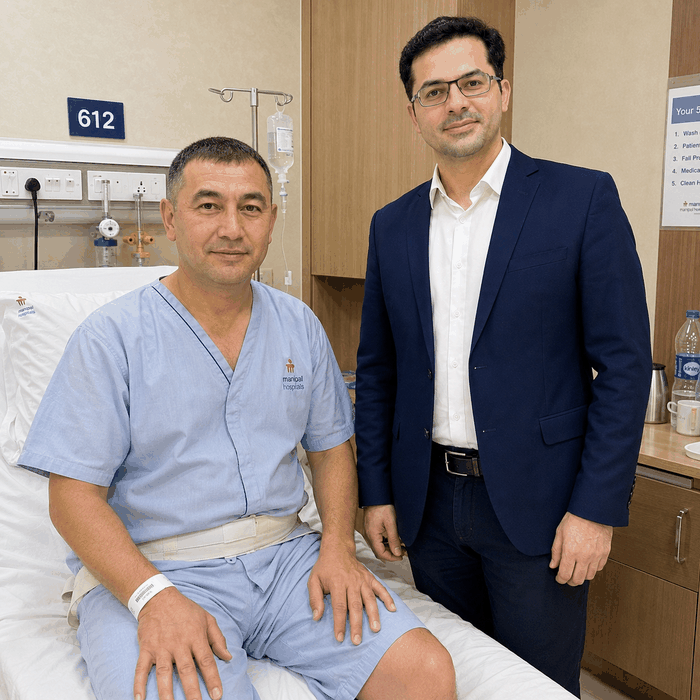
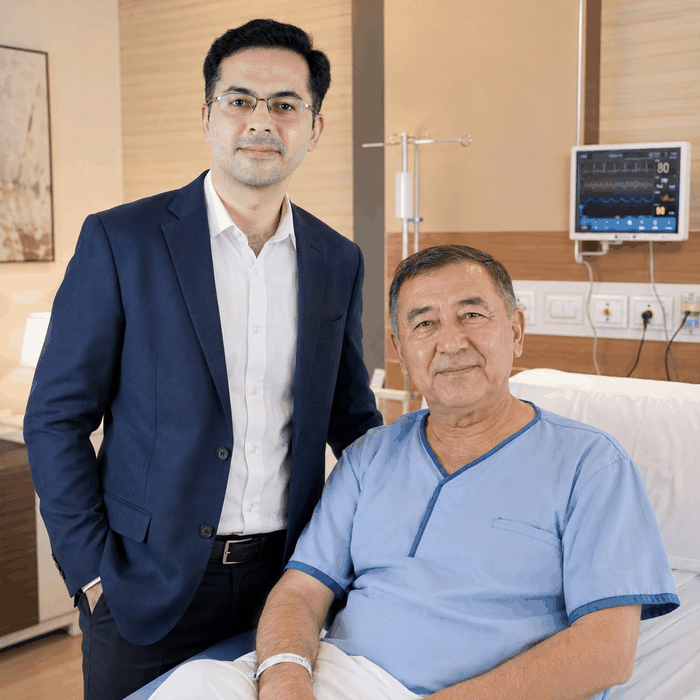
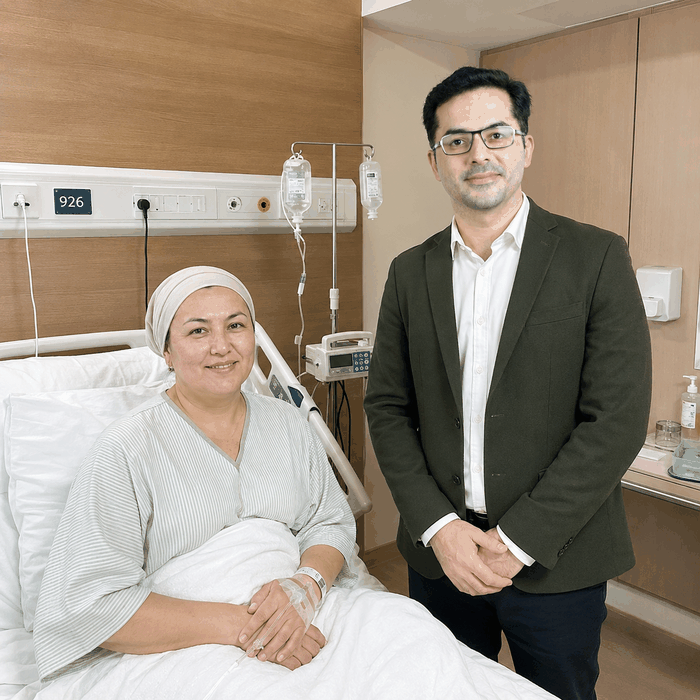
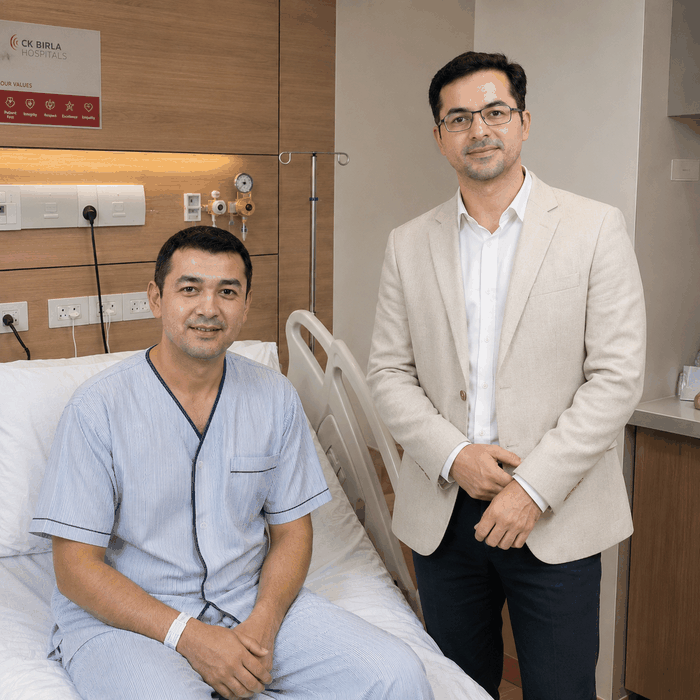
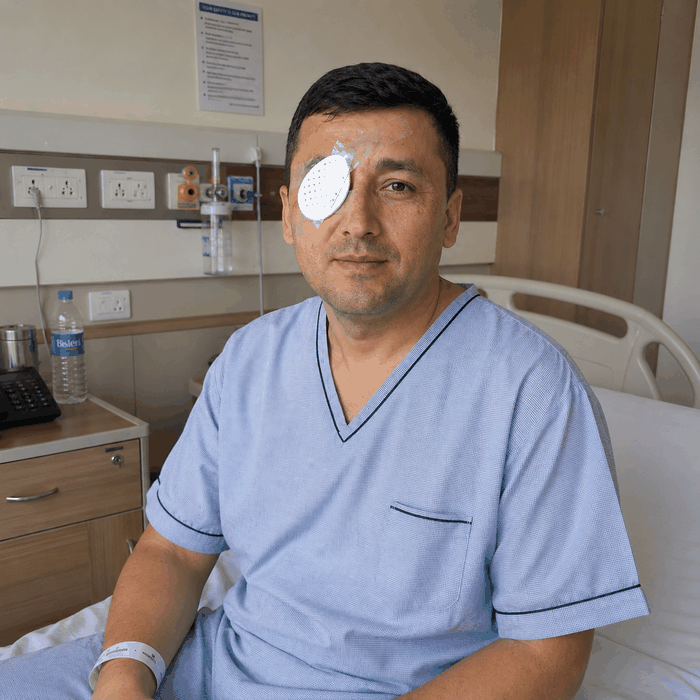
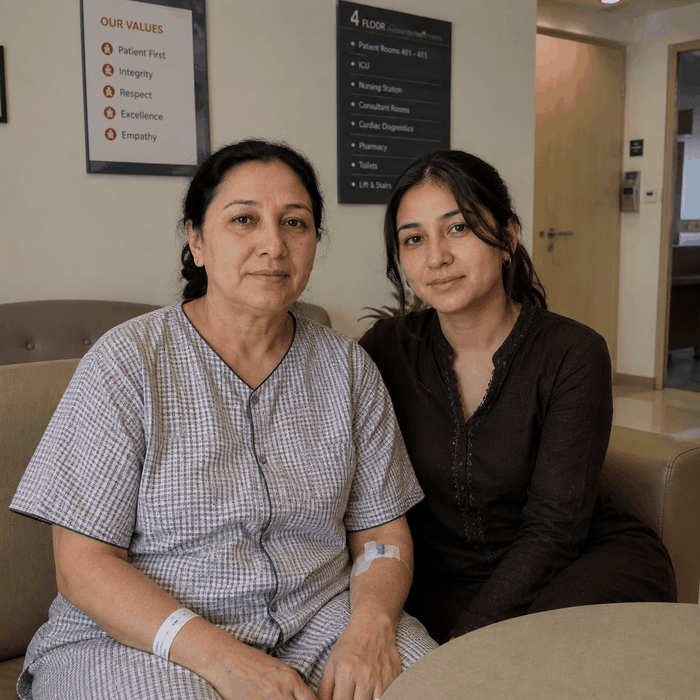
Patient Testimonials from Uzbekistan
Ready to Take the First Step?
Share your medical reports with our healthcare managers today and receive a FREE CONSULTATION, a personalized treatment plan and complete support from your arrival to your recovery.
Get Your Free ConsultationFrom Uzbekistan to India: Your Complete Patient Guide
- Radiotherapy and Modern Cancer Treatments in India for Uzbek Patients
- Robotic Cancer Surgery in India for Uzbek Patients
- Scoliosis Correction Surgery in India for Uzbek Patients
- Shoulder Surgery in India for Uzbek Patients
- Spine Surgery in India for Uzbek Patients
- Urosurgery and Reconstructive Urology in India for Uzbek Patients
- Weight Loss and Bariatric Surgery in India for Uzbek Patients
- Bone Marrow Transplant Treatment in India for Uzbek Patients
- Brain Tumor Surgery in India for Uzbek Patients
- Breast Cancer Treatment and Surgery in India for Uzbek Patients
- Cancer Treatment and Surgery in India for Uzbek Patients
- Cardiac Pacemaker Treatment in India for Uzbek Patients
- Cardiac Surgery in India for Uzbek Patients
- Cervical and Lumbar Disc Replacement Surgery in India for Uzbek Patients
- Colorectal Cancer Treatment and Surgery in India for Uzbek Patients
- Complex Orthopaedic and Joint Revision Surgery in India for Uzbek Patients
- Cornea Transplant and Advanced Eye Surgery in India for Uzbek Patients
- Cosmetic and Aesthetic Surgery in India for Uzbek Patients