

Radiotherapy and Modern Cancer Treatments in India for Uzbek Patients
A practical guide to standard radiotherapy and newer systemic treatments like immunotherapy and targeted therapy in India — what these treatments involve, what they cost compared with Western countries, and how they differ from specialised radiosurgery.
Most cancer patients who need radiation receive it not through a specialised single-session system like CyberKnife or Gamma Knife, but through standard radiotherapy delivered over several weeks — increasingly alongside newer drug treatments like immunotherapy and targeted therapy, which work differently from traditional chemotherapy. Understanding these everyday options matters as much as knowing about the specialised technologies. Across more than two decades of guiding patients from Uzbekistan to treatment in India, the questions I hear most are: What does my recommended treatment actually involve? How does it differ from the specialised options I've read about? What will it really cost? And how do I plan the weeks involved? This guide answers each plainly. It does not replace your oncologist's advice — it should help you understand the treatment landscape clearly. India treats a very high volume of cancer patients with standard radiotherapy and increasingly offers newer systemic treatments, at centres accredited by NABH or the international JCI, organised through a multidisciplinary tumor board.
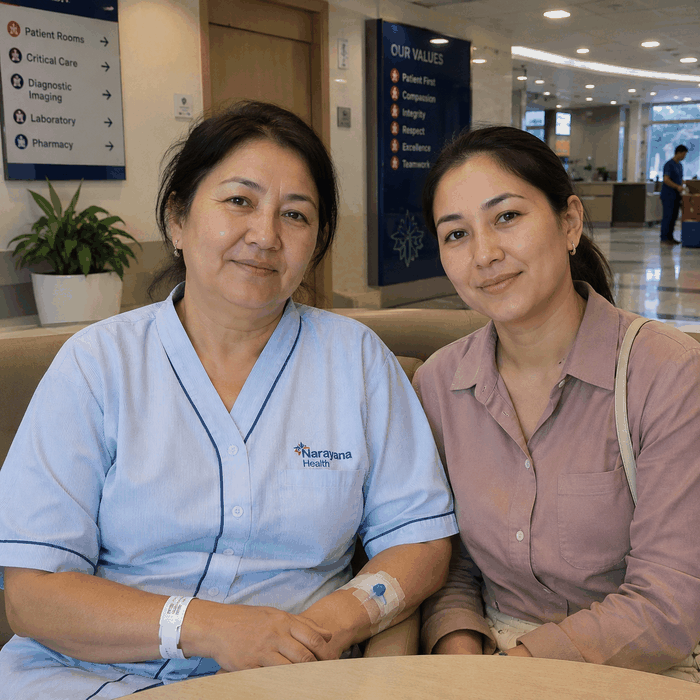
Healing Journeys of Uzbek Patients
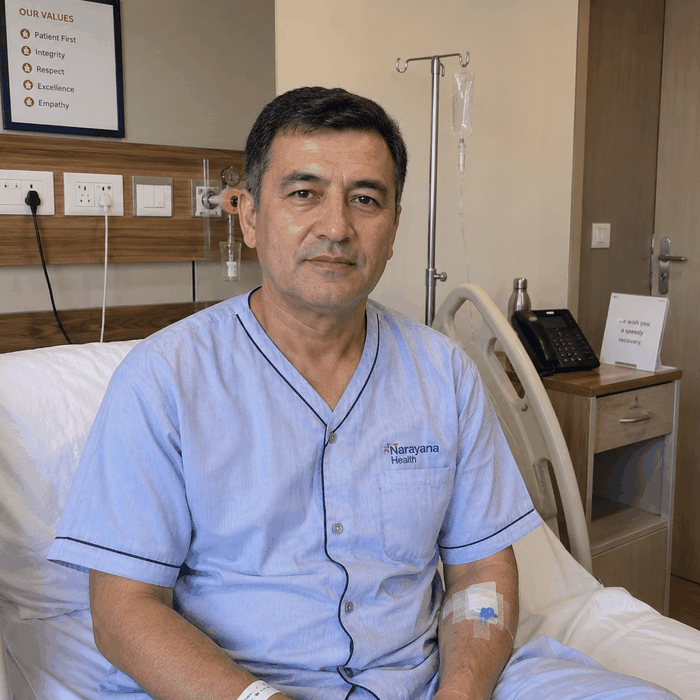
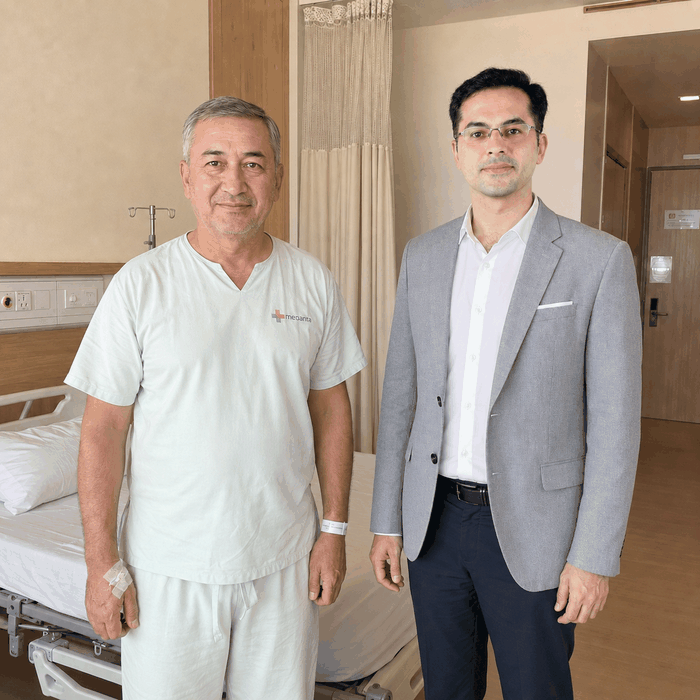
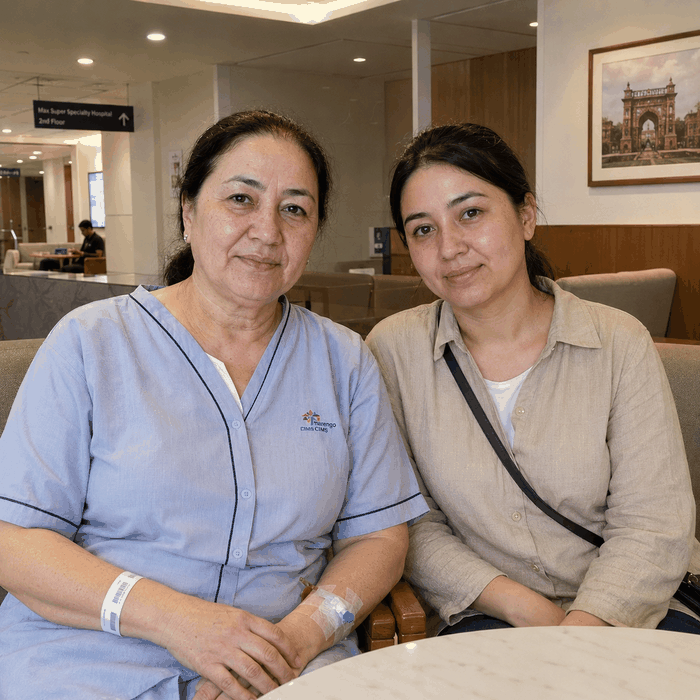
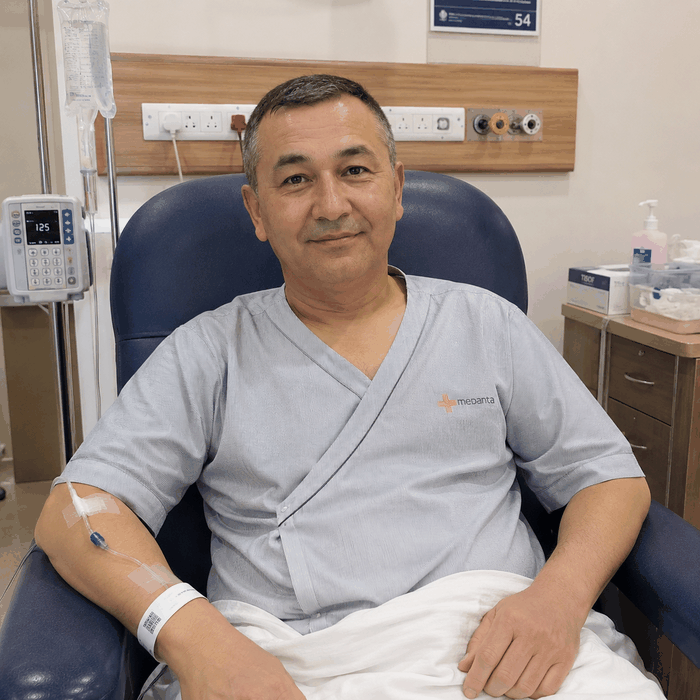
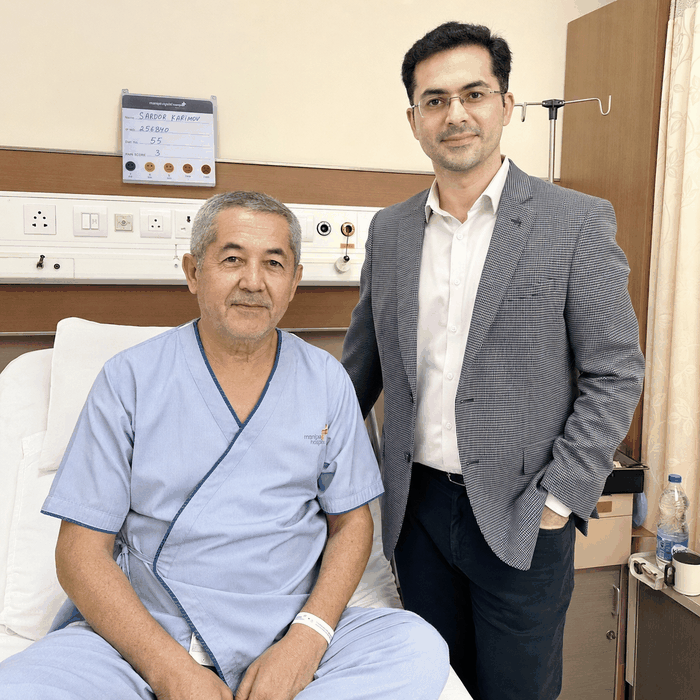
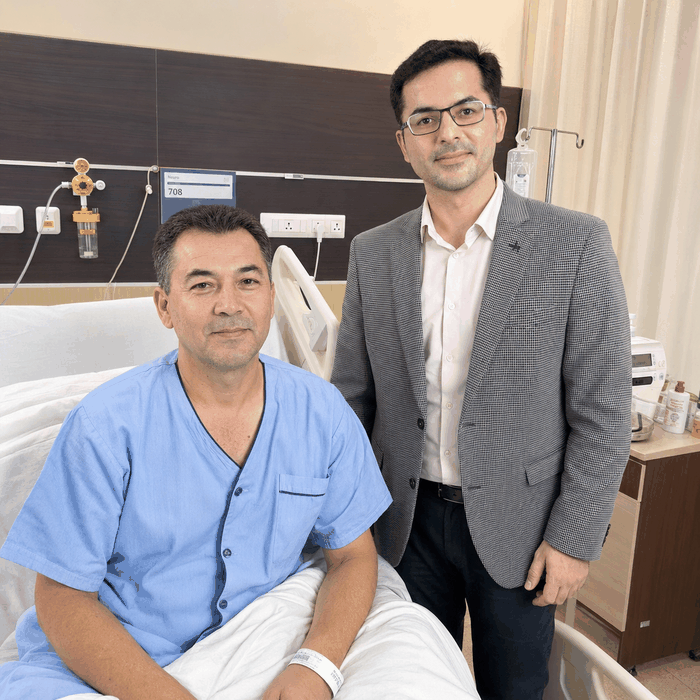
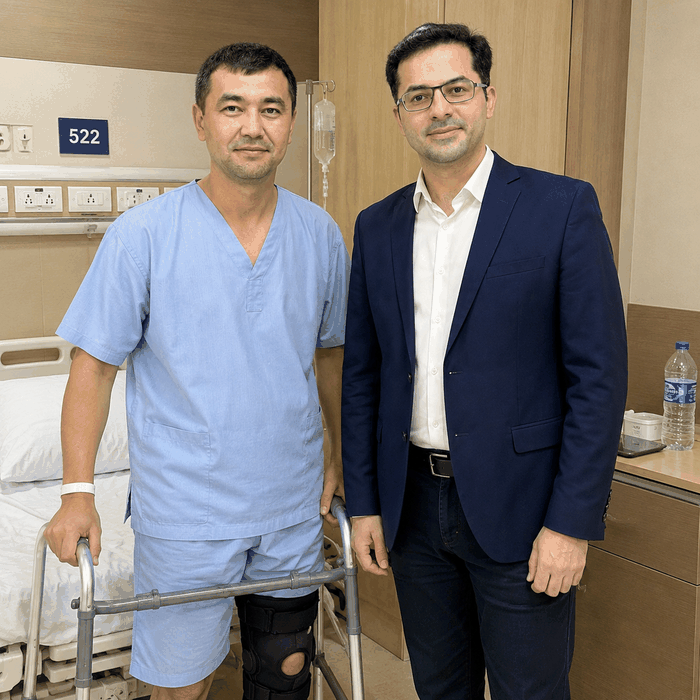
Information Takeaways
- Most cancer patients requiring radiation treatment receive standard radiotherapy rather than specialised systems such as CyberKnife or Gamma Knife. Modern Indian cancer centres commonly provide techniques including IMRT, IGRT and VMAT, while immunotherapy and targeted therapy are increasingly used alongside or instead of conventional chemotherapy depending on the cancer. The guide emphasises that understanding the recommended treatment category is more important than simply choosing the most technologically specialised option.
- Standard external beam radiotherapy uses a linear accelerator to deliver precisely shaped radiation, commonly over 20–35 sessions spread across several weeks. IMRT, IGRT and VMAT are described as modern standard techniques, while brachytherapy places a radioactive source inside or next to the tumour and is used for selected cancers such as cervical and prostate cancer. CyberKnife, Gamma Knife and proton therapy are specialised approaches generally reserved for narrower groups of cases and often require fewer sessions.
- The guide also explains the difference between radiation treatment and newer systemic therapies. Immunotherapy works by helping the immune system recognise and attack cancer cells and is generally delivered in cycles every two to three weeks over several months. Targeted therapy uses medicines directed at specific molecular characteristics of a tumour, identified through genetic or biomarker testing. Not every cancer has an appropriate target, so the oncologist must determine suitability from the patient's test results.
- For Uzbek patients, India offers comprehensive cancer centres in Delhi, Mumbai, Chennai, Bengaluru and Hyderabad. The guide stresses that the most important selection factor is not the city but the centre's experience with the patient's particular cancer. It also highlights modern linear accelerators, access to systemic treatments and international patient programmes with Russian- and Uzbek-speaking coordinators or interpreters.
- The guide estimates the cost of a full standard IMRT or IGRT radiotherapy course in India at approximately USD 3,000–8,000, including planning and treatment sessions. The comparison chart shows Germany and the UK at approximately USD 15,000–35,000, Australia at USD 18,000–40,000 and the USA at USD 15,000–60,000. Immunotherapy and targeted therapy are priced differently, generally per cycle, so patients should obtain both the expected number of cycles and per-cycle cost in writing.
- Treatment planning for Uzbek patients requires attention to the length of the stay. The guide states that most Uzbek patients plan for approximately 4–7 weeks in India for a complete standard radiotherapy course. The journey begins by sending biopsy, staging and scan reports for review, followed by a treatment plan, cost estimate and visa invitation. After arrival, detailed imaging and simulation are performed, followed by weekday treatment sessions of approximately 15–30 minutes and regular progress monitoring.
- Side effects from standard radiotherapy generally build gradually and depend on the treatment area. Fatigue is common, while local effects such as skin changes or digestive symptoms can occur depending on the body region treated and usually ease within a few weeks after treatment. Immunotherapy and targeted therapy have different side-effect profiles and require their own monitoring. Some Uzbek patients may complete the specialised portion of treatment in India and continue further systemic therapy with an oncologist in Uzbekistan, using the treatment plan and records supplied by the Indian team.
Quick Facts
- Treatment
- Modern radiotherapy, immunotherapy and targeted cancer treatment
- Primary Patients
- Uzbek patients seeking cancer treatment in India
- Main Speciality
- Medical and radiation oncology
- Key Specialists
- Radiation oncologists and multidisciplinary cancer teams
- Radiotherapy Techniques
- IMRT, IGRT and VMAT
- Typical Radiotherapy Course
- Approximately 20–35 sessions
- Session Frequency
- Usually Monday to Friday
- Session Duration
- Approximately 15–30 minutes
- Brachytherapy
- Used for selected cancers including cervical and prostate cancer
- Immunotherapy
- Usually administered in cycles every 2–3 weeks
- Targeted Therapy
- Requires appropriate genetic or biomarker findings
- India Radiotherapy Cost
- Approximately USD 3,000–8,000
- Typical Uzbek Stay
- Approximately 4–7 weeks for a complete radiotherapy course
- Planning
- Biopsy, staging and scan reports reviewed before travel
- Monitoring
- Weekly progress and side-effect assessment
- Hospital Accreditation
- Patients should confirm NABH or JCI accreditation
- Tumour Board
- Multidisciplinary review should be confirmed
- Language Support
- Russian- and Uzbek-speaking coordinators/interpreters may be available
- Follow-Up
- Treatment summary and follow-up scans should be arranged in Uzbekistan
- Continuing Treatment
- Some immunotherapy or targeted therapy cycles may continue in Uzbekistan
- Accommodation
- Plan accommodation near the treatment centre for the full course
- Visa
- Medical visa should cover the required treatment period
- Documentation
- Keep scans, pathology reports and treatment summaries
- Author
- Dr. Dheeraj Bojwani
- Experience
- 24+ Years
Knowledgeable Information Snippet
For Uzbek patients travelling to India for cancer treatment, the first step is to establish exactly what type of treatment has been recommended and why. Patients should confirm whether their plan involves standard radiotherapy such as IMRT, IGRT or VMAT, specialised radiosurgery, immunotherapy or targeted therapy. Before booking, the guide recommends checking hospital accreditation, confirming multidisciplinary tumour-board review, understanding the exact radiation technique, completing biomarker testing when targeted therapy is being considered, arranging an appropriate medical visa and establishing how follow-up will continue in Uzbekistan. Accommodation near the cancer centre and a companion for the full treatment period should also be planned when daily treatment extends over several weeks.
Why Uzbek Patients Choose India for Radiotherapy and Modern Cancer Treatment?
Radiation oncologists frequently trained or fellowship-qualified in the UK, Europe or the USA.
- Modern linear accelerators delivering IMRT, IGRT and VMAT, the standard techniques used worldwide.
- Growing access to immunotherapy and targeted therapy, guided by biomarker and genetic testing.
- Dedicated international desks with Russian and Uzbek-speaking coordinators and interpreters.
- Convenient connectivity from Tashkent to Delhi, Mumbai and other major cities.
Cities such as Delhi, Mumbai, Chennai, Bengaluru and Hyderabad all have comprehensive cancer centres. The right choice is a centre's specific experience with your cancer type — not the city name.
Standard radiotherapy, and how modern drug treatments differ
Standard external beam radiotherapy — including IMRT (intensity-modulated), IGRT (image-guided) and VMAT (volumetric arc therapy) — delivers precisely shaped radiation from a linear accelerator, typically over 20 to 35 sessions across several weeks. This differs from CyberKnife, Gamma Knife or proton therapy, specialised systems generally used for a narrower set of cases in just 1 to 5 sessions. Brachytherapy places a radioactive source directly inside or next to the tumor, used for cancers such as cervical or prostate cancer.
Immunotherapy works differently from radiation or chemotherapy — it helps the body's own immune system recognise and attack cancer cells, given in cycles every two to three weeks over several months. Targeted therapy uses drugs acting on specific molecular features of a tumor, identified through genetic or biomarker testing, matching treatment to your cancer's characteristics rather than a one-size-fits-all approach. Not every cancer has a suitable target for these newer treatments — your oncologist will confirm based on test results.
How much does radiotherapy cost in India?
In India, a full course of standard radiotherapy (IMRT or IGRT) typically costs USD 3,000–8,000 all-inclusive, covering planning and all sessions. Immunotherapy and targeted therapy are priced per cycle, and the number of cycles varies by cancer type and response.
India vs Western countries: cost of a radiotherapy course
Approximate all-inclusive price for standard IMRT/IGRT (USD, 2026)
Figures are indicative ranges compiled from hospital and medical-travel sources; your final quote depends on the cancer type, technique and number of sessions.
Notice how far below Western prices India sits for a standard course — often a fraction of the cost in the USA, UK, Germany or Australia, using the same linear accelerator technology. India's advantage is value: high patient volume and modern equipment, at a cost most families can realistically plan around.
One caution on budgeting: if immunotherapy or targeted therapy is recommended, get a per-cycle price and the expected number of cycles in writing, since these are billed differently from a fixed radiotherapy course and the total varies by response. The quote also rarely includes flights and accommodation for what can be several weeks.
Ask your oncologist plainly which category your recommended treatment falls into, and why — standard radiotherapy, specialised radiosurgery, or a newer systemic drug treatment each have very different implications for your visit.
Your radiotherapy treatment journey, step by step
Since standard radiotherapy runs over several weeks, planning for the full duration matters. Most Uzbek patients plan for 4 to 7 weeks in India for a complete course.
Your radiotherapy treatment journey, step by step
A typical timeline from Uzbekistan to India and back
Immunotherapy or targeted therapy courses run on a different schedule, often continuing over months, sometimes partly coordinated with a doctor in Uzbekistan.
Factors that every Uzbek Patient should consider while planning Radiotherapy in India
Before you commit, work through the checklist below with the hospital's international team. In more than 24 years of guiding patients through this decision, those who ask these six questions directly are the best prepared.
Before you book: six things to confirm
A pre-travel checklist for patients from Uzbekistan
Also confirm accommodation near the treatment centre for the full course, since daily attendance is required for standard radiotherapy.
Two further points: bring a companion for the full duration, not just the first few days — a multi-week course is a marathon — and ask whether part of your treatment could continue in Uzbekistan once the most specialised phase is complete.
Recovery and life during treatment, returning to Uzbekistan
Side effects from standard radiotherapy build gradually and are specific to the area treated — fatigue is common across most cases, alongside localised effects such as skin changes or digestive symptoms depending on the site. These generally ease within a few weeks of finishing. Immunotherapy and targeted therapy have a different side-effect profile from radiation or chemotherapy, and your oncology team will monitor for these specifically. Response to any treatment is assessed on follow-up scans over the following months, not immediately. Some patients complete their full course in India; others complete the most specialised portion here and continue further cycles with an oncologist in Uzbekistan using the detailed plan from India. Keep every scan, pathology report and treatment summary safely for this ongoing care.
Frequently asked questions
Is radiotherapy treatment in India safe? At an accredited centre, yes. India's leading cancer hospitals meet NABH or JCI standards, use modern linear accelerators, and are staffed by experienced radiation oncology teams working within a multidisciplinary tumor board.
Will there be someone who speaks my language? Major international hospitals have Russian and Uzbek-speaking coordinators and interpreters who assist from your first message through the full treatment course and follow-up.
How is standard radiotherapy different from CyberKnife or Gamma Knife? Standard techniques like IMRT and IGRT are used for a very wide range of cancers over 20 to 35 sessions. CyberKnife and Gamma Knife are specialised systems for specific, generally smaller targets, completed in 1 to 5 sessions. Your oncologist will confirm which applies to your case.
Can part of my treatment continue in Uzbekistan? Often, yes, particularly for immunotherapy or targeted therapy cycles that continue over months. Many patients complete an initial phase in India and continue further cycles with an oncologist at home using the detailed plan provided.
A note from Dr Dheeraj Bojwani
With 24+ years of experience guiding international patients through cancer diagnoses, my advice to every patient from Uzbekistan is the same: understand exactly which category your recommended treatment falls into, get a clear written plan for the number of sessions or cycles involved, and ask directly whether any part of the treatment could reasonably continue at home. This article is general information and not a substitute for a personal consultation with your oncology team.
Straight Answer Question by Uzbek Patients about Radiotherapy in India
Is radiotherapy treatment in India safe?
At an accredited centre, yes. India's leading cancer hospitals meet NABH or JCI standards, use modern linear accelerators, and are staffed by experienced radiation oncology teams working within a multidisciplinary tumor board.
Will there be someone who speaks my language?
Major international hospitals have Russian and Uzbek-speaking coordinators and interpreters who assist from your first message through the full treatment course and follow-up.
How is standard radiotherapy different from CyberKnife or Gamma Knife?
Standard techniques like IMRT and IGRT are used for a very wide range of cancers over 20 to 35 sessions. CyberKnife and Gamma Knife are specialised systems for specific, generally smaller targets, completed in 1 to 5 sessions. Your oncologist will confirm which applies to your case.
Can part of my treatment continue in Uzbekistan?
Often, yes, particularly for immunotherapy or targeted therapy cycles that continue over months. Many patients complete an initial phase in India and continue further cycles with an oncologist at home using the detailed plan provided.
References & sources
- 🌐 National Accreditation Board for Hospitals & Healthcare Providers (NABH) — accredited hospital directory. · nabh.co
- 🌐 Joint Commission International (JCI) — directory of accredited organisations. · jointcommissioninternational.org
- 🌐 National Medical Commission of India — doctor and specialist registration verification. · nmc.org.in
- 🌐 World Health Organization — Cancer fact sheet. · who.int/news-room/fact-sheets/detail/cancer
- 🌐 Bureau of Immigration, Government of India — e-Medical Visa. · indianvisaonline.gov.in
- 🌐 Cost ranges compiled from published hospital and medical-travel price guides for radiotherapy, immunotherapy and targeted therapy, 2025–2026.
Frequently Asked Questions by Uzbek Patients about Radiotherapy in India
What radiotherapy options are available in India for Uzbek patients?
The guide describes IMRT, IGRT and VMAT as modern standard radiotherapy techniques. Brachytherapy and specialised systems such as CyberKnife, Gamma Knife and proton therapy may be appropriate for selected cancers.
How much does radiotherapy in India cost for Uzbek patients?
A complete standard IMRT or IGRT course is estimated at approximately USD 3,000–8,000. The final quotation depends on the cancer type, technique and number of sessions.
How long do Uzbek patients need to stay in India for radiotherapy?
The guide states that most Uzbek patients plan for approximately 4–7 weeks in India for a complete radiotherapy course. Daily weekday treatment and regular monitoring make accommodation near the treatment centre important.
How is standard radiotherapy different from CyberKnife or Gamma Knife for Uzbek patients?
IMRT and IGRT are used for a broad range of cancers and generally require 20–35 sessions. CyberKnife and Gamma Knife are specialised treatments for specific, generally smaller targets and may be completed in 1–5 sessions.
Can Uzbek cancer patients receive immunotherapy in India?
The guide states that India has growing access to immunotherapy, which may be used according to the patient's cancer characteristics and treatment plan. It is administered in cycles rather than as a conventional radiotherapy course.
Can targeted cancer therapy be given to Uzbek patients in India?
Yes, when the cancer has an appropriate molecular target. Genetic or biomarker testing is important before targeted therapy is selected, and the guide recommends confirming that the relevant testing has been completed.
Will Uzbek patients receive language assistance during cancer treatment in India?
Major international hospitals described in the guide may provide Russian- and Uzbek-speaking coordinators and interpreters. Support can extend from initial communication through treatment and follow-up.
What should Uzbek patients arrange before travelling to India for radiotherapy?
Patients should send biopsy, staging and scan reports for review, obtain a treatment plan and written estimate, arrange the required medical visa and organise accommodation near the treatment centre. A companion for the full course is also recommended.
Can Uzbek patients continue cancer treatment in Uzbekistan after starting treatment in India?
Often, yes, particularly for immunotherapy or targeted therapy cycles that continue over several months. The guide explains that some patients complete the specialised initial phase in India and continue subsequent cycles with an oncologist in Uzbekistan using the detailed treatment plan.
What follow-up should Uzbek patients arrange after radiotherapy in India?
Patients should return with their treatment summary and establish a schedule for follow-up scans. Response to treatment is assessed over the following months, so continued monitoring with an oncology team in Uzbekistan is important.
Page Summary
Modern cancer treatment in India may involve standard external beam radiotherapy, brachytherapy, immunotherapy or targeted therapy depending on the cancer type, stage and biological characteristics. The guide explains that IMRT, IGRT and VMAT are commonly used radiation techniques delivered over several weeks, while specialised systems such as CyberKnife and Gamma Knife are intended for more specific cases. For Uzbek patients, India offers modern cancer centres and international patient support, with standard radiotherapy costing approximately USD 3,000–8,000 according to the guide. Because treatment can require 4–7 weeks in India, patients should arrange accommodation, medical visas, companion support and a clear plan for follow-up or continuation of systemic treatment in Uzbekistan before travelling.
Citation Block
| Field | Details |
|---|---|
| Article / Topic | Radiotherapy and Modern Cancer Treatments in India for Uzbek Patients |
| Medical Specialty | Oncology and Radiation Oncology |
| Primary Patient Group | Patients from Uzbekistan |
| Main Treatment Category | Standard radiotherapy and modern systemic cancer treatments |
| Radiotherapy Techniques | IMRT, IGRT and VMAT |
| Typical Standard Sessions | Approximately 20–35 sessions |
| Brachytherapy | Radioactive source placed inside or near the tumour |
| Specialised Radiation Options | CyberKnife, Gamma Knife and proton therapy |
| Immunotherapy | Uses the immune system to recognise and attack cancer cells |
| Immunotherapy Schedule | Commonly cycles every 2–3 weeks |
| Targeted Therapy | Treatment directed at specific molecular tumour characteristics |
| Targeted Therapy Requirement | Genetic or biomarker testing where appropriate |
| India Radiotherapy Cost | Approximately USD 3,000–8,000 |
| Germany Comparison | Approximately USD 15,000–35,000 |
| UK Comparison | Approximately USD 15,000–35,000 |
| Australia Comparison | Approximately USD 18,000–40,000 |
| USA Comparison | Approximately USD 15,000–60,000 |
| Typical Uzbek Stay | Approximately 4–7 weeks for a complete radiotherapy course |
| Pre-Travel Records | Biopsy, staging and scan results |
| Planning Stage | Detailed imaging and treatment simulation |
| Daily Treatment | Usually Monday to Friday |
| Session Duration | Approximately 15–30 minutes |
| Monitoring | Regular progress and side-effect checks |
| Hospital Selection | NABH- or JCI-accredited cancer centre should be confirmed |
| Care Model | Multidisciplinary tumour-board review |


Our Mission Statement
Our mission is to place patients at the centre of every healthcare decision by providing trustworthy, evidence-based, and unbiased medical information. We believe that informed patients make better decisions. Backed by personalised guidance from our experienced advisory team, we help patients understand their treatment options, compare them objectively, and confidently choose the path that best suits their medical needs and personal circumstances.
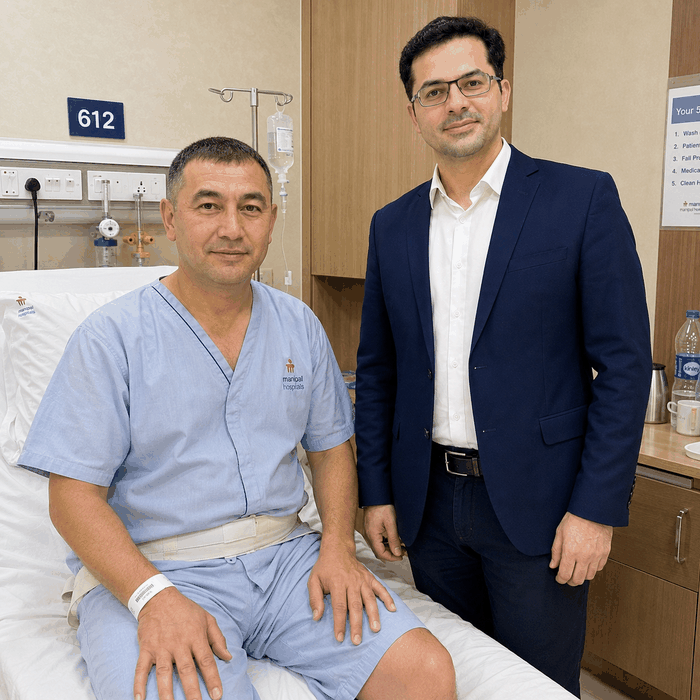
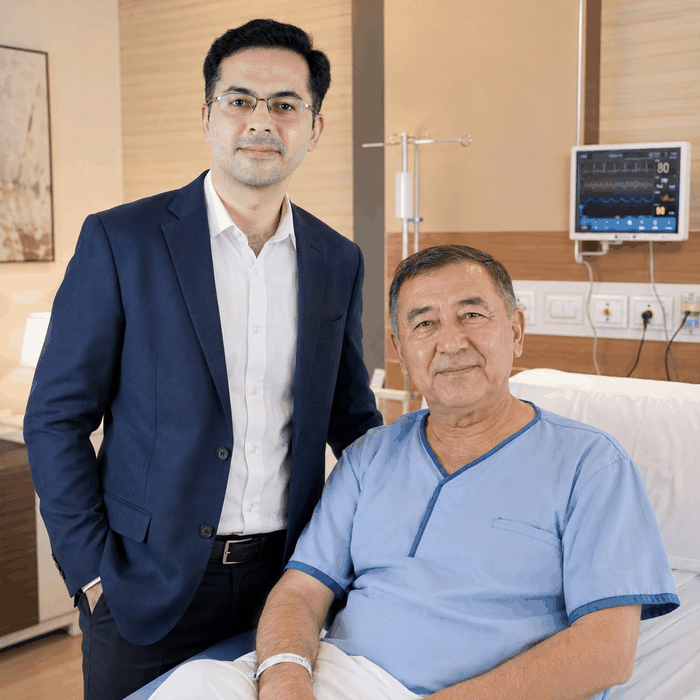
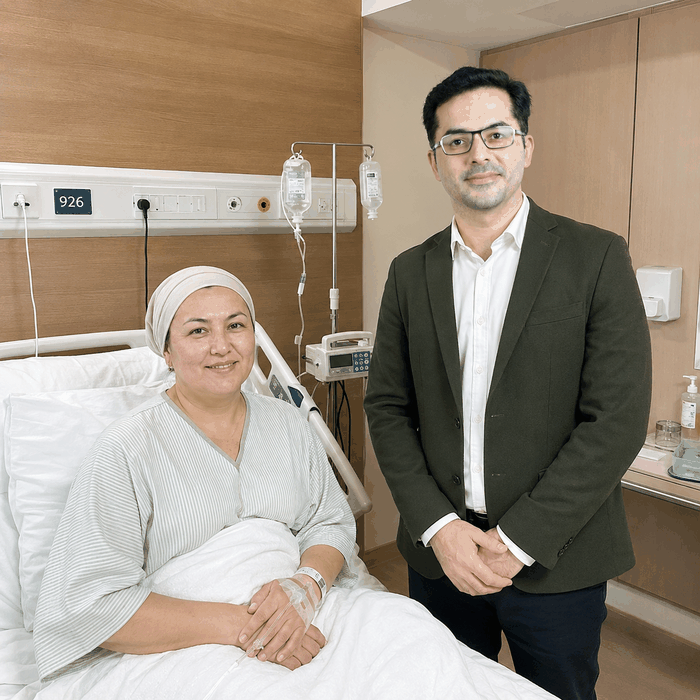
Patient Testimonials from Uzbekistan
Ready to Take the First Step?
Share your medical reports with our healthcare managers today and receive a FREE CONSULTATION, a personalized treatment plan and complete support from your arrival to your recovery.
Get Your Free ConsultationFrom Uzbekistan to India: Your Complete Patient Guide
- Kidney Transplant Treatment in India for Uzbek Patients
- Knee Surgery in India for Uzbek Patients
- Laparoscopic and Robotic Myomectomy in India for Uzbek Patients
- Leukemia, Lymphoma and Blood Cancer Treatment in India for Uzbek Patients
- Liver Transplant Treatment in India for Uzbek Patients
- Neuronavigation and Advanced Brain Surgery in India for Uzbek Patients
- Neurosurgery in India for Uzbek Patients
- Oral and Maxillofacial Surgery in India for Uzbek Patients
- Paediatric Heart Surgery in India for Uzbek Patients
- Paediatric Neurosurgery in India for Uzbek Patients
- Paediatric Orthopaedic Surgery in India for Uzbek Patients
- Pancreatic Cancer Surgery in India for Uzbek Patients
- Parkinson’s Treatment and DBS Surgery in India for Uzbek Patients
- Penile Implant Surgery in India for Uzbek Patients
- Plastic and Reconstructive Surgery in India for Uzbek Patients
- Prostate Cancer Treatment and Surgery in India for Uzbek Patients
- Proton Therapy Treatment in India for Uzbek Patients
- Robotic Cancer Surgery in India for Uzbek Patients