

Neurosurgery in India for Uzbek Patients
A practical guide to planning spine, functional or vascular neurosurgery in India — what treatment involves, what it costs compared with Western countries, and how to travel with confidence from Tashkent, Samarkand or anywhere in Uzbekistan.
Neurosurgery covers a wide range of conditions — a slipped disc pressing on a nerve, a brain aneurysm found on a scan, tremors from Parkinson's disease, or a child born with hydrocephalus. Whatever brought you here, the decision of where to be treated, and by whom, matters enormously. Across more than two decades of guiding patients from Uzbekistan to treatment in India, I find families ask the same questions regardless of the specific diagnosis: Is the surgery safe? What will it really cost? How long will treatment take? And how do I organise the trip with confidence? This guide answers each plainly. It is not a substitute for your own doctors' advice, but it should help you ask better questions and plan the logistics. India has become one of the world's leading destinations for brain and spine care, for reasons that matter directly to you. Its top neuroscience centres are accredited by NABH or the international JCI, and their neurosurgeons often perform several hundred procedures a year across spine, vascular and functional neurosurgery — a volume of experience that is hard to match in smaller health systems.
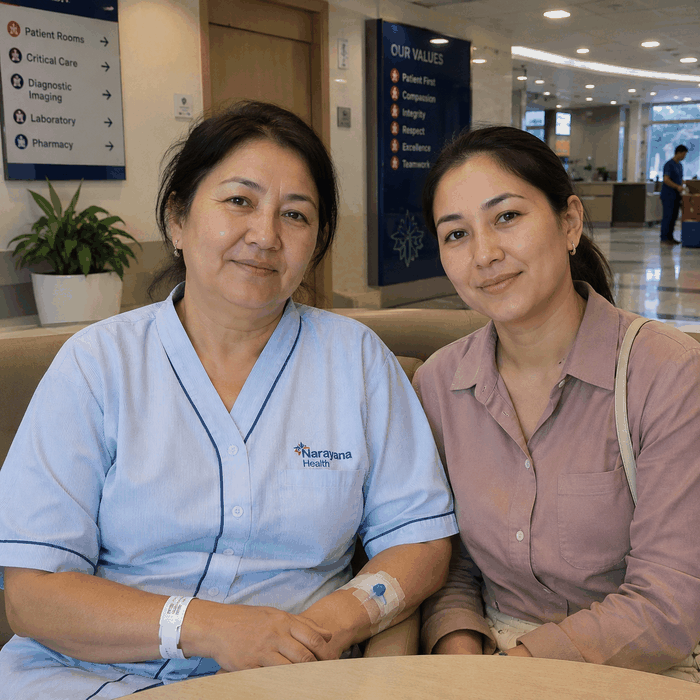
Healing Journeys of Uzbek Patients
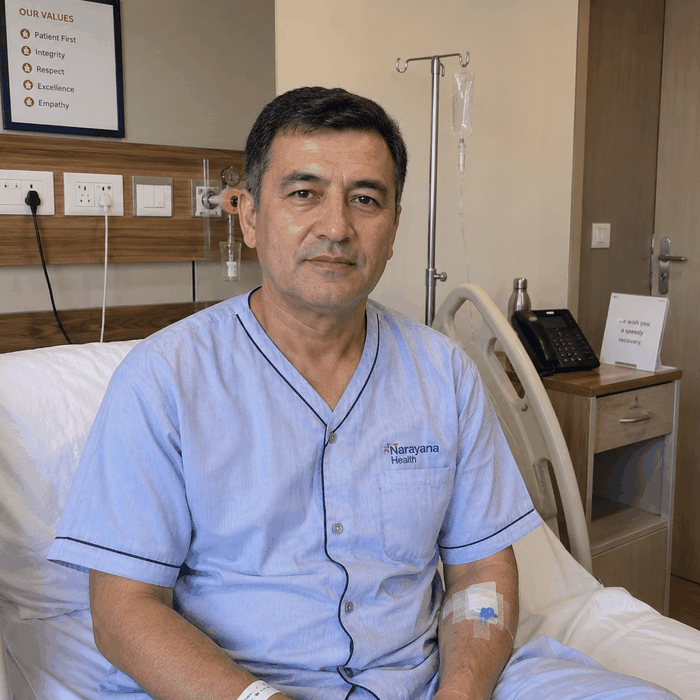
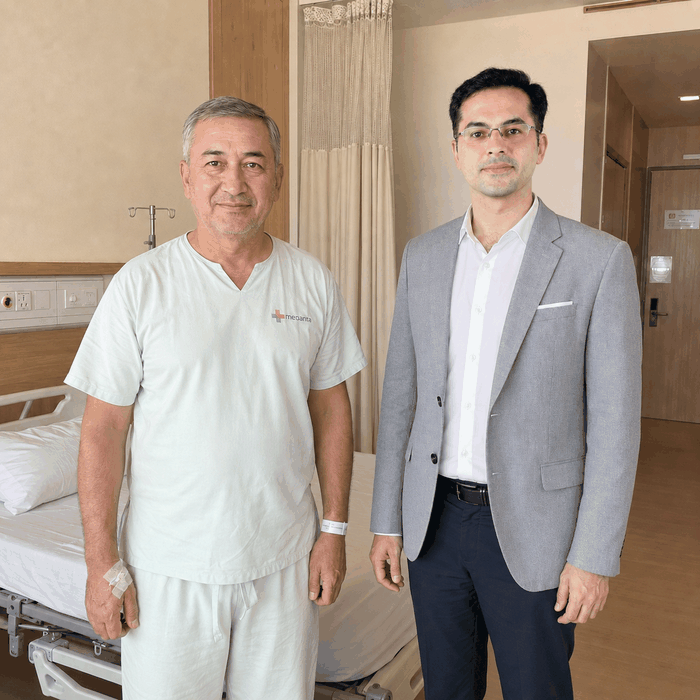
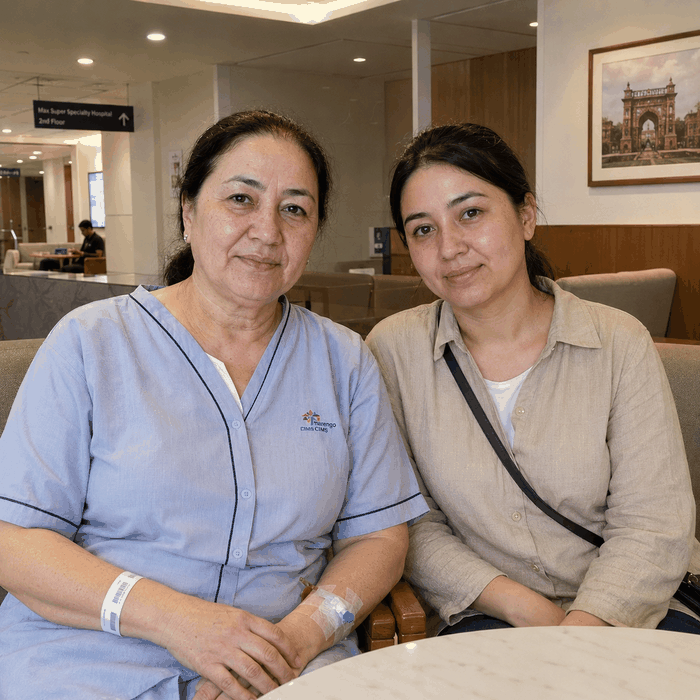
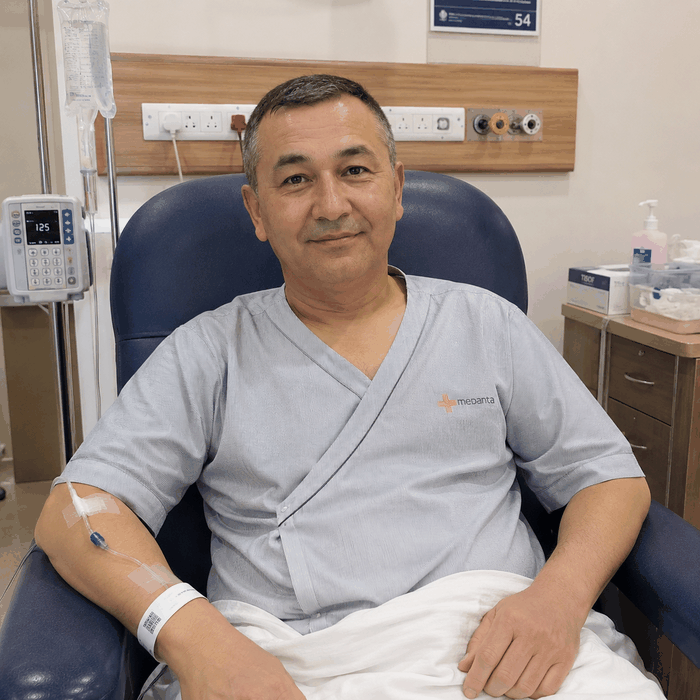
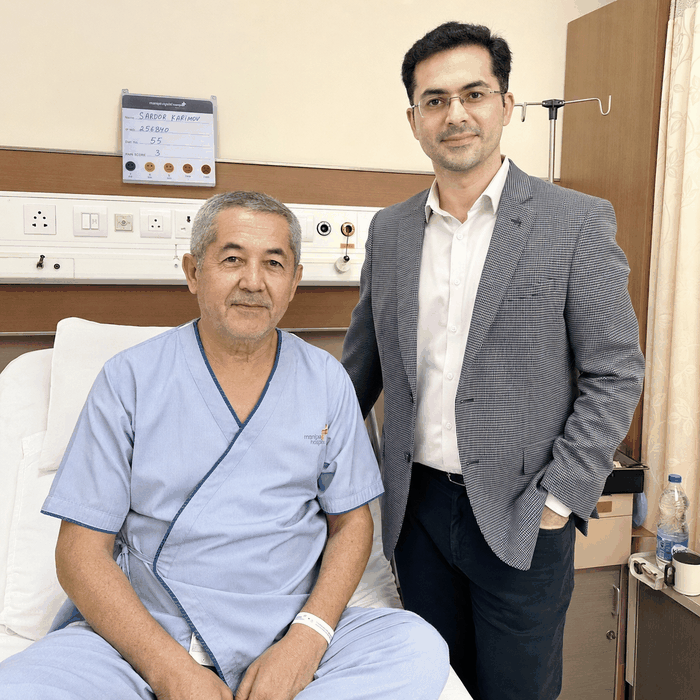
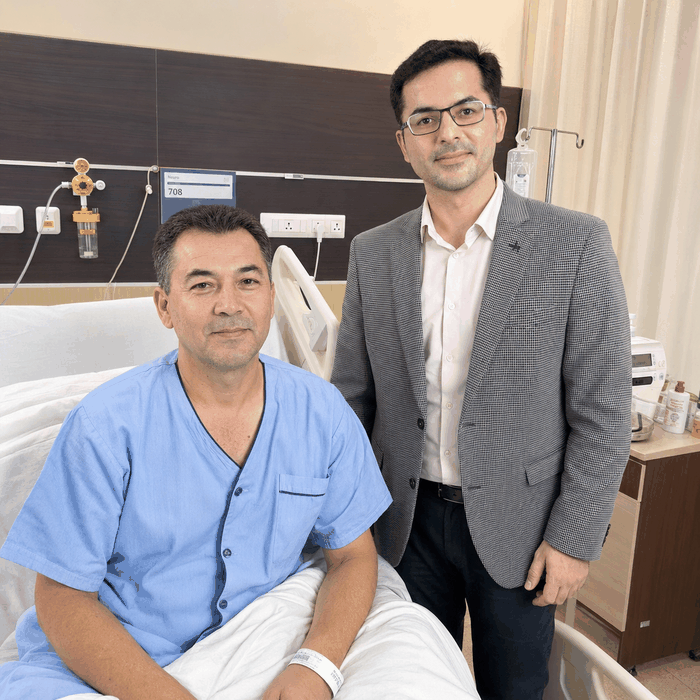
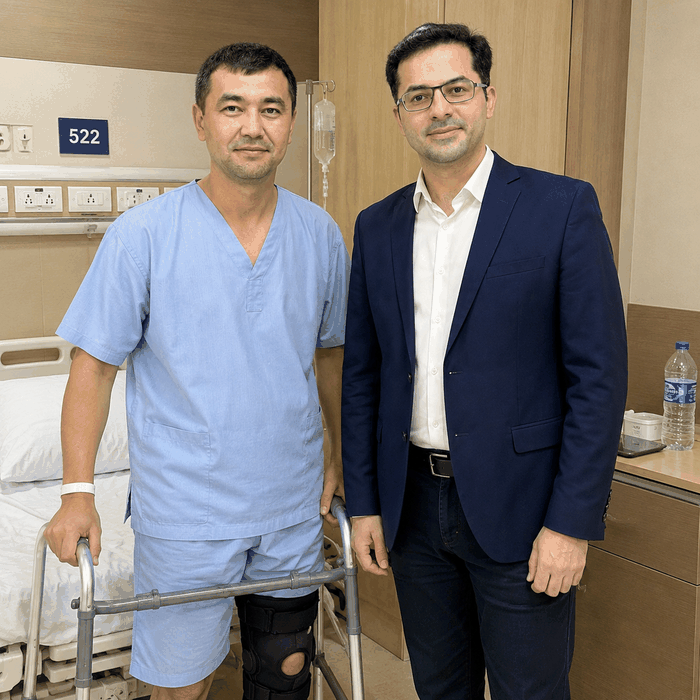
Information Takeaways
- Neurosurgery covers a broad range of conditions rather than one single type of operation. The source describes treatment areas including spine surgery for slipped discs, spinal stenosis and instability; vascular neurosurgery for aneurysms and abnormal blood vessels; functional neurosurgery for movement disorders such as Parkinson's disease and severe tremor; epilepsy surgery when seizures remain uncontrolled despite medication; and pediatric neurosurgery for conditions such as hydrocephalus. The appropriate treatment therefore depends primarily on the patient's diagnosis and clinical findings.
- India is presented as a major destination for brain and spine care, with leading neuroscience centres described as having NABH or JCI accreditation and neurosurgeons who may perform several hundred procedures each year across different subspecialties. The guide identifies Delhi, Mumbai, Chennai, Bengaluru and Hyderabad as important locations, but specifically advises patients to select the neurosurgical team according to experience with their particular condition rather than choosing a city simply because it is well known.
- The source highlights several modern approaches used in Indian neurosurgical practice. Spine procedures such as discectomy, laminectomy and spinal fusion may use minimally invasive techniques. Vascular conditions such as aneurysms can be treated through clipping or endovascular coiling. Functional neurosurgery can include deep brain stimulation for selected movement disorders, while epilepsy surgery may be considered when medication does not adequately control seizures. Pediatric neurosurgery addresses conditions such as childhood hydrocephalus.
- Treatment costs vary considerably according to the exact procedure and complexity. The source gives a general Indian range of USD 5,000–15,000 for common neurosurgical procedures such as spine surgery and aneurysm treatment. More complex cases, including multi-level spinal fusion or combined vascular procedures, may cost more. The comparison chart shows approximate all-inclusive ranges of USD 5,000–15,000 for India, USD 27,000–65,000 for Germany, USD 35,000–90,000 for the UK, USD 45,000–85,000 for Australia and USD 50,000–150,000 for the USA.
- For Uzbek patients, the treatment journey should begin before travelling to India. The guide recommends sending MRI, CT or angiogram images for an initial neurosurgical opinion, followed by a written treatment plan, cost estimate and medical-visa invitation letter. Most Uzbek patients are described as completing the overall journey in approximately two to three weeks, although the exact duration depends on the procedure and individual recovery.
- The treatment pathway shown in the guide includes arrival and pre-operative testing around days 1–2, surgery and hospital care around days 2–3, recovery and rehabilitation from approximately days 5–12, and potential travel home around days 12–21. The source stresses that these dates are not fixed because different neurosurgical procedures have very different recovery requirements. Pre-operative imaging, anaesthesia clearance and a face-to-face consultation help confirm the final treatment plan after arrival.
- Recovery depends heavily on the type of neurosurgery performed. Spine surgery patients may be walking within a day and may return home within a week, with physiotherapy continuing afterwards. Vascular and functional procedures generally require closer monitoring and may involve a hospital stay of approximately five to ten days. Rehabilitation, physiotherapy or occupational therapy can form an important part of recovery, while follow-up imaging and communication with a doctor in Uzbekistan should be arranged before returning home.
Quick Facts
- Treatment
- Neurosurgery for spine, vascular, functional, epilepsy and pediatric conditions
- Primary Patients
- Uzbek patients seeking neurosurgical treatment in India
- Main Speciality
- Neurosurgery
- Key Specialist
- Neurosurgeon specialising in the patient's exact condition
- Major Subspecialties
- Spine, vascular, functional, epilepsy and pediatric neurosurgery
- Common Procedures
- Discectomy, laminectomy, spinal fusion, aneurysm treatment and deep brain stimulation
- India Cost Range
- Approximately USD 5,000–15,000 for many common procedures
- Complex Cases
- Multi-level spinal fusion and combined vascular procedures may cost more
- Typical India Stay
- Approximately 2–3 weeks for many Uzbek patients
- Pre-Travel
- MRI, CT or angiogram should be reviewed before travel
- Hospital Standard
- NABH- or JCI-accredited neuroscience centre recommended
- Technology
- Minimally invasive, navigation-guided and intraoperative monitoring techniques may be available
- Second Opinion
- Recommended for non-emergency cases when appropriate
- Surgery
- Timing varies significantly according to the procedure
- Spine Recovery
- Some patients may walk within a day and leave hospital within a week
- Vascular/Functional Recovery
- Hospital monitoring commonly lasts around 5–10 days
- Rehabilitation
- Physiotherapy, occupational therapy or gradual activity may be required
- Follow-Up
- Imaging and continuing care should be coordinated with a doctor in Uzbekistan
- Language Support
- Russian- and Uzbek-speaking coordinators/interpreters may be available
- Travel
- Medical and companion visas plus airport pickup should be arranged in advance
- Companion
- Recommended during treatment and recovery
- Documentation
- Keep scans, surgical reports and discharge summaries
- Author
- Dr. Dheeraj Bojwani
- Experience
- 24+ Years
Knowledgeable Information Snippet
For Uzbek patients considering neurosurgery in India, the most important decision is matching the neurosurgeon and subspecialty team to the exact diagnosis. The source recommends confirming accreditation, asking whether the surgeon specialises in the patient's specific condition, checking whether minimally invasive, navigation-guided or monitored techniques are appropriate, obtaining a second opinion for non-emergency cases, and establishing a written follow-up plan before travelling. Patients should also understand that the final treatment plan and cost can change if examination or surgery reveals greater complexity than suggested by the initial scans.
Why Uzbek Patients Choose India for Neurosurgery?
Cities such as Delhi, Mumbai, Chennai, Bengaluru and Hyderabad all have excellent neuroscience institutes. The right choice is the team with proven experience in your specific condition — not the city name.
- Neurosurgeons frequently trained or fellowship-qualified in the UK, Europe or the USA.
- Advanced technology including neuronavigation, intraoperative monitoring and minimally invasive spine techniques.
- Dedicated sub-specialty teams for spine, vascular, functional and pediatric neurosurgery.
- Dedicated international desks with Russian and Uzbek-speaking coordinators and interpreters.
- Convenient connectivity from Tashkent to Delhi, Mumbai and other major cities.
Which type of neurosurgery might you need?
“Neurosurgery” covers several distinct fields, and your treatment path depends entirely on your diagnosis.
Spine surgery — discectomy, laminectomy or spinal fusion — treats slipped discs, spinal stenosis or instability, often through minimally invasive techniques. Vascular neurosurgery treats aneurysms and abnormal blood vessels through clipping or endovascular coiling. Functional neurosurgery, including deep brain stimulation, treats movement disorders such as Parkinson's disease and severe tremor. Epilepsy surgery is considered when seizures do not respond to medication. Pediatric neurosurgeons separately manage conditions such as hydrocephalus in children.
How much does neurosurgery in India cost?
Cost varies significantly by procedure, so treat the figures below as a general guide rather than a quote. Most common neurosurgical procedures in India — spine surgery, aneurysm treatment and similar — typically cost USD 5,000–15,000 all-inclusive. Complex cases, such as multi-level spinal fusion or combined vascular procedures, can cost more, and this is only confirmed once a surgeon reviews your scans.
India vs Western countries: cost of neurosurgery
Approximate all-inclusive price for common neurosurgical procedures (USD, 2026)
Figures are indicative ranges compiled from hospital and medical-travel sources; your final quote depends on the exact procedure, technique and hospital tier.
Notice how far below Western prices India sits — often a fraction of what the same procedure costs in the USA, UK, Germany or Australia — without a trade-off in surgical technology. India's advantage is value: high-volume specialist teams and modern equipment, at a cost that does not require years of savings or a long public waiting list.
One caution on budgeting: the initial estimate is based on your scans and reports, and the final figure is confirmed only once the surgeon reviews your case directly. It also rarely includes flights, accommodation and a companion's costs. Ask for a written estimate that states clearly what could change the price.
Choose your neurosurgeon and sub-specialty team first, and the price second. The right expertise for your specific condition matters more than the hospital's name.
Your neurosurgery treatment journey, step by step
Understanding the whole path in advance makes planning easier. From first contact to flying home, most Uzbek patients complete the journey in about 2 to 3 weeks.
Your neurosurgery treatment journey, step by step
A typical timeline from Uzbekistan to India and back
Timelines vary considerably by procedure type; your neurosurgical team will confirm exact dates for your case.
Factors that every Uzbek Patient should consider while planning Neurosurgery in India
Before you commit, work through the checklist below with the hospital's international team. In more than 24 years of guiding families through this decision, those who ask these six questions directly are the best prepared for what follows.
Before you book: six things to confirm
A pre-travel checklist for patients from Uzbekistan
Also confirm the total budget including flights and extended-stay living costs, and how payment is handled if the plan changes once the surgeon reviews your case in person.
Two further points: bring a companion — recovery is easier with support close by — and ask for everything in writing, including what happens if your case turns out to be more complex than the scans suggested.
Recovery after Neurosurgery and returning to Uzbekistan
Recovery depends heavily on which procedure you had. Spine surgery patients are often walking within a day and home within a week, with physiotherapy continuing for several weeks after. Vascular and functional procedures generally need a longer hospital stay, typically 5 to 10 days, with closer monitoring in the days immediately after surgery. Whatever the procedure, some degree of rehabilitation — physiotherapy, occupational therapy or gradual return to normal activity — is a standard part of recovery, not a sign that something has gone wrong. Your Indian team will schedule follow-up imaging and can coordinate ongoing care with a doctor in Uzbekistan. Keep every scan, report and discharge summary for these appointments.
Frequently asked questions
Is neurosurgery in India safe? At an accredited neuroscience centre, yes. India's leading hospitals meet NABH or JCI standards and are staffed by high-volume specialists across spine, vascular and functional neurosurgery. Safety depends on choosing a centre with proven experience in your specific condition.
Will there be someone who speaks my language? Major international hospitals have Russian and Uzbek-speaking coordinators and interpreters who assist from your first message through discharge and follow-up.
Do I need surgery, or are there non-surgical options? Many spine conditions, and some early-stage functional disorders, are managed with medication, injections or therapy before surgery is considered. A good neurosurgeon will discuss non-surgical options honestly, not push straight to an operation.
What if my case is more complex than my scans suggested? Surgeons sometimes only confirm the full picture once they see your case in person or during surgery. A good hospital will discuss this possibility with you beforehand and explain how it would affect the plan and cost.
A note from Dr Dheeraj Bojwani
With 24+ years of experience guiding international patients through neurological diagnoses, my advice to every patient from Uzbekistan is the same: make sure the surgeon you choose specialises in your exact condition, get a second opinion when time allows, and ask direct questions about what could change during treatment. This article is general information and not a substitute for a personal consultation with your medical team.
Straight Answer Question by Uzbek Patients about Neurosurgery in India
Is neurosurgery in India safe?
At an accredited neuroscience centre, yes. India's leading hospitals meet NABH or JCI standards and are staffed by high-volume specialists across spine, vascular and functional neurosurgery. Safety depends on choosing a centre with proven experience in your specific condition.
Will there be someone who speaks my language?
Major international hospitals have Russian and Uzbek-speaking coordinators and interpreters who assist from your first message through discharge and follow-up.
Do I need surgery, or are there non-surgical options?
Many spine conditions, and some early-stage functional disorders, are managed with medication, injections or therapy before surgery is considered. A good neurosurgeon will discuss non-surgical options honestly, not push straight to an operation.
What if my case is more complex than my scans suggested?
Surgeons sometimes only confirm the full picture once they see your case in person or during surgery. A good hospital will discuss this possibility with you beforehand and explain how it would affect the plan and cost.
References & sources
- 🌐 National Accreditation Board for Hospitals & Healthcare Providers (NABH) — accredited hospital directory. · nabh.co
- 🌐 Joint Commission International (JCI) — directory of accredited organisations. · jointcommissioninternational.org
- 🌐 National Medical Commission of India — doctor and specialist registration verification. · nmc.org.in
- 🌐 World Health Organization — Neurological disorders fact sheet. · who.int/news-room/fact-sheets
- 🌐 Bureau of Immigration, Government of India — e-Medical Visa and Medical Attendant Visa. · indianvisaonline.gov.in
- 🌐 Cost ranges compiled from published hospital and medical-travel price guides for spine, vascular and functional neurosurgery, 2025–2026.
Frequently Asked Questions by Uzbek Patients about Neurosurgery in India
Is neurosurgery in India safe for Uzbek patients?
The source states that treatment at an accredited neuroscience centre can be safe, particularly when the centre has NABH or JCI standards and specialists experienced in the patient's specific condition.
How much does neurosurgery in India cost for Uzbek patients?
Many common procedures are described as costing approximately USD 5,000–15,000. More complex surgery may cost more after the neurosurgeon reviews the patient's scans and confirms the treatment plan.
Which types of neurosurgery can Uzbek patients receive in India?
The guide covers spine, vascular, functional, epilepsy and pediatric neurosurgery, including procedures such as spinal fusion, aneurysm treatment, deep brain stimulation and selected epilepsy surgery.
Which Indian cities offer neurosurgery for Uzbek patients?
The source identifies Delhi, Mumbai, Chennai, Bengaluru and Hyderabad as cities with neuroscience institutes. However, it recommends selecting the specialist team according to experience with the patient's specific condition rather than choosing based on city alone.
What medical records should Uzbek patients send before travelling to India?
Patients should send relevant MRI, CT or angiogram images along with their medical history so a neurosurgeon can provide an initial opinion and help establish the likely treatment pathway.
How long do Uzbek patients usually stay in India for neurosurgery?
The guide states that most Uzbek patients complete the overall treatment journey in approximately two to three weeks, although the exact duration depends on the procedure and recovery.
Will Uzbek patients have Russian or Uzbek language support in India?
Major international hospitals may provide Russian- and Uzbek-speaking coordinators and interpreters who can assist from the initial communication through discharge and follow-up.
Do Uzbek patients always need neurosurgery for spine problems?
No. The source notes that many spine conditions can initially be managed with medication, injections or therapy. A suitable neurosurgeon should discuss non-surgical options when they are appropriate rather than automatically recommending an operation.
Can Uzbek patients continue neurosurgical follow-up after returning home?
Yes. The guide recommends arranging a written plan for follow-up imaging and identifying who will monitor the patient in Uzbekistan. Patients should retain their scans, surgical reports and discharge summaries for continuing care.
What should Uzbek patients check before choosing an Indian neurosurgeon?
Patients should confirm NABH or JCI accreditation, ensure the surgeon specialises in their exact condition, ask about suitable technology, consider a second opinion for non-emergency cases, arrange medical and companion visas, and obtain the treatment and cost details in writing.
Page Summary
Neurosurgery in India encompasses multiple specialised fields, including spine, vascular, functional, epilepsy and pediatric neurosurgery. The guide emphasises that treatment should be based on the patient's exact diagnosis and that the most important selection criterion is the neurosurgeon's experience with that condition rather than simply the name or location of the hospital. For Uzbek patients, preparation involves remote scan review, a written treatment and cost plan, medical-visa arrangements, arrival testing, surgery, rehabilitation and planned follow-up in Uzbekistan. The source's cost chart demonstrates a substantial difference between the indicative Indian range and Western-country ranges, while also warning that the final price depends on the specific procedure, technique, hospital tier and findings after direct surgical review.
Citation Block
| Field | Details |
|---|---|
| Article / Topic | Neurosurgery in India |
| Primary Country | Uzbekistan |
| Target Patients | Uzbek patients travelling to India for neurosurgical treatment |
| Main Specialty | Neurosurgery |
| Major Subspecialties | Spine, vascular, functional, epilepsy and pediatric neurosurgery |
| Spine Conditions | Slipped discs, spinal stenosis and instability |
| Spine Procedures | Discectomy, laminectomy and spinal fusion |
| Vascular Conditions | Brain aneurysms and abnormal blood vessels |
| Vascular Procedures | Clipping and endovascular coiling |
| Functional Neurosurgery | Deep brain stimulation for selected movement disorders |
| Epilepsy Surgery | Considered when seizures do not respond adequately to medication |
| Pediatric Neurosurgery | Includes conditions such as hydrocephalus |
| Technology | Neuronavigation, intraoperative monitoring and minimally invasive techniques |
| India Cost | Approximately USD 5,000–15,000 for many common neurosurgical procedures |
| Complex Cost | Multi-level spinal fusion or combined vascular procedures may cost more |
| Chart: India | USD 5,000–15,000 |
| Chart: Germany | USD 27,000–65,000 |
| Chart: UK | USD 35,000–90,000 |
| Chart: Australia | USD 45,000–85,000 |
| Chart: USA | USD 50,000–150,000 |
| Typical Journey | Approximately 2–3 weeks for many Uzbek patients |
| Pre-Travel Records | MRI, CT or angiogram and relevant medical history |
| Pre-Operative Process | Updated imaging, anaesthesia clearance and specialist consultation |
| Hospital Recovery | Varies by procedure; vascular and functional procedures typically require 5–10 days |
| Home Follow-Up | Follow-up imaging and continuing care with a doctor in Uzbekistan |
| Language Support | Russian- and Uzbek-speaking coordinators/interpreters |
| Key Selection Factors | Accreditation, exact subspecialty experience, technology, second opinion and aftercare |

Our Mission Statement
Our mission is to place patients at the centre of every healthcare decision by providing trustworthy, evidence-based, and unbiased medical information. We believe that informed patients make better decisions. Backed by personalised guidance from our experienced advisory team, we help patients understand their treatment options, compare them objectively, and confidently choose the path that best suits their medical needs and personal circumstances.
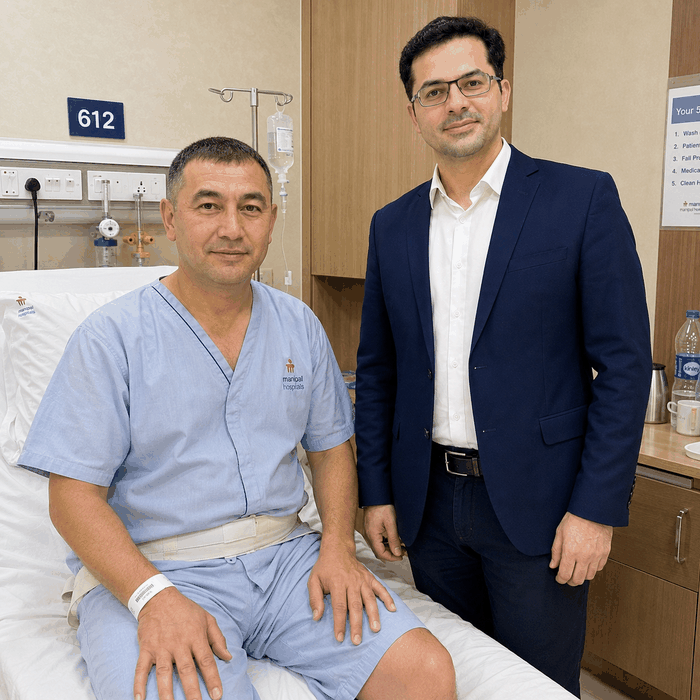
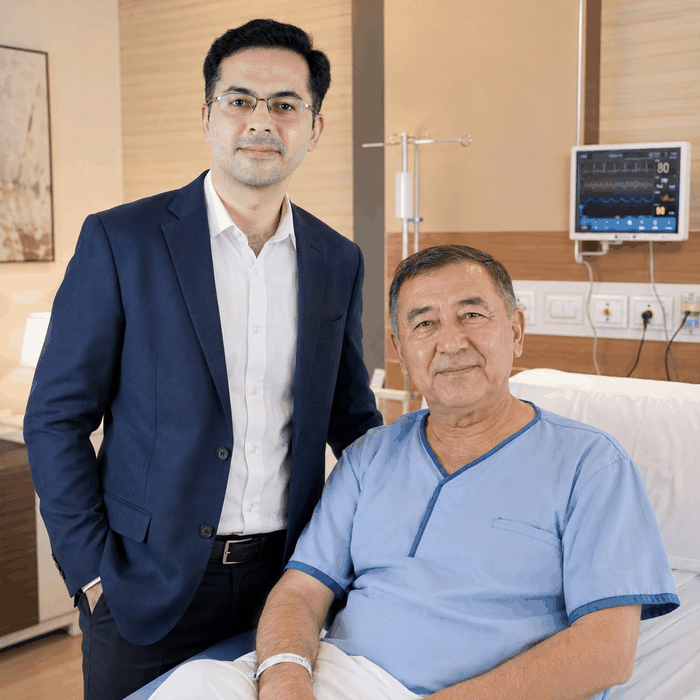
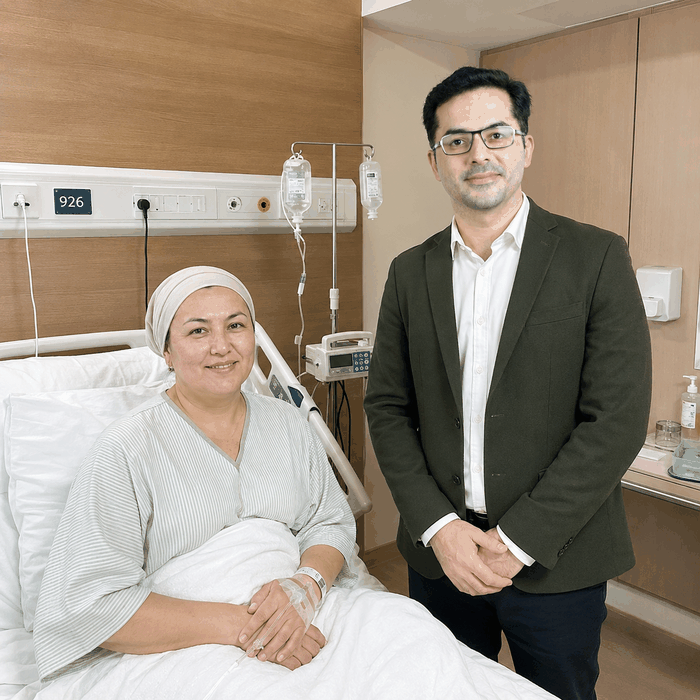
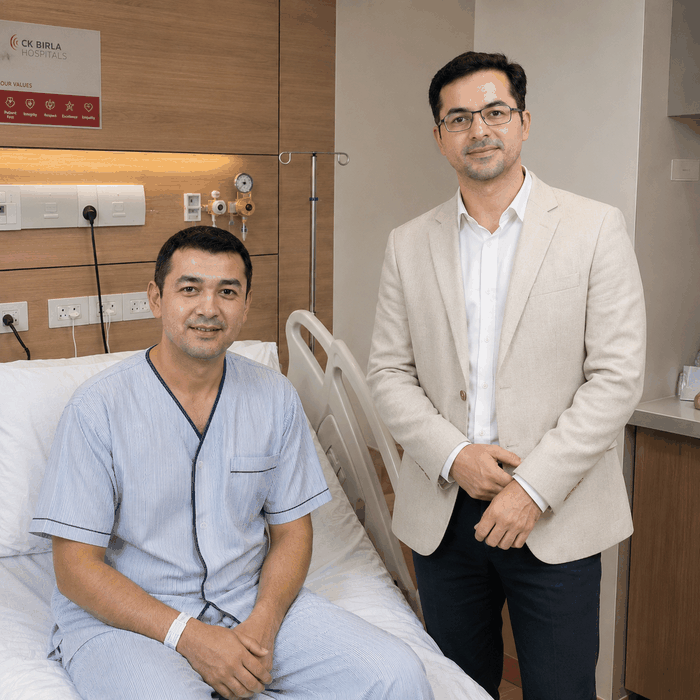
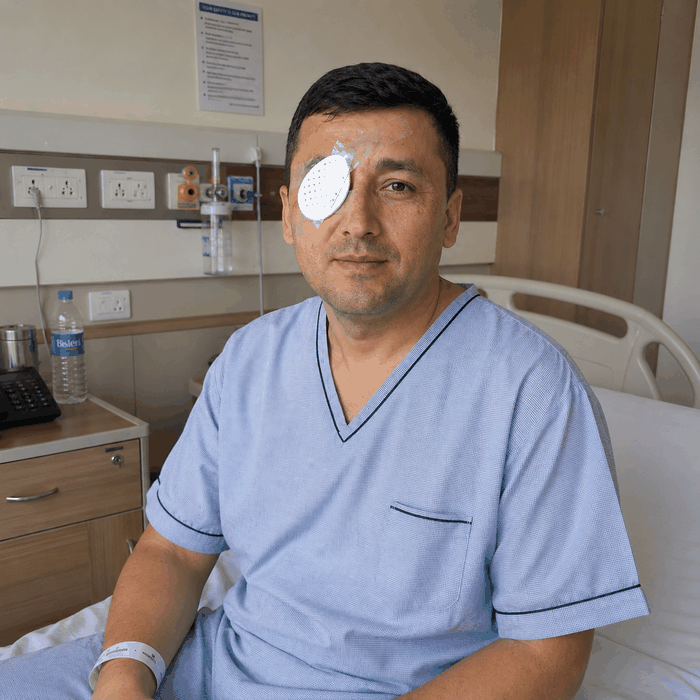
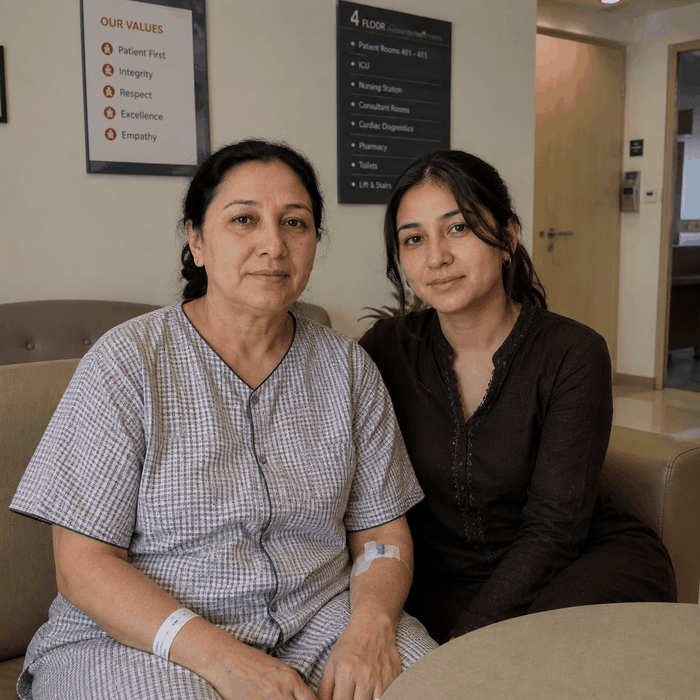
Patient Testimonials from Uzbekistan
Ready to Take the First Step?
Share your medical reports with our healthcare managers today and receive a FREE CONSULTATION, a personalized treatment plan and complete support from your arrival to your recovery.
Get Your Free ConsultationFrom Uzbekistan to India: Your Complete Patient Guide
- Proton Therapy Treatment in India for Uzbek Patients
- Radiotherapy and Modern Cancer Treatments in India for Uzbek Patients
- Robotic Cancer Surgery in India for Uzbek Patients
- Scoliosis Correction Surgery in India for Uzbek Patients
- Shoulder Surgery in India for Uzbek Patients
- Spine Surgery in India for Uzbek Patients
- Urosurgery and Reconstructive Urology in India for Uzbek Patients
- Weight Loss and Bariatric Surgery in India for Uzbek Patients
- Bone Marrow Transplant Treatment in India for Uzbek Patients
- Brain Tumor Surgery in India for Uzbek Patients
- Breast Cancer Treatment and Surgery in India for Uzbek Patients
- Cancer Treatment and Surgery in India for Uzbek Patients
- Cardiac Pacemaker Treatment in India for Uzbek Patients
- Cardiac Surgery in India for Uzbek Patients
- Cervical and Lumbar Disc Replacement Surgery in India for Uzbek Patients
- Colorectal Cancer Treatment and Surgery in India for Uzbek Patients
- Complex Orthopaedic and Joint Revision Surgery in India for Uzbek Patients
- Cornea Transplant and Advanced Eye Surgery in India for Uzbek Patients