

Complex Orthopaedic and Joint Revision Surgery in India for Uzbek Patients
A practical guide to revision hip and knee replacement in India — what to do when a prior joint implant fails — why this differs from primary replacement, and what it costs compared with Western countries.
When a hip or knee replacement starts causing pain, clicking, or instability years after the original surgery, it can feel like starting over — but revision surgery is a genuinely different, more demanding operation than the first one, not simply a repeat. Understanding why matters both for realistic expectations and for choosing the right surgical team. Across more than two decades of guiding patients from Uzbekistan to treatment in India, the questions I hear most are: Why has my implant failed? Is revision surgery more complicated than my original surgery? What will it really cost? And what should I expect from recovery this time? This guide answers each plainly. It does not replace your orthopaedic surgeon's advice — it is meant to help you understand what makes this surgery different.
Healing Journeys of Uzbek Patients
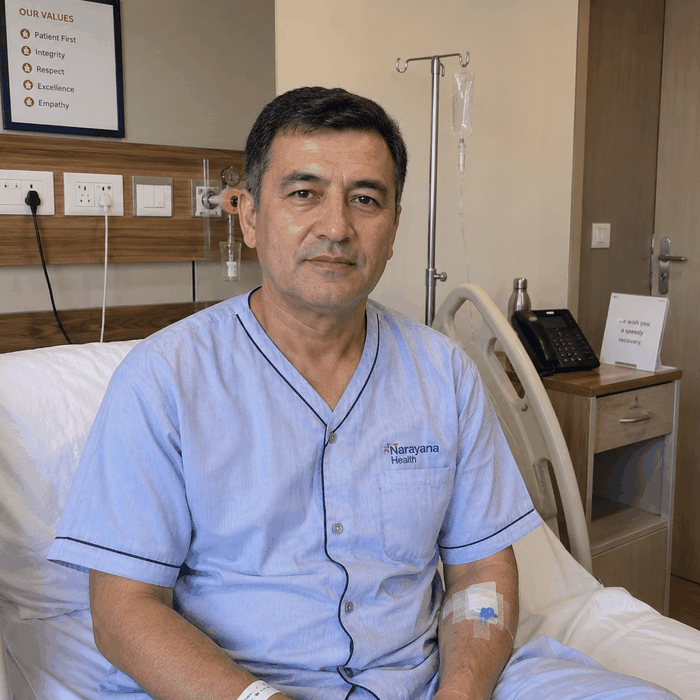
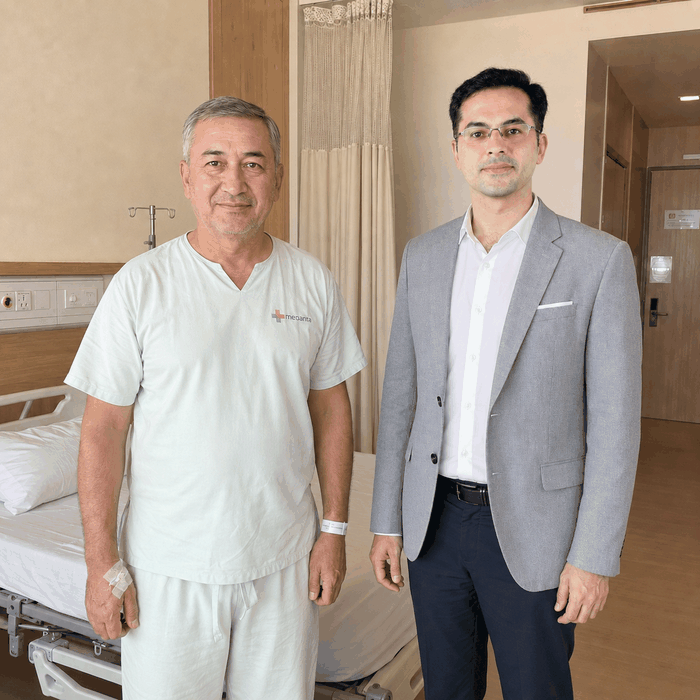
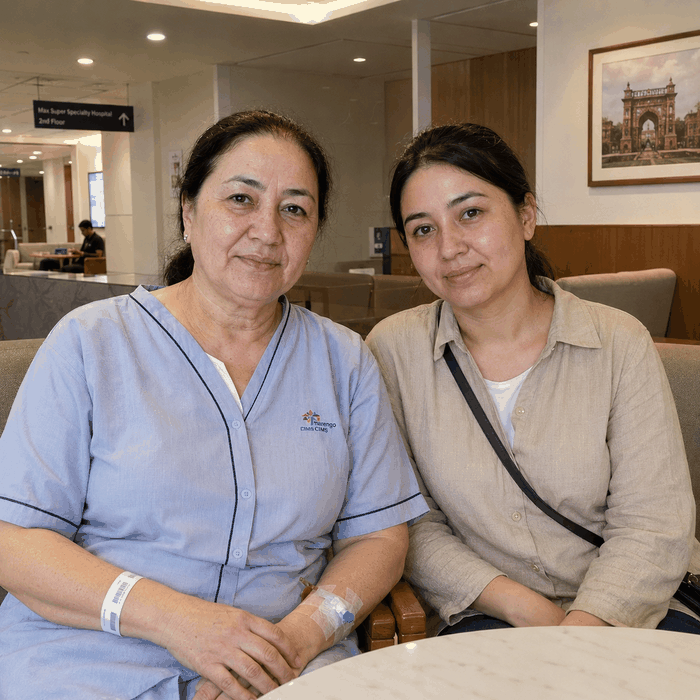
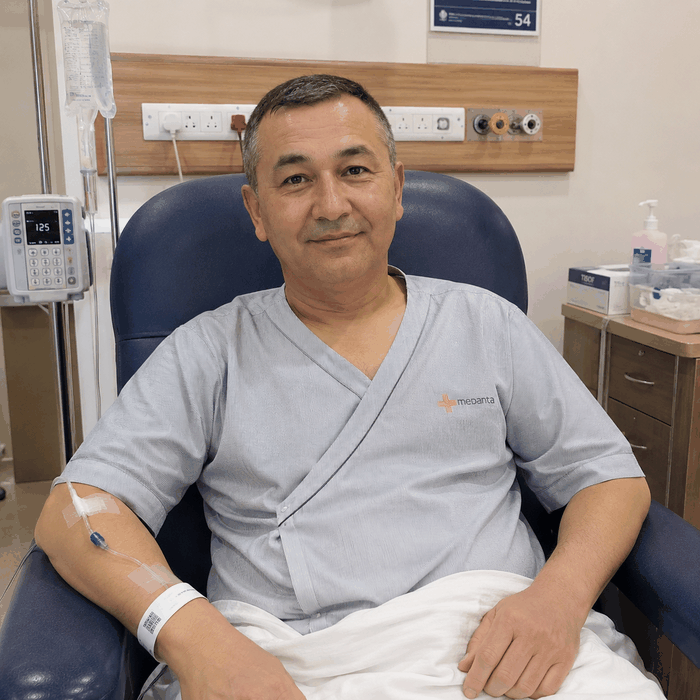
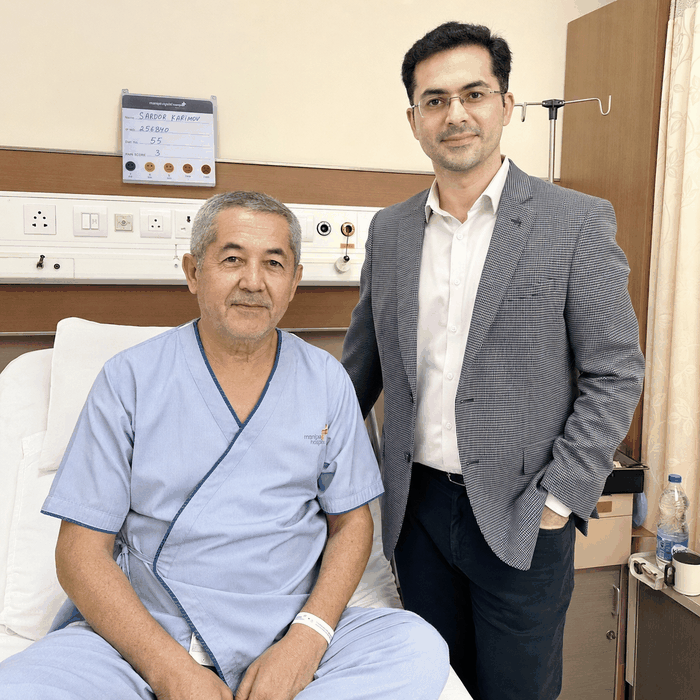

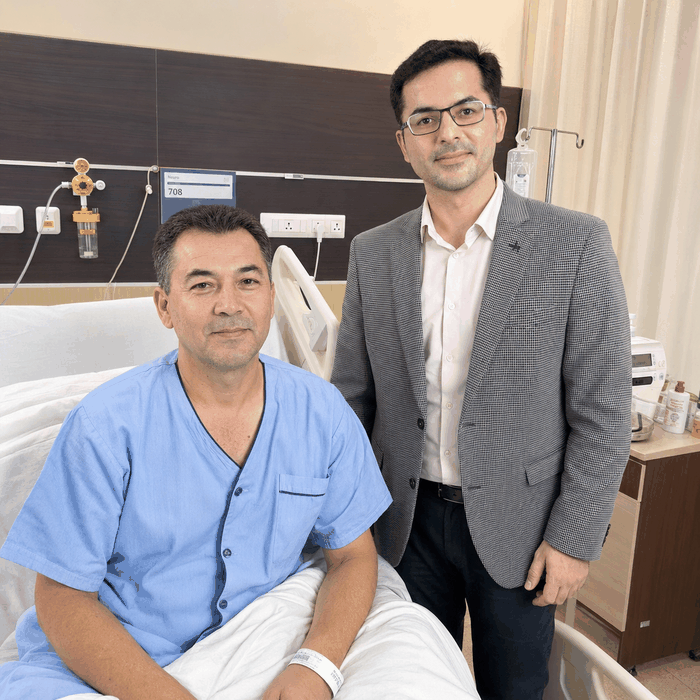
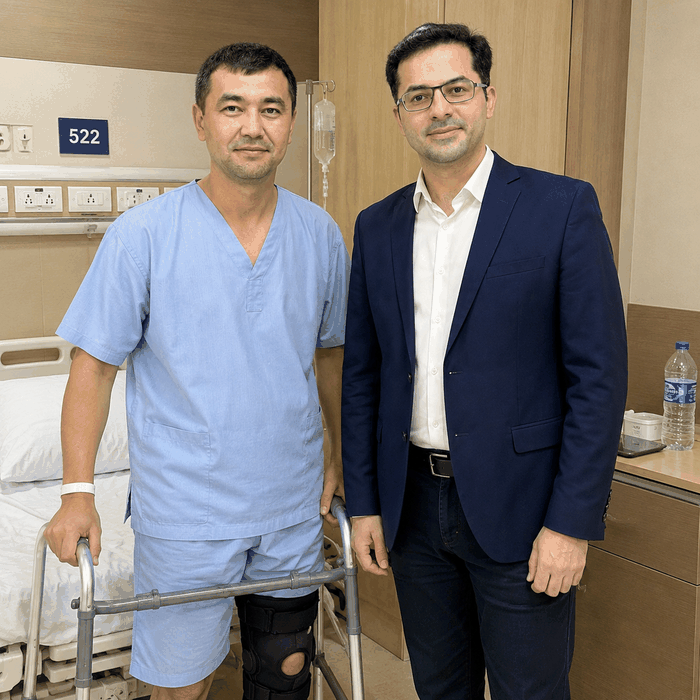
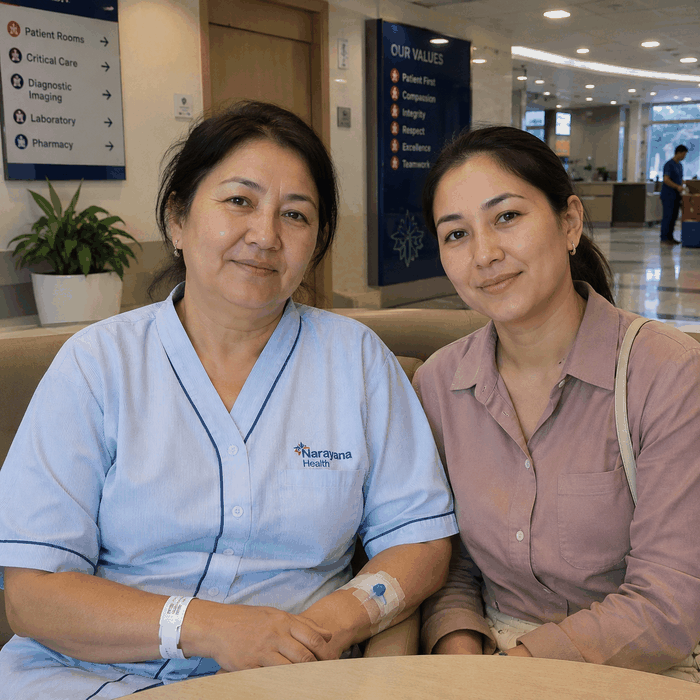
Information Takeaways
- Joint revision surgery is substantially different from a first-time hip or knee replacement. According to the guide, revision becomes necessary when a previous implant develops problems such as loosening or wear, infection, instability or dislocation, or a fracture around the implant. Identifying the precise cause is important because it determines what the revision procedure needs to address. Blood tests, imaging and, in some cases, joint-fluid analysis may be required before surgery.
- The technical demands of revision surgery are greater because the surgeon has to work through scar tissue and may encounter bone loss around the previous implant. Depending on the condition of the bone, specialised revision implants with longer stems or bone grafting may be required. The guide also emphasises that complication rates are higher than with first-time replacement, making the surgeon's specific revision experience particularly important rather than relying only on their general joint-replacement volume.
- India is presented as an option for Uzbek patients because centres in Delhi, Mumbai, Chennai, Bengaluru and Hyderabad offer dedicated revision joint-replacement programmes. The source stresses that the surgeon's individual revision case volume may matter more than the city itself. It also highlights access to specialised revision implants, bone-grafting materials and international desks with Russian- and Uzbek-speaking coordinators or interpreters.
- The guide places the typical India cost of revision hip or knee replacement at approximately USD 6,000–14,000, generally around 30–50% higher than primary replacement because of the added complexity. The cost comparison chart on page 3 shows indicative ranges of USD 35,000–70,000 for the UK and Germany, USD 35,000–75,000 for Australia and USD 60,000–100,000 for the USA. These are indicative figures, and the final price can change considerably if extensive bone loss or additional implant requirements are identified during surgery.
- For Uzbek patients, the expected journey is longer than for primary joint replacement. The guide states that most patients plan approximately 2–3 weeks in India. Before travel, patients should send previous surgical records, current imaging and symptoms for an initial assessment. After arrival, days 1–3 are generally used for diagnostic evaluation, surgery may occur around days 3–4 and hospital recovery follows. The illustrated timeline on page 3 places hospital recovery around days 4–12, followed by final review and travel home around days 14–21.
- Patients should clarify several issues before booking treatment. The guide recommends choosing an NABH- or JCI-accredited centre with a dedicated revision programme, confirming whether infection has been ruled out, asking specifically how many revision procedures the surgeon performs each year, understanding how additional bone loss may affect the price and arranging both medical and companion visas when appropriate. A detailed physiotherapy plan should also be agreed because rehabilitation is generally slower than after primary replacement.
- Recovery after revision surgery can be considerably more demanding than after the original replacement. Weight-bearing restrictions may be more cautious, particularly when bone grafting has been necessary, and physiotherapy may progress more gradually. The source estimates full recovery and return to normal daily activities at approximately 3–6 months, compared with around 6–12 weeks for a typical primary replacement. Long-term imaging and follow-up in Uzbekistan are recommended, and patients should retain their operative report, implant card and imaging studies for future care.
Quick Facts
- Treatment
- Complex hip and knee joint revision surgery
- Primary Patients
- Uzbek patients seeking revision orthopaedic treatment in India
- Main Speciality
- Complex orthopaedic and joint replacement surgery
- Key Specialist
- Orthopaedic surgeon with substantial revision joint-replacement experience
- Common Causes
- Implant loosening, wear, infection, instability, dislocation or fracture
- Diagnosis
- Imaging, blood tests and sometimes joint-fluid analysis
- Complexity
- Greater than primary joint replacement because of scar tissue and possible bone loss
- Revision Cost in India
- Approximately USD 6,000–14,000
- Cost Difference
- Generally 30–50% higher than primary replacement
- Typical Stay
- Approximately 2–3 weeks in India
- Surgery Duration
- Often 2–4 hours or more
- Hospital Recovery
- Generally longer than after primary replacement
- Staged Surgery
- May be required when infection is responsible for implant failure
- Bone Grafting
- May be required when significant bone loss is present
- Recovery
- Generally 3–6 months for return to normal daily activities
- Weight Bearing
- May be more restricted, especially after bone grafting
- Physiotherapy
- Essential and may progress more gradually than after primary replacement
- Hospital Accreditation
- NABH or JCI should be confirmed
- Surgeon Selection
- Ask specifically about annual revision-surgery volume
- Pre-Travel
- Send previous surgical records, current imaging and symptoms
- Follow-Up
- Long-term imaging and monitoring should be arranged in Uzbekistan
- Language Support
- Russian- and Uzbek-speaking coordinators or interpreters may be available
- Travel
- Medical and companion visa arrangements should be planned
- Documentation
- Keep operative reports, implant card and imaging studies
- Author
- Dr. Dheeraj Bojwani
- Experience
- 24+ Years
Knowledgeable Information Snippet
Complex hip and knee revision surgery in India can be an option for Uzbek patients whose previous joint replacement has failed because of loosening, wear, infection, instability, dislocation or fracture. The procedure is more technically demanding than primary replacement because of scar tissue, possible bone loss and the need for specialised revision implants or bone grafting. The guide places the typical India cost at USD 6,000–14,000 and suggests planning approximately 2–3 weeks in India, with final recovery commonly taking 3–6 months. Patients should prioritise a surgeon with substantial revision-specific experience, confirm the cause of implant failure before surgery, understand potential cost changes and establish a rehabilitation and long-term follow-up plan in Uzbekistan.
Why Uzbek Patients Choose India for Joint Revision Surgery?
India has orthopaedic surgeons with specific experience in revision joint replacement, a distinct and more demanding skill set than primary replacement, at centres accredited by NABH or the international JCI.
Cities such as Delhi, Mumbai, Chennai, Bengaluru and Hyderabad all have centres with dedicated revision joint replacement programmes. Given the complexity involved, the surgeon's specific revision case volume matters more here than almost anywhere else in this series.
- Orthopaedic surgeons frequently trained or fellowship-qualified in complex revision technique in the UK, Europe or the USA.
- Access to specialised revision implants and bone grafting materials.
- Experience managing infected implants, a particularly complex category of revision.
- Dedicated international desks with Russian and Uzbek-speaking coordinators and interpreters.
- Convenient connectivity from Tashkent to Delhi, Mumbai and other major cities.
Why revision surgery is a different operation, not a repeat
Joint implants can fail for several reasons: loosening or wear of the implant over years of use, infection around the implant, instability or dislocation, or a fracture of the bone around the implant. The specific cause shapes exactly what the revision surgery needs to address, and thorough diagnostic workup — including blood tests and sometimes joint fluid analysis to rule out infection — is essential before planning the operation.
Revision surgery is technically more demanding than the original replacement for several reasons. Scar tissue from the first surgery makes access more difficult. Bone loss around a loosened or infected implant often requires specialised revision implants with longer stems, or bone grafting to rebuild adequate support. Surgery takes considerably longer, and the complication rate is genuinely higher than for a first-time replacement. Some patients also need “complex primary” surgery — a first-time replacement made more difficult by significant prior deformity, trauma, or previous unrelated surgery — which shares some of these same challenges even though it isn't technically a revision.
How much does joint revision surgery cost in India?
In India, revision hip or knee replacement typically costs USD 6,000–14,000, generally 30 to 50 percent more than primary replacement due to the added complexity.
India vs Western countries: cost of revision hip or knee replacement
Approximate all-inclusive range on a shared cost scale (USD, 2026)
Figures are indicative ranges compiled from hospital and medical-travel sources; your final quote depends heavily on the cause of failure and extent of bone loss found.
Notice how far below Western prices India sits — often 80 to 90 percent below the cost in the USA, UK, Germany or Australia, using the same revision implant systems. India's advantage is value: experienced revision surgery teams, at a cost that makes this more complex treatment accessible.
One important caution: the true extent of bone loss and the specific implants needed are often only confirmed once the surgeon operates directly, since imaging cannot always predict this fully in advance. Ask the hospital how this scenario is handled and costed, and budget with meaningful contingency beyond the initial estimate.
Ask directly about the surgeon's specific experience with revision surgery, not just primary joint replacement. This is a genuinely different skill set.
What your treatment journey to India looks like- step by step.
Most Uzbek patients plan for 2 to 3 weeks in India, longer than for primary joint replacement.
Your joint revision surgery journey, step by step
A typical timeline from Uzbekistan to India and back
If infection is the cause of failure, treatment may need to be staged over two surgeries with an interval between them; your surgeon will confirm if this applies to you.
Factors that every Uzbek Patient should consider while planning Joint Revision Surgery in India
Before you commit, work through these points with the hospital's international team. In more than 24 years of guiding patients through this decision, those who ask these questions directly are the best prepared.
Before you book: things to confirm
A pre-travel checklist for patients from Uzbekistan
Also ask whether your case might need staged surgery, particularly if infection is suspected as the cause of implant failure.
Two further points: bring a companion — recovery takes longer and support matters more here — and ask honestly about your specific complication risk, since this is genuinely higher than for primary joint replacement and worth understanding clearly beforehand.
Recovery after Joint Revision Surgery and returning to Uzbekistan
Recovery from revision surgery is generally slower and more demanding than after primary joint replacement. Hospital stays are typically longer, and weight-bearing restrictions are often more cautious, especially where bone grafting was needed, to allow proper healing and integration. Physiotherapy remains essential but may progress more gradually than after a first-time replacement. Full recovery, including return to normal daily activity, generally takes 3 to 6 months, longer than the 6 to 12 weeks typical of primary replacement. Regular follow-up imaging monitors how well the revision implant is settling, so agree a long-term monitoring schedule with a doctor in Uzbekistan before you leave. Keep every operative report, implant card and imaging study safely, since these become important reference points for any future care.
A note from Dr Dheeraj Bojwani
With 24+ years of experience guiding international patients through complex orthopaedic decisions, my advice for joint revision surgery is straightforward: make sure the cause of your implant's failure is properly diagnosed before any surgical plan is made, ask specifically about the surgeon's revision experience rather than general joint replacement volume, and plan realistically for a longer, more demanding recovery than your original surgery. This article is general information and not a substitute for a personal consultation with your orthopaedic surgeon.
Straight Answer Question by Uzbek Patients about Joint Revision Surgery in India
Is joint revision surgery in India safe?
At an accredited centre with an experienced revision surgery team, yes. India's leading hospitals meet NABH or JCI standards and have surgeons specifically experienced in the added complexity of revision joint replacement.
Will there be someone who speaks my language?
Major international hospitals have Russian and Uzbek-speaking coordinators and interpreters who assist from your first message through discharge and follow-up.
How do I know if my implant has actually failed?
Persistent pain, clicking, instability, or reduced function years after a joint replacement can all be signs, but proper diagnosis needs imaging and sometimes blood tests or joint fluid analysis to confirm the cause. Do not assume a specific diagnosis without this evaluation.
Why might revision surgery need two stages?
When infection is the cause of implant failure, treatment sometimes involves removing the infected implant, a period of antibiotic treatment, and then a second surgery to place the new implant once the infection has cleared, rather than replacing everything in one operation.
References & sources
- 🌐 National Accreditation Board for Hospitals & Healthcare Providers (NABH) — accredited hospital directory. · nabh.co
- 🌐 Joint Commission International (JCI) — directory of accredited organisations. · jointcommissioninternational.org
- 🌐 National Medical Commission of India — doctor and specialist registration verification. · nmc.org.in
- 🌐 World Health Organization — Musculoskeletal conditions fact sheet. · who.int/news-room/fact-sheets/detail/musculoskeletal-conditions
- 🌐 Bureau of Immigration, Government of India — e-Medical Visa. · indianvisaonline.gov.in
- 🌐 Cost ranges compiled from published hospital and medical-travel price guides for revision hip and knee replacement, 2025–2026.
Frequently Asked Questions by Uzbek Patients about Joint Revision Surgery in India
Is joint revision surgery in India an option for patients travelling from Uzbekistan?
Yes. The guide specifically discusses revision hip and knee replacement for Uzbek patients and identifies dedicated revision programmes in several Indian cities. Surgeon-specific revision experience should be a major selection criterion.
How much does revision hip or knee replacement cost in India for Uzbek patients?
The guide gives an indicative range of USD 6,000–14,000 for revision hip or knee replacement in India. The final quote can change if extensive bone loss or specialised implants are required.
How long should Uzbek patients stay in India for joint revision surgery?
Most Uzbek patients should plan approximately 2–3 weeks in India. The treatment timeline includes preoperative assessment, surgery, hospital recovery and a final review before returning home.
What medical records should Uzbek patients send before travelling to India?
Patients should provide details of their original joint replacement, current imaging and symptoms. These records help the treating team form an initial opinion and plan the diagnostic assessment in India.
How can Uzbek patients find the right revision joint surgeon in India?
They should ask specifically how many revision procedures, rather than primary replacements, the surgeon performs each year. The source considers revision-specific experience particularly important because the operation presents different technical challenges.
Can an infected joint replacement require two surgeries in India?
Yes. When infection is responsible for implant failure, treatment may involve removing the infected implant, a period of antibiotic treatment and a later operation to place the new implant after the infection has cleared.
Will Uzbek patients have language assistance during treatment in India?
Major international hospitals may provide Russian- and Uzbek-speaking coordinators or interpreters. The guide indicates that such support can extend from the initial communication through discharge and follow-up.
How long does recovery take after joint revision surgery for Uzbek patients returning home?
Recovery is generally slower than after primary replacement, with full recovery commonly taking 3–6 months. Physiotherapy and cautious progression of weight bearing may be particularly important when bone grafting has been performed.
What should Uzbek patients confirm before booking revision surgery in India?
They should confirm NABH or JCI accreditation, whether infection has been assessed, the surgeon's revision volume, possible additional costs from bone loss, visa arrangements and the rehabilitation plan.
How should Uzbek patients continue follow-up after returning from India?
Patients should arrange long-term monitoring with a doctor in Uzbekistan, including follow-up imaging where required. They should also keep the operative report, implant card and imaging studies because these records can be important for future care.
Page Summary
Complex joint revision surgery requires a different level of planning from primary hip or knee replacement. For Uzbek patients considering treatment in India, the first priority is to establish why the previous implant failed, whether infection is present and how much bone loss or other structural damage exists. India has dedicated revision programmes in several major cities, but the source stresses that the surgeon's revision-specific experience is more important than choosing a city alone. The financial and recovery expectations should also be realistic. The guide gives an indicative India range of USD 6,000–14,000, with most Uzbek patients planning 2–3 weeks in India. Recovery is slower than after primary replacement and may take 3–6 months, particularly when bone grafting or other complex reconstruction is involved. Patients should therefore confirm accreditation, surgeon revision volume, possible cost contingencies, visa arrangements, rehabilitation and long-term follow-up in Uzbekistan before travelling.
Citation Block
| Field | Details |
|---|---|
| Article / Topic | Complex orthopaedic and joint revision surgery in India |
| Target Patients | Patients from Uzbekistan |
| Primary Procedures | Revision hip replacement and revision knee replacement |
| Primary Problem | Failure or complications involving a previous joint implant |
| Common Failure Causes | Loosening, wear, infection, instability, dislocation and fracture |
| Diagnostic Assessment | Imaging, blood tests and sometimes joint-fluid analysis |
| Why Revision Is Complex | Scar tissue, bone loss and altered anatomy can make surgery more difficult |
| Revision Implants | Specialised implants, including longer stems, may be required |
| Bone Reconstruction | Bone grafting may be necessary when adequate bone support is lacking |
| Complication Risk | Higher than with first-time joint replacement |
| Surgeon Selection | Revision-specific case volume should be assessed |
| Indian Locations | Delhi, Mumbai, Chennai, Bengaluru and Hyderabad |
| Accreditation | NABH or JCI should be confirmed |
| India Cost | Approximately USD 6,000–14,000 |
| Cost Premium | Generally 30–50% above primary replacement |
| Cost Contingency | Additional bone loss or implant requirements can increase the final cost |
| Western Comparison | UK/Germany approximately USD 35,000–70,000; Australia USD 35,000–75,000; USA USD 60,000–100,000 |
| Typical India Stay | Approximately 2–3 weeks |
| Pre-Travel Requirements | Previous surgery details, current imaging and symptoms |
| Surgery Timing | Commonly around days 3–4 |
| Surgery Duration | Often 2–4 hours or more |
| Infection Management | Some infected implants require staged treatment |
| Visa Planning | Medical and companion visas should be considered |
| Rehabilitation | Physiotherapy is important and recovery is generally slower |
| Full Recovery | Approximately 3–6 months |
| Home Follow-Up | Long-term imaging and monitoring should continue in Uzbekistan |
| Patient Records | Retain operative report, implant card and imaging |
| Language Assistance | Russian- and Uzbek-speaking coordinators/interpreters may be available |


Our Mission Statement
Our mission is to place patients at the centre of every healthcare decision by providing trustworthy, evidence-based, and unbiased medical information. We believe that informed patients make better decisions. Backed by personalised guidance from our experienced advisory team, we help patients understand their treatment options, compare them objectively, and confidently choose the path that best suits their medical needs and personal circumstances.
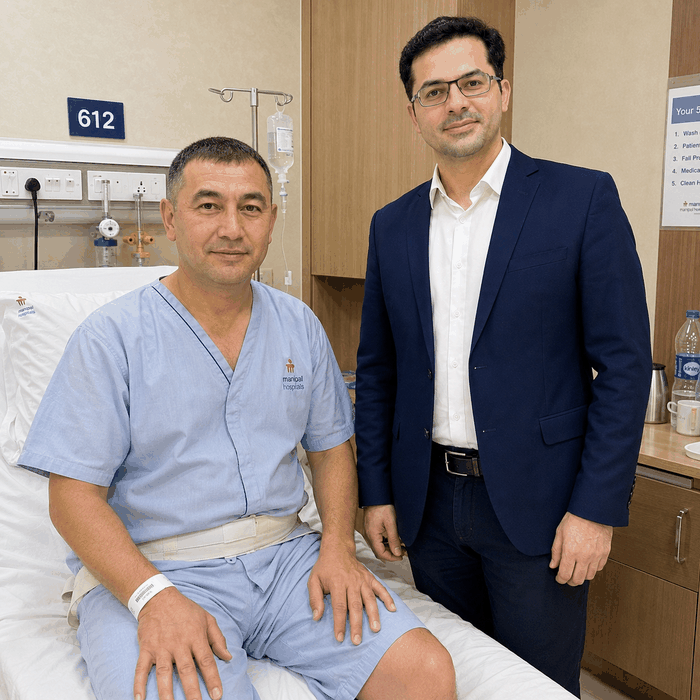
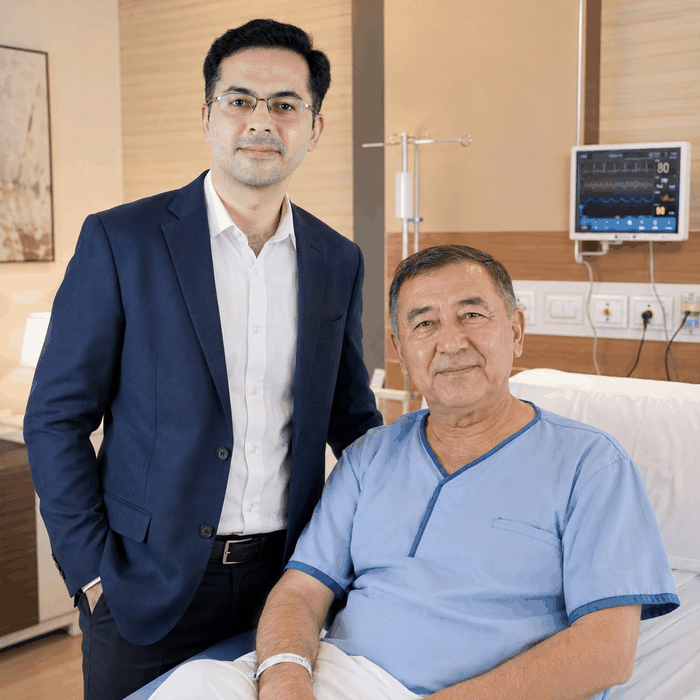
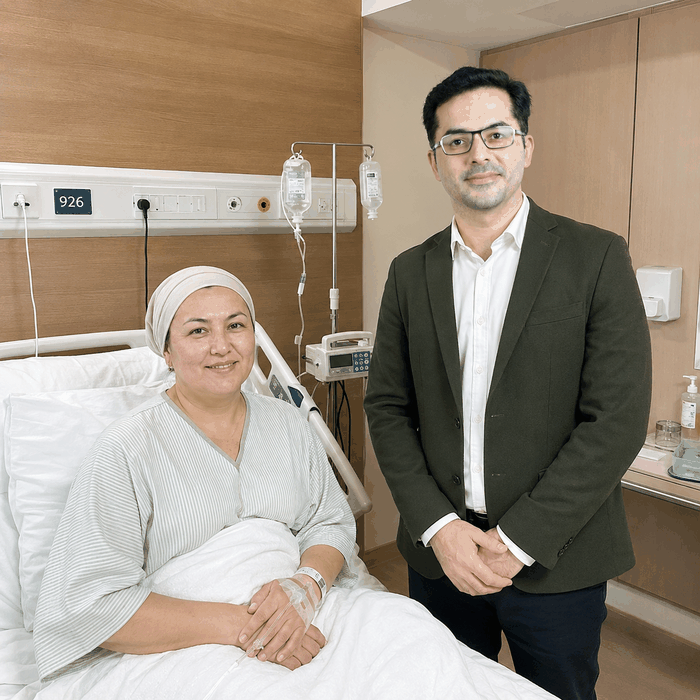
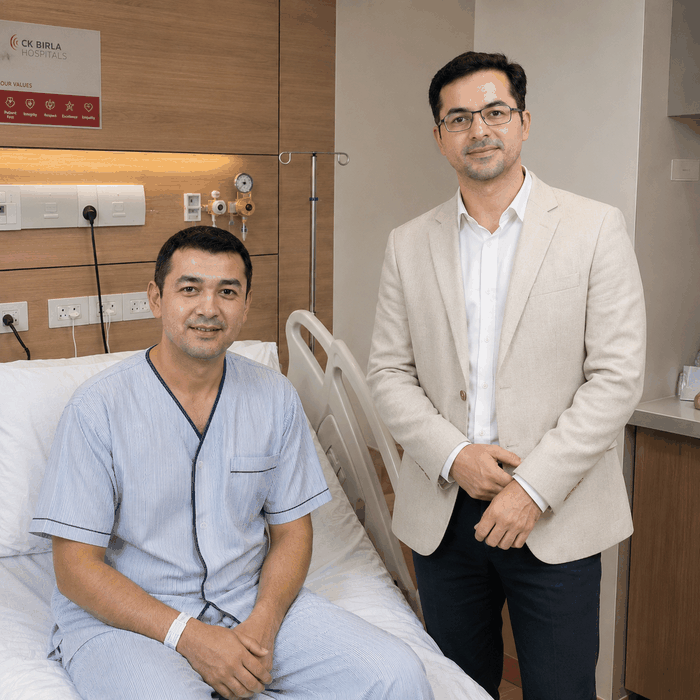
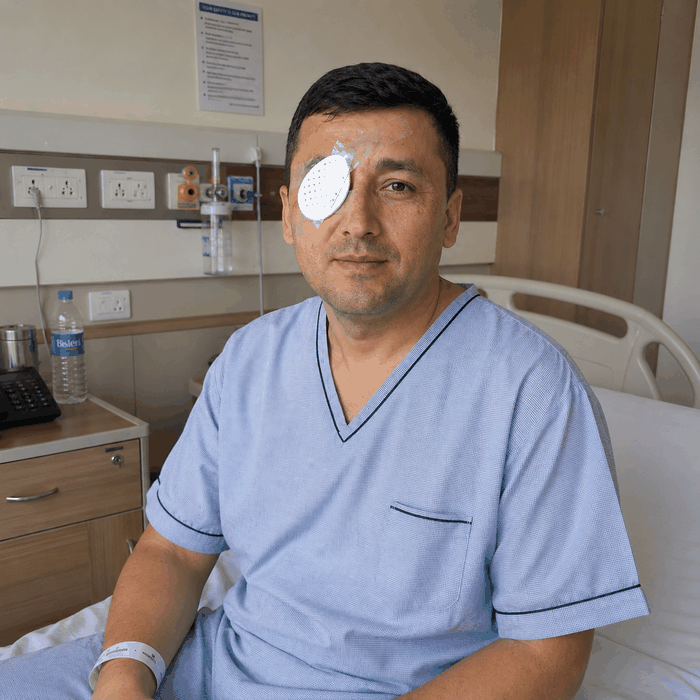
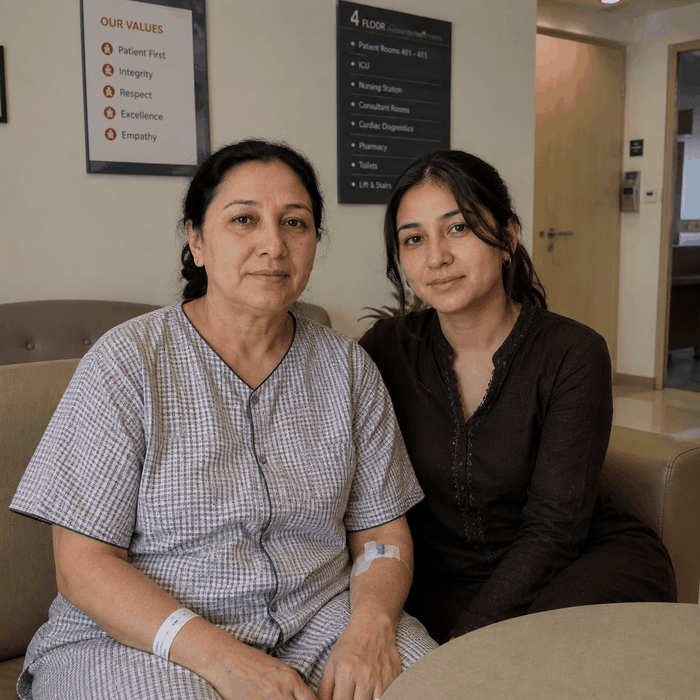
Patient Testimonials from Uzbekistan
Ready to Take the First Step?
Share your medical reports with our healthcare managers today and receive a FREE CONSULTATION, a personalized treatment plan and complete support from your arrival to your recovery.
Get Your Free ConsultationFrom Uzbekistan to India: Your Complete Patient Guide
- Paediatric Heart Surgery in India for Uzbek Patients
- Paediatric Neurosurgery in India for Uzbek Patients
- Paediatric Orthopaedic Surgery in India for Uzbek Patients
- Pancreatic Cancer Surgery in India for Uzbek Patients
- Parkinson’s Treatment and DBS Surgery in India for Uzbek Patients
- Penile Implant Surgery in India for Uzbek Patients
- Plastic and Reconstructive Surgery in India for Uzbek Patients
- Prostate Cancer Treatment and Surgery in India for Uzbek Patients
- Proton Therapy Treatment in India for Uzbek Patients
- Radiotherapy and Modern Cancer Treatments in India for Uzbek Patients
- Robotic Cancer Surgery in India for Uzbek Patients
- Scoliosis Correction Surgery in India for Uzbek Patients
- Shoulder Surgery in India for Uzbek Patients
- Spine Surgery in India for Uzbek Patients
- Urosurgery and Reconstructive Urology in India for Uzbek Patients
- Weight Loss and Bariatric Surgery in India for Uzbek Patients
- Bone Marrow Transplant Treatment in India for Uzbek Patients
- Brain Tumor Surgery in India for Uzbek Patients