

Paediatric Orthopaedic Surgery in India for Uzbek Families
A practical guide for parents planning paediatric orthopaedic treatment in India — clubfoot, hip dysplasia and limb deformity correction — what it costs compared with Western countries, and which conditions genuinely need surgery.
Noticing that your child's foot, hip or leg does not look or move quite as expected is worrying for any parent. The reassuring fact worth holding onto is that most paediatric orthopaedic conditions — clubfoot, hip dysplasia and many limb differences — are well understood and often treated successfully without surgery at all, especially when caught early. Across more than two decades of guiding families from Uzbekistan to treatment in India, the questions I hear most are: Does my child actually need surgery? Is this safe? What will it really cost? And how long will treatment take? This guide answers each plainly. It does not replace your paediatric orthopaedic surgeon's advice — it should help you ask better questions and plan with confidence. India treats a very high volume of paediatric orthopaedic cases, and its leading children's orthopaedic centres are accredited by NABH or the international JCI. This volume matters, since outcomes for conditions like clubfoot and hip dysplasia are closely tied to how often a team manages your child's specific condition.
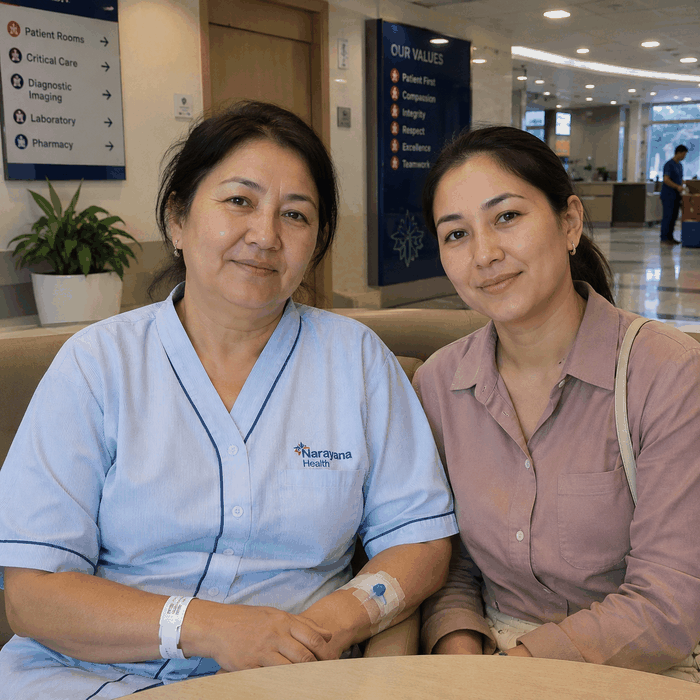
Healing Journeys of Uzbek Patients
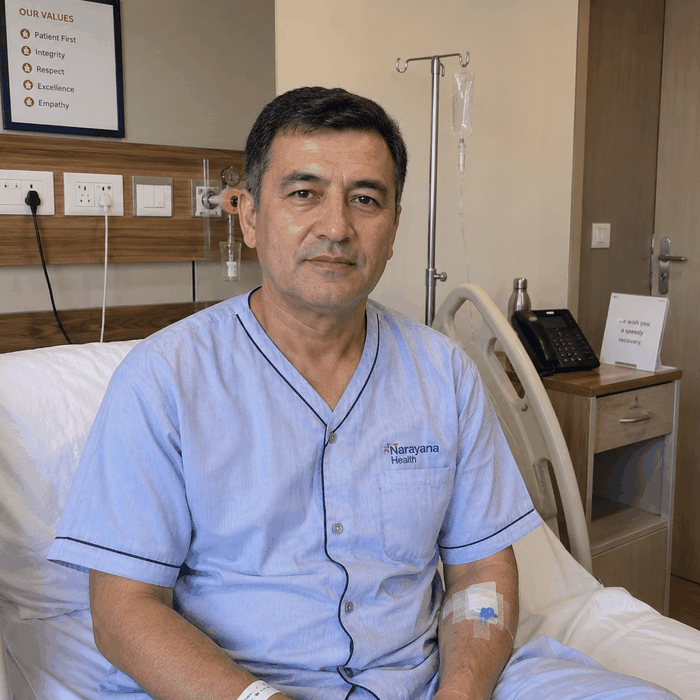
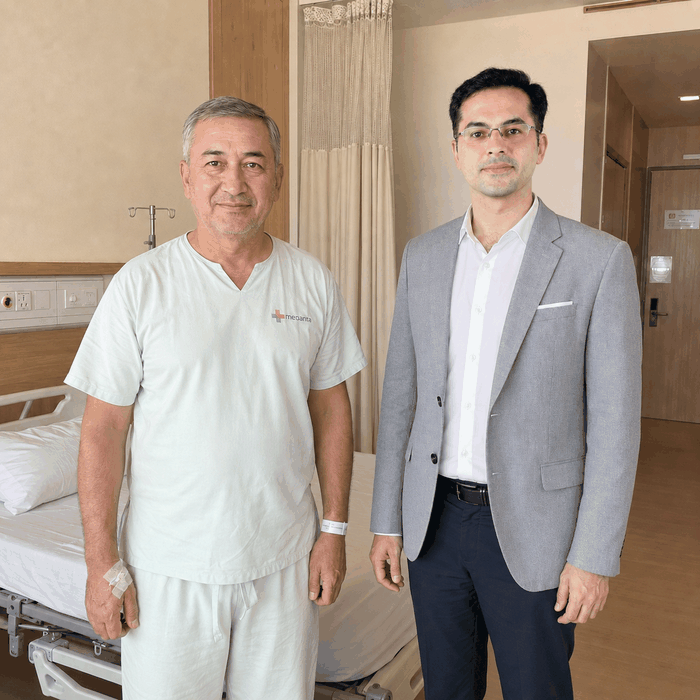
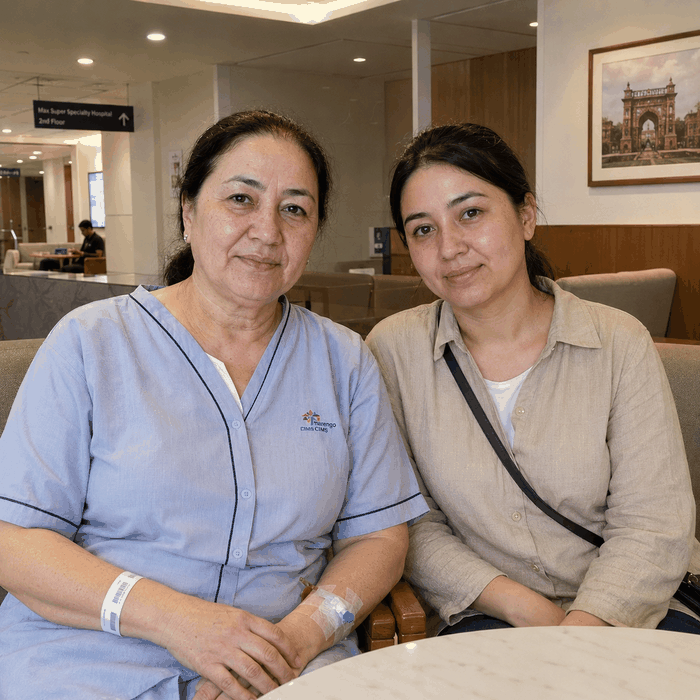
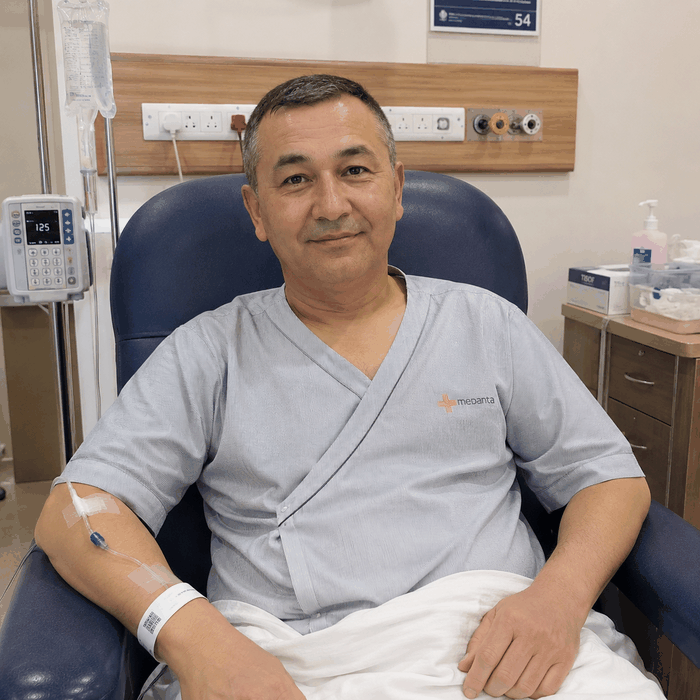
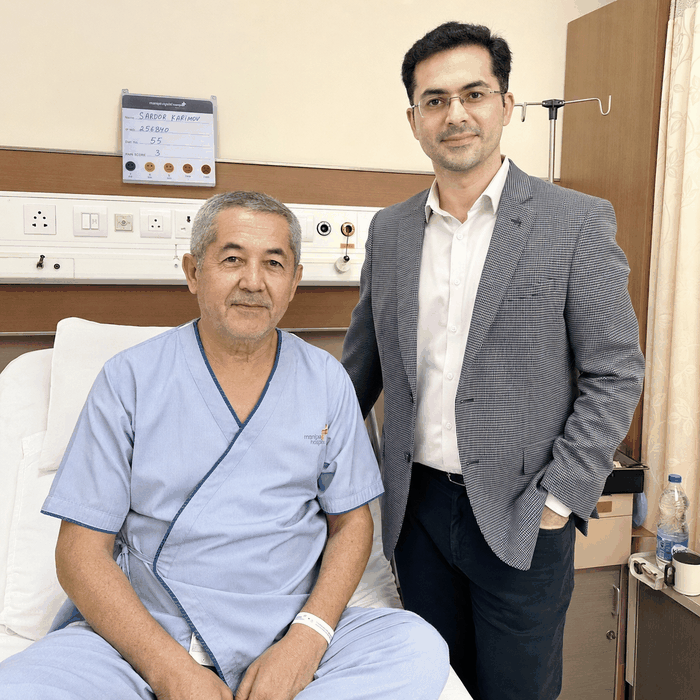
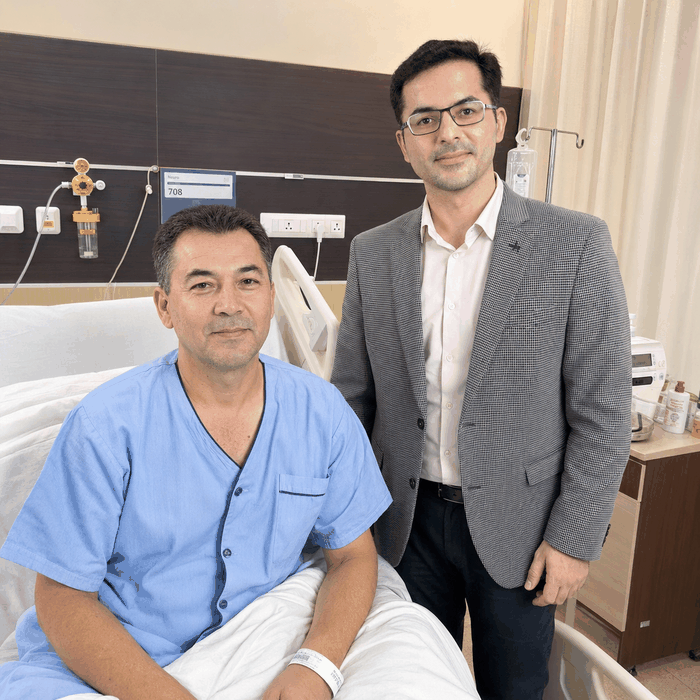
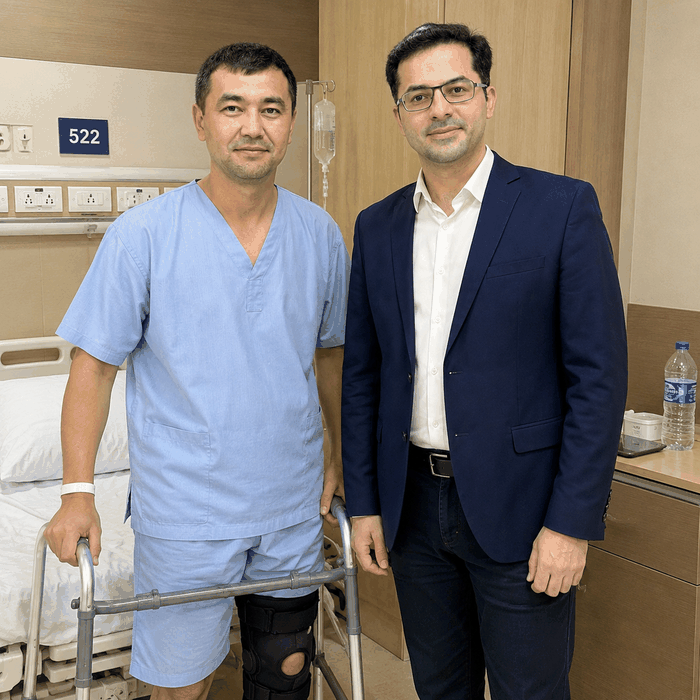
Information Takeaways
- Paediatric orthopaedic problems can be especially stressful for parents because a visible difference in a child's foot, hip or leg does not automatically mean surgery is required. The guide stresses that conditions such as clubfoot, developmental dysplasia of the hip and many limb differences can often be managed successfully without major surgery when identified early. India handles a high volume of paediatric orthopaedic cases, while the appropriate hospital should be selected according to the team's experience with the child's exact condition rather than simply choosing a particular city.
- Treatment choices vary significantly according to the condition and the child's age. Clubfoot is commonly managed through the Ponseti method, involving gentle serial casting and often a minor tendon-release procedure, with more extensive surgery generally reserved for children who do not respond to casting or who present later. Developmental dysplasia of the hip may respond to a Pavlik harness or similar brace when identified during early infancy, while surgery becomes more relevant when bracing fails or diagnosis occurs later. Limb-length differences and angular deformities can also range from conditions that simply require observation to problems needing surgical correction.
- The guide highlights several Indian cities with dedicated paediatric orthopaedic services, including Delhi, Mumbai, Chennai, Bengaluru and Hyderabad. However, the central selection criterion is the team's condition-specific experience. Child-friendly wards, anaesthesia teams accustomed to treating young patients, and international patient departments with Russian- and Uzbek-speaking coordinators can also make the treatment journey easier for families travelling from Uzbekistan.
- For common paediatric orthopaedic procedures, the guide gives an indicative India cost of approximately USD 2,000–7,500, depending on the condition and complexity. Its comparison chart places approximate Western-country ranges considerably higher: Germany at USD 20,000–40,000, the UK at USD 18,000–40,000, Australia at USD 20,000–45,000 and the USA at USD 25,000–50,000. These are indicative figures rather than guaranteed quotations, and the final price depends on the procedure, hospital tier and individual case.
- Families should also budget beyond the quoted medical treatment. Flights, accommodation and a parent's expenses may not be included, while some childhood orthopaedic conditions require staged treatment as the child grows. Repeat casting, later revision procedures or long-term bracing may therefore form part of the overall treatment pathway. The guide specifically recommends asking whether non-surgical treatment has genuinely been considered before committing to surgery, because many conditions respond well to casting or bracing.
- The treatment journey begins before travelling to India. Parents can share photographs, X-rays or ultrasound results for an initial assessment and then receive a proposed treatment plan, cost estimate and visa invitation letter. After arrival, the child is evaluated by the paediatric orthopaedic team before casting, bracing or surgery begins. Follow-up visits may involve repeated casting adjustments or monitoring after surgery, followed by a home-care plan before returning to Uzbekistan.
- Long-term planning is particularly important for children because treatment outcomes can depend on growth and continued care. Clubfoot treatment can require bracing for several years, while children undergoing hip dysplasia surgery may need a period of casting or bracing afterward. Recovery following surgical limb correction can range from around six weeks to several months. Uzbek families should arrange continuing paediatric orthopaedic follow-up in Uzbekistan, preserve X-rays and discharge documents, and confirm how braces or replacement components will be managed as the child grows.
Quick Facts
- Treatment
- Paediatric orthopaedic treatment and surgery
- Primary Patients
- Children from Uzbekistan requiring orthopaedic evaluation or correction
- Main Speciality
- Paediatric orthopaedics
- Common Conditions
- Clubfoot, hip dysplasia, limb-length discrepancy and angular deformities
- First-Line Options
- Casting, bracing and monitoring may avoid surgery in suitable cases
- Clubfoot
- Ponseti casting is commonly used, sometimes with minor tendon release
- Hip Dysplasia
- Early cases may respond to a Pavlik harness or similar brace
- Surgical Cases
- Later diagnosis or failure of non-surgical treatment may require surgery
- India Cost
- Approximately USD 2,000–7,500 for common procedures
- Western Comparison
- Approximate ranges shown in the guide are higher than India's range
- Treatment Cities
- Delhi, Mumbai, Chennai, Bengaluru and Hyderabad
- Hospital Selection
- Prioritise condition-specific paediatric orthopaedic experience
- Accreditation
- NABH or JCI accreditation should be checked
- Language Support
- Russian- and Uzbek-speaking coordinators may be available
- Pre-Travel
- Share photographs, X-rays or ultrasound results for initial review
- Typical Journey
- Evaluation followed by casting, bracing or surgery and ongoing follow-up
- Long-Term Care
- Some children need years of bracing or growth-related monitoring
- Recovery
- Limb correction may require approximately 6 weeks to several months
- Parent
- One parent can normally remain with the child throughout treatment
- Follow-Up
- Arrange continuing paediatric orthopaedic care in Uzbekistan
- Documentation
- Keep X-rays, treatment plans and discharge summaries
- Author
- Dr. Dheeraj Bojwani
- Experience
- 24+ Years
Knowledgeable Information Snippet
For Uzbek families considering paediatric orthopaedic treatment in India, the most important decision is not simply whether India offers surgery, but whether the selected team has substantial experience with the child's exact condition. Clubfoot, developmental hip dysplasia and several limb deformities may not require major surgery when diagnosed early, while more complex or late-presenting cases may need operative correction. The guide indicates an approximate India treatment range of USD 2,000–7,500 for common procedures and recommends confirming accreditation, condition-specific experience, non-surgical alternatives, the complete treatment timeline, medical and attendant visa arrangements, and a long-term follow-up plan in Uzbekistan before travelling.
Why Uzbek Families Choose India for Paediatric Orthopaedic Surgery?
Cities such as Delhi, Mumbai, Chennai, Bengaluru and Hyderabad all have dedicated paediatric orthopaedic units. The right choice is experience with your child's specific condition — not the city name.
- Paediatric orthopaedic surgeons frequently trained or fellowship-qualified in the UK, Europe or the USA.
- Experience across both non-surgical treatment (casting, bracing) and surgical correction when needed.
- Child-friendly wards and anaesthesia teams experienced specifically with young patients.
- Dedicated international desks with Russian and Uzbek-speaking coordinators and interpreters.
- Convenient connectivity from Tashkent to Delhi, Mumbai and other major cities.
Which conditions need surgery, and which don't?
A great many paediatric orthopaedic conditions are treated successfully without surgery, particularly when identified early, so this is always worth clarifying first.
Clubfoot (talipes) is most often treated with the Ponseti method — a series of gentle castings over several weeks that gradually correct the foot's position, frequently combined with a minor tendon release procedure rather than full surgery. Surgical correction is reserved for cases that do not respond to casting or are diagnosed later. Developmental dysplasia of the hip (DDH), where the hip joint has not formed correctly, is frequently treated successfully with a Pavlik harness or similar brace when caught in early infancy, with surgery considered mainly when bracing does not work or diagnosis comes later. Limb length discrepancy and angular deformities (such as significant bow legs or knock knees) sometimes need surgical correction, but many milder cases simply need monitoring as a child grows. Your surgeon will confirm which category applies to your child's specific case.
How much does paediatric orthopaedic surgery cost in India?
In India, common procedures — clubfoot correction, hip dysplasia surgery and limb deformity correction — typically cost USD 2,000–7,500 all-inclusive, depending on the specific condition and complexity.
India vs Western countries: cost of paediatric orthopaedic surgery
Approximate range across common paediatric orthopaedic procedures (USD, 2026)
Figures are indicative ranges compiled from hospital and medical-travel sources; your final quote depends on the specific condition, procedure and hospital tier.
Notice how far below Western prices India sits — often a small fraction of what the same procedures cost in the USA, UK, Germany or Australia — without a trade-off in paediatric orthopaedic expertise. India's advantage is value: high case volume across common and complex conditions, at a cost that does not require a lifetime of savings.
One caution on budgeting: some conditions need staged treatment over time as a child grows, such as repeat casting or later revision surgery — ask your team about this possibility and how it would be managed. The quote also rarely includes flights, accommodation and a parent's costs.
Ask specifically whether non-surgical treatment has genuinely been considered for your child's condition before agreeing to surgery. Many conditions respond very well to casting or bracing alone.
Your child's orthopaedic treatment journey, step by step
Timelines vary considerably by condition — casting-based treatment like Ponseti method involves an initial visit followed by remote follow-up, while surgical correction needs a more traditional hospital stay.
Your child's orthopaedic treatment journey, step by step
A typical timeline from Uzbekistan to India and back
Conditions like clubfoot often need bracing that continues for years at home; your team will provide a clear long-term plan before you leave.
Factors that every Uzbek Family should consider while planning Paediatric Orthopaedic Treatment in India
Before you commit, work through these points with the hospital's international team. In more than 24 years of guiding families through this decision, those who ask these questions directly are the best prepared.
Before you book: things to confirm
A pre-travel checklist for families from Uzbekistan
Also ask whether any bracing equipment needs to be brought home and how replacement parts would be sourced as your child grows.
Two further points: one parent staying with the child throughout is standard practice and genuinely helps recovery — and ask for a written home-care plan, since conditions like clubfoot often need years of bracing managed by parents at home.
Recovery after Paediatric Orthopaedic Treatment and returning to Uzbekistan
Recovery depends heavily on the condition and treatment type. Children treated with casting for clubfoot typically move into a bracing phase that continues for several years, initially worn most of the day and gradually reduced to nighttime use — consistency with this bracing matters greatly for long-term success. Children who have hip dysplasia surgery typically need a period in a cast or brace afterward, with walking and mobility returning gradually under guidance. For surgical limb correction, recovery and return to normal activity can take 6 weeks to several months depending on the procedure. Growth-related conditions often need periodic monitoring for years as your child develops, so agree a follow-up plan with a paediatric orthopaedic doctor in Uzbekistan before you leave. Keep every X-ray, treatment plan and discharge summary safely.
Frequently asked questions
Is paediatric orthopaedic surgery in India safe? At an accredited paediatric orthopaedic centre, yes. India's leading hospitals meet NABH or JCI standards and have surgeons with high case volume across congenital and developmental conditions.
Will there be someone who speaks my language? Major international hospitals have Russian and Uzbek-speaking coordinators and interpreters who assist from your first message through discharge and follow-up.
Does clubfoot always need surgery? No. Most cases are treated with the Ponseti method — gentle casting over several weeks, often combined with a minor tendon procedure — rather than full surgery. Surgery is reserved for cases that do not respond to casting or are diagnosed later.
Can I stay with my child throughout treatment? Yes, and it is standard practice for one parent to remain with the child throughout. Hospitals with strong international programmes will support this and help arrange nearby accommodation.
A note from Dr Dheeraj Bojwani
With 24+ years of experience guiding international families through paediatric diagnoses, my advice to every parent from Uzbekistan is the same: ask specifically whether non-surgical treatment was genuinely considered, confirm the team's experience with your child's exact condition, and get a clear long-term home-care plan before you travel. This article is general information and not a substitute for a personal consultation with your child's orthopaedic surgeon.
Straight Answer Question by Uzbek Patients about Paediatric Orthopaedic Surgery in India
Is paediatric orthopaedic surgery in India safe?
At an accredited paediatric orthopaedic centre, yes. India's leading hospitals meet NABH or JCI standards and have surgeons with high case volume across congenital and developmental conditions.
Will there be someone who speaks my language?
Major international hospitals have Russian and Uzbek-speaking coordinators and interpreters who assist from your first message through discharge and follow-up.
Does clubfoot always need surgery?
No. Most cases are treated with the Ponseti method — gentle casting over several weeks, often combined with a minor tendon procedure — rather than full surgery. Surgery is reserved for cases that do not respond to casting or are diagnosed later.
Can I stay with my child throughout treatment?
Yes, and it is standard practice for one parent to remain with the child throughout. Hospitals with strong international programmes will support this and help arrange nearby accommodation.
References & sources
- 🌐 National Accreditation Board for Hospitals & Healthcare Providers (NABH) — accredited hospital directory. · nabh.co
- 🌐 Joint Commission International (JCI) — directory of accredited organisations. · jointcommissioninternational.org
- 🌐 National Medical Commission of India — doctor and specialist registration verification. · nmc.org.in
- 🌐 World Health Organization — Congenital anomalies fact sheet. · who.int/news-room/fact-sheets/detail/birth-defects
- 🌐 Bureau of Immigration, Government of India — e-Medical Visa and Medical Attendant Visa. · indianvisaonline.gov.in
- 🌐 Cost ranges compiled from published hospital and medical-travel price guides for paediatric orthopaedic surgery, 2025–2026.
Frequently Asked Questions by Uzbek Patients about Paediatric Orthopaedic Surgery in India
Is paediatric orthopaedic surgery in India suitable for children travelling from Uzbekistan?
India has dedicated paediatric orthopaedic units in cities including Delhi, Mumbai, Chennai, Bengaluru and Hyderabad. The guide recommends choosing the team based on experience with the child's specific condition rather than city alone.
What paediatric orthopaedic conditions can Uzbek children be treated for in India?
The guide focuses particularly on clubfoot, developmental dysplasia of the hip, limb-length discrepancy and angular deformities. Treatment may include observation, casting, bracing or surgery depending on the child's condition.
Does an Uzbek child with clubfoot always need surgery in India?
No. The guide states that most clubfoot cases are managed using the Ponseti method, involving gentle casting and often a minor tendon procedure. Full surgical correction is generally reserved for cases that do not respond to casting or are diagnosed later.
How much does paediatric orthopaedic treatment in India cost for Uzbek patients?
Common procedures such as clubfoot correction, hip dysplasia surgery and limb deformity correction are indicated at approximately USD 2,000–7,500. The final quotation depends on the child's condition, procedure and hospital tier.
Which Indian cities can Uzbek families consider for paediatric orthopaedic treatment?
The guide identifies Delhi, Mumbai, Chennai, Bengaluru and Hyderabad as cities with dedicated paediatric orthopaedic units. Families should prioritise relevant clinical experience over the city itself.
Can a parent from Uzbekistan stay with the child during treatment in India?
Yes. The guide states that one parent remaining with the child throughout treatment is standard practice and can support recovery. Families should also confirm accommodation arrangements with the hospital's international patient team.
Will Uzbek families receive language assistance during paediatric orthopaedic treatment in India?
Major international hospitals may provide Russian- and Uzbek-speaking coordinators or interpreters. These services can assist families from initial communication through treatment, discharge and follow-up.
How should an Uzbek family prepare before travelling to India for a child's orthopaedic treatment?
Parents should send available photographs, X-rays or ultrasound results for an initial assessment and obtain a treatment plan, cost estimate and visa invitation before travelling. They should also confirm accreditation and the team's experience with the child's exact condition.
Will my child need follow-up treatment after returning to Uzbekistan?
Yes, depending on the condition. Clubfoot may require years of bracing, while growth-related deformities can require periodic monitoring. A paediatric orthopaedic follow-up plan in Uzbekistan should be agreed before returning home.
How long can recovery take after paediatric orthopaedic surgery in India?
Recovery varies according to the procedure. After surgical limb correction, returning to normal activity may take approximately six weeks to several months, while children treated for hip dysplasia may need a period of casting or bracing before mobility gradually returns.
Page Summary
Paediatric orthopaedic treatment in India can provide Uzbek families with access to experienced teams managing conditions ranging from clubfoot and developmental hip dysplasia to limb deformities. The source emphasizes that surgery should not automatically be the first choice, as casting, bracing and observation can successfully manage many childhood orthopaedic conditions, particularly when treatment begins early. For families travelling from Uzbekistan, planning should include pre-travel medical review, confirmation of the hospital's accreditation and condition-specific experience, a clear cost estimate, visa arrangements and a long-term follow-up plan. The guide's cost comparison chart shows India at approximately USD 2,000–7,500 for common procedures, compared with higher indicative ranges in Germany, the UK, Australia and the USA.
Citation Block
| Field | Details |
|---|---|
| Article / Topic | Paediatric Orthopaedic Surgery in India for Uzbek Patients |
| Primary Patient Group | Children and families travelling from Uzbekistan |
| Main Speciality | Paediatric orthopaedics |
| Key Conditions | Clubfoot, hip dysplasia, limb-length discrepancy and angular deformities |
| Major Treatment Principle | Confirm whether non-surgical management is appropriate before surgery |
| Clubfoot Treatment | Ponseti method with serial casting and possible minor tendon release |
| Hip Dysplasia Treatment | Pavlik harness or similar brace in suitable early cases |
| Surgical Indication | Failed non-surgical treatment, late diagnosis or significant deformity |
| Limb Deformity Care | Monitoring for mild cases and surgical correction for selected significant deformities |
| Indian Treatment Cities | Delhi, Mumbai, Chennai, Bengaluru and Hyderabad |
| Hospital Selection | Choose according to experience with the child's exact condition |
| Accreditation | NABH or JCI accreditation should be confirmed |
| India Cost | Approximately USD 2,000–7,500 for common procedures |
| Germany Comparison | Approximately USD 20,000–40,000 |
| UK Comparison | Approximately USD 18,000–40,000 |
| Australia Comparison | Approximately USD 20,000–45,000 |
| USA Comparison | Approximately USD 25,000–50,000 |
| Additional Costs | Flights, accommodation and parent expenses may be separate |
| Pre-Travel Assessment | Photos, X-rays or ultrasound results can be shared |
| Treatment Journey | Evaluation, casting/bracing or surgery, follow-up and home-care planning |
| Long-Term Requirement | Growth-related monitoring may continue for years |
| Clubfoot Follow-Up | Bracing may continue for several years |
| Limb Correction Recovery | Approximately 6 weeks to several months depending on procedure |
| Home Follow-Up | Continuing paediatric orthopaedic care should be arranged in Uzbekistan |
| Travel Planning | Medical visa for the child and attendant arrangements should be confirmed |
| Language Support | Russian- and Uzbek-speaking coordinators/interpreters may be available |

Our Mission Statement
Our mission is to place patients at the centre of every healthcare decision by providing trustworthy, evidence-based, and unbiased medical information. We believe that informed patients make better decisions. Backed by personalised guidance from our experienced advisory team, we help patients understand their treatment options, compare them objectively, and confidently choose the path that best suits their medical needs and personal circumstances.
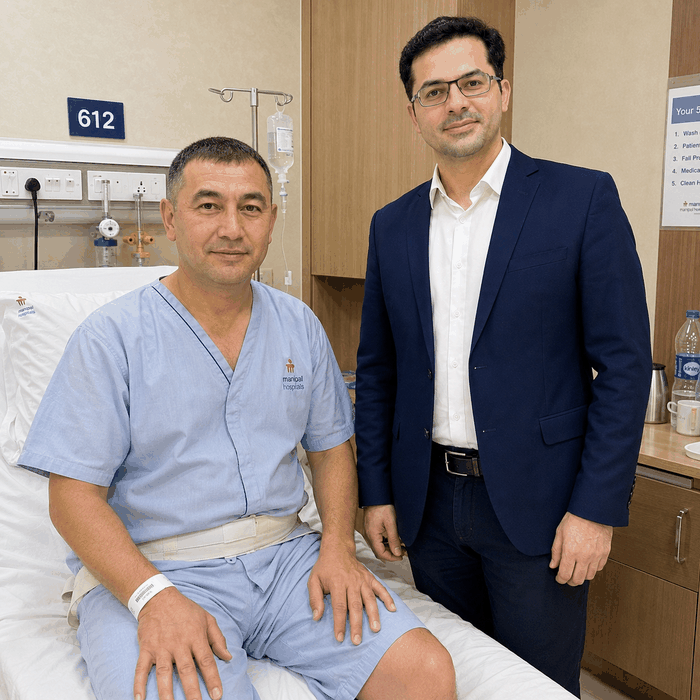
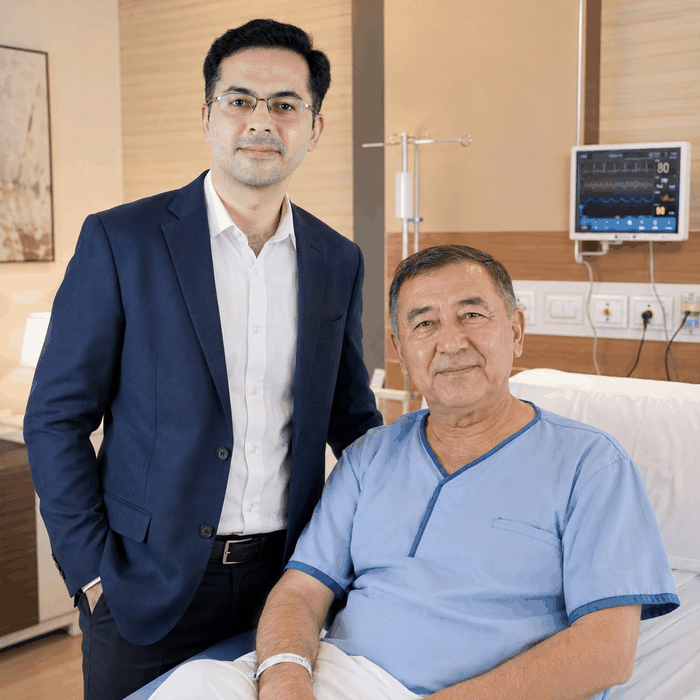
Patient Testimonials from Uzbekistan
Ready to Take the First Step?
Share your medical reports with our healthcare managers today and receive a FREE CONSULTATION, a personalized treatment plan and complete support from your arrival to your recovery.
Get Your Free ConsultationFrom Uzbekistan to India: Your Complete Patient Guide
- Paediatric Heart Surgery in India for Uzbek Patients
- Paediatric Neurosurgery in India for Uzbek Patients
- Pancreatic Cancer Surgery in India for Uzbek Patients
- Parkinson’s Treatment and DBS Surgery in India for Uzbek Patients
- Penile Implant Surgery in India for Uzbek Patients
- Plastic and Reconstructive Surgery in India for Uzbek Patients
- Prostate Cancer Treatment and Surgery in India for Uzbek Patients
- Proton Therapy Treatment in India for Uzbek Patients
- Radiotherapy and Modern Cancer Treatments in India for Uzbek Patients
- Robotic Cancer Surgery in India for Uzbek Patients
- Scoliosis Correction Surgery in India for Uzbek Patients
- Shoulder Surgery in India for Uzbek Patients
- Spine Surgery in India for Uzbek Patients
- Urosurgery and Reconstructive Urology in India for Uzbek Patients
- Weight Loss and Bariatric Surgery in India for Uzbek Patients
- Bone Marrow Transplant Treatment in India for Uzbek Patients
- Brain Tumor Surgery in India for Uzbek Patients
- Breast Cancer Treatment and Surgery in India for Uzbek Patients