

Pancreatic Cancer Surgery in India for Uzbek Patients
A practical, honest guide to pancreatic cancer surgery in India — the Whipple procedure and distal pancreatectomy — how resectability determines the treatment path, and what it costs compared with Western countries.
A pancreatic cancer diagnosis brings one question above all others: can this be removed with surgery? The honest answer depends entirely on where the tumor sits and whether it involves nearby blood vessels — a determination called resectability that shapes everything about the treatment path that follows. Across more than two decades of guiding patients from Uzbekistan to treatment in India, the questions I hear most are: Is surgery actually possible for my case? What does the operation involve? What will it cost? And what happens if surgery is not an option? This guide answers each plainly and honestly. It does not replace your surgical oncologist's advice — it is meant to help you understand this complex decision clearly. India has hepatobiliary-pancreatic (HPB) surgical teams with substantial experience in pancreatic cancer surgery, one of the more technically demanding operations in surgical oncology, at centres accredited by NABH or the international JCI.
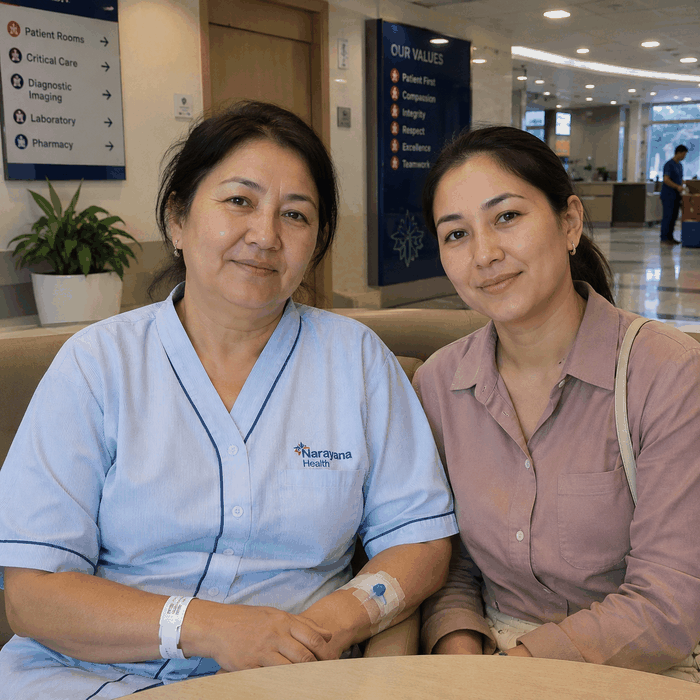
Healing Journeys of Uzbek Patients
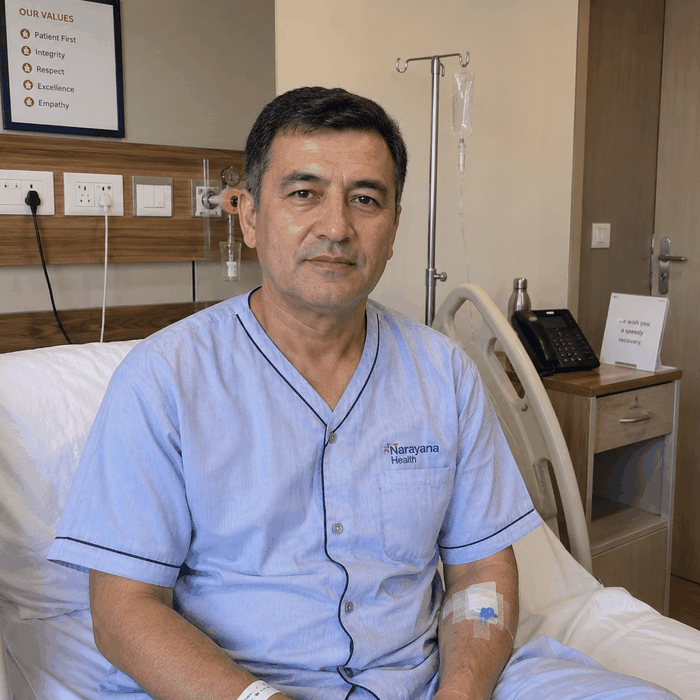
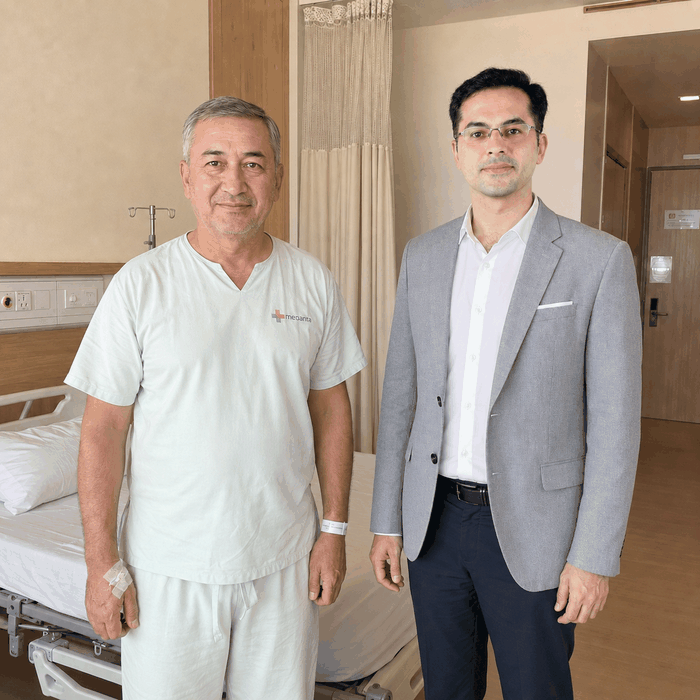
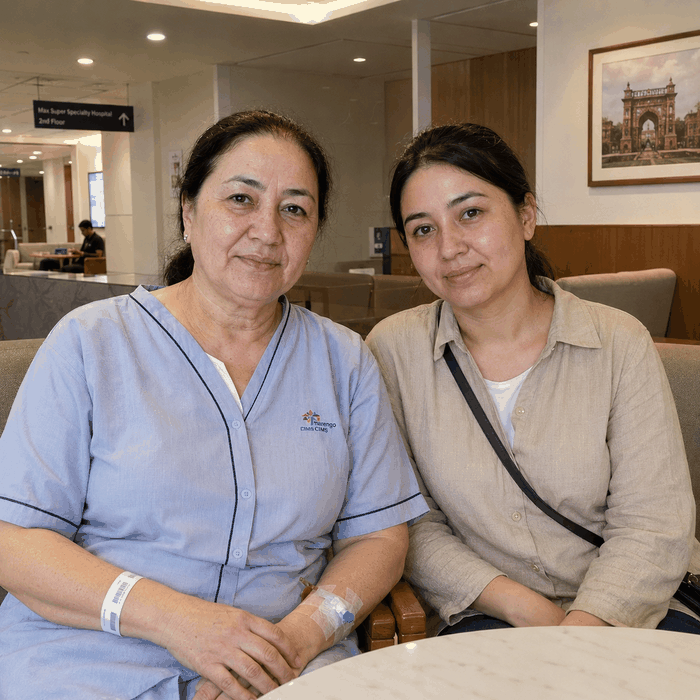
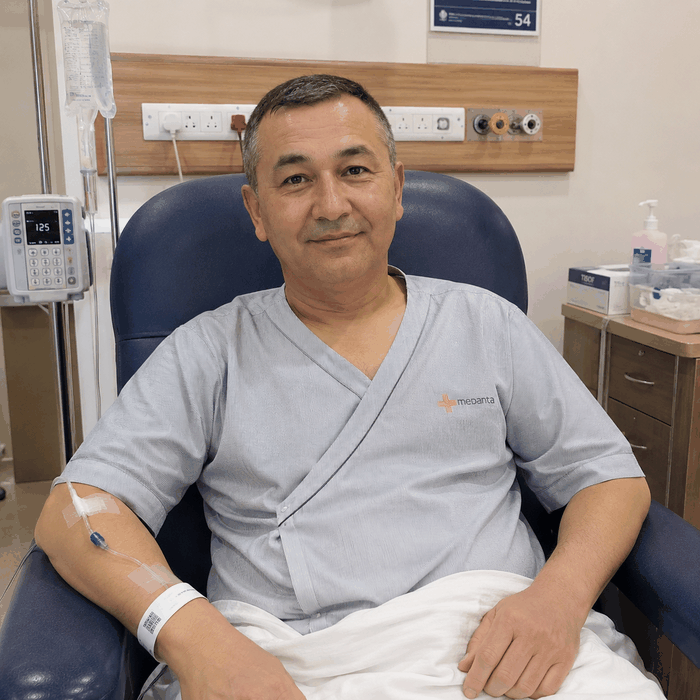
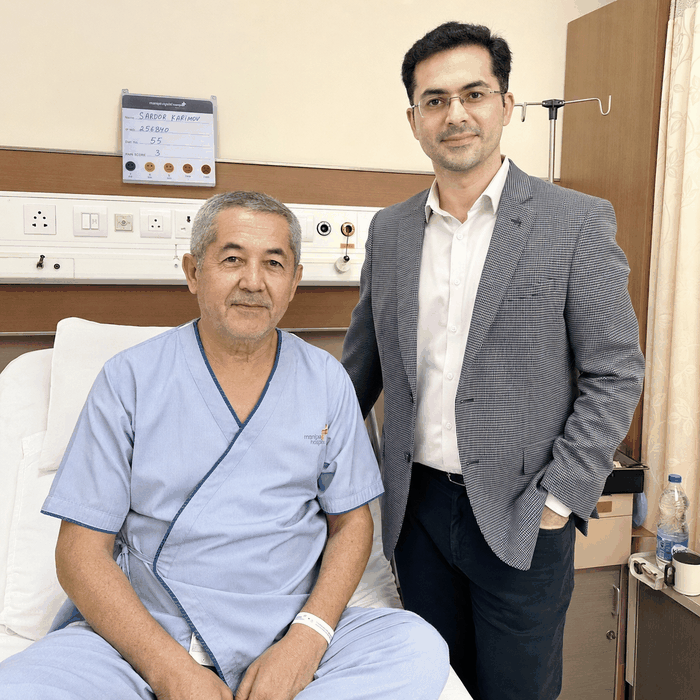
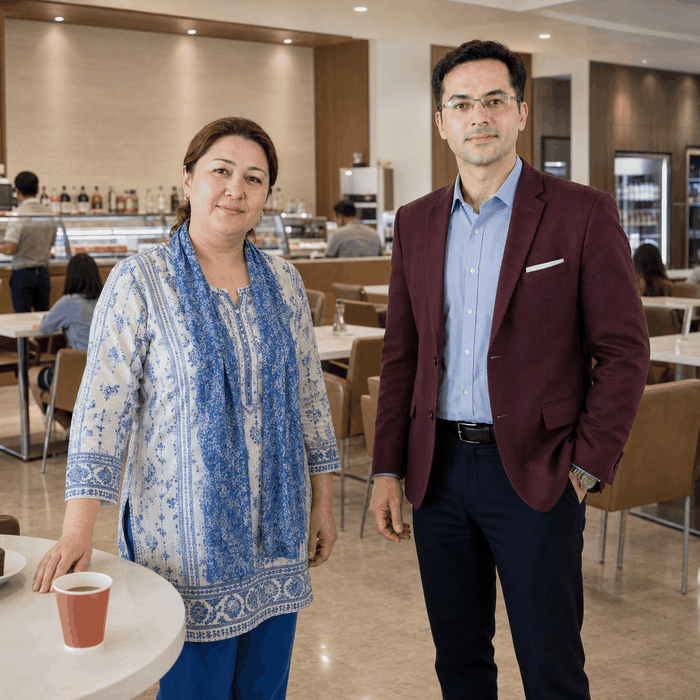
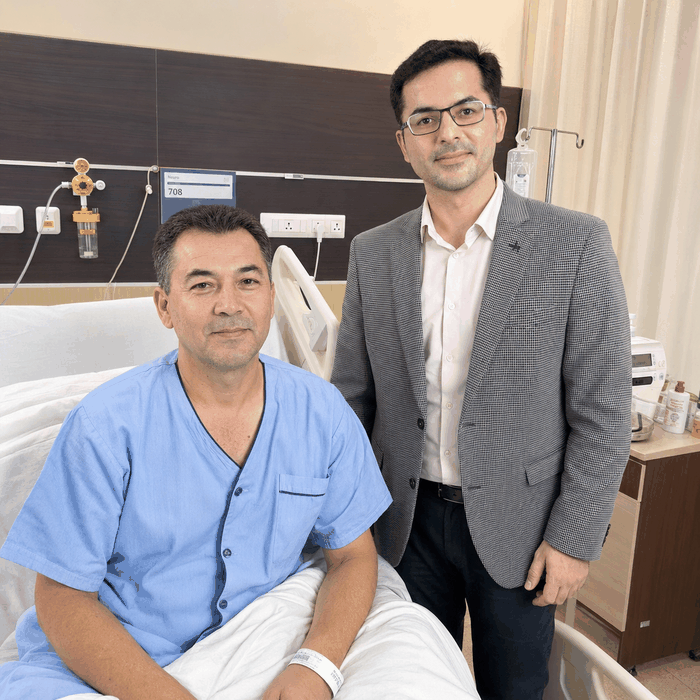
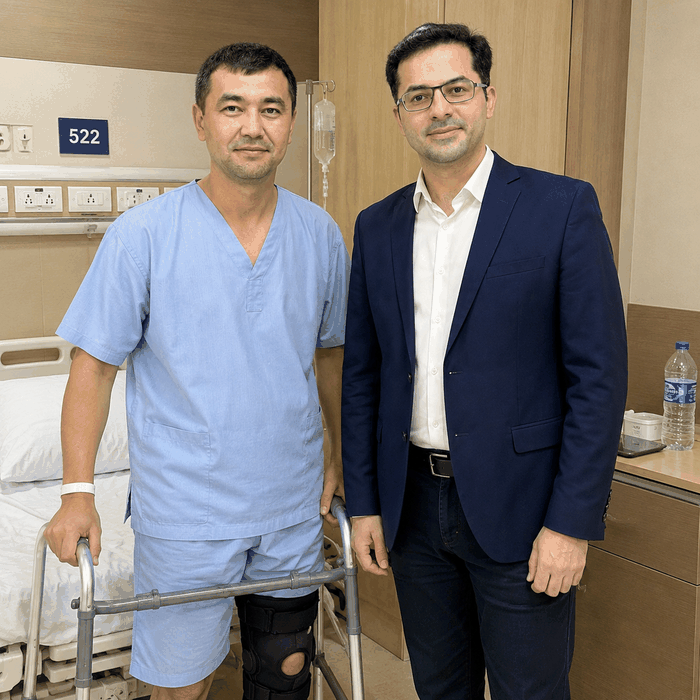
Information Takeaways
- For a patient from Uzbekistan diagnosed with pancreatic cancer, the first question is whether the tumour can actually be removed safely. The source identifies resectability as the central decision because the tumour's location and relationship with nearby blood vessels influence whether surgery can proceed directly, whether chemotherapy should be given first, or whether surgery is not currently possible. The guide explains that this assessment should be based on detailed imaging and multidisciplinary review rather than a single doctor's opinion.
- India has dedicated hepatobiliary-pancreatic surgical programmes in cities including Delhi, Mumbai, Chennai, Bengaluru and Hyderabad. The source places particular emphasis on the pancreatic surgical team's specific case volume because pancreatic operations are technically demanding. It also notes experience with open, laparoscopic and robotic approaches, while international patient departments may provide Russian- and Uzbek-speaking coordinators and interpreters for patients travelling from Uzbekistan.
- Treatment depends on whether the tumour is classified as resectable, borderline resectable or unresectable. For suitable tumours in the head of the pancreas, the Whipple procedure, or pancreaticoduodenectomy, removes the pancreatic head together with parts of the duodenum and bile duct and sometimes part of the stomach before reconstructing the digestive pathway. Tumours in the body or tail may be treated with distal pancreatectomy, often involving removal of the spleen as well. Borderline resectable cases may receive chemotherapy before surgery, while chemotherapy may also be recommended after surgery.
- The source gives an indicative India cost of USD 5,000–14,000 for a Whipple procedure, with distal pancreatectomy generally toward the lower end of that range. The cost comparison chart shows approximately USD 35,000–55,000 in Germany, USD 30,000–50,000 in the UK, USD 35,000–60,000 in Australia and USD 55,000–150,000 in the USA. These figures are indicative rather than fixed quotations, and the final cost can change according to surgical complexity and complications.
- Families should not plan their budget around the initial surgical quotation alone. Pancreatic surgery is major surgery and complications may require extended hospital care. The source also notes that flights, accommodation and applicable pre-operative chemotherapy may not be included. Patients from Uzbekistan should therefore request a written cost breakdown and specifically ask how additional treatment or complications would be handled financially.
- The treatment journey usually begins before travelling to India by sending pathology reports, staging scans and previous treatment records for an initial assessment of resectability. After receiving an initial plan, cost range and visa invitation, the patient undergoes detailed imaging and multidisciplinary review after arrival. The guide indicates that most Uzbek patients plan approximately 3–4 weeks in India, although pre-operative chemotherapy for borderline resectable disease can add weeks or months before surgery.
- Recovery requires substantial planning. The source indicates that the Whipple procedure or distal pancreatectomy typically takes 4–8 hours, with a hospital stay of approximately 8–14 days, including initial ICU monitoring. After surgery, digestion can be affected and pancreatic enzyme supplements may be required with meals. Blood sugar changes are also monitored because the pancreas contributes to insulin production. Full recovery and return toward normal activity generally takes around 6–12 weeks.
Quick Facts
- Treatment
- Pancreatic cancer surgery
- Primary Patients
- Uzbek patients seeking pancreatic cancer treatment in India
- Main Speciality
- Hepatobiliary-pancreatic surgical oncology
- Key Decision
- Tumour resectability
- Resectability Categories
- Resectable, borderline resectable or unresectable
- Main Surgery
- Whipple procedure or distal pancreatectomy
- Whipple
- Mainly used for suitable tumours in the pancreatic head
- Distal Pancreatectomy
- Used for selected tumours in the body or tail
- Neoadjuvant Therapy
- Chemotherapy may precede surgery in borderline cases
- India Cost
- Whipple approximately USD 5,000–14,000
- Treatment Cities
- Delhi, Mumbai, Chennai, Bengaluru and Hyderabad
- Hospital Selection
- Dedicated HPB programme and substantial pancreatic surgery experience
- Accreditation
- NABH or JCI accreditation should be confirmed
- Surgery Duration
- Approximately 4–8 hours
- Hospital Stay
- Approximately 8–14 days
- Typical India Stay
- Approximately 3–4 weeks, depending on treatment
- Recovery
- Approximately 6–12 weeks for more normal activity
- Post-Surgery Care
- Enzyme supplements and dietary adjustments may be needed
- Follow-Up
- Surveillance scans and oncology follow-up in Uzbekistan
- Language Support
- Russian- and Uzbek-speaking coordinators may be available
- Travel
- Medical and companion visa arrangements should be planned
- Documentation
- Keep pathology reports, operative notes and scans
- Author
- Dr. Dheeraj Bojwani
- Experience
- 24+ Years
Knowledgeable Information Snippet
For Uzbek patients considering pancreatic cancer surgery in India, the most important step is obtaining a genuine multidisciplinary assessment of resectability before choosing an operation. The source explains that resectable tumours may proceed to surgery, borderline resectable tumours may require chemotherapy before surgery, and unresectable disease requires another active treatment strategy. India offers dedicated HPB surgical programmes, with an indicative Whipple cost of USD 5,000–14,000 and a typical overall stay of approximately 3–4 weeks for patients undergoing surgery, although chemotherapy or complications can extend the timeline.
Why Uzbek Patients Choose India for Pancreatic Cancer Surgery?
Cities such as Delhi, Mumbai, Chennai, Bengaluru and Hyderabad all have centres with dedicated HPB surgical programmes. Given how demanding this surgery is, the team's specific pancreatic surgery volume matters more than almost anywhere else in this series.
- HPB surgeons frequently trained or fellowship-qualified in the UK, Europe or the USA.
- Experience with open, laparoscopic and robotic approaches to pancreatic surgery.
- Multidisciplinary tumor boards combining surgery, oncology and radiology for treatment planning.
- Dedicated international desks with Russian and Uzbek-speaking coordinators and interpreters.
- Convenient connectivity from Tashkent to Delhi, Mumbai and other major cities.
Resectability — the decision that shapes everything
Before any conversation about which operation, the first question is whether surgery is possible at all. Tumors are generally classified as resectable (surgery can proceed directly), borderline resectable (surgery may be possible after chemotherapy shrinks the tumor or clarifies its relationship to blood vessels), or unresectable (involvement of major blood vessels or spread beyond the pancreas means surgery would not achieve its goal). This assessment relies on detailed imaging and a multidisciplinary team review, not a single doctor's opinion, and it determines the entire treatment path that follows.
For resectable and borderline resectable tumors in the pancreatic head, the Whipple procedure (pancreaticoduodenectomy) removes the head of the pancreas along with parts of the duodenum, bile duct, and sometimes part of the stomach, before reconnecting the digestive system. For tumors in the body or tail, distal pancreatectomy removes that portion of the gland, often along with the spleen. Chemotherapy is frequently used before surgery (neoadjuvant) for borderline cases, or after surgery (adjuvant) to address microscopic disease. If surgery is not possible, your oncology team will discuss other treatment approaches — this remains a genuine treatment path, not the absence of one.
How much does pancreatic cancer surgery cost in India?
In India, the Whipple procedure typically costs USD 5,000–14,000 all-inclusive, with distal pancreatectomy generally toward the lower end of this range.
India vs Western countries: cost of the Whipple procedure
Approximate all-inclusive range (USD, 2026)
Figures are indicative ranges compiled from hospital and medical-travel sources; your final quote depends on surgical complexity and any complications during recovery.
Notice how far below Western prices India sits — often 80 to 90 percent below the cost in the USA, UK, Germany or Australia. India's advantage is value: experienced HPB surgical teams, at a cost that makes this complex treatment accessible when it might otherwise be financially out of reach.
One important caution: this is major surgery with a real chance of complications requiring extended care, so costs can extend beyond the initial quote. Ask the hospital directly how such scenarios are handled and costed, and budget with meaningful contingency. The quote also rarely includes flights, accommodation and any pre-operative chemotherapy if that applies to your case.
Ask directly and honestly whether your tumor is resectable, borderline resectable, or unresectable. This single determination shapes everything else about your treatment path.
Your pancreatic cancer surgery journey, step by step
Given the complexity of this surgery, most Uzbek patients plan for 3 to 4 weeks in India.
Your pancreatic cancer surgery journey, step by step
A typical timeline from Uzbekistan to India and back
If pre-operative chemotherapy is needed for borderline resectable tumors, this adds weeks or months before the surgical timeline shown here begins.
Factors that every Uzbek Patient should consider while planning Pancreatic Cancer Surgery in India
Before you commit, work through these points with the hospital's international team. In more than 24 years of guiding patients through complex cancer decisions, those who ask these questions directly are the best prepared.
Before you book: things to confirm
A pre-travel checklist for patients from Uzbekistan
Also ask what nutritional support might be needed afterward, since pancreatic surgery can affect digestion.
Two further points: a companion staying the full duration is essential, given the length and intensity of this treatment — and ask honestly about what happens if surgery reveals more extensive disease than imaging suggested, since this occasionally happens once the surgeon operates directly.
Recovery after Pancreatic Cancer Surgery and returning to Uzbekistan
Recovery from pancreatic surgery is significant, reflecting the scale of the operation. Most patients spend the first days in ICU, followed by a ward stay, for a total hospital stay of 8 to 14 days. Digestion is affected by the surgery, and many patients need pancreatic enzyme supplements with meals afterward to support digestion, along with dietary adjustments guided by your surgical team. Blood sugar changes are also possible and monitored closely, since the pancreas plays a role in insulin production. Full recovery, including return to more normal activity, generally takes 6 to 12 weeks. Final pathology results guide decisions on further chemotherapy, which some patients begin in India and others continue with an oncologist in Uzbekistan. Regular surveillance scans are an important part of ongoing care, so agree a long-term monitoring schedule before you leave. Keep every pathology report, operative note and scan safely.
Frequently asked questions
Is pancreatic cancer surgery in India safe? At an accredited centre with an experienced HPB surgical team, yes. India's leading cancer centres meet NABH or JCI standards and perform this complex surgery in high volume.
Will there be someone who speaks my language? Major international hospitals have Russian and Uzbek-speaking coordinators and interpreters who assist from your first message through the full treatment course and follow-up.
What happens if my tumor is unresectable? Your oncology team will discuss other treatment approaches, such as chemotherapy or radiation, aimed at controlling the disease and managing symptoms. This remains a genuine, actively managed treatment path, and your team can explain what to expect honestly.
Will I need enzyme supplements after surgery? Often, yes. Because pancreatic surgery affects the gland's role in digestion, many patients take pancreatic enzyme supplements with meals afterward, along with dietary guidance from their surgical and nutrition team.
A note from Dr Dheeraj Bojwani
With 24+ years of experience guiding international patients through complex cancer diagnoses, my advice to every patient from Uzbekistan is the same: insist on a genuine multidisciplinary assessment of resectability before deciding on a surgical path, ask directly about the team's specific experience with this operation, and plan honestly for the full length of recovery. This article is general information and not a substitute for a personal consultation with your surgical oncology team.
Straight Answer Question by Uzbek Patients about Pancreatic Cancer Surgery in India
Is pancreatic cancer surgery in India safe?
At an accredited centre with an experienced HPB surgical team, yes. India's leading cancer centres meet NABH or JCI standards and perform this complex surgery in high volume.
Will there be someone who speaks my language?
Major international hospitals have Russian and Uzbek-speaking coordinators and interpreters who assist from your first message through the full treatment course and follow-up.
What happens if my tumor is unresectable?
Your oncology team will discuss other treatment approaches, such as chemotherapy or radiation, aimed at controlling the disease and managing symptoms. This remains a genuine, actively managed treatment path, and your team can explain what to expect honestly.
Will I need enzyme supplements after surgery?
Often, yes. Because pancreatic surgery affects the gland's role in digestion, many patients take pancreatic enzyme supplements with meals afterward, along with dietary guidance from their surgical and nutrition team.
References & sources
- 🌐 National Accreditation Board for Hospitals & Healthcare Providers (NABH) — accredited hospital directory. · nabh.co
- 🌐 Joint Commission International (JCI) — directory of accredited organisations. · jointcommissioninternational.org
- 🌐 National Medical Commission of India — doctor and specialist registration verification. · nmc.org.in
- 🌐 World Health Organization — Cancer fact sheet. · who.int/news-room/fact-sheets/detail/cancer
- 🌐 Bureau of Immigration, Government of India — e-Medical Visa. · indianvisaonline.gov.in
- 🌐 Cost ranges compiled from published hospital and medical-travel price guides for pancreatic cancer surgery, 2025–2026.
Frequently Asked Questions by Uzbek Patients about Pancreatic Cancer Surgery in India
Is pancreatic cancer surgery in India an option for patients travelling from Uzbekistan?
Yes, the guide describes dedicated HPB surgical programmes in several Indian cities for complex pancreatic cancer surgery. The suitability of surgery depends primarily on tumour resectability and the patient's individual medical assessment.
How is it determined whether a pancreatic tumour can be operated on?
Doctors assess the tumour's location, blood-vessel involvement and possible spread using detailed imaging. The guide recommends that this decision be confirmed through multidisciplinary review rather than relying on one surgeon's opinion.
What is the cost of Whipple surgery in India for Uzbek patients?
The guide gives an indicative Whipple procedure cost of approximately USD 5,000–14,000 in India. The final quotation depends on surgical complexity, hospital selection and possible complications.
What is the difference between Whipple surgery and distal pancreatectomy?
Whipple surgery is generally used for suitable tumours in the pancreatic head and removes the pancreatic head with parts of nearby digestive structures. Distal pancreatectomy is used for selected tumours in the body or tail and often includes removal of the spleen.
Can an Uzbek patient need chemotherapy before pancreatic cancer surgery in India?
Yes. The guide states that borderline resectable tumours may receive neoadjuvant chemotherapy before surgery. This can add weeks or months to the overall treatment timeline.
How long should Uzbek patients plan to stay in India for pancreatic cancer surgery?
Most Uzbek patients undergoing pancreatic cancer surgery should plan for approximately 3–4 weeks in India. The stay can be longer if pre-operative chemotherapy or postoperative complications occur.
How long will a Uzbek patient stay in an Indian hospital after pancreatic surgery?
The source indicates that an 8–14 day hospital stay is typical, including initial ICU monitoring. The exact duration depends on recovery and any complications.
Will Uzbek patients receive Russian or Uzbek language support in India?
Major international hospitals may have Russian- and Uzbek-speaking coordinators or interpreters. The guide indicates that such support can continue from the initial communication through treatment and follow-up.
What follow-up will an Uzbek patient need after returning home from India?
Patients should return to Uzbekistan with their pathology report, operative documentation and imaging records. Regular surveillance scans and oncology follow-up should be planned with an oncologist in Uzbekistan before leaving India.
Will Uzbek patients need pancreatic enzyme supplements after surgery in India?
Many patients may need pancreatic enzyme supplements with meals because pancreatic surgery can affect digestion. Dietary adjustments and nutritional guidance should be provided by the surgical and nutrition team according to the individual patient's recovery.
Page Summary
Pancreatic cancer surgery in India for Uzbek patients should begin with determining whether the tumour is resectable. The source explains that this classification influences the entire treatment pathway, including whether surgery can proceed directly, whether chemotherapy should be given first, or whether another treatment approach is required. For suitable pancreatic-head tumours, Whipple surgery is the principal operation discussed, while distal pancreatectomy is used for selected tumours in the body or tail. The source's comparison chart places India's indicative Whipple cost at USD 5,000–14,000, compared with higher ranges in Germany, the UK, Australia and the USA. Uzbek patients should nevertheless plan for possible additional costs, a hospital stay of approximately 8–14 days, an overall India stay of around 3–4 weeks and recovery that may take 6–12 weeks. Long-term oncology follow-up and surveillance should be arranged in Uzbekistan before returning home.
Citation Block
| Field | Details |
|---|---|
| Article / Topic | Pancreatic Cancer Surgery in India for Uzbek Patients |
| Primary Patient Group | Patients and families travelling from Uzbekistan |
| Main Speciality | Hepatobiliary-pancreatic surgical oncology |
| Key Decision | Determination of tumour resectability |
| Resectable Disease | Surgery may proceed directly when appropriate |
| Borderline Resectable Disease | Surgery may follow chemotherapy or further assessment |
| Unresectable Disease | Major vessel involvement or spread may prevent curative surgery |
| Assessment | Detailed imaging and multidisciplinary review |
| Main Pancreatic-Head Surgery | Whipple procedure or pancreaticoduodenectomy |
| Whipple Procedure | Removes pancreatic head and parts of the duodenum and bile duct, sometimes part of the stomach |
| Body/Tail Surgery | Distal pancreatectomy, often with splenectomy |
| Chemotherapy | May be used before or after surgery depending on disease and treatment plan |
| Indian Treatment Cities | Delhi, Mumbai, Chennai, Bengaluru and Hyderabad |
| Specialist Team | Dedicated HPB surgical team |
| Surgical Approaches | Open, laparoscopic and robotic approaches may be available |
| India Whipple Cost | Approximately USD 5,000–14,000 |
| Germany Comparison | Approximately USD 35,000–55,000 |
| UK Comparison | Approximately USD 30,000–50,000 |
| Australia Comparison | Approximately USD 35,000–60,000 |
| USA Comparison | Approximately USD 55,000–150,000 |
| Cost Caution | Complications can increase the final cost |
| Additional Expenses | Flights, accommodation and applicable pre-operative chemotherapy may be separate |
| Typical India Stay | Approximately 3–4 weeks for surgical treatment |
| Surgery Duration | Approximately 4–8 hours |
| Hospital Stay | Approximately 8–14 days |
| Recovery | Approximately 6–12 weeks |
| Postoperative Care | Enzyme supplementation, dietary management and blood sugar monitoring may be required |
| Follow-Up | Surveillance scans and oncology care should be arranged in Uzbekistan |


Our Mission Statement
Our mission is to place patients at the centre of every healthcare decision by providing trustworthy, evidence-based, and unbiased medical information. We believe that informed patients make better decisions. Backed by personalised guidance from our experienced advisory team, we help patients understand their treatment options, compare them objectively, and confidently choose the path that best suits their medical needs and personal circumstances.
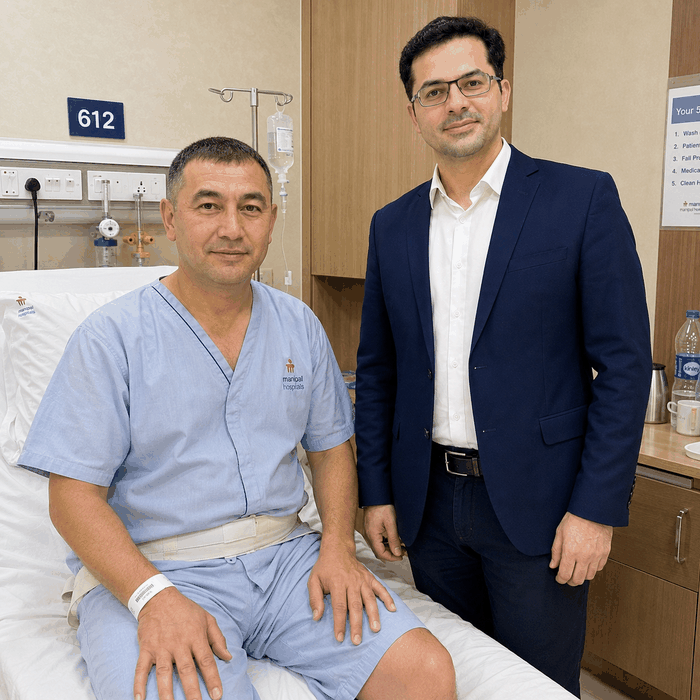
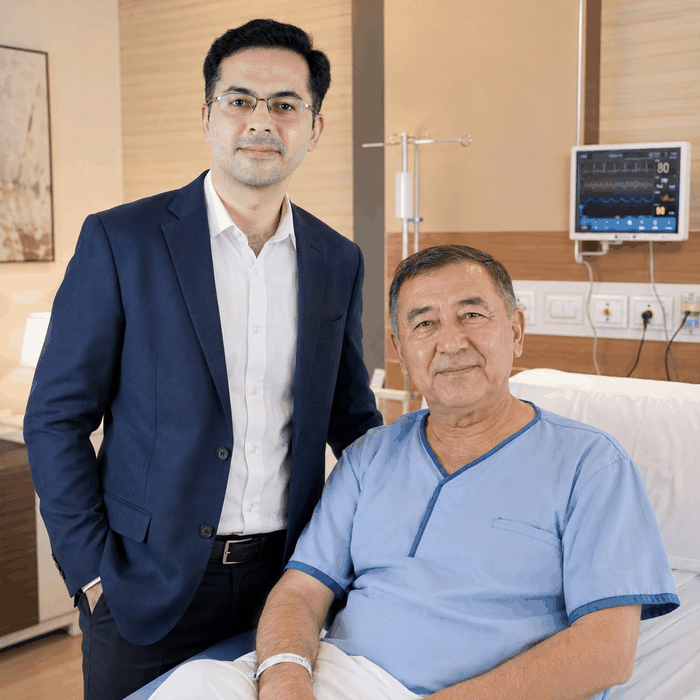
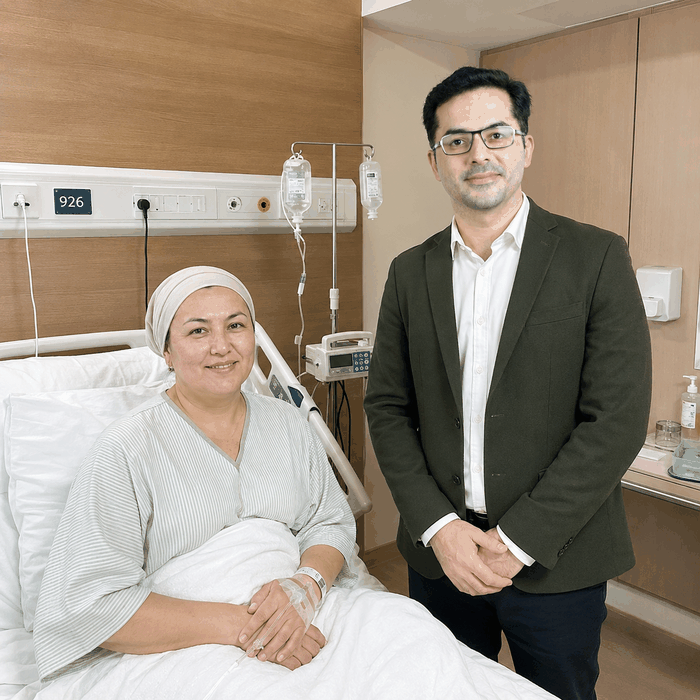
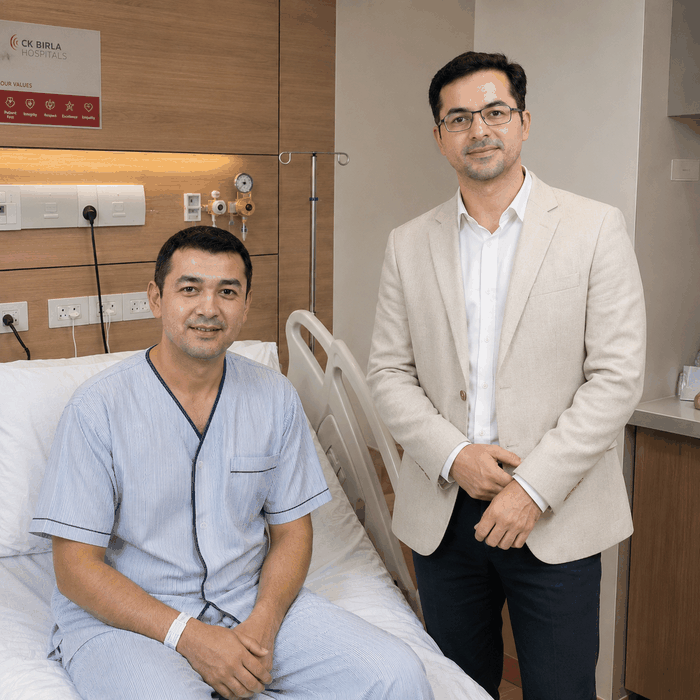
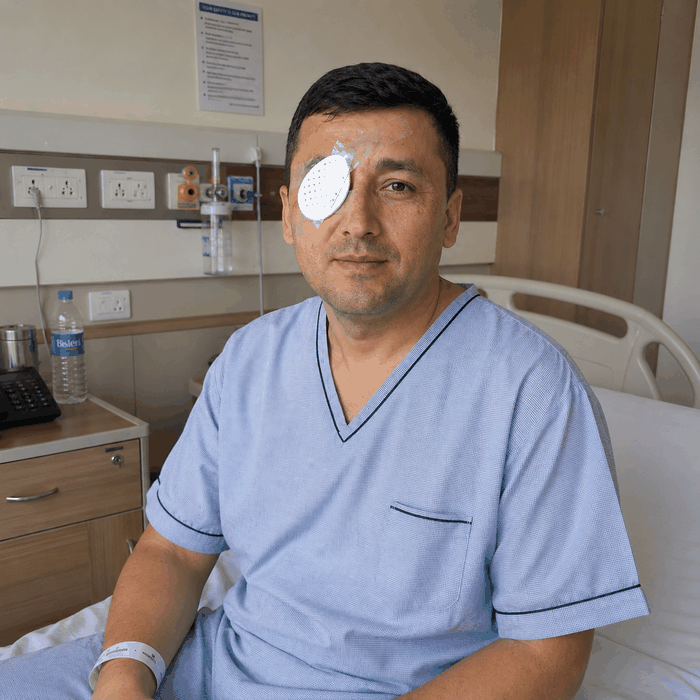
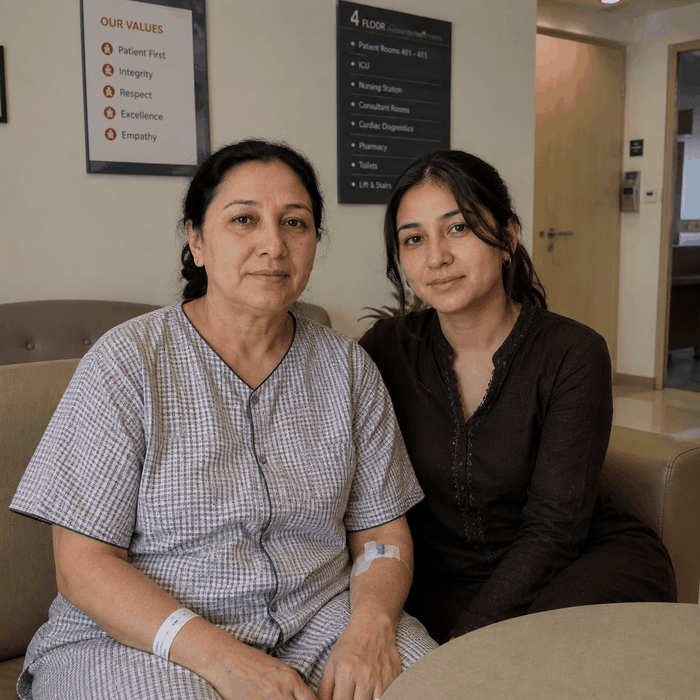
Patient Testimonials from Uzbekistan
Ready to Take the First Step?
Share your medical reports with our healthcare managers today and receive a FREE CONSULTATION, a personalized treatment plan and complete support from your arrival to your recovery.
Get Your Free ConsultationFrom Uzbekistan to India: Your Complete Patient Guide
- CyberKnife Treatment in India for Uzbek Patients
- Dental Implants and Smile Makeover in India for Uzbek Patients
- Dental Surgery and Implants in India for Uzbek Patients
- Gamma Knife Treatment in India for Uzbek Patients
- Heart Failure Treatment and Surgery in India for Uzbek Patients
- Heart Valve Replacement in India for Uzbek Patients
- Hip Surgery in India for Uzbek Patients
- HIPEC Cancer Surgery in India for Uzbek Patients
- IVF and Fertility Treatment in India for Uzbek Patients
- Joint Arthroscopy and Sports Medicine in India for Uzbek Patients
- Kidney Transplant Treatment in India for Uzbek Patients
- Knee Surgery in India for Uzbek Patients
- Laparoscopic and Robotic Myomectomy in India for Uzbek Patients
- Leukemia, Lymphoma and Blood Cancer Treatment in India for Uzbek Patients
- Liver Transplant Treatment in India for Uzbek Patients
- Neuronavigation and Advanced Brain Surgery in India for Uzbek Patients
- Neurosurgery in India for Uzbek Patients
- Oral and Maxillofacial Surgery in India for Uzbek Patients