

Dental Surgery and Implants in India for Uzbek Patients
A practical guide to planning dental implants and dental surgery in India — single implants, All-on-4, full mouth rehabilitation and more — what it costs compared with Western countries, and how to plan the two visits often involved.
Missing or badly damaged teeth affect far more than appearance — eating, speaking and confidence all suffer. Dental implants and reconstructive dental work can restore all of this, and it is one of the most common reasons patients travel from Uzbekistan to India, since the cost difference for extensive work is often dramatic. Across more than two decades of guiding patients from Uzbekistan to treatment in India, the questions I hear most are: Is this dentist properly qualified? What will it really cost? How many trips will I need to make? And will the result actually last? This guide answers each plainly, with a focus on choosing a genuinely qualified clinic, since dental tourism quality varies as much as any field in this series.
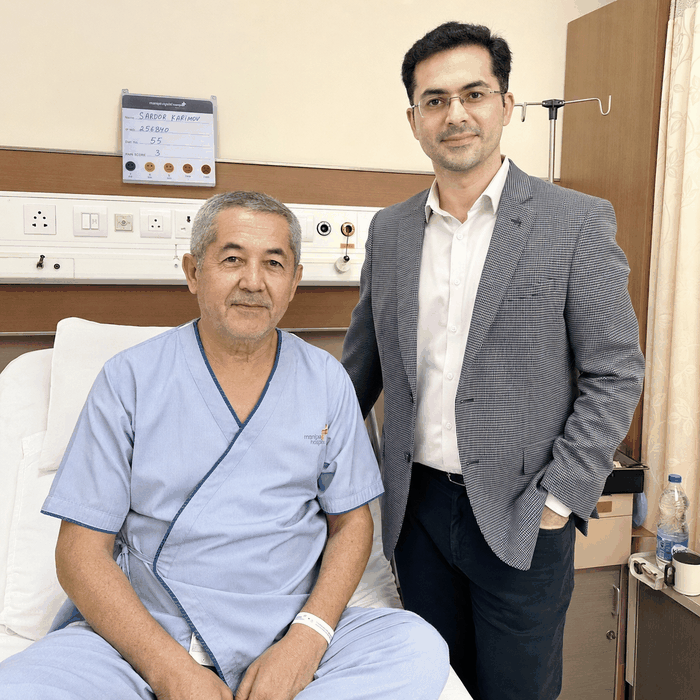
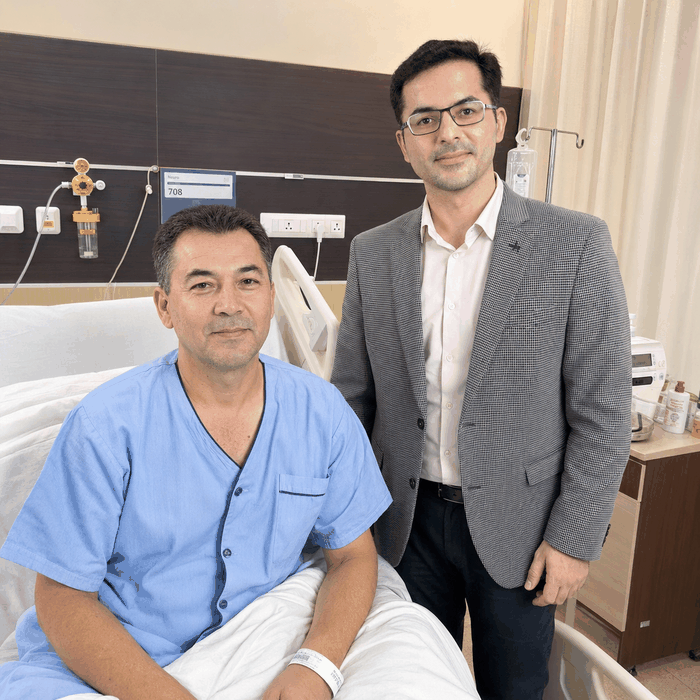
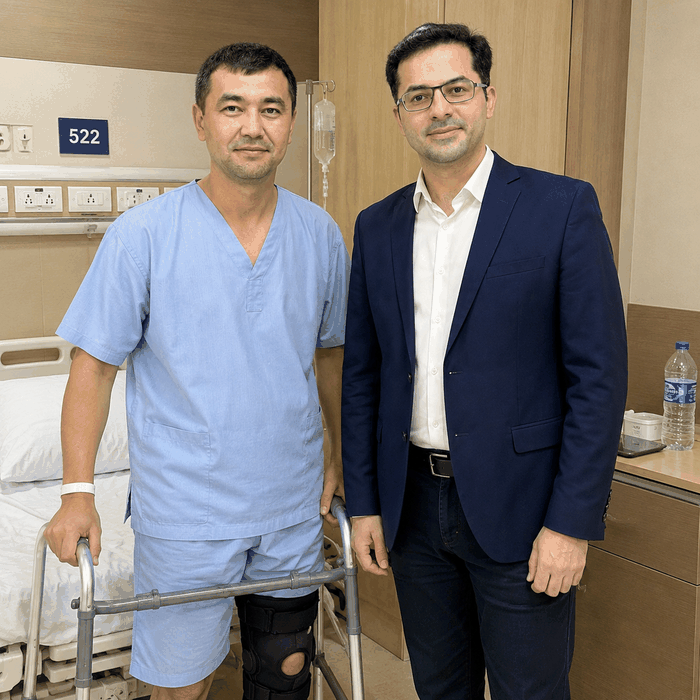
Healing Journeys of Uzbek Patients
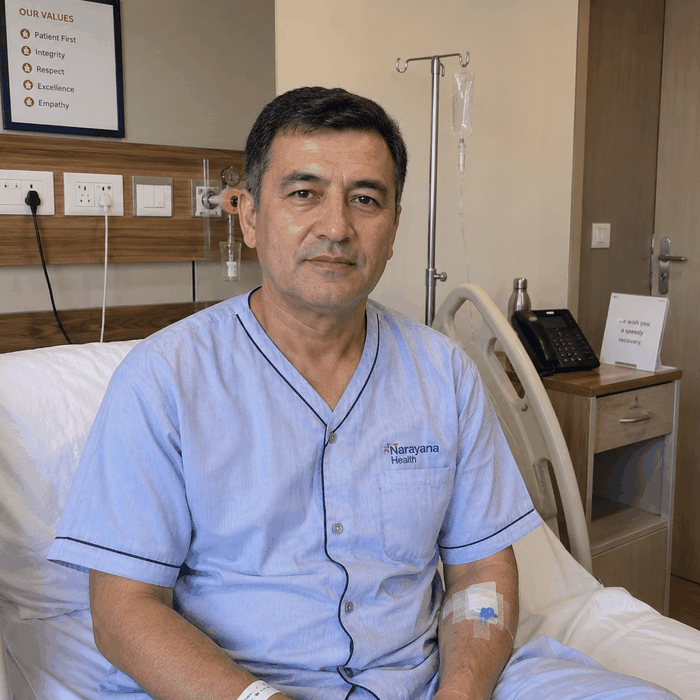
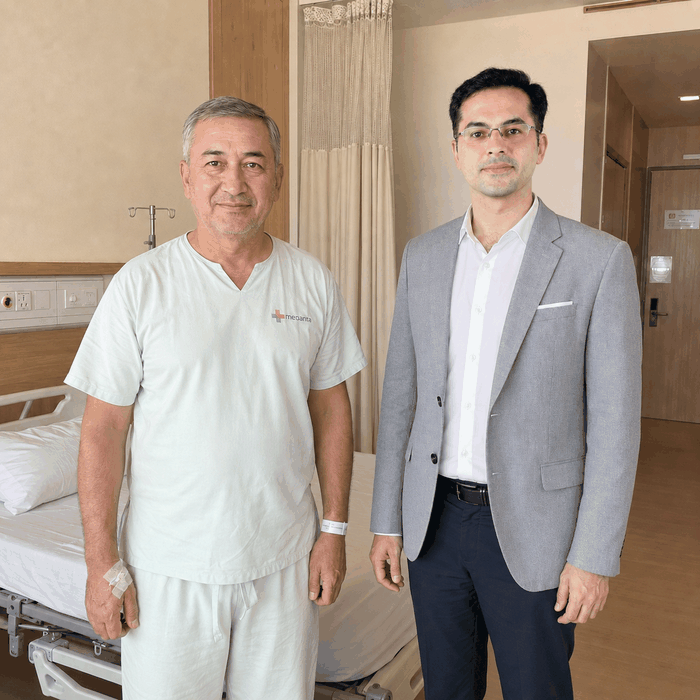
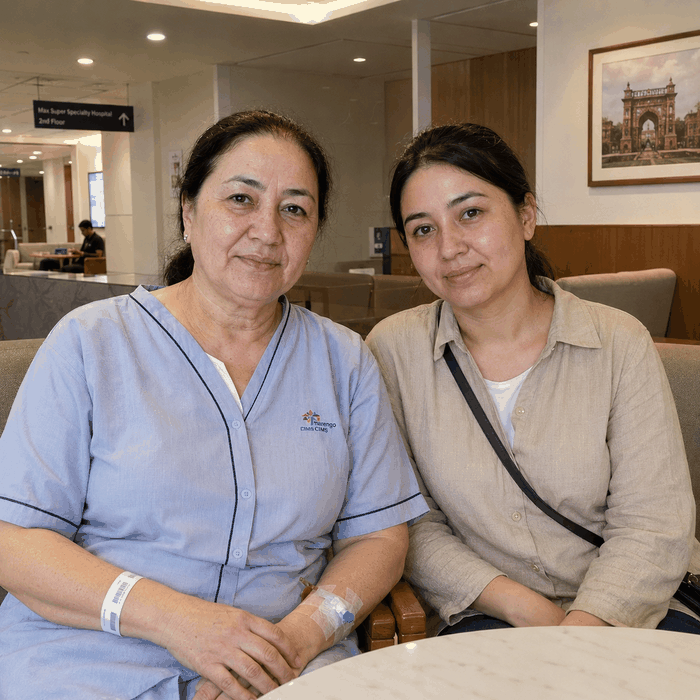
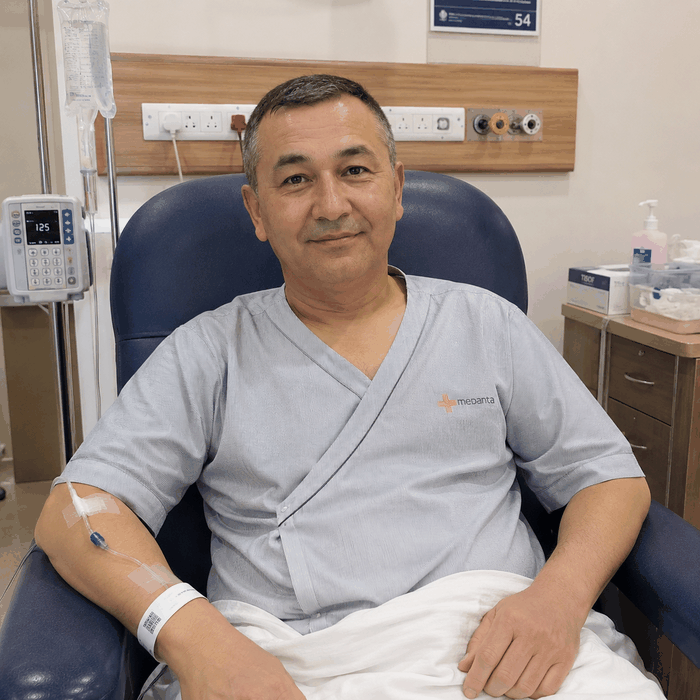


Information Takeaways
- Dental implants and reconstructive dental treatment can address much more than appearance when teeth are missing or severely damaged. The source highlights their role in restoring eating, speaking and confidence and explains why extensive dental treatment is a common reason patients from Uzbekistan travel to India. Because the quality of dental services can vary considerably, choosing a properly qualified and experienced dentist is presented as one of the most important decisions.
- India has a large dental sector with dentists experienced in internationally recognised implant systems and clinics equipped with modern imaging and surgical technology. The guide specifically mentions implant brands such as Nobel Biocare and Straumann and the use of CBCT imaging for implant planning. Delhi, Mumbai, Chennai, Bengaluru and Hyderabad are identified as cities with reputable dental centres, although the source stresses that dentist experience with the patient's particular treatment matters more than simply choosing a city or the lowest online price.
- Dental treatment can range from replacing one missing tooth to reconstructing an entire mouth. A single implant uses a titanium post supporting a crown, while All-on-4 or All-on-6 uses four to six implants to support a fixed arch of replacement teeth and may allow temporary teeth to be fitted on the same day. Full mouth rehabilitation can combine implants, crowns and bridges for extensive tooth loss or decay, while root canal treatment and crowns may preserve damaged natural teeth. A CBCT scan can help the dentist assess the teeth and jawbone before finalising the treatment combination.
- The source gives an indicative India cost of USD 300–1,200 for a single dental implant and USD 4,000–12,000 for full-mouth implant rehabilitation involving both arches. The cost comparison chart on pages 2–3 shows approximate full-mouth implant ranges of USD 20,000–40,000 in Germany, USD 22,000–40,000 in the UK, USD 22,000–40,000 in Australia and USD 25,000–50,000 in the USA. Final pricing depends on the number of implants, implant brand and prosthetic materials selected.
- Implant brand is an important part of long-term planning. The guide advises Uzbek patients to ask exactly which implant system will be used because lesser-known brands may have lower initial costs but could be harder to source replacement components for later. Patients should obtain a written, itemised quotation covering implants, prosthetics and possible bone grafting, and should be cautious about unusually low prices. The dentist's qualifications and the proposed implant brand should also be independently verified.
- Extensive implant treatment commonly requires two visits because the implant needs time to fuse with the jawbone before the permanent teeth are fitted. Most Uzbek patients can plan approximately 7–10 days for the first visit. The illustrated pathway includes pre-travel record review and a treatment plan, CBCT scanning and final planning around days 1–2, implant placement around days 2–4, an early healing check before returning to Uzbekistan around days 4–7, and a second visit approximately 3–6 months later for the permanent crown or bridge. Simpler procedures such as a single implant or crowns may sometimes be completed during one visit.
- Before travelling, Uzbek patients should verify the dentist's registration and implant training, obtain the exact implant brand in writing, request a complete itemised quotation, understand warranty terms and plan realistically for both visits. The source also recommends confirming who will provide routine dental care in Uzbekistan between visits and keeping X-rays, treatment plans and invoices. Documentation in English or Russian can make it easier for a dentist in Uzbekistan to understand the work already completed.
- Recovery after implant placement generally involves mild swelling and discomfort for around 3–5 days, with many patients returning to normal activity within approximately one week. The more significant biological process is osseointegration, in which the implant fuses with the jawbone, and this can take approximately 3–6 months before permanent teeth are fitted. After final restoration, ongoing care includes brushing, flossing and regular dental check-ups. Uzbek patients should retain implant details and treatment records for future care.
Quick Facts
- Treatment
- Dental surgery, dental implants and full-mouth rehabilitation
- Primary Patients
- Uzbek patients seeking restorative dental treatment in India
- Main Speciality
- Implant and restorative dentistry
- Key Specialist
- Qualified dentist with relevant implant training and experience
- Common Treatments
- Single implants, All-on-4, All-on-6, crowns, bridges and full-mouth rehabilitation
- Implant Planning
- CBCT imaging can assess bone quality and support treatment planning
- Single Implant Cost
- Approximately USD 300–1,200
- Full-Mouth Cost
- Approximately USD 4,000–12,000 for both arches
- Typical First Visit
- Approximately 7–10 days
- Treatment Visits
- Extensive implant rehabilitation usually requires two visits
- Implant Placement
- Often performed under local anaesthesia
- Temporary Teeth
- May be fitted during the implant-placement visit
- Final Teeth
- Usually fitted after approximately 3–6 months of osseointegration
- Recovery
- Mild swelling/discomfort may occur for 3–5 days
- Normal Activity
- Many patients return to normal activity within about one week
- Implant Brands
- Ask for the exact brand, such as the internationally recognised systems mentioned in the source
- Cost Check
- Request an itemised quote covering implants, prosthetics and possible bone grafting
- Warranty
- Confirm implant and prosthetic warranty terms
- Language Support
- Russian- and Uzbek-speaking coordinators/interpreters may be available
- Home Aftercare
- Arrange routine dental care in Uzbekistan between visits
- Documentation
- Keep X-rays, treatment plans, invoices and implant details
- Author
- Dr. Dheeraj Bojwani
- Experience
- 24+ Years
Knowledgeable Information Snippet
Dental implant treatment in India can range from a single missing-tooth implant to All-on-4, All-on-6 or full-mouth rehabilitation involving implants, crowns and bridges. The source estimates a single implant at approximately USD 300–1,200 and full-mouth rehabilitation for both arches at approximately USD 4,000–12,000. Extensive implant treatment generally requires two visits because osseointegration takes around 3–6 months. Uzbek patients should therefore plan both trips, verify the dentist and implant brand, obtain an itemised quotation and arrange follow-up care in Uzbekistan before beginning treatment.
Why Uzbek Patients Choose India for Dental Surgery?
India has a very large, well-established dental sector, with many dentists trained on international implant systems and clinics equipped with modern imaging and surgical technology. The scale of the industry brings genuine expertise, but it also means quality varies more than in tightly regulated hospital-based fields, making clinic selection an important step.
Cities such as Delhi, Mumbai, Chennai, Bengaluru and Hyderabad all have reputable dental centres. The right choice is a verified, experienced dentist for your specific treatment — not the cheapest price you find online.
- Dentists experienced with globally recognised implant brands such as Nobel Biocare and Straumann.
- Modern digital imaging (CBCT scans) for precise implant planning.
- Ability to complete extensive work, such as full mouth rehabilitation, more efficiently than staged treatment over months at home.
- Dedicated international desks with Russian and Uzbek-speaking coordinators and interpreters.
- Convenient connectivity from Tashkent to Delhi, Mumbai and other major cities.
Which dental treatments are most commonly sought?
Dental needs range from replacing a single tooth to rebuilding an entire mouth, so treatment plans vary enormously in scope.
Single dental implants replace one missing tooth with a titanium post topped by a crown. All-on-4 or All-on-6 uses four to six implants to support a full fixed arch of replacement teeth, often allowing temporary teeth the same day. Full mouth rehabilitation combines implants, crowns and bridges to restore an entire mouth affected by extensive tooth loss or decay. Root canal treatment and crowns save and restore damaged natural teeth. Veneers and smile makeovers address cosmetic concerns with healthy teeth. Your dentist will confirm the right combination after examining your teeth and jawbone, often supported by a CBCT scan.
How much does dental surgery in India cost?
Cost depends heavily on how many teeth are involved. In India, a single dental implant typically costs USD 300–1,200, while full mouth implant rehabilitation for both arches typically costs USD 4,000–12,000 all-inclusive.
India vs Western countries: cost of full mouth dental implants
Approximate all-inclusive price for both arches (USD, 2026)
Figures are indicative ranges compiled from dental clinic and medical-travel sources; your final quote depends on the number of implants, brand and prosthetic material chosen.
Notice how far below Western prices India sits — often a small fraction of the cost in the USA, UK, Germany or Australia — using the same internationally recognised implant brands. India's advantage is value: high patient volume and modern equipment, at a cost that makes extensive dental work realistic for far more families.
One caution on budgeting: ask specifically which implant brand is being used, since lesser-known brands cost less but can be harder to source replacement parts for later. Get a written, itemised quote before committing, and be cautious of prices that seem unusually low even by India's standards.
Verify the dentist's qualifications and the implant brand independently. For dental work meant to last decades, this is worth the extra diligence.
What your treatment journey of a typical dental surgery to India looks like- step by step.
Extensive implant work usually needs two visits, since bone needs time to fuse with the implant before the final teeth are fitted. Most Uzbek patients plan around 7 to 10 days for the first visit.
Your dental treatment journey, step by step
A typical timeline from Uzbekistan to India and back
Simpler treatments, such as a single implant or crowns, can often be completed in one visit; your dentist will confirm the plan for your case.
Factors that every Uzbek Patient should consider while planning Dental Surgery in India
Before you commit, work through the checklist below directly with the clinic. In more than 24 years of guiding patients through this decision, those who verify these six points avoid the most common problems.
Before you book: six things to confirm
A pre-travel checklist for patients from Uzbekistan
Keep every X-ray, treatment plan and invoice — these are important if you ever need care elsewhere for these implants.
Two further points: ask about the gap between visits clearly, since travelling too soon for the final fitting can mean delays if healing needs longer — and request all documentation in English or Russian so any dentist at home can understand the work done.
Recovery after Dental Surgery and returning to Uzbekistan
After implant placement, mild swelling and discomfort for 3 to 5 days is normal, managed with pain relief and a soft diet. Most patients feel comfortable returning to normal activity within a week. The more important recovery period is less visible: osseointegration, where the implant fuses with the jawbone, takes 3 to 6 months, which is why final teeth are fitted at a second visit rather than immediately. Follow any care instructions for temporary teeth carefully during this period. Once the final crown or bridge is fitted, ongoing care is simple — brushing, flossing and regular check-ups, just as with natural teeth. Keep your treatment records and implant details safely for any future dental visits.
A note from Dr Dheeraj Bojwani
With 24+ years of experience guiding international patients through treatment decisions, my advice for dental work abroad is straightforward: verify the dentist's registration and the exact implant brand before committing, get an itemised quote in writing, and plan realistically for a second visit if implants are involved. This article is general information and not a substitute for a personal consultation with a qualified dentist.
Straight Answer Question by Uzbek Patients about Dental Surgery in India
Is dental treatment in India safe?
At a properly accredited clinic with a qualified, registered dentist, yes. Quality varies across India's large dental sector, so verifying credentials and the implant brand used matters more here than in more tightly regulated hospital fields.
Will there be someone who speaks my language?
Major dental clinics with international patient programmes have Russian and Uzbek-speaking coordinators and interpreters who assist from your first message through both visits.
Can all my dental work be done in one visit?
Simpler treatments, such as a single implant, crowns or root canal work, are often completed in one visit. Full implant rehabilitation typically needs two visits spaced months apart to allow proper healing before final teeth are fitted.
What happens if something goes wrong after I return home?
Ask about this before starting treatment. Reputable clinics offer remote consultation and can coordinate with a dentist in Uzbekistan if needed, and a clear warranty should specify what is covered.
References & sources
- 🌐 Dental Council of India — registered dentist verification (superseded 19 March 2026 by the National Dental Commission's Indian Dentists Register). · dciindia.gov.in
- 🌐 National Accreditation Board for Hospitals & Healthcare Providers (NABH) — accredited dental facility directory. · nabh.co
- 🌐 Bureau of Immigration, Government of India — e-Medical Visa. · indianvisaonline.gov.in
- 🌐 World Health Organization — Oral health fact sheet. · who.int/news-room/fact-sheets/detail/oral-health
- 🌐 Cost ranges compiled from published dental clinic and medical-travel price guides for implants and full mouth rehabilitation, 2025–2026.
Frequently Asked Questions by Uzbek Patients about Dental Surgery in India
Can Uzbek patients travel to India for dental implants?
Yes. The guide is specifically prepared for patients from Uzbekistan and describes implant treatment available in major Indian dental centres. Patients can begin by sending dental records, X-rays or photographs for an initial treatment outline.
How much does a dental implant cost in India for Uzbek patients?
A single dental implant is estimated at approximately USD 300–1,200. Full-mouth implant rehabilitation involving both arches is estimated at approximately USD 4,000–12,000.
Can Uzbek patients complete full-mouth dental implants in one visit to India?
Usually not. Extensive implant treatment generally requires two visits because the implants need time to fuse with the jawbone before permanent teeth are fitted. Simpler treatments may sometimes be completed in one visit.
How long should Uzbek patients stay in India during the first implant visit?
For extensive implant treatment, most Uzbek patients should plan approximately 7–10 days for the first visit. The exact duration depends on the treatment plan and healing progress.
When do Uzbek patients return to India for their permanent teeth?
The guide places the second visit approximately 3–6 months after implant placement, once osseointegration has occurred and the implant has fused with the jawbone. The permanent crown or bridge can then be fitted.
What is All-on-4 or All-on-6 treatment for Uzbek patients?
All-on-4 or All-on-6 uses four to six implants to support a fixed arch of replacement teeth. The guide notes that temporary teeth may sometimes be fitted during the same visit as implant placement.
Why is CBCT important before dental implants in India?
A CBCT scan helps assess the jawbone and is used in the guide's treatment pathway to confirm bone quality and finalise the implant plan. This assessment helps the dentist determine the appropriate implant approach.
What should Uzbek patients check about the implant brand?
Patients should ask for the exact implant brand in writing rather than accepting descriptions such as “premium” or “international.” The source warns that lesser-known brands may be harder to source replacement parts for in the future.
How long is recovery after dental implant surgery in India?
Mild swelling and discomfort for approximately 3–5 days can occur after implant placement, and many patients can return to normal activity within about a week. However, the underlying osseointegration process takes approximately 3–6 months.
What happens if an Uzbek patient has a dental problem after returning home?
Patients should discuss aftercare and warranty arrangements before treatment. The guide notes that reputable clinics may provide remote consultation and coordinate with a dentist in Uzbekistan when necessary, while a clear warranty should specify what is covered.
Page Summary
Dental surgery and implants in India can provide Uzbek patients with options ranging from single-tooth replacement to extensive full-mouth rehabilitation. The source describes single implants, All-on-4, All-on-6, crowns, bridges and other restorative procedures, with treatment selection based on the condition of the teeth and jawbone and often supported by CBCT imaging. India's indicative costs are substantially below the Western comparison ranges presented in the guide, but patients should focus on the dentist's qualifications, implant brand, treatment plan and long-term accessibility of replacement components rather than simply choosing the cheapest quotation. Extensive implant treatment generally requires two visits separated by approximately 3–6 months for osseointegration, making advance travel and follow-up planning particularly important for patients returning to Uzbekistan.
Citation Block
| Field | Details |
|---|---|
| Article / Topic | Dental surgery and implants in India |
| Target Patients | Uzbek patients |
| Main Specialty | Implant and restorative dentistry |
| Common Procedures | Single implants, All-on-4, All-on-6, crowns, bridges and full-mouth rehabilitation |
| Single Implant | Titanium post supporting a crown |
| All-on-4 / All-on-6 | Four to six implants supporting a fixed arch |
| Full-Mouth Rehabilitation | Combination of implants, crowns and bridges |
| Planning Technology | CBCT imaging |
| Indian Cities Mentioned | Delhi, Mumbai, Chennai, Bengaluru and Hyderabad |
| Implant Brands Mentioned | Nobel Biocare and Straumann |
| Single Implant Cost | Approximately USD 300–1,200 |
| Full-Mouth Cost | Approximately USD 4,000–12,000 |
| Germany Comparison | Approximately USD 20,000–40,000 |
| UK Comparison | Approximately USD 22,000–40,000 |
| Australia Comparison | Approximately USD 22,000–40,000 |
| USA Comparison | Approximately USD 25,000–50,000 |
| Main Cost Variables | Number of implants, implant brand and prosthetic material |
| First Visit | Usually around 7–10 days for extensive implant work |
| Second Visit | Approximately 3–6 months later for permanent teeth |
| Implant Placement | Generally under local anaesthesia |
| Osseointegration | Approximately 3–6 months |
| Initial Recovery | Swelling/discomfort commonly 3–5 days |
| Dentist Selection | Verify registration and relevant implant training |
| Implant Verification | Exact implant brand should be documented |
| Warranty | Confirm coverage for implants and prosthetics |
| Home Follow-Up | Routine dental care should be arranged in Uzbekistan |
| Language Support | Russian- and Uzbek-speaking assistance may be available |
| Regulatory Update | The National Dental Commission replaced the Dental Council of India on 19 March 2026; verify registration via the current Indian Dentists Register. |

Our Mission Statement
Our mission is to place patients at the centre of every healthcare decision by providing trustworthy, evidence-based, and unbiased medical information. We believe that informed patients make better decisions. Backed by personalised guidance from our experienced advisory team, we help patients understand their treatment options, compare them objectively, and confidently choose the path that best suits their medical needs and personal circumstances.
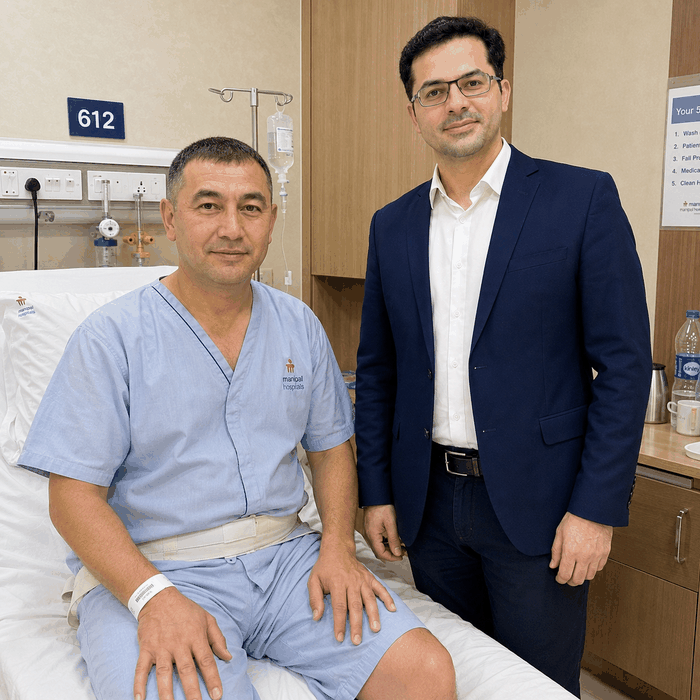
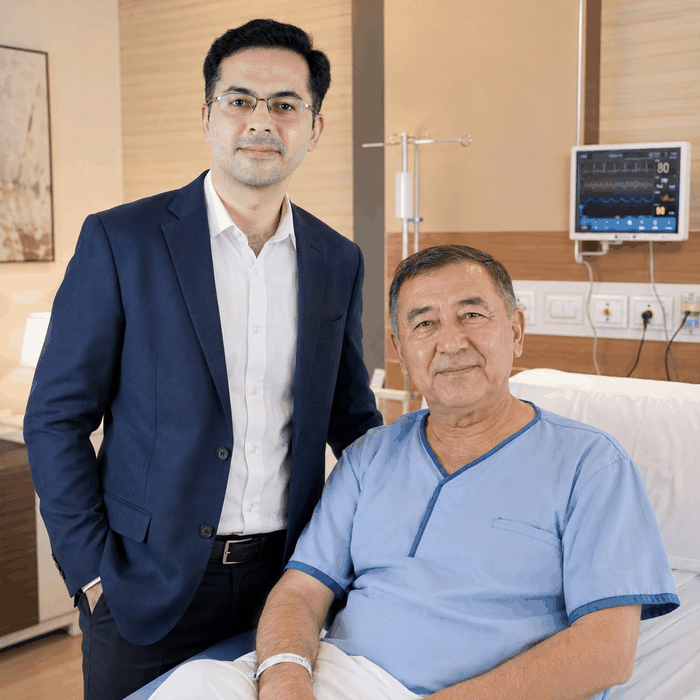
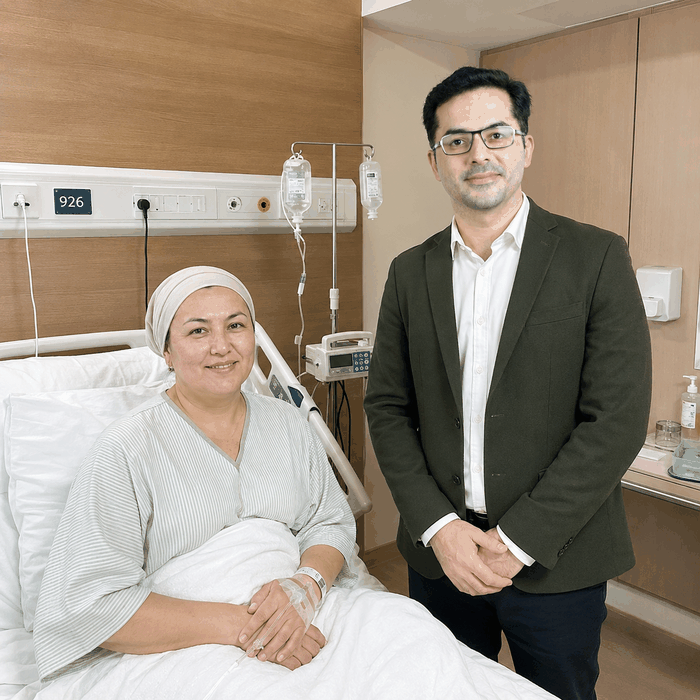
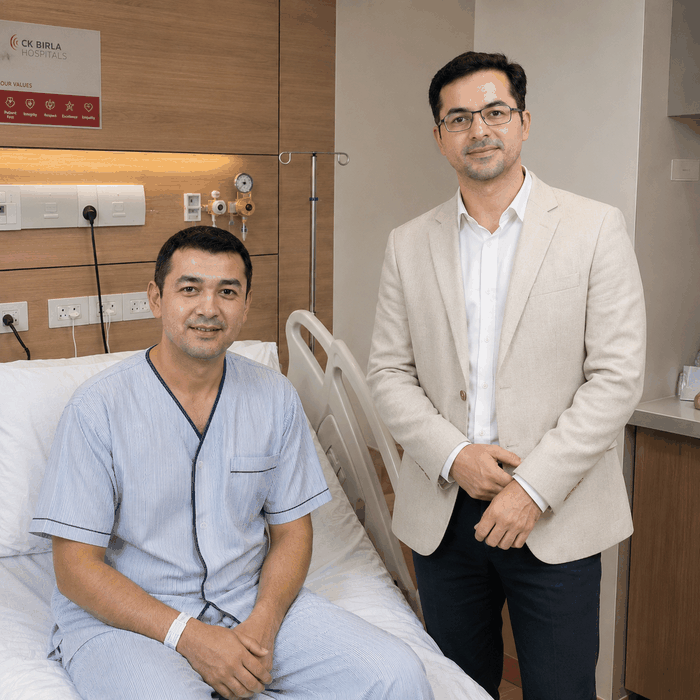
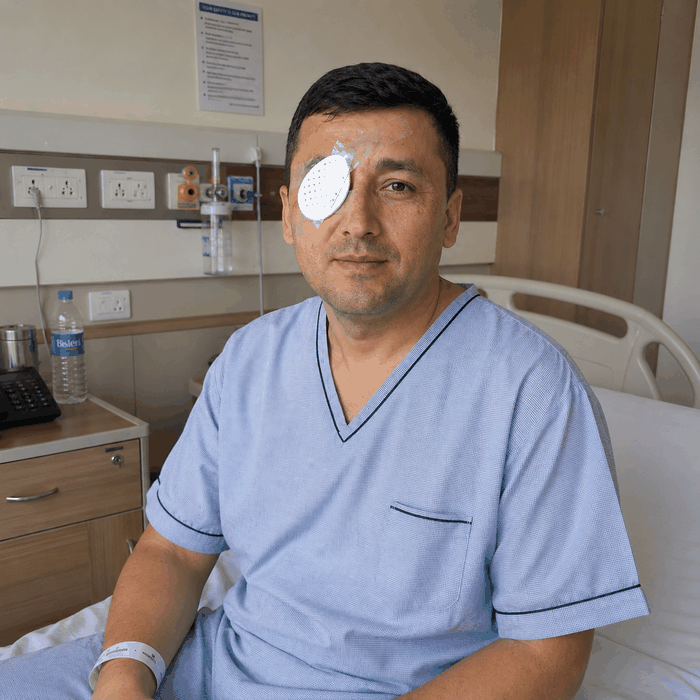
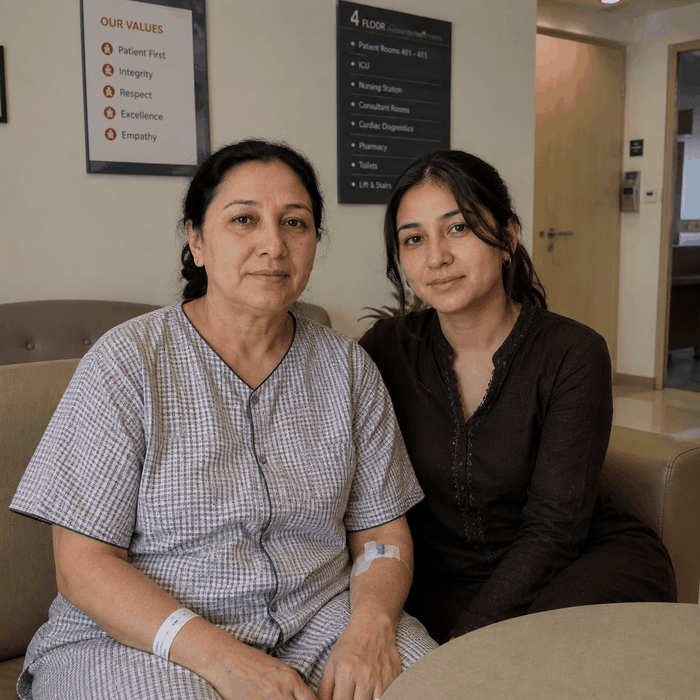
Patient Testimonials from Uzbekistan
Ready to Take the First Step?
Share your medical reports with our healthcare managers today and receive a FREE CONSULTATION, a personalized treatment plan and complete support from your arrival to your recovery.
Get Your Free ConsultationFrom Uzbekistan to India: Your Complete Patient Guide
- Knee Surgery in India for Uzbek Patients
- Laparoscopic and Robotic Myomectomy in India for Uzbek Patients
- Leukemia, Lymphoma and Blood Cancer Treatment in India for Uzbek Patients
- Liver Transplant Treatment in India for Uzbek Patients
- Neuronavigation and Advanced Brain Surgery in India for Uzbek Patients
- Neurosurgery in India for Uzbek Patients
- Oral and Maxillofacial Surgery in India for Uzbek Patients
- Paediatric Heart Surgery in India for Uzbek Patients
- Paediatric Neurosurgery in India for Uzbek Patients
- Paediatric Orthopaedic Surgery in India for Uzbek Patients
- Pancreatic Cancer Surgery in India for Uzbek Patients
- Parkinson’s Treatment and DBS Surgery in India for Uzbek Patients
- Penile Implant Surgery in India for Uzbek Patients
- Plastic and Reconstructive Surgery in India for Uzbek Patients
- Prostate Cancer Treatment and Surgery in India for Uzbek Patients
- Proton Therapy Treatment in India for Uzbek Patients
- Radiotherapy and Modern Cancer Treatments in India for Uzbek Patients
- Robotic Cancer Surgery in India for Uzbek Patients