

Knee Surgery in India for Uzbek Patients
A practical guide to planning your knee replacement in India — what the surgery involves, what it costs compared with Western countries, and how to travel with confidence from Tashkent, Samarkand or anywhere in Uzbekistan.
If you or a parent has reached the point where knee pain no longer responds to medicines, injections or physiotherapy, one decision now matters most: where you have the replacement done, and by whom. Done well the first time, it is a durable operation — done poorly, a difficult and costly problem to fix. Across more than two decades of guiding patients from Uzbekistan to treatment in India, I find the same questions come up before every booking: Is the surgery safe? What will it really cost? How long must I stay? And how do I organise the trip without stress? This guide answers each one plainly. My aim is not to sell you a procedure, but to help you plan a good one. India has become a leading destination for joint replacement, for reasons that matter directly to you. Its top orthopaedic centres are accredited by NABH (India's national standard) or the international JCI, and its senior surgeons often perform several hundred knee replacements a year — high surgical volume is one of the strongest predictors of a good result.
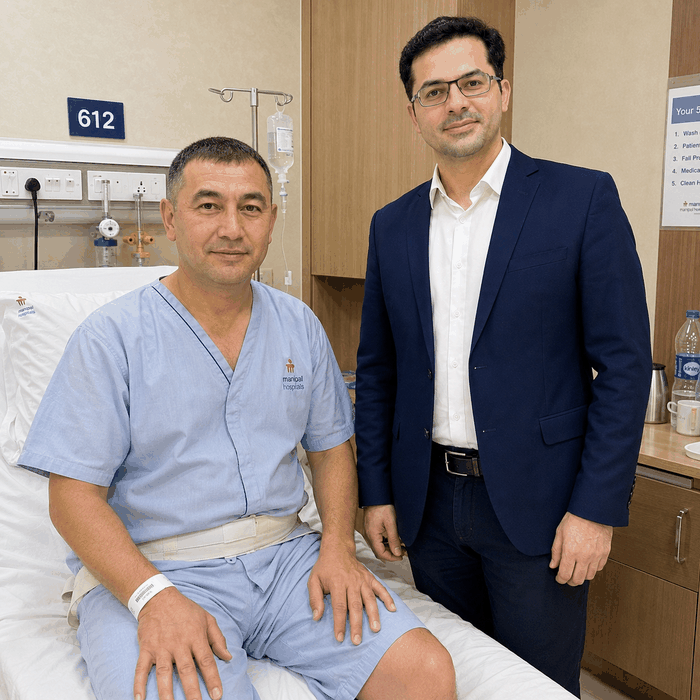
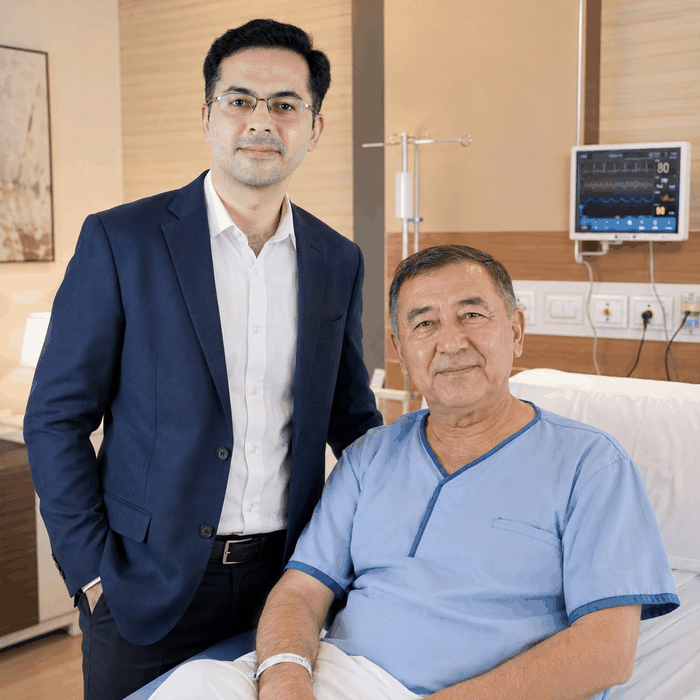
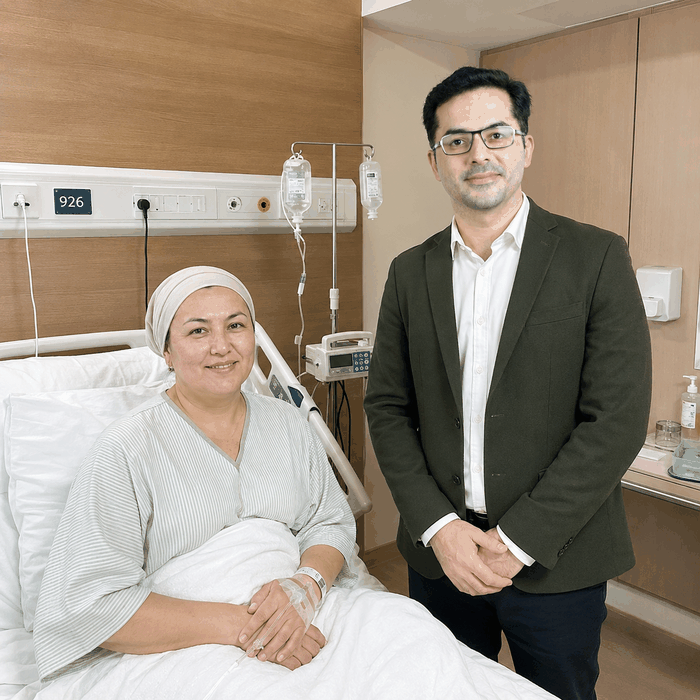
Healing Journeys of Uzbek Patients
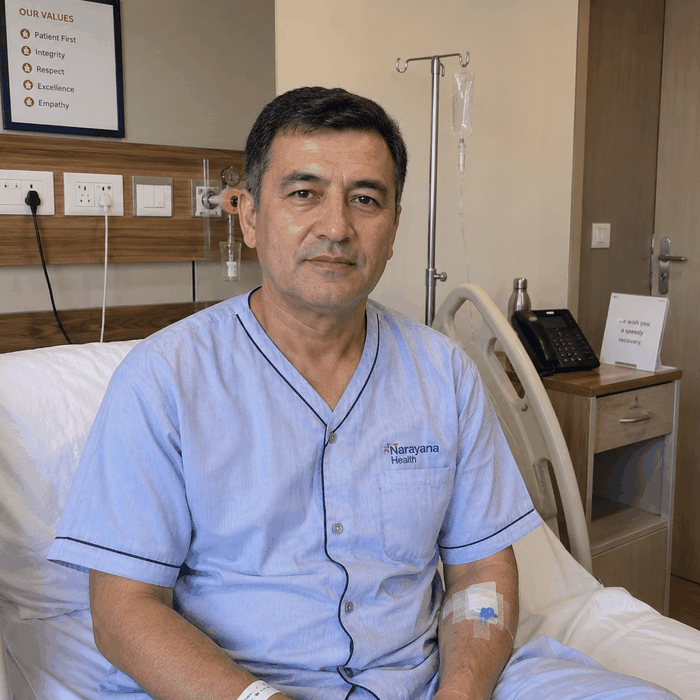
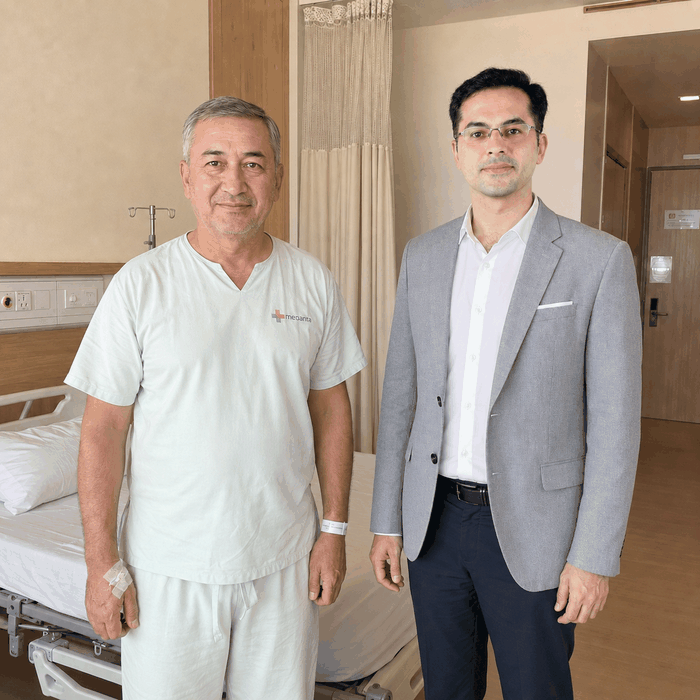
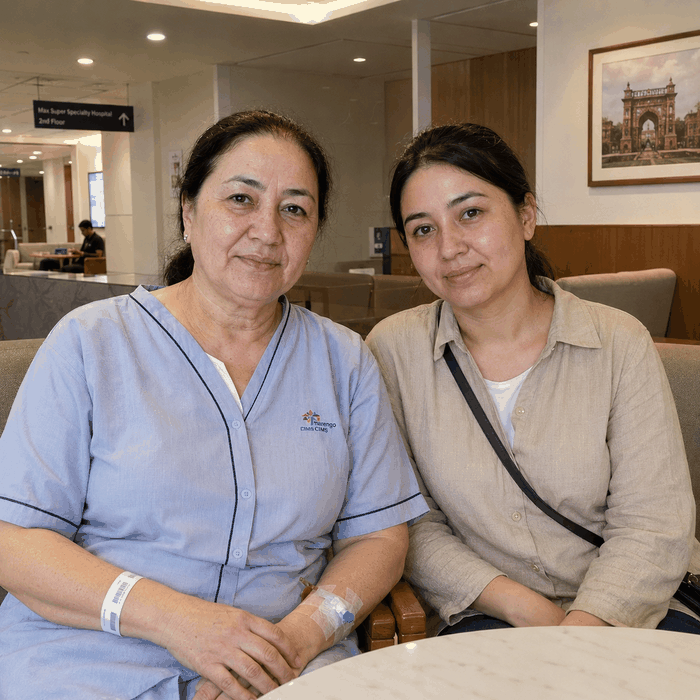
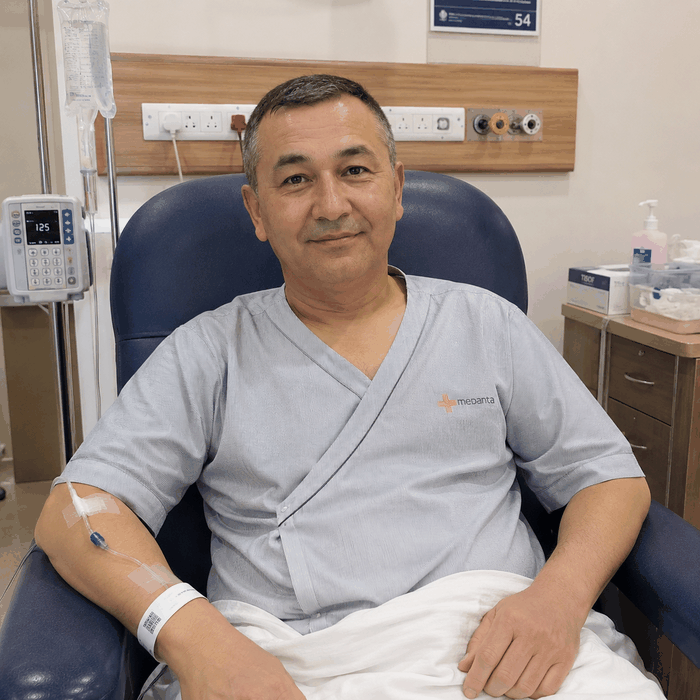
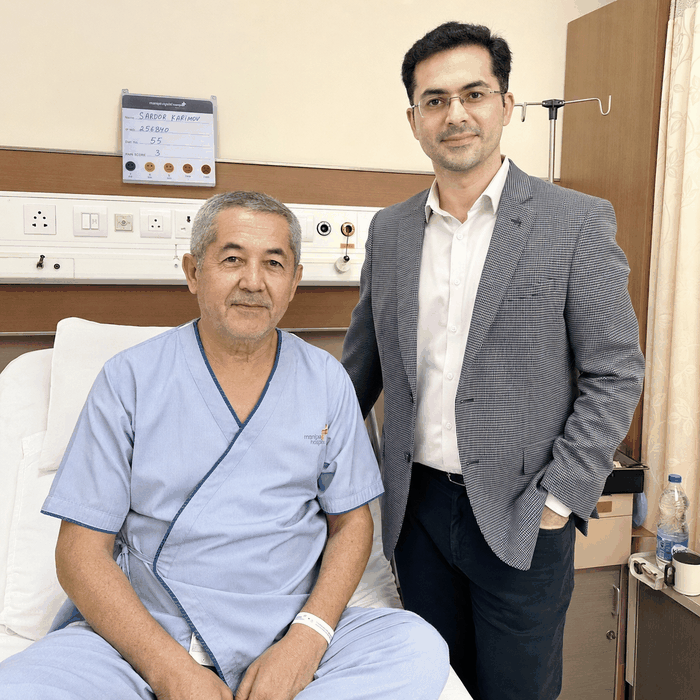

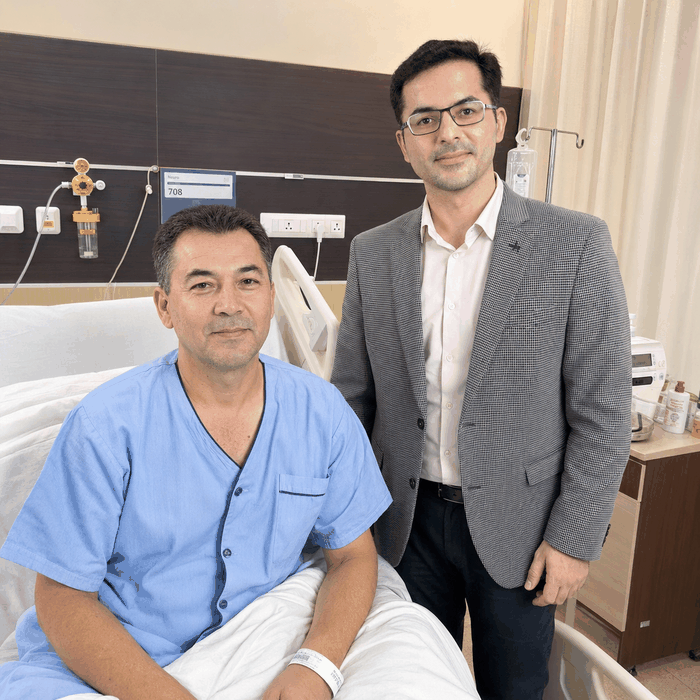
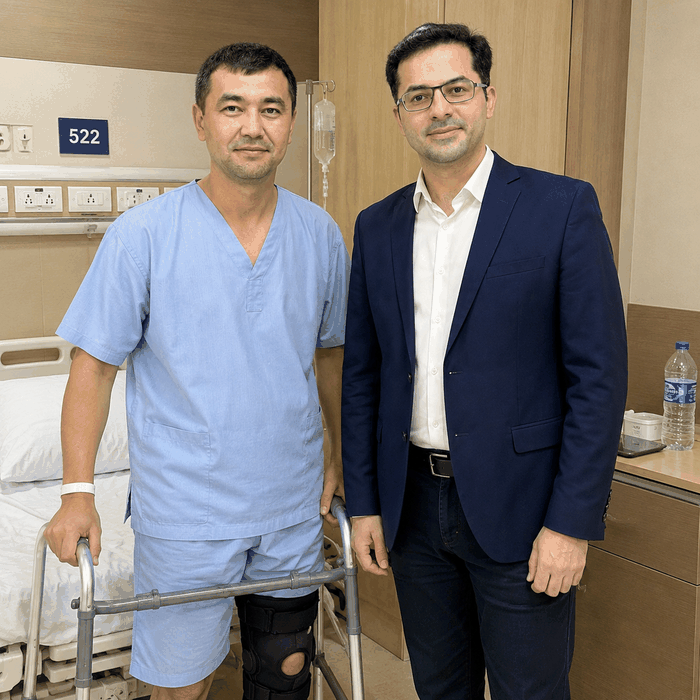
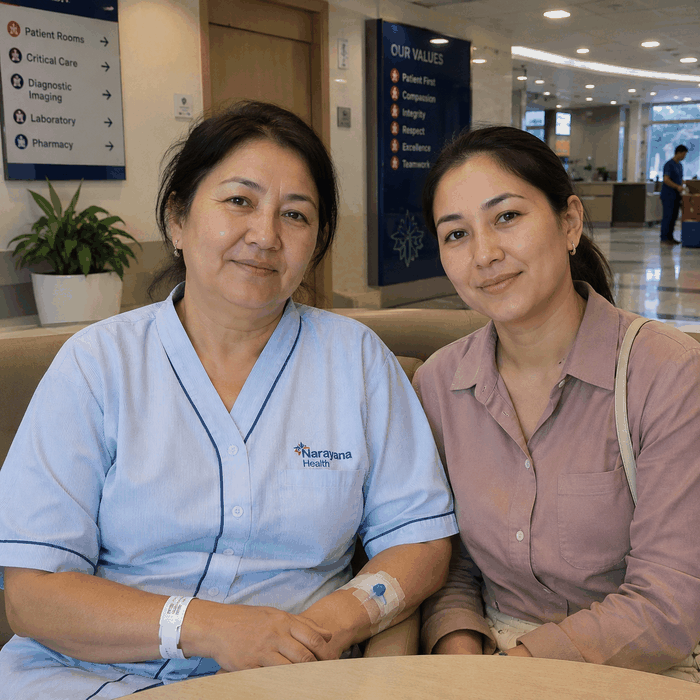
Information Takeaways
- Knee replacement is generally considered when persistent knee pain and functional limitation no longer respond adequately to medicines, injections or physiotherapy. The source stresses that choosing the right hospital and surgeon is particularly important because a well-performed first replacement can provide durable results, while a poorly performed operation may create a complex revision problem.
- India has established joint-replacement centres in Delhi, Mumbai, Chennai, Bengaluru and Hyderabad. The guide notes that Delhi is a common first stop for Uzbek patients because of flight connectivity, but the hospital and surgeon should be selected according to the patient's specific needs rather than simply choosing a city. High-volume orthopaedic surgeons, NABH or JCI accreditation, international training and modern implant options are highlighted as important considerations.
- Knee surgery is not a single procedure. Total knee replacement resurfaces the whole joint and is commonly used for advanced osteoarthritis. Partial or unicompartmental replacement treats only the damaged compartment when the remaining joint is healthy. Robotic-assisted replacement uses computer-guided technology to support precise implant alignment, while revision surgery is used when an earlier implant has worn out or failed and is generally more complex.
- The guide gives an indicative India price of USD 4,500–7,500 for one knee replacement and approximately USD 7,000–11,000 for both knees together. The typical single-knee package described includes the surgeon, anaesthesia, a standard imported implant, approximately 3–5 days in hospital and initial physiotherapy. The cost-comparison chart places India's unilateral knee replacement range below the listed ranges for Germany, Australia, the UK and USA.
- Patients should not compare quotations on price alone. The final cost can change according to implant choice, hospital category and whether one or both knees are treated. Premium implants and robotic-assisted surgery can increase the quotation, while flights, accommodation, meals and companion expenses are generally not included. The source recommends requesting one written estimate that clearly identifies inclusions and exclusions before travelling.
- For most Uzbek patients, the complete India journey takes approximately 12–16 days. The treatment pathway begins with an online consultation using X-rays or MRI, followed by a written treatment plan, cost estimate and medical-visa invitation. After arrival, pre-operative tests are completed, surgery generally takes 1–2 hours, and the patient usually remains in hospital for 3–5 days before continuing physiotherapy during the recovery period.
- Hospital and surgeon selection should include more than accreditation. Uzbek patients are advised to ask about the surgeon's annual knee-replacement volume, the exact implant brand and material, expected implant lifespan and what the treatment package includes. The guide also recommends arranging medical and companion visas, flights and airport pickup in advance, while ensuring that a clear discharge and remote physiotherapy plan will be available after returning to Uzbekistan.
- Recovery begins early, with patients generally standing and taking a few steps on the day after surgery. By the time of the return flight, the patient should be able to walk safely with a stick or walker when cleared by the surgeon. Full recovery, including comfortable stair climbing and return to normal daily life, is described as approximately 6–12 weeks, with continued physiotherapy in Uzbekistan playing an important role in the final outcome.
Quick Facts
- Treatment
- Knee replacement surgery
- Primary Patients
- Uzbek patients requiring knee replacement
- Main Speciality
- Orthopaedic joint replacement
- Common Procedure
- Total knee replacement
- Other Options
- Partial, robotic-assisted and revision knee replacement
- Single Knee Cost
- Approximately USD 4,500–7,500
- Both Knees Cost
- Approximately USD 7,000–11,000
- Typical India Stay
- Approximately 12–16 days
- Hospital Stay
- Approximately 3–5 days
- Surgery Duration
- Approximately 1–2 hours
- Pre-Travel
- X-rays or MRI reviewed before treatment planning
- Implant
- Standard imported implant included in the stated typical package
- Premium Options
- Premium implants or robotic surgery may increase cost
- Hospital Selection
- Prefer NABH- or JCI-accredited centres
- Surgeon Selection
- Check annual knee-replacement experience
- Early Movement
- Standing and taking a few steps usually begins the day after surgery
- Physiotherapy
- Starts early and continues after returning to Uzbekistan
- Full Recovery
- Approximately 6–12 weeks
- Return Flight
- Usually around 10–14 days when safely mobile and cleared by the surgeon
- Language Support
- Russian- and Uzbek-speaking coordinators/interpreters may be available
- Both Knees
- Can often be treated during one trip in selected patients
- Documentation
- Keep discharge summary and implant card
- Author
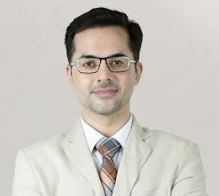
- Dr. Dheeraj Bojwani
- Experience
- 24+ Years
Knowledgeable Information Snippet
Knee replacement in India can be considered by Uzbek patients with advanced knee damage when conservative treatment no longer provides adequate relief. The source gives an indicative cost of USD 4,500–7,500 for one knee and USD 7,000–11,000 for both knees, with most Uzbek patients planning approximately 12–16 days in India. Total, partial, robotic-assisted and revision procedures may be considered according to the extent of damage and the patient's individual circumstances. Surgery is generally followed by early mobilisation and physiotherapy, while full recovery commonly takes around 6–12 weeks.
Why Uzbek Patients Choose India for Knee Surgery?
Cities such as Delhi, Mumbai, Chennai, Bengaluru and Hyderabad all have excellent joint-replacement units. Delhi is the most common first stop for Uzbek patients thanks to direct flights, but the right choice is the hospital and surgeon who fit your case — not the city name.
- Surgeons frequently trained or fellowship-qualified in the UK, Europe or the USA.
- The same implant brands used in Western hospitals, including robotic-assisted surgery.
- Little to no waiting list — surgery is usually scheduled within days of arrival.
- Dedicated international desks with Russian and Uzbek-speaking coordinators and interpreters.
- Convenient connectivity from Tashkent to Delhi, Mumbai and other major cities.
Which knee operation might you need?
Knee surgery is not one procedure — the right option depends on how much of the joint is damaged, your age and your activity level.
Total knee replacement (TKR) resurfaces the whole joint and is the most common operation for advanced osteoarthritis. Partial (unicompartmental) replacement treats only the damaged side of the knee, with a smaller incision and faster recovery when the rest of the joint is healthy. Robotic-assisted replacement uses a computer-guided arm for very precise implant alignment. Revision surgery replaces a worn or failed earlier implant and is more complex.
How much does knee surgery in India cost?
Cost is usually the deciding factor, so let us be clear. In India a single knee replacement typically costs USD 4,500–7,500 all-inclusive, and both knees together USD 7,000–11,000. That price generally covers the surgeon, anaesthesia, a standard imported implant, 3–5 days in hospital and initial physiotherapy.
India vs Western countries: cost of one knee replacement
Approximate all-inclusive price for a unilateral total knee replacement (USD, 2026)
Figures are indicative ranges compiled from hospital and medical-travel sources; your final quote depends on the implant, hospital tier and whether one or both knees are treated.
Notice how far below Western prices India sits — often a small fraction of what the same operation costs in the USA, UK, Germany or Australia — without a trade-off in quality. India's advantage is value: high-volume surgeons, premium imported implants, robotic technology and modern rehabilitation. Even after flights and a short stay, patients from Uzbekistan typically pay far less overall than for comparable private care in the West.
One caution on budgeting: the surgical quote rarely includes flights, your hotel, meals and your companion's costs, and a premium implant or robotic surgery raises the figure. Ask for a single written estimate that lists exactly what is and is not covered, and keep the receipts — you may be able to submit them to insurance back home.
Choose your hospital and surgeon first, and the price second. A cheap operation that has to be revised is the most expensive kind.
Your knee surgery journey, step by step
Planning feels less daunting once you can see the whole path. From first message to flying home, most Uzbek patients complete the journey in about 12–16 days.
Your knee surgery journey, step by step
A typical timeline from Uzbekistan to India and back
Timelines vary with your health and whether one or both knees are treated; your coordinator will confirm exact dates.
Factors that every Uzbek Patient should consider while planning Knee Surgery in India
Before you commit, work through the checklist below with the hospital's international team. In more than 24 years of guiding these decisions, I have found the patients who insist on clear answers to these six points — rather than choosing on price alone — are consistently the best prepared. These factors affect both your safety and your budget.
Before you book: six things to confirm
A pre-travel checklist for patients from Uzbekistan
Also confirm the total budget including flights and living costs, and how payment is made and refunded if plans change.
Two further points: bring a companion — a family member eases recovery and handles logistics — and ask for everything in writing, including the price, what happens if complications arise, and who to contact once you are home.
Recovery after Knee Surgery and returning to Uzbekistan
You will usually stand and take a few steps the day after surgery, and by the time you fly home you should walk comfortably with a stick or walker. Full recovery — climbing stairs freely, returning to normal life — takes about 6 to 12 weeks, and your physiotherapy at home is what turns a good operation into a good result. A reputable hospital keeps in touch by video and coordinates with a physiotherapist in your home city. Keep your discharge summary and implant card for every follow-up.
Frequently asked questions
Is knee replacement in India safe? At an accredited hospital, yes. India's leading centres meet NABH or JCI standards, use the same implants as Western hospitals and are run by high-volume surgeons, so outcomes are comparable to Europe. Safety depends on choosing the right hospital, not the country.
Will there be someone who speaks my language? Major international hospitals have Russian and Uzbek-speaking coordinators and interpreters who assist from your first message through discharge and follow-up.
How soon can I fly home after surgery? Most patients fly home 10–14 days after surgery, once they can walk safely and the surgeon confirms the wound is healing well. Move and stretch during the flight to reduce clot risk.
What if I need both knees replaced? Both knees can often be done in one trip, either together or a few days apart. This costs less than two separate journeys but needs a longer stay and good general health.
A note from Dr Dheeraj Bojwani
With 24+ years of experience guiding international patients through joint replacement, my advice to every patient from Uzbekistan is the same: take your time choosing the hospital and surgeon, ask for everything in writing, and treat physiotherapy as seriously as the operation itself. Do that, and a knee replacement can give you many pain-free, active years. This article is general information and not a substitute for a personal medical consultation.
Straight Answer Question by Uzbek Patients about Knee Surgery in India
Is knee replacement in India safe?
At an accredited hospital, yes. India's leading centres meet NABH or JCI standards, use the same implants as Western hospitals and are run by high-volume surgeons, so outcomes are comparable to Europe. Safety depends on choosing the right hospital, not the country.
Will there be someone who speaks my language?
Major international hospitals have Russian and Uzbek-speaking coordinators and interpreters who assist from your first message through discharge and follow-up.
How soon can I fly home after surgery?
Most patients fly home 10–14 days after surgery, once they can walk safely and the surgeon confirms the wound is healing well. Move and stretch during the flight to reduce clot risk.
What if I need both knees replaced?
Both knees can often be done in one trip, either together or a few days apart. This costs less than two separate journeys but needs a longer stay and good general health.
References & sources
- 🌐 National Accreditation Board for Hospitals & Healthcare Providers (NABH) — accredited hospital directory. · nabh.co
- 🌐 Joint Commission International (JCI) — directory of accredited organisations. · jointcommissioninternational.org
- 🌐 National Medical Commission of India — doctor and specialist registration verification. · nmc.org.in
- 🌐 World Health Organization — Osteoarthritis fact sheet. · who.int/news-room/fact-sheets/detail/osteoarthritis
- 🌐 Bureau of Immigration, Government of India — e-Medical Visa and Medical Attendant Visa. · indianvisaonline.gov.in
- 🌐 Cost ranges compiled from published hospital and medical-travel price guides for total knee replacement, 2025–2026.
Frequently Asked Questions by Uzbek Patients about Knee Surgery in India
How much does knee replacement cost in India for Uzbek patients?
The guide gives an indicative cost of USD 4,500–7,500 for one knee replacement. Both knees together are estimated at approximately USD 7,000–11,000, depending on the case and package.
Which type of knee surgery can Uzbek patients receive in India?
Options include total knee replacement, partial or unicompartmental replacement, robotic-assisted replacement and revision surgery. The appropriate procedure depends on joint damage, age and activity level.
How long should an Uzbek patient stay in India for knee replacement?
Most Uzbek patients complete the initial treatment journey in approximately 12–16 days, including surgery, hospital recovery and early physiotherapy.
How many days does an Uzbek knee replacement patient stay in the hospital?
The guide states that patients generally stay approximately 3–5 days after surgery for pain control, monitoring and early movement.
When can an Uzbek patient fly home after knee replacement in India?
Most patients can fly home approximately 10–14 days after surgery, provided they can walk safely and the surgeon confirms appropriate wound healing.
How long does recovery take after knee replacement for an Uzbek patient?
The source indicates that full recovery, including comfortable stair climbing and returning to normal life, generally takes around 6–12 weeks. Continued physiotherapy in Uzbekistan is an important part of recovery.
Can Uzbek patients have both knees replaced during one trip to India?
Yes, the guide states that both knees can often be treated during one trip, either together or a few days apart. This may reduce the need for two separate journeys but requires a longer stay and appropriate general health.
What should Uzbek patients check about the knee implant before surgery?
Patients should confirm the implant's brand, material and expected lifespan. They should also ask exactly which implant is included in the quoted package and whether a premium implant would change the cost.
Will Uzbek patients have Russian or Uzbek language assistance in India?
Major international hospitals may provide Russian- and Uzbek-speaking coordinators and interpreters who assist patients through communication, discharge and follow-up.
How can an Uzbek patient continue knee rehabilitation after returning home?
The guide recommends returning to Uzbekistan with a clear discharge plan and continuing physiotherapy, including remote follow-up where available. Patients should also retain their discharge summary and implant card for future follow-up.
Page Summary
Knee replacement treatment in India offers Uzbek patients several surgical options depending on the degree of joint damage, age and activity level. Total knee replacement is generally used for advanced osteoarthritis, while partial replacement may be appropriate when only one compartment is damaged. Robotic-assisted and revision procedures provide additional options for selected cases. The guide estimates that most Uzbek patients spend around 12–16 days in India, including surgery, hospital recovery and early physiotherapy. Long-term rehabilitation continues after returning to Uzbekistan, with full recovery generally taking approximately 6–12 weeks. Choosing an experienced surgeon, confirming the implant and package details, and arranging home physiotherapy are presented as key parts of achieving a good result.
Citation Block
| Field | Details |
|---|---|
| Article / Topic | Knee Surgery in India for Uzbek Patients |
| Primary Patients | Patients travelling from Uzbekistan |
| Main Speciality | Orthopaedic knee replacement |
| Primary Procedure | Total knee replacement |
| Partial Replacement | Treats only the damaged compartment when appropriate |
| Robotic-Assisted Surgery | Computer-guided implant alignment |
| Revision Surgery | Replacement of a worn or failed previous implant |
| Major Treatment Cities | Delhi, Mumbai, Chennai, Bengaluru and Hyderabad |
| Hospital Accreditation | NABH or JCI recommended |
| Surgeon Selection | Consider annual knee-replacement procedure volume |
| Single Knee Cost | USD 4,500–7,500 |
| Both Knees Cost | USD 7,000–11,000 |
| Typical Package | Surgeon, anaesthesia, standard imported implant, hospital stay and initial physiotherapy |
| Cost Variables | Implant, hospital tier and one- versus two-knee treatment |
| Additional Expenses | Flights, hotel, meals and companion costs may be extra |
| Pre-Travel Assessment | X-ray or MRI review |
| Typical India Journey | Approximately 12–16 days |
| Hospital Stay | Approximately 3–5 days |
| Surgery Duration | Approximately 1–2 hours |
| Early Recovery | Pain control, early movement and guided physiotherapy |
| Return Flight | Usually around 10–14 days after surgery when safely mobile |
| Full Recovery | Approximately 6–12 weeks |
| Home Rehabilitation | Continue physiotherapy in Uzbekistan |
| Language Assistance | Russian- and Uzbek-speaking coordinators/interpreters may be available |
| Implant Documentation | Keep implant card and discharge summary |
| Bilateral Surgery | Both knees may be treated during one trip in selected patients |
| Travel Planning | Medical and companion visas, flights and airport pickup should be arranged |
| Key Planning Point | Select the hospital and surgeon based on clinical suitability rather than price alone |

Our Mission Statement
Our mission is to place patients at the centre of every healthcare decision by providing trustworthy, evidence-based, and unbiased medical information. We believe that informed patients make better decisions. Backed by personalised guidance from our experienced advisory team, we help patients understand their treatment options, compare them objectively, and confidently choose the path that best suits their medical needs and personal circumstances.
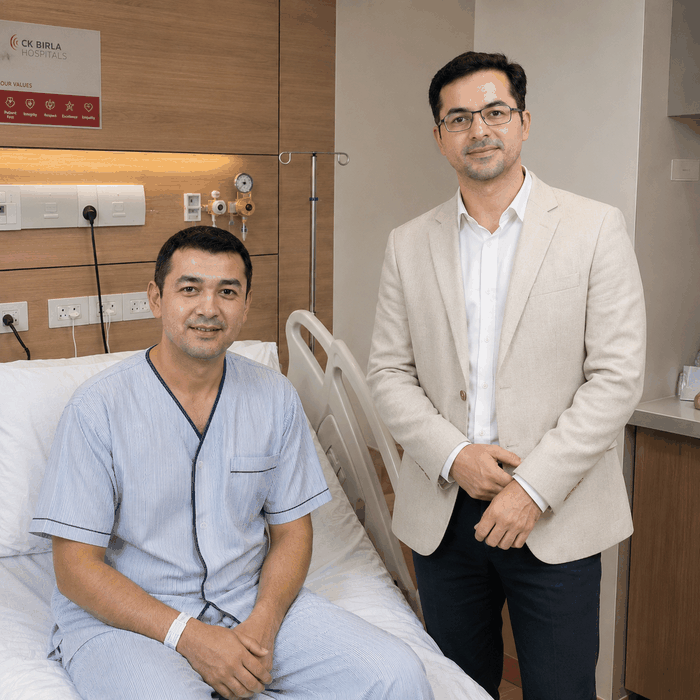
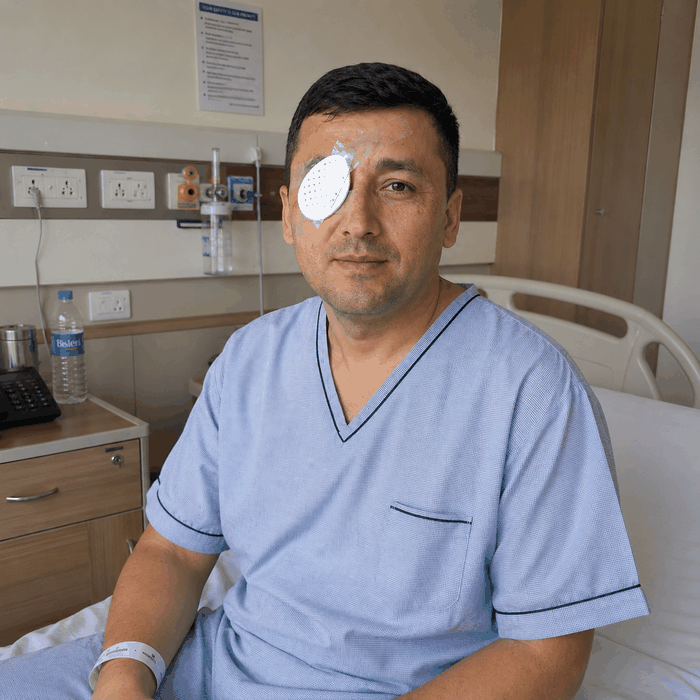
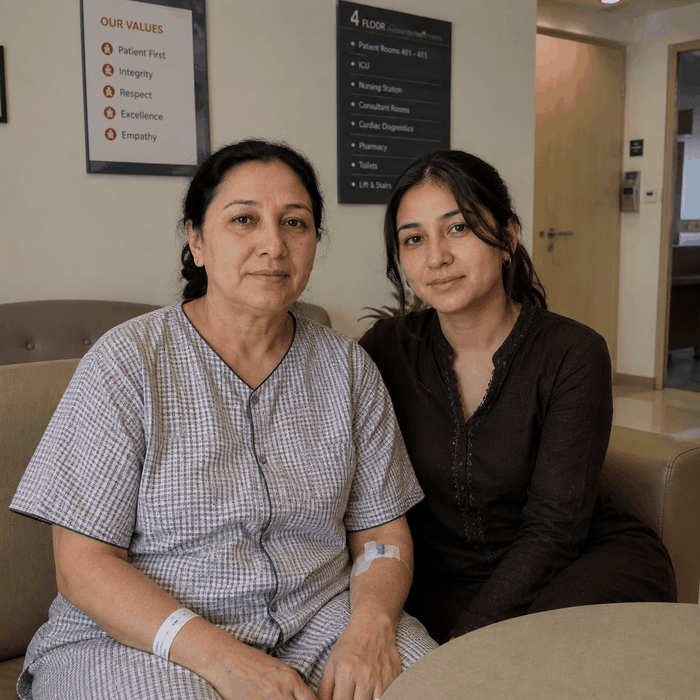
Patient Testimonials from Uzbekistan
Ready to Take the First Step?
Share your medical reports with our healthcare managers today and receive a FREE CONSULTATION, a personalized treatment plan and complete support from your arrival to your recovery.
Get Your Free ConsultationFrom Uzbekistan to India: Your Complete Patient Guide
- Prostate Cancer Treatment and Surgery in India for Uzbek Patients
- Proton Therapy Treatment in India for Uzbek Patients
- Radiotherapy and Modern Cancer Treatments in India for Uzbek Patients
- Robotic Cancer Surgery in India for Uzbek Patients
- Scoliosis Correction Surgery in India for Uzbek Patients
- Shoulder Surgery in India for Uzbek Patients
- Spine Surgery in India for Uzbek Patients
- Urosurgery and Reconstructive Urology in India for Uzbek Patients
- Weight Loss and Bariatric Surgery in India for Uzbek Patients
- Bone Marrow Transplant Treatment in India for Uzbek Patients
- Brain Tumor Surgery in India for Uzbek Patients
- Breast Cancer Treatment and Surgery in India for Uzbek Patients
- Cancer Treatment and Surgery in India for Uzbek Patients
- Cardiac Pacemaker Treatment in India for Uzbek Patients
- Cardiac Surgery in India for Uzbek Patients
- Cervical and Lumbar Disc Replacement Surgery in India for Uzbek Patients
- Colorectal Cancer Treatment and Surgery in India for Uzbek Patients
- Complex Orthopaedic and Joint Revision Surgery in India for Uzbek Patients