

Weight Loss and Bariatric Surgery in India for Uzbek Patients
A practical guide to planning bariatric surgery in India — eligibility, gastric sleeve vs gastric bypass, what it costs compared with Western countries, and the lifelong commitment involved.
For people who have struggled with severe obesity despite genuine efforts with diet and exercise, bariatric surgery can be a genuinely life-changing medical treatment — not a shortcut, but a tool that works alongside real, permanent lifestyle change. It is a major decision, and understanding what it actually involves matters more than the promise of quick results. Across more than two decades of guiding patients from Uzbekistan to treatment in India, the questions I hear most are: Am I actually a candidate? Which procedure is right for me? What will it really cost? And what does life look like afterward? This guide answers each plainly. It does not replace your doctor's advice — it is meant to help you understand what a genuine commitment to this path involves. India performs a very high volume of bariatric surgery, and its leading centres are accredited by NABH or the international JCI, with structured programmes that include nutritional counselling and psychological evaluation, not just the operation itself.
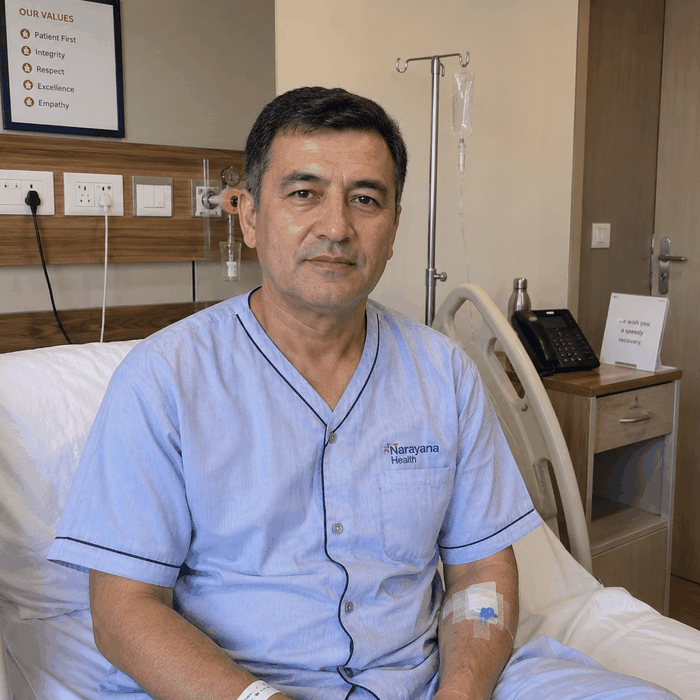
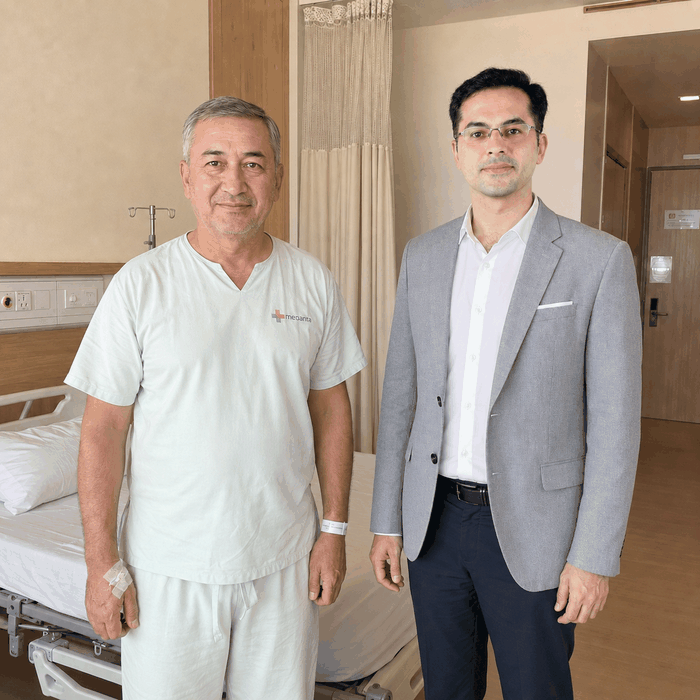
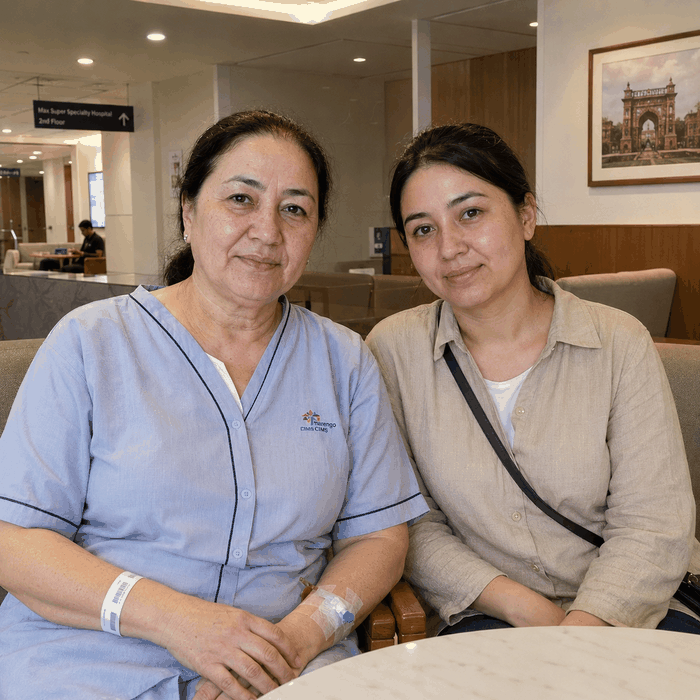
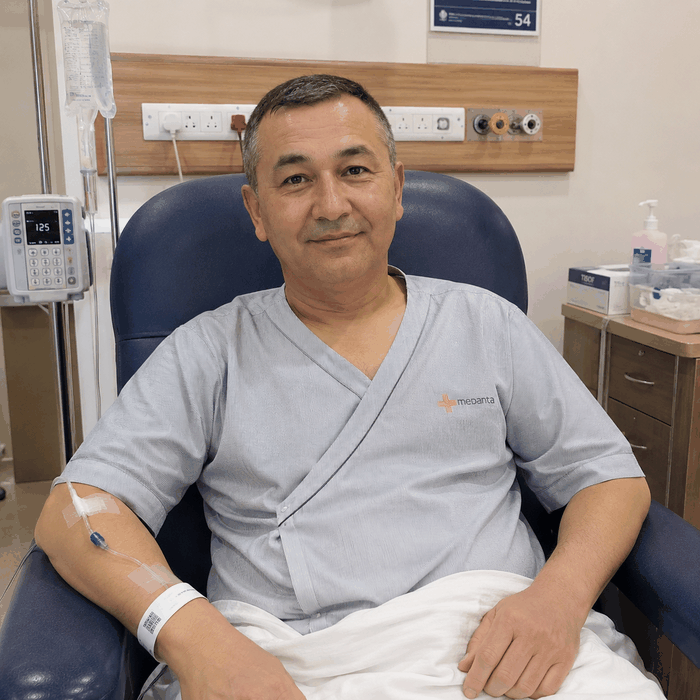
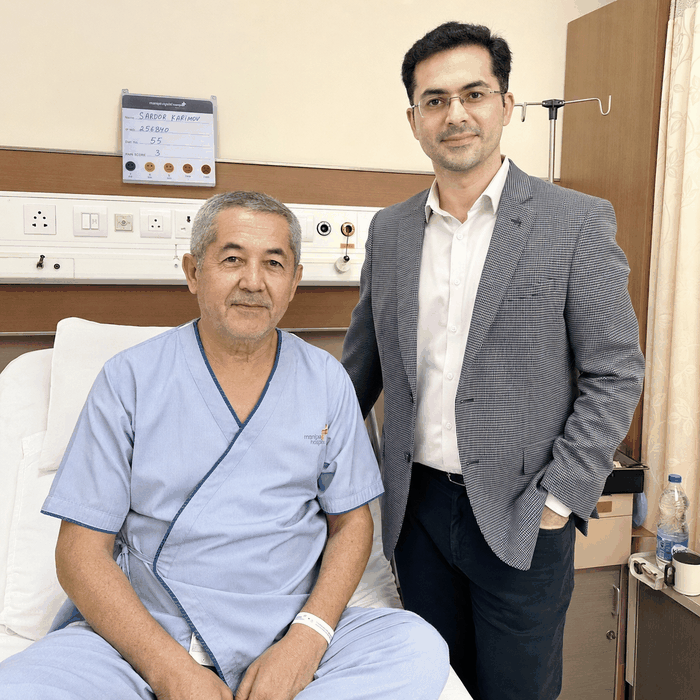
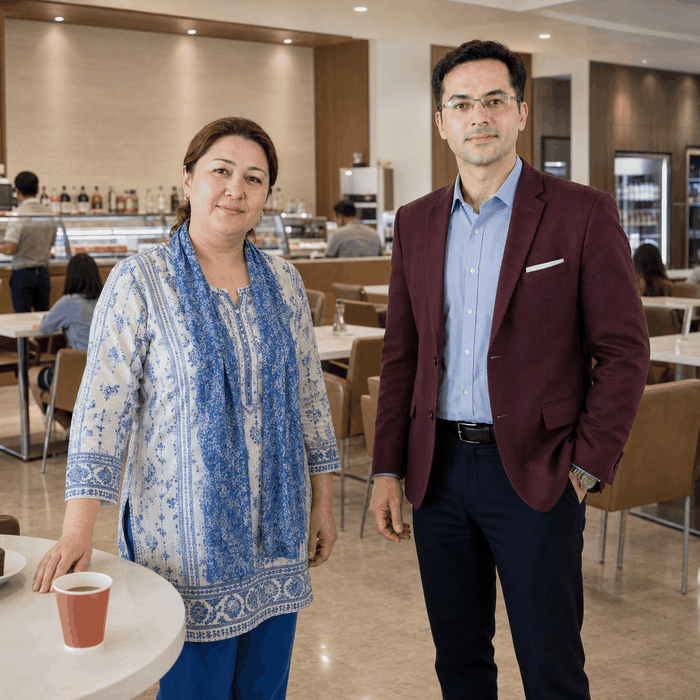
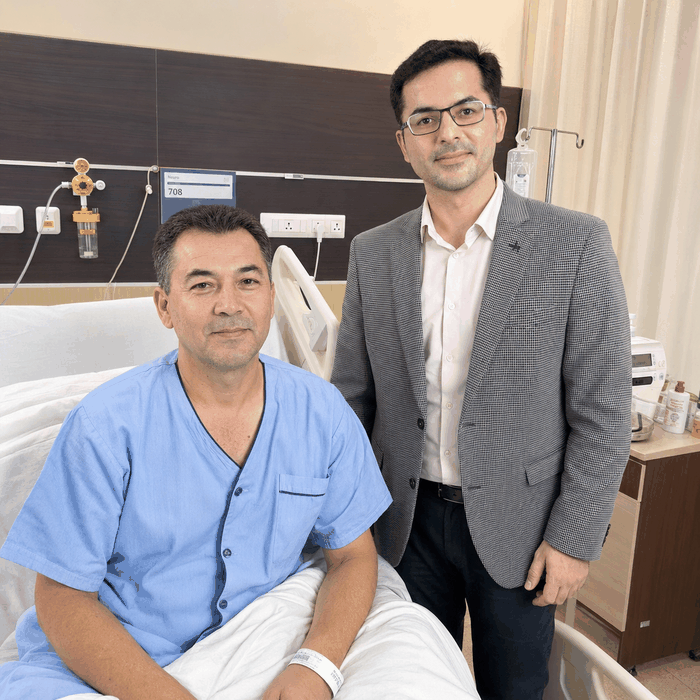
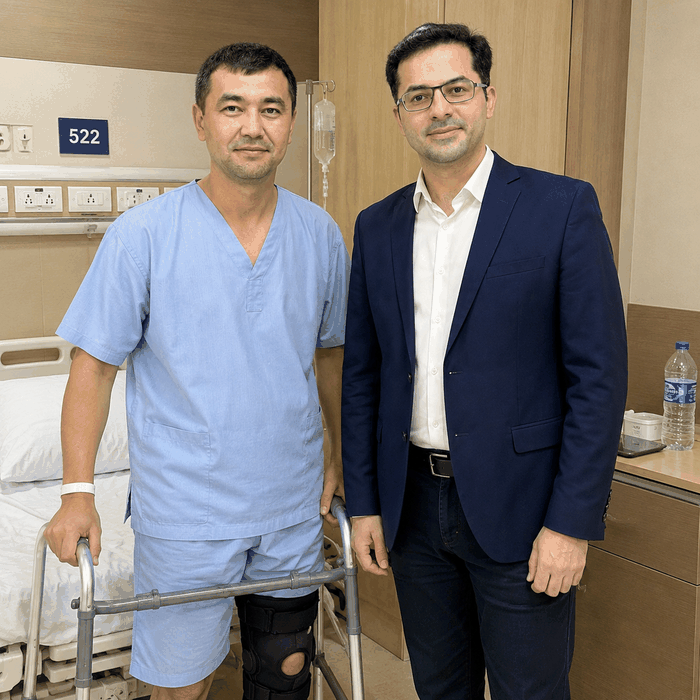
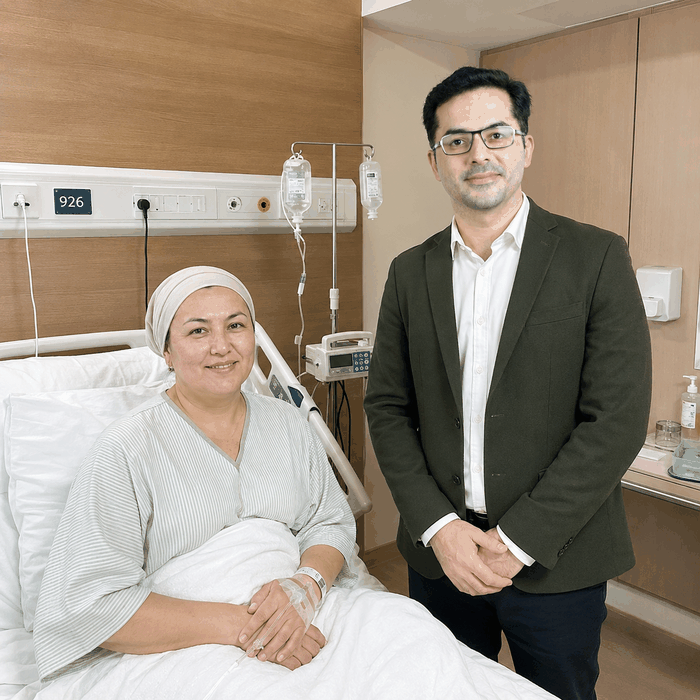
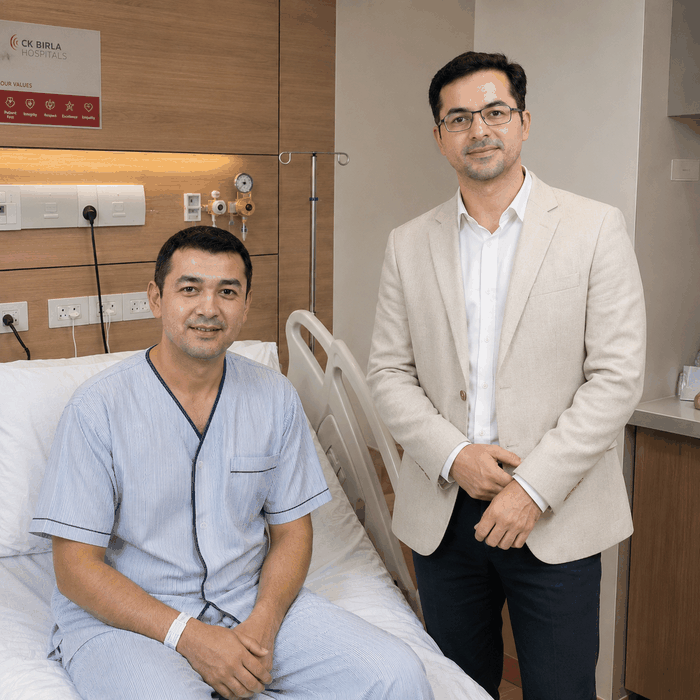
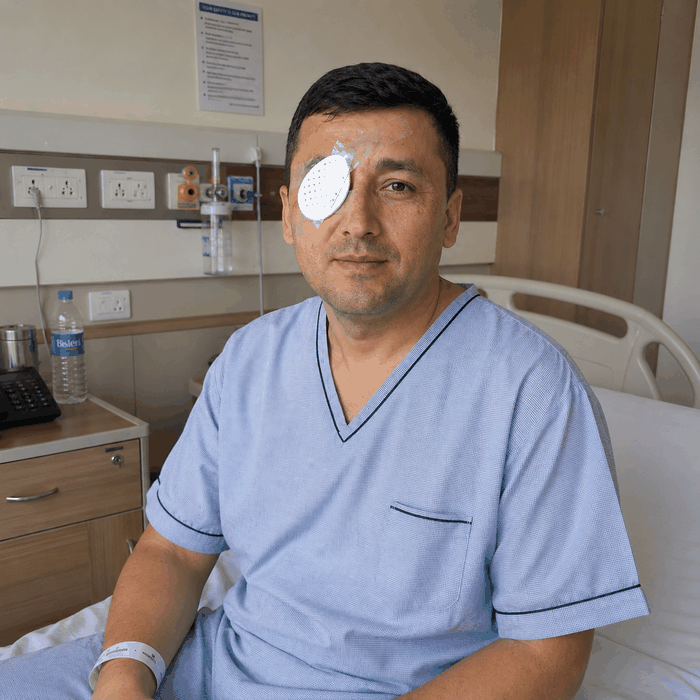
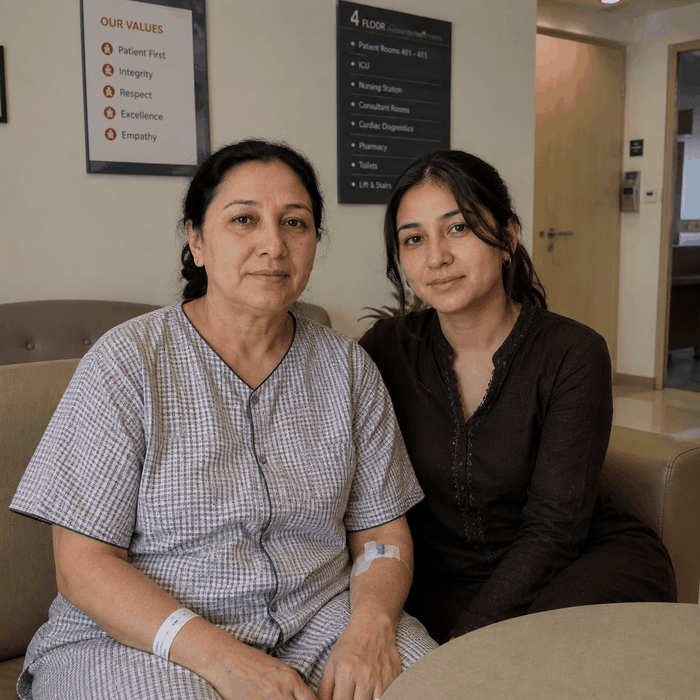
Healing Journeys of Uzbek Patients
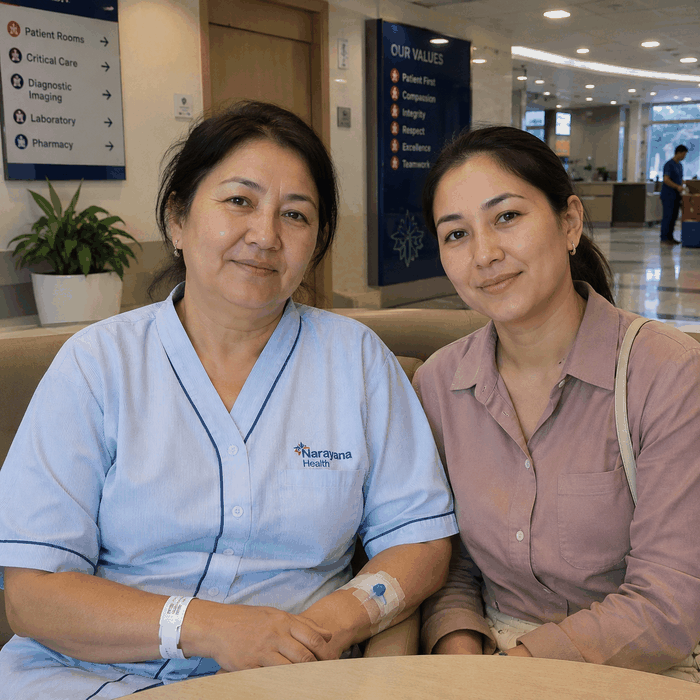
Information Takeaways
- Bariatric surgery is presented as a major medical treatment for people who have struggled with severe obesity despite genuine efforts with diet and exercise. The guide emphasises that surgery is not a shortcut or replacement for lifestyle change, but a tool that must be combined with permanent changes in nutrition and physical activity. Indian bariatric centres may offer structured programmes covering the operation, nutritional counselling and psychological evaluation.
- The source explains that bariatric surgery is generally considered for adults with a BMI of 40 or above, or a BMI of 35 or above with obesity-related conditions such as type 2 diabetes, high blood pressure or sleep apnoea, when lasting weight loss has not been achieved through diet and lifestyle measures alone. It is not described as a first-line treatment, and eligibility should be confirmed through an appropriate medical assessment.
- Gastric sleeve and gastric bypass are the main procedures discussed. Sleeve gastrectomy removes a large portion of the stomach to restrict how much food it can hold. Gastric bypass both restricts the stomach and reroutes part of the small intestine, affecting nutrient absorption, and may be considered for patients with significant diabetes alongside obesity. Adjustable gastric banding is less commonly used but may remain an option in selected cases.
- The treatment cost section estimates gastric sleeve surgery in India at approximately USD 3,500–6,000 and gastric bypass at approximately USD 5,000–9,000. The comparison chart shows an overall sleeve-and-bypass range of approximately USD 14,000–28,000 in Germany, USD 13,000–25,000 in the UK, USD 15,000–28,000 in Australia and USD 20,000–35,000 in the USA, compared with USD 3,500–9,000 in India. These figures are indicative and the final quotation depends on the procedure and existing health conditions.
- The guide stresses that patients should not select a bariatric programme solely because it offers the lowest price. Nutritional supplements and follow-up care may remain lifelong expenses, while flights, accommodation and companion costs are generally separate. Uzbek patients are advised to establish whether they genuinely meet the medical criteria and understand the long-term commitment before travelling to India.
- The typical journey from Uzbekistan to India takes approximately 10–14 days. Before travel, patients can provide their BMI, health conditions and previous weight-loss history for an initial assessment. After receiving a treatment plan, quotation and visa invitation letter, patients undergo pre-operative testing and nutritional counselling. Most bariatric procedures are laparoscopic and take approximately one to two hours, followed by two to three days of hospital recovery and a staged diet.
- Bariatric surgery requires continuing care after the patient returns to Uzbekistan. Most patients spend two to three days in hospital and progress from liquids to soft foods over the following weeks. Regular follow-up and nutritional supplements are required permanently after most procedures, while weight loss develops gradually over the following year and depends heavily on adherence to dietary and activity guidance. Long-term monitoring should therefore be arranged with a doctor in Uzbekistan before leaving India.
Quick Facts
- Treatment
- Weight loss and bariatric surgery
- Primary Patients
- Uzbek patients seeking bariatric treatment in India
- Main Speciality
- Bariatric and metabolic surgery
- Key Specialist
- Bariatric surgeon experienced in the recommended procedure
- Main Procedures
- Gastric sleeve and gastric bypass
- Typical Eligibility
- BMI 40+ or BMI 35+ with obesity-related health conditions, subject to medical assessment
- Gastric Sleeve Cost
- Approximately USD 3,500–6,000
- Gastric Bypass Cost
- Approximately USD 5,000–9,000
- Typical India Stay
- Approximately 10–14 days
- Hospital Stay
- Usually 2–3 days
- Surgery Duration
- Most procedures approximately 1–2 hours
- Surgical Approach
- Laparoscopic for most procedures
- Recovery Diet
- Gradual progression from liquids to soft foods
- Long-Term Care
- Nutritional supplements and regular follow-up
- Weight Loss
- Develops gradually over the following year
- Accreditation
- Confirm NABH or JCI accreditation
- Pre-Travel
- BMI, medical history and previous weight-loss attempts
- Aftercare
- Structured nutritional counselling and follow-up
- Language Support
- Russian- and Uzbek-speaking coordinators may be available
- Travel
- Medical and companion visa arrangements should be confirmed
- Home Monitoring
- Long-term nutritional and health monitoring in Uzbekistan
- Documentation
- Keep medical reports and dietary plans
- Author
- Dr. Dheeraj Bojwani
- Experience
- 24+ Years
Knowledgeable Information Snippet
For Uzbek patients considering bariatric surgery in India, the guide recommends choosing a programme with structured aftercare rather than focusing only on surgical price. Before booking, patients should confirm NABH or JCI accreditation, undergo an honest eligibility assessment based on BMI and health history, check the surgeon's experience with the recommended procedure, confirm nutritional counselling and follow-up, arrange medical and companion visas, and obtain a written plan for lifelong nutritional and health monitoring in Uzbekistan. Patients should also understand the expected long-term cost of supplements and provide the surgeon with complete information about their medical and weight history.
Why Uzbek Patients Choose India for Bariatric Surgery?
Bariatric surgeons frequently trained or fellowship-qualified in the UK, Europe or the USA.
- Laparoscopic (minimally invasive) technique standard for most procedures, meaning smaller incisions and faster recovery.
- Structured pre-surgical evaluation, including nutritional and psychological assessment.
- Dedicated international desks with Russian and Uzbek-speaking coordinators and interpreters.
- Convenient connectivity from Tashkent to Delhi, Mumbai and other major cities.
Cities such as Delhi, Mumbai, Chennai, Bengaluru and Hyderabad all have established bariatric surgery centres. The right choice is a programme with genuine structured aftercare — not just the lowest price.
Are you a candidate, and which procedure fits?
Bariatric surgery is generally considered for adults with a BMI of 40 or above, or a BMI of 35 or above with obesity-related health conditions such as type 2 diabetes, high blood pressure or sleep apnoea, who have not achieved lasting weight loss through diet and lifestyle changes alone. It is not a first-line treatment, and a responsible surgeon will confirm you meet these criteria and have realistic expectations before proceeding.
Sleeve gastrectomy removes a large portion of the stomach, restricting how much food it can hold, and is now the most commonly performed bariatric procedure worldwide. Gastric bypass both restricts the stomach and reroutes part of the small intestine, affecting how food and nutrients are absorbed, and is often considered for patients with significant diabetes alongside obesity. Adjustable gastric banding is less commonly used today but still an option in some cases. Your surgeon will recommend the approach best suited to your health profile, not simply the most requested procedure.
How much does bariatric surgery in India cost?
Cost depends on the specific procedure. In India, gastric sleeve surgery typically costs USD 3,500–6,000, while gastric bypass typically costs USD 5,000–9,000 all-inclusive.
India vs Western countries: cost of bariatric surgery
Approximate all-inclusive range across sleeve and bypass procedures (USD, 2026)
Figures are indicative ranges compiled from hospital and medical-travel sources; your final quote depends on the specific procedure and any pre-existing health conditions.
Notice how far below Western prices India sits — often a fraction of the cost in the USA, UK, Germany or Australia — without a trade-off in surgical technique, since laparoscopic methods are standard. India's advantage is value: high surgical volume and structured programmes, at a cost that makes this option accessible to far more patients.
One caution on budgeting: the quote generally covers the surgery itself, but ongoing nutritional supplements and follow-up care are a lifelong cost to budget for separately. The quote also rarely includes flights, accommodation and a companion's costs.
Ask your surgeon honestly whether you meet the medical criteria for surgery, and make sure you understand the lifelong follow-up it requires before you commit.
Your bariatric surgery journey, step by step
Knowing the whole path in advance makes planning easier. From first contact to flying home, most Uzbek patients complete the journey in about 10 to 14 days.
Your bariatric surgery journey, step by step
A typical timeline from Uzbekistan to India and back
Timelines vary by procedure and individual health; your surgical team will confirm exact dates.
Factors that every Uzbek Patient should consider while planning Bariatric Surgery in India
Before you commit, work through the checklist below with the hospital's international team. In more than 24 years of guiding patients through this decision, those who ask these six questions directly are the best prepared.
Before you book: six things to confirm
A pre-travel checklist for patients from Uzbekistan
Also confirm what ongoing supplements are needed long-term and their approximate cost, since this varies by procedure.
Two further points: bring a companion — recovery is easier with support close by — and be honest with your surgeon about your full medical and weight history, since this genuinely affects both safety and which procedure suits you.
Recovery after Bariatric Surgery and returning to Uzbekistan
Most patients spend 2 to 3 days in hospital, progressing through a staged diet from liquids to soft foods over the following weeks under guidance from the surgical team. Energy levels typically improve over the following weeks as recovery progresses. This is genuinely a lifelong change: regular follow-up and nutritional supplements are needed permanently after most procedures, since the surgery changes how the body absorbs certain nutrients. Weight loss itself unfolds gradually over the following year and depends heavily on following the dietary and activity guidance your surgical team provides — the operation is the starting point, not the whole process. Arrange ongoing monitoring with a doctor in Uzbekistan before you leave, and keep every report and dietary plan for this long-term care.
Frequently asked questions
Is bariatric surgery in India safe? At an accredited centre, yes. India's leading hospitals meet NABH or JCI standards and have high-volume bariatric programmes with structured pre- and post-operative care.
Will there be someone who speaks my language? Major international hospitals have Russian and Uzbek-speaking coordinators and interpreters who assist from your first message through discharge and follow-up.
Will I need to take supplements for life? Often, yes, particularly after gastric bypass, since the procedure affects nutrient absorption. Your surgical team will explain the specific supplements needed for your procedure and arrange monitoring.
Is bariatric surgery a substitute for diet and exercise? No. It is a tool that works alongside genuine, lasting lifestyle change, not a replacement for it. Long-term success depends on following the nutritional and activity guidance provided after surgery.
A note from Dr Dheeraj Bojwani
With 24+ years of experience guiding international patients through treatment decisions, my advice for bariatric surgery is straightforward: make sure you genuinely meet the medical criteria before proceeding, understand this is a lifelong commitment to follow-up care and supplements, and choose a programme with real structured aftercare rather than the lowest price alone. This article is general information and not a substitute for a personal consultation with your doctor.
Straight Answer Question by Uzbek Patients about Bariatric Surgery in India
Is bariatric surgery in India safe?
At an accredited centre, yes. India's leading hospitals meet NABH or JCI standards and have high-volume bariatric programmes with structured pre- and post-operative care.
Will there be someone who speaks my language?
Major international hospitals have Russian and Uzbek-speaking coordinators and interpreters who assist from your first message through discharge and follow-up.
Will I need to take supplements for life?
Often, yes, particularly after gastric bypass, since the procedure affects nutrient absorption. Your surgical team will explain the specific supplements needed for your procedure and arrange monitoring.
Is bariatric surgery a substitute for diet and exercise?
No. It is a tool that works alongside genuine, lasting lifestyle change, not a replacement for it. Long-term success depends on following the nutritional and activity guidance provided after surgery.
References & sources
- 🌐 National Accreditation Board for Hospitals & Healthcare Providers (NABH) — accredited hospital directory. · nabh.co
- 🌐 Joint Commission International (JCI) — directory of accredited organisations. · jointcommissioninternational.org
- 🌐 National Medical Commission of India — doctor and specialist registration verification. · nmc.org.in
- 🌐 World Health Organization — Obesity and overweight fact sheet. · who.int/news-room/fact-sheets/detail/obesity-and-overweight
- 🌐 Bureau of Immigration, Government of India — e-Medical Visa. · indianvisaonline.gov.in
- 🌐 Cost ranges compiled from published hospital and medical-travel price guides for bariatric surgery, 2025–2026.
Frequently Asked Questions by Uzbek Patients about Bariatric Surgery in India
Is gastric sleeve surgery available in India for Uzbek patients?
Yes. Gastric sleeve surgery is one of the principal bariatric procedures discussed in the guide and is described as the most commonly performed bariatric procedure worldwide. The procedure removes a large portion of the stomach to restrict food capacity.
How much does gastric sleeve surgery cost in India for Uzbek patients?
The guide gives an estimated cost of approximately USD 3,500–6,000 for gastric sleeve surgery in India. The final quotation can vary according to the patient's procedure and existing health conditions.
How much does gastric bypass surgery cost in India for Uzbek patients?
Gastric bypass is estimated at approximately USD 5,000–9,000 in India. The source describes this as an all-inclusive indicative range, subject to the individual treatment plan.
Should an Uzbek patient choose gastric sleeve or gastric bypass in India?
The choice should be based on the patient's health profile rather than simply selecting the most requested procedure. Gastric bypass may be considered particularly for patients with significant diabetes alongside obesity, while the surgeon determines the most appropriate approach after assessment.
What BMI is generally considered for bariatric surgery for Uzbek patients?
The guide states that bariatric surgery is generally considered for adults with a BMI of 40 or above, or BMI 35 or above with obesity-related health conditions, particularly when lasting weight loss has not been achieved through lifestyle measures alone.
How long do Uzbek patients need to stay in India after bariatric surgery?
Most Uzbek patients can expect the complete journey from initial treatment planning to returning home to take approximately 10–14 days. Most patients spend two to three days in hospital, followed by recovery and final follow-up.
How long does gastric sleeve or gastric bypass surgery take in India?
The guide states that most bariatric procedures are laparoscopic and take approximately one to two hours. The exact operating time depends on the procedure and individual patient factors.
What is recovery like after bariatric surgery for Uzbek patients?
Most patients spend two to three days in hospital and progress from liquids to soft foods over the following weeks. Weight loss develops gradually over the following year and requires adherence to the surgical team's dietary and activity guidance.
Will Uzbek patients need nutritional supplements after bariatric surgery?
Often, yes. The guide states that regular nutritional supplements are needed permanently after most procedures, with the need particularly emphasised after gastric bypass because it affects nutrient absorption.
How can Uzbek patients continue bariatric follow-up after returning from India?
Patients should arrange ongoing nutritional and health monitoring with a doctor in Uzbekistan before leaving India. They should also keep their medical reports and dietary plan so their long-term care can continue after returning home.
Page Summary
Bariatric surgery in India is presented as a structured treatment option for appropriately selected Uzbek patients with severe obesity. The guide focuses on gastric sleeve and gastric bypass, explaining how the procedures differ and why the choice should be based on the patient's medical profile rather than simply selecting the most popular procedure. The source estimates gastric sleeve surgery at USD 3,500–6,000 and gastric bypass at USD 5,000–9,000 in India. Most Uzbek patients can expect an overall journey of approximately 10–14 days, but the treatment itself represents a lifelong commitment involving dietary changes, nutritional supplementation and continuing medical monitoring after returning to Uzbekistan.
Citation Block
| Field | Details |
|---|---|
| Article / Topic | Weight Loss and Bariatric Surgery in India for Uzbek Patients |
| Medical Specialty | Bariatric and metabolic surgery |
| Primary Patient Group | Patients from Uzbekistan |
| Main Procedures | Gastric sleeve and gastric bypass |
| Other Procedure | Adjustable gastric banding in selected cases |
| Typical Eligibility | BMI 40+ or BMI 35+ with obesity-related health conditions, subject to assessment |
| Conditions Mentioned | Type 2 diabetes, high blood pressure and sleep apnoea |
| Treatment Principle | Surgery works alongside permanent lifestyle change |
| Gastric Sleeve | Removes a large portion of the stomach |
| Gastric Bypass | Restricts the stomach and reroutes part of the small intestine |
| Gastric Sleeve Cost | Approximately USD 3,500–6,000 |
| Gastric Bypass Cost | Approximately USD 5,000–9,000 |
| International Cost Comparison | Germany USD 14,000–28,000; UK USD 13,000–25,000; Australia USD 15,000–28,000; USA USD 20,000–35,000 |
| Overall India Journey | Approximately 10–14 days |
| Hospital Stay | Usually 2–3 days |
| Surgery Duration | Approximately 1–2 hours for most laparoscopic procedures |
| Pre-Travel Assessment | BMI, medical conditions and previous weight-loss attempts |
| Pre-Operative Care | Testing, nutritional counselling and surgical consultation |
| Hospital Selection | NABH or JCI-accredited bariatric centre |
| Surgeon Selection | Experience and annual procedure volume |
| Aftercare | Nutritional counselling and structured follow-up |
| Long-Term Supplements | Often required permanently |
| Home Monitoring | Lifelong nutritional and health monitoring in Uzbekistan |
| Travel Planning | Medical and companion visas plus airport pickup |
| Lifestyle Commitment | Continued dietary and activity changes |

Our Mission Statement
Our mission is to place patients at the centre of every healthcare decision by providing trustworthy, evidence-based, and unbiased medical information. We believe that informed patients make better decisions. Backed by personalised guidance from our experienced advisory team, we help patients understand their treatment options, compare them objectively, and confidently choose the path that best suits their medical needs and personal circumstances.
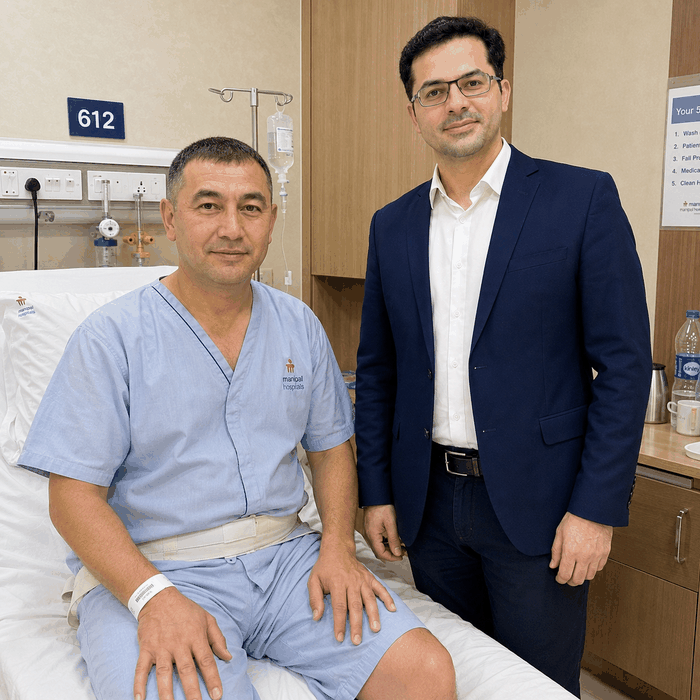
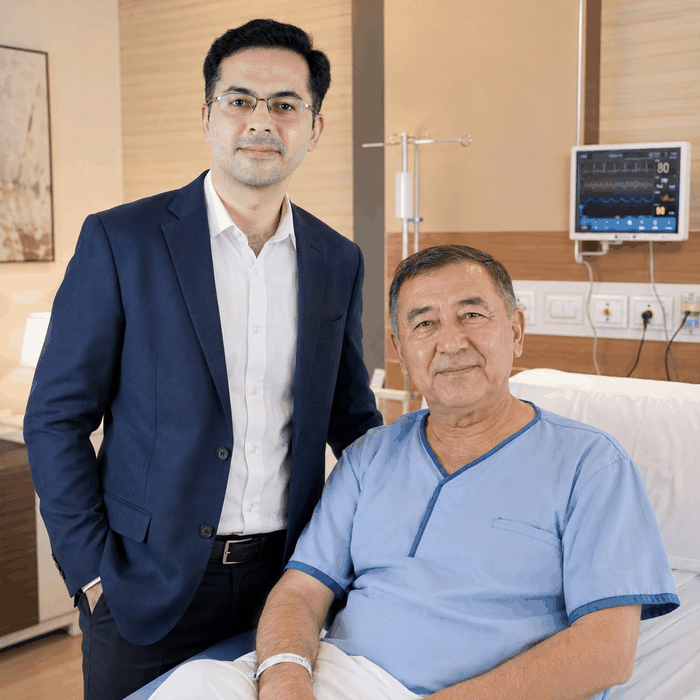
Patient Testimonials from Uzbekistan
Ready to Take the First Step?
Share your medical reports with our healthcare managers today and receive a FREE CONSULTATION, a personalized treatment plan and complete support from your arrival to your recovery.
Get Your Free ConsultationFrom Uzbekistan to India: Your Complete Patient Guide
- Pancreatic Cancer Surgery in India for Uzbek Patients
- Parkinson’s Treatment and DBS Surgery in India for Uzbek Patients
- Penile Implant Surgery in India for Uzbek Patients
- Plastic and Reconstructive Surgery in India for Uzbek Patients
- Prostate Cancer Treatment and Surgery in India for Uzbek Patients
- Proton Therapy Treatment in India for Uzbek Patients
- Radiotherapy and Modern Cancer Treatments in India for Uzbek Patients
- Robotic Cancer Surgery in India for Uzbek Patients
- Scoliosis Correction Surgery in India for Uzbek Patients
- Shoulder Surgery in India for Uzbek Patients
- Spine Surgery in India for Uzbek Patients
- Urosurgery and Reconstructive Urology in India for Uzbek Patients
- Bone Marrow Transplant Treatment in India for Uzbek Patients
- Brain Tumor Surgery in India for Uzbek Patients
- Breast Cancer Treatment and Surgery in India for Uzbek Patients
- Cancer Treatment and Surgery in India for Uzbek Patients
- Cardiac Pacemaker Treatment in India for Uzbek Patients
- Cardiac Surgery in India for Uzbek Patients