

Plastic and Reconstructive Surgery in India for Uzbek Patients
A practical guide to reconstructive surgery in India — burn reconstruction, cleft lip and palate repair, and post-trauma surgery — what it costs compared with Western countries, and how it differs from elective cosmetic surgery.
Reconstructive surgery and cosmetic surgery are often mentioned in the same breath, but they answer different questions entirely. Reconstructive surgery restores form and function after burns, trauma, cancer surgery or a congenital condition — it is generally medically necessary, not an elective choice about appearance. Across more than two decades of guiding patients from Uzbekistan to treatment in India, the questions I hear most are: What can reconstructive surgery actually achieve for my situation? Is it safe? What will it really cost? And how many procedures might be needed? This guide answers each plainly. It does not replace a consultation with your reconstructive surgeon — it is meant to help you understand the options clearly. India has reconstructive surgeons with deep experience across burns, trauma, congenital conditions and post-cancer reconstruction, at centres accredited by NABH or the international JCI.
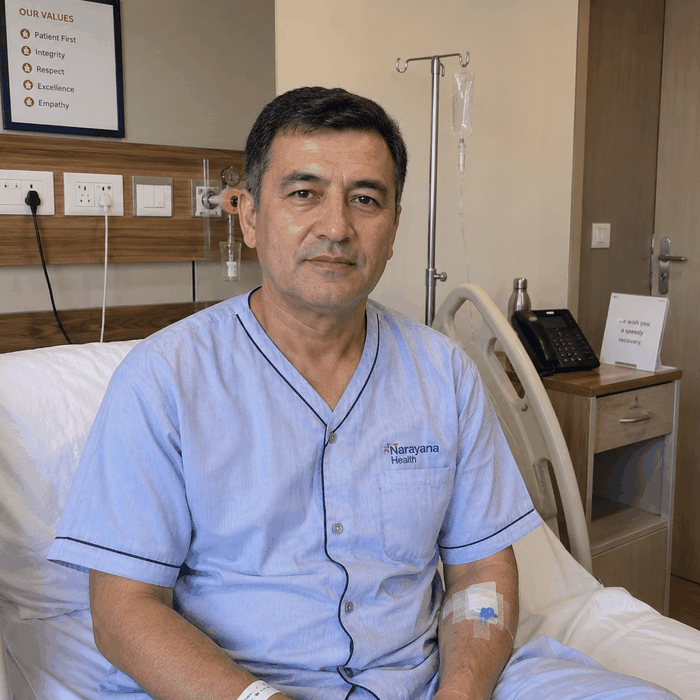
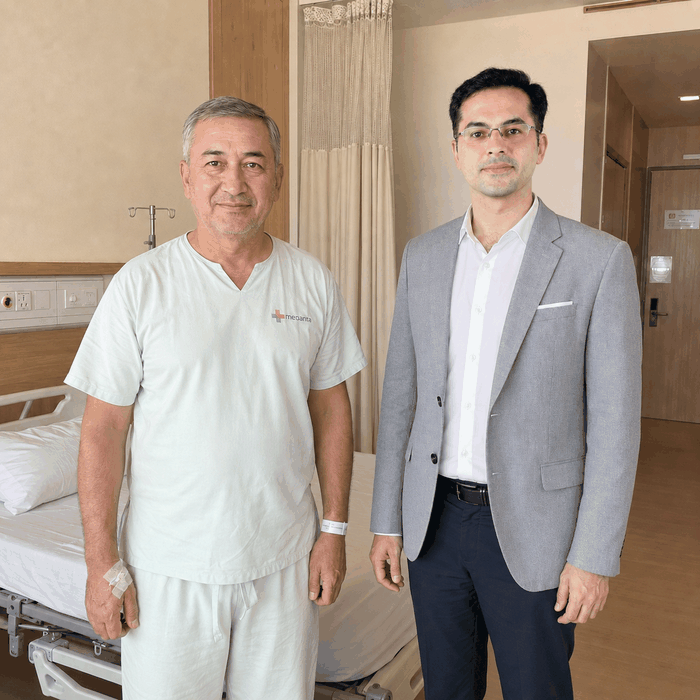
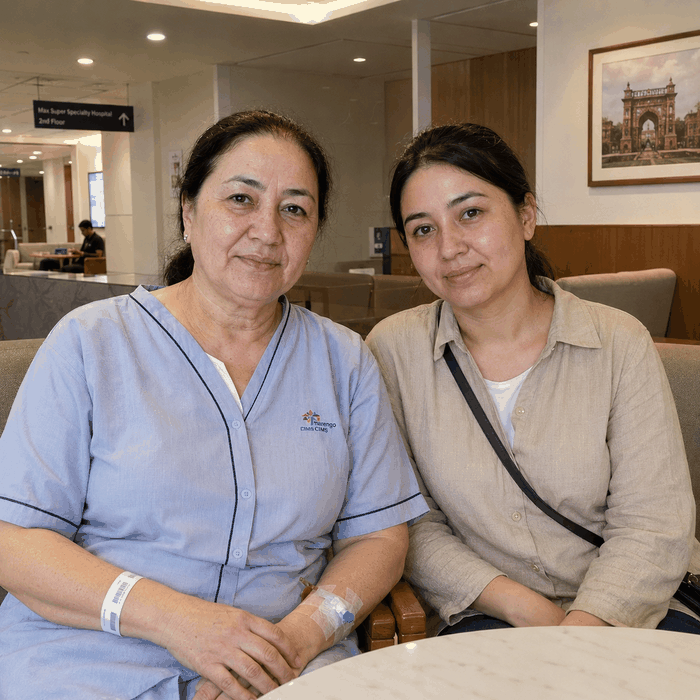
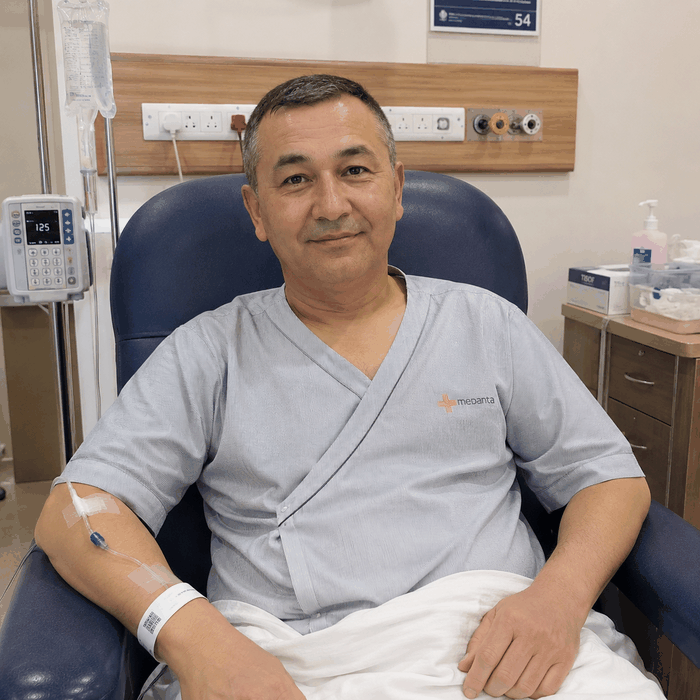
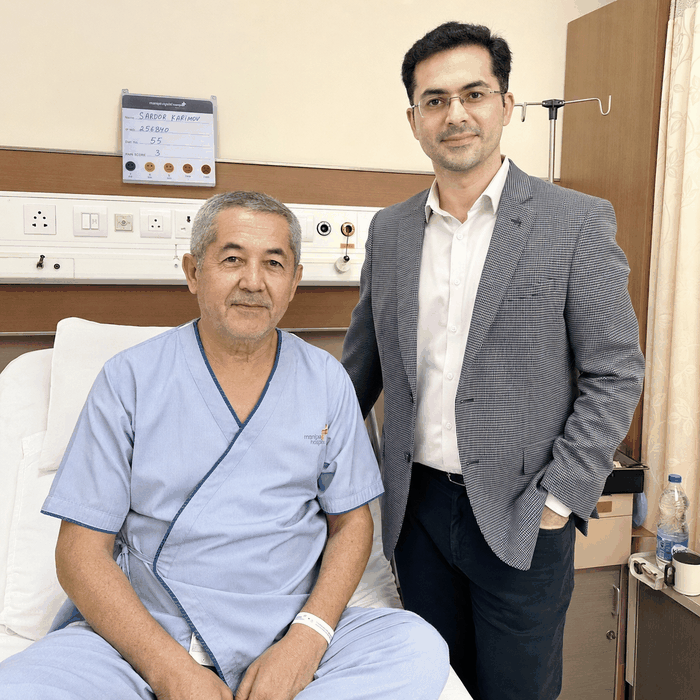
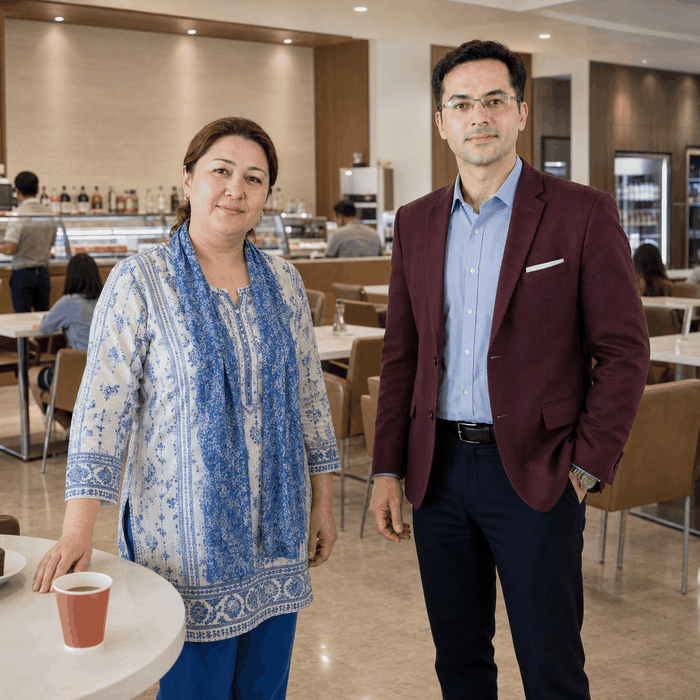
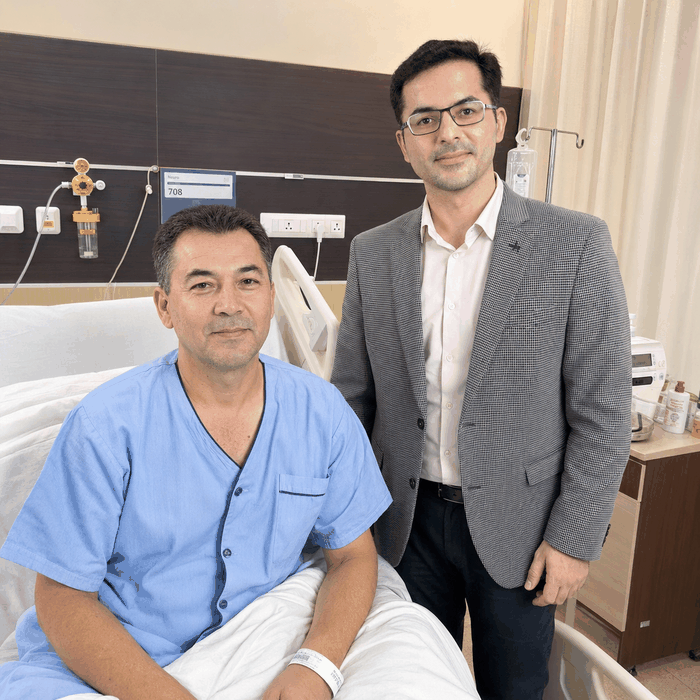
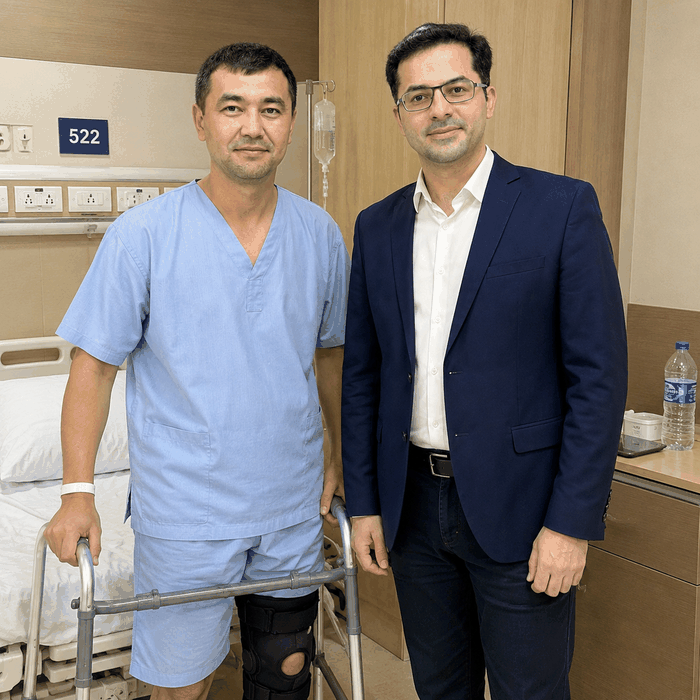
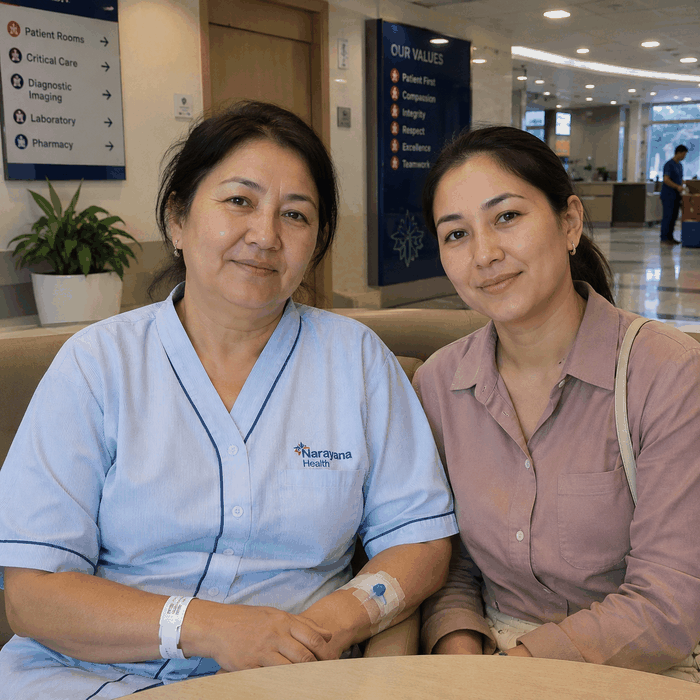
Healing Journeys of Uzbek Patients
Information Takeaways
- Reconstructive surgery and cosmetic surgery serve different purposes. The guide explains that reconstructive surgery is primarily focused on restoring form and function after burns, trauma, cancer surgery or congenital conditions, rather than enhancing otherwise normal anatomy for appearance alone. This distinction is important for Uzbek patients because the appropriate surgical approach depends on the underlying medical problem, the tissues involved and the functional goals of reconstruction.
- India offers reconstructive surgery across a wide range of conditions, including burn injuries, cleft lip and palate, hand and post-trauma injuries and tissue reconstruction following cancer treatment. Burn reconstruction may involve skin grafts or flap surgery and can require several stages as scars mature. Cleft lip and palate repair can address feeding, speech and structural concerns, with timing during infancy and early childhood being important.
- For Uzbek patients, the guide identifies Delhi, Mumbai, Chennai, Bengaluru and Hyderabad as cities with established reconstructive surgery centres. However, it stresses that the surgeon's specific experience with the patient's condition is more important than simply selecting a city. Reconstructive teams may have experience with complex techniques such as skin grafts, local flaps and free flaps, while international departments may provide Russian- and Uzbek-speaking coordination.
- The guide gives an indicative India cost of USD 1,000–6,000 for common reconstructive procedures such as cleft lip repair, burn reconstruction and tissue reconstruction. Its comparison chart shows approximately USD 9,000–30,000 for Germany, USD 8,000–30,000 for the UK, USD 9,000–28,000 for Australia and USD 10,000–35,000 for the USA. The guide estimates India may be around 80–90% below these Western-country ranges, although the final cost depends heavily on the condition and extent of reconstruction.
- Cost planning is particularly important because complex reconstructive treatment may not be completed in one operation. Significant burns, complex trauma and some congenital reconstructions can require staged surgery over months or years. The guide therefore recommends asking the surgeon for a realistic estimate of the number of procedures likely to be required and budgeting for the complete treatment pathway rather than assuming that the first operation will finish the reconstruction.
- The treatment journey begins before travel, when Uzbek patients can send photographs, medical history and scans for an initial surgical opinion. A staged treatment plan, quotation and visa invitation letter can then be prepared. After arrival, days 1–2 are generally used for evaluation, with surgery around days 2–4. Recovery and wound monitoring follow, particularly when grafts or flaps are involved, and the guide places follow-up and possible return travel around days 10–21.
- Recovery varies considerably according to the reconstruction performed. Skin grafts and flap procedures require close early monitoring and activity restrictions may continue for several weeks. The source states that scars commonly continue to mature and soften over 12–18 months, with options such as silicone sheeting or massage sometimes used under surgical guidance. When further reconstruction is required, months may be allowed between procedures for healing, making a long-term follow-up plan in Uzbekistan important.
Quick Facts
- Treatment
- Plastic and reconstructive surgery
- Primary Patients
- Uzbek patients and families seeking reconstructive treatment in India
- Main Speciality
- Plastic and reconstructive surgery
- Key Specialist
- Reconstructive plastic surgeon with condition-specific experience
- Common Treatments
- Burn reconstruction, cleft lip and palate repair, post-trauma reconstruction and tissue reconstruction after cancer surgery
- Techniques
- Skin grafts, local flaps and free flap surgery
- India Cost
- Approximately USD 1,000–6,000 for common reconstructive procedures
- Treatment Complexity
- Cost and treatment duration depend heavily on the condition and extent of reconstruction
- Staged Surgery
- Complex burns, trauma and congenital conditions may require multiple procedures
- Typical Journey
- Evaluation, surgery, wound care, follow-up and return home
- Initial Evaluation
- Usually days 1–2 after arrival
- Surgery
- Commonly around days 2–4, depending on the case
- Recovery Monitoring
- Approximately days 4–10 in the typical journey
- Follow-Up
- Around days 10–21 before returning home, depending on healing
- Hospital Accreditation
- NABH or JCI recommended by the guide
- Language Support
- Russian- and Uzbek-speaking coordinators or interpreters may be available
- Scar Management
- May include silicone sheeting or massage under surgical guidance
- Long-Term Recovery
- Scars may continue maturing for 12–18 months
- Follow-Up in Uzbekistan
- Arrange wound checks and future-stage planning before leaving India
- Travel Planning
- Medical visa and companion visa should be arranged where required
- Documentation
- Keep surgical reports and photo documentation
- Author
- Dr. Dheeraj Bojwani
- Experience
- 24+ Years
Knowledgeable Information Snippet
For Uzbek patients considering reconstructive surgery in India, the key decision is finding a surgeon with experience in the exact condition rather than selecting a hospital or city based only on reputation or price. Patients should establish whether their condition can be treated in one stage or will require multiple operations, obtain an estimate covering the likely treatment course, confirm hospital accreditation and arrange follow-up in Uzbekistan. The source also highlights scar management, companion support, Russian- and Uzbek-speaking coordination and careful wound monitoring as important parts of the overall treatment journey.
Why Uzbek Patients Choose India for Reconstructive Surgery?
Cities such as Delhi, Mumbai, Chennai, Bengaluru and Hyderabad all have strong reconstructive surgery centres. The right choice is the surgeon's specific experience with your type of reconstruction — not the city name.
- Reconstructive surgeons frequently trained or fellowship-qualified in the UK, Europe or the USA.
- Experience with complex techniques including skin grafts, local and free flap surgery.
- Dedicated paediatric reconstructive programmes for children born with congenital conditions.
- Dedicated international desks with Russian and Uzbek-speaking coordinators and interpreters.
- Convenient connectivity from Tashkent to Delhi, Mumbai and other major cities.
What reconstructive surgery treats
Reconstructive surgery covers a genuinely wide range of conditions, unified by restoring function and form rather than enhancing normal anatomy.
Burn reconstruction uses skin grafts or flap surgery to restore skin coverage and function after significant burns, often needed in stages over time as scarring matures. Cleft lip and palate repair corrects a congenital gap in the lip or roof of the mouth, restoring the ability to eat, speak clearly and, for many families, addressing appearance too — timing in infancy and early childhood matters for the best outcome. Hand and post-trauma reconstruction restores function after accidents affecting the hands, face or other areas. Tissue reconstruction after cancer surgery, such as breast reconstruction following mastectomy, restores form after tissue is removed to treat disease — this is covered in more depth in a dedicated guide on breast cancer treatment in this series. Your surgeon will confirm the right technique and timing for your specific situation.
How much does reconstructive surgery cost in India?
In India, common reconstructive procedures — cleft lip repair, burn reconstruction and tissue reconstruction — typically cost USD 1,000–6,000, depending on complexity and the extent of surgery needed.
India vs Western countries: cost of reconstructive surgery
Approximate range across common reconstructive procedures (USD, 2026)
Figures are indicative ranges compiled from hospital and medical-travel sources; your final quote depends heavily on the specific condition and extent of reconstruction needed.
Notice how far below Western prices India sits — often 80 to 90 percent below the cost in the USA, UK, Germany or Australia. India's advantage is value: experienced reconstructive teams across the full range of conditions, at a cost that makes multi-stage treatment realistic to plan for.
One important caution: many reconstructive conditions, particularly significant burns or complex trauma, need staged surgery over months or years rather than a single operation. Ask for an honest assessment of how many procedures your specific case is likely to need, and budget accordingly rather than assuming one visit will complete treatment.
Ask your surgeon for a realistic picture of how many stages your specific reconstruction will likely need, rather than planning around a single procedure.
Your reconstructive surgery journey, step by step
Timelines vary enormously by condition. A single-stage cleft lip repair may need just one visit, while complex burn reconstruction unfolds over multiple trips.
Your reconstructive surgery journey, step by step
A typical timeline from Uzbekistan to India and back
If further stages are needed, your surgeon will confirm timing, often allowing months between visits for full healing.
Factors that every Uzbek Patient should consider while planning Reconstructive Surgery in India
Before you commit, work through these points with the hospital's international team. In more than 24 years of guiding patients through this decision, those who ask these questions directly are the best prepared.
Before you book: things to confirm
A pre-travel checklist for patients from Uzbekistan
Also ask about scar management options, since this is often an important part of long-term care after reconstructive surgery.
Two further points: bring a companion — recovery is easier with support close by, especially after more extensive procedures — and ask about scar management as part of your long-term care plan, since this continues well beyond the surgery itself.
Recovery after Reconstructive Surgery and returning to Uzbekistan
Recovery varies enormously by procedure. Skin grafts and flap surgery need close monitoring in the early days to confirm the tissue is healing well, and activity restrictions typically apply for several weeks to protect the surgical site. Cleft lip and palate repair in children generally has a more predictable recovery, with feeding and care instructions provided before discharge. Scarring continues to mature and soften over 12 to 18 months after most reconstructive procedures, and scar management techniques such as silicone sheeting or massage, guided by your surgical team, can support this process. If further stages of reconstruction are planned, your surgeon will confirm appropriate timing, often needing months between procedures. Regular follow-up matters for monitoring healing and planning any further stages, so agree a schedule with a doctor in Uzbekistan before you leave. Keep every surgical report and photo documentation safely.
Frequently asked questions
Is reconstructive surgery in India safe? At an accredited plastic surgery centre, yes. India's leading hospitals meet NABH or JCI standards and have reconstructive surgeons experienced in complex burn, trauma and congenital cases.
Will there be someone who speaks my language? Major international hospitals have Russian and Uzbek-speaking coordinators and interpreters who assist from your first message through treatment and follow-up.
How is this different from cosmetic surgery? Reconstructive surgery restores form and function after injury, illness, burns or a congenital condition, and is generally medically necessary. Cosmetic surgery is an elective enhancement of otherwise normal anatomy chosen for personal preference. Some procedures, like cleft lip repair, genuinely address both function and appearance together.
Will I need more than one surgery? Often, particularly for significant burns, complex trauma, or staged congenital repairs. Your surgeon will give you an honest assessment of the likely number of procedures for your specific condition during the initial evaluation.
A note from Dr Dheeraj Bojwani
With 24+ years of experience guiding international patients through treatment decisions, my advice for reconstructive surgery is straightforward: ask for an honest picture of how many stages your specific case will likely need, confirm the surgeon's experience with your exact condition, and plan for long-term scar management as part of the full process. This article is general information and not a substitute for a personal consultation with your reconstructive surgeon.
Straight Answer Question by Uzbek Patients about Reconstructive Surgery in India
Is reconstructive surgery in India safe?
At an accredited plastic surgery centre, yes. India's leading hospitals meet NABH or JCI standards and have reconstructive surgeons experienced in complex burn, trauma and congenital cases.
Will there be someone who speaks my language?
Major international hospitals have Russian and Uzbek-speaking coordinators and interpreters who assist from your first message through treatment and follow-up.
How is this different from cosmetic surgery?
Reconstructive surgery restores form and function after injury, illness, burns or a congenital condition, and is generally medically necessary. Cosmetic surgery is an elective enhancement of otherwise normal anatomy chosen for personal preference. Some procedures, like cleft lip repair, genuinely address both function and appearance together.
Will I need more than one surgery?
Often, particularly for significant burns, complex trauma, or staged congenital repairs. Your surgeon will give you an honest assessment of the likely number of procedures for your specific condition during the initial evaluation.
References & sources
- 🌐 National Accreditation Board for Hospitals & Healthcare Providers (NABH) — accredited hospital directory. · nabh.co
- 🌐 Joint Commission International (JCI) — directory of accredited organisations. · jointcommissioninternational.org
- 🌐 National Medical Commission of India — doctor and specialist registration verification. · nmc.org.in
- 🌐 World Health Organization — Burns fact sheet. · who.int/news-room/fact-sheets/detail/burns
- 🌐 Bureau of Immigration, Government of India — e-Medical Visa. · indianvisaonline.gov.in
- 🌐 Cost ranges compiled from published hospital and medical-travel price guides for reconstructive surgery, 2025–2026.
Frequently Asked Questions by Uzbek Patients about Reconstructive Surgery in India
Can Uzbek patients travel to India for reconstructive surgery after a burn?
Yes. The guide specifically covers burn reconstruction using techniques such as skin grafts and flap surgery. Significant burns may require more than one operation as scars mature and tissues heal.
How much does reconstructive surgery in India cost for Uzbek patients?
Common procedures such as cleft lip repair, burn reconstruction and tissue reconstruction are estimated at approximately USD 1,000–6,000. The final quotation depends on the patient's condition and the extent of reconstruction required.
Can Uzbek children receive cleft lip and palate surgery in India?
Yes. The guide includes cleft lip and palate repair and notes that dedicated paediatric reconstructive programmes may be available. Timing during infancy and early childhood can be important for achieving the intended functional outcome.
Will an Uzbek patient need more than one reconstructive surgery in India?
It depends on the condition. Complex burns, significant trauma and some congenital reconstructions may require staged procedures, sometimes with months between operations for adequate healing.
How should Uzbek patients choose a reconstructive surgeon in India?
The guide recommends looking for experience with the patient's specific condition rather than choosing solely by city. Patients should ask how many similar cases the surgeon has treated and whether the centre has an established reconstructive surgery programme.
How long should Uzbek patients stay in India for reconstructive surgery?
There is no single stay applicable to every procedure. The guide's typical pathway includes evaluation on days 1–2, surgery around days 2–4, wound recovery through approximately days 4–10 and follow-up around days 10–21.
Is reconstructive surgery in India safe for patients travelling from Uzbekistan?
The guide recommends choosing an accredited reconstructive surgery centre, particularly one meeting NABH or JCI standards and with experience in complex burn, trauma and congenital cases.
Can Uzbek patients receive Russian or Uzbek language assistance in India?
The guide states that major international hospitals may have Russian- and Uzbek-speaking coordinators and interpreters who can assist from the initial enquiry through treatment and follow-up.
How long does recovery and scar healing take after reconstructive surgery in India?
Recovery varies by procedure. Activity restrictions may last several weeks, while scars can continue to mature and soften for approximately 12–18 months. Scar management may be recommended during this period.
How should Uzbek patients arrange follow-up after returning from reconstructive surgery in India?
Patients should agree on a follow-up schedule with a doctor in Uzbekistan before leaving India and keep all surgical reports and photographic documentation. This is particularly important when additional reconstructive stages may be required.
Page Summary
Reconstructive surgery in India can address functional and structural problems caused by burns, trauma, congenital conditions and cancer-related tissue loss. The guide covers burn reconstruction, cleft lip and palate repair, hand and post-trauma reconstruction and other tissue reconstruction, while emphasizing that treatment must be tailored to the patient's condition and may involve grafts, flaps or staged procedures. For patients travelling from Uzbekistan, the most important planning considerations are surgeon-specific experience, hospital accreditation, the likely number of treatment stages, the full projected cost and follow-up after returning home. Recovery can extend well beyond the initial trip, particularly for complex reconstruction, with scar maturation continuing for 12–18 months and additional procedures sometimes scheduled months apart.
Citation Block
| Field | Details |
|---|---|
| Article / Topic | Plastic and Reconstructive Surgery in India for Uzbek Patients |
| Medical Specialty | Plastic and Reconstructive Surgery |
| Primary Patient Group | Patients and families from Uzbekistan |
| Main Purpose | Restoration of form and function |
| Conditions Covered | Burns, trauma, congenital conditions and post-cancer tissue loss |
| Burn Reconstruction | Skin grafts or flap surgery |
| Cleft Repair | Cleft lip and palate repair |
| Post-Trauma Reconstruction | Reconstruction following injuries to the hands, face and other areas |
| Cancer Reconstruction | Tissue reconstruction after cancer surgery |
| Key Techniques | Skin grafts, local flaps and free flaps |
| Recommended Centres | NABH- or JCI-accredited reconstructive surgery centres |
| Key Surgeon Criterion | Experience with the patient's exact reconstructive condition |
| Major Indian Cities Mentioned | Delhi, Mumbai, Chennai, Bengaluru and Hyderabad |
| India Cost Range | Approximately USD 1,000–6,000 for common reconstructive procedures |
| Western Comparison | Germany USD 9,000–30,000; UK USD 8,000–30,000; Australia USD 9,000–28,000; USA USD 10,000–35,000 |
| Cost Advantage | Guide estimates India may be approximately 80–90% below Western ranges |
| Staged Treatment | May be necessary for significant burns, complex trauma and some congenital reconstruction |
| Pre-Travel Requirements | Photos, medical history and scans for initial surgical assessment |
| Treatment Planning | Staged treatment plan, cost estimate and visa invitation letter |
| Typical Evaluation | Days 1–2 |
| Typical Surgery Window | Days 2–4 |
| Wound Monitoring | Particularly important after grafts and flap procedures |
| Typical Follow-Up Window | Days 10–21 before travel home, depending on healing |
| Scar Maturation | Commonly continues for 12–18 months |
| Home-Country Follow-Up | Wound checks and planning for additional stages in Uzbekistan |

Our Mission Statement
Our mission is to place patients at the centre of every healthcare decision by providing trustworthy, evidence-based, and unbiased medical information. We believe that informed patients make better decisions. Backed by personalised guidance from our experienced advisory team, we help patients understand their treatment options, compare them objectively, and confidently choose the path that best suits their medical needs and personal circumstances.
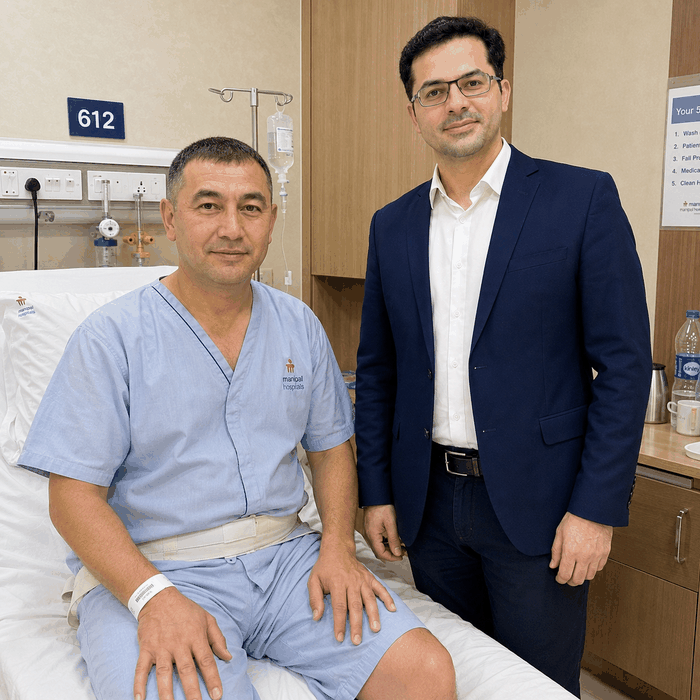
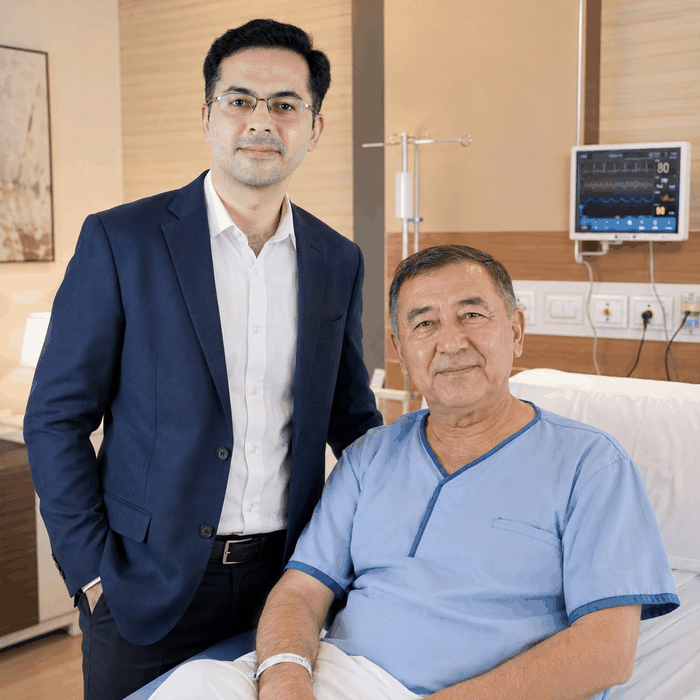
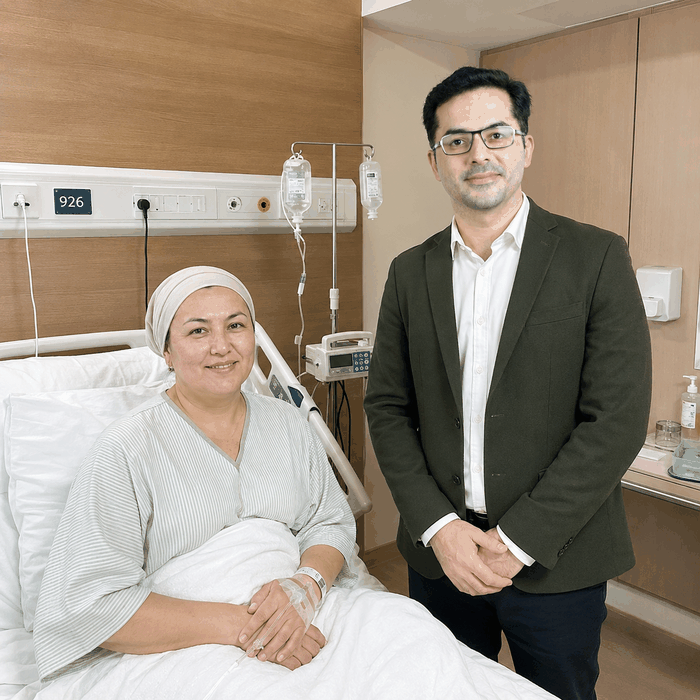
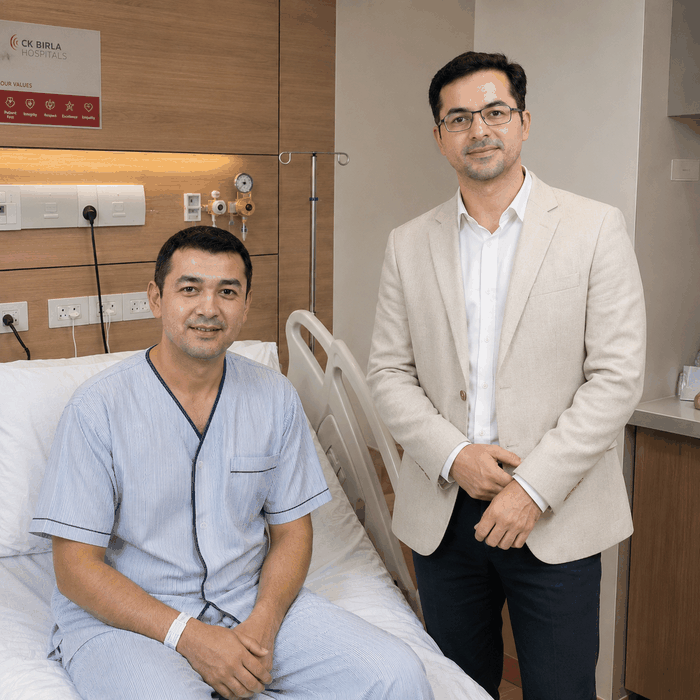
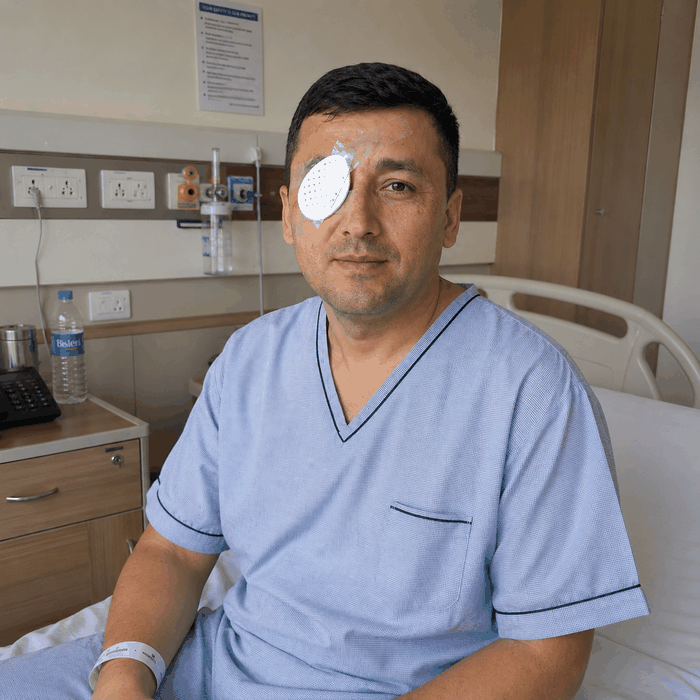
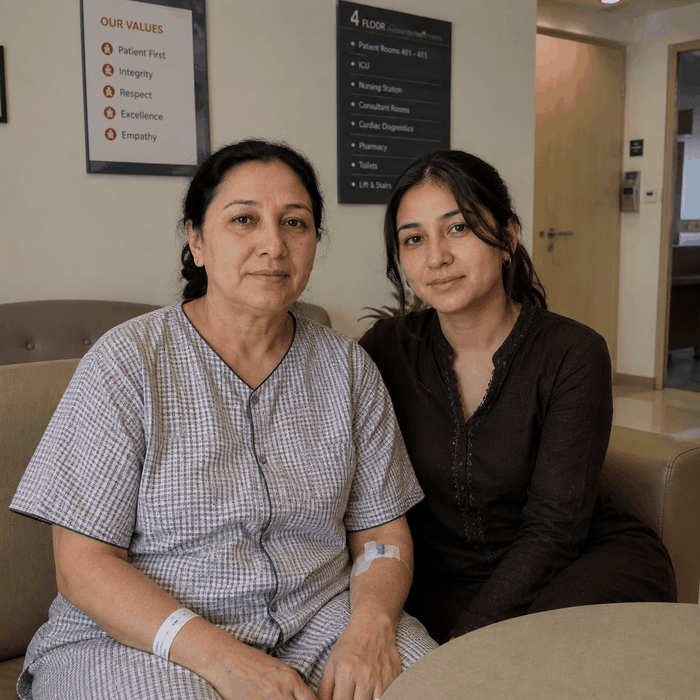
Patient Testimonials from Uzbekistan
Ready to Take the First Step?
Share your medical reports with our healthcare managers today and receive a FREE CONSULTATION, a personalized treatment plan and complete support from your arrival to your recovery.
Get Your Free ConsultationFrom Uzbekistan to India: Your Complete Patient Guide
- Dental Surgery and Implants in India for Uzbek Patients
- Gamma Knife Treatment in India for Uzbek Patients
- Heart Failure Treatment and Surgery in India for Uzbek Patients
- Heart Valve Replacement in India for Uzbek Patients
- Hip Surgery in India for Uzbek Patients
- HIPEC Cancer Surgery in India for Uzbek Patients
- IVF and Fertility Treatment in India for Uzbek Patients
- Joint Arthroscopy and Sports Medicine in India for Uzbek Patients
- Kidney Transplant Treatment in India for Uzbek Patients
- Knee Surgery in India for Uzbek Patients
- Laparoscopic and Robotic Myomectomy in India for Uzbek Patients
- Leukemia, Lymphoma and Blood Cancer Treatment in India for Uzbek Patients
- Liver Transplant Treatment in India for Uzbek Patients
- Neuronavigation and Advanced Brain Surgery in India for Uzbek Patients
- Neurosurgery in India for Uzbek Patients
- Oral and Maxillofacial Surgery in India for Uzbek Patients
- Paediatric Heart Surgery in India for Uzbek Patients
- Paediatric Neurosurgery in India for Uzbek Patients