

Kidney Transplant Treatment in India for Uzbek Patients
A practical guide to planning kidney transplant treatment in India — India's living related donor requirement, ABO-incompatible options, what it costs compared with Western countries, and how to plan the process.
Kidney failure changes daily life around dialysis schedules, and a transplant is often the treatment that restores real freedom. There is one detail that shapes this journey more than almost anything else for patients travelling from Uzbekistan: India requires you to bring your own living, related donor. Understanding this early makes the rest of the planning much clearer. Across more than two decades of guiding patients from Uzbekistan to treatment in India, the questions I hear most are: Do I need my own donor? Is this safe for both of us? What will it really cost? And how do we plan the process? This guide answers each plainly. It does not replace your nephrologist's advice — it is meant to help you understand the process and plan the logistics with confidence. India performs a very high volume of living donor kidney transplants, and its leading transplant centres are accredited by NABH or the international JCI, reporting living donor success rates of 85 to 90 percent. Kidney transplant is one of the most established transplant procedures in India, with decades of refined surgical technique behind it.
Healing Journeys of Uzbek Patients
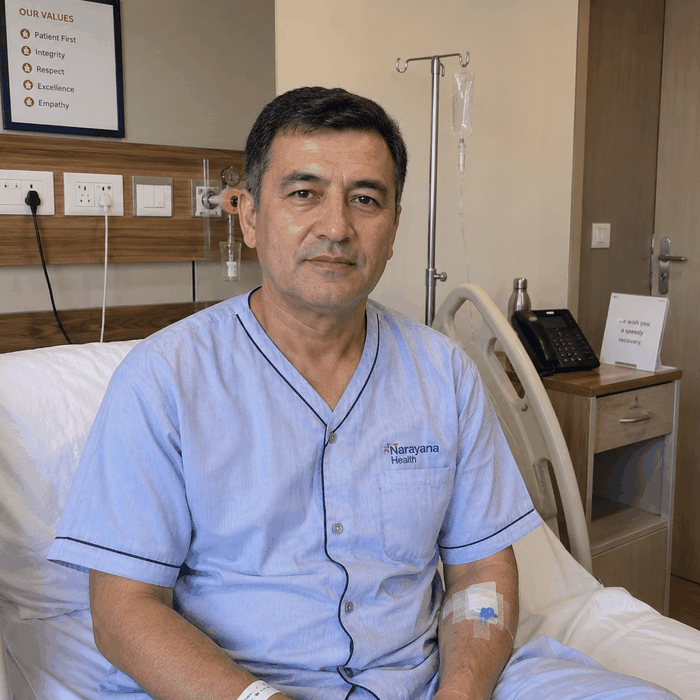
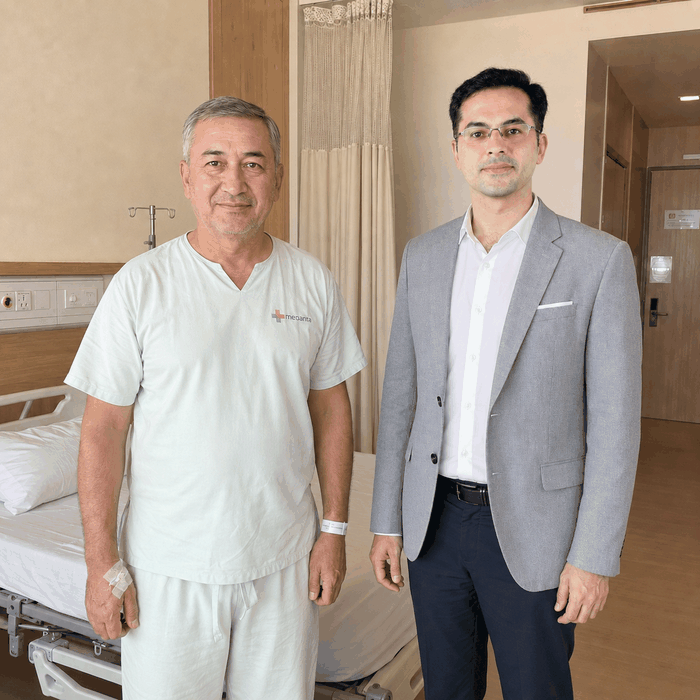
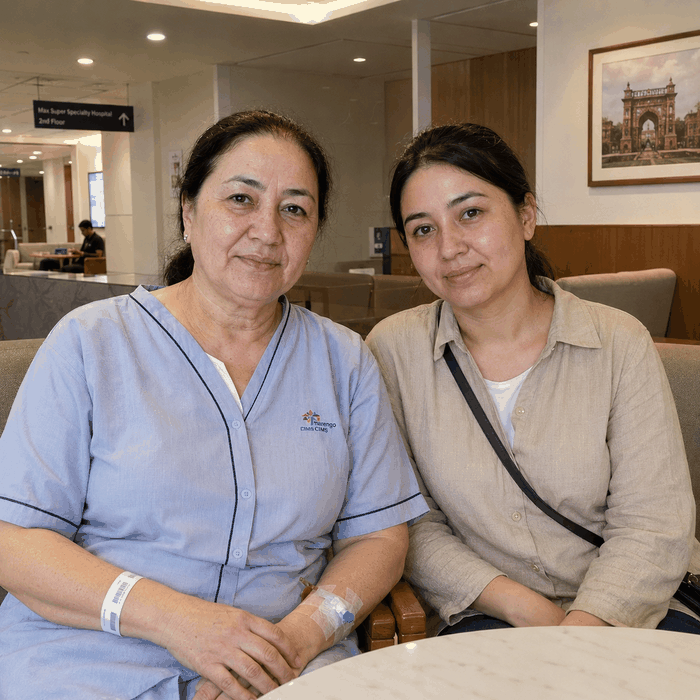
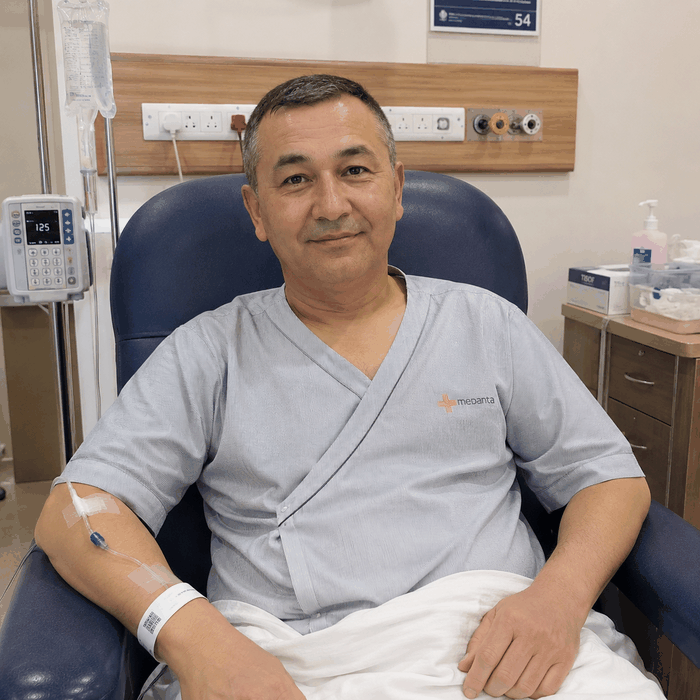
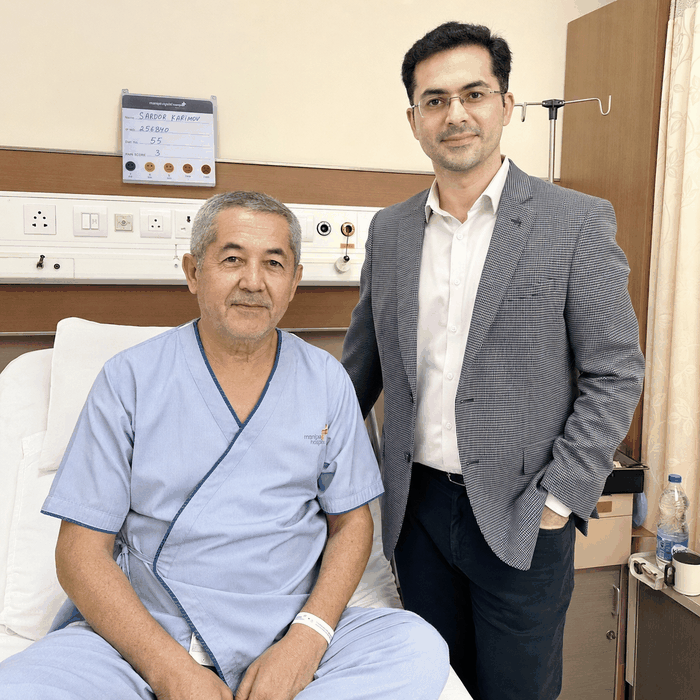

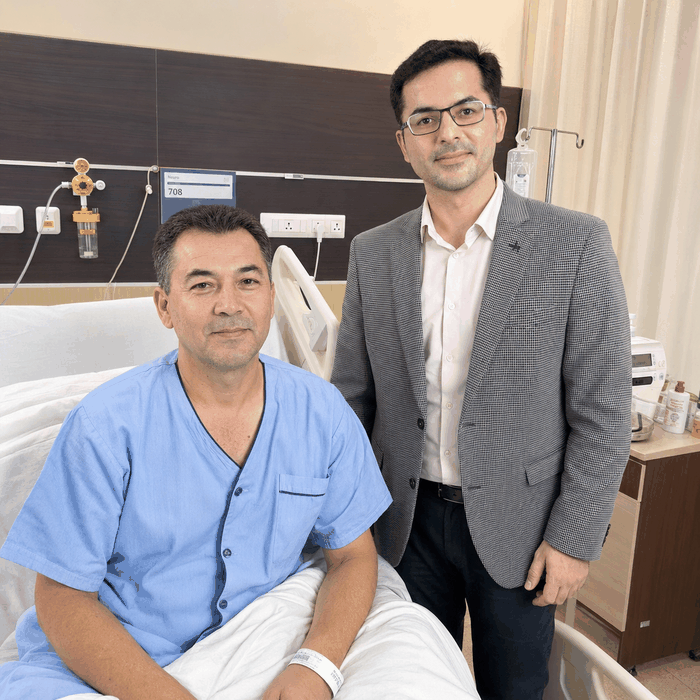
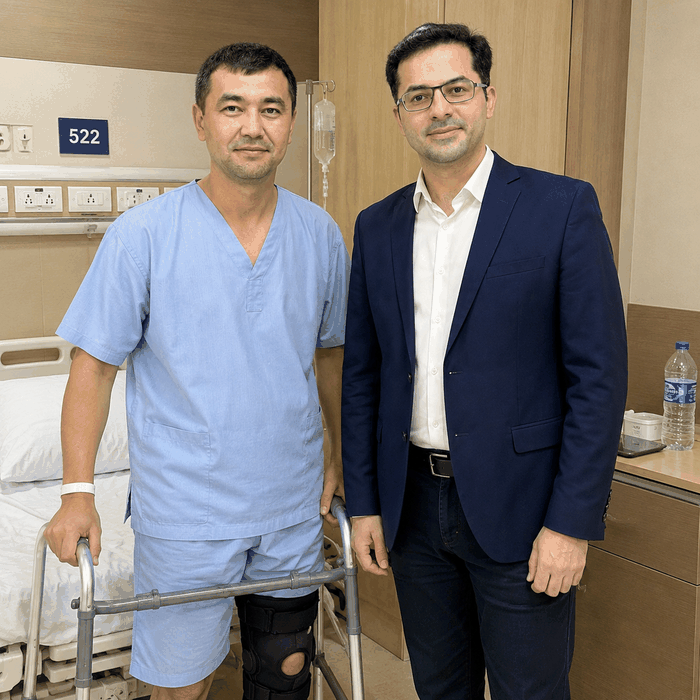

Information Takeaways
- Kidney transplantation can significantly change life for patients living with kidney failure and dialysis dependence, but for Uzbek patients travelling to India, donor planning is one of the first issues to resolve. The guide places particular emphasis on identifying an appropriate living related donor before making other travel arrangements. It also highlights the importance of understanding donor eligibility, consent, blood-type compatibility and the legal approval process early.
- India has established living donor kidney transplant programmes in major cities including Delhi, Mumbai, Chennai, Bengaluru and Hyderabad. The guide recommends choosing a transplant centre based on its specific living donor transplant experience rather than simply selecting a city. It also highlights transplant surgeons and nephrologists with international training or fellowship experience and centres accredited by NABH or JCI.
- A central part of the guide is India's donor requirement for international patients. It states that the intended donor should generally be a close relative such as a parent, sibling, spouse or child, with the relationship and willingness to donate verified through the relevant government-appointed authorisation process. It also explains that an ABO blood-group mismatch does not necessarily make transplantation impossible, because selected patients may be considered for ABO-incompatible transplantation with additional treatment, although this increases complexity and cost.
- The guide gives an indicative cost of USD 10,000–18,000 for a standard living donor kidney transplant in India. For an ABO-incompatible transplant, the stated range is approximately USD 18,000–25,000, reflecting the additional treatment involved. The comparison chart places India's indicative range substantially below Germany, the UK, Australia and the USA, while stressing that the final quotation depends on compatibility and complications.
- Cost planning should extend beyond the basic surgical package. The guide warns that complications affecting either the donor or recipient can increase expenditure, while flights, extended accommodation and lifelong immunosuppressant medication may not be included in the initial quotation. Uzbek families are therefore advised to request a written breakdown explaining potential additional costs before finalising travel.
- The treatment pathway involves both donor and recipient throughout the process. Before travel, the related donor should be identified and medical reports from both people shared for preliminary assessment. After treatment planning and visa documentation, week one generally involves detailed evaluation and authorisation, followed by transplant surgery around weeks one to two. The source indicates that both operations are generally performed on the same day and together take approximately 3–5 hours.
- Recovery differs between the donor and recipient. The guide states that the donor generally recovers faster, with many donors returning to normal activity within approximately 4–6 weeks. The recipient's hospital stay is usually around 7–14 days, with close monitoring of kidney function. Lifelong immunosuppressant medication and regular blood testing are required, while many recipients return to normal daily activities within approximately 2–3 months. Ongoing nephrology follow-up should therefore be arranged in Uzbekistan before returning home.
- For Uzbek families, the administrative preparation is as important as the medical preparation. The checklist recommends confirming accreditation, preparing proof of the donor relationship, determining whether an ABO-incompatible protocol may be required, obtaining a complete cost breakdown, arranging medical visas for both patient and donor and establishing a lifelong follow-up plan in Uzbekistan. The guide also stresses that the donor's decision must be voluntary and recommends obtaining important decisions and requirements in writing.
Quick Facts
- Treatment
- Living donor kidney transplant
- Primary Patients
- Uzbek patients with kidney failure requiring transplantation
- Main Speciality
- Nephrology and renal transplantation
- Donor
- Living related donor meeting applicable requirements
- Common Donor Relationships
- Parent, sibling, spouse or child
- Donor Approval
- Relationship, consent and eligibility require verification
- ABO-Incompatible Option
- Available for selected cases with additional treatment
- Standard Transplant Cost
- Approximately USD 10,000–18,000
- ABO-Incompatible Cost
- Approximately USD 18,000–25,000
- Major Centres
- Delhi, Mumbai, Chennai, Bengaluru and Hyderabad
- Hospital Selection
- Prefer NABH- or JCI-accredited high-volume transplant centres
- Pre-Travel
- Share medical reports for both patient and donor
- Authorisation
- Government-appointed approval process is part of planning
- Combined Surgery
- Donor and recipient operations typically occur on the same day
- Surgery Duration
- Approximately 3–5 hours combined
- Recipient Hospital Stay
- Approximately 7–14 days
- Donor Recovery
- Usually around 4–6 weeks to normal activity
- Recipient Recovery
- Normal daily activity may resume within 2–3 months
- Medication
- Lifelong immunosuppressants are required after transplant
- Monitoring
- Regular kidney-function and medication-level blood tests
- Language Support
- Russian- and Uzbek-speaking coordinators/interpreters may be available
- Home Follow-Up
- Long-term nephrology care should be arranged in Uzbekistan
- Documentation
- Keep all test results, surgical reports and medication records
- Author
- Dr. Dheeraj Bojwani
- Experience
- 24+ Years
Knowledgeable Information Snippet
Kidney transplant treatment in India can be considered by Uzbek patients who have an appropriate living donor and meet the required medical and authorisation criteria. The guide gives an indicative cost of USD 10,000–18,000 for a standard living donor transplant and USD 18,000–25,000 for an ABO-incompatible transplant. The treatment journey includes donor and recipient evaluation, authorisation, surgery, hospital recovery and preparation for long-term monitoring in Uzbekistan. The guide indicates that recipients commonly require 7–14 days of hospital recovery and may return to normal daily activity within approximately 2–3 months, while lifelong immunosuppressive medication and regular monitoring remain essential.
Why Uzbek Patients Choose India for Kidney Transplant?
Cities such as Delhi, Mumbai, Chennai, Bengaluru and Hyderabad all have high-volume kidney transplant centres. The right choice is the centre's specific living donor transplant experience — not the city name.
- Transplant surgeons and nephrologists frequently trained or fellowship-qualified in the UK, Europe or the USA.
- Experience with ABO-incompatible transplants, for when donor and patient blood types differ.
- Little to no waiting list once a suitable living donor is identified and approved.
- Dedicated international desks with Russian and Uzbek-speaking coordinators and interpreters.
- Convenient connectivity from Tashkent to Delhi, Mumbai and other major cities.
India's living donor requirement — what this means for you
This is the single most important fact to understand before planning a kidney transplant in India as an international patient. Indian law does not permit international patients to receive a kidney from a deceased donor — those organs are allocated to Indian citizens through the national transplant system. Instead, you must bring a living donor who is a close relative, such as a parent, sibling, spouse or child, whose relationship and willingness to donate are verified by a government-appointed authorisation committee.
If your intended donor's blood type does not match yours, this does not necessarily rule out transplant: ABO-incompatible transplant protocols can allow the procedure to proceed with additional pre-transplant treatment to reduce the risk of rejection, though this adds cost and complexity. Discuss your specific donor situation with the transplant team as early as possible, since this shapes the entire plan and timeline.
How much does kidney transplant treatment in India cost?
Cost depends on whether donor and patient blood types are compatible. In India, a standard living donor kidney transplant typically costs USD 10,000–18,000 all-inclusive, while an ABO-incompatible transplant typically costs USD 18,000–25,000, reflecting the additional treatment required.
India vs Western countries: cost of kidney transplant
Approximate all-inclusive price for living donor transplant (USD, 2026)
Figures are indicative ranges compiled from hospital and medical-travel sources; your final quote depends on blood-type compatibility and any complications.
Notice how dramatically below Western prices India sits — often 90 percent or more below the cost in the USA, UK, Germany or Australia. India's advantage is value: decades of living donor transplant volume and refined technique, at a cost that makes treatment realistic for far more families.
One important caution: as with other transplants, costs can extend beyond the initial quote if complications arise for either patient or donor. Ask the hospital how such scenarios are handled and costed. The quote also rarely includes flights, extended accommodation and lifelong immunosuppressant medication after you return home.
Confirm your donor's eligibility and blood-type compatibility before finalising any travel plans. This single factor determines nearly everything else about your specific case.
Your kidney transplant journey, step by step
Understanding the whole path in advance matters greatly, since both patient and donor are involved throughout.
Your kidney transplant journey, step by step
A typical timeline from Uzbekistan to India and back
Timelines vary with authorisation processing and how smoothly recovery proceeds; your transplant team will confirm exact dates.
Factors that every Uzbek Patient should consider while planning Kidney Transplant in India
Before you commit, work through the checklist below with the hospital's international team. In more than 24 years of guiding families through this decision, those who ask these six questions directly are the best prepared.
Before you book: six things to confirm
A pre-travel checklist for patients from Uzbekistan
Also confirm accommodation for both patient's and donor's family members during the process.
Two further points: the donor's decision must be entirely voluntary — a good transplant programme will speak with the donor privately to confirm this — and ask for everything in writing, including what would happen if the authorisation committee requests additional documentation.
Recovery after Kidney Transplant and returning to Uzbekistan
The donor typically recovers well, since a healthy person can live normally with one kidney, with most donors returning to normal activity within 4 to 6 weeks. The recipient's hospital stay is usually 7 to 14 days, with kidney function monitored closely in the early period to confirm the new kidney is working well. Lifelong immunosuppressant medication is required to prevent rejection, along with regular blood tests to monitor kidney function and medication levels — arrange this ongoing care with a nephrologist in Uzbekistan before you travel. Most recipients return to normal daily activity within 2 to 3 months, often with considerably more energy than dialysis allowed. Keep every test result, surgical report and medication record safely for ongoing care.
Frequently asked questions
Is kidney transplant surgery in India safe? At an accredited transplant centre, yes. India's leading hospitals meet NABH or JCI standards and report living donor kidney transplant success rates of 85 to 90 percent, comparable to Western centres.
Will there be someone who speaks my language? Major international hospitals have Russian and Uzbek-speaking coordinators and interpreters who assist from your first message through the full treatment course and follow-up.
What counts as an eligible related donor in India? Typically a parent, sibling, spouse, child, or certain other close relatives, depending on the specific hospital and authorisation committee's requirements. Bring documentation proving the relationship, since this is verified as part of the legal process.
Is dialysis still needed after a successful transplant? Usually not. A well-functioning transplanted kidney takes over the role dialysis was performing, which is why most patients describe transplant as restoring a level of freedom dialysis schedules do not allow.
A note from Dr Dheeraj Bojwani
With 24+ years of experience guiding international patients through complex diagnoses, my advice to every family from Uzbekistan is the same: confirm your donor situation and India's legal requirements before making any other plans, take the donor's health and voluntary consent as seriously as the patient's outcome, and plan for lifelong follow-up care before you travel. This article is general information and not a substitute for a personal consultation with your nephrology and transplant team.
Straight Answer Question by Uzbek Patients about Kidney Transplant in India
Is kidney transplant surgery in India safe?
At an accredited transplant centre, yes. India's leading hospitals meet NABH or JCI standards and report living donor kidney transplant success rates of 85 to 90 percent, comparable to Western centres.
Will there be someone who speaks my language?
Major international hospitals have Russian and Uzbek-speaking coordinators and interpreters who assist from your first message through the full treatment course and follow-up.
What counts as an eligible related donor in India?
Typically a parent, sibling, spouse, child, or certain other close relatives, depending on the specific hospital and authorisation committee's requirements. Bring documentation proving the relationship, since this is verified as part of the legal process.
Is dialysis still needed after a successful transplant?
Usually not. A well-functioning transplanted kidney takes over the role dialysis was performing, which is why most patients describe transplant as restoring a level of freedom dialysis schedules do not allow.
References & sources
- 🌐 National Accreditation Board for Hospitals & Healthcare Providers (NABH) — accredited hospital directory. · nabh.co
- 🌐 Joint Commission International (JCI) — directory of accredited organisations. · jointcommissioninternational.org
- 🌐 National Medical Commission of India — doctor and specialist registration verification. · nmc.org.in
- 🌐 World Health Organization — Guiding principles on human cell, tissue and organ transplantation. · who.int
- 🌐 Bureau of Immigration, Government of India — e-Medical Visa and Medical Attendant Visa. · indianvisaonline.gov.in
- 🌐 Cost ranges compiled from published hospital and medical-travel price guides for living donor kidney transplant, 2025–2026.
Frequently Asked Questions by Uzbek Patients about Kidney Transplant in India
Can Uzbek patients travel to India for a kidney transplant with their own donor?
The guide specifically focuses on living donor transplantation for Uzbek patients and states that the donor should generally be a close relative whose relationship and willingness to donate are verified through the required authorisation process.
Who can be a kidney donor for an Uzbek patient in India?
The guide identifies close relatives such as a parent, sibling, spouse or child as typical related donors. Documentation proving the relationship should be prepared before travelling.
How much does kidney transplant treatment cost in India for Uzbek patients?
The guide estimates USD 10,000–18,000 for a standard living donor kidney transplant and approximately USD 18,000–25,000 when an ABO-incompatible transplant protocol is required.
Can an Uzbek patient's donor have a different blood group?
A different blood group does not necessarily exclude transplantation. The guide describes ABO-incompatible protocols involving additional pre-transplant treatment, although this increases cost and complexity.
How long does a kidney transplant journey from Uzbekistan to India take?
The guide presents a pathway involving pre-travel assessment, week-one evaluation and authorisation, surgery around weeks one to two, hospital recovery during weeks two to three and early recovery before returning home around weeks three to five. Exact timing varies with authorisation and recovery.
How long does an Uzbek kidney transplant recipient stay in the Indian hospital?
The guide states that the recipient's hospital stay is usually approximately 7–14 days, during which kidney function is closely monitored to assess how the new kidney is working.
How long does the kidney donor need to recover before returning to normal activity?
According to the guide, most donors return to normal activity within approximately 4–6 weeks. Donor recovery should nevertheless be assessed individually by the transplant team.
Will Uzbek patients need lifelong medicines after kidney transplantation in India?
Yes. The guide states that recipients require lifelong immunosuppressant medication to reduce the risk of rejection, together with regular blood tests to monitor kidney function and medication levels.
Can kidney transplant follow-up continue after an Uzbek patient returns home?
Yes. The guide recommends arranging ongoing nephrology care in Uzbekistan before travelling and returning home with a detailed monitoring and medication-management plan.
Is Russian or Uzbek language support available for kidney transplant patients in India?
The guide states that major international hospitals may have Russian- and Uzbek-speaking coordinators and interpreters who can assist throughout the treatment process and follow-up.
Page Summary
For Uzbek patients considering kidney transplant treatment in India, the most important preparation begins with the donor. The guide focuses on living related donation, donor eligibility and relationship documentation, blood-group compatibility, authorisation requirements and the distinction between standard and ABO-incompatible transplantation. The stated India cost range is approximately USD 10,000–18,000 for a standard living donor transplant and USD 18,000–25,000 for an ABO-incompatible procedure. The treatment journey involves both patient and donor, from pre-travel assessment and authorisation through surgery and recovery. The guide indicates a recipient hospital stay of approximately 7–14 days, donor recovery of around 4–6 weeks and recipient return to normal daily activity within approximately 2–3 months. Long-term immunosuppression, blood testing and nephrology follow-up in Uzbekistan must be planned before returning home.
Citation Block
| Field | Details |
|---|---|
| Article / Topic | Kidney Transplant Treatment in India for Uzbek Patients |
| Primary Patients | Patients and families travelling from Uzbekistan |
| Main Speciality | Nephrology and kidney transplantation |
| Treatment Type | Living donor kidney transplantation |
| Donor Requirement | Living related donor according to the guide |
| Typical Donor Relationships | Parent, sibling, spouse or child |
| Donor Verification | Relationship and willingness to donate are verified |
| Blood Compatibility | Confirm compatibility before finalising travel |
| ABO-Incompatible Transplant | Possible in selected cases with additional treatment |
| Standard India Cost | USD 10,000–18,000 |
| ABO-Incompatible Cost | USD 18,000–25,000 |
| Western Comparison | Source chart shows substantially higher indicative costs in Germany, UK, Australia and USA |
| Cost Variables | Blood-group compatibility and complications |
| Additional Expenses | Flights, extended accommodation and lifelong medication may be outside the quote |
| Major Treatment Cities | Delhi, Mumbai, Chennai, Bengaluru and Hyderabad |
| Hospital Selection | NABH- or JCI-accredited high-volume transplant programme |
| Pre-Travel Requirement | Donor and recipient reports should be reviewed |
| Authorisation Stage | Both undergo testing and donor relationship/consent are verified |
| Combined Surgery | Donor and recipient operations generally occur on the same day |
| Surgery Duration | Approximately 3–5 hours combined |
| Recipient Hospital Stay | Approximately 7–14 days |
| Donor Recovery | Approximately 4–6 weeks to normal activity |
| Recipient Recovery | Approximately 2–3 months to normal daily activity |
| Long-Term Medication | Lifelong immunosuppressant medication |
| Long-Term Monitoring | Regular kidney-function and medication-level testing |
| Home Follow-Up | Nephrology monitoring should be arranged in Uzbekistan |
| Language Assistance | Russian- and Uzbek-speaking coordinators/interpreters may be available |
| Travel Documentation | Medical visas for patient and donor should be arranged |
| Key Planning Point | Confirm donor eligibility, relationship documentation and blood-type compatibility before travel |


Our Mission Statement
Our mission is to place patients at the centre of every healthcare decision by providing trustworthy, evidence-based, and unbiased medical information. We believe that informed patients make better decisions. Backed by personalised guidance from our experienced advisory team, we help patients understand their treatment options, compare them objectively, and confidently choose the path that best suits their medical needs and personal circumstances.
Patient Testimonials from Uzbekistan
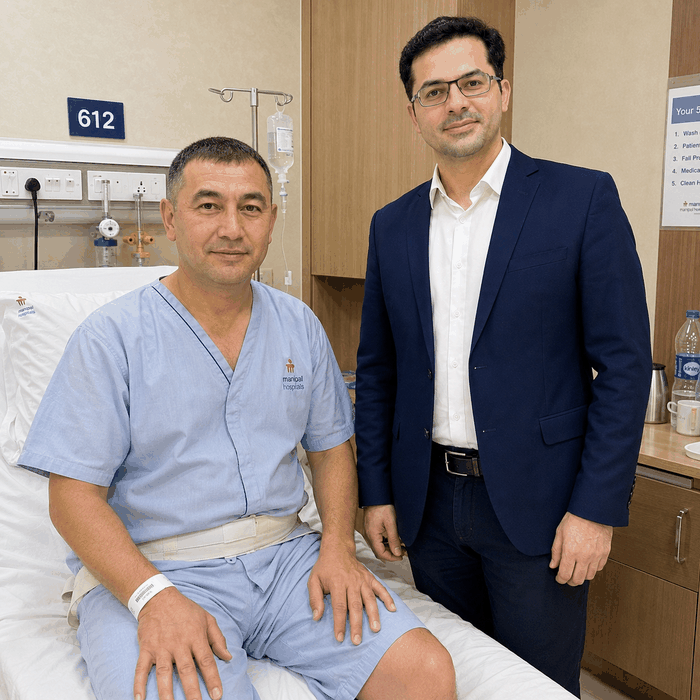


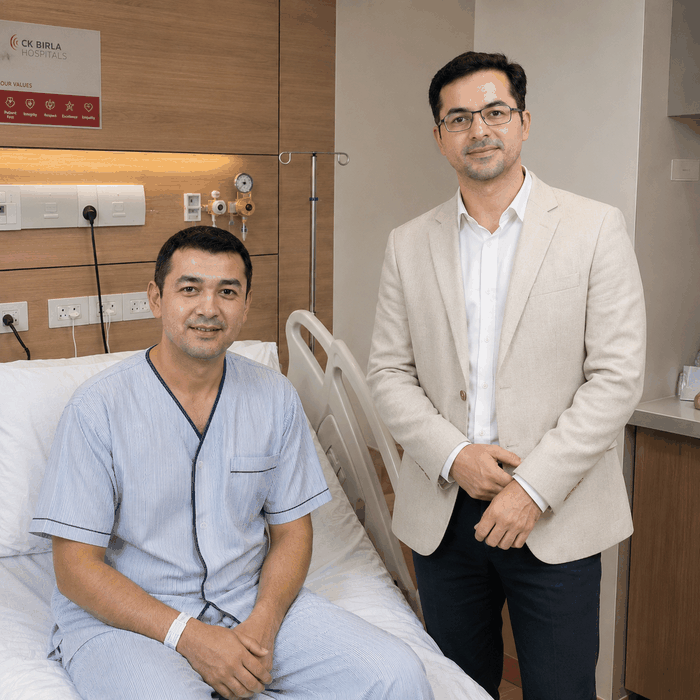
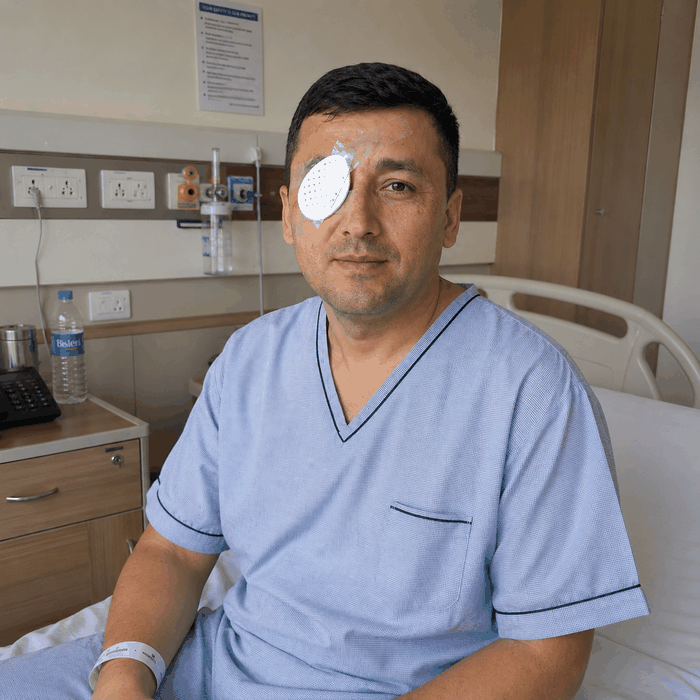

Ready to Take the First Step?
Share your medical reports with our healthcare managers today and receive a FREE CONSULTATION, a personalized treatment plan and complete support from your arrival to your recovery.
Get Your Free ConsultationFrom Uzbekistan to India: Your Complete Patient Guide
- CyberKnife Treatment in India for Uzbek Patients
- Dental Implants and Smile Makeover in India for Uzbek Patients
- Dental Surgery and Implants in India for Uzbek Patients
- Gamma Knife Treatment in India for Uzbek Patients
- Heart Failure Treatment and Surgery in India for Uzbek Patients
- Heart Valve Replacement in India for Uzbek Patients
- Hip Surgery in India for Uzbek Patients
- HIPEC Cancer Surgery in India for Uzbek Patients
- IVF and Fertility Treatment in India for Uzbek Patients
- Joint Arthroscopy and Sports Medicine in India for Uzbek Patients
- Knee Surgery in India for Uzbek Patients
- Laparoscopic and Robotic Myomectomy in India for Uzbek Patients
- Leukemia, Lymphoma and Blood Cancer Treatment in India for Uzbek Patients
- Liver Transplant Treatment in India for Uzbek Patients
- Neuronavigation and Advanced Brain Surgery in India for Uzbek Patients
- Neurosurgery in India for Uzbek Patients
- Oral and Maxillofacial Surgery in India for Uzbek Patients
- Paediatric Heart Surgery in India for Uzbek Patients