

Joint Arthroscopy and Sports Medicine in India for Uzbek Patients
A practical guide to joint-preserving arthroscopic surgery in India — ACL reconstruction, meniscus and labral repair for active patients — how this differs from joint replacement, and what it costs compared with Western countries.
A torn ACL or a damaged meniscus is a very different problem from an arthritic joint worn down by decades of use — and the surgery to fix it is a different kind of operation entirely. Joint arthroscopy repairs or reconstructs the structures inside a joint through small incisions, aiming to preserve your natural joint and get you back to the activity you care about, rather than replacing the joint itself. Across more than two decades of guiding patients from Uzbekistan to treatment in India, the questions I hear most are: Do I actually need surgery, or will physiotherapy work? Which structures are actually damaged? What will it cost? And how soon can I return to sport? This guide answers each plainly. It does not replace your orthopaedic surgeon's advice — it is meant to help you understand the options clearly. India has sports medicine surgeons with specific experience in arthroscopic ligament and cartilage repair, distinct from general joint replacement, at centres accredited by NABH or the international JCI.
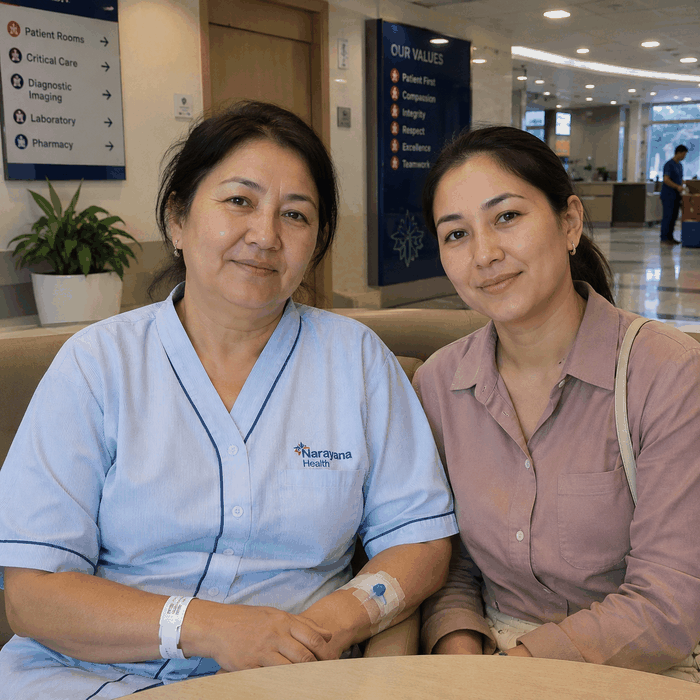
Healing Journeys of Uzbek Patients
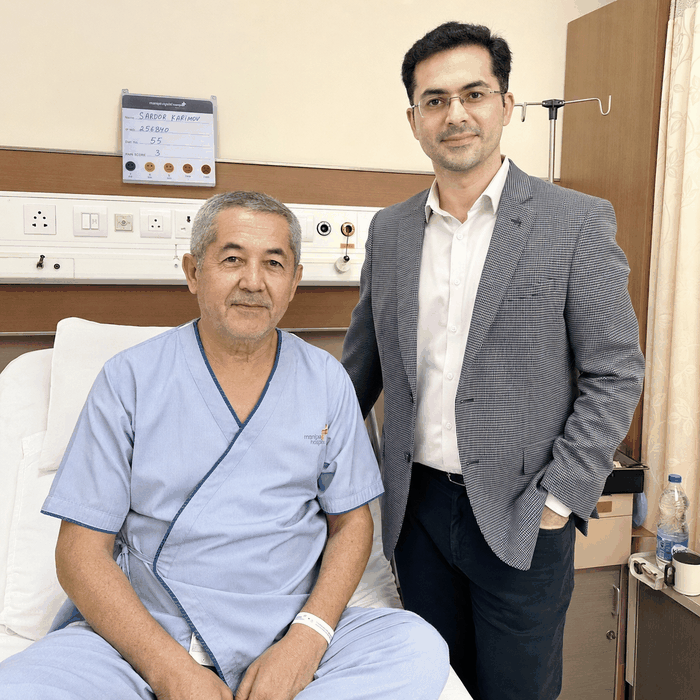
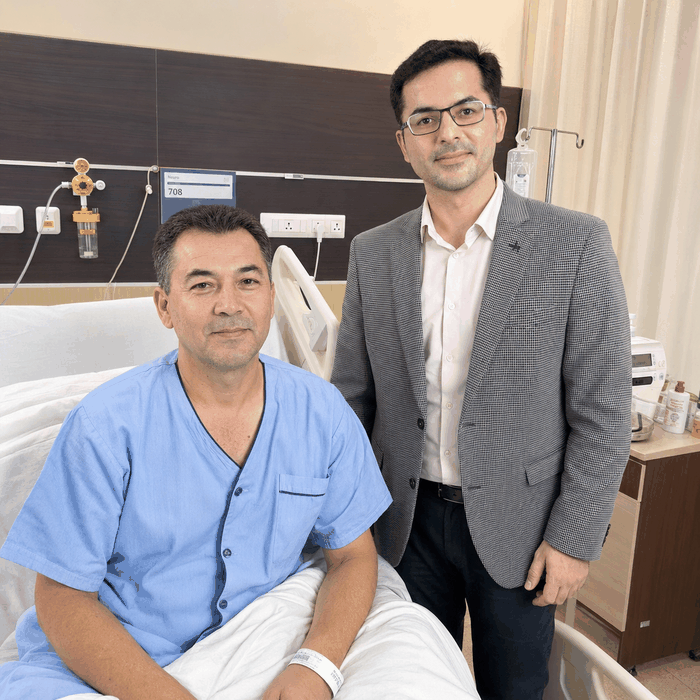
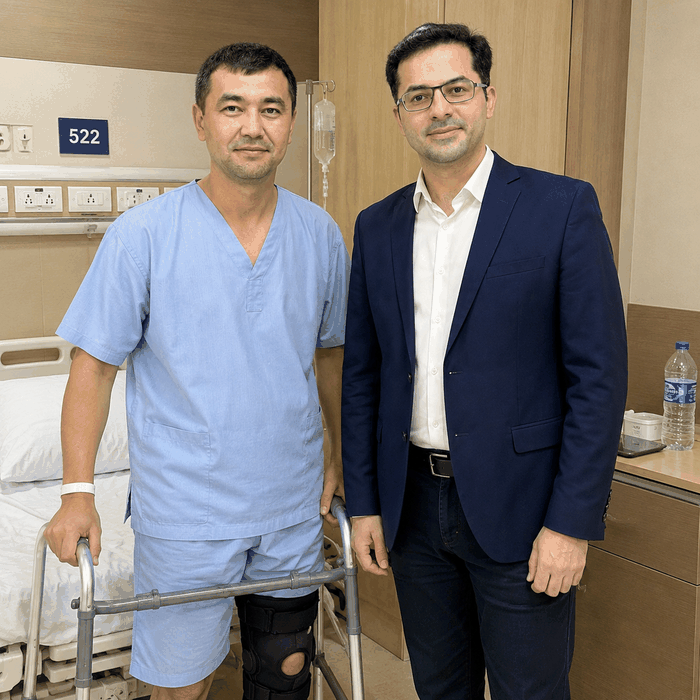
Information Takeaways
- Joint arthroscopy is fundamentally different from joint replacement. Rather than removing and replacing a worn joint surface, arthroscopy uses small incisions and camera-guided techniques to repair or reconstruct damaged ligaments, cartilage or the labrum while preserving the patient's natural joint. It is particularly relevant to younger and active patients with sports or other joint injuries.
- India has sports medicine centres in cities including Delhi, Mumbai, Chennai, Bengaluru and Hyderabad. The source emphasises that the most important selection factor is the surgeon's experience with the patient's exact injury rather than simply the city where treatment is performed. Sports medicine specialists may have specific training in arthroscopic ligament and cartilage procedures, which differs from general joint-replacement expertise.
- The main procedures discussed are ACL reconstruction, meniscus repair or partial removal and labral repair. ACL reconstruction uses a graft to restore knee stability, particularly for pivoting sports. Meniscus repair is preferred over removal when the tear pattern permits because preserving meniscal tissue can help protect the knee over the long term. Labral repair addresses tears in the cartilage rim of the hip or shoulder. Importantly, not every tear requires surgery; some patients may improve with physiotherapy and activity modification.
- The source gives an indicative India cost of USD 3,000–5,500 for ACL reconstruction, with meniscus and labral repair generally falling within a similar range depending on complexity. The comparison chart shows India at approximately USD 3,000–5,500 compared with higher indicative ranges for the UK, Germany, Australia and the USA. The final quotation can change according to graft type, additional repairs and the implant system used.
- Uzbek patients should not assume that the initial diagnosis automatically determines the complete operation. Additional meniscus or cartilage damage can sometimes be identified through detailed MRI review or direct examination of the joint. The source recommends asking for a written estimate that explains how the cost would change if additional repair becomes necessary. It also recommends confirming whether physiotherapy could reasonably be tried before surgery, particularly for partial tears or lower-demand activity goals.
- Most Uzbek patients planning arthroscopy in India should allow approximately 7–10 days for the initial treatment trip. The source's treatment timeline includes pre-travel MRI review, treatment planning and visa documentation, clinical evaluation around days 1–2, surgery around days 2–3 and early physiotherapy between days 3–7. A final review is performed before travelling home, but the full rehabilitation period extends well beyond the initial India stay.
- Recovery depends substantially on the procedure. Meniscus and labral repairs may require protected weight-bearing or movement restrictions for several weeks. ACL reconstruction requires a longer structured rehabilitation programme progressing from range-of-motion work to strengthening and sport-specific training. The source states that full return to competitive sport after ACL reconstruction typically takes 6–9 months, because the graft needs time to mature and strengthen.
- For Uzbek patients, rehabilitation after returning home is therefore a central part of treatment rather than an optional extra. The guide recommends obtaining a written physiotherapy plan before leaving India, arranging follow-up with a doctor or physiotherapist in Uzbekistan and keeping all scans and surgical reports safely. Russian- and Uzbek-speaking coordinators may also be available at major international hospitals.
Quick Facts
- Treatment
- Joint arthroscopy and sports medicine
- Primary Patients
- Uzbek patients with sports and joint injuries
- Main Speciality
- Orthopaedics and sports medicine
- Common Procedures
- ACL reconstruction, meniscus repair and labral repair
- Treatment Approach
- Joint-preserving arthroscopic surgery
- ACL Cost
- Approximately USD 3,000–5,500
- Meniscus/Labral Cost
- Generally similar range depending on complexity
- Typical India Stay
- Approximately 7–10 days
- Surgery Duration
- Usually 1–2 hours
- Pre-Travel
- MRI and injury-history review
- Non-Surgical Options
- Physiotherapy and activity modification may be appropriate for selected injuries
- Hospital Choice
- Prefer an NABH- or JCI-accredited sports medicine centre
- Surgeon Selection
- Confirm experience with the exact injury and procedure
- ACL Graft
- Confirm the graft type and why it suits the case
- Early Rehabilitation
- Guided physiotherapy begins soon after surgery
- ACL Rehabilitation
- Structured progression from movement to strength and sport-specific training
- Return to Sport
- Competitive ACL return typically takes 6–9 months
- Language Support
- Russian- and Uzbek-speaking coordinators/interpreters may be available
- Companion
- Recommended because mobility can be limited during the first days
- Home Follow-Up
- Continue physiotherapy and clinical follow-up in Uzbekistan
- Documentation
- Keep MRI scans, surgical reports and rehabilitation records
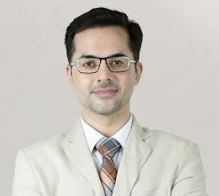
- Author
- Dr. Dheeraj Bojwani
- Experience
- 24+ Years
Knowledgeable Information Snippet
Joint arthroscopy and sports medicine in India can provide Uzbek patients with joint-preserving treatment for injuries such as ACL tears, meniscus damage and labral tears. The guide gives an indicative ACL reconstruction cost of USD 3,000–5,500, while most Uzbek patients plan for approximately 7–10 days in India for the initial treatment and early recovery. Not every injury requires surgery, so physiotherapy and activity modification should be considered where appropriate. For ACL reconstruction, the initial India trip is only the beginning of rehabilitation, with competitive return to sport typically requiring approximately 6–9 months of structured recovery.
Why Uzbek Patients Choose India for Joint Arthroscopy?
Cities such as Delhi, Mumbai, Chennai, Bengaluru and Hyderabad all have strong sports medicine centres. The right choice is a surgeon's specific experience with your exact injury — not the city name.
- Sports medicine surgeons frequently trained or fellowship-qualified in the UK, Europe or the USA.
- Modern arthroscopic technique using small incisions and camera-guided precision.
- Experience with a wide range of graft options for ligament reconstruction.
- Dedicated international desks with Russian and Uzbek-speaking coordinators and interpreters.
- Convenient connectivity from Tashkent to Delhi, Mumbai and other major cities.
Arthroscopy vs joint replacement, and which injuries this treats
This is a genuinely different category of surgery from the joint replacement procedures covered elsewhere in this series. Joint replacement addresses a joint surface worn down by arthritis, generally in older patients, by removing and replacing it with an implant. Joint arthroscopy repairs or reconstructs damaged structures — ligaments, cartilage, or the labrum — while preserving your own natural joint, and is typically used for younger, active patients recovering from an injury rather than degenerative wear.
ACL (anterior cruciate ligament) reconstruction replaces a torn knee ligament with a graft, restoring stability for pivoting sports. Meniscus repair or partial removal addresses torn knee cartilage, with repair preferred over removal when the tear pattern allows, since preserving meniscus tissue protects the knee long-term. Labral repair treats tears in the cartilage rim stabilising the hip or shoulder joint, often following instability or a specific injury. Not every tear needs surgery — some respond well to physiotherapy and activity modification, and your surgeon will confirm what your specific tear pattern and activity goals suggest.
How much does joint arthroscopy cost in India?
In India, ACL reconstruction typically costs USD 3,000–5,500 all-inclusive, with meniscus and labral repair costs generally in a similar range depending on complexity.
India vs Western countries: cost of ACL reconstruction
Approximate all-inclusive range on a shared cost scale (USD, 2026)
Figures are indicative ranges compiled from hospital and medical-travel sources; your final quote depends on graft type, additional repairs needed, and implant system used.
Notice how far below Western prices India sits — often 75 to 90 percent below the cost in the USA, UK, Germany or Australia — using the same arthroscopic technique and graft options. India's advantage is value: high sports medicine surgical volume, at a cost that makes treatment accessible without a long wait.
One caution on budgeting: the exact procedure, and therefore cost, is often only confirmed once the surgeon examines the joint directly or reviews detailed MRI findings, since additional damage such as a meniscus or cartilage injury is sometimes found alongside the main injury. Ask for a written estimate covering what would change if additional repair is needed.
Ask your surgeon whether your specific tear could respond to physiotherapy alone before committing to surgery, particularly for partial tears or lower-demand activity goals.
Your joint arthroscopy journey, step by step
Most Uzbek patients plan for 7 to 10 days in India.
Your joint arthroscopy journey, step by step
A typical timeline from Uzbekistan to India and back
Full rehabilitation and return to sport takes considerably longer than this initial trip; your surgeon will provide a detailed long-term plan.
Factors that every Uzbek Patient should consider while planning Joint Arthroscopy in India
Before you commit, work through these points with the hospital's international team. In more than 24 years of guiding patients through this decision, those who ask these questions directly are the best prepared.
Before you book: things to confirm
A pre-travel checklist for patients from Uzbekistan
Also ask about realistic timelines for returning to your specific sport or activity, since this varies by injury and procedure.
Two further points: bring a companion — mobility will be limited in the first days — and commit fully to the rehabilitation programme at home, since this shapes your outcome and return to activity as much as the surgery itself.
Recovery after Joint Arthroscopy and returning to Uzbekistan
Recovery timelines vary by procedure and individual factors. Meniscus repair and labral repair generally need a period of protected weight-bearing or movement restriction, guided by your surgeon, for several weeks. ACL reconstruction involves a longer, structured rehabilitation process, with a gradual progression from restoring range of motion, to strength, to sport-specific training — full return to competitive sport typically takes 6 to 9 months, not weeks, since the graft needs time to mature and strengthen. Rushing this timeline increases the risk of re-injury, so following your physiotherapy programme closely matters enormously. Regular follow-up confirms healing is progressing appropriately, so agree a schedule with a doctor or physiotherapist in Uzbekistan before you leave. Keep every scan and surgical report safely.
Frequently asked questions
Is joint arthroscopy in India safe? At an accredited orthopaedic centre, yes. India's leading hospitals meet NABH or JCI standards and have sports medicine surgeons experienced in ACL, meniscus and labral repair techniques.
Will there be someone who speaks my language? Major international hospitals have Russian and Uzbek-speaking coordinators and interpreters who assist from your first message through discharge and follow-up.
How is this different from joint replacement? Joint arthroscopy repairs or reconstructs damaged structures while preserving your natural joint, typically for younger, active patients recovering from injury. Joint replacement removes a worn joint surface, usually due to arthritis, and replaces it with an implant, generally for older patients with advanced joint wear.
How soon can I return to sport? This varies considerably by injury and procedure. ACL reconstruction typically requires 6 to 9 months of structured rehabilitation before returning to competitive sport, since the graft needs time to mature and strengthen fully. Your surgeon and physiotherapist will guide this timeline based on your specific progress.
A note from Dr Dheeraj Bojwani
With 24+ years of experience guiding international patients through orthopaedic decisions, my advice for joint arthroscopy is straightforward: make sure non-surgical options were genuinely considered first, ask about the surgeon's experience with your exact injury, and commit fully to the months-long rehabilitation process afterward, since it shapes your outcome as much as the surgery. This article is general information and not a substitute for a personal consultation with your doctor.
Straight Answer Question by Uzbek Patients about Joint Arthroscopy in India
Is joint arthroscopy in India safe?
At an accredited orthopaedic centre, yes. India's leading hospitals meet NABH or JCI standards and have sports medicine surgeons experienced in ACL, meniscus and labral repair techniques.
Will there be someone who speaks my language?
Major international hospitals have Russian and Uzbek-speaking coordinators and interpreters who assist from your first message through discharge and follow-up.
How is this different from joint replacement?
Joint arthroscopy repairs or reconstructs damaged structures while preserving your natural joint, typically for younger, active patients recovering from injury. Joint replacement removes a worn joint surface, usually due to arthritis, and replaces it with an implant, generally for older patients with advanced joint wear.
How soon can I return to sport?
This varies considerably by injury and procedure. ACL reconstruction typically requires 6 to 9 months of structured rehabilitation before returning to competitive sport, since the graft needs time to mature and strengthen fully. Your surgeon and physiotherapist will guide this timeline based on your specific progress.
References & sources
- 🌐 National Accreditation Board for Hospitals & Healthcare Providers (NABH) — accredited hospital directory. · nabh.co
- 🌐 Joint Commission International (JCI) — directory of accredited organisations. · jointcommissioninternational.org
- 🌐 National Medical Commission of India — doctor and specialist registration verification. · nmc.org.in
- 🌐 World Health Organization — Musculoskeletal conditions fact sheet. · who.int/news-room/fact-sheets/detail/musculoskeletal-conditions
- 🌐 Bureau of Immigration, Government of India — e-Medical Visa. · indianvisaonline.gov.in
- 🌐 Cost ranges compiled from published hospital and medical-travel price guides for ACL, meniscus and labral repair surgery, 2025–2026.
Frequently Asked Questions by Uzbek Patients about Joint Arthroscopy in India
How much does ACL reconstruction cost in India for Uzbek patients?
The guide gives an indicative cost of approximately USD 3,000–5,500 for ACL reconstruction in India. Meniscus and labral procedures may fall within a similar range depending on complexity.
What joint injuries can Uzbek patients treat with arthroscopy in India?
The guide covers ACL tears, meniscus injuries and labral tears involving the hip or shoulder. Arthroscopy is intended to repair or reconstruct damaged structures while preserving the natural joint.
Do Uzbek patients always need surgery for a meniscus or ligament injury?
No. Some injuries can respond to physiotherapy and activity modification. The source specifically recommends asking whether non-surgical treatment has been fairly considered before committing to surgery.
How long should Uzbek patients stay in India for joint arthroscopy?
Most Uzbek patients should plan for approximately 7–10 days in India for evaluation, surgery, early recovery and a check before returning home.
What should Uzbek patients send before travelling for arthroscopy?
Patients should send their MRI and injury history for an initial surgical opinion. Updated imaging and clinical examination are then used to confirm the treatment plan after arrival.
How soon can an Uzbek patient return to sport after ACL reconstruction in India?
Competitive sports usually require a longer rehabilitation period. The guide indicates approximately 6–9 months after ACL reconstruction, allowing the graft to mature and the patient to regain strength and sport-specific function.
Is joint arthroscopy different from joint replacement for Uzbek patients?
Yes. Arthroscopy repairs or reconstructs damaged structures while preserving the natural joint, whereas replacement removes a worn joint surface and replaces it with an implant.
Will Uzbek patients receive language assistance during arthroscopy treatment in India?
Major international hospitals may provide Russian- and Uzbek-speaking coordinators and interpreters who assist patients through treatment, discharge and follow-up.
What rehabilitation should Uzbek patients arrange after returning home?
Patients should obtain a written physiotherapy plan before leaving India and arrange continuing rehabilitation with a therapist in Uzbekistan. Follow-up should be planned according to the specific procedure and recovery progress.
Can an Uzbek patient travel to India for arthroscopy with a companion?
Yes. The guide recommends bringing a companion because mobility may be limited during the first few days after surgery. A medical visa and companion visa should be arranged in advance.
Page Summary
Joint arthroscopy offers a joint-preserving alternative to replacement surgery for selected injuries involving ligaments, cartilage and the labrum. ACL reconstruction, meniscus repair and labral repair are among the procedures covered in the guide, but the appropriate treatment depends on the injury pattern, activity goals and whether non-surgical management could provide a satisfactory result. For Uzbek patients travelling to India, the initial treatment journey may take approximately 7–10 days, but successful recovery depends on rehabilitation after returning home. Surgeon-specific experience, appropriate graft or repair selection, early physiotherapy and a clear long-term rehabilitation plan should therefore be considered alongside the surgical cost.
Citation Block
| Field | Details |
|---|---|
| Article / Topic | Joint Arthroscopy and Sports Medicine in India for Uzbek Patients |
| Primary Patients | Patients travelling from Uzbekistan with joint and sports injuries |
| Main Speciality | Orthopaedics and sports medicine |
| Treatment Approach | Joint-preserving arthroscopic surgery |
| ACL Reconstruction | Reconstructs a torn ACL using a graft |
| Meniscus Repair | Repairs torn knee cartilage when the tear pattern allows |
| Labral Repair | Repairs tears affecting the hip or shoulder labrum |
| Non-Surgical Options | Physiotherapy and activity modification for selected injuries |
| Treatment Centres | Delhi, Mumbai, Chennai, Bengaluru and Hyderabad |
| Accreditation | NABH or JCI accreditation should be considered |
| Surgeon Selection | Confirm specific experience with the patient's injury |
| ACL Cost | Approximately USD 3,000–5,500 |
| Meniscus/Labral Cost | Generally similar range depending on complexity |
| Cost Factors | Graft type, additional repairs and implant system |
| Pre-Travel Assessment | MRI and injury history review |
| Typical India Stay | Approximately 7–10 days |
| Surgery Duration | Usually 1–2 hours |
| Early Physiotherapy | Begins during the initial recovery period |
| ACL Recovery | Structured rehabilitation over several months |
| Competitive Sport Return | Typically 6–9 months after ACL reconstruction |
| Home Rehabilitation | Continue physiotherapy with a therapist in Uzbekistan |
| Language Assistance | Russian- and Uzbek-speaking coordinators/interpreters may be available |
| Travel Planning | Medical and companion visas should be arranged in advance |
| Key Planning Point | Confirm that surgery is necessary and understand the exact repair or graft plan before travelling |

Our Mission Statement
Our mission is to place patients at the centre of every healthcare decision by providing trustworthy, evidence-based, and unbiased medical information. We believe that informed patients make better decisions. Backed by personalised guidance from our experienced advisory team, we help patients understand their treatment options, compare them objectively, and confidently choose the path that best suits their medical needs and personal circumstances.
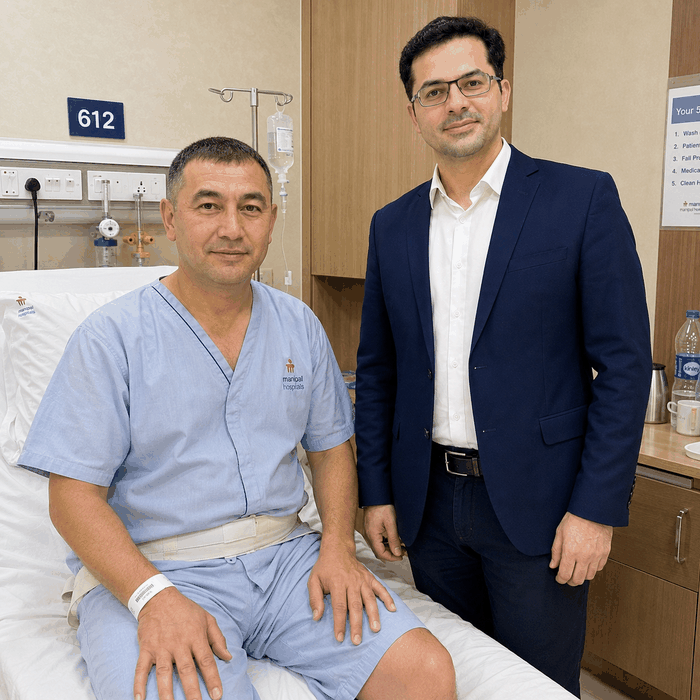
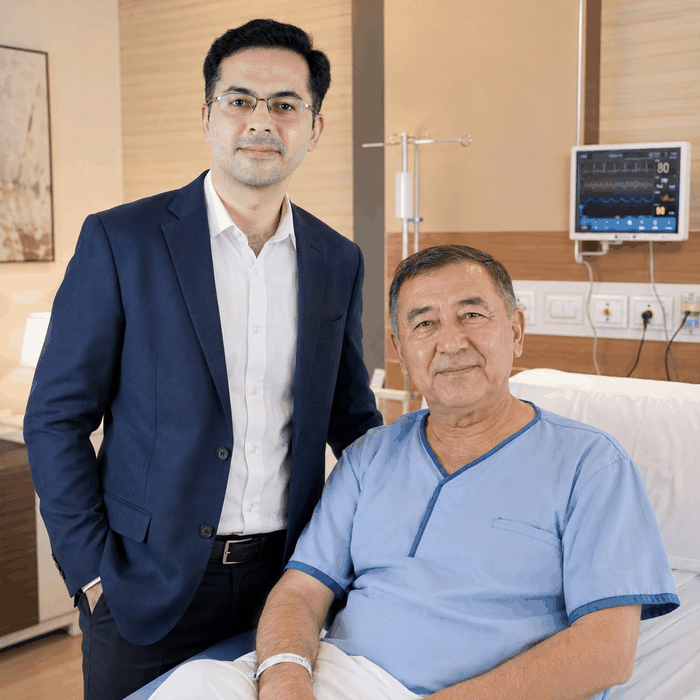
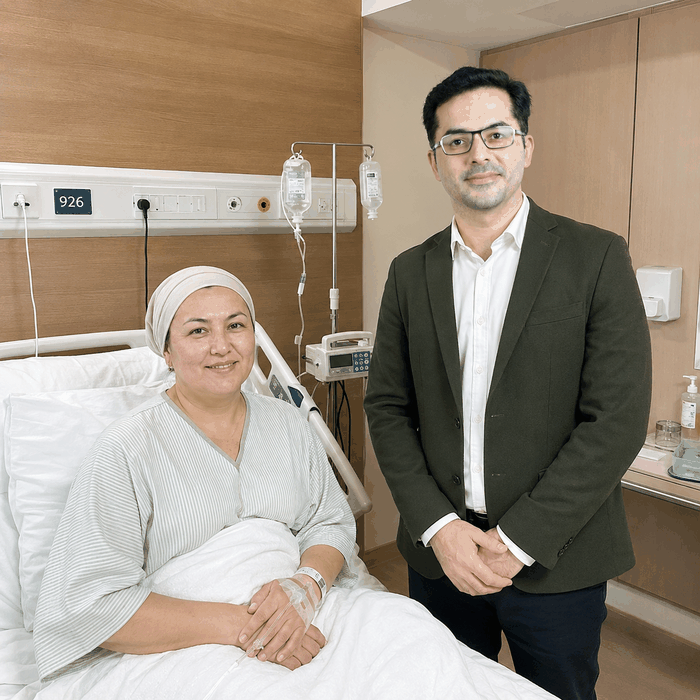
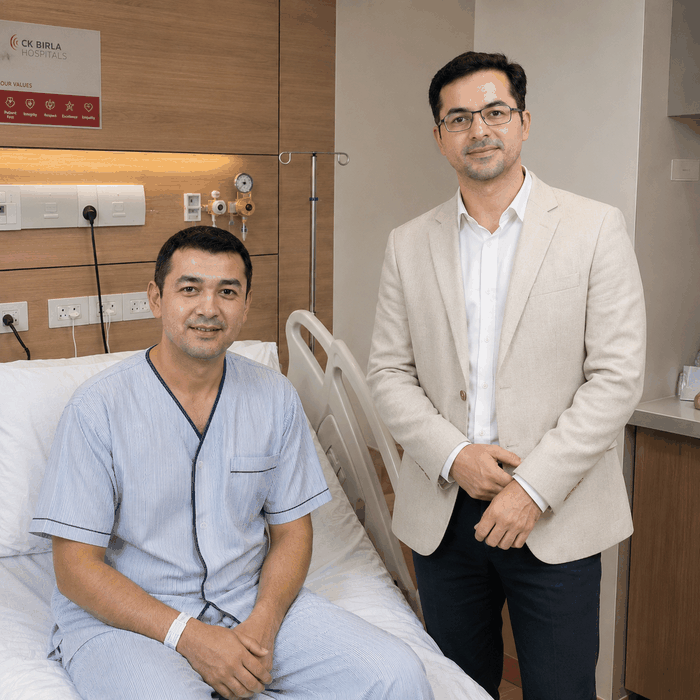
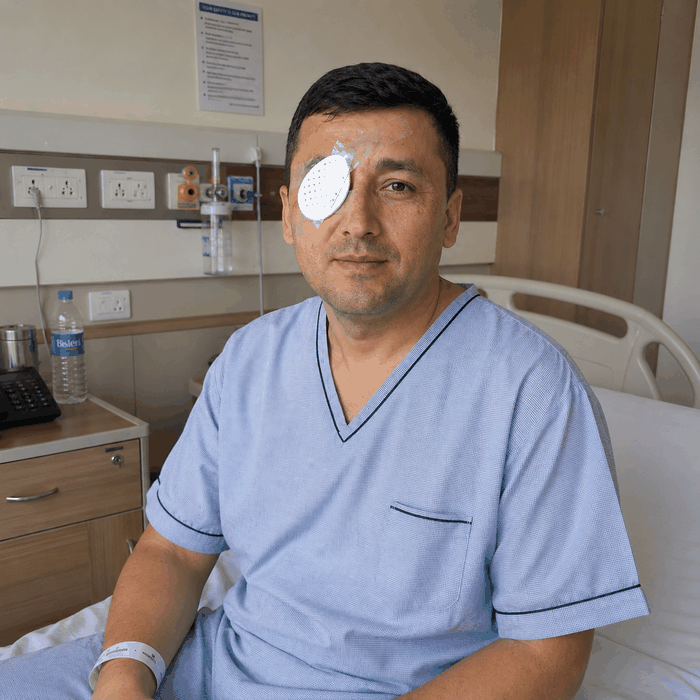
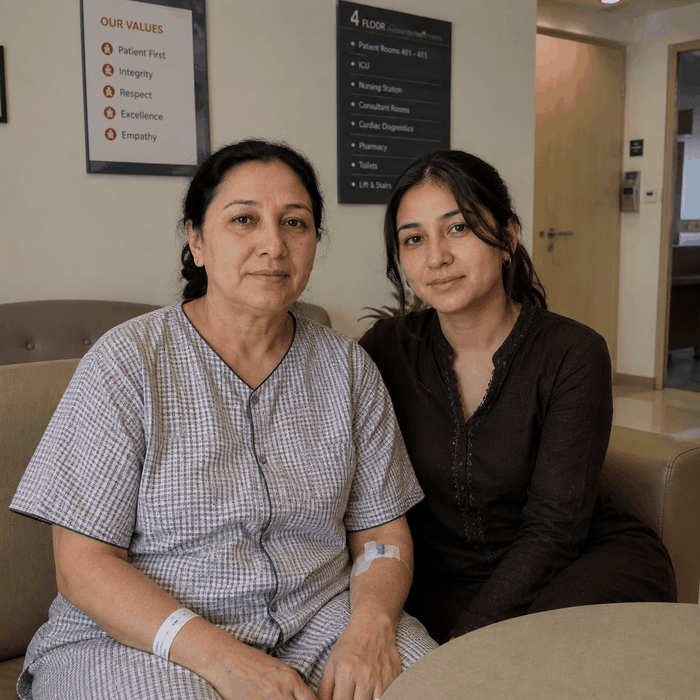
Patient Testimonials from Uzbekistan
Ready to Take the First Step?
Share your medical reports with our healthcare managers today and receive a FREE CONSULTATION, a personalized treatment plan and complete support from your arrival to your recovery.
Get Your Free ConsultationFrom Uzbekistan to India: Your Complete Patient Guide
- Shoulder Surgery in India for Uzbek Patients
- Spine Surgery in India for Uzbek Patients
- Urosurgery and Reconstructive Urology in India for Uzbek Patients
- Weight Loss and Bariatric Surgery in India for Uzbek Patients
- Bone Marrow Transplant Treatment in India for Uzbek Patients
- Brain Tumor Surgery in India for Uzbek Patients
- Breast Cancer Treatment and Surgery in India for Uzbek Patients
- Cancer Treatment and Surgery in India for Uzbek Patients
- Cardiac Pacemaker Treatment in India for Uzbek Patients
- Cardiac Surgery in India for Uzbek Patients
- Cervical and Lumbar Disc Replacement Surgery in India for Uzbek Patients
- Colorectal Cancer Treatment and Surgery in India for Uzbek Patients
- Complex Orthopaedic and Joint Revision Surgery in India for Uzbek Patients
- Cornea Transplant and Advanced Eye Surgery in India for Uzbek Patients
- Cosmetic and Aesthetic Surgery in India for Uzbek Patients
- CyberKnife Treatment in India for Uzbek Patients
- Dental Implants and Smile Makeover in India for Uzbek Patients
- Dental Surgery and Implants in India for Uzbek Patients