

Bone Marrow Transplant Treatment in India for Uzbek Patients
A practical guide to planning bone marrow transplant treatment in India — autologous vs allogeneic, donor matching, what it costs compared with Western countries, and how to plan the weeks of treatment involved.
A bone marrow transplant is one of the more demanding treatments in modern medicine. It is usually recommended for blood cancers such as leukaemia and lymphoma, or for conditions like thalassaemia and aplastic anaemia, and it involves weeks of treatment, not a single procedure. Understanding what is actually involved makes the planning far less overwhelming. Across more than two decades of guiding patients from Uzbekistan to treatment in India, the questions I hear most are: Is this treatment safe? What will it really cost? How long does the whole process take? And how do we plan around such an extended stay? This guide answers each plainly. It does not replace your haematologist's advice — it should help you understand the process and plan the logistics with confidence.
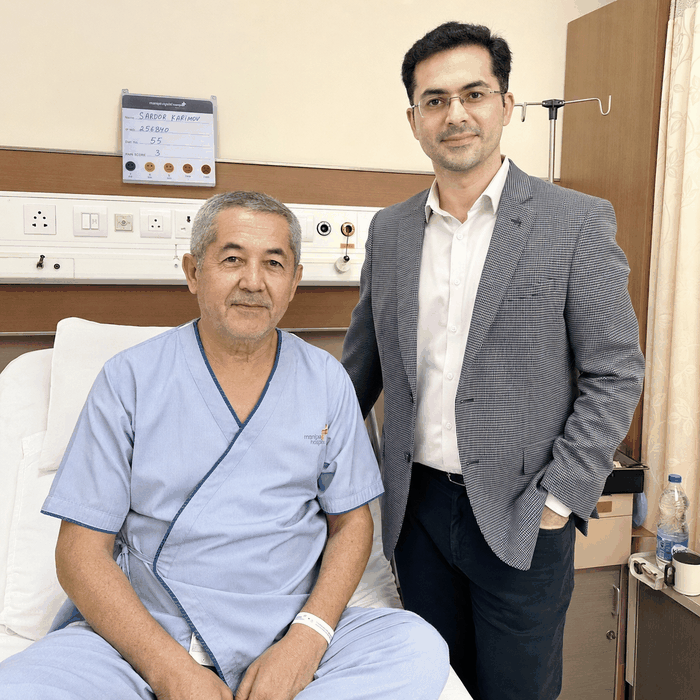
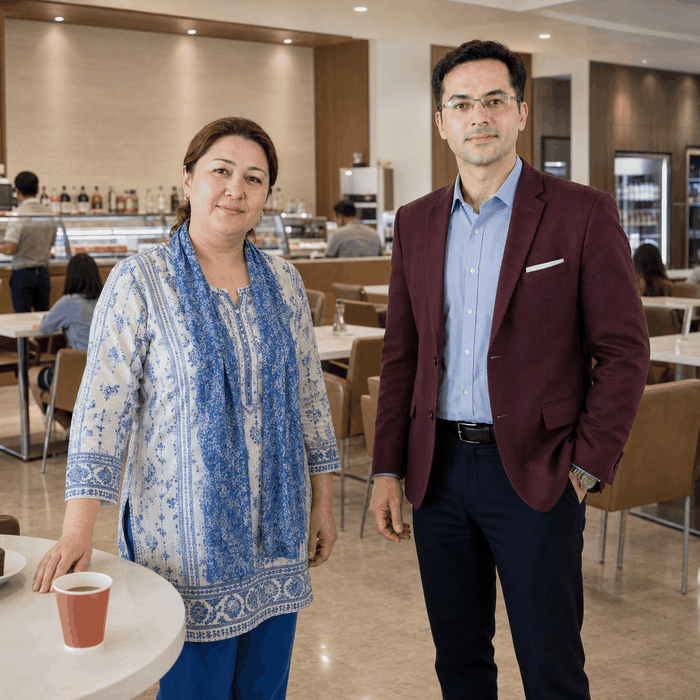
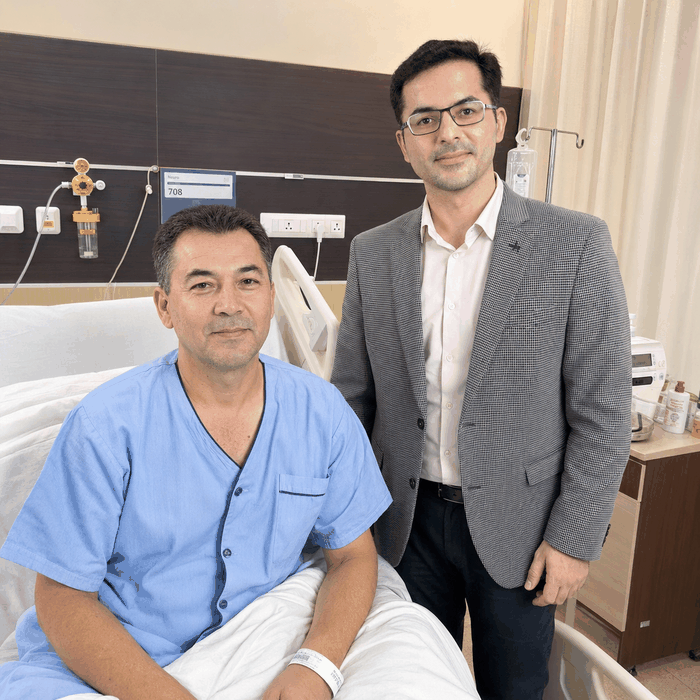
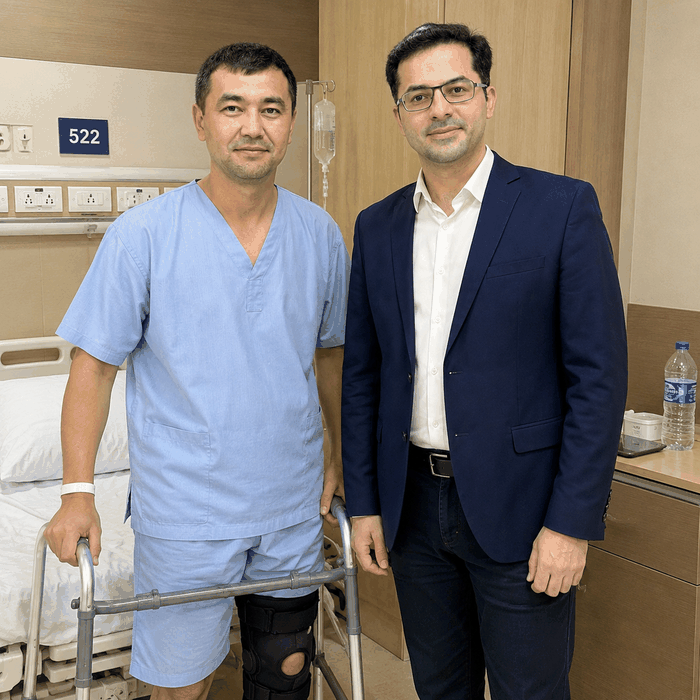
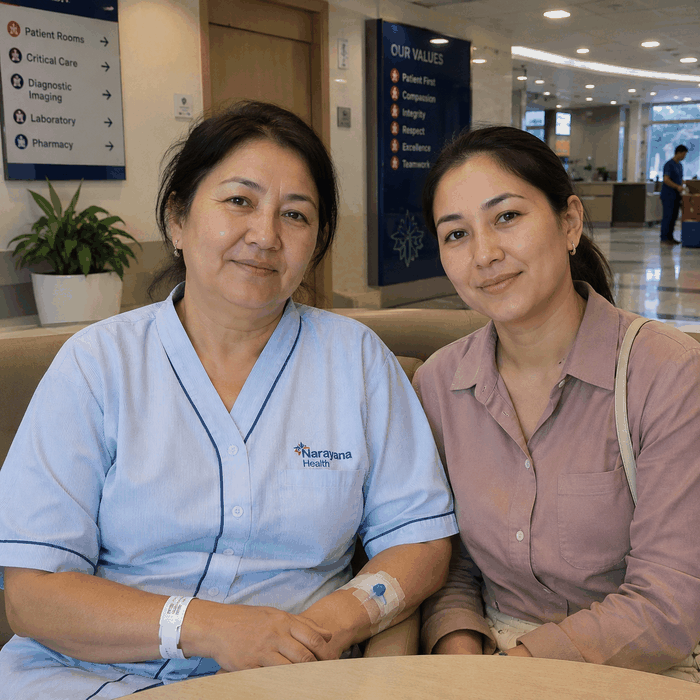
Healing Journeys of Uzbek Patients
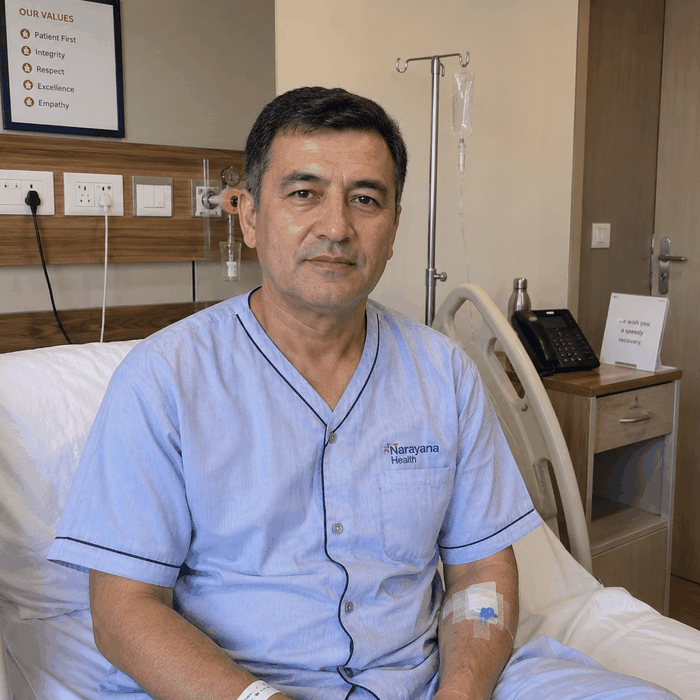
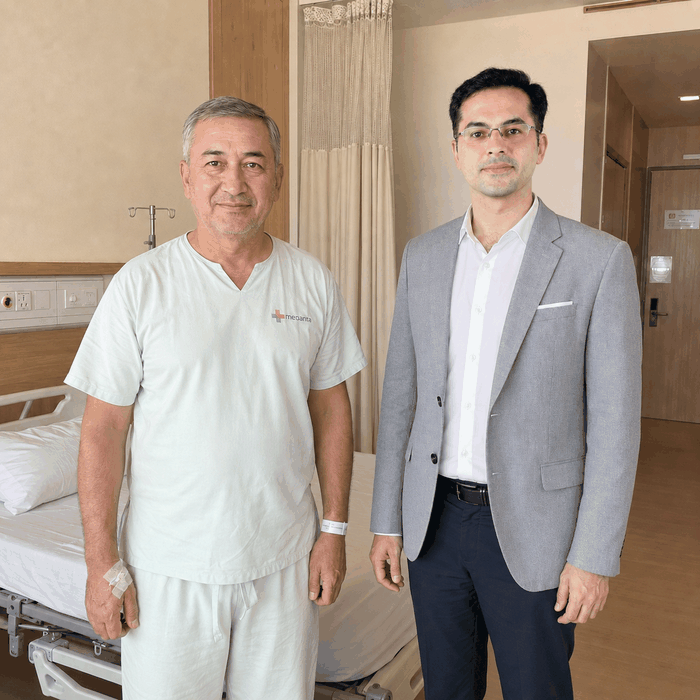
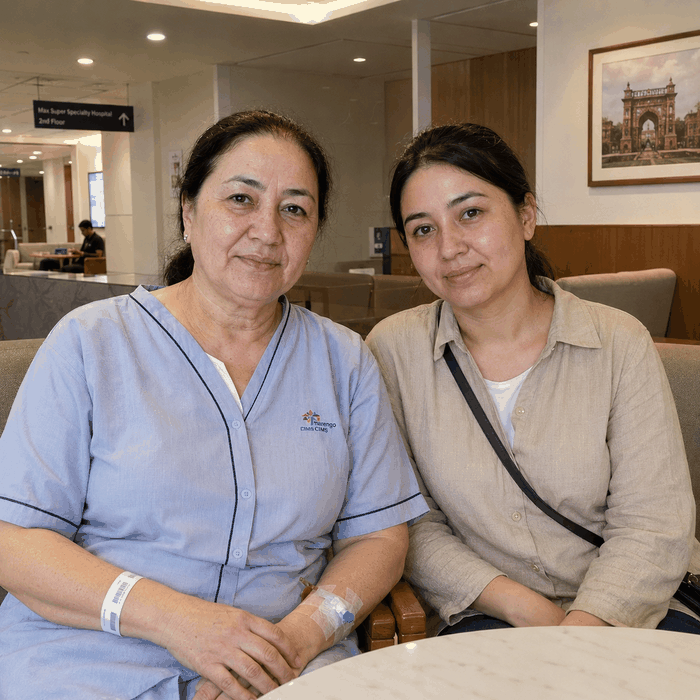
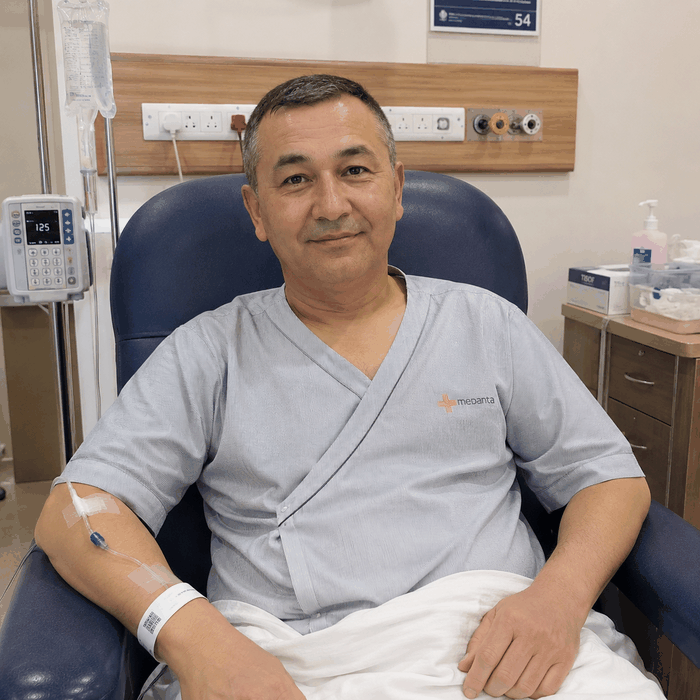
Information Takeaways
- Bone marrow transplant is a demanding treatment process rather than a single procedure. The source explains that it may be recommended for blood cancers such as leukaemia and lymphoma, as well as conditions including thalassaemia and aplastic anaemia. Treatment extends across several weeks, so understanding the complete pathway before travelling can make medical and logistical planning more manageable for Uzbek families.
- India is presented as an option because its leading transplant centres perform high volumes of bone marrow transplants and include dedicated transplant units with strict infection-control measures. Many leading centres are accredited by NABH or JCI, while haematologists may have training or fellowship experience from the UK, Europe, or the USA. The source also notes dedicated transplant facilities with HEPA-filtered isolation rooms.
- The distinction between autologous and allogeneic transplantation is central to treatment planning. An autologous transplant uses the patient's own stem cells, which are collected before high-dose chemotherapy and returned afterward. It carries no risk of graft-versus-host disease and is commonly used for multiple myeloma and some lymphomas. Allogeneic transplantation uses donor stem cells and is used for most leukaemias, thalassaemia, and aplastic anaemia, but introduces additional risks including graft-versus-host disease (GvHD).
- Donor availability can significantly influence the treatment pathway. For an allogeneic transplant, a matched sibling may be preferred, but an unrelated matched donor identified through a registry or a half-matched, or haploidentical, family donor may also be considered. The source specifically advises families without a suitable family match to ask how the centre supports unrelated-donor searches and whether a haploidentical transplant is appropriate.
- The source gives illustrative transplant costs in India of approximately USD 15,000–25,000 for an autologous transplant and USD 25,000–50,000 for an allogeneic transplant. Unrelated-donor and haploidentical procedures may fall toward the higher end because of donor-search requirements and additional care. The cost chart on page 3 presents a broader illustrative India range of USD 15,000–50,000, compared with approximately USD 80,000–150,000 in Germany, USD 100,000–160,000 in the UK, USD 90,000–140,000 in Australia, and USD 100,000–250,000 in the USA.
- The source cautions that the initial transplant quotation may not cover every eventual expense. Infection or GvHD can extend the hospital stay and increase costs, while flights, extended accommodation, and caregiver expenses are generally separate from the treatment quote. Families are therefore advised to request a full written cost breakdown and maintain a contingency budget.
- The treatment journey diagram on page 4 shows a multi-stage pathway: sharing the diagnosis and donor information before travel; receiving the treatment plan, cost estimate, and visa letters; completing evaluation and donor work-up during Week 1; conditioning with chemotherapy or radiation and stem-cell infusion during Weeks 1–2; isolation and engraftment during Weeks 2–5; and early recovery before flying home around Weeks 6–10. The source notes that exact timelines vary substantially according to transplant type and how smoothly engraftment progresses.
- Recovery continues well beyond discharge. The source explains that the first weeks after transplantation are largely focused on safe blood-count recovery and infection prevention. Even after discharge, immunity remains weakened for months. Full immune recovery can take approximately six months to one year, potentially longer following allogeneic transplantation, with regular blood tests and GvHD monitoring required for allogeneic cases.
Quick Facts
- Treatment
- Bone marrow or stem cell transplantation
- Primary Patients
- Uzbek patients requiring haematopoietic stem cell transplantation
- Main Speciality
- Haematology and bone marrow transplantation
- Key Specialist
- Haematologist/transplant physician with experience in the patient's specific transplant type
- Common Conditions
- Leukaemia, lymphoma, thalassaemia, aplastic anaemia, and selected other blood disorders
- Autologous Transplant
- Uses the patient's own collected stem cells
- Allogeneic Transplant
- Uses stem cells from a donor
- Autologous Use
- Common for multiple myeloma and some lymphomas
- Allogeneic Use
- Used for most leukaemias, thalassaemia and aplastic anaemia according to the source
- GvHD
- A potential complication of allogeneic transplantation in which donor immune cells react against the patient's body
- Donor Options
- Matched sibling, unrelated matched donor, or haploidentical family donor
- HLA Typing
- Existing donor HLA typing should be shared before travel where available
- Donor Search
- Centres may support searches through international donor registries
- Haploidentical Transplant
- A half-matched family-donor option discussed in the source
- Transplant Centres
- High-volume centres are available in Delhi, Mumbai, Chennai, Bengaluru, and Hyderabad
- Centre Selection
- Specific experience with the patient's condition and transplant type is more important than choosing a city
- Hospital Accreditation
- NABH or JCI accreditation should be confirmed
- Isolation Facilities
- Dedicated units may use HEPA-filtered isolation rooms
- Language Support
- Russian- and Uzbek-speaking coordinators and interpreters may be available
- Illustrative Autologous Cost
- USD 15,000–25,000
- Illustrative Allogeneic Cost
- USD 25,000–50,000
- Broader India Cost Range
- Approximately USD 15,000–50,000 in the page 3 comparison
- Germany Comparison
- Approximately USD 80,000–150,000
- UK Comparison
- Approximately USD 100,000–160,000
- Australia Comparison
- Approximately USD 90,000–140,000
- USA Comparison
- Approximately USD 100,000–250,000
- Cost Variables
- Transplant type, donor source, complications, and additional care requirements
- Treatment Duration
- Usually a multi-week process
- Typical India Stay
- Approximately six to ten weeks for many patients
- Isolation and Engraftment
- Approximately Weeks 2–5 in the illustrated pathway
- Early Recovery
- Approximately Weeks 6–10 before returning home in the illustrated pathway
- Caregiver
- A caregiver should plan to remain for the full treatment duration
- Immune Recovery
- Approximately six months to one year, potentially longer after allogeneic transplantation
- Long-Term Follow-Up
- Regular blood tests, medication management, and GvHD monitoring where applicable
- Follow-Up in Uzbekistan
- A written monitoring plan should be provided to the patient's haematologist in Uzbekistan
- Author
- Dr. Dheeraj Bojwani
- Experience
- 24+ Years
Knowledgeable Information Snippet
For Uzbek patients considering bone marrow transplantation in India, the most important decisions should be made before travel: the transplant type, donor situation, centre's experience with that specific transplant, expected cost, and long-term follow-up plan. The source recommends sharing diagnosis, blood counts, and available HLA typing in advance, while patients and families should plan for a caregiver to remain throughout the treatment period. Most patients may need approximately 6–10 weeks in India, covering evaluation, transplantation, isolation, engraftment, and early recovery.
Why Uzbek Patients Choose India for Bone Marrow Transplant?
India performs a very high volume of bone marrow transplants, and its leading transplant centres are accredited by NABH or the international JCI. These centres run dedicated transplant units with strict infection control, since patients are especially vulnerable to infection during the weeks after transplant.
Cities such as Delhi, Mumbai, Chennai, Bengaluru and Hyderabad all have high-volume transplant centres. The right choice is the centre's specific experience with your condition and transplant type — not the city name.
- Haematologists frequently trained or fellowship-qualified in the UK, Europe or the USA.
- Dedicated transplant units with HEPA-filtered isolation rooms to reduce infection risk.
- Experience across autologous, matched-sibling, unrelated-donor and haploidentical transplants.
- Dedicated international desks with Russian and Uzbek-speaking coordinators and interpreters.
- Convenient connectivity from Tashkent to Delhi, Mumbai and other major cities.
Autologous or allogeneic — understanding the difference
This distinction shapes almost everything about the process, cost and risk involved.
Autologous transplant uses the patient's own stem cells, collected and stored before high-dose chemotherapy, then returned afterward to rebuild the bone marrow. It carries no risk of graft-versus-host disease and is common for multiple myeloma and some lymphomas. Allogeneic transplant uses stem cells from a donor — ideally a matched sibling, otherwise an unrelated matched donor found through a registry, or a half-matched (haploidentical) family member. Allogeneic transplants are used for most leukaemias, thalassaemia and aplastic anaemia, and carry additional risks including graft-versus-host disease (GvHD), where the donor's immune cells react against the patient's body. Your haematologist will confirm which type applies to you and whether a suitable donor is available.
How much does bone marrow transplant treatment in India cost?
Cost depends heavily on the transplant type and donor source. In India, an autologous transplant typically costs USD 15,000–25,000, while an allogeneic transplant typically costs USD 25,000–50,000, with unrelated-donor and haploidentical transplants toward the higher end due to donor search and additional care needs.
India vs Western countries: cost of bone marrow transplant
Approximate all-inclusive price range, varies by transplant type (USD, 2026)
Figures are indicative ranges compiled from hospital and medical-travel sources; your final quote depends heavily on transplant type, donor source and any complications during recovery.
Notice how far below Western prices India sits — often a fraction of the cost in the USA, UK, Germany or Australia — without a trade-off in transplant technique. India's advantage is value: high transplant volume and modern isolation facilities, at a cost more realistic for most families to plan around.
One important caution: costs can extend beyond the initial quote if complications such as infection or GvHD arise during recovery, since these can mean a longer hospital stay. Ask the hospital how such scenarios are typically handled and costed, and budget with some contingency. The quote also rarely includes flights, extended accommodation and a caregiver's costs for what is a multi-week stay.
Confirm your donor situation and transplant type before budgeting. These two factors affect the cost, the risk and the timeline more than anything else.
What your treatment journey of a typical bone marrow transplant to India looks like- step by step.
Understanding the whole path in advance matters more here than for almost any other treatment, since this is a multi-week process, not a single visit. A typical timeline from Uzbekistan to India and back looks like this.
Your bone marrow transplant journey, step by step
A typical timeline from Uzbekistan to India and back
Timelines vary considerably with transplant type and how smoothly engraftment proceeds; your transplant team will confirm exact dates.
Factors that every Uzbek Patient should consider while planning Bone Marrow Transplant in India
Before you commit, work through the checklist below with the hospital's international team. In more than 24 years of guiding families through this decision, those who ask these six questions directly are the best prepared.
Before you book: six things to confirm
A pre-travel checklist for patients from Uzbekistan
Also confirm accommodation options for a caregiver during the many weeks of treatment, since this is a longer stay than most other procedures.
Two further points: a caregiver staying for the full duration is essential, not optional, given the length and intensity of treatment — and ask for everything in writing, including the plan if the first attempt at engraftment does not go smoothly.
Recovery after Bone Marrow Transplant and returning to Uzbekistan
Recovery unfolds in stages. The first weeks after transplant, spent largely in isolation, focus on getting blood counts to recover safely — the period of highest infection risk. Once counts stabilise and the team confirms the graft has taken, patients move toward discharge, though immunity remains weakened for months, requiring continued precautions at home. Full immune recovery can take 6 months to a year, longer for allogeneic transplants, during which regular blood tests and GvHD monitoring (for allogeneic cases) are essential. Your Indian team will provide a detailed monitoring schedule for a haematologist in Uzbekistan. Keep every blood count record, transplant report and medication list safely, since these are referenced constantly during the following year.
A note from Dr Dheeraj Bojwani
With 24+ years of experience guiding international patients through complex diagnoses, my advice to every family from Uzbekistan is the same: understand the donor situation and transplant type clearly before you travel, ask directly about the centre's experience with your specific transplant, and plan for a caregiver to stay the full duration. This article is general information and not a substitute for a personal consultation with your haematology team.
Straight Answer Question by Uzbek Patients about Bone Marrow Transplant Treatment in India
Is bone marrow transplant treatment in India safe?
At an accredited transplant centre, yes. India's leading hospitals meet NABH or JCI standards, run dedicated transplant units with strict infection control, and perform high volumes of both autologous and allogeneic transplants.
Will there be someone who speaks my language?
Major international hospitals have Russian and Uzbek-speaking coordinators and interpreters who assist from your first message through the full treatment course and follow-up.
What if we don't have a matched donor in the family?
Many centres support searching international donor registries for an unrelated match, or can discuss a haploidentical (half-matched) transplant using a parent, sibling or child, which has become increasingly viable in recent years.
How long do we need to stay in India in total?
Most patients need 6 to 10 weeks, covering evaluation, the transplant itself, the isolation and engraftment period, and early recovery before it is considered safe to fly home.
References & sources
- 🌐 National Accreditation Board for Hospitals & Healthcare Providers (NABH) — accredited hospital directory. · nabh.co
- 🌐 Joint Commission International (JCI) — directory of accredited organisations. · jointcommissioninternational.org
- 🌐 National Medical Commission of India — doctor and specialist registration verification. · nmc.org.in
- 🌐 World Health Organization — Cancer fact sheet. · who.int/news-room/fact-sheets/detail/cancer
- 🌐 Bureau of Immigration, Government of India — e-Medical Visa and Medical Attendant Visa. · indianvisaonline.gov.in
- 🌐 Cost ranges compiled from published hospital and medical-travel price guides for autologous and allogeneic bone marrow transplant, 2025–2026.
Frequently Asked Questions by Uzbek Patients about Bone Marrow Transplant Treatment in India
What is a bone marrow transplant?
A bone marrow transplant, or stem cell transplant, replaces or rebuilds the patient's blood-forming system using either their own stem cells or cells from a donor. The treatment involves multiple stages over several weeks rather than a single procedure.
Which diseases may require a bone marrow transplant?
The source discusses leukaemia, lymphoma, thalassaemia, and aplastic anaemia, among other conditions. The appropriate transplant type depends on the patient's diagnosis and haematologist's assessment.
What is the difference between autologous and allogeneic transplantation?
Autologous transplantation uses the patient's own stem cells, while allogeneic transplantation uses donor stem cells. Allogeneic transplantation carries additional risks, including graft-versus-host disease.
What if an Uzbek patient does not have a matched family donor?
The source states that centres may support searches through international donor registries for an unrelated matched donor. A haploidentical transplant using a half-matched parent, sibling, or child may also be discussed.
How much does bone marrow transplant treatment cost in India for Uzbek patients?
The source gives an illustrative range of USD 15,000–25,000 for autologous transplantation and USD 25,000–50,000 for allogeneic transplantation. The final cost depends on transplant type, donor source, and complications.
Can complications increase the transplant cost?
Yes. Infection or GvHD may require longer hospitalisation and additional treatment. Families should ask the hospital in writing how complications are handled and costed and should maintain a contingency budget.
How long do Uzbek patients need to stay in India?
The source states that most patients need approximately 6–10 weeks, covering evaluation, transplantation, isolation and engraftment, and early recovery before flying home.
Will Uzbek-speaking support be available in India?
Major international hospitals may have Russian- and Uzbek-speaking coordinators and interpreters who can assist from the initial communication through treatment and follow-up.
What should Uzbek patients prepare before travelling?
They should share the diagnosis, blood counts, previous reports, and any available donor HLA typing. The treatment plan, cost estimate, visa invitation letters, and donor arrangements should be clarified before departure.
What happens after returning to Uzbekistan?
The Indian transplant team should provide a detailed monitoring schedule for the haematologist in Uzbekistan. Regular blood tests and medication monitoring remain important, while allogeneic patients also require GvHD monitoring; immune recovery can take six months to one year or longer.
Page Summary
The guide explains bone marrow transplantation as a prolonged treatment pathway used for conditions including leukaemia, lymphoma, thalassaemia, and aplastic anaemia. It distinguishes autologous transplantation using the patient's own stem cells from allogeneic transplantation using donor cells, with donor matching, GvHD risk, and transplant-specific expertise being central considerations. India is presented as an option because of high-volume transplant centres, dedicated isolation facilities, NABH/JCI accreditation, and Russian- and Uzbek-speaking international coordinators. The source gives illustrative India costs of USD 15,000–25,000 for autologous transplantation and USD 25,000–50,000 for allogeneic transplantation, while the page 3 comparison presents a broader India range of USD 15,000–50,000. The page 4 treatment diagram shows evaluation, donor work-up, conditioning, transplantation, isolation and engraftment, followed by early recovery, with many patients requiring approximately 6–10 weeks in India before returning to Uzbekistan.
Citation Block
| Field | Details |
|---|---|
| Article / Topic | Bone Marrow Transplant Treatment in India for Uzbek Patients |
| Primary Country | Uzbekistan |
| Treatment Destination | India |
| Main Speciality | Haematology and bone marrow transplantation |
| Key Specialist | Haematologist/transplant physician |
| Common Conditions | Leukaemia, lymphoma, thalassaemia, and aplastic anaemia |
| Autologous Transplant | Patient's own stem cells |
| Allogeneic Transplant | Donor stem cells |
| Autologous Applications | Multiple myeloma and some lymphomas |
| Allogeneic Applications | Most leukaemias, thalassaemia, and aplastic anaemia |
| GvHD | Potential complication of allogeneic transplantation |
| Donor Options | Matched sibling, unrelated matched donor, or haploidentical family donor |
| Donor Search | International registry support may be available |
| Transplant Locations | Delhi, Mumbai, Chennai, Bengaluru, and Hyderabad |
| Centre Selection | Specific transplant-type experience rather than city alone |
| Hospital Accreditation | NABH or JCI |
| Isolation Infrastructure | HEPA-filtered isolation rooms at dedicated centres |
| Language Support | Russian- and Uzbek-speaking coordinators/interpreters |
| Illustrative Autologous Cost | USD 15,000–25,000 |
| Illustrative Allogeneic Cost | USD 25,000–50,000 |
| Broader India Range | USD 15,000–50,000 |
| Germany Comparison | USD 80,000–150,000 |
| UK Comparison | USD 100,000–160,000 |
| Australia Comparison | USD 90,000–140,000 |
| USA Comparison | USD 100,000–250,000 |
| Cost Variables | Transplant type, donor source, complications, and additional care |
| Treatment Timeline | Approximately 6–10 weeks for many patients |
| Isolation / Engraftment | Approximately Weeks 2–5 |
| Early Recovery | Approximately Weeks 6–10 |
| Caregiver Requirement | Full-duration caregiver recommended |
| Long-Term Recovery | Immune recovery may take six months to one year or longer |
| Follow-Up | Blood tests, immunosuppressant management, and GvHD monitoring where applicable |


Our Mission Statement
Our mission is to place patients at the centre of every healthcare decision by providing trustworthy, evidence-based, and unbiased medical information. We believe that informed patients make better decisions. Backed by personalised guidance from our experienced advisory team, we help patients understand their treatment options, compare them objectively, and confidently choose the path that best suits their medical needs and personal circumstances.
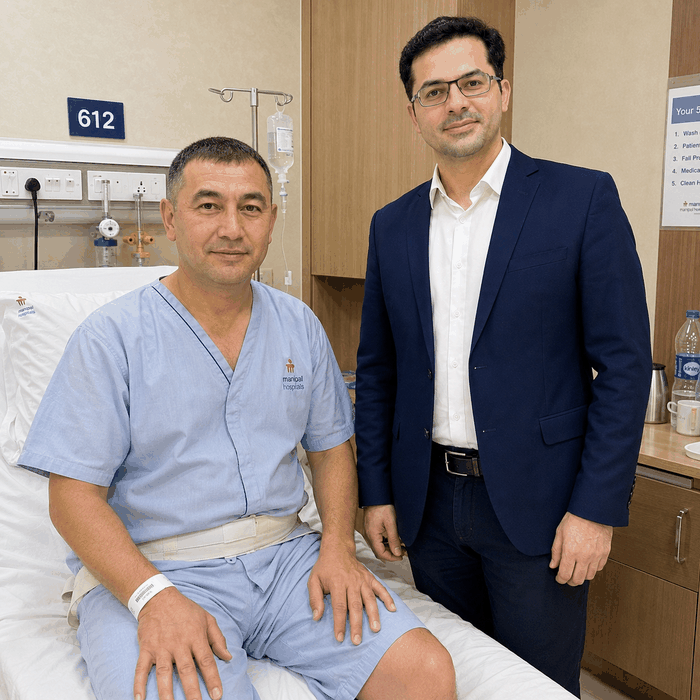
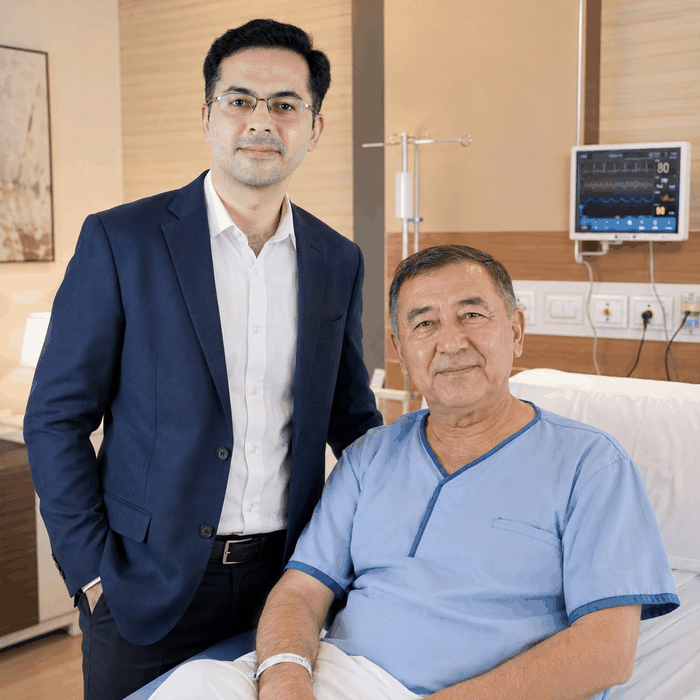
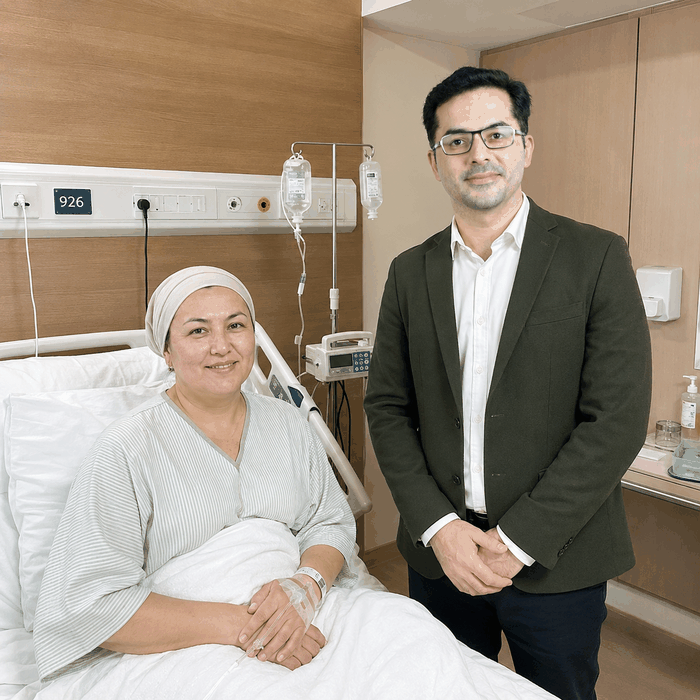
Patient Testimonials from Uzbekistan
Ready to Take the First Step?
Share your medical reports with our healthcare managers today and receive a FREE CONSULTATION, a personalized treatment plan and complete support from your arrival to your recovery.
Get Your Free ConsultationFrom Uzbekistan to India: Your Complete Patient Guide
- Brain Tumor Surgery in India for Uzbek Patients
- Breast Cancer Treatment and Surgery in India for Uzbek Patients
- Cancer Treatment and Surgery in India for Uzbek Patients
- Cardiac Pacemaker Treatment in India for Uzbek Patients
- Cardiac Surgery in India for Uzbek Patients
- Cervical and Lumbar Disc Replacement Surgery in India for Uzbek Patients
- Colorectal Cancer Treatment and Surgery in India for Uzbek Patients
- Complex Orthopaedic and Joint Revision Surgery in India for Uzbek Patients
- Cornea Transplant and Advanced Eye Surgery in India for Uzbek Patients
- Cosmetic and Aesthetic Surgery in India for Uzbek Patients
- CyberKnife Treatment in India for Uzbek Patients
- Dental Implants and Smile Makeover in India for Uzbek Patients
- Dental Surgery and Implants in India for Uzbek Patients
- Gamma Knife Treatment in India for Uzbek Patients
- Weight Loss & Bariatric Surgery in India for Uzbekistan Patients: The Multi-Year Wait, Explained (2026)
- Heart Valve Replacement Surgery in India for Uzbekistan Patients
- Hip Surgery in India for Uzbekistan Patients | Complete Treatment, Cost & Recovery Guide
- HIPEC Surgery in India for Uzbekistan Patients: Complete Guide