

Heart Failure Treatment and Surgery in India for Uzbek Patients
A practical guide to heart failure treatment in India — from medication and CRT devices to LVAD and heart transplant — understanding the full treatment ladder, and what it costs compared with Western countries.
A heart failure diagnosis does not mean the heart has stopped working — it means it is not pumping as efficiently as it should, often due to a prior heart attack, valve disease, high blood pressure, or a weakened heart muscle. Most people with heart failure are managed for years with medication, and only a smaller group ever needs the more advanced device or surgical options this guide describes. Across more than two decades of guiding patients from Uzbekistan to treatment in India, the questions I hear most are: Where does my condition sit on the treatment ladder? What do CRT, LVAD and transplant actually involve? What will it cost? And how is this different from a standard pacemaker or bypass surgery? This guide answers each plainly. It does not replace your cardiologist's advice — it is meant to help you understand the full picture.
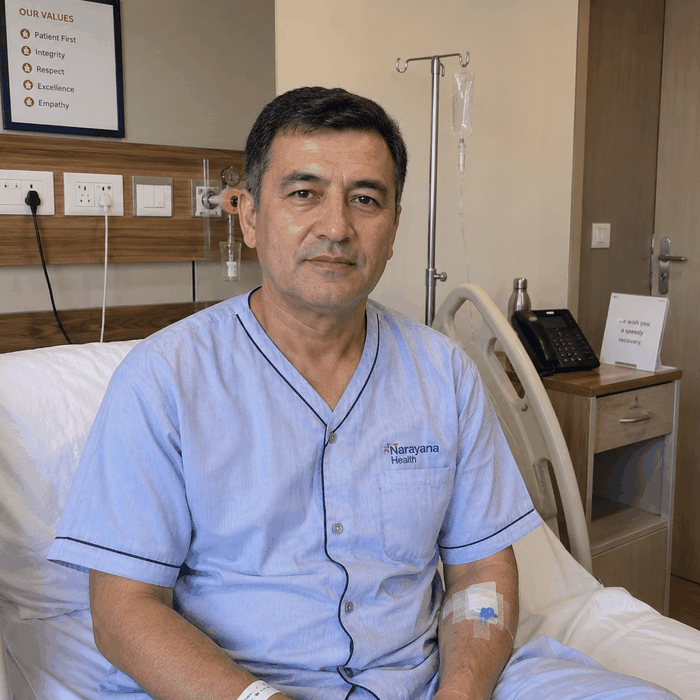
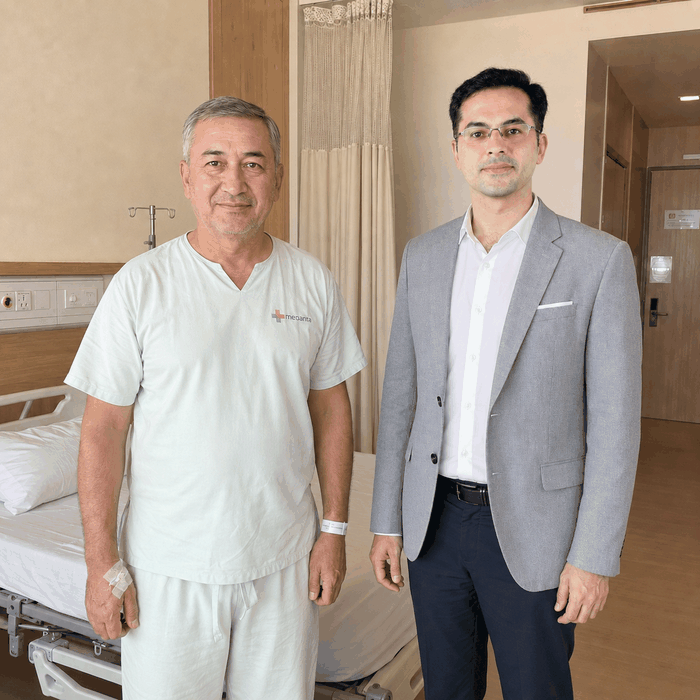
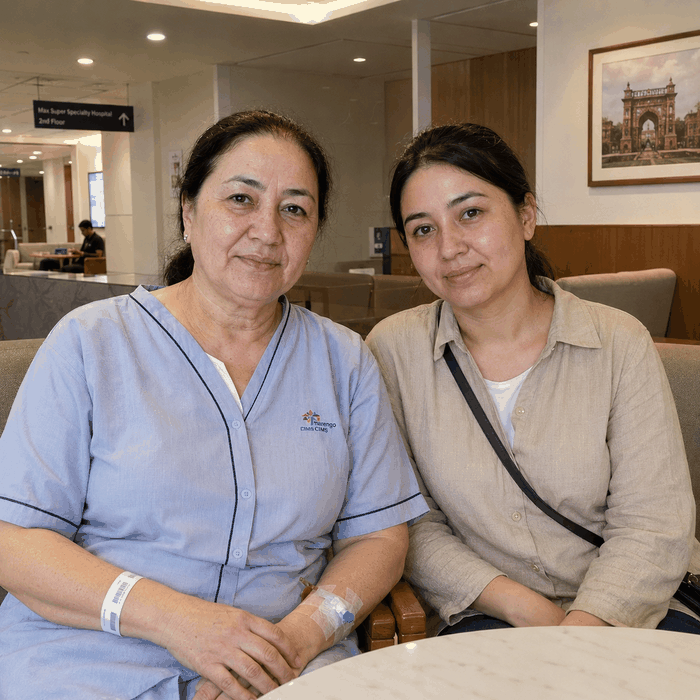
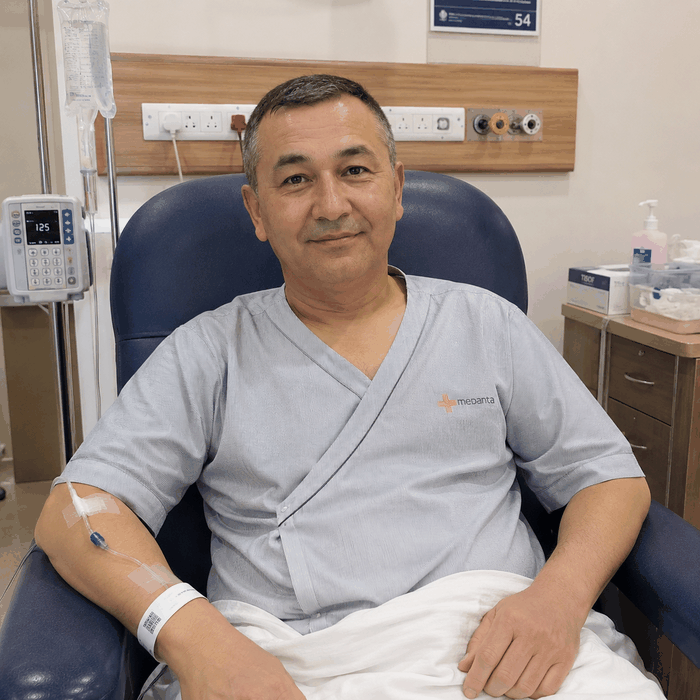
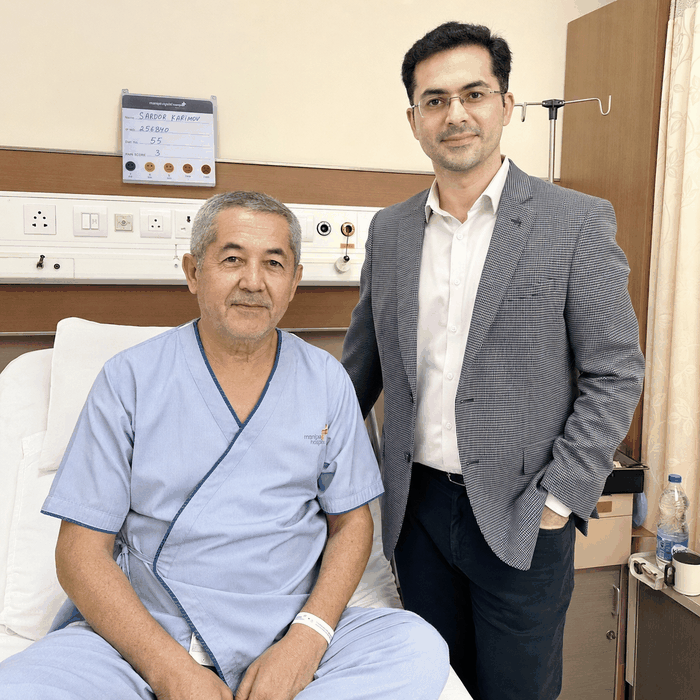
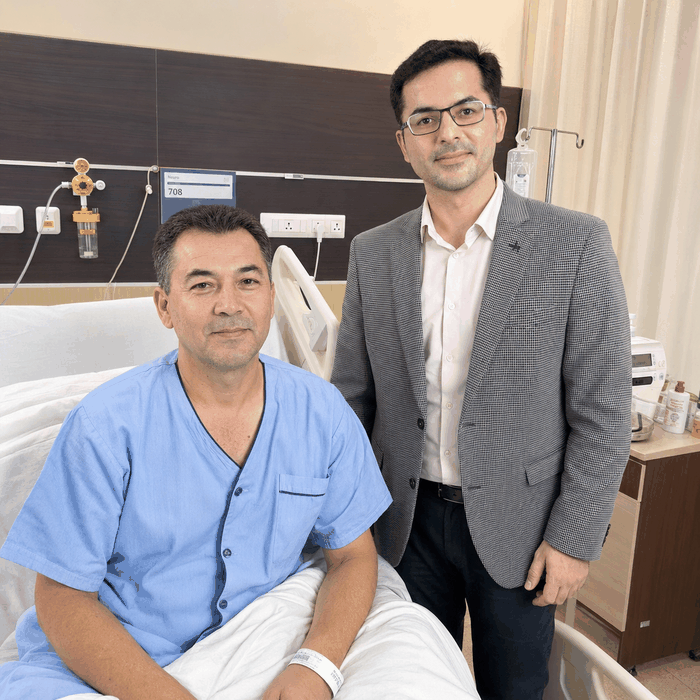
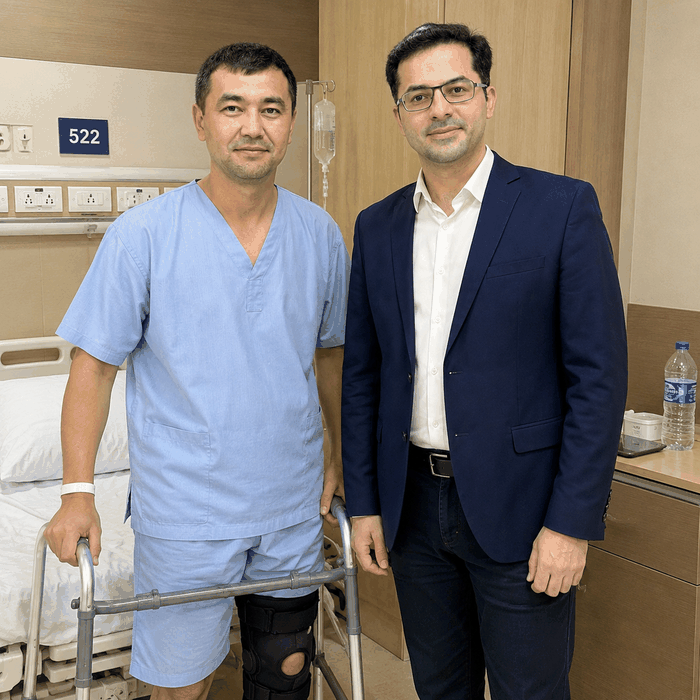
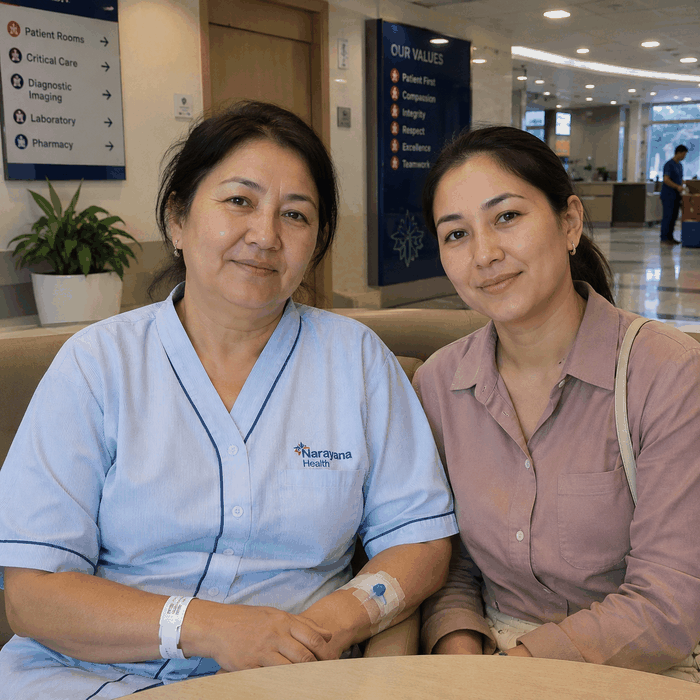
Healing Journeys of Uzbek Patients

Information Takeaways
- Heart failure does not mean that the heart has stopped working. It means the heart is not pumping as efficiently as it should, and the condition can result from causes such as a previous heart attack, valve disease, high blood pressure or weakened heart muscle. The source emphasises that most patients are managed with medication for years, while only a smaller proportion progress to advanced device treatment or transplantation.
- Heart failure treatment follows a treatment ladder rather than automatically leading to surgery or transplantation. Medication is the foundation for most patients. When symptoms continue despite optimised medication and appropriate cardiac testing meets specific criteria, CRT may be considered to improve coordination between the heart's chambers. For advanced or end-stage disease, LVAD and heart transplantation may become options depending on the patient's condition and treatment response.
- India has advanced heart failure treatment centres in cities including Delhi, Mumbai, Chennai, Bengaluru and Hyderabad. The source advises Uzbek patients to focus on the centre's experience with their particular treatment stage rather than choosing a hospital simply by city. Experienced heart failure cardiologists, cardiac surgeons and transplant teams, together with NABH or JCI accreditation, are important factors when evaluating a centre.
- Treatment costs vary substantially according to where the patient is on the heart failure treatment ladder. The guide gives an indicative India range of USD 6,000–24,000 for CRT device therapy, USD 30,000–60,000 for LVAD implantation and USD 25,000–45,000 for heart transplantation at a premier accredited centre. The source also cautions that LVAD and transplant patients need to consider long-term medication, device or graft monitoring and other continuing care costs beyond the initial procedure.
- The treatment journey for Uzbek patients begins before travelling to India. Cardiac records such as echocardiography results, ejection fraction and treatment history can be shared for an initial opinion. After preliminary planning, the patient may receive a treatment recommendation, cost estimate and visa documentation, followed by detailed cardiac testing in India to determine the appropriate treatment stage.
- The length of stay depends heavily on the treatment selected. CRT implantation may require only a few days, while LVAD or heart transplantation can require several weeks. The guide states that the total stay for LVAD and transplant can extend to approximately 6–10 weeks, with the final timeline confirmed after the patient's treatment stage has been established.
- Recovery also differs significantly between treatment levels. CRT recovery is generally relatively quick, while LVAD patients need training to manage the external equipment and power supply associated with the implanted pump. Heart transplant patients require an extended hospital recovery, lifelong immunosuppressant medication and regular biopsies and monitoring, particularly during the first year. Long-term cardiac follow-up should therefore be arranged with a cardiologist in Uzbekistan before returning home.
Quick Facts
- Treatment
- Heart failure treatment ranging from medication to CRT, LVAD and heart transplant
- Primary Patients
- Uzbek patients seeking advanced cardiac care in India
- Main Speciality
- Cardiology, advanced heart failure and cardiac surgery
- Treatment Ladder
- Medication → CRT → LVAD → heart transplant, depending on individual severity
- CRT
- Specialised cardiac resynchronization device for selected patients
- LVAD
- Mechanical pump used as a bridge to transplant or as long-term destination therapy
- Heart Transplant
- Option for selected end-stage heart failure patients when other treatments are exhausted
- CRT Cost
- Approximately USD 6,000–24,000
- LVAD Cost
- Approximately USD 30,000–60,000
- Heart Transplant Cost
- Approximately USD 25,000–45,000
- Hospital Choice
- Prefer an NABH- or JCI-accredited centre with relevant experience
- Treatment Centres
- Delhi, Mumbai, Chennai, Bengaluru and Hyderabad
- Pre-Travel Records
- Echocardiogram, ejection fraction and treatment history
- CRT Stay
- Generally a few days
- LVAD/Transplant Stay
- May extend to approximately 6–10 weeks
- Recovery
- Varies substantially according to treatment stage
- Transplant Medication
- Lifelong immunosuppressant therapy is required
- Language Support
- Russian- and Uzbek-speaking coordinators/interpreters may be available
- Visa Planning
- Medical and companion visa arrangements should allow for the full treatment stay
- Follow-Up
- Long-term monitoring with a cardiologist in Uzbekistan is essential
- Author
- Dr. Dheeraj Bojwani
- Experience
- 24+ Years
Knowledgeable Information Snippet
Heart failure treatment in India for Uzbek patients follows a progressive treatment ladder that may include medication, CRT, LVAD and heart transplantation depending on disease severity and response to earlier treatment. The source gives indicative India costs of USD 6,000–24,000 for CRT, USD 30,000–60,000 for LVAD implantation and USD 25,000–45,000 for heart transplantation. Uzbek patients should have their cardiac records reviewed before travel, confirm the recommended treatment stage, choose an experienced accredited centre and arrange continuing cardiac monitoring in Uzbekistan. LVAD and transplant require particularly careful planning because of their longer hospital stays and lifelong medical management requirements.
Why Uzbek Patients Choose India for Heart Failure Treatment?
India has heart failure specialists and transplant teams experienced across the full treatment ladder, from device therapy through transplant, at centres accredited by NABH or the international JCI.
Cities such as Delhi, Mumbai, Chennai, Bengaluru and Hyderabad all have centres offering advanced heart failure treatment. The right choice is the centre's specific experience with your stage of treatment — not the city name.
- Heart failure cardiologists and cardiac surgeons frequently trained or fellowship-qualified in the UK, Europe or the USA.
- Experience with CRT devices, LVAD implantation, and heart transplant at leading centres.
- Established heart transplant programmes with dedicated transplant cardiology teams.
- Dedicated international desks with Russian and Uzbek-speaking coordinators and interpreters.
- Convenient connectivity from Tashkent to Delhi, Mumbai and other major cities.
Understanding the heart failure treatment ladder
Medication is the foundation of heart failure treatment for the great majority of patients, using combinations of drugs that reduce the heart's workload and manage fluid retention, often keeping the condition stable for years. When symptoms persist despite optimised medication, and specific criteria on cardiac testing are met, a CRT (cardiac resynchronization therapy) device — a specialised pacemaker distinct from a standard one — helps the heart's chambers beat in better coordination, improving pumping efficiency for well-selected patients.
For advanced or end-stage heart failure not responding to these measures, LVAD (left ventricular assist device) is a mechanical pump that takes over much of the heart's pumping work, used either as a bridge while waiting for a transplant or as a long-term option for patients who are not transplant candidates. Heart transplant replaces the heart entirely and is reserved for end-stage heart failure where other treatments have been exhausted. Each stage of this ladder involves a genuinely different level of intervention, and a good heart failure team will confirm exactly where your specific case sits before recommending a path.
How much does heart failure treatment cost in India?
Cost depends heavily on where you are on the treatment ladder. In India, CRT device therapy typically costs USD 6,000–24,000, LVAD implantation USD 30,000–60,000, and heart transplant USD 25,000–45,000 at a premier accredited centre.
India vs Western countries: cost of heart transplant
Approximate all-inclusive range at a premier centre, on a shared cost scale (USD, 2026)
Figures are indicative ranges compiled from hospital and medical-travel sources; your final quote depends on hospital tier, and CRT or LVAD costs considerably less than transplant.
Notice how dramatically below Western prices India sits — for heart transplant specifically, often 85 to 95 percent below the cost in the USA, UK, Germany or Australia. India's advantage is value: established transplant and device programmes, at a cost that can make treatment possible when it might otherwise be entirely out of reach.
One important caution: LVAD and heart transplant both involve ongoing costs beyond the initial procedure, including lifelong medication and device or graft monitoring. Ask for a complete picture covering not just the procedure but the years of follow-up care that come with it.
Ask your cardiologist plainly where your specific condition sits on the treatment ladder, and what would need to change before a more advanced option becomes necessary.
What your treatment journey to India looks like- step by step.
Timelines vary enormously by treatment stage — a CRT implant is a matter of days, while heart transplant involves a multi-week stay.
Your heart failure treatment journey, step by step
A typical timeline from Uzbekistan to India and back
For LVAD and heart transplant, the total stay can extend to 6 to 10 weeks; your team will confirm the timeline once your treatment stage is decided.
Factors that every Uzbek Patient should consider while planning Heart Failure Treatment in India
Before you commit, work through these points with the hospital's international team. In more than 24 years of guiding patients through complex cardiac decisions, those who ask these questions directly are the best prepared.
Before you book: things to confirm
A pre-travel checklist for patients from Uzbekistan
Also ask what would happen if your condition changes during evaluation, requiring a different treatment stage than initially planned.
Two further points: a companion staying the full duration is essential, particularly for LVAD or transplant — and ask honestly about the lifelong commitment involved, since both LVAD and transplant require permanent, ongoing medical management.
Recovery after Heart Failure Treatment and returning to Uzbekistan
Recovery varies enormously by treatment stage. CRT device recovery is generally quick, with most patients resuming normal activity within days to a couple of weeks. LVAD recovery involves learning to manage the external equipment and power supply that accompanies the implanted pump, with training provided before discharge, and adjusting to this becomes part of daily life. Heart transplant recovery includes an extended hospital stay, lifelong immunosuppressant medication to prevent rejection, and regular biopsies and monitoring, especially in the first year. Across all these treatments, regular cardiac follow-up is essential for years afterward, so agree a monitoring plan with a cardiologist in Uzbekistan before you leave. Keep every test result and procedure report safely for this ongoing care.
A note from Dr Dheeraj Bojwani
With 24+ years of experience guiding international patients through complex cardiac decisions, my advice to every patient from Uzbekistan is the same: understand clearly where your condition sits on the treatment ladder before considering advanced options, ask directly about the team's specific experience with the recommended treatment, and plan honestly for the lifelong follow-up that LVAD and transplant both require. This article is general information and not a substitute for a personal consultation with your cardiology team.
Straight Answer Question by Uzbek Patients about Heart Failure Treatment in India
Is heart failure treatment in India safe?
At an accredited centre, yes. India's leading hospitals meet NABH or JCI standards and have heart failure specialists and transplant teams experienced across the full range of treatments.
Will there be someone who speaks my language?
Major international hospitals have Russian and Uzbek-speaking coordinators and interpreters who assist from your first message through treatment and follow-up.
Does everyone with heart failure eventually need a transplant?
No. Most patients are managed successfully for years with medication and, for some, a CRT device. LVAD and transplant are reserved for advanced or end-stage heart failure that has not responded adequately to earlier treatments.
Is LVAD a permanent solution?
It can be either. LVAD is used as a bridge while waiting for a heart transplant, or as a long-term “destination therapy” option for patients who are not transplant candidates, depending on individual circumstances your team will discuss with you.
References & sources
- 🌐 National Accreditation Board for Hospitals & Healthcare Providers (NABH) — accredited hospital directory. · nabh.co
- 🌐 Joint Commission International (JCI) — directory of accredited organisations. · jointcommissioninternational.org
- 🌐 National Medical Commission of India — doctor and specialist registration verification. · nmc.org.in
- 🌐 World Health Organization — Cardiovascular diseases fact sheet. · who.int/news-room/fact-sheets/detail/cardiovascular-diseases
- 🌐 Bureau of Immigration, Government of India — e-Medical Visa. · indianvisaonline.gov.in
- 🌐 Cost ranges compiled from published hospital and medical-travel price guides for CRT, LVAD and heart transplant, 2025–2026.
Frequently Asked Questions by Uzbek Patients about Heart Failure Treatment in India
What heart failure treatments are available in India for Uzbek patients?
Treatment can range from medication and CRT to LVAD implantation and heart transplantation. The appropriate option depends on the severity of heart failure and response to earlier treatment.
How much does heart failure treatment cost in India for Uzbek patients?
The guide gives indicative costs of USD 6,000–24,000 for CRT, USD 30,000–60,000 for LVAD implantation and USD 25,000–45,000 for heart transplantation. Final costs vary according to the hospital and individual treatment requirements.
Does every Uzbek patient with heart failure need a transplant in India?
No. Most patients are managed for years with medication, while some may benefit from CRT. LVAD and transplant are generally considered for advanced or end-stage heart failure that has not responded adequately to earlier treatment.
How long do Uzbek patients need to stay in India for heart failure treatment?
The stay depends on the treatment. CRT may involve only a few days, whereas LVAD or heart transplantation can require a stay of approximately 6–10 weeks.
What medical records should Uzbek patients send before travelling to India?
Patients should share relevant cardiac records, including their echocardiogram, ejection fraction and treatment history. These records can help the Indian team provide an initial opinion and identify the likely treatment stage.
Is LVAD a permanent treatment for Uzbek patients?
LVAD can serve different purposes. It may be used as a bridge while waiting for a heart transplant or as long-term destination therapy for patients who are not transplant candidates.
What should Uzbek patients consider when choosing a heart failure hospital in India?
They should look for an appropriately accredited centre with an established heart failure programme and ask about the team's experience with the specific treatment being recommended. The source stresses choosing according to treatment expertise rather than simply the city.
Will Uzbek patients have language assistance during heart failure treatment in India?
Major international hospitals may provide Russian- and Uzbek-speaking coordinators or interpreters to assist patients from the initial enquiry through treatment and follow-up arrangements.
What happens after an Uzbek patient returns home following LVAD or heart transplant treatment in India?
Long-term cardiac follow-up is essential. Patients should arrange ongoing monitoring with a cardiologist in Uzbekistan before leaving India and retain their test results and procedure reports for continuing care.
What should Uzbek patients confirm before travelling to India for advanced heart failure treatment?
They should confirm the recommended treatment stage, hospital accreditation, the team's procedure-specific experience, long-term medication and monitoring costs, visa arrangements and a written follow-up plan with a cardiologist in Uzbekistan.
Page Summary
Heart failure treatment in India for Uzbek patients can range from long-term medication management to advanced device therapy and transplantation. CRT may be considered for selected patients whose symptoms persist despite optimised medication, while LVAD and heart transplantation are generally reserved for advanced or end-stage heart failure when earlier treatment options are insufficient. International patients need to plan according to their treatment stage rather than assuming that every heart failure case requires surgery. Uzbek patients should send cardiac records before travelling, confirm the recommended treatment, understand the complete cost and expected stay, and establish a follow-up plan with a cardiologist in Uzbekistan. For LVAD and transplant patients, planning must also account for lifelong medication and monitoring.
Citation Block
| Field | Details |
|---|---|
| Article / Topic | Heart Failure Treatment and Surgery in India for Uzbek Patients |
| Treatment | Heart failure management, CRT, LVAD and heart transplantation |
| Primary Patients | Patients travelling from Uzbekistan to India |
| Main Speciality | Cardiology, advanced heart failure and cardiac surgery |
| Treatment Approach | Progressive treatment ladder based on disease severity |
| Foundation Treatment | Medication remains the main treatment for most heart failure patients |
| CRT | Cardiac resynchronization therapy for selected patients meeting appropriate criteria |
| LVAD | Mechanical pump for advanced heart failure |
| LVAD Role | Bridge to transplant or long-term destination therapy |
| Heart Transplant | Reserved for selected end-stage heart failure patients |
| Treatment Centres | Delhi, Mumbai, Chennai, Bengaluru and Hyderabad |
| Accreditation | NABH or JCI accreditation should be considered |
| Specialist Team | Heart failure cardiologists, cardiac surgeons and transplant teams |
| CRT Cost | Approximately USD 6,000–24,000 |
| LVAD Cost | Approximately USD 30,000–60,000 |
| Heart Transplant Cost | Approximately USD 25,000–45,000 |
| Long-Term Costs | Medication, device monitoring and graft monitoring may continue after treatment |
| Pre-Travel Assessment | Echocardiogram, ejection fraction and treatment history |
| India Evaluation | Detailed cardiac testing confirms the treatment stage |
| CRT Timeline | Generally a matter of days |
| LVAD/Transplant Timeline | Total stay may extend to approximately 6–10 weeks |
| LVAD Recovery | Includes training for external equipment and power management |
| Transplant Recovery | Extended hospital stay, lifelong immunosuppressants and monitoring |
| Language Assistance | Russian- and Uzbek-speaking coordinators/interpreters may be available |
| Home-Country Follow-Up | Ongoing cardiac monitoring should be arranged in Uzbekistan |
| Key Planning Point | Confirm the correct treatment stage before committing to advanced intervention |


Our Mission Statement
Our mission is to place patients at the centre of every healthcare decision by providing trustworthy, evidence-based, and unbiased medical information. We believe that informed patients make better decisions. Backed by personalised guidance from our experienced advisory team, we help patients understand their treatment options, compare them objectively, and confidently choose the path that best suits their medical needs and personal circumstances.
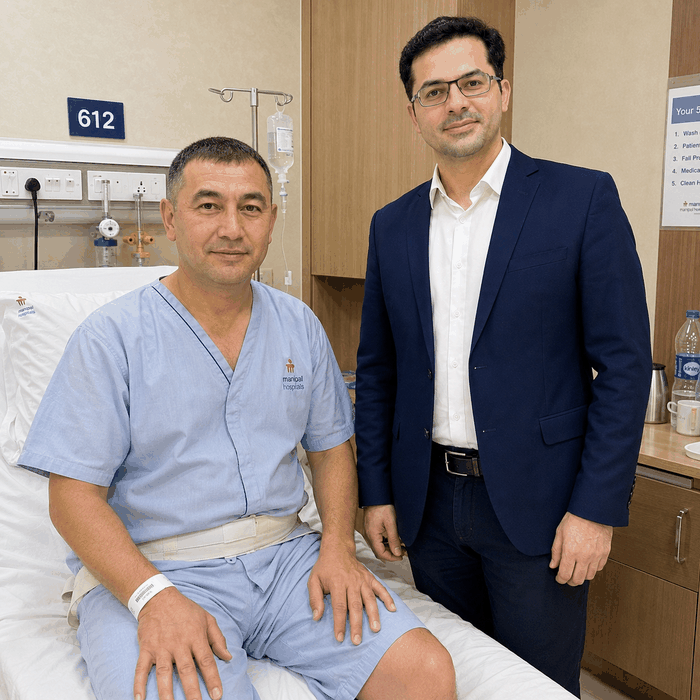
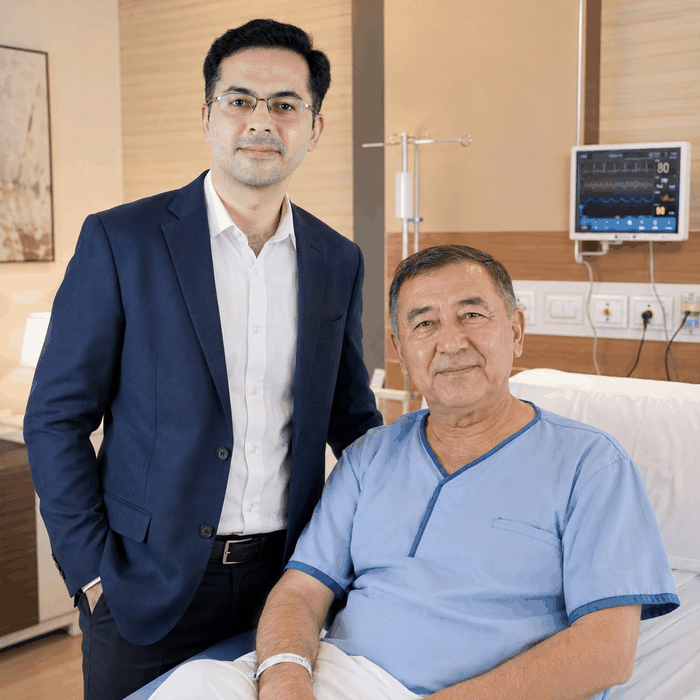
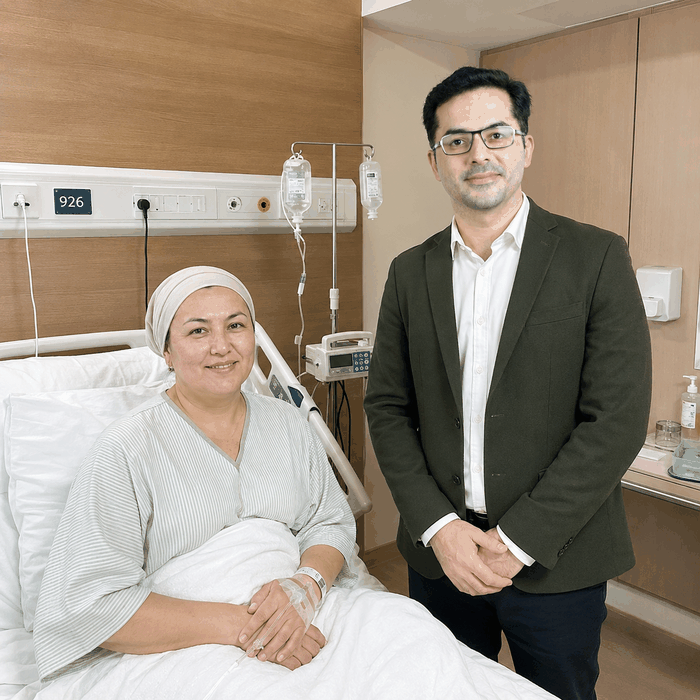
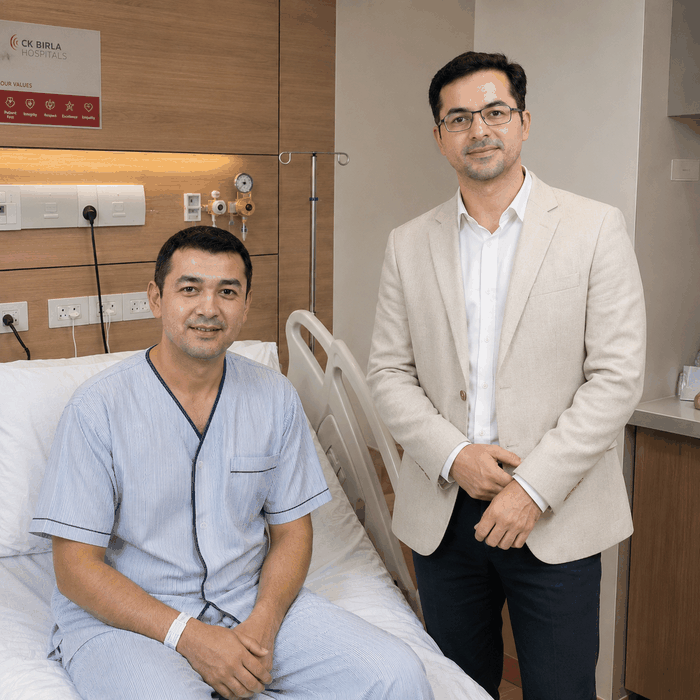
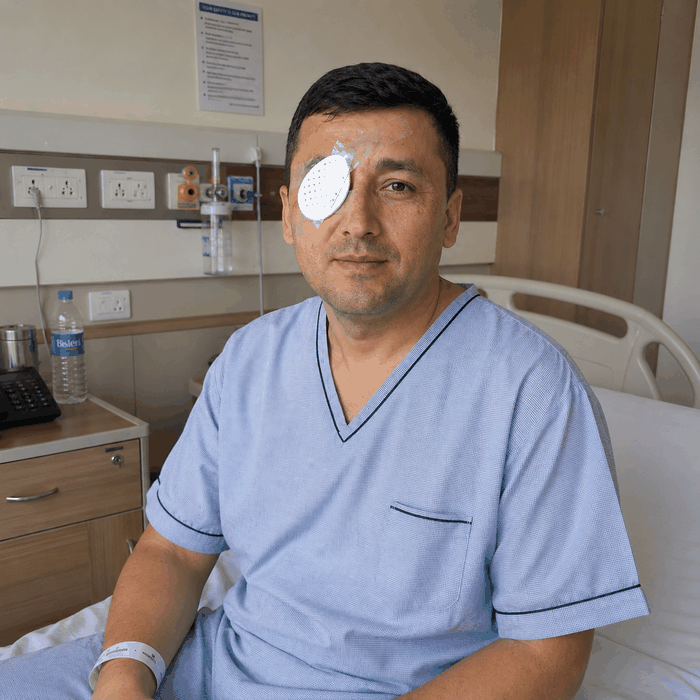
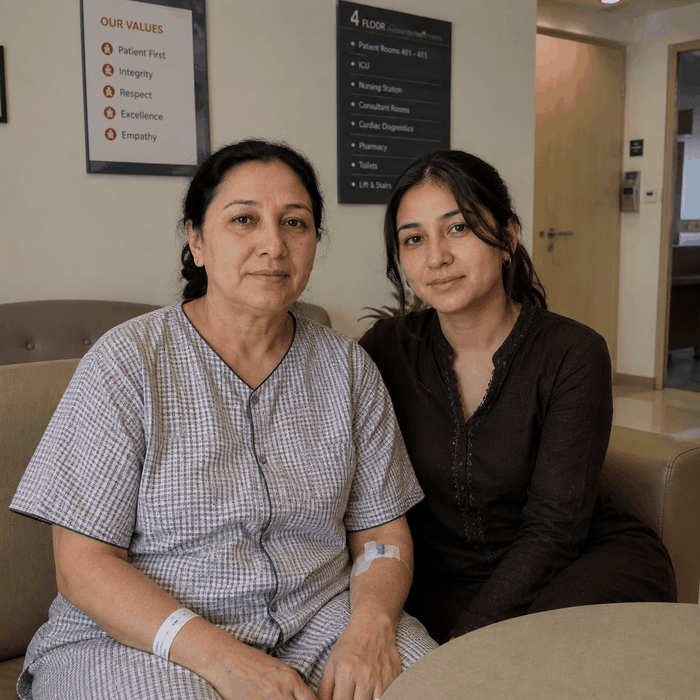
Patient Testimonials from Uzbekistan
Ready to Take the First Step?
Share your medical reports with our healthcare managers today and receive a FREE CONSULTATION, a personalized treatment plan and complete support from your arrival to your recovery.
Get Your Free ConsultationFrom Uzbekistan to India: Your Complete Patient Guide
- Neurosurgery in India for Uzbek Patients
- Oral and Maxillofacial Surgery in India for Uzbek Patients
- Paediatric Heart Surgery in India for Uzbek Patients
- Paediatric Neurosurgery in India for Uzbek Patients
- Paediatric Orthopaedic Surgery in India for Uzbek Patients
- Pancreatic Cancer Surgery in India for Uzbek Patients
- Parkinson’s Treatment and DBS Surgery in India for Uzbek Patients
- Penile Implant Surgery in India for Uzbek Patients
- Plastic and Reconstructive Surgery in India for Uzbek Patients
- Prostate Cancer Treatment and Surgery in India for Uzbek Patients
- Proton Therapy Treatment in India for Uzbek Patients
- Radiotherapy and Modern Cancer Treatments in India for Uzbek Patients
- Robotic Cancer Surgery in India for Uzbek Patients
- Scoliosis Correction Surgery in India for Uzbek Patients
- Shoulder Surgery in India for Uzbek Patients
- Spine Surgery in India for Uzbek Patients
- Urosurgery and Reconstructive Urology in India for Uzbek Patients
- Weight Loss and Bariatric Surgery in India for Uzbek Patients