

Penile Implant Surgery in India for Uzbek Patients
A practical, discreet guide to penile implant surgery in India for erectile dysfunction — malleable and inflatable options, where this fits in the treatment pathway, and what it costs compared with Western countries.
Erectile dysfunction is common and treatable, yet many men delay seeking help due to embarrassment rather than a lack of options. Penile implant surgery is a well-established, effective treatment — but it generally comes later in the treatment pathway, after simpler options have been tried, not as a first step. Across more than two decades of guiding patients from Uzbekistan to treatment in India, the questions I hear most are: Have I exhausted other options first? Which implant type is right for me? What will it really cost? And how discreet is the process? This guide answers each plainly and directly. It does not replace a consultation with your urologist — it is meant to help you understand the options clearly. India has urologists with specific experience in penile prosthesis surgery, at centres accredited by NABH or the international JCI, with high reported patient satisfaction rates for this procedure.
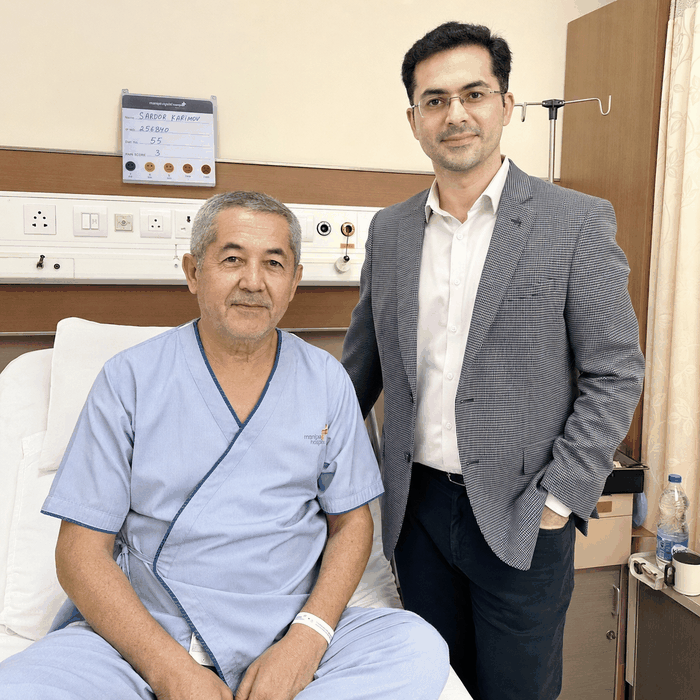
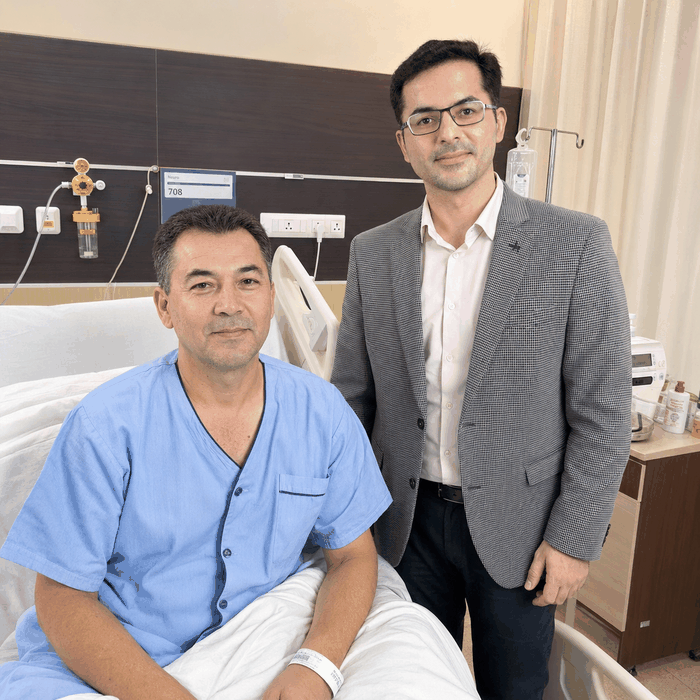
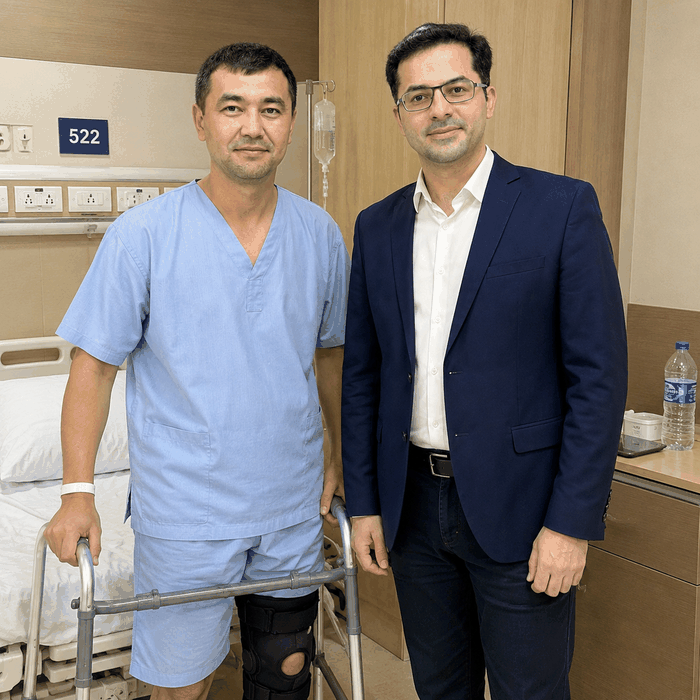
Healing Journeys of Uzbek Patients
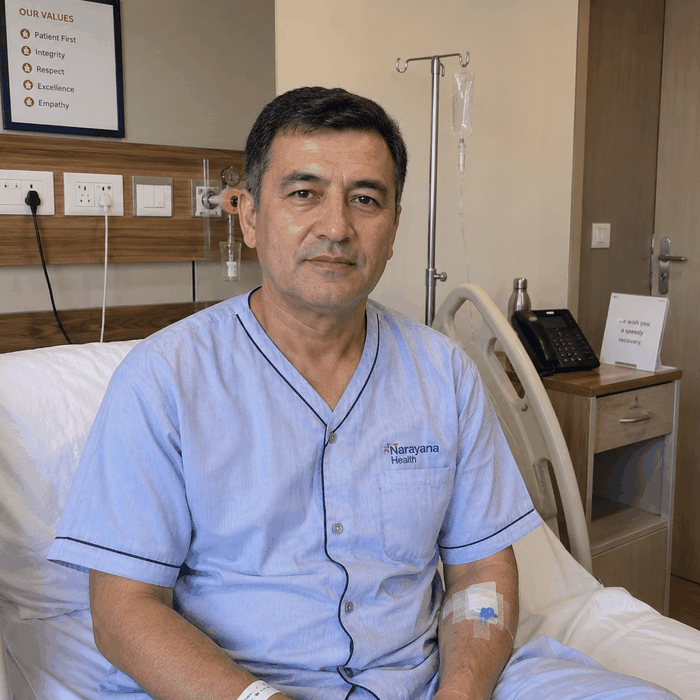
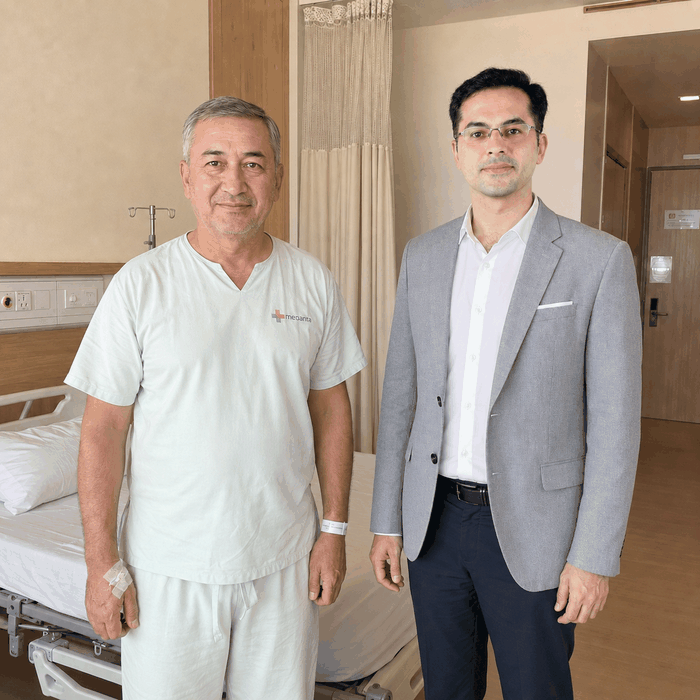
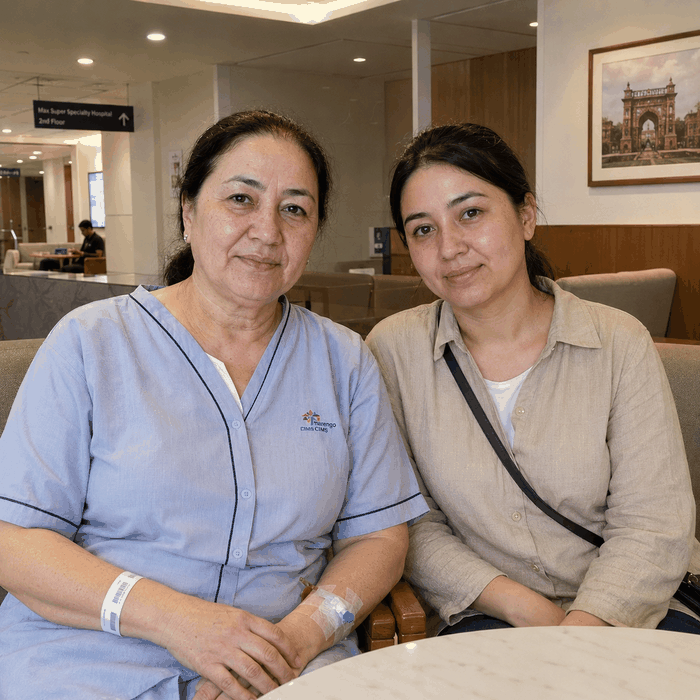
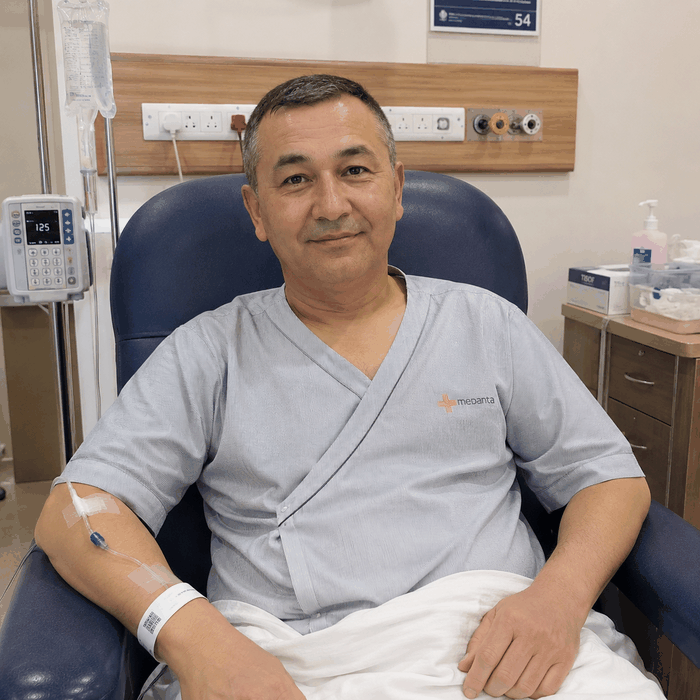


Information Takeaways
- Penile implant surgery is presented in the source as a well-established treatment for erectile dysfunction, but it is generally considered later in the treatment pathway rather than as the first option. Oral PDE5 medicines are usually tried first, followed when appropriate by penile injections or vacuum erection devices. Implant surgery may be considered when these treatments have not worked, are unsuitable, or when a patient prefers a permanent solution. The guide highlights diabetes-related nerve or vascular damage, previous prostate surgery and Peyronie's disease among possible underlying causes.
- For Uzbek patients travelling to India, the guide identifies Delhi, Mumbai, Chennai, Bengaluru and Hyderabad as cities where experienced urologists are available. However, it specifically advises patients to focus on the surgeon's experience and prosthetic surgery case volume rather than choosing a city simply because of its name. Accredited centres, including hospitals with NABH or JCI accreditation, are recommended, while international desks may provide Russian- and Uzbek-speaking coordination and interpreter support.
- Two main implant categories are described: malleable and inflatable penile implants. Malleable implants use bendable rods that can be manually positioned and are mechanically simpler. Inflatable implants may be two-piece or three-piece systems, using a pump mechanism to create an erection when desired and allowing the penis to return to a flaccid state afterward. The guide explains that the inflatable option generally provides a more natural result but contains more mechanical components, so the appropriate choice should be made with the treating urologist.
- The guide gives an India treatment cost of approximately USD 3,000–5,000 for a malleable implant and USD 6,000–10,000 for an inflatable implant. Its comparison chart places Germany at approximately USD 12,000–25,000, the UK at USD 15,000–25,000, Australia at USD 14,000–28,000 and the USA at USD 15,000–35,000. The source estimates India can be around 60–80% below these Western-country costs, although the final quotation depends on the implant type and brand.
- The implant brand should be confirmed in writing before treatment. The guide notes that internationally recognised brands can cost more than Indian-manufactured alternatives and may have different long-term parts and service considerations. Patients should also understand what is and is not included in the hospital quotation, because flights and accommodation are generally separate. This makes a written quotation specifying the implant type, brand and treatment components particularly important for patients travelling from Uzbekistan.
- The typical journey described in the guide takes around 10–14 days in India. Pre-travel preparation includes a confidential consultation, treatment review, cost estimate and visa invitation letter. After arrival, days 1–2 are generally used for evaluation and pre-operative testing, followed by surgery around days 2–3. The procedure is typically 1–2 hours under general or spinal anaesthesia, with hospital recovery over the following days and a final review before travelling home around days 10–14.
- Recovery continues after returning to Uzbekistan. Swelling and discomfort during the first one to two weeks are described as normal and generally manageable with prescribed pain relief, while physical activity is usually restricted for several weeks. Device activation is normally delayed until healing has progressed, with the guide stating that many surgeons advise waiting around four to six weeks before first use. Patients should retain their device information card and surgical report and establish a point of contact with a urologist in Uzbekistan for future concerns.
Quick Facts
- Treatment
- Penile implant surgery for erectile dysfunction
- Primary Patients
- Uzbek men seeking erectile dysfunction treatment in India
- Main Speciality
- Urology and prosthetic urology
- Key Specialist
- Urologist experienced in penile prosthesis surgery
- Main Options
- Malleable and inflatable penile implants
- Malleable Implant
- Bendable semi-rigid rods
- Inflatable Implant
- Two-piece or three-piece pump-based system
- India Cost
- Approximately USD 3,000–5,000 for malleable and USD 6,000–10,000 for inflatable implants
- Typical Stay
- Approximately 10–14 days in India
- Surgery Duration
- Typically 1–2 hours
- Anaesthesia
- General or spinal anaesthesia
- Hospital Recovery
- Approximately days 3–5 in the guide's typical journey
- Activation
- Usually delayed several weeks to allow healing
- First Use
- Many surgeons advise approximately 4–6 weeks
- Recommended Accreditation
- NABH or JCI
- Surgeon Selection
- Consider specific penile implant case volume and experience
- Implant Brand
- Confirm the exact brand and type in writing
- Language Support
- Russian- and Uzbek-speaking coordinators or interpreters may be available
- Travel Preparation
- Confidential consultation, treatment plan, quotation and visa invitation letter
- Follow-Up
- Final review before returning to Uzbekistan and continued urological support after travel
- Documentation
- Keep the device information card and surgical report
- Author
- Dr. Dheeraj Bojwani
- Experience
- 24+ Years
Knowledgeable Information Snippet
For Uzbek patients considering penile implant surgery in India, the most important decision is not simply the price or city but whether implantation is genuinely appropriate and whether the chosen urologist has substantial prosthetic surgery experience. The treatment is generally considered after less invasive erectile dysfunction options have been tried or ruled out. Patients should compare malleable and inflatable implants with their urologist, obtain the exact implant brand and type in writing, confirm hospital accreditation, understand the complete quotation, plan approximately 10–14 days in India and arrange follow-up after returning to Uzbekistan.
Why Uzbek Patients Choose India for Penile Implant Surgery?
Cities such as Delhi, Mumbai, Chennai, Bengaluru and Hyderabad all have urologists experienced in this specific surgery. The right choice is the surgeon's specific prosthetic case volume — not the city name.
- Urologists frequently trained or fellowship-qualified in the UK, Europe or the USA, with specific prosthetic surgery experience.
- Access to both Indian-manufactured and internationally recognised implant brands.
- A discreet, professional process from consultation through to follow-up.
- Dedicated international desks with Russian and Uzbek-speaking coordinators and interpreters.
- Convenient connectivity from Tashkent to Delhi, Mumbai and other major cities.
Where implant surgery fits, and which type suits you
Erectile dysfunction treatment generally follows a sequence, and implant surgery is typically considered later in that sequence. Oral medications (PDE5 inhibitors) are usually tried first. Injections directly into the penis or vacuum erection devices are often tried next when oral medication does not work or is not suitable. Implant surgery is generally reserved for cases where these earlier options have not worked, are contraindicated, or the patient prefers a permanent solution — common underlying causes include diabetes-related nerve or vascular damage, recovery after prostate surgery, or Peyronie's disease. A good urologist will confirm you have genuinely explored earlier options before recommending surgery.
If surgery is appropriate, two main implant types exist. A malleable (semi-rigid) implant uses bendable rods that are manually positioned for firmness and remain in a fixed state otherwise — simpler mechanically, with less that can go wrong over time. An inflatable implant (two-piece or three-piece) uses a pump mechanism, usually placed in the scrotum, to create an erection on demand and return to a flaccid state afterward, generally giving a more natural result but with more mechanical components.
How much does penile implant surgery cost in India?
In India, a malleable implant typically costs USD 3,000–5,000, while an inflatable implant typically costs USD 6,000–10,000, reflecting the more complex mechanism and device cost.
India vs Western countries: cost of penile implant surgery
Approximate all-inclusive range across malleable and inflatable implants (USD, 2026)
Figures are indicative ranges compiled from hospital and medical-travel sources; your final quote depends on the implant type and brand chosen.
Notice how far below Western prices India sits — often 60 to 80 percent below the cost in the USA, UK, Germany or Australia. India's advantage is value: experienced prosthetic urology and access to recognised implant brands, at a cost that makes this treatment far more accessible.
One caution on budgeting: get the exact implant brand named in writing, since internationally recognised brands cost more than Indian-manufactured alternatives but may have different long-term parts and service availability. The quote also rarely includes flights and accommodation.
Confirm honestly with your urologist that other treatments have genuinely been tried or ruled out first. Implant surgery is a permanent step and works best as a considered decision, not a first response.
Your penile implant journey, step by step
Most Uzbek patients plan for 10 to 14 days in India.
Your penile implant journey, step by step
A typical timeline from Uzbekistan to India and back
Device activation is typically delayed several weeks after surgery to allow full healing; your urologist will confirm the exact timeline.
Factors that every Uzbek Patient should consider while planning Penile Implant Surgery in India
Before you commit, work through these points with the hospital's international team. In more than 24 years of guiding patients through this decision, those who ask these questions directly are the best prepared.
Before you book: things to confirm
A pre-travel checklist for patients from Uzbekistan
Discretion is standard practice at reputable clinics; you can expect the same professionalism and confidentiality as any other medical procedure.
Two further points: arrange a companion for practical support during travel and recovery — and ask your urologist directly about realistic expectations, including sensation and any changes from your prior experience, so you go in with an accurate picture.
Recovery after Penile Implant Surgery and returning to Uzbekistan
Most patients go home within a few days of surgery. Swelling and discomfort in the first 1 to 2 weeks is normal and manageable with prescribed pain relief. Physical activity is generally restricted for several weeks to allow proper healing. Unlike some other implants, the device is not used or activated immediately — most surgeons advise waiting 4 to 6 weeks before first use, allowing tissues to heal fully around the device. Your surgical team will provide clear instructions on how to operate the specific implant type before you leave. Reported patient satisfaction rates for well-selected candidates are generally high, though individual experience varies. Keep your device information card and surgical report safely, and arrange a point of contact with a urologist in Uzbekistan for any future concerns.
Frequently asked questions
Is penile implant surgery in India safe? At an accredited urology centre, yes. India's leading hospitals meet NABH or JCI standards and have urologists experienced specifically in penile prosthesis surgery, with high reported patient satisfaction rates.
Will there be someone who speaks my language? Major international hospitals have Russian and Uzbek-speaking coordinators and interpreters who assist from your first message through discharge and follow-up, with the same discretion and professionalism as any other medical consultation.
How long does the implant last? Modern implants are designed to function well for many years, though as with any mechanical device, individual durability varies, and some patients eventually need a replacement procedure decades later.
Will anyone know I have an implant? No. The implant is entirely internal and is not visible or detectable by others in daily life. This is a routine, confidential medical procedure like any other surgery.
A note from Dr Dheeraj Bojwani
With 24+ years of experience guiding international patients through treatment decisions, my advice for penile implant surgery is straightforward: be honest with your urologist about what you have already tried, ask about the specific implant brand and the surgeon's experience, and go in with realistic expectations about the recovery timeline. This article is general information and not a substitute for a confidential consultation with a urologist.
Straight Answer Question by Uzbek Patients about Penile Implant Surgery in India
Is penile implant surgery in India safe?
At an accredited urology centre, yes. India's leading hospitals meet NABH or JCI standards and have urologists experienced specifically in penile prosthesis surgery, with high reported patient satisfaction rates.
Will there be someone who speaks my language?
Major international hospitals have Russian and Uzbek-speaking coordinators and interpreters who assist from your first message through discharge and follow-up, with the same discretion and professionalism as any other medical consultation.
How long does the implant last?
Modern implants are designed to function well for many years, though as with any mechanical device, individual durability varies, and some patients eventually need a replacement procedure decades later.
Will anyone know I have an implant?
No. The implant is entirely internal and is not visible or detectable by others in daily life. This is a routine, confidential medical procedure like any other surgery.
References & sources
- 🌐 National Accreditation Board for Hospitals & Healthcare Providers (NABH) — accredited hospital directory. · nabh.co
- 🌐 Joint Commission International (JCI) — directory of accredited organisations. · jointcommissioninternational.org
- 🌐 National Medical Commission of India — doctor and specialist registration verification. · nmc.org.in
- 🌐 World Health Organization — Sexual health resources. · who.int
- 🌐 Bureau of Immigration, Government of India — e-Medical Visa. · indianvisaonline.gov.in
- 🌐 Cost ranges compiled from published hospital and medical-travel price guides for penile implant surgery, 2025–2026.
Frequently Asked Questions by Uzbek Patients about Penile Implant Surgery in India
Is penile implant surgery in India suitable for Uzbek patients with erectile dysfunction?
It can be suitable for selected Uzbek patients when other treatments have failed, are contraindicated or a permanent solution is preferred. A urologist should first confirm that implantation is appropriate.
How much does penile implant surgery cost in India for patients from Uzbekistan?
The guide gives approximately USD 3,000–5,000 for a malleable implant and USD 6,000–10,000 for an inflatable implant. The final price depends on the implant type, brand and individual treatment requirements.
Which penile implant is better for an Uzbek patient, malleable or inflatable?
Neither is universally better. Malleable implants are mechanically simpler, while inflatable implants provide an on-demand erection and generally a more natural result; the choice should be made with the treating urologist.
How long should an Uzbek patient stay in India for penile implant surgery?
The guide states that most Uzbek patients plan for approximately 10–14 days in India. This allows time for evaluation, surgery, hospital recovery and the pre-travel follow-up review.
Can Uzbek patients receive Russian or Uzbek language assistance in India?
The guide states that major international hospitals may have Russian- and Uzbek-speaking coordinators or interpreters. Support may continue from the initial enquiry through discharge and follow-up.
How should Uzbek patients choose a hospital for penile implant surgery in India?
Patients should look for an NABH- or JCI-accredited centre with specific prosthetic urology experience. The guide recommends checking the urologist's penile implant case volume rather than choosing a hospital only by city.
When can an Uzbek patient use the penile implant after returning home?
The implant is not normally activated immediately after surgery. The guide states that many surgeons advise waiting approximately four to six weeks so the tissues can heal properly before first use.
Is penile implant surgery in India discreet for Uzbek patients?
The guide describes confidentiality and discretion as standard practice at reputable centres. The implant is entirely internal and is not visible or detectable by others during ordinary daily life.
What should Uzbek patients confirm before paying for penile implant surgery in India?
They should confirm the hospital's accreditation, the surgeon's prosthetic surgery experience, the exact implant brand and type, the treatment quotation, visa arrangements and how future device concerns will be managed after returning to Uzbekistan.
What should Uzbek patients take home after penile implant surgery in India?
Patients should retain their surgical report and device information card and arrange a contact point with a urologist in Uzbekistan. These records can be important for future follow-up or device-related concerns.
Page Summary
Penile implant surgery can provide a permanent treatment option for selected men with erectile dysfunction when medicines, injections or vacuum devices have failed, are unsuitable or are no longer preferred. The guide explains the differences between malleable and inflatable implants and stresses that the decision should follow a proper urological assessment rather than being based solely on cost. For patients travelling from Uzbekistan, India offers experienced prosthetic urology services in several major cities, with the guide highlighting accreditation, surgeon experience, implant brand, confidentiality, language assistance and long-term follow-up as important selection factors. The typical treatment journey is around 10–14 days, while complete healing and device activation continue after returning home.
Citation Block
| Field | Details |
|---|---|
| Article / Topic | Penile Implant Surgery in India for Uzbek Patients |
| Treatment | Penile implant surgery for erectile dysfunction |
| Medical Specialty | Urology / Prosthetic Urology |
| Primary Patient Group | Patients from Uzbekistan |
| Treatment Position | Generally considered later after simpler erectile dysfunction treatments |
| First-Line Options | Oral PDE5 inhibitors |
| Other Options | Penile injections and vacuum erection devices |
| Possible Causes Mentioned | Diabetes-related nerve or vascular damage, prostate surgery recovery and Peyronie's disease |
| Implant Types | Malleable and inflatable |
| Malleable Design | Bendable semi-rigid rods |
| Inflatable Design | Two-piece or three-piece system with pump mechanism |
| India Malleable Cost | USD 3,000–5,000 |
| India Inflatable Cost | USD 6,000–10,000 |
| Western Comparison | Germany USD 12,000–25,000; UK USD 15,000–25,000; Australia USD 14,000–28,000; USA USD 15,000–35,000 |
| Cost Difference | Guide estimates India may be 60–80% below Western-country costs |
| Cost Consideration | Exact implant brand and type should be specified in the quotation |
| Recommended Accreditation | NABH or JCI |
| Important Surgeon Criterion | Specific penile implant/prosthetic surgery experience and annual case volume |
| Typical India Stay | 10–14 days |
| Surgery Duration | Approximately 1–2 hours |
| Anaesthesia | General or spinal |
| Device Activation | Usually delayed several weeks after surgery |
| Typical First Use | Around 4–6 weeks according to the guide |
| Language Support | Russian- and Uzbek-speaking coordinators/interpreters may be available |
| Post-Travel Care | Maintain contact with a urologist in Uzbekistan and retain surgical/device records |


Our Mission Statement
Our mission is to place patients at the centre of every healthcare decision by providing trustworthy, evidence-based, and unbiased medical information. We believe that informed patients make better decisions. Backed by personalised guidance from our experienced advisory team, we help patients understand their treatment options, compare them objectively, and confidently choose the path that best suits their medical needs and personal circumstances.
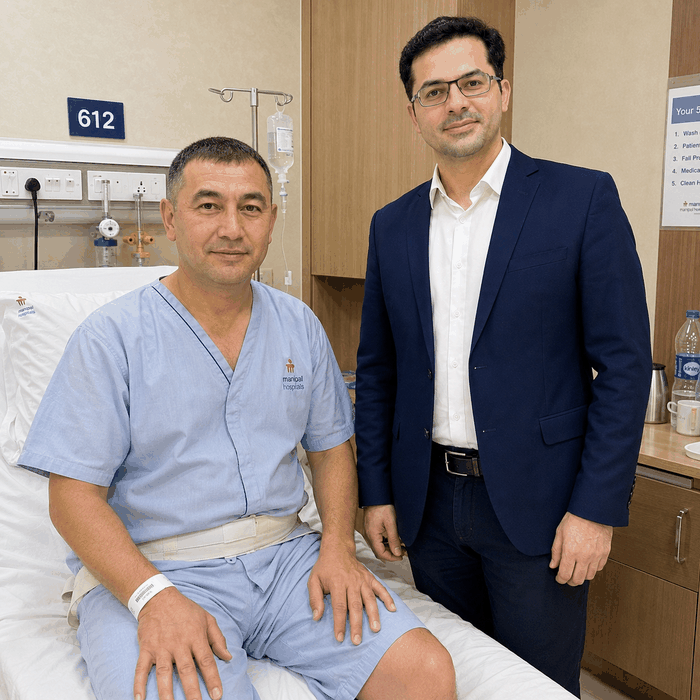
Patient Testimonials from Uzbekistan
Ready to Take the First Step?
Share your medical reports with our healthcare managers today and receive a FREE CONSULTATION, a personalized treatment plan and complete support from your arrival to your recovery.
Get Your Free ConsultationFrom Uzbekistan to India: Your Complete Patient Guide
- Weight Loss and Bariatric Surgery in India for Uzbek Patients
- Bone Marrow Transplant Treatment in India for Uzbek Patients
- Brain Tumor Surgery in India for Uzbek Patients
- Breast Cancer Treatment and Surgery in India for Uzbek Patients
- Cancer Treatment and Surgery in India for Uzbek Patients
- Cardiac Pacemaker Treatment in India for Uzbek Patients
- Cardiac Surgery in India for Uzbek Patients
- Cervical and Lumbar Disc Replacement Surgery in India for Uzbek Patients
- Colorectal Cancer Treatment and Surgery in India for Uzbek Patients
- Complex Orthopaedic and Joint Revision Surgery in India for Uzbek Patients
- Cornea Transplant and Advanced Eye Surgery in India for Uzbek Patients
- Cosmetic and Aesthetic Surgery in India for Uzbek Patients
- CyberKnife Treatment in India for Uzbek Patients
- Dental Implants and Smile Makeover in India for Uzbek Patients
- Dental Surgery and Implants in India for Uzbek Patients
- Gamma Knife Treatment in India for Uzbek Patients
- Heart Failure Treatment and Surgery in India for Uzbek Patients
- Heart Valve Replacement in India for Uzbek Patients