

Neuronavigation and Advanced Brain Surgery in India for Uzbek Patients
A practical guide to neuronavigation-guided brain surgery in India — GPS-like precision technology, awake craniotomy and functional mapping — what level of precision your case needs, and what it costs compared with Western countries.
When a brain tumor sits close to the areas controlling speech, movement or vision, the surgeon's margin for error shrinks considerably. Neuronavigation — often described as GPS for the brain — along with related technologies like awake craniotomy and intraoperative imaging, gives surgeons the precision to remove as much tumor as safely possible while protecting the function that matters most to daily life. Across more than two decades of guiding patients from Uzbekistan to treatment in India, the questions I hear most are: Does my case actually need this level of technology? What does awake surgery really involve? What will it cost? And how is this different from standard brain tumor surgery? This guide answers each plainly. It does not replace your neurosurgeon's advice — it is meant to help you understand these advanced options clearly. India has neurosurgical centres equipped with modern neuronavigation systems and intraoperative imaging, with teams experienced in awake craniotomy and functional mapping, at centres accredited by NABH or the international JCI.
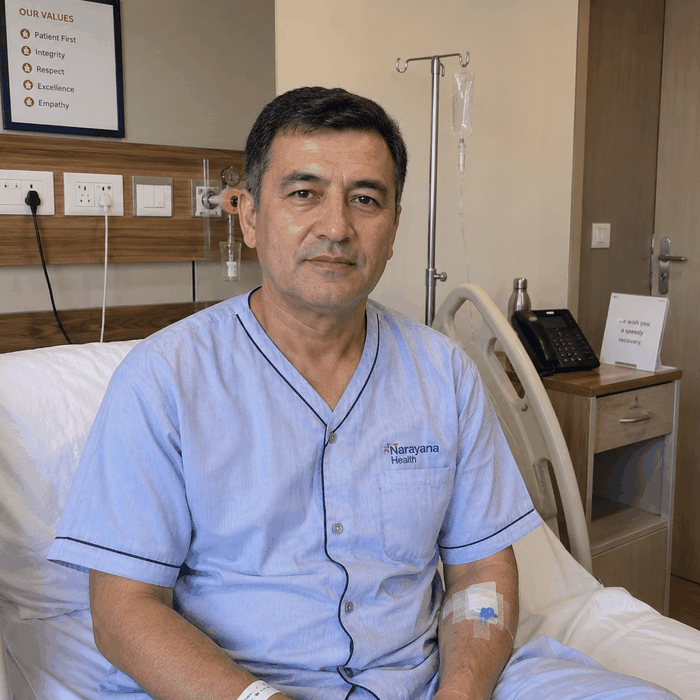
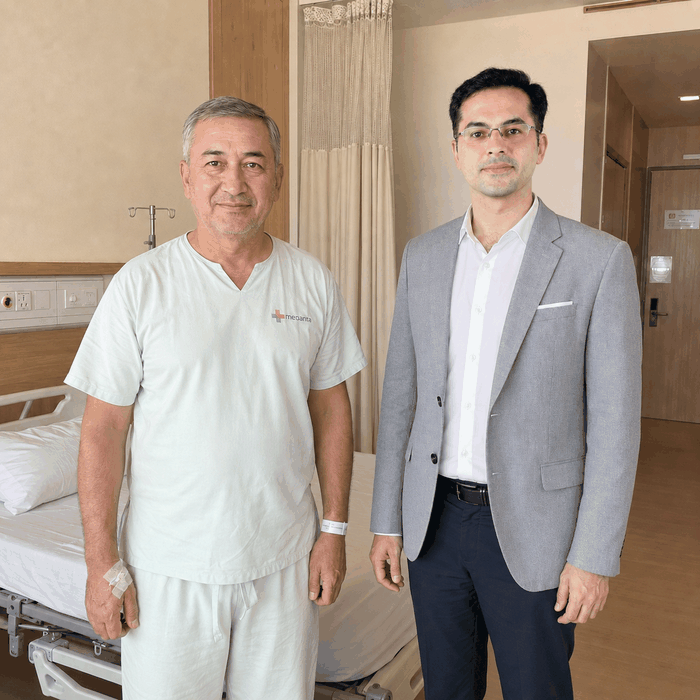
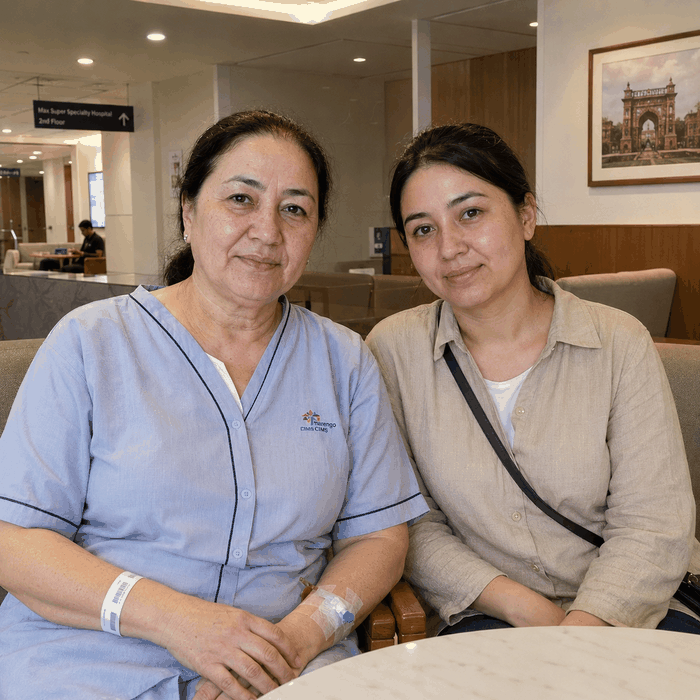
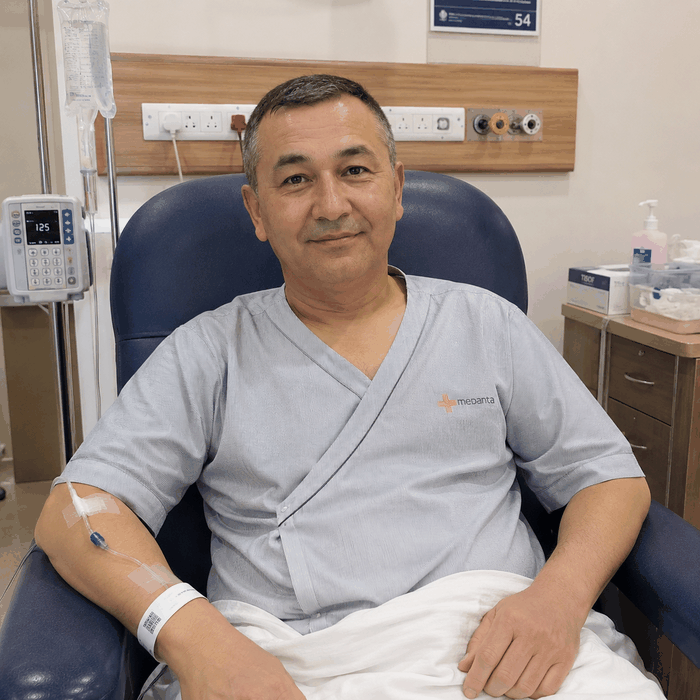
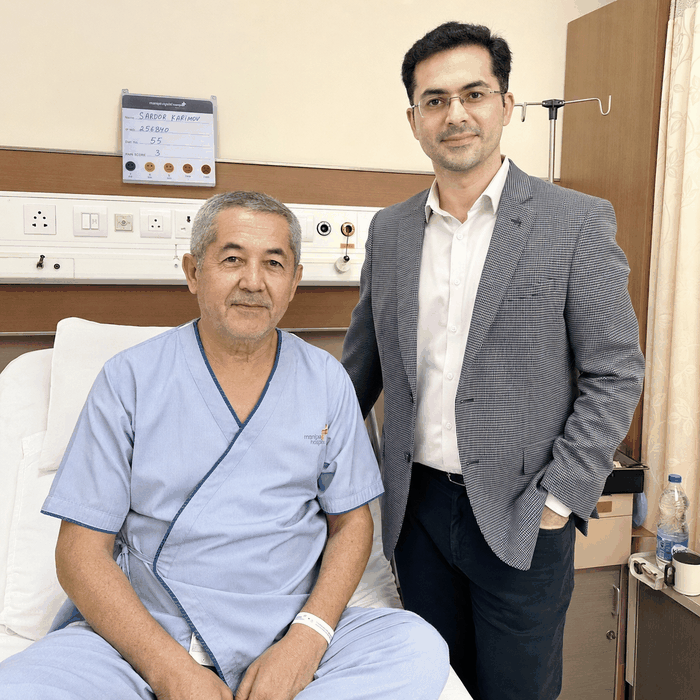
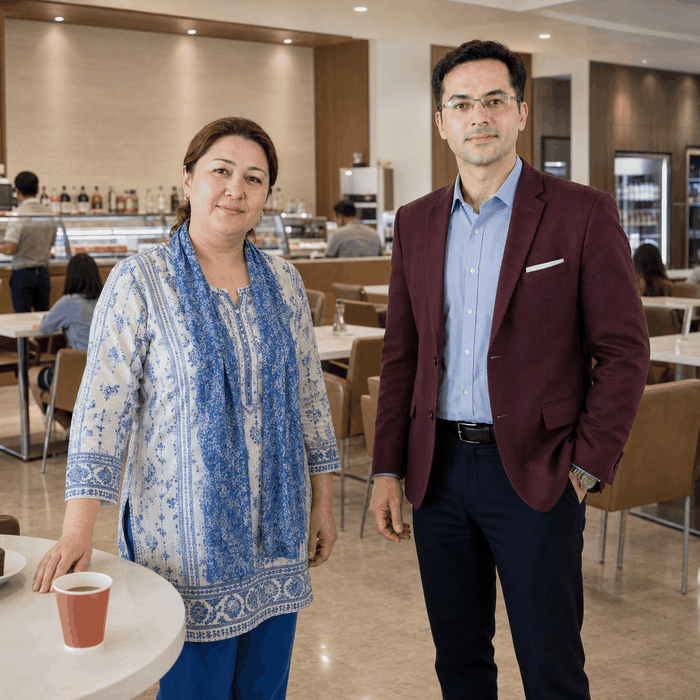
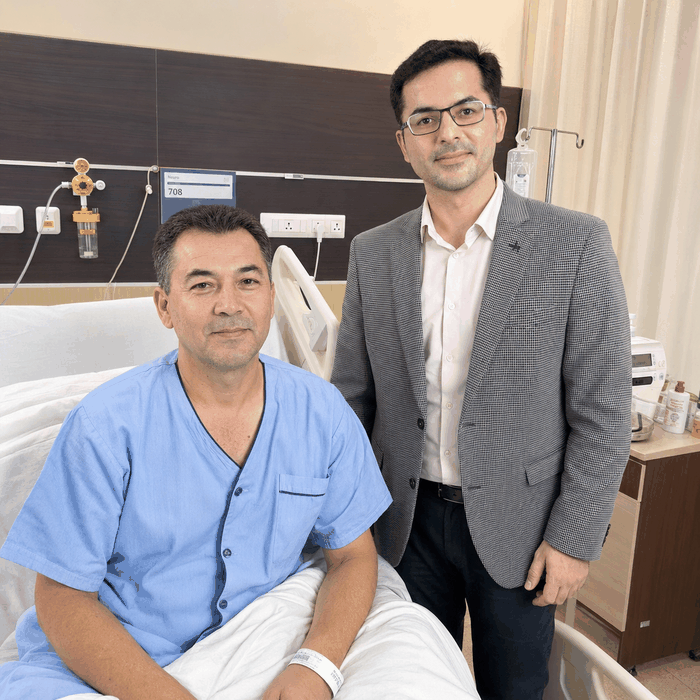
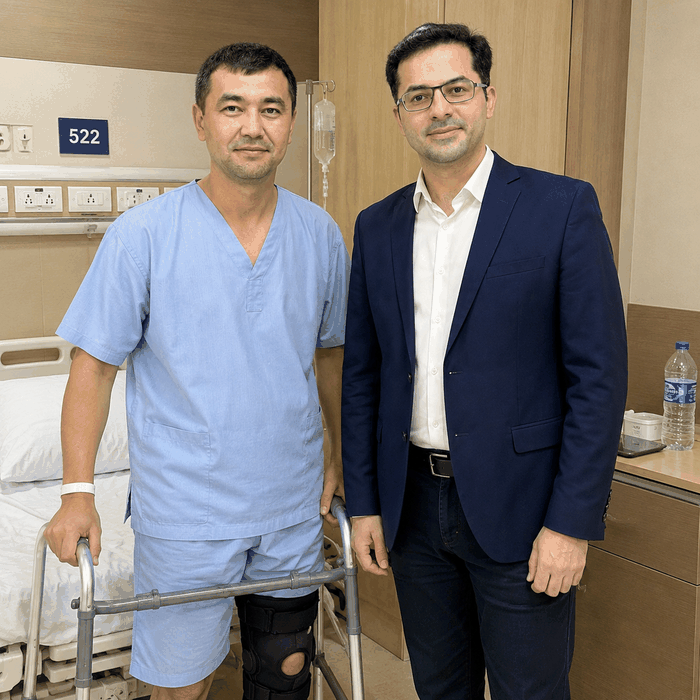
Healing Journeys of Uzbek Patients
Information Takeaways
- When a brain tumor is located near areas responsible for speech, movement or vision, surgical precision becomes especially important. The guide describes neuronavigation as a GPS-like technology for the brain, combining pre-operative MRI or CT imaging with real-time tracking so the neurosurgeon can understand the position of instruments in relation to the tumor and surrounding structures. This can help the team remove as much tumor as safely possible while protecting important neurological functions.
- India has neurosurgical centres using modern neuronavigation, intraoperative imaging and functional mapping, with experience in advanced procedures such as awake craniotomy. The source identifies Delhi, Mumbai, Chennai, Bengaluru and Hyderabad as cities where patients may find centres offering this technology. However, for a complex brain operation, the experience of the neurosurgical team with the patient's particular tumor location is presented as more important than simply selecting a city.
- The technology used should be matched to the individual tumor rather than automatically choosing the most advanced option. Neuronavigation may be sufficient for many operations, while tumors close to eloquent brain areas may require awake craniotomy and functional mapping. During an awake craniotomy, the patient is awake during the critical portion of surgery so the team can stimulate and test brain functions such as speech or movement. Intraoperative MRI can provide updated imaging while surgery is still underway and may help the surgeon determine whether additional tumor removal is possible.
- Cost varies according to the complexity and precision technology required. The source gives an Indian range of approximately USD 3,000–5,000 for neuronavigation-guided stereotactic biopsy, USD 8,000–13,000 for standard neuronavigation-guided craniotomy, and USD 14,000–22,000 for complex resection near eloquent areas with intraoperative MRI. The comparison chart places advanced neuronavigation-guided craniotomy in India at approximately USD 8,000–22,000, compared with USD 40,000–90,000 in Germany, USD 45,000–100,000 in the UK, USD 40,000–95,000 in Australia and USD 60,000–150,000 in the USA.
- For Uzbek patients, preparation should begin before travelling. MRI scans, symptom history and previous medical records should be shared for review so the medical team can determine the likely level of technology required. The source recommends obtaining an initial treatment plan, cost estimate and visa invitation before travel. Most Uzbek patients are described as planning approximately two to three weeks in India, although the actual stay depends on tumor complexity, surgery and recovery.
- The treatment journey generally involves detailed evaluation on arrival, surgery around day 2–3, followed by neuro-ICU and ward recovery. The source describes surgery as ranging from a few hours to longer procedures when awake craniotomy is involved. Hospital recovery is commonly shown through approximately days 3–10, with follow-up and the possibility of returning home around days 14–21 when recovery is satisfactory. These are planning estimates rather than fixed schedules because tumor complexity and the selected technology can change the timeline.
- Recovery requires careful follow-up after returning to Uzbekistan. The source states that many patients spend time initially in a neuro-ICU, followed by a ward stay, with total hospitalisation generally around five to ten days. Temporary changes in speech, movement or sensation may be monitored depending on the tumor location and surgery. Full recovery and return to normal daily activities generally take around four to eight weeks, although individual recovery can vary considerably. Final pathology determines whether additional treatment such as radiation or chemotherapy is required, and long-term follow-up imaging should be arranged with a doctor in Uzbekistan.
Quick Facts
- Treatment
- Neuronavigation and advanced brain surgery
- Primary Patients
- Uzbek patients seeking complex neurosurgical treatment in India
- Main Speciality
- Neurosurgery
- Key Specialist
- Neurosurgeon experienced in neuronavigation and tumor-specific advanced brain surgery
- Core Technology
- Neuronavigation, functional mapping and intraoperative imaging
- Advanced Option
- Awake craniotomy for selected tumors near critical functional areas
- Additional Imaging
- Intraoperative MRI may confirm the extent of tumor removal during surgery
- Stereotactic Biopsy Cost
- Approximately USD 3,000–5,000
- Standard Craniotomy Cost
- Approximately USD 8,000–13,000
- Complex Resection Cost
- Approximately USD 14,000–22,000
- India Advanced Surgery Range
- Approximately USD 8,000–22,000
- Typical Stay in India
- Around 2–3 weeks for many Uzbek patients
- Hospital Stay
- Generally around 5–10 days, depending on complexity
- Surgery Duration
- A few hours to longer procedures for complex or awake surgery
- Recovery
- Often around 4–8 weeks for return toward normal daily activity
- Pre-Travel
- MRI, symptom history and previous medical records should be reviewed
- Hospital Standard
- NABH- or JCI-accredited centre recommended by the source
- Surgeon Selection
- Confirm experience with the specific technology and tumor location
- Follow-Up
- Long-term imaging and follow-up should be arranged in Uzbekistan
- Language Support
- Russian- and Uzbek-speaking coordinators/interpreters may be available
- Companion
- Recommended during evaluation and recovery
- Visa
- Medical visa and companion visa should be arranged in advance
- Documentation
- Keep all scans, surgical reports and pathology results
- Author
- Dr. Dheeraj Bojwani
- Experience
- 24+ Years
Knowledgeable Information Snippet
Neuronavigation and advanced brain surgery are particularly valuable when a tumor is close to functional areas of the brain. Neuronavigation provides image-guided positioning during surgery, while functional mapping and awake craniotomy can help the team identify and protect critical functions during tumor removal. Intraoperative MRI may provide additional confirmation of the extent of resection before the operation is completed. However, the source stresses that not every brain tumor requires every technology; the appropriate approach depends on the tumor's exact location and relationship to critical structures. Uzbek patients should therefore ask the neurosurgical team why a particular technology is recommended, how frequently the surgeon performs that procedure, what an awake portion of surgery would involve if applicable, and how follow-up will continue after returning home.
Why Uzbek Patients Choose India for Neuronavigation and Advanced Brain Surgery?
Cities such as Delhi, Mumbai, Chennai, Bengaluru and Hyderabad all have centres offering this level of technology. Given how much precision matters here, the team's specific experience with your tumor's location is more important than almost anywhere else in this series.
- Neurosurgeons frequently trained or fellowship-qualified in the UK, Europe or the USA.
- Modern neuronavigation systems integrated as standard practice for tumors near critical structures.
- Experience with awake craniotomy and intraoperative MRI at leading centres.
- Dedicated international desks with Russian and Uzbek-speaking coordinators and interpreters.
- Convenient connectivity from Tashkent to Delhi, Mumbai and other major cities.
What these technologies do, and which level your case may need
Neuronavigation fuses your pre-operative MRI or CT scans with real-time tracking during surgery, letting the surgeon see precisely where instruments are relative to the tumor and surrounding structures — reducing damage to healthy tissue and improving both safety and the extent of tumor removed. It has become standard practice for many brain tumor operations, not just the most complex cases.
For tumors near eloquent areas — regions controlling speech, movement or other critical functions — awake craniotomy keeps the patient awake during the critical part of surgery, allowing the team to test brain function in real time through direct stimulation, guiding exactly how much tissue can be safely removed. Functional mapping identifies these critical areas before or during surgery. Intraoperative MRI takes updated scans during the operation itself, confirming how much tumor has been removed while the patient is still on the operating table, sometimes prompting further resection in the same session. Not every tumor needs this full stack of technology — your neurosurgeon will confirm which level of precision your specific case requires based on the tumor's location.
How much does neuronavigation-guided brain surgery cost in India?
Cost scales with the precision required. In India, neuronavigation-guided stereotactic biopsy typically costs USD 3,000–5,000, standard neuronavigation-guided craniotomy USD 8,000–13,000, and complex eloquent-area resection with intraoperative MRI USD 14,000–22,000.
India vs Western countries: cost of neuronavigation-guided craniotomy
Approximate all-inclusive range on a shared cost scale (USD, 2026)
Figures are indicative ranges compiled from hospital and medical-travel sources; your final quote depends on the specific precision technology needed and tumor complexity.
Notice how far below Western prices India sits — often 75 to 90 percent below the cost in the USA, UK, Germany or Australia, using the same neuronavigation and intraoperative imaging technology. India's advantage is value: this precision technology has become standard practice at many centres, at a cost that makes it accessible without it being reserved only for the most well-resourced patients.
One caution on budgeting: the exact technology stack needed is often only confirmed once your neurosurgeon reviews your imaging directly, since tumor location relative to critical structures determines this. Ask for a written estimate covering what would change if awake craniotomy or intraoperative MRI becomes necessary once your case is reviewed.
Ask your neurosurgeon directly which level of precision technology your specific tumor location actually requires, rather than assuming more technology is automatically better.
Your treatment journey, step by step
Most Uzbek patients plan for 2 to 3 weeks in India.
Your treatment journey, step by step
A typical timeline from Uzbekistan to India and back
Timelines vary with tumor complexity and whether awake craniotomy or intraoperative MRI is part of your specific plan.
Factors that every Uzbek Patient should consider while planning Advanced Brain Surgery in India
Before you commit, work through these points with the hospital's international team. In more than 24 years of guiding patients through complex neurological decisions, those who ask these questions directly are the best prepared.
Before you book: things to confirm
A pre-travel checklist for patients from Uzbekistan
Also ask how pathology results will be communicated and what they mean for any further treatment needed.
Two further points: bring a companion — helpful throughout evaluation and recovery — and ask what awake craniotomy actually feels like if this applies to you, since understanding the process in advance eases natural anxiety about it.
Recovery after Advanced Brain Surgery and returning to Uzbekistan
Recovery depends on tumor location and the extent of surgery. Most patients spend time in a neuro-ICU initially for close monitoring, followed by a ward stay, with a total hospital stay generally 5 to 10 days. Any temporary changes in speech, movement or sensation are monitored closely, and the surgical team can explain what to expect based on the tumor's specific location and what was found during surgery. Full recovery, including a return to normal daily activity, generally takes 4 to 8 weeks, though this varies considerably by individual case. Final pathology results determine whether further treatment such as radiation or chemotherapy is needed, discussed with your oncology team once available. Regular follow-up imaging is essential for years afterward, so agree a monitoring schedule with a doctor in Uzbekistan before you leave. Keep every scan and surgical report safely.
Frequently asked questions
Is neuronavigation-guided brain surgery in India safe? At an accredited centre, yes. India's leading hospitals meet NABH or JCI standards and have neurosurgical teams experienced with neuronavigation, awake craniotomy and intraoperative imaging technology.
Will there be someone who speaks my language? Major international hospitals have Russian and Uzbek-speaking coordinators and interpreters who assist from your first message through treatment and follow-up.
Is being awake during brain surgery painful? No. The brain itself has no pain receptors, and the scalp is numbed with local anaesthesia. Patients are typically sedated for the opening and closing of surgery and only awake for the specific portion where function testing is needed.
Does every brain tumor need this level of technology? No. The appropriate technology depends on the tumor's location relative to critical brain structures. Tumors away from these areas may not need awake craniotomy or intraoperative MRI, and your neurosurgeon will confirm what your specific case genuinely requires.
A note from Dr Dheeraj Bojwani
With 24+ years of experience guiding international patients through complex neurological diagnoses, my advice to every patient from Uzbekistan is the same: ask directly which precision technology your tumor's specific location actually requires, confirm the team's experience with that exact technology, and understand what to expect from any awake portion of surgery before you travel. This article is general information and not a substitute for a personal consultation with your neurosurgical team.
Straight Answer Question by Uzbek Patients about Advanced Brain Surgery in India
Is neuronavigation-guided brain surgery in India safe?
At an accredited centre, yes. India's leading hospitals meet NABH or JCI standards and have neurosurgical teams experienced with neuronavigation, awake craniotomy and intraoperative imaging technology.
Will there be someone who speaks my language?
Major international hospitals have Russian and Uzbek-speaking coordinators and interpreters who assist from your first message through treatment and follow-up.
Is being awake during brain surgery painful?
No. The brain itself has no pain receptors, and the scalp is numbed with local anaesthesia. Patients are typically sedated for the opening and closing of surgery and only awake for the specific portion where function testing is needed.
Does every brain tumor need this level of technology?
No. The appropriate technology depends on the tumor's location relative to critical brain structures. Tumors away from these areas may not need awake craniotomy or intraoperative MRI, and your neurosurgeon will confirm what your specific case genuinely requires.
References & sources
- 🌐 National Accreditation Board for Hospitals & Healthcare Providers (NABH) — accredited hospital directory. · nabh.co
- 🌐 Joint Commission International (JCI) — directory of accredited organisations. · jointcommissioninternational.org
- 🌐 National Medical Commission of India — doctor and specialist registration verification. · nmc.org.in
- 🌐 World Health Organization — Cancer fact sheet. · who.int/news-room/fact-sheets/detail/cancer
- 🌐 Bureau of Immigration, Government of India — e-Medical Visa. · indianvisaonline.gov.in
- 🌐 Cost ranges compiled from published hospital and medical-travel price guides for neuronavigation-guided brain surgery, 2025–2026.
Frequently Asked Questions by Uzbek Patients about Advanced Brain Surgery in India
Is neuronavigation-guided brain surgery in India suitable for Uzbek patients?
Yes, the guide specifically describes advanced Indian neurosurgical centres serving international patients, including patients from Uzbekistan. Suitability depends on the tumor location, diagnosis and individual surgical plan.
How much does neuronavigation brain surgery cost in India for Uzbek patients?
The source gives approximately USD 8,000–22,000 for neuronavigation-guided craniotomy, while stereotactic biopsy may cost USD 3,000–5,000 and complex eloquent-area surgery with intraoperative MRI approximately USD 14,000–22,000.
Do Uzbek patients need awake craniotomy for every brain tumor?
No. Awake craniotomy is generally considered when a tumor is close to critical functional areas. Tumors farther from these structures may not require awake surgery or intraoperative MRI.
Is awake brain surgery painful for Uzbek patients?
The source explains that the brain itself has no pain receptors and the scalp is numbed with local anaesthesia. Patients are generally sedated during opening and closing and awake only during the part requiring functional testing.
How long should Uzbek patients stay in India after advanced brain surgery?
Many Uzbek patients plan approximately two to three weeks in India. The actual stay can change according to tumor complexity, surgery, recovery and whether awake craniotomy or intraoperative MRI is required.
Will Uzbek patients receive Russian or Uzbek language support in India?
The guide states that major international hospitals may have Russian- and Uzbek-speaking coordinators and interpreters who can assist from the initial communication through treatment and follow-up.
What should Uzbek patients send to an Indian neurosurgeon before travelling?
Patients should share their MRI scans, symptom history and relevant medical records. This allows the team to assess the tumor and determine which level of surgical precision may be appropriate.
How long is recovery after advanced brain surgery in India?
Hospitalisation is generally around five to ten days, while returning toward normal daily activity may take approximately four to eight weeks. Recovery varies according to tumor location and the extent of surgery.
Can Uzbek patients continue brain tumor follow-up after returning home?
Yes. The guide recommends agreeing on a follow-up imaging schedule with a doctor in Uzbekistan before leaving India. Pathology results should also be communicated clearly because they may determine whether additional treatment is needed.
What should Uzbek patients check before choosing an Indian brain surgery centre?
Patients should confirm NABH or JCI accreditation, experience with the specific technology and tumor location, the surgeon's annual procedure volume, the need for awake craniotomy, medical and companion visas, and a written follow-up plan in Uzbekistan.
Page Summary
For Uzbek patients considering advanced brain surgery in India, the central decision is not simply whether the newest technology is available, but whether it is appropriate for the tumor's location and surgical objectives. Neuronavigation can provide image-guided precision, while awake craniotomy, functional mapping and intraoperative MRI may be added when tumors are close to areas responsible for speech, movement or other critical functions. India offers advanced neurosurgical centres in several major cities, with the source highlighting NABH or JCI accreditation, specialist experience, appropriate technology, international patient coordination and planned follow-up as important selection factors. Uzbek patients should generally prepare their imaging before travel, obtain a written treatment and cost plan, arrange appropriate visas and ensure a follow-up pathway is established in Uzbekistan before returning home.
Citation Block
| Field | Details |
|---|---|
| Article / Topic | Neuronavigation and Advanced Brain Surgery in India |
| Primary Country | Uzbekistan |
| Target Patients | Uzbek patients and families seeking advanced neurosurgical treatment in India |
| Main Specialty | Neurosurgery |
| Core Technology | Neuronavigation-guided surgery |
| Technology Purpose | Helps the surgeon track instruments relative to the tumor and surrounding brain structures |
| Potential Advanced Techniques | Awake craniotomy, functional mapping and intraoperative MRI |
| Important Candidate Factor | Tumor location relative to speech, movement, vision and other critical brain functions |
| Standard Technology | Neuronavigation is described as standard practice for many brain tumor operations |
| Awake Craniotomy | Used selectively for tumors near eloquent brain areas |
| Functional Mapping | Helps identify critical functional brain areas before or during surgery |
| Intraoperative MRI | Provides updated imaging during surgery to assess tumor removal |
| Treatment Alternatives | The required technology depends on individual tumor location and surgical objectives |
| Biopsy Cost | Approximately USD 3,000–5,000 for neuronavigation-guided stereotactic biopsy |
| Standard Craniotomy Cost | Approximately USD 8,000–13,000 |
| Complex Resection Cost | Approximately USD 14,000–22,000 with intraoperative MRI |
| India Comparison Range | Approximately USD 8,000–22,000 for neuronavigation-guided craniotomy |
| Western Comparison | Germany USD 40,000–90,000; UK USD 45,000–100,000; Australia USD 40,000–95,000; USA USD 60,000–150,000 |
| Typical India Stay | Approximately 2–3 weeks for many Uzbek patients |
| Hospital Recovery | Generally around 5–10 days |
| Follow-Up | Pathology review and long-term imaging follow-up in Uzbekistan |
| Key Selection Criteria | Accreditation, tumor-specific technology, surgeon experience, awake-surgery readiness, visa planning and follow-up |
| Language Support | Russian- and Uzbek-speaking coordinators/interpreters may be available |

Our Mission Statement
Our mission is to place patients at the centre of every healthcare decision by providing trustworthy, evidence-based, and unbiased medical information. We believe that informed patients make better decisions. Backed by personalised guidance from our experienced advisory team, we help patients understand their treatment options, compare them objectively, and confidently choose the path that best suits their medical needs and personal circumstances.
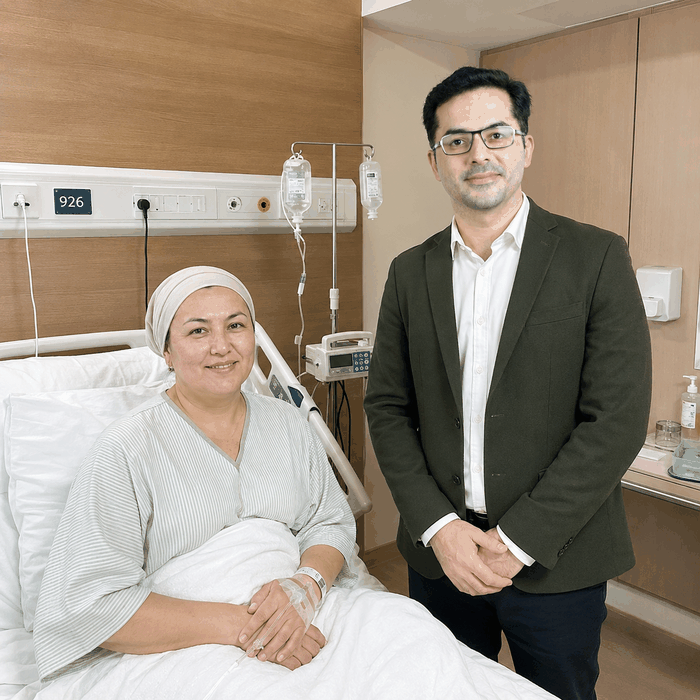
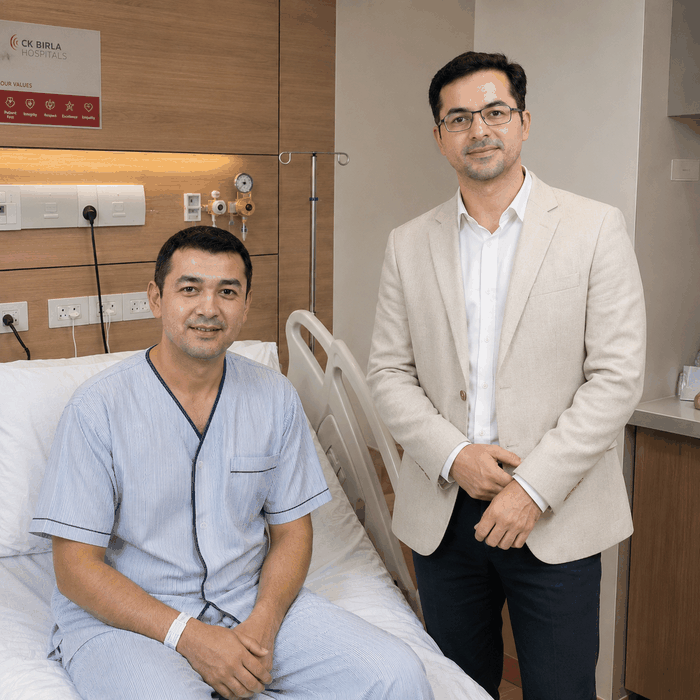
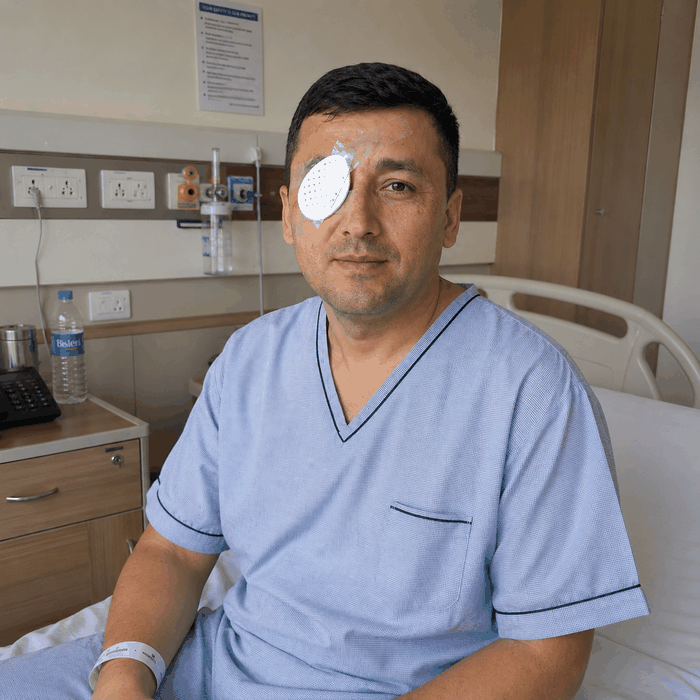
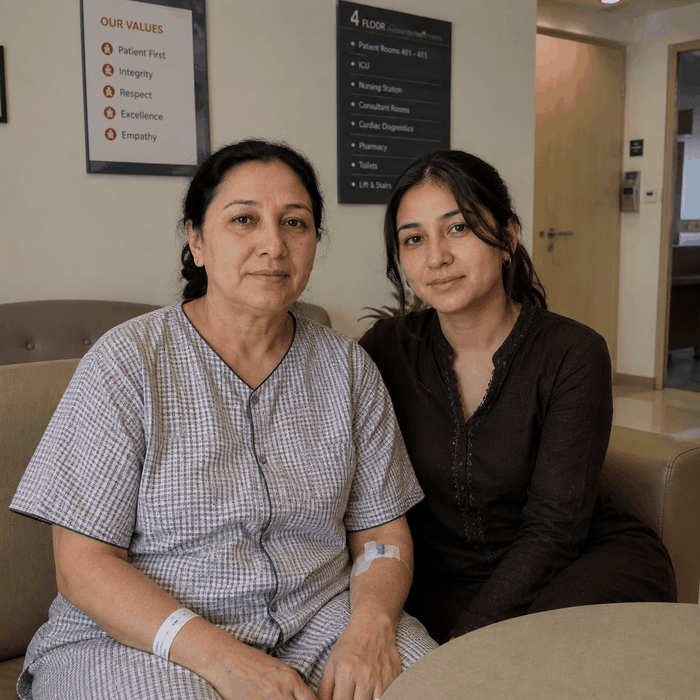
Patient Testimonials from Uzbekistan
Ready to Take the First Step?
Share your medical reports with our healthcare managers today and receive a FREE CONSULTATION, a personalized treatment plan and complete support from your arrival to your recovery.
Get Your Free ConsultationFrom Uzbekistan to India: Your Complete Patient Guide
- Radiotherapy and Modern Cancer Treatments in India for Uzbek Patients
- Robotic Cancer Surgery in India for Uzbek Patients
- Scoliosis Correction Surgery in India for Uzbek Patients
- Shoulder Surgery in India for Uzbek Patients
- Spine Surgery in India for Uzbek Patients
- Urosurgery and Reconstructive Urology in India for Uzbek Patients
- Weight Loss and Bariatric Surgery in India for Uzbek Patients
- Bone Marrow Transplant Treatment in India for Uzbek Patients
- Brain Tumor Surgery in India for Uzbek Patients
- Breast Cancer Treatment and Surgery in India for Uzbek Patients
- Cancer Treatment and Surgery in India for Uzbek Patients
- Cardiac Pacemaker Treatment in India for Uzbek Patients
- Cardiac Surgery in India for Uzbek Patients
- Cervical and Lumbar Disc Replacement Surgery in India for Uzbek Patients
- Colorectal Cancer Treatment and Surgery in India for Uzbek Patients
- Complex Orthopaedic and Joint Revision Surgery in India for Uzbek Patients
- Cornea Transplant and Advanced Eye Surgery in India for Uzbek Patients
- Cosmetic and Aesthetic Surgery in India for Uzbek Patients