

Best Cervical and Lumbar Disc Replacement Surgeons and Hospitals in India for Uzbek Patients: How to Choose
Learn how Uzbek patients can choose experienced cervical and lumbar disc replacement surgeons and reliable hospitals in India by comparing specialist expertise, accreditation, technology, safety, and follow-up support.
Disc replacement is chosen specifically to preserve spinal motion rather than fuse it, which makes precise implant sizing and placement just as important as the decompression itself. Choosing where to have cervical or lumbar disc replacement in India is really two decisions at once: which surgeon, and which hospital. Across more than two decades of guiding patients from Uzbekistan to treatment in India, the questions I hear most are: How do I know a surgeon is genuinely skilled at this specific procedure? What actually makes a hospital reliable? Which matters more? And what should I ask before I commit? This guide answers each plainly, giving equal weight to both halves of the decision. India has become one of the world's leading destinations for cervical and lumbar disc replacement, and for good reason. The country performs a very high volume of motion-preservation spine procedures every year, giving its top spine surgeons a depth of experience in implant selection and placement that is hard to match. Modern artificial disc systems, intra-operative navigation, and internationally trained spine surgeons are now standard at India's leading centres — available at a fraction of the cost of equivalent treatment in the UK, Germany, Australia or the USA.
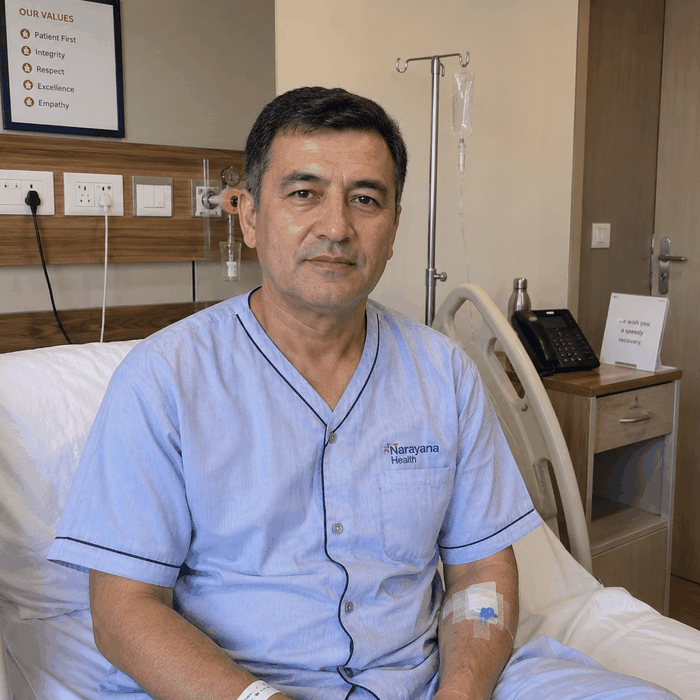
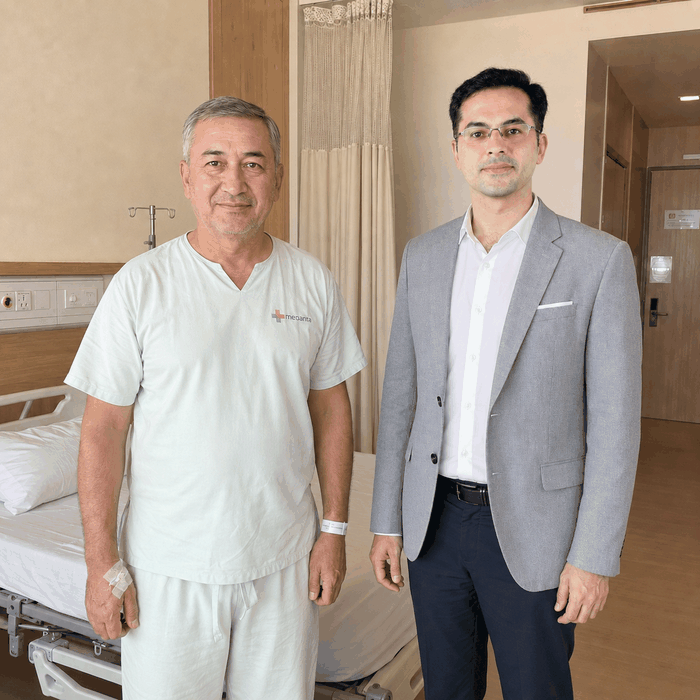
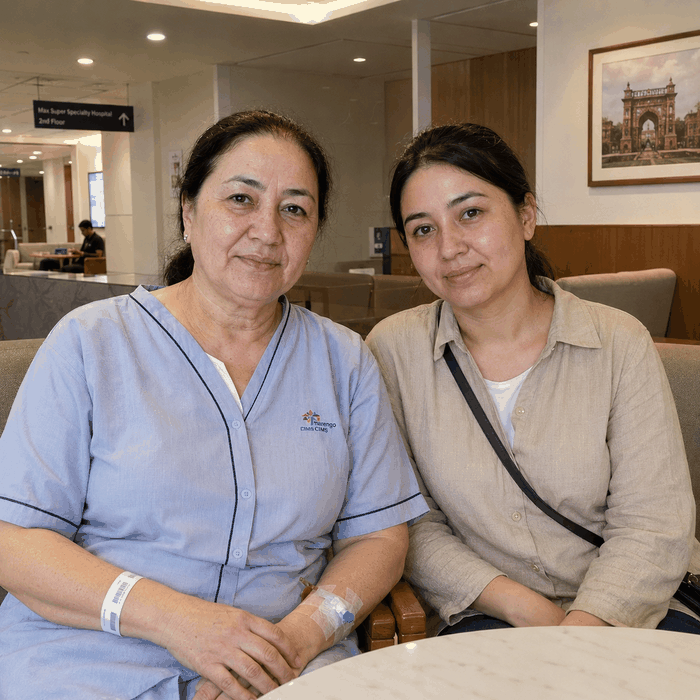
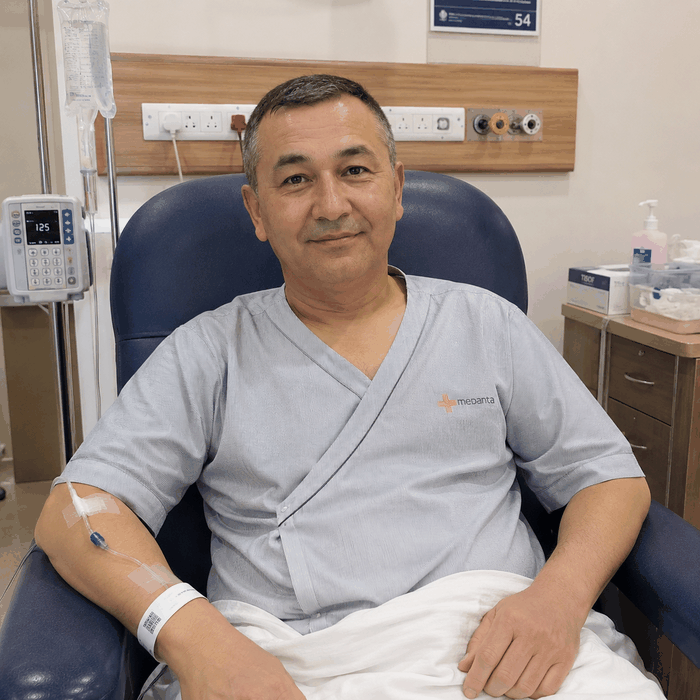
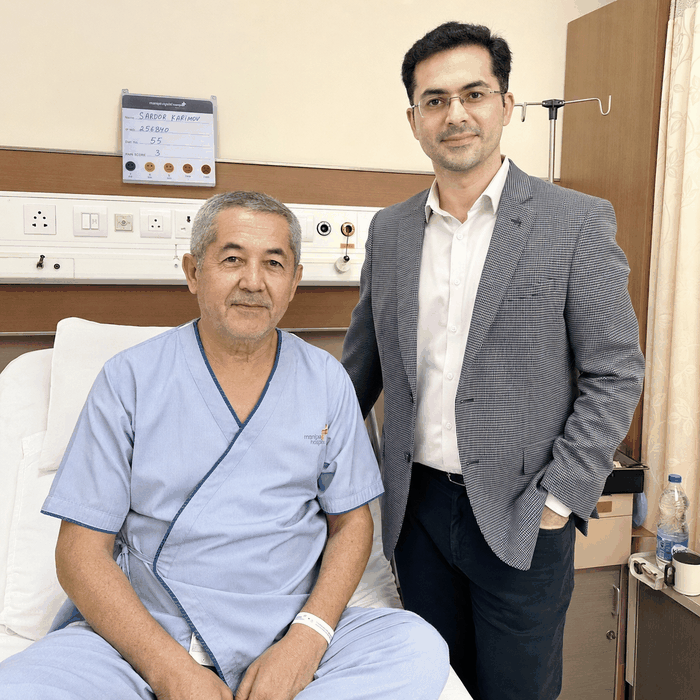
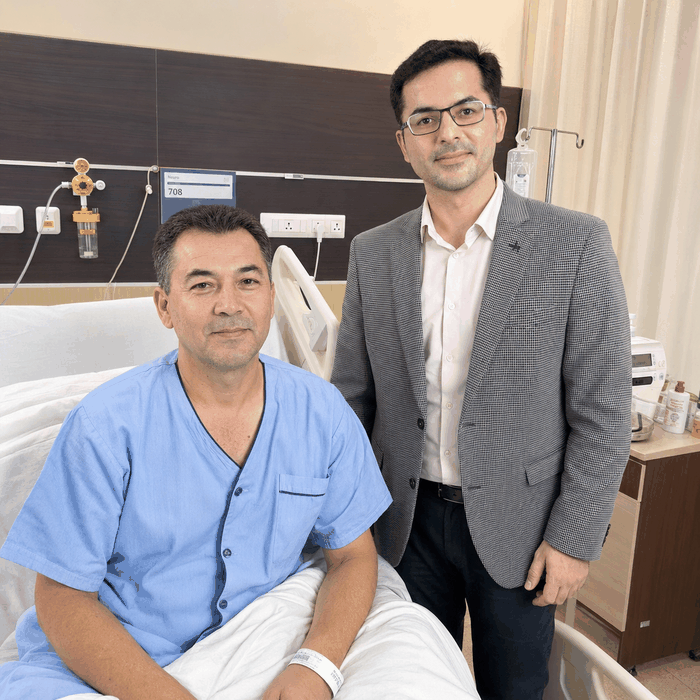
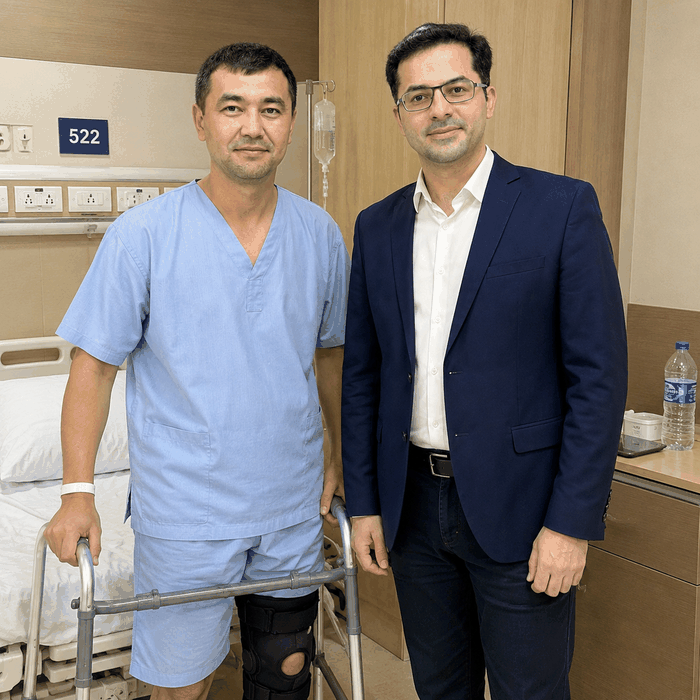
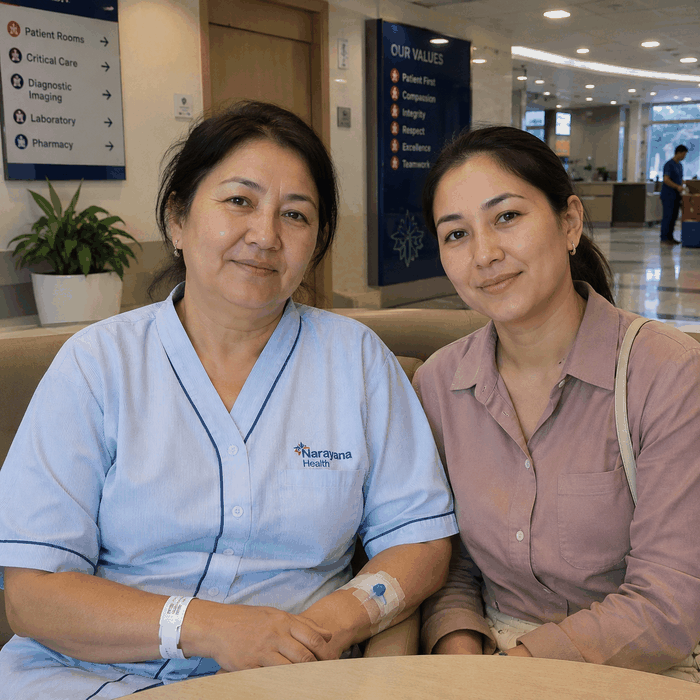
Healing Journeys of Uzbek Patients

Information Takeaways
- Disc replacement is designed to preserve spinal movement rather than fuse the treated segment, so accurate implant sizing and placement are particularly important. The guide emphasises that Uzbek patients should evaluate both the surgeon and the hospital rather than treating either choice independently.
- India offers high-volume motion-preservation spine treatment, modern artificial disc systems, intra-operative navigation and internationally trained spine surgeons. For Uzbek patients, the guide also highlights Russian- and Uzbek-speaking coordinators and access to major Indian cities from Uzbekistan.
- The eight surgeon-selection criteria include dedicated spine fellowship training, specific artificial disc implantation training, National Medical Commission registration, professional spine-surgery membership, international society affiliation, procedure-specific volume, experience with the patient's pathology, and an honest comparison between disc replacement and fusion.
- Hospital infrastructure is equally important. The checklist highlights NABH accreditation, JCI accreditation where available, a dedicated spine unit, intra-operative imaging and navigation, neuromonitoring, immediate fusion-conversion capability, international patient support and structured rehabilitation.
- The guide makes clear that advanced equipment cannot compensate for inadequate surgeon experience, while an experienced surgeon also needs appropriate hospital infrastructure. The strongest combination is therefore a qualified surgeon with substantial experience in the patient's specific disc condition working within a well-supported hospital system.
- Before travelling, Uzbek patients should ask for verifiable credentials, the surgeon's actual cervical or lumbar disc replacement volume, an assessment of whether replacement or fusion is more appropriate, current hospital accreditation, use of imaging or neuromonitoring, and the financial implications if a complication or revision becomes necessary.
- The final decision should be based on matching the patient's disc pathology and treatment goals with a surgeon and hospital whose experience can be independently verified. The guide also recommends obtaining the complete treatment plan in writing before travel, including the surgeon, hospital, planned approach and cost breakdown.
Quick Facts
- Treatment
- Cervical and lumbar artificial disc replacement
- Primary Patients
- Uzbek patients seeking disc replacement treatment in India
- Main Speciality
- Spine surgery
- Key Specialist
- Spine surgeon with specific artificial disc replacement experience
- Training
- Dedicated spine fellowship plus artificial disc implantation training
- Registration
- National Medical Commission registration should be verified
- Professional Membership
- Association of Spine Surgeons of India membership may be considered
- International Affiliation
- Membership of relevant international spine societies may provide additional evidence of professional engagement
- Procedure Volume
- Ask for cervical or lumbar disc replacement numbers rather than general spine surgery volume
- Candidacy
- Suitability depends on imaging, disc pathology, bone quality, age and individual treatment goals
- Alternative
- Spinal fusion may be more appropriate in some patients
- Hospital Accreditation
- NABH should be checked; JCI may provide an additional accreditation benchmark
- Technology
- Intra-operative imaging and navigation can support precise implant placement
- Safety
- Neuromonitoring may help protect neural structures during surgery
- Backup
- The hospital should have immediate capability to convert to fusion if required
- Rehabilitation
- Structured mobilisation and physiotherapy should be planned after surgery
- International Support
- Russian- and Uzbek-speaking coordinators may be available
- Travel
- Medical visa and travel arrangements should be confirmed before departure
- Documentation
- Obtain the complete treatment plan and cost breakdown in writing
- Cities Mentioned
- Delhi, Mumbai, Chennai, Bengaluru and Hyderabad
- Author
- Dr. Dheeraj Bojwani
- Experience
- 24+ Years
Knowledgeable Information Snippet
For Uzbek patients considering cervical or lumbar artificial disc replacement in India, the most important selection factors are procedure-specific surgeon experience, appropriate spine fellowship training, verified medical registration, hospital accreditation, precision imaging, neuromonitoring, emergency fusion-conversion capability and structured rehabilitation. The guide particularly stresses asking for the surgeon's actual disc replacement volume at the patient's specific level rather than relying on general spine-surgery experience. It also recommends comparing disc replacement with spinal fusion based on imaging, bone quality, pathology and individual goals rather than assuming one procedure is universally better.
Why Are Uzbek Patients Choosing India for Disc Replacement?
For Uzbek patients specifically, India offers dedicated Russian and Uzbek-speaking coordinators, streamlined medical visa processes, and convenient direct and connecting flights from Tashkent to Delhi, Mumbai, Chennai, Bengaluru and Hyderabad. But none of this matters if the specific surgeon and hospital you choose are not genuinely well-qualified — which is exactly why the criteria below deserve careful attention.
What Qualifications Should Your Disc Replacement Surgeon in India Have?
A surgeon's qualifications tell you whether they have the training and track record to place an artificial disc well and protect the surrounding neural structures — not just general spine surgery competence, but specific, verifiable markers of motion-preservation expertise.
Surgeon qualifications: what to verify
Eight markers of genuine disc replacement expertise
Ask your prospective surgeon directly about each of these — a confident, specific answer is itself a good sign.
What Makes a Hospital in India Safe and Reliable for Disc Replacement?
Even an outstanding spine surgeon needs the right environment to deliver a good outcome. Hospital infrastructure and support systems matter just as much as the surgeon's own skill.
Hospital standards: what to verify
Eight markers of a genuinely reliable disc replacement centre
NABH and JCI accreditation status can be verified independently — a reputable hospital will not hesitate to share its current certificate.
An artificial disc placed a few millimetres off-centre can undermine the entire purpose of the surgery. Ask about the surgeon's specific disc replacement volume and their approach to sizing and placement, not just their general spine surgery experience.
Surgeon Skill or Hospital Infrastructure — Which Matters More?
This is not really an either-or question, and treating it as one leads patients astray. An outstanding spine surgeon working without intra-operative imaging or neuromonitoring is still exposed to real risk that skill alone cannot eliminate. Equally, the most advanced navigation system does not compensate for a surgeon without genuine experience in your specific disc pathology.
The most reliable approach is to evaluate both together, since the strongest outcomes come from centres where an experienced, well-qualified surgeon operates within a well-accredited hospital with genuinely robust spine surgical support. Ask about the surgeon's specific case volume for your exact level and pathology, and whether the hospital's own reported outcomes are available. A surgeon who has performed consistent volume within the same accredited hospital system for years often represents the strongest combination of the two factors this guide has described.
Questions to Ask Before You Confirm Your Disc Replacement in India
Once you have a shortlist of surgeons and hospitals, these direct questions will tell you more than any marketing material. In more than 24 years of guiding patients through this exact decision, those who ask these questions plainly get the clearest, most useful answers.
Six questions to ask before you commit
Direct questions that reveal genuine quality
A reputable surgeon and hospital will welcome these questions. Hesitation or vague answers are themselves useful information.
Two further points: ask for direct contact with previous international patients if the hospital offers this, since a genuine testimonial carries real weight — and get your full treatment plan in writing before you travel, including the surgeon's name, hospital, planned approach, and cost breakdown.
Making Your Final Decision
By this point you should have a shortlist where both the surgeon and the hospital independently meet the criteria in this guide — not a hospital chosen simply because it is well known, or a surgeon working somewhere you cannot verify. Cities such as Delhi, Mumbai, Chennai, Bengaluru and Hyderabad all have centres meeting this standard, and the right choice for you depends on matching your specific disc pathology and goals to a surgeon and hospital with genuine, verifiable experience. Take the time to ask the direct questions above before committing — it is the single most useful thing you can do to protect your outcome.
A note from Dr Dheeraj Bojwani
With 24+ years of experience guiding international patients through exactly this decision, my advice is simple: verify the surgeon's specific disc replacement volume at your exact level, ask directly whether fusion was honestly considered as an alternative, and never choose a hospital based on general spine-surgery reputation alone. This article is general information and not a substitute for direct verification with your chosen surgeon and hospital.
Straight Answer Question by Uzbek Patients about Best Cervical and Lumbar Disc Replacement Surgeons and Hospitals in India
What qualifications should a disc replacement surgeon in India have?
Look for a dedicated spine-surgery fellowship, specific training in artificial disc implantation, National Medical Commission registration, and a high annual volume of disc replacements specifically at your level.
What accreditation should a hospital have for disc replacement?
Look for NABH accreditation at minimum, and ideally JCI accreditation as well. Both are verified through independent audits and indicate the hospital meets defined standards for safety and surgical protocols.
Is disc replacement always better than spinal fusion?
Not necessarily. Disc replacement preserves motion and may reduce stress on adjacent levels, but suitability depends on your specific imaging, bone quality, and pathology. A genuinely expert surgeon will compare both options honestly for your case.
How can I verify credentials before I travel?
Ask the hospital's international patient department directly for the surgeon's registration number, spine fellowship certificates, annual disc replacement volume, and the hospital's current accreditation certificate.
References & sources
- 🌐 National Accreditation Board for Hospitals & Healthcare Providers (NABH) — accreditation standards and hospital directory. · nabh.co
- 🌐 Joint Commission International (JCI) — accreditation standards and directory of accredited organisations. · jointcommissioninternational.org
- 🌐 National Medical Commission of India — doctor registration verification. · nmc.org.in
- 🌐 Association of Spine Surgeons of India — professional membership directory. · assispine.com
- 🌐 Bureau of Immigration, Government of India — e-Medical Visa. · indianvisaonline.gov.in
- 🌐 Criteria compiled from published hospital accreditation standards and international medical travel guidance, 2025–2026.
Frequently Asked Questions by Uzbek Patients about Best Cervical and Lumbar Disc Replacement Surgeons and Hospitals in India
Is cervical disc replacement available in India for Uzbek patients?
Yes. The guide specifically covers cervical artificial disc replacement and advises Uzbek patients to select surgeons with dedicated spine training and specific experience in cervical disc replacement.
Is lumbar disc replacement available in India for Uzbek patients?
Yes. Uzbek patients can evaluate Indian spine centres offering lumbar motion-preservation procedures, but the surgeon's experience should specifically include lumbar disc replacement at the relevant level.
How should Uzbek patients choose a disc replacement surgeon in India?
Look for dedicated spine fellowship training, artificial disc implantation training, National Medical Commission registration and a high annual volume of disc replacements matching the patient's condition.
How many disc replacement surgeries should a surgeon have performed?
The guide does not prescribe a specific minimum number. It recommends asking for the surgeon's actual cervical or lumbar disc replacement volume rather than relying on overall spine-surgery experience.
Is disc replacement better than spinal fusion for Uzbek patients?
Not necessarily. The appropriate option depends on imaging findings, bone quality, pathology, age and activity goals, so an experienced surgeon should discuss both procedures honestly.
What hospital accreditation should Uzbek patients look for disc replacement in India?
The guide recommends checking for NABH accreditation and, where available, JCI accreditation. Current NABH standards are designed around hospital quality and patient safety systems.
Does disc replacement require intra-operative navigation or imaging?
The guide identifies intra-operative imaging and navigation as important hospital capabilities because accurate artificial disc positioning is central to the procedure.
Is neuromonitoring important during cervical or lumbar disc replacement?
The guide identifies neuromonitoring as a useful safety capability because it provides continuous monitoring of neural structures close to the operative area.
What should Uzbek patients ask about complications or revision after disc replacement?
They should ask what happens if a complication occurs, whether revision or conversion to fusion may be required, and what those additional costs would involve before travelling.
What should Uzbek patients obtain before travelling to India for disc replacement?
Patients should obtain a written treatment plan identifying the surgeon, hospital, planned surgical approach and cost breakdown. The guide also recommends verifying the surgeon's registration, fellowship credentials, procedure-specific experience and the hospital's current accreditation.
Page Summary
Choosing disc replacement treatment in India requires more than selecting a well-known hospital or spine surgeon. Uzbek patients should compare the surgeon's specific experience with cervical or lumbar artificial disc replacement, relevant training, registration and pathology-specific case volume alongside hospital accreditation, imaging, neuromonitoring, surgical backup and rehabilitation facilities. The guide recommends asking direct questions before travelling and obtaining a written treatment plan that identifies the surgeon, hospital, proposed approach and cost. The final choice should reflect the patient's specific spinal condition and treatment goals, with disc replacement and fusion compared honestly rather than assuming that one option is always preferable.
Citation Block
| Field | Details |
|---|---|
| Article / Topic | Cervical and lumbar disc replacement in India |
| Primary Patient Country | Uzbekistan |
| Treatment Type | Artificial disc replacement |
| Spinal Regions | Cervical and lumbar spine |
| Treatment Goal | Preserve spinal motion rather than fuse the treated segment |
| Key Selection Decision | Evaluate both surgeon and hospital |
| Surgeon Training | MS/MCh Orthopaedic or Neurosurgery spine fellowship |
| Implant Training | Specific training in artificial disc implantation |
| Medical Registration | National Medical Commission registration |
| Professional Membership | Association of Spine Surgeons of India |
| International Affiliation | Relevant international spine societies such as ISASS or North American Spine Society |
| Procedure Experience | High annual disc replacement volume at the relevant spinal level |
| Pathology Matching | Experience should correspond to cervical/lumbar and single-/multi-level disease |
| Alternative Treatment | Spinal fusion should be discussed where appropriate |
| Hospital Accreditation | NABH accreditation |
| Additional Accreditation | JCI accreditation where available |
| Spine Infrastructure | Dedicated spine surgery unit with genuine motion-preservation case volume |
| Surgical Technology | Intra-operative imaging and navigation |
| Neural Safety | Neuromonitoring capability |
| Surgical Backup | Immediate fusion-conversion capability |
| International Patient Support | Russian- and Uzbek-speaking coordinators and visa assistance |
| Rehabilitation | Structured mobilisation, physiotherapy and follow-up pathway |
| Treatment Documentation | Written plan should include surgeon, hospital, approach and cost breakdown |
| Potential Treatment Cities | Delhi, Mumbai, Chennai, Bengaluru and Hyderabad |
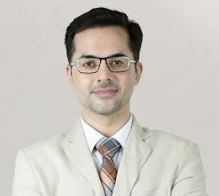

Our Mission Statement
Our mission is to place patients at the centre of every healthcare decision by providing trustworthy, evidence-based, and unbiased medical information. We believe that informed patients make better decisions. Backed by personalised guidance from our experienced advisory team, we help patients understand their treatment options, compare them objectively, and confidently choose the path that best suits their medical needs and personal circumstances.
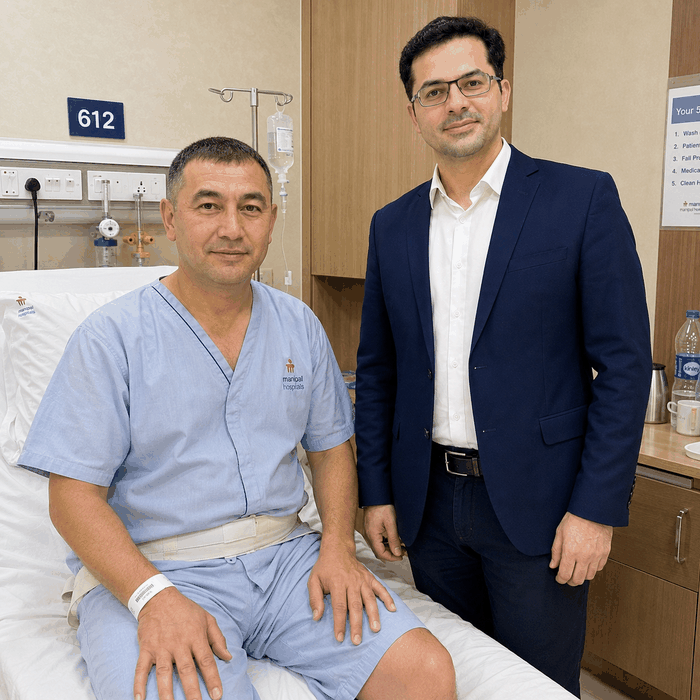
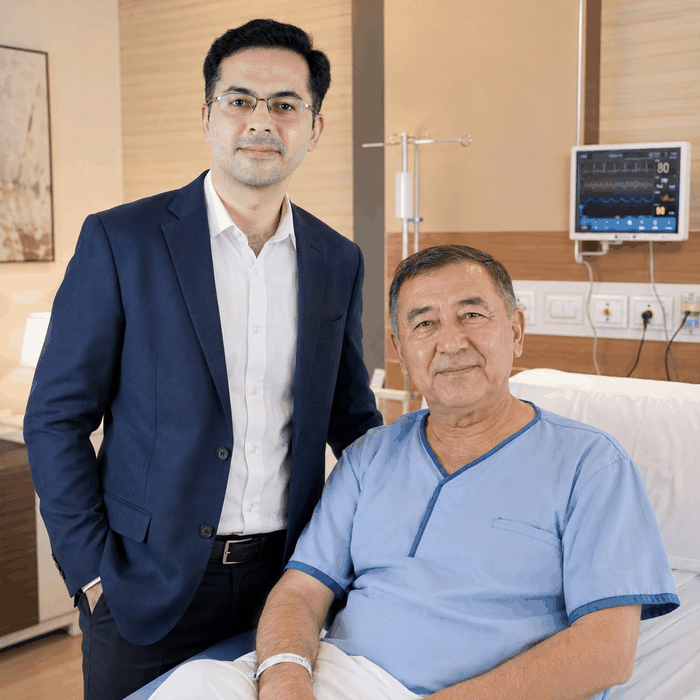
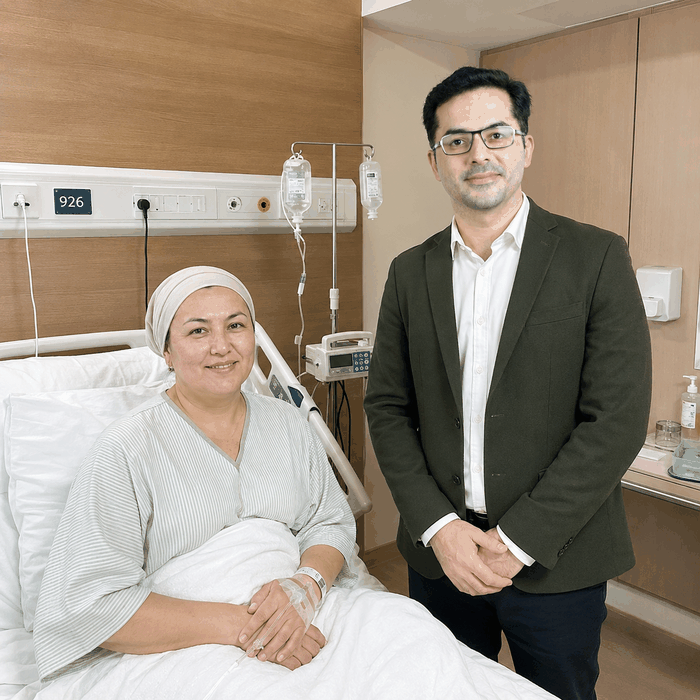
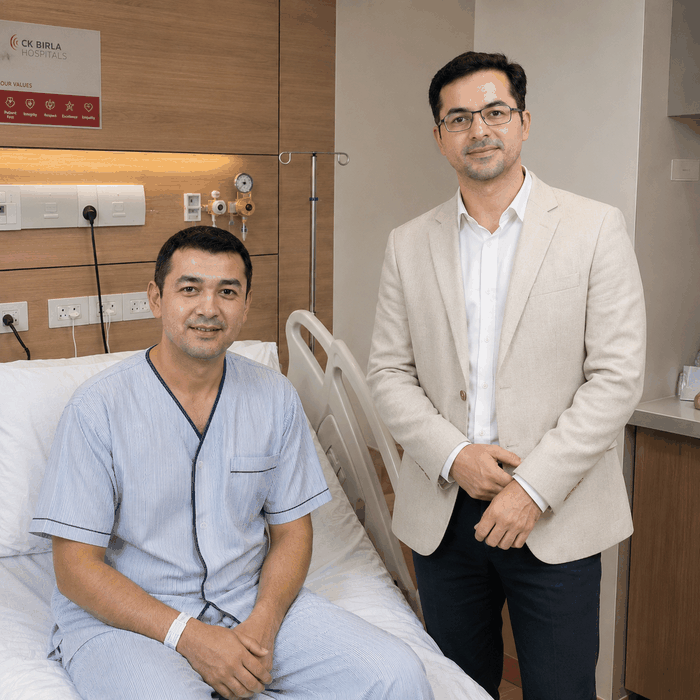
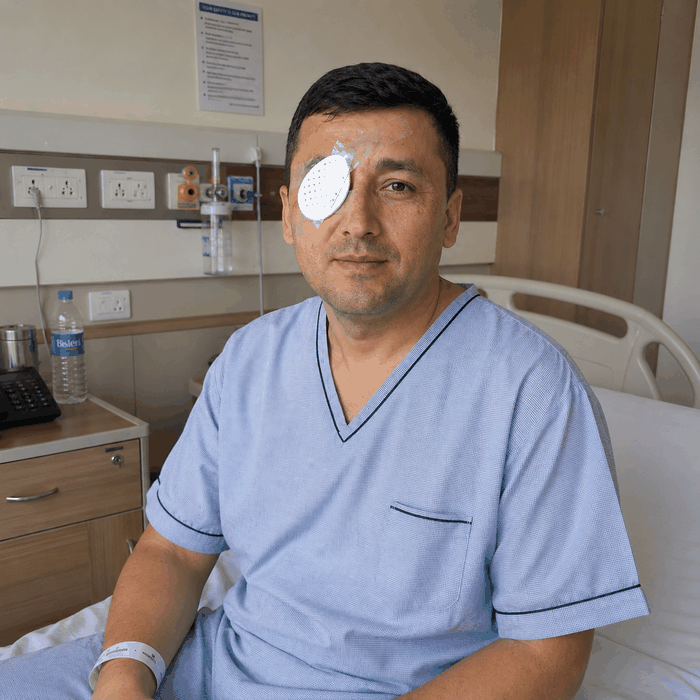
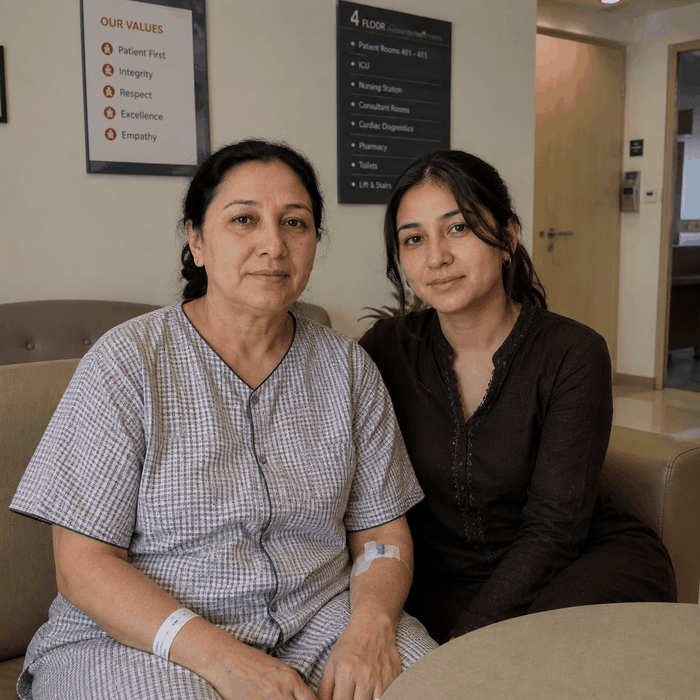
Patient Testimonials from Uzbekistan
Ready to Take the First Step?
Share your medical reports with our healthcare managers today and receive a FREE CONSULTATION, a personalized treatment plan and complete support from your arrival to your recovery.
Get Your Free ConsultationFrom Uzbekistan to India: Your Complete Patient Guide
- Complex Orthopaedic and Joint Revision Surgery in India for Uzbek Patients
- Cornea Transplant and Advanced Eye Surgery in India for Uzbek Patients
- Cosmetic and Aesthetic Surgery in India for Uzbek Patients
- CyberKnife Treatment in India for Uzbek Patients
- Dental Implants and Smile Makeover in India for Uzbek Patients
- Dental Surgery and Implants in India for Uzbek Patients
- Gamma Knife Treatment in India for Uzbek Patients
- Heart Failure Treatment and Surgery in India for Uzbek Patients
- Heart Valve Replacement in India for Uzbek Patients
- Hip Surgery in India for Uzbek Patients
- HIPEC Cancer Surgery in India for Uzbek Patients
- IVF and Fertility Treatment in India for Uzbek Patients
- Joint Arthroscopy and Sports Medicine in India for Uzbek Patients
- Kidney Transplant Treatment in India for Uzbek Patients
- Knee Surgery in India for Uzbek Patients
- Laparoscopic and Robotic Myomectomy in India for Uzbek Patients
- Leukemia, Lymphoma and Blood Cancer Treatment in India for Uzbek Patients
- Liver Transplant Treatment in India for Uzbek Patients