

15 Frequently Asked Questions : Laparoscopic and Robotic Myomectomy in India for Uzbek Patients
Laparoscopic and Robotic Myomectomy are minimally invasive surgical procedures used to remove uterine fibroids while preserving the uterus. Uterine fibroids are non-cancerous growths that can develop within or around the uterus. They may cause: Myomectomy removes the fibroids while leaving the uterus in place. This can be an important consideration for women who wish to preserve fertility or avoid removal of the uterus. Laparoscopic surgery uses small abdominal incisions and specialised instruments. Robotic myomectomy uses a robotic surgical platform controlled by the surgeon to perform precise movements through small incisions. For Uzbek patients travelling to India, treatment may involve gynaecologists, minimally invasive gynaecological surgeons, reproductive specialists, radiologists and anaesthetists depending on the patient's condition.
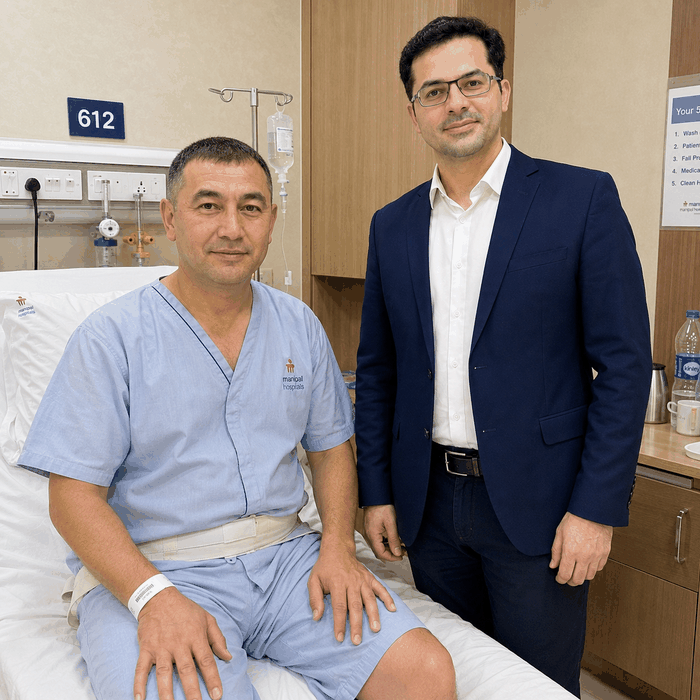
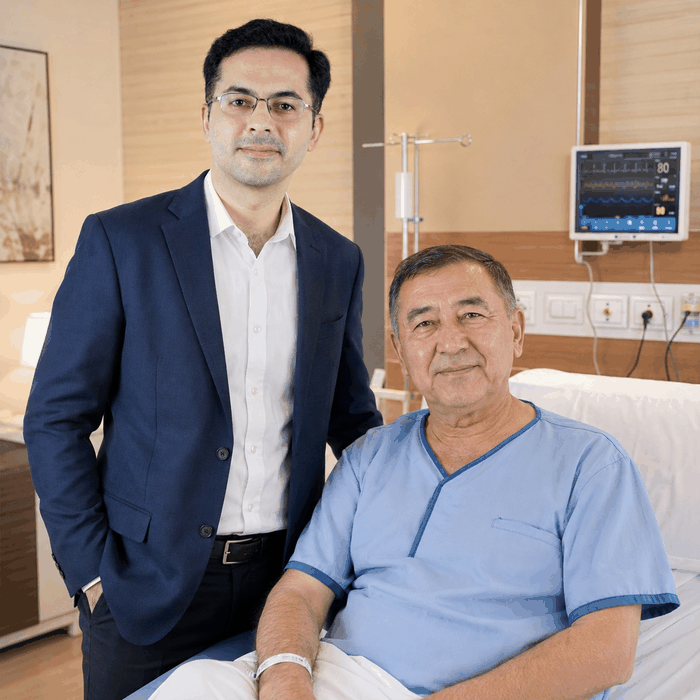
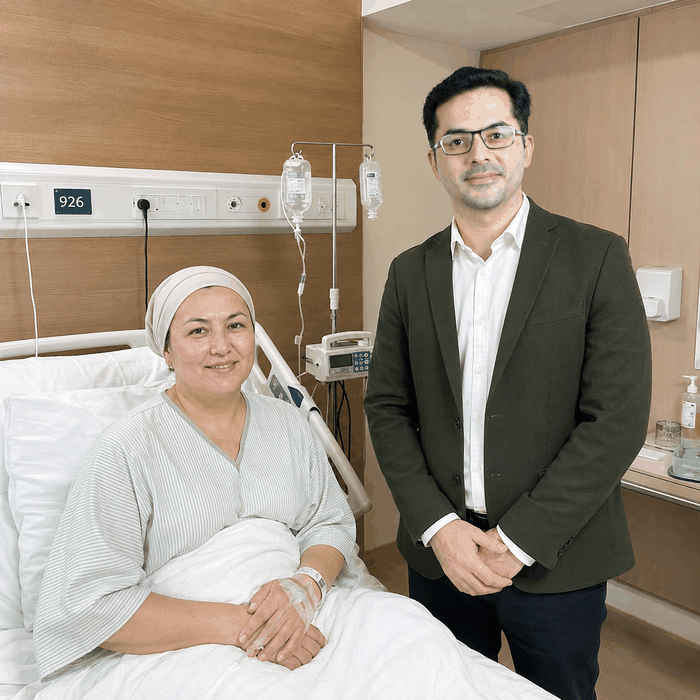
Healing Journeys of Uzbek Patients

Q1 · What is Laparoscopic and Robotic Myomectomy?
Myomectomy is surgery to remove uterine fibroids while preserving the uterus.
Laparoscopic Myomectomy
Laparoscopic myomectomy is performed through several small abdominal incisions.
A camera and specialised surgical instruments are inserted through these small openings.
The surgeon
- Locates the fibroids.
- Makes an incision in the uterus.
- Removes the fibroids.
- Repairs the uterine muscle.
- Removes the fibroid tissue through an appropriate method.
Robotic Myomectomy
Robotic myomectomy is also performed through small incisions, but the surgeon controls robotic instruments from a console.
The robotic system can provide
- Magnified three-dimensional visualisation
- Precise instrument movement
- Fine control during dissection
- Precise suturing in selected cases
Why Preserve the Uterus?
Myomectomy may be considered when a woman wishes to retain her uterus because of
- Fertility plans
- Personal preference
- Desire to preserve reproductive potential
However, preserving the uterus does not guarantee future pregnancy.
Q2 · How much does Laparoscopic and Robotic Myomectomy cost in Uzbekistan compared with India?
The cost depends on
- Number of fibroids
- Size of fibroids
- Location of fibroids
- Type of surgery
- Surgical complexity
- Robotic platform where applicable
- Previous abdominal surgery
- Hospital stay
- Anaesthesia
- Diagnostic investigations
- Additional procedures
For indicative planning, this guide uses
- US$1 ≈ UZS 12,200
- US$1 ≈ INR 96
| Myomectomy Procedure | Uzbekistan Approx. Cost | India Approx. Cost | Potential Saving |
|---|---|---|---|
| Fibroid Evaluation & Pre-operative Work-Up | UZS 12,20,000–24,40,000 (US$1,000–2,000) | INR 57,600–144,000 (US$600–1,500) | Approx. 15%–30% |
| Laparoscopic Myomectomy — Simple | UZS 48,80,000–73,20,000 (US$4,000–6,000) | INR 288,000–480,000 (US$3,000–5,000) | Approx. 15%–25% |
| Laparoscopic Myomectomy — Multiple Fibroids | UZS 61,00,000–97,60,000 (US$5,000–8,000) | INR 384,000–672,000 (US$4,000–7,000) | Approx. 10%–25% |
| Robotic Myomectomy | UZS 73,20,000–122,00,000 (US$6,000–10,000) | INR 576,000–960,000 (US$6,000–10,000) | Case dependent |
| Complex / Multiple / Deep Fibroid Myomectomy | UZS 85,40,000–146,40,000 (US$7,000–12,000) | INR 672,000–1,056,000 (US$7,000–11,000) | Approx. 5%–20% |
These are indicative planning estimates. Robotic surgery may have additional technology-related charges.
Patients should confirm whether the quotation includes
- Surgeon fees
- Robotic-system charges where applicable
- Anaesthesia
- Operating-room charges
- Pre-operative investigations
- Hospitalisation
- Medicines
- Pathology
- Follow-up
- Additional procedures if required
Q3 · Which Indian cities can Uzbek patients consider for Laparoscopic and Robotic Myomectomy?
| City | Major Treatment Strengths |
|---|---|
| Delhi / NCR | Gynaecology, minimally invasive and robotic surgery |
| Gurugram | Advanced gynaecology and robotic procedures |
| Noida | Minimally invasive gynaecological surgery |
| Mumbai | Advanced gynaecology and laparoscopic surgery |
| Chennai | Gynaecological and minimally invasive surgery |
| Bengaluru | Robotic and minimally invasive gynaecology |
| Hyderabad | Gynaecology and advanced laparoscopic surgery |
| Kolkata | Gynaecology and minimally invasive procedures |
| Ahmedabad | Gynaecology and laparoscopic surgery |
| Pune | Minimally invasive gynaecology |
| Kochi | Gynaecology and laparoscopic surgery |
| Thiruvananthapuram | Gynaecology and minimally invasive procedures |
| Goa | Selected gynaecological procedures |
| Nagpur | Gynaecology and laparoscopic surgery |
Patients should confirm that the selected centre has experience with the specific type and complexity of myomectomy required.
Q4 · Which hospitals in India can Uzbek patients consider for Laparoscopic and Robotic Myomectomy?
Delhi Hospitals
- Fortis Escorts Heart Institute, New Delhi
- BLK-Max Super Speciality Hospital
- Max Super Speciality Hospital, Saket
- Indraprastha Apollo Hospitals, New Delhi
- Sir Ganga Ram Hospital
- Max Super Speciality Hospital, Patparganj
- Manipal Hospital, Dwarka
- Fortis Hospital, Vasant Kunj
- Institute of Brain and Spine Hospital
- Dharamshila Narayana Hospital
- Indian Spinal Injuries Centre
- AIIMS New Delhi
Chennai Hospitals
- MGM Healthcare
- MIOT International
- Apollo Hospitals, Greams Road
- Sri Ramachandra Medical Centre
- SIMS Hospital
- Kauvery Hospital
- Gleneagles HealthCity Chennai
- Vijaya Hospital
- Apollo Speciality Hospitals
- Rela Hospital
Mumbai Hospitals
- Bombay Hospital & Medical Research Centre
- Lilavati Hospital & Research Centre
- Jaslok Hospital & Research Centre
- Gleneagles Hospital, Mumbai
- Nanavati Max Super Speciality Hospital
- Kokilaben Dhirubhai Ambani Hospital
- P. D. Hinduja Hospital & Medical Research Centre
- Sir H. N. Reliance Foundation Hospital
- Wockhardt Hospitals, Mumbai
- Apollo Hospitals, Mumbai
Bengaluru Hospitals
- Manipal Hospital, Old Airport Road
- Manipal Hospital, Whitefield
- Manipal Hospital, Yeshwanthpur
- Apollo Hospitals, Bengaluru
- Fortis Hospital, Bannerghatta Road
- Aster CMI Hospital
- Sakra World Hospital
- Narayana Health City
- Sagar Hospitals
- Kauvery Hospital, Bengaluru
Hyderabad Hospitals
- KIMS Hospitals
- Yashoda Hospitals
- Apollo Health City
- CARE Hospitals
- Continental Hospitals
- Gleneagles Hospitals, Hyderabad
- Sunshine Hospitals
- Star Hospitals
Gurugram Hospitals
- Fortis Memorial Research Institute (FMRI)
- Medanta – The Medicity
- Artemis Hospital
- Max Hospital, Gurugram
- CK Birla Hospital, Gurugram
- Manipal Hospital, Gurugram
- Paras Health
- Narayana Superspeciality Hospital
Noida Hospitals
- Fortis Hospital, Noida
- Jaypee Hospital
- Max Super Speciality Hospital, Noida
- Yatharth Hospital
- Kailash Hospital
- Metro Hospital & Heart Institute
- Metro Center for Neurosciences
Kolkata Hospitals
- Apollo Multispeciality Hospitals
- AMRI Hospitals
- Fortis Hospital, Anandapur
- Manipal Hospitals, Salt Lake
- Medica Superspecialty Hospital
- Narayana Superspeciality Hospital
- Ruby General Hospital
Pune Hospitals
- Ruby Hall Clinic
- Jehangir Hospital
- Deenanath Mangeshkar Hospital
- Sahyadri Super Speciality Hospital
- Aditya Birla Memorial Hospital
- Manipal Hospital, Kharadi
- Medicover Hospital, Pune
Ahmedabad Hospitals
- Apollo Hospitals, Ahmedabad
- Zydus Hospitals
- Sterling Hospitals
- Shalby Hospitals
- HCG Hospitals
- SAL Hospital
- CIMS Hospital
Kochi Hospitals
- Aster Medcity
- Amrita Hospital
- VPS Lakeshore Hospital
- Rajagiri Hospital
- Aster MIMS
- Lisie Hospital
- Renai Medicity
Thiruvananthapuram Hospitals
- KIMSHEALTH Hospital
- Ananthapuri Hospitals and Research Institute
- SUT Hospital
- SP Medifort Hospital
- PRS Hospital
- GG Hospital
Goa Hospitals
- Manipal Hospital, Goa
- Healthway Hospital
- Manipal Hospitals, Dona Paula
- Goa Medical College and Hospital
- Apollo Victor Hospital
Nagpur Hospitals
- Wockhardt Hospitals, Nagpur
- Alexis Multispeciality Hospital
- CARE Hospitals, Nagpur
- Kingsway Hospitals
- Lata Mangeshkar Hospital
Not every hospital listed performs every laparoscopic or robotic gynaecological procedure. Uzbek patients should confirm the availability of the specific myomectomy technique, surgeon and robotic programme before travelling.
Q5 · What types of Laparoscopic and Robotic Myomectomy are available?
1. Laparoscopic Myomectomy
Performed through small abdominal incisions and generally used for appropriately selected fibroids.
2. Robotic Myomectomy
Uses a robotic surgical platform controlled by the surgeon and may be considered for selected complex fibroids.
3. Multiple Fibroid Myomectomy
Several fibroids can sometimes be removed during one procedure.
4. Intramural Fibroid Myomectomy
Intramural fibroids develop within the muscular wall of the uterus.
5. Subserosal Fibroid Myomectomy
Subserosal fibroids develop toward the outer surface of the uterus.
6. Selected Submucosal Fibroid Treatment
Fibroids projecting toward the uterine cavity may sometimes be treated hysteroscopically rather than laparoscopically.
7. Complex Myomectomy
Patients with
- Numerous fibroids
- Large fibroids
- Deep intramural fibroids
- Previous abdominal surgery
- Significant pelvic adhesions
may require more complex surgical planning. The appropriate approach depends on the location, number and size of the fibroids and the patient's reproductive plans.
Q6 · Who may be suitable for Laparoscopic and Robotic Myomectomy?
Myomectomy may be considered for women with symptomatic fibroids causing
- Heavy menstrual bleeding
- Pelvic pressure
- Pelvic pain
- Abdominal enlargement
- Frequent urination
- Constipation
- Pain during intercourse
- Infertility in selected cases
- Pregnancy-related concerns
The suitability for laparoscopic or robotic surgery depends on
- Fibroid size
- Number of fibroids
- Location
- Depth within the uterus
- Uterine anatomy
- Previous abdominal surgery
- Presence of adhesions
- Surgeon experience
- Overall health
Women who wish to preserve fertility may discuss myomectomy with a gynaecologist. However, removal of fibroids does not guarantee future pregnancy.
Q7 · What tests are required before Laparoscopic and Robotic Myomectomy?
The evaluation may include:
Imaging
- Pelvic ultrasound
- Transvaginal ultrasound
- Pelvic MRI in selected cases
MRI may be particularly useful for mapping
- Number of fibroids
- Size
- Location
- Relationship to the uterine cavity
- Relationship to surrounding structures
Blood Tests
- Complete blood count
- Blood group
- Kidney-function tests
- Liver-function tests where appropriate
- Coagulation tests
- Blood sugar where appropriate
Gynaecological Assessment
The doctor may evaluate
- Menstrual history
- Fertility history
- Pregnancy history
- Pelvic symptoms
- Previous surgery
Additional Tests
Depending on age and clinical circumstances
- Pregnancy testing
- Cervical screening
- Other gynaecological investigations
The exact tests depend on the patient's symptoms and planned procedure.
Q8 · What medical records should Uzbek patients send before travelling?
Uzbek patients should provide
- Gynaecology consultation reports
- Pelvic ultrasound reports
- Transvaginal ultrasound reports
- Pelvic MRI reports where available
- Blood-test reports
- Complete blood count
- Previous surgical reports
- Previous discharge summaries
- Medication list
- Previous fertility-treatment records where applicable
Patients should also provide information about
- Number of fibroids
- Size of fibroids
- Location of fibroids
- Duration of symptoms
- Menstrual bleeding pattern
- Pelvic pain
- Previous pregnancies
- Previous miscarriages
- Fertility plans
- Previous abdominal surgery
- Previous fibroid treatment
If fertility preservation is important, patients should clearly tell the treating specialist before the surgical plan is finalised.
Q9 · How does Laparoscopic and Robotic Myomectomy work?
The treatment generally involves several stages.
Step 1: Fibroid Mapping
Ultrasound or MRI is used to understand
- Number
- Size
- Location
- Depth
- Relationship to the uterine cavity
Step 2: Surgical Planning
The surgeon selects the most appropriate approach
- Laparoscopic
- Robotic
- Hysteroscopic
- Open surgery when minimally invasive surgery is not appropriate
Step 3: Anaesthesia
The procedure is generally performed under general anaesthesia.
Step 4: Small Incisions
For laparoscopic or robotic surgery, small abdominal incisions are made.
Step 5: Fibroid Removal
The surgeon carefully separates the fibroid from the surrounding uterine tissue.
Step 6: Uterine Repair
The uterine muscle is repaired carefully, particularly when the fibroid has been deeply embedded in the uterine wall.
Step 7: Tissue Removal
The removed fibroid tissue is taken out using an appropriate technique selected by the surgical team.
Step 8: Recovery
The patient is monitored for
- Pain
- Bleeding
- Urinary function
- Bowel function
- Anaesthesia-related effects
Step 9: Pathology
Removed fibroid tissue is generally sent for pathological examination.
Q10 · What are the alternatives to Laparoscopic and Robotic Myomectomy?
Depending on symptoms, fibroid location and fertility plans, alternatives may include
- Observation
- Medication
- Hormonal treatment
- Non-hormonal medicines for bleeding or pain
- Uterine artery embolisation
- MRI-guided focused ultrasound in selected cases
- Hysteroscopic fibroid removal
- Open abdominal myomectomy
- Hysterectomy
Observation
Small or minimally symptomatic fibroids may sometimes be monitored.
Medical Treatment
Medicines may help control
- Heavy menstrual bleeding
- Pain
- Certain hormone-related symptoms
Hysteroscopic Treatment
Fibroids projecting into the uterine cavity may sometimes be removed through the vagina and cervix without abdominal incisions.
Hysterectomy
Hysterectomy removes the uterus and is therefore different from myomectomy. It may be considered when fertility preservation is not desired and other treatment options are unsuitable.
The appropriate alternative depends on the patient's symptoms, age, reproductive plans and fibroid characteristics.
Q11 · What should Uzbek patients ask before accepting a Laparoscopic and Robotic Myomectomy quotation?
Patients should ask
- How many fibroids do I have?
- What are their sizes?
- Where are they located?
- Are they affecting the uterine cavity?
- Is surgery necessary?
- Why is myomectomy being recommended?
- Is laparoscopic surgery appropriate?
- Is robotic surgery appropriate?
- Could hysteroscopic treatment be possible?
- Could open surgery be required?
- How will the uterus be repaired?
- Is fertility preservation possible?
- Could the surgery affect future pregnancy?
- Is blood transfusion likely?
- What are the major surgical risks?
- What is the risk of bleeding?
- What is the risk of infection?
- Could conversion to open surgery be necessary?
- What is the expected hospital stay?
- What investigations are included?
- Are robotic charges included?
- Are pathology charges included?
- Are medicines included?
- What is the expected recovery period?
- When can normal activities resume?
- When can pregnancy be considered after surgery?
- How long should I remain in India?
- What costs are excluded?
- What follow-up is required after returning to Uzbekistan?
- What happens if another fibroid develops later?
Patients should receive a detailed written quotation and surgical plan before confirming treatment.
Q12 · How long should Uzbek patients stay in India for Laparoscopic and Robotic Myomectomy?
The required stay depends on the complexity of the operation.
A general planning period may be
- Simple laparoscopic myomectomy: approximately 5–10 days
- Multiple-fibroid laparoscopic surgery: approximately 7–14 days
- Robotic myomectomy: approximately 7–14 days
- Complex myomectomy: approximately 10–21 days
The stay may need to be extended if there is
- Significant bleeding
- Infection
- Severe pain
- Difficulty passing urine
- Other complications
- Need for additional treatment
International patients should allow enough time for post-operative review before flying home.
Q13 · What is recovery like after Laparoscopic and Robotic Myomectomy?
Recovery after minimally invasive myomectomy is generally gradual.
Patients may experience
- Abdominal discomfort
- Bloating
- Fatigue
- Mild vaginal bleeding
- Shoulder-tip discomfort after laparoscopy
- Temporary constipation
- Reduced energy
Patients are generally advised to
- Take prescribed medicines
- Keep surgical wounds clean
- Gradually increase activity
- Avoid heavy lifting until medically cleared
- Attend follow-up appointments
Menstrual Recovery
Menstrual cycles may take some time to return to the patient's usual pattern.
Fertility
Myomectomy may preserve the uterus, but fertility outcomes vary.
The surgeon should explain
- How deeply the uterus was opened
- Whether the uterine cavity was entered
- Whether future pregnancy requires special monitoring
- When pregnancy may be considered
Possible Complications
Potential complications include
- Bleeding
- Infection
- Adhesions
- Injury to surrounding organs
- Blood clots
- Need for conversion to open surgery
- Recurrence of fibroids
- Rare need for more extensive surgery
Urgent medical attention is required for
- Heavy vaginal bleeding
- High fever
- Severe abdominal pain
- Persistent vomiting
- Difficulty urinating
- Foul-smelling discharge
- Severe weakness
- Breathing difficulty
- Sudden deterioration
Q14 · How can follow-up be managed after returning to Uzbekistan?
Before leaving India, patients should obtain
- Operative report
- Discharge summary
- Pathology report
- Imaging reports
- Medication list
- Wound-care instructions
- Follow-up schedule
- Recommendations regarding physical activity
- Fertility-related recommendations where applicable
Follow-up may include
- Clinical examination
- Ultrasound
- Blood tests
- Assessment of menstrual symptoms
- Assessment of wound healing
- Fertility planning where relevant
Women planning pregnancy should discuss the appropriate interval after surgery with their treating gynaecologist. The Uzbek gynaecologist should receive the Indian operative report so that future pregnancy and general gynaecological care can be planned appropriately. Patients should retain copies of all imaging and pathology reports.
Q15 · Should an Uzbek patient travel to India for Laparoscopic and Robotic Myomectomy?
Uzbek patients considering myomectomy in India should first have their fibroid records reviewed by a qualified gynaecological surgeon.
Before travelling, patients should understand
- Number of fibroids
- Size of fibroids
- Location of fibroids
- Symptoms being treated
- Recommended surgical approach
- Whether laparoscopic surgery is appropriate
- Whether robotic surgery is appropriate
- Whether hysteroscopic treatment is an alternative
- Whether open surgery could be required
- Fertility implications
- Expected recovery
- Possible complications
- Estimated cost
- Follow-up requirements
Women who wish to become pregnant should specifically discuss fertility preservation and the potential implications of uterine surgery before treatment. Complete ultrasound and MRI records, where available, should be shared before travelling so that the surgical team can plan appropriately. The final treatment decision should be made after specialist evaluation and a clear discussion of benefits, risks, alternatives and costs.
Final Uzbek Patient Pre-Travel Checklist
Final Note
Laparoscopic and Robotic Myomectomy are uterus-preserving surgical options for selected women with symptomatic uterine fibroids. The appropriate procedure depends on the number, size and location of fibroids, symptoms, previous surgery, reproductive plans and overall health. Uzbek patients should provide complete ultrasound, MRI, laboratory and previous treatment records before travelling to India. Women who wish to preserve fertility should discuss their reproductive plans before the surgical approach is finalised. The final treatment plan should clearly explain the proposed procedure, possible alternatives, fertility implications, recovery period, potential complications, estimated cost and follow-up arrangements. Right Fibroid Assessment. Right Uterus-Preserving Plan. Better Informed Gynaecological Care.
Page Summary
This guide answers 15 frequently asked questions about laparoscopic and robotic myomectomy in India for Uzbek patients. It sets out indicative cost ranges in UZS, USD and INR for procedures such as fibroid evaluation & pre-operative work-up, laparoscopic myomectomy — simple, laparoscopic myomectomy — multiple fibroids and robotic myomectomy, and lists 14 Indian cities and 109 hospitals to research. It also covers treatment options, the medical reports to send before travel, the treatment process, alternatives, quotation questions, expected stay in India, recovery, follow-up care and a pre-travel checklist for patients from Uzbekistan.

Our Mission Statement
Our mission is to place patients at the centre of every healthcare decision by providing trustworthy, evidence-based, and unbiased medical information. We believe that informed patients make better decisions. Backed by personalised guidance from our experienced advisory team, we help patients understand their treatment options, compare them objectively, and confidently choose the path that best suits their medical needs and personal circumstances.
Patient Testimonials from Uzbekistan
Ready to Take the First Step?
Share your medical reports with our healthcare managers today and receive a FREE CONSULTATION, a personalized treatment plan and complete support from your arrival to your recovery.
Get Your Free ConsultationFrom Uzbekistan to India: Your Complete Patient Guide
- Brain Tumor Surgery in India for Uzbek Patients
- Breast Cancer Treatment and Surgery in India for Uzbek Patients
- Cancer Treatment and Surgery in India for Uzbek Patients
- Cardiac Pacemaker Treatment in India for Uzbek Patients
- Cardiac Surgery in India for Uzbek Patients
- Cervical and Lumbar Disc Replacement Surgery in India for Uzbek Patients
- Colorectal Cancer Treatment and Surgery in India for Uzbek Patients
- Complex Orthopaedic and Joint Revision Surgery in India for Uzbek Patients
- Cornea Transplant and Advanced Eye Surgery in India for Uzbek Patients
- Cosmetic and Aesthetic Surgery in India for Uzbek Patients
- CyberKnife Treatment in India for Uzbek Patients
- Dental Implants and Smile Makeover in India for Uzbek Patients
- Dental Surgery and Implants in India for Uzbek Patients
- Gamma Knife Treatment in India for Uzbek Patients
- Weight Loss & Bariatric Surgery in India for Uzbekistan Patients: The Multi-Year Wait, Explained (2026)
- Heart Valve Replacement Surgery in India for Uzbekistan Patients
- Hip Surgery in India for Uzbekistan Patients | Complete Treatment, Cost & Recovery Guide
- HIPEC Surgery in India for Uzbekistan Patients: Complete Guide