

Selecting the Best Parkinson's Treatment and DBS Surgeons and Hospitals in India: A Guide for Patients from Iraq
A doctor’s honest, question-by-question guide for patients from Iraq on vetting a DBS hospital in India — candidacy screening, accreditation, programming support, and the exact questions worth asking before you book anything.
Over the years, I have found that deep brain stimulation for Parkinson’s disease is one of the treatments Iraqi families most often approach with either excessive hope or excessive fear, when the honest picture sits between the two: DBS reliably improves motor symptoms for the right, carefully selected patient, but it does not stop the underlying disease from progressing, and understanding this distinction matters enormously for setting realistic expectations.
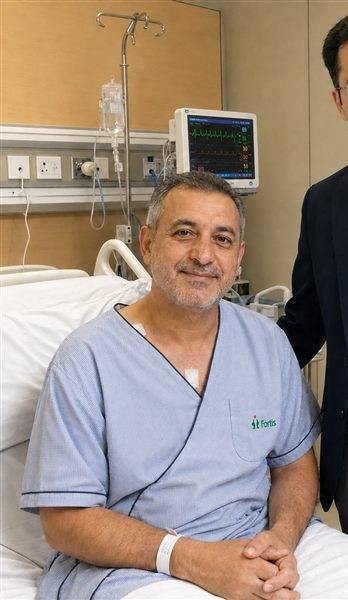
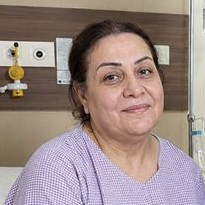
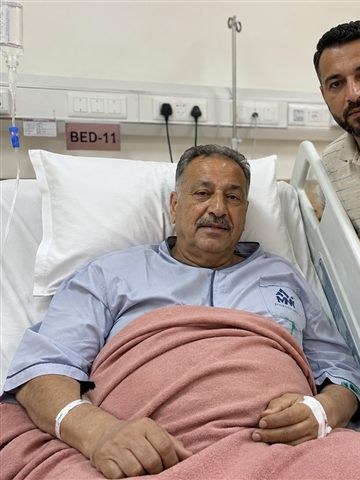
Healing Journeys of Iraqi Patients
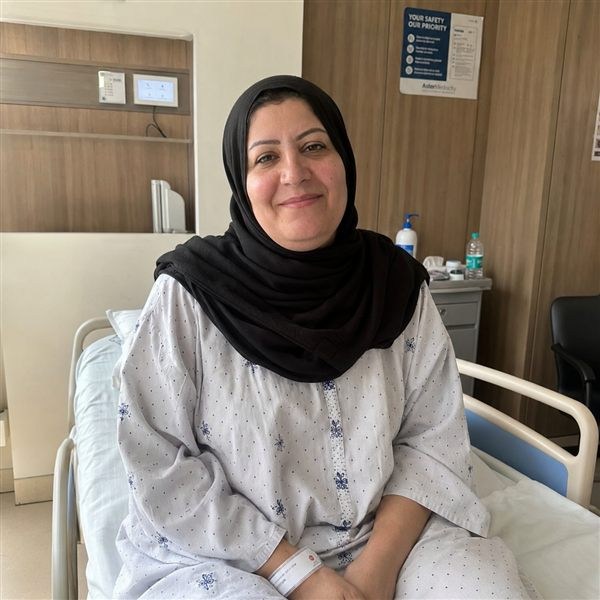

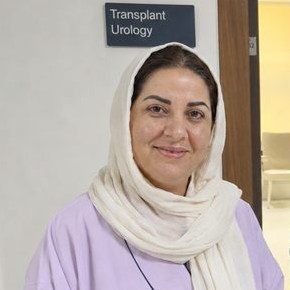
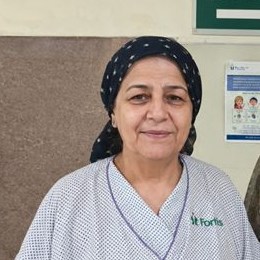
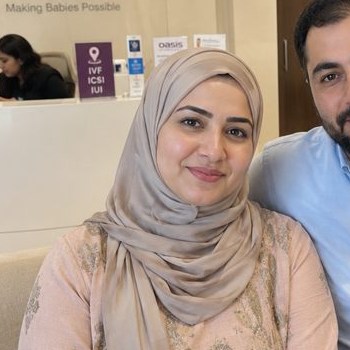
Key Takeaways
- Deep brain stimulation can provide substantial motor benefits for appropriately selected patients with Parkinson's disease, but it does not stop the underlying neurodegenerative process. The source emphasizes that DBS should therefore be presented as a treatment for specific motor symptoms rather than a cure for Parkinson's disease.
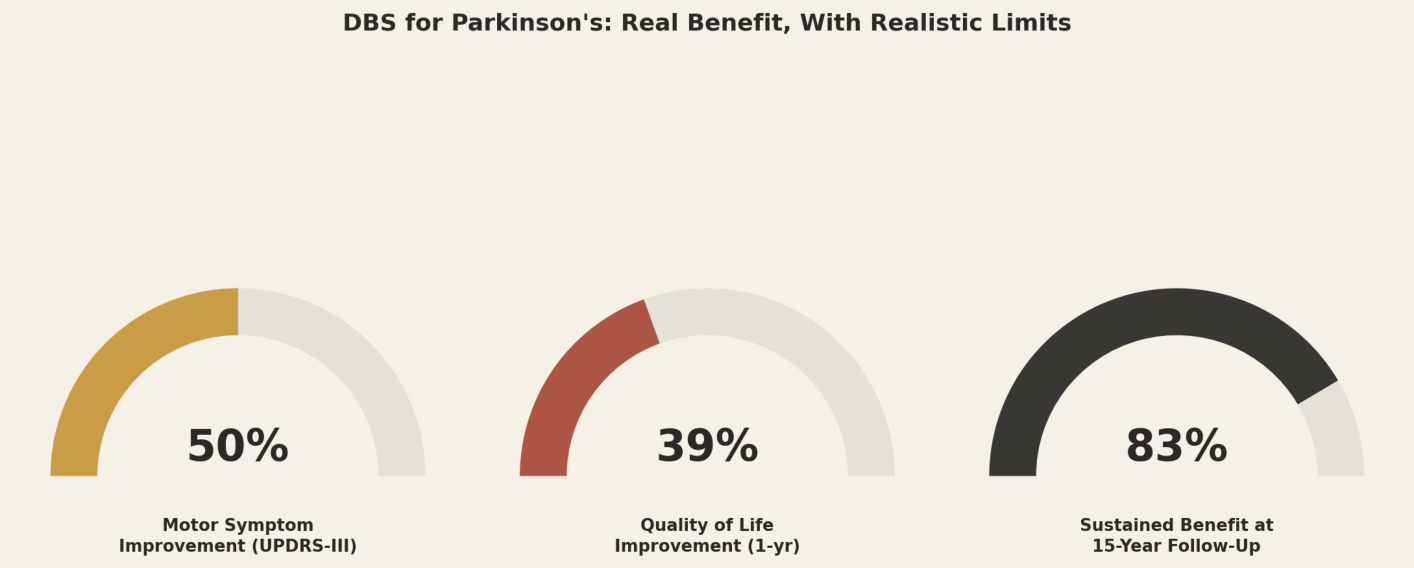
- Published subthalamic DBS studies cited in the guide show motor symptom improvement in the range of approximately 44% to 61%, together with commonly reported reductions of 30% to 50% in daily medication requirements. A 15-year follow-up study found that 83% of patients maintained active, beneficial stimulation at final follow-up, although non-motor and axial symptoms continued to develop over time.
- The chart on page 2 summarizes the source's published DBS outcomes, showing approximately 50% motor symptom improvement, 39% quality-of-life improvement at one year, and 83% sustained benefit at 15-year follow-up. These are illustrative figures from published literature and should not be treated as a guaranteed result for an individual Iraqi patient.
- Patient selection is one of the most important parts of DBS care. The guide recommends verifying that the centre uses a structured and validated candidacy assessment covering factors such as disease duration, age, cognitive function, and responsiveness to levodopa. A high-quality centre should be willing to conclude that a patient is not currently an appropriate DBS candidate rather than recommending surgery simply because the patient requests it.
- DBS is a long-term treatment programme rather than a procedure that ends when the electrodes are implanted. The source identifies a movement disorder neurologist, functional neurosurgeon, neuropsychologist, and dedicated programming specialist as key members of the treatment team. Psychiatric support may also be relevant because mood and behavioural changes can occur after DBS.
- Technology should be matched to the individual patient's needs. The guide recommends asking about intraoperative microelectrode recording or imaging-based targeting, directional stimulation and sensing capabilities, and whether awake or asleep DBS is available according to the patient's circumstances.
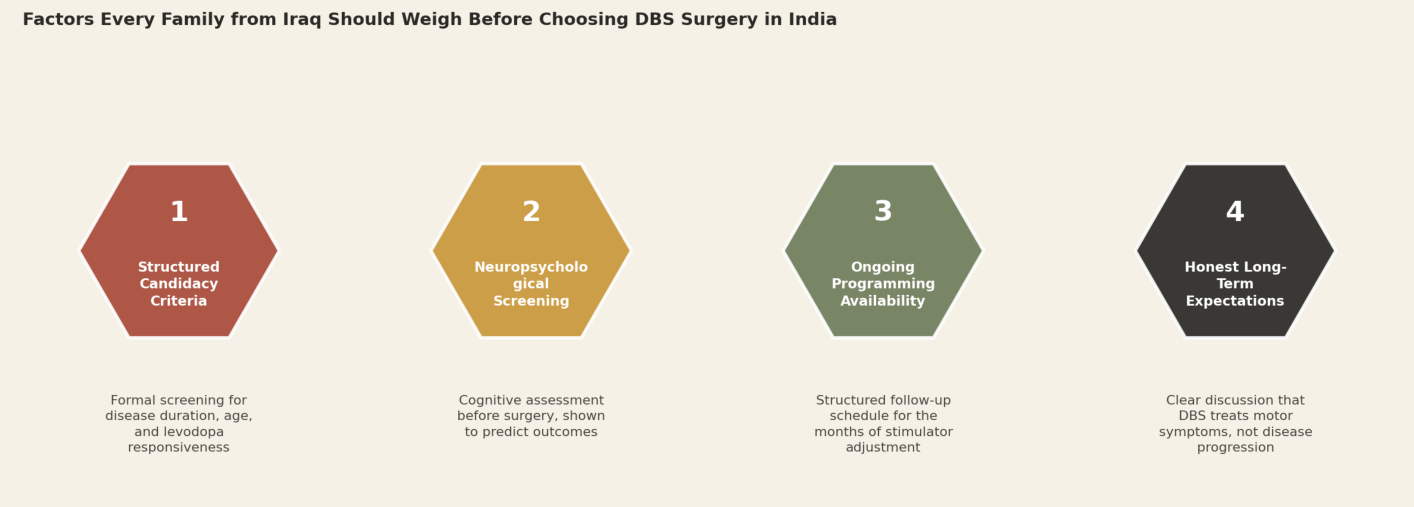
- The source identifies lack of a documented programming schedule, absence of neuropsychological assessment, and presentation of DBS as a cure as major warning signs. The page 4 checklist highlights structured candidacy criteria, neuropsychological screening, ongoing programming availability and honest long-term expectations.
Quick Facts
- Treatment
- Parkinson's disease treatment and deep brain stimulation
- Primary Patients
- Iraqi patients seeking specialist Parkinson's care in India
- Main Speciality
- Movement disorders and functional neurosurgery
- Key Specialists
- Movement disorder neurologist and DBS functional neurosurgeon
- Common DBS Target
- Subthalamic nucleus
- Motor Improvement
- Approximately 44%–61% in cited published studies
- Medication Reduction
- Commonly approximately 30%–50%
- Long-Term Benefit
- 83% maintained active beneficial stimulation at 15-year follow-up in the cited study
- Quality of Life
- Approximately 39% improvement at one year in the source chart
- Key Limitation
- DBS does not stop Parkinson's disease progression
- Candidacy Factors
- Disease duration, age, cognition, and levodopa responsiveness
- Neuropsychological Assessment
- Important before surgery
- Programming
- Requires ongoing adjustments after implantation
- Technology
- Microelectrode recording or imaging-based targeting may be used
- Device Features
- Directional stimulation and sensing may be available in selected systems
- Surgical Approach
- Awake or asleep DBS may be considered according to the case
- Core Team
- Neurologist, functional neurosurgeon, neuropsychologist, and programming specialist
- Extended Support
- Psychiatric support may be relevant for mood or behavioural concerns
- Accreditation
- Verify JCI or NABH accreditation
- Author
- Dr. Dheeraj Bojwani
- Experience
- 24+ Years
In Brief
For Iraqi patients considering Parkinson’s treatment and DBS surgery in India, the most important selection factors are appropriate candidacy assessment, movement-disorder expertise, accurate electrode placement, neuropsychological screening, and reliable long-term programming. The source reports approximately 44–61% motor symptom improvement in published subthalamic DBS studies and 83% sustained beneficial stimulation at 15-year follow-up, while emphasizing that non-motor and axial Parkinson’s symptoms continue to progress. A suitable DBS programme should provide realistic counselling, structured follow-up, and multidisciplinary long-term management rather than presenting surgery as a cure.
Why the Choice of Movement Disorder Team in India Matters as Much as the Choice of Technology
Based on my interactions with international patients, published data on subthalamic deep brain stimulation, the most common target for Parkinson’s DBS, shows a consistent pattern across multiple studies: motor symptom improvement measured by the Unified Parkinson’s Disease Rating Scale typically falls in the range of 44 to 61 percent when comparing the medication-off, stimulation-on state to the pre-operative baseline, alongside meaningful reductions in daily medication requirements, commonly in the range of 30 to 50 percent. A long-term study following patients for fifteen years after surgery found that 83 percent maintained active, beneficial stimulation at final follow-up, a genuinely encouraging durability result, though the same study noted that all patients continued to slowly develop non-motor and axial symptoms over time, since DBS treats the motor symptoms of Parkinson’s disease without halting the underlying neurodegeneration itself. Careful patient selection matters enormously to these outcomes: published research has found that roughly one-third of patients who would genuinely benefit from DBS are never referred to a specialised centre, often due to treating neurologists’ overestimated fears about the procedure, meaning appropriate candidates may be missing this option entirely. This tells a family something important: DBS can be genuinely transformative for the right candidate, but the specific selection process and long-term management, not simply the surgery itself, determine whether that transformation is realised and sustained.
How Patients from Iraq Can Verify a DBS Hospital’s Accreditation in India
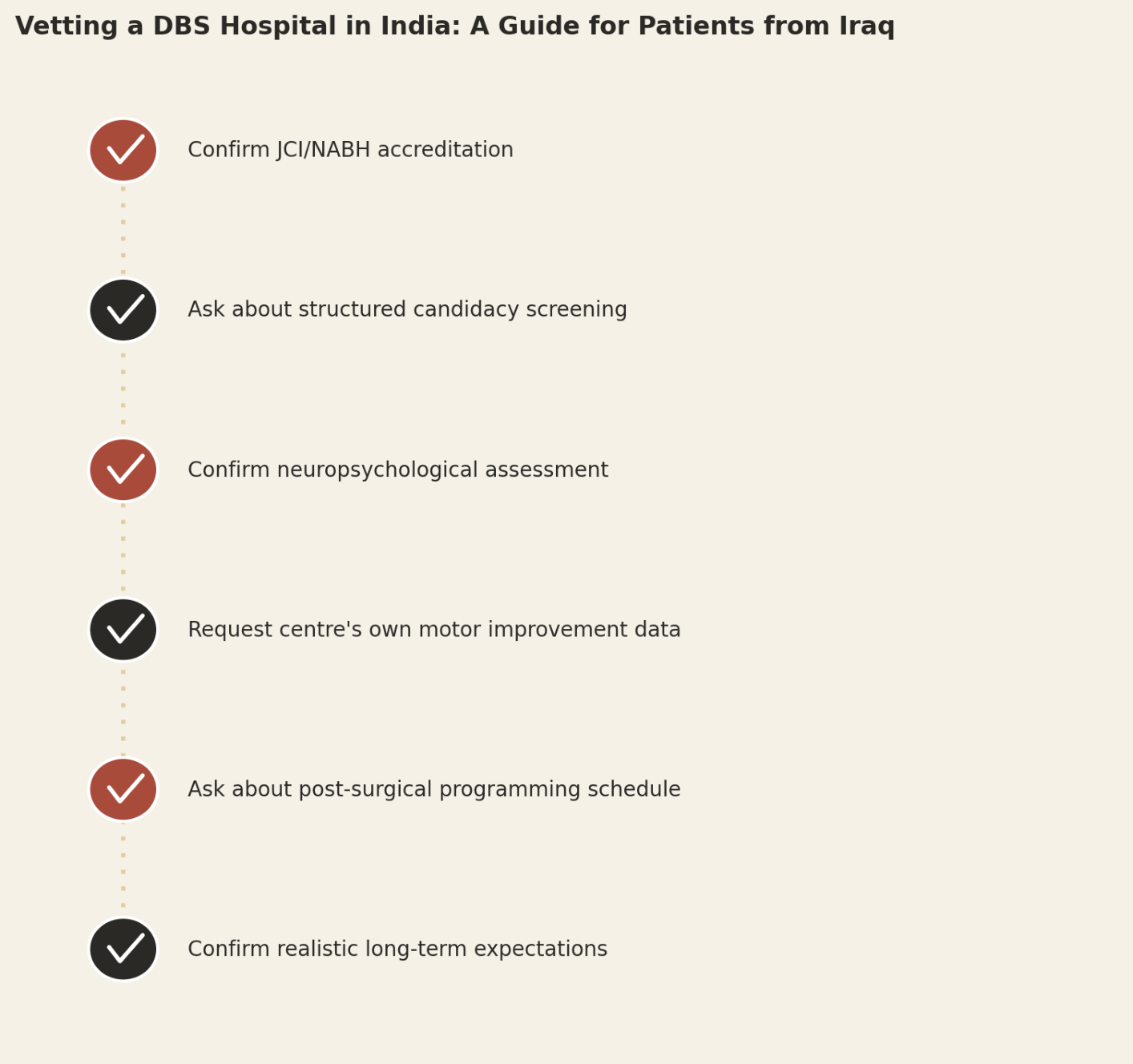
The fastest filter I recommend to every Iraqi family calling about DBS is verifiable accreditation, not marketing language. Joint Commission International, JCI, audits a hospital’s overall clinical safety systems against the same standard used across the United States and Europe. The National Accreditation Board for Hospitals and Healthcare Providers, NABH, is India’s own domestic equivalent, and in my experience of 24 years advising families on this exact decision, a centre holding both marks together is a meaningfully stronger signal than either alone. For DBS specifically, ask one further, very direct question: does this centre use a structured, validated screening protocol to assess candidacy before recommending surgery, since a recent multicentre survey of Indian DBS programming practices found genuinely substantial variability in how different centres approach post-surgical care.
DBS Volume and Candidacy-Specific Criteria That Predict Outcomes in India
Based on my interactions with dozens of movement disorder programmes over the years, a centre’s specific, structured patient-selection process, not simply its overall DBS case volume, is one of the clearest predictors of a good outcome. In my experience of 24 years advising families on exactly this kind of decision, the centres worth trusting are the ones willing to say a patient is not currently a good candidate, rather than proceeding with surgery for every patient who requests it. Ask directly, in writing:
- What specific criteria does this centre use to assess DBS candidacy, including disease duration, age, cognitive function, and levodopa responsiveness, and does my case meet these established thresholds?
- What is this centre's own reported motor symptom improvement and medication reduction for patients with a profile similar to mine?
- Who performs the post-surgical programming of the stimulator, and how frequently will follow-up adjustments be available, given that optimal programming often requires multiple visits over the following months?
- What is the centre's approach to managing expectations around non-motor and axial symptoms, given that these tend to progress over time regardless of how well DBS controls the motor symptoms it specifically targets?
A centre confident in its own process will answer these specifically. A centre that recommends DBS without a structured candidacy assessment deserves a second opinion before you commit.
Vetting a DBS Hospital in India: A Guide for Patients from Iraq
Questions Patients from Iraq Should Ask About the DBS Team in India
DBS surgery and its long-term management are never genuinely the work of one specialist alone. In my experience of 24 years watching these programmes operate, the strongest units bring together a movement disorder neurologist for pre-operative screening and post-operative medication management, a functional neurosurgeon experienced specifically in DBS lead placement, a neuropsychologist for cognitive assessment before surgery, and a dedicated programming specialist for the ongoing stimulator adjustments that continue for months after implantation. A psychiatrist is also worth confirming as part of the extended team, since mood and behavioural changes can occur following DBS surgery and benefit from specific, dedicated attention rather than being managed as an afterthought. Ask specifically who fills each of these roles for your case, and confirm that a genuine multidisciplinary team, not a single specialist, made the recommendation for surgery.
DBS Technology Standards in India That Patients from Iraq Should Check
The specific technology available changes both surgical precision and long-term programming flexibility. Ask whether the centre uses intraoperative microelectrode recording or imaging-based targeting to precisely place the stimulating electrode, since accurate lead placement directly affects how well symptoms respond to stimulation. Ask whether the specific device offered includes directional stimulation and sensing capability, newer features that allow more precise programming and, in some systems, objective brain activity data to guide medication adjustments. Ask also whether the centre offers awake or asleep DBS technique depending on what suits your specific case, since some patients tolerate awake surgery, which allows real-time testing of stimulation effects, better than others, and a centre offering only one approach may not be matching the technique to your specific needs. Ask directly which of these specific capabilities apply to your case, not simply whether the hospital performs DBS in general terms.
Red Flags Patients from Iraq Should Watch For When Choosing a DBS Hospital in India
Over the years, certain patterns have become reliable warning signs for me. A centre that recommends DBS without a structured, documented candidacy assessment has not applied the selection criteria that current evidence shows meaningfully predicts a good outcome. A centre that cannot describe its own post-surgical programming schedule and availability has not prepared for the months of adjustment optimal results typically require. A centre that presents DBS as a cure rather than a treatment for motor symptoms specifically has not given your family a realistic picture of what the surgery can and cannot achieve. And a centre that does not involve a neuropsychologist in pre-operative screening, given how strongly cognitive status has been shown to predict DBS outcomes, is skipping an assessment current evidence considers important.
Factors Every Family from Iraq Should Weigh Before Choosing DBS Surgery in India
A Closing Thought for Iraqi Families
Deep brain stimulation offers genuine, well-documented benefit for carefully selected Parkinson’s disease patients, and it deserves a team that applies rigorous candidacy criteria and provides structured long-term programming support, not a surgery presented as more than it honestly is. Based on my interactions with international patients over more than two decades, the families who ask about candidacy criteria, programming availability, and realistic long-term expectations consistently make better-informed decisions than those who accept a general reassurance alone. My role, and the role of any advisor a family works with, should be to help you ask these exact questions and confirm honestly that the specific team and specific hospital in front of you are the right fit for your family’s exact situation. Iraq’s families deserve the same standard of scrutiny in this decision as any family anywhere else in the world.
Sources & Further Reading
- Joint Commission International (JCI) — Accredited Organizations Directory (jointcommissioninternational.org)
- National Accreditation Board for Hospitals & Healthcare Providers (NABH), India (nabh.co)
- Neurology India — Deep Brain Stimulation in Parkinson's Disease (journals.lww.com)
- PMC — Outcomes from Deep Brain Stimulation Targeting Subthalamic Nucleus and Caudal Zona Incerta for Parkinson's Disease (ncbi.nlm.nih.gov/pmc)
- Frontiers in Neurology — Real-World DBS Programming Practices for Parkinson's Disease in India: A Multicentre Clinician Survey (frontiersin.org)
Frequently Asked Questions by Iraqi Patients about Selecting a DBS Surgeon and Hospital in India
Is DBS surgery available in India for Iraqi patients with Parkinson's disease?
Yes. The source specifically guides patients from Iraq in evaluating Parkinson's treatment and DBS surgeons and hospitals in India, including candidacy assessment and long-term programming support.
How much can DBS improve Parkinson's motor symptoms?
The source cites published subthalamic DBS studies showing approximately 44%–61% motor symptom improvement when comparing the medication-off, stimulation-on state with the pre-operative baseline.
Can DBS reduce Parkinson's medication requirements?
Yes. The cited literature reports commonly approximately 30%–50% reductions in daily medication requirements after DBS, although the amount varies between patients.
Does DBS cure Parkinson's disease?
No. The source clearly states that DBS treats targeted motor symptoms but does not stop the underlying neurodegenerative process. Non-motor and axial symptoms can continue to progress over time.
What factors determine whether an Iraqi patient is suitable for DBS in India?
The guide recommends assessing disease duration, age, cognitive function, and responsiveness to levodopa through a structured candidacy process.
Is neuropsychological assessment important before DBS surgery?
Yes. The source identifies a neuropsychologist as an important member of the DBS team and recommends cognitive assessment before surgery.
What specialists should be involved in DBS treatment for Iraqi patients?
A strong programme may include a movement disorder neurologist, functional neurosurgeon, neuropsychologist, and dedicated DBS programming specialist.
What DBS technology should Iraqi patients ask about in India?
Patients can ask whether the centre uses intraoperative microelectrode recording or imaging-based targeting and whether the available device provides directional stimulation or sensing capabilities.
How important is DBS programming after surgery?
It is essential. The source notes that optimal stimulation commonly requires multiple programming visits during the months after implantation.
What are the main warning signs when choosing a DBS hospital in India?
Warning signs include recommending DBS without structured candidacy assessment, having no clear post-operative programming schedule, presenting DBS as a cure rather than a motor-symptom treatment, and omitting neuropsychological assessment before surgery.
Page Summary
Choosing a DBS surgeon and hospital in India should begin with determining whether the patient is genuinely an appropriate candidate rather than focusing only on surgical technology or overall procedure volume. The source recommends structured assessment of disease duration, age, cognitive function, and levodopa responsiveness, together with centre-specific outcomes for patients with comparable profiles.
For Iraqi patients, long-term programming and multidisciplinary follow-up are particularly important because DBS requires adjustments after implantation and does not stop the progression of non-motor and axial Parkinson's symptoms. A suitable centre should provide movement-disorder expertise, neuropsychological assessment, accurate lead placement, programming support, and realistic long-term counselling.
Citation Block
| Field | Details |
|---|---|
| Article / Topic | Selecting the Best Parkinson's Treatment and DBS Surgeons and Hospitals in India |
| Primary Country | Iraq |
| Treatment | Parkinson's disease treatment and deep brain stimulation |
| Main Speciality | Movement disorders and functional neurosurgery |
| Common DBS Target | Subthalamic nucleus |
| Motor Improvement | Approximately 44%–61% in cited studies |
| Medication Reduction | Approximately 30%–50% commonly reported |
| Long-Term Benefit | 83% maintained active beneficial stimulation at 15-year follow-up |
| Quality of Life | Approximately 39% improvement at one year in source chart |
| Key Limitation | DBS does not stop underlying neurodegeneration |
| Candidacy Factors | Disease duration, age, cognition, and levodopa responsiveness |
| Pre-operative Assessment | Structured candidacy and neuropsychological assessment |
| Core Team | Movement disorder neurologist, functional neurosurgeon, neuropsychologist, programming specialist |
| Additional Support | Psychiatric support when clinically appropriate |
| Lead Placement | Microelectrode recording or imaging-based targeting |
| Device Technology | Directional stimulation and sensing may be available |
| Surgical Options | Awake or asleep DBS according to individual circumstances |
| Programming | Requires ongoing post-operative adjustments |
| Accreditation | Verify JCI or NABH accreditation |
| Outcome Data | Ask for results in patients with a comparable clinical profile |


Our Mission Statement
Our mission is to place patients at the centre of every healthcare decision by providing trustworthy, evidence-based, and unbiased medical information. We believe that informed patients make better decisions. Backed by personalised guidance from our experienced advisory team, we help patients understand their treatment options, compare them objectively, and confidently choose the path that best suits their medical needs and personal circumstances.
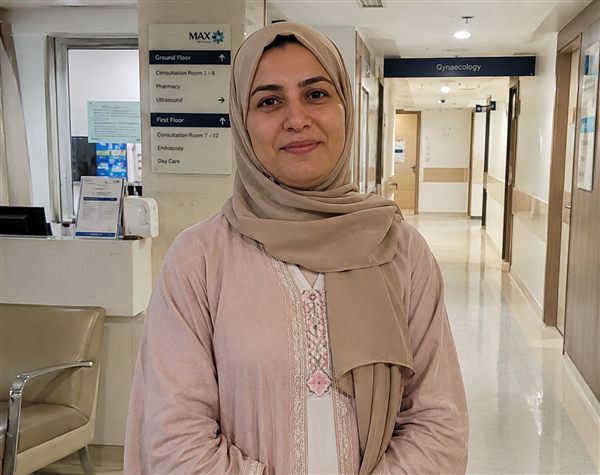
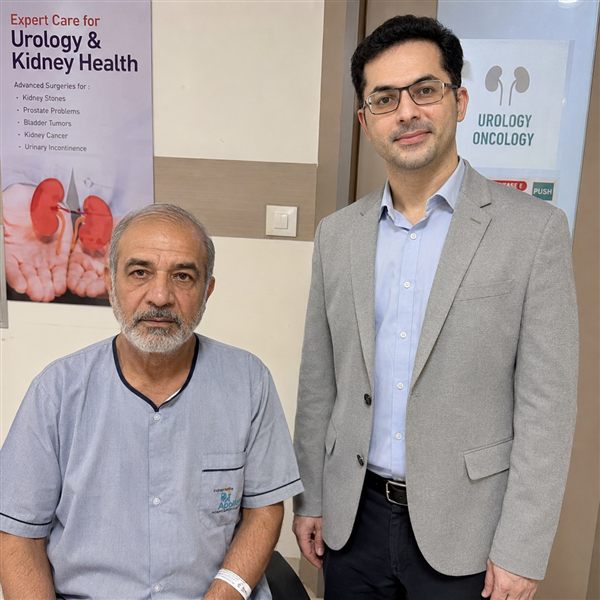
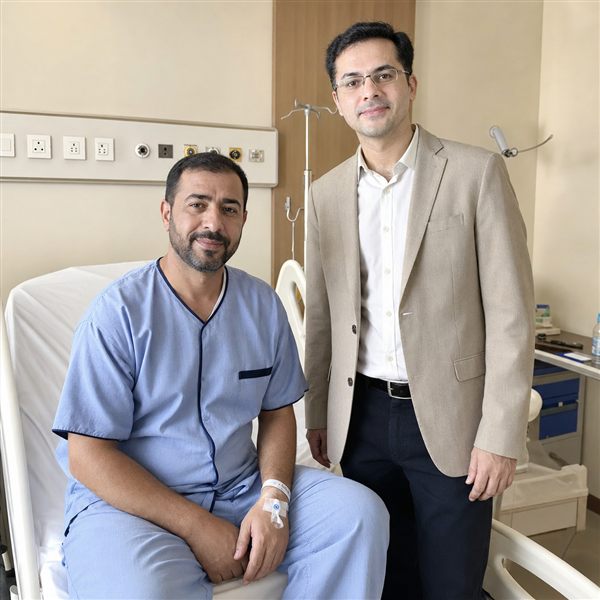
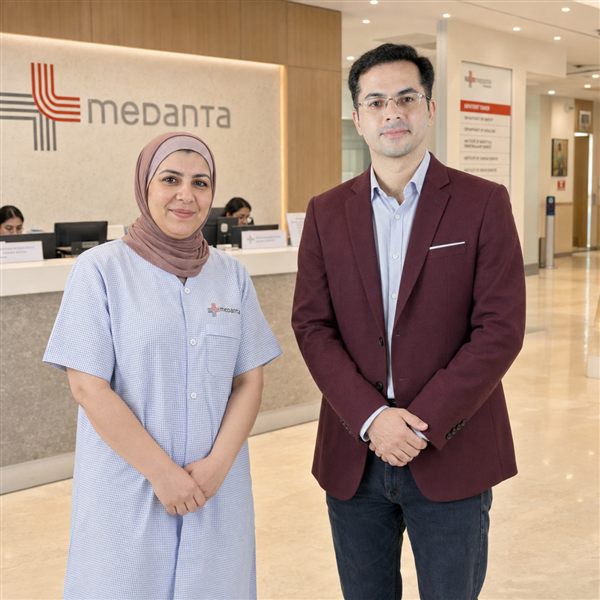
Patient Testimonials from Iraq

Ready to Take the First Step?
Share your Medical Reports with our Healthcare Managers Today and Get a FREE CONSULTATION, a Personalized Treatment Plan, and Complete Support from Arrival to Recovery.
Get Your Free ConsultationAreas We Serve
Indian Health Guru Consultants proudly assists patients from Iraq and surrounding Middle Eastern countries in accessing advanced, affordable and trusted medical treatment in India. Our team provides complete support for medical opinions, hospital selection, treatment planning, visa assistance, travel coordination, accommodation and post-treatment follow-up.
We regularly serve patients from:
- Iraq
- Turkey
- Iran
- Kuwait
- Jordan
- Syria
- Qatar
- Bahrain
- Oman
- Yemen
- Saudi Arabia
- United Arab Emirates
No matter where you are located, our experienced team is committed to making your medical journey to India safe, smooth, transparent and stress-free from the first enquiry to your return home.
From Iraq to India: Your Complete Patient Guide
- Breast Cancer Treatment in India for Iraqi Patients
- Urosurgery and Reconstructive Urology in India for Iraqis
- IVF and Fertility Treatment in India for Iraqis
- Paediatric Neurosurgery in India for Iraqis
- Neuronavigation and Advanced Brain Surgery in India for Iraqis
- HIPEC Cancer Surgery in India for Iraqis
- Robotic Cancer Surgery in India for Iraqis
- Dental Surgery in India for Iraqis
- CyberKnife Treatment in India for Iraqis
- Knee Surgery in India for Iraqis
- Paediatric Orthopaedic Surgery in India for Iraqis
- Radiotherapy and Modern Cancer Treatment in India for Iraqis
- Parkinson's Treatment and DBS Surgery in India for Iraqis
- Neurosurgery in India for Iraqis
- Cancer Treatment in India for Iraqi Patients
- Shoulder Surgery in India for Iraqis
- Heart Failure Treatment and Surgery in India for Iraqis
- Plastic and Reconstructive Surgery in India for Iraqis