

IVF and Fertility Treatment in India for Iraqis: What You Need to Know Before You Travel
A doctor’s honest guide for Iraqi couples weighing IVF or fertility treatment abroad — costs, hospitals, the real treatment journey, and the questions worth asking before you book anything.
For an Iraqi couple who has spent years trying to conceive, infertility carries a particular weight in a society where having children is treated as central to marriage and family life. It is also, unlike many medical conditions, tangled up with legal and religious boundaries that vary meaningfully from country to country, boundaries that can determine not just where treatment happens but which treatments are even legally available to a specific couple at all. I have spent 24 years guiding patients from across the Middle East, Africa, and South Asia through exactly this decision, and Iraqi couples are an increasingly regular part of that work. What I tell every couple calling from Baghdad, Basra, Erbil, or Sulaimani is the same thing I would tell my own family: fertility treatment is rarely just a medical question, it is also a legal one, and understanding exactly what your specific case needs, and whether that is even legally possible where you live, has to come before choosing a clinic. For a growing number of Iraqi couples, once the options are compared honestly, both the medical and legal picture are clearer in India.
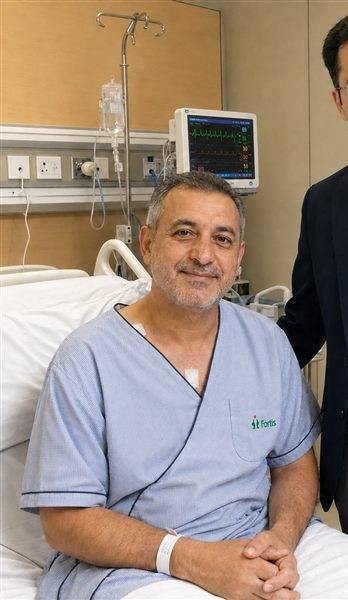
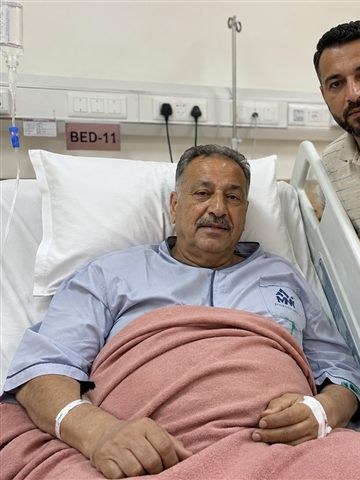
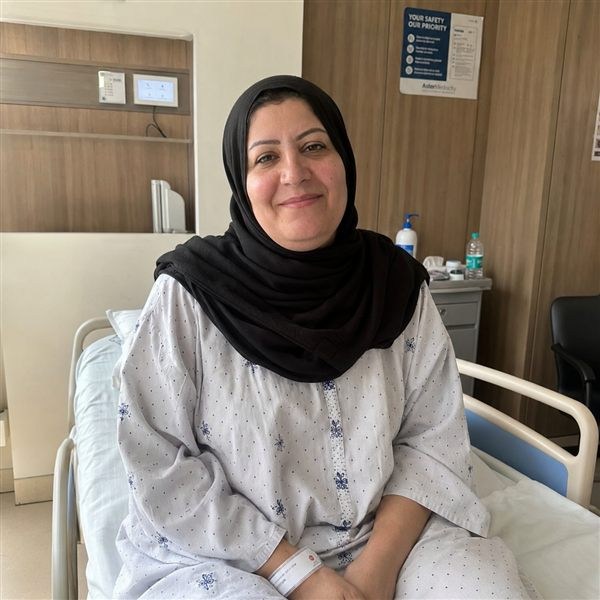
Healing Journeys of Iraqi Patients


Key Takeaways
- Infertility can involve both medical and legal considerations for Iraqi couples. The source explains that fertility treatment is closely connected with family expectations and that legal and religious boundaries can differ between countries. For this reason, couples should establish exactly what their diagnosis requires and whether the proposed treatment is legally available before choosing a fertility clinic or travelling abroad.
- Iraq has a genuine and established IVF sector. The guide identifies fertility centres in Basra and Baghdad providing standard IVF and ICSI for married Iraqi couples using their own eggs and sperm. It also notes that some religious endowment hospitals provide fertility services free of charge. The source therefore recommends that Iraqi couples investigate appropriate fertility care within Iraq first.
- The legal situation becomes more significant when treatment requires a third party. According to the source, Iraqi law does not permit donor sperm, donor eggs, or surrogacy using anyone other than the couple's own gametes. For couples whose infertility genuinely requires donor gametes, this is therefore a legal restriction rather than simply a limitation in medical equipment or specialist availability.
- India is presented as an option because of its high IVF and ICSI treatment volume and access to advanced fertility laboratory infrastructure. Leading fertility centres perform large numbers of cycles and may provide genetic testing capabilities, experienced embryologists, and internationally trained reproductive endocrinologists. These factors can be relevant when couples are comparing fertility programmes internationally.
- The source also distinguishes between donor-gamete IVF and surrogacy under India's legal framework. Regulated donor gamete access for a couple's own treatment cycle is permitted through registered anonymous donor banks under India's Assisted Reproductive Technology framework, while commercial surrogacy for foreign nationals was banned in 2018. Iraqi couples should not assume that every fertility treatment option available internationally is available in India, and the current rules applicable to the couple's specific situation should be confirmed in writing before travel.
- International-patient coordination is another factor identified in the guide. Indian fertility centres may provide Arabic-speaking coordinators who can explain the applicable legal framework before the couple travels. India's dedicated medical visa category for foreign patients and one attendant can help with treatment-related travel arrangements.
- The cost chart on page 2 provides illustrative all-inclusive ranges for a single standard IVF or ICSI cycle. India is shown at approximately USD 3,000–5,000, compared with USD 6,000–10,000 in the United Kingdom, USD 4,500–7,000 in Germany, and USD 12,000–20,000 in the United States. The India range covers medication, egg retrieval, fertilisation, and embryo transfer, while donor-gamete cycles cost meaningfully more. Fertility treatment may require more than one cycle, so couples should not evaluate treatment solely on the price of one attempt.
- The treatment journey illustrated on page 3 shows remote consultation and fertility-test review on Day 0, followed by approximately Days 1–10 for arrival, ovarian stimulation, and monitoring. Egg retrieval and fertilisation occur around Day 11, followed by embryo development during Days 12–16 and embryo transfer around Day 17, either fresh or frozen depending on the treatment protocol. The source estimates approximately two and a half to three weeks from stimulation to embryo transfer, although some couples may need to return separately for the transfer.
- The page 3 decision framework identifies six important factors: confirming the applicable legal framework, hospital accreditation and embryology-laboratory quality, personalised treatment protocols, transparent success-rate information, Arabic-language coordination, and a plan if the first cycle does not succeed. Iraqi couples should confirm India's current rules in writing when donor gametes are involved and share previous fertility test results and treatment history digitally before travelling.
Quick Facts
- Treatment
- IVF and fertility treatment
- Primary Patients
- Iraqi couples seeking assisted reproductive treatment
- Main Speciality
- Reproductive medicine and fertility treatment
- Key Specialist
- Fertility specialist or reproductive endocrinologist
- Common Treatments
- IVF and ICSI
- Iraq IVF Capacity
- Established IVF services are available in Baghdad and Basra
- Iraq Legal Restriction
- Donor sperm, donor eggs, and third-party surrogacy are not permitted under Iraqi law in the circumstances described
- Own Gametes
- Standard IVF and ICSI are available in Iraq for married couples using their own eggs and sperm
- India IVF Volume
- Leading Indian fertility centres perform high numbers of IVF and ICSI cycles
- Laboratory Infrastructure
- Leading centres may provide advanced embryology laboratories and genetic testing capabilities
- Donor Gametes
- Regulated donor egg and sperm access is legally distinct from surrogacy under India's framework
- Surrogacy
- Commercial surrogacy for foreign nationals was banned in India in 2018 according to the source
- Legal Verification
- Couples should confirm the current rules applicable to their specific situation in writing before travel
- International Support
- Arabic-speaking fertility coordinators may assist Iraqi couples
- Illustrative India IVF Cost
- USD 3,000–5,000 per standard IVF/ICSI cycle
- UK Comparison
- USD 6,000–10,000
- Germany Comparison
- USD 4,500–7,000
- USA Comparison
- USD 12,000–20,000
- Cost Coverage
- Medication, egg retrieval, fertilisation, and embryo transfer in the illustrative range
- Donor Cycle Cost
- Donor-gamete cycles cost meaningfully more
- Treatment Duration
- Approximately two and a half to three weeks from stimulation to embryo transfer
- Ovarian Stimulation
- Approximately two weeks of stimulation and monitoring
- Multiple Cycles
- Some couples may require more than one IVF cycle
- Success Rates
- Couples should ask for actual clinic success rates relevant to their age group and diagnosis
- Failed Cycle Planning
- A written plan should explain the next steps if the first cycle does not succeed
- Pre-Travel Review
- Previous fertility tests and treatment history should be shared digitally
- Author
- Dr. Dheeraj Bojwani
- Experience
- 24+ Years
In Brief
For Iraqi couples considering IVF in India, the first step should be to establish both medical suitability and legal eligibility before travelling. Existing fertility investigations and previous treatment records should be shared with the fertility specialist in advance, while couples considering donor eggs or sperm should obtain written confirmation of the current rules applicable to their specific circumstances. The source's illustrative cost for a standard IVF/ICSI cycle in India is approximately USD 3,000–5,000, with a typical cycle taking roughly two and a half to three weeks from stimulation to embryo transfer.
Why Iraqi Couples Are Looking Beyond Iraq for Fertility Treatment
Iraq has a genuine and long-established IVF sector. Clinics such as Al-Manar Fertility and Endoscopy Center in Basra, established in 2011 as the first IVF centre in southern Iraq, and Baghdad’s Kamal al-Samarai IVF Clinic, which has treated tens of thousands of patients since 2003, provide standard IVF and ICSI for married Iraqi couples using their own eggs and sperm. Some religious endowment hospitals, including a fertility centre affiliated with the Imam Hussein Holy Shrine, offer these services free of charge. This is real, meaningful capacity, and it should always be the first option a couple investigates.
Where the picture becomes legally difficult is any case needing a third party. Iraqi law does not permit donor sperm, donor eggs, or surrogacy using anyone other than the couple’s own gametes, a restriction one Iraqi fertility administrator has described bluntly: a doctor providing a donor sperm arrangement would simply be dismissed. For the substantial number of couples whose infertility specifically requires donor gametes, this is not a capacity gap that better equipment or more doctors can close. It is a legal boundary. This is why these couples specifically now travel for fertility treatment, and India has become one of the destinations they trust most for the medical side of that decision, though every couple should also understand India’s own legal framework clearly.
Why India Specifically for IVF and Fertility Treatment, Not Just Overseas
Iraqi couples researching treatment abroad quickly discover several destinations: Turkey, Jordan, Georgia, and India are all commonly mentioned in the same breath. It is worth being direct and precise about what India actually offers, and does not offer, for fertility treatment specifically.
The first reason is IVF and ICSI volume and success rates. India’s leading fertility centres perform a very high number of cycles every year, with laboratory standards, genetic testing capability, and embryologist experience that rival leading centres anywhere in the world, backed by internationally trained reproductive endocrinologists.
The second reason is regulated donor gamete access for a couple’s own treatment cycle, permitted under India’s Assisted Reproductive Technology Act through registered, anonymous donor banks, for couples whose infertility genuinely requires this option and for whom it is not available at home. It is important to be precise here: India banned commercial surrogacy for foreign nationals in 2018, so surrogacy itself is not an option available to Iraqi couples in India, but IVF using donor eggs or sperm for the couple’s own pregnancy remains a different, and legally distinct, category.
The third reason is infrastructure built specifically for international patients, including Arabic-speaking coordinators who can explain the legal framework clearly before a couple ever travels, avoiding the confusion and disappointment of arriving with incorrect assumptions about what is actually possible. Finally, India’s government has built a dedicated medical visa category for foreign patients and one attendant.
Understanding the Cost Picture of Fertility Treatment in India
Cost is rarely the only reason a couple chooses India, but it is almost always part of the conversation, particularly since fertility treatment often requires more than one cycle. The figures below reflect typical all-inclusive ranges for a single standard IVF or ICSI cycle, covering medication, egg retrieval, fertilisation, and embryo transfer. Donor gamete cycles cost meaningfully more, so I always urge couples to get a written, itemised estimate once a fertility specialist has reviewed their specific diagnosis.
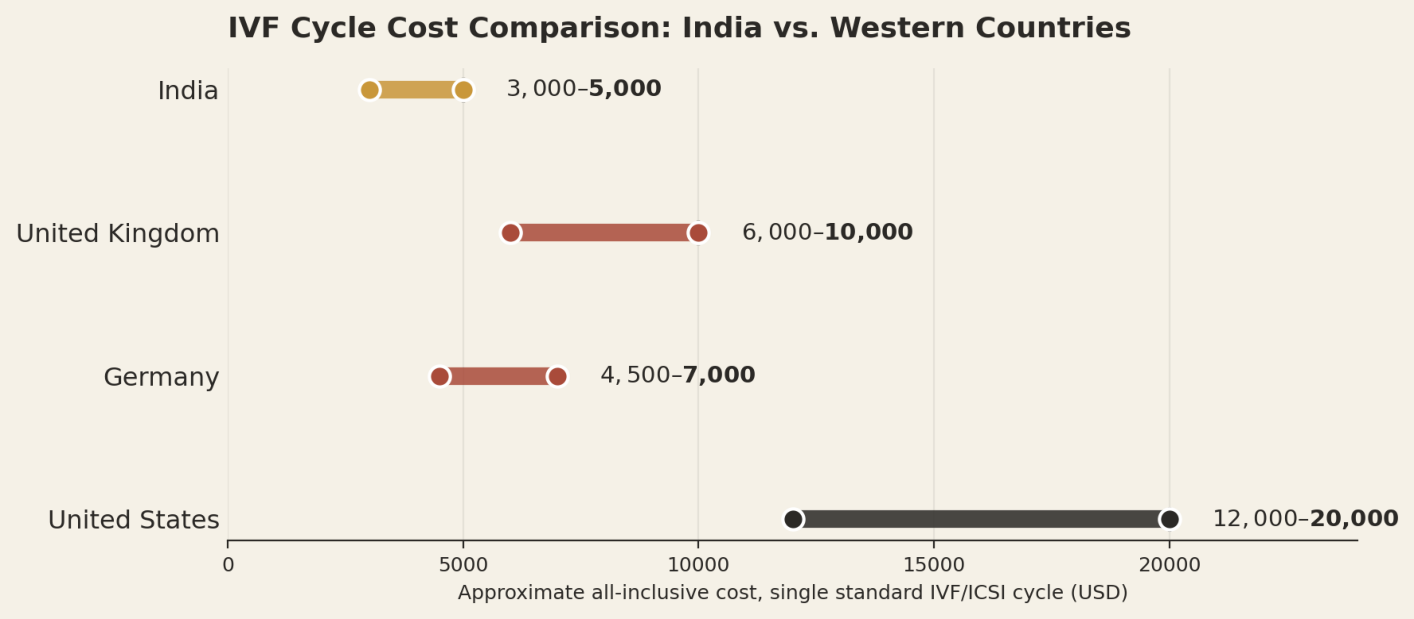
What stands out is not simply that India is cheaper than the United States, the United Kingdom, or Germany. It is that India offers the same laboratory standards and genetic testing technology at a fraction of Western prices, with transparent, package-based pricing that contrasts favourably with Western systems where a quoted “cycle cost” often excludes medication, additional transfers, or genetic screening until the final bill arrives. Many hospitals also accept a partial advance deposit rather than full upfront payment, which is worth raising directly in the first consultation since it can meaningfully ease the financial planning involved in arranging funds from Iraq.
What Fertility Treatment in India Typically Looks Like
Couples often worry most about how many trips are needed, since IVF involves several distinct stages over a period of weeks. Having coordinated this journey for many couples, I find it helps enormously to see the process mapped out plainly before departure.
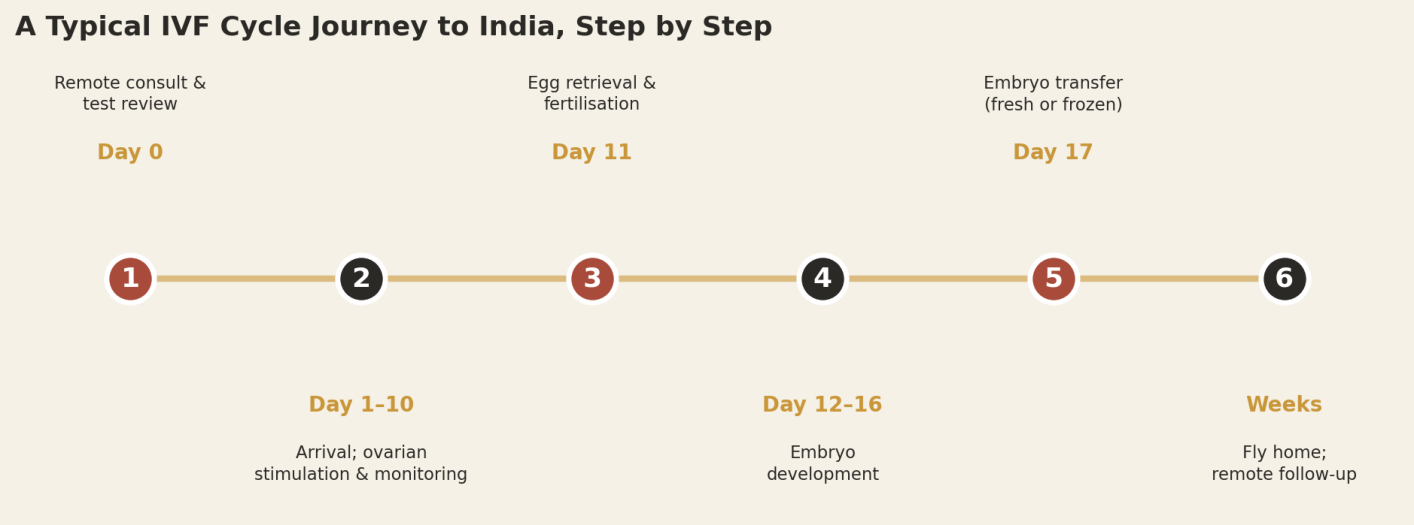
A typical IVF cycle involves roughly two weeks of ovarian stimulation and monitoring, followed by egg retrieval, fertilisation, and either a fresh or later frozen embryo transfer, with couples typically needing to be in India for the stimulation and retrieval phase and, depending on the specific protocol, either staying for the transfer or returning for it separately.
Factors Every Iraqi Couple Should Weigh Before Deciding Fertility Treatment in India
Beyond cost and destination, the Iraqi couples I have advised over these 24 years tend to make better decisions, and face fewer surprises, when they think through the following before booking anything.
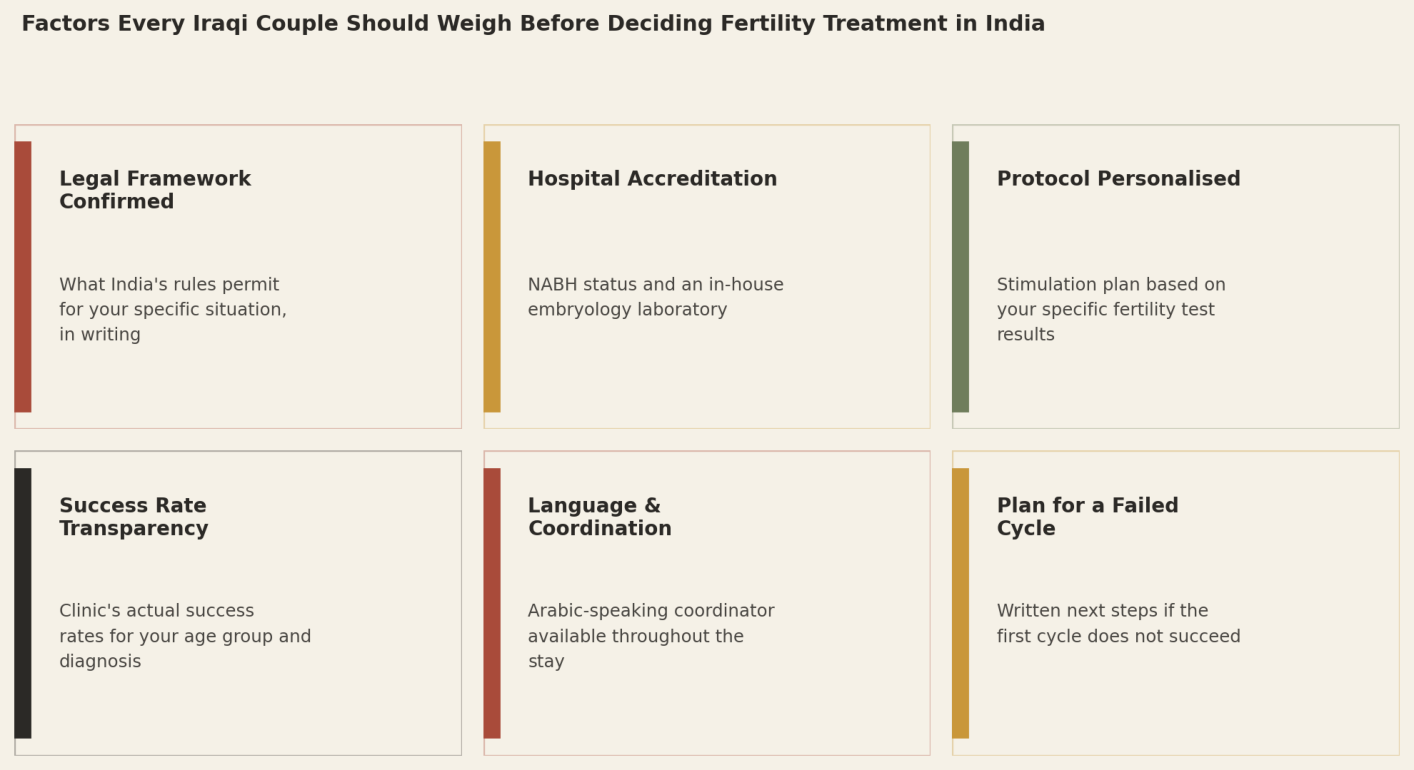
A few of these deserve a specific note. Confirm directly, in writing and before travel, exactly what India’s current rules permit for your specific situation, particularly if donor gametes are involved, since this is a regulated and sometimes changing legal area. Existing fertility test results and any prior treatment history should be translated and shared digitally in advance, since a specialist needs this to recommend the right protocol rather than starting from scratch. Couples should also ask, in writing, what the plan is if the first cycle is not successful, since IVF success is measured in probability, not certainty, and understanding this before starting matters for both budget and expectations.
A Closing Thought for Iraqi Families
Fertility treatment touches both medicine and law at once, and a couple deserves complete, accurate information about both before travelling, not a hopeful brochure or the lowest quoted price. What the evidence consistently shows is that for Iraqi couples weighing where to go, India offers a genuinely rare combination: high-volume IVF expertise, a clear and regulated legal framework for donor gametes where a couple’s own treatment genuinely needs it, and meaningfully lower cost than the West. Few destinations available to an Iraqi couple today can offer this combination of clinical volume and legal clarity at once. My role, and the role of any advisor a couple works with, should be to help confirm both the medical plan and the legal reality honestly, and make sure it fits the couple’s specific diagnosis, budget, and timeline. Iraq’s families deserve the same standard of clarity and care in this decision as any family anywhere else in the world.
Sources & Further Reading
- World Health Organization — Iraq Health System Profile (who.int/countries/irq)
- National Institute for Health and Care Excellence (NICE, UK) — Fertility Problems Guidance (nice.org.uk)
- UK Government — List of English-Speaking Doctors and Medical Facilities in Iraq (gov.uk/government/publications/iraq-doctors-and-medical-facilities)
- American Society for Reproductive Medicine (ASRM) — Patient Fact Sheets (reproductivefacts.org)
- World Bank — Iraq Health Sector Reports (worldbank.org/en/country/iraq)
Frequently Asked Questions by Iraqi Patients about IVF and Fertility Treatment in India
Can Iraqi couples receive IVF treatment in India?
Yes. The source presents India as an option for Iraqi couples seeking IVF or ICSI, but stresses that the couple must first confirm that the specific treatment is legally permitted under India's current rules.
Is IVF available in Iraq?
Yes. The guide describes an established IVF sector in Iraq, particularly in Baghdad and Basra, providing IVF and ICSI for married couples using their own eggs and sperm.
Why might an Iraqi couple consider fertility treatment in India?
India offers high IVF and ICSI treatment volumes, advanced embryology laboratories, genetic testing capabilities, experienced fertility specialists, and international-patient coordination.
Can Iraqi couples use donor eggs or donor sperm in India?
The source describes regulated donor-gamete access for applicable treatment cycles in India. However, fertility laws are regulated and can change, so Iraqi couples should obtain written confirmation of the rules applicable to their exact circumstances before travelling.
Is surrogacy available to Iraqi couples in India?
The source states that commercial surrogacy for foreign nationals was banned in India in 2018. Couples should therefore distinguish between donor-gamete IVF and surrogacy and verify the current legal position before making travel arrangements.
How much does IVF cost in India for Iraqi patients?
The source gives an illustrative all-inclusive range of approximately USD 3,000–5,000 for a standard IVF/ICSI cycle. Donor-gamete cycles cost meaningfully more.
What does the standard IVF cost include?
The illustrative India range includes medication, egg retrieval, fertilisation, and embryo transfer. Couples should obtain a written, itemised quotation after the fertility specialist reviews their diagnosis.
How long does one IVF cycle take in India?
The source's treatment diagram shows approximately two and a half to three weeks from stimulation to embryo transfer. Depending on the protocol, couples may either remain in India for the transfer or return separately.
What should Iraqi couples do before travelling for IVF?
They should share previous fertility test results and treatment history digitally, confirm the applicable Indian legal framework in writing, understand the treatment protocol, and obtain a clear estimate of the expected costs and timeline.
What happens if the first IVF cycle is unsuccessful?
IVF success is not guaranteed, and some couples require more than one cycle. The source recommends obtaining a written plan for the next steps before starting treatment so that medical, financial, and travel expectations are clear.
Page Summary
The guide explains that IVF decisions for Iraqi couples involve both medical and legal considerations. Iraq has established IVF and ICSI capacity for married couples using their own eggs and sperm, but the source identifies legal restrictions around donor gametes and third-party arrangements. India is presented as an option because of high IVF/ICSI volume, advanced laboratory capabilities, experienced embryologists, regulated donor-gamete access in applicable circumstances, and international-patient coordination. The page 2 cost chart illustrates approximately USD 3,000–5,000 in India for a standard IVF/ICSI cycle, compared with higher illustrative ranges in the UK and United States. The page 3 treatment journey shows approximately two and a half to three weeks from ovarian stimulation through embryo transfer, although some couples may need separate travel depending on the treatment protocol.
Citation Block
| Field | Details |
|---|---|
| Article / Topic | IVF and Fertility Treatment in India for Iraqi Patients |
| Primary Country | Iraq |
| Treatment Destination | India |
| Main Speciality | Reproductive medicine and fertility treatment |
| Key Specialist | Fertility specialist or reproductive endocrinologist |
| Common Treatments | IVF and ICSI |
| Iraq IVF Capacity | Established IVF sector in Baghdad and Basra |
| Iraq Treatment Model | IVF/ICSI using the couple's own eggs and sperm |
| Legal Issue | Donor gametes and third-party arrangements are restricted under Iraqi law as described |
| India IVF Strength | High-volume IVF and ICSI programmes |
| Laboratory Infrastructure | Advanced embryology and genetic testing capability at leading centres |
| Specialist Team | Reproductive endocrinologists and experienced embryologists |
| Donor Gametes | Regulated donor access for applicable treatment cycles |
| Surrogacy | Commercial surrogacy for foreign nationals banned in 2018 according to the source |
| Legal Verification | Current rules should be confirmed in writing before travel |
| International Support | Arabic-speaking coordinators |
| Illustrative India Cost | USD 3,000–5,000 |
| UK Comparison | USD 6,000–10,000 |
| Germany Comparison | USD 4,500–7,000 |
| USA Comparison | USD 12,000–20,000 |
| Cost Coverage | Medication, egg retrieval, fertilisation, and embryo transfer |
| Donor Cycle Cost | Meaningfully higher than standard IVF/ICSI |
| Treatment Duration | Approximately two and a half to three weeks |
| Stimulation Period | Approximately two weeks |
| Multiple-Cycle Planning | Written next steps should be established if the first cycle fails |
| Pre-Travel Records | Fertility tests and previous treatment history |
| Key Decision Factors | Legal eligibility, laboratory quality, personalised protocol, relevant success rates, coordination, and failed-cycle planning |


Our Mission Statement
Our mission is to place patients at the centre of every healthcare decision by providing trustworthy, evidence-based, and unbiased medical information. We believe that informed patients make better decisions. Backed by personalised guidance from our experienced advisory team, we help patients understand their treatment options, compare them objectively, and confidently choose the path that best suits their medical needs and personal circumstances.
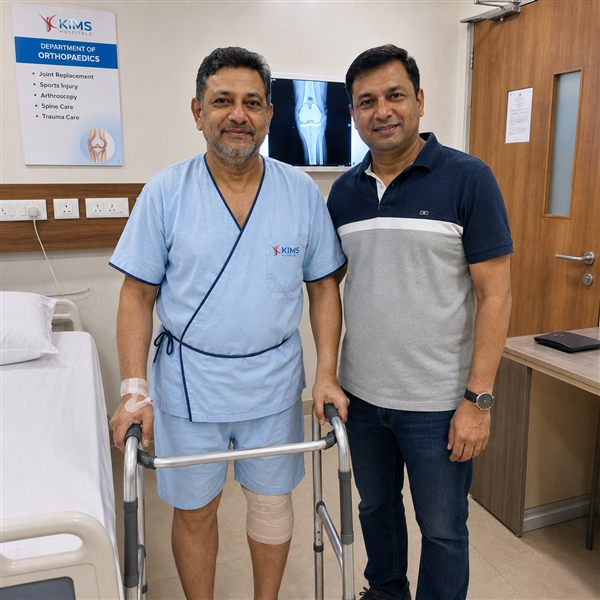
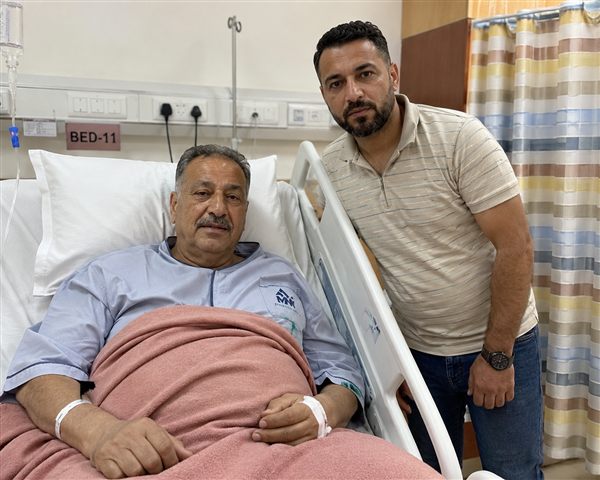
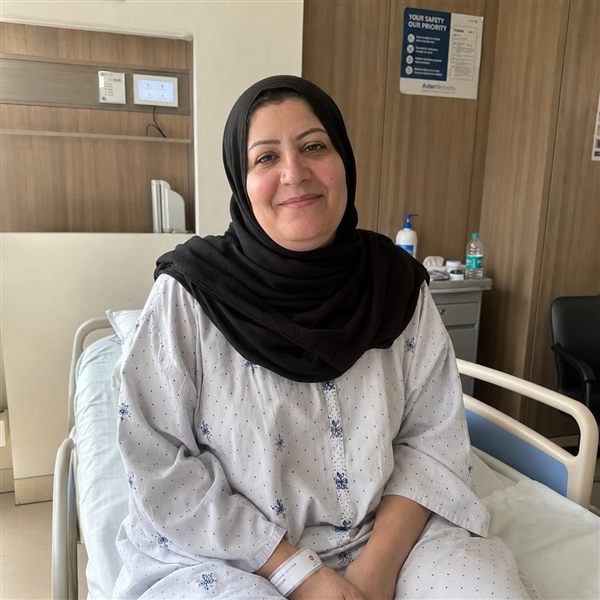
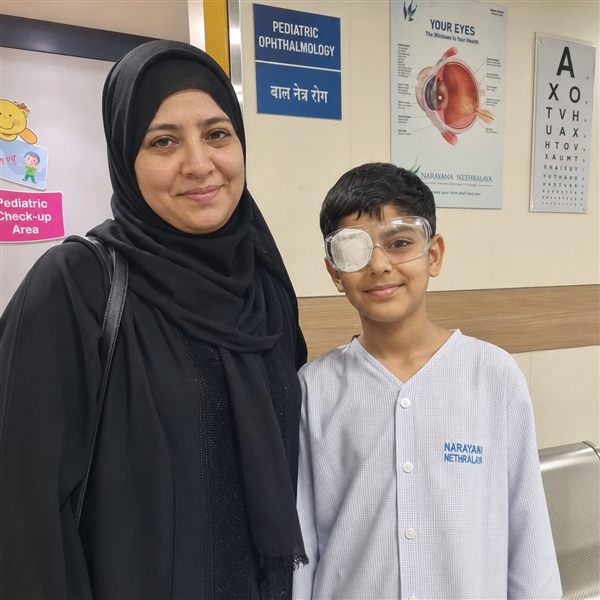
Patient Testimonials from Iraq


Ready to Take the First Step?
Share your Medical Reports with our Healthcare Managers Today and Get a FREE CONSULTATION, a Personalized Treatment Plan, and Complete Support from Arrival to Recovery.
Get Your Free ConsultationAreas We Serve
Indian Health Guru Consultants proudly assists patients from Iraq and surrounding Middle Eastern countries in accessing advanced, affordable and trusted medical treatment in India. Our team provides complete support for medical opinions, hospital selection, treatment planning, visa assistance, travel coordination, accommodation and post-treatment follow-up.
We regularly serve patients from:
- Iraq
- Turkey
- Iran
- Kuwait
- Jordan
- Syria
- Qatar
- Bahrain
- Oman
- Yemen
- Saudi Arabia
- United Arab Emirates
No matter where you are located, our experienced team is committed to making your medical journey to India safe, smooth, transparent and stress-free from the first enquiry to your return home.
From Iraq to India: Your Complete Patient Guide
- Heart Failure Treatment and Surgery in India for Iraqis
- Cardiac Surgery in India for Iraqis
- Cancer Treatment in India for Iraqi Patients
- Cornea Transplant and Advanced Eye Surgery in India for Iraqis
- Leukemia, Lymphoma and Blood Cancer Treatment in India for Iraqis
- Colorectal Cancer Treatment and Surgery in India for Iraqis
- Pancreatic Cancer Surgery in India for Iraqis
- Heart Valve Replacement in India for Iraqis
- Radiotherapy and Modern Cancer Treatment in India for Iraqis
- Penile Implant Surgery in India for Iraqis
- Scoliosis Correction Surgery in India for Iraqis
- Paediatric Heart Surgery in India for Iraqis
- Paediatric Neurosurgery in India for Iraqis
- Weight Loss and Bariatric Surgery in India for Iraqis: Cost & Guide
- Brain Tumour Surgery in India for Iraqi Patients
- Gamma Knife Treatment in India for Iraqis
- Neuronavigation and Advanced Brain Surgery in India for Iraqis
- Knee Surgery in India for Iraqis