

Radiotherapy and Modern Cancer Treatment in India for Iraqis: What You Need to Know Before You Travel
A doctor’s honest guide for Iraqi families weighing radiotherapy abroad — costs, hospitals, the real treatment journey, and the questions worth asking before you book anything.
Radiotherapy is one of the most widely used cancer treatments in the world, and the difference between an older cobalt machine and a modern, image-guided linear accelerator is not a small technical detail. It is the difference between radiation delivered broadly to a general area and radiation shaped precisely around a tumour’s exact contours, sparing the healthy tissue nearby and reducing side effects meaningfully. Iraq has lived through a genuinely difficult chapter in this specific area of cancer care, and understanding where the country stands today, honestly, is essential before deciding where a family should be treated. I have spent 24 years guiding patients from across the Middle East, Africa, and South Asia through exactly this decision, and Iraqi families are an increasingly regular part of that work. What I tell every family calling from Baghdad, Basra, Erbil, or Sulaimani is the same thing I would tell my own relative: not all radiotherapy is equal, and the specific technique available, standard external beam, intensity-modulated radiotherapy, image-guided radiotherapy, or more advanced options, changes both how effectively the tumour is treated and how much collateral damage the surrounding tissue takes. For a growing number of Iraqi families, once the options are compared honestly, that fuller range of modern technique is found in India.
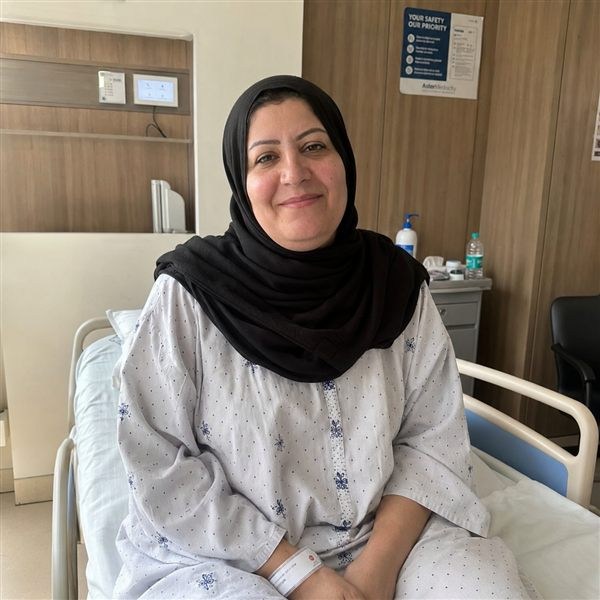
Healing Journeys of Iraqi Patients
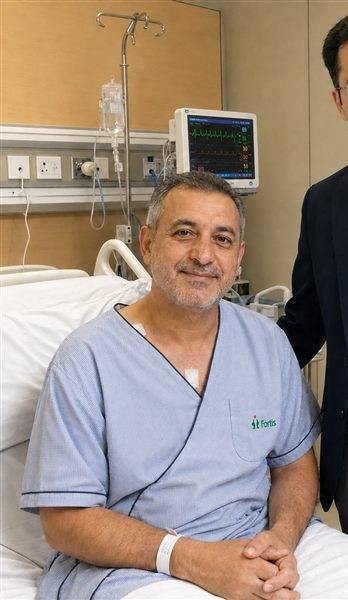
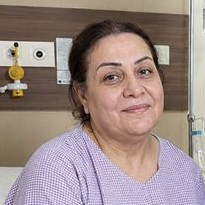
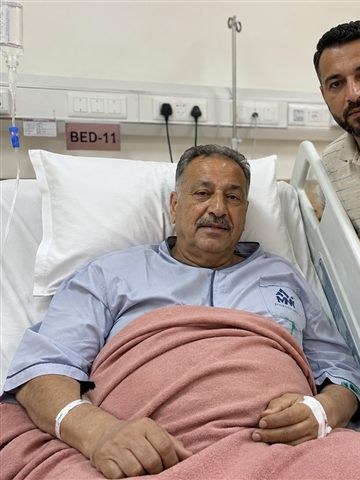
Key Takeaways
- Radiotherapy remains one of the most widely used cancer treatments, but the technology used to deliver it can make a substantial difference to treatment precision. The source contrasts older cobalt-based treatment with modern image-guided linear-accelerator techniques that shape radiation more closely around the tumour and can reduce exposure to surrounding healthy tissue. It specifically discusses standard external-beam radiotherapy, intensity-modulated radiotherapy, image-guided radiotherapy and more advanced techniques.
- Iraq has been investing in improving its radiotherapy infrastructure, including a Ministry of Health plan to purchase 20 advanced linear accelerators and the development of new oncology centres. The guide also recognises private-sector investment in advanced imaging and treatment technology. However, it states that access to modern techniques remains uneven across governorates, with older equipment and treatment interruptions continuing to affect some centres.
- India is presented as an option because leading cancer centres offer modern radiotherapy techniques including intensity-modulated radiotherapy, image-guided radiotherapy and volumetric-modulated arc therapy on modern linear accelerators. The source also emphasises that radiotherapy should form part of an overall cancer treatment plan, with surgical oncology and medical oncology involved through multidisciplinary tumour-board planning when required.
- The choice of radiotherapy technique should be explained specifically for the patient’s cancer rather than treated as a simple technology upgrade. The source recommends asking why a particular technique is being selected and whether modern image-guided treatment provides a meaningful benefit for the tumour location. Pathology reports and imaging should be reviewed before travel so the radiation oncologist can confirm the treatment plan.
- The cost comparison chart on page 3 shows an illustrative all-inclusive range of approximately USD 3,000–6,000 in India for a standard modern radiotherapy course. The same chart shows approximately USD 10,000–18,000 in the United Kingdom, USD 9,000–13,000 in Germany and USD 20,000–40,000 in the United States. The source notes that actual costs vary according to cancer type, technique and number of sessions.
- The treatment journey diagram on page 4 shows remote pathology and imaging review first, followed by arrival, planning scans and simulation during the first few days. Daily outpatient radiotherapy then begins, with weekly reviews by the radiation oncologist. The final week includes a completion scan and follow-up check before the patient returns to Iraq, with remote imaging follow-up continuing afterward.
- Treatment continuity is a major consideration for Iraqi patients because radiotherapy commonly requires repeated daily sessions. The source states that a full course can run for approximately two to seven weeks and should be delivered on a continuous, uninterrupted schedule. Families should therefore confirm equipment reliability, maintenance records and the exact number of sessions before travelling.
- The page 5 checklist highlights six factors: technique genuinely explained, hospital accreditation, multidisciplinary tumour board, session count in writing, language and coordination, and an uninterrupted treatment plan.
Quick Facts
- Treatment
- Modern radiotherapy and cancer treatment
- Primary Patients
- Iraqi patients requiring radiation therapy
- Main Speciality
- Radiation oncology
- Key Specialist
- Radiation oncologist
- Main Techniques
- IMRT, IGRT and VMAT
- Treatment Setting
- Modern linear-accelerator-based radiotherapy
- India Cost
- Approximately USD 3,000–6,000 for a standard course
- UK Comparison
- Approximately USD 10,000–18,000
- Germany Comparison
- Approximately USD 9,000–13,000
- USA Comparison
- Approximately USD 20,000–40,000
- Cost Factors
- Cancer type, technique and number of sessions
- Treatment Duration
- Approximately 2–7 weeks
- Treatment Schedule
- Daily outpatient sessions
- Planning
- Imaging and simulation before treatment
- Monitoring
- Weekly radiation-oncology reviews
- Multidisciplinary Care
- Tumour-board planning may involve surgery and medical oncology
- Pre-Travel
- Share pathology reports and imaging digitally
- Equipment
- Confirm maintenance and reliability records
- Session Count
- Obtain the complete number of sessions in writing
- Language Support
- Arabic-speaking coordinators may be available
- Follow-Up
- Remote imaging follow-up after returning to Iraq
- Travel
- Medical and attendant arrangements should be confirmed
- Author
- Dr. Dheeraj Bojwani
- Experience
- 24+ Years
In Brief
Modern radiotherapy in India may be considered by Iraqi patients who require precise radiation treatment as part of their cancer care. The guide highlights IMRT, IGRT and VMAT delivered through modern linear-accelerator systems, together with multidisciplinary cancer planning. The page 3 cost chart gives an illustrative India range of USD 3,000–6,000 for a standard modern radiotherapy course. Treatment generally involves daily outpatient sessions for approximately two to seven weeks, followed by structured follow-up after returning to Iraq.
Why Iraqi Patients Are Looking Beyond Iraq for Radiotherapy and Modern Cancer Treatment
Iraq’s cancer care system has faced real, documented strain, particularly around radiotherapy equipment: ageing cobalt machines, linear accelerators running only intermittently, and periods without functioning planning or simulation facilities, problems that stretched departments to operate from early morning until midnight simply to manage the patient load. To its credit, Iraq’s Ministry of Health has responded with a genuine, funded plan to purchase twenty advanced linear accelerators for distribution across the country’s governorates, alongside new specialised oncology centres under construction and private facilities such as Andalus Specialized Cancer Treatment Center in Baghdad investing in advanced imaging and treatment technology. This is real, meaningful progress, and any family should first investigate what is available closest to home.
Where the picture remains harder is consistency and modernisation across the whole country. A national plan to add new equipment takes years to fully roll out, and in the meantime, access to modern techniques such as intensity-modulated radiotherapy and image-guided radiotherapy, standard practice in well-resourced cancer centres, remains uneven across Iraq’s governorates, with older equipment and interrupted treatment courses still a reality in some centres. This is why a growing number of Iraqi families now travel for radiotherapy and modern cancer treatment specifically, and India has become one of the most trusted destinations, not simply the cheapest one.
Why India Specifically for Radiotherapy and Modern Cancer Treatment, Not Just Overseas
Iraqi families researching treatment abroad quickly discover several destinations: Turkey, Jordan, and India are all commonly mentioned in the same breath. It is worth being direct about why India stands apart for radiotherapy and modern cancer treatment specifically.
The first reason is consistent access to modern technique nationwide across India’s leading cancer centres, including intensity-modulated radiotherapy, image-guided radiotherapy, and volumetric-modulated arc therapy, delivered on well-maintained, modern linear accelerators without the equipment reliability concerns that have affected some centres elsewhere in the region.
The second reason is integration with complete cancer care. India’s leading radiotherapy centres are embedded within full cancer hospitals offering surgical oncology, medical oncology, and specialised radiation techniques together, so a treatment plan is built by a multidisciplinary tumour board rather than radiation being delivered in isolation from the rest of a patient’s care.
The third reason is infrastructure built specifically for international patients, including Arabic-speaking coordinators who can review existing pathology and imaging remotely to confirm the treatment plan before a family ever travels. Finally, there is regulatory credibility: a large share of India’s leading cancer hospitals hold JCI or NABH accreditation, many radiation oncologists have trained or held fellowships in the UK, US, or Germany, and India’s government has built a dedicated medical visa category for foreign patients and one attendant.
Understanding the Cost Picture of Radiotherapy and Modern Cancer Treatment in India
Cost is rarely the only reason a family chooses India, but it is almost always part of the conversation. The figures below reflect typical all-inclusive ranges for a standard course of modern external beam radiotherapy, covering planning imaging, the treatment sessions themselves, and routine follow-up. Costs vary by the number of sessions and specific technique required, so I always urge families to get a written, itemised estimate once staging is complete.
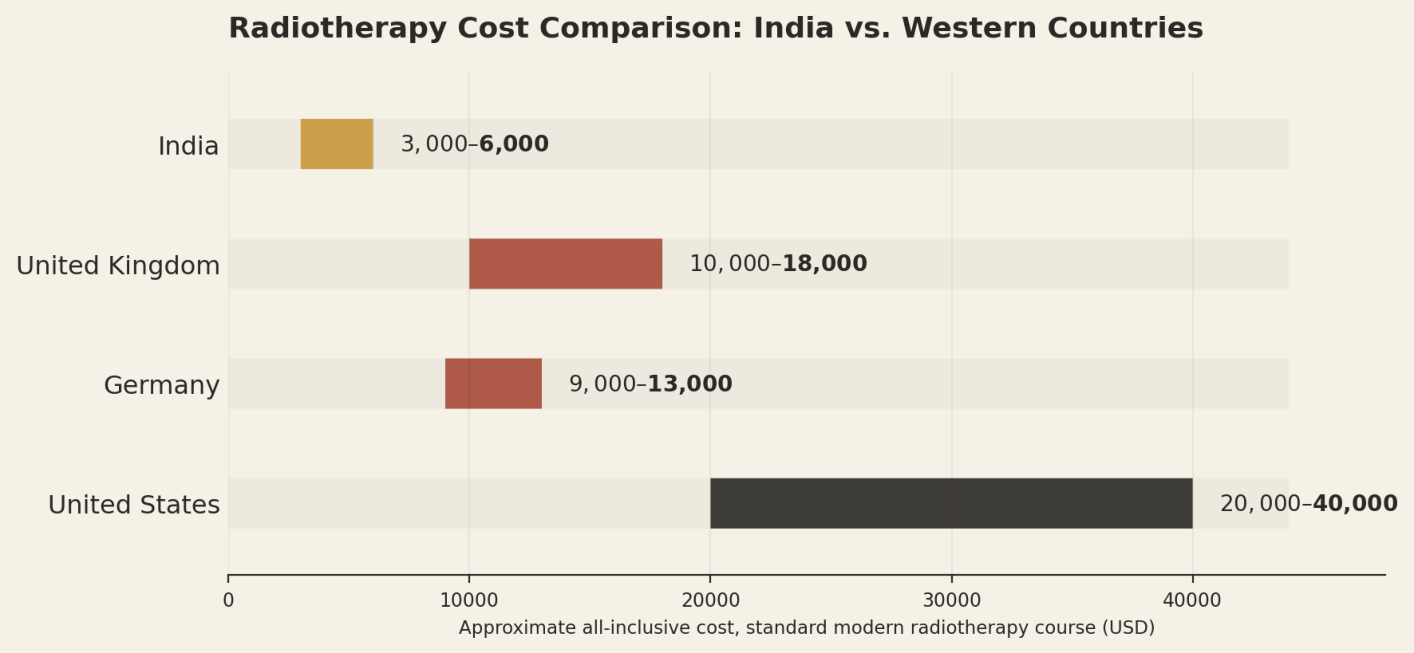
What stands out is not simply that India is cheaper than the United States, the United Kingdom, or Germany. It is that India offers the same modern radiotherapy technology and internationally trained radiation oncology teams at a fraction of Western prices, with transparent, package-based pricing that contrasts favourably with Western systems where a quoted “treatment cost” often excludes planning imaging or the full number of sessions actually required until the final bill arrives.
What Radiotherapy and Modern Cancer Treatment in India Typically Looks Like
Families often worry most about how long a full course takes and whether treatment might be interrupted partway through. Having coordinated this journey for many families, I find it helps enormously to see the process mapped out plainly before departure.
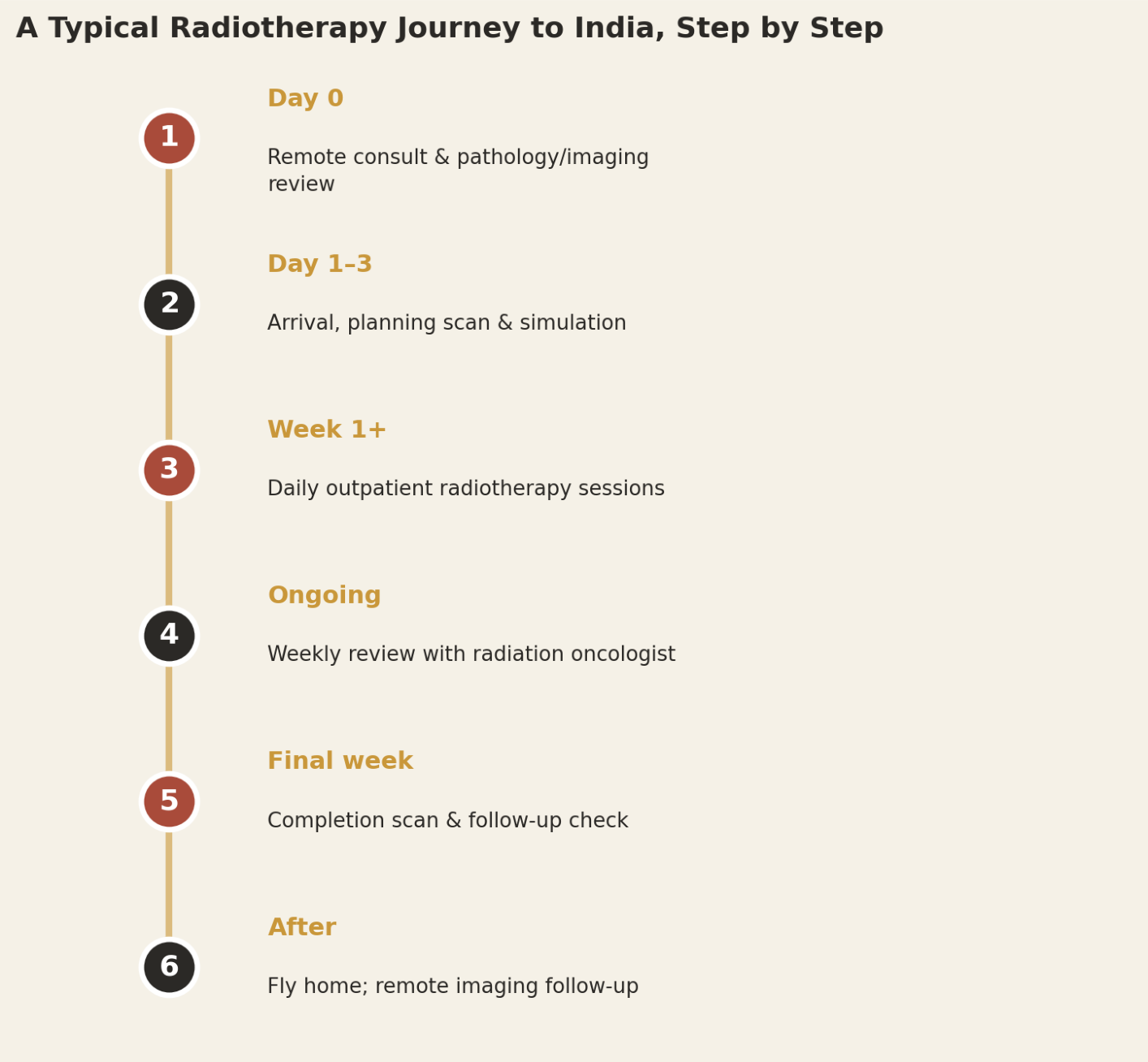
A typical radiotherapy patient can expect planning imaging and simulation in the first few days, followed by daily outpatient treatment sessions over two to seven weeks depending on the cancer type, delivered on a continuous, uninterrupted schedule, with a structured remote follow-up plan continuing once the family returns to Iraq.
Factors Every Iraqi Family Should Weigh Before Deciding Radiotherapy and Modern Cancer Treatment in India
Beyond cost and destination, the Iraqi families I have advised over these 24 years tend to make better decisions, and complete treatment without disruption, when they think through the following before booking anything.
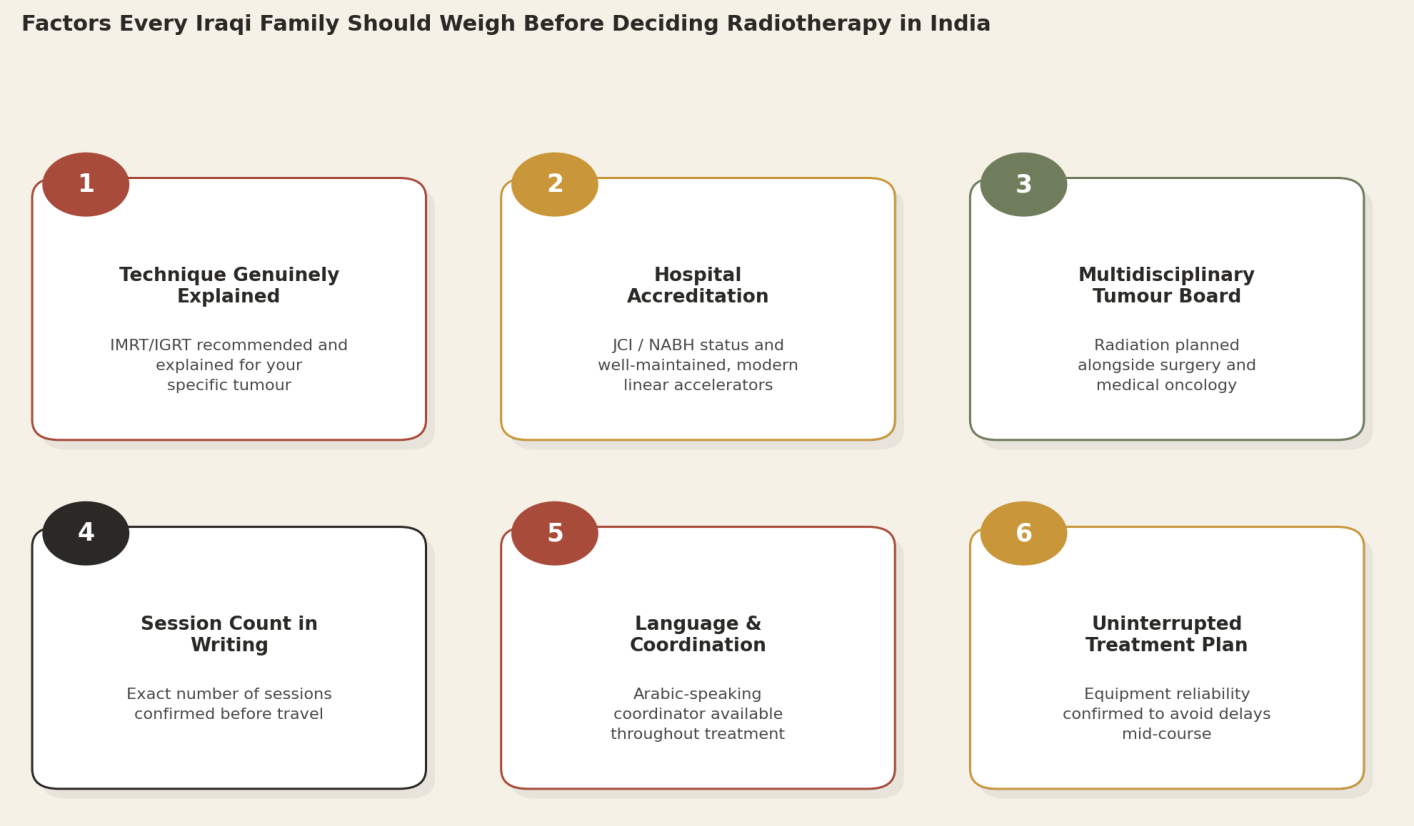
A few of these deserve a specific note. Ask directly which specific radiotherapy technique is being recommended and why, since a modern, image-guided approach is not simply a luxury upgrade but genuinely changes how much healthy tissue is affected. Existing pathology reports and imaging should be translated and shared digitally before travel, since a radiation oncologist needs these to confirm the exact treatment plan. Families should also ask, in writing, exactly how many sessions the full course requires and confirm the equipment has a strong maintenance record, since an interrupted radiotherapy course can meaningfully affect its overall effectiveness.
A Closing Thought for Iraqi Families
Iraq’s cancer care system has endured genuine hardship and is investing seriously in recovery, and that effort deserves real respect, but a family facing cancer today needs a treatment plan built on consistent, modern technology available now, not a marketing brochure or the lowest quoted price. What the evidence consistently shows is that for Iraqi families weighing where to go, India offers a genuinely rare combination: consistent nationwide access to modern radiotherapy technique, integration with complete cancer care, and meaningfully lower cost than the West. Few destinations available to an Iraqi family today can offer this consistency of modern radiotherapy access at once. My role, and the role of any advisor a family works with, should be to help confirm the right treatment technique honestly and make sure the plan in front of them fits the patient’s specific diagnosis, budget, and timeline. Iraq’s families deserve the same standard of scrutiny and care in this decision as any family anywhere else in the world.
Sources & Further Reading
- World Health Organization — Iraq Health System Profile (who.int/countries/irq)
- National Institute for Health and Care Excellence (NICE, UK) — Radiotherapy Guidance (nice.org.uk)
- UK Government — List of English-Speaking Doctors and Medical Facilities in Iraq (gov.uk/government/publications/iraq-doctors-and-medical-facilities)
- National Cancer Institute (NCI, US) — Radiation Therapy for Cancer (cancer.gov)
- World Bank — Iraq Health Sector Reports (worldbank.org/en/country/iraq)
Frequently Asked Questions by Iraqi Patients about Radiotherapy and Modern Cancer Treatment in India
Can Iraqi patients travel to India for modern radiotherapy?
Yes. The guide specifically discusses modern radiotherapy in India for Iraqi patients, particularly those seeking access to IMRT, IGRT, VMAT and modern linear-accelerator treatment.
How much does radiotherapy cost in India for Iraqi patients?
The page 3 cost comparison chart gives an illustrative range of approximately USD 3,000–6,000 for a standard modern radiotherapy course. The actual cost varies according to cancer type, technique and number of sessions.
Which modern radiotherapy techniques are available for Iraqi patients in India?
The guide highlights intensity-modulated radiotherapy, image-guided radiotherapy and volumetric-modulated arc therapy. The appropriate technique depends on the patient's cancer and treatment plan.
How long does an Iraqi patient need to stay in India for radiotherapy?
A complete course can take approximately two to seven weeks. Treatment is generally delivered as daily outpatient sessions, so patients and families need accommodation close to the treatment centre for the duration.
Is modern radiotherapy better than older cobalt treatment for Iraqi patients?
The guide emphasises the greater precision of modern image-guided techniques compared with older equipment, particularly in shaping radiation around the tumour and reducing exposure to surrounding healthy tissue. The appropriate technique still depends on the individual cancer.
Should Iraqi patients send pathology and imaging before travelling to India?
Yes. The source recommends translating and sharing pathology reports and imaging digitally before travel so the radiation oncologist can confirm the treatment approach in advance.
Can radiotherapy be combined with other cancer treatments in India?
Yes. The guide describes Indian radiotherapy centres as part of broader cancer hospitals where surgical oncology and medical oncology can participate in multidisciplinary treatment planning.
Why is treatment continuity important for Iraqi patients receiving radiotherapy in India?
Radiotherapy usually requires repeated daily sessions over several weeks. The guide specifically recommends confirming equipment reliability and maintenance because interruptions during a course can affect overall treatment effectiveness.
Should Iraqi patients confirm the exact number of radiotherapy sessions before travelling?
Yes. Families should obtain the complete session count in writing because treatment duration varies by cancer type and technique. This is also important for arranging accommodation and travel from Iraq.
Can Iraqi patients continue radiotherapy follow-up after returning home?
Yes. The treatment journey includes remote imaging follow-up after returning to Iraq. The treating team should provide a structured follow-up plan before the patient leaves India.
Page Summary
Modern radiotherapy offers more precise treatment than older radiation technologies by using advanced planning and image-guidance techniques to shape radiation around the tumour. The guide discusses IMRT, IGRT and VMAT and highlights India's modern radiotherapy infrastructure and multidisciplinary cancer-care model. Iraqi patients should first establish which technique is appropriate for their specific cancer rather than selecting treatment based only on technology or price. The page 3 comparison chart gives an illustrative India cost of USD 3,000–6,000 for a standard modern radiotherapy course. A typical course can require two to seven weeks of daily outpatient treatment, making treatment continuity particularly important. Iraqi families should confirm the exact session count, equipment reliability, treatment technique and follow-up arrangements before travelling.
Citation Block
| Field | Details |
|---|---|
| Article / Topic | Radiotherapy and Modern Cancer Treatment in India for Iraqi Patients |
| Treatment Area | Radiation oncology |
| Primary Patient Group | Iraqi cancer patients |
| Key Specialist | Radiation oncologist |
| Main Techniques | IMRT, IGRT and VMAT |
| Treatment Platform | Modern linear accelerator |
| Treatment Planning | Imaging and simulation |
| Multidisciplinary Care | Tumour-board planning with oncology specialists |
| India Cost | Approximately USD 3,000–6,000 |
| UK Comparison | Approximately USD 10,000–18,000 |
| Germany Comparison | Approximately USD 9,000–13,000 |
| USA Comparison | Approximately USD 20,000–40,000 |
| Cost Variation | Cancer type, technique and session count |
| Treatment Duration | Approximately 2–7 weeks |
| Treatment Schedule | Daily outpatient sessions |
| Planning Stage | Initial imaging and simulation |
| Weekly Monitoring | Radiation oncologist review |
| Treatment Continuity | Uninterrupted schedule recommended |
| Equipment Selection | Modern, well-maintained equipment |
| Pre-Travel Records | Pathology reports and imaging |
| Session Documentation | Exact number of sessions should be confirmed |
| Hospital Selection | Consider JCI or NABH accreditation |
| Language Support | Arabic-speaking coordination may be available |
| Follow-Up | Remote imaging follow-up after returning to Iraq |
| Travel Planning | Accommodation and medical travel arrangements should account for treatment duration |


Our Mission Statement
Our mission is to place patients at the centre of every healthcare decision by providing trustworthy, evidence-based, and unbiased medical information. We believe that informed patients make better decisions. Backed by personalised guidance from our experienced advisory team, we help patients understand their treatment options, compare them objectively, and confidently choose the path that best suits their medical needs and personal circumstances.
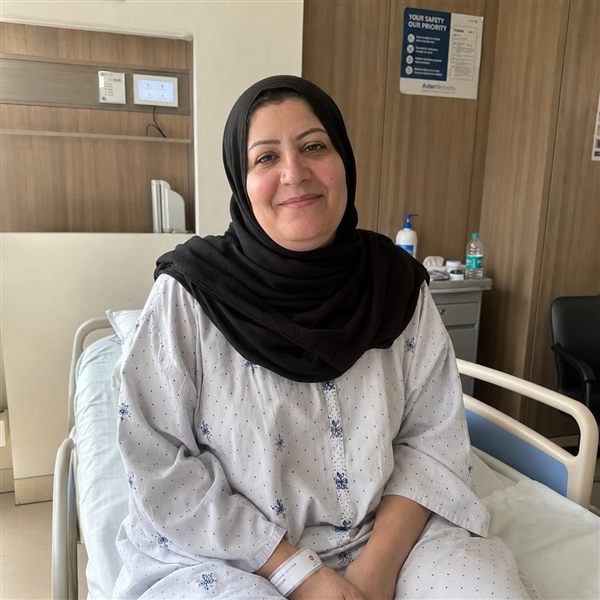
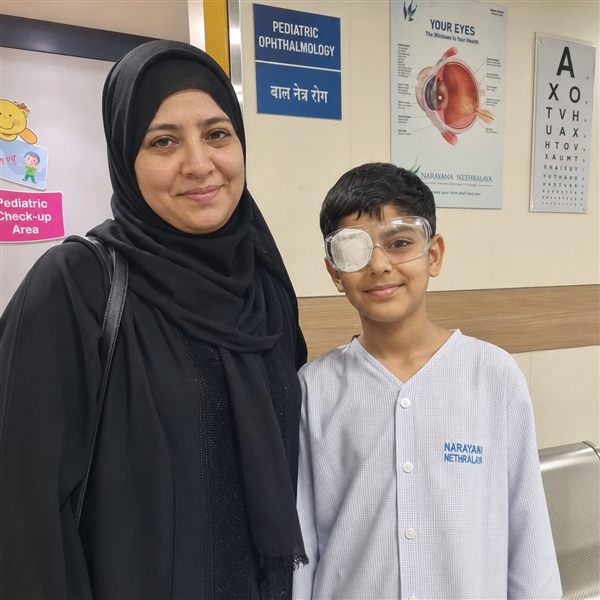
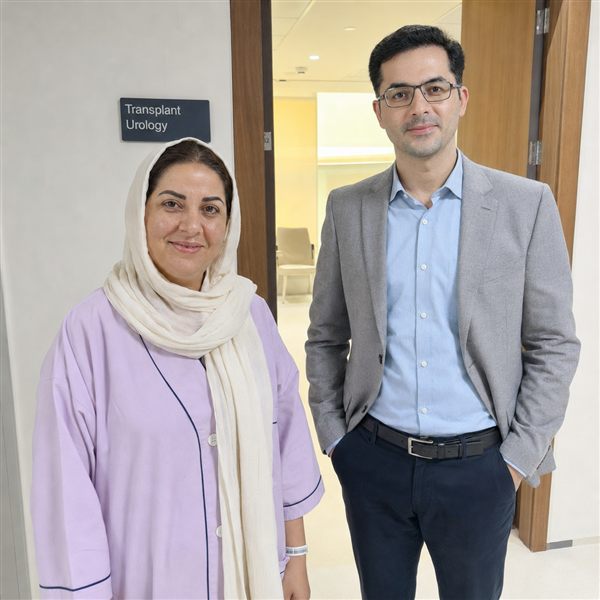
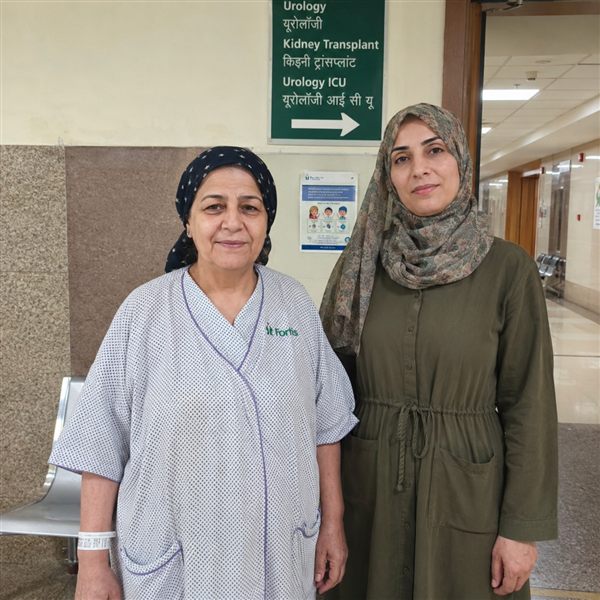
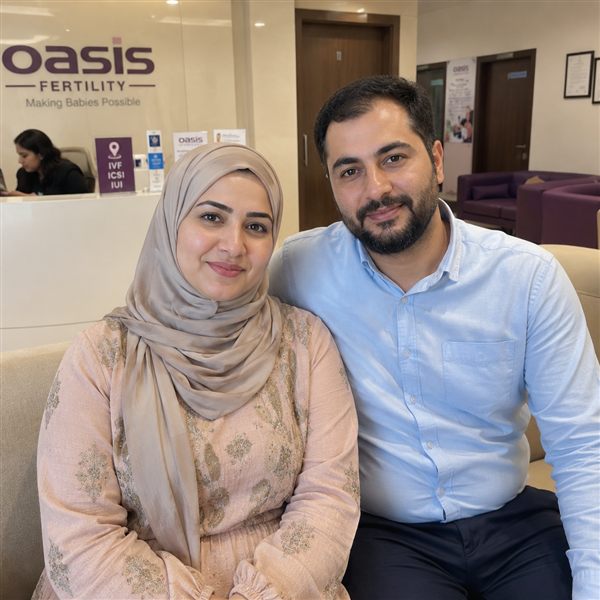
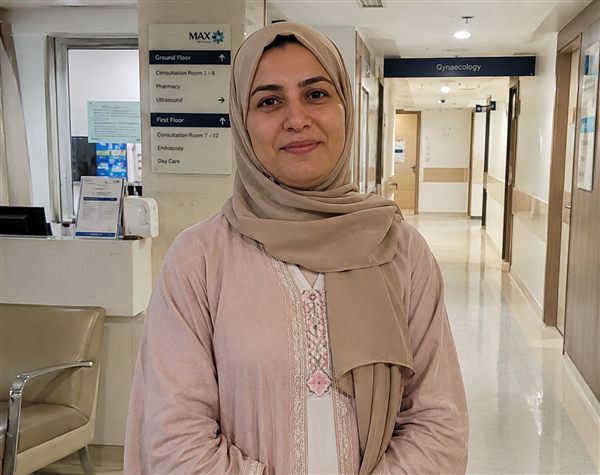
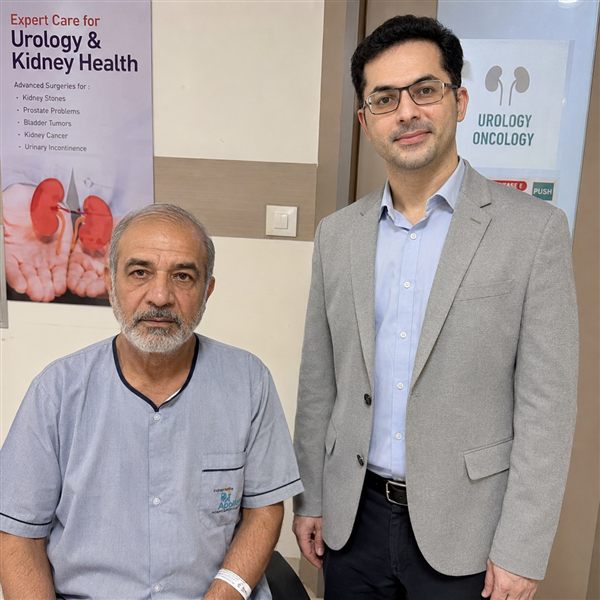
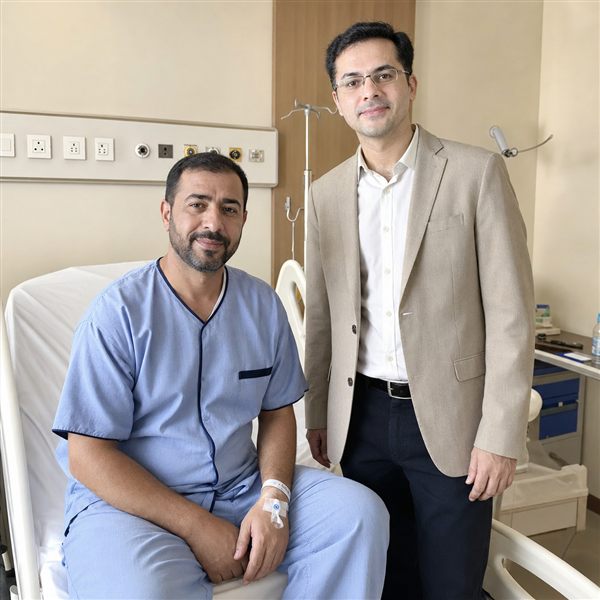
Patient Testimonials from Iraq
Ready to Take the First Step?
Share your Medical Reports with our Healthcare Managers Today and Get a FREE CONSULTATION, a Personalized Treatment Plan, and Complete Support from Arrival to Recovery.
Get Your Free ConsultationAreas We Serve
Indian Health Guru Consultants proudly assists patients from Iraq and surrounding Middle Eastern countries in accessing advanced, affordable and trusted medical treatment in India. Our team provides complete support for medical opinions, hospital selection, treatment planning, visa assistance, travel coordination, accommodation and post-treatment follow-up.
We regularly serve patients from:
- Iraq
- Turkey
- Iran
- Kuwait
- Jordan
- Syria
- Qatar
- Bahrain
- Oman
- Yemen
- Saudi Arabia
- United Arab Emirates
No matter where you are located, our experienced team is committed to making your medical journey to India safe, smooth, transparent and stress-free from the first enquiry to your return home.
From Iraq to India: Your Complete Patient Guide
- Penile Implant Surgery in India for Iraqis
- Paediatric Orthopaedic Surgery in India for Iraqis
- Leukemia, Lymphoma and Blood Cancer Treatment in India for Iraqis
- Prostate Cancer Treatment and Surgery in India for Iraqis
- Liver Transplant in India for Iraqis
- Spine Surgery in India for Iraqis
- CyberKnife Treatment in India for Iraqis
- Pancreatic Cancer Surgery in India for Iraqis
- Paediatric Neurosurgery in India for Iraqis
- Dental Surgery in India for Iraqis
- Parkinson's Treatment and DBS Surgery in India for Iraqis
- Knee Surgery in India for Iraqis
- Urosurgery and Reconstructive Urology in India for Iraqis
- Neurosurgery in India for Iraqis
- Shoulder Surgery in India for Iraqis
- Scoliosis Correction Surgery in India for Iraqis
- Paediatric Heart Surgery in India for Iraqis
- Cancer Treatment in India for Iraqi Patients