

Cancer Treatment and Surgery in India for Iraqis: What You Need to Know Before You Travel
A doctor’s honest guide for Iraqi families facing a cancer diagnosis and weighing treatment abroad — costs, hospitals, the real treatment journey, and the questions worth asking before you book anything.
A cancer diagnosis rarely arrives as a single, simple question. It arrives as dozens of them at once: which specialist do we see first, does the hospital have everything under one roof or will we be sent from place to place, is the equipment actually current, and can this specific hospital deliver the entire course of treatment rather than just the first step. For Iraqi families, these questions carry extra weight, because the answer often determines whether treatment stays coordinated or fragments across appointments, cities, and even countries. I have spent 24 years guiding patients from across the Middle East, Africa, and South Asia through exactly this decision, and Iraqi families are an increasingly regular part of that work. What I tell every family calling from Baghdad, Basra, Erbil, or Sulaimani is the same thing I would tell my own relative: modern cancer care is a team sport, built around surgery, medical oncology, and radiation oncology working from one shared plan, not a single doctor working in isolation. For a growing number of Iraqi families, once the options are compared honestly, that coordinated plan comes together in India.
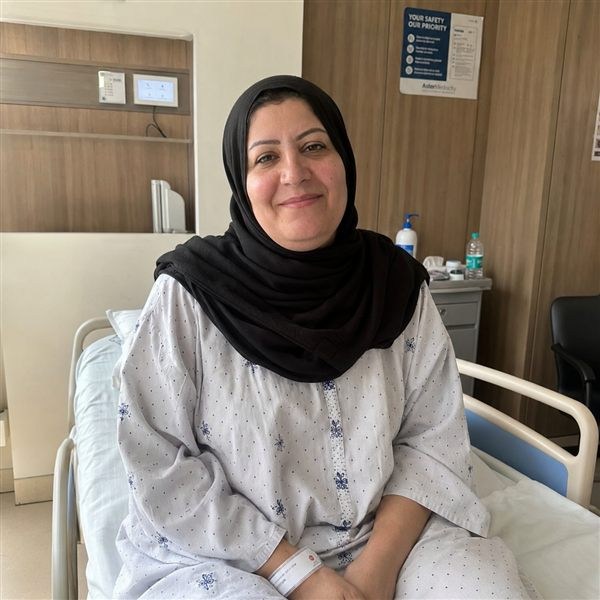
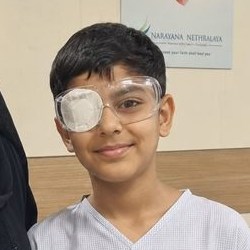
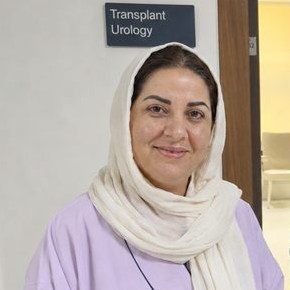
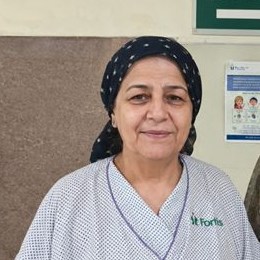
Healing Journeys of Iraqi Patients
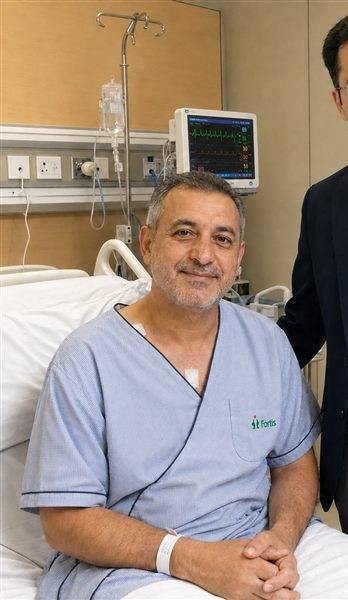
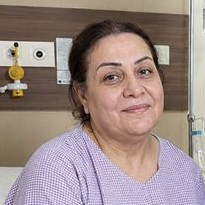
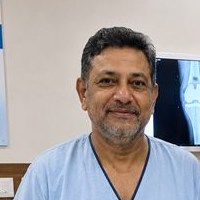
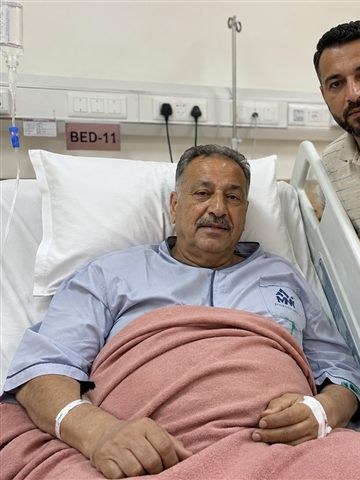
Key Takeaways
- Cancer treatment can involve several interconnected decisions rather than one isolated procedure. The source emphasises that surgery, medical oncology, and radiation oncology should work from a shared treatment strategy. For Iraqi families, this coordinated approach can be particularly important when treatment requires multiple specialists, technologies, or treatment stages.
- Iraq has developed significant oncology capacity over the past two decades. The National Cancer Research Center at the University of Baghdad conducts cancer registry and research work, while the Oncology Teaching Hospital at Medical City provides treatment for a broad range of cancers. Al-Thaqalayn Oncology Hospital in Basra has also added radiotherapy, PET-CT imaging, and chemotherapy capabilities. Families should therefore first establish whether their specific cancer and stage can be treated appropriately within Iraq.
- The need for treatment abroad may become more relevant in complex or advanced cases requiring specialised robotic or minimally invasive surgery, newer targeted drugs or immunotherapies, multidisciplinary specialist input, or advanced radiotherapy and PET imaging. The guide notes that access to these capabilities can vary considerably across Iraq, with some advanced technologies concentrated in only a few cities.
- India is presented as a comprehensive cancer-treatment destination because leading centres can bring surgical oncology, medical oncology, and radiation oncology together on the same campus. Multidisciplinary tumour boards can review cases collectively so that surgery, chemotherapy, and radiation are designed as parts of one overall plan rather than as disconnected treatments.
- Technology and drug access are additional factors highlighted by the source. Leading Indian centres may offer robotic and minimally invasive surgery, modern linear accelerators, brachytherapy, targeted therapies, immunotherapies, and genomic and biomarker testing. Such testing can help determine which treatments are appropriate for an individual tumour rather than relying only on the general cancer diagnosis.
- The cost comparison shown on page 2 gives an illustrative all-inclusive range of approximately USD 9,000–18,000 in India for surgery, standard chemotherapy, and radiation where required. The corresponding illustrative ranges are USD 28,000–48,000 in the UK, USD 25,000–42,000 in Germany, and USD 60,000–180,000 in the United States. The source stresses that actual costs vary considerably according to cancer type, stage, and the need for targeted treatment.
- The treatment timeline illustrated on page 3 begins with remote consultation and pathology review, followed by staging and tumour-board review, surgery, hospital recovery, and chemotherapy or radiation cycles where required. The source describes staging, surgery, and initial recovery as typically taking about two weeks, while further treatment may either continue in India or, where appropriate, be transferred to a treating oncologist in Iraq using a clear written protocol.
Quick Facts
- Treatment
- Comprehensive cancer treatment and surgery
- Primary Patients
- Iraqi patients seeking cancer care in India
- Main Speciality
- Medical, surgical, and radiation oncology
- Key Specialists
- Surgical oncologist, medical oncologist, radiation oncologist, pathologist, and other relevant subspecialists
- Core Treatment Model
- Multidisciplinary cancer care based on one shared treatment strategy
- Surgical Options
- Robotic, minimally invasive, and conventional cancer surgery according to clinical requirements
- Radiation Treatment
- Modern linear accelerator-based radiotherapy and brachytherapy
- Drug Treatment
- Chemotherapy, targeted therapies, and immunotherapies where clinically indicated
- Genomic Testing
- May help identify treatments appropriate for a specific tumour
- Biomarker Testing
- Helps guide selection of certain cancer medicines
- Tumour Board
- Multidisciplinary review of the patient's case before treatment planning
- Iraq Oncology Capacity
- Established oncology services are available in Baghdad, Basra, and other locations
- Indian Treatment Advantage
- Multiple cancer specialties and treatment technologies can be coordinated within major centres
- Hospital Accreditation
- JCI or NABH accreditation is highlighted as an important quality consideration
- International Support
- Arabic-speaking coordinators and case managers may assist Iraqi families
- Pre-Travel Records
- Pathology and relevant diagnostic reports should be shared digitally before consultation
- Illustrative India Cost
- USD 9,000–18,000 for surgery, standard chemotherapy, and radiation where required
- UK Comparison
- USD 28,000–48,000
- Germany Comparison
- USD 25,000–42,000
- USA Comparison
- USD 60,000–180,000
- Cost Variables
- Cancer type, stage, treatment requirements, and targeted therapy
- Initial Treatment Period
- Staging, surgery, and initial recovery typically take about two weeks
- Diagnostic Review
- Tumour board and staging assessment are performed before definitive treatment
- Ongoing Treatment
- Chemotherapy or radiation may continue in India or potentially be transferred to Iraq
- Aftercare
- A clear written protocol and coordinated follow-up are important when treatment continues in Iraq
- Financial Planning
- Some hospitals may accept a partial advance deposit for the surgical portion
- Author
- Dr. Dheeraj Bojwani
- Experience
- 24+ Years
In Brief
For Iraqi patients considering cancer treatment in India, the treatment plan should be established from the specific cancer type, stage, pathology, and biomarker results rather than from a general diagnosis alone. A multidisciplinary tumour board can coordinate surgery, chemotherapy, and radiation, while genomic and biomarker testing may help determine appropriate drug treatment. The source describes an initial India journey of approximately two weeks for staging, surgery, and early recovery, with additional treatment potentially continuing in Iraq under a documented protocol.
Why Iraqi Patients Are Looking Beyond Iraq for Cancer Care
Iraq has built real oncology capacity over the past two decades. The National Cancer Research Center at the University of Baghdad conducts registry and research work, the Oncology Teaching Hospital at Medical City in Baghdad treats a wide range of cancers, and newer facilities such as Al-Thaqalayn Oncology Hospital in Basra have added modern radiotherapy, PET-CT imaging, and chemotherapy capacity in recent years, much of it delivered free of charge through religious endowment funding. This progress matters, and any family should first investigate whether their specific cancer type and stage can be treated well at one of these centres.
Where the picture becomes harder is in the less common or more advanced cases: cancers needing a specific type of robotic or minimally invasive surgery, access to newer targeted drugs and immunotherapies not yet widely available, complex cases needing input from several sub-specialists at once, and situations where equipment such as advanced radiotherapy machines or PET scanners is concentrated in only a handful of cities. Waiting lists for these specific situations can be long, and the full modern toolkit, from genomic testing to the newest drug classes, is not yet available everywhere in the country. This is why a growing number of Iraqi families now travel for cancer treatment, and India has become one of the most trusted destinations, not simply the cheapest one.
Why India Specifically for Cancer Treatment, Not Just Overseas
Iraqi families researching treatment abroad quickly discover several destinations: Turkey, Jordan, Lebanon, and India are all commonly mentioned in the same breath. It is worth being direct about why India stands apart for cancer treatment specifically. The first reason is the scale and completeness of its cancer centres. India’s leading oncology hospitals combine surgical oncology, medical oncology, and radiation oncology on a single campus, reviewed by a multidisciplinary tumour board for every case, which means the surgeon, the chemotherapy plan, and the radiation plan are designed together rather than negotiated separately across referrals.
The second reason is technology and drug access. Leading Indian centres offer robotic and minimally invasive cancer surgery, modern linear accelerators and brachytherapy for radiotherapy, and access to current targeted therapies and immunotherapies as they become available internationally, backed by genomic and biomarker testing that increasingly determines which drugs will actually work for a specific tumour. The third reason is infrastructure built specifically for international patients, including Arabic-speaking coordinators, rapid pathology turnaround, and case managers who can help a family understand a diagnosis clearly rather than navigating it alone during what is often the most frightening period of their lives. Finally, there is regulatory credibility: a large share of India’s leading cancer hospitals hold JCI or NABH accreditation, many oncologists have trained or held fellowships in the UK, US, or Germany, and India’s government has built a dedicated medical visa category for foreign patients and one attendant, which matters given how many visits a full course of cancer treatment can involve.
Understanding the Cost Picture of Cancer Treatment in India
Cost is a genuine concern for most Iraqi families facing this diagnosis, and it is where India’s advantage is hardest to ignore. The figures below reflect typical all-inclusive ranges for a standard course of treatment for a solid tumour, covering surgery, a standard chemotherapy course, and routine radiation where needed. Costs vary enormously by cancer type, stage, and whether targeted therapy is required, so I always urge families to get a written, itemised estimate once staging and biomarker testing are complete.
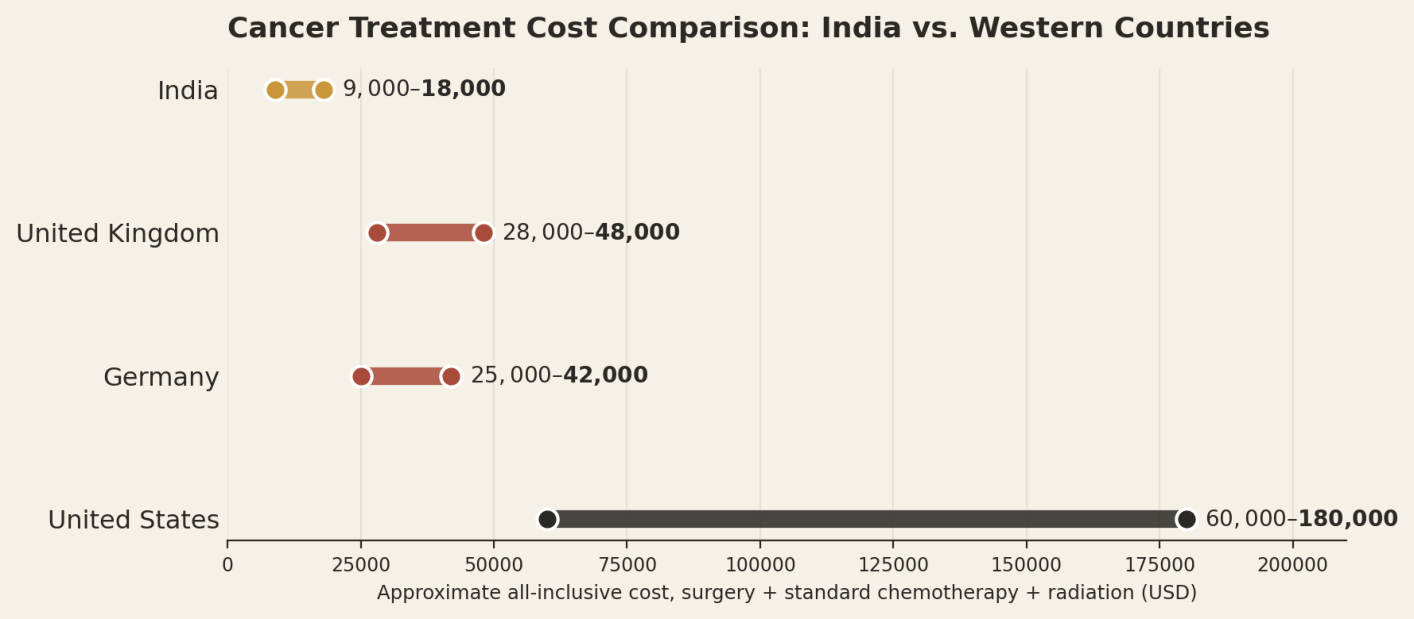
What stands out is not simply that India is cheaper than the United States, the United Kingdom, or Germany. It is that India offers the same drug classes, the same radiotherapy technology, and internationally trained oncology teams at a fraction of Western prices, with transparent, package-based pricing that contrasts favourably with Western systems where a quoted “treatment cost” often excludes targeted therapy, additional cycles, or extended follow-up scans until the final bill arrives. Many hospitals also accept a partial advance deposit rather than full upfront payment for the surgical portion of treatment, which is worth raising directly in the first consultation since it can meaningfully ease the financial planning involved in arranging funds from Iraq.
What Cancer Treatment in India Typically Looks Like
Families often worry most about how the different stages of treatment fit together and how long the full process takes. Having coordinated this journey for many families, I find it helps enormously to see the process mapped out plainly from the very first phone call.
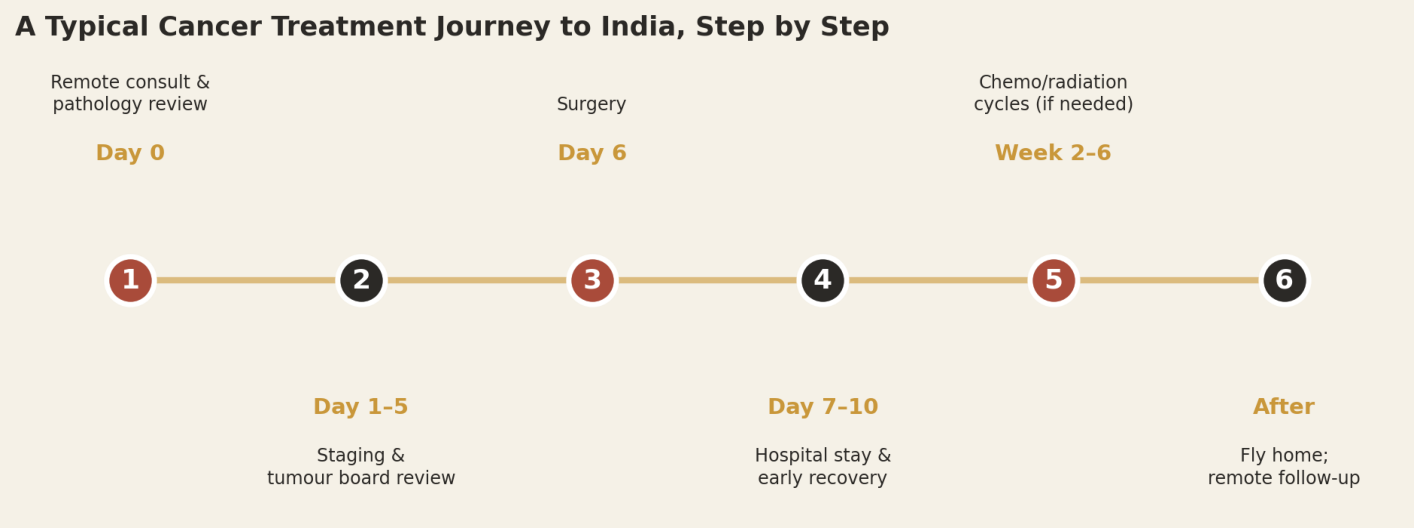
A typical patient can expect the diagnostic work-up and tumour board review to take about a week, followed by surgery and an initial hospital stay, with subsequent chemotherapy or radiation cycles either completed in India over several weeks or handed over to a treating oncologist back in Iraq with a clear written protocol.
Factors Every Iraqi Patient Should Weigh Before Deciding Cancer Treatment in India
Beyond cost and destination, the Iraqi families I have advised over these 24 years tend to make better decisions, and face fewer surprises, when they think through the following before booking anything.
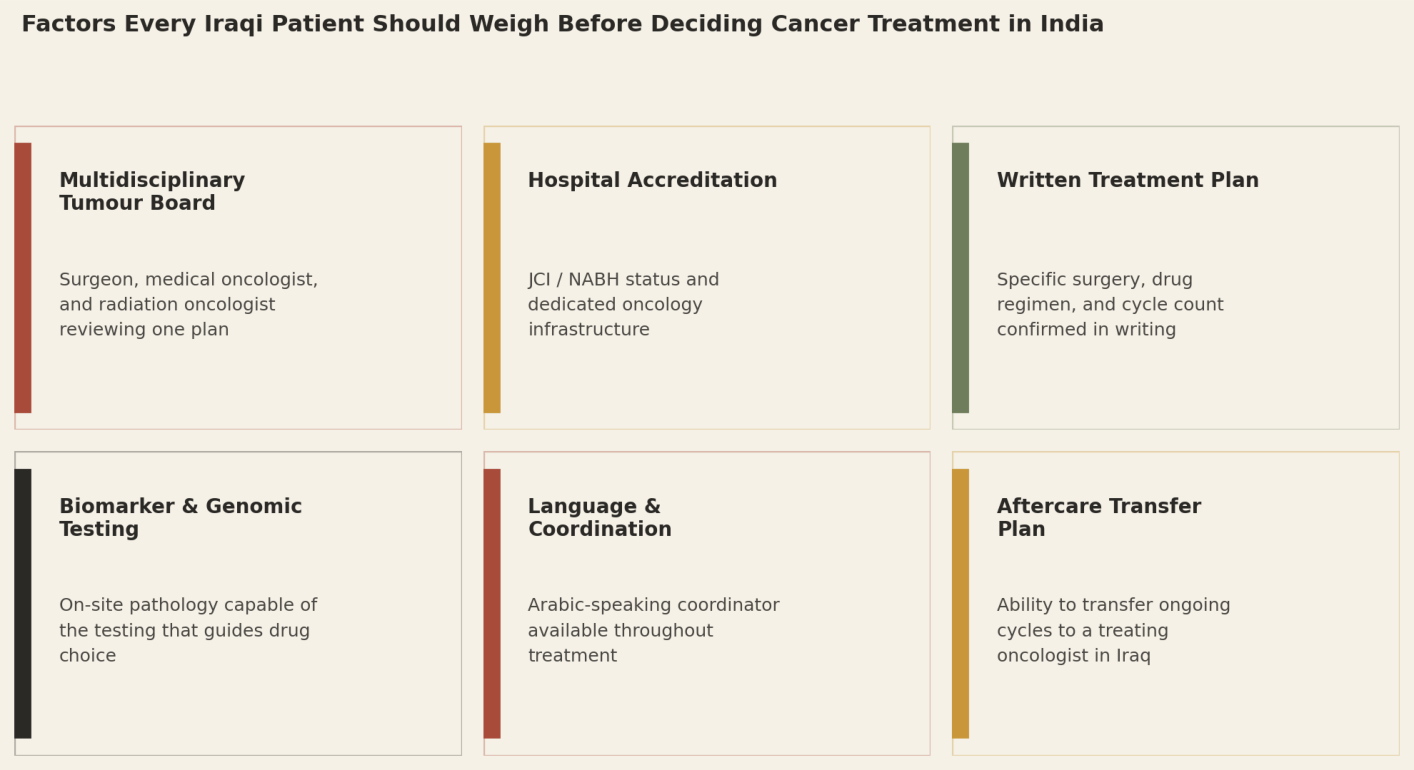
A few of these deserve a specific note. A written treatment plan naming the specific surgery, drug regimen, and number of planned cycles should be confirmed before travel, since a vague plan for “cancer treatment” is a warning sign. Pathology and biomarker reports should be translated and shared digitally in advance of any consultation, since these results, not a general diagnosis, actually determine the treatment plan. Families should also ask, in writing, whether ongoing chemotherapy or radiation cycles can be safely transferred to a treating oncologist in Iraq with a clear protocol, since not every patient needs to remain in India for the entire course of treatment, and confirming this early can meaningfully shorten the time a family needs to spend away from home.
A Closing Thought for Iraqi Families
A cancer diagnosis deserves a coordinated plan built by a team working from one shared strategy, not a single decision made in isolation, and that plan should never be chosen on a marketing brochure or the lowest quoted price. What the evidence consistently shows is that for Iraqi families weighing where to go, India offers a genuinely rare combination: complete multidisciplinary cancer centres, access to current surgical and drug technology, meaningfully lower cost, and hospital systems built to support a family through an entire course of treatment. Few destinations available to an Iraqi family today can offer this full range of specialties under one roof. My role, and the role of any advisor a family works with, should be to help confirm the full treatment plan honestly and make sure it fits the patient’s specific diagnosis, budget, and timeline. Iraq’s families deserve the same standard of scrutiny and care in this decision as any family anywhere else in the world.
Sources & Further Reading
- World Health Organization — Iraq Health System Profile (who.int/countries/irq)
- National Institute for Health and Care Excellence (NICE, UK) — Cancer Guidance Overview (nice.org.uk)
- UK Government — List of English-Speaking Doctors and Medical Facilities in Iraq (gov.uk/government/publications/iraq-doctors-and-medical-facilities)
- National Cancer Institute (NCI, US) — Types of Cancer Treatment (cancer.gov)
- World Bank — Iraq Health Sector Reports (worldbank.org/en/country/iraq)
Frequently Asked Questions by Iraqi Patients about Cancer Treatment in India
Why do Iraqi patients consider cancer treatment in India?
India's leading cancer centres can combine surgical, medical, and radiation oncology with multidisciplinary tumour-board review. The source also highlights access to modern technologies and newer drug treatments.
Is cancer treatment available in Iraq?
Yes. Iraq has established oncology facilities and increasing access to chemotherapy, radiotherapy, PET-CT, and other cancer services. Patients should first assess whether appropriate treatment is available locally.
What cancer treatments are available in India?
Depending on the diagnosis, treatment may include surgery, chemotherapy, radiation therapy, targeted therapy, immunotherapy, and other specialised approaches.
What is the role of a multidisciplinary tumour board?
A tumour board allows specialists from different disciplines to review the case together. This helps coordinate the surgical, drug-treatment, and radiation components of the overall plan.
How much does cancer treatment cost in India for Iraqi patients?
The source provides an illustrative range of approximately USD 9,000–18,000 for surgery, standard chemotherapy, and radiation where required. Actual costs depend on cancer type, stage, and treatment needs.
Why are biomarker and genomic tests important?
These tests can provide information about the biological characteristics of a tumour and help determine which medicines may be appropriate for an individual patient.
How long does an Iraqi patient need to stay in India?
The source describes staging, surgery, and initial recovery as typically taking about two weeks. Additional chemotherapy or radiation may require a longer stay if it is completed in India.
Can cancer treatment continue after returning to Iraq?
In appropriate cases, chemotherapy or radiation cycles can be transferred to a treating oncologist in Iraq. A clear written treatment protocol should be established before the patient leaves India.
What should Iraqi patients send before travelling to India?
Pathology reports and relevant diagnostic information should be translated and shared digitally in advance. These records allow specialists to review the diagnosis and develop a more specific treatment plan.
What should families confirm before booking cancer treatment in India?
They should confirm the exact surgery, drug regimen, number of planned cycles, multidisciplinary review, hospital accreditation, treatment costs, and whether subsequent treatment can safely continue with an oncologist in Iraq.
Page Summary
The guide explains how Iraqi families can evaluate cancer treatment in India while recognising the meaningful oncology capacity already available within Iraq. It identifies situations where patients may seek specialised international care, including complex surgery, newer targeted therapies or immunotherapies, advanced radiotherapy, genomic testing, and cases requiring several subspecialists. India is presented as an option because leading cancer centres can coordinate surgical, medical, and radiation oncology through multidisciplinary tumour boards and provide a broad range of modern treatment technologies. The source’s illustrative cost comparison places a standard treatment package involving surgery, chemotherapy, and radiation where needed at approximately USD 9,000–18,000 in India. The treatment journey can begin with remote pathology review and staging, followed by surgery and early recovery over approximately two weeks, while suitable chemotherapy or radiation may subsequently continue in India or be transferred to an oncologist in Iraq under a clear written treatment protocol.
Citation Block
| Field | Details |
|---|---|
| Article / Topic | Cancer Treatment and Surgery in India for Iraqi Patients |
| Primary Country | Iraq |
| Treatment Destination | India |
| Main Speciality | Medical, surgical, and radiation oncology |
| Core Treatment Model | Multidisciplinary cancer care |
| Key Specialists | Surgical, medical, and radiation oncologists with relevant subspecialists |
| Iraq Oncology Capacity | Established cancer treatment facilities exist in Baghdad and Basra |
| Complex Treatment Needs | Specialised surgery, newer drugs, advanced radiotherapy, genomic testing, and multidisciplinary care |
| Surgical Technology | Robotic and minimally invasive cancer surgery |
| Radiotherapy Technology | Modern linear accelerators and brachytherapy |
| Drug Options | Chemotherapy, targeted therapies, and immunotherapies |
| Diagnostic Guidance | Genomic and biomarker testing |
| Multidisciplinary Review | Tumour board |
| Hospital Quality Factor | JCI or NABH accreditation |
| International Support | Arabic-speaking coordinators and case managers |
| Pre-Travel Review | Pathology and diagnostic reports should be shared digitally |
| Illustrative India Cost | USD 9,000–18,000 |
| UK Comparison | USD 28,000–48,000 |
| Germany Comparison | USD 25,000–42,000 |
| USA Comparison | USD 60,000–180,000 |
| Cost Variables | Cancer type, stage, and treatment requirements |
| Initial India Period | Approximately two weeks for staging, surgery, and initial recovery |
| Ongoing Treatment | Chemotherapy or radiation may continue in India or Iraq |
| Treatment Transfer | Requires a clear written protocol for the treating oncologist in Iraq |
| Financial Planning | Partial advance deposits may be available for the surgical component |
| Treatment Planning Requirement | Specific surgery, drug regimen, and number of planned cycles should be documented |


Our Mission Statement
Our mission is to place patients at the centre of every healthcare decision by providing trustworthy, evidence-based, and unbiased medical information. We believe that informed patients make better decisions. Backed by personalised guidance from our experienced advisory team, we help patients understand their treatment options, compare them objectively, and confidently choose the path that best suits their medical needs and personal circumstances.
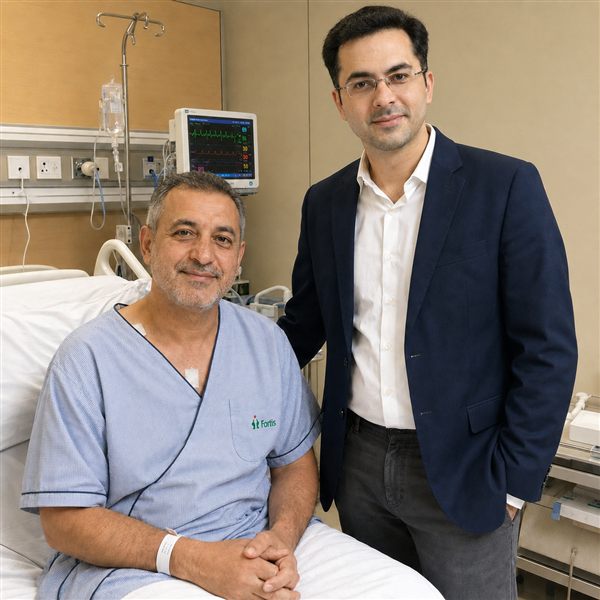
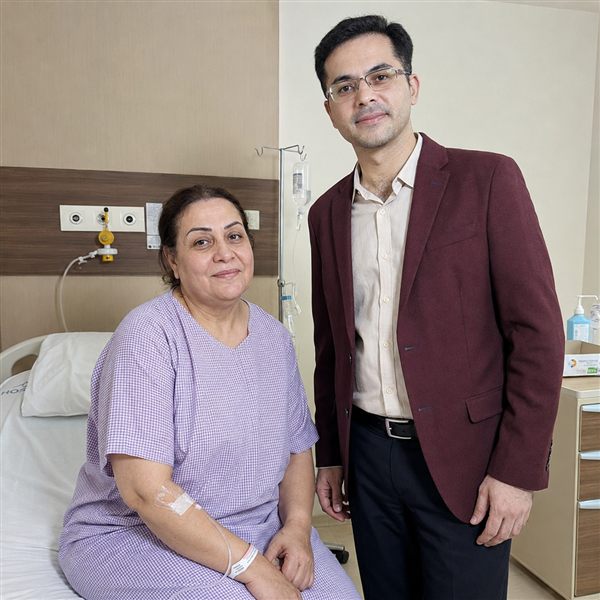
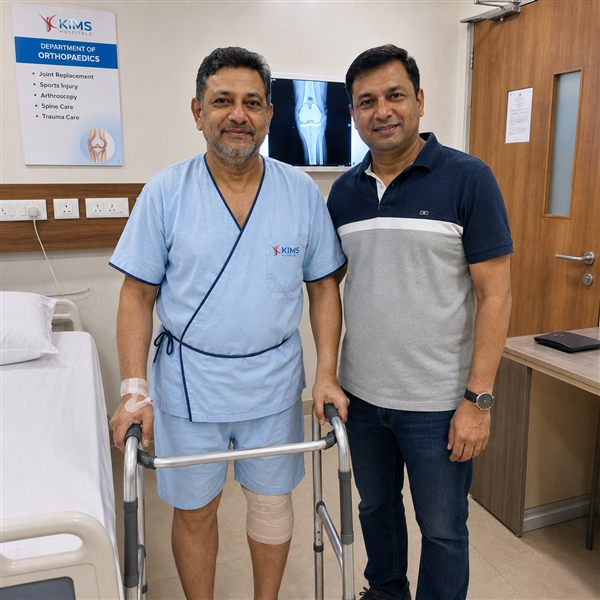
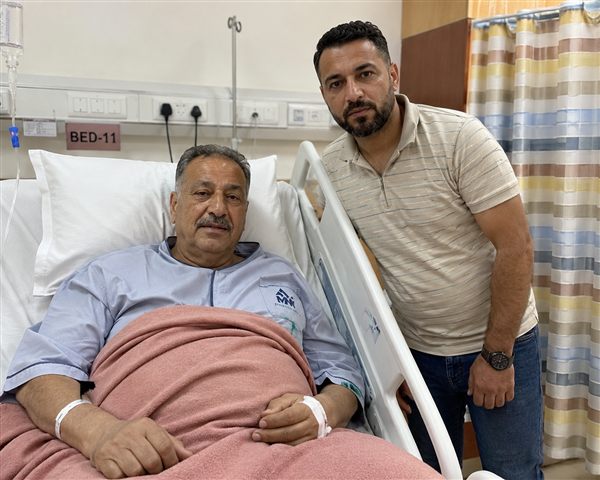
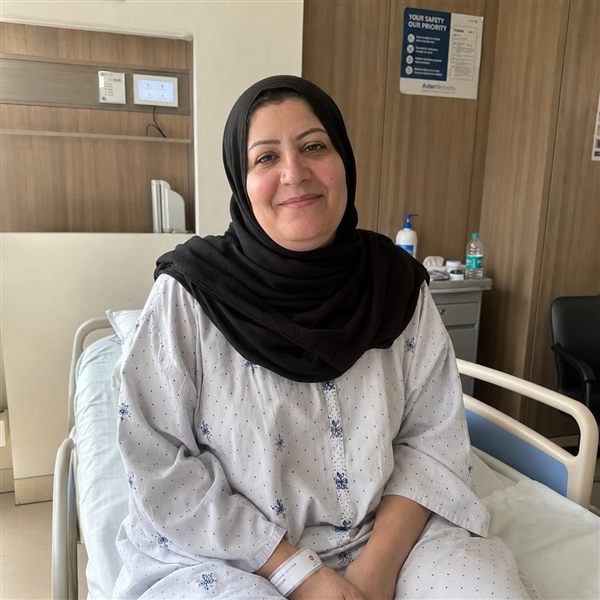
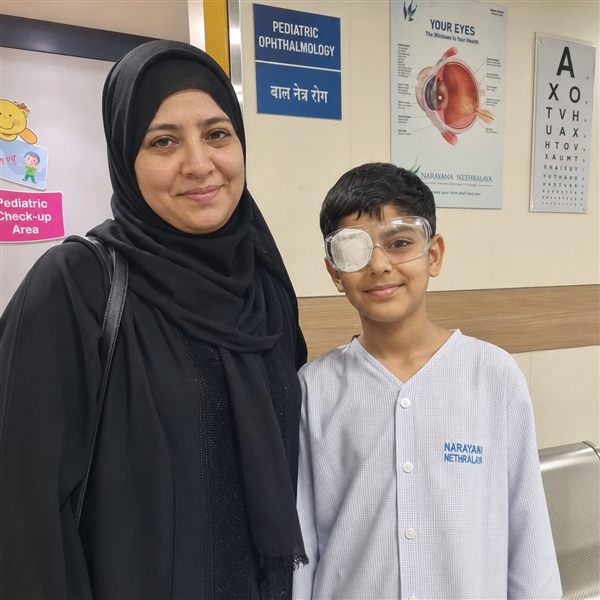
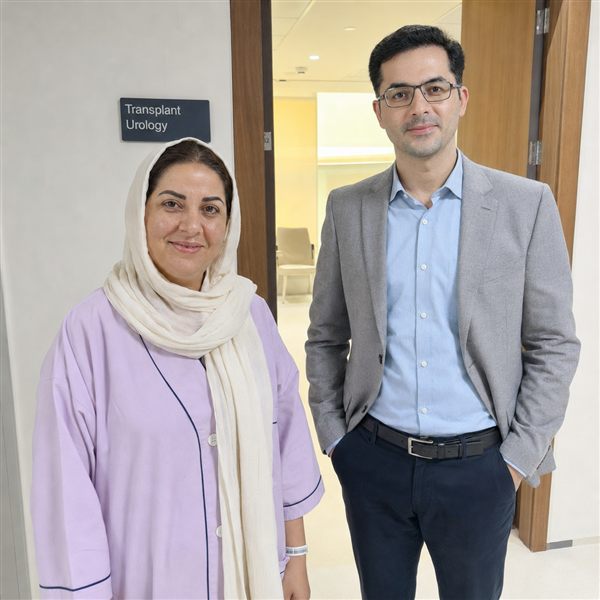
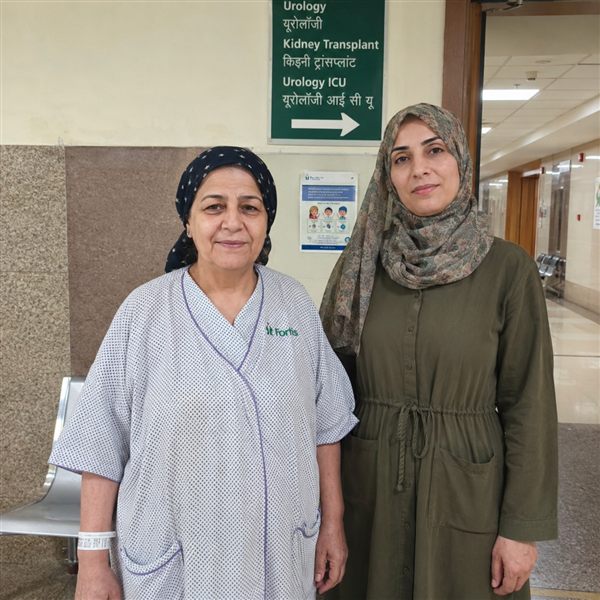
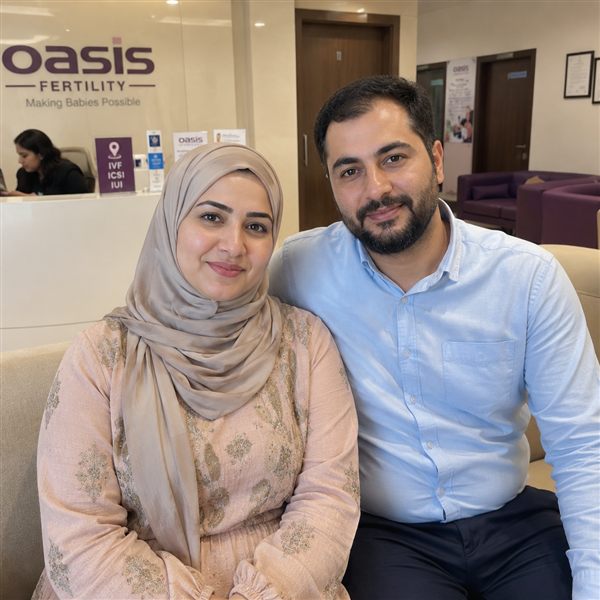
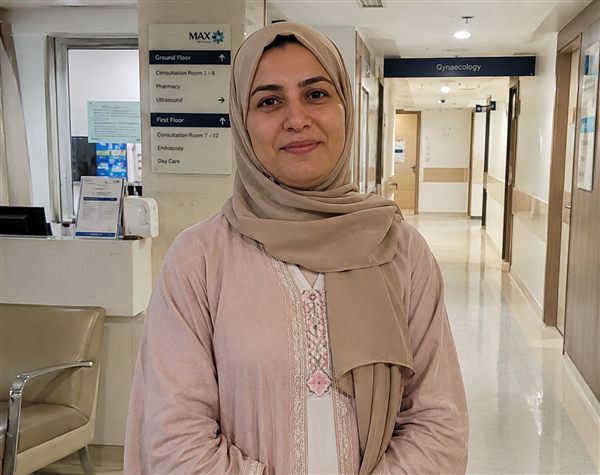
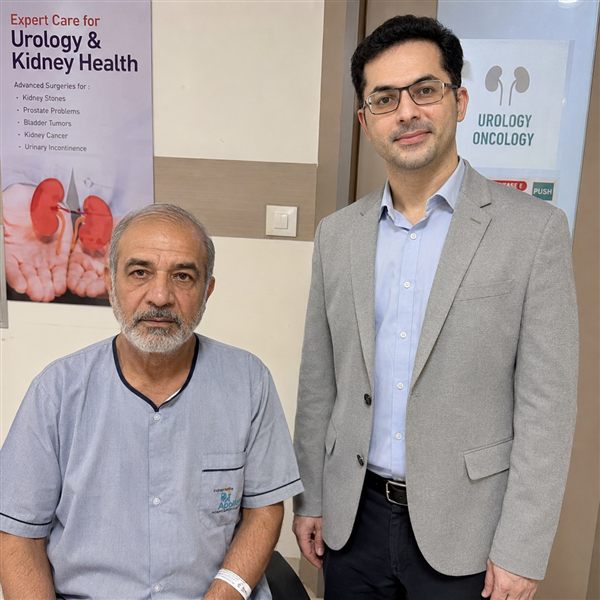
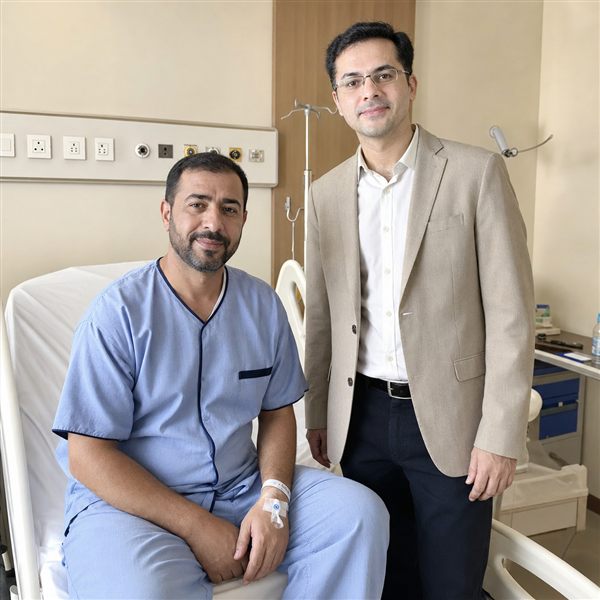
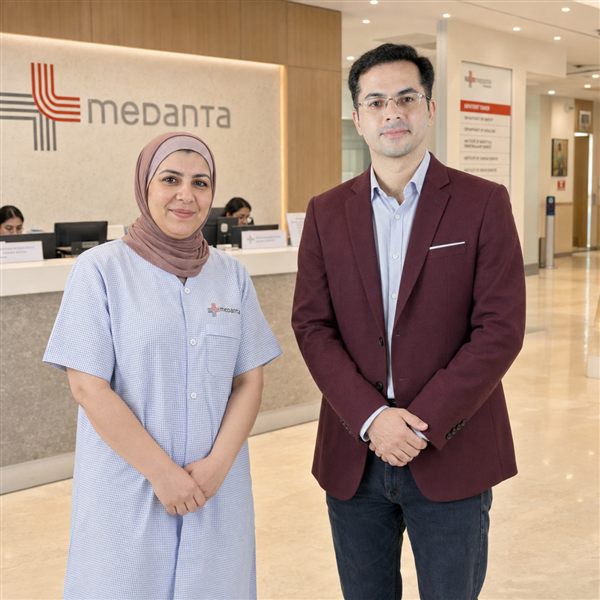
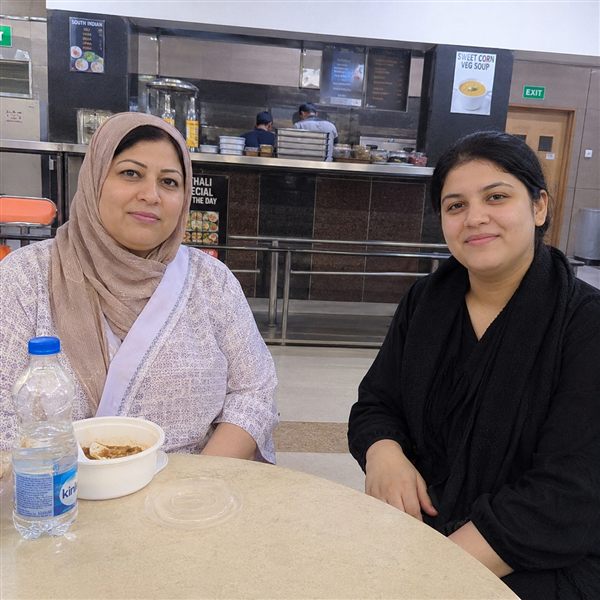
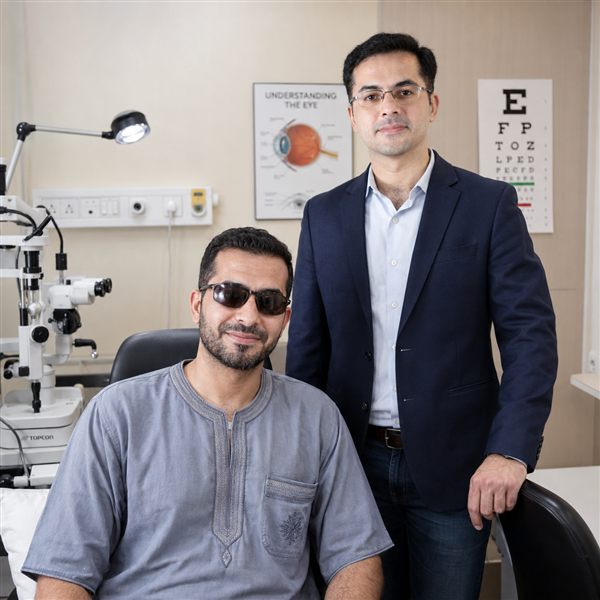
Patient Testimonials from Iraq
Ready to Take the First Step?
Share your Medical Reports with our Healthcare Managers Today and Get a FREE CONSULTATION, a Personalized Treatment Plan, and Complete Support from Arrival to Recovery.
Get Your Free ConsultationAreas We Serve
Indian Health Guru Consultants proudly assists patients from Iraq and surrounding Middle Eastern countries in accessing advanced, affordable and trusted medical treatment in India. Our team provides complete support for medical opinions, hospital selection, treatment planning, visa assistance, travel coordination, accommodation and post-treatment follow-up.
We regularly serve patients from:
- Iraq
- Turkey
- Iran
- Kuwait
- Jordan
- Syria
- Qatar
- Bahrain
- Oman
- Yemen
- Saudi Arabia
- United Arab Emirates
No matter where you are located, our experienced team is committed to making your medical journey to India safe, smooth, transparent and stress-free from the first enquiry to your return home.
From Iraq to India: Your Complete Patient Guide
- Kidney Transplant in India for Iraqis
- Heart Failure Treatment and Surgery in India for Iraqis
- Parkinson's Treatment and DBS Surgery in India for Iraqis
- Paediatric Neurosurgery in India for Iraqis
- Plastic and Reconstructive Surgery in India for Iraqis
- Radiotherapy and Modern Cancer Treatment in India for Iraqis
- Gamma Knife Treatment in India for Iraqis
- Robotic Cancer Surgery in India for Iraqis
- Pancreatic Cancer Surgery in India for Iraqis
- Heart Valve Replacement in India for Iraqis
- Bone Marrow Transplant in India for Iraqi Patients
- Leukemia, Lymphoma and Blood Cancer Treatment in India for Iraqis
- Neurosurgery in India for Iraqis
- Prostate Cancer Treatment and Surgery in India for Iraqis
- Scoliosis Correction Surgery in India for Iraqis
- Paediatric Heart Surgery in India for Iraqis
- IVF and Fertility Treatment in India for Iraqis
- Penile Implant Surgery in India for Iraqis