

Paediatric Neurosurgery in India for Iraqis: What You Need to Know Before You Travel
A doctor’s honest guide for Iraqi families weighing complex paediatric neurosurgery abroad — costs, hospitals, the real treatment journey, and the questions worth asking before you book anything.
A baby born with a visible sac protruding from the spine, an infant whose head is growing unusually fast, or a young child whose skull bones fused too early, changing the shape of the head and sometimes threatening the growing brain beneath it, are among the most frightening diagnoses a new parent can face. Paediatric neurosurgery is not simply neurosurgery performed on a smaller patient. A child’s skull, brain, and spine are still developing, and treatment decisions made in the first months of life can shape a child’s development for decades afterward. I have spent 24 years guiding families from across the Middle East, Africa, and South Asia through exactly this decision, and Iraqi families are an increasingly regular part of that work. What I tell every parent calling from Baghdad, Basra, Erbil, or Sulaimani is the same thing I would tell my own family: a paediatric neurosurgeon is a distinct sub-specialty from an adult neurosurgeon who occasionally treats children, and the specific volume a team has with your child’s exact condition, spina bifida, craniosynostosis, or paediatric hydrocephalus, matters enormously for how well your child develops afterward. For a growing number of Iraqi families, once the options are compared honestly, that sub-specialised depth is found in India.
Healing Journeys of Iraqi Patients
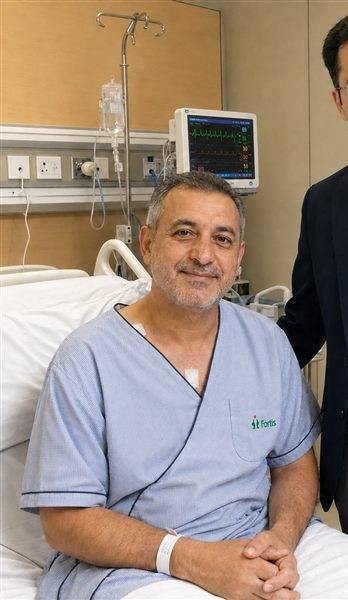
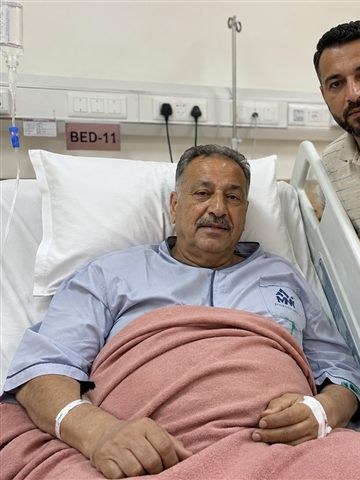
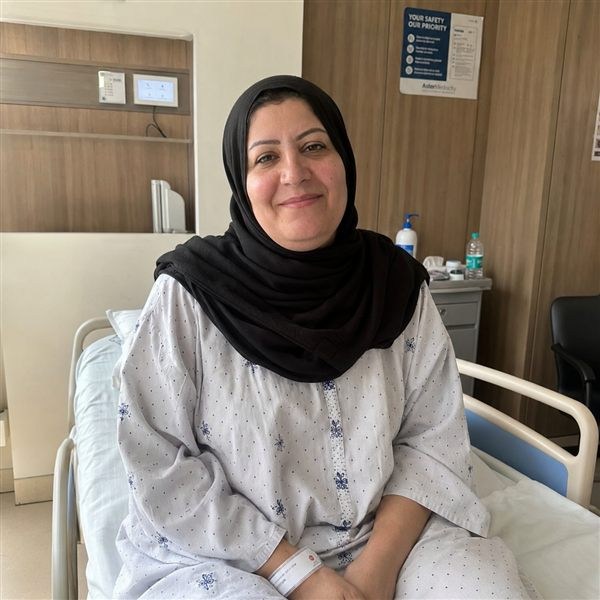
Key Takeaways
- Paediatric neurosurgery requires specialised expertise because a child's brain, skull and spine are still developing. The source highlights conditions such as spina bifida, hydrocephalus and craniosynostosis, explaining that decisions made during infancy and childhood can influence development for many years. It recommends assessing a dedicated paediatric neurosurgical team rather than assuming that an adult neurosurgeon who occasionally treats children has equivalent experience.
- Iraq has genuine experience in treating paediatric neural tube defects and related hydrocephalus. Neurosurgical departments in Sulaimaniyah, Al-Diwaniyah and Al-Qadisiyah have reported clinical experience with these conditions, including shunt placement. The source nevertheless identifies greater challenges with complex craniosynostosis reconstruction, recurrent or complex hydrocephalus, paediatric brain tumours and long-term coordinated neuro-rehabilitation.
- India is presented as an option because leading paediatric neurosurgery centres have dedicated experience with children affected by hydrocephalus, craniosynostosis, spina bifida and paediatric brain tumours. The guide stresses that dedicated paediatric volume matters because treating children regularly allows surgical teams to develop experience specific to developing anatomy rather than relying primarily on adult neurosurgical practice.
- The guide also highlights techniques designed specifically for paediatric patients. Where clinically appropriate, Indian centres may offer endoscopic third ventriculostomy as an alternative to lifelong shunt dependence. Craniofacial reconstruction can be used for craniosynostosis, while dedicated paediatric neuro-oncology teams may manage childhood brain tumours.
- The cost comparison chart on page 2 shows an illustrative all-inclusive range of approximately USD 4,000–8,000 in India for a standard paediatric neurosurgical procedure such as shunt placement or craniosynostosis correction. The chart compares this with approximately USD 15,000–25,000 in the United Kingdom, USD 12,000–20,000 in Germany and USD 30,000–60,000 in the United States. Actual costs vary according to diagnosis and surgical complexity, making a written estimate after imaging review important.
- The treatment journey shown on page 3 begins with remote consultation and imaging review, followed by arrival and pre-surgical evaluation. The paediatric neurosurgical procedure is placed around day 3, followed by ICU care when needed and hospital recovery through approximately days 4–10. A follow-up assessment is planned during the second week, followed by return home and remote developmental follow-up. The source estimates an overall stay of approximately three weeks.
- Before travelling, Iraqi families should ask how many procedures the proposed surgeon performs each year for the child's specific condition. The guide specifically warns that experience with spina bifida does not automatically translate into equivalent experience with craniosynostosis or paediatric brain tumour surgery. MRI, CT or ultrasound records should be translated and shared digitally before travel, and the family should obtain a clear plan for long-term developmental follow-up after returning to Iraq.
- The page 4 checklist highlights six factors: condition-specific case volume, hospital accreditation, access to advanced technique, a written surgical plan, Arabic-language coordination, and a developmental follow-up plan.
Quick Facts
- Treatment
- Paediatric neurosurgery in India
- Primary Patients
- Iraqi infants and children requiring specialised neurosurgical care
- Main Speciality
- Paediatric neurosurgery
- Key Specialist
- Paediatric neurosurgeon experienced in the child's exact condition
- Conditions
- Hydrocephalus, spina bifida, craniosynostosis and paediatric brain tumours
- Illustrative India Cost
- Approximately USD 4,000–8,000 for a standard procedure
- Cost Factors
- Diagnosis, surgical complexity and required hospital care
- Hospital Stay
- Approximately 5–10 days including ICU care when needed
- Total India Stay
- Approximately 3 weeks
- Advanced Technique
- Endoscopic third ventriculostomy may be considered where appropriate
- Craniosynostosis
- Precise craniofacial reconstruction may be available
- Pre-Travel
- MRI, CT or ultrasound imaging should be reviewed before travel
- Specialist Volume
- Ask about annual procedures for the child's exact condition
- Hospital Accreditation
- Consider JCI or NABH-accredited facilities
- Paediatric ICU
- Confirm appropriate intensive-care facilities for children
- Language Support
- Arabic-speaking coordinators may be available
- Treatment Plan
- Obtain the surgical plan in writing after imaging review
- Developmental Follow-Up
- Long-term monitoring should be planned after returning to Iraq
- Long-Term Care
- Some paediatric neurosurgical conditions require monitoring beyond surgery
- Author
- Dr. Dheeraj Bojwani
- Experience
- 24+ Years
In Brief
Paediatric neurosurgery in India may be considered by Iraqi families whose children require specialised treatment for hydrocephalus, spina bifida, craniosynostosis or paediatric brain tumours. Dedicated paediatric neurosurgical experience, child-specific techniques such as endoscopic third ventriculostomy and craniofacial reconstruction, and international-patient support including Arabic-speaking coordinators are highlighted. The page 2 chart gives an illustrative India cost range of USD 4,000–8,000 for a standard paediatric neurosurgical procedure, while a typical treatment journey may require approximately three weeks in India, including evaluation, surgery, hospital recovery and follow-up.
Why Iraqi Patients Are Looking Beyond Iraq for Paediatric Neurosurgery
Iraq’s medical community has documented and treated neural tube defects, spina bifida in particular, across several provinces, with neurosurgical departments in Sulaimaniyah, Al-Diwaniyah, and Al-Qadisiyah reporting genuine clinical experience managing these cases, including placing shunts for the hydrocephalus that frequently accompanies these conditions. This represents real, hard-won capability, and it should always be the first option a family investigates.
Where the picture becomes harder is the more complex end of paediatric neurosurgery: craniosynostosis requiring skull reconstruction, complex or recurrent hydrocephalus needing endoscopic techniques beyond a standard shunt, paediatric brain tumours requiring a dedicated paediatric neuro-oncology team, and cases needing long-term, coordinated paediatric neuro-rehabilitation rather than surgery alone. In the most severe historical cases, some Iraqi infants have needed emergency evacuation to hospitals abroad for corrective surgery their local system could not yet provide, a reminder of how much a specific case’s complexity can outrun local capacity even when general neurosurgical skill exists. This is why a growing number of Iraqi families now travel for complex paediatric neurosurgery specifically, and India has become one of the most trusted destinations, not simply the cheapest one.
Why India Specifically for Paediatric Neurosurgery, Not Just Overseas
Iraqi families researching treatment abroad quickly discover several destinations: Turkey, Jordan, and India are all commonly mentioned in the same breath. It is worth being direct about why India stands apart for paediatric neurosurgery specifically.
The first reason is dedicated sub-specialty volume. India’s leading paediatric neurosurgery centres see a very high number of children with hydrocephalus, craniosynostosis, spina bifida, and paediatric brain tumours every year, treated by surgeons who focus specifically on children rather than general or adult neurosurgeons managing paediatric cases occasionally.
The second reason is access to advanced technique specifically suited to children. Leading Indian centres offer endoscopic third ventriculostomy as an alternative to lifelong shunt dependence where appropriate, precise craniofacial reconstruction for craniosynostosis, and a dedicated paediatric neuro-oncology team for brain tumours, matched to a child’s smaller anatomy and longer expected lifespan with any implant or intervention.
The third reason is infrastructure built specifically for international families, including Arabic-speaking coordinators and case managers who can review existing imaging remotely to confirm the surgical plan before a family ever travels. Finally, there is regulatory credibility: a large share of India’s leading paediatric neurosurgery hospitals hold JCI or NABH accreditation, many surgeons have trained or held fellowships in the UK, US, or Germany, and India’s government has built a dedicated medical visa category for a child patient and one accompanying parent.
Understanding the Cost Picture of Paediatric Neurosurgery in India
Cost is rarely the only reason a family chooses India, but it is almost always part of the conversation. The figures below reflect typical all-inclusive ranges for a standard paediatric neurosurgical procedure, such as shunt placement or craniosynostosis correction, covering surgery, ICU stay, and standard hospital admission. Costs vary considerably by the specific condition and surgical complexity, so I always urge families to get a written, itemised estimate once imaging has confirmed the diagnosis.
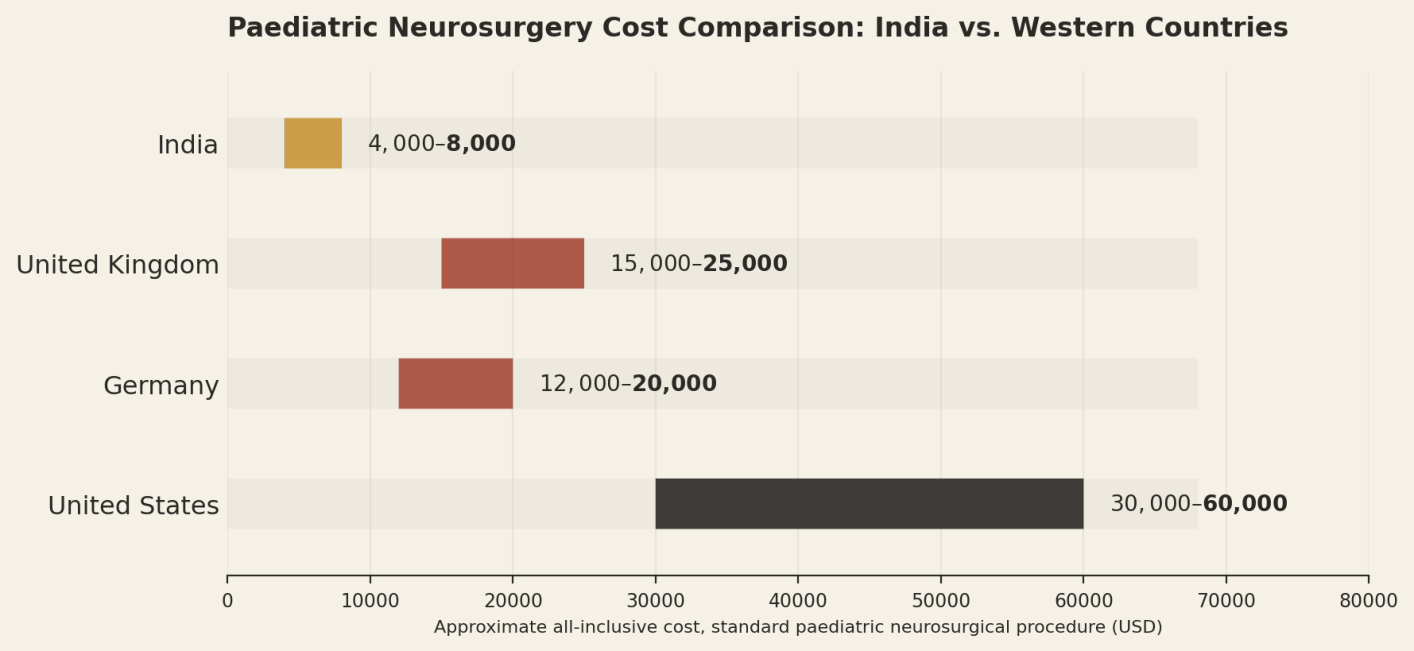
What stands out is not simply that India is cheaper than the United States, the United Kingdom, or Germany. It is that India offers the same paediatric-specific surgical technique and internationally trained teams at a fraction of Western prices, with transparent, package-based pricing that contrasts favourably with quotes elsewhere that often exclude extended ICU stay or follow-up imaging until the final bill arrives. Many hospitals also accept a partial advance deposit rather than full upfront payment, which is worth raising directly in the first consultation since it can meaningfully ease the financial planning involved in arranging funds from Iraq.
What Paediatric Neurosurgery in India Typically Looks Like
Parents often worry most about how a young child will tolerate surgery and recovery, and how long the family will need to remain in India. Having coordinated this journey for many families, I find it helps enormously to see the process mapped out plainly before departure.
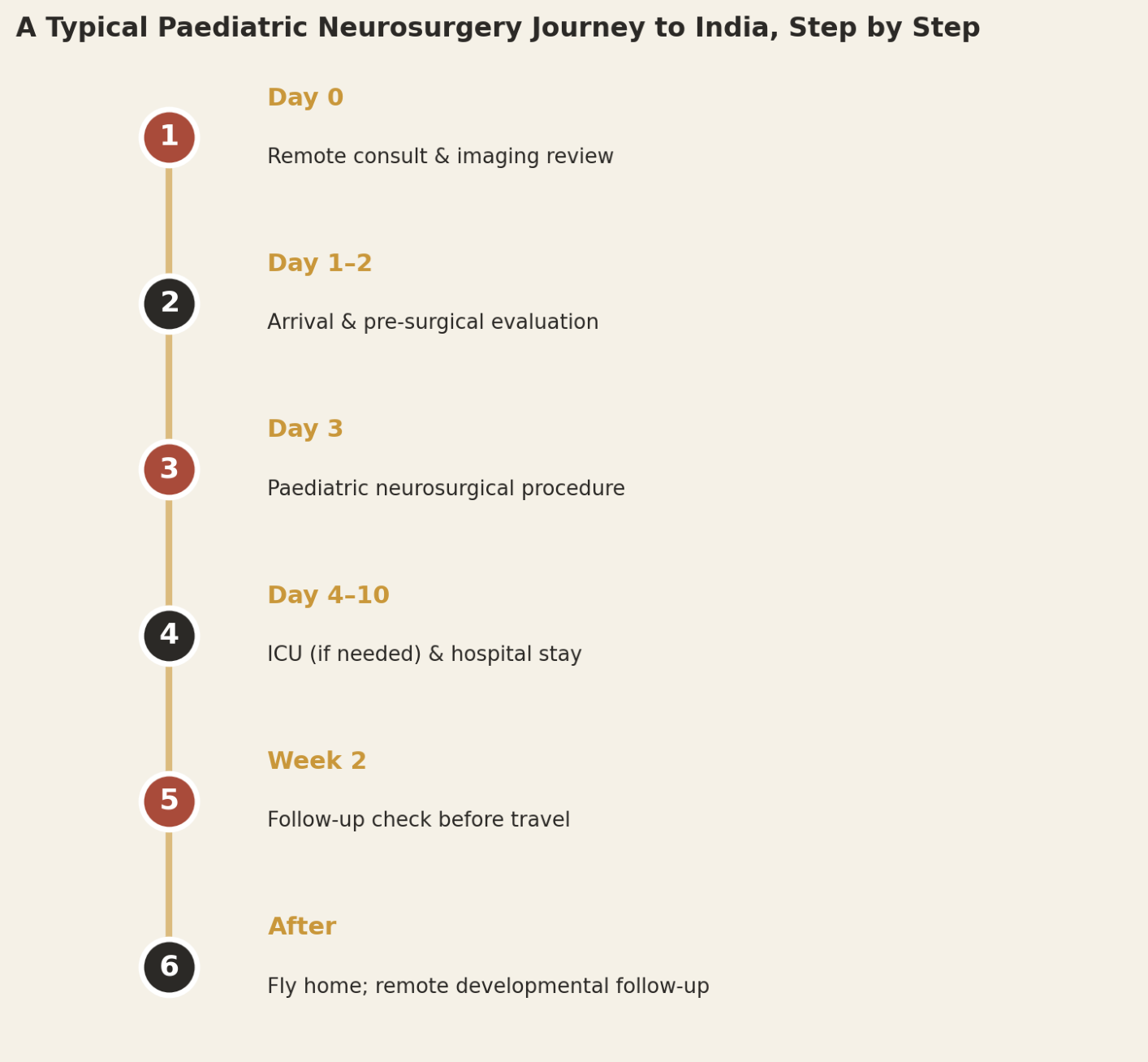
A typical paediatric neurosurgery patient can expect several days of pre-surgical evaluation, followed by surgery and a hospital stay of five to ten days including any needed ICU monitoring, and a further one to two weeks in India for recovery and a follow-up check before flying home, with a structured remote follow-up plan continuing afterward.
Factors Every Iraqi Family Should Weigh Before Deciding Paediatric Neurosurgery in India
Beyond cost and destination, the Iraqi families I have advised over these 24 years tend to make better decisions, and face fewer complications, when they think through the following before booking anything.
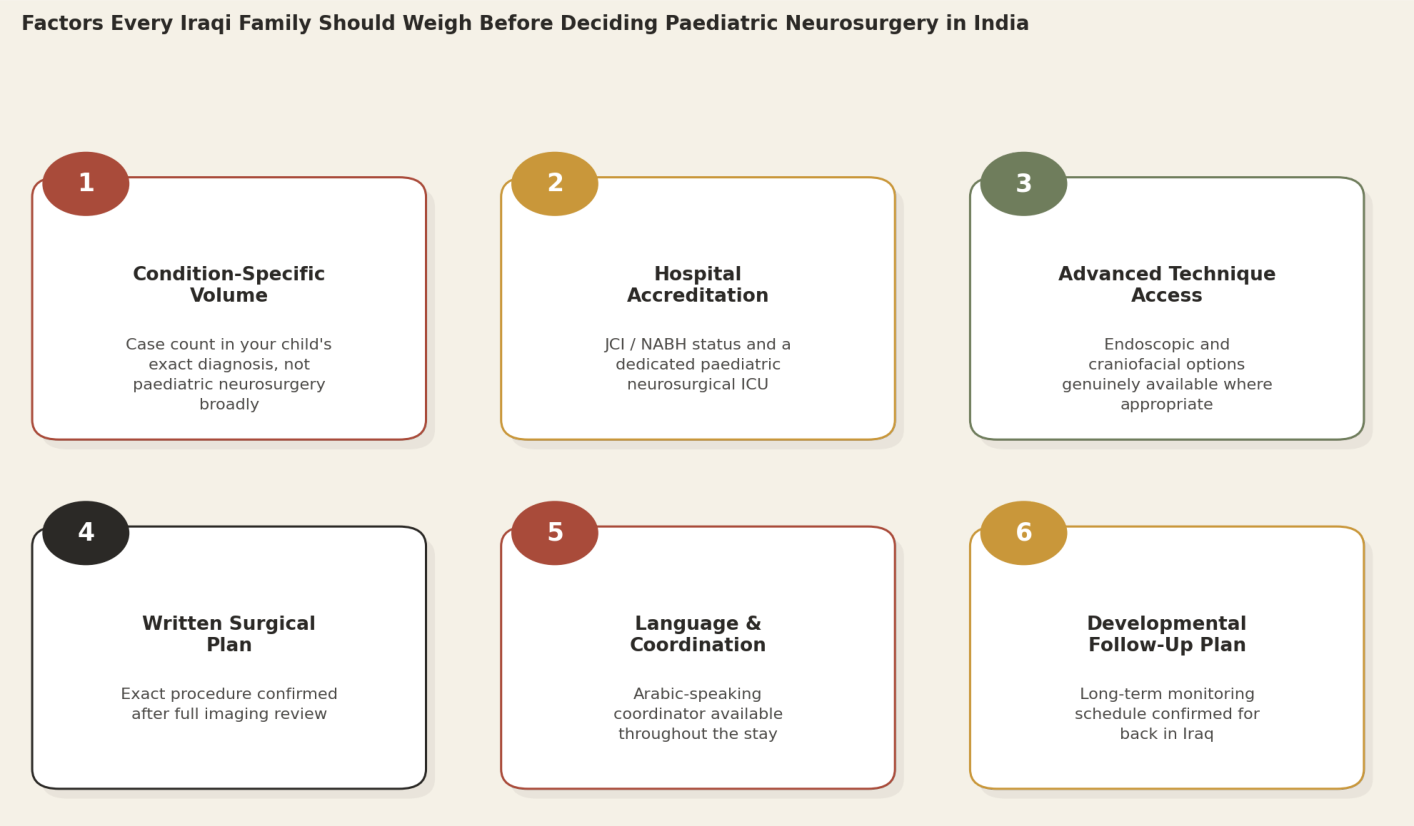
A few of these deserve a specific note. Ask directly how many procedures of your child’s specific condition, not paediatric neurosurgery in general, the surgeon performs each year, since volume in spina bifida repair does not automatically transfer to craniosynostosis or brain tumour surgery. Existing MRI, CT, or ultrasound imaging should be translated and shared digitally before travel, since a paediatric neurosurgeon needs this to confirm the surgical plan. Families should also ask, in writing, what long-term developmental follow-up is recommended once back in Iraq, since many paediatric neurosurgical conditions benefit from monitoring well beyond the surgery itself.
A Closing Thought for Iraqi Families
A developing brain and skull leave little room for a team still building its specific paediatric experience, and that experience deserves the same scrutiny as any other major decision, not a marketing brochure or the lowest quoted price. What the evidence consistently shows is that for Iraqi families weighing where to go, India offers a genuinely rare combination: dedicated paediatric neurosurgical sub-specialty volume, advanced technique suited specifically to children, and meaningfully lower cost than the West. Few destinations available to an Iraqi family today can offer this depth of paediatric neurosurgical sub-specialisation at once. My role, and the role of any advisor a family works with, should be to help confirm the right sub-specialist honestly and make sure the plan in front of them fits their child’s specific condition, budget, and timeline. Iraq’s families deserve the same standard of scrutiny and care in this decision as any family anywhere else in the world.
Sources & Further Reading
- World Health Organization — Iraq Health System Profile (who.int/countries/irq)
- National Institute for Health and Care Excellence (NICE, UK) — Spina Bifida and Hydrocephalus Guidance (nice.org.uk)
- UK Government — List of English-Speaking Doctors and Medical Facilities in Iraq (gov.uk/government/publications/iraq-doctors-and-medical-facilities)
- American Association of Neurological Surgeons (AANS) — Paediatric Neurosurgery Patient Information (aans.org)
- World Bank — Iraq Health Sector Reports (worldbank.org/en/country/iraq)
Frequently Asked Questions by Iraqi Patients about Paediatric Neurosurgery in India
Can Iraqi children travel to India for paediatric neurosurgery?
Yes. The guide specifically addresses Iraqi families travelling to India for complex paediatric neurosurgical conditions and highlights dedicated specialist teams and child-specific treatment approaches.
What paediatric neurosurgical conditions are highlighted for Iraqi children?
The guide focuses on hydrocephalus, spina bifida, craniosynostosis and paediatric brain tumours. The appropriate treatment depends on the child's diagnosis and imaging findings.
How much does paediatric neurosurgery cost in India for Iraqi patients?
The page 2 comparison chart gives an illustrative range of approximately USD 4,000–8,000 for a standard paediatric neurosurgical procedure. Complex cases may have higher costs.
How long does an Iraqi child need to stay in India for neurosurgery?
A typical journey is estimated at around three weeks. This includes pre-surgical evaluation, surgery, approximately five to ten days of hospital care and additional recovery before returning to Iraq.
Can Iraqi children with hydrocephalus receive advanced treatment in India?
The guide identifies endoscopic third ventriculostomy as an option available at leading Indian centres where clinically appropriate. It may provide an alternative to lifelong shunt dependence in selected patients.
Can Iraqi children receive craniosynostosis surgery in India?
Yes. The source highlights precise craniofacial reconstruction as a paediatric technique available at leading Indian centres. The child's imaging and individual anatomy must determine the appropriate surgical approach.
How should Iraqi parents choose a paediatric neurosurgeon in India?
Parents should ask how many procedures the surgeon performs each year for their child's exact condition. Experience in one paediatric neurosurgical condition does not automatically mean equivalent experience in another.
Should Iraqi parents send their child's scans before travelling to India?
Yes. MRI, CT or ultrasound imaging should be translated and shared digitally before travel so the paediatric neurosurgical team can review the case and confirm the proposed surgical plan.
Is Arabic-language support available for Iraqi paediatric neurosurgery patients?
The guide states that international programmes may provide Arabic-speaking coordinators and case managers who can assist with imaging review and treatment coordination.
What follow-up does an Iraqi child need after returning from India?
The source recommends confirming a long-term developmental follow-up plan before returning to Iraq. Some paediatric neurosurgical conditions require monitoring well beyond the initial operation.
Page Summary
Paediatric neurosurgery requires dedicated knowledge of the developing brain, skull and spine. For Iraqi families, the guide focuses on complex conditions such as hydrocephalus, spina bifida, craniosynostosis and paediatric brain tumours. India is presented as an option because leading centres offer dedicated paediatric neurosurgical teams and child-specific techniques, while international-patient services can support families with remote imaging review and Arabic-language coordination. The page 2 cost chart gives an illustrative India range of USD 4,000–8,000 for a standard paediatric neurosurgical procedure, with more complex cases potentially requiring higher costs. A typical treatment journey is estimated at around three weeks, including pre-operative assessment, surgery, hospital recovery and follow-up. Iraqi parents should focus on condition-specific surgical experience, advanced paediatric techniques, hospital quality and a long-term developmental follow-up plan.
Citation Block
| Field | Details |
|---|---|
| Article / Topic | Paediatric Neurosurgery in India for Iraqi Patients |
| Treatment Area | Paediatric neurosurgery |
| Primary Patient Group | Iraqi infants and children |
| Conditions Highlighted | Hydrocephalus, spina bifida, craniosynostosis and paediatric brain tumours |
| Key Treatment Principle | Select a dedicated paediatric neurosurgical team |
| Iraq Care Context | Existing experience with neural tube defects and hydrocephalus |
| Complex Care Challenges | Craniosynostosis, recurrent hydrocephalus, brain tumours and long-term rehabilitation |
| India Advantage | Dedicated paediatric neurosurgical subspecialty volume |
| Paediatric Expertise | Experience across several complex childhood neurosurgical conditions |
| Advanced Technique | Endoscopic third ventriculostomy where appropriate |
| Craniosynostosis Care | Precise craniofacial reconstruction |
| Brain Tumour Care | Dedicated paediatric neuro-oncology support |
| India Cost | Approximately USD 4,000–8,000 illustrative range |
| UK Comparison | Approximately USD 15,000–25,000 |
| Germany Comparison | Approximately USD 12,000–20,000 |
| USA Comparison | Approximately USD 30,000–60,000 |
| Cost Variation | Depends on diagnosis and surgical complexity |
| Pre-Travel Assessment | Imaging review before arrival |
| Hospital Stay | Approximately 5–10 days including ICU when needed |
| Total India Stay | Approximately 3 weeks |
| Specialist Selection | Assess experience with the child's exact condition |
| Hospital Selection | Consider JCI or NABH accreditation |
| Medical Records | Translate and digitally share MRI, CT or ultrasound |
| Language Support | Arabic-speaking coordinators may be available |
| Follow-Up | Developmental monitoring should continue after returning to Iraq |
| Long-Term Planning | Confirm future monitoring requirements before travel |
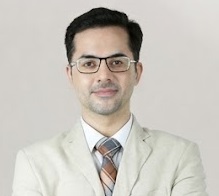

Our Mission Statement
Our mission is to place patients at the centre of every healthcare decision by providing trustworthy, evidence-based, and unbiased medical information. We believe that informed patients make better decisions. Backed by personalised guidance from our experienced advisory team, we help patients understand their treatment options, compare them objectively, and confidently choose the path that best suits their medical needs and personal circumstances.
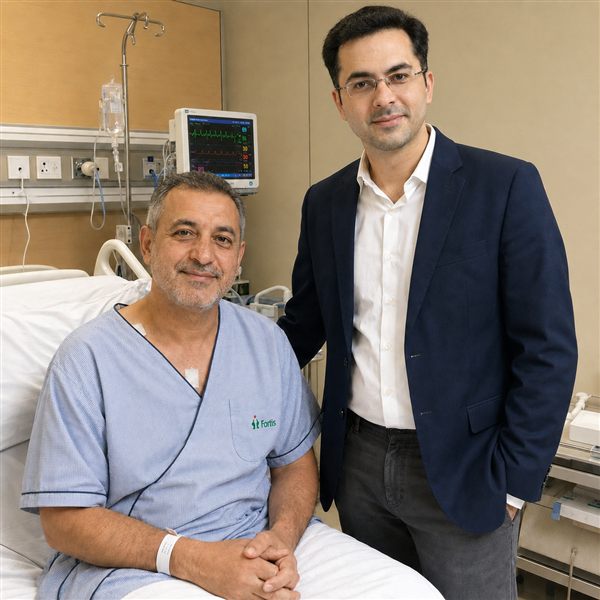
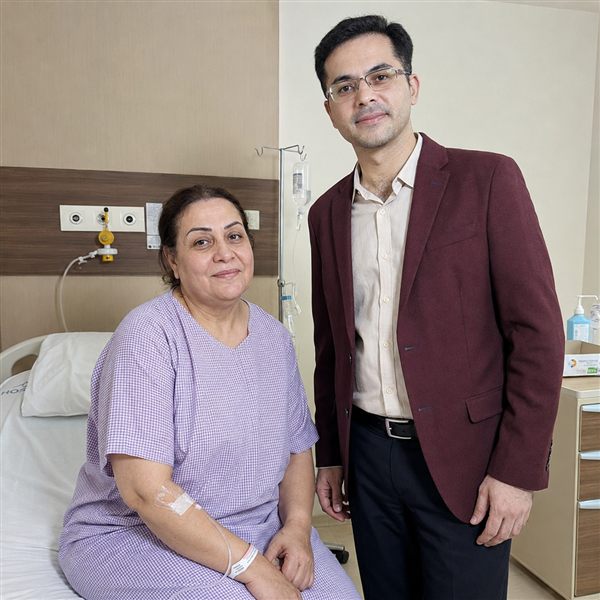
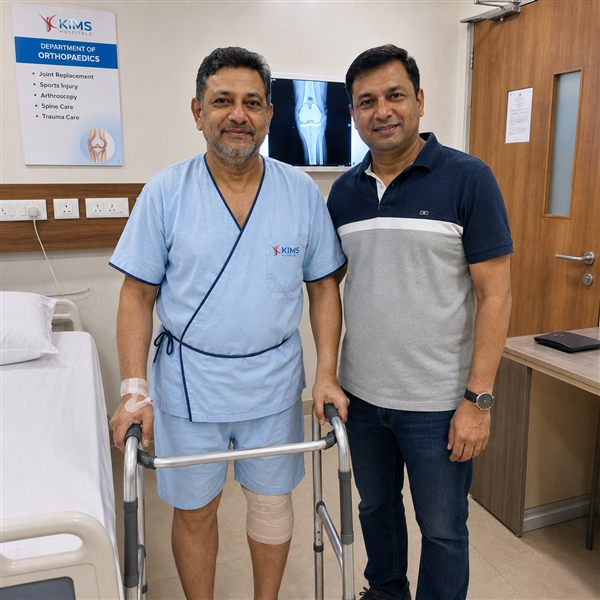
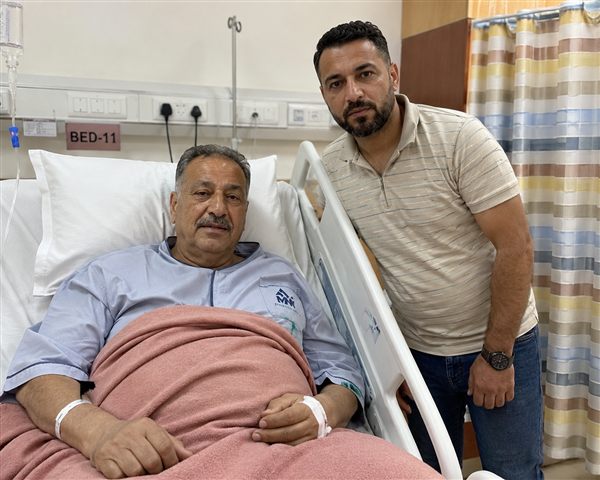
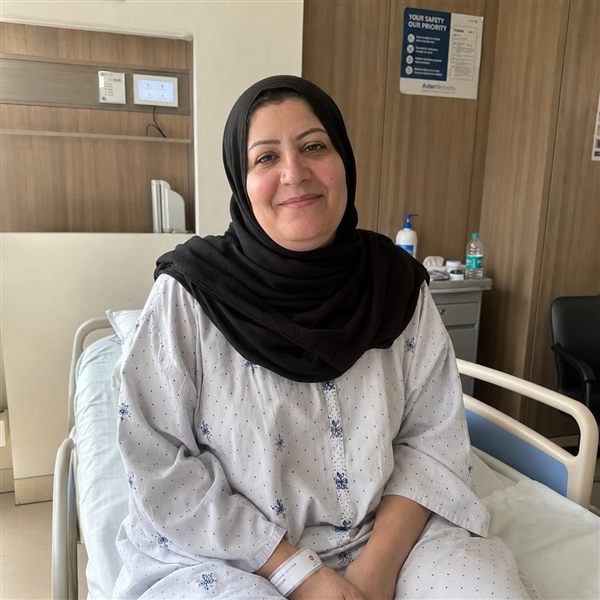
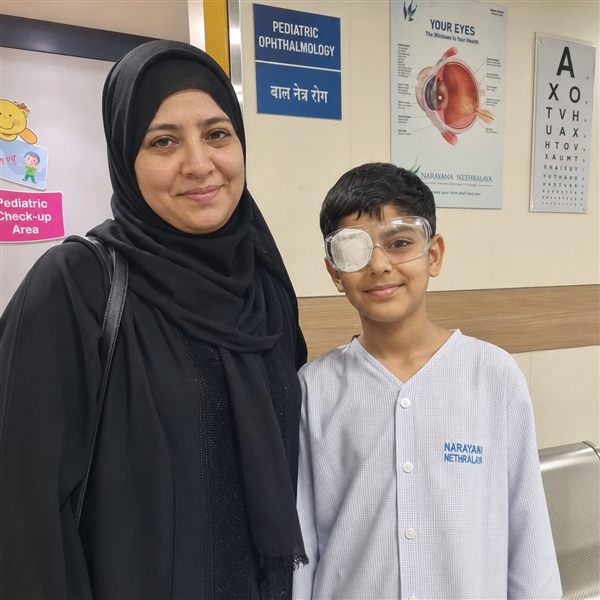
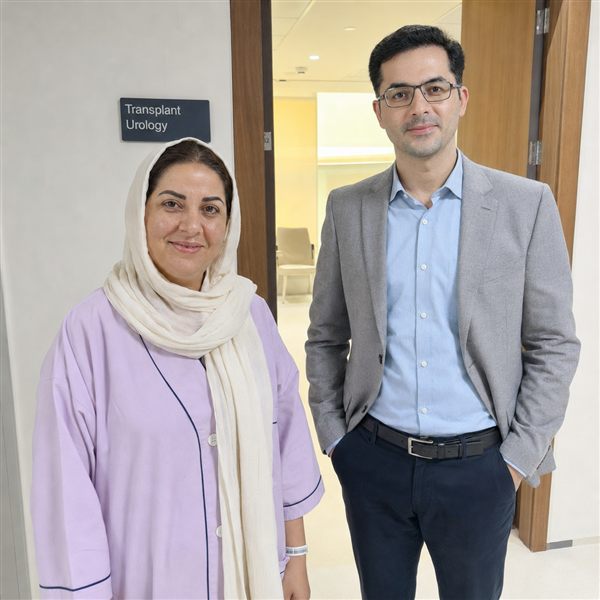
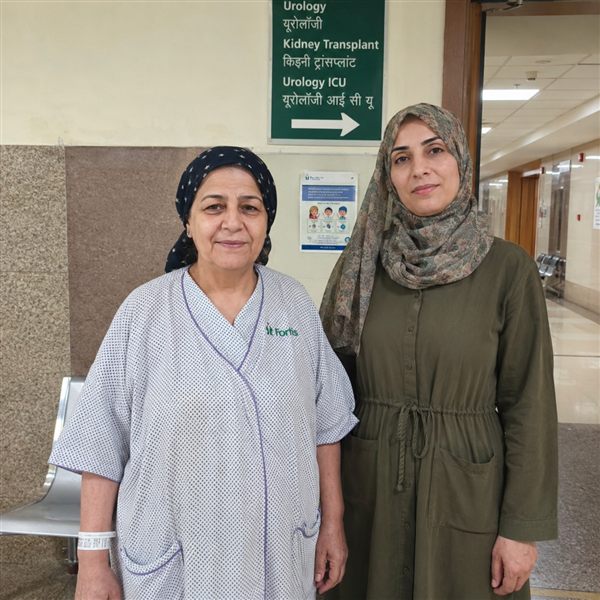
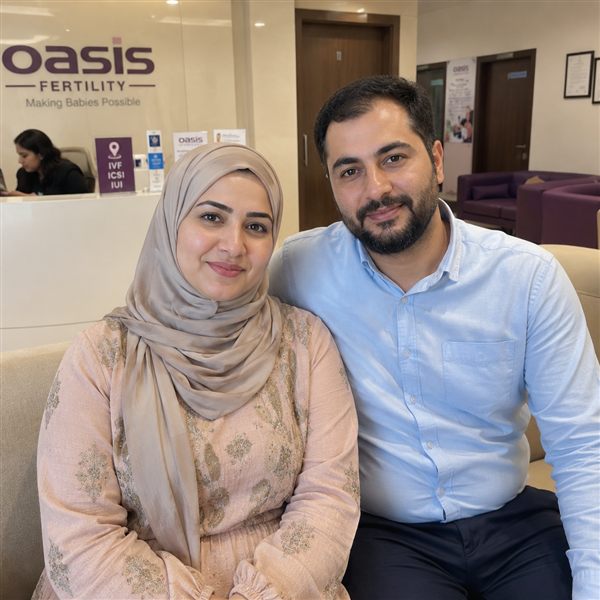
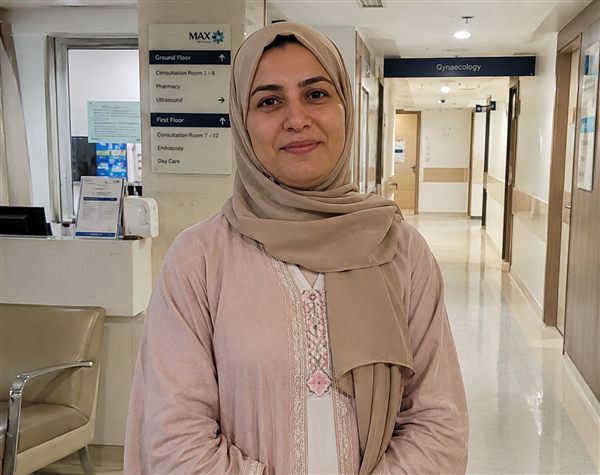
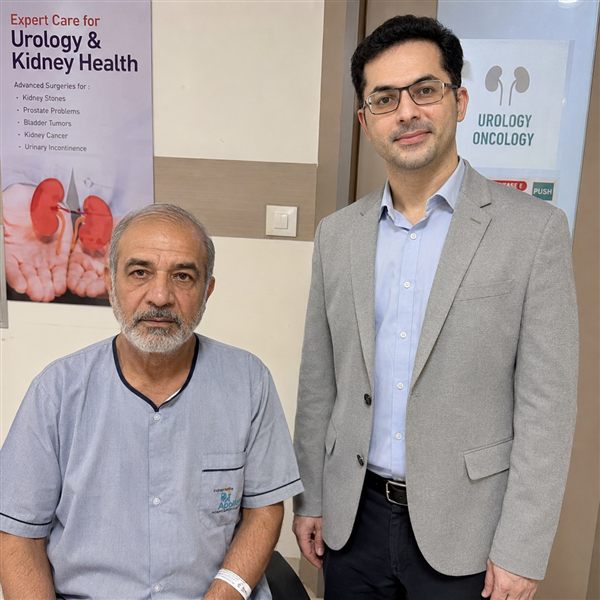
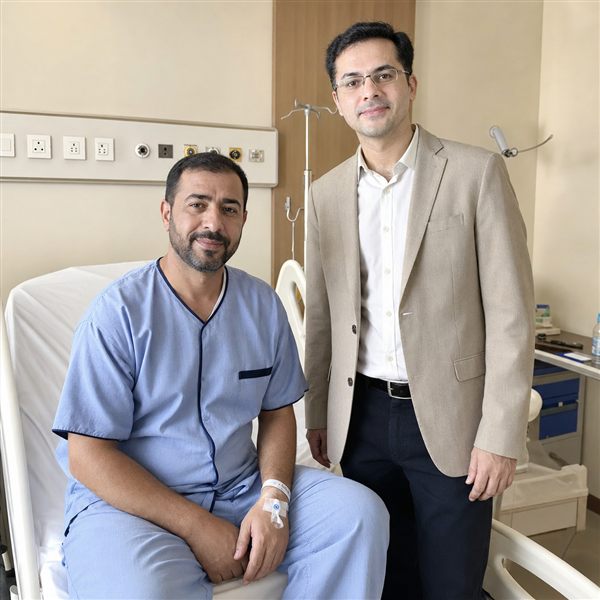
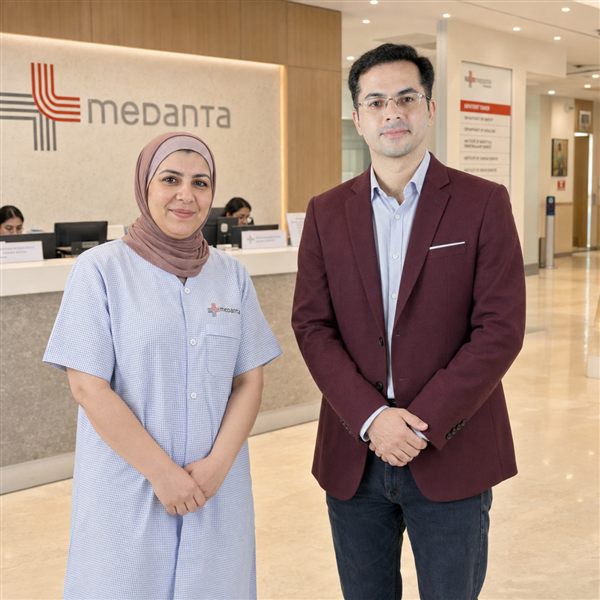
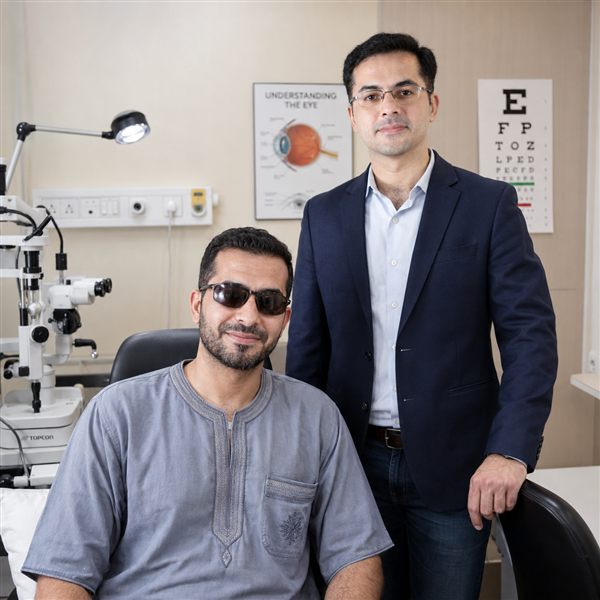
Patient Testimonials from Iraq
Ready to Take the First Step?
Share your Medical Reports with our Healthcare Managers Today and Get a FREE CONSULTATION, a Personalized Treatment Plan, and Complete Support from Arrival to Recovery.
Get Your Free ConsultationAreas We Serve
Indian Health Guru Consultants proudly assists patients from Iraq and surrounding Middle Eastern countries in accessing advanced, affordable and trusted medical treatment in India. Our team provides complete support for medical opinions, hospital selection, treatment planning, visa assistance, travel coordination, accommodation and post-treatment follow-up.
We regularly serve patients from:
- Iraq
- Turkey
- Iran
- Kuwait
- Jordan
- Syria
- Qatar
- Bahrain
- Oman
- Yemen
- Saudi Arabia
- United Arab Emirates
No matter where you are located, our experienced team is committed to making your medical journey to India safe, smooth, transparent and stress-free from the first enquiry to your return home.
From Iraq to India: Your Complete Patient Guide
- Neurosurgery in India for Iraqis
- Penile Implant Surgery in India for Iraqis
- Paediatric Heart Surgery in India for Iraqis
- Robotic Cancer Surgery in India for Iraqis
- Cornea Transplant and Advanced Eye Surgery in India for Iraqis
- Leukemia, Lymphoma and Blood Cancer Treatment in India for Iraqis
- Heart Valve Replacement in India for Iraqis
- Liver Transplant in India for Iraqis
- Oral and Maxillofacial Surgery in India for Iraqis
- Proton Therapy in India for Iraqis
- Colorectal Cancer Treatment and Surgery in India for Iraqis
- Neuronavigation and Advanced Brain Surgery in India for Iraqis
- Scoliosis Correction Surgery in India for Iraqis
- Knee Surgery in India for Iraqis
- Gamma Knife Treatment in India for Iraqis
- Cosmetic and Aesthetic Surgery in India for Iraqis
- Hip Surgery in India for Iraqis
- HIPEC Cancer Surgery in India for Iraqis