

Shoulder Surgery in India for Iraqis: What You Need to Know Before You Travel
A doctor’s honest guide for Iraqi patients weighing complex shoulder surgery abroad — costs, hospitals, the real treatment journey, and the questions worth asking before you book anything.
The shoulder is the most mobile joint in the human body, and that mobility comes at a cost: it is also one of the least inherently stable, held together by a complex arrangement of tendons and ligaments rather than the deep bony socket that stabilises a hip. When those structures fail, whether through a massive rotator cuff tear that has retracted beyond simple repair, recurrent dislocation that has worn away the joint’s supporting rim, or arthritis severe enough to need replacement, the surgery required is meaningfully more specialised than a routine arthroscopic clean-up. I have spent 24 years guiding patients from across the Middle East, Africa, and South Asia through exactly this decision, and Iraqi patients are an increasingly regular part of that work. What I tell every patient calling from Baghdad, Basra, Erbil, or Sulaimani is the same thing I would tell my own relative: straightforward shoulder arthroscopy and complex shoulder reconstruction, a massive tear needing tendon transfer, recurrent instability needing bone-block stabilisation, or shoulder replacement including reverse arthroplasty for arthritis with a torn rotator cuff, are genuinely different levels of difficulty, and the second category needs a surgeon with specific fellowship training in shoulder surgery, not a general orthopaedic surgeon who also treats shoulders. For a growing number of Iraqi patients, once the options are compared honestly, that specific sub-specialty depth is found in India.
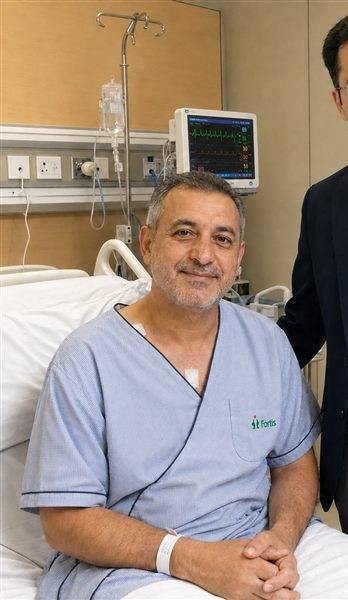
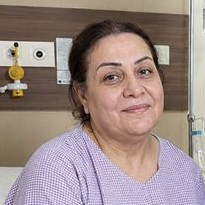
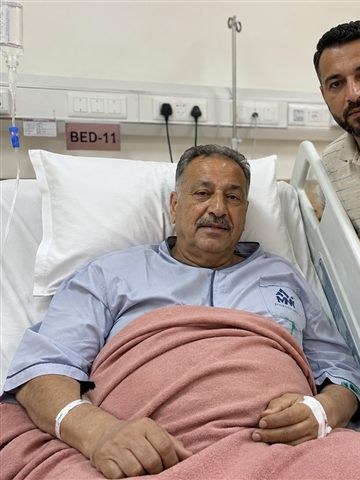
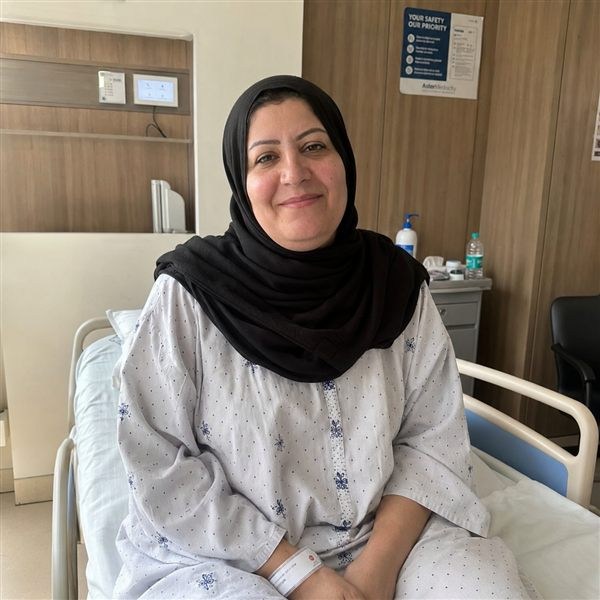
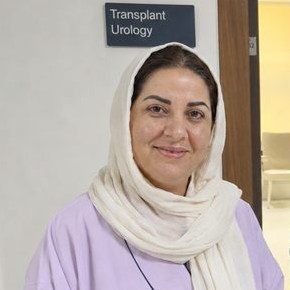
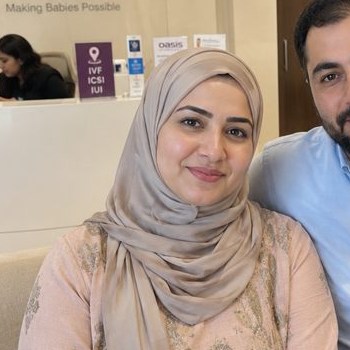
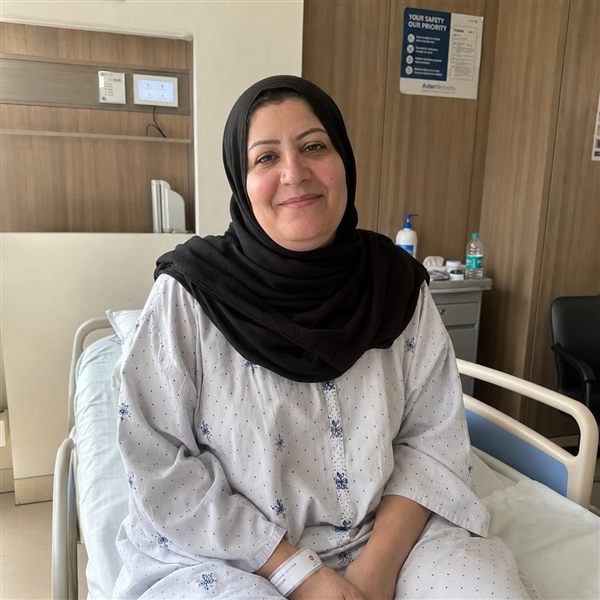
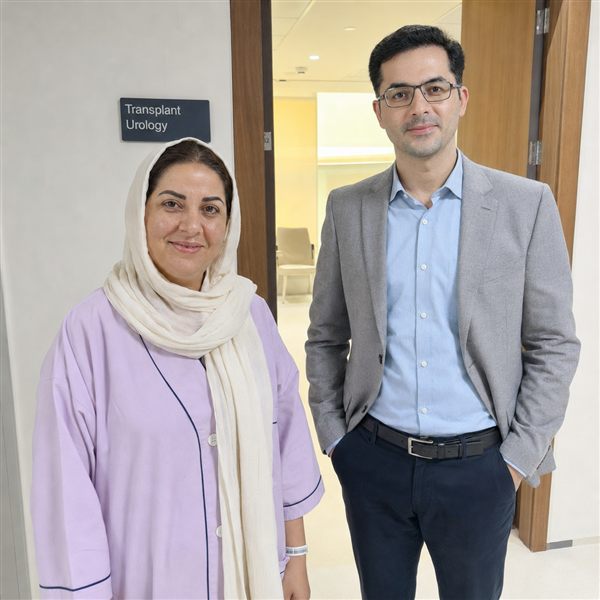
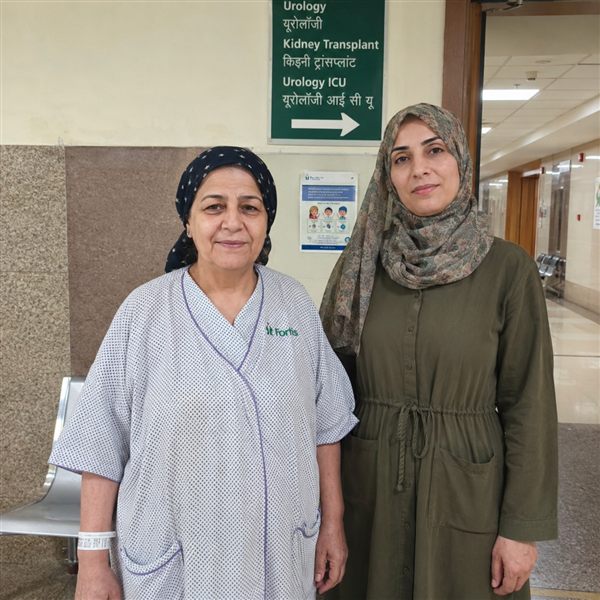
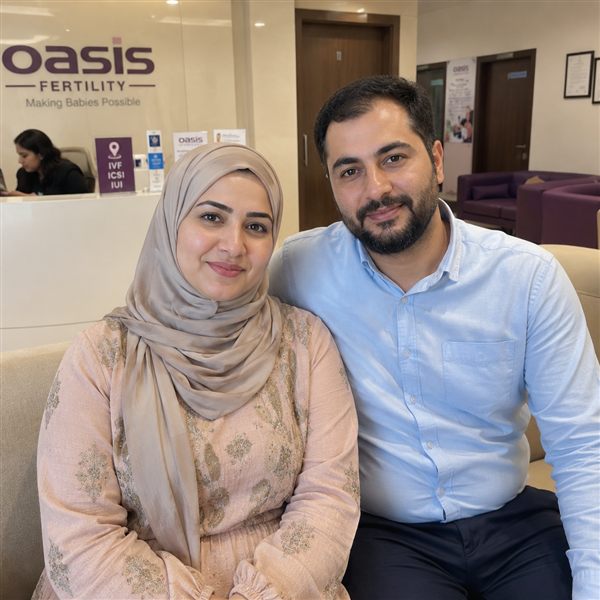
Healing Journeys of Iraqi Patients

Key Takeaways
- The shoulder is highly mobile but less inherently stable than the hip, making its tendons, ligaments and supporting structures important for normal function. The guide explains that complex conditions such as massive rotator cuff tears, recurrent instability with bone loss and severe arthritis requiring replacement can require substantially more specialised surgery than routine shoulder arthroscopy.
- Iraq has capable orthopaedic services for many standard shoulder problems. The source specifically mentions Medical City in Baghdad and private centres in the Kurdistan Region, where patients may receive treatment for routine rotator cuff tears and shoulder instability. It recommends that patients investigate appropriate local treatment first when their condition does not require highly specialised reconstruction or replacement.
- The more complex end of shoulder surgery includes reverse total shoulder arthroplasty for arthritis associated with a torn rotator cuff, tendon transfer for massive irreparable rotator cuff tears and bone-block stabilisation for recurrent instability. According to the guide, these procedures require specific shoulder fellowship training and sufficient case volume rather than simply general orthopaedic experience.
- India is presented as an option because leading orthopaedic centres handle a high volume of complex shoulder procedures. The guide highlights reverse shoulder arthroplasty, massive rotator cuff reconstruction and access to different implant and reconstruction options. Arabic-speaking coordinators can also review MRI imaging before travel, while many leading orthopaedic hospitals hold NABH accreditation.
- The cost comparison chart on page 2 gives an illustrative all-inclusive range of approximately USD 5,500–9,500 for a complex shoulder procedure in India, such as reverse shoulder arthroplasty or major rotator cuff reconstruction. The chart compares this with approximately USD 16,000–24,000 in the United Kingdom, USD 14,000–20,000 in Germany and USD 28,000–50,000 in the United States. Actual pricing depends on the specific procedure and implant requirements.
- The treatment journey shown on page 3 begins with remote consultation and MRI review, followed by arrival and pre-operative assessment. The illustrated pathway places complex shoulder surgery around day 2, followed by two to four days of hospital recovery. Patients generally remain in India for another one to two weeks for early physiotherapy and wound assessment before returning to Iraq, while rehabilitation continues for months.
- The guide places particular importance on rehabilitation after shoulder surgery. Iraqi patients should ask how many procedures of their exact type the surgeon performs each year, share MRI imaging before travel and obtain a written rehabilitation plan for when they return home. Consistent, guided physiotherapy is described as an important part of achieving the expected functional result after surgery.
- The page 4 checklist highlights six factors: shoulder sub-specialty volume, hospital accreditation, full implant range access, written surgical plan, language and coordination, and a structured rehab plan.
Quick Facts
- Treatment
- Complex shoulder surgery
- Primary Patients
- Iraqi patients requiring specialised shoulder treatment
- Main Speciality
- Shoulder orthopaedics
- Key Specialist
- Fellowship-trained shoulder surgeon
- Common Procedures
- Reverse shoulder arthroplasty, rotator cuff reconstruction, tendon transfer and instability repair
- Reverse Arthroplasty
- Used in selected arthritis cases with a torn rotator cuff
- Tendon Transfer
- Considered for selected massive irreparable rotator cuff tears
- India Cost
- Approximately USD 5,500–9,500
- UK Comparison
- Approximately USD 16,000–24,000
- Germany Comparison
- Approximately USD 14,000–20,000
- USA Comparison
- Approximately USD 28,000–50,000
- Cost Factors
- Procedure, complexity and implant requirements
- Typical India Stay
- Approximately 2 weeks
- Hospital Stay
- Approximately 2–4 days
- Pre-Travel
- MRI review and surgical planning
- Early Rehabilitation
- Physiotherapy and wound check in India
- Long-Term Rehabilitation
- Usually continues for months
- Hospital Accreditation
- NABH may be considered
- Surgeon Selection
- Confirm annual volume for the exact procedure
- Language Support
- Arabic-speaking coordination may be available
- Follow-Up
- Remote rehabilitation plan after returning to Iraq
- Documentation
- Obtain a written surgical and rehabilitation plan
- Author
- Dr. Dheeraj Bojwani
- Experience
- 24+ Years
In Brief
Shoulder surgery in India may be considered by Iraqi patients requiring complex treatment such as reverse shoulder arthroplasty, massive rotator cuff reconstruction, tendon transfer or stabilisation for recurrent shoulder instability. The guide emphasises procedure-specific shoulder expertise rather than general orthopaedic experience. The page 2 cost chart gives an illustrative India range of USD 5,500–9,500 for a complex shoulder procedure, while a typical patient may spend about two weeks in India, including two to four hospital days and early physiotherapy before returning to Iraq.
Why Iraqi Patients Are Looking Beyond Iraq for Shoulder Surgery
Iraq’s orthopaedic surgeons treat a genuine volume of shoulder injuries and straightforward arthroscopic procedures, and hospitals such as Medical City in Baghdad and private centres in the Kurdistan Region manage these cases well. Many patients with a standard rotator cuff tear or shoulder instability receive good care without ever leaving the country, and that should always be the first option a patient investigates.
Where the picture becomes harder is the more complex end of shoulder surgery specifically: shoulder replacement, particularly reverse total shoulder arthroplasty for patients whose arthritis is complicated by a torn rotator cuff, massive rotator cuff tears requiring tendon transfer techniques rather than a standard repair, and recurrent shoulder instability requiring bone-block stabilisation procedures. These represent a narrower surgical sub-specialty even within orthopaedics generally, requiring specific fellowship training and a genuine case volume that a hospital treating shoulders only occasionally cannot build. This is why a growing number of Iraqi patients now travel for complex shoulder surgery specifically, and India has become one of the most trusted destinations, not simply the cheapest one.
Why India Specifically for Shoulder Surgery, Not Just Overseas
Iraqi patients researching treatment abroad quickly discover several destinations: Turkey, Jordan, and India are all commonly mentioned in the same breath. It is worth being direct about why India stands apart for complex shoulder surgery specifically.
The first reason is dedicated shoulder sub-specialty volume. India’s leading orthopaedic centres see a very high number of complex shoulder cases every year, including reverse shoulder arthroplasty and massive rotator cuff reconstruction, giving surgeons genuine command of techniques that a general orthopaedic surgeon encounters only occasionally.
The second reason is access to the full range of implant and reconstruction options, including reverse shoulder prostheses for patients whose torn rotator cuff makes a standard shoulder replacement unsuitable, and tendon transfer techniques for massive, irreparable rotator cuff tears in appropriately selected patients.
The third reason is infrastructure built specifically for international patients, including Arabic-speaking coordinators who can review existing MRI imaging remotely to confirm the surgical plan before a patient ever travels. Finally, there is regulatory credibility: a large share of India’s leading orthopaedic hospitals hold NABH accreditation, many shoulder surgeons have trained or held fellowships in the UK, US, or Germany specifically in shoulder surgery, and India’s government has built a dedicated medical visa category for foreign patients and one attendant.
Understanding the Cost Picture of Shoulder Surgery in India
Cost is rarely the only reason a patient chooses India, but it is almost always part of the conversation. The figures below reflect typical all-inclusive ranges for a complex shoulder procedure, such as reverse shoulder arthroplasty or massive rotator cuff reconstruction, covering surgery, implant where needed, and a standard hospital stay. Costs vary by the specific procedure, so I always urge patients to get a written, itemised estimate once imaging has confirmed the diagnosis.
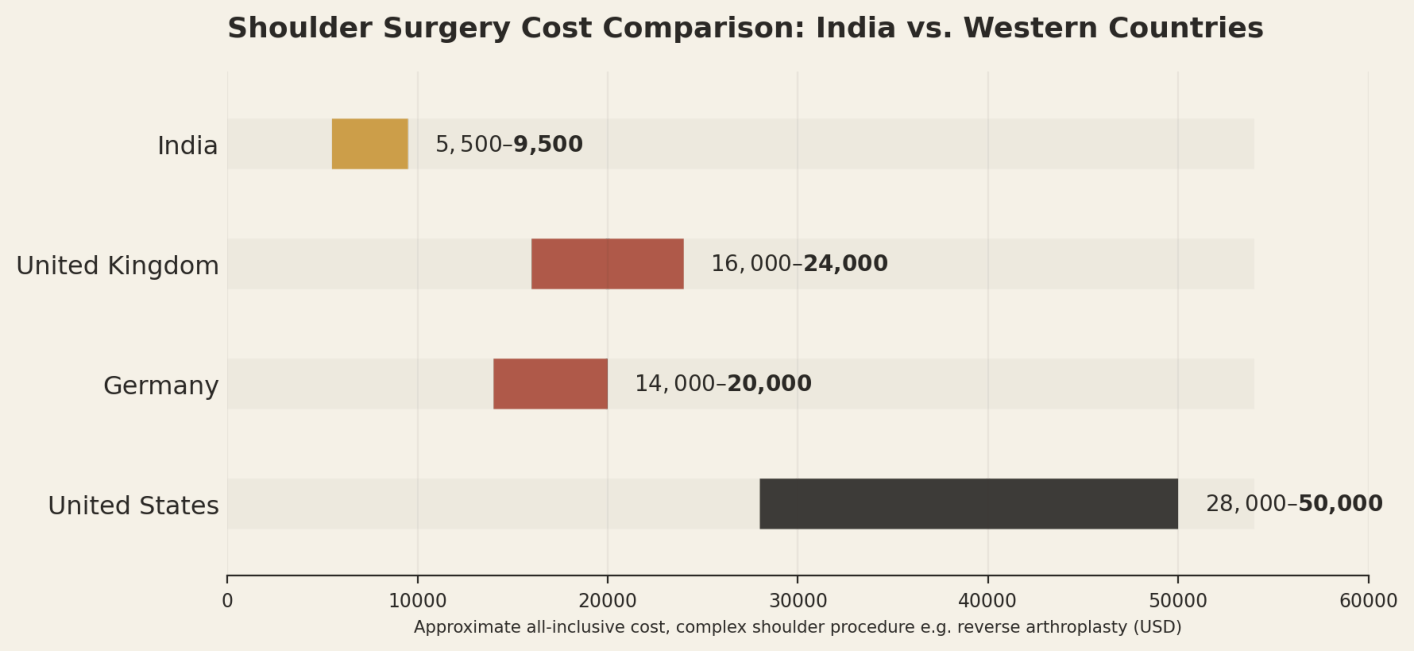
What stands out is not simply that India is cheaper than the United States, the United Kingdom, or Germany. It is that India offers the same implant systems and internationally trained shoulder specialists at a fraction of Western prices, with transparent, package-based pricing that contrasts favourably with quotes elsewhere that often exclude the implant itself or extended rehabilitation until the final bill arrives. Many hospitals also accept a partial advance deposit rather than full upfront payment, which is worth raising directly in the first consultation since it can meaningfully ease the financial planning involved in arranging funds from Iraq.
What Shoulder Surgery in India Typically Looks Like
Patients often worry most about how long it takes to regain function, since shoulder rehabilitation is often slower than for other joints. Having coordinated this journey for many patients, I find it helps enormously to see the process mapped out plainly before departure.
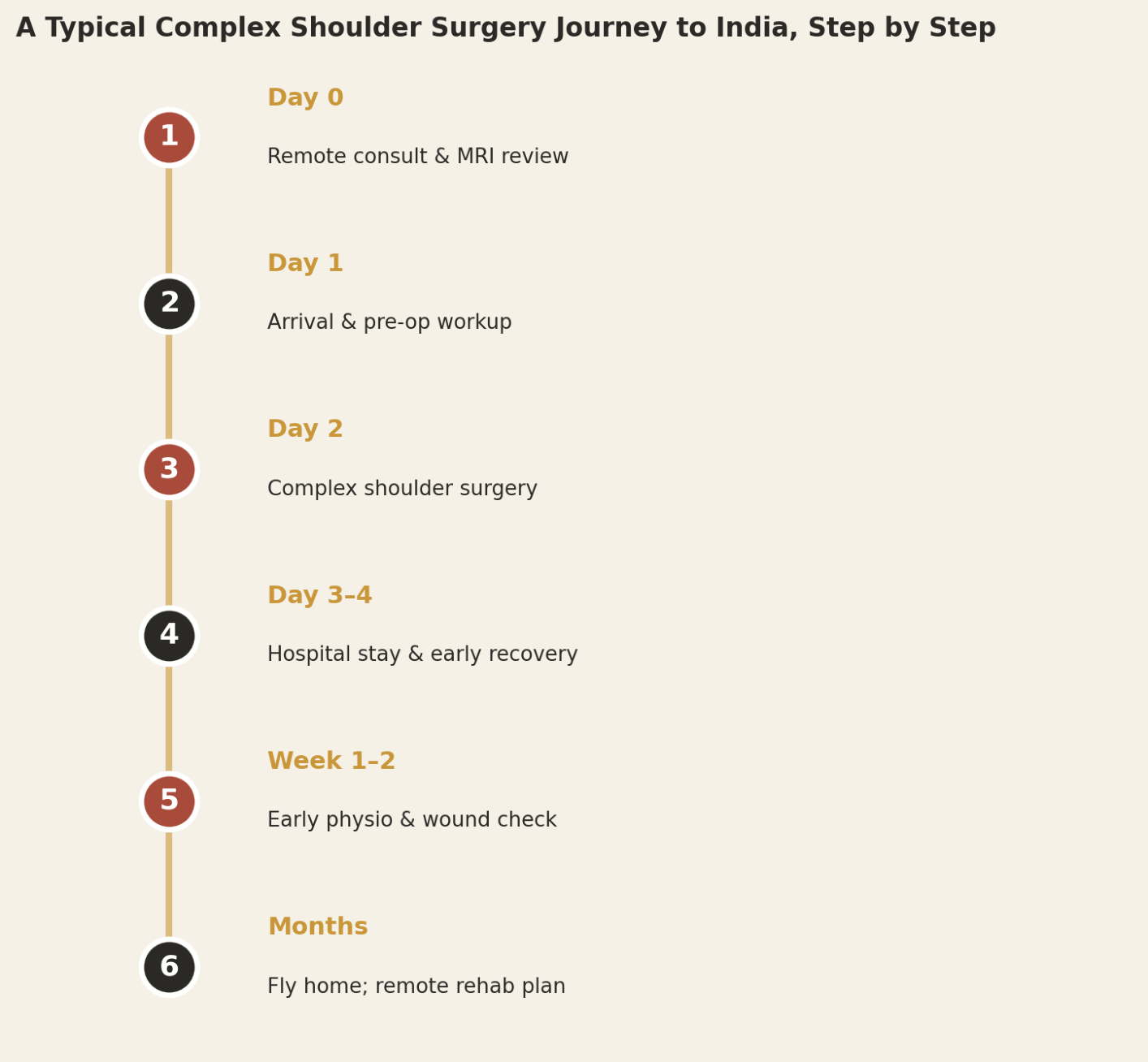
A typical complex shoulder surgery patient can expect two to four days in hospital and a further one to two weeks in India for early physiotherapy and a wound check before flying home, with a structured remote rehabilitation plan continuing over the following months.
Factors Every Iraqi Patient Should Weigh Before Deciding Shoulder Surgery in India
Beyond cost and destination, the Iraqi patients I have advised over these 24 years tend to make better decisions, and recover with better function, when they think through the following before booking anything.
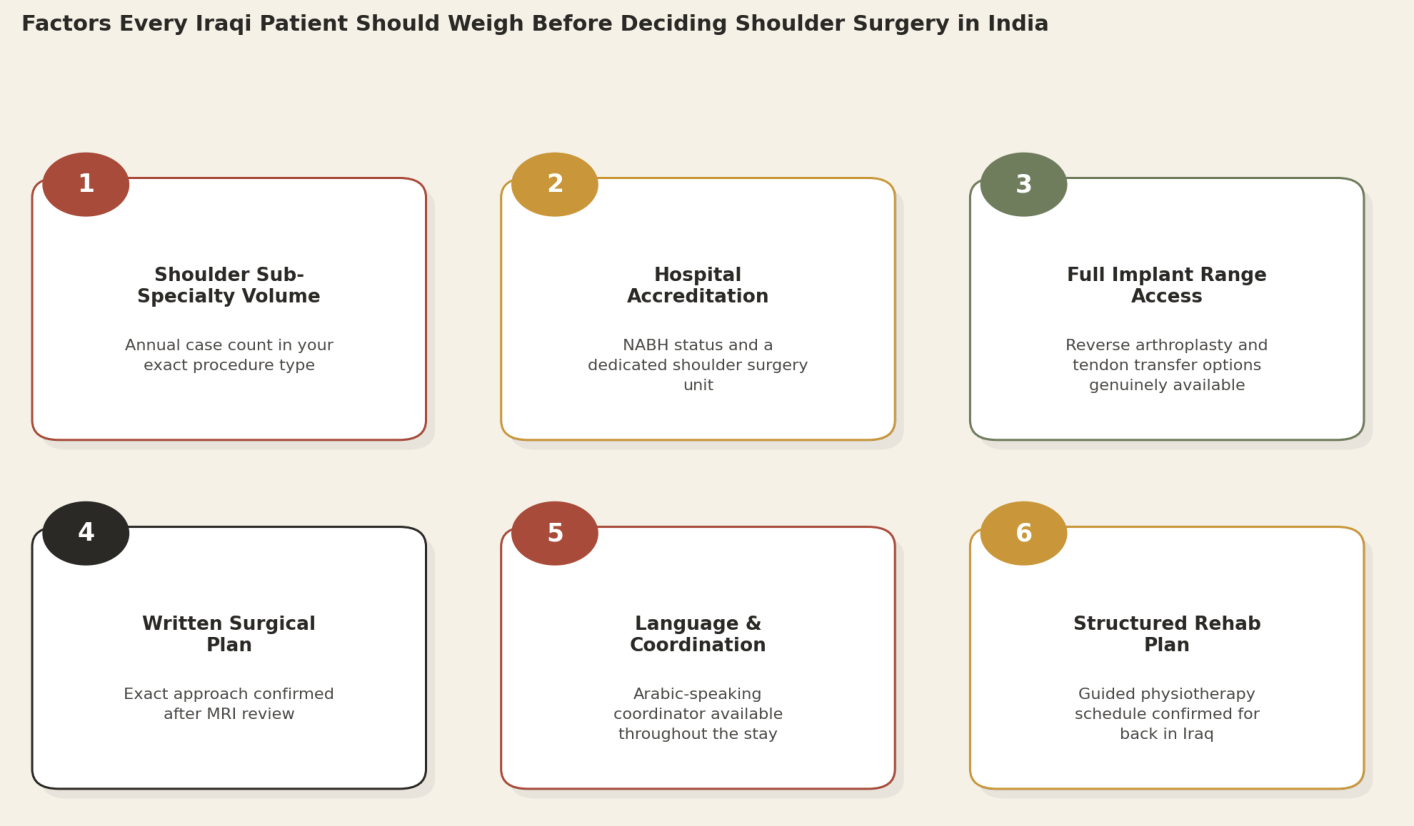
A few of these deserve a specific note. Ask directly how many procedures of your specific type, reverse arthroplasty, tendon transfer, or instability repair, the surgeon performs each year, since shoulder surgery sub-specialty volume varies considerably even among experienced orthopaedic surgeons. Existing MRI imaging should be translated and shared digitally before travel, since a shoulder specialist needs this to confirm the exact surgical plan. Families should also ask, in writing, what the structured rehabilitation plan looks like once back in Iraq, since shoulder recovery depends heavily on consistent, guided physiotherapy, and a well-performed surgery followed by inconsistent rehabilitation rarely achieves the full expected result.
A Closing Thought for Iraqi Families
Complex shoulder surgery deserves a genuine sub-specialist with specific fellowship training and case volume, not a general orthopaedic surgeon treating an occasional shoulder or a marketing brochure promising the lowest quoted price. What the evidence consistently shows is that for Iraqi patients weighing where to go, India offers a genuinely rare combination: dedicated shoulder sub-specialty volume, access to the full range of implant and reconstruction options, and meaningfully lower cost than the West. Few destinations available to an Iraqi patient today can offer this depth of shoulder sub-specialisation at once. My role, and the role of any advisor a patient works with, should be to help confirm the right specialist honestly and make sure the plan in front of them fits their specific shoulder condition, budget, and timeline. Iraq’s patients deserve the same standard of scrutiny and care in this decision as any patient anywhere else in the world.
Sources & Further Reading
- World Health Organization — Iraq Health System Profile (who.int/countries/irq)
- National Institute for Health and Care Excellence (NICE, UK) — Shoulder Conditions Guidance (nice.org.uk)
- UK Government — List of English-Speaking Doctors and Medical Facilities in Iraq (gov.uk/government/publications/iraq-doctors-and-medical-facilities)
- American Academy of Orthopaedic Surgeons (AAOS) — Shoulder Surgery Patient Information (aaos.org)
- World Bank — Iraq Health Sector Reports (worldbank.org/en/country/iraq)
Frequently Asked Questions by Iraqi Patients about Shoulder Surgery in India
Can Iraqi patients travel to India for shoulder surgery?
Yes. The guide specifically discusses India as an option for Iraqi patients requiring complex shoulder procedures and specialist shoulder expertise.
How much does complex shoulder surgery cost in India for Iraqi patients?
The page 2 cost chart gives an illustrative all-inclusive range of approximately USD 5,500–9,500 for complex procedures such as reverse shoulder arthroplasty or major rotator cuff reconstruction.
Which shoulder conditions can Iraqi patients have treated in India?
The guide discusses complex rotator cuff tears, recurrent shoulder instability, arthritis requiring replacement and other conditions requiring specialised reconstruction. The specific procedure depends on MRI findings and clinical assessment.
What is reverse shoulder replacement for Iraqi patients?
Reverse shoulder arthroplasty is highlighted for selected patients whose shoulder arthritis is complicated by a torn rotator cuff, where a standard shoulder replacement may not be suitable.
How long does an Iraqi patient need to stay in India after shoulder surgery?
A typical complex shoulder surgery journey takes approximately two weeks in India. Hospitalisation is generally around two to four days, followed by early physiotherapy and a wound check before returning to Iraq.
Should Iraqi patients send MRI scans before travelling to India?
Yes. The guide recommends translating and sharing existing MRI imaging digitally before travel so the shoulder specialist can confirm the diagnosis and surgical plan.
How should an Iraqi patient choose a shoulder surgeon in India?
Patients should ask how many procedures of their exact type, such as reverse arthroplasty, tendon transfer or instability repair, the surgeon performs each year. Specific shoulder subspecialty volume is more useful than general orthopaedic experience alone.
How important is physiotherapy after shoulder surgery for Iraqi patients?
It is very important. The guide explains that shoulder rehabilitation can continue for months and recommends arranging a structured physiotherapy and rehabilitation plan before returning to Iraq.
Can Iraqi patients continue shoulder rehabilitation after returning home?
Yes. The treatment pathway includes a structured remote rehabilitation plan after returning to Iraq. Consistent, guided physiotherapy is an important part of recovery and functional improvement.
What should Iraqi patients confirm before booking shoulder surgery in India?
They should confirm the exact diagnosis and procedure, surgeon's annual experience with that procedure, implant requirements, total cost, hospital accreditation, early physiotherapy arrangements and the long-term rehabilitation plan for continuing care in Iraq.
Page Summary
Complex shoulder conditions require treatment matched to the underlying structural problem. The guide distinguishes routine arthroscopy from more specialised procedures such as reverse shoulder replacement, tendon transfer and bone-block stabilisation. India is presented as an option because of its dedicated shoulder subspecialty volume, access to multiple implant and reconstruction options and specialist surgeons with specific shoulder training. The page 2 cost chart gives an illustrative India range of USD 5,500–9,500 for a complex shoulder procedure. The page 3 journey indicates approximately two weeks in India, including two to four hospital days followed by early physiotherapy and wound assessment. Because shoulder recovery continues for months, Iraqi patients should establish a structured rehabilitation plan before returning home.
Citation Block
| Field | Details |
|---|---|
| Article / Topic | Shoulder Surgery in India for Iraqi Patients |
| Treatment Area | Shoulder orthopaedics |
| Primary Patient Group | Iraqi patients |
| Key Specialist | Fellowship-trained shoulder surgeon |
| Complex Procedures | Reverse arthroplasty, tendon transfer and instability repair |
| Reverse Shoulder Arthroplasty | Selected arthritis cases with torn rotator cuff |
| Rotator Cuff Reconstruction | Massive or complex tears |
| Tendon Transfer | Selected massive irreparable tears |
| Instability Surgery | Bone-block stabilisation for recurrent instability |
| Iraq Capability | Standard shoulder injuries and arthroscopic procedures |
| India Expertise | Dedicated shoulder subspecialty volume |
| India Cost | Approximately USD 5,500–9,500 |
| UK Comparison | Approximately USD 16,000–24,000 |
| Germany Comparison | Approximately USD 14,000–20,000 |
| USA Comparison | Approximately USD 28,000–50,000 |
| Cost Variation | Procedure and surgical complexity |
| Implants | Implant requirements vary by procedure |
| Pre-Travel Assessment | MRI review |
| Typical India Stay | Approximately 2 weeks |
| Hospital Stay | Approximately 2–4 days |
| Early Rehabilitation | Physiotherapy and wound assessment |
| Long-Term Rehabilitation | Continues for several months |
| Hospital Selection | Consider NABH accreditation |
| Language Support | Arabic-speaking coordination may be available |
| Follow-Up | Structured remote rehabilitation after returning to Iraq |
| Surgeon Selection | Confirm annual procedure-specific experience |

Our Mission Statement
Our mission is to place patients at the centre of every healthcare decision by providing trustworthy, evidence-based, and unbiased medical information. We believe that informed patients make better decisions. Backed by personalised guidance from our experienced advisory team, we help patients understand their treatment options, compare them objectively, and confidently choose the path that best suits their medical needs and personal circumstances.
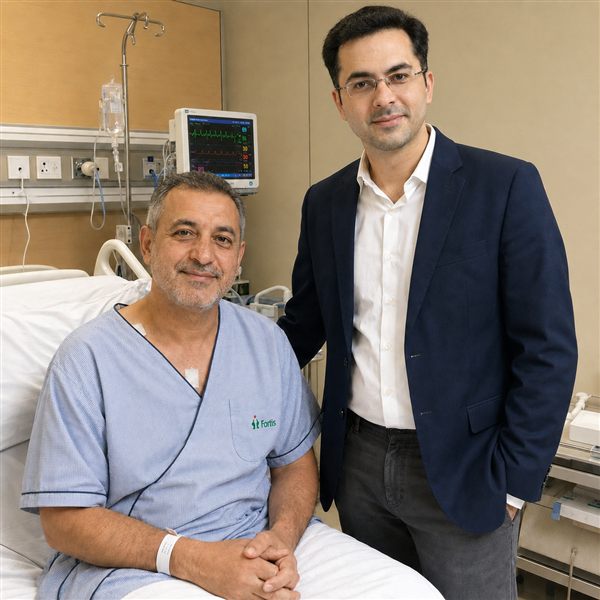
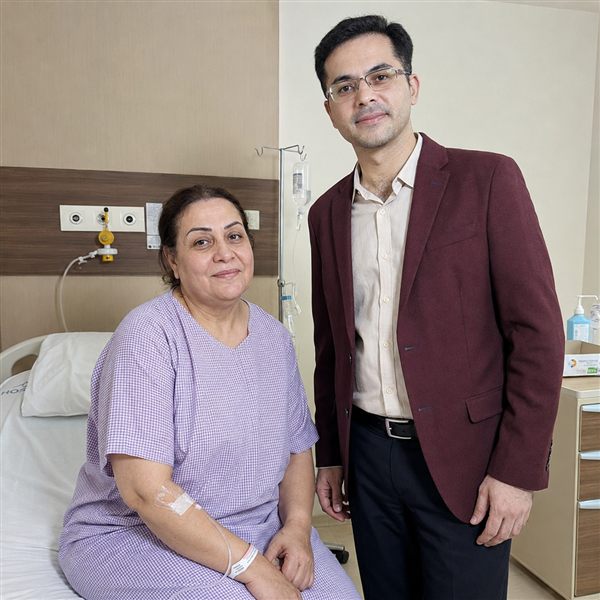
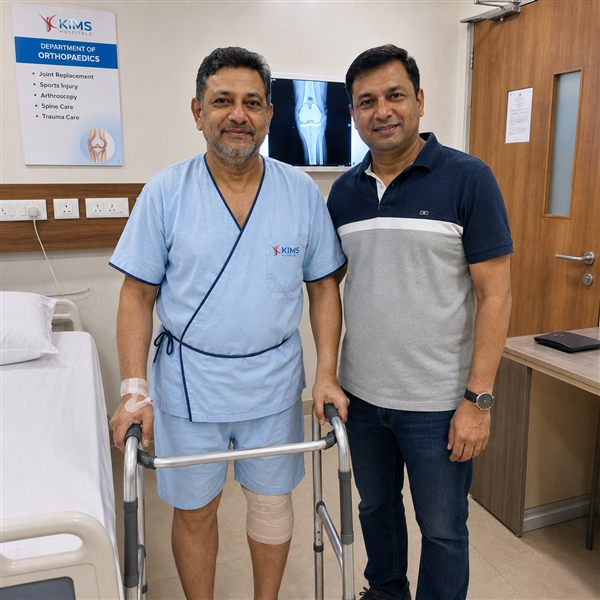
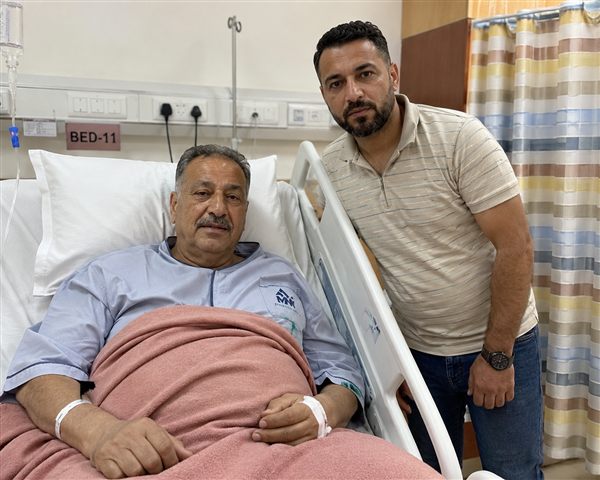
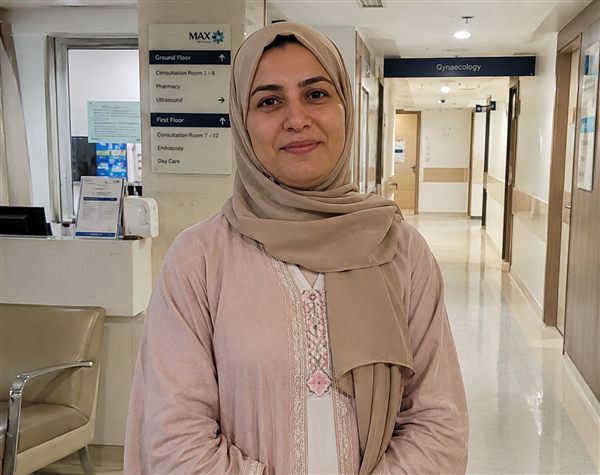
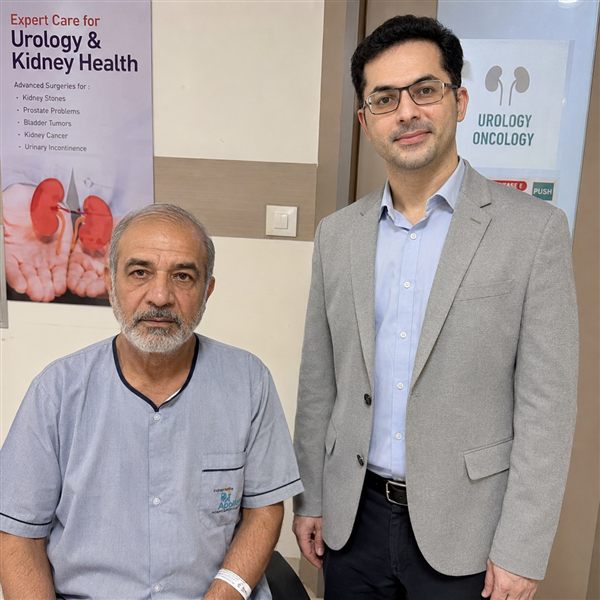
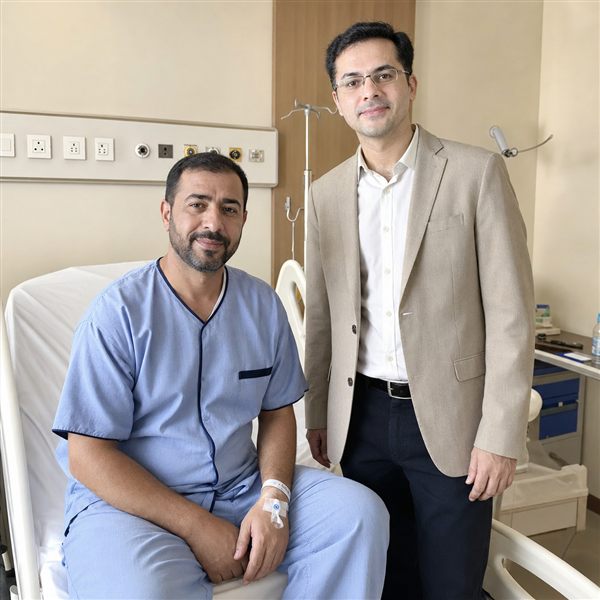
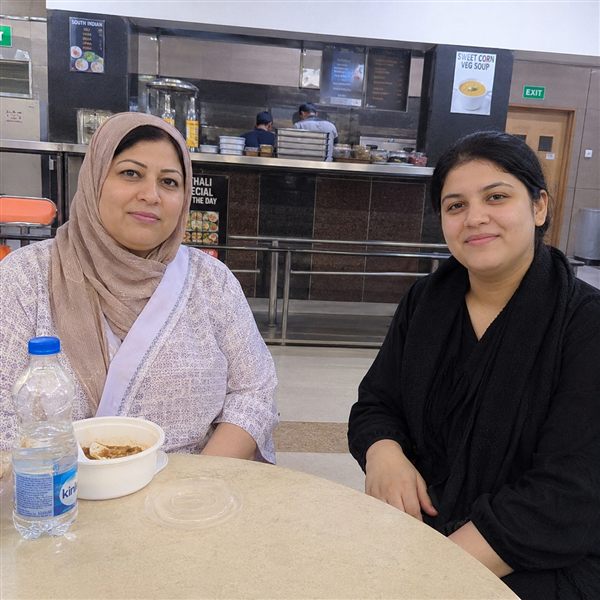
Patient Testimonials from Iraq


Ready to Take the First Step?
Share your Medical Reports with our Healthcare Managers Today and Get a FREE CONSULTATION, a Personalized Treatment Plan, and Complete Support from Arrival to Recovery.
Get Your Free ConsultationAreas We Serve
Indian Health Guru Consultants proudly assists patients from Iraq and surrounding Middle Eastern countries in accessing advanced, affordable and trusted medical treatment in India. Our team provides complete support for medical opinions, hospital selection, treatment planning, visa assistance, travel coordination, accommodation and post-treatment follow-up.
We regularly serve patients from:
- Iraq
- Turkey
- Iran
- Kuwait
- Jordan
- Syria
- Qatar
- Bahrain
- Oman
- Yemen
- Saudi Arabia
- United Arab Emirates
No matter where you are located, our experienced team is committed to making your medical journey to India safe, smooth, transparent and stress-free from the first enquiry to your return home.
From Iraq to India: Your Complete Patient Guide
- Scoliosis Correction Surgery in India for Iraqis
- Paediatric Orthopaedic Surgery in India for Iraqis
- Cancer Treatment in India for Iraqi Patients
- Proton Therapy in India for Iraqis
- Hip Surgery in India for Iraqis
- Neurosurgery in India for Iraqis
- Paediatric Neurosurgery in India for Iraqis
- Plastic and Reconstructive Surgery in India for Iraqis
- Kidney Transplant in India for Iraqis
- Heart Valve Replacement in India for Iraqis
- Penile Implant Surgery in India for Iraqis
- Liver Transplant in India for Iraqis
- Weight Loss and Bariatric Surgery in India for Iraqis: Cost & Guide
- Cardiac Surgery in India for Iraqis
- Gamma Knife Treatment in India for Iraqis
- Cornea Transplant and Advanced Eye Surgery in India for Iraqis
- Neuronavigation and Advanced Brain Surgery in India for Iraqis
- HIPEC Cancer Surgery in India for Iraqis