

Brain Tumour Surgery in India for Iraqis: What You Need to Know Before You Travel
A doctor’s honest guide for Iraqi families facing a brain tumour diagnosis and weighing surgery abroad — costs, hospitals, the real treatment journey, and the questions worth asking before you book anything.
For an Iraqi family, few words are harder to hear than “brain tumour.” Whether it arrives after months of unexplained headaches and blurred vision, or suddenly after a seizure that sent someone to the emergency room, the diagnosis forces a family into decisions they never expected to make, and it forces them to make those decisions quickly. Unlike a knee or a hip, there is rarely time to wait and compare options over several months. The surgeon and the hospital have to be right the first time. I have spent 24 years guiding patients from across the Middle East, Africa, and South Asia through exactly this kind of decision, and Iraqi families are an increasingly regular part of that work. What I tell every family calling from Baghdad, Basra, Erbil, or Sulaimani is the same thing I would tell my own relative: move quickly, but do not move blindly. A rushed decision made under fear is exactly when families end up at the wrong hospital, and for a growing number of Iraqi families, once the options are compared honestly and quickly, that decision leads to India.
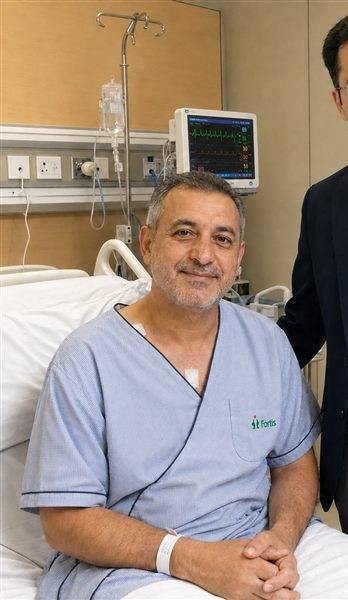
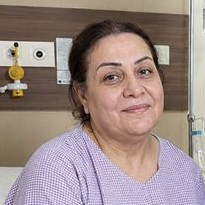
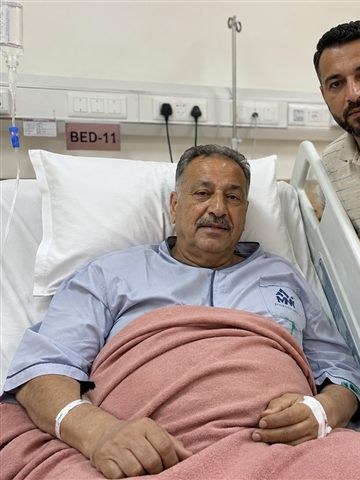
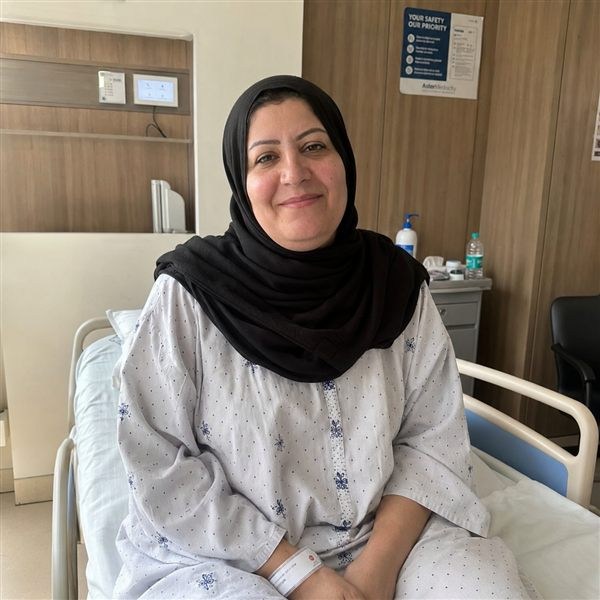
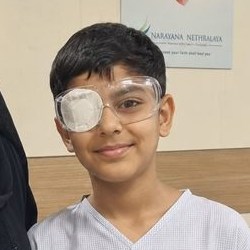
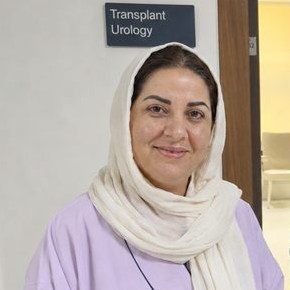
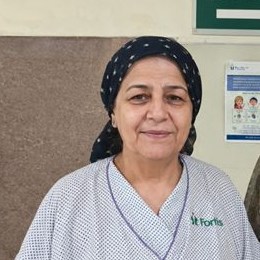
Healing Journeys of Iraqi Patients
Key Takeaways
- A brain tumour diagnosis can require rapid decision-making, but the source stresses that speed should not mean making an uninformed choice. Iraq has skilled neurosurgeons and established surgical capacity, and many patients receive appropriate treatment without travelling abroad. When suitable expertise is genuinely available locally, proximity can itself be an important advantage, particularly when treatment is urgent.
- The cases that may lead Iraqi families to seek specialised treatment abroad include tumours close to the brainstem or optic pathways, paediatric brain tumours, cases requiring awake craniotomy to protect speech or motor function, and situations where radiosurgery may be preferable to open surgery. These cases can require a dedicated neuro-oncology team, advanced imaging, and specialised technology.
- India is highlighted for its combination of neuro-oncology volume and sub-specialisation. Leading centres treat large numbers of brain tumour patients across different ages and tumour types, while advanced facilities may include intraoperative MRI, neuronavigation, awake craniotomy with real-time speech and motor mapping, and dedicated Gamma Knife and CyberKnife units. Having these options available can allow treatment to be selected around the individual tumour rather than around a single technique available at one facility.
- International-patient infrastructure is another important factor for Iraqi families. The source highlights Arabic-speaking coordinators, rapid review of existing scans, and case managers who can help move the treatment planning process quickly. It also notes that many leading Indian private hospitals hold JCI or NABH accreditation and that some neurosurgeons have trained or held fellowships in the UK, US, or Germany.
- The cost chart on page 2 gives an illustrative all-inclusive range of approximately USD 9,000–15,000 in India for a standard craniotomy with tumour resection. The corresponding illustrative ranges are USD 28,000–42,000 in the UK, USD 25,000–38,000 in Germany, and USD 90,000–160,000 in the United States. Actual costs vary according to tumour type, size, location, technique, and whether radiosurgery is used instead of or alongside open surgery.
- The treatment journey shown on page 3 begins with a remote second opinion on scans, followed by arrival and pre-operative work-up, craniotomy and tumour resection where indicated, ICU and hospital recovery, wound healing and early rehabilitation, and pathology-guided treatment planning. The source estimates approximately three to four weeks in total, with seven to ten days in hospital and another two to three weeks in India before flying home.
- Before travelling, Iraqi families should have their existing MRI or CT reviewed remotely by the treating neurosurgeon. This may confirm the proposed surgical approach and, in some cases, indicate that open surgery is not necessary and radiosurgery may be more appropriate. Families should also ask whether a dedicated tumour board reviews the case and obtain an itemised package covering ICU days, pathology, and any subsequent radiation therapy.
Quick Facts
- Treatment
- Brain tumour surgery and related neuro-oncology treatment
- Primary Patients
- Iraqi patients seeking specialised brain tumour care in India
- Main Speciality
- Neurosurgery and neuro-oncology
- Key Specialist
- Neurosurgeon with appropriate neuro-oncology experience
- Conditions
- Brain tumours across different age groups and tumour types
- Complex Cases
- Tumours near the brainstem or optic pathways, paediatric tumours, and tumours requiring functional preservation
- Surgical Options
- Craniotomy and tumour resection where clinically appropriate
- Advanced Surgical Technology
- Intraoperative MRI and neuronavigation
- Functional Surgery
- Awake craniotomy with speech and motor mapping may be considered for appropriate cases
- Radiosurgery
- Gamma Knife and CyberKnife may be options for selected tumours
- Treatment Selection
- The technique should be determined by the specific tumour rather than the availability of only one procedure
- Second Opinion
- Existing MRI or CT scans should be reviewed remotely before travel where possible
- Tumour Board
- Families should confirm whether multiple specialists jointly review the case
- Hospital Accreditation
- JCI or NABH accreditation is highlighted as an important quality consideration
- International Support
- Arabic-speaking coordinators and case managers may assist Iraqi patients
- Illustrative India Cost
- USD 9,000–15,000 for standard craniotomy with tumour resection
- UK Comparison
- USD 28,000–42,000
- Germany Comparison
- USD 25,000–38,000
- USA Comparison
- USD 90,000–160,000
- Cost Variables
- Tumour type, size, location, surgical technique, and use of radiosurgery
- Hospital Stay
- Approximately seven to ten days for a typical craniotomy patient
- Total India Stay
- Approximately three to four weeks from second opinion to return home
- Post-Surgery Period
- Additional time may be needed for wound healing, early rehabilitation, and pathology-guided treatment planning
- Follow-Up
- Remote follow-up may include further radiotherapy referral where required
- Author
- Dr. Dheeraj Bojwani
- Experience
- 24+ Years
In Brief
For Iraqi patients with a brain tumour, selecting treatment in India should begin with a rapid but careful specialist review of the existing MRI or CT scans. Depending on tumour location and characteristics, treatment may involve conventional tumour resection, advanced approaches such as awake craniotomy, or radiosurgery such as Gamma Knife or CyberKnife. A typical craniotomy journey described in the source may involve approximately seven to ten days in hospital and a further two to three weeks in India for wound healing, early rehabilitation, and pathology-guided planning before returning to Iraq.
Why Iraqi Patients Are Looking Beyond Iraq for Brain Tumour Care
Iraq’s medical workforce includes genuinely skilled neurosurgeons, and hospitals such as Medical City in Baghdad, along with private centres like Zheen International Hospital and Faruk Medical City in the Kurdistan Region, provide real surgical capacity for a range of neurological conditions. Many patients receive good care without ever leaving the country, and that should always be the first option a family investigates, particularly when time is critical, since the safest and fastest surgery is often the one closest to home when it is genuinely available.
Where the picture becomes harder is in complex tumour cases: tumours near critical structures like the brainstem or optic pathways, tumours in children, cases needing awake craniotomy to protect speech or motor function, and situations where advanced radiation options such as Gamma Knife or CyberKnife are the better first-line treatment rather than open surgery. These cases depend on a dedicated neuro-oncology team, advanced imaging, and equipment that represents a significant capital investment few single hospitals can justify for a lower patient volume. This is why a growing number of Iraqi families now travel for this specific category of surgery, and India has become one of the most trusted destinations, not simply the cheapest one.
Why India Specifically for Brain Tumour Surgery, Not Just Overseas
Iraqi families researching treatment abroad quickly discover several destinations: Turkey, Jordan, Lebanon, Iran, and India are all commonly mentioned in the same breath. It is worth being direct about why India stands apart for brain tumour surgery specifically. The first reason is volume and sub-specialisation. India’s leading neuro-oncology centres see an extremely high number of brain tumour cases every year, across every age group and tumour type, which builds a depth of pattern recognition that a lower-volume neurosurgery department, however competent generally, cannot match for this specific and unforgiving category of surgery.
The second reason is technology concentration. Leading Indian centres offer intraoperative MRI, neuronavigation, awake craniotomy with real-time speech and motor mapping, and dedicated Gamma Knife and CyberKnife radiosurgery units, often within the same hospital campus. This means a patient’s treatment plan can be built around the single best option for their specific tumour, rather than being limited to whichever single technique the nearest hospital happens to offer. The third reason is infrastructure built specifically for international patients arriving under exactly this kind of pressure — many leading hospitals maintain Arabic-speaking coordinators, rapid-turnaround second-opinion review of existing scans, and case managers who can confirm a treatment plan within days rather than weeks. Finally, there is regulatory credibility: a large share of India’s leading private hospitals hold JCI or NABH accreditation, and many neurosurgeons have trained or held fellowships in the UK, US, or Germany. India’s government has also built a dedicated, fast-tracked medical visa category for foreign patients and one attendant, which matters enormously when a family is racing against a growing tumour rather than planning months in advance.
Understanding the Cost Picture of Brain Tumour Surgery in India
Cost is rarely the deciding factor for a brain tumour diagnosis, but it is still a real constraint for most Iraqi families, and it is where India’s advantage is hardest to ignore. The figures below reflect typical all-inclusive ranges for a standard craniotomy with tumour resection, covering surgeon and hospital fees, ICU stay, and routine imaging. Costs vary considerably by tumour type, size, and location, and whether radiosurgery is used instead of or alongside open surgery, so I always urge families to get a written, itemised estimate as soon as a neurosurgical opinion is available rather than relying on a general figure.
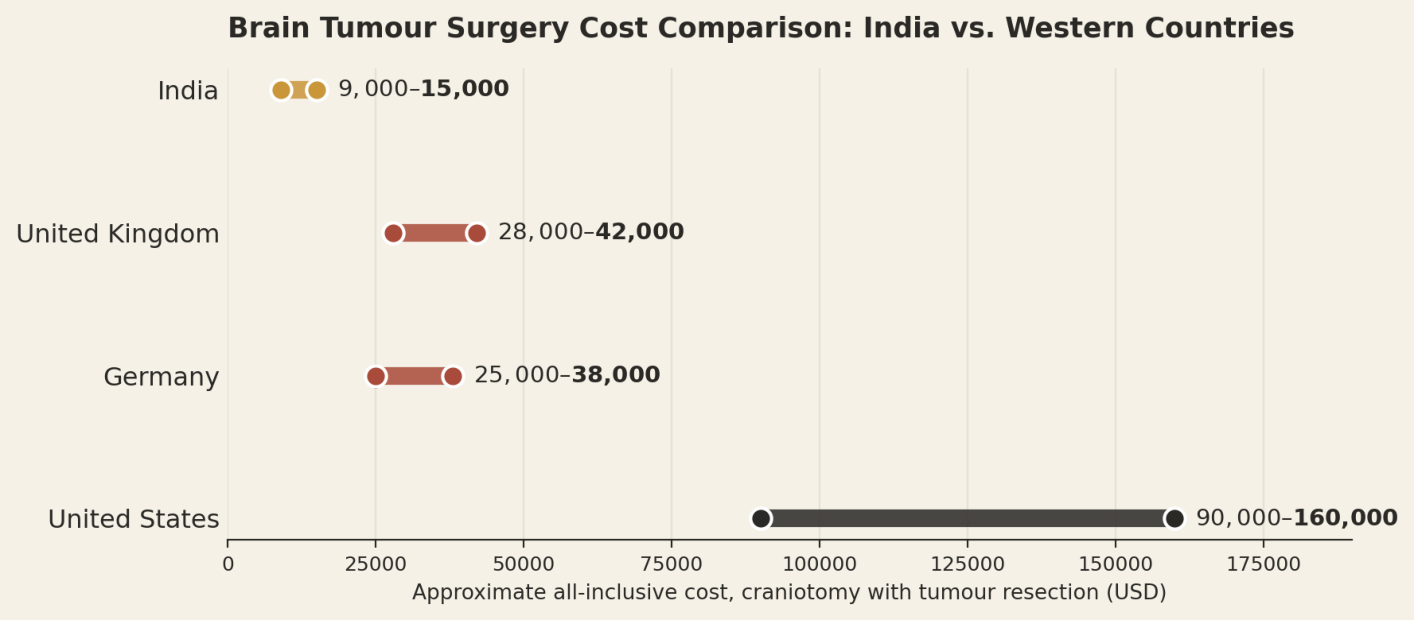
What stands out is not simply that India is cheaper than the United States, the United Kingdom, or Germany. It is that India offers the same intraoperative imaging technology, the same radiosurgery platforms, and internationally trained neurosurgical teams at a fraction of Western prices, with transparent, package-based pricing that contrasts favourably with Western systems where a quoted “surgery cost” often excludes ICU days, pathology, or extended rehabilitation until the final bill arrives.
What Brain Tumour Surgery in India Typically Looks Like
Families facing this diagnosis often worry most about speed: how quickly can a second opinion be reviewed, how soon can surgery actually happen, and how long will recovery take before it is safe to fly home. Having coordinated this journey for many families under real time pressure, I find it helps enormously to see the process mapped out plainly from the very first phone call.
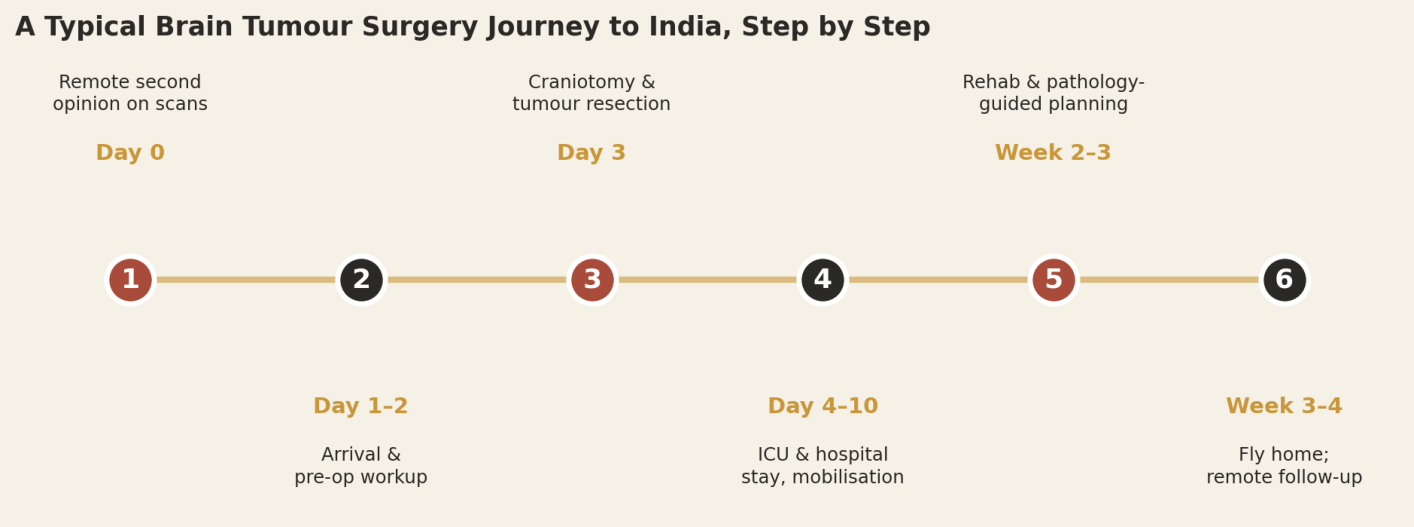
A typical craniotomy patient can expect seven to ten days in hospital, including ICU monitoring, and a further two to three weeks in India for wound healing, early rehabilitation, and pathology-guided treatment planning before flying home, with a structured remote follow-up plan, including any needed radiotherapy referral, continuing afterward.
Factors Every Iraqi Patient Should Weigh Before Deciding Brain Tumour Surgery in India
Beyond cost and destination, the Iraqi families I have advised over these 24 years tend to make better decisions, and face fewer complications, when they think through the following, even under time pressure.
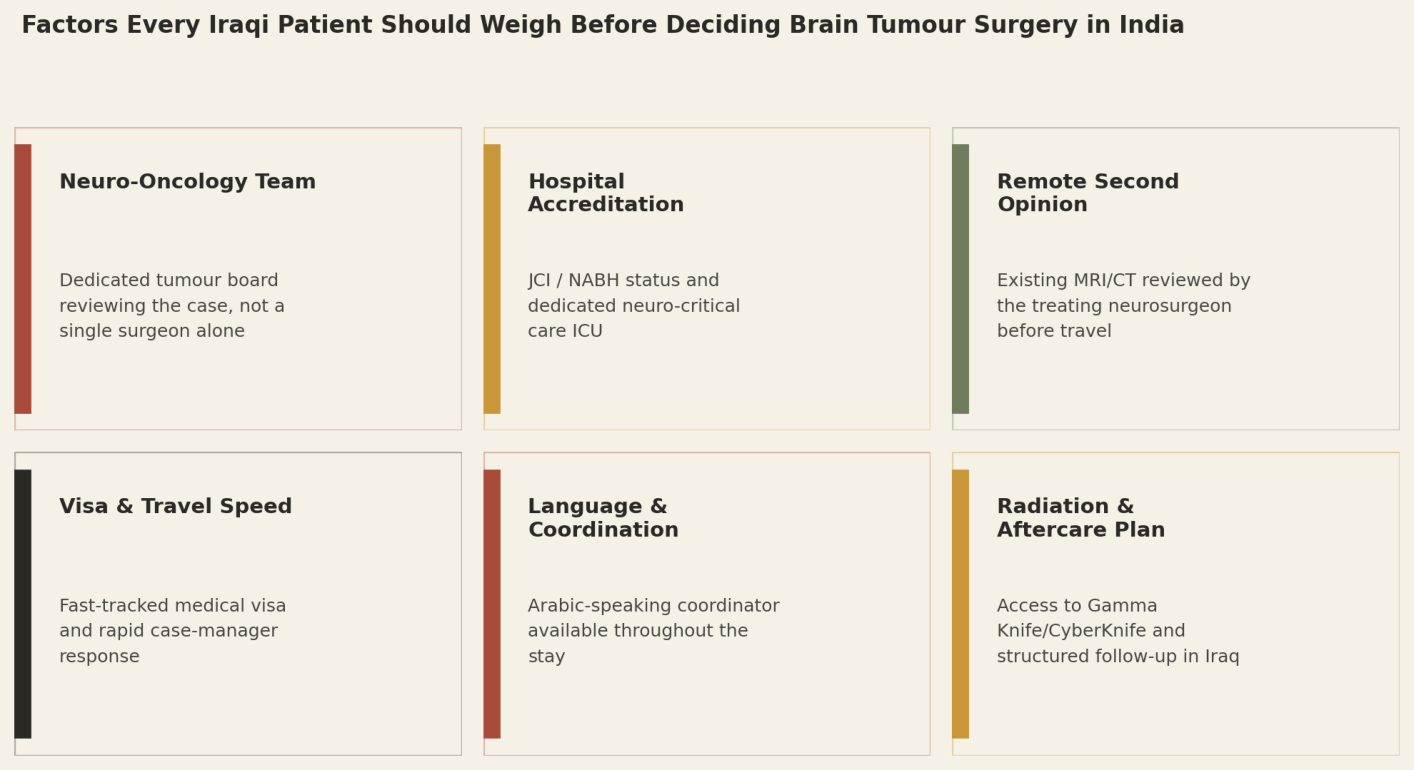
A few of these deserve a specific note for a brain tumour diagnosis in particular. A second opinion on the existing MRI or CT scan, reviewed remotely by the treating neurosurgeon before travel, is worth insisting on, since it can confirm the treatment plan and sometimes rule out the need for open surgery altogether in favour of radiosurgery. Families should also ask directly whether the hospital has a dedicated tumour board, meaning multiple specialists review the case together, rather than a single surgeon deciding alone. As with any major surgery, ask for a written, itemised package covering ICU days, pathology, and any radiation therapy that may follow, since these are the areas most often underestimated in an initial quote.
A Closing Thought for Iraqi Families
A brain tumour diagnosis leaves little room for a slow decision, but it deserves an informed one, not a rushed one. What the evidence consistently shows is that for Iraqi families facing this diagnosis, India offers a genuinely rare combination: sub-specialised neuro-oncology experience, the full range of surgical and radiosurgical technology under one roof, globally recognised standards of care, meaningfully lower cost, and hospital systems built to move quickly for exactly this kind of case. Few destinations available to an Iraqi family today can offer all of this at once, particularly the speed of a same-week surgical opinion. My role, and the role of any advisor a family works with, should be to help secure a fast, honest second opinion and confirm that the plan in front of them fits their specific tumour, budget, and timeline. Iraq’s families deserve the same standard of speed, scrutiny, and care in this decision as any family anywhere else in the world.
Sources & Further Reading
- World Health Organization — Iraq Health System Profile (who.int/countries/irq)
- National Institute for Health and Care Excellence (NICE, UK) — Brain Tumours (Primary) Guidance (nice.org.uk)
- UK Government — List of English-Speaking Doctors and Medical Facilities in Iraq (gov.uk/government/publications/iraq-doctors-and-medical-facilities)
- National Cancer Institute (NCI, US) — Adult Central Nervous System Tumors (cancer.gov)
- World Bank — Iraq Health Sector Reports (worldbank.org/en/country/iraq)
Frequently Asked Questions by Iraqi Patients about Brain Tumour Surgery in India
Why do Iraqi patients consider brain tumour surgery in India?
India offers specialised neuro-oncology centres with experience across different tumour types and advanced surgical and radiosurgical technologies. The source particularly highlights the combination of specialised expertise and multiple treatment options.
Is brain tumour surgery available in Iraq?
Yes. The source identifies established Iraqi hospitals with neurosurgical capacity and states that many patients receive appropriate treatment without leaving the country.
Which brain tumour cases may require specialised treatment?
Complex tumours near the brainstem or optic pathways, paediatric tumours, and cases requiring awake craniotomy or advanced radiosurgery may require specialised neuro-oncology expertise and technology.
What advanced technologies are available in Indian brain tumour centres?
The guide highlights intraoperative MRI, neuronavigation, awake craniotomy with speech and motor mapping, Gamma Knife, and CyberKnife as technologies available at leading Indian centres.
How much does brain tumour surgery cost in India for Iraqi patients?
The source gives an illustrative range of approximately USD 9,000–15,000 for a standard craniotomy with tumour resection. Actual costs vary according to the tumour and treatment approach.
How long does an Iraqi patient need to stay in India?
A typical craniotomy patient may spend approximately three to four weeks in total, including seven to ten days in hospital and additional time for recovery, rehabilitation, and treatment planning.
Should MRI or CT scans be reviewed before travelling to India?
Yes. The guide recommends remote review of existing MRI or CT scans by the treating neurosurgeon before travel to confirm the proposed treatment and assess whether open surgery is actually necessary.
Can radiosurgery replace open brain tumour surgery?
For selected tumours, radiosurgery may be considered instead of open surgery. The source specifically recommends asking whether Gamma Knife or another radiosurgical approach could be appropriate for the individual tumour.
What should Iraqi families ask about the hospital before treatment?
Families should ask about neuro-oncology expertise, tumour-board review, accreditation, ICU facilities, the proposed treatment technique, and a written cost package covering ICU, pathology, and possible radiation therapy.
What follow-up is needed after returning to Iraq?
Follow-up depends on the tumour and pathology. The source describes structured remote follow-up and notes that additional radiotherapy referral may be required as part of the continuing treatment plan.
Page Summary
The guide focuses on how Iraqi patients and families can make informed decisions when specialised brain tumour treatment is being considered in India. It recognises existing neurosurgical capacity in Iraq but explains that complex tumours, paediatric cases, function-preserving surgery, and cases potentially suited to radiosurgery may benefit from highly specialised neuro-oncology teams and advanced technology. India is presented as an option because leading centres may combine high case volume, specialised neurosurgical expertise, advanced imaging and surgical technology, radiosurgery, and international-patient support. The source’s illustrative cost chart places standard craniotomy with tumour resection in India at approximately USD 9,000–15,000, although the actual quotation depends on tumour characteristics and treatment technique. A typical patient may spend three to four weeks in total, including seven to ten hospital days and additional time in India for recovery, rehabilitation, and pathology-guided treatment planning.
Citation Block
| Field | Details |
|---|---|
| Article / Topic | Brain Tumour Surgery in India for Iraqi Patients |
| Primary Country | Iraq |
| Treatment Destination | India |
| Main Speciality | Neurosurgery and neuro-oncology |
| Key Clinical Situations | Complex brain tumours, paediatric tumours, tumours near critical structures, and function-preserving surgery |
| Iraqi Treatment Capacity | Medical City Baghdad, Zheen International Hospital, and Faruk Medical City are mentioned as centres with neurological surgical capacity |
| Complex Tumour Requirements | Dedicated neuro-oncology team, advanced imaging, and specialised technology |
| Advanced Imaging | Intraoperative MRI |
| Navigation Technology | Neuronavigation |
| Functional Surgery | Awake craniotomy with speech and motor mapping |
| Radiosurgery Options | Gamma Knife and CyberKnife |
| Specialist Selection | High-volume neuro-oncology and tumour-specific expertise |
| Pre-Travel Review | Remote review of existing MRI or CT scans |
| Multidisciplinary Review | Dedicated tumour board recommended |
| Hospital Quality Factor | JCI or NABH accreditation |
| International Support | Arabic-speaking coordinators and case managers |
| Illustrative India Cost | USD 9,000–15,000 |
| UK Comparison | USD 28,000–42,000 |
| Germany Comparison | USD 25,000–38,000 |
| USA Comparison | USD 90,000–160,000 |
| Cost Variables | Tumour type, size, location, technique, and radiosurgery requirements |
| Typical Hospital Stay | Seven to ten days |
| Typical Total India Stay | Three to four weeks |
| Recovery Period in India | Wound healing and early rehabilitation after hospital discharge |
| Postoperative Planning | Pathology-guided treatment planning and possible radiotherapy referral |
| Cost Package Requirement | Written itemisation covering ICU, pathology, and possible radiation therapy |

Our Mission Statement
Our mission is to place patients at the centre of every healthcare decision by providing trustworthy, evidence-based, and unbiased medical information. We believe that informed patients make better decisions. Backed by personalised guidance from our experienced advisory team, we help patients understand their treatment options, compare them objectively, and confidently choose the path that best suits their medical needs and personal circumstances.
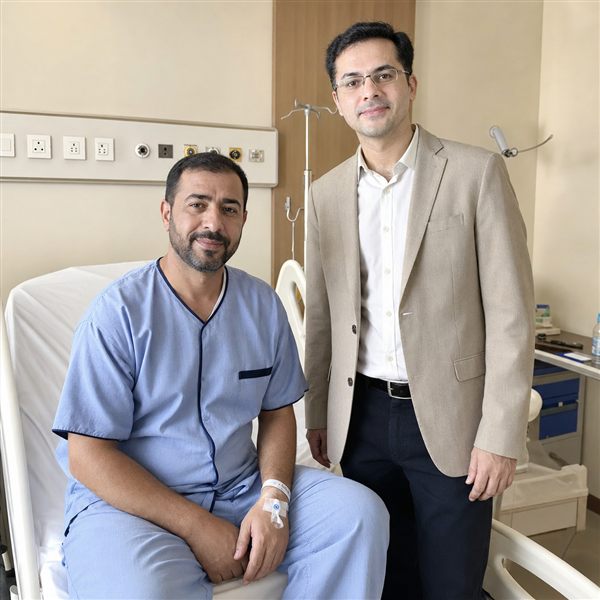
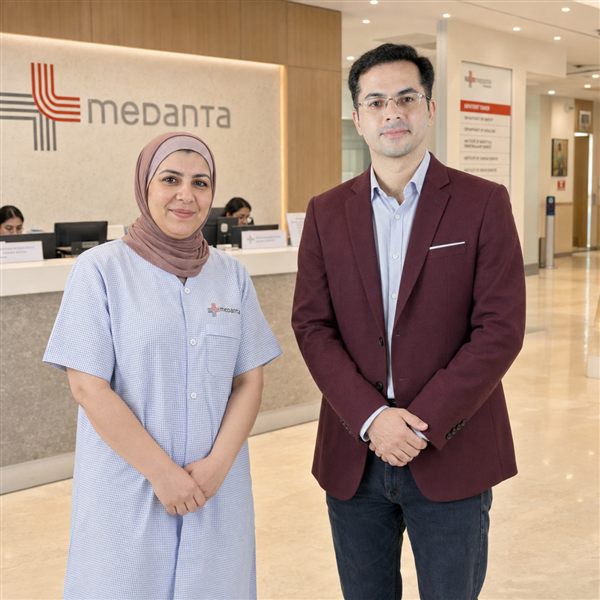
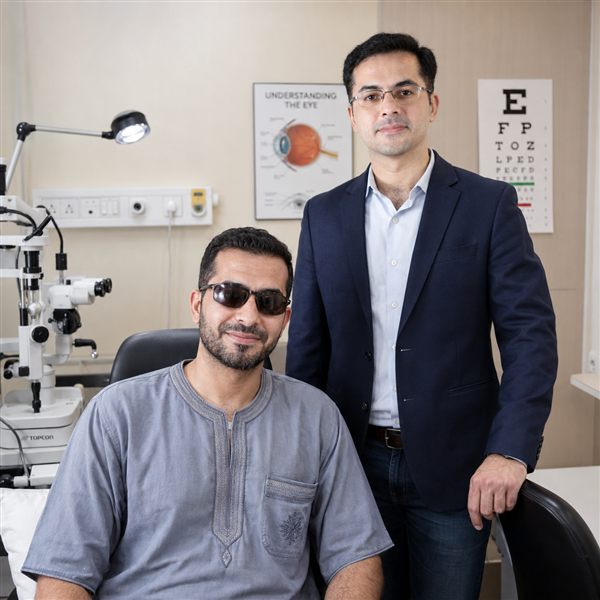
Patient Testimonials from Iraq
Ready to Take the First Step?
Share your Medical Reports with our Healthcare Managers Today and Get a FREE CONSULTATION, a Personalized Treatment Plan, and Complete Support from Arrival to Recovery.
Get Your Free ConsultationAreas We Serve
Indian Health Guru Consultants proudly assists patients from Iraq and surrounding Middle Eastern countries in accessing advanced, affordable and trusted medical treatment in India. Our team provides complete support for medical opinions, hospital selection, treatment planning, visa assistance, travel coordination, accommodation and post-treatment follow-up.
We regularly serve patients from:
- Iraq
- Turkey
- Iran
- Kuwait
- Jordan
- Syria
- Qatar
- Bahrain
- Oman
- Yemen
- Saudi Arabia
- United Arab Emirates
No matter where you are located, our experienced team is committed to making your medical journey to India safe, smooth, transparent and stress-free from the first enquiry to your return home.
From Iraq to India: Your Complete Patient Guide
- Laparoscopic and Robotic Myomectomy in India for Iraqis
- Parkinson's Treatment and DBS Surgery in India for Iraqis
- Cardiac Surgery in India for Iraqis
- Paediatric Orthopaedic Surgery in India for Iraqis
- Heart Valve Replacement in India for Iraqis
- Proton Therapy in India for Iraqis
- Cosmetic and Aesthetic Surgery in India for Iraqis
- Hip Surgery in India for Iraqis
- Complex Joint Revision Surgery in India for Iraqis
- Gamma Knife Treatment in India for Iraqis
- Knee Surgery in India for Iraqis
- Neurosurgery in India for Iraqis
- Cervical and Lumbar Disc Replacement Surgery in India for Iraqis
- Liver Transplant in India for Iraqis
- Heart Failure Treatment and Surgery in India for Iraqis
- Kidney Transplant in India for Iraqis
- Prostate Cancer Treatment and Surgery in India for Iraqis
- Paediatric Heart Surgery in India for Iraqis