

Cervical and Lumbar Disc Replacement Surgery in India for Iraqis: What You Need to Know Before You Travel
A doctor’s honest guide for Iraqi patients weighing artificial disc replacement abroad — costs, hospitals, the real treatment journey, and the questions worth asking before you book anything.
For an Iraqi patient with a herniated cervical or lumbar disc, the word “fusion” often comes up early in the conversation, sometimes before any other option has even been explained. Spinal fusion has been the standard answer to disc disease for decades, and it works, but it also permanently locks the treated segment in place, which shifts extra strain onto the discs above and below it. Artificial disc replacement offers something fusion cannot: a treated segment that keeps moving, and for the right patient, this difference matters for decades, not just the first year of recovery. I have spent 24 years guiding patients from across the Middle East, Africa, and South Asia through exactly this decision, and Iraqi patients are an increasingly regular part of that work. What I tell every patient calling from Baghdad, Basra, Erbil, or Sulaimani is the same thing I would tell my own relative: disc replacement is not right for every patient, and any surgeon recommending it should also be able to explain clearly why fusion was ruled out for your specific case, not simply offer the newer procedure by default. For a growing number of Iraqi patients who are genuinely good candidates, once the options are compared honestly, the right hospital for this specific procedure is in India.
Healing Journeys of Iraqi Patients
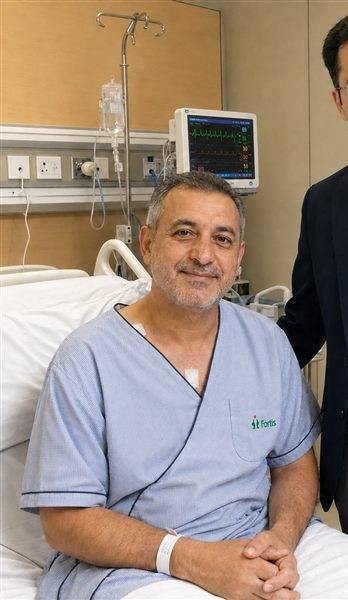


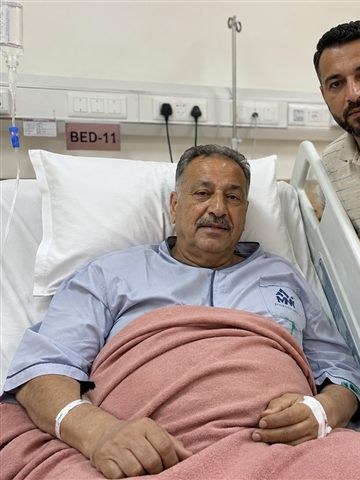





Key Takeaways
- Artificial disc replacement offers a motion-preserving alternative to spinal fusion for selected patients with cervical or lumbar disc disease. The source explains that fusion permanently locks the treated spinal segment, whereas an artificial disc is designed to maintain movement at that level. However, disc replacement is not automatically the better option and should only be considered when the patient's condition fits the appropriate selection criteria.
- Iraq has established spine-surgery services, including Medical City in Baghdad and private centres such as Zheen International Hospital and Faruk Medical City in the Kurdistan Region. These hospitals manage various spinal conditions, including standard fusion procedures. The more specialised challenge is artificial disc replacement itself, because it requires an approved implant, appropriate patient selection, and a surgeon with genuine experience in motion-preserving surgery rather than fusion alone.
- The guide specifically states that disc replacement is appropriate only for a defined subset of disc disease. Significant facet-joint arthritis or spinal instability can make a patient unsuitable for the procedure. Therefore, a responsible surgeon should explain not only why disc replacement is being recommended but also why fusion or another treatment is not more appropriate for the patient's particular imaging and clinical situation.
- India is highlighted for access to internationally approved cervical and lumbar artificial disc devices from established global manufacturers. Leading Indian spine centres also have surgeons who perform sufficient numbers of these procedures to develop specific expertise in the technique, which differs meaningfully from standard fusion surgery. The source considers honest patient selection itself a sign of genuine sub-specialised experience: a good centre should be willing to tell a patient when fusion is safer.
- International-patient infrastructure is another factor highlighted in the guide. Indian spine centres may provide Arabic-speaking coordinators and case managers who can review existing MRI and CT scans remotely before travel. The source also notes that many leading Indian spine centres hold JCI or NABH accreditation, that many spine surgeons have trained or completed fellowships in the UK, US, or Germany, and that India has a dedicated medical visa category for foreign patients and one attendant.
- The cost chart on page 2 gives illustrative all-inclusive ranges for a single-level artificial disc replacement of approximately USD 6,500–10,000 in India. The corresponding ranges shown are approximately USD 18,000–28,000 in the United Kingdom, USD 16,000–25,000 in Germany, and USD 40,000–70,000 in the United States. The Indian range includes the implant device, surgeon and hospital fees, and a standard hospital stay. Multi-level procedures cost meaningfully more.
- The treatment journey on page 3 illustrates remote consultation and MRI/CT review on Day 0, arrival and candidacy confirmation on Days 1–2, disc replacement surgery around Day 3, hospital stay and early mobilisation on Days 4–5, physiotherapy and wound checking around Week 2, and return home around Week 3 with remote follow-up. The source describes approximately two to three weeks in total, with two to three days in hospital and another one to two weeks in India for early mobilisation and wound assessment.
- The checklist on page 3 highlights six factors Iraqi patients should evaluate: rigorous patient selection, hospital accreditation, the clinical track record of the specific device, visa and travel logistics, Arabic-language coordination, and a structured aftercare plan. Patients should ask why disc replacement is preferable to fusion for their imaging, have existing MRI and CT scans personally reviewed by the spine surgeon, confirm exactly what the quotation includes, and ask how many years of clinical follow-up data exist for the proposed artificial disc device.
Quick Facts
- Treatment
- Cervical and lumbar artificial disc replacement
- Primary Patients
- Iraqi patients with selected cervical or lumbar disc disease
- Main Speciality
- Spine surgery and motion-preserving spinal procedures
- Key Specialist
- Spine surgeon with specific artificial disc replacement experience
- Treatment Objective
- Preserve movement at the treated spinal segment
- Alternative Treatment
- Spinal fusion may be more appropriate for some patients
- Patient Selection
- Only a defined subset of disc disease is suitable for disc replacement
- Important Exclusions
- Significant facet-joint arthritis or spinal instability may make disc replacement unsuitable
- Cervical Surgery
- Artificial disc replacement can be considered for appropriately selected cervical disc disease
- Lumbar Surgery
- Artificial disc replacement can be considered for appropriately selected lumbar disc disease
- Device Requirement
- An approved artificial disc implant is required
- Implant Manufacturers
- Leading Indian centres may stock internationally approved devices from established global manufacturers
- Surgeon Experience
- Specific disc-replacement volume should be assessed rather than relying only on general fusion experience
- Selection Standard
- A good centre should explain when fusion is safer instead of offering disc replacement automatically
- Pre-Travel Review
- MRI and CT scans should be reviewed personally by the spine surgeon
- Hospital Accreditation
- JCI or NABH accreditation should be checked
- International Support
- Arabic-speaking coordinators and case managers may assist Iraqi patients
- Illustrative India Cost
- USD 6,500–10,000 for a single-level artificial disc replacement
- UK Comparison
- USD 18,000–28,000
- Germany Comparison
- USD 16,000–25,000
- USA Comparison
- USD 40,000–70,000
- Cost Variables
- Spinal level and whether one or multiple levels are treated
- Package Components
- Implant, surgeon and hospital fees, and standard hospital stay are included in the illustrative India range
- Hospital Stay
- Approximately two to three days
- Total India Stay
- Approximately two to three weeks
- Early Recovery
- One to two additional weeks for mobilisation and wound assessment
- Physiotherapy
- Begins during the early recovery period
- Follow-Up
- Structured remote follow-up after returning to Iraq
- Device Evidence
- Patients should ask how many years of clinical follow-up data exist for the specific device
- Author
- Dr. Dheeraj Bojwani
- Experience
- 24+ Years
In Brief
For Iraqi patients considering cervical or lumbar artificial disc replacement in India, the most important issue is careful patient selection, not simply access to the latest implant. The spine surgeon should personally review MRI and CT imaging and clearly explain why disc replacement is suitable and why fusion is not the preferred option. The source describes an illustrative single-level cost of USD 6,500–10,000 in India and a typical journey of approximately two to three weeks, including two to three hospital days followed by early mobilisation, physiotherapy, and wound assessment.
Why Iraqi Patients Are Looking Beyond Iraq for Disc Replacement Care
Iraq’s spine surgery capability has grown meaningfully, with hospitals such as Medical City in Baghdad and private centres like Zheen International Hospital and Faruk Medical City in the Kurdistan Region managing a wide range of spinal conditions, including standard fusion procedures. Many patients receive good care for common disc disease without ever leaving the country, and that should always be the first option a family investigates.
Where the picture becomes genuinely difficult is artificial disc replacement itself. This procedure depends on a specific, approved implant device, a surgeon with real case volume in motion-preserving technique rather than fusion alone, and careful patient selection, since disc replacement is only appropriate for a defined subset of disc disease and is unsuitable for patients with significant facet joint arthritis or spinal instability. This specific device and sub-specialised technique combination is not yet consistently available inside Iraq, and importing a single-use, single-patient implant device for an occasional case is rarely practical for a hospital that performs the procedure only a handful of times a year. This is why a growing number of Iraqi patients who are candidates for disc replacement now travel for this specific procedure, and India has become one of the most trusted destinations, not simply the cheapest one.
Why India Specifically for Disc Replacement Surgery, Not Just Overseas
Iraqi patients researching treatment abroad quickly discover several destinations: Turkey, Jordan, Lebanon, and India are all commonly mentioned in the same breath. It is worth being direct about why India stands apart for disc replacement specifically.
The first reason is device access and case volume. Leading Indian spine centres stock internationally approved cervical and lumbar artificial disc devices from established global manufacturers, and their surgeons perform enough of these specific procedures each year to have genuine command of the technique, which differs meaningfully in approach and precision from standard fusion surgery.
The second reason is patient selection rigour. A hospital with real disc replacement experience is also one that will tell a patient honestly when they are not a good candidate and fusion is the safer choice, rather than defaulting to whichever procedure is more profitable or more readily available. This honest gatekeeping is itself a sign of genuine sub-specialised experience.
The third reason is infrastructure built specifically for international patients, including Arabic-speaking coordinators and case managers who can review existing MRI and CT imaging remotely to confirm candidacy before a patient ever travels. Finally, there is regulatory credibility: a large share of India’s leading spine centres hold JCI or NABH accreditation, many spine surgeons have trained or held fellowships in the UK, US, or Germany, and India’s government has built a dedicated medical visa category for foreign patients and one attendant.
Understanding the Cost Picture of Disc Replacement Surgery in India
Cost is rarely the only reason a patient chooses India, but it is almost always part of the conversation. The figures below reflect typical all-inclusive ranges for a single-level artificial disc replacement, cervical or lumbar, covering the implant device, surgeon and hospital fees, and a standard hospital stay. Costs vary by spinal level and whether more than one level is treated, so I always urge patients to get a written, itemised estimate once imaging has confirmed candidacy.
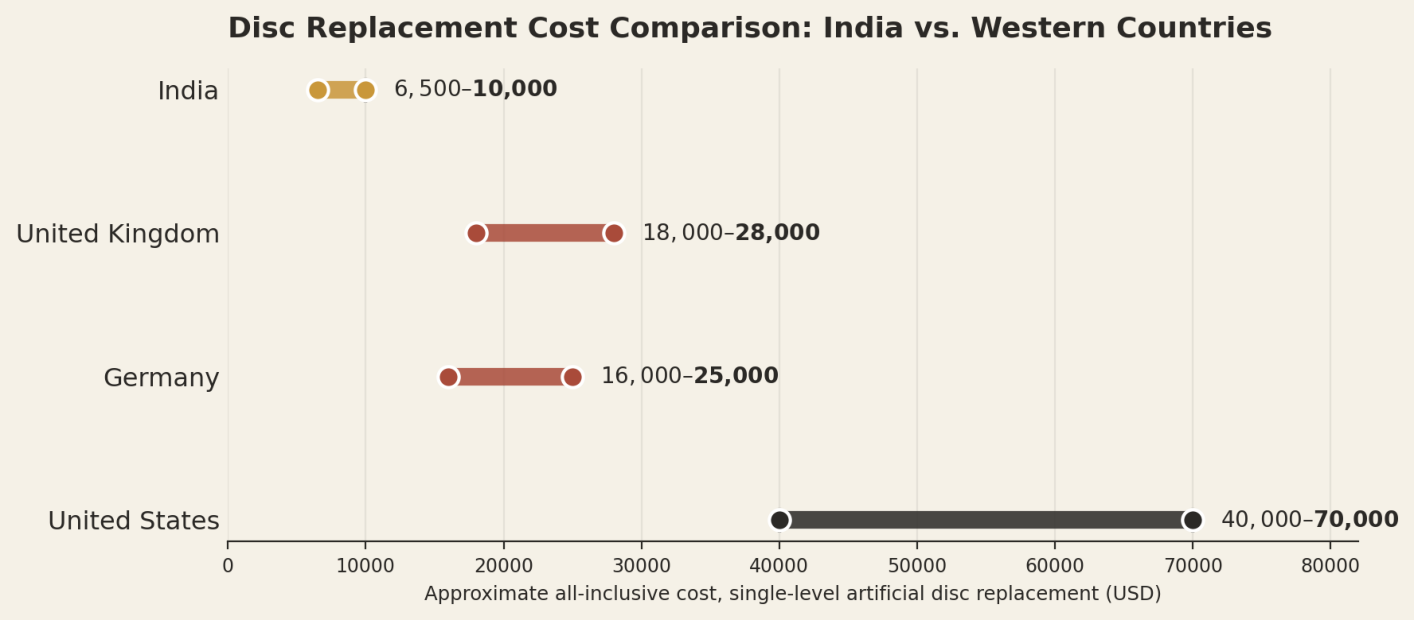
What stands out is not simply that India is cheaper than the United States, the United Kingdom, or Germany. It is that India offers the same approved implant devices and internationally trained spine specialists at a fraction of Western prices, with transparent, package-based pricing that contrasts favourably with Western systems where a quoted “surgery cost” often excludes the implant device itself until the final bill arrives. Many hospitals also accept a partial advance deposit rather than full upfront payment, which is worth raising directly in the first consultation since it can meaningfully ease the financial planning involved in arranging funds from Iraq.
What Disc Replacement Surgery in India Typically Looks Like
Patients often worry most about how quickly they can return to normal movement, since the entire appeal of this procedure is preserved motion. Having coordinated this journey for many patients, I find it helps enormously to see the process mapped out plainly before departure.
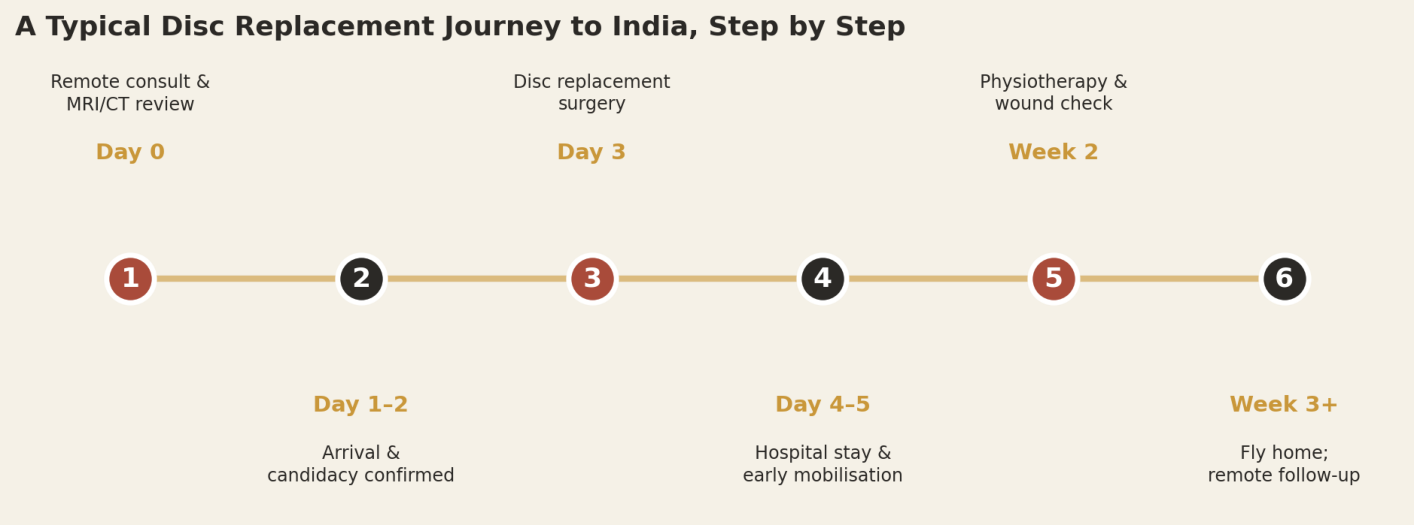
A typical single-level disc replacement patient can expect two to three days in hospital and a further one to two weeks in India for early mobilisation and a wound check before flying home, with a structured remote follow-up plan continuing afterward.
Factors Every Iraqi Patient Should Weigh Before Deciding Disc Replacement Surgery in India
Beyond cost and destination, the Iraqi patients I have advised over these 24 years tend to make better decisions, and recover with fewer surprises, when they think through the following before booking anything.
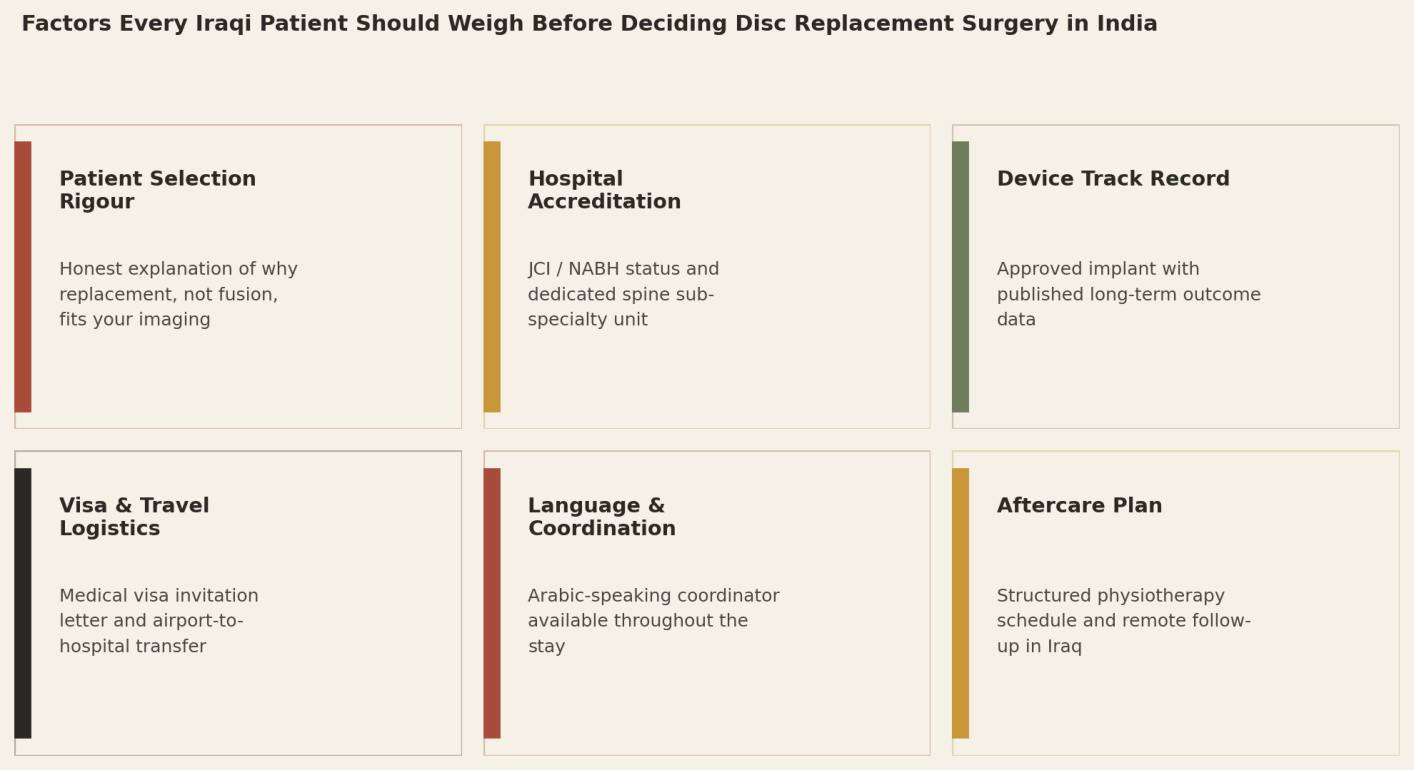
A few of these deserve a specific note. Ask directly why disc replacement, rather than fusion, is being recommended for your specific imaging, and be genuinely cautious of any hospital that offers it without a clear explanation of why you are a good candidate. Existing MRI and CT scans should be translated and shared digitally in advance, since a spine surgeon needs to review these personally before confirming candidacy, not simply take a referral at face value. Families should also ask, in writing, exactly which costs are included in a quoted package, since the implant device itself is often the single largest line item, and confirm how many years of clinical follow-up data exist for the specific device being recommended.
A Closing Thought for Iraqi Families
Choosing artificial disc replacement is a decision that should be earned through careful patient selection, not simply offered as the newer alternative to fusion, and it should never be chosen on a marketing brochure or the lowest quoted price. What the evidence consistently shows is that for Iraqi patients who are genuine candidates, India offers a genuinely rare combination: access to approved motion-preserving implant technology, surgeons with real sub-specialised case volume, meaningfully lower cost, and hospital systems built to confirm candidacy honestly before a patient ever travels. Few destinations available to an Iraqi patient today can offer this specific combination of device access and surgical experience at once. My role, and the role of any advisor a patient works with, should be to help confirm the right procedure honestly and make sure the plan in front of them fits their specific spine, budget, and timeline. Iraq’s patients deserve the same standard of scrutiny and care in this decision as any patient anywhere else in the world.
Sources & Further Reading
- World Health Organization — Iraq Health System Profile (who.int/countries/irq)
- National Institute for Health and Care Excellence (NICE, UK) — Low Back Pain and Sciatica Guidance (nice.org.uk)
- UK Government — List of English-Speaking Doctors and Medical Facilities in Iraq (gov.uk/government/publications/iraq-doctors-and-medical-facilities)
- North American Spine Society (NASS) — Patient Education on Disc Replacement (spine.org)
- World Bank — Iraq Health Sector Reports (worldbank.org/en/country/iraq)
Frequently Asked Questions by Iraqi Patients about Disc Replacement Surgery in India
What is artificial disc replacement surgery?
Artificial disc replacement replaces a damaged spinal disc with an artificial device designed to preserve movement at the treated spinal level. It differs from fusion, which permanently locks the treated segment.
Is disc replacement suitable for every Iraqi patient with a disc problem?
No. The source stresses that only a defined subset of patients are suitable. Significant facet-joint arthritis or spinal instability may make disc replacement inappropriate.
Should Iraqi patients compare disc replacement with fusion?
Yes. A responsible spine surgeon should clearly explain why disc replacement is appropriate for the patient's imaging and why fusion is not the safer or more suitable choice.
Can both cervical and lumbar discs be replaced in India?
The guide covers both cervical and lumbar artificial disc replacement. The appropriate procedure depends on the spinal level, imaging findings, and individual candidacy.
How much does artificial disc replacement cost in India for Iraqi patients?
The source gives an illustrative all-inclusive range of approximately USD 6,500–10,000 for a single-level procedure. Multi-level surgery costs meaningfully more.
What does the quoted India cost include?
The source's illustrative range includes the artificial disc device, surgeon and hospital fees, and a standard hospital stay. Patients should still obtain a written, itemised quotation for their specific case.
How long does an Iraqi patient need to stay in India?
A typical single-level patient may spend approximately two to three weeks in total. This includes two to three hospital days followed by one to two weeks for early mobilisation and wound assessment.
Should MRI and CT scans be reviewed before travelling?
Yes. The guide recommends sharing existing MRI and CT scans digitally so that the spine surgeon can personally review the anatomy and confirm candidacy before travel.
What should patients ask about the artificial disc implant?
Patients should ask which approved device will be used, why it is appropriate, what the quotation includes, and how many years of clinical follow-up data are available for that specific implant.
What should Iraqi patients confirm before booking disc replacement in India?
They should confirm candidacy, surgeon-specific disc-replacement experience, implant details and clinical track record, hospital accreditation, itemised costs, visa and travel arrangements, Arabic-language coordination, physiotherapy, and the long-term follow-up plan after returning to Iraq.
Page Summary
The guide explains cervical and lumbar artificial disc replacement as a motion-preserving alternative to fusion for carefully selected Iraqi patients. While Iraq has established spine-surgery services and can manage many common spinal conditions, the source identifies artificial disc replacement as a more specialised procedure requiring approved devices, specific surgical experience, and rigorous patient selection. India is presented as an option because of device access, specialist case volume, accredited spine centres, and international-patient support. The page 2 cost chart gives an illustrative all-inclusive range of USD 6,500–10,000 for a single-level artificial disc replacement in India, compared with higher ranges in the UK, Germany, and United States. The page 3 treatment journey shows approximately two to three weeks overall, including two to three hospital days and one to two further weeks for early mobilisation, physiotherapy, and wound assessment.
Citation Block
| Field | Details |
|---|---|
| Article / Topic | Cervical and Lumbar Disc Replacement Surgery in India for Iraqi Patients |
| Primary Country | Iraq |
| Treatment Destination | India |
| Main Speciality | Spine surgery and motion-preserving spinal procedures |
| Key Specialist | Spine surgeon with specific disc-replacement experience |
| Primary Objective | Preserve movement at the treated spinal segment |
| Alternative Treatment | Spinal fusion |
| Patient Selection | Suitable only for a defined subset of disc disease |
| Potential Contraindications | Significant facet-joint arthritis or spinal instability |
| Cervical Application | Selected cervical disc disease |
| Lumbar Application | Selected lumbar disc disease |
| Device Requirement | Approved artificial disc implant |
| India Device Access | Internationally approved cervical and lumbar devices from established manufacturers |
| Surgeon Selection | Specific disc-replacement experience and case volume |
| Selection Principle | Honest explanation when fusion is safer |
| Pre-Travel Imaging | MRI and CT review by the spine surgeon |
| Hospital Accreditation | JCI or NABH |
| International Support | Arabic-speaking coordinators and case managers |
| Illustrative India Cost | USD 6,500–10,000 |
| UK Comparison | USD 18,000–28,000 |
| Germany Comparison | USD 16,000–25,000 |
| USA Comparison | USD 40,000–70,000 |
| Cost Variables | Spinal level and number of levels treated |
| Hospital Stay | Approximately two to three days |
| Total India Stay | Approximately two to three weeks |
| Early Recovery | One to two weeks of mobilisation, physiotherapy, and wound assessment |
| Device Follow-Up Data | Patients should confirm the years of clinical follow-up available for the specific implant |
| Aftercare | Structured remote follow-up after returning to Iraq |


Our Mission Statement
Our mission is to place patients at the centre of every healthcare decision by providing trustworthy, evidence-based, and unbiased medical information. We believe that informed patients make better decisions. Backed by personalised guidance from our experienced advisory team, we help patients understand their treatment options, compare them objectively, and confidently choose the path that best suits their medical needs and personal circumstances.
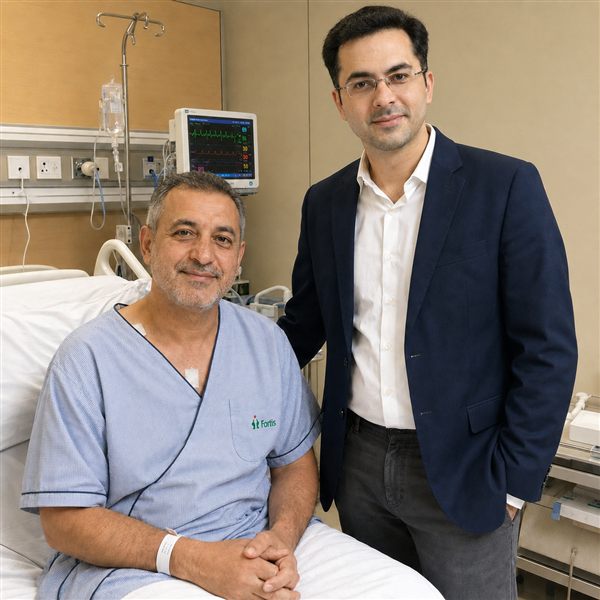
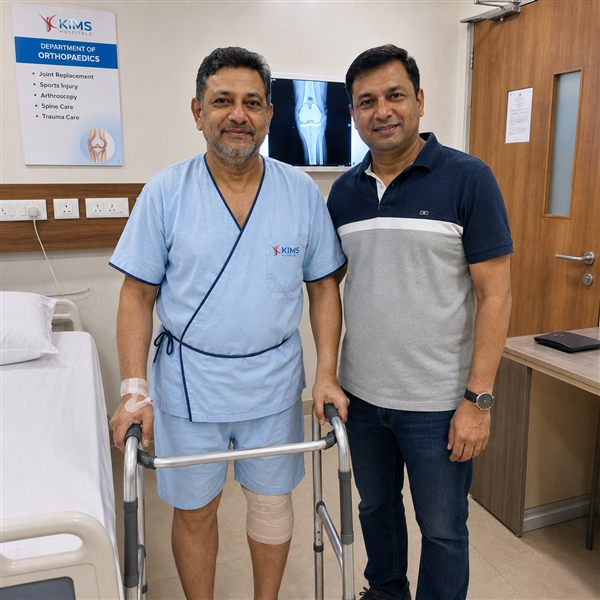
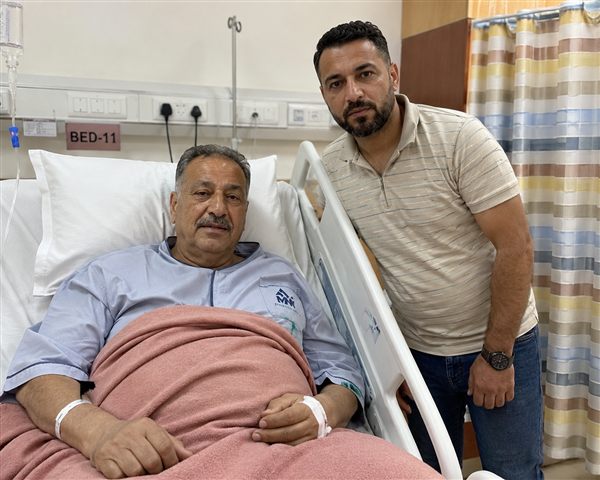
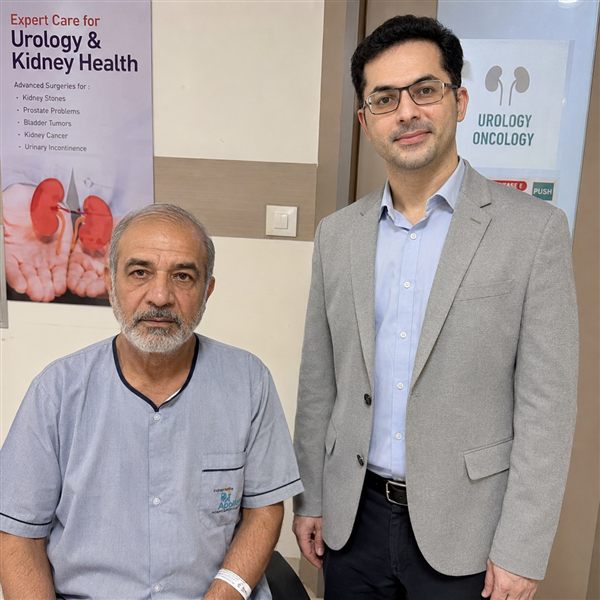
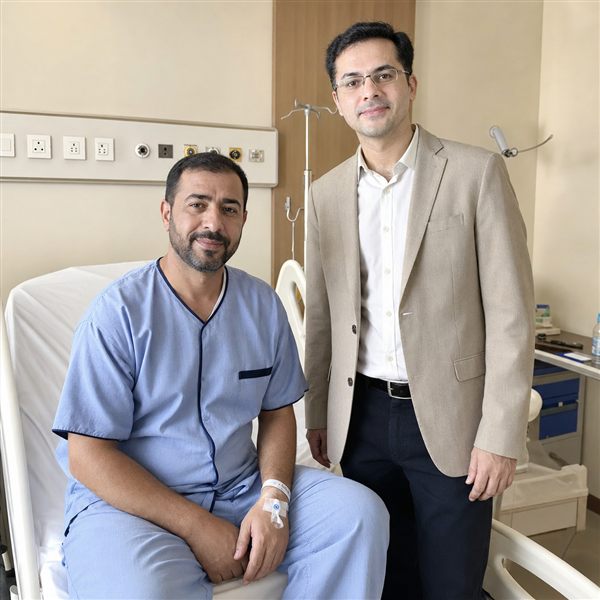
Patient Testimonials from Iraq










Ready to Take the First Step?
Share your Medical Reports with our Healthcare Managers Today and Get a FREE CONSULTATION, a Personalized Treatment Plan, and Complete Support from Arrival to Recovery.
Get Your Free ConsultationAreas We Serve
Indian Health Guru Consultants proudly assists patients from Iraq and surrounding Middle Eastern countries in accessing advanced, affordable and trusted medical treatment in India. Our team provides complete support for medical opinions, hospital selection, treatment planning, visa assistance, travel coordination, accommodation and post-treatment follow-up.
We regularly serve patients from:
- Iraq
- Turkey
- Iran
- Kuwait
- Jordan
- Syria
- Qatar
- Bahrain
- Oman
- Yemen
- Saudi Arabia
- United Arab Emirates
No matter where you are located, our experienced team is committed to making your medical journey to India safe, smooth, transparent and stress-free from the first enquiry to your return home.
From Iraq to India: Your Complete Patient Guide
- Parkinson's Treatment and DBS Surgery in India for Iraqis
- Penile Implant Surgery in India for Iraqis
- Urosurgery and Reconstructive Urology in India for Iraqis
- Cardiac Surgery in India for Iraqis
- Bone Marrow Transplant in India for Iraqi Patients
- Laparoscopic and Robotic Myomectomy in India for Iraqis
- Breast Cancer Treatment in India for Iraqi Patients
- Radiotherapy and Modern Cancer Treatment in India for Iraqis
- Dental Surgery in India for Iraqis
- Gamma Knife Treatment in India for Iraqis
- Joint Arthroscopy and Sports Medicine in India for Iraqis
- Paediatric Neurosurgery in India for Iraqis
- Dental Implants and Smile Makeover in India for Iraqis
- Proton Therapy in India for Iraqis
- Heart Failure Treatment and Surgery in India for Iraqis
- Colorectal Cancer Treatment and Surgery in India for Iraqis
- HIPEC Cancer Surgery in India for Iraqis
- IVF and Fertility Treatment in India for Iraqis