

Selecting the Best Heart Failure Surgeons and Hospitals in India: A Guide for Patients from Iraq
A doctor’s honest, question-by-question guide for patients from Iraq on vetting a heart failure hospital in India — treatment-pathway decisions, accreditation, team composition, and the exact questions worth asking before you book anything.
Over the years, I have found that heart failure is one of the diagnoses Iraqi families most often misunderstand as a single condition with a single treatment path, when it is genuinely a spectrum, from medication and lifestyle management at one end to mechanical circulatory support and heart transplantation at the other. In my experience of 24 years advising patients through exactly this decision, the single most important question is not simply which hospital to choose, but which specific point on that spectrum your particular stage of heart failure actually calls for, since the wrong answer to that question matters far more than which country you travel to.
Healing Journeys of Iraqi Patients
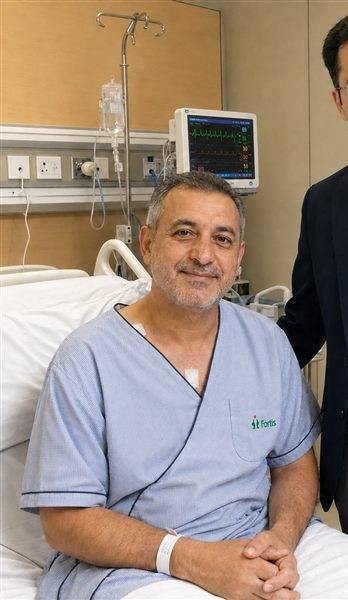

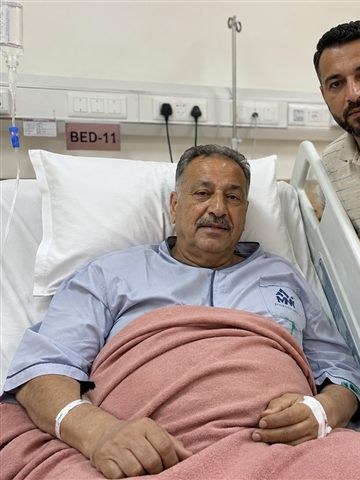
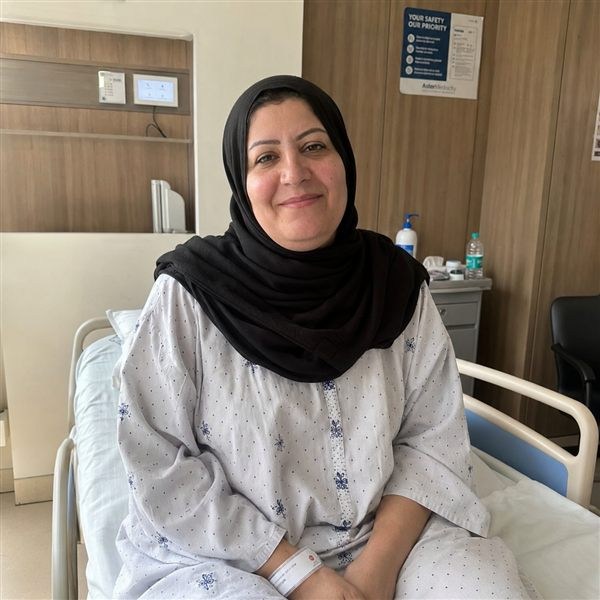



Key Takeaways
- Heart failure is not a single condition with one standard treatment pathway. The source describes a spectrum ranging from medication and lifestyle management to mechanical circulatory support and heart transplantation. For Iraqi patients, the most important decision is therefore identifying where their particular stage of heart failure sits within this spectrum before choosing a hospital or procedure. The guide stresses that selecting the wrong treatment pathway can matter more than the country in which treatment is performed.
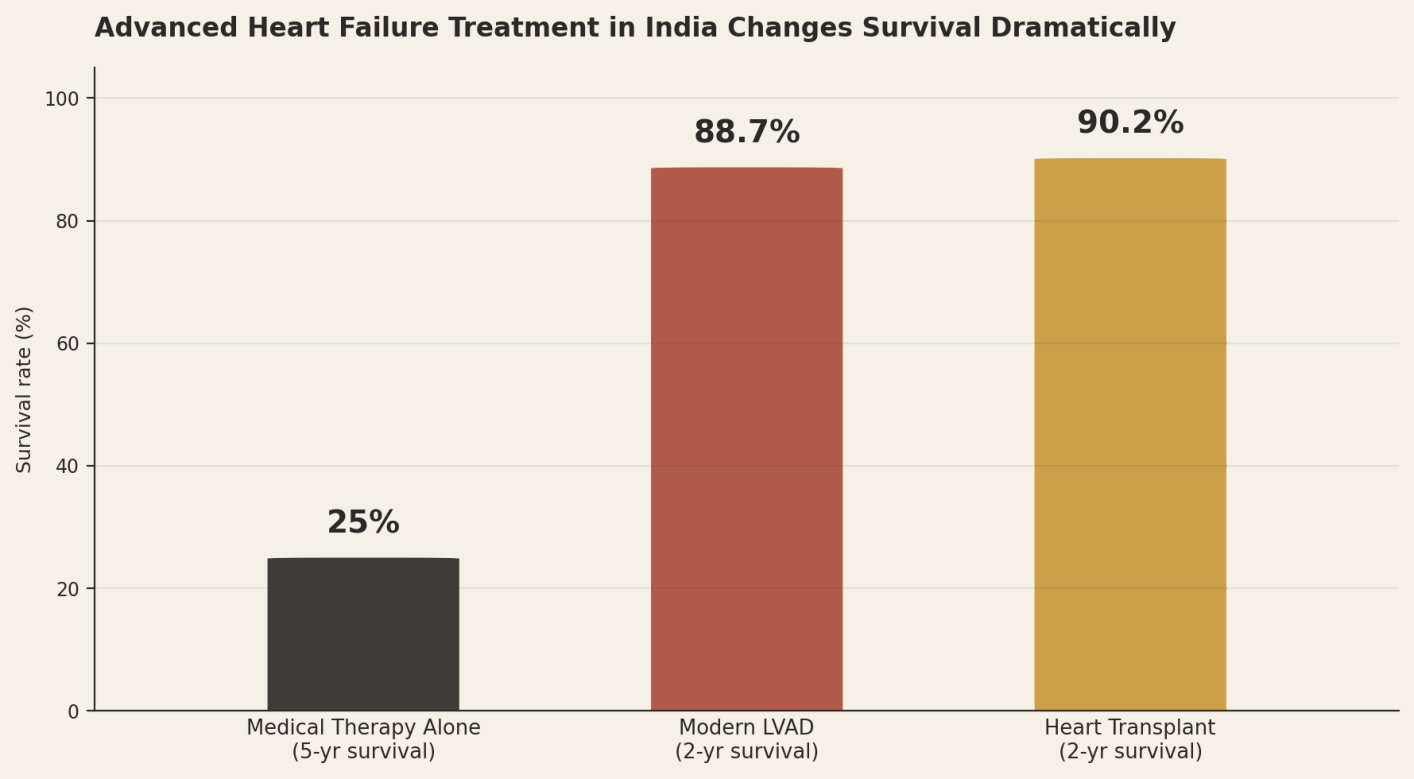
- The source presents significant differences in published survival between advanced heart failure treatment approaches. End-stage heart failure managed with medical therapy alone has been associated in the cited Indian literature with approximately 25% five-year survival. A 2025 comparative analysis reported two-year survival of 88.7% with a modern continuous-flow LVAD and 90.2% with heart transplantation in the studied younger patient population after adjustment for baseline differences. These figures are illustrative and do not establish that LVAD or transplantation is automatically preferable for every patient.
- The chart on page 2 visually compares these figures, showing 25% five-year survival for medical therapy alone, 88.7% two-year survival with modern LVAD and 90.2% two-year survival with heart transplantation. The source explicitly states that the appropriate pathway depends on disease stage and individual candidacy rather than a fixed hierarchy between these treatments.
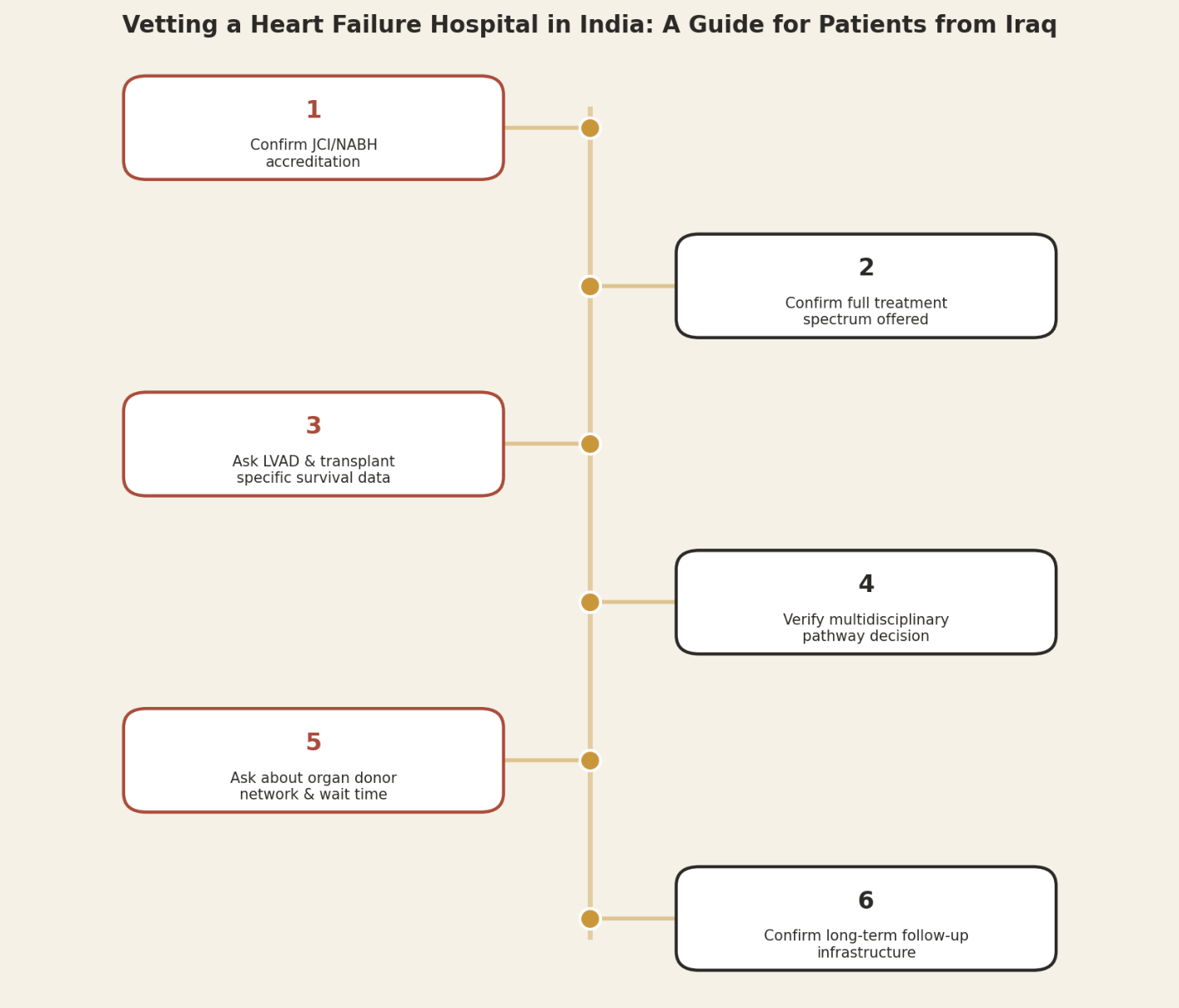
- Hospital capability is particularly important in advanced heart failure because patients may move between different treatment options as their condition evolves. The guide recommends verifying JCI and NABH accreditation and asking whether the hospital has a dedicated heart failure programme capable of providing the full spectrum from device therapy and LVAD implantation through heart transplantation. A centre offering only one or two options and referring patients elsewhere may not provide the same continuity of decision-making.
- Iraqi patients should ask for treatment-specific and centre-specific experience rather than general heart failure statistics. Important questions include whether the hospital performs LVAD implantation as both bridge-to-transplant and destination therapy, how many of each it has performed, its own heart-transplant survival at one year and beyond, and how the decision between LVAD and transplantation is made. The source also highlights experience managing right heart failure after LVAD implantation as an important capability.
- Advanced heart failure treatment requires a multidisciplinary team. The source identifies a heart failure cardiologist for medical optimisation and pathway management, a cardiac surgeon experienced in both LVAD implantation and transplantation, a transplant coordinator and a dedicated mechanical circulatory support team. A nephrologist may also form part of the extended team because kidney function and advanced heart failure frequently require coordinated management.
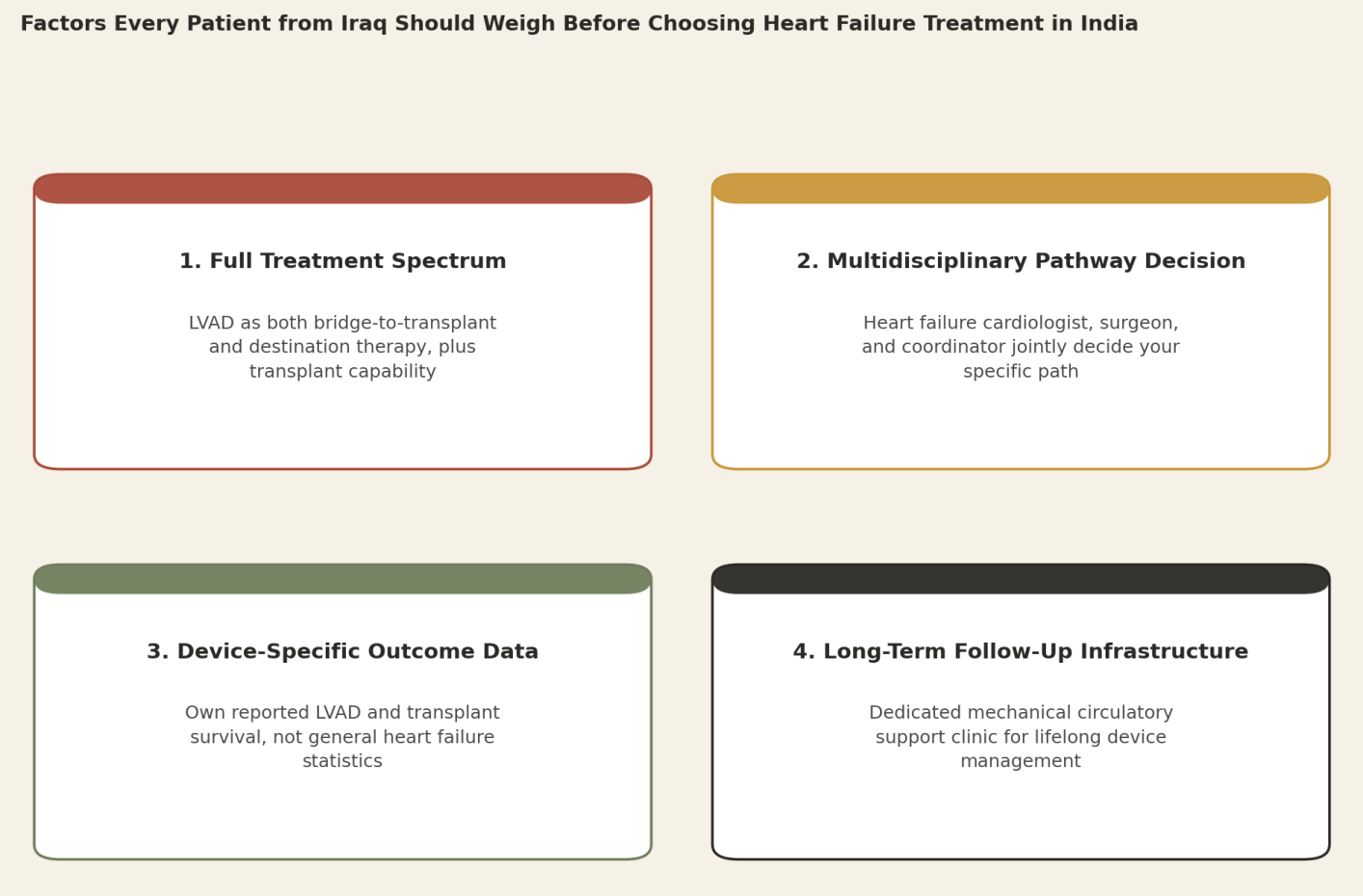
- The source identifies important warning signs: a centre that recommends the same treatment for every patient without individualised assessment, a hospital that cannot provide its own LVAD- or transplant-specific survival data, and a centre lacking structured long-term follow-up for LVAD or transplant patients. The page 4 checklist highlights full treatment spectrum, multidisciplinary pathway decision-making, device-specific and transplant-specific outcome data, and dedicated long-term follow-up infrastructure.
Quick Facts
- Treatment
- Advanced heart failure management, LVAD and heart transplantation
- Primary Patients
- Iraqi patients seeking advanced heart failure care in India
- Main Speciality
- Advanced heart failure and cardiac transplantation
- Key Team
- Heart failure cardiologist, cardiac surgeon, transplant coordinator and mechanical circulatory support team
- Treatment Spectrum
- Medical therapy, device therapy, LVAD and heart transplantation
- Medical Therapy Survival
- Approximately 25% five-year survival in cited end-stage disease literature
- Modern LVAD Survival
- 88.7% two-year survival in the cited comparative analysis
- Heart Transplant Survival
- 90.2% two-year survival in the cited comparison
- LVAD Use
- May serve as bridge-to-transplant or destination therapy
- Transplant Experience
- Ask for the centre's recent transplant volume and survival
- Decision Making
- Should be multidisciplinary and patient-specific
- Right Heart Failure
- Ask about the centre's LVAD-related management experience
- LVAD Technology
- Ask about current continuous-flow systems
- Long-Term LVAD Care
- Dedicated mechanical circulatory support follow-up is important
- Monitoring
- Device parameters and anticoagulation require ongoing management
- Transplant Access
- Ask about the organ-donation network and donor waiting time
- Accreditation
- Verify JCI and NABH accreditation
- Kidney Support
- Nephrology may be part of the advanced heart failure team
- Treatment Plan
- Obtain a written patient-specific pathway
- Author
- Dr. Dheeraj Bojwani
- Experience
- 24+ Years
In Brief
For Iraqi patients with advanced heart failure, the most important selection criterion is a hospital’s ability to evaluate the complete treatment spectrum rather than promote one procedure. The page 4 visual checklist highlights four factors: access to LVAD as bridge-to-transplant and destination therapy plus transplantation, multidisciplinary pathway decision-making, device-specific and transplant-specific outcome data, and dedicated long-term follow-up infrastructure.
Why the Choice of Heart Failure Team in India Matters as Much as the Choice of Hospital
Based on my interactions with international patients, the published data on advanced heart failure makes the stakes of this decision very clear. End-stage heart failure left on medical therapy alone carries a genuinely dismal prognosis, with published Indian medical literature citing a five-year survival of only around 25 percent for this stage of disease. Mechanical circulatory support has changed this picture dramatically for appropriately selected patients: a comparative analysis presented in 2025 found that two-year survival with a modern continuous-flow left ventricular assist device, or LVAD, was 88.7 percent, essentially matching the 90.2 percent two-year survival seen with heart transplantation in the same younger patient population after adjusting for baseline differences between groups. A single Indian centre’s own published series of 257 heart transplants performed between 2012 and 2019 documented genuine, sustained domestic experience with this exact procedure, including managing the specific infectious and rejection-related complications that follow transplant surgery. What this tells a family is important: the decision between medical therapy, an LVAD, and transplantation is not a simple hierarchy from worse to better, it is a genuinely individualised choice that depends on your specific stage of disease, age, and candidacy for each option, and a team’s specific experience guiding this choice matters as much as their surgical skill.
How Patients from Iraq Can Verify a Heart Failure Hospital’s Accreditation in India
The fastest filter I recommend to every Iraqi family calling about advanced heart failure is verifiable accreditation, not marketing language. Joint Commission International, JCI, audits a hospital’s overall clinical safety systems against the same standard used across the United States and Europe. The National Accreditation Board for Hospitals and Healthcare Providers, NABH, is India’s own domestic equivalent, and in my experience of 24 years advising families on this exact decision, a centre holding both marks together is a meaningfully stronger signal than either alone. For advanced heart failure specifically, ask one further, very direct question: does this hospital have a dedicated heart failure programme offering the full spectrum of treatment, from device therapy through LVAD implantation to heart transplantation, or does it offer only one or two of these options and refer elsewhere for the rest.
Heart Failure Volume and Treatment-Pathway Criteria That Predict Outcomes in India
Based on my interactions with dozens of heart failure programmes over the years, a centre’s specific experience across the full treatment spectrum, not simply its volume in one procedure, is one of the clearest predictors of a good outcome, since the right treatment pathway for you may only become clear after careful, specialised evaluation. Ask directly, in writing:
- Does this hospital offer LVAD implantation as both a bridge to transplant and as destination therapy for patients who are not transplant candidates, and how many of each has the team performed?
- What is the centre's own heart transplant survival at one year and beyond, and how many transplants has this specific team performed in recent years?
- How is the decision made between LVAD and transplant for a specific patient, and does a multidisciplinary heart failure team make this decision together rather than a single cardiologist or surgeon?
- What is the centre's specific experience managing right heart failure after LVAD implantation, since this is a recognised complication that significantly affects outcomes and requires specific expertise to manage well?
A centre confident in its own outcomes will answer these specifically. A centre that offers only one treatment option regardless of your specific disease stage deserves a second opinion before you commit.
Vetting a Heart Failure Hospital in India: A Guide for Patients from Iraq
Questions Patients from Iraq Should Ask About the Heart Failure Team in India
Advanced heart failure treatment is never genuinely the work of one specialist alone. In my experience of 24 years watching these programmes operate, the strongest units bring together a heart failure cardiologist to manage medical optimisation and guide the overall pathway, a cardiac surgeon experienced specifically in both LVAD implantation and transplantation, a transplant coordinator to manage the practical logistics of donor matching and post-transplant care, and a dedicated mechanical circulatory support team for the specific, ongoing management an LVAD requires after implantation. A nephrologist is often part of the extended team as well, since advanced heart failure and kidney function are closely linked, and managing both together requires specific coordination that a cardiology team working in isolation may not provide. Ask specifically who fills each of these roles for your case, and confirm that your treatment pathway has been discussed by this full team together, not decided in isolation by whichever specialist you happened to see first.
Heart Failure Technology and Infrastructure Standards in India That Patients from Iraq Should Check
The specific technology and infrastructure available changes what a centre can safely offer across the full heart failure spectrum. Ask whether the hospital offers the latest generation of continuous-flow LVAD technology, since device generation has measurably improved survival and reduced certain complications compared with older device types, including the risk of device thrombosis and hemocompatibility-related complications that earlier generations were more prone to. Ask whether the hospital has a dedicated mechanical circulatory support outpatient clinic for long-term LVAD management, since patients living with these devices need structured, ongoing monitoring for the rest of the device’s operation, including regular device parameter checks and anticoagulation management. For transplant candidates specifically, ask about the centre’s access to a functioning organ donation network and its typical waiting time for a matched donor heart. Ask directly which of these specific capabilities apply to your case, not simply whether the hospital owns the equipment somewhere in the building.
Red Flags Patients from Iraq Should Watch For When Choosing a Heart Failure Hospital in India
Over the years, certain patterns have become reliable warning signs for me. A hospital that recommends the same treatment, whether LVAD or transplant, for every advanced heart failure patient without an individualised evaluation of candidacy for each option has not engaged with the actual complexity of your case. A centre that cannot state its own transplant or LVAD-specific survival data, offering only a general reassurance about heart failure care, has not given you information you can use. And a centre without a dedicated, structured plan for long-term LVAD or post-transplant follow-up is asking you to manage a lifelong condition without the ongoing support it genuinely requires.
Factors Every Patient from Iraq Should Weigh Before Choosing Heart Failure Treatment in India
A Closing Thought for Iraqi Families
Advanced heart failure deserves a treatment pathway chosen by a genuinely multidisciplinary team with deep experience across the full spectrum of options, not a single procedure recommended by a single specialist regardless of your specific stage of disease. Based on my interactions with international patients over more than two decades, the families who ask about treatment-pathway decision-making, device-specific and transplant-specific outcomes, and long-term follow-up infrastructure consistently make better-informed decisions than those who accept a single recommendation without question. My role, and the role of any advisor a family works with, should be to help you ask these exact questions and confirm honestly that the specific team and specific hospital in front of you are the right fit for your family’s exact situation. Iraq’s families deserve the same standard of scrutiny in this decision as any family anywhere else in the world.
Sources & Further Reading
- Joint Commission International (JCI) — Accredited Organizations Directory (jointcommissioninternational.org)
- National Accreditation Board for Hospitals & Healthcare Providers (NABH), India (nabh.co)
- PubMed Central — Management Protocols for Chronic Heart Failure in India (pmc.ncbi.nlm.nih.gov)
- PubMed Central — Medium Term Results Following Heart Transplantation for End Stage Heart Failure: A Single Centre Experience of 257 Patients (pmc.ncbi.nlm.nih.gov)
- Journal of the American College of Cardiology: Heart Failure — LVAD vs. Heart Transplant Survival Comparison (jacc.org)
Frequently Asked Questions by Iraqi Patients about Selecting a Heart Failure Surgeon and Hospital in India
Can Iraqi patients receive advanced heart failure treatment in India?
Yes. The guide specifically addresses advanced heart failure care for Iraqi patients and discusses medical therapy, LVAD support and heart transplantation as possible parts of an individualised treatment pathway.
Can Iraqi patients receive LVAD implantation in India?
Yes. The source recommends asking whether the hospital performs LVAD implantation both as bridge-to-transplant therapy and as destination therapy for patients who are not transplant candidates.
Can Iraqi patients undergo heart transplantation in India?
The guide specifically discusses heart transplantation as an option for appropriately selected patients and recommends checking the hospital's recent transplant volume, survival outcomes and organ-donation network.
How should Iraqi patients choose between LVAD and heart transplantation?
The choice should be made after individual assessment of disease stage and candidacy. The source recommends that a multidisciplinary heart failure team, rather than one specialist alone, make this decision.
What is the reported survival with modern LVAD treatment?
The cited comparative analysis reported 88.7% two-year survival with a modern continuous-flow LVAD in the studied population. This figure should not be interpreted as an individual patient's expected outcome.
What is the reported survival after heart transplantation?
The cited comparison reported 90.2% two-year survival in the studied younger transplant population. Individual outcomes depend on patient selection, disease characteristics and centre-specific factors.
Can LVAD be used as destination therapy for Iraqi patients?
Yes. The source specifically recommends asking whether the hospital performs LVAD as destination therapy for patients who are not candidates for transplantation, in addition to using LVAD as a bridge to transplant.
What specialists should be involved in advanced heart failure treatment for Iraqi patients?
The guide recommends a heart failure cardiologist, cardiac surgeon experienced in LVAD and transplantation, transplant coordinator and dedicated mechanical circulatory support team. A nephrologist may also be involved when kidney function requires coordinated care.
What long-term follow-up do Iraqi patients need after LVAD treatment?
Patients require structured ongoing monitoring, including device parameter checks and anticoagulation management. The source recommends confirming that the hospital has a dedicated mechanical circulatory support outpatient service before treatment.
What should Iraqi patients check before choosing a heart failure hospital in India?
They should verify accreditation, confirm access to the full treatment spectrum, request LVAD- and transplant-specific outcome data, ensure multidisciplinary pathway assessment and establish long-term follow-up arrangements before travelling for treatment.
Page Summary
Advanced heart failure can require very different treatment approaches depending on disease stage and individual candidacy. The source compares medical therapy, modern continuous-flow LVAD and heart transplantation while emphasising that the survival figures should not be interpreted as a universal ranking of treatments.
For Iraqi patients travelling to India, the hospital should ideally provide a broad advanced heart failure programme, multidisciplinary pathway assessment, procedure-specific outcome data and structured long-term support. The ability to provide LVAD implantation, transplantation and ongoing mechanical circulatory support can be particularly important when treatment needs change over time.
Citation Block
| Field | Details |
|---|---|
| Article / Topic | Selecting the Best Heart Failure Surgeons and Hospitals in India |
| Primary Patients | Patients from Iraq |
| Treatment Area | Advanced heart failure |
| Treatment Spectrum | Medical therapy, LVAD and heart transplantation |
| End-Stage Medical Therapy | Approximately 25% five-year survival in cited literature |
| Modern LVAD | 88.7% two-year survival in cited comparative analysis |
| Heart Transplantation | 90.2% two-year survival in cited comparison |
| LVAD Role | Bridge-to-transplant or destination therapy |
| Transplant Experience | Ask for recent team-specific volume and survival |
| Pathway Decision | Should be individualised according to disease stage and candidacy |
| Multidisciplinary Team | Heart failure cardiologist, cardiac surgeon, transplant coordinator and MCS team |
| Extended Team | Nephrologist may support combined heart and kidney management |
| Right Heart Failure | Specific LVAD management experience should be assessed |
| LVAD Technology | Ask about modern continuous-flow systems |
| MCS Clinic | Dedicated long-term mechanical circulatory support clinic |
| LVAD Monitoring | Device parameters and anticoagulation management |
| Transplant Network | Ask about functioning organ-donation network |
| Donor Waiting Time | Ask for the centre's typical matched-heart waiting time |
| Accreditation | JCI and NABH |
| Pre-Travel Assessment | Cardiac records and investigations should be reviewed |
| Long-Term Follow-Up | Should be planned before returning to Iraq |


Our Mission Statement
Our mission is to place patients at the centre of every healthcare decision by providing trustworthy, evidence-based, and unbiased medical information. We believe that informed patients make better decisions. Backed by personalised guidance from our experienced advisory team, we help patients understand their treatment options, compare them objectively, and confidently choose the path that best suits their medical needs and personal circumstances.
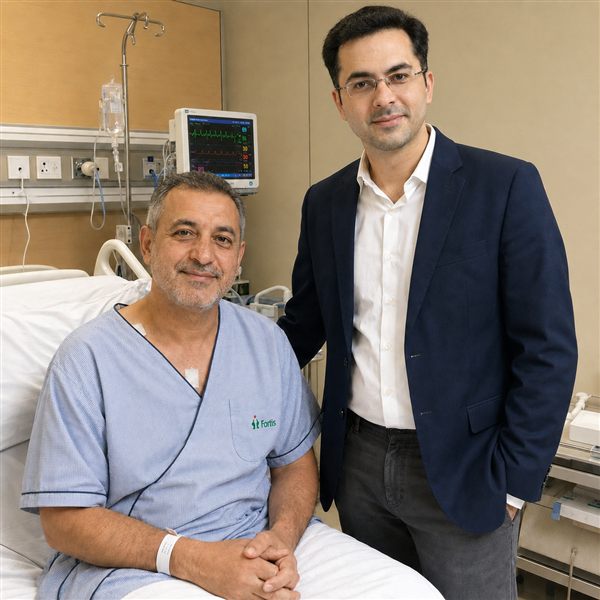
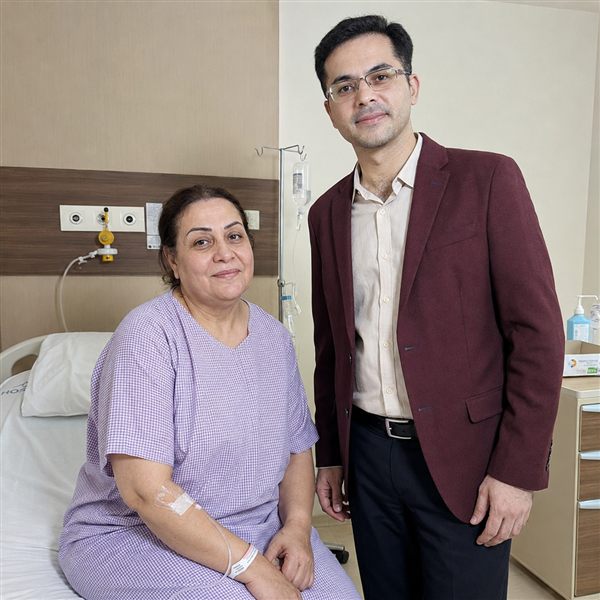
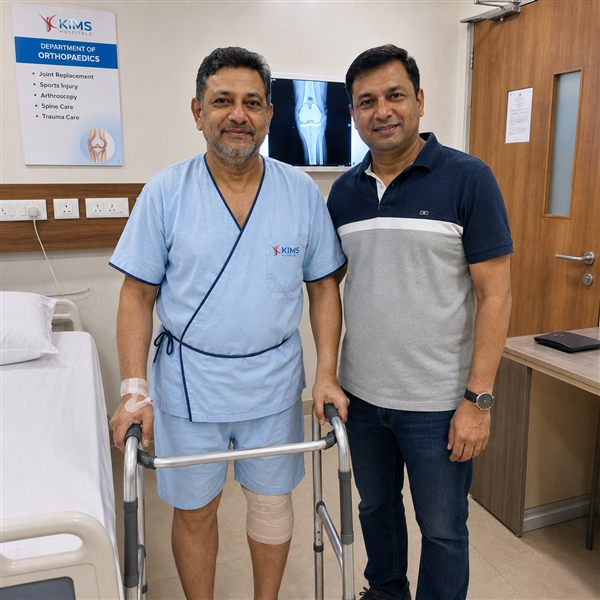
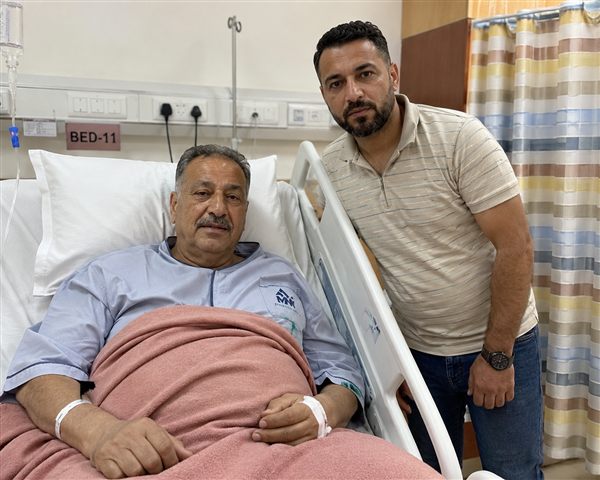
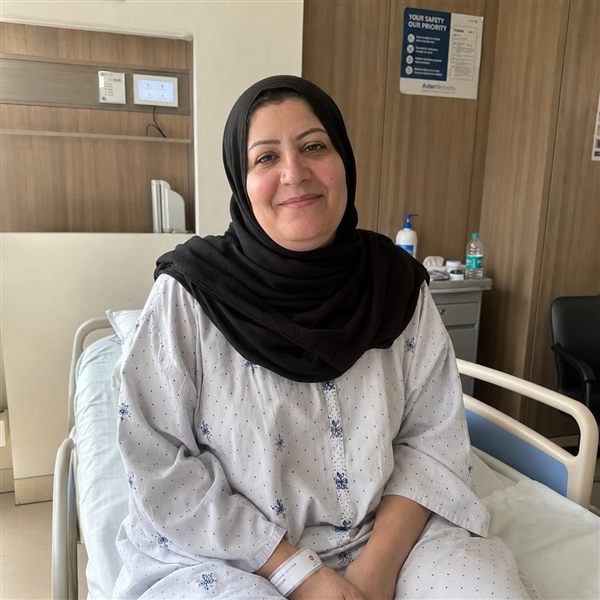
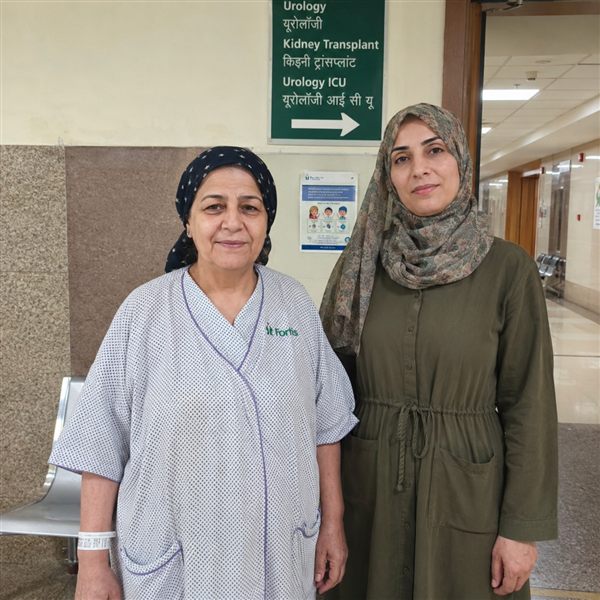
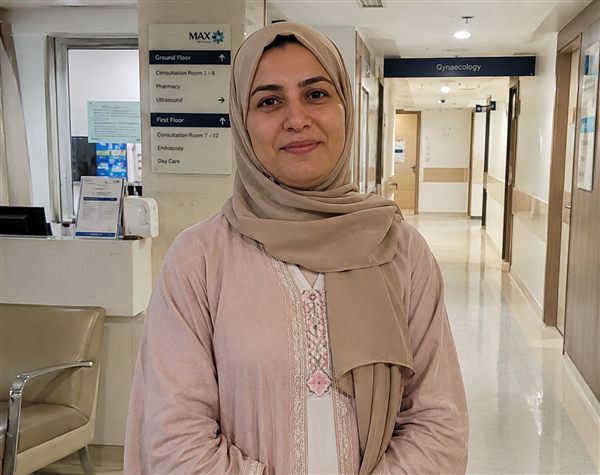
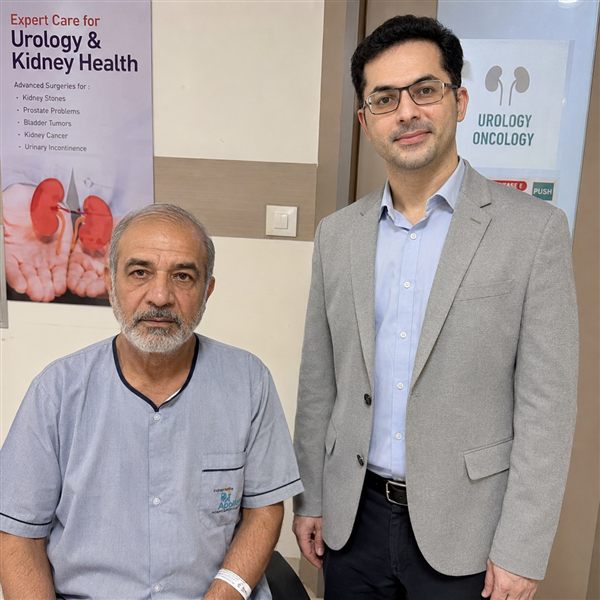
Patient Testimonials from Iraq





Ready to Take the First Step?
Share your Medical Reports with our Healthcare Managers Today and Get a FREE CONSULTATION, a Personalized Treatment Plan, and Complete Support from Arrival to Recovery.
Get Your Free ConsultationAreas We Serve
Indian Health Guru Consultants proudly assists patients from Iraq and surrounding Middle Eastern countries in accessing advanced, affordable and trusted medical treatment in India. Our team provides complete support for medical opinions, hospital selection, treatment planning, visa assistance, travel coordination, accommodation and post-treatment follow-up.
We regularly serve patients from:
- Iraq
- Turkey
- Iran
- Kuwait
- Jordan
- Syria
- Qatar
- Bahrain
- Oman
- Yemen
- Saudi Arabia
- United Arab Emirates
No matter where you are located, our experienced team is committed to making your medical journey to India safe, smooth, transparent and stress-free from the first enquiry to your return home.
From Iraq to India: Your Complete Patient Guide
- Neurosurgery in India for Iraqis
- Kidney Transplant in India for Iraqis
- Heart Failure Treatment and Surgery in India for Iraqis
- Cardiac Pacemaker Treatment in India for Iraqi Patients
- Penile Implant Surgery in India for Iraqis
- IVF and Fertility Treatment in India for Iraqis
- Plastic and Reconstructive Surgery in India for Iraqis
- Colorectal Cancer Treatment and Surgery in India for Iraqis
- Shoulder Surgery in India for Iraqis
- HIPEC Cancer Surgery in India for Iraqis
- Paediatric Orthopaedic Surgery in India for Iraqis
- Brain Tumour Surgery in India for Iraqi Patients
- Liver Transplant in India for Iraqis
- Radiotherapy and Modern Cancer Treatment in India for Iraqis
- Neuronavigation and Advanced Brain Surgery in India for Iraqis
- Leukemia, Lymphoma and Blood Cancer Treatment in India for Iraqis
- Cervical and Lumbar Disc Replacement Surgery in India for Iraqis
- Gamma Knife Treatment in India for Iraqis