

Selecting the Best Shoulder Surgeons and Hospitals in India: A Guide for Patients from Iraq
A doctor’s honest, question-by-question guide for patients from Iraq on vetting a shoulder surgery hospital in India — tear-specific outcomes, accreditation, and the exact questions worth asking before you book anything.
Over the years, I have found that rotator cuff repair is one of the shoulder procedures where a family most needs to understand a specific, sometimes confusing distinction: whether the tendon has structurally healed on imaging is not always the same as whether the patient feels genuinely better, and a hospital quoting a single “success rate” should be asked exactly which of these two things that number actually describes.
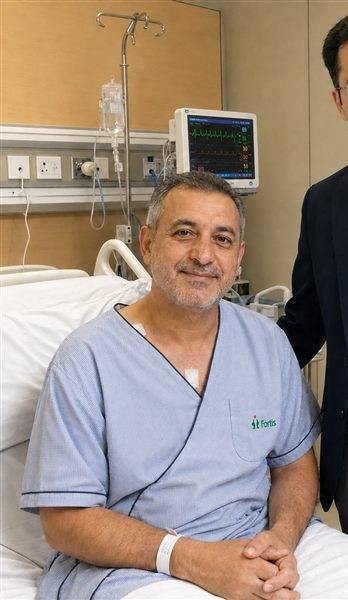
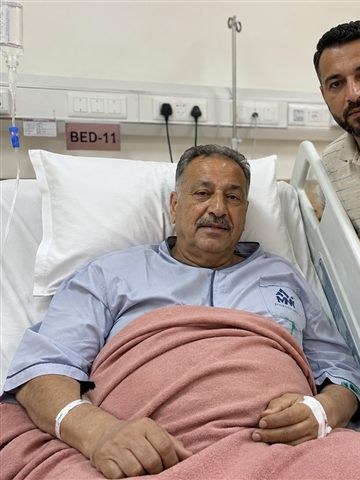
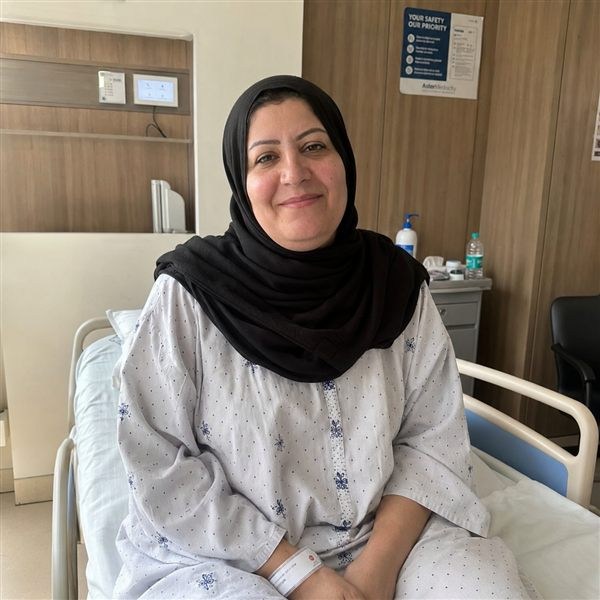
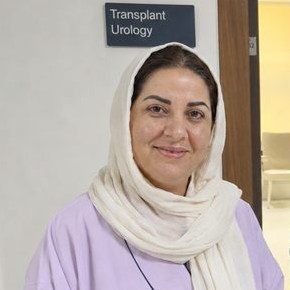
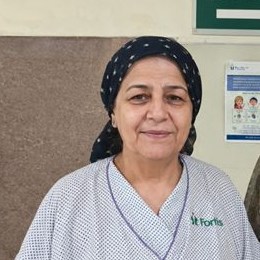
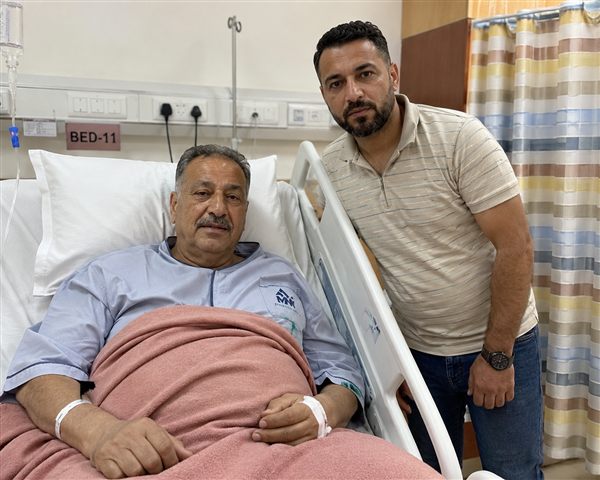
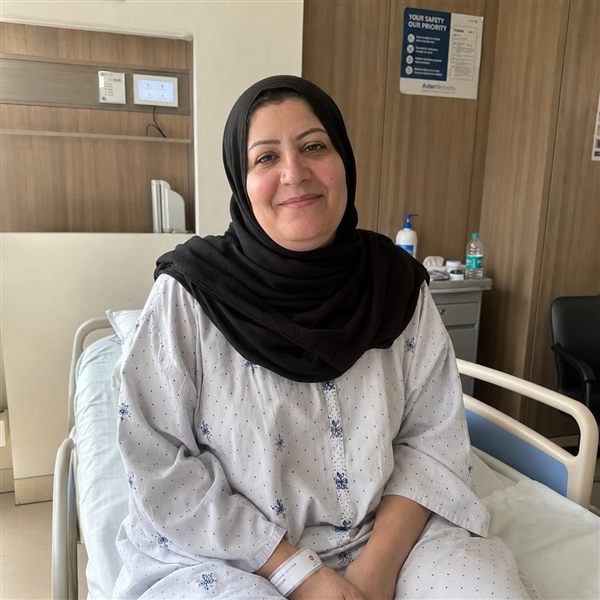
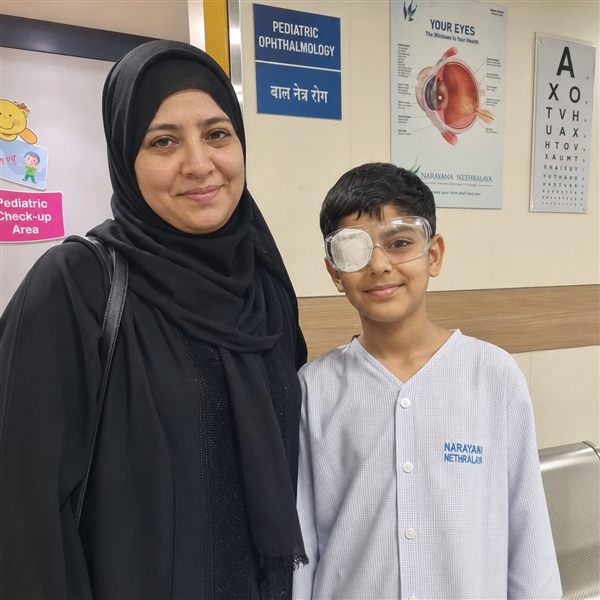
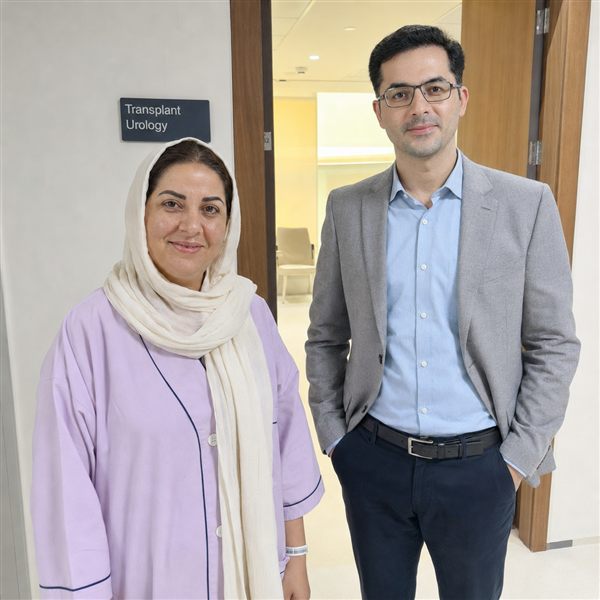
Healing Journeys of Iraqi Patients
Key Takeaways
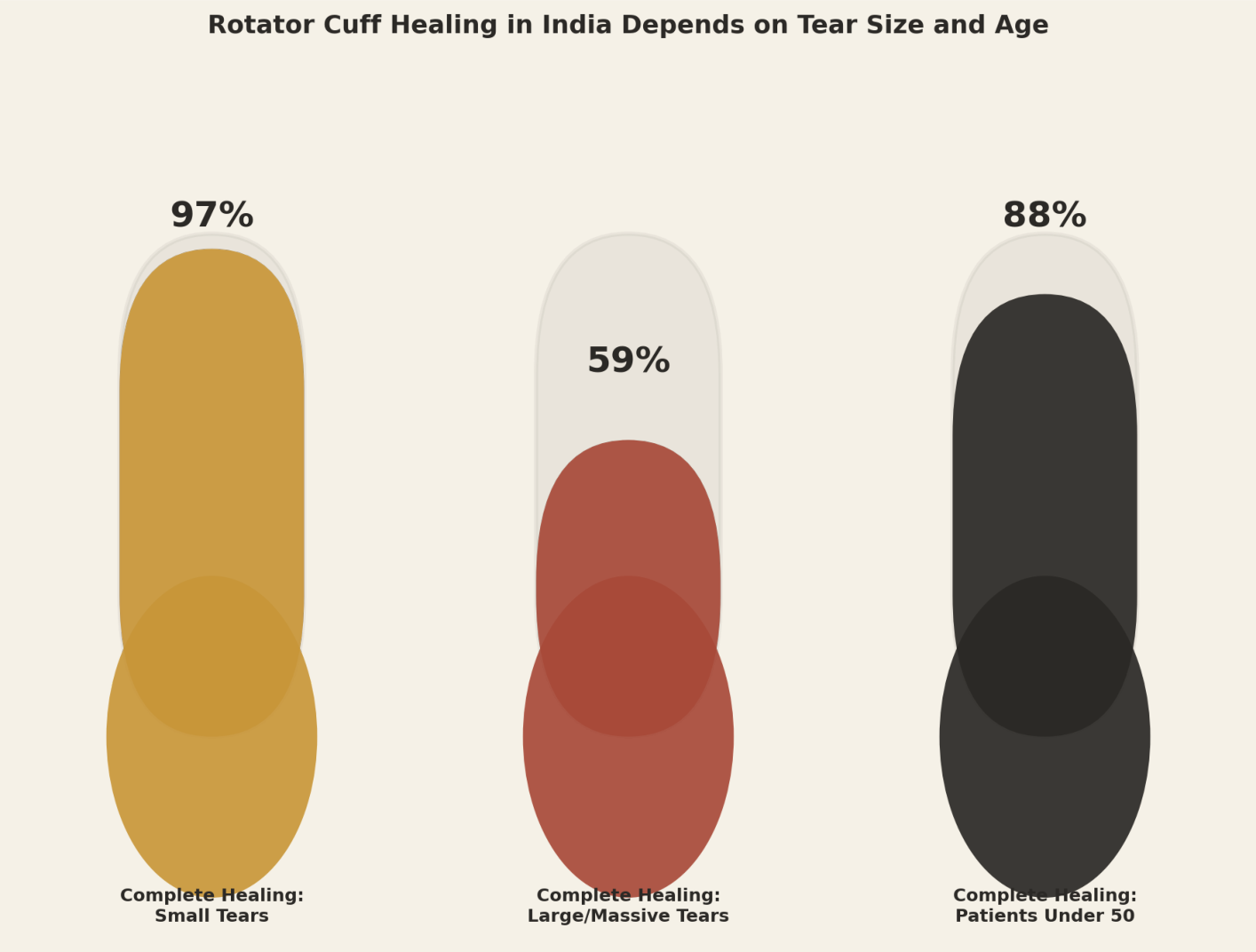
- Rotator cuff repair outcomes depend heavily on the characteristics of the tear and the patient. The cited study reported complete structural healing of 96.7% for small tears, 87.3% for medium tears and 58.8% for large or massive tears. Healing also declined with age, from 87.8% in patients younger than 50 to 65.4% in patients older than 61.
- The source highlights an especially important high-risk combination: age 75 or older, significant fatty degeneration of the shoulder muscle and a tear larger than 25 mm. Together, these factors were associated with a reported 75% failure rate, suggesting that alternative treatment may need to be considered rather than automatically proceeding with repair.
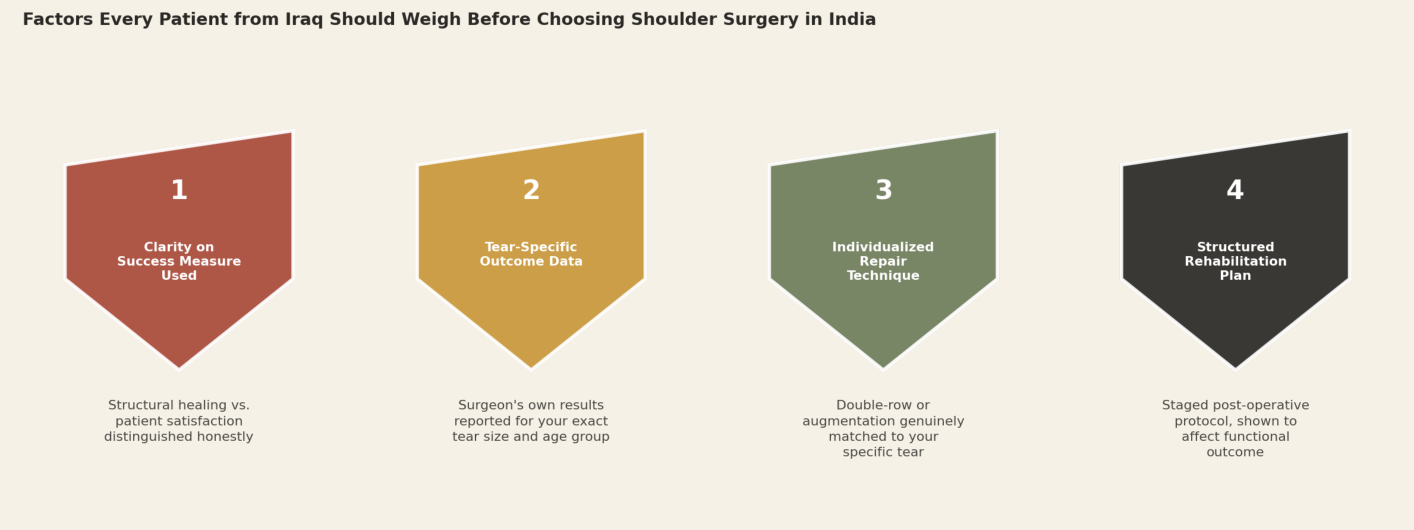
- Structural healing on an MRI is not the only measure of whether shoulder surgery has helped. The guide notes that some patients experience meaningful pain relief and satisfaction even when the tendon does not completely heal structurally. Iraqi patients should therefore ask whether a hospital's quoted success rate refers to imaging-based healing, functional scores or patient-reported satisfaction.
- The page 2 visual compares approximately 97% complete healing for small tears, 59% for large or massive tears and 88% for patients under 50. These figures demonstrate how tear size and age can substantially change realistic expectations and should not be interpreted as guaranteed outcomes for an individual patient.
- Iraqi patients should ask the surgeon for outcome information specific to their tear size, age and degree of fatty degeneration. The source recommends asking about the surgeon's own retear rate for similar tears and whether repair remains the most appropriate option compared with alternative treatment approaches.
- Successful rotator cuff surgery requires more than the operating surgeon. The source identifies a shoulder surgeon with arthroscopic training, a radiologist experienced in grading tear size and fatty degeneration, a physiotherapist providing staged rehabilitation and, where necessary, an occupational therapist who can tailor recovery to work and daily activities.
- Surgical technique and postoperative rehabilitation should also be matched to the tear. For larger tears, patients can ask whether double-row repair is appropriate, whether biologic augmentation such as a dermal allograft is suitable for difficult or previously repaired tears and whether suture anchors are selected according to bone quality. A written, staged rehabilitation plan should also be available before surgery.
Quick Facts
- Treatment
- Shoulder surgery and rotator cuff repair
- Primary Patients
- Iraqi patients seeking shoulder treatment in India
- Main Speciality
- Shoulder and arthroscopic surgery
- Key Specialist
- Shoulder surgeon with arthroscopic training
- Small-Tear Healing
- 96.7% in the cited study
- Medium-Tear Healing
- 87.3%
- Large/Massive-Tear Healing
- 58.8%
- Healing Under 50
- 87.8%
- Healing Over 61
- 65.4%
- High-Risk Combination
- Age 75+, significant fatty degeneration and tear larger than 25 mm
- Reported High-Risk Failure
- 75% in the cited combination
- Outcome Measures
- Structural healing, functional outcome and patient satisfaction
- Technique
- Double-row repair may be considered for larger tears
- Biologic Augmentation
- Dermal allograft may be considered for selected difficult tears
- Imaging
- Preoperative assessment of tear size and fatty degeneration
- Core Team
- Shoulder surgeon, radiologist and physiotherapist
- Additional Support
- Occupational therapist when work or daily demands require tailored rehabilitation
- Rehabilitation
- Structured and staged after surgery
- Accreditation
- Verify current JCI and/or NABH status
- Key Selection Factor
- Tear-specific surgeon outcomes
- Main Red Flag
- Generic success rate without defining the outcome
- Author
- Dr. Dheeraj Bojwani
- Experience
- 24+ Years
In Brief
For Iraqi patients considering shoulder surgery in India, the most useful assessment is a personalised evaluation of tear size, muscle fatty degeneration, age and functional requirements rather than a generic surgical success percentage. Patients should clarify what the quoted outcome measure represents, ask for tear-specific retear data, understand whether repair is appropriate for their risk profile and confirm that structured rehabilitation is included. Hospitals should also have the imaging expertise and surgical techniques required for complex rotator cuff tears.
Why the Choice of Shoulder Surgeon in India Matters as Much as the Choice of Technique
Based on my interactions with international patients, published research on rotator cuff repair makes this distinction, and its dependence on tear characteristics, genuinely clear. A detailed study tracking structural healing after arthroscopic repair found a complete healing rate of 96.7 percent for small tears, falling to 87.3 percent for medium tears, and to just 58.8 percent for large or massive tears, a dramatic decline driven by tear size itself rather than surgical technique. The same study found healing rates declined with age as well, from 87.8 percent in patients under fifty to 65.4 percent in patients over sixty-one. A separate study identified a specific combination of risk factors, age seventy-five or older, significant fatty degeneration of the muscle, and a tear larger than twenty-five millimetres, that together produced a 75 percent failure rate, a genuinely important finding suggesting that for this specific combination, alternative treatment may deserve serious consideration rather than proceeding directly to repair. Importantly, several studies have found that even when a tendon does not fully heal structurally, patients frequently still report meaningful pain relief and satisfaction, meaning a retear on imaging does not automatically mean the surgery failed to help the patient in the way that matters most to them. This tells a family something essential: your specific tear size, age, and muscle quality should shape realistic expectations, and a “success rate” should always be understood as referring to a specific, named outcome measure, not a vague general impression.
How Patients from Iraq Can Verify a Shoulder Surgery Hospital’s Accreditation in India
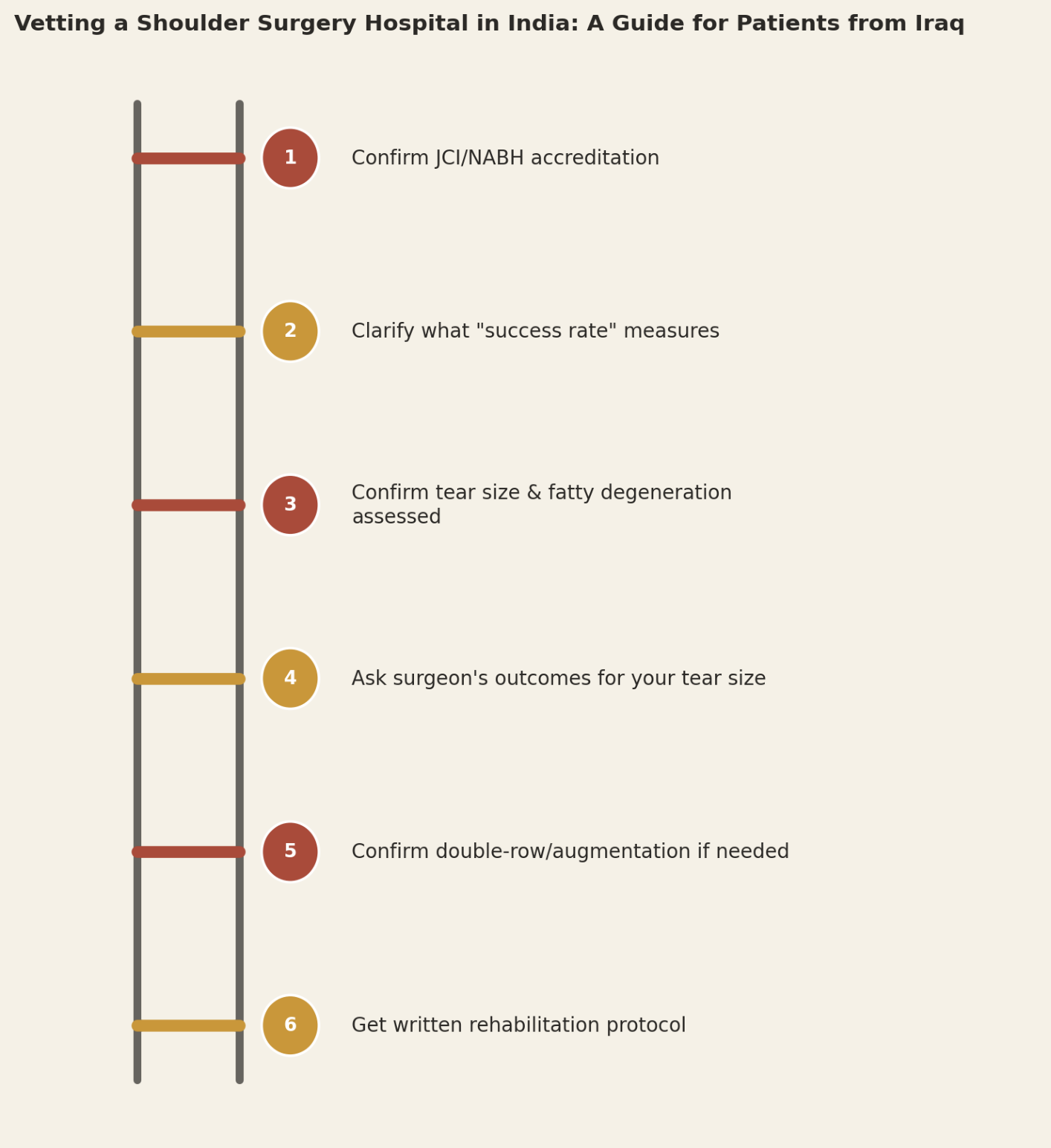
The fastest filter I recommend to every Iraqi patient calling about rotator cuff repair is verifiable accreditation, not marketing language. Joint Commission International, JCI, audits a hospital’s overall clinical safety systems against the same standard used across the United States and Europe. The National Accreditation Board for Hospitals and Healthcare Providers, NABH, is India’s own domestic equivalent, and in my experience of 24 years advising patients on this exact decision, a centre holding both marks together is a meaningfully stronger signal than either alone. For rotator cuff repair specifically, ask one further, very direct question: does the surgeon’s quoted success rate refer to structural healing on imaging, functional outcome scores, or patient-reported satisfaction, since these are genuinely different measures that can tell quite different stories about the same surgery.
Shoulder Surgery Volume and Tear-Specific Criteria That Predict Outcomes in India
Based on my interactions with dozens of shoulder surgery programmes over the years, a surgeon’s specific outcome data by tear size and patient age, not a single blended success statistic, is one of the clearest signs of a trustworthy, evidence-based recommendation. In my experience of 24 years advising patients on exactly this kind of decision, the surgeons most worth trusting are the ones who discuss your specific tear characteristics unprompted, rather than offering a single number that applies to every patient regardless of their situation. Ask directly, in writing:
- What is my specific tear size and degree of muscle fatty degeneration, and what does published evidence, or this surgeon's own data, suggest about realistic healing and functional outcomes for a case like mine?
- Is repair the most appropriate option for my specific combination of age, tear size, and muscle quality, or might an alternative approach be more suitable given my particular risk profile?
- What is this surgeon's own retear rate specifically for tears of my size, and how does the surgeon frame the relationship between structural healing and how patients actually feel afterward?
- What does the post-operative rehabilitation protocol look like specifically, given how much published research links structured rehabilitation to a good functional outcome regardless of imaging findings?
A surgeon confident in their own reasoning will answer these specifically. A surgeon who quotes only a single success percentage without asking about your specific tear characteristics deserves a second opinion before you commit.
Vetting a Shoulder Surgery Hospital in India: A Guide for Patients from Iraq
Questions Patients from Iraq Should Ask About the Shoulder Surgery Team in India
Rotator cuff repair benefits from more than the operating surgeon alone. In my experience of 24 years watching these programmes operate, the strongest units include a shoulder surgeon with specific fellowship training in arthroscopic technique, a radiologist experienced in accurately grading tear size and fatty degeneration on pre-operative imaging, and a dedicated physiotherapist to guide the specific, staged rehabilitation protocol that begins after surgery. An occupational therapist is a further valuable addition for patients whose work or daily activities place particular demands on shoulder function, since tailoring rehabilitation to your specific lifestyle can meaningfully affect your practical, day-to-day outcome. Ask specifically who fills each of these roles for your case, and confirm that your pre-operative imaging has been carefully reviewed to characterise your specific tear before a final recommendation is made.
Shoulder Surgery Technology Standards in India That Patients from Iraq Should Check
The specific technology and technique available change what a surgeon can achieve for your specific tear. Ask whether the hospital uses double-row repair technique for larger tears specifically, since this approach has been associated with a broader area of tendon-to-bone contact compared with simpler single-row technique. Ask whether biologic augmentation, such as a dermal allograft patch, is available and genuinely appropriate for large or previously repaired tears, since this option has shown promise for particularly challenging cases in published research. Ask also whether suture anchor selection is tailored to your specific bone quality, since anchor pull-out is a recognised mode of repair failure that appropriate anchor choice can help reduce. Ask directly which of these specific capabilities apply to your case, not simply whether the hospital performs shoulder arthroscopy in general terms.
Red Flags Patients from Iraq Should Watch For When Choosing a Shoulder Surgery Hospital in India
Over the years, certain patterns have become reliable warning signs for me. A surgeon who quotes a single success rate without clarifying whether it means structural healing or patient satisfaction has not given you a genuinely useful figure. A surgeon who recommends repair for a very large tear in an older patient with significant fatty degeneration, without discussing the substantially higher failure risk this specific combination carries, has not given you the complete picture. And a hospital without a structured, staged post-operative rehabilitation protocol is not equipped to support the recovery process that meaningfully affects your final outcome.
Factors Every Patient from Iraq Should Weigh Before Choosing Shoulder Surgery in India
A Closing Thought for Iraqi Patients
Rotator cuff repair deserves a treatment plan built around your specific tear size, age, and muscle quality, with an honest distinction between structural healing and how you will actually feel afterward, not a single reassuring percentage detached from these specifics. Based on my interactions with international patients over more than two decades, the patients who ask about tear-specific outcomes, the meaning behind quoted success rates, and structured rehabilitation consistently achieve more realistic, satisfying results than those who accept a general reassurance alone. My role, and the role of any advisor a patient works with, should be to help you ask these exact questions and confirm honestly that the specific surgeon and specific hospital in front of you are the right fit for your exact case. Iraq’s patients deserve the same standard of scrutiny in this decision as any patient anywhere else in the world.
Sources & Further Reading
- Joint Commission International (JCI) — Accredited Organizations Directory (jointcommissioninternational.org)
- National Accreditation Board for Hospitals & Healthcare Providers (NABH), India (nabh.co)
- PMC — The Factors Affecting the Clinical Outcome and Integrity of Arthroscopically Repaired Rotator Cuff Tears of the Shoulder (ncbi.nlm.nih.gov/pmc)
- PMC — Critical Predictors of the Outcomes of Rotator Cuff Arthroscopic Repair (ncbi.nlm.nih.gov/pmc)
- PMC — Rotator Cuff Repair with Single Row Technique Provides Satisfying Clinical Results Despite Consistent MRI Retear Rate (ncbi.nlm.nih.gov/pmc)
Frequently Asked Questions by Iraqi Patients about Selecting a Shoulder Surgeon and Hospital in India
Is rotator cuff repair available in India for Iraqi patients?
Yes. The source specifically discusses rotator cuff repair and provides criteria for Iraqi patients evaluating shoulder surgeons and hospitals in India.
How successful is rotator cuff repair for small tears?
The cited study reported a 96.7% complete structural healing rate for small tears. However, this is a study-level figure and should not be treated as an individual patient's guaranteed result.
How does tear size affect rotator cuff surgery outcomes?
Structural healing declined from 96.7% for small tears to 87.3% for medium tears and 58.8% for large or massive tears in the cited study. Tear size should therefore be considered when discussing expected results.
Does age affect rotator cuff repair healing for Iraqi patients?
Yes. The cited study reported structural healing of 87.8% in patients under 50 compared with 65.4% in patients over 61. Age should therefore be considered alongside tear characteristics and muscle quality.
Should an older Iraqi patient with a large rotator cuff tear always undergo repair?
Not necessarily. The source identifies a combination of age 75 or older, significant fatty degeneration and a tear larger than 25 mm that was associated with a 75% failure rate. Alternative treatment may deserve consideration in such cases.
Does a retear on MRI mean rotator cuff surgery has failed?
Not automatically. The source notes that some patients report meaningful pain relief and satisfaction even when complete structural healing has not occurred. Patients should therefore consider both imaging and functional outcomes.
What should Iraqi patients ask about double-row rotator cuff repair?
For larger tears, patients can ask whether double-row repair is appropriate and why it may provide an advantage for their particular tear. The decision should be based on the individual anatomy rather than used routinely for every patient.
Is biologic augmentation available for difficult rotator cuff tears in India?
The source recommends asking whether biologic augmentation such as a dermal allograft is available and genuinely appropriate for large or previously repaired tears. It should be considered according to the individual case.
What rehabilitation is needed after rotator cuff repair?
The source recommends a structured, staged rehabilitation programme guided by a dedicated physiotherapist. Rehabilitation should be adapted to the patient's shoulder condition and, where relevant, occupational or daily activity requirements.
How should Iraqi patients choose the best shoulder surgeon in India?
They should compare tear-specific healing and retear outcomes, the surgeon's experience with similar tears, assessment of fatty degeneration, appropriate repair techniques and the hospital's rehabilitation programme. A surgeon who provides only a general success percentage without explaining what it measures deserves further scrutiny.
Page Summary
For Iraqi patients seeking shoulder surgery in India, rotator cuff repair should be planned around the individual's tear size, age and muscle quality. The source shows a substantial difference in structural healing between small and large or massive tears and highlights a particularly high-risk combination involving advanced age, fatty degeneration and a large tear.
Patients should compare surgeons based on tear-specific outcomes, appropriate repair techniques, preoperative imaging assessment and structured rehabilitation. The distinction between structural tendon healing and how the patient actually feels after surgery is particularly important when evaluating treatment results.
Citation Block
| Field | Details |
|---|---|
| Article / Topic | Selecting the Best Shoulder Surgeons and Hospitals in India |
| Target Country | Iraq |
| Treatment Area | Shoulder surgery and rotator cuff repair |
| Main Speciality | Shoulder and arthroscopic surgery |
| Small-Tear Healing | 96.7% |
| Medium-Tear Healing | 87.3% |
| Large/Massive-Tear Healing | 58.8% |
| Healing Under 50 | 87.8% |
| Healing Over 61 | 65.4% |
| High-Risk Age Group | 75 years or older |
| High-Risk Tear Size | Greater than 25 mm |
| High-Risk Muscle Factor | Significant fatty degeneration |
| Reported Combined Failure Rate | 75% |
| Outcome Distinction | Structural healing versus functional improvement and satisfaction |
| Key Selection Factor | Tear-specific outcome data |
| Imaging Assessment | Tear size and fatty degeneration |
| Surgical Technique | Double-row repair for selected larger tears |
| Biologic Option | Dermal allograft augmentation for selected difficult tears |
| Anchor Selection | Should consider bone quality |
| Core Team | Shoulder surgeon, radiologist and physiotherapist |
| Additional Rehabilitation | Occupational therapy where appropriate |
| Postoperative Care | Staged rehabilitation protocol |
| Accreditation | JCI and/or NABH |
| Main Red Flag | Single success rate without defining the outcome |
| Decision Principle | Match treatment to tear characteristics and patient risk |

Our Mission Statement
Our mission is to place patients at the centre of every healthcare decision by providing trustworthy, evidence-based, and unbiased medical information. We believe that informed patients make better decisions. Backed by personalised guidance from our experienced advisory team, we help patients understand their treatment options, compare them objectively, and confidently choose the path that best suits their medical needs and personal circumstances.
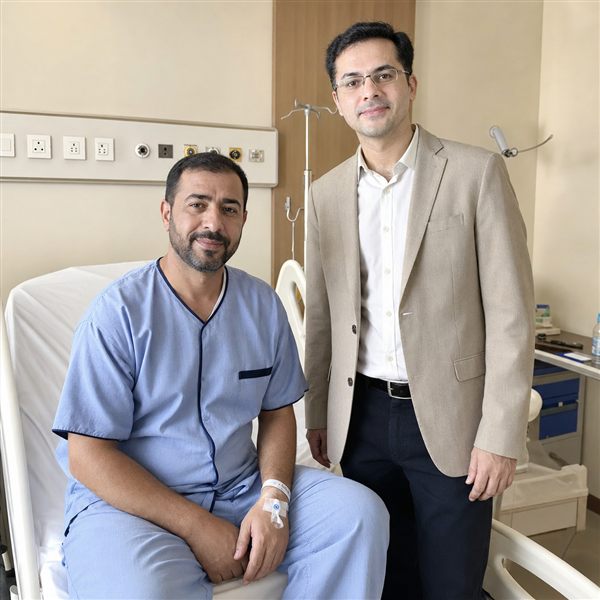
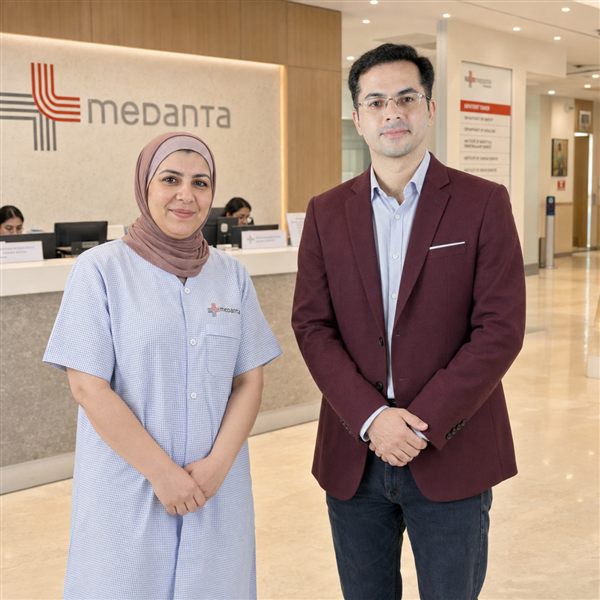
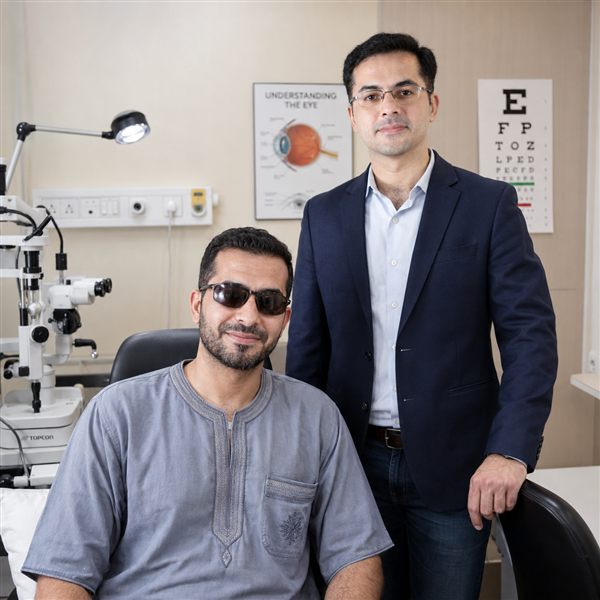
Patient Testimonials from Iraq
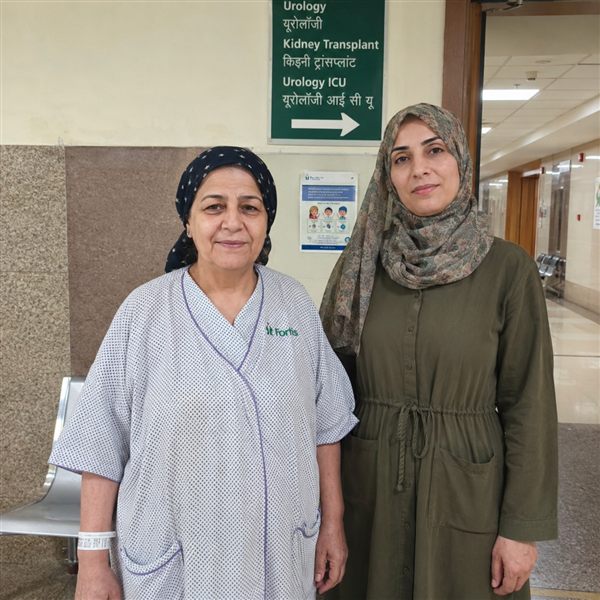
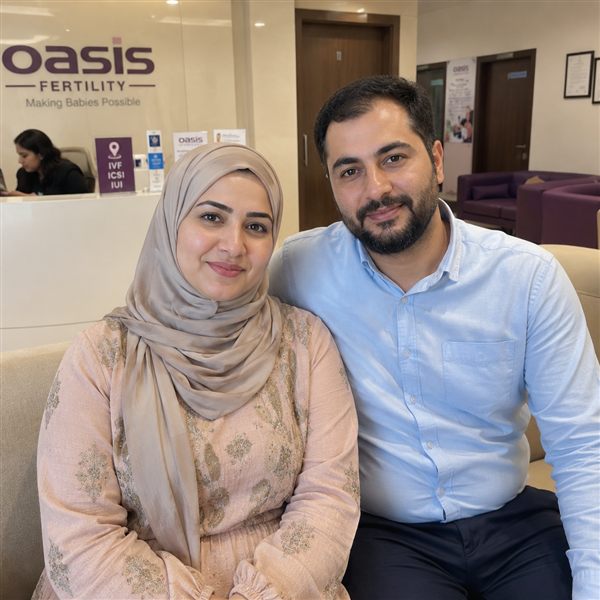
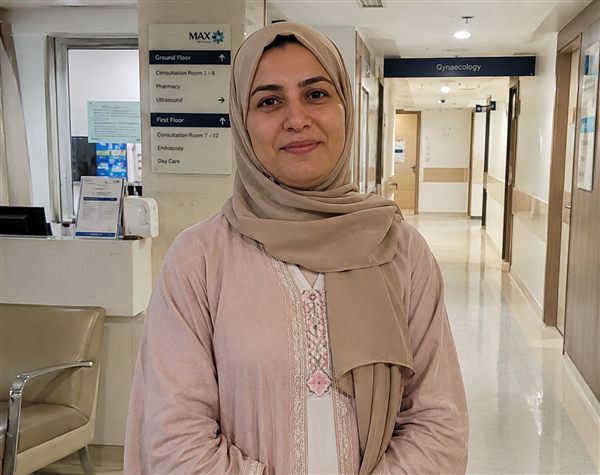
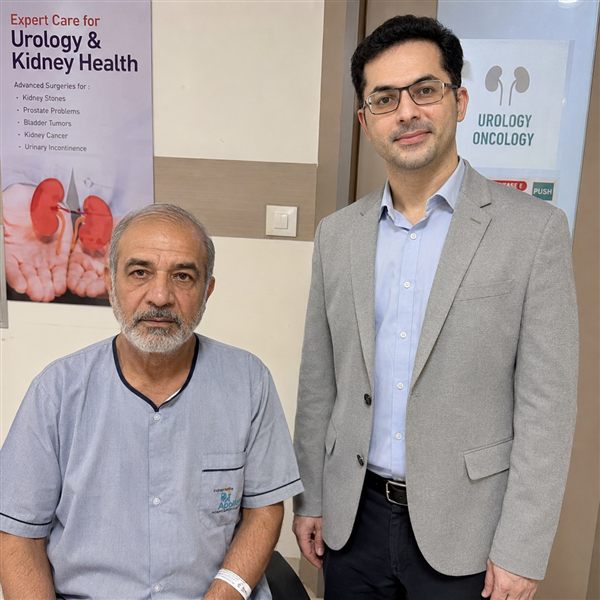
Ready to Take the First Step?
Share your Medical Reports with our Healthcare Managers Today and Get a FREE CONSULTATION, a Personalized Treatment Plan, and Complete Support from Arrival to Recovery.
Get Your Free ConsultationAreas We Serve
Indian Health Guru Consultants proudly assists patients from Iraq and surrounding Middle Eastern countries in accessing advanced, affordable and trusted medical treatment in India. Our team provides complete support for medical opinions, hospital selection, treatment planning, visa assistance, travel coordination, accommodation and post-treatment follow-up.
We regularly serve patients from:
- Iraq
- Turkey
- Iran
- Kuwait
- Jordan
- Syria
- Qatar
- Bahrain
- Oman
- Yemen
- Saudi Arabia
- United Arab Emirates
No matter where you are located, our experienced team is committed to making your medical journey to India safe, smooth, transparent and stress-free from the first enquiry to your return home.
From Iraq to India: Your Complete Patient Guide
- Cardiac Pacemaker Treatment in India for Iraqi Patients
- Neuronavigation and Advanced Brain Surgery in India for Iraqis
- Shoulder Surgery in India for Iraqis
- Scoliosis Correction Surgery in India for Iraqis
- Complex Joint Revision Surgery in India for Iraqis
- Robotic Cancer Surgery in India for Iraqis
- CyberKnife Treatment in India for Iraqis
- Hip Surgery in India for Iraqis
- Bone Marrow Transplant in India for Iraqi Patients
- Breast Cancer Treatment in India for Iraqi Patients
- Colorectal Cancer Treatment and Surgery in India for Iraqis
- Leukemia, Lymphoma and Blood Cancer Treatment in India for Iraqis
- Plastic and Reconstructive Surgery in India for Iraqis
- Weight Loss and Bariatric Surgery in India for Iraqis: Cost & Guide
- Paediatric Orthopaedic Surgery in India for Iraqis
- Cervical and Lumbar Disc Replacement Surgery in India for Iraqis
- Paediatric Neurosurgery in India for Iraqis
- Cardiac Surgery in India for Iraqis