

Selecting the Best Radiotherapy and Modern Cancer Treatment Hospitals in India: A Guide for Patients from Iraq
A doctor’s honest, question-by-question guide for patients from Iraq on vetting a radiotherapy hospital in India — machine redundancy, accreditation, technology standards, and the exact questions worth asking before you book anything.
Over the years, I have found that radiotherapy is one of the treatments Iraqi families most often assume is simply “a linear accelerator and a plan,” when the specific generation of technology, and, just as importantly, whether the hospital has more than one working machine, changes both the precision of treatment and the reliability of completing a course that can run for many weeks without interruption. This second factor, genuine machine redundancy, is rarely mentioned in hospital marketing yet directly affects whether your treatment stays on schedule.
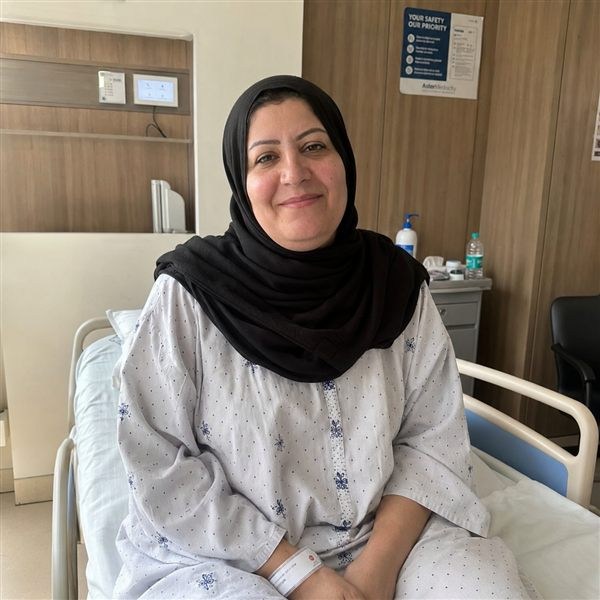
Healing Journeys of Iraqi Patients

Key Takeaways
- Radiotherapy is not simply a matter of having a linear accelerator. The source emphasises that the generation of technology and the availability of more than one functioning machine can affect both treatment precision and the reliability of completing a multi-week course without interruption.
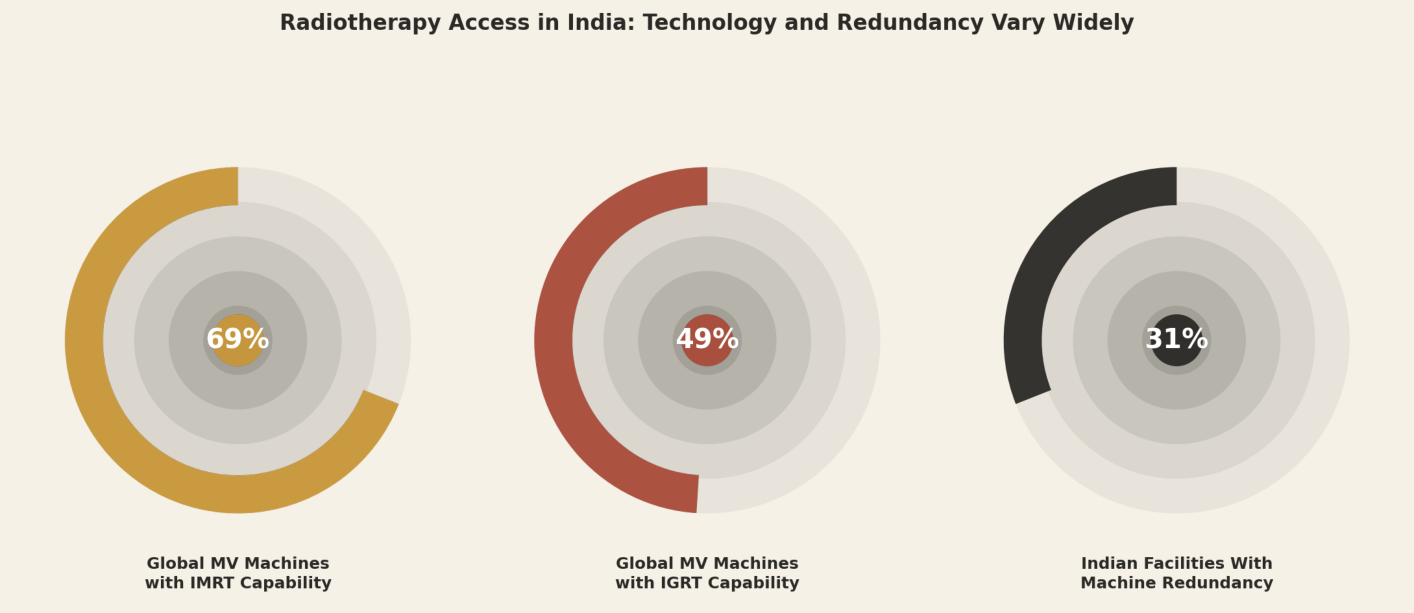
- The cited analysis of India's radiotherapy infrastructure identified 554 functioning radiotherapy facilities, with an average of 1.5 machines per institute. About 69.4% of facilities operated with only one machine, creating a potential vulnerability if equipment requires repair or scheduled maintenance during a treatment course.
- The source also highlights important differences between older and newer radiation techniques. Modern intensity-modulated radiotherapy, or IMRT, has been associated with lower high-grade radiation-related lung inflammation and reduced cardiac radiation dose compared with older three-dimensional conformal radiotherapy, while maintaining comparable survival and cancer control.
- The page 2 visual highlights three illustrative infrastructure figures: approximately 69% for global MV machines with IMRT capability, 49% for global MV machines with IGRT capability and 31% for Indian facilities with machine redundancy.
- Iraqi families should ask whether the hospital has a functioning backup radiotherapy machine and what happens if the primary machine becomes unavailable. The guide also recommends asking whether IMRT or image-guided radiotherapy is appropriate for the specific tumour and whether the centre has a documented protocol for managing treatment interruptions.
- Radiotherapy depends on a multidisciplinary technical and clinical team. The source identifies the radiation oncologist, medical physicist, dosimetrist, radiation therapist and radiation-experienced nurse as important members of a strong programme. Treatment plans should also be independently reviewed and verified before the first treatment session.
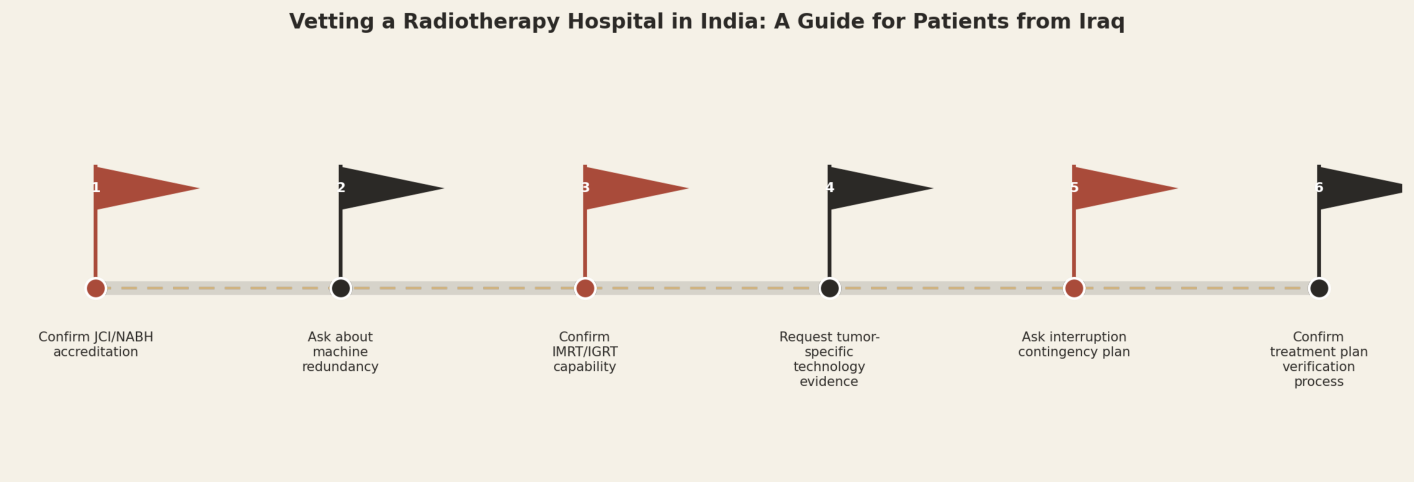
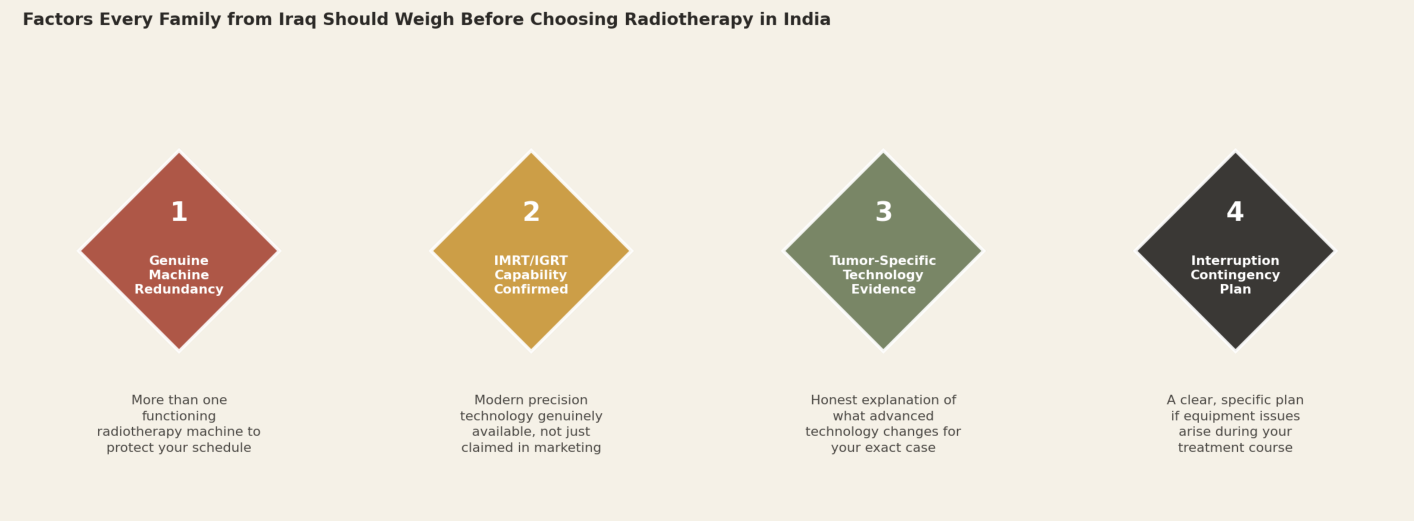
- The main red flag is a hospital that cannot confirm it has more than one functioning radiotherapy machine. The page 4 checklist highlights genuine machine redundancy, confirmed IMRT/IGRT capability, tumour-specific technology evidence and an interruption contingency plan.
Quick Facts
- Treatment
- Radiotherapy and modern cancer treatment
- Primary Patients
- Iraqi patients seeking cancer treatment in India
- Main Speciality
- Radiation oncology
- Key Specialist
- Radiation oncologist
- Radiotherapy Facilities in Cited Analysis
- 554 functioning facilities
- Average Machines
- 1.5 machines per institute
- Single-Machine Facilities
- 69.4% in the cited Indian analysis
- Treatment Duration
- Many courses may run for approximately 5–7 weeks
- Key Infrastructure
- Backup radiotherapy machine
- Modern Technique
- Intensity-modulated radiotherapy (IMRT)
- Advanced Guidance
- Image-guided radiotherapy (IGRT)
- Other Technology
- VMAT and flattening-filter-free technology
- Team
- Radiation oncologist, medical physicist and dosimetrist
- Daily Treatment
- Radiation therapist
- Support
- Nurse experienced in radiation-related side effects
- Quality Assurance
- Independent treatment-plan review and verification
- Interruption Planning
- Confirm the hospital's equipment-downtime protocol
- Accreditation
- Verify current JCI and/or NABH status
- Author
- Dr. Dheeraj Bojwani
- Experience
- 24+ Years
In Brief
For Iraqi patients travelling to India for radiotherapy, a reliable treatment centre should be assessed on more than its equipment list. Patients should verify accreditation, confirm whether a backup radiotherapy machine is available, ask which technology is appropriate for their specific tumour, understand the centre’s interruption contingency plan and confirm who independently verifies the treatment plan. A hospital that cannot explain these processes may not provide the level of infrastructure reliability needed for a multi-week radiation treatment course.
Why the Choice of Radiotherapy Centre in India Matters as Much as the Choice of Technique
Based on my interactions with international patients, a detailed analysis of India’s national radiotherapy infrastructure found something genuinely important for a family to understand: of India’s 554 functioning radiotherapy facilities, an average of only 1.5 machines exist per institute, and 69.4 percent of facilities operate with only a single machine, meaning that if that one machine breaks down or requires scheduled maintenance, treatment can be delayed or interrupted entirely, a genuine concern for a course of daily treatment that often runs for five to seven weeks. The same analysis found substantial regional variation in equipment availability, ranging from 0.08 to 2.94 machines per million population across different parts of the country, meaning where in India you choose to be treated matters considerably, and the analysis identified a national shortfall of over 1,200 machines relative to the country’s genuine treatment needs. On the technology side, published research has found that modern intensity-modulated radiotherapy, commonly called IMRT, meaningfully reduces high-grade radiation-related lung inflammation and cardiac radiation dose compared with older three-dimensional conformal technique, with comparable survival and cancer control, an important and honest distinction: newer technology in this specific context often improves side-effect profile and precision rather than necessarily improving survival itself, though for some tumour types improved precision does translate into better cancer control as well. This tells a family something important: ask specifically about machine redundancy and the specific generation of technology available, not simply whether the hospital owns “a linear accelerator.”
How Patients from Iraq Can Verify a Radiotherapy Hospital’s Accreditation in India
The fastest filter I recommend to every Iraqi family calling about radiotherapy is verifiable accreditation, not marketing language. Joint Commission International, JCI, audits a hospital’s overall clinical safety systems against the same standard used across the United States and Europe. The National Accreditation Board for Hospitals and Healthcare Providers, NABH, is India’s own domestic equivalent, and in my experience of 24 years advising families on this exact decision, a centre holding both marks together is a meaningfully stronger signal than either alone. For radiotherapy specifically, ask one further, very direct question: does this hospital have more than one functioning radiotherapy machine, since a genuine backup system is what protects your treatment schedule from an unexpected equipment breakdown partway through your course.
Radiotherapy Volume and Technology-Specific Criteria That Predict Outcomes in India
Based on my interactions with dozens of radiation oncology programmes over the years, a centre’s specific machine redundancy and technology generation, not simply its overall patient volume, is one of the clearest predictors of a reliable, uninterrupted treatment course. In my experience of 24 years advising families on exactly this kind of decision, this specific infrastructure question is one families rarely think to ask, yet it directly affects whether your treatment schedule stays on track. Ask directly, in writing:
- Does this hospital have a backup radiotherapy machine available if the primary machine requires unscheduled repair during my treatment course?
- Is intensity-modulated radiotherapy or image-guided radiotherapy genuinely available for my specific tumour type, and what evidence supports its use over older three-dimensional conformal technique for my exact situation?
- What is the centre's own specific protocol for managing a treatment interruption, should equipment downtime occur during my multi-week course?
- Given my specific tumour type, what is the realistic balance between improved precision and reduced side effects that modern technology offers, versus any genuine difference in cancer control itself?
A centre confident in its own infrastructure will answer these specifically. A centre that cannot describe its machine redundancy or specific technology generation deserves a second opinion before you commit.
Vetting a Radiotherapy Hospital in India: A Guide for Patients from Iraq
Questions Patients from Iraq Should Ask About the Radiotherapy Team in India
Radiotherapy planning and delivery are never genuinely the work of one specialist alone. In my experience of 24 years watching these programmes operate, the strongest units bring together a radiation oncologist to design the overall treatment strategy, a medical physicist for precise dose planning and quality assurance, and a dosimetrist to translate the treatment plan into the specific technical instructions the machine executes. A dedicated radiation therapist delivering the daily treatment, and a nurse experienced specifically in managing radiation-related side effects, round out the strongest programmes, since day-to-day treatment quality depends on this full team, not solely the physician who designed the plan. Ask specifically who fills each of these roles for your case, and confirm that your treatment plan has been independently reviewed and verified before the first treatment session begins.
Radiotherapy Technology Standards in India That Patients from Iraq Should Check
The specific technology available changes both precision and safety. Ask whether the hospital’s linear accelerator is capable of image-guided radiotherapy, allowing the treatment team to verify your exact position immediately before each daily session, since this level of verification reduces the chance of treating the wrong location as your body’s position naturally shifts slightly day to day. Ask whether volumetric-modulated arc therapy, a technique that can deliver treatment more quickly while maintaining precision, is available, since shorter daily treatment times can meaningfully improve comfort over a multi-week course. Ask also whether the hospital uses flattening-filter-free technology, a more modern linear accelerator design that delivers radiation dose more quickly than older systems, since this can further shorten the time you spend positioned for treatment each day. Ask directly which of these specific capabilities apply to your case, not simply whether the hospital owns modern radiotherapy equipment in general terms.
Red Flags Patients from Iraq Should Watch For When Choosing a Radiotherapy Hospital in India
Over the years, certain patterns have become reliable warning signs for me. A hospital that cannot confirm it has more than one functioning radiotherapy machine is asking you to accept a genuine risk of treatment interruption without acknowledgement. A centre that recommends the most advanced technology available without explaining the specific evidence for your exact tumour type may be overselling technology rather than matching it to your actual clinical need. A centre that cannot describe its specific plan for managing an unexpected equipment issue during your treatment course has not prepared for a genuinely foreseeable problem. And a centre that cannot explain who specifically reviews and verifies each treatment plan before delivery has not described the quality assurance process current best practice requires.
Factors Every Family from Iraq Should Weigh Before Choosing Radiotherapy in India
A Closing Thought for Iraqi Families
Radiotherapy deserves a centre with genuine machine redundancy and technology matched honestly to your specific tumour type, not simply the newest available equipment or a single machine with no backup plan. Based on my interactions with international patients over more than two decades, the families who ask about machine redundancy, technology-specific evidence, and interruption contingency plans consistently complete their treatment course more reliably than those who accept a general reassurance alone. My role, and the role of any advisor a family works with, should be to help you ask these exact questions and confirm honestly that the specific centre in front of you is genuinely equipped for your family’s exact treatment course. Iraq’s families deserve the same standard of scrutiny in this decision as any family anywhere else in the world.
Sources & Further Reading
- Joint Commission International (JCI) — Accredited Organizations Directory (jointcommissioninternational.org)
- National Accreditation Board for Hospitals & Healthcare Providers (NABH), India (nabh.co)
- Journal of Medical Physics — An Analysis of Radiotherapy Machine Requirements in India: Impact of the Pandemic and Regional Disparities (ovid.com)
- JCO Global Oncology — Access to Radiation Therapy: From Local to Global and Equality to Equity (ascopubs.org)
- PMC — Initial Clinical Experience Treating Patients With Lung Cancer on a 6MV-Flattening-Filter-Free O-Ring Linear Accelerator (ncbi.nlm.nih.gov/pmc)
Frequently Asked Questions by Iraqi Patients about Selecting a Radiotherapy Hospital in India
Is modern radiotherapy available in India for Iraqi patients?
Yes. The source discusses modern radiotherapy infrastructure in India, including IMRT, IGRT, VMAT and newer linear-accelerator technologies. The appropriate technique depends on the patient's specific cancer.
Why is having a backup radiotherapy machine important for Iraqi patients?
Radiotherapy can require daily treatment for several weeks. If a hospital has only one machine and it develops a technical problem, treatment may be delayed or interrupted, so patients should ask about genuine machine redundancy.
What is IMRT and why may it be used for cancer treatment?
IMRT is an advanced radiation technique that can improve dose distribution. The cited evidence indicates that it can reduce certain radiation-related lung and cardiac effects compared with older three-dimensional conformal radiotherapy while maintaining comparable cancer control.
What is IGRT and why is it important during radiotherapy?
Image-guided radiotherapy allows the team to verify patient positioning before treatment. This can improve the accuracy of delivering radiation to the intended location.
Should Iraqi patients choose the newest radiotherapy technology available?
Not automatically. The source recommends asking what evidence supports the technology for the patient's exact tumour and whether improved precision or reduced side effects provide a meaningful benefit in that specific case.
What should Iraqi patients ask if the radiotherapy machine breaks down?
They should ask whether a backup machine is available and what the hospital's specific protocol is for managing treatment interruptions.
Which specialists should be involved in radiotherapy treatment?
A strong programme may include a radiation oncologist, medical physicist, dosimetrist, radiation therapist and nurse experienced in managing radiation-related side effects.
What is VMAT and can it be useful for Iraqi cancer patients?
VMAT is a radiation delivery technique that can provide treatment more quickly while maintaining precision. Whether it is appropriate depends on the patient's tumour and treatment plan.
What should Iraqi patients check about a radiotherapy hospital before travelling to India?
They should verify accreditation, ask about the number of functioning machines, confirm the availability of IMRT or IGRT where appropriate, understand the interruption contingency plan and ask who reviews and verifies the treatment plan.
How should Iraqi patients choose the best radiotherapy hospital in India?
The most important factors include reliable machine infrastructure, tumour-appropriate technology, multidisciplinary expertise, independent quality assurance and a clear plan for managing equipment interruptions.
Page Summary
For Iraqi patients seeking radiotherapy in India, hospital infrastructure can be as important as the radiation technique itself. The source highlights India's uneven distribution of radiotherapy equipment and the fact that many facilities operate with a single machine, making backup capacity an important consideration for patients undergoing treatment over several weeks.
Patients should compare hospitals based on machine redundancy, appropriate use of IMRT or IGRT, treatment interruption protocols, multidisciplinary staffing and independent treatment-plan verification. Modern technology can improve precision and reduce certain side effects, but the source recommends matching technology to the patient's tumour rather than assuming that the newest technology is automatically the best choice.
Citation Block
| Field | Details |
|---|---|
| Article / Topic | Selecting the Best Radiotherapy and Modern Cancer Treatment Hospitals in India |
| Target Country | Iraq |
| Treatment Area | Radiotherapy and modern cancer treatment |
| Main Speciality | Radiation oncology |
| Radiotherapy Facilities Analysed | 554 functioning facilities |
| Average Machines per Institute | 1.5 |
| Single-Machine Facilities | 69.4% |
| Regional Equipment Variation | 0.08–2.94 machines per million population |
| National Equipment Shortfall | More than 1,200 machines cited |
| Typical Treatment Course | Often 5–7 weeks |
| Key Infrastructure Factor | Machine redundancy |
| Modern Technique | IMRT |
| Image Guidance | IGRT |
| Older Comparison Technique | Three-dimensional conformal radiotherapy |
| IMRT Benefit Cited | Reduced high-grade radiation-related lung inflammation and cardiac dose |
| Core Specialist | Radiation oncologist |
| Advanced Technology | VMAT and flattening-filter-free technology |
| Quality Assurance | Independent treatment-plan review and verification |
| Interruption Planning | Documented contingency protocol |


Our Mission Statement
Our mission is to place patients at the centre of every healthcare decision by providing trustworthy, evidence-based, and unbiased medical information. We believe that informed patients make better decisions. Backed by personalised guidance from our experienced advisory team, we help patients understand their treatment options, compare them objectively, and confidently choose the path that best suits their medical needs and personal circumstances.
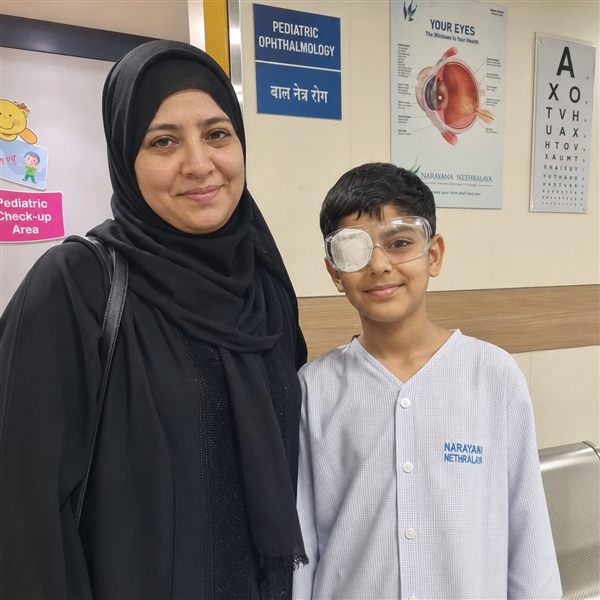
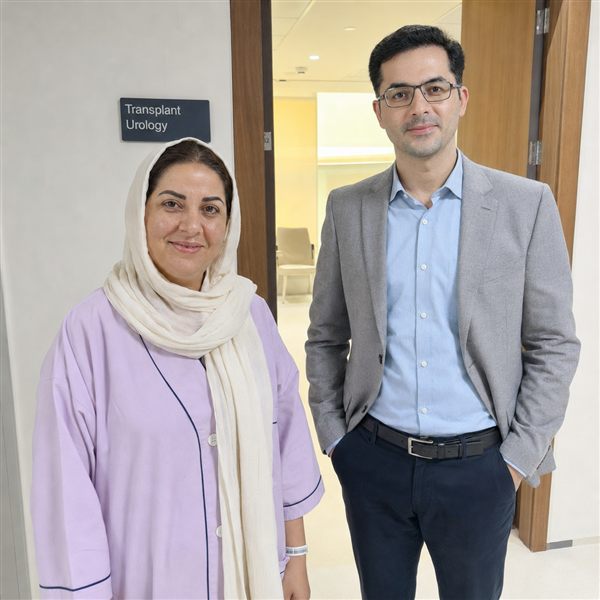
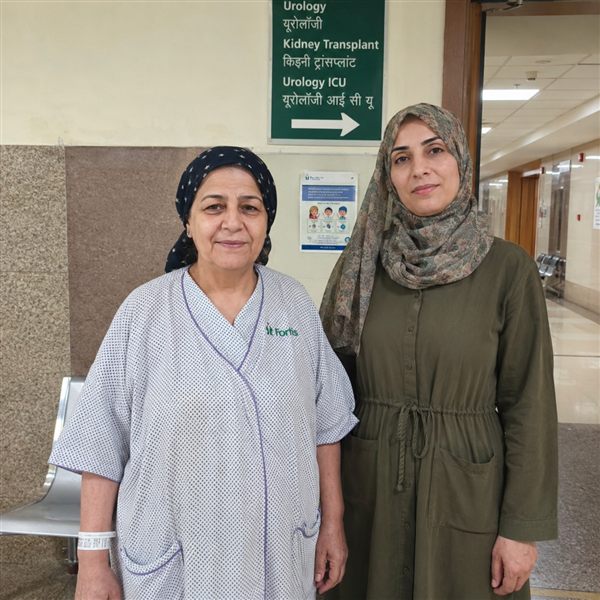
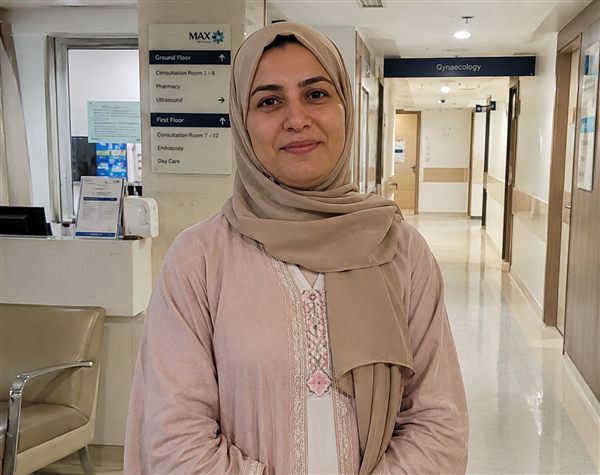
Patient Testimonials from Iraq

Ready to Take the First Step?
Share your Medical Reports with our Healthcare Managers Today and Get a FREE CONSULTATION, a Personalized Treatment Plan, and Complete Support from Arrival to Recovery.
Get Your Free ConsultationAreas We Serve
Indian Health Guru Consultants proudly assists patients from Iraq and surrounding Middle Eastern countries in accessing advanced, affordable and trusted medical treatment in India. Our team provides complete support for medical opinions, hospital selection, treatment planning, visa assistance, travel coordination, accommodation and post-treatment follow-up.
We regularly serve patients from:
- Iraq
- Turkey
- Iran
- Kuwait
- Jordan
- Syria
- Qatar
- Bahrain
- Oman
- Yemen
- Saudi Arabia
- United Arab Emirates
No matter where you are located, our experienced team is committed to making your medical journey to India safe, smooth, transparent and stress-free from the first enquiry to your return home.
From Iraq to India: Your Complete Patient Guide
- Prostate Cancer Treatment and Surgery in India for Iraqis
- Dental Surgery in India for Iraqis
- Complex Joint Revision Surgery in India for Iraqis
- Robotic Cancer Surgery in India for Iraqis
- Parkinson's Treatment and DBS Surgery in India for Iraqis
- IVF and Fertility Treatment in India for Iraqis
- Penile Implant Surgery in India for Iraqis
- Joint Arthroscopy and Sports Medicine in India for Iraqis
- Spine Surgery in India for Iraqis
- Brain Tumour Surgery in India for Iraqi Patients
- Oral and Maxillofacial Surgery in India for Iraqis
- Cervical and Lumbar Disc Replacement Surgery in India for Iraqis
- Bone Marrow Transplant in India for Iraqi Patients
- Neurosurgery in India for Iraqis
- Paediatric Neurosurgery in India for Iraqis
- Leukemia, Lymphoma and Blood Cancer Treatment in India for Iraqis
- Radiotherapy and Modern Cancer Treatment in India for Iraqis
- Scoliosis Correction Surgery in India for Iraqis