

Shoulder Surgery in India for Congolese Patients: What It Costs, and How to Decide Well
A practical guide for Congolese patients understanding shoulder diagnosis, MRI, arthroscopic and open surgery, treatment costs in India and rehabilitation planning.
Ashoulder that will not lift properly, that clicks or catches, or that has never quite recovered from a fall or accident is often dismissed as something to simply live with. In 24 years of advising patients on orthopaedic conditions, I have found that shoulder problems are among the most commonly under-diagnosed injuries in settings without ready access to MRI and arthroscopy — not because the injury is rare, but because the tools needed to see it clearly are. This guide sets out plainly why that gap exists, what treatment in India costs against the Western alternatives some families consider, and what a Congolese patient should weigh before deciding. Road traffic injuries, a documented and serious burden across the DRC and the wider region, are a common cause of exactly this kind of shoulder damage — falls, dislocations, and fractures that, without proper imaging, are easy to under-treat.
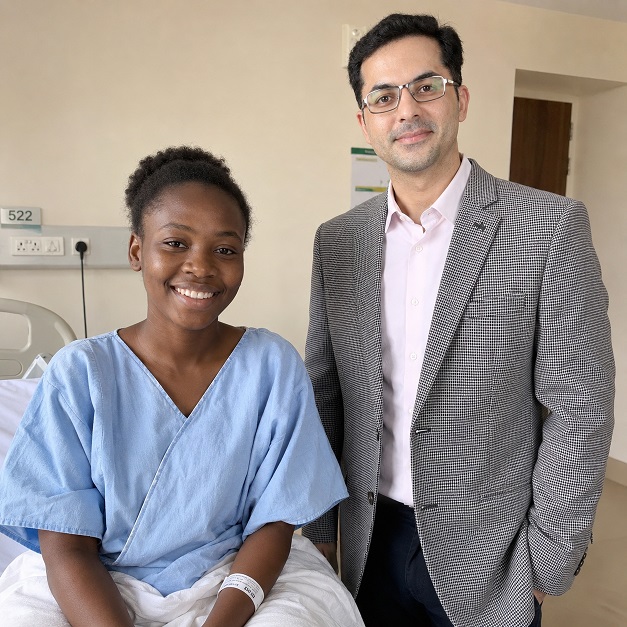
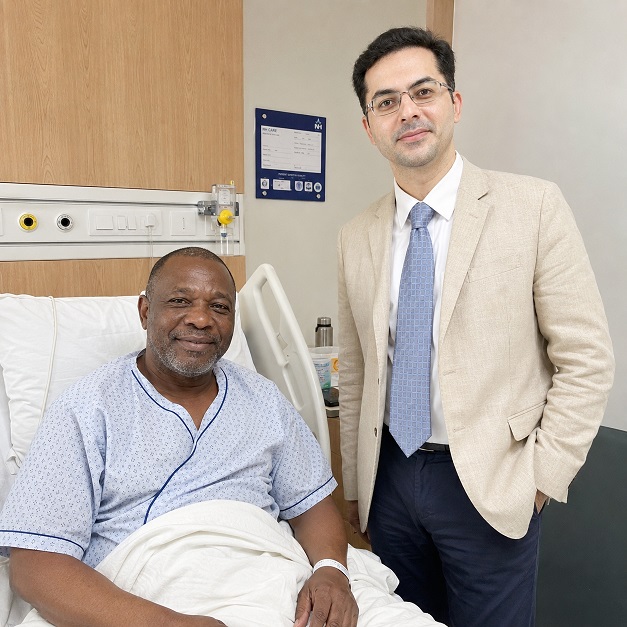
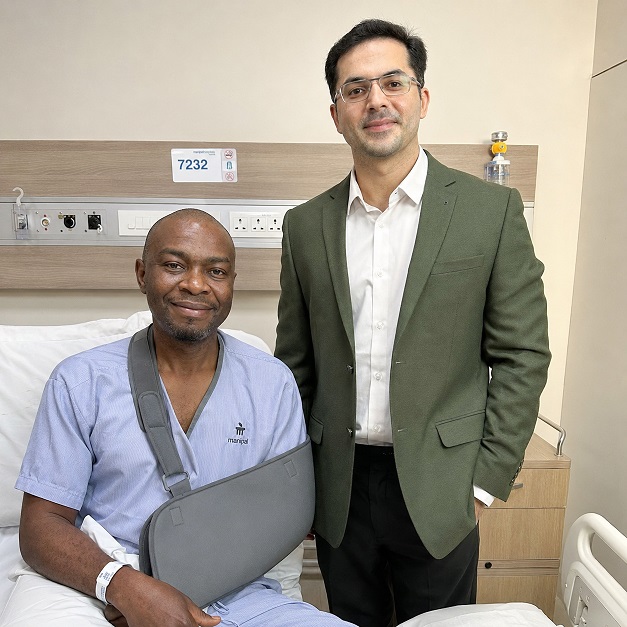
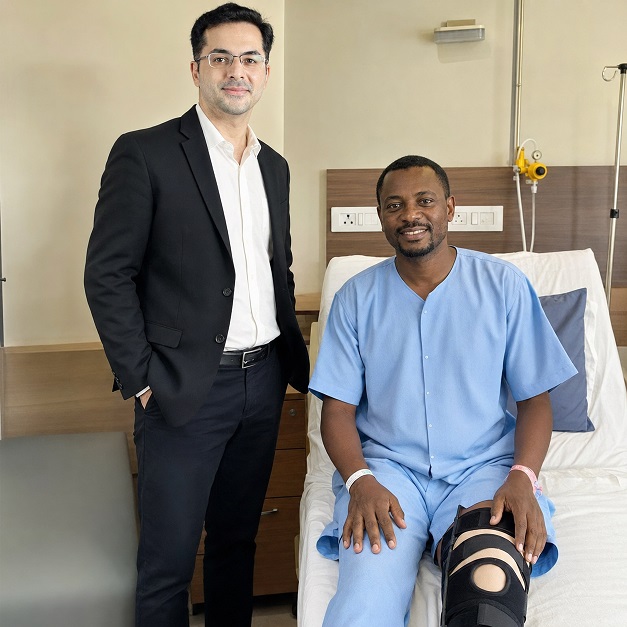
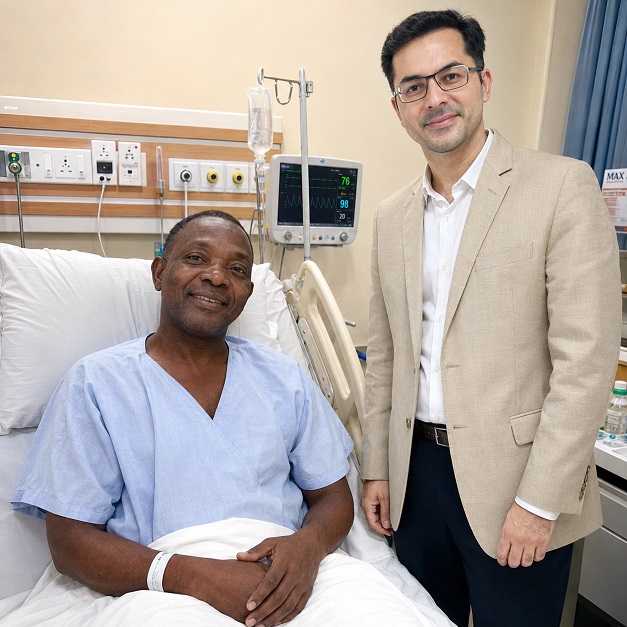
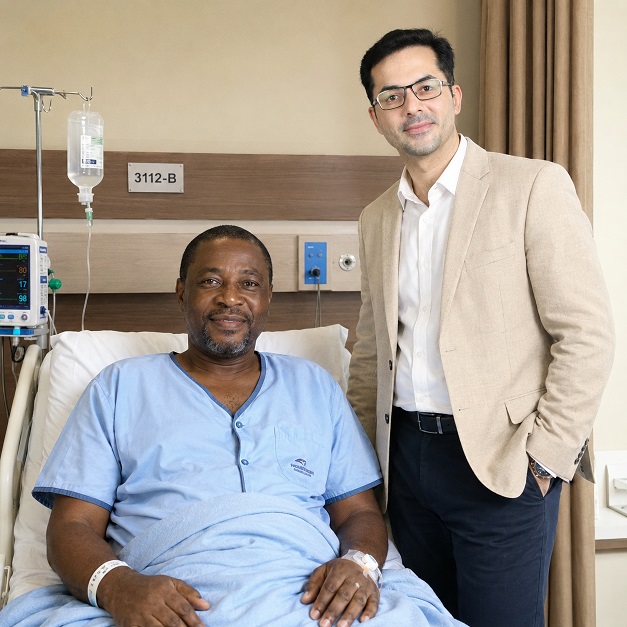
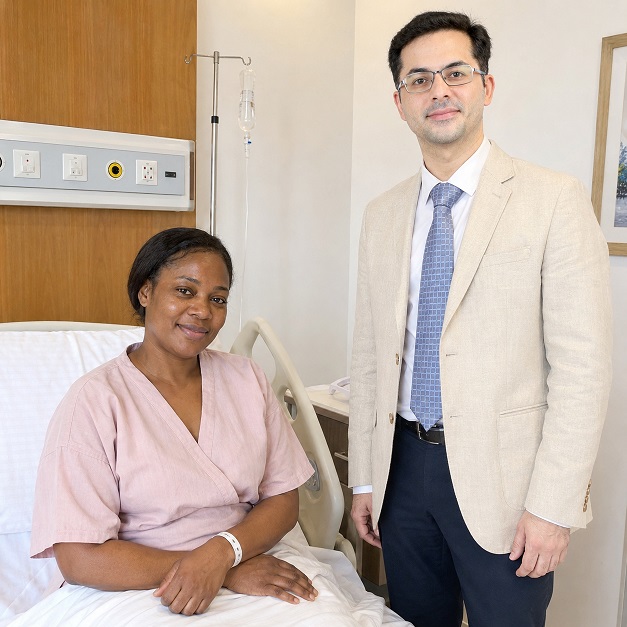
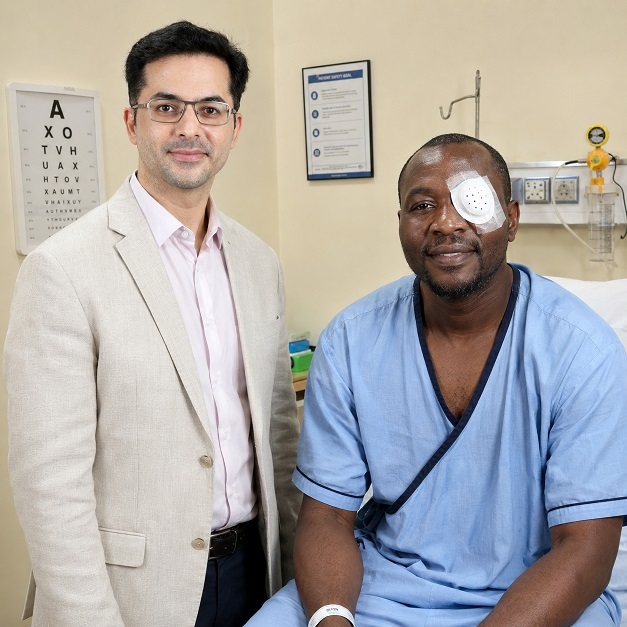
Healing Journeys of Congolese Patients
Key Takeaways
- The guide explains that shoulder injuries are often under-diagnosed when access to MRI and arthroscopy is limited. Rotator cuff tears, labral injuries and ligament damage may not be reliably identified on plain X-rays. The page 2 pathway illustrates that while approximately 85% of significant shoulder-injury patients may receive an X-ray, only around 20% receive an MRI and about 5% reach arthroscopic repair in the illustrative pathway.
- The guide stresses that chronic shoulder pain after an old fall, accident or injury should not automatically be dismissed as wear and tear. Patients should clearly mention any previous trauma to the specialist, even if the injury occurred years earlier, because an untreated tear may have remained undiagnosed.
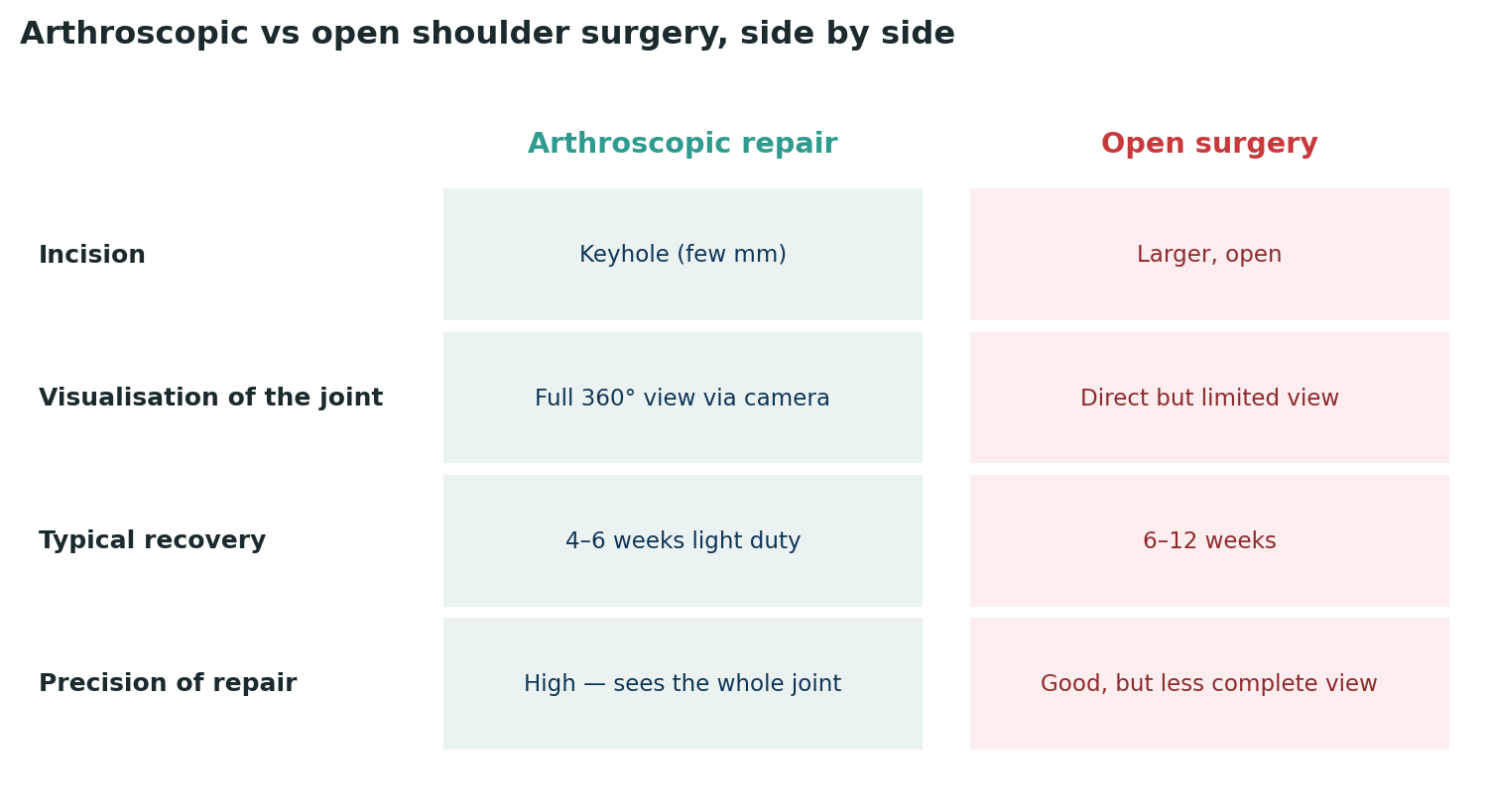
- The page 3 comparison explains the difference between arthroscopic and open shoulder surgery. For suitable cases, arthroscopy provides keyhole access, a broader camera view and generally faster recovery, illustrated as approximately 4–6 weeks for light activity versus 6–12 weeks for open surgery. However, the guide notes that both techniques have a role depending on the individual case.
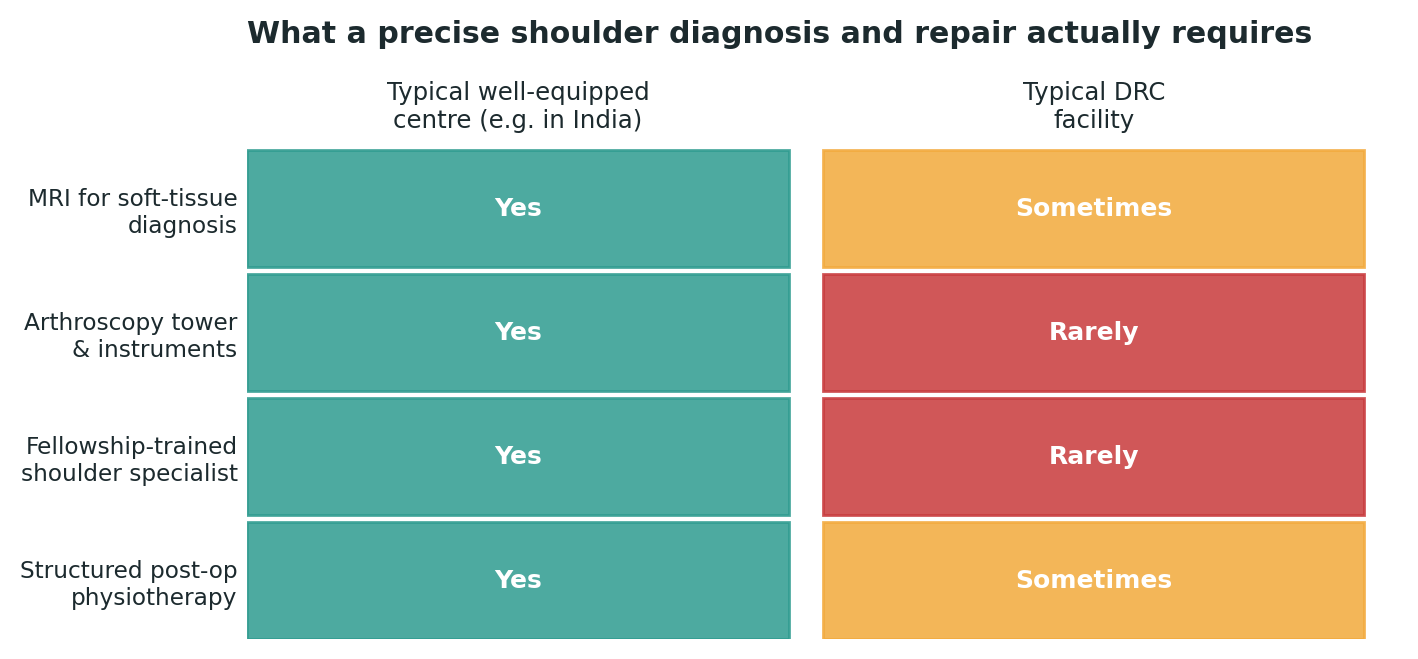
- The guide highlights the importance of a dedicated arthroscopy tower, camera and fine instruments, along with a fellowship-trained shoulder specialist and structured post-operative physiotherapy. The page 3 equipment comparison shows these capabilities as routinely available in a typical well-equipped Indian centre but less consistently available in the typical DRC facility.
- The page 4 cost chart gives an indicative shoulder-surgery range of US$3,000–10,000 in India, compared with approximately US$10,000–20,000 in France/Belgium, US$12,000–20,000 in the UK private sector and US$15,000–35,000 in the US. The guide notes that these are indicative package figures rather than individual quotations.
- For Congolese patients, the guide recommends obtaining an MRI before finalising a surgical plan, asking whether arthroscopic repair is suitable, sending actual scan files rather than typed reports and obtaining a fully itemised quotation. Patients should budget in US dollars and maintain a 15–20% financial buffer above the initial estimate.
- The guide also recommends starting the paper medical and attendant visa process early, confirming a current yellow-fever certificate and arranging physiotherapy and follow-up care in the DRC before travelling. Four warning signs are highlighted: surgery proposed without MRI, no discussion of arthroscopic versus open surgery, no structured physiotherapy plan and pressure to pay the full balance before a written surgical plan.
Quick Facts
- Author
- Dr. Dheeraj Bojwani
- Experience
- 24+ Years
- Treatment
- Shoulder Surgery
- Patients
- Congolese Patients
- Key Specialist
- Fellowship-Trained Shoulder Specialist
- First Step
- Obtain appropriate imaging, especially MRI for suspected soft-tissue injury
- Key Conditions
- Rotator cuff tears, labral tears, ligament damage, fractures and dislocations
- Treatment Options
- Arthroscopic or open surgery depending on the case
- Arthroscopy
- Keyhole technique using a camera
- Typical India Cost
- US$3,000–10,000
- Financial Buffer
- 15–20% above the written estimate
- Imaging
- Send actual scan files
- Rehabilitation
- Structured post-operative physiotherapy
- Visa
- Paper medical visa and attendant visa
- Entry Requirement
- Current yellow-fever certificate
- Follow-Up
- Arrange rehabilitation and care in the DRC before travel
- Key Warning
- Do not accept a surgical plan based on X-ray alone
- Decision Principle
- Get the diagnosis right before deciding on shoulder surgery.
In Brief
For Congolese patients with persistent shoulder pain or an old shoulder injury, the guide recommends proper imaging before deciding on treatment. MRI can help identify soft-tissue damage, while arthroscopy may provide precise repair for suitable cases. Patients should verify specialist expertise, treatment approach, complete costs and post-operative rehabilitation before travelling to India.
Why So Many Shoulder Injuries Go Under-Diagnosed
Road traffic crashes are documented as a serious, disproportionate burden across Sub-Saharan Africa, and the DRC is no exception. Researchers working along the Kongo Central corridor connecting the Atlantic ports of Boma and Matadi to Kinshasa have specifically documented that current medical facilities are ill-equipped to manage the volume of trauma along this route, with road traffic injuries recognised across the region as the eighth leading cause of death and the tenth leading cause of healthy life years lost. Shoulder fractures, dislocations, and rotator cuff tears are a common consequence of exactly these kinds of falls and collisions.
None of this reflects poorly on Congolese medical staff, who manage this trauma burden daily with real skill under genuine resource pressure. It reflects, instead, how much a precise shoulder diagnosis depends on equipment that even well-run trauma services often cannot prioritise ahead of more immediately life-threatening injuries.
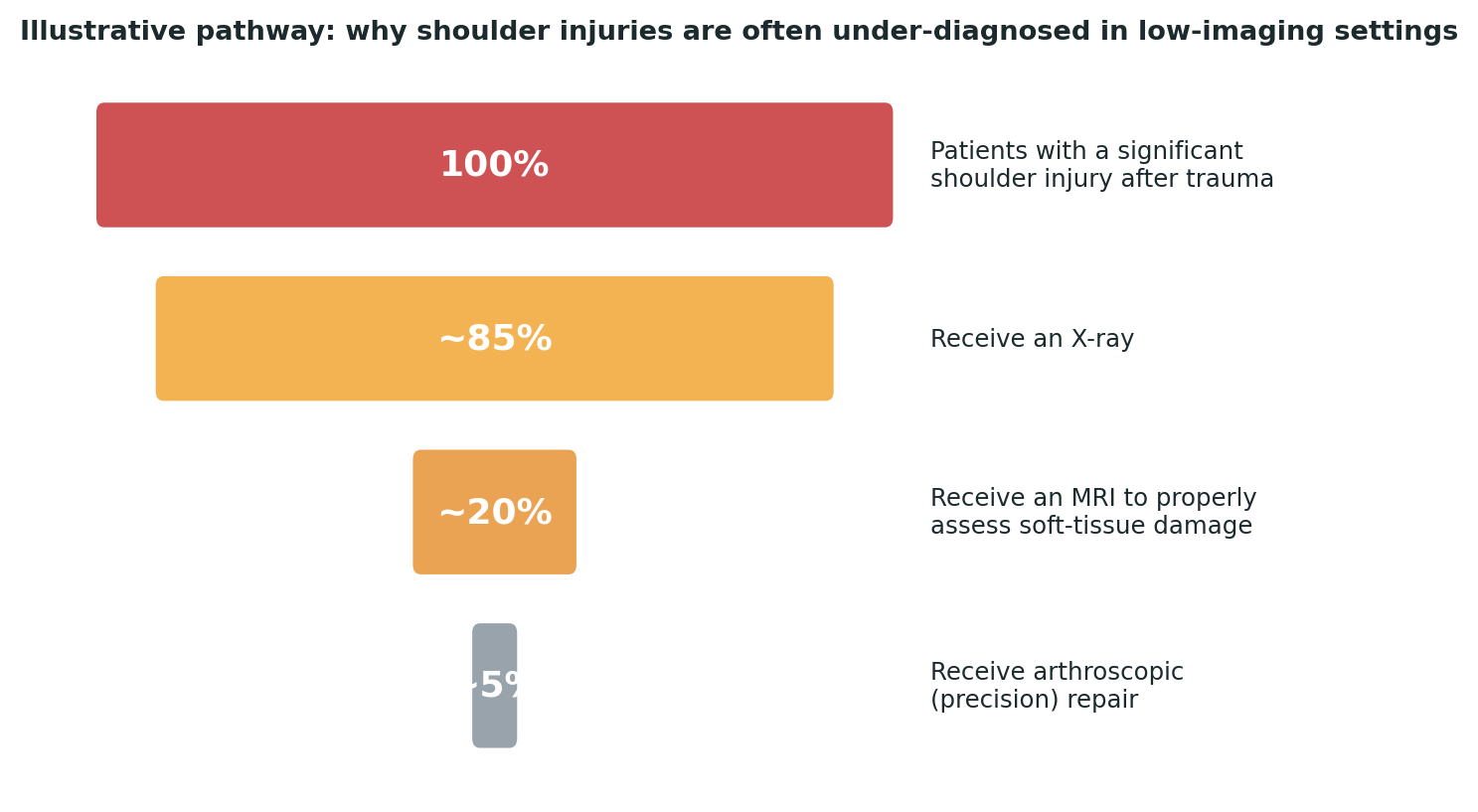
The core problem is diagnostic, not just surgical. A rotator cuff tear, a labral tear, or ligament damage inside the shoulder joint cannot be reliably seen on a plain X-ray — it requires an MRI, and confirming or repairing it precisely requires arthroscopy, a keyhole technique using a small camera. Where MRI and arthroscopy equipment are scarce, injuries that would be clearly diagnosed and precisely repaired elsewhere are instead treated with a sling, painkillers, and hope — sometimes for years, while the underlying damage worsens or becomes permanent.
The one fact worth remembering
Chronic shoulder pain following an old injury is not always simply "wear and tear" — it is very often an undiagnosed tear that was never properly imaged. If your shoulder pain traces back to a fall, an accident, or a specific injury, that history is worth mentioning clearly to any specialist you consult, even years later.
Arthroscopic vs Open Surgery: Why the Technique Matters
Shoulder problems can generally be treated either arthroscopically, through small keyhole incisions guided by a camera, or through traditional open surgery. Both have their place, but the arthroscopic approach generally offers better visualisation of the whole joint, a more precise repair, and a faster recovery for suitable cases.
Arthroscopy specifically requires equipment — a dedicated tower, camera, and fine instruments — that is less commonly available even where general orthopaedic surgery is possible. This is worth understanding, because a centre capable of treating a broken bone is not automatically capable of a precise arthroscopic rotator cuff repair.
What Shoulder Surgery Costs: DRC Reality vs India vs the West
Cost varies considerably depending on whether the case is a straightforward arthroscopic repair or a full shoulder replacement, but the relative gap between India and Western options holds fairly consistently.
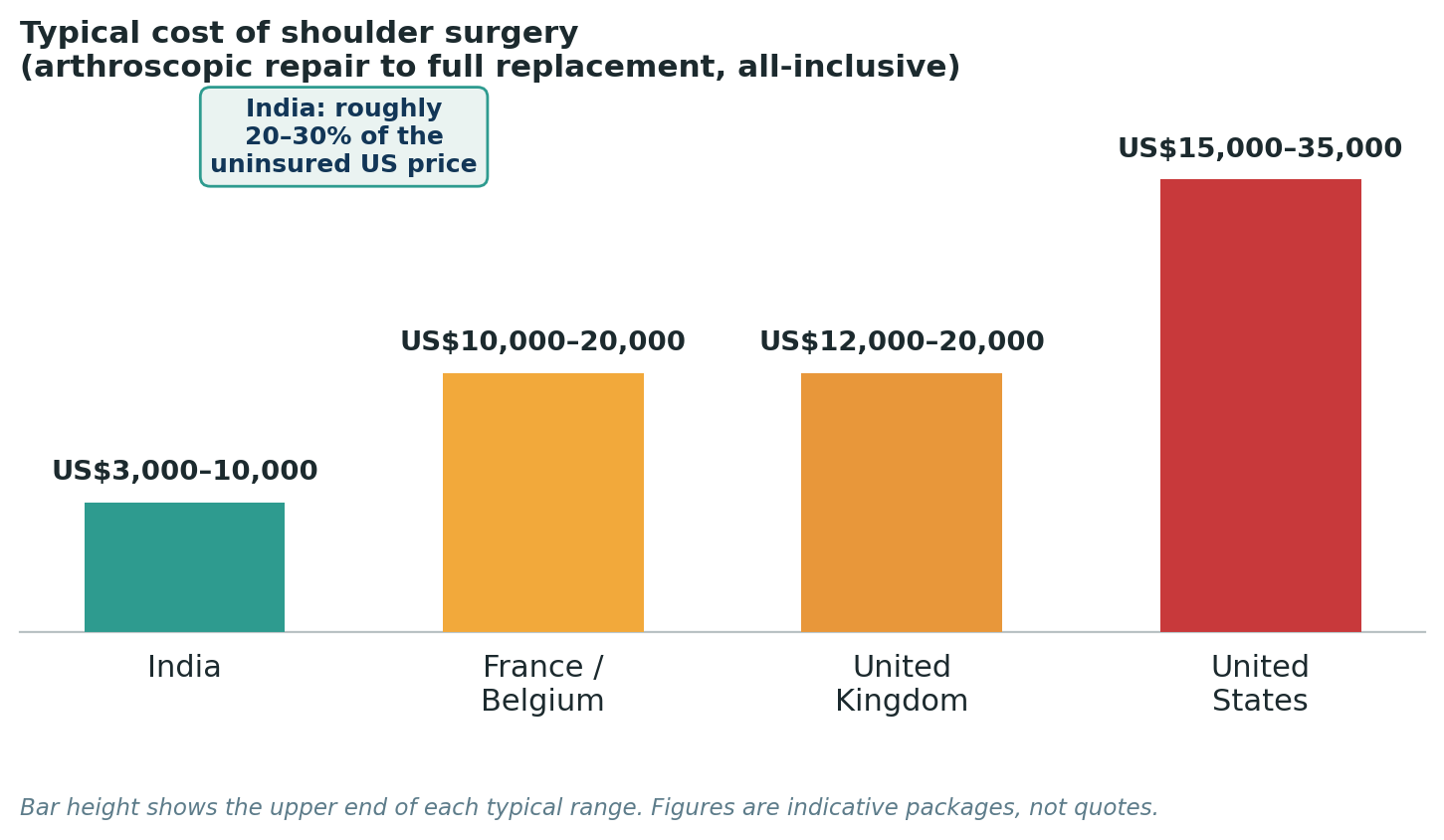
In India, shoulder surgery typically costs US$3,000 to US$10,000, depending on whether the procedure is arthroscopic repair or full replacement. In France or Belgium, private-sector costs typically run US$10,000 to US$20,000. In the UK's private sector, costs range roughly US$12,000 to US$20,000. In the US, the same procedures commonly cost US$15,000 to US$35,000. India's typical price sits at roughly a fifth to a quarter of the uninsured US figure.
What the number on the quote does not always show
A written estimate should specify whether the procedure is arthroscopic or open, and whether MRI diagnosis is included in the quoted figure or billed separately beforehand. In 24 years of reviewing these quotes, I have found disputes almost never concern the headline figure — they concern what it silently left out. Get every line item in writing, and never pay the full balance before surgery.
What a Congolese Patient Should Weigh, Specifically
- Mention any past injury explicitly, even an old one, since chronic shoulder pain often traces back to trauma that was never properly imaged.
- Ask for an MRI before any surgical plan is finalised — a plan based on X-ray alone cannot properly assess soft-tissue damage.
- Ask whether arthroscopic repair is possible for your case, and if not, why open surgery is the better option specifically for you.
- Send the actual scan files, not just the typed report, since surgical planning depends on precise imaging.
- Budget in US dollars, with margin. The Congolese franc has weakened considerably against the dollar (roughly CDF 2,300–2,350 per US$1 in mid-2026, and it moves); build in a 15–20% buffer above the initial estimate.
- Start the visa process early. DRC passport holders need a paper medical visa through the Embassy of India in Kinshasa (Avenue Batetela, Gombe), typically around two weeks once the hospital's invitation letter is ready; apply for an attendant visa at the same time.
- Confirm your yellow fever certificate is current — mandatory for entry into India, at least 10 days before travel.
- Arrange physiotherapy and follow-up care in the DRC before you fly — shoulder recovery depends heavily on structured rehabilitation, and identifying local support in advance matters.
Four signals that should make you pause
- A surgical plan proposed without an MRI, based on X-ray alone.
- No discussion of arthroscopic versus open technique for your case.
- No structured physiotherapy plan included after surgery.
- Pressure to pay the full balance before a written surgical plan exists.
Why India Specifically for Shoulder Surgery for Congolese Patients?
India operates high-volume shoulder surgery centres with routine access to MRI diagnosis and arthroscopic technique, used as everyday tools rather than exceptions, alongside fellowship-trained shoulder specialists who can properly distinguish between conditions that plain imaging alone would miss. Combined with English-language consultation throughout and hospital accreditation (NABH domestically, JCI internationally) that mirrors the standards used to evaluate hospitals in the US and Europe, India offers a depth of diagnostic and surgical capability that directly addresses the imaging gap so many Congolese patients face, at a fraction of the Western cost.
A closing word
A shoulder that has never worked quite right since an old fall or accident deserves a proper look, not permanent resignation. What matters most is getting the right imaging first, so that whatever comes next — arthroscopic repair, open surgery, or simply reassurance that nothing serious is wrong — is based on what is actually happening inside the joint. If you are able to share your scans, or describe the injury that started your pain, I am glad to give a direct, honest view on what your case would involve.
Sources
- 🌐 National Medical Commission of India — verify any surgeon's registration · nmc.org.in
- 🌐 National Accreditation Board for Hospitals & Healthcare Providers (NABH) · nabh.co
- 🌐 Embassy of India, Kinshasa — medical visa requirements · eoikinshasa.gov.in
- 🌐 Royal College of Surgeons — "Improving trauma outcomes in the Democratic Republic of Congo" · rcseng.ac.uk
- 🌐 World Health Organization — yellow fever vaccination requirements · who.int/health-topics/yellow-fever
Frequently Asked Questions by Congolese Patients about Shoulder Surgery in India
Why is MRI important for shoulder problems?
MRI can identify soft-tissue injuries such as rotator cuff tears, labral tears and ligament damage that cannot be reliably assessed through a plain X-ray alone.
Is every shoulder problem treated with surgery?
No. Treatment depends on the diagnosis and severity. The guide recommends obtaining proper imaging and asking the specialist whether surgery, arthroscopic repair or another approach is actually appropriate.
What is the difference between arthroscopic and open surgery?
Arthroscopy uses small keyhole incisions and a camera, while open surgery uses a larger incision. For suitable cases, the guide notes that arthroscopy generally offers better joint visualisation and faster recovery.
How much does shoulder surgery cost in India?
The guide gives an indicative range of US$3,000–10,000, depending on whether the treatment involves arthroscopic repair or full shoulder replacement.
How does India's cost compare with the US?
The guide estimates US private-sector costs at approximately US$15,000–35,000, compared with US$3,000–10,000 in India. These are indicative figures rather than individual quotations.
What should Congolese patients send before travelling?
Patients should send actual scan files rather than only typed reports and clearly describe any previous injury, even if it occurred several years earlier.
Why is physiotherapy important after shoulder surgery?
The guide stresses that shoulder recovery depends heavily on structured rehabilitation, so patients should arrange physiotherapy and follow-up support in the DRC before travelling home.
What should the treatment quotation include?
The written estimate should specify whether the procedure is arthroscopic or open and whether MRI diagnosis is included or charged separately.
What travel documents should Congolese patients prepare?
The guide states that DRC passport holders require a paper medical visa and attendant visa, and India requires a current yellow-fever certificate for entry.
What are the main warning signs?
Patients should pause if a surgical plan is proposed without MRI, the specialist does not explain arthroscopic versus open treatment, no rehabilitation plan is provided or the patient is pressured to pay the full balance before receiving a written surgical plan.
Page Summary
This guide explains why accurate diagnosis is central to shoulder treatment, particularly for Congolese patients who may have limited access to MRI and arthroscopy. The page 2 graphic illustrates the diagnostic gap, while the page 3 comparison explains arthroscopic versus open surgery and the equipment required for precise repair. The page 4 chart provides indicative international cost comparisons, and the final page outlines travel, visa, rehabilitation and follow-up considerations.
Citation Block
| Field | Information |
|---|---|
| Topic | Shoulder Surgery in India for Congolese Patients |
| Treatment | Shoulder Surgery |
| Patients | Congolese Patients |
| Key Specialist | Fellowship-Trained Shoulder Specialist |
| First Assessment | MRI-based diagnosis where soft-tissue injury is suspected |
| Key Conditions | Rotator cuff, labral and ligament injuries, fractures and dislocations |
| Surgical Options | Arthroscopic or open surgery |
| Arthroscopy | Keyhole camera-guided repair |
| Typical India Cost | US$3,000–10,000 |
| France/Belgium | US$10,000–20,000 |
| UK Private Sector | US$12,000–20,000 |
| US | US$15,000–35,000 |
| Financial Planning | 15–20% buffer |
| Imaging | Actual scan files |
| Rehabilitation | Structured post-operative physiotherapy |
| Visa | Paper medical and attendant visas |
| Entry Requirement | Current yellow-fever certificate |
| Follow-Up | Rehabilitation and care arranged in the DRC |
| Warning Signs | No MRI, no discussion of surgical approach, no physiotherapy plan or advance-payment pressure |
| Key Decision | Confirm the diagnosis and appropriate surgical approach before travelling |


Our Mission Statement
Our mission is to place patients at the centre of every healthcare decision by providing trustworthy, evidence-based, and unbiased medical information. We believe that informed patients make better decisions. Backed by personalised guidance from our experienced advisory team, we help patients understand their treatment options, compare them objectively, and confidently choose the path that best suits their medical needs and personal circumstances.
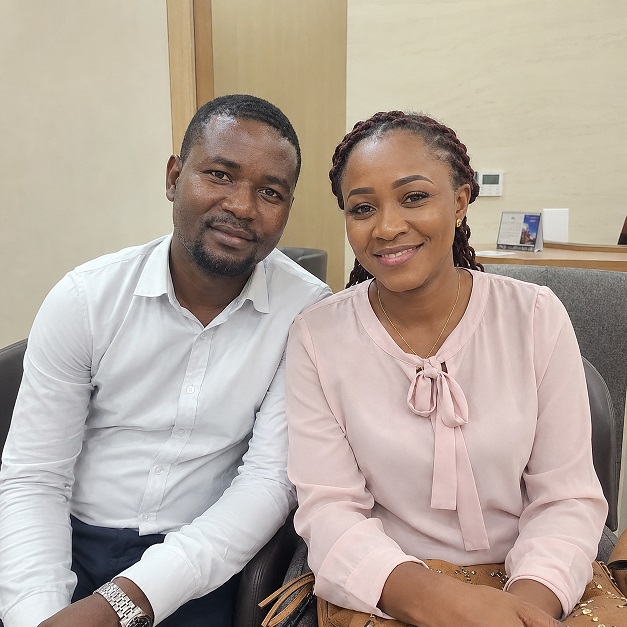
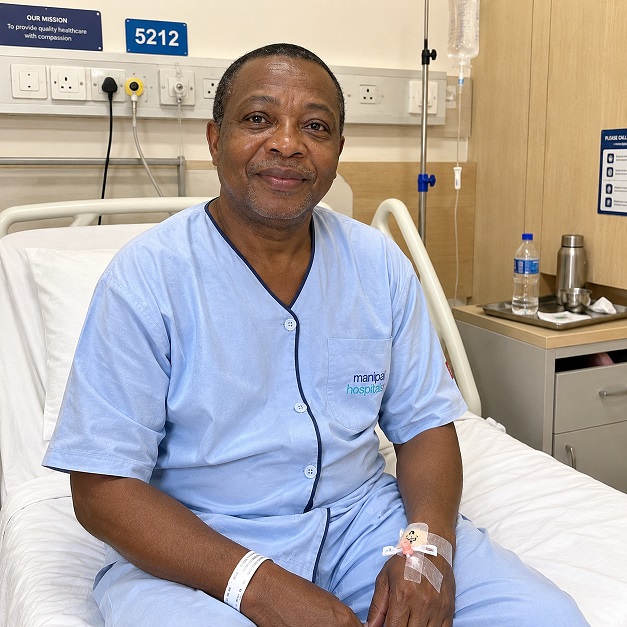
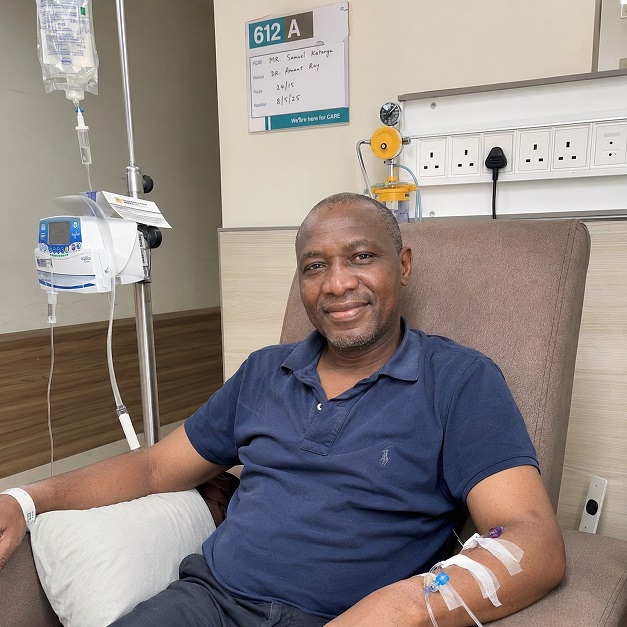
Patient Testimonials from Congo
Ready to Take the First Step?
Share your medical reports with our healthcare managers today and receive a FREE CONSULTATION, a personalized treatment plan and complete support from your arrival to your recovery.
Get Your Free ConsultationAreas We Serve
At Indian Health Guru Consultants, we proudly assist patients from Congo and neighboring countries across Central, East and Southern Africa who travel to India for advanced medical treatment. Our experienced international patient team provides end-to-end support, including medical opinions, hospital selection, Medical Visa assistance, travel planning, accommodation, interpreter services and post-treatment follow-up.
We regularly serve patients from:
- Gabon
- Cameroon
- Angola
- Uganda
- Rwanda
- Burundi
- Tanzania
- Zambia
- Djibouti
- Comoros
- Madagascar
- Seychelles
- South Sudan
- Central African Republic
- Republic of the Congo
- Democratic Republic of the Congo
No matter where you are located in the region, Indian Health Guru Consultants is committed to making your medical journey to India safe, affordable, seamless and completely patient-focused.
From Congo to India: Your Complete Patient Guide
- Brain Tumor Surgery in India for Congolese Patients
- Best Brain Tumour Surgeons & Hospitals in India for Congo Patients
- Knee Replacement in India for Congolese Patients
- Best Knee Replacement Surgeons & Hospitals in India for Congolese Patients
- Spine Surgery in India for Congolese Patients
- Best Spine Surgeons & Hospitals in India for Congolese Patients
- Liver Transplant in India for Congolese Patients: Cost & Guide
- Best Liver Transplant Centres and Hospitals in India for Congolese Patients
- Cardiac Surgery in India for Congolese Patients: Cost & Guide
- Best Cardiac Surgeons & Hospitals in India for Congolese Patients
- Bone Marrow Transplant in India for Congolese Patients: Cost & Guide
- Best Bone Marrow Transplant Centres and Hospitals in India for Congolese Patients
- Prostate Cancer Treatment in India for Congolese Patients: Cost & Guide
- Best Prostate Cancer Centres and Hospitals in India for Congolese Patients
- HIPEC in India for Congolese Patients: Cost & Treatment Guide
- Best HIPEC Centres and Hospitals in India for Congolese Patients
- Kidney Transplant in India for Congolese Patients: Cost & Guide
- Best Kidney Transplant Centres and Hospitals in India for Congolese Patients