

Bone Marrow Transplant in India for Congolese Patients: What It Costs, and How to Decide Well
Understand bone marrow transplant for sickle cell disease, donor matching, costs, eligibility, recovery and travel requirements for Congolese patients seeking treatment in India.
Sickle cell disease affects the DRC and its neighbours more than almost anywhere else in the world, and a bone marrow transplant remains the only established cure. In 24 years of advising families through this decision, I have found that this single fact, a genuine cure existing but remaining largely inaccessible locally, is one of the more painful gaps this series documents. This guide sets out plainly the scale of the disease, why access to its cure remains so limited, what treatment in India costs, and what to weigh before deciding.
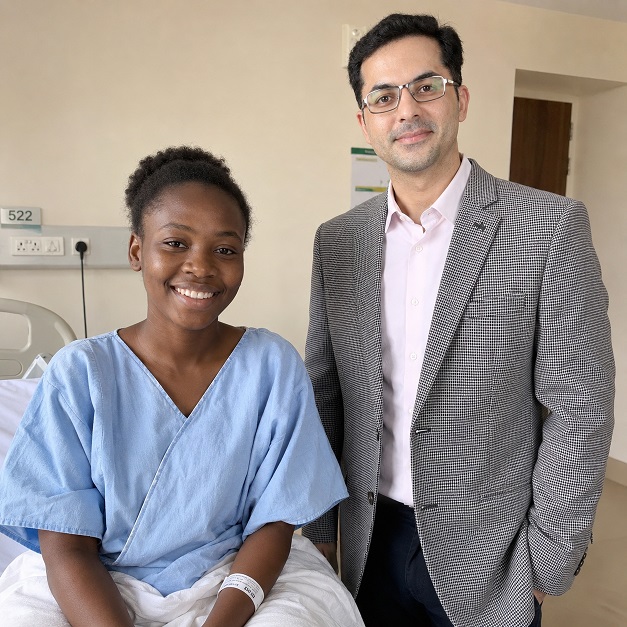
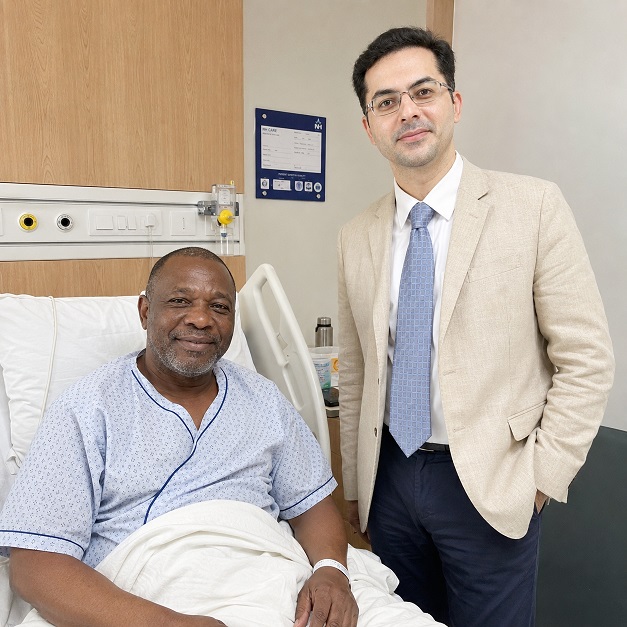
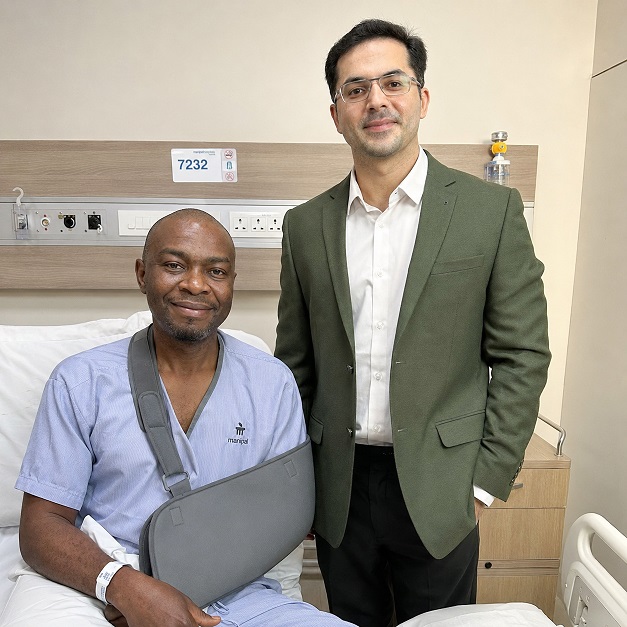
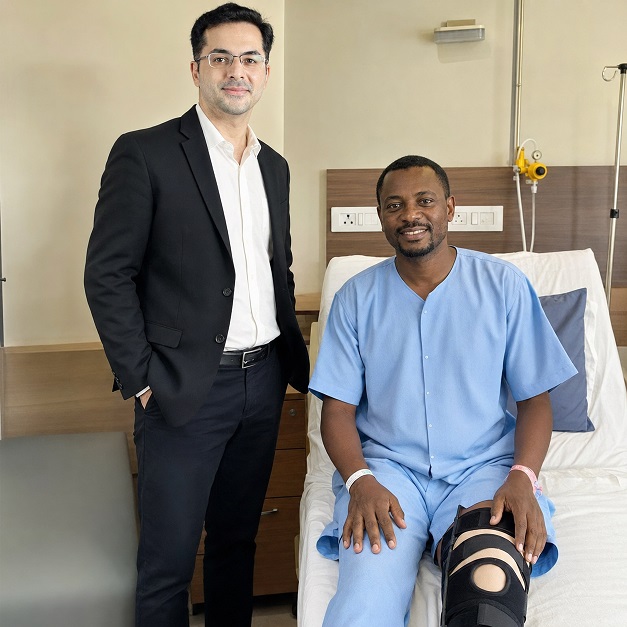
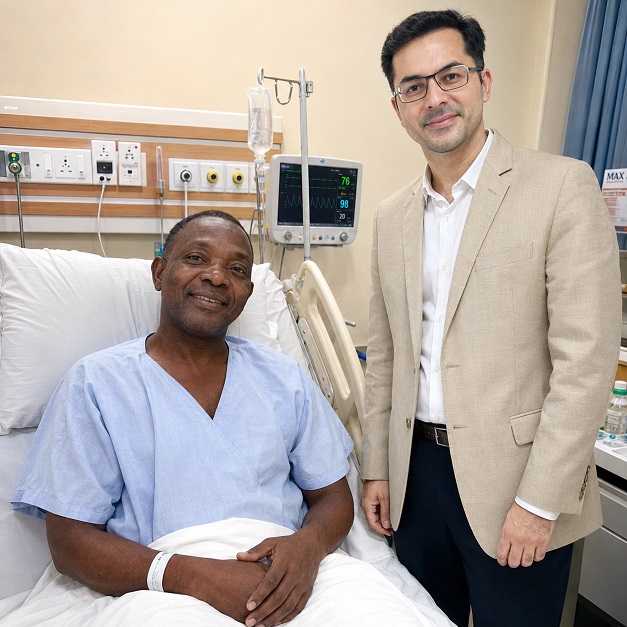
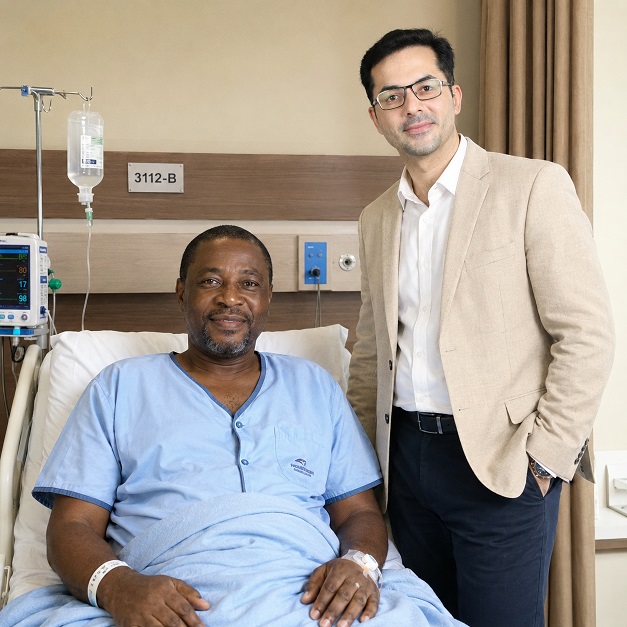
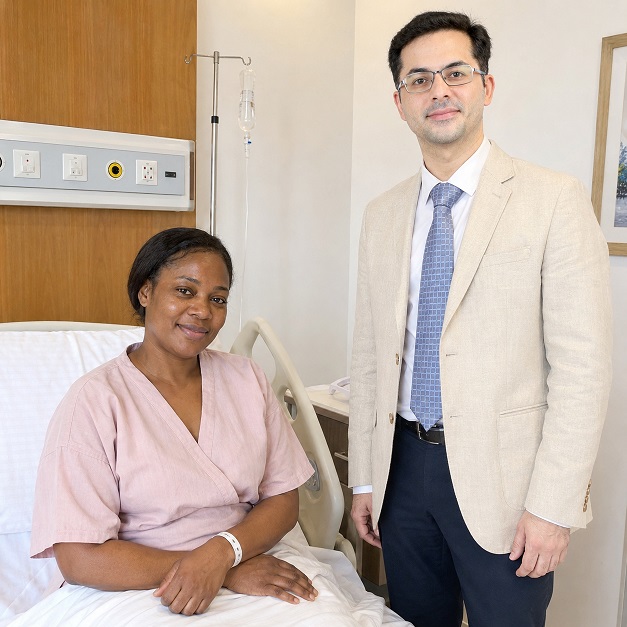
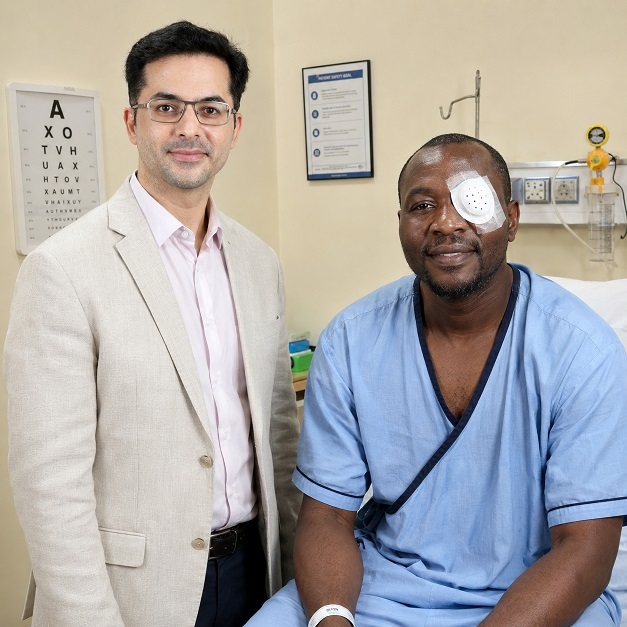
Healing Journeys of Congolese Patients
Key Takeaways
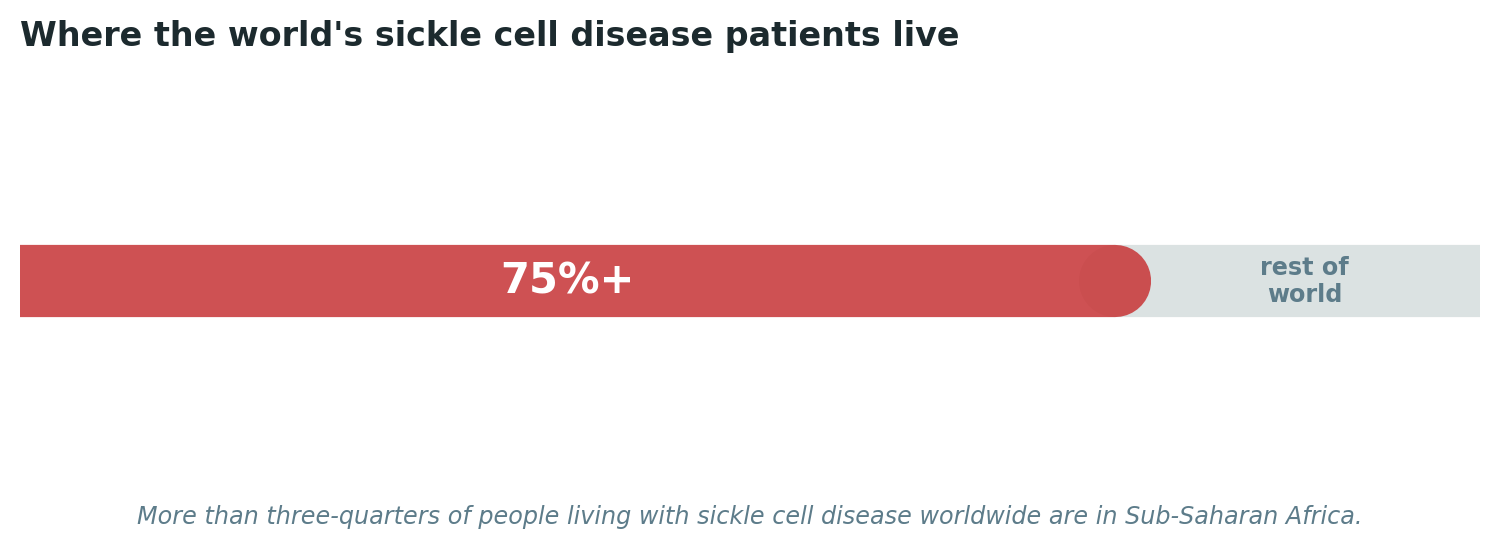
- The guide explains that sickle cell disease places a particularly heavy burden on Sub-Saharan Africa, with more than three-quarters of people living with the disease worldwide in the region. It highlights that limited newborn screening, specialist care and access to disease-modifying treatment contribute to poor outcomes.
- The guide stresses that bone marrow transplant remains the only established cure for sickle cell disease, while treatments such as hydroxyurea and regular transfusions manage complications rather than cure the disease. Transplant is particularly important to consider in severe or complication-prone cases.
- The page 3 graphic highlights the potential advantage of larger African families for finding a matched sibling donor, illustrating an approximate 40% chance compared with around 27% in the typical smaller-family comparison. The guide emphasises that early donor and HLA matching assessment can be important before travelling.
- The same page gives indicative complete transplant costs of US$17,000–40,000 in India, compared with US$150,000–300,000 in France/Belgium, US$200,000–400,000 in the UK and US$500,000–800,000 in the US. Costs depend significantly on donor type and transplant complexity.
- For Congolese patients, the guide recommends confirming whether a sibling may be a genetic match, sending the complete diagnosis and disease history, understanding whether transplant is appropriate and planning for the longer recovery period. It also recommends a 15–20% financial buffer, early visa preparation and current yellow-fever documentation for both patient and donor.
- The guide identifies four warning signs: transplant recommended without explaining why it suits the patient's disease severity, no genuine HLA testing, no discussion of recovery and long-term monitoring, and pressure to pay the full balance before a complete written treatment plan.
Quick Facts
- Author
- Dr. Dheeraj Bojwani
- Experience
- 24+ Years
- Treatment
- Bone Marrow Transplant / Haematopoietic Stem Cell Transplant
- Patients
- Congolese Patients and Families
- Key Condition
- Sickle Cell Disease
- First Step
- Assess whether transplant is appropriate for the specific case
- Donor Check
- Explore matched sibling donor possibility
- HLA Testing
- Confirm genuine donor-matching assessment
- Disease Assessment
- Severity and previous complications
- Cost in India
- US$17,000–40,000 indicative range
- Cost Check
- Written estimate based on donor type and complexity
- Financial Buffer
- 15–20%
- Recovery
- Extended hospital stay and recovery period
- Medical Records
- Diagnosis, disease history and previous complications
- Visa
- Paper medical visas for patient and donor
- Entry Requirement
- Current yellow-fever certificate for patient and donor
- Follow-Up
- Long-term monitoring after transplant
- Key Warning
- Avoid transplant planning without proper HLA testing and suitability assessment
- Decision Principle
- Confirm transplant suitability and donor matching before focusing on cost or travel.
In Brief
For Congolese patients with severe or complication-prone sickle cell disease, the guide recommends assessing transplant suitability and donor matching early, particularly whether a sibling is a potential match. Patients should also verify transplant experience, obtain a transparent written quotation and understand the recovery and long-term monitoring requirements before travelling to India.
A Disease Concentrated Overwhelmingly in This Region
Sickle cell disease is most prevalent in historically malaria-endemic regions, and more than three-quarters of people living with it worldwide are in Sub-Saharan Africa. This is not a rare disease affecting a small population — it is one of the region's most significant inherited health burdens.
The disease trait itself became common across the region because carrying a single copy of the sickle cell gene offers meaningful protection against severe malaria, a genuine evolutionary trade-off that concentrated the condition here over many generations. That same history means the disease now falls disproportionately on exactly the population this series is written for.
Without Proper Care, the Stakes Are Extremely High
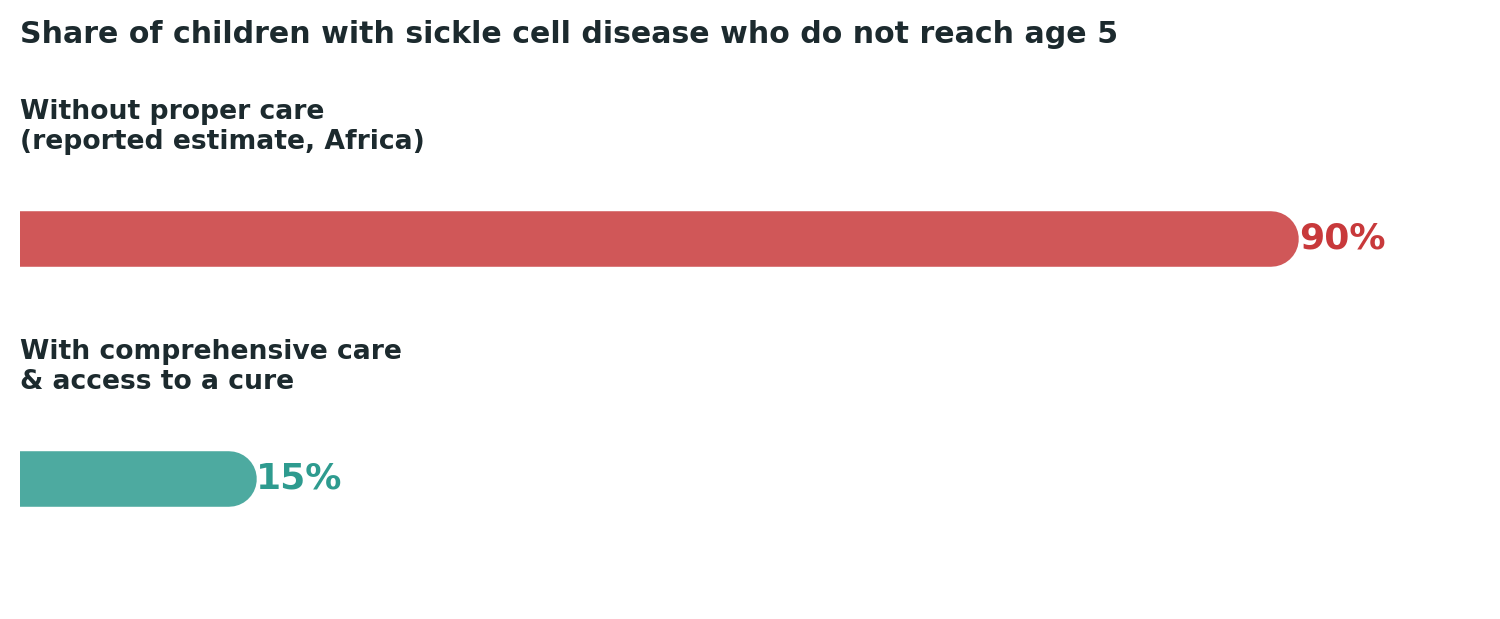
Public health reporting on sickle cell disease in the region has found that, without comprehensive care, up to 90% of African children born with the condition do not survive to their fifth birthday. With proper ongoing management, and where a cure is genuinely accessible, this outlook changes dramatically.
Much of this gap is driven by the absence of universal newborn screening across the region, meaning many children are never formally diagnosed early enough for preventive care to begin. Combined with limited access to disease-modifying medication and a shortage of specialists trained in the condition's management, a child's chances can depend enormously on exactly where in the region they happen to be born.
The one fact worth remembering
A bone marrow transplant remains the only established cure for sickle cell disease. Ongoing treatments such as hydroxyurea and regular blood transfusions can meaningfully reduce complications and improve quality of life, but they manage the disease rather than curing it. For patients with severe, complication-prone disease, transplant is worth understanding as a genuinely different category of treatment, not simply a more intensive version of ongoing management.
A Rare Advantage: Larger Family Sizes Improve Donor-Matching Odds
One genuinely encouraging fact stands out. Bone marrow transplant works best with a matched sibling donor, and researchers studying transplant feasibility across African populations have noted that the larger typical family size in many African communities gives a meaningfully higher chance of finding a matched sibling than in regions with smaller families.
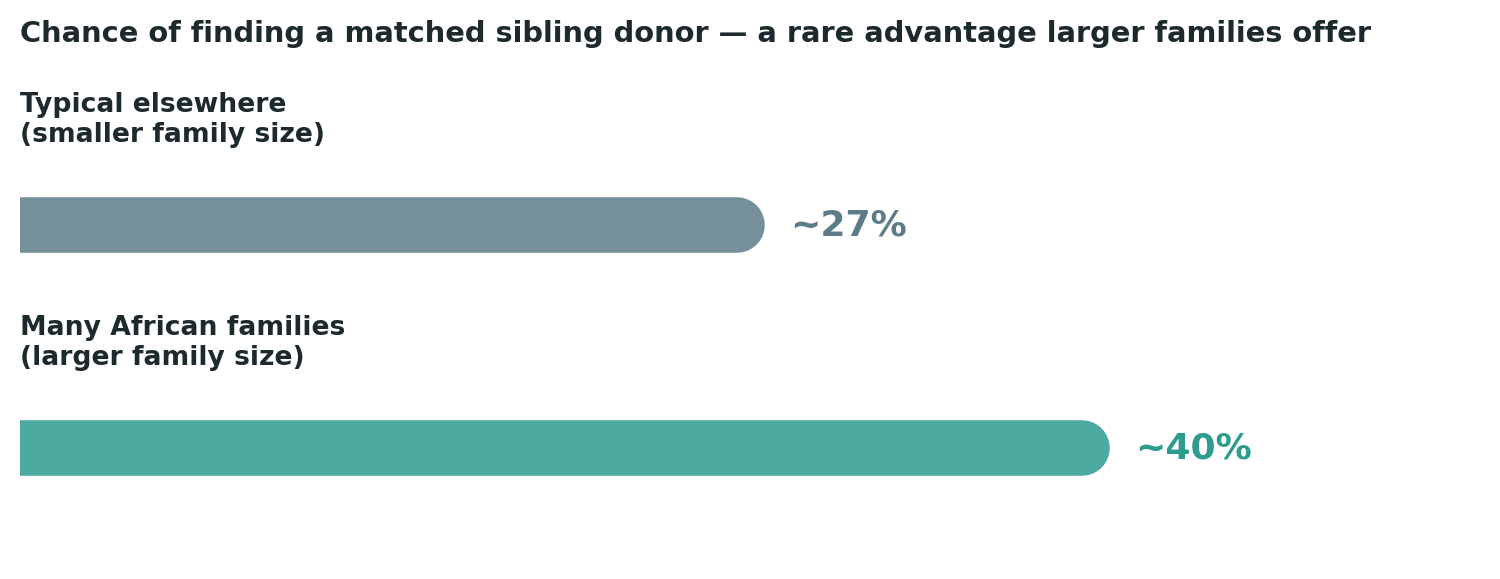
This matters because it means many Congolese families facing a sickle cell diagnosis may already have a genuinely compatible donor within their own household, without needing to search further afield. The barrier, in many cases, is not finding a donor but reaching a centre capable of performing the transplant safely.
What a Complete Bone Marrow Transplant Costs: DRC Reality vs India vs the West
Cost depends heavily on donor type, with a matched sibling donor typically costing meaningfully less than an unrelated or partially matched donor, but the relative gap between India and Western options holds fairly consistently.
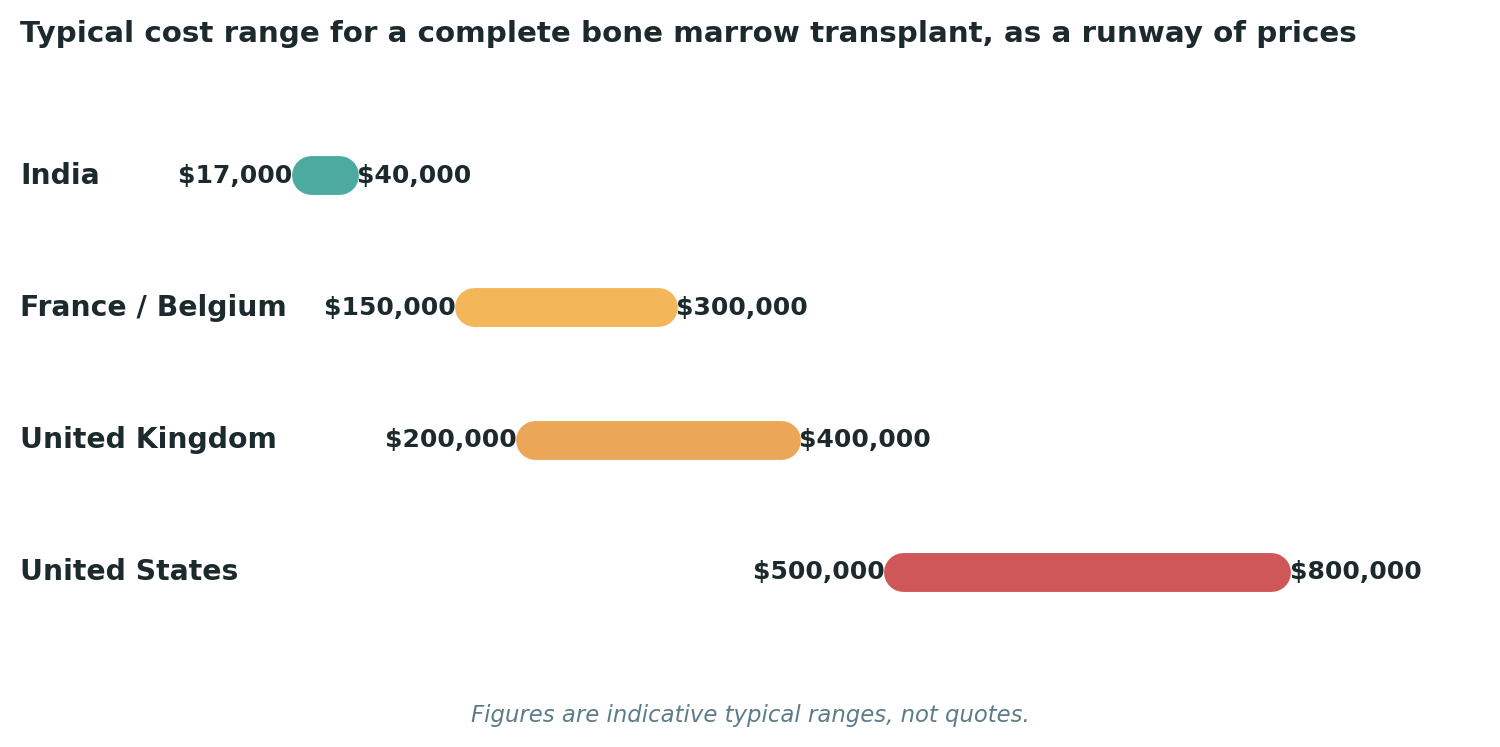
In India, a complete bone marrow transplant typically costs US$17,000 to US$40,000, depending on donor type and complexity. In France or Belgium, costs typically run US$150,000 to US$300,000. In the UK, costs range roughly US$200,000 to US$400,000. In the US, the same procedure commonly costs US$500,000 to US$800,000. India's typical price sits at roughly a twentieth of the uninsured US figure.
What the number on the quote does not always show
A written estimate should specify whether it assumes a matched sibling donor or a more complex, costlier alternative, since this single factor changes the price substantially. In 24 years of reviewing these quotes, I have found disputes almost never concern the headline figure — they concern what it silently left out. Get every line item in writing, and never pay the full balance before treatment begins.
What a Congolese Patient Should Weigh, Specifically
- Check whether a sibling might be a genetic match early, since larger family sizes give a genuinely better than average chance of finding one.
- Send the actual diagnosis, disease severity history, and any prior complications, not just a general description, since transplant eligibility depends on precise clinical detail.
- Ask directly whether transplant is appropriate for your specific case, since it carries real risks and is generally reserved for more severe or complication-prone disease.
- Understand the full recovery timeline, since bone marrow transplant typically requires a longer hospital stay and recovery period than many other procedures in this series.
- Budget in US dollars, with margin. The Congolese franc has weakened considerably against the dollar (roughly CDF 2,300–2,350 per US$1 in mid-2026, and it moves); build in a 15–20% buffer above the initial estimate.
- Start the visa process early, for both patient and donor. DRC passport holders need a paper medical visa through the Embassy of India in Kinshasa (Avenue Batetela, Gombe), typically around two weeks once the hospital's invitation letter is ready.
- Confirm your yellow fever certificate is current — mandatory for entry into India, at least 10 days before travel, for both patient and donor.
Four signals that should make you pause
- Transplant proposed without a clear explanation of why it suits your specific case and disease severity.
- No genuine HLA testing behind the donor-matching process.
- No discussion of realistic recovery time and long-term monitoring needs.
- Pressure to pay the full balance before a written, complete treatment plan exists.
Why India Specifically for Bone Marrow Transplant for Congolese Patients?
India performs a substantial volume of bone marrow transplants for sickle cell disease specifically, with published outcomes reporting survival rates around 90%, at costs that make this otherwise prohibitively expensive cure genuinely reachable. Combined with English-language consultation throughout and hospital accreditation (NABH domestically, JCI internationally) that mirrors the standards used to evaluate hospitals in the US and Europe, India offers access to a curative treatment that remains largely unavailable across the DRC's own region, for a disease that disproportionately affects Congolese families, at a cost that finally brings a genuine cure within reach.
A closing word
Sickle cell disease's toll across this region reflects both a genuine, disproportionate disease burden and a genuine, addressable gap in access to its only cure. What matters most is understanding honestly whether transplant suits your specific case, checking early whether a sibling might already be a match, and pursuing treatment before complications progress further. If you are able to share your diagnosis and disease history, I am glad to give a direct, honest view on what your case would involve.
Sources
- 🌐 National Medical Commission of India — verify any surgeon's registration · nmc.org.in
- 🌐 National Accreditation Board for Hospitals & Healthcare Providers (NABH) · nabh.co
- 🌐 Embassy of India, Kinshasa — medical visa requirements · eoikinshasa.gov.in
- 🌐 "Exploring Affordable Curative Therapy for Sickle Cell Disease in Africa," American Journal of Hematology · onlinelibrary.wiley.com
- 🌐 "Treatment for sickle cell disease in Africa: should we invest in haematopoietic stem cell transplantation?" · panafrican-med-journal.com
- 🌐 World Health Organization — yellow fever vaccination requirements · who.int/health-topics/yellow-fever
Frequently Asked Questions by Congolese Patients about Bone Marrow Transplant in India
Is bone marrow transplant a cure for sickle cell disease?
The guide states that bone marrow transplant remains the only established cure for sickle cell disease, while other treatments primarily manage the disease and its complications.
Who may need a transplant?
Transplant is generally presented as an option worth considering for patients with severe or complication-prone disease, following an individual medical assessment.
Can a sibling be a donor?
Yes. The guide highlights that larger family sizes may provide a better chance of finding a matched sibling donor, making early donor assessment particularly useful.
What is the approximate transplant cost in India?
The guide gives an indicative range of US$17,000–40,000, depending on donor type and transplant complexity.
Why is HLA testing important?
HLA testing is required to assess donor compatibility. The guide identifies the absence of genuine HLA testing as an important warning sign.
What information should patients send to the transplant centre?
Patients should provide their diagnosis, disease severity history and previous complications, rather than only a general description of their condition.
How long does recovery take?
Bone marrow transplant generally involves a longer hospital stay and recovery period than many other treatments, so patients should plan their stay accordingly.
How much financial buffer should Congolese families maintain?
The guide recommends keeping a 15–20% buffer above the initial estimate to allow for possible changes in treatment-related expenses.
What travel documents are important?
The guide recommends arranging paper medical visas for the patient and donor and ensuring both have current yellow-fever certificates meeting India's entry requirements.
What are the main warning signs?
Be cautious if there is no clear explanation of transplant suitability, no genuine HLA testing, no realistic recovery or monitoring discussion, or pressure to pay the full balance before a complete written treatment plan.
Page Summary
This five-page guide explains the burden of sickle cell disease in the DRC and Sub-Saharan Africa, why bone marrow transplant can provide a curative option, and how Congolese families should evaluate treatment in India. The page 3 cost chart compares transplant costs across India and Western countries, while page 4 focuses on donor matching, transplant suitability, recovery, visas and warning signs.
Citation Block
| Field | Information |
|---|---|
| Topic | Bone Marrow Transplant in India for Congolese Patients |
| Treatment | Bone Marrow / Haematopoietic Stem Cell Transplant |
| Patients | Congolese Patients |
| Key Condition | Sickle Cell Disease |
| First Assessment | Confirm transplant suitability |
| Donor Check | Matched sibling donor possibility |
| HLA Testing | Genuine donor-matching assessment |
| Disease Assessment | Severity and previous complications |
| India Cost | US$17,000–40,000 indicative range |
| Cost Check | Donor type and complexity clearly specified |
| Recovery | Extended hospital stay and recovery |
| Medical Records | Diagnosis and disease history |
| Financial Buffer | 15–20% |
| Visa | Paper medical visa for patient and donor |
| Yellow Fever | Current certificate for patient and donor |
| Follow-Up | Long-term monitoring |
| Warning Signs | No suitability explanation, no HLA testing, unclear recovery plan or early full-payment pressure |
| Key Decision | Assess suitability and donor matching before travelling |


Our Mission Statement
Our mission is to place patients at the centre of every healthcare decision by providing trustworthy, evidence-based, and unbiased medical information. We believe that informed patients make better decisions. Backed by personalised guidance from our experienced advisory team, we help patients understand their treatment options, compare them objectively, and confidently choose the path that best suits their medical needs and personal circumstances.
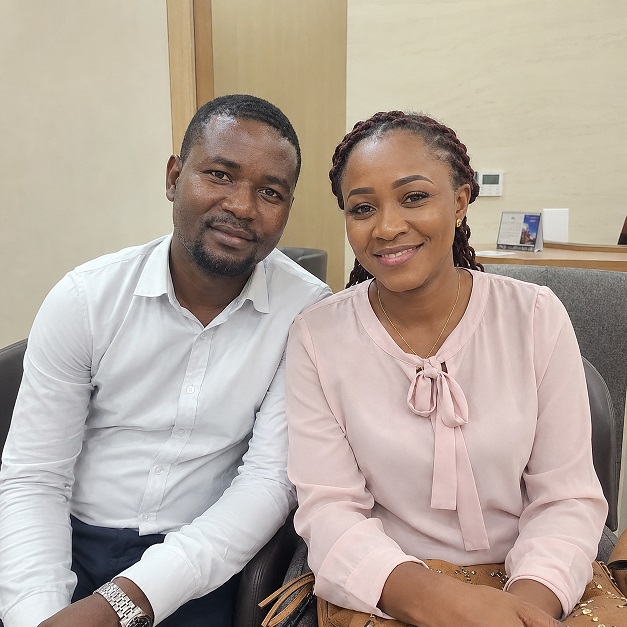
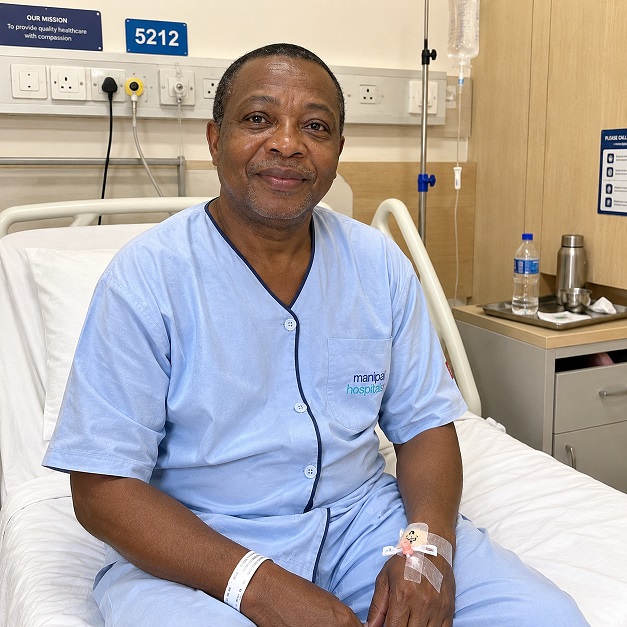
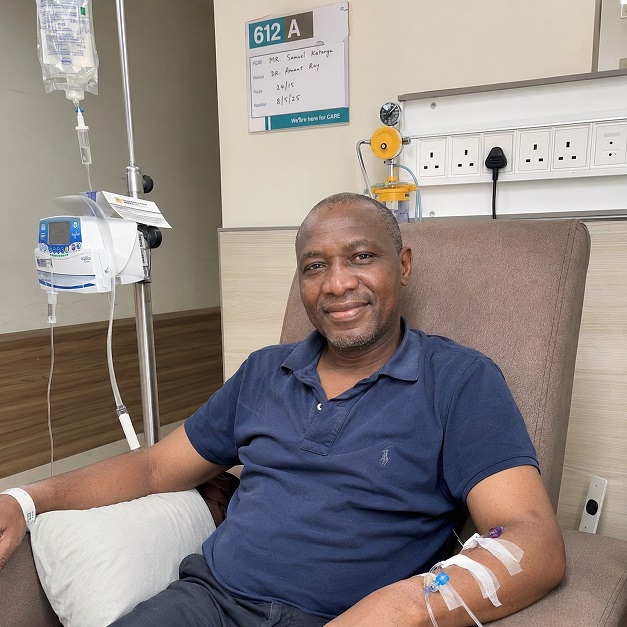
Patient Testimonials from Congo
Ready to Take the First Step?
Share your medical reports with our healthcare managers today and receive a FREE CONSULTATION, a personalized treatment plan and complete support from your arrival to your recovery.
Get Your Free ConsultationAreas We Serve
At Indian Health Guru Consultants, we proudly assist patients from Congo and neighboring countries across Central, East and Southern Africa who travel to India for advanced medical treatment. Our experienced international patient team provides end-to-end support, including medical opinions, hospital selection, Medical Visa assistance, travel planning, accommodation, interpreter services and post-treatment follow-up.
We regularly serve patients from:
- Gabon
- Cameroon
- Angola
- Uganda
- Rwanda
- Burundi
- Tanzania
- Zambia
- Djibouti
- Comoros
- Madagascar
- Seychelles
- South Sudan
- Central African Republic
- Republic of the Congo
- Democratic Republic of the Congo
No matter where you are located in the region, Indian Health Guru Consultants is committed to making your medical journey to India safe, affordable, seamless and completely patient-focused.
From Congo to India: Your Complete Patient Guide
- Brain Tumor Surgery in India for Congolese Patients
- Best Brain Tumour Surgeons & Hospitals in India for Congo Patients
- Knee Replacement in India for Congolese Patients
- Best Knee Replacement Surgeons & Hospitals in India for Congolese Patients
- Spine Surgery in India for Congolese Patients
- Best Spine Surgeons & Hospitals in India for Congolese Patients
- Liver Transplant in India for Congolese Patients: Cost & Guide
- Best Liver Transplant Centres and Hospitals in India for Congolese Patients
- Cardiac Surgery in India for Congolese Patients: Cost & Guide
- Best Cardiac Surgeons & Hospitals in India for Congolese Patients
- Bone Marrow Transplant in India for Congolese Patients: Cost & Guide
- Best Bone Marrow Transplant Centres and Hospitals in India for Congolese Patients
- Prostate Cancer Treatment in India for Congolese Patients: Cost & Guide
- Best Prostate Cancer Centres and Hospitals in India for Congolese Patients
- HIPEC in India for Congolese Patients: Cost & Treatment Guide
- Best HIPEC Centres and Hospitals in India for Congolese Patients
- Kidney Transplant in India for Congolese Patients: Cost & Guide
- Best Kidney Transplant Centres and Hospitals in India for Congolese Patients