

Liver Transplant in India for Congolese Patients: What It Costs, and How to Decide Well
A practical guide covering living-donor liver transplant, costs, donor evaluation, recovery, immunosuppressant medication, visas and follow-up for Congolese patients.
Liver transplant is one of the most demanding procedures in all of surgery, requiring a coordinated team, a matched donor, and precise perioperative care. In 24 years of advising patients facing this decision, I have found that its availability across Africa is narrower than almost any other treatment covered in this series — a genuinely stark gap that shapes what options are realistically on the table for a Congolese patient. This guide sets out plainly where liver transplant exists on the continent, what treatment in India costs against the Western alternatives some patients consider, and what to weigh before deciding.
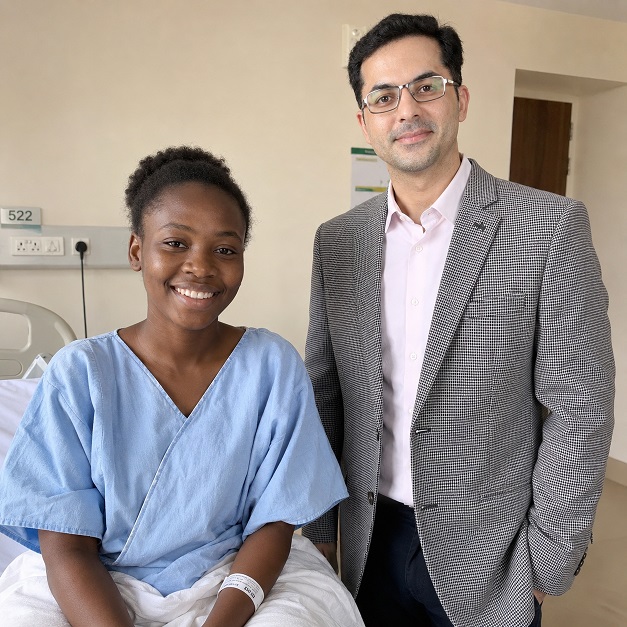
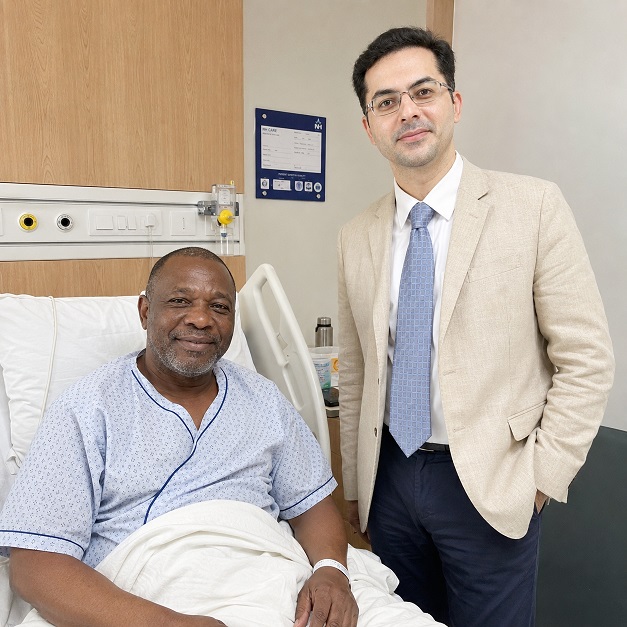
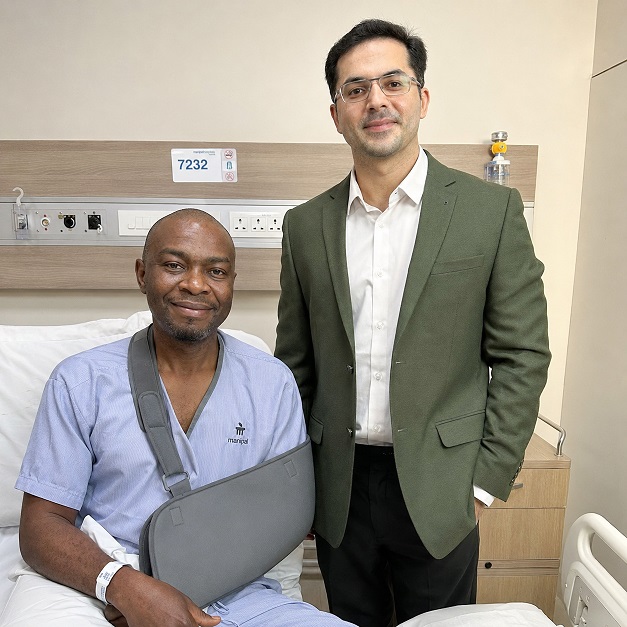
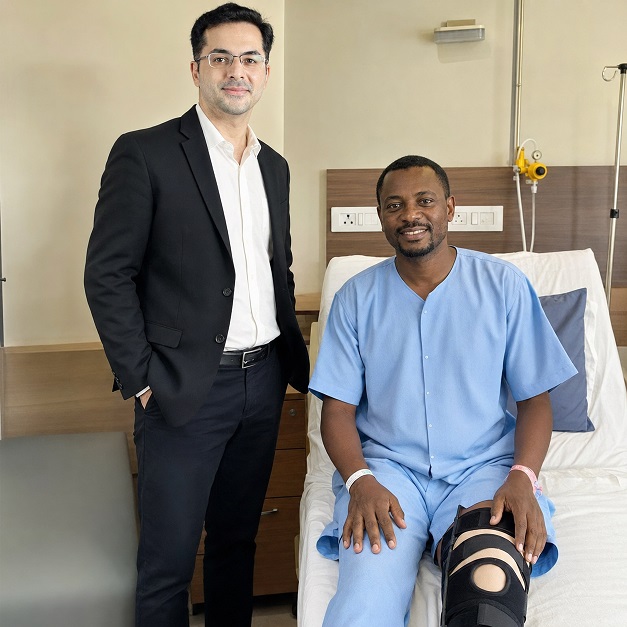
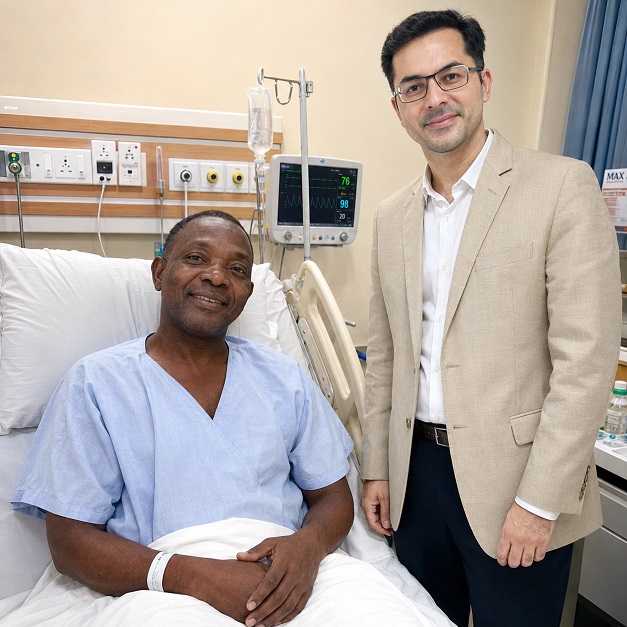
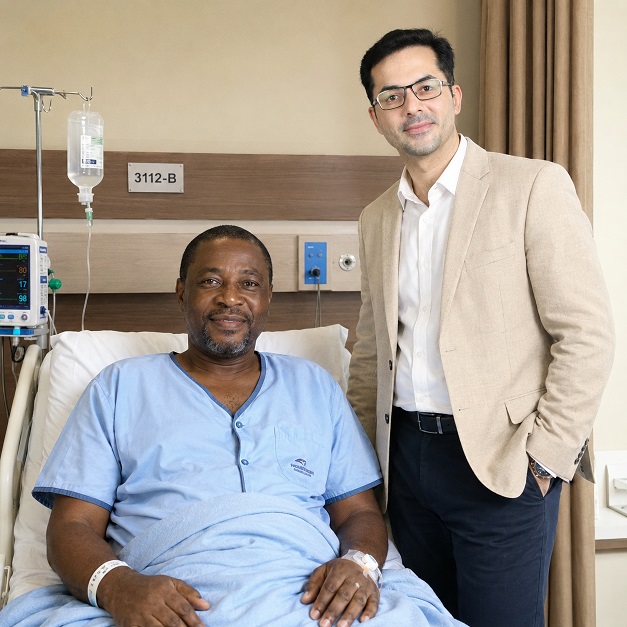
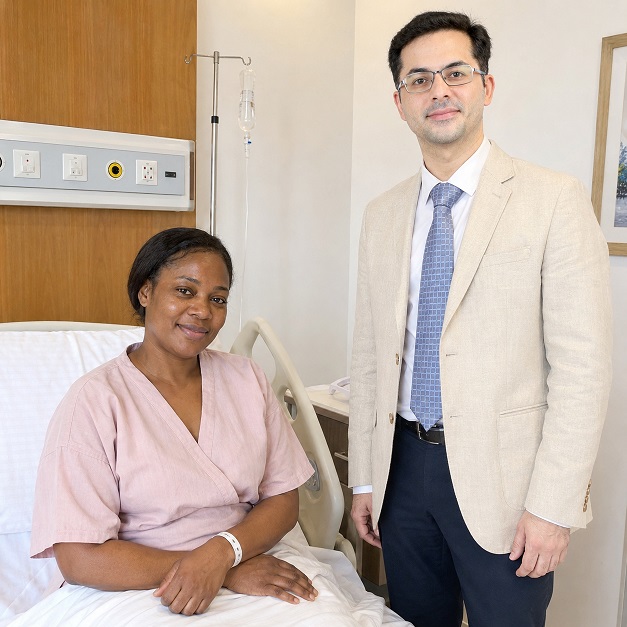
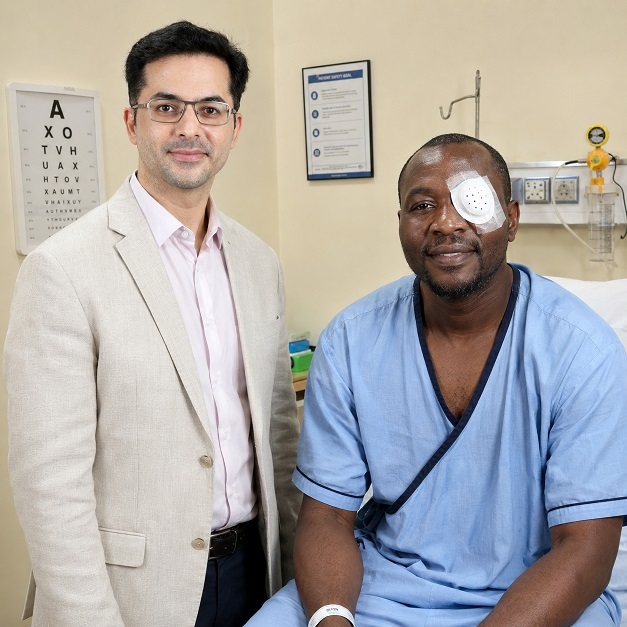
Healing Journeys of Congolese Patients
Key Takeaways
- The guide explains that liver transplant access is extremely limited across Sub-Saharan Africa. It notes that only two adult liver transplant programmes exist across the region, both in South Africa, while the DRC has no local liver transplant programme.
- The guide highlights India's strong experience with living-donor liver transplantation, where part of a healthy family member's liver is transplanted instead of waiting for a deceased donor. This can allow treatment to proceed according to medical readiness rather than an unpredictable waiting list.
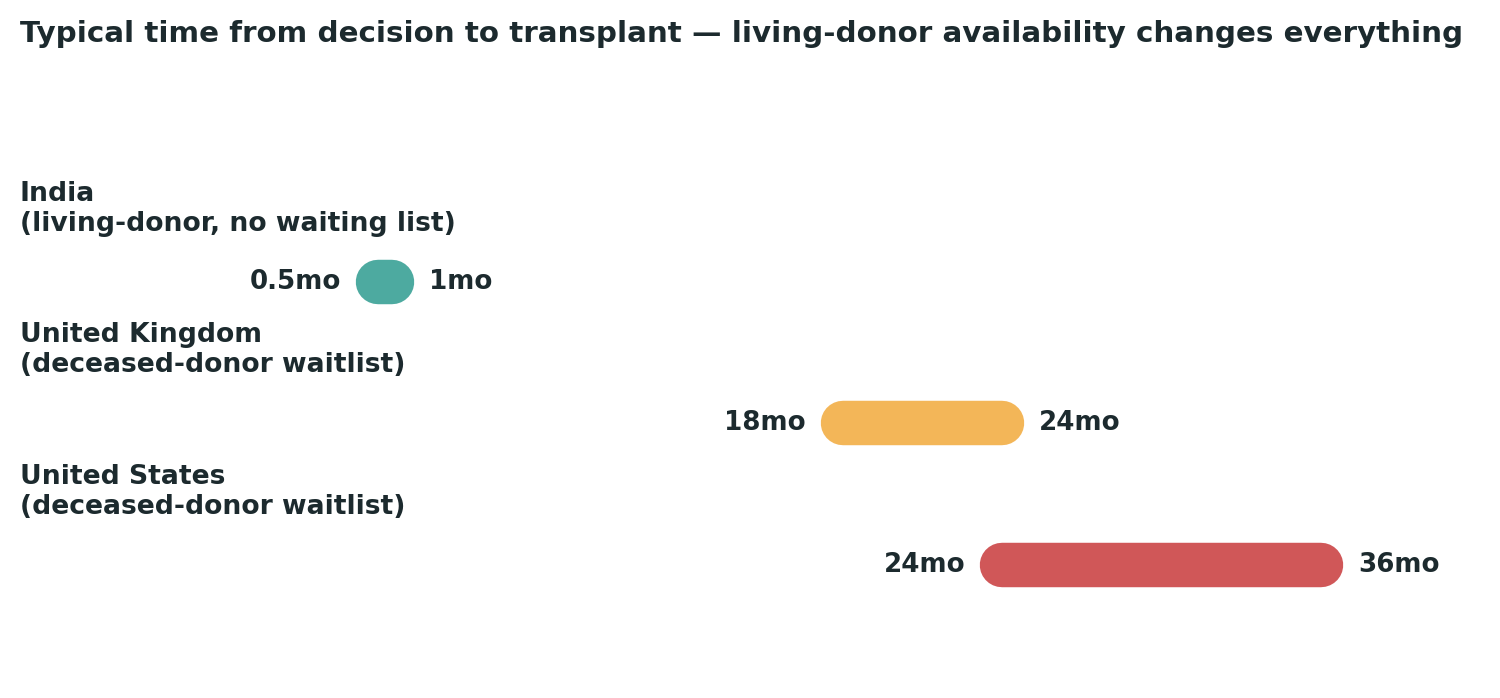
- The page 3 graphic compares the typical timeline, showing approximately 0.5–1 month in India with a living donor, versus 18–24 months in the UK and 24–36 months in the US under deceased-donor waiting-list models. The same page explains that a donor's liver can regain near-normal size within weeks, with full function typically confirmed within a few months.
- The page 4 cost chart gives an indicative complete liver transplant range of US$22,000–45,000 in India, compared with US$100,000–200,000 in France/Belgium, US$120,000–250,000 in the UK and US$300,000–500,000 in the US. The guide stresses that donor evaluation and donor hospitalisation should be clearly included or separately identified in the quotation.
- For Congolese patients, the guide recommends identifying a potential living donor early, sending actual liver-function tests, imaging and diagnosis, and confirming what happens if the first donor is unsuitable. It also advises confirming long-term immunosuppressant costs, maintaining a 15–20% financial buffer, and arranging medical and attendant visas early.
- The guide identifies four warning signs: no clear donor-evaluation process, no genuine liver-function testing or staging behind the urgency assessment, no discussion of long-term immunosuppressant costs and pressure to pay the full balance before a complete written treatment plan.
Quick Facts
- Author
- Dr. Dheeraj Bojwani
- Experience
- 24+ Years
- Treatment
- Liver Transplant
- Patients
- Congolese Patients
- First Assessment
- Liver function, imaging and transplant suitability
- Donor Check
- Potential living donor aged 18–55 with good health and compatibility
- Transplant Model
- Living-donor liver transplant
- Donor Evaluation
- Confirm compatibility and suitability
- India Cost
- US$22,000–45,000 indicative range
- Cost Check
- Recipient and donor costs clearly itemised
- Financial Buffer
- 15–20%
- Medication
- Long-term immunosuppressants
- Medical Records
- Liver-function tests, imaging and diagnosis
- Visa
- Paper medical and attendant visas
- Entry Requirement
- Current yellow-fever certificate
- Follow-Up
- Long-term transplant monitoring
- Key Warning
- Avoid transplant planning without proper donor evaluation
- Decision Principle
- Identify a suitable donor early and assess the complete transplant pathway before travelling.
In Brief
For Congolese patients with advanced liver disease, the guide recommends identifying a potential living donor early and completing proper liver-function, imaging and donor assessments before travel. Patients should also understand the complete transplant cost, long-term immunosuppressant requirements and follow-up plan.
Two Centres for a Billion People
Across the entire Sub-Saharan African region, home to more than a billion people, only two adult liver transplant programmes exist, and both are in South Africa: one in Cape Town, one in Johannesburg. The absence of these services across the rest of the region, including the DRC, contrasts starkly with the widespread access taken for granted in high-income countries.
Researchers who study organ transplantation across the continent point to a familiar combination of factors behind this gap: the high cost of establishing and running a transplant programme, limited institutional and infrastructural support, an absence of insurance subsidy for a procedure this expensive, and a persistent shortage of both living and deceased organ donors. Building a genuinely safe liver transplant programme requires years of sustained investment across surgery, intensive care, and long-term immunology support, not a single piece of equipment or a single trained surgeon.
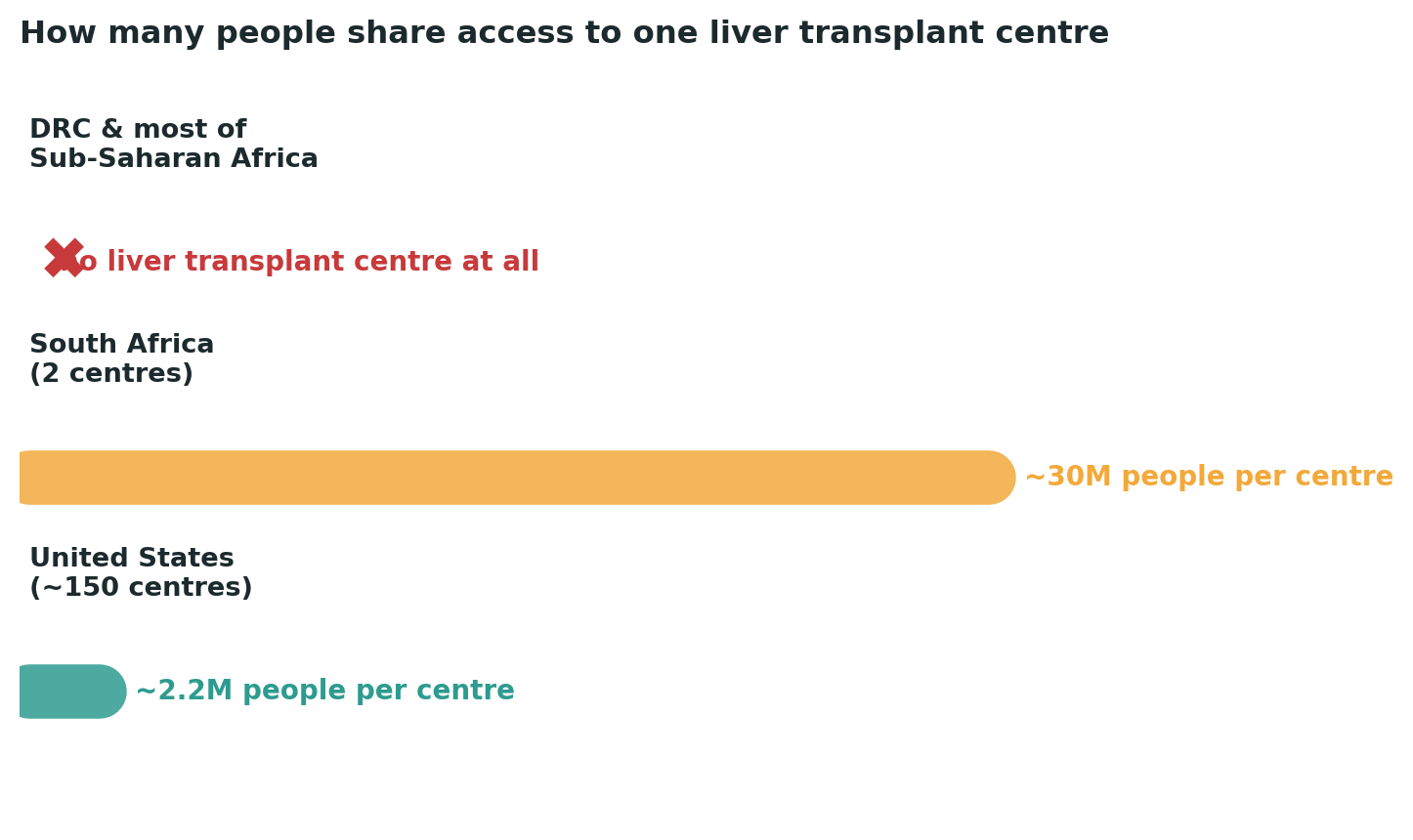
Even South Africa's own programme, described by researchers as relatively well-resourced compared with the rest of the region, was for many years the largest-volume liver transplant centre in the whole of Sub-Saharan Africa, and only recently began offering the specialised paediatric living-donor procedures that had previously been unavailable anywhere on the continent.
Why the Waiting List Model Matters So Much Here
In countries where liver transplant relies primarily on deceased-donor organs, patients typically join a waiting list and wait for a matching organ to become available — a process that in the UK commonly takes 18 months to 2 years, and in the US often stretches well beyond 2 years. For a disease that can progress quickly, this wait itself carries real risk.
The one fact worth remembering
India has built particular expertise in living-donor liver transplant, where a portion of a healthy family member's liver is transplanted rather than waiting for a deceased donor organ to become available. Because the liver has a genuine capacity to regenerate, this approach allows treatment to proceed on a timeline set by medical readiness, not by the unpredictable availability of a deceased donor.
A Living Donor's Liver Regrows Within Weeks
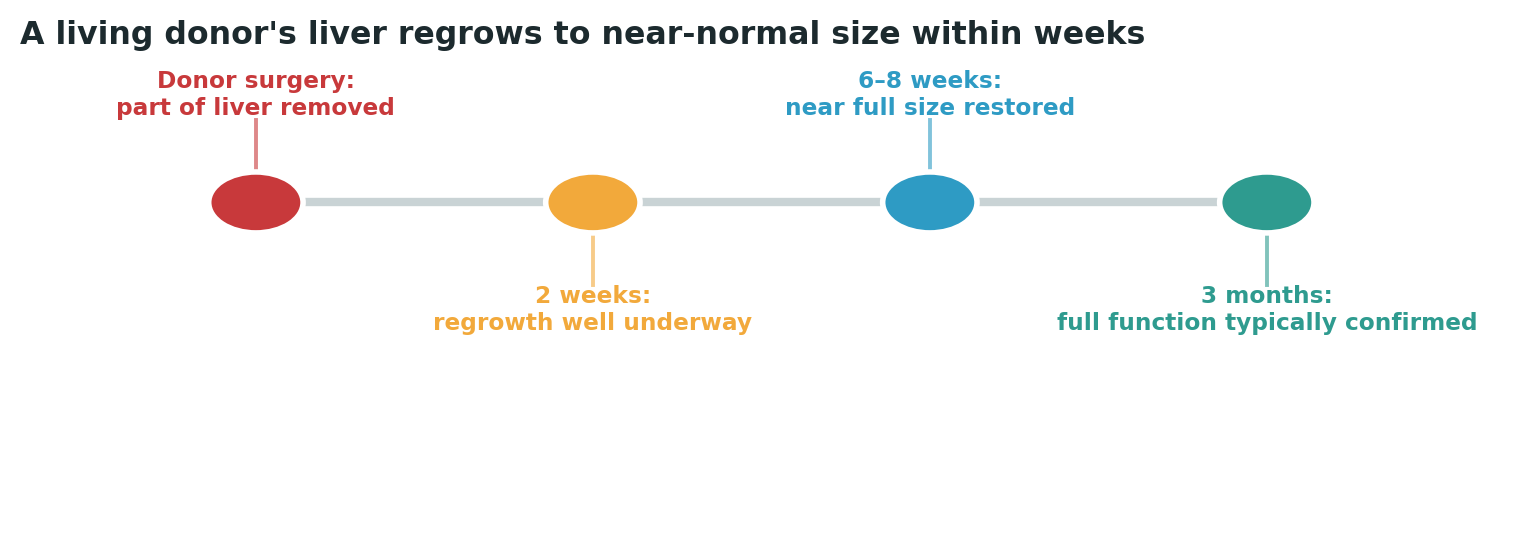
For families considering living donation, understanding what happens to the donor's own liver afterward is often a central concern. The evidence here is genuinely reassuring.
What a Complete Liver Transplant Costs: DRC Reality vs India vs the West
Cost depends on whether a living or deceased donor is used and the complexity of the underlying liver disease, but the relative gap between India and Western options holds fairly consistently.
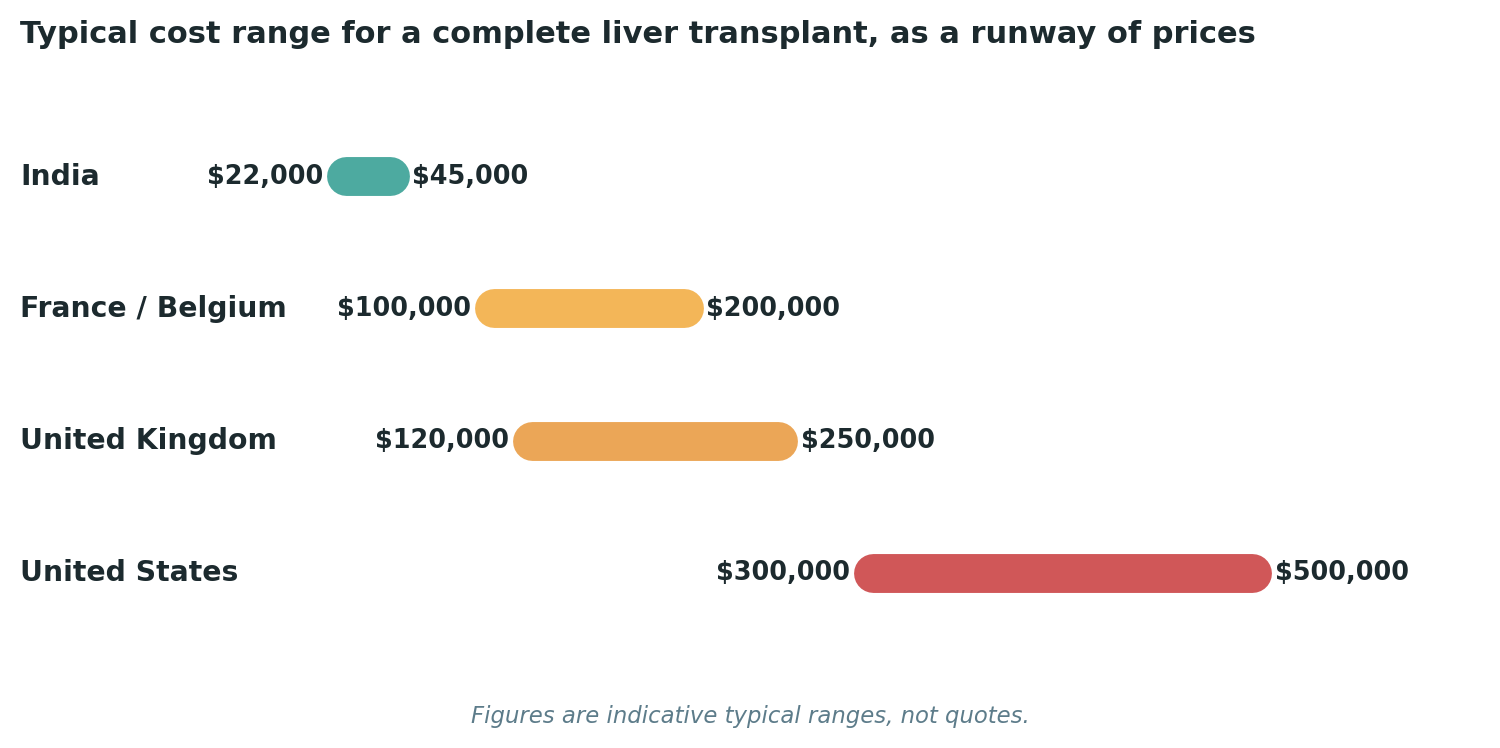
In India, a complete liver transplant typically costs US$22,000 to US$45,000. In France or Belgium, costs typically run US$100,000 to US$200,000. In the UK, costs range roughly US$120,000 to US$250,000. In the US, the same procedure commonly costs US$300,000 to US$500,000. India's typical price sits at roughly a tenth of the uninsured US figure.
What the number on the quote does not always show
A written estimate should specify whether donor evaluation and the donor's own hospitalisation costs are included, since these are sometimes billed separately from the recipient's procedure. In 24 years of reviewing these quotes, I have found disputes almost never concern the headline figure — they concern what it silently left out. Get every line item in writing, and never pay the full balance before surgery.
What a Congolese Patient Should Weigh, Specifically
- Identify a potential living donor early, typically a close relative aged 18 to 55 with a compatible blood type and good general health, since this shapes the entire timeline.
- Send the actual liver function tests, imaging, and diagnosis, not just a description of symptoms, so the transplant team can properly assess urgency and suitability.
- Ask directly what the donor evaluation process involves, and what happens if the first potential donor is not a suitable match.
- Confirm what post-transplant immunosuppressant medication will cost long-term, since this is an ongoing expense that continues well beyond the initial surgery.
- Budget in US dollars, with margin. The Congolese franc has weakened considerably against the dollar (roughly CDF 2,300–2,350 per US$1 in mid-2026, and it moves); build in a 15–20% buffer above the initial estimate.
- Start the visa process early, for both patient and donor. DRC passport holders need a paper medical visa through the Embassy of India in Kinshasa (Avenue Batetela, Gombe), typically around two weeks once the hospital's invitation letter is ready.
- Confirm your yellow fever certificate is current — mandatory for entry into India, at least 10 days before travel, for both patient and donor.
Four signals that should make you pause
- No clear explanation of the donor evaluation process before travel is arranged.
- No genuine liver function testing or staging behind the urgency assessment.
- No discussion of long-term immunosuppressant medication costs.
- Pressure to pay the full balance before a written, complete treatment plan exists.
Why India Specifically for Liver Transplant for Congolese Patients?
India performs more living-donor liver transplants than almost anywhere else in the world, with leading centres reporting one-year survival rates that match the best published outcomes from European and American programmes. Combined with English-language consultation throughout and hospital accreditation (NABH domestically, JCI internationally) that mirrors the standards used to evaluate hospitals in the US and Europe, India offers access to a genuinely mature liver transplant programme that remains almost entirely unavailable across the DRC's own region, without the multi-year waiting lists that shape the deceased-donor model elsewhere, and at a fraction of the Western cost.
A closing word
Liver transplant's near-total absence from the DRC and most of Sub-Saharan Africa reflects genuine gaps in specialised infrastructure, not any doubt about whether the treatment works. What matters most is identifying a potential donor early and understanding realistically what the full process involves, both medically and financially. If you are able to share your liver function tests and imaging, I am glad to give a direct, honest view on what your case would involve, including how quickly you would realistically need to move forward.
Sources
- 🌐 National Medical Commission of India — verify any surgeon's registration · nmc.org.in
- 🌐 National Accreditation Board for Hospitals & Healthcare Providers (NABH) · nabh.co
- 🌐 Embassy of India, Kinshasa — medical visa requirements · eoikinshasa.gov.in
- 🌐 "Adult liver transplantation in Johannesburg, South Africa," South African Medical Journal · scielo.org.za
- 🌐 "Reimagining liver transplantation in South Africa," Wits Donald Gordon Medical Centre · scielo.org.za
- 🌐 World Health Organization — yellow fever vaccination requirements · who.int/health-topics/yellow-fever
Frequently Asked Questions by Congolese Patients about Liver Transplant in India
Does the DRC have a liver transplant programme?
The guide states that the DRC has no local liver transplant option, while only two adult programmes are identified across Sub-Saharan Africa, both in South Africa.
What is a living-donor liver transplant?
It involves transplanting a portion of a healthy donor's liver to the recipient. The guide highlights India's extensive experience with this approach.
Why can a living donor shorten the treatment timeline?
Unlike deceased-donor transplantation, a suitable living donor can allow surgery to be planned according to medical readiness rather than waiting for an available organ.
How much does liver transplant cost in India?
The guide gives an indicative complete transplant range of US$22,000–45,000.
Who may be considered as a living donor?
The guide suggests identifying a potential close relative aged approximately 18–55, with good general health and a compatible blood type, subject to formal donor evaluation.
What records should patients send?
Patients should provide actual liver-function tests, imaging and diagnosis information so the transplant team can assess suitability and urgency.
Are there costs after transplantation?
Yes. The guide recommends discussing the ongoing cost of immunosuppressant medication, which continues beyond the initial transplant.
How much financial buffer should patients maintain?
The guide recommends maintaining a 15–20% buffer above the initial estimate.
What travel documents are important?
Congolese patients and donors should arrange the required paper medical and attendant visas and ensure their yellow-fever certificates are current.
What are the main warning signs?
Be cautious if there is no proper donor evaluation, inadequate liver-function assessment, no discussion of long-term medication costs or pressure to pay the full balance before receiving a written treatment plan.
Page Summary
This five-page guide explains the limited availability of liver transplantation in Sub-Saharan Africa, India's experience with living-donor transplantation and the financial and practical considerations for Congolese patients. The page 3 graphic compares transplant timelines, while page 4 compares costs and highlights donor evaluation, immunosuppressant expenses, visas and key warning signs.
Citation Block
| Field | Information |
|---|---|
| Topic | Liver Transplant in India for Congolese Patients |
| Treatment | Liver Transplant |
| Patients | Congolese Patients |
| First Assessment | Liver function, imaging and transplant suitability |
| Donor Check | Potential living donor |
| Transplant Model | Living-donor liver transplant |
| Donor Evaluation | Compatibility and suitability |
| India Cost | US$22,000–45,000 indicative range |
| Cost Check | Recipient and donor costs clearly specified |
| Medication | Long-term immunosuppressants |
| Medical Records | Liver-function tests, imaging and diagnosis |
| Financial Buffer | 15–20% |
| Visa | Paper medical and attendant visas |
| Yellow Fever | Current certificate |
| Follow-Up | Long-term transplant monitoring |
| Warning Signs | Unclear donor evaluation, inadequate testing, no medication-cost discussion or early full-payment pressure |
| Key Decision | Identify a suitable donor and assess the complete transplant pathway |


Our Mission Statement
Our mission is to place patients at the centre of every healthcare decision by providing trustworthy, evidence-based, and unbiased medical information. We believe that informed patients make better decisions. Backed by personalised guidance from our experienced advisory team, we help patients understand their treatment options, compare them objectively, and confidently choose the path that best suits their medical needs and personal circumstances.
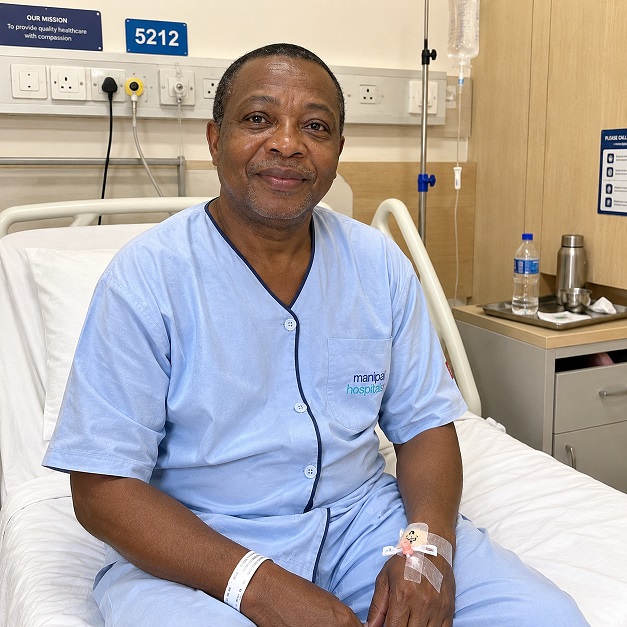
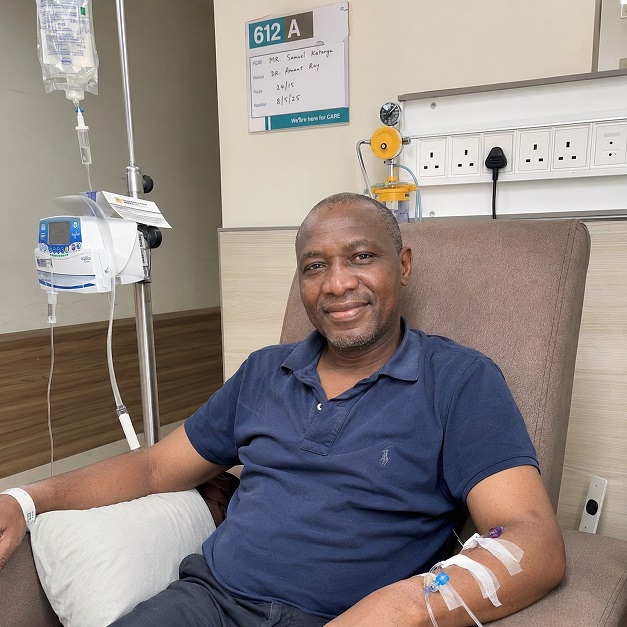
Patient Testimonials from Congo

Ready to Take the First Step?
Share your medical reports with our healthcare managers today and receive a FREE CONSULTATION, a personalized treatment plan and complete support from your arrival to your recovery.
Get Your Free ConsultationAreas We Serve
At Indian Health Guru Consultants, we proudly assist patients from Congo and neighboring countries across Central, East and Southern Africa who travel to India for advanced medical treatment. Our experienced international patient team provides end-to-end support, including medical opinions, hospital selection, Medical Visa assistance, travel planning, accommodation, interpreter services and post-treatment follow-up.
We regularly serve patients from:
- Gabon
- Cameroon
- Angola
- Uganda
- Rwanda
- Burundi
- Tanzania
- Zambia
- Djibouti
- Comoros
- Madagascar
- Seychelles
- South Sudan
- Central African Republic
- Republic of the Congo
- Democratic Republic of the Congo
No matter where you are located in the region, Indian Health Guru Consultants is committed to making your medical journey to India safe, affordable, seamless and completely patient-focused.
From Congo to India: Your Complete Patient Guide
- Brain Tumor Surgery in India for Congolese Patients
- Best Brain Tumour Surgeons & Hospitals in India for Congo Patients
- Knee Replacement in India for Congolese Patients
- Best Knee Replacement Surgeons & Hospitals in India for Congolese Patients
- Spine Surgery in India for Congolese Patients
- Best Spine Surgeons & Hospitals in India for Congolese Patients
- Liver Transplant in India for Congolese Patients: Cost & Guide
- Best Liver Transplant Centres and Hospitals in India for Congolese Patients
- Cardiac Surgery in India for Congolese Patients: Cost & Guide
- Best Cardiac Surgeons & Hospitals in India for Congolese Patients
- Bone Marrow Transplant in India for Congolese Patients: Cost & Guide
- Best Bone Marrow Transplant Centres and Hospitals in India for Congolese Patients
- Prostate Cancer Treatment in India for Congolese Patients: Cost & Guide
- Best Prostate Cancer Centres and Hospitals in India for Congolese Patients
- HIPEC in India for Congolese Patients: Cost & Treatment Guide
- Best HIPEC Centres and Hospitals in India for Congolese Patients
- Kidney Transplant in India for Congolese Patients: Cost & Guide
- Best Kidney Transplant Centres and Hospitals in India for Congolese Patients