

Knee Replacement in India for Congolese Patients: What It Costs, and How to Decide Well
A practical guide for Congolese patients covering knee arthritis in the DRC, access to replacement surgery, implant selection, costs in India and long-term follow-up.
Knee pain that stops someone walking, climbing stairs, or working is common everywhere, but the path from that pain to a working artificial joint looks very different depending on where you live. In 24 years of advising patients on joint replacement, I have found that Congolese patients often assume knee replacement simply is not available to them — when the more accurate picture is that it is available, but unpredictably, tied to the schedule of visiting surgical teams rather than a service they can count on. This guide sets out plainly what that means, and what treatment in India costs against the Western alternatives some families consider. That distinction, between "unavailable" and "unpredictable," matters for how a family plans around it.
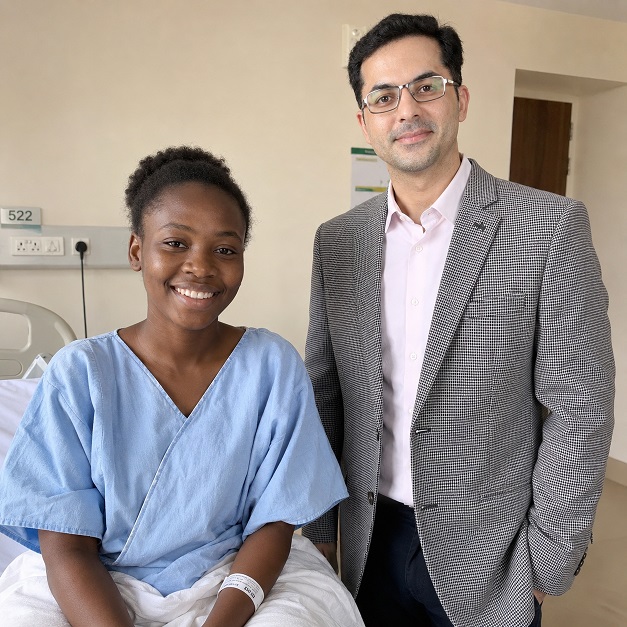
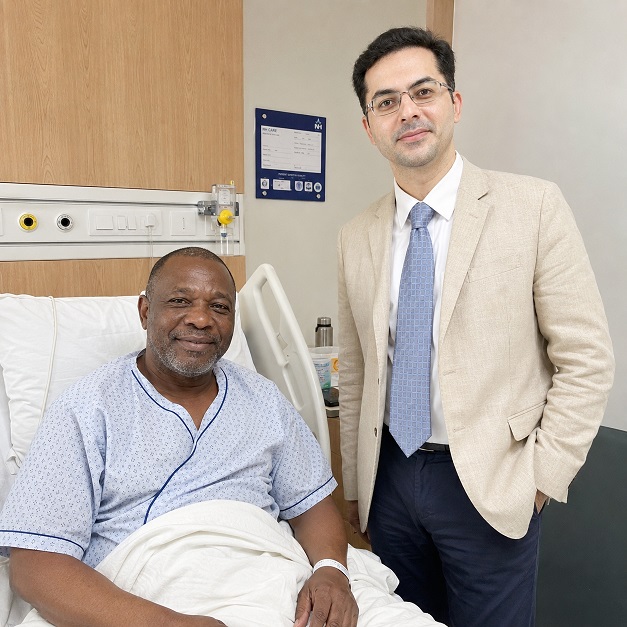
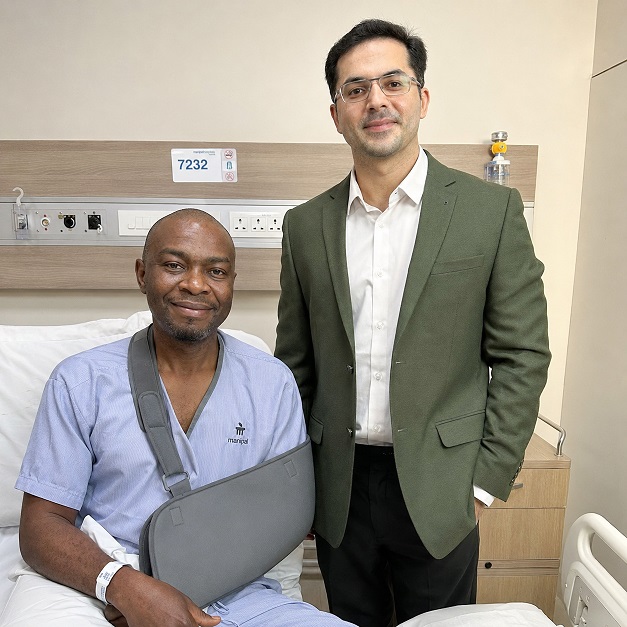
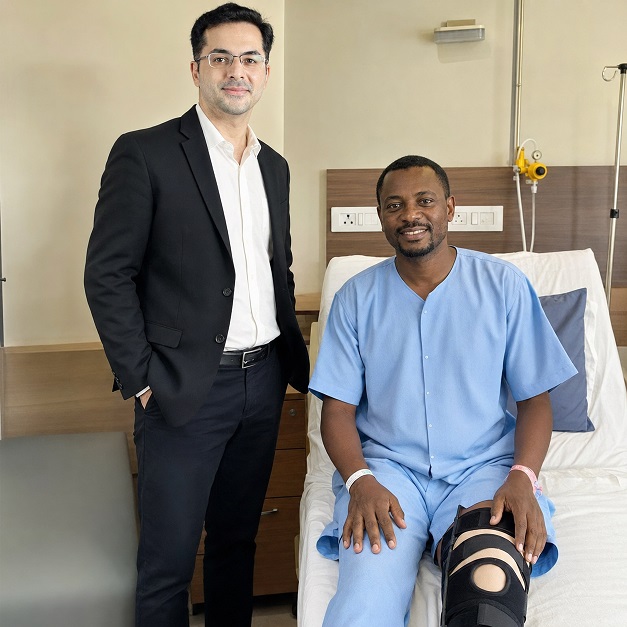
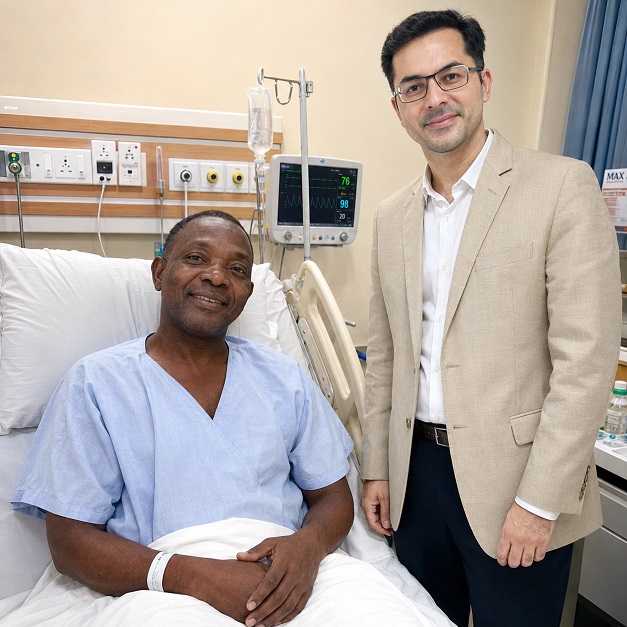
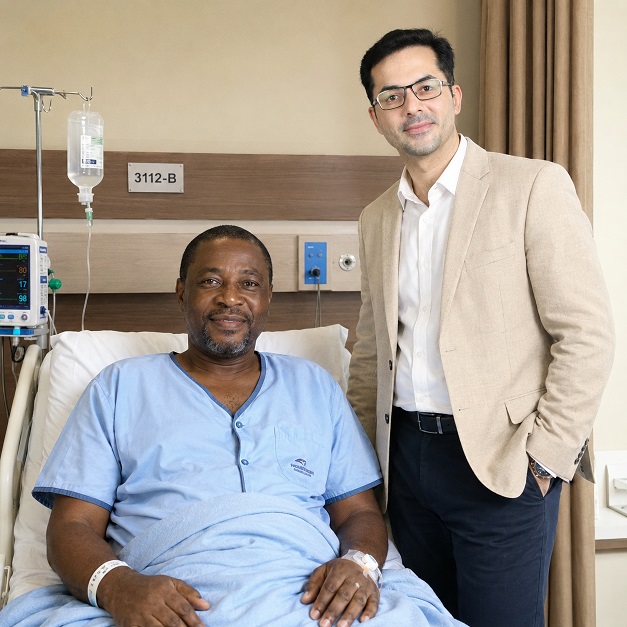
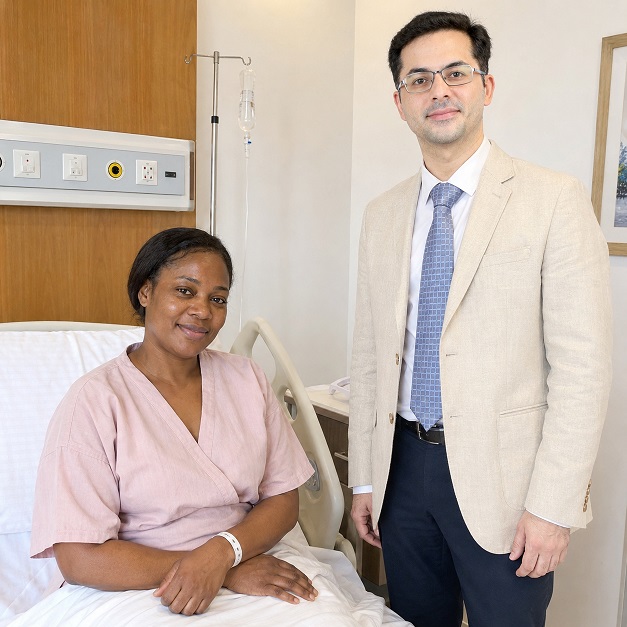
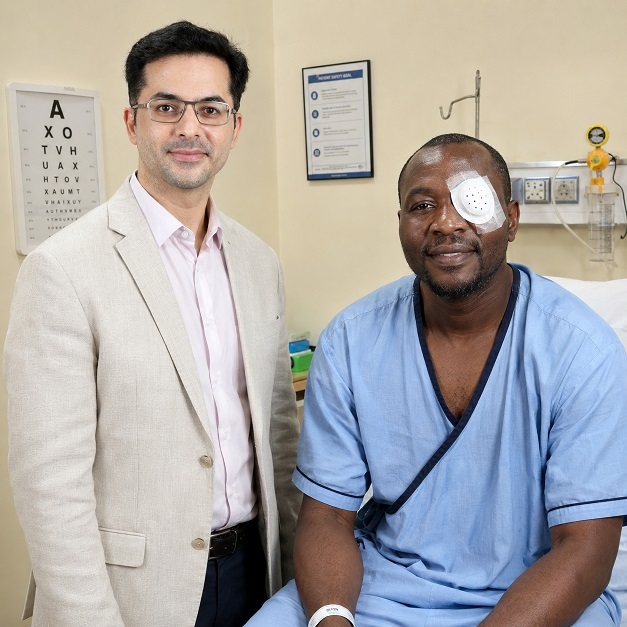
Healing Journeys of Congolese Patients
Key Takeaways
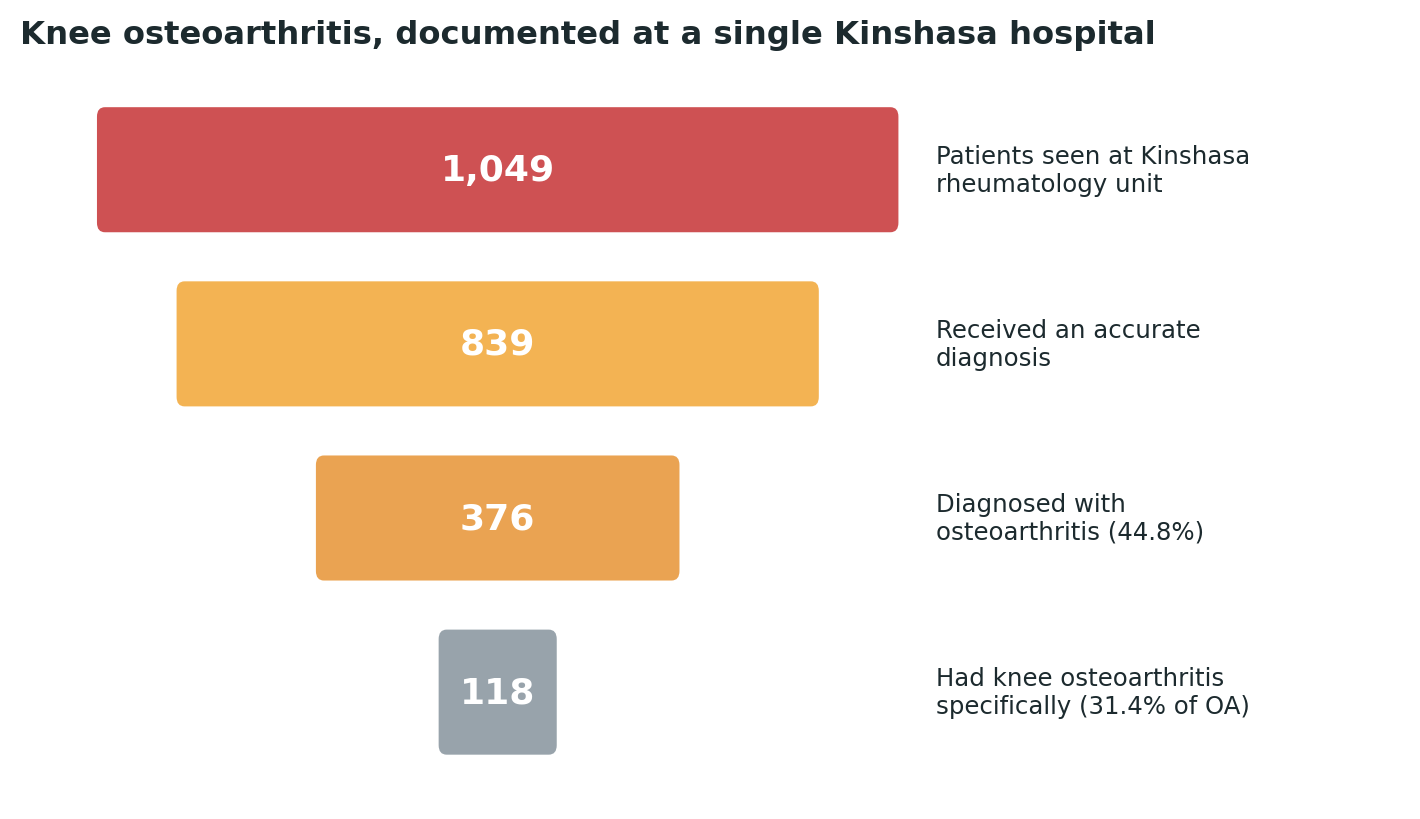
- The guide explains that knee osteoarthritis is a genuine and substantial condition in the DRC, rather than a rare problem. At a Kinshasa rheumatology unit, 1,049 patients were seen, 839 received an accurate diagnosis, 376 had osteoarthritis and 118 had knee osteoarthritis, representing 31.4% of the osteoarthritis cases shown in the page 2 graphic.
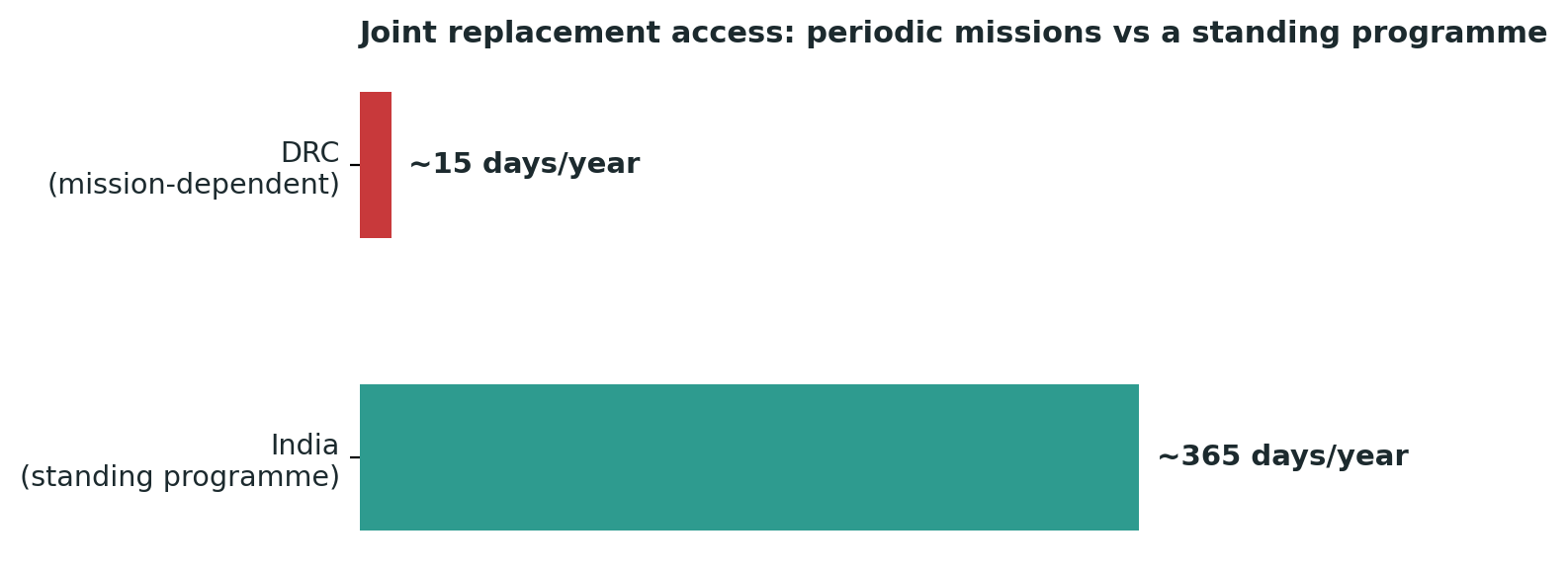
- The major challenge is access rather than diagnosis. Much of the knee replacement surgery available in the DRC is delivered through periodic medical missions, creating uncertainty around surgery dates and patient availability. The page 2 graphic contrasts approximately 15 days/year of mission-dependent access in the DRC with approximately 365 days/year for a standing programme in India.
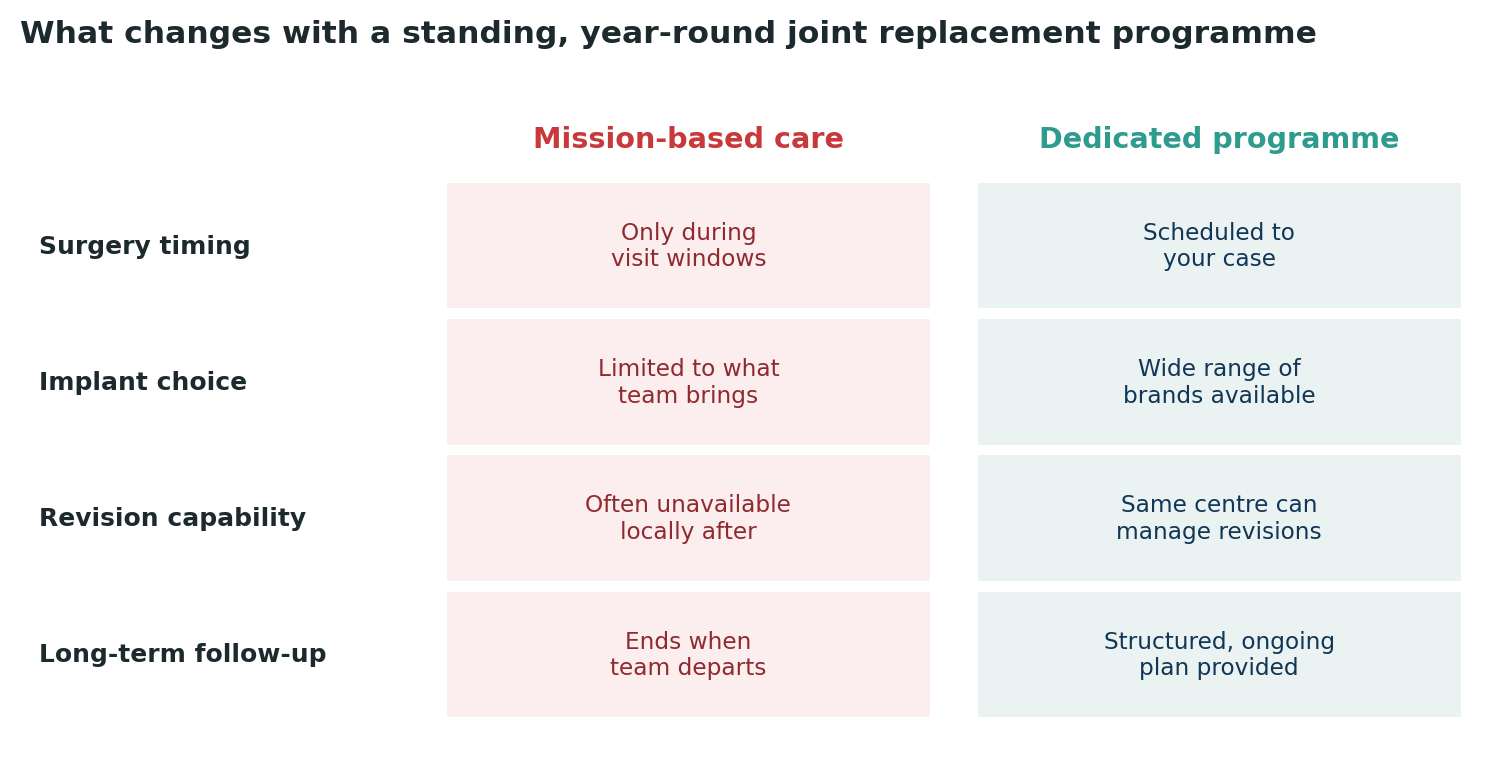
- The guide explains why a year-round joint replacement programme offers important continuity. The page 3 comparison shows that mission-based care may have limited surgery timing, implant choice, revision availability and long-term follow-up, whereas a dedicated programme can schedule surgery according to medical readiness, offer a wider implant range and provide ongoing revision and follow-up support.
- The page 4 cost chart gives an indicative single-knee replacement range of US$3,500–9,000 in India, compared with US$15,000–21,000 in the UK, US$20,000–35,000 in France/Belgium and US$35,000–60,000 in the US. The guide notes that India's typical price is approximately one-tenth to one-fifth of the uninsured US figure.
- The guide stresses that the headline quotation does not necessarily show the complete cost. Congolese patients should confirm the implant brand, whether one or both knees require replacement and what physiotherapy is included. Every line item should be provided in writing, and patients should not pay the full balance before a written surgical plan exists.
- For patients considering bilateral surgery, the guide recommends asking whether both knees should be replaced and whether staged or simultaneous surgery is more appropriate. Patients should also send actual X-rays or scan files, confirm the implant brand, and build a 15–20% financial buffer above the initial estimate.
- For Congolese patients, the guide recommends starting the Indian medical and attendant visa process early, maintaining a current yellow-fever certificate, planning connecting flights from Kinshasa and arranging physiotherapy and follow-up care in the DRC before travelling. Ethiopian Airlines via Addis Ababa is identified as the most frequent route in the guide, with Kenya Airways, Air France and Qatar Airways listed as alternatives.
Quick Facts
- Author
- Dr. Dheeraj Bojwani
- Experience
- 24+ Years
- Treatment
- Knee Replacement
- Patients
- Congolese Patients
- Key Specialist
- Orthopaedic / Joint Replacement Surgeon
- Condition
- Knee Osteoarthritis
- Documented Kinshasa Data
- 1,049 patients seen; 118 with knee osteoarthritis
- Access Model in DRC
- Periodic surgical missions
- Illustrative Access
- Approximately 15 days/year in the DRC versus 365 days/year for a standing programme
- India Cost
- US$3,500–9,000 per knee
- Cost Comparison
- India substantially lower than UK, France/Belgium and US private-sector costs
- Implant Check
- Specific implant brand
- Bilateral Surgery
- Assess staged versus simultaneous replacement
- Imaging
- Send actual X-rays or scan files
- Cost Check
- Implant, surgery, hospital stay and physiotherapy
- Financial Buffer
- 15–20% above initial estimate
- Travel Documents
- Medical visa, attendant visa and yellow-fever certificate
- Flight Planning
- Connecting route from Kinshasa to India
- Rehabilitation
- Arrange physiotherapy in the DRC before travel
- Follow-Up
- Long-term care and revision access
- Key Warning
- Do not accept a quote without imaging review or a disclosed implant
- Decision Principle
- Choose a year-round programme that provides continuity from surgery through rehabilitation and possible future revision.
In Brief
For Congolese patients considering knee replacement in India, the guide recommends focusing on reliable year-round surgical access, appropriate implant selection, transparent pricing and structured rehabilitation, rather than waiting indefinitely for a visiting surgical mission. A complete written quotation, travel plan and follow-up arrangement in the DRC should be confirmed before travelling.
Knee Arthritis Is Not Rare in the DRC
Published data from a rheumatology unit at the University Hospital of Kinshasa gives a clear picture of local demand. Among patients seen over an eight-month period, nearly 45% of those accurately diagnosed had osteoarthritis, and close to a third of those cases specifically involved the knee — overwhelmingly women in their late fifties and sixties, many with visibly deformed joints and significant pain by the time they were seen.
This matters because it corrects a common assumption. The barrier to treatment in the DRC is not that knee arthritis is unusual or that Congolese doctors cannot recognise it — the condition is diagnosed regularly, and diagnosed accurately. The barrier is what happens after the diagnosis, when a patient needs an operation that the local health system, as it currently stands, struggles to deliver on a predictable schedule.
Why Access Is So Unpredictable
This is where the DRC's picture becomes difficult. A systematic review of joint replacement surgery across Sub-Saharan Africa, outside South Africa, found only a few hundred total hip replacements reported across more than a decade of published studies — and knee replacement follows a similar pattern. Much of the joint replacement surgery that does happen in the DRC is delivered through periodic medical missions, visiting surgical teams that travel in for a defined window, treat as many patients as the visit allows, and then depart until the next mission is organised.
For a patient, this translates into a genuinely difficult waiting game: register interest with a hospital or foundation, then wait for the next mission's dates to be confirmed, often months away, with no guarantee of a place on that particular visit's patient list. For someone whose knee pain is already severe enough to limit walking or work, that wait carries a real cost of its own.
The one fact worth remembering
Mission-based surgical care has genuinely changed lives in the DRC, and this is not a criticism of that work. But a mission model, by its nature, cannot offer scheduled surgery on your timeline, a wide choice of implants, or guaranteed local revision surgery if something goes wrong years later — gaps that matter for a decision this significant.
What Changes with a Standing Programme
A dedicated, year-round joint replacement programme offers something structurally different from even the best-run mission: continuity. Continuity means your surgery date is chosen based on your medical readiness, not a visiting team's travel schedule; it means implant selection reflects your specific anatomy rather than whatever stock the visiting team happened to bring; and it means that if something needs adjusting five or ten years down the line, the same institution that performed your original surgery is still there to help.
What This Surgery Costs: DRC Reality vs India vs the West
Cost varies with implant choice and whether one or both knees need replacement, but the relative gap between India and Western options holds fairly consistently.
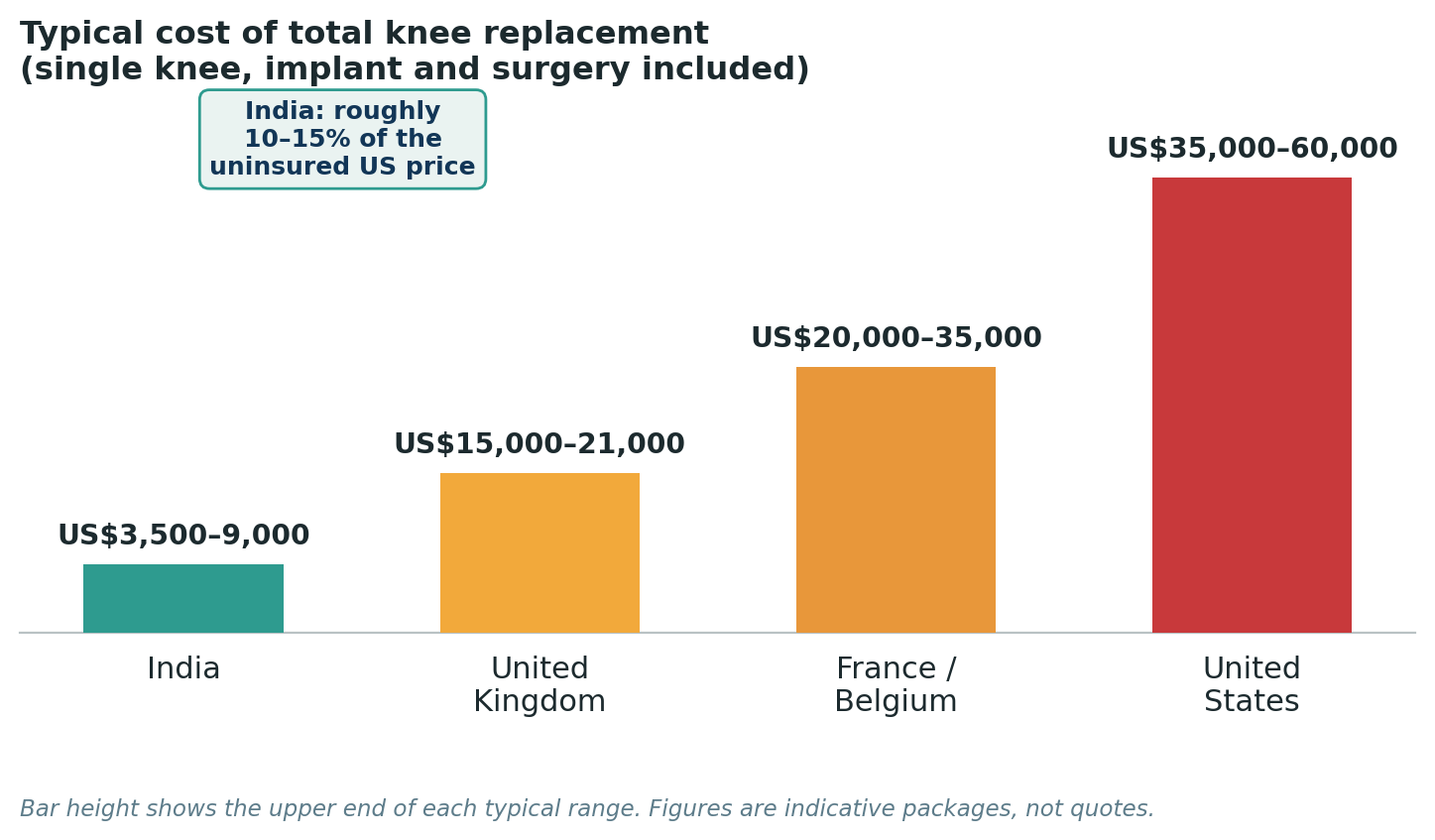
In India, total knee replacement typically costs US$3,500 to US$9,000 per knee. In the UK's private sector, costs range roughly US$15,000 to US$21,000. In France or Belgium, private-sector costs typically run US$20,000 to US$35,000. In the US, the same surgery commonly costs US$35,000 to US$60,000. India's typical price sits at roughly a tenth to a fifth of the uninsured US figure.
What the number on the quote does not always show
A written estimate should specify the implant brand, whether the case is unilateral or bilateral, and what physiotherapy is included after surgery. In 24 years of reviewing these quotes, I have found disputes almost never concern the headline figure — they concern what it silently left out. Get every line item in writing, and never pay the full balance before surgery.
What a Congolese Patient Should Weigh, Specifically
Beyond the medical decision itself, a handful of practical realities deserve their own attention when planning treatment from the DRC.
- Send the actual scan or X-ray files, not just the typed report, since surgical planning depends on precise joint imaging.
- Ask whether both knees need replacement, and if so, whether staged or simultaneous surgery is recommended for your case.
- Confirm the specific implant brand, since this affects both cost and expected longevity.
- Budget in US dollars, with margin. The Congolese franc has weakened considerably against the dollar (roughly CDF 2,300–2,350 per US$1 in mid-2026, and it moves); build in a 15–20% buffer above the initial estimate.
- Start the visa process early. DRC passport holders need a paper medical visa through the Embassy of India in Kinshasa (Avenue Batetela, Gombe), typically around two weeks once the hospital's invitation letter is ready; apply for an attendant visa at the same time.
- Confirm your yellow fever certificate is current — mandatory for entry into India, at least 10 days before travel.
- Plan the route realistically. There is no direct flight from Kinshasa to India; Ethiopian Airlines via Addis Ababa is the most frequent option, with Kenya Airways, Air France, and Qatar Airways as alternatives.
- Arrange physiotherapy and follow-up care in the DRC before you fly — recovery continues for weeks after you return, and identifying local support in advance matters.
Four signals that should make you pause
- A quote given before anyone has reviewed your actual imaging.
- No specific implant brand disclosed in the written estimate.
- No structured physiotherapy plan included after surgery.
- Pressure to pay the full balance before a written surgical plan exists.
Why India Specifically for Knee Replacement for Congolese Patients?
India operates high-volume, year-round joint replacement centres with genuine surgical continuity — scheduled surgery on your timeline, a wide range of implant brands, and the same centre available for follow-up or revision surgery years later, none of which a mission model can reliably offer. Combined with English-language consultation throughout and hospital accreditation (NABH domestically, JCI internationally) that mirrors the standards used to evaluate hospitals in the US and Europe, India offers a combination of continuity, depth, and cost that stands apart from what is currently available within the DRC, without requiring the far higher expense of the Western alternatives many families also consider.
A closing word
Knee arthritis is a genuinely common condition in the DRC, not a rare one, and the pain it causes deserves a reliable answer rather than a wait for the next visiting surgical team. If you are able to share your scans, I am glad to look them over and give a direct, honest view on what your case would involve, and what a realistic timeline for relief would actually look like.
Sources
- 🌐 National Medical Commission of India — verify any surgeon's registration · nmc.org.in
- 🌐 National Accreditation Board for Hospitals & Healthcare Providers (NABH) · nabh.co
- 🌐 Embassy of India, Kinshasa — medical visa requirements · eoikinshasa.gov.in
- 🌐 "Clinical and radiological features of knee osteoarthritis...University Hospital of Kinshasa" · ncbi.nlm.nih.gov/pmc/articles/PMC6859011
- 🌐 "Total Hip Arthroplasty in Lubumbashi (DR Congo), Outcomes in a Resource-Limited Setting" · jocr.co.in/wp/2026/03
- 🌐 World Health Organization — yellow fever vaccination requirements · who.int/health-topics/yellow-fever
Frequently Asked Questions by Congolese Patients about Knee Replacement in India
Is knee osteoarthritis common in the DRC?
Yes. The guide cites data from a Kinshasa rheumatology unit where 118 patients had knee osteoarthritis among 376 patients diagnosed with osteoarthritis.
Why is knee replacement access unpredictable in the DRC?
The guide explains that much joint replacement surgery is delivered through periodic visiting surgical missions, meaning patients must wait for a mission and may not have a guaranteed place or convenient surgery date.
What is the advantage of a year-round programme?
A standing programme can provide scheduled surgery, wider implant choice, revision capability and structured long-term follow-up, rather than depending on visiting-team schedules.
How much does knee replacement cost in India?
The guide gives an indicative range of US$3,500–9,000 per knee, including the implant, surgery and hospital stay.
What should I check about the implant?
Ask for the specific implant brand and understand why it has been selected. Implant choice can affect both the treatment cost and expected longevity.
What if both knees need replacement?
Ask whether staged or simultaneous surgery is more appropriate for your individual health and surgical circumstances.
Should I send my actual X-rays or scans?
Yes. The guide recommends sending the actual imaging files rather than only the typed report, because precise joint imaging is important for surgical planning.
What should the quotation include?
The written estimate should identify the implant brand, unilateral or bilateral surgery and included physiotherapy. Patients should obtain every line item in writing.
What travel preparations should Congolese patients make?
Begin the Indian medical and attendant visa process early, ensure the yellow-fever certificate is current and plan a connecting flight from Kinshasa to India.
How should rehabilitation be arranged?
The guide recommends arranging physiotherapy and follow-up care in the DRC before travelling, because recovery continues for weeks after knee replacement and local rehabilitation support is important.
Page Summary
This guide helps Congolese patients understand knee replacement access and treatment in India, highlighting that knee osteoarthritis is already a substantial part of the documented Kinshasa caseload while replacement surgery remains unpredictable because of mission-based access. The page 2 graphics illustrate both the documented knee arthritis burden and the difference between mission-based and year-round surgical availability, while the page 4 chart compares knee replacement costs across India and Western countries. Implant transparency, bilateral-surgery planning, rehabilitation and long-term continuity are central to the decision.
Citation Block
| Field | Information |
|---|---|
| Topic | Knee Replacement in India for Congolese Patients |
| Treatment | Total Knee Replacement |
| Patients | Congolese Patients |
| Key Specialist | Orthopaedic / Joint Replacement Surgeon |
| Condition | Knee Osteoarthritis |
| Documented Kinshasa Data | 1,049 patients seen; 118 with knee osteoarthritis |
| DRC Access Model | Periodic visiting surgical missions |
| Programme Comparison | Approximately 15 days/year DRC vs 365 days/year India standing programme |
| India Cost | US$3,500–9,000 per knee |
| Implant Assessment | Specific brand and suitability |
| Bilateral Assessment | Staged versus simultaneous replacement |
| Imaging | Actual X-rays or scan files |
| Cost Transparency | Implant, surgery, hospital stay and physiotherapy |
| Second Opinion | Surgical approach and implant choice |
| Financial Planning | 15–20% buffer above initial estimate |
| Travel Requirement | Medical visa, attendant visa and yellow-fever certificate |
| Flight Planning | Connecting route from Kinshasa to India |
| Rehabilitation | Physiotherapy arranged in the DRC |
| Follow-Up | Ongoing care and potential revision support |
| Warning Signs | No imaging review, undisclosed implant, no physiotherapy plan or advance-payment pressure |
| Key Decision | Prioritise continuity, implant choice and long-term follow-up |


Our Mission Statement
Our mission is to place patients at the centre of every healthcare decision by providing trustworthy, evidence-based, and unbiased medical information. We believe that informed patients make better decisions. Backed by personalised guidance from our experienced advisory team, we help patients understand their treatment options, compare them objectively, and confidently choose the path that best suits their medical needs and personal circumstances.
Patient Testimonials from Congo
Ready to Take the First Step?
Share your medical reports with our healthcare managers today and receive a FREE CONSULTATION, a personalized treatment plan and complete support from your arrival to your recovery.
Get Your Free ConsultationAreas We Serve
At Indian Health Guru Consultants, we proudly assist patients from Congo and neighboring countries across Central, East and Southern Africa who travel to India for advanced medical treatment. Our experienced international patient team provides end-to-end support, including medical opinions, hospital selection, Medical Visa assistance, travel planning, accommodation, interpreter services and post-treatment follow-up.
We regularly serve patients from:
- Gabon
- Cameroon
- Angola
- Uganda
- Rwanda
- Burundi
- Tanzania
- Zambia
- Djibouti
- Comoros
- Madagascar
- Seychelles
- South Sudan
- Central African Republic
- Republic of the Congo
- Democratic Republic of the Congo
No matter where you are located in the region, Indian Health Guru Consultants is committed to making your medical journey to India safe, affordable, seamless and completely patient-focused.
From Congo to India: Your Complete Patient Guide
- Brain Tumor Surgery in India for Congolese Patients
- Best Brain Tumour Surgeons & Hospitals in India for Congo Patients
- Knee Replacement in India for Congolese Patients
- Best Knee Replacement Surgeons & Hospitals in India for Congolese Patients
- Spine Surgery in India for Congolese Patients
- Best Spine Surgeons & Hospitals in India for Congolese Patients
- Liver Transplant in India for Congolese Patients: Cost & Guide
- Best Liver Transplant Centres and Hospitals in India for Congolese Patients
- Cardiac Surgery in India for Congolese Patients: Cost & Guide
- Best Cardiac Surgeons & Hospitals in India for Congolese Patients
- Bone Marrow Transplant in India for Congolese Patients: Cost & Guide
- Best Bone Marrow Transplant Centres and Hospitals in India for Congolese Patients
- Prostate Cancer Treatment in India for Congolese Patients: Cost & Guide
- Best Prostate Cancer Centres and Hospitals in India for Congolese Patients
- HIPEC in India for Congolese Patients: Cost & Treatment Guide
- Best HIPEC Centres and Hospitals in India for Congolese Patients
- Kidney Transplant in India for Congolese Patients: Cost & Guide
- Best Kidney Transplant Centres and Hospitals in India for Congolese Patients