

Prostate Cancer Treatment in India for Congolese Patients: What It Costs, and How to Decide Well
A practical guide covering prostate cancer diagnosis, PSA testing, staging, treatment costs, surgery, radiotherapy, hormone therapy and follow-up for Congolese patients.
Prostate cancer is the most commonly diagnosed cancer among Congolese men, and understanding it well starts with a fact that is not simply about access to healthcare: this disease is genuinely more common, more aggressive, and earlier in onset among men of African ancestry specifically, for reasons rooted in genetics that researchers are only now beginning to fully map. In 24 years of advising cancer patients, I have found this distinction matters enormously for how urgently a Congolese man should take any warning sign, at any age. This guide sets out plainly what the evidence shows, what treatment in India costs against the Western alternatives some patients consider, and what to weigh before deciding.
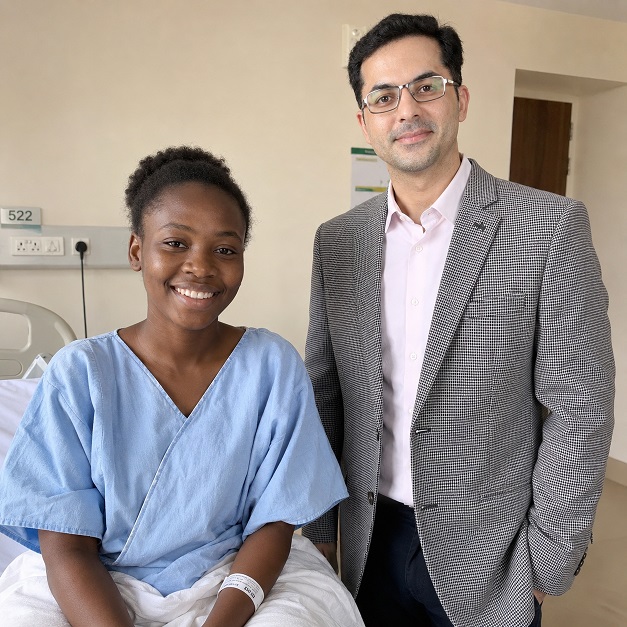
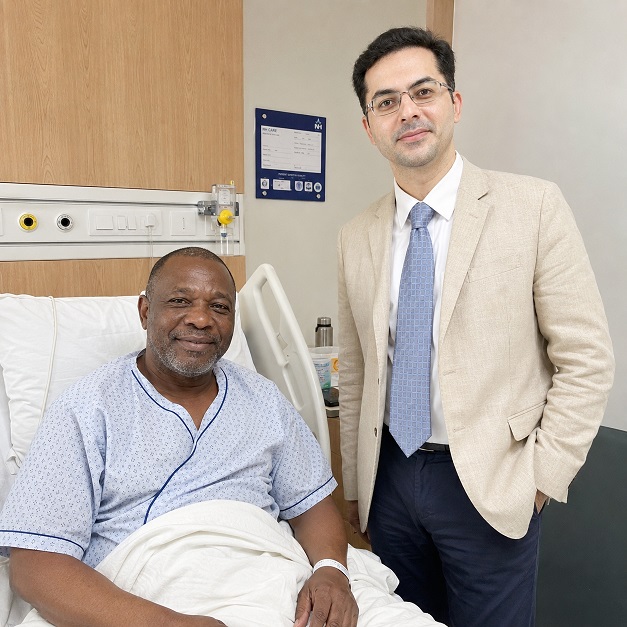
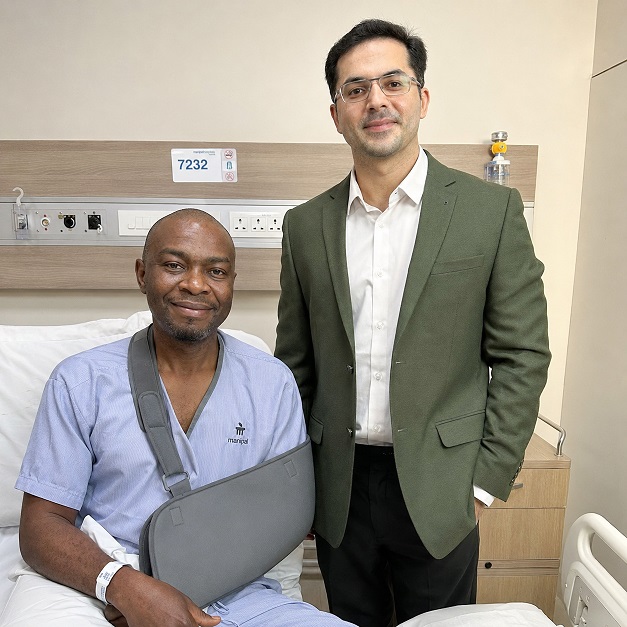
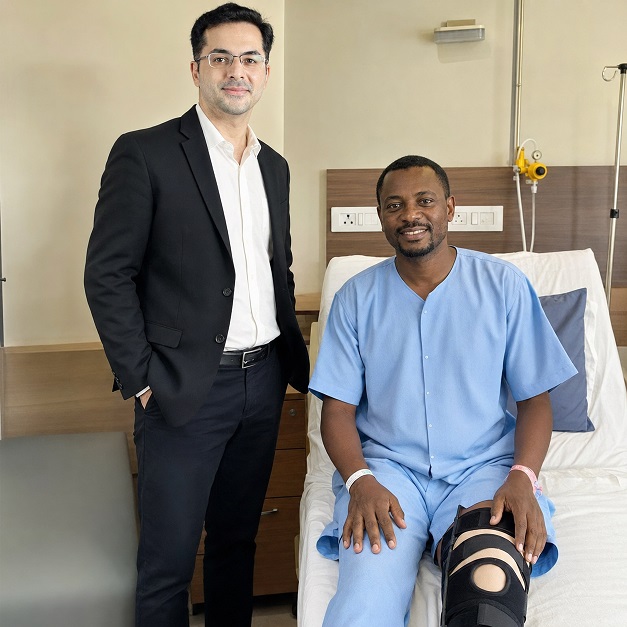
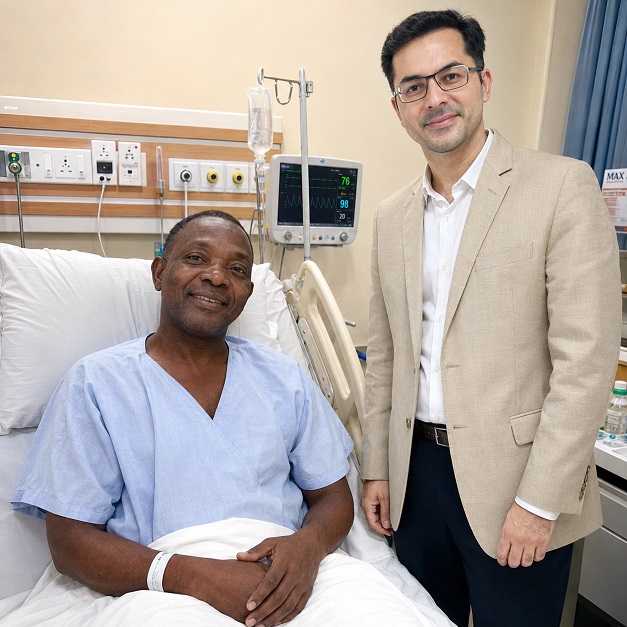
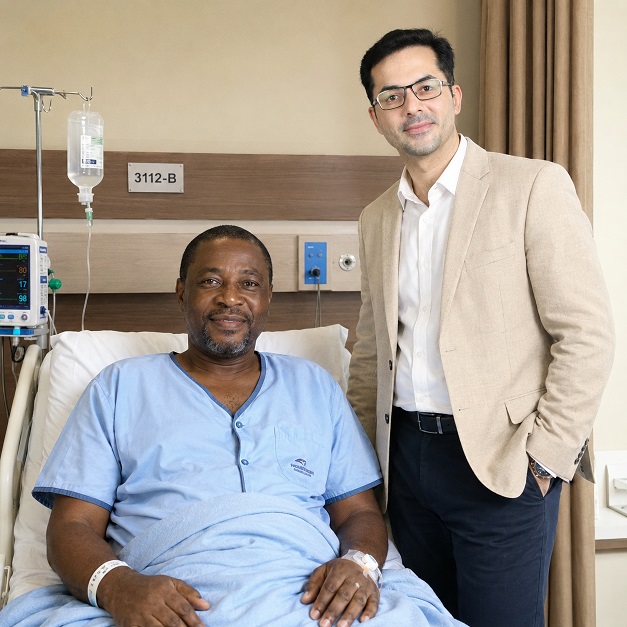
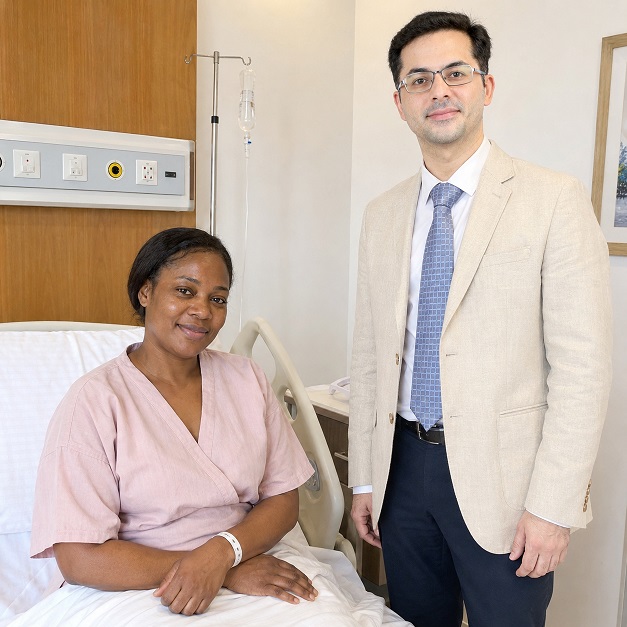
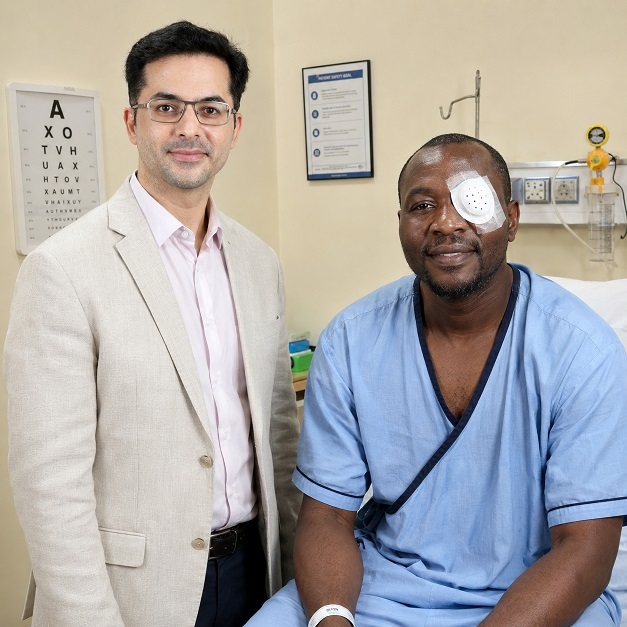
Healing Journeys of Congolese Patients
Key Takeaways
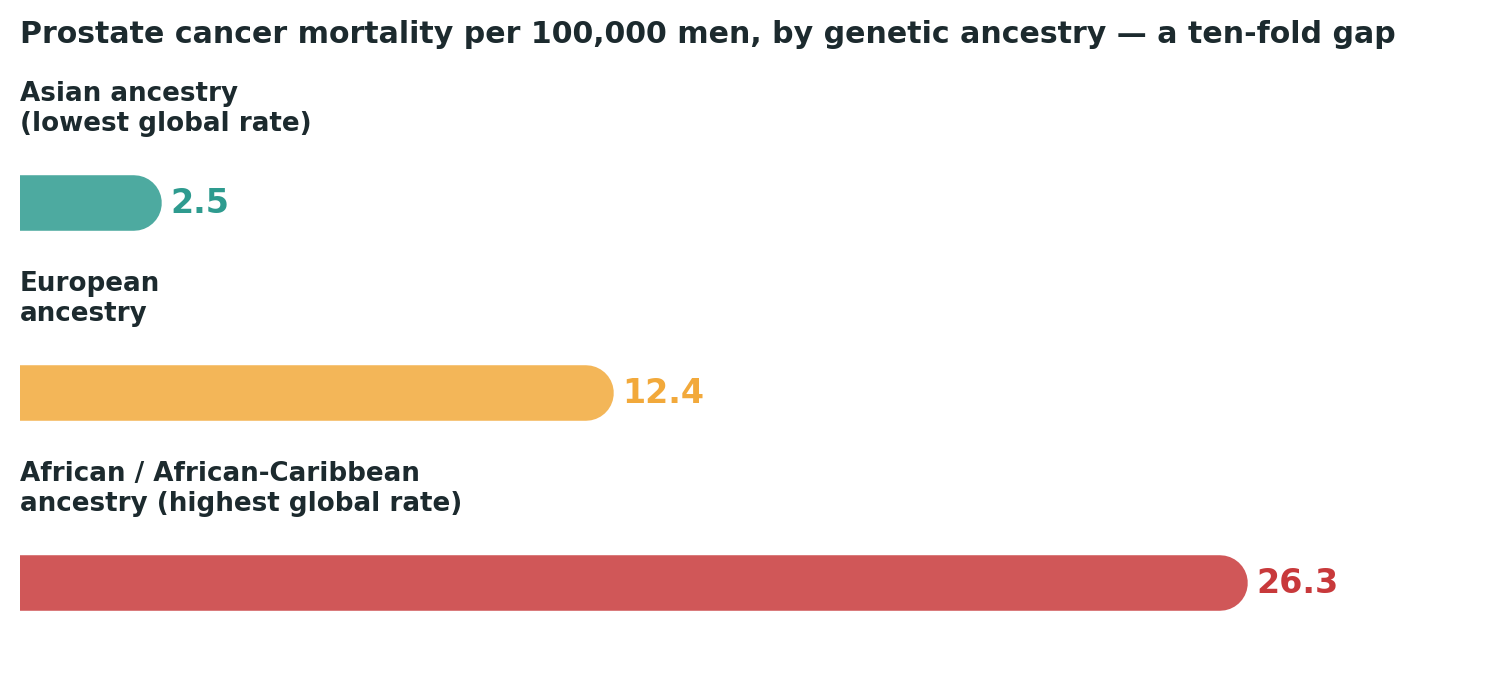
- The guide explains that prostate cancer presents a different risk profile in men of African ancestry, with substantially higher mortality and earlier onset. Global mortality is approximately 26.3 deaths per 100,000 among African/African-Caribbean ancestry men, compared with 2.5 among men of Asian ancestry.
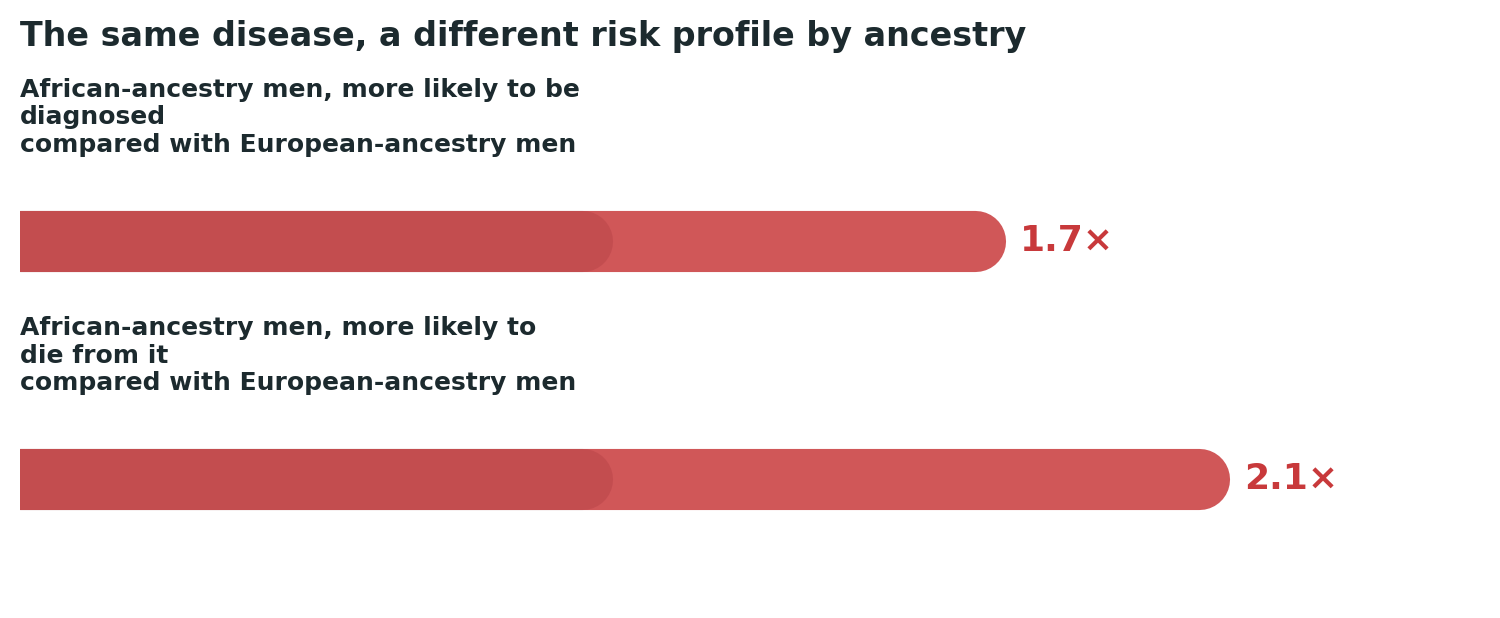
- Research cited in the guide found that African American men were 1.7 times more likely to be diagnosed and 2.1 times more likely to die from prostate cancer than White American men within the same healthcare system. The guide also notes that genetic risk variants specific to African ancestry may not be fully reflected in standard screening tools.
- The guide stresses that Congolese men should not dismiss urinary or pelvic symptoms because of younger age. Men of African ancestry tend to develop prostate cancer earlier, so symptoms in the forties or fifties should receive appropriate medical evaluation rather than being assumed to be age-related.
- The page 3 cost chart gives an indicative complete prostate cancer treatment range of US$4,000–12,000 in India, compared with US$20,000–50,000 in France/Belgium, US$25,000–60,000 in the UK and US$35,000–90,000 in the US. Costs vary according to disease stage and the combination of surgery, radiotherapy and hormone therapy required.
- For Congolese patients, the guide recommends sending actual pathology, staging and PSA results, asking whether the treating team has experience with African-ancestry patients and discussing genetic testing where available. It also recommends a 15–20% financial buffer, early medical and attendant visa preparation and a current yellow-fever certificate before travel.
- The guide emphasises that a quotation should clearly state which combination of surgery, radiotherapy and hormone therapy is included, because these treatments may otherwise be quoted separately. Patients should obtain every line item in writing and avoid paying the full balance before treatment begins.
- The guide identifies four warning signs: symptoms dismissed because of younger age, no genuine staging or PSA testing, no discussion of whether combined therapy is appropriate and pressure to pay the full balance before a complete written treatment plan exists.
Quick Facts
- Author
- Dr. Dheeraj Bojwani
- Experience
- 24+ Years
- Treatment
- Prostate Cancer Treatment
- Patients
- Congolese Patients
- Risk Profile
- Higher incidence, mortality and earlier onset among African-ancestry men
- First Assessment
- PSA, pathology and staging
- Key Symptoms
- Urinary symptoms and pelvic discomfort
- Treatment Options
- Surgery, radiotherapy and hormone therapy
- Genetic Check
- Genetic testing where available
- India Cost
- US$4,000–12,000 indicative range
- Cost Check
- Complete treatment combination clearly specified
- Financial Buffer
- 15–20%
- Medical Records
- Pathology, staging and PSA results
- Visa
- Paper medical and attendant visa
- Entry Requirement
- Current yellow-fever certificate
- Follow-Up
- Complete treatment and follow-up plan
- Key Warning
- Do not dismiss symptoms because of younger age
- Decision Principle
- Prioritise accurate staging and a complete treatment plan rather than focusing only on individual treatment cost.
In Brief
For Congolese men facing prostate cancer, the guide recommends prompt evaluation of urinary or pelvic symptoms, accurate PSA and staging assessment, and treatment planning based on disease stage. Patients should understand whether surgery, radiotherapy, hormone therapy or a combination is appropriate and obtain a transparent written quotation before travelling to India.
A Ten-Fold Gap in Mortality, by Ancestry
Global data on prostate cancer mortality reveals a striking pattern by genetic ancestry. Men of Asian ancestry have the lowest rates in the world, at roughly 2.5 deaths per 100,000. Men of African and African-Caribbean ancestry have the highest rates in the world, at roughly 26.3 deaths per 100,000 — a genuinely ten-fold difference that reflects real biological and genetic factors, not simply differences in healthcare access.
Within Sub-Saharan Africa specifically, mortality rates run up to 3.2 times greater than global estimates. In Southern Africa, incidence rates are broadly comparable to those seen in North America, yet mortality rates run nearly three times higher — meaning the disease is diagnosed at a similar frequency, but proves far more often fatal, pointing to a combination of biological aggressiveness and gaps in timely, complete treatment.
The Same Disease, a Different Risk Profile
Within this broader pattern, research comparing African American and White American men, both living within the same healthcare system, found that African American men are 1.7 times more likely to be diagnosed with prostate cancer, and 2.1 times more likely to die from it, than White American men. Because both groups have access to the same American healthcare system, this gap reflects a genuine biological difference in how the disease behaves, not simply unequal access to care.
The one fact worth remembering
Recent large-scale genetic studies, including one of nearly 8,000 African men across five countries, have identified genetic risk variants for prostate cancer that occur specifically, or almost exclusively, in men of African ancestry — variants that most existing screening tools, built largely from European genetic data, do not account for. This means standard screening guidance may not be as well calibrated for Congolese men as it is for the populations it was originally designed around.
A Genuinely Earlier Onset, Not Just a Later Diagnosis
Beyond mortality, research consistently finds that men of African ancestry develop prostate cancer at a younger age than men of European ancestry. This matters because most public health messaging about prostate cancer, including when to start paying attention to symptoms, is built around an onset age that reflects the European populations most historical research was conducted on.
Researchers studying this pattern have also found that genetic influence on prostate cancer risk appears to play a proportionally larger role in younger men than in older men. In practical terms, this suggests that a younger Congolese man diagnosed with prostate cancer is, if anything, more likely to be dealing with a case where genetic factors specific to his ancestry are playing a significant role, not less.
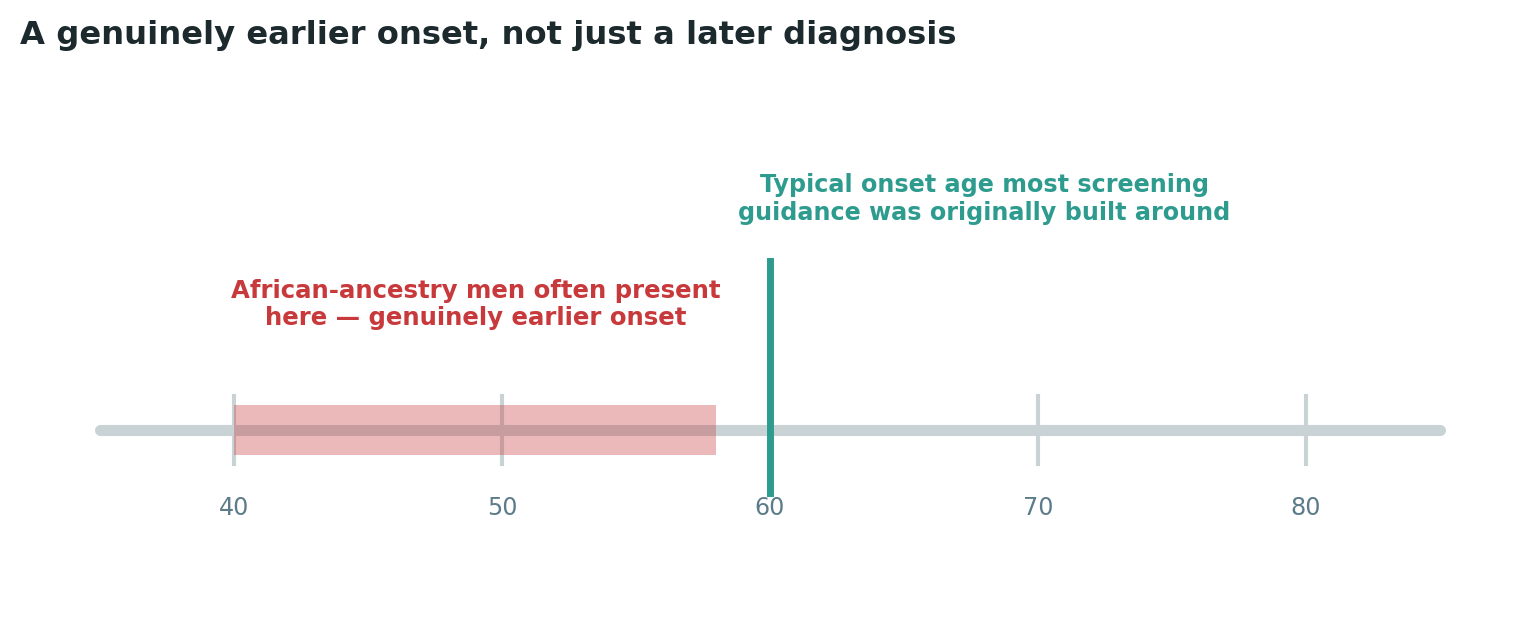
In practical terms, this means a Congolese man experiencing urinary symptoms, pelvic discomfort, or other possible warning signs in his forties or fifties should not assume he is too young for prostate cancer to be a realistic concern.
What Complete Treatment Costs: DRC Reality vs India vs the West
Cost depends on stage at diagnosis and which combination of surgery, radiotherapy, and hormone therapy is needed, but the relative gap between India and Western options holds fairly consistently.
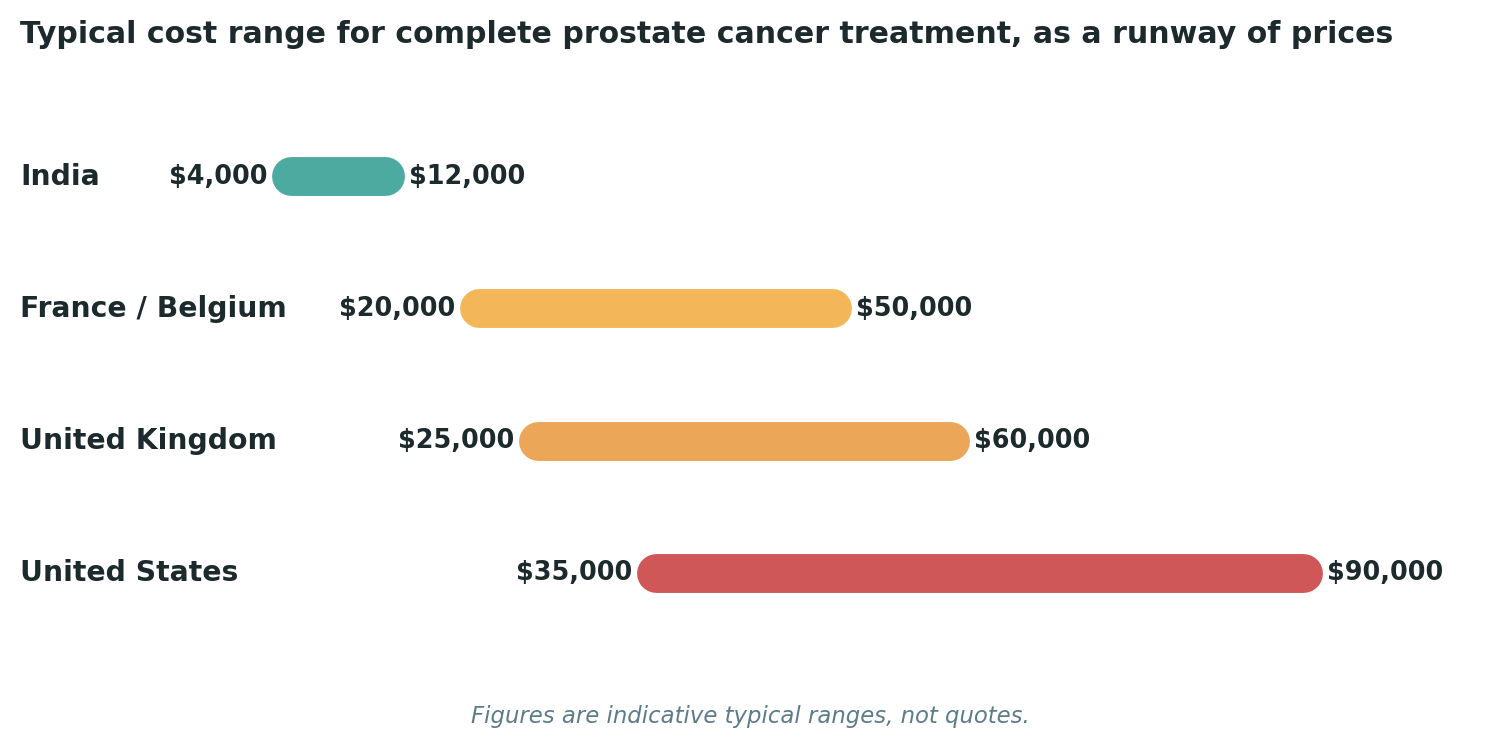
In India, complete prostate cancer treatment typically costs US$4,000 to US$12,000, depending on stage and treatment combination. In France or Belgium, costs typically run US$20,000 to US$50,000. In the UK, costs range roughly US$25,000 to US$60,000. In the US, the same combination of treatments commonly costs US$35,000 to US$90,000. India's typical price sits at roughly a tenth of the uninsured US figure.
What the number on the quote does not always show
A written estimate should specify exactly which combination of surgery, radiotherapy, and hormone therapy is included, since these are often quoted separately even when clinically recommended together. In 24 years of reviewing these quotes, I have found disputes almost never concern the headline figure — they concern what it silently left out. Get every line item in writing, and never pay the full balance before treatment begins.
What a Congolese Patient Should Weigh, Specifically
- Do not dismiss urinary or pelvic symptoms as unlikely because of a younger age — onset genuinely tends to be earlier in men of African ancestry.
- Send the actual pathology, staging, and PSA results, not just a description of symptoms, since treatment planning depends on precise staging.
- Ask directly whether the treating team has specific experience with African-ancestry patients, given the documented differences in disease behaviour.
- Ask about genetic testing where available, since African-ancestry-specific risk variants are an active, evolving area of research.
- Budget in US dollars, with margin. The Congolese franc has weakened considerably against the dollar (roughly CDF 2,300–2,350 per US$1 in mid-2026, and it moves); build in a 15–20% buffer above the initial estimate.
- Start the visa process early. DRC passport holders need a paper medical visa through the Embassy of India in Kinshasa (Avenue Batetela, Gombe), typically around two weeks once the hospital's invitation letter is ready; apply for an attendant visa at the same time.
- Confirm your yellow fever certificate is current — mandatory for entry into India, at least 10 days before travel.
Four signals that should make you pause
- Symptoms dismissed as unlikely because of a patient's younger age.
- No genuine staging or PSA testing behind a proposed treatment plan.
- No discussion of whether combined therapy, not surgery alone, is appropriate.
- Pressure to pay the full balance before a written, complete treatment plan exists.
Why India Specifically for Prostate Cancer Treatment for Congolese Patients?
India operates high-volume prostate cancer centres with extensive experience across the full range of ages and disease severity, including the more aggressive, earlier-onset presentations well documented in men of African ancestry. Combined with English-language consultation throughout and hospital accreditation (NABH domestically, JCI internationally) that mirrors the standards used to evaluate hospitals in the US and Europe, India offers both relevant clinical experience and the affordability that make complete, guideline-based prostate cancer care realistically achievable.
A closing word
Prostate cancer in a Congolese patient is not simply a story of delayed access to care — it reflects a genuinely different, more aggressive disease pattern rooted in ancestry, one that deserves to be taken seriously at any age. What matters most is prompt evaluation of any warning sign and access to a treatment team that understands this pattern. If you are able to share your pathology, staging, and PSA results, I am glad to give a direct, honest view on what your case would involve.
Sources
- 🌐 National Medical Commission of India — verify any surgeon's registration · nmc.org.in
- 🌐 National Accreditation Board for Hospitals & Healthcare Providers (NABH) · nabh.co
- 🌐 Embassy of India, Kinshasa — medical visa requirements · eoikinshasa.gov.in
- 🌐 "Prostate cancer genetic risk and associated aggressive disease in men of African ancestry," Nature Communications · nature.com
- 🌐 "Heterogenous genetic architecture of prostate cancer susceptibility in sub-Saharan Africa" · ecancer.org
- 🌐 World Health Organization — yellow fever vaccination requirements · who.int/health-topics/yellow-fever
Frequently Asked Questions by Congolese Patients about Prostate Cancer Treatment in India
Why is prostate cancer a particular concern for Congolese men?
The guide notes that men of African ancestry experience higher prostate cancer mortality and earlier disease onset than many other populations.
Can younger Congolese men develop prostate cancer?
Yes. The guide explains that prostate cancer can develop earlier in men of African ancestry, so urinary or pelvic symptoms in the forties or fifties should not automatically be dismissed.
How much higher is mortality among African-ancestry men?
The guide cites global mortality of approximately 26.3 deaths per 100,000 among African/African-Caribbean ancestry men, versus 2.5 among men of Asian ancestry.
What tests should patients provide?
Patients should send their PSA results, pathology and staging information, along with relevant medical records.
What treatments may be required?
Depending on the stage, treatment may involve surgery, radiotherapy, hormone therapy or a combination of these approaches.
What does prostate cancer treatment cost in India?
The guide gives an indicative complete treatment range of US$4,000–12,000, depending on stage and treatment combination.
Should Congolese patients ask about genetic testing?
The guide recommends asking about genetic testing where available, because African-ancestry-specific prostate cancer risk variants remain an active area of research.
What should the treatment quotation include?
The quotation should clearly specify which surgery, radiotherapy and hormone therapy are included and identify separate costs where applicable.
How much financial buffer is recommended?
The guide recommends maintaining a 15–20% buffer above the initial estimate.
What are the main warning signs?
Be cautious if symptoms are dismissed because of age, there is no genuine PSA or staging assessment, combined treatment is not discussed when relevant or the patient is pressured to pay the full balance before receiving a complete written treatment plan.
Page Summary
This five-page guide explains the higher-risk and earlier-onset pattern of prostate cancer among men of African ancestry, including differences in mortality and genetic risk. The page 3 graphic compares treatment costs across India and Western destinations, while page 4 focuses on PSA and staging, treatment combinations, travel preparation, costs and warning signs.
Citation Block
| Field | Information |
|---|---|
| Topic | Prostate Cancer Treatment in India for Congolese Patients |
| Treatment | Prostate Cancer Treatment |
| Patients | Congolese Patients |
| Risk Profile | Earlier onset and higher mortality among African-ancestry men |
| First Assessment | PSA, pathology and staging |
| Key Symptoms | Urinary symptoms and pelvic discomfort |
| Treatment Options | Surgery, radiotherapy and hormone therapy |
| Genetic Check | Genetic testing where available |
| India Cost | US$4,000–12,000 indicative range |
| Cost Check | Complete treatment combination specified |
| Medical Records | Pathology, staging and PSA results |
| Financial Buffer | 15–20% |
| Visa | Paper medical and attendant visa |
| Yellow Fever | Current certificate |
| Follow-Up | Complete treatment and follow-up plan |
| Warning Signs | Symptoms dismissed due to age, no PSA/staging, unclear combined treatment or early full-payment pressure |
| Key Decision | Choose treatment based on accurate staging and complete treatment planning |


Our Mission Statement
Our mission is to place patients at the centre of every healthcare decision by providing trustworthy, evidence-based, and unbiased medical information. We believe that informed patients make better decisions. Backed by personalised guidance from our experienced advisory team, we help patients understand their treatment options, compare them objectively, and confidently choose the path that best suits their medical needs and personal circumstances.
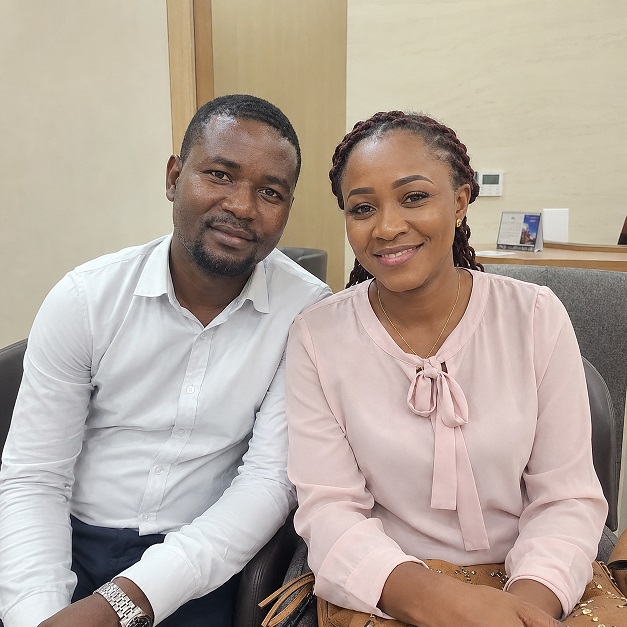
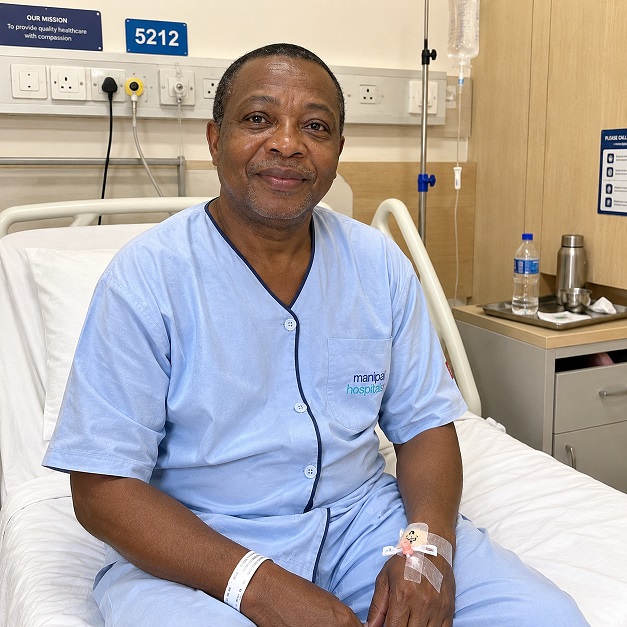
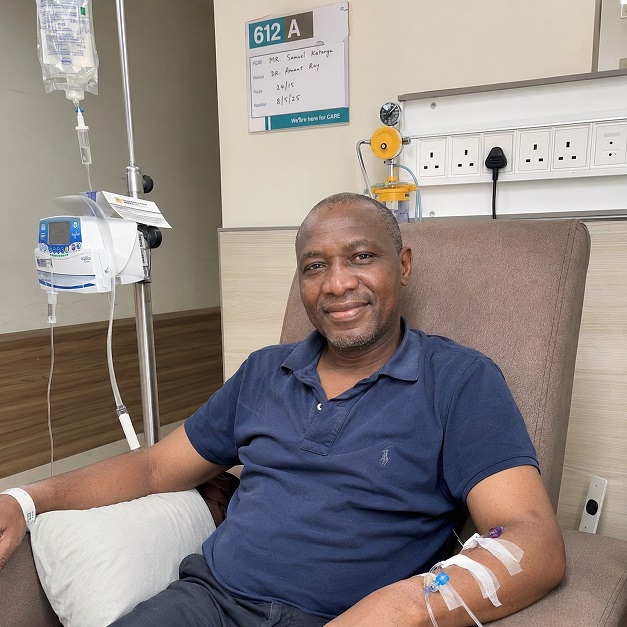
Patient Testimonials from Congo
Ready to Take the First Step?
Share your medical reports with our healthcare managers today and receive a FREE CONSULTATION, a personalized treatment plan and complete support from your arrival to your recovery.
Get Your Free ConsultationAreas We Serve
At Indian Health Guru Consultants, we proudly assist patients from Congo and neighboring countries across Central, East and Southern Africa who travel to India for advanced medical treatment. Our experienced international patient team provides end-to-end support, including medical opinions, hospital selection, Medical Visa assistance, travel planning, accommodation, interpreter services and post-treatment follow-up.
We regularly serve patients from:
- Gabon
- Cameroon
- Angola
- Uganda
- Rwanda
- Burundi
- Tanzania
- Zambia
- Djibouti
- Comoros
- Madagascar
- Seychelles
- South Sudan
- Central African Republic
- Republic of the Congo
- Democratic Republic of the Congo
No matter where you are located in the region, Indian Health Guru Consultants is committed to making your medical journey to India safe, affordable, seamless and completely patient-focused.
From Congo to India: Your Complete Patient Guide
- Brain Tumor Surgery in India for Congolese Patients
- Best Brain Tumour Surgeons & Hospitals in India for Congo Patients
- Knee Replacement in India for Congolese Patients
- Best Knee Replacement Surgeons & Hospitals in India for Congolese Patients
- Spine Surgery in India for Congolese Patients
- Best Spine Surgeons & Hospitals in India for Congolese Patients
- Liver Transplant in India for Congolese Patients: Cost & Guide
- Best Liver Transplant Centres and Hospitals in India for Congolese Patients
- Cardiac Surgery in India for Congolese Patients: Cost & Guide
- Best Cardiac Surgeons & Hospitals in India for Congolese Patients
- Bone Marrow Transplant in India for Congolese Patients: Cost & Guide
- Best Bone Marrow Transplant Centres and Hospitals in India for Congolese Patients
- Prostate Cancer Treatment in India for Congolese Patients: Cost & Guide
- Best Prostate Cancer Centres and Hospitals in India for Congolese Patients
- HIPEC in India for Congolese Patients: Cost & Treatment Guide
- Best HIPEC Centres and Hospitals in India for Congolese Patients
- Kidney Transplant in India for Congolese Patients: Cost & Guide
- Best Kidney Transplant Centres and Hospitals in India for Congolese Patients